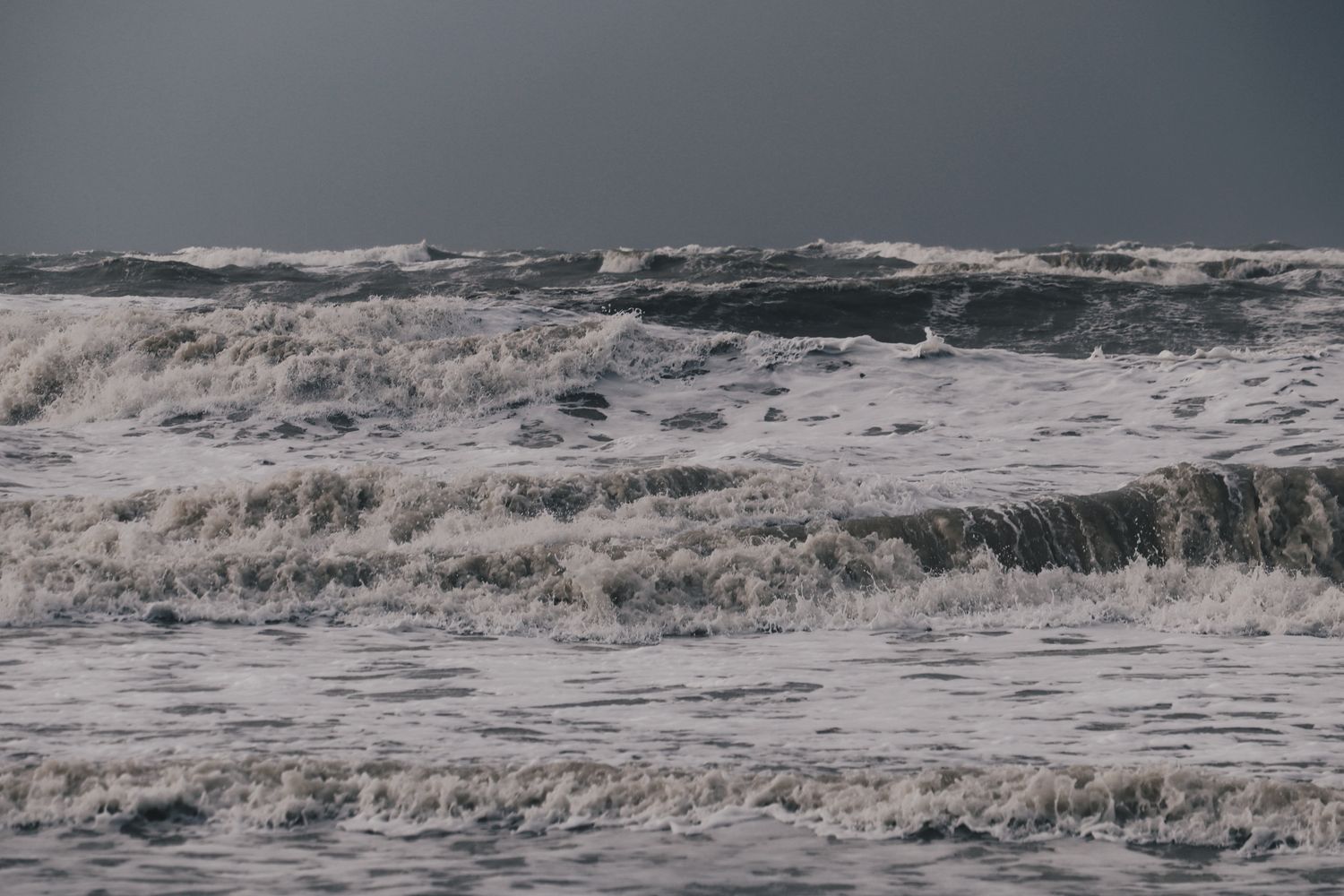
1945년 12월 5일 오후 2시 10분, 플로리다 포트로더데일 해군기지에서 뜬 다섯 대의 TBM 어벤저 폭격기가 무전으로 이상한 말을 남겼다. 편대장 찰스 테일러 중위가 “나침반이 이상하다, 여기가 어디인지 모르겠다”고 반복해서 말한 것이다. 관제탑은 침착하게 방향을 잡아주려 했지만, 오후 7시 무렵 교신이 완전히 끊겼다. 14명의 승무원과 다섯 대의 항공기가 흔적도 없이 사라졌다. 더 기막힌 건 이들을 찾으러 출동한 구조기 PBM 마리너 한 대마저 이륙 직후 실종됐다는 사실이다. 이 사건, 플라이트 19 실종 사건이 바로 버뮤다 삼각지대라는 이름을 세상에 각인시킨 결정적 계기였다.
외계인의 기지가 숨어 있다는 소문부터 시공간이 뒤틀린다는 얘기까지, 이 바다를 둘러싼 상상은 끝이 없었다. 그런데 이 지역에서 벌어진 실종 사건들을 하나씩 파헤쳐보면, 초자연적인 힘보다는 지질학, 기상학, 그리고 인간의 실수가 복합적으로 얽혀 있는 경우가 훨씬 많다는 걸 알게 된다.
USS 사이클롭스호, 미 해군 역사상 최대의 미스터리
플라이트 19보다 27년 앞선 1918년 3월, 미 해군 보급함 USS 사이클롭스호가 바베이도스를 떠나 버지니아로 향하던 중 감쪽같이 사라졌다. 승선 인원은 309명, 조난 신호 한 번 보내지 못한 채였다. 이 사건은 지금까지도 미 해군 역사상 전투와 무관한 인명 손실 중 가장 큰 규모로 남아 있다. 당시 이 배는 망간 광석을 가득 싣고 있었는데, 무게 중심이 흔들리면서 갑자기 전복됐을 가능성이 오랫동안 유력한 가설로 거론됐다. 실제로 사이클롭스호와 같은 설계의 자매함 두 척도 훗날 비슷한 항로에서 실종된 적이 있어서, 이 배 자체의 구조적 결함을 의심하는 목소리도 있었다.
나침반이 가리키는 방향, 진짜 문제는 여기 있었을지도
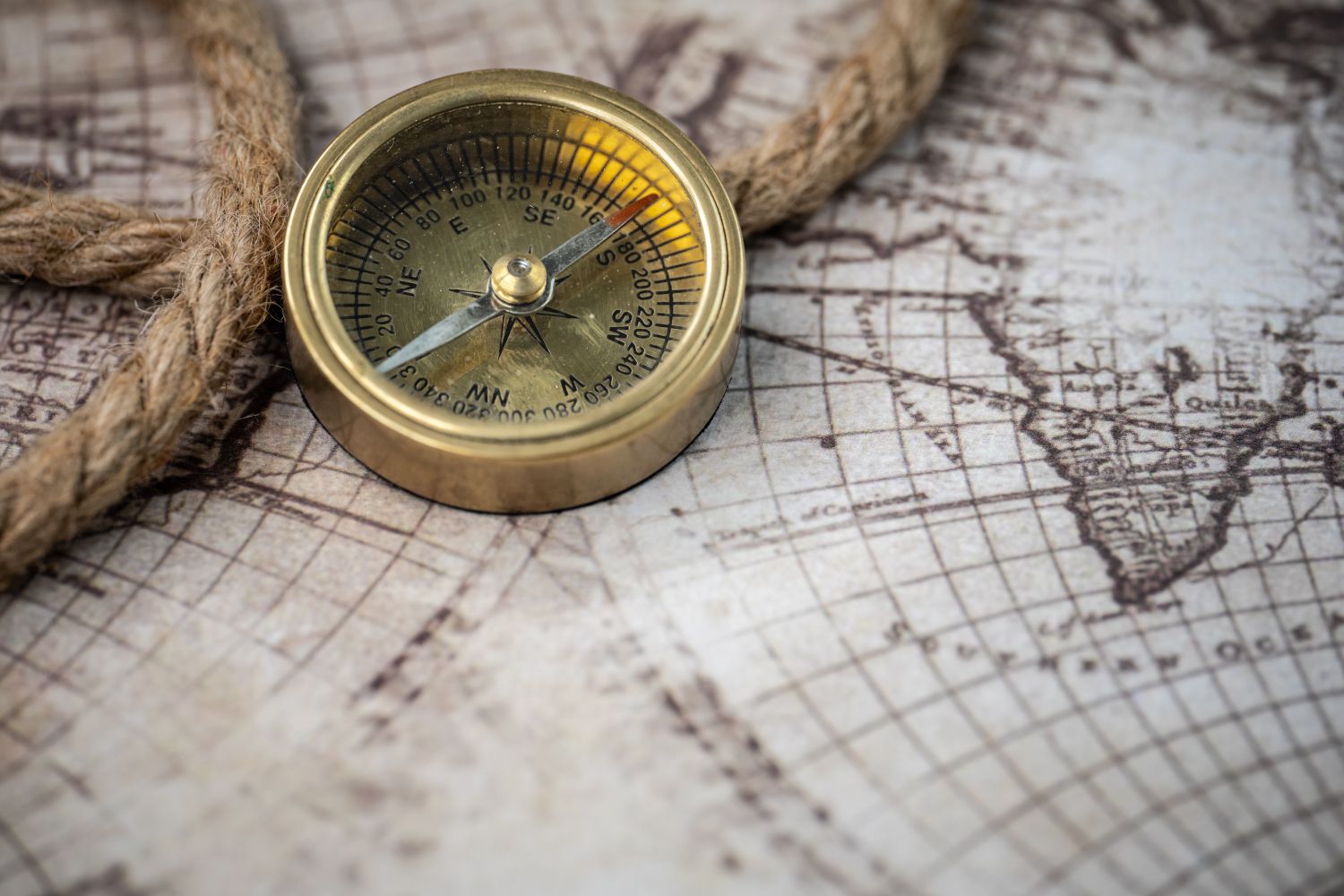
플라이트 19 사건에서 유독 눈에 띄는 대목이 있다. 테일러 중위가 계속 “나침반이 이상하다”고 말했다는 점이다. 그런데 이 현상, 사실 버뮤다 삼각지대의 지리적 특성과 관련이 있을 수 있다. 이 지역은 지구상에서 자북(자기 나침반이 가리키는 북쪽)과 진북(실제 지리적 북쪽)이 거의 일치하는 몇 안 되는 구역, 이른바 무편각선에 걸쳐 있다. 다른 지역에서는 이 편차를 감안해서 나침반 값을 보정해야 하는데, 이 구역에서는 보정이 필요 없다는 사실 자체를 모르는 조종사가 오히려 불필요한 보정을 넣었다가 항로를 완전히 잘못 잡는 경우가 생길 수 있다는 것이다. 실제로 항공 사고 조사 기록을 보면 테일러 중위는 이 항로에 익숙하지 않았고, 무전 내용을 보면 자신이 플로리다 동쪽 어디쯤에 있는지조차 혼란스러워했던 정황이 드러난다. 초자연적 힘이 나침반을 흔든 게 아니라, 방향 감각을 잃은 조종사의 판단 착오가 겹쳤을 가능성이 상당히 높다는 뜻이다.
멕시코만류, 증거를 지워버리는 강력한 해류
버뮤다 삼각지대를 관통하는 멕시코만류는 시속 6~7km에 달하는 강한 해류다. 사람이 전력으로 수영하는 속도와 맞먹는 이 흐름이 표류하는 잔해나 구명정을 하루 만에 백 킬로미터 넘게 밀어낼 수 있는 힘을 가지고 있다는 뜻이다. 사고가 나고 몇 시간만 지나도 수색대가 도착했을 즈음엔 잔해가 이미 다른 해역으로 흘러가 버린 경우가 많았다. 증거가 남지 않으니 사건의 전말을 파악하기가 그만큼 어려워졌고, 이런 정보 공백이 미스터리한 서사를 키우는 토양이 됐다. 여기에 이 해역 특유의 돌발적인 열대성 폭풍과 급변하는 날씨까지 겹치면, 멀쩡히 항해하던 선박이나 항공기가 순식간에 통제 불능 상태에 빠지는 일도 드물지 않았다.
메탄 하이드레이트, 배를 통째로 삼키는 가스층
1998년 국제 심해굴착계획(ODP)에 참여한 과학자들이 버뮤다 인근 해저를 조사하다가 흥미로운 걸 발견했다. 저온·고압 상태에서 메탄가스가 물과 결합해 얼음처럼 굳어진 메탄 하이드레이트 층이 이 해역 해저에 광범위하게 분포해 있었던 것이다. 이론상 지각 변동이나 온도 변화로 이 층이 불안정해지면, 엄청난 양의 메탄가스 거품이 한꺼번에 솟구쳐 올라 바닷물의 밀도를 급격히 낮출 수 있다. 물의 밀도가 떨어지면 배는 부력을 잃고 순식간에 가라앉을 수 있다는 게 이 가설의 핵심이다. 실제로 한 방송사의 과학 다큐멘터리 제작진이 실험 수조에 축소 모형 배를 띄워놓고 바닥에서 가스를 뿜어내는 실험을 진행한 적이 있는데, 작은 규모에서는 모형 배가 실제로 가라앉는 모습을 확인했다. 다만 이 결과를 실제 바다, 실제 크기의 선박에 그대로 적용하려면 훨씬 더 광범위하고 강력한 가스 분출이 동시다발적으로 일어나야 한다는 한계도 함께 지적됐다. 항공기의 경우엔 대기 중으로 퍼진 메탄가스가 엔진에 유입되면서 화재나 출력 이상을 일으킬 수 있다는 주장도 함께 나왔다. 얼핏 완벽한 퍼즐처럼 보이지만, 치명적인 약점이 있다. 이 가설을 실제 해상 사고와 직접 연결지어 증명한 관측 사례는 아직까지 없다는 점이다. 메탄 하이드레이트 층은 버뮤다 인근 말고도 전 세계 여러 해역에 존재하는데, 유독 이곳에서만 실종 사건이 몰려 있다고 보기엔 근거가 부족하다는 반박도 만만치 않다.
그런데, 이 사고들이 정말 통계적으로 많았을까
지금까지 짚은 자연적 요인과 인적 과실만으로도 개별 사건들은 어느 정도 설명이 된다. 그런데 정작 더 근본적인 질문이 남아 있다. 이 해역에서 벌어진 사고 건수 자체가 통계적으로 유독 많았던 걸까. 1975년 미국 도서관 사서 출신 작가 로렌스 데이비드 쿠시가 이 질문에 답하기 위해 버뮤다 삼각지대에서 벌어졌다고 알려진 사건들을 하나하나 원문 기록까지 뒤져가며 재조사했다. 결과는 예상 밖이었다. 상당수 사건이 애초에 삼각지대 구역 밖에서 벌어졌거나, 과장되거나 잘못 인용된 채로 여러 매체를 거치며 살이 붙어 있었다는 게 드러났다. 심지어 유령선의 대명사처럼 불리는 메리 셀레스트호조차, 실제로는 버뮤다 삼각지대와 한참 떨어진 대서양 아조레스 제도 인근에서 발견된 배였다. 미국 해안경비대와 로이즈 오브 런던(보험업계에서 해상 사고 통계를 오래 축적해온 기관)도 이 해역의 사고 발생률이 다른 교통량 많은 해역과 비교해 통계적으로 유의미하게 높지 않다는 입장을 여러 차례 밝힌 바 있다. 결국 숫자로만 보면, 버뮤다 삼각지대는 소문만큼 위험한 바다는 아니라는 뜻이다.
그렇다면 미스터리는 어떻게 만들어졌나
과학적 반박이 이렇게 쌓여 있는데도 이 지역이 여전히 미스터리의 대명사로 남아 있는 이유는 따로 있다. 1964년 작가 빈센트 개디스가 한 잡지 기고문에서 처음으로 “버뮤다 삼각지대”라는 이름을 붙였고, 몇 년 뒤 찰스 벌리츠가 쓴 베스트셀러가 여기에 불을 지폈다. 파편적인 사건들을 한데 묶어 하나의 거대한 미스터리로 포장하는 서사 방식이 대중의 호기심을 강하게 자극했던 셈이다. 실종 사건 자체는 실제로 일어난 비극이지만, 그 원인을 하나의 초자연적 설명으로 뭉뚱그리기보다는 지질학적, 기상학적, 인적 요인이 겹겹이 쌓인 결과로 보는 편이 지금까지 나온 증거에 훨씬 가깝다.
자주 묻는 질문
Q. 버뮤다 삼각지대는 정확히 어디를 가리키나요? 일반적으로 플로리다 마이애미, 버뮤다섬, 푸에르토리코 세 지점을 꼭짓점으로 잇는 대서양 서부 해역을 가리킨다. 다만 이 경계는 공식적으로 정해진 것이 아니라 여러 저자와 매체가 조금씩 다르게 설정해온 개념적 구역에 가깝다.
Q. 지금도 이 지역에서 실종 사건이 자주 일어나나요? 항공기와 선박의 항법 기술이 크게 발전한 지금은 과거처럼 통신 두절이나 항로 이탈로 인한 실종 사례가 확연히 줄었다. 최근 수십 년간 이 해역에서 특별히 실종 사건이 몰려서 발생했다는 공식 통계는 확인되지 않는다.
Q. 메탄 하이드레이트 가설은 완전히 틀린 이야기인가요? 완전히 틀렸다고 단정하기는 어렵다. 이론적 메커니즘 자체는 지질학적으로 가능성이 있다고 평가받지만, 실제 침몰이나 추락 사건과 직접 연결지을 만한 대규모 실험적 증거나 관측 기록은 아직 확보되지 않았다. 그래서 여러 가설 중 하나로 남아 있는 상태다.
지난 주말, 마트 밤 코너 앞에서 한참을 서 있었다. 한 봉지에 8천 원짜리 알이 굵은 국산 밤과 5천 원짜리 자잘한 수입 밤 사이에서 고민하다가, 결국 옆에 서 있던 아주머니가 “이거 껍질 깔 때 손 아플 각오해야 돼요”라고 툭 던진 한마디에 웃음이 터졌다. 손바닥 안에 꽉 차는 공주밤 몇 알을 집어 들며 든 생각은 딱 하나, 이 정도 크기면 껍질 벗기는 수고쯤은 감수할 만하다는 것이었다. 맞다, 밤 요리는 언제나 그 첫 관문이 문제다. 딱딱한 겉껍질과 떫은 속껍질(보늬)을 벗기는 그 지난한 과정을 넘어서야 비로소 달콤한 결과물을 만날 수 있다. 그런데도 해마다 9월 말에서 10월 초, 딱 이맘때가 되면 다들 약속이나 한 듯 밤 요리를 시작한다. 상강(霜降)을 코앞에 두고 알이 가장 통통하게 여무는, 일 년 중 딱 이 몇 주만 누릴 수 있는 계절감 때문이다.
이번 글에서는 가을이면 한 번쯤 만들어보고 싶어지는 밤 요리 네 가지, 밤조림(보늬밤), 마롱글라세, 밤티라미수, 그리고 의외로 손이 덜 가는 밤조청까지 정리했다. 남들과 똑같은 레시피를 그대로 옮겨 적기보다는, 직접 만들어보면서 걸려 넘어졌던 지점과 시간을 아낄 수 있었던 요령 위주로 풀어본다.
본격 레시피 전에, 밤 손질부터 몰아서 끝내기
보늬밤이든 티라미수든 조청이든, 결국 시작은 똑같이 밤 껍질을 벗기고 삶는 일이다. 그런데 이 손질 과정을 요리마다 따로 하면 시간이 세 배로 든다는 걸 뒤늦게 깨달았다. 그래서 요즘은 밤 요리를 여러 가지 만들 계획이 서면 겉껍질만 벗긴 밤을 한꺼번에 큰 냄비에 삶아둔다. 이렇게 미리 삶아둔 밤을 일부는 조림으로, 일부는 으깨서 티라미수 크림으로, 나머지는 조청 재료로 나눠 쓰면 손질에 들이는 시간이 확 줄어든다.
속껍질이 안 벗겨져서 애먹는 경우가 많은데, 겉껍질을 벗긴 밤을 뜨거운 물에 10분 정도 담가두면 껍질이 살짝 불면서 한결 수월해진다. 여기에 베이킹소다를 한 스푼 풀어두면 효과가 더 좋다. 그래도 끝까지 안 벗겨지는 부분이 있다면 억지로 다 긁어내려 하지 말고, 뒤이어 졸이거나 삶는 과정에서 자연스럽게 부드러워지도록 두는 편이 밤 모양을 덜 망가뜨린다.
밤조림(보늬밤), 왜 다들 럼주를 넣으라고 할까
보늬밤 레시피를 검색하면 열에 아홉은 럼주 한두 큰술을 넣으라고 한다. 술을 못 마시는 사람이라면 “이거 꼭 넣어야 하나” 싶을 텐데, 사실 럼주는 향을 잡아주는 동시에 떫은맛을 눌러주는 역할을 한다. 밤 속껍질에는 타닌 성분이 많은데, 이게 남아 있으면 마치 떫은 감을 한 입 베어 물었을 때처럼, 혹은 오래 우린 홍차를 진하게 마셨을 때처럼 입안 전체를 조이는 듯한 뒷맛이 남는다. 럼주의 알코올 성분이 이 잡내를 상당 부분 날려준다. 굳이 럼주가 없다면 브랜디나 청주로도 대체가 가능하다. 물론 아이가 먹을 거라면 술 없이 베이킹소다와 여러 번의 물갈이만으로도 충분히 만들 수 있다.
기본 비율은 손질한 밤 400g 기준 설탕 200~240g, 베이킹소다 1큰술, 양조간장 1큰술 정도다. 설탕 양이 많다고 느껴질 수 있는데, 실제로 졸이는 과정에서 상당량이 시럽으로 빠져나가기 때문에 완성된 밤 자체는 생각보다 덜 달다. 겉껍질만 벗긴 밤을 베이킹소다 넣은 물에 하룻밤 담가두면 속껍질이 한결 부드러워져서, 이쑤시개나 칼끝으로 실핏줄 같은 섬유질을 긁어내기가 훨씬 수월해진다. 이 밑작업을 건너뛰고 바로 졸이기 시작하면 밤이 부서지거나 떫은맛이 그대로 남는 경우가 많다.
약불에서 최소 세 번은 물을 갈아가며 끓여야 떫은맛이 빠진다고들 하는데, 실제로 한 번만 끓이고 졸인 밤을 먹어본 적이 있다. 결과는, 첫 입은 달았지만 뒷맛이 씁쓸했다. 번거롭더라도 이 과정만큼은 생략하지 않는 편이 낫다.
마롱글라세, 사실 보늬밤이랑 뭐가 다른가
보늬밤을 몇 번 만들다 보면 자연스럽게 “이거 마롱글라세랑 뭐가 다르지” 하는 궁금증이 생긴다. 색깔도 비슷하고 달콤한 시럽에 조려낸다는 점도 같으니 헷갈릴 만하다. 결론부터 말하면 마롱글라세(marrons glacés)는 프랑스식 밤 설탕 절임이고, 보늬밤은 한국식으로 재해석된 사촌 격이다. 마롱글라세는 밤을 시럽에 여러 날에 걸쳐 반복적으로 담갔다 건졌다 하면서 당도를 서서히 밤 조직 안까지 침투시킨 뒤, 마지막에 광택 나는 슈거 코팅을 입힌다. 이 과정이 짧게는 사흘, 길게는 일주일 가까이 걸리기 때문에 프랑스 정통 방식으로 만들면 손이 많이 간다.
가정에서 간편하게 흉내 내려면 보늬밤을 만든 뒤, 밤을 건져 시럽을 계속 졸여 농도를 진하게 만들고 그 위에 다시 밤을 담가 겉면에 얇은 설탕막이 생기게 하는 방식을 쓴다. 완벽한 마롱글라세는 아니지만 선물용으로 포장했을 때 손색없는 결과물이 나온다. 실제로 이 방식으로 만들어 지인에게 선물했더니 “이거 백화점에서 산 거 아니냐”는 말을 들은 적이 있는데, 그 정도로 겉모습만큼은 그럴싸하다.
밤티라미수, 의외로 실패율이 낮은 이유
티라미수라고 하면 마스카포네 치즈나 에스프레소 시럽에 적신 레이디핑거 때문에 손이 많이 가는 디저트라고 생각하기 쉽다. 그런데 밤티라미수는 그 공식을 조금 다르게 푼다. 커스터드 크림 대신 밤조림을 으깨거나 밤 페이스트를 만들어 크림치즈, 생크림과 섞으면 별도의 커스터드를 끓이지 않아도 되기 때문에 오히려 일반 티라미수보다 실패 확률이 낮다.
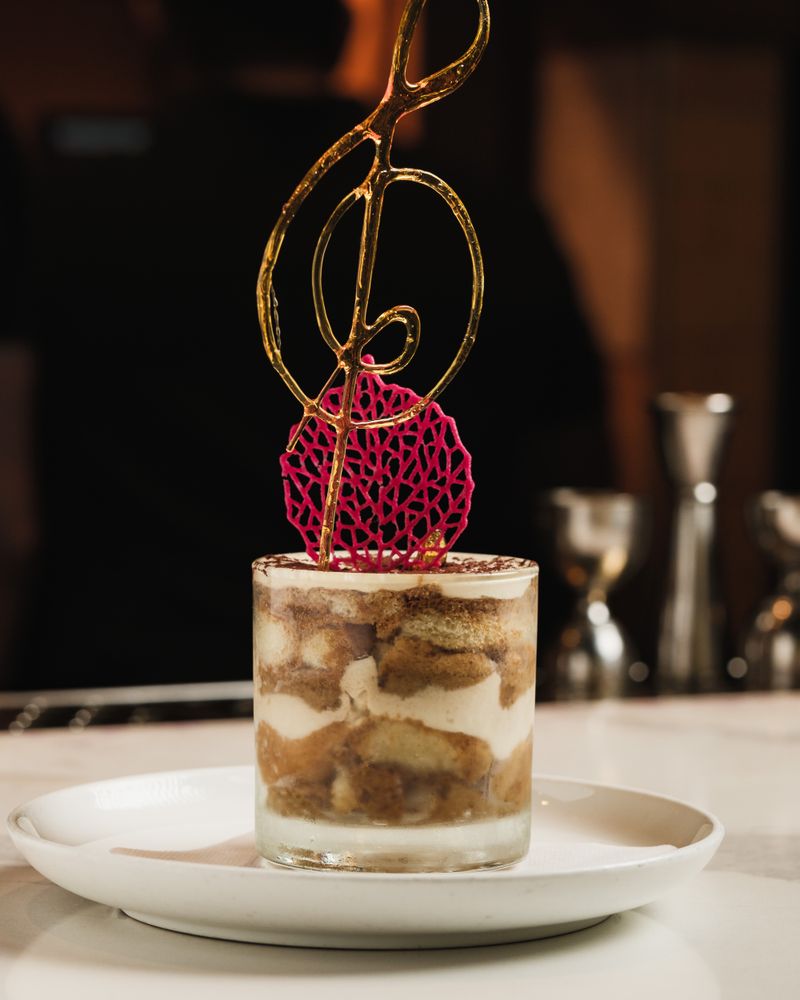
기본 구성은 이렇다. 밤조림(또는 삶은 밤) 200g을 곱게 으깨 크림치즈 200g, 생크림 200ml, 설탕 30g과 섞어 밤크림을 만든다. 카스텔라나 시판 핑거 비스킷을 럼주 섞은 홍차나 에스프레소에 살짝 적셔 층층이 쌓고, 그 사이사이 밤크림을 발라준다. 마지막 층 위에는 코코아파우더 대신 으깬 밤 조각이나 밤조림 시럽을 살짝 뿌려 마무리하면, 코코아의 쌉쌀함 대신 밤 특유의 은근한 단맛이 도드라진다. 냉장고에서 최소 세 시간, 가능하면 하룻밤을 재워야 비스킷에 크림이 스며들어 층이 자연스럽게 무너지듯 어우러진다. 급한 마음에 한 시간만 넣어뒀다가 잘라본 적이 있는데, 비스킷이 아직 뻣뻣해서 씹는 식감이 따로 놀았다.
번거로움을 확 줄이는 밤조청
앞의 세 가지가 손이 많이 가는 레시피라면, 밤조청은 상대적으로 마음 편하게 도전할 수 있다. 전통 방식대로 엿기름을 발효시켜 만들려면 하루 이상 걸리지만, 시판 조청이나 물엿에 삶은 밤 과육을 갈아 넣고 졸이는 간편 버전이면 30분 안에도 끝난다. 대략적인 비율은 조청 한 컵에 곱게 으깬 밤 반 컵 정도인데, 여기에 물을 두세 큰술 섞어 되직한 죽처럼 만든 뒤 눌어붙지 않게 계속 저어가며 졸이면 된다.
이렇게 만든 밤조청을 밥 지을 때 한 숟갈 넣어봤는데, 밥알에 은은한 갈색빛이 돌면서 윤기가 확 살아나고 씹었을 때 살짝 쫀득한 느낌이 더해졌다. 갈비찜이나 잡채 양념에 설탕 대신 넣으면 단맛의 결이 훨씬 부드러워지고, 요리 전체에 구수한 밤 향이 은은하게 배어든다.
다 만들고 나서, 보관과 마무리
완성된 밤조림은 소독한 유리병에 담아 냉장 보관하면 2주 가까이 두고 먹을 수 있다. 냉동 보관도 가능한데, 해동 후 식감이 약간 물러지는 점은 감안해야 한다. 마롱글라세는 설탕 코팅 덕분에 상온에서도 며칠은 버티지만, 습한 곳에 두면 설탕막이 녹아버리니 밀폐 용기에 넣어 서늘한 곳에 두는 편이 안전하다. 밤티라미수는 크림이 들어가는 만큼 냉장 보관 3일 안에 먹는 걸 추천하고, 밤조청은 밀폐 용기에 담아 서늘한 곳에 두면 몇 달도 거뜬하다.
자주 묻는 질문
Q. 밤 속껍질이 도저히 안 벗겨지는데 방법이 없을까요? 겉껍질을 벗긴 밤을 뜨거운 물에 10분 정도 담가두면 속껍질이 살짝 불면서 한결 수월해진다. 여기에 베이킹소다를 한 스푼 풀어두면 효과가 더 좋다. 그래도 안 벗겨지는 부분은 억지로 다 벗기려 하지 말고, 졸이는 과정에서 자연스럽게 부드러워지도록 두는 편이 밤 모양을 덜 망가뜨린다.
Q. 아이와 함께 먹을 건데 럼주를 꼭 넣어야 하나요? 필수는 아니다. 알코올이 완전히 날아간다고는 하지만 오래 졸이지 않는 레시피라면 극소량이 남을 수 있으니, 아이용으로는 럼주를 빼고 대신 물엿과 간장 비율을 살짝 조정해 단맛과 감칠맛을 보완하는 편이 낫다.
Q. 밤티라미수를 만들었는데 크림이 너무 묽어요. 어떻게 해야 하나요? 생크림을 충분히 휘핑하지 않았거나 밤 페이스트에 수분이 많이 남아있을 때 이런 현상이 생긴다. 생크림은 뿔이 살짝 설 때까지 단단하게 휘핑하고, 삶은 밤을 으깰 때 키친타월로 물기를 한 번 눌러 제거한 뒤 섞으면 훨씬 안정적인 농도가 나온다.
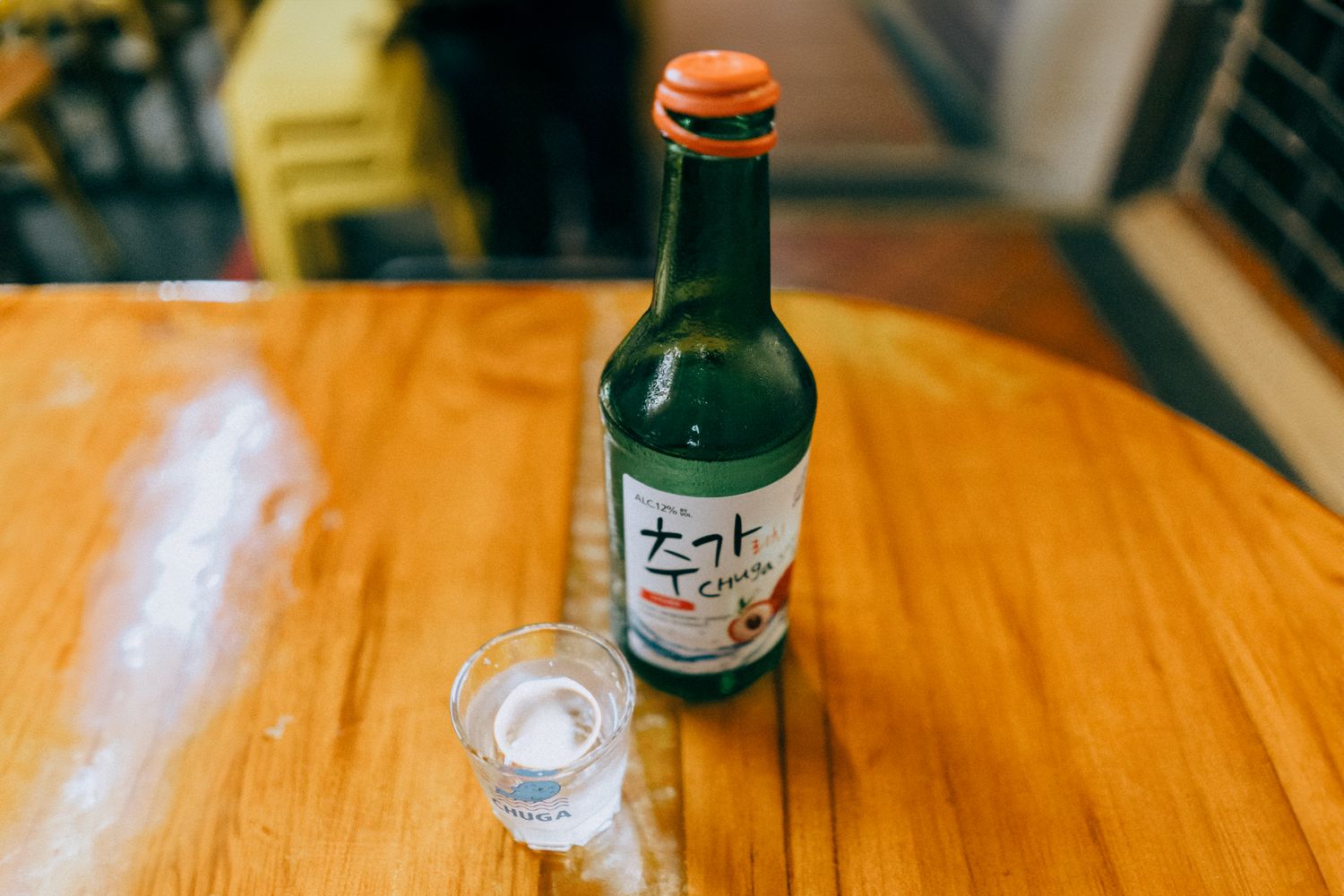
The first time someone at a Korean dinner table quietly took the soju bottle out of my hand, I genuinely thought I’d done something wrong with the bottle itself — like maybe I was holding it at an insulting angle or something. I hadn’t. I’d just reached for my own empty glass and started pouring, the way I’d done at every bar back home for my entire adult life. Within about two seconds, a hand appeared, gently redirected the bottle, and refilled my glass for me instead. Nobody said a word about it. That’s Korea’s drinking etiquette in a nutshell: the rules are everywhere, and almost nobody explains them out loud until you’ve already broken one.
So, Is It Actually Rude?
Pouring your own drink at a shared Korean table is generally considered a little rude, or at least a little awkward, and most people will step in to stop you before you finish the pour — that’s the honest, unromantic version of the answer. You’d think this is one of those “old people rules” that younger Koreans have quietly dropped, but here’s the thing — it’s actually held up remarkably well even at casual bars in Hongdae packed with twenty-somethings who couldn’t tell you the historical origin of the custom if you asked. The mechanics are simple: you fill other people’s glasses, and they fill yours. Nobody’s glass empties and stays empty, because everyone at the table is unofficially watching everyone else’s cup level. It sounds exhausting to track, and honestly, at first it is, but it becomes second nature faster than you’d expect — somewhere around your third or fourth dinner, your peripheral vision just starts doing it without you.
The Two-Handed Part Trips Up Almost Everyone
Once you’ve absorbed the “don’t pour your own” rule, there’s a second layer that catches most newcomers off guard: how you pour and receive matters almost as much as whether you do it. Picture it like this — when you’re pouring for someone older or more senior, a boss, a professor, someone’s parent, you hold the bottle with your right hand while your left hand lightly rests against your right forearm or elbow, almost like you’re bracing the gesture. It looks formal, borderline ceremonial, like something out of a royal court scene, but it’s really just a dressed-up way of saying “I’m giving you my full attention right now.” Receiving works the same way, both hands cradling the glass. Between close friends who are roughly the same age, people relax into one-handed pours without anyone blinking. I’ll admit I overcorrected for months, doing the full two-handed routine with literally everyone, including a guy my own age I’d met twenty minutes earlier. Nobody was offended by that — over-politeness is a pretty safe direction to err in — but it did get a few amused looks, the kind that say “relax, we’re not that formal.”
Why This Isn’t Just a Random Custom
It would be easy to file this under “quirky foreign rule” and move on, but the logic behind it is worth sitting with for a second. Pouring for someone else is a small, repeated act of attention — it says I see that your glass is empty, and I noticed. Do that a dozen times over a two-hour dinner and you’ve built something: a rhythm of mutual care that doesn’t require anyone to say a single sentimental word about it. Pouring your own drink skips that entirely. You’re not rude in the sense of insulting someone directly, but you are, in a quiet way, opting out of the social loop everyone else is participating in.
This connects to something bigger that took me a while to name properly: nunchi, roughly translated as social awareness or “reading the room,” except that translation undersells it. Nunchi isn’t just noticing things — it’s noticing things fast enough to act on them before anyone has to ask. A full glass is a tiny test of nunchi. Did you catch it? Did you act before being asked? Pouring etiquette is really just nunchi with a bottle in your hand, which is why it’s less about “strict rules” and more about not being the one person at the table who isn’t paying attention.
Where the Rule Actually Bends
Here’s where a lot of the English-language articles on this topic get a little too tidy about it, because in real life the rule has exceptions, and they matter. If you’re drinking alone, which is completely normal in Korea, by the way, whole restaurants are built around solo diners with a bottle of makgeolli and a single bowl, nobody expects you to wait for a phantom pourer. Pour away, no judgment, no audience.
Among very close friends in a totally casual setting, people also loosen up considerably. You’ll see friends top off their own glass mid-conversation without anyone reacting, especially later in the night when everyone’s stopped tracking formalities quite so closely. And the setting genuinely changes the vibe — a quiet rooftop bar tucked into a Yeonnam-dong side street, the kind with mood lighting and vinyl records, plays by looser rules than a loud, fluorescent-lit hoegwan packed with a company’s entire team on a Friday night hoesik, second round already underway. Read the room first; the room will tell you which version of the rule applies.
So the honest version of the advice isn’t “never, ever pour your own drink in Korea.” It’s “don’t do it at a formal table, with people older than you, or with new acquaintances, until you’ve watched how the room behaves for the first ten minutes.”
You’d also think this custom would be strictly one-directional, junior pours for senior, and that’s that, but it’s genuinely reciprocal. The senior person or the host pours too, often first, as a gesture that sets the tone for the table. I’ve had company directors personally fill my glass at a work dinner, which felt backwards to me at first given every hierarchy instinct I had, until I realized the pouring itself isn’t about rank. It’s about attentiveness, and attentiveness flows in both directions.
What Actually Happens If You Slip Up
Nobody’s calling the etiquette police, and the building does not shake. The most common reaction is exactly what happened to me on night one: someone quietly, almost reflexively, takes over the pour without comment. Occasionally you’ll get a small laugh and an “oh, you didn’t know?” kind of remark, more amused than annoyed. The real risk isn’t offending anyone in the moment — it’s that repeated small misses like this can, over months, make you read as someone who isn’t picking up on the room, which matters more at a work dinner than at a casual gathering with friends. So it’s less “you broke a sacred rule” and more “you missed a beat everyone else was keeping time to.”
A Few Related Habits Worth Knowing While You’re At It
Since you’re already learning the pouring rule, a couple of adjacent habits tend to come up in the same breath. When you’re the youngest or most junior person clinking glasses with someone senior, it’s polite to angle your glass slightly lower than theirs during the toast, a small physical gesture of deference that costs nothing and is noticed instantly if you skip it. And when drinking in front of an elder, many people turn their head slightly away and cover their mouth or glass with their free hand while taking the sip, though this one has relaxed a lot among younger Koreans and isn’t treated nearly as strictly as the pouring rule.
My Own Adjustment Period
I won’t pretend I picked all of this up gracefully. For a good stretch after moving here, I was the guy visibly hesitating before every pour, doing a quick mental calculation of who’s older, who’s more senior, whether we’d met before, and whether my glass was even empty enough to justify someone refilling it. It’s a lot of simultaneous math for something that looks, from the outside, like people are just casually drinking. What eventually clicked for me wasn’t memorizing a rulebook, it was realizing the whole system is really just structured attentiveness dressed up as etiquette. Once I started actually watching other people’s glasses instead of worrying about my own performance, the “rules” mostly took care of themselves. Which, if I’m honest, is probably true of a lot of etiquette everywhere, Korea included, it just gets named and pointed out here more explicitly, because people expect visitors to eventually notice.
The Bigger Picture
None of this exists in isolation. Korean drinking culture as a whole runs on a similar logic of mutual obligation. Rounds move through multiple venues in a single night, called cha, as in il-cha, ee-cha, sam-cha, first round, second round, third round, sometimes stretching past midnight. The person who invited you often pays for the first round with an unspoken expectation that someone else covers a later one, and refusing a drink outright from someone senior can feel more pointed than just sipping and setting the glass down. Pouring is just the most visible, most immediate version of a much larger web of small courtesies. Get that one thing right and you’re already reading the room better than a lot of people manage on their first few nights out.
FAQ
A few questions that come up constantly once people hear the general “don’t pour your own drink” rule and start wondering about their own specific situation:
What if I don’t drink alcohol at all — do I still need to worry about this?
Yes, actually, and it comes up more than you’d expect. If you’re at a table with soju or beer but drinking soda or tea instead, the same pouring etiquette generally applies to whatever’s in your glass — someone will likely offer to pour your non-alcoholic drink too, and it’s polite to let them, then return the gesture with their bottle. Saying “I don’t drink” clearly and early is completely accepted in Korea now, especially among younger people, and nobody will push a glass on you repeatedly once you’ve said so.
Is it different if I’m the one hosting or paying for dinner?
A little, yes. As the host, you’re actually expected to pour for your guests fairly proactively, especially at the start of the meal, rather than waiting for them to notice their glass is empty. It’s one of the few situations where pouring flows more from status than from age — the host sets the tone, and guests reciprocate as the night goes on.
What if I’m at a casual work dinner and my boss keeps refilling my glass — can I say no?
You can, and increasingly people do, especially with the recent cultural shift away from heavy-drinking hoesik culture. The graceful way to decline is to keep your glass slightly full so there’s technically nothing to top off, or to place your hand lightly over the glass while thanking them. It reads as polite moderation, not as an insult, and most bosses these days genuinely won’t push back.
Before I moved to Korea, I was the kind of person who thought “culture shock” mostly meant chopsticks and bowing. I’d traveled a bit, I’d watched enough Korean dramas to feel dangerously overconfident, and I figured the actual day-to-day would just be a slightly spicier version of life anywhere else. It wasn’t. Not because Korea is wildly stranger than I expected, but because the things that actually trip you up here are almost never the things travel blogs warn you about. Nobody mentions the paperwork. Nobody mentions the specific flavor of loneliness that shows up around month four. So here’s the version of this post I wish someone had handed me before I packed a single box.
The Paperwork Is Its Own Boss Fight
You’d think, in one of the most digitally advanced countries on earth, that registering as a resident would be quick. It is not, and the irony of that is not lost on anyone who’s lived through it. Getting your Alien Registration Card, the ARC, is the first domino, and almost nothing works without it: no phone plan in your own name, no bank account without serious workarounds, no apartment lease, sometimes not even a gym membership. Depending on your visa type and which immigration office you’re assigned to, the wait between application and card-in-hand can run anywhere from a couple of weeks to well over a month, and if you land during a peak season, right around when university semesters start in March or September, when immigration offices are swamped with new students and workers, that timeline can stretch closer to six or eight weeks before you even get an appointment slot. Plan your first month in Korea around the assumption that you will be a financial and administrative ghost for a while, borrowing a friend’s Wi-Fi hotspot, paying cash for everything, using someone else’s Korean phone number to sign up for delivery apps. It’s manageable, but only if you expect it going in.
And once the ARC finally lands, there’s a second wave: opening a bank account, which increasingly requires proof of a Korean phone number, which itself often requires the bank account, in a genuinely circular bit of bureaucracy that every expat community group has a thread about. The workaround, usually, is going to a bank branch in person with your ARC and passport and just being patient with the process, sometimes over multiple visits. It sounds tedious because it is. But once it’s done, it’s done, and Korean banking apps afterward are honestly some of the smoothest I’ve used anywhere.
Grocery Shopping Will Humble You
This one sounds small until you’re standing in a Lotte Mart aisle at 9 p.m., hungry, holding a jar of something you cannot identify. Most packaging is in Korean, which, fair enough, it’s Korea, but it means your first few months of cooking involve a lot of guesswork, translation apps held up to labels, and the occasional dinner that turns out to be nothing like what you thought you bought. Produce is often sold in smaller, pricier units than a lot of Western shoppers are used to — a single perfect apple, individually wrapped in foam netting, sitting in the fruit aisle for the equivalent of three or four dollars, is a normal, if slightly startling, thing to see. Meanwhile some Korean staples, tofu, rice, most vegetables at the right season, are genuinely cheap. It balances out, but the balance takes getting used to.
After enough of these confused, overpriced trips to the mart, I basically gave up on in-person grocery shopping as my main strategy, and that’s where delivery and grocery apps like Coupang and Market Kurly are so good, so fast, that they quietly restructure how you shop entirely. Order before midnight, wake up to groceries at your door, no exaggeration. It sounds like a small convenience, but combined with a culture that already leans heavily on food delivery for everything from fried chicken to entire multi-course meals, it changes your whole relationship with cooking. I went from a semi-competent home cook to someone who orders in three nights a week, purely because the infrastructure makes it almost silly not to.
Small Apartments, Big Adjustments
You’d expect a housing adjustment moving anywhere new, but Korea has a few specifics that catch people off guard. Officetels and one-room apartments, the standard starter housing for a lot of foreigners, are compact in a way that reshapes how you live — no dryer is genuinely common, with drying racks doing the work instead, and floor heating, called ondol, replacing radiators entirely, which sounds charming until you realize you now sleep on the floor sometimes because that’s where the heat is. The deposit system, especially jeonse or its more common cousin wolse, a monthly-rent-plus-deposit hybrid, works nothing like Western leases. Even a modest one-room officetel on wolse can ask for a deposit in the range of five to ten million won upfront, refundable when you leave, but still a serious lump sum to have ready before you’ve even unpacked, and if nobody walks you through key money and deposit structures before you sign anything, you can end up agreeing to terms you don’t fully understand. Get a Korean-speaking friend, a real estate agent you trust, or at minimum a very thorough translation app involved before you sign a single lease document.
The Loneliness Curve Nobody Warns You About
This is the one I underestimated the most, and I think a lot of expats do. The first few weeks are novel and exciting, everything is new, every meal is an adventure. Then somewhere around the third or fourth month, the novelty wears off and what’s left is the actual work of building a life somewhere your language skills are still shaky and your social circle is still thin. It’s not dramatic, it’s just quiet, and it sneaks up on you between the exciting parts. Making Korean friends as an adult foreigner takes real, sustained effort, not because Koreans are unfriendly, they’re generally warm once a relationship actually forms, but because adult friendships in general take deliberate effort everywhere, and doing it across a language and culture gap multiplies the friction.
What helped me more than anything was finding a specific, recurring thing to show up for, a hobby class, a language exchange, a regular gym, a sport. Recurring contact beats one-off events every time, because friendship here, like most places, is built less on grand gestures and more on just being the familiar face who keeps showing up.
Your Korean Will Plateau, and That’s Normal
Nobody tells you that language learning here has a very specific plateau: you get functional fast, ordering food, taking taxis, basic small talk, and then progress slows to a crawl unless you deliberately push past comfortable daily-use Korean into actually studying grammar and vocabulary again. It’s genuinely frustrating to feel stuck at “good enough to survive” for a year or two. The people who break through tend to be the ones who structure real study time instead of assuming immersion alone will keep leveling them up, because past a certain point, it mostly doesn’t.
Work Culture Has Its Own Learning Curve
If you’re working for a Korean company rather than an international one, the hierarchy and communication style take real adjustment. Decisions often flow top-down, direct disagreement with a superior in front of a group is rare, and the workday can run longer than contracted hours as a matter of unspoken norm rather than explicit rule, though this has been genuinely shifting in recent years as younger workers push back on it. You’d think this would feel oppressive across the board, but in practice a lot of offices, especially ones used to hiring foreign staff, have adapted meaningfully. Still, walking in expecting Western-style flat hierarchy and open debate in every meeting is a fast way to feel confused about why your very reasonable suggestion just got quietly filed away instead of discussed.
The Reasons We All Stay Anyway
With all of that said, none of it explains why so many foreigners who land here for a year on a whim end up staying five, ten, sometimes indefinitely. Public transportation here is genuinely some of the best in the world, cheap, clean, and precise enough that you start planning your life around bus arrival times displayed to the minute. Safety is another one that’s hard to overstate until you’ve lived it: leaving a laptop at a café table to hold your seat while you order is a completely normal, low-risk thing to do, which felt almost reckless to me at first and now feels completely unremarkable. And the convenience infrastructure in general, twenty-four-hour everything, delivery to literally any address including random park benches, healthcare that’s both accessible and affordable, adds up to a quality of daily life that’s easy to take for granted once you’ve been here a while.
FAQ
How much savings should I have before moving to Korea without a job lined up?
There’s no single right number, but a common benchmark expats use is enough to cover three to six months of rent, food, and a housing deposit if you’re not going through a company-sponsored apartment. Given how deposit-heavy Korean leases can be, especially wolse setups requiring a lump sum upfront, budgeting for that deposit specifically, on top of ordinary living costs, prevents a nasty surprise in your first month.
Do I need to speak Korean before I arrive?
Not fluently, no, plenty of people get by initially on English, translation apps, and goodwill, especially in Seoul. But even basic survival Korean, numbers, directions, food terms, makes daily logistics dramatically smoother from day one, and starting to study before you land puts you ahead of the plateau problem mentioned above rather than starting from zero once you’re already juggling everything else about the move.
Is it hard to make Korean friends as a foreigner, or mostly other expats?
Both circles are realistic, but they form differently. Expat friendships often happen faster, through shared context and shared language. Korean friendships tend to build more slowly and through repeated, structured contact, a class, a team sport, a shared workplace, rather than casual bar meetups. Neither is better; most people end up with a mix of both once they’ve been here a year or two.
새벽 5시 40분, 서울역 플랫폼에 서서 커피 한 잔을 들고 있으면 다들 비슷한 표정을 짓는다. “이 시간에 여행 가는 게 맞나” 하는 반쯤 잠긴 눈빛. 그런데 KTX-이음이 청량리역을 출발해서 강릉역에 도착하는 시간이 2시간 남짓이라는 걸 알고 나면 얘기가 달라진다. 서울에서 출발해도 아침 8시면 이미 강릉 바닷바람을 맞고 있을 수 있다는 뜻이다. 실제로 지난 9월 초, 청량리역 06:05 KTX를 타고 강릉역에 07:58에 내린 적이 있는데, 역을 나서자마자 훅 끼치는 바다 특유의 짠 내음에 잠이 확 달아났다. 새벽 KTX 한 번이면 저녁 무렵까지 알차게 놀고도 그날 안에 집에 돌아올 수 있다는 게 이 코스의 핵심이다.
본격적인 동선을 풀기 전에 전체 그림부터 짚고 가자. 강릉 당일치기는 크게 두 권역으로 나뉜다. 강릉역과 가까운 초당·경포·강문·안목 권역, 그리고 거기서 남쪽으로 20~30분 더 내려가야 하는 정동진·하슬라아트월드 권역이다. 아침부터 오후까지는 첫 번째 권역에서 알차게 움직이고, 늦은 오후에 두 번째 권역 중 한 곳만 골라 마무리하는 식으로 짜야 이동에 시간을 뺏기지 않는다. 이 글에서는 실제로 걸어본 동선을 바탕으로, 아침 8시부터 저녁 KTX 탑승 전까지 시간대별로 쪼갠 코스를 정리했다. 택시 요금이나 소요 시간처럼 자잘한 숫자도 최대한 담았으니, 그대로 따라가도 크게 어긋나지 않을 것이다.
08:00~09:30 — 초당순두부마을에서 하루를 여는 법
강릉역에 내리자마자 아침 식사부터 챙기는 게 순서다. 역에서 택시로 10분, 요금은 6천 원 안팎인 초당동 순두부마을로 향한다. 이 동네가 순두부로 유명해진 이유가 재밌는데, 조선 시대 허균의 아버지 허엽이 이 지역 바닷물을 간수 대신 써서 두부를 만든 게 시초라는 이야기가 전해진다. 진위를 다 확인할 순 없지만, 실제로 마을 골목마다 순두부 전문점이 스무 곳 넘게 몰려 있는 걸 보면 그 오랜 전통이 헛말은 아닌 듯하다. 처음이라면 하얀 순두부백반(1만 원 안팎)을 시켜 재료 본연의 슴슴한 맛을 먼저 느껴보고, 다음에 또 온다면 짬뽕순두부처럼 얼큰한 국물이 더해진 변형 메뉴에 도전해보길 권한다. 이른 아침인데도 문을 연 가게가 많아서 다행이었는데, 8시대라 웨이팅 없이 바로 자리를 잡을 수 있었다. 뜨끈한 순두부에서 김이 모락모락 올라오는 걸 보고 있으면 새벽부터 움직인 피로가 스르르 풀린다.
09:30~11:00 — 경포호와 경포대, 걸어서 도는 재미
아침을 먹고 나면 차로 5분 거리인 경포호로 이동한다. 호수 둘레길이 약 4.3km라 전체를 다 걷기엔 시간이 빠듯하지만, 경포대 방향으로 이어지는 구간만 30~40분 정도 걸으면 충분히 분위기를 느낄 수 있다. 경포대에 올라서면 호수와 그 너머 바다가 한눈에 들어오는데, 이 누각이 관동팔경 중 하나로 꼽히는 이유를 그 자리에서 바로 납득하게 된다. 조선 시대 문인들이 왜 이곳에서 시를 그렇게 많이 남겼는지, 직접 서서 풍경을 보면 고개가 절로 끄덕여진다. 다만 벚꽃철이나 주말 오전에는 주차장이 금방 차버리니, 대중교통이나 택시를 이용하는 편이 마음 편하다.
11:00~12:30 — 강문해변에서 바다를 눈에 담기
경포호에서 강문해변까지는 걸어서도 15분이면 닿는다. 강문해변은 경포해변보다 규모는 작지만, 해변 초입에 세워진 대형 조형물과 알록달록한 벽화 골목 덕분에 사진 찍기에 오히려 더 좋다는 평이 많다. 방파제를 따라 걷다 보면 파도 소리에 복잡하던 머릿속이 하나둘 지워지는 기분이 든다. 여름 성수기가 아니라면 해변 자체는 한적한 편이라, 오히려 조용히 사진 찍고 싶은 사람들에게 더 어울린다.
12:30~14:00 — 강릉중앙시장에서 늦은 점심 겸 시장 구경
강문해변에서 택시로 15분, 요금은 8천 원 정도면 강릉중앙시장에 도착한다. 이 시장 안에 있는 강릉영양센터 통닭이 꽤 유명한데, 전기구이 통닭을 반 마리(1만 원대 초반)씩 잘라 파는 방식이라 혼자 가도 부담 없이 맛볼 수 있다. 시장통을 걷다 보면 짬뽕순두부처럼 강릉에서만 볼 수 있는 퓨전 메뉴도 눈에 띄는데, “순두부에 짬뽕 국물이라니” 하고 의아해하다가 한 숟갈 떠먹어보면 의외로 얼큰하면서도 구수한 맛의 조합에 놀라게 된다. 시장 구경은 30분, 식사는 1시간 정도 잡으면 여유 있게 소화할 수 있다.
14:00~16:00 — 안목해변 커피거리, 커피 한 잔의 여유
중앙시장에서 안목해변까지는 차로 10분, 택시비는 7천 원 안팎이다. 안목해변은 커피 자판기 거리로 시작해서 지금은 대형 로스터리 카페들이 줄지어 늘어선 강릉 커피 문화의 상징 같은 곳이 됐다. 테라로사 커피공장은 진하게 볶은 원두라 누룽지처럼 구수한 향이 강하고, 보헤미안박이추 커피 쪽은 상대적으로 산미가 또렷한 원두를 즐길 수 있어서, 취향에 따라 골라 마시는 재미가 있다. 창가 자리에 앉아 파도를 보며 마시는 커피 한 잔이 여행 중 가장 기억에 남는 순간이 되기도 한다. 이 시간대에 두 시간 정도를 배정한 이유는, 급하게 마시고 일어나기보다 바다를 보며 멍하니 앉아 있는 그 자체가 강릉 여행의 핵심이라고 생각하기 때문이다.
16:00~17:30 — 하슬라아트월드 또는 정동진, 취향에 따라 고르는 오후 코스
여기서부터는 두 갈래로 나뉜다. 안목에서 남쪽으로 20분 정도 더 내려가면 두 곳 모두 갈림길이 나오는데, 예술적인 공간을 좋아한다면 언덕 위에 자리한 하슬라아트월드로, 기찻길과 바다가 어우러진 감성을 원한다면 정동진역 쪽으로 방향을 잡으면 된다. 하슬라아트월드는 바다를 내려다보는 조각공원과 미술관이 결합된 곳인데, 해 질 무렵 노을이 바다 위로 번질 때 조각상들 사이를 걷는 느낌이 꽤 독특하다. 정동진 쪽을 택한다면 바다부채길(약 2.5km, 왕복 1시간 30분 소요)을 걷는 것도 좋은데, 시간이 빠듯하면 짧게 전망대까지만 다녀오는 것도 방법이다. 강릉역으로 복귀할 시간을 감안하면, 이 구간에서 90분 이상 쓰기는 살짝 무리가 있다.
17:30~19:00 — 저녁 식사와 강릉역 복귀
돌아가는 KTX 시간을 저녁 8시 전후로 잡았다면, 강릉역 근처에서 저녁을 간단히 해결하고 여유 있게 탑승하는 게 좋다. 역 주변에는 물회나 강릉식 짬뽕을 파는 식당이 몇 곳 있는데, 하루 종일 걸은 다리를 생각하면 뜨끈한 국물 메뉴가 특히 반갑다. 짐을 챙겨 역으로 들어가기 전, 플랫폼에서 바라보는 강릉의 마지막 하늘빛도 이 여행의 소소한 마무리가 된다.
동선 짤 때 참고할 점
앞서 짚었듯 이 코스는 경포·강문·안목을 중심으로 묶은 권역과, 정동진·하슬라아트월드가 있는 남쪽 권역을 하루에 다 도는 구성이다. 두 권역을 오가는 이동 시간만 최소 30분 이상 걸리기 때문에, 체력에 자신이 없다면 오전에는 경포·강문·안목만 돌고 오후엔 강릉 시내 카페 투어로 대체하는 것도 나쁘지 않다. 반대로 사진 찍는 걸 좋아한다면 정동진 쪽 일정을 아침으로 옮기고, 초당순두부는 점심으로 미루는 식으로 순서를 바꿔도 무리 없다.
자주 묻는 질문
Q. 차 없이 대중교통만으로 이 코스를 다 소화할 수 있나요? 가능하다. 강릉 시내버스와 택시를 조합하면 무리 없이 다닐 수 있는데, 특히 경포·강문·안목 구간은 배차 간격이 짧은 시내버스가 여러 대 다녀서 편리하다. 다만 하슬라아트월드나 정동진 쪽은 버스 배차가 뜸한 편이라 택시나 렌터카를 고려하는 게 시간을 아끼는 방법이다.
Q. 아이와 함께 가도 무리 없는 코스인가요? 강문해변과 안목해변처럼 평지 위주 구간은 유아차로도 이동이 수월한 편이다. 다만 경포호 둘레길 전체를 걷거나 바다부채길처럼 계단과 경사가 있는 구간은 아이 체력을 감안해 일부만 짧게 다녀오는 편을 추천한다.
Q. 겨울에도 이 코스가 그대로 통할까요? 대체로 통하지만 해 지는 시간이 오후 5시 전후로 당겨지기 때문에, 하슬라아트월드나 정동진 일정을 조금 앞당기는 게 좋다. 겨울바람이 해변 쪽에서 유독 매섭게 부니 방한 준비는 여름보다 훨씬 든든하게 하는 편이 낫다.
I used to think a skincare “routine” meant soap, maybe moisturizer if I was feeling fancy, and calling it a day. Then I moved to Korea. My first trip into an Olive Young, the beauty and drugstore chain that seems to have a branch on every other block, was genuinely disorienting: an entire wall organized by skin concern, another wall organized by ingredient, and a staff member who, completely unprompted, asked what my skin type was before ringing up a toner. I did not have an answer ready. I just sort of stared at her and said “normal, I guess,” which is apparently what everyone with no idea says. It took me a while to stop being intimidated by all of it and start actually understanding what the steps are for. So here’s the routine laid out properly, minus the overwhelming nine-syllable ingredient names, plus what’s actually worth your time versus what’s mostly marketing.
The “10 Steps” Thing Is a Little Misleading
You’d think, given how often the phrase “10-step Korean skincare routine” gets thrown around, that Koreans are out here doing a ten-stage ritual every single morning and night. They mostly aren’t. What’s actually true is that Korean skincare culture recognizes roughly ten distinct functions a routine can serve, cleansing, exfoliating, toning, hydrating at different depths, treating specific concerns, protecting from sun, and most people mix and match which of those ten they need on a given day rather than dutifully layering all ten every time. My own routine on a lazy Tuesday looks nothing like my routine before a big event, and that’s actually the point of the system, not a failure to follow it properly.
Step One and Two: The Double Cleanse
This is the step that surprised me most, because it sounds redundant until you actually try it. In the evening, you start with an oil-based cleanser, which sounds backwards if you’ve spent your life avoiding oil on your face, but oil dissolves oil, sunscreen, and makeup far more effectively than water-based soap alone. You massage it into dry skin for about a minute, then rinse, and you can genuinely see the difference in how much residue comes off compared to a single wash. Follow that immediately with a gentle water-based cleanser to remove any leftover oil residue and actually clean the skin itself. In the morning, most people skip the oil step entirely and just do the water-based cleanse, since there’s no makeup or heavy sunscreen from the day to remove yet.
Here’s the part that still surprises people who are new to this: double cleansing, done right, tends to leave skin feeling less stripped and tight than a single harsh wash, not more irritated. The logic is that a gentle two-step process is less abrasive overall than scrubbing hard with one product trying to do everything at once.
Exfoliation and Toner: The Prep Work
A couple of times a week, not daily, most routines include a gentle chemical exfoliant, which sloughs off dead skin cells so everything applied afterward actually absorbs instead of sitting on top of dry, flaky buildup. Daily physical scrubbing is generally discouraged here, which took some unlearning on my part since scrubbing beads used to feel like the whole point of exfoliating to me.
After cleansing, or exfoliating on the days you do that, comes toner, and this is where a lot of English-speaking newcomers get confused, because Western “toner” historically meant an astringent that stings a little and dries things out. Korean toner is almost the opposite: a lightweight, hydrating liquid meant to rebalance the skin’s pH after cleansing and prep it to actually absorb what comes next. Applied with hands or a cotton pad in gentle patting motions, it’s less about stripping and more about priming.
Essence, Serum, Ampoule: The Confusing Middle Layer
This trio trips up almost everyone at first, myself included, because the line between them can feel blurry even to people who’ve used all three for years. Think of it as a spectrum of concentration rather than three completely separate categories. Essence sits closest to toner, lightweight, mostly about hydration with some active ingredients mixed in, meant to be layered generously. Serum is thicker and more concentrated, usually targeting a specific concern, brightening, hydration at a deeper level, evening out texture. Ampoule is the most concentrated version of the same idea, often used for a short, intensive stretch rather than as a permanent daily staple. If it helps to picture it, toner is like water, essence is like a light broth, serum is closer to honey, and an ampoule is the shot glass of the group, small, potent, not something you’d want every single day. You don’t need all three every day. Most people I know pick one or two based on what their skin actually needs that week, rather than layering the full stack out of obligation.
Sheet Masks: The Treat, Not the Daily Habit
Sheet masks get an outsized amount of attention internationally, probably because they photograph well, but within Korea they’re generally treated as a once or twice a week addition, not a nightly requirement. Fifteen minutes or so with a mask soaked in essence, then patting the remaining product into your skin afterward rather than washing it off, that’s the whole ritual. It’s genuinely one of the more relaxing parts of the routine, and I’ll admit half the appeal for me is just the ten minutes of forced stillness it demands, phone down, sitting still, which is rarer in daily life than it should be.
The Non-Negotiables: Eye Cream, Moisturizer, SPF
If you strip everything else away, this is the part that actually matters most day to day. Eye cream targets the thinner, more delicate skin around the eyes, which behaves differently than the rest of the face and often shows signs of dryness or fatigue first. Moisturizer seals in everything applied before it, and Korean formulas tend to favor a lighter, more gel-like texture than the heavier creams common in colder Western markets, partly because a lot of Korean summers are genuinely humid and heavy cream just feels unbearable in July.
And then SPF, which is treated less like a suggestion and more like a small daily religion here, and living in Korea is honestly what converted me. Back home, sunscreen meant a thick, chalky layer that sat on top of my skin like a second face. Korean formulas, in my experience, tend to be noticeably lighter, more like a second skin than a mask, which might be the single biggest reason Koreans I know actually wear it every day without complaint, versus a lot of foreigners who skip it because they remember sunscreen as thick and unpleasant. Sun protection in general is widely treated here as one of the most important habits for keeping skin looking healthy over the years, which is a big part of why the culture takes it so seriously.
What I Actually Do on a Normal Day
In practice, my daily routine is nowhere near ten steps. Morning: water-based cleanse, toner, a light moisturizer, sunscreen, done in under five minutes. Evening: double cleanse, toner, one serum depending on what my skin’s asking for that week, moisturizer. The exfoliant and sheet mask come out two or three times a week, not daily. You’d think skipping most of the “ten steps” most days would defeat the purpose, but the honest truth is that consistency with a simpler routine beats sporadic perfection with an elaborate one every time. The elaborate version is there when you want it, not as a daily obligation you’re failing at if you skip it.
If you asked me to keep exactly one step and cut everything else, it wouldn’t be some fancy ampoule, it would be the toner. It sounds like the least exciting answer possible, but that one habit of patting a hydrating layer onto slightly damp skin right after cleansing changed how my face felt more than any serum I’ve bought since.
Mistakes Foreigners Commonly Make
The biggest one is trying to adopt the full ten-step routine on day one, overloading the skin with new products all at once, and then blaming “Korean skincare” when things get irritated rather than blaming the sheer volume of new ingredients introduced simultaneously. Introducing products gradually, one at a time, over a couple of weeks, makes it much easier to tell what’s actually working and what isn’t agreeing with your skin. The second common mistake is skipping sunscreen because it feels unnecessary on a cloudy day or during a Korean winter, when in fact UV exposure doesn’t take a break just because it’s cold or overcast.
FAQ
Do I really need all ten steps to see results?
No. Most Koreans don’t do all ten steps daily either. A consistent basic routine, cleanse, hydrate, protect, covers the fundamentals for most people, and the additional steps like essence, ampoule, or sheet masks function more as targeted extras layered in when your skin needs a specific boost rather than a mandatory daily checklist.
What if a product stings or my skin gets irritated after starting a new routine?
Stop using the newest product you introduced and give your skin a break for a few days. Because Korean routines involve layering several products, it’s easy to lose track of which one caused an issue if you add more than one at a time. If irritation persists or seems serious, it’s worth speaking with a dermatologist rather than guessing, since a blog post is never a substitute for a professional looking at your actual skin.
Is Korean skincare only for people with “good skin” already, or does it help with actual skin problems?
The routine itself is really just a framework, cleansing, hydrating, protecting, layered thoughtfully, and it’s used by people with all kinds of skin types and concerns here, not just people with naturally clear skin. That said, for any persistent or serious skin condition, a dermatologist visit will get you further than any routine built from a blog, Korean skincare culture included. Plenty of the dermatology clinics here are used to treating both locals and visiting foreigners, if that’s ever something worth looking into while you’re here.
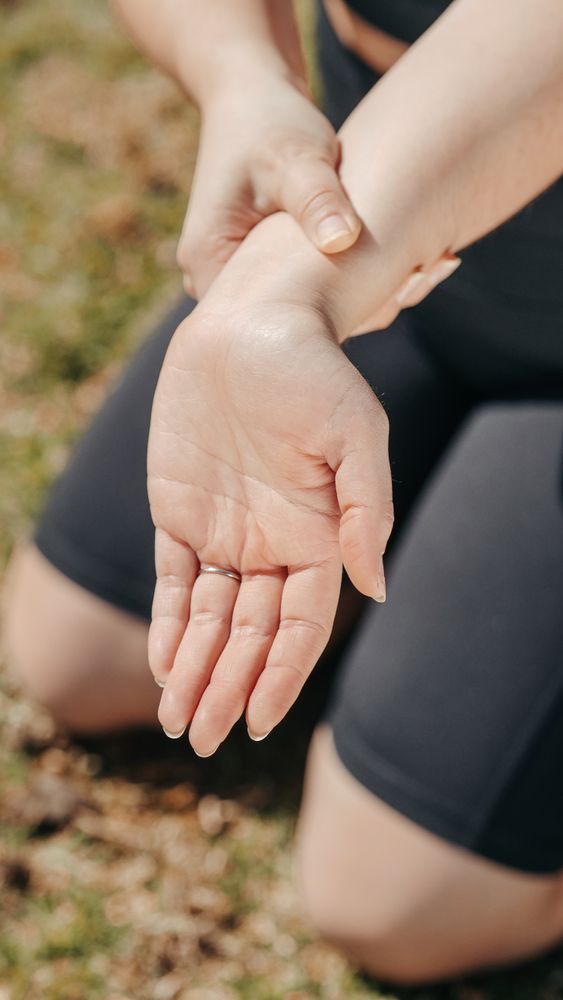
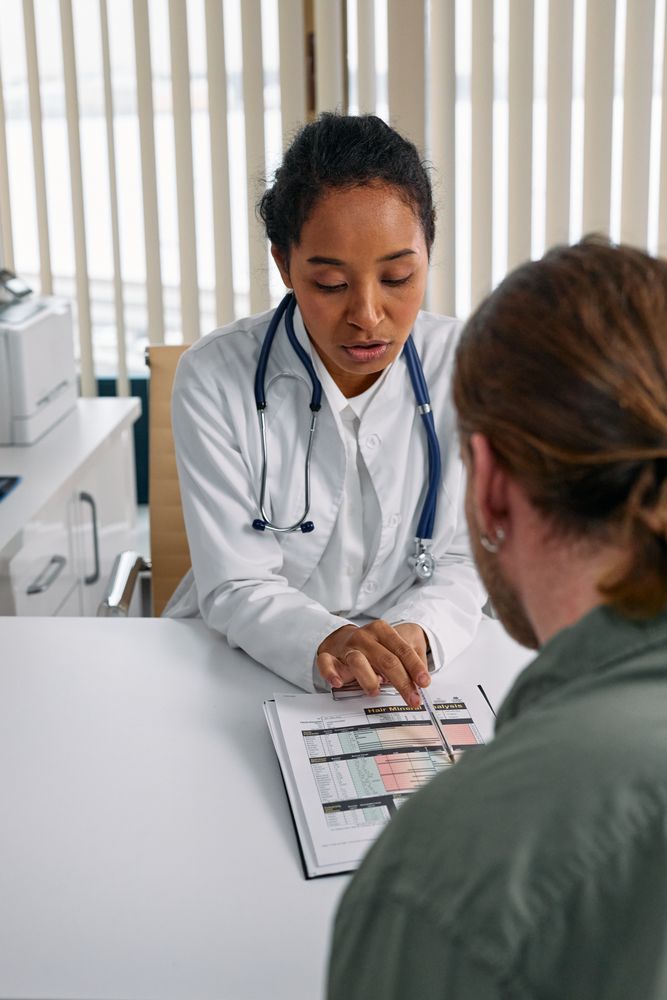
지난달 동창 모임에서 있었던 일이다. 한 친구가 젓가락질을 하다 말고 손을 탈탈 털면서 “요즘 자꾸 손이 저려서 미치겠다”고 하자, 옆에 있던 다른 친구가 대뜸 “그거 혈액순환 안 돼서 그런 거야, 나도 홍삼 먹고 좋아졌어”라고 답했다. 다들 고개를 끄덕였지만, 정작 저림을 호소한 친구는 며칠 뒤 병원에서 손목터널증후군 진단을 받았다. 의사가 밤에 손목을 곧게 펴주는 보조기를 착용해보라고 권했다는 얘기를 들었을 때, 모임에 있던 사람들 모두 “그게 혈액순환이랑 무슨 상관이냐”며 놀랐다. 마흔을 넘기고 쉰을 향해 가다 보면 이런 대화가 부쩍 늘어난다. 손발 저림이라는 증상 하나를 두고 다들 자기만의 원인을 확신하는데, 사실 이 증상은 원인을 짚어내기가 생각보다 까다롭다.
이 글에서는 손발 저림이 왜 나타나는지, 혈액순환 문제와 신경 신호 문제가 실제로 어떻게 다른지, 그리고 언제쯤 병원 문을 두드려야 하는지를 정리했다. 특정 질환을 진단하거나 치료 방법을 안내하려는 목적이 아니라, 증상을 스스로 관찰할 때 참고할 만한 정보를 전하는 데 초점을 맞췄다는 점을 먼저 밝혀둔다.
저림의 느낌부터 다르다
“저리다”는 한 단어로 뭉뚱그려 말하지만, 실제로 사람들이 호소하는 감각은 제각각이다. 마취 주사가 서서히 풀릴 때처럼 찌릿찌릿한 느낌이라면 신경이 특정 지점에서 눌리거나 포착된 경우가 많고, 겨울철 언 손이 녹을 때의 얼얼함과는 결이 다르게 벌레가 스멀스멀 기어가는 듯한 이상감각이라면 말초신경 자체에 손상이 생겼을 가능성을 염두에 둘 만하다. 반대로 손발이 차갑고 색깔까지 하얗게 또는 파랗게 변하면서 저리다면 혈관 쪽 문제일 확률이 상대적으로 높다. 이렇게 감각의 종류만 잘 구분해도 대략적인 방향을 가늠하는 데 도움이 되지만, 그렇다고 이 구분만으로 스스로 진단을 내리기엔 무리가 있다. 같은 “찌릿함”도 사람마다 표현하는 강도와 빈도가 다르기 때문이다.
홍삼 먹으면 나을까, ‘혈액순환 탓’이라는 흔한 착각
주변에서 손발 저림을 얘기하면 열에 아홉은 “혈액순환이 안 좋아서”라는 말이 먼저 나온다. 그런데 의외로 순수하게 혈액순환 문제만으로 저림이 생기는 경우는 흔하지 않다. 손발이 차가워지면서 저리는 증상이 반복된다면 말초혈관이 좁아지는 상태를 의심해볼 수는 있지만, 이런 경우조차 당뇨나 고지혈증 같은 대사 질환이 배경에 깔려 있는 경우가 많다. 혈액순환이라는 말 한마디로 뭉뚱그리기엔, 그 뒤에 숨어 있는 원인이 생각보다 다양하다는 뜻이다. 그런데도 사람들은 순환 개선에 좋다는 영양제나 마사지만으로 문제를 해결하려는 경우가 많다. 원인을 제대로 짚지 않은 채 증상만 달래다 보면 정작 필요한 시점을 놓칠 수 있다.
손목이 보내는 신호, 손목터널증후군
40~50대에서 특히 자주 언급되는 것이 손목터널증후군이다. 손목을 지나는 정중신경이 인대와 뼈 사이 좁은 통로에서 눌리면서 엄지, 검지, 중지 쪽으로 저림과 통증이 나타나는 경우가 많다. 컴퓨터 작업이나 집안일처럼 손목을 반복적으로 쓰는 일이 많은 이 연령대 여성에게서 유독 흔하게 나타난다고 알려져 있다. 밤에 자다가 손이 저려서 깨는 경험이 반복된다면 이 패턴을 떠올려볼 만하다. 실제로 앞서 언급한 친구도 처음엔 대수롭지 않게 넘겼는데, 새벽에 손이 저려 세 번 넘게 깨는 날이 이어지자 그제야 병원을 찾았다고 했다.
발끝에서 시작되는 저림
발쪽 저림이라면 허리디스크로 인한 신경 눌림이나, 당뇨로 인한 말초신경병증도 자주 거론되는 원인이다. 당뇨병성 말초신경병증은 당뇨 환자의 절반 가까이에서 나타난다는 조사 결과도 있고, 혈당 조절이 오래 잘 안 된 경우일수록 발생 빈도가 더 높아진다. 이 경우 저림이 양쪽 발끝에서 대칭적으로 시작해 점차 위로 올라오는 양상을 보이는 경우가 많다. 양말을 신은 것처럼 발끝 감각이 뭉툭해진다고 표현하는 사람도 있는데, 이런 패턴 역시 스스로 판단하기보다 전문의의 검사를 통해 확인하는 게 정확하다.
비타민 결핍이나 갑상선 문제도 배제할 수 없다
의외로 간과되는 원인 중 하나가 비타민 B12 결핍이다. 채식 위주 식습관을 오래 유지했거나, 위 절제 수술을 받은 경우 흡수율이 떨어지면서 결핍이 생길 수 있다. 갑상선 기능 저하증 역시 대사 속도가 느려지면서 손발 저림과 함께 부기, 피로감을 동반하는 경우가 있다. 이런 원인들은 혈액검사 한 번으로 비교적 쉽게 확인이 가능한 편이라, 다른 원인이 잘 짚이지 않을 때 검토해볼 만하다.
왜 하필 이 나이대에 자주 나타날까
40~50대에 이런 증상이 몰리는 데는 몇 가지 배경이 겹쳐 있다. 여성의 경우 폐경 전후로 호르몬 변화가 생기면서 손목이나 손가락 관절 주변 조직이 붓기 쉬운 체질로 바뀌는 시기와 맞물린다는 이야기가 있다. 남녀 모두에게는 오래 앉아 있는 근무 형태, 운동 부족으로 인한 근력 저하, 흡연으로 인한 말초혈관 수축 같은 생활 습관 요인도 함께 작용한다고 알려져 있다. 젊었을 때는 무리하게 손목을 써도 다음 날이면 멀쩡했는데, 이 나이대부터는 회복이 예전 같지 않다고 느끼는 사람이 많은 것도 이런 배경과 무관하지 않다. 물론 이런 요인 하나하나가 곧바로 저림으로 이어진다고 단정할 수는 없다. 다만 여러 요인이 겹쳐 있을수록 증상이 나타날 여지가 커진다는 정도로 이해하면 무리가 없다.
이런 증상이라면, 병원부터 가는 게 맞다
저림이 하루이틀 만에 사라진다면 대개는 일시적인 압박이나 자세 문제일 가능성이 크다. 그런데 저림이 2주 이상 지속되거나, 시간이 갈수록 범위가 넓어지거나, 근력이 약해지는 느낌까지 동반된다면 상황이 다르다. 이럴 때는 단순한 피로나 순환 문제로 넘기지 말고 검사를 받아보는 편이 안전하다. 특히 저림과 함께 어지럼증, 발음 이상, 한쪽 팔다리 힘 빠짐이 갑자기 나타난다면 뇌혈관 문제일 가능성도 있으므로 지체하지 않는 게 중요하다.
이 글에서 다룬 내용은 손발 저림이라는 증상을 이해하는 데 참고가 될 만한 일반적인 정보일 뿐, 특정 질환의 진단이나 치료를 대신할 수 없다. 저림이 반복되거나 걱정되는 양상을 보인다면 자가 진단에 머무르지 말고 신경과나 정형외과, 내분비내과 등 전문의와 상담해 정확한 원인을 확인하길 권한다.
자주 묻는 질문
Q. 손발 저림이 스트레스 때문일 수도 있나요? 과도한 긴장이나 스트레스로 인해 근육이 경직되면서 일시적으로 저림이 느껴지는 경우가 있긴 하다. 하지만 이런 경우는 대개 스트레스 상황이 지나가면 함께 완화되는 경향을 보인다. 반복되거나 특정 부위에 국한된 저림이라면 스트레스만으로 단정하기보다 다른 원인을 함께 살펴보는 편이 좋다.
Q. 자다가 손이 저려서 자꾸 깨는데 심각한 건가요? 자는 동안 손목이 구부러진 자세로 오래 눌리면서 저림이 생기는 경우가 흔하다. 다만 이런 증상이 거의 매일 반복되고 낮에도 손가락 끝 감각이 둔해지는 느낌이 든다면, 단순한 자세 문제를 넘어선 원인일 수 있으니 진료를 통해 확인해보는 게 좋다.
Q. 영양제를 먹으면 저림이 나아질까요? 비타민 B12나 마그네슘 결핍이 원인인 경우라면 보충을 통해 증상이 완화될 수 있다는 보고가 있다. 하지만 결핍 여부를 확인하지 않은 채 임의로 영양제를 늘리는 방식은 권장되지 않는다. 정확한 원인을 모르는 상태에서는 검사를 먼저 받아보고, 그 결과에 따라 필요한 조치를 상담하는 순서가 맞다.
There’s a particular kind of quiet that settles over a Korean home when a jesa table is being set. Someone’s grandmother is arranging fruit into precise little pyramids. Someone’s uncle is folding paper in a specific way nobody younger than fifty seems to have fully learned. And somewhere in the middle of all this careful, wordless choreography, I remember standing there the first time genuinely unsure whether I was allowed to breathe too loudly. Nobody explained the rules to me in advance, because to everyone else in the room, there was nothing to explain. This is one of those corners of Korean culture that foreigners rarely get walked through properly, so let’s actually walk through it.
What Jesa Actually Is
Jesa, 제사, is a memorial ritual performed for deceased family members, most commonly ancestors going back a few generations. At its core, it’s built on a fairly simple Confucian idea: a person’s spirit doesn’t just vanish the moment they die. It’s believed to remain connected to the family, particularly for a handful of generations, and jesa is the family’s way of maintaining that connection, offering food, showing respect, and reaffirming that this person is still, in a real sense, part of the family. You’d think a ritual this old would feel purely religious, but it’s more accurately described as a Confucian social practice, which is exactly why Buddhists, Catholics, and plenty of non-religious Koreans all still observe some version of it, while a lot of Protestant households opt out entirely, a divide we’ll come back to later.
The most common version, gijesa, happens once a year on the anniversary of a specific ancestor’s death, usually the parents or grandparents of the person hosting it. There’s also charye, the shorter version performed on major holidays like Chuseok and Seollal, honoring ancestors more broadly rather than one specific person. And then there are less frequent ones, like seongmyo and myosa, tied to visiting or maintaining ancestral gravesites rather than a home ceremony. If you’ve ever wondered why Korean holiday traffic is legendarily brutal, this is a big part of the answer: a drive that normally takes four hours from Seoul to a hometown in the southern provinces can balloon to ten or more during Chuseok, with millions of people making that same trip specifically to perform charye together as an extended family.
The Table Is Not Random
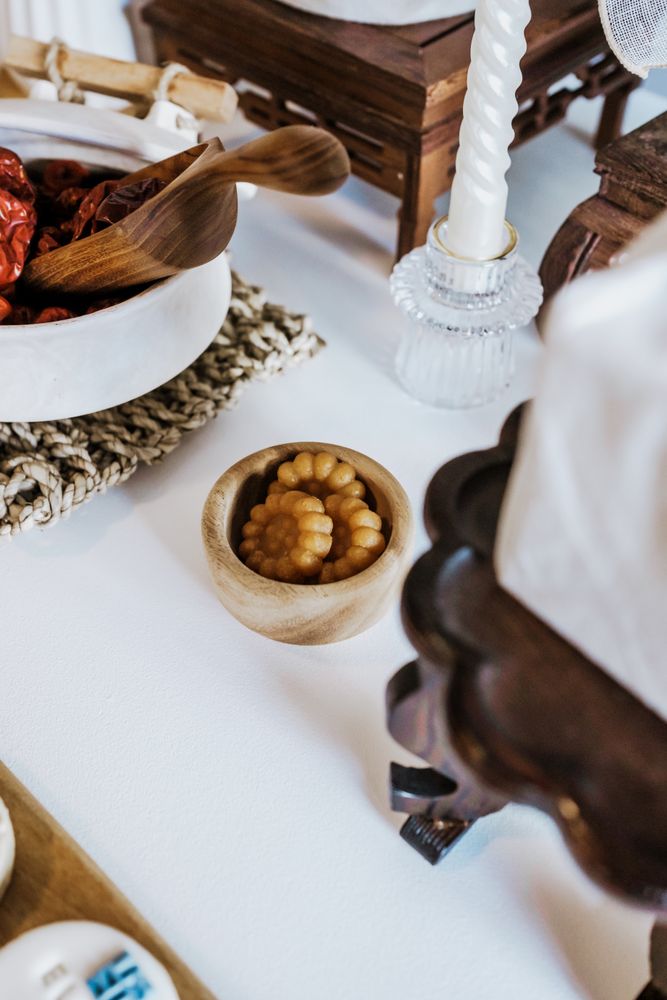
This is the part that surprised me most once someone finally explained it. The jesasang, the ritual table itself, follows placement rules that look, to an untrained eye, like just a very nicely arranged spread of food. They are not random at all. There’s a whole system, often summarized in short phrases passed down through families, like hongdongbaekseo, red to the east, white to the west, so a red persimmon or apple sits on the east side of the table while a pale rice cake sits on the west, or eumen-yangdong, roughly meaning fish faces west and meat faces east. Even the fruit gets specific: dates, chestnuts, and persimmons are practically standard, and some families explain the order with an old saying about how many seeds each one holds, symbolizing generations of descendants, though how seriously any given household takes that explanation varies a lot. Families vary these rules regionally and generationally, and honestly, a lot of younger relatives I’ve talked to admit they just follow whatever the household’s elder directs rather than knowing the underlying logic themselves. It’s less a rigid rulebook everyone has memorized and more an inherited choreography, passed down by watching, generation after generation.
The food itself matters too. Rice, soup, meat, fish, fruit, and rice cakes are standard, along with the ancestor’s favorite foods in some families, a small, warm detail that turns a formal ritual into something more personal. Notably, foods with strong smells like garlic aren’t traditionally included, and certain items are avoided depending on regional or family custom. Once the ceremony concludes, the family eats the food together, which reframes the whole thing: it’s not just a solemn ritual performed at the ancestors, it’s a shared meal performed with them, in spirit if not literally. A lot of that food, especially the jeon, the savory pan-fried fritters that take hours to prepare, doubles as genuine comfort food afterward, and it’s not unusual for the days after a jesa to turn into an informal leftovers feast, with family members reheating jeon for breakfast the next morning the way anyone else might reheat pizza.
That labor is worth naming honestly, too. Preparing a full jesasang can take an entire day of cooking, historically falling almost entirely on the women of the household, and that imbalance has become a genuinely common source of family tension and open conversation in Korea in recent years, which is part of why the ritual is changing as quickly as it is.
How the Ceremony Actually Unfolds
A jesa typically starts with inviting the ancestral spirits, sometimes through burning incense or, in some households, opening a door or window, symbolically welcoming them in. Family members then bow, usually a deep, formal bow performed twice for the dead, which differs from the single bow used for the living, a distinction that took me embarrassingly long to keep straight. Wine or alcohol is offered at the table, sometimes poured three separate times through the ceremony. There’s a period of quiet, almost like a moment of respectful silence, before the spirits are symbolically sent off and the family sits down to eat the meal together. The whole thing usually happens late at night or very early in the morning, historically tied to the belief that ancestral spirits move more freely in those hours, though modern scheduling has pushed a lot of families toward earlier evening times purely for practicality.
Korean Funerals: A Related but Separate Custom
All of this, the yearly ritual, the carefully arranged table, the shared meal afterward, is really about honoring someone who’s already been gone a while. But every one of those family traditions traces back to a single starting point: the funeral itself, which follows an entirely different, more immediate set of customs.
Jesa honors someone who’s already been gone a while. A Korean funeral, jangnye, is the immediate process right after death, and it runs on its own distinct customs. Modern Korean funerals typically last three days and are held at a jangnyesikjang, a funeral hall, very often physically connected to a hospital, which surprises a lot of visitors expecting something closer to a Western funeral home. Mourners traditionally wear black, and close family members sometimes wear hanbok-style mourning clothes or armbands, a visible marker of their relationship to the deceased. Guests offer condolence money in a white envelope, and there’s an actual etiquette to the amount too, it’s customary to give in odd numbers, thirty thousand, fifty thousand, or a hundred thousand won being common brackets depending on how close you were to the family, since odd numbers are traditionally associated with good fortune in a way even numbers aren’t. Bowing to the deceased’s photo, along with bowing to the family, is standard. Loud grieving and open emotional expression at the funeral hall is generally accepted and even expected, which contrasts with the more reserved, formal composure Korean culture often emphasizes in daily public life.
After the three days, cremation has become the overwhelmingly common choice in modern Korea, a genuinely significant shift from decades past when burial was the norm, driven largely by limited land availability. Cremated remains are often placed in a columbarium, a memorial hall built specifically to house urns, rather than a traditional grave, though family burial plots and mountainside grave mounds still exist, especially in rural areas and older family lines.
Why Religious Background Actually Changes the Practice
Here’s something that doesn’t get explained clearly in a lot of overview articles: whether a family practices jesa at all often comes down to religion, and the split is sharper than you’d expect. Catholics and Buddhists in Korea generally continue practicing ancestral rites, often reframing jesa as an act of remembrance and family respect rather than literal ancestor worship, a distinction the Catholic Church in Korea officially settled decades ago after some historical friction. Protestant Christian households, on the other hand, much more commonly do not perform jesa, viewing it as conflicting with their beliefs, and instead hold a memorial service structured more like a simple family prayer gathering on the anniversary. Neither approach is treated as more “authentically Korean” than the other at this point. It’s genuinely just a normal, unremarkable variation between different Korean families you might visit.
A Tradition That’s Quietly Changing
You’d think a ritual this deeply rooted would stay frozen in time, but it’s actually shifting fast, and mostly for practical reasons. Smaller apartments make hosting an elaborate jesa harder logistically. Working adults, especially women, who traditionally shouldered most of the cooking and preparation labor for these ceremonies, are increasingly pushing back on the workload, and that tension gets discussed pretty openly in Korean media these days. A growing number of families now simplify the ritual considerably, fewer dishes, shorter ceremonies, or combining multiple ancestors into a single simplified rite instead of separate ones for each. Some families have even shifted jesa entirely to a restaurant that specializes in hosting them, professional catering essentially, which would have been unthinkable a generation ago and is now just a normal option a lot of urban families quietly choose.
FAQ
If I’m invited to a jesa or a Korean funeral, what should I actually do?
For a jesa, dress modestly and follow the lead of the family, standing back and observing unless invited to bow or participate directly. For a funeral, wear black or at least dark, conservative clothing, bring a condolence envelope with cash inside in an odd-numbered amount if that’s customary among the people you’re visiting with, and offer a simple bow or a quiet expression of sympathy rather than a long conversation. In both cases, watching quietly and following the household’s cues will get you through respectfully even if you don’t know every specific rule.
Do all Korean families still practice jesa today?
No, and it varies quite a bit by religion, generation, and individual family preference. Many households, especially Protestant Christian families, have shifted to a simpler memorial service instead. Even among families that keep the tradition, a lot of younger generations are actively simplifying it, shorter ceremonies, fewer dishes, sometimes combining rites for multiple ancestors into one occasion rather than several separate ones throughout the year.
Is it disrespectful for a foreigner to ask questions about jesa or funeral customs?
Generally no, as long as the timing and tone are considerate. Asking a Korean friend to explain jesa outside of an actual ceremony, out of genuine curiosity, is usually welcomed, since a lot of people are happy their culture is being taken seriously rather than treated as a curiosity. During an actual funeral, though, it’s best to keep questions minimal and simply follow along respectfully, saving the curiosity for a quieter moment afterward.
I once tried counting the cafes on a single block near my apartment, just out of curiosity, and gave up somewhere around seven. Seven. On one block. Not a particularly trendy block either, just an ordinary residential street with a pharmacy, a convenience store, and apparently an entire ecosystem of coffee shops competing for the same three hundred meters of foot traffic. If you’re coming from a country where a town might proudly have one good local coffee shop, Korea’s cafe density can feel almost absurd. It isn’t random, though. There’s a real, layered explanation for why this country turned coffee into something closer to a way of life.
The Numbers Are Genuinely Wild
Seoul alone has somewhere north of 18,000 coffee shops, which works out to roughly one cafe for every 500 or so residents, a ratio that would sound made up if it weren’t so easy to verify just by walking outside. Koreans drink an average of well over 400 cups of coffee per person a year, more than double the global average, in a country that, worth remembering, doesn’t actually grow coffee itself. Every bean is imported, and the industry thrives anyway. You’d think a market this saturated would collapse under its own competition, and honestly, a decent number of cafes do close within their first year or two. But new ones open just as fast, which tells you the demand isn’t a fluke, it’s structural.
Small Apartments Create a Big Appetite for “Third Space”
Here’s the part that clicked for me once I’d actually lived in a Korean officetel for a while: a lot of housing here is compact, one-room or studio-style living being extremely common, especially for young professionals and students. When your home doesn’t have room for a proper desk, a living room for guests, or honestly much space to breathe at all, a cafe stops being a treat and starts being an extension of your living space. Add in offices that can run intense and late, and traditional bars that, while fun, close loud and formal in ways that don’t suit every mood or every hour of the day, and cafes end up filling a genuine gap: a quiet, respectable, endlessly available place to just exist outside your apartment for a few hours.
That need doesn’t stay casual for long, though. Once a cafe becomes somewhere people go specifically to get things done rather than just relax, a whole separate industry grows up around it.
Study Cafes: Coffee Shops as Productivity Infrastructure
This is where Korea’s cafe culture genuinely diverges from most other countries, and it’s tied directly to how seriously studying is taken here. Dedicated study cafes, sometimes called “study rooms” or booked by the hour, are built specifically for focus: individual desks with partitions, quiet enforced almost like a library, unlimited coffee or tea included in the price, and hours that stretch late into the night to match students cramming for university entrance exams or licensing tests. Ordinary cafes absorb a lot of this energy too. Walk into almost any coffee shop near a university at 9 p.m. and you’ll find rows of people with laptops and textbooks who have clearly been there for hours, and nobody bats an eye, because that’s simply what the space is understood to be for.
You’d think a business would want to turn tables over quickly to maximize revenue, and a Western cafe manager might. But the model here has adjusted around the reality that a customer nursing one Americano for four hours while studying is still a paying customer occupying a seat that keeps the lights on, and cafes have built pricing and seating around that expectation rather than fighting it.
Dessert Cafes and Korea’s Serious Sweet Tooth
Coffee is really only half the story. Korea’s dessert cafe scene is its own universe, built around towering bowls of bingsu, shaved ice piled absurdly high and topped with everything from fresh mango to red bean to entire slices of cheesecake, alongside soufflé pancakes so jiggly they wobble when the plate hits the table, and delicate French-style macarons in colors that don’t occur in nature. A single bingsu can run the equivalent of fifteen to twenty dollars and is often built to be shared between two or three people, which turns dessert into a genuinely social event rather than a solo indulgence.
Themed cafes push this even further, and this is where things get delightfully specific. There are cafes built around cats, around dogs, around raccoons at one point, cafes shaped like entire miniature libraries, cafes with rooftop views engineered specifically for a good photo. Described flatly like that it can sound like a gimmick, and some of it honestly is, but the underlying instinct is telling: turning a simple coffee break into a small, photographable outing says a lot about how central cafes are to how people actually spend their leisure time here.
The Instagram Economy of Cafe Design
Interior design in Korean cafes is not an afterthought, it’s practically a marketing department. Owners invest heavily in aesthetics, minimalist concrete spaces, lush plant-filled greenhouses, entire rooms built around a single dramatic light fixture, because they know guests will photograph almost everything and post it, turning the cafe itself into free advertising every single day. Taking photos of your drink, your dessert, the space, even yourself, is treated as a completely normal part of the cafe experience here rather than something slightly self-indulgent, the way it might read in some other countries.
This creates an interesting cycle worth naming honestly: cafes chase photogenic design to attract visitors, visitors post those photos, which drives more visitors, which pushes competitors to design even more elaborate spaces to keep up. It’s part of why a genuinely stunning new cafe can go from unknown to packed within weeks, purely through social media, no traditional advertising required.
Cafe-Hopping as Its Own Social Ritual
Ask a group of friends here to hang out and there’s a decent chance the plan involves not one cafe but two or three in a single afternoon, an activity casually called cafe-hopping. One stop for coffee and conversation, another purely for dessert, maybe a third just because the space looked interesting from outside. It sounds excessive if you’re used to treating a cafe visit as a single errand, but here it functions more like a leisurely walking tour, with each stop offering a different mood, a different menu, a different photo opportunity. Neighborhoods like Seongsu-dong and Yeonnam-dong have built entire reputations around exactly this kind of cafe-hopping culture, with visitors planning entire day trips around which three or four spots to hit. It’s worth noting Seongsu-dong specifically used to be a low-key industrial district full of old shoe factories and machine shops, and a lot of its most striking cafes today are literally those old factory buildings gutted and redone with soaring ceilings and exposed pipes left intentionally visible, which gives the neighborhood a raw, warehouse-chic identity that newer purpose-built cafe strips can’t really fake.
Is It Actually Too Much? The Other Side of the Boom
It’s worth being honest that this saturation has a cost. Small independent cafe owners face brutal competition, rents in trendy neighborhoods climb fast once an area gets popular on social media, and the same viral cycle that makes a cafe famous overnight can just as easily move on to the next trendy spot within a year, leaving yesterday’s hotspot half-empty. Turnover in the industry is genuinely high, and opening a cafe here, despite how appealing the culture makes it look, is a famously risky small business to start, competitive and margin-thin even for owners who genuinely know what they’re doing. So the cafe boom isn’t some effortless cultural inevitability. It’s sustained by real economic pressure and real risk on the business side, even while it looks effortlessly charming from a customer’s seat with a latte in hand.
And yet, even knowing all that, it’s hard to stay cynical about it once you’re actually sitting in one of these places. Whatever the economics look like from behind the counter, from the customer’s side of the table a Korean cafe still functions as something closer to a communal living room than a simple retail transaction, the place where a study session happens, where a first date happens, where four friends catch up over dessert big enough that nobody has to eat alone. That’s ultimately the real reason there are so many of them. Coffee is just the excuse.
FAQ
Is it rude to sit in a Korean cafe for hours without ordering more than one drink?
Generally no, especially at cafes near universities or in residential neighborhoods that are used to long-staying customers studying or working. That said, at small, busy specialty cafes with limited seating, especially during peak weekend hours, it’s considerate to be a bit more mindful of how long you occupy a table if there’s a visible line forming.
What’s a reasonable price to expect for coffee and dessert in Korea?
A standard Americano typically runs around four to five dollars, similar to many Western cities, while specialty drinks and desserts, especially bingsu or elaborate themed items, can run noticeably higher, sometimes fifteen dollars or more for a dessert clearly built for sharing rather than solo eating.
Are study cafes only for students, or can anyone use them?
Anyone can use them, and plenty of freelancers, remote workers, and people studying for professional licenses do. Some study cafes require booking a seat in advance or paying by the hour rather than per drink, so it’s worth checking a specific location’s system before showing up expecting a standard walk-in coffee shop experience.
작년 연말정산 시즌, 회사 후배가 다급하게 메시지를 보내왔다. “선배, IRP 급하게 200만 원 넣었는데 이거 나중에 급전 필요하면 그냥 빼면 되는 거죠?” 순간 말문이 막혔다. IRP를 마치 자유입출금 통장쯤으로 여기고 있었기 때문이다. 그해 연말정산에서 이 후배는 33만 원 가까운 환급금을 받고 신나 했는데, 몇 달 뒤 이사 자금이 모자라 그 계좌를 정말로 깰 뻔했다. 다행히 해지 전에 세금 계산을 미리 해보고 마음을 접었는데, 만약 그대로 깼다면 환급받은 33만 원은 물론이고 그 위에 얹힌 운용수익까지 통째로 16.5% 세율로 다시 뱉어낼 뻔했다. 실제로 국세청 통계를 보면 매년 12월이면 IRP 신규 가입이 몰리는데, 정작 몇 년 뒤 중도해지로 세금을 다시 토해내는 사람들도 적지 않다고 한다. 세액공제 혜택만 보고 뛰어들었다가, 정작 해지할 때 그 혜택을 고스란히 반납해야 하는 구조를 모르고 있었기 때문이다.
그럼 대체 세액공제는 왜 이렇게까지 후하게 챙겨주는 걸까. 이 글은 특정 금융사 상품이나 투자 방식을 추천하려는 목적이 아니라, IRP라는 제도가 세액공제와 중도해지 시 과세를 어떤 원리로 연결짓고 있는지 그 구조 자체를 이해하기 쉽게 풀어보려는 데 있다.
IRP, 왜 이렇게까지 세액공제를 많이 해줄까
IRP(개인형퇴직연금)는 연금저축과 합산해서 연간 최대 900만 원까지 납입액에 대해 세액공제를 받을 수 있는 계좌다. 총급여 5,500만 원 이하라면 16.5%, 그보다 높으면 13.2%의 공제율이 적용되는데, 900만 원을 꽉 채워 넣었다고 가정하면 최대 148만 5천 원(16.5% 구간)까지 세금을 돌려받을 수 있는 셈이다. 이 정도 환급액이면 “일단 넣고 보자”는 심리가 생기는 것도 무리는 아니다. 그런데 이 공제 혜택이 그냥 주어지는 게 아니라, 정부가 노후자금을 55세 이후 연금으로 받으라는 전제 하에 미리 당겨서 주는 인센티브라는 점을 놓치기 쉽다.
중도해지하면 세금이 어떻게 뒤바뀌나
여기서부터가 핵심이다. IRP를 만 55세 이전에, 연금 외의 형태로 중도해지하면 그동안 세액공제를 받았던 납입원금과 그 운용수익 전체에 대해 기타소득세 16.5%가 부과된다. 앞서 후배의 사례로 다시 계산해보면, 900만 원을 넣어 148만 5천 원을 돌려받은 사람이 3년 뒤 계좌를 깬다고 가정할 때, 원금 900만 원에 그동안 붙은 운용수익까지 합쳐 16.5%를 다시 내야 한다. 수익이 나 있었다면 그 수익분에도 똑같이 16.5%가 붙으니, 결과적으로 세금 환급받은 돈은 물론이고 수익까지 깎아 먹는 상황이 벌어진다. “어차피 낼 세금 미리 낸 거 아니냐”고 생각할 수도 있는데, 함정은 공제받을 때 적용된 세율과 반환할 때 세율이 항상 같지는 않다는 점이다. 게다가 애초에 세액공제를 신청하지 않은 금액까지 계좌 안에 섞여 있다면 계산이 한층 복잡해진다. 세액공제를 받지 않은 원금 부분은 비과세로 인출할 수 있지만, 공제받은 부분과 운용수익은 고스란히 16.5% 과세 대상이 되기 때문이다.
잠깐, 나는 세액공제 안 받은 돈도 있는데?
이 대목에서 헷갈려하는 사람이 많다. IRP에 넣은 돈이라고 다 세액공제를 신청한 건 아니기 때문이다. 연간 한도를 넘겨 추가로 납입했거나, 애초에 공제 신청을 하지 않은 원금은 계좌 안에서 별도로 구분되어 관리된다. 이 부분은 나중에 중도해지하더라도 세금 없이 그대로 찾을 수 있다. 다만 실제로 계좌를 깰 때는 세액공제 받은 돈, 안 받은 돈, 운용수익이 한데 뒤섞여 있어서 정확히 얼마가 비과세 대상인지 스스로 계산하기가 쉽지 않다. 이럴 때는 가입한 금융회사에 문의하면 세액공제 대상 원금과 비대상 원금을 구분한 내역을 받아볼 수 있다.
퇴직금이 섞여 있다면 얘기가 더 복잡해진다
IRP 계좌에는 개인이 세액공제를 노리고 추가 납입한 돈 말고도, 퇴직할 때 회사에서 이체된 퇴직급여가 함께 들어있는 경우가 많다. 이 퇴직급여 부분은 세액공제와 무관하게 원래 내야 할 퇴직소득세를 계좌 안에서 과세이연받고 있는 자금이다. 은퇴 후 연금으로 오래 나눠 받을수록 이 퇴직소득세를 깎아주는 감면 구조가 있는데, 쉽게 말하면 계좌를 오래 유지할수록 쓸 수 있는 할인 쿠폰이 커지는 셈이다. 중도해지하면 이 쿠폰을 아예 써보지도 못하고 버리는 것과 마찬가지라, IRP 계좌 안에 머물러 있던 기간이 길수록 손해가 커지는 구조다. 결국 세액공제분, 운용수익, 퇴직급여 세 갈래가 뒤섞여 있는 계좌를 통으로 깨버리면, 각각에 걸려 있던 세제 혜택을 한꺼번에 포기하는 셈이 된다.
그래도 예외는 있다, ‘부득이한 사유’
모든 중도해지가 다 이렇게 불리한 건 아니다. 법에서 정한 부득이한 사유, 이를테면 6개월 이상 요양이 필요한 질병이나 부상, 개인회생·파산 선고, 천재지변, 해외이주 같은 경우에는 상대적으로 낮은 세율(연금소득세 3.3~5.5%)이 적용된다. 다만 이런 사유에 해당하는지 여부는 서류로 증빙해야 하고, 단순히 “돈이 급해서”라는 이유로는 해당되지 않는다. 실제로 이 예외 조항이 있다는 것만 믿고 무작정 해지를 시도했다가, 사유 증빙이 안 돼서 결국 일반 기타소득세를 그대로 물었다는 사례도 종종 들려온다.
부득이한 사유가 아니라면, 해지 전에 이것부터
앞서 말한 예외에 해당하지 않는 대다수라면, IRP를 통으로 해지하기 전에 다른 대안이 없는지부터 살펴보는 게 순서다. 계좌 내 일부 자금만 법정 사유에 따라 부분 인출하는 방법이 있는지, 혹은 대출이나 다른 유동자산으로 급한 불을 끌 수 있는지 따져보는 편이 낫다. 실제로 해지를 결심하기 전에 확인해볼 것을 정리하면 다음과 같다. 지금까지 받은 세액공제 총액이 얼마인지, 계좌 안에 세액공제를 안 받은 원금이 얼마나 섞여 있는지, 그리고 해지 시 물어야 할 기타소득세 예상액이 얼마인지, 이 세 가지다. 이 계산은 가입한 금융회사 고객센터나 국세청 홈택스를 통해 확인할 수 있다. 연말정산 환급의 유혹에 넘어가기 전에, 이 돈이 55세까지 묶여도 괜찮은 여윳돈인지부터 따져보는 습관이 먼저다.
자주 묻는 질문
Q. 세액공제를 신청하지 않은 금액도 있는데, 이 부분은 어떻게 되나요? 세액공제를 받지 않겠다고 신고한 원금 부분은 중도해지 시에도 기타소득세 부과 대상에서 제외되고 비과세로 찾을 수 있다. 다만 이 부분과 세액공제받은 부분, 운용수익이 계좌 안에서 뒤섞여 있으므로 정확히 얼마가 비과세 대상인지는 금융회사에 문의해 확인하는 게 정확하다.
Q. IRP를 해지하지 않고 회사를 옮기면 어떻게 되나요? 이직만으로는 해지 사유가 되지 않는다. 새 직장에서 발생한 퇴직급여도 기존 IRP 계좌로 계속 이체받아 과세이연을 유지할 수 있고, 계좌를 유지한 채로 세액공제 혜택도 계속 받을 수 있다.
Q. IRP 계좌를 여러 개 만들어서 나눠 넣으면 세금 부담이 줄어드나요? 계좌 개수를 늘린다고 해서 세액공제 한도나 중도해지 시 과세 방식이 달라지지는 않는다. 세액공제 한도는 개인별로 합산되어 적용되기 때문에, 계좌를 나눈다고 추가 혜택이 생기는 구조는 아니다.