Category: Uncategorized

  • 전주 한옥마을 맛집 리스트 — 진짜 현지인이 가는 곳

    전주 한옥마을 맛집 리스트 — 진짜 현지인이 가는 곳

    전주 한옥마을에 처음 가면 십중팔구 카메라부터 꺼내 들지만, 두 번째로 가는 사람들은 다르다. 어디서 뭘 먹을지부터 정하고 움직인다. 골목마다 간판이 빽빽하게 붙어 있어서 처음 온 사람은 어디가 진짜인지 구분이 잘 안 되는데, 사실 현지 사람들이 반복해서 찾는 가게는 정해져 있다. 이번 글에는 관광객용 사진 맛집 말고, 전주 토박이들이 실제로 줄 서서 먹는 곳들을 골목 위치와 함께 정리했다.

    해장은 역시 콩나물국밥부터 — 왱이집, 현대옥

    전주에서 아침을 여는 방법은 콩나물국밥 한 그릇이다. 한옥마을 초입, 전동성당 방향으로 걷다 보면 나오는 왱이집은 오전 7시부터 문을 여는데, 반숙 계란을 국물에 톡 터뜨려 밥을 말아 먹는 방식이 유명하다. 국물이 자극적이지 않고 담백해서 전날 과음을 했든 안 했든 속이 편안해진다. 근처 현대옥 한옥마을점은 오징어를 추가로 얹은 오징어콩나물국밥이 시그니처인데, 얼큰한 국물을 좋아한다면 이쪽이 더 잘 맞는다. 두 집 다 평일 오전에도 웨이팅이 생기는 편이라, 8시 이전에 가는 걸 추천한다.

    비빔밥은 골목 안쪽으로 — 한 그릇의 품격

    전주비빔밥을 제대로 먹으려면 메인 스트리트보다 한 블록 안쪽 골목을 노려야 한다. 놋그릇에 나물이 색깔별로 정갈하게 올라가고, 육회가 올라간 그릇을 비비면 참기름 향이 확 퍼지는 집들이 여전히 남아 있다. 가격대는 1인분 기준 만 삼천 원에서 만 오천 원 선이 일반적이고, 점심시간(정오~오후 1시)에는 단체 관광객과 겹쳐 대기가 길어지니 11시 반 이전에 들어가는 게 요령이다. 비빔밥집은 대부분 회전이 빨라서 줄이 있어도 실제 대기 시간은 15분 안팎인 경우가 많다.

    진짜 로컬 코스 — 베테랑 칼국수와 뒷골목 국숫집

    한옥마을 산책길에서 살짝 벗어나 은행로 뒷골목으로 들어가면 베테랑 칼국수가 있다. 멸치와 사골을 함께 우려낸 뽀얀 국물에 손칼국수를 말아주는데, 만두를 추가해서 국물에 같이 익혀 먹는 게 현지인들 방식이다. 점심시간 피크(12시~1시)를 피해서 가면 대기 없이 바로 들어갈 수 있다. 이 골목은 관광객 동선에서 살짝 벗어나 있어서 사진 찍는 사람보다 실제로 밥 먹으러 온 사람이 더 많은, 몇 안 되는 구간이다.

    저녁엔 술 한잔 — 해태바베큐, 전주 총각네게장

    해가 지면 한옥마을 분위기가 완전히 바뀐다. 낮에 사진 찍던 골목이 밤에는 술집 골목으로 변신하는데, 해태바베큐는 자작하게 졸인 매운 안주에 맥주를 곁들이기 좋은 곳으로 저녁 6시 이후부터 사람이 몰린다. 게장을 좋아한다면 전주 총각네게장도 들를 만하다. 간장게장과 양념게장을 한 상에서 맛볼 수 있는 정식 메뉴가 있고, 가격 대비 양이 푸짐해서 2인 이상이 함께 가면 만족도가 높다. 두 곳 모두 예약 없이는 저녁 7시 이후 대기가 생기니, 미리 전화로 자리 확인을 해두는 편이 안전하다.

    디저트와 간식 — 걸으면서 먹는 재미

    한옥마을은 걸으면서 먹는 간식 문화가 발달한 동네다. PNB풍년제과의 초코파이는 전주 여행의 상징 같은 존재라 대부분 포장 줄이 길게 늘어서 있고, 교동고로케는 매콤한 감자고로케와 단팥고로케를 즉석에서 튀겨줘서 따끈할 때 바로 먹는 게 포인트다. 단 걸로 마무리하고 싶다면 맘앤타르트의 에그타르트도 괜찮은 선택이다. 다만 간식류는 오후 2~5시 사이에 줄이 부쩍 길어지므로, 오전 산책 코스에 끼워 넣는 걸 권한다.

    주차와 동선, 미리 알아두면 좋은 것들

    한옥마을 내부는 골목이 좁고 사람이 많아 차로 이동하기 불편하다. 경기전 주변 공영주차장이나 한옥마을 공영주차장에 차를 세워두고 도보로 움직이는 게 가장 현실적이다. 주말과 공휴일에는 주차장이 오전 10시 전후로 금방 차기 때문에, 이른 시간에 도착해서 자리부터 확보하는 걸 추천한다. 동선은 전동성당길에서 아침 식사와 해장을 해결하고, 경기전길을 따라 비빔밥과 간식을 즐긴 뒤, 은행로 뒷골목에서 저녁 술자리로 마무리하는 순서가 걷는 거리 대비 효율이 좋다.

    자주 묻는 질문

    Q. 웨이팅 없이 먹으려면 언제 가야 할까요?
    콩나물국밥집은 오전 8시 이전, 비빔밥은 11시 반 이전, 칼국수는 오후 2시 이후가 상대적으로 한산하다. 반대로 정오부터 오후 1시, 저녁 7시 전후는 어느 가게든 대기가 생긴다고 보면 된다.

    Q. 한옥마을 안에 주차하고 먹으러 다녀도 되나요?
    가능은 하지만 추천하지는 않는다. 골목이 좁고 관광객이 많아 이동이 오히려 느려진다. 공영주차장에 차를 두고 도보로 다니는 편이 시간도 절약되고 마음도 편하다.

    Q. 가격대는 대체로 어느 정도인가요?
    콩나물국밥과 칼국수는 1인분 9천 원에서 만 원대, 비빔밥은 만 3천 원에서 만 5천 원대가 일반적이다. 저녁 술안주류는 2인 기준 3만 원에서 5만 원대를 예상하면 크게 벗어나지 않는다.

  • 복리의 마법, 왜 일찍 저축을 시작해야 할까

    복리의 마법, 왜 일찍 저축을 시작해야 할까

    스무 살에 매달 20만 원씩 10년만 저축하고 손을 뗀 사람과, 서른 살부터 매달 20만 원씩 30년 내내 저축한 사람 중 누가 예순 살에 더 큰 돈을 갖고 있을까요? 정답은 놀랍게도 ’10년만 저축한 사람’입니다. 총 납입액은 30년 저축한 사람의 3분의 1밖에 안 되는데도 말이죠. 이게 바로 복리의 마법이고, 오늘 이야기하려는 주제입니다.

    복리란 무엇인가 — 이자에 이자가 붙는 구조

    복리는 원금에 붙은 이자를 다시 원금에 합쳐서, 그 합쳐진 금액을 기준으로 다음 이자를 계산하는 방식입니다. 반대로 단리는 처음 원금에 대해서만 계속 같은 이자가 붙습니다. 얼핏 보면 큰 차이가 아닌 것 같지만, 시간이 쌓이면 두 방식의 격차는 상상 이상으로 벌어집니다.

    예를 들어 원금 1,000만 원을 연 6%로 굴린다고 가정해 보겠습니다.

    • 단리 30년 후: 1,000만 원 + (1,000만 원 × 6% × 30년) = 2,800만 원
    • 복리 30년 후: 1,000만 원 × (1.06)^30 ≈ 5,743만 원

    같은 원금, 같은 금리, 같은 기간인데 결과값은 두 배가 넘게 차이 납니다. 단리는 매년 똑같은 60만 원씩 더해지지만, 복리는 이자가 이자를 낳으면서 뒤로 갈수록 불어나는 속도 자체가 빨라지기 때문입니다.

    왜 ‘금액’보다 ‘시간’이 중요한가

    복리의 진짜 힘은 이자율보다 시간에서 나옵니다. 앞서 언급한 두 사람의 예시를 좀 더 자세히 풀어보겠습니다. 연 수익률 6%를 가정할 때,

    • A씨: 20세부터 30세까지 10년간 매달 20만 원 저축 후 추가 납입 없이 60세까지 방치 → 총 납입 2,400만 원, 60세 시점 약 1억 4,000만 원
    • B씨: 30세부터 60세까지 30년간 매달 20만 원 저축 → 총 납입 7,200만 원, 60세 시점 약 1억 9,600만 원

    B씨가 훨씬 많이 냈는데도 최종 금액 차이는 크지 않습니다. A씨는 단 10년만 씨앗을 심었을 뿐인데, 남은 40년 동안 그 씨앗이 스스로 자란 셈입니다. 정확한 숫자는 가정하는 수익률에 따라 달라지지만, 핵심 원리는 같습니다. 눈덩이를 언덕 위에서 굴리기 시작하는 시점이 빠를수록, 눈덩이가 커질 시간이 그만큼 늘어난다는 것입니다.

    72의 법칙로 감을 잡아보기

    복리로 원금이 두 배가 되는 데 걸리는 시간을 대략 계산하는 방법이 있습니다. 바로 ’72를 연 수익률로 나누기’입니다.

    • 연 4% → 72 ÷ 4 = 18년 만에 원금 2배
    • 연 6% → 72 ÷ 6 = 12년 만에 원금 2배
    • 연 9% → 72 ÷ 9 = 8년 만에 원금 2배

    정확한 값은 아니지만 암산으로 대략적인 감을 잡기에는 충분합니다. 이 계산을 해보면 ‘몇 년을 더 일찍 시작하느냐’가 결과에 얼마나 큰 영향을 미치는지 체감할 수 있습니다.

    지금 당장 할 수 있는 것

    거창한 목돈이 있어야 시작할 수 있는 게 아닙니다. 중요한 건 지금 이 순간부터 시간이라는 자원을 최대한 활용하는 것입니다. 소액이라도 꾸준히, 자동이체로 습관을 만들어두면 몇 년 뒤에는 그 차이가 눈에 보이기 시작합니다. 다만 첫걸음을 뗄 때 흔히 저지르는 실수들도 있으니, 계좌를 처음 개설하는 단계라면 주식 초보자가 계좌 열고 3개월 안에 꼭 한 번은 저지르는 실수 5가지도 함께 참고해두면 도움이 될 수 있습니다.

    자주 묻는 질문

    Q1. 복리 효과는 이자율이 높을수록만 커지나요?
    아닙니다. 이자율도 물론 중요하지만, 위 계산에서 보듯 ‘기간’이 늘어날수록 복리 효과는 기하급수적으로 커집니다. 높은 수익률을 좇는 것보다 꾸준히 오래 유지하는 쪽이 결과적으로 더 안정적인 경우가 많습니다.

    Q2. 저축 금액이 적어도 복리 효과가 의미 있을까요?
    네, 의미가 있습니다. 복리는 금액의 크기보다 ‘시간 × 꾸준함’에 더 크게 반응하는 구조입니다. 적은 금액이라도 일찍 시작해서 오래 유지하는 것이 나중에 큰 금액을 짧게 굴리는 것보다 유리한 경우가 많습니다.

    Q3. 중간에 몇 년 쉬었다가 다시 시작해도 괜찮을까요?
    가능하면 쉬지 않는 게 좋지만, 중간에 멈췄더라도 다시 시작하는 것이 아예 시작하지 않는 것보다는 훨씬 낫습니다. 복리 계산에서 가장 손해를 보는 경우는 ‘더 일찍 시작할 수 있었는데 미루기만 한 시간’이기 때문입니다.

    복리의 마법이라는 표현이 과장처럼 들릴 수 있지만, 시간이라는 변수는 우리가 통제할 수 있는 가장 강력한 요소입니다. 오늘 하루를 미루면 그만큼의 복리 시간이 영영 사라집니다. 지금 이 글을 읽은 오늘이 앞으로의 모든 계산에서 가장 빠른 시작점이라는 사실, 저도 서른 넘어서야 뼈저리게 느꼈습니다.

  • K팝 콘서트 응원법 완벽 정리 — 떼창, 슬로건, 응원봉 매너까지

    K팝 콘서트 응원법 완벽 정리 — 떼창, 슬로건, 응원봉 매너까지

    공연장 조명이 꺼지고 스크린에 카운트다운이 뜨는 순간, 옆자리 사람이 응원봉을 머리 위로 들어 올리며 낯선 구호를 외치기 시작한다. 나만 가사를 몰라서 어색하게 박수만 치고 있었던 경험, 첫 K팝 콘서트를 앞두고 있다면 한 번쯤 상상해봤을 장면이다. 사실 응원법은 외워서 시험 보는 게 아니라 그 자리에서 자연스럽게 스며드는 문화에 가깝다. 그래도 기본 틀을 알고 가면 몰입도가 완전히 달라진다.

    응원봉, 그냥 불빛 막대가 아니다

    요즘 대형 기획사 콘서트에서 쓰이는 공식 응원봉은 단순한 조명 도구를 넘어섰다. BTS의 ‘아미밤(ARMY BOMB)’은 팬덤명 A.R.M.Y와 폭탄을 뜻하는 BOMB을 합친 이름으로, 몸체 디자인 자체가 수류탄 모양을 본떠 만들어진 것으로 유명하다. 세븐틴 팬들이 쓰는 ‘캐럿봉’ 역시 시즌마다 디자인이 바뀌며 팬덤의 상징물로 자리 잡았다. 최근 응원봉들의 공통점은 블루투스 연동 기능이다. 좌석 티켓 정보를 앱에 등록해두면 공연 중 무대 연출팀이 보내는 신호에 맞춰 응원봉 색이 자동으로 바뀌면서, 객석 전체가 하나의 색으로 물결치는 장면을 만들어낸다. 이 ‘떼창보다 먼저 눈에 들어오는 장관’을 놓치지 않으려면 콘서트 전날 밤 응원봉 배터리와 앱 연동 상태를 꼭 확인해두는 게 좋다.

    떼창과 콜, 어디까지 따라 해야 할까

    떼창은 후렴구나 특정 소절을 팬들이 한목소리로 따라 부르는 것을 말하고, 콜은 노래 사이 간주나 브레이크 구간에 맞춰 멤버 이름이나 정해진 구호를 외치는 방식이다. 곡마다 정해진 콜 타이밍이 있어서 팬 커뮤니티나 유튜브에 ‘공식 응원법’ 영상으로 정리되어 있는 경우가 많다. 처음 가는 사람이 이걸 다 외워갈 필요는 없다. 실제로 공연장에서는 옆 사람 타이밍을 따라가는 것만으로도 충분히 묻어갈 수 있고, 박자를 놓쳐도 아무도 신경 쓰지 않는다. 오히려 응원법을 몰라서 조용히 있는 것보다 어설프게라도 따라 해보는 쪽이 현장 분위기를 더 즐기는 방법이다. 다만 발라드 곡처럼 아티스트가 육성으로 감정을 전달하는 구간에서는 떼창 없이 조용히 듣는 게 암묵적인 매너로 통한다.

    슬로건 이벤트와 카드섹션, 팬들이 직접 만드는 무대

    최근 콘서트에서는 팬들이 자체적으로 기획한 슬로건 이벤트나 카드섹션이 공연의 일부처럼 자리 잡았다. 특정 소절에 맞춰 미리 나눠준 문구가 적힌 슬로건을 일제히 들어 올리거나, 좌석 구역별로 색깔이 다른 종이를 동시에 넘겨 대형 그림이나 문구를 만드는 방식이다. 팬 커뮤니티에서 사전에 참여 신청을 받고 물품을 나눠주는 경우가 많아서, SNS나 팬카페 공지를 미리 확인해두면 즉흥적으로 참여할 기회를 놓치지 않을 수 있다. 이런 이벤트는 강제가 아니라 자율 참여이기 때문에 몰라도 관람에는 전혀 지장이 없다.

    현장 매너, 함께 즐기기 위한 최소한의 배려

    응원봉을 흔들 때는 옆 사람 얼굴이나 앞사람 시야를 가리지 않는 선에서 움직이는 게 기본이다. 스탠딩 구역은 사람이 몰리면 순식간에 위험해질 수 있는데, 무리하게 무대 쪽으로 파고들기보다 가장자리로 천천히 빠져나오는 편이 안전하다. 인파에 밀릴 때는 팔을 가슴 앞으로 모아 최소한의 호흡 공간을 확보하는 것만으로도 도움이 된다. 촬영 금지 안내가 있는 콘서트에서 몰래 촬영을 시도하다 적발되면 퇴장 조치까지 이어질 수 있으니, 사진보다 그 순간 자체를 눈에 담는 편을 추천한다. 외국인 관객이라면 응원법을 다 못 따라가는 게 당연하니 부담 갖지 않아도 되고, 궁금한 게 있으면 옆자리 팬에게 편하게 물어봐도 괜찮다. 대부분의 K팝 팬들은 처음 온 사람에게 오히려 더 친절하게 알려준다.

    공연 끝나고, 여운을 이어가는 법

    공연장을 나서면 배가 고파지기 마련인데, 근처 식당은 콘서트 시간대에 유독 붐빈다. 이럴 때 직원을 부르는 한마디를 알아두면 훨씬 수월하다. 한국 식당에서는 손을 들고 “저기요”라고 부르는 게 자연스러운 방식인데, 이 표현이 낯설다면 식당·술집에서 직원 부르는 법을 정리한 글을 미리 봐두면 도움이 된다. 공연 직후 팬들끼리 그날 무대 이야기를 나누며 야식을 먹는 것도 K팝 콘서트 문화의 은근한 즐거움 중 하나다.

    자주 묻는 질문

    응원봉이 없으면 콘서트를 즐길 수 없나요?

    응원봉이 없어도 관람에는 아무 문제가 없다. 다만 곡별로 응원봉 색이 자동 연동되는 연출이 있는 경우가 많아서, 있으면 그 장면을 더 온전히 즐길 수 있다. 현장 대여나 판매 부스가 마련된 공연장도 있으니 미리 공식 공지를 확인해보는 게 좋다.

    응원법을 하나도 모르는데 혼자 가도 괜찮을까요?

    충분히 괜찮다. 응원법은 미리 외워가는 시험이 아니라 현장에서 자연스럽게 익히는 문화에 가깝다. 옆 사람 박수와 콜 타이밍을 따라 하는 것만으로도 몰입감을 느끼기에 충분하고, 혼자 온 관객도 흔하다.

    슬로건 이벤트에 참여하려면 어떻게 해야 하나요?

    대부분 팬 커뮤니티나 SNS 공지를 통해 사전 신청을 받거나, 공연장 입구에서 물품을 나눠주는 방식으로 진행된다. 공식 계정이나 팬카페 공지를 콘서트 며칠 전부터 확인해두면 참여 여부를 놓치지 않을 수 있다.

  • 40대 이후 자꾸 밤에 깨는 이유와 숙면 되찾는 생활 습관

    40대 이후 자꾸 밤에 깨는 이유와 숙면 되찾는 생활 습관

    새벽 3시 43분. 휴대폰 화면을 켜고 시간을 확인한 게 벌써 이번 주 들어 세 번째다. 분명히 자정 넘어 잠들었는데 눈이 번쩍 뜨이고, 다시 눈을 감아도 머릿속에서는 내일 회의 자료며 아이 학원비며 온갖 생각이 줄줄이 이어진다. 마흔을 넘기고 나서 유독 이런 밤이 잦아졌다면, 당신만 겪는 일이 아니다.

    왜 하필 새벽에 깨는 걸까

    20대, 30대에는 한 번 잠들면 알람이 울릴 때까지 통으로 자는 게 당연했다. 그런데 40대 중반을 지나면서부터는 수면의 구조 자체가 달라진다. 깊은 잠(서파수면)의 비율이 줄고 얕은 잠이 늘면서, 작은 소리나 체온 변화, 방광 신호에도 쉽게 깬다. 여성이라면 폐경 전후 에스트로겐 감소로 체온 조절 기능이 흔들려 야간 발한이나 갑작스러운 열감으로 잠에서 깨는 경우가 많고, 남성도 코골이가 심해지며 수면 중 호흡이 짧게 끊기는 일이 흔해진다.

    여기에 카페인 문제도 있다. 커피의 카페인은 몸에서 절반이 빠져나가는 데 평균 5~6시간이 걸린다. 오후 2시에 마신 아메리카노 한 잔이 밤 8시까지 몸속에 남아 있다는 뜻이다. 젊을 때는 별 문제 없었던 오후 커피 한 잔이 지금은 새벽 각성의 원인이 될 수 있다.

    스트레스는 몸으로 남는다

    낮 동안 쌓인 긴장이 몸에서 완전히 빠지지 않은 채 잠자리에 들면, 뇌는 완전히 경계를 풀지 못한다. 코르티솔 수치가 밤에도 충분히 떨어지지 않으면 얕은 잠 상태가 이어지다가 새벽 3~4시쯤, 코르티솔이 다시 서서히 오르기 시작하는 시점에 각성이 겹쳐 눈이 떠지는 경우가 많다.

    잠들기 전 3시간이 그날 밤을 좌우한다

    침대에 눕기 직전이 아니라, 자기 3시간 전부터가 진짜 승부처다. 저녁 8시 이후 음주는 처음엔 잠을 빨리 오게 하는 것처럼 느껴지지만, 알코올이 분해되는 새벽 2~3시경 오히려 각성 반응을 일으켜 잠을 깨운다. 저녁 운동도 마찬가지다. 격렬한 유산소 운동을 자기 2시간 이내에 하면 체온과 심박수가 올라간 채 침대에 눕게 되어 입면이 늦어진다.

    스마트폰도 빼놓을 수 없다. 침대에 누워 30분씩 화면을 들여다보는 습관이 있다면, 블루라이트가 멜라토닌 분비를 늦춰 잠드는 시간 자체를 뒤로 밀어낸다는 사실 정도는 이미 다들 알고 있을 텐데, 문제는 안다고 해서 잘 고쳐지지 않는다는 거다. 나도 침실에서는 휴대폰을 안 보겠다고 몇 번이나 다짐했다가, 매번 실패하고서야 충전기 위치를 거실로 옮기고 나서 겨우 지킬 수 있었다.

    침실 온도와 습도, 생각보다 크다

    수면에 적합한 실내 온도는 18~20도, 습도는 50~60% 정도로 알려져 있다. 여름철 에어컨을 새벽에 끄고 자면 방 온도가 새벽 3시경 크게 올라가면서 잠에서 깨는 경우가 흔하다. 반대로 겨울에 난방을 너무 세게 틀어놓아도 얕은 잠이 이어진다. 타이머를 걸어 기상 1~2시간 전에 온도가 서서히 조절되도록 맞춰두는 것만으로도 새벽 각성 빈도가 줄었다는 사람들이 많다.

    매트리스도 살펴볼 부분이다. 보통 7~8년을 쓰면 탄력이 떨어지는데, 몸을 뒤척일 때마다 삐걱대거나 파묻히는 느낌이 든다면 교체 시기를 넘긴 것일 수 있다.

    낮의 습관이 밤의 수면을 만든다

    아침에 일어나서 커튼을 걷고 10분만 햇빛을 쬐어도 생체시계가 리셋되면서 그날 밤 멜라토닌 분비 시점이 앞당겨진다. 점심시간에 20분 정도 걷는 습관도 도움이 된다. 다만 낮잠은 20분을 넘기지 않는 게 좋은데, 30분 이상 자면 깊은 잠으로 넘어가면서 오히려 밤잠에 영향을 준다.

    근육량이 줄어드는 것도 수면의 질과 무관하지 않다. 40대 이후 근감소증이 진행되면 체력 저하와 함께 수면 리듬이 흐트러지는 경우가 있는데, 관련해서는 40대 이후 근감소증 예방하는 생활 속 습관 글에서 좀 더 자세히 다뤘다.

    자주 묻는 질문

    새벽에 깼다가 다시 잠들기까지 30분 넘게 걸리는데, 이게 정상인가요?

    가끔이라면 크게 걱정할 일은 아니다. 다만 일주일에 4일 이상, 한 달 넘게 이런 패턴이 반복된다면 단순 피로 때문만은 아닐 가능성이 있다. 잠자리에 누운 지 20분이 지나도 잠이 오지 않으면 억지로 누워 있지 말고, 거실로 나가 조명을 낮추고 앉아 있다가 졸릴 때 다시 눕는 편이 낫다.

    낮잠을 자면 밤잠에 방해가 되나요?

    낮잠 시간과 시점이 중요하다. 오후 1~3시 사이 15~20분 정도의 짧은 낮잠은 오히려 밤잠의 질을 해치지 않는다는 연구 결과들이 있다. 문제는 오후 4시 이후에 자는 낮잠이나 1시간 넘는 긴 낮잠이다. 이런 낮잠은 밤에 잠들 시간이 되어도 졸음이 오지 않게 만든다.

    술을 마시면 잠이 잘 온다고 하던데, 숙면에 도움이 되나요?

    도움이 되지 않는다. 알코올은 입면 자체는 앞당기지만 수면 후반부, 대개 마신 지 4~5시간이 지난 새벽 시간대에 얕은 잠과 잦은 각성을 일으킨다. 잠을 청하려고 마시는 술 한두 잔이 오히려 새벽 각성의 원인이 되는 경우가 많다.

    여기서 소개한 방법들은 생활 습관 차원의 개선책일 뿐이다. 몇 주씩 습관을 바꿔봐도 새벽 각성이나 불면이 계속되거나, 낮 동안 일상생활이 힘들 정도로 피로가 쌓인다면 생활 습관 조정만으로는 한계가 있을 수 있다. 본인의 수면 문제가 지속된다면 전문의와 상담하시기 바랍니다.

  • The Quiet Kindness of Korean Apartment Neighbors: Kimchi at the Door and Other Small Gestures

    The Quiet Kindness of Korean Apartment Neighbors: Kimchi at the Door and Other Small Gestures

    There is a particular sound in my apartment building that I have come to associate with late October: the soft thump of a plastic container being set down outside a door, followed by the quiet shuffle of slippers retreating before anyone has to answer it. Nine times out of ten, it means someone on our line just finished making kimchi and decided the people two doors down needed a share of it. No note, no doorbell, sometimes not even a name on the lid. You just know, because the smell of garlic and fresh-cut cabbage has been drifting through the stairwell all afternoon.

    I have lived in a few different Korean apartment complexes since moving to Korea, and this small, almost invisible economy of food and favors is one of the things that took me longest to understand — and one of the things I now miss most whenever I am away for a few weeks. It runs on rules nobody writes down, and it is easy to miss entirely if you are used to city living elsewhere, where a closed door usually means “leave me alone.”

    The Architecture of Apartment Community

    Korean apartment complexes, or 아파트, are not really individual buildings so much as small towns with their own governance. Every complex has a 관리사무소 (management office), and that office runs the building the way a tiny municipal government runs a neighborhood. Announcements come over a wall-mounted speaker in every unit — a slightly tinny voice reading out the trash collection schedule change, a reminder that the water will be shut off between 10 a.m. and noon for pipe maintenance, or a warning that a car with a certain plate number is blocking the fire lane. At first these announcements felt intrusive to me, like a loudspeaker in my living room. Now I find the silence strange on the rare day there isn’t one.

    Recycling day is its own small ritual. Most complexes designate specific days and specific bins for paper, plastic, glass, and food waste, and food waste in particular is charged by weight through a chip-based bin that deducts credit from a prepaid card. Get it wrong — put glass in with plastic, or leave a box out on the wrong evening — and you will hear about it, gently but firmly, from whoever happens to be walking their dog nearby. It is not scolding so much as shared maintenance of a system everyone depends on.

    Small Rituals of Arrival and Season

    When a new family moves in, there is still a lingering custom of 떡 돌리기 — bringing rice cakes, usually the red-bean-studded 시루떡, around to the immediate neighbors as an introduction and a kind of goodwill deposit. It is less universal in newer high-rise towers than it once was in older complexes, but I have seen it enough times to know it is not dead, just quieter than it used to be. A tray of rice cakes at your door with a hand-written note is still, to me, one of the more touching things a total stranger can do.

    Then there is the seasonal rhythm of gift-giving that has nothing to do with moving at all. Around Chuseok and Seollal, boxed fruit sets — Korean pears the size of a fist, wrapped individually in foam netting, or a mix of apples and pears in a padded gift box — start appearing at doors and in elevators, carried by people balancing two or three at once on their way to relatives. And in late autumn, during kimjang season, the kimchi-sharing begins in earnest, sometimes accompanied by a bag of freshly steamed pork belly, because good kimchi apparently demands to be eaten immediately, not stored.

    Even the elevator has its own quiet etiquette. People hold the door without being asked, press the floor button for whoever gets on after them, and there is an unspoken understanding that you nod, even to someone you have never spoken to, because you will likely share this box of metal and mirrors with them for years. Inside many elevators and near the building entrance, laminated sheets list emergency contacts — the management office, the nearest fire station, sometimes a resident association head’s phone number — a small reminder that this vertical village has an actual chain of people responsible for it.

    None of this is dramatic. No single gesture is a headline. But taken together — the rice cake at the door, the intercom voice reading out the trash schedule, the unclaimed container of kimchi, the nod in the elevator — it adds up to something I did not expect from apartment living: a sense that the walls between units are thinner, in the best way, than they look.

    FAQ

    Do I have to reciprocate if a neighbor gives me kimchi or rice cakes?

    There is no strict rule, but returning an empty container without something in it — even just a small snack, fruit, or coffee — is considered a bit awkward. A common approach is to return the container with something simple inside, or to reciprocate later with a different seasonal food, like fruit during Chuseok or homemade side dishes if you cook. The gesture matters more than the value.

    What if I don’t know any of my neighbors well enough to receive something like this?

    It is increasingly common, especially in large new complexes, for residents to barely interact, and plenty of Koreans in modern high-rises report never receiving a moving-in rice cake or kimchi from anyone. If it happens to you, treat it as a genuine opening rather than an obligation — a short thank-you at the door, in Korean or English, is generally well received and can be the start of an actual relationship with that household.

    Are the intercom announcements important, or can I ignore them?

    Most are routine — trash schedule changes, elevator maintenance, water shut-offs, delivery notices — but some are time-sensitive, like fire drill tests or urgent parking requests to move a car blocking an ambulance or fire truck. If you don’t understand spoken Korean well, it is worth asking a neighbor or the management office to flag anything that requires action, since ignoring a genuine emergency notice (rare, but they happen) is the one type of announcement worth not missing.


  • The Unwritten Rule of Not Tipping in Korea (And What Almost Happened When I Tried)

    The Unwritten Rule of Not Tipping in Korea (And What Almost Happened When I Tried)

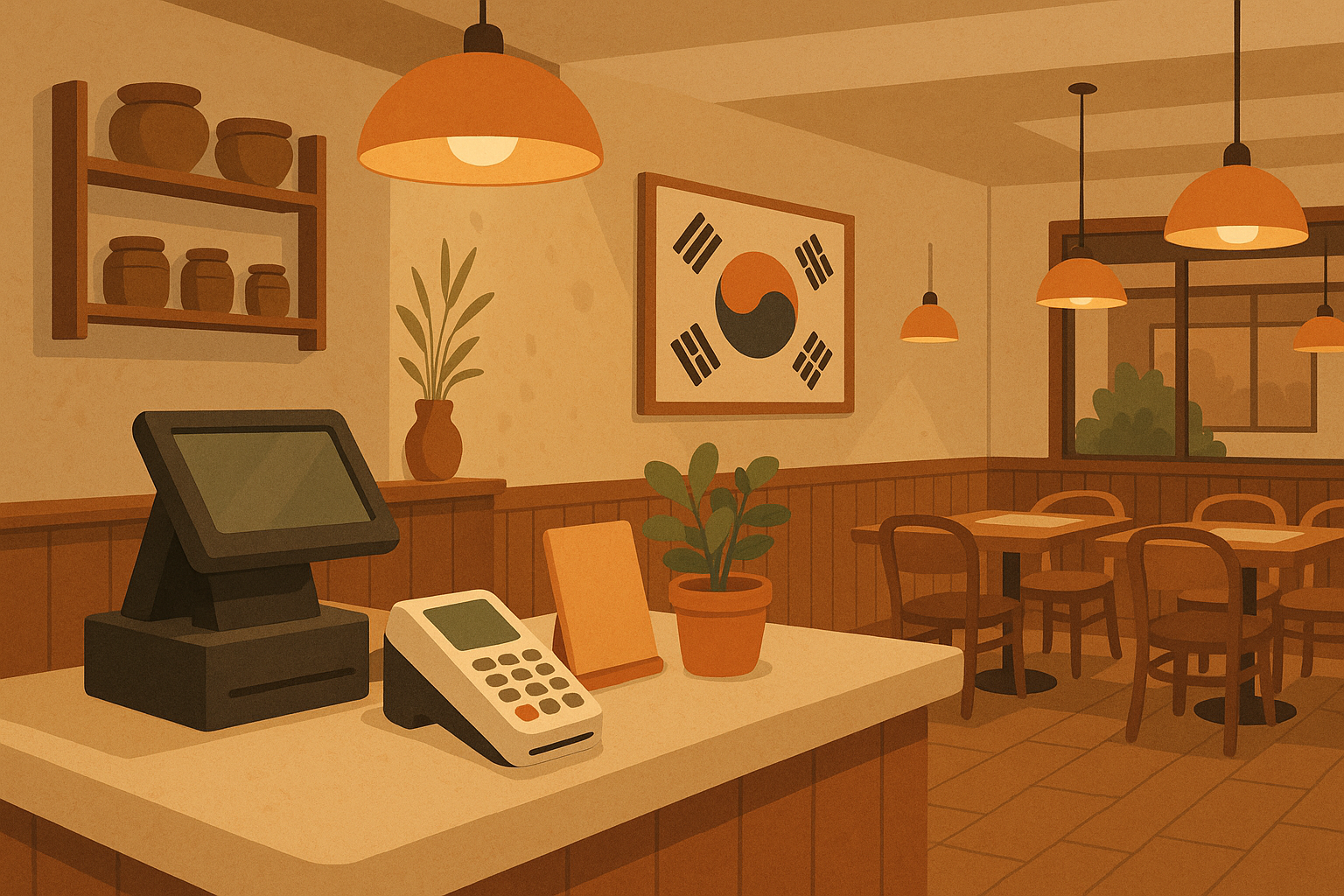
    The card reader beeps, spits out a receipt, and that’s the whole transaction. No screen swivels around asking me to add 15, 18, or 20 percent. No little jar by the register with a hand-written “tips appreciated” sign taped to it. After years of paying for meals, haircuts, and taxi rides in Korea, I still catch myself noticing the absence of that ritual — the one that, growing up, felt as automatic as putting on a seatbelt.

    Why the reflex doesn’t just disappear

    Tipping isn’t illegal in Korea, exactly, but it’s structurally absent in a way that goes deeper than habit. Under Korea’s Food Sanitation Act, the price printed on a restaurant menu is required to already include VAT and any service charge — what you see is what you pay, full stop. There’s no line on the card receipt for “gratuity,” no percentage suggestions, nothing to fill in. Servers and cooks in most restaurants are on a fixed wage; their pay isn’t tied to how generous the table in the corner happens to be feeling that night. So tipping doesn’t get quietly discouraged here so much as it never had a slot to slide into in the first place.

    That’s the part that trips people up. In a lot of tipping cultures, the custom exists because base wages assume it. In Korea, the system was never built with that assumption, so bolting a tip onto it doesn’t complete the transaction — it just confuses it.

    What actually happens if you try

    I’ve left a few thousand won on the table more than once, in the early years, out of pure muscle memory after a good meal. The result is almost always the same: a server catches it within seconds, assumes you forgot your change, and jogs it out to you on the sidewalk. It’s not performative modesty — they’re not going to leave money sitting on a table, because in their mental model of the transaction, unclaimed cash is a mistake to be corrected, not a gift to be pocketed. I’ve watched the same thing happen to visiting friends and family, usually accompanied by a slightly startled look on both sides: theirs at being handed money back, mine at having, once again, forgotten that the rule really does apply every time.

    There’s also a quieter social layer to it. Korean service culture leans on a kind of professional pride — doing the job well is the baseline, not something that earns a bonus on the spot. Attaching a cash reward to that can read as slightly presumptuous, as if you’re grading the server’s performance in real time rather than just being a customer having dinner.

    The exceptions worth knowing

    None of this is absolute, and pretending otherwise would oversimplify it. Some hotels and higher-end restaurants — the kind with white tablecloths and a maître d’ — legally add a 봉사료 (bongsaryo), a service charge of around 10 percent, built directly into the bill. That charge is the tip; it’s already there, already disclosed on the receipt, and adding more on top of it is unnecessary. Spas and certain resort-style establishments sometimes do the same.

    Then there’s tourism-facing work: private tour guides, drivers on multi-day trips, sometimes hiking or fishing guides catering specifically to foreign visitors. This is the one corner of the economy where tipping has crept in over the past decade or so, largely because so many of the guests are foreigners who tip out of habit and the guides have adapted to expect it. Even there, it’s appreciated rather than assumed — nobody hands you a bill with a suggested amount.

    What to do instead

    The honest answer is: less than you’d think. A sincere “jal meogeosseumnida” (roughly, “I ate well,” said on the way out) lands better than cash ever would. Coming back, recommending the place to a friend, telling the owner the food was good — these register as the real currency of appreciation here. It took me a while to stop feeling like I was being cheap by not tipping and start recognizing that, in this system, not tipping is the polite move.

    FAQ

    Should I tip taxi drivers in Korea?

    No. Korean taxis run on the meter, and drivers don’t expect anything beyond the fare shown on the display. If a ride comes to 8,700 won, rounding up to 9,000 won because you don’t have exact change is fine and won’t raise an eyebrow — but handing over an extra couple thousand won as a “tip” will usually just get pushed back to you.

    What about hotel bellhops or housekeeping?

    This is genuinely one of the gray zones. At large international chain hotels in Seoul or Busan that cater heavily to foreign guests, a small tip for a bellhop carrying bags — a few thousand won — is sometimes accepted without much fuss, especially if it’s handed over quietly rather than left visibly on a cart. At a mid-range Korean-run hotel or a guesthouse, though, the same gesture is more likely to be met with polite refusal. When in doubt, a warm thank-you covers it.

    Is it rude to tip in Korea, or just unnecessary?

    It’s rarely taken as offensive, especially from someone who is obviously a visitor — most service workers, particularly younger staff in tourist-heavy areas, understand it’s a gesture of gratitude and won’t be insulted. But it does create a small logistical headache: there’s often no graceful way to accept it, no register function for it, and no cultural script for what to say back. The most common outcome isn’t offense, it’s mild confusion followed by someone jogging after you with your money.

  • Why Korean Convenience Stores Became My Second Home as a Dad

    Why Korean Convenience Stores Became My Second Home as a Dad

    It’s 9:40 p.m. and my daughter has just informed me, with the flat certainty only a seven-year-old can manage, that she needs a “cold thing” before bed. Not ice cream. Not juice. A cold thing, unspecified. I don’t argue. I just grab my slippers and walk two minutes down the hill to the GS25 on the corner, because in Korea that sentence — “I’ll just run to the pyeonuijeom” — has become the most reliable parenting move in my repertoire.

    Before I moved here, “convenience store” meant a slightly sad shop where you overpaid for gum and lottery tickets. In Korea, CU, GS25, 7-Eleven, and Emart24 are something closer to a neighborhood utility — as essential to daily rhythm as a subway stop or a bus stop. There are more than fifty thousand of these stores across the country, which means in most Korean neighborhoods you are rarely more than a few minutes’ walk from one, and it is almost always open. Not “open until midnight.” Open. Full stop. Twenty-four hours, every day, including Chuseok and Lunar New Year, when half the restaurants in the city have shuttered and gone home to their own families.

    The store as a small, strange extension of home

    What surprised me most as a foreign dad here wasn’t the hours — it was how normal it is to just sit outside one. Most CU and GS25 locations have a few white plastic tables and stools parked on the sidewalk, sometimes under a little awning, sometimes not. GS25 in particular tends to go big on this, with enough seating that a whole family can sprawl out with instant noodles and canned coffee like it’s a proper meal. I’ve eaten more dinners than I’d like to admit at one of those tables with my kid, splitting a samgak kimbap — the triangular seaweed-wrapped rice snack that costs about 1,500 won — while she works through a small carton of banana milk, the one in the pot-bellied bottle that’s been around since the 1970s and somehow still looks futuristic.

    The self-serve hot water dispenser for instant ramen is its own small ritual. You buy the cup, peel back the lid, fill it at the machine by the window, and wait the requisite few minutes standing at the counter or sitting outside. It’s not fine dining, obviously. But it’s warm, it’s fast, and it means I never have to explain to a hungry child why we have to wait twenty more minutes for a table somewhere.

    Late nights, early mornings, and everything in between

    The convenience store is where the day bends around parenting. It’s where I go at 6:30 a.m. for coffee and a boiled egg before my daughter wakes up. It’s where I send her, now that she’s old enough, with exact coins to buy a single snack — usually something involving cheese powder — because the woman working the counter knows her by now and always says something kind. It’s where I’ve stood at eleven at night, kid asleep at home with my wife, just buying a canned coffee because I needed five minutes of quiet fluorescent light and the low hum of a refrigerator case before going back inside.

    None of this quite exists the way I remember convenience stores working elsewhere. Back home, a late-night gas station run was usually solitary and a little furtive — something you did alone, not something a whole family did together on a Tuesday. Here, watching teenagers do homework at the outdoor tables, or an ajusshi have a quiet beer after his shift, or a toddler point insistently at the ice cream freezer, I’ve come to think of the convenience store less as a shop and more as one of the few truly democratic public spaces in a Korean neighborhood. Everyone uses it. Nobody needs a reservation.

    FAQ

    Are Korean convenience stores actually cheaper than restaurants?

    For a quick meal, generally yes. A samgak kimbap runs about 1,200–1,800 won, a cup of instant ramen is typically 1,500–2,500 won including hot water, and a full “dosirak” packed lunch box is usually 4,000–6,000 won — often less than half the price of a casual restaurant meal, which makes them a genuinely practical option for a parent on a tight schedule, not just a snack stop.

    Is it normal to sit and eat outside a convenience store with kids?

    Completely normal. The plastic tables outside CU, GS25, and Emart24 locations are used by families, students, and office workers alike at all hours, and staff don’t expect you to buy much to use them. It’s one of the most low-pressure places to feed a hungry or tired child in Korea.

    What should a foreign parent try first at a Korean convenience store?

    Samgak kimbap (tuna mayo is the safest starter flavor for kids), a bottle of banana milk, and a cup of instant ramen from the hot water station are the classic entry points — cheap, fast, and close to guaranteed to be liked by most children.

  • What My Daughter Grabbed at Her Doljanchi (And What I Secretly Hoped She’d Pick)

    What My Daughter Grabbed at Her Doljanchi (And What I Secretly Hoped She’d Pick)

    Six years ago, in a rented party room above a pharmacy two blocks from our old apartment, my daughter got about four seconds away from grabbing a fistful of cash instead of anything more “meaningful” — and half the room actually gasped when she changed her mind. My mother-in-law still brings it up. So does my wife, usually right before she reminds me I bet on the wrong object that day and lost a very small, very serious family wager.

    That was our doljanchi, my daughter’s first birthday party, and it is still one of the strangest, warmest afternoons I have lived through as a parent — strange because I had no real frame of reference for it going in, warm because I understand it completely now.

    A Table Set Like a Small Fortune-Telling Booth

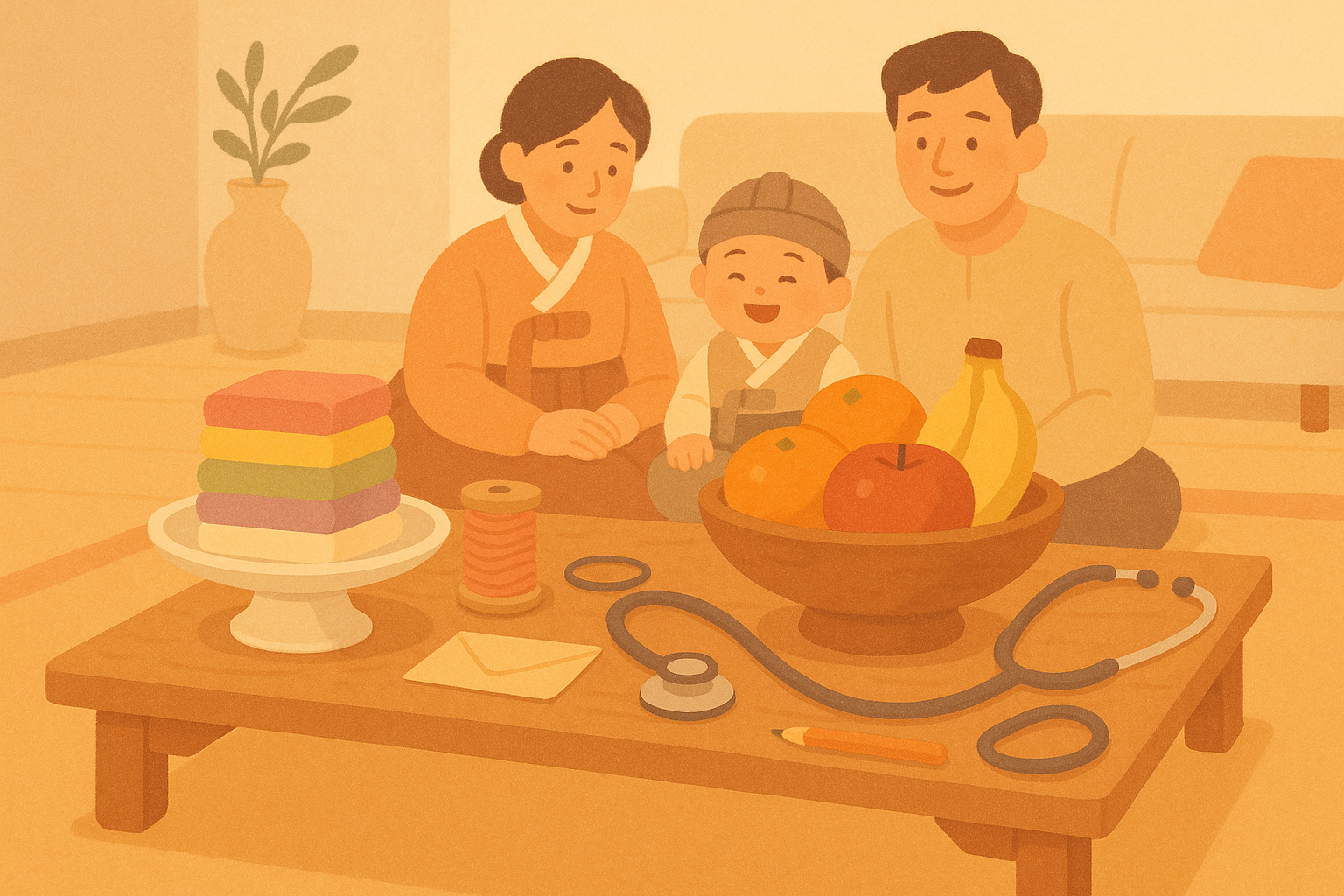
    If you have never seen a dolsang, the traditional first-birthday table, it looks a little like a cross between an altar and a game show set. Ours had mounds of rainbow rice cake (무지개떡), a small tower of fresh fruit, a spool of thread, a bundle of cash tucked into an envelope, and a handful of objects laid out in a loose semicircle facing where my daughter would sit: a pencil, a microphone, a stethoscope, and — because my father-in-law insisted — a golf ball, of all things. This is doljabi, the part of the party where the baby crawls forward and grabs whatever catches her eye first, and Korean tradition treats whatever she picks as a small, half-serious prophecy about her future.

    My wife wanted the stethoscope on that table more than she wanted almost anything else that day. Her mother wanted the money. I quietly hoped for the microphone, mostly because I thought it would make a better photo. Nobody consulted the baby about any of this, which in hindsight is the whole point.

    What She Actually Grabbed

    She went for the microphone first, got maybe two fingers on it, and then — I still don’t know why — pivoted at the last second and picked up the pencil instead. My mother-in-law let out this short, delighted “아이고,” and an aunt I’d met exactly once before that day declared, with total confidence, that my daughter was going to be a scholar. The money sat there completely untouched, which felt like it should have meant something, though nobody in my wife’s family has ever managed to explain to me what.

    I know how this sounds to someone hearing about it for the first time — a room full of adults treating a one-year-old’s grab-bag instincts like a genuine glimpse into her future. But nobody there actually believed the pencil was destiny. It was more like a shared excuse to cheer for her, all at once, out loud, which is a thing that happens surprisingly rarely once kids get past the age where every small thing they do is treated as a miracle.

    The Soup That Comes Back Every Year

    Before any of the doljabi theater, there was seaweed soup — miyeok-guk, the same soup Korean mothers eat after giving birth, because seaweed is traditionally believed to help postpartum recovery. Serving it again on the first birthday closes a kind of loop: the soup that helped my wife heal becomes the soup that marks our daughter making it safely through her first year. My mother-in-law still makes a pot of it every August, sometimes with beef, once memorably with mussels because that’s what was fresh at the market that morning, and my daughter, now seven, eats it without any idea that it’s tied to anything more than her birthday breakfast.

    It Doesn’t Always Look Like Ours Anymore

    Our doljanchi was small and homemade — a rented room, a hired photographer for two hours, hanbok that my wife’s aunt had actually sewn herself. Plenty of families now hold theirs at hotel banquet halls or dedicated party studios in Seoul, with professionally styled dolsang tables, rental hanbok delivered the morning of, and a set menu instead of home cooking. Neither version is more “authentic” than the other. The doljabi table and the seaweed soup tend to survive either way, because those are the two pieces nobody wants to cut.

    FAQ

    Can parents pick their own objects for the doljabi table instead of the traditional set?

    Yes, and most modern families do mix in at least one non-traditional item. Our neighbors’ doljanchi last spring included a small toy airplane alongside the usual pencil and stethoscope, because their son had been obsessed with planes since he could point. It’s common now to see a mouse (computer/tech), a basketball, or even a tiny paintbrush sitting next to the more classical objects like thread (long life) or rice (abundance).

    Do Korean parents actually believe the item their baby grabs predicts anything real?

    Most families I’ve talked to, including my own in-laws, treat it as affectionate tradition rather than literal fortune-telling — nobody redirects a child’s career at age fifteen because of what she grabbed at one. That said, it does get referenced for years afterward as a running family joke; my daughter has heard the “you almost grabbed the money” story enough times that she now tells it herself, slightly exaggerated, to anyone who’ll listen.

    Is it rude for a foreign parent or guest to not know the doljanchi customs when invited to one?

    Not at all — nobody expects a first-time guest to know the order of events, and hosts are generally happy to explain the dolsang items or the doljabi ritual as it happens. A cash gift in a plain envelope, typically in a round number, is the standard gesture if you’re invited and unsure what else to bring; flowers or a baby gift work too, but cash is by far the most common and least awkward option.

  • What I Didn’t Expect the First Time I Took My Daughter to a Jjimjilbang

    What I Didn’t Expect the First Time I Took My Daughter to a Jjimjilbang

    My daughter was five the first time she saw a full-grown stranger’s back and asked, at full volume, “Appa, why does that ajumma have a dragon?” The ajumma in question was maybe sixty, deep in conversation with a friend over a bowl of shikhye, and the dragon in question was a very faded tattoo she’d clearly had for decades. Nobody in that steam-filled room even glanced over. That was the moment I understood jjimjilbang culture isn’t really about the sauna at all. It’s about a room where staring, judging, and small talk with strangers all quietly stop mattering.

    We’d gone that Saturday because our boiler was making a noise I didn’t trust and I wanted an excuse to avoid dealing with it before Monday. Two hours later we walked out pink-cheeked, slightly dehydrated, and both somehow calmer than when we’d walked in.

    The Locker Key Bracelet Is Doing More Work Than You Think

    You get one rubber-banded key at the front desk, and that single number runs your entire visit — locker, food charges at the snack counter, even the massage chairs upstairs if the place has them. I lost track of my key exactly once, at a jjimjilbang near Konkuk University, and spent an unreasonably stressful ten minutes wading through a sea of identical bracelets in a lost-and-found bowl before the front desk just looked mine up by locker number instead. Lesson learned: the number matters more than the physical key.

    The gender-separated bathing floors are where you actually get undressed and scrub down, no swimsuits allowed, which is the single detail that stops most first-timers cold. My wife had to physically walk me through it my first year here — soap first, rinse, then soak, and nobody is looking at you the way you’re bracing for them to look at you. After the first few minutes it stops feeling like anything at all, which is honestly the strangest part.

    Where the Actual Family Hangout Happens

    The unisex floor upstairs is where jjimjilbang earns its reputation as a genuine family activity instead of just a bath. Everyone wears the same baggy cotton uniform — usually a T-shirt and shorts in whatever two colors that particular jjimjilbang has chosen that year, ours was mustard yellow — and wanders between kiln-style saunas with names like the salt room, the ice room, and the earth room built into a low clay dome you have to duck to enter. My daughter’s favorite by far is the ice room, mostly because she gets to watch grown adults yelp the second they step inside.

    Somewhere between the salt room and the snack counter, we always end up sharing a plate of gyeran (the hard-boiled eggs cooked slowly in the sauna’s own heat until the shells turn brown) and a bowl of sikhye, the sweet rice punch that tastes like nothing else and that my daughter now insists is “sauna juice,” a name I’ve stopped correcting.

    The Part Nobody Tells You Until You’ve Fallen Asleep on the Floor

    Plenty of jjimjilbang stay open 24 hours, and there’s a whole culture of people — students cramming before exams, coworkers after a late dinner who missed the last train, entire families on a budget weekend trip — sleeping on the heated floor under a shared wooden pillow block instead of paying for a hotel. We tried it exactly once, on a trip to Busan when our reserved guesthouse fell through last minute, and I will say the floor is warmer and more comfortable than it has any right to be, though I woke up with a very specific ache in my neck that the wooden pillow is entirely responsible for.

    FAQ

    Is it awkward for a foreigner to go to a jjimjilbang alone for the first time?

    Less than you’d expect. Staff at larger jjimjilbang, like the well-known 24-hour spots in Seoul such as Dragon Hill Spa, are used to first-time foreign visitors and will usually point you toward the right floor without much fuss. The gender-separated bathing area is the one place where you’re genuinely on your own with no clothes and no guide, but nobody there is paying attention to you the way you’ll assume they are — everyone’s focused on their own routine.

    Do kids really go into the same sauna rooms as adults?

    Yes, the unisex floor with the themed sauna rooms is open to all ages, and it’s genuinely one of the more popular family outings for a rainy weekend. Some rooms, especially anything advertised above roughly 70–80°C like the traditional hanjeungmak kiln sauna, are uncomfortable for young kids fast, so most parents rotate between the hotter rooms briefly and the cooler ones like the ice room or salt room for longer stretches.

    What should I actually bring, and is anything provided?

    Most jjimjilbang provide the uniform, a small towel, and basic soap or shampoo dispensers in the bathing area, so you genuinely can walk in with just your entry fee and a phone. I’d still bring a hair tie if you have long hair, your own toothbrush if you’re staying more than a couple hours, and cash or a card for the snack counter, since not every location’s food stalls take every payment app.

  • 저기요! How to Actually Call Staff at a Korean Restaurant or Bar

    저기요! How to Actually Call Staff at a Korean Restaurant or Bar

    A friend visiting from back home sat frozen at a galbi place last month, eyes darting around the room, waiting for someone — anyone — to notice we needed another round of lettuce. Ten minutes later she leaned over and whispered, “are we being ignored?” I laughed, because I remember that exact feeling from my first year here. You’re not being ignored. You just haven’t learned the system yet, and once you do, eating out in Korea gets a lot less stressful.

    Nobody Is Coming to Your Table (And That’s Actually Fine)

    Back home, a server drifts by every so often to “check in,” refill your water, ask how everything tastes. In most Korean restaurants and bars, that isn’t how it works. Staff aren’t hovering — they’re in the kitchen, running food, handling five other tables — and the expectation is that you speak up when you need something, instead of everyone playing a silent guessing game. It felt rude to me at first, like I was being demanding by calling someone over. Now I get it: it’s actually more efficient and less awkward once you’re used to it. You call, they come, you order, done.

    저기요 (Jeogiyo): Your New Favorite Word

    If you only learn one phrase for eating out in Korea, make it this one. “저기요” (jeogiyo) is a polite little phrase that basically means “excuse me” or “over here” — and it works everywhere, on anyone, in any restaurant, cafe, or bar. Say it a touch loudly, maybe with a small raised hand, and someone will look your way within seconds. It’s not rude, it’s not shouting, it’s just how the whole country flags people down. I use it at the pharmacy, at clothing stores, at street food carts. Once it clicks, you’ll wonder how you ever survived without it.

    사장님 and 이모님: Calling Someone Like You Actually Know Them

    This is the part that took me a while to warm up to, and now I love it. Instead of a generic “excuse me,” Koreans often call staff by a relational title. “사장님” (sajangnim) literally means “boss” or “owner,” and it’s used respectfully for whoever seems to be running the place — even if you have no idea whether they actually own it. “이모님” (imonim) means “auntie,” the warm, familiar way to call over an older woman working there, the way you’d talk to a favorite aunt rather than a stranger in uniform. The first time I called a grandmother-aged woman “이모님” at my neighborhood soup place, she beamed and gave us extra banchan. There’s real affection built into these words — you’re treating someone like part of the room, not an anonymous employee.

    Bells, Buttons, and the Kiosk Doing the Yelling For You

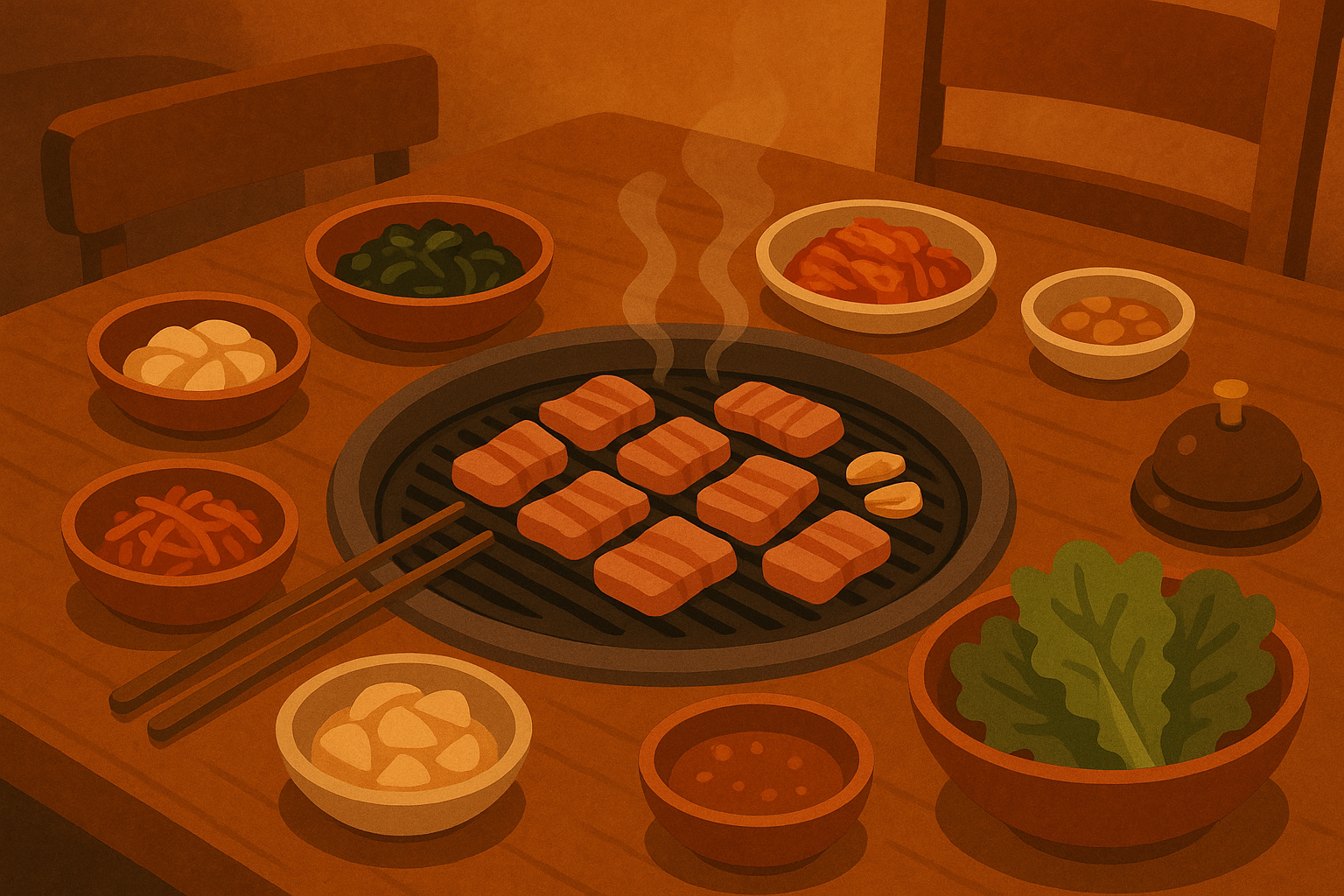
    Some restaurants skip the shouting entirely. Look down at your table — if there’s a small button or plastic buzzer near the napkins, that’s your call bell. One press and a light or chime tells staff exactly which table needs them, no vocal cords required. It’s especially handy in loud barbecue joints where nobody could hear you over the grill sizzle anyway. More and more places now have a small tablet or kiosk built into the table for ordering, and many of them also hide a dedicated “call staff” button in the menu, so you don’t need a single word of Korean to get someone’s attention. Some of my most successful restaurant interactions here have involved zero spoken language at all.

    So next time you’re out and the food seems to be arriving at every table except yours, don’t just sit there waiting politely. Take a breath, say “저기요,” or try out a “사장님” if you’re feeling brave, and watch how fast the room responds. It’s a small thing, but it’s one of those little cultural switches that makes you feel like you’re actually living here instead of just visiting.