My bathroom shelf used to hold three things: a bar of soap, a razor, and a bottle of something blue that promised to fix “all skin types.” Then I married into a Korean household, and now that same shelf looks like a small pharmacy display — seven bottles, two tubs, and a stack of foil packets that my mother-in-law insists I use “before it dries out.” She wasn’t wrong to worry. I ignored the packets for two months and they curled up like old leaves.
I’ve lived in Korea long enough now to stop asking “why so many steps” and start asking “why this order.” That second question turns out to be the more useful one, because the sequence isn’t random — it’s built on an idea that took me a while to actually absorb: skin is treated less like a problem to fix and more like a surface to keep hydrated, consistently, so it never gets to the point of needing a fix. Prevention over correction. Once that clicked, the whole shelf made a lot more sense.
Step One Is Actually Two Steps: Double Cleansing
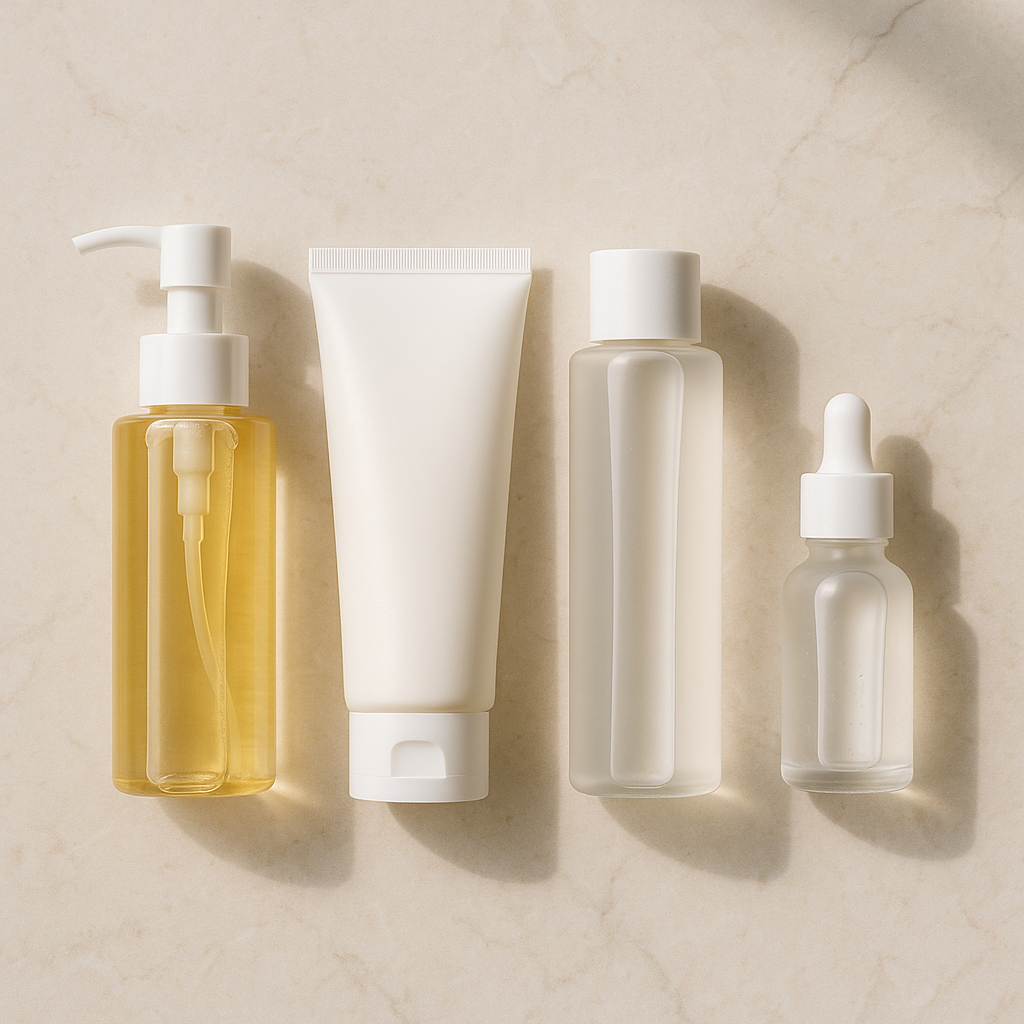
The first thing that threw me off was learning that “washing your face” here usually means washing it twice, back to back, with two different products. An oil-based cleanser goes on first — massaged into dry skin to lift sunscreen, makeup, and the invisible layer of city grime that settles on your face by evening. Seoul air isn’t always kind to skin, and after a day of commuting through it, that oil cleanse alone can leave a visibly different color on a cotton pad.
Then comes a foaming or gel cleanser, water-based, meant to catch what the oil missed — sweat, dead skin, the residue oil cleansers don’t fully rinse. The logic is simple once you hear it: oil dissolves oil, water finishes the job. Skipping straight to a foam cleanser, which is what I did for years, apparently leaves a thin film behind that nothing after it can properly penetrate. My mother-in-law calls a single cleanse “washing the outside of a window with the curtains still closed.”
Toner Here Doesn’t Mean What I Thought It Meant
Back home, toner was the astringent stuff that stung a little and was supposed to “close your pores.” Here it’s almost the opposite job — a thin, hydrating liquid patted or swept on right after cleansing to rebalance the skin’s moisture and pH before anything else goes on. Think of it less as a finishing touch and more as a primer coat. Everything that follows is layered on top of it, and if the toner step is skipped, the products after it apparently don’t spread or absorb the same way. I can’t verify the chemistry myself, but I can verify that my skin feels tighter on the mornings I rush and skip it.
Essence, Then Serum or Ampoule — Thin to Thick
This is where the routine stops looking like anything I grew up with. Essence is a Korean skincare category almost without a Western equivalent — thinner than a serum, watery, meant to soak in fast and hydrate broadly rather than target one specific concern. After that comes a serum or an ampoule, both more concentrated, layered on top because thicker products applied first would block the thinner ones from absorbing at all.
The general rule I’ve had explained to me more than once, usually while being handed a bottle to smell: go from lightest texture to heaviest. Water before oil. Thin before thick. It’s less a beauty rule than a basic principle of how liquids interact with skin, and once you frame it that way, the whole multi-step idea stops feeling excessive and starts feeling almost logical.
The Sheet Mask Ritual
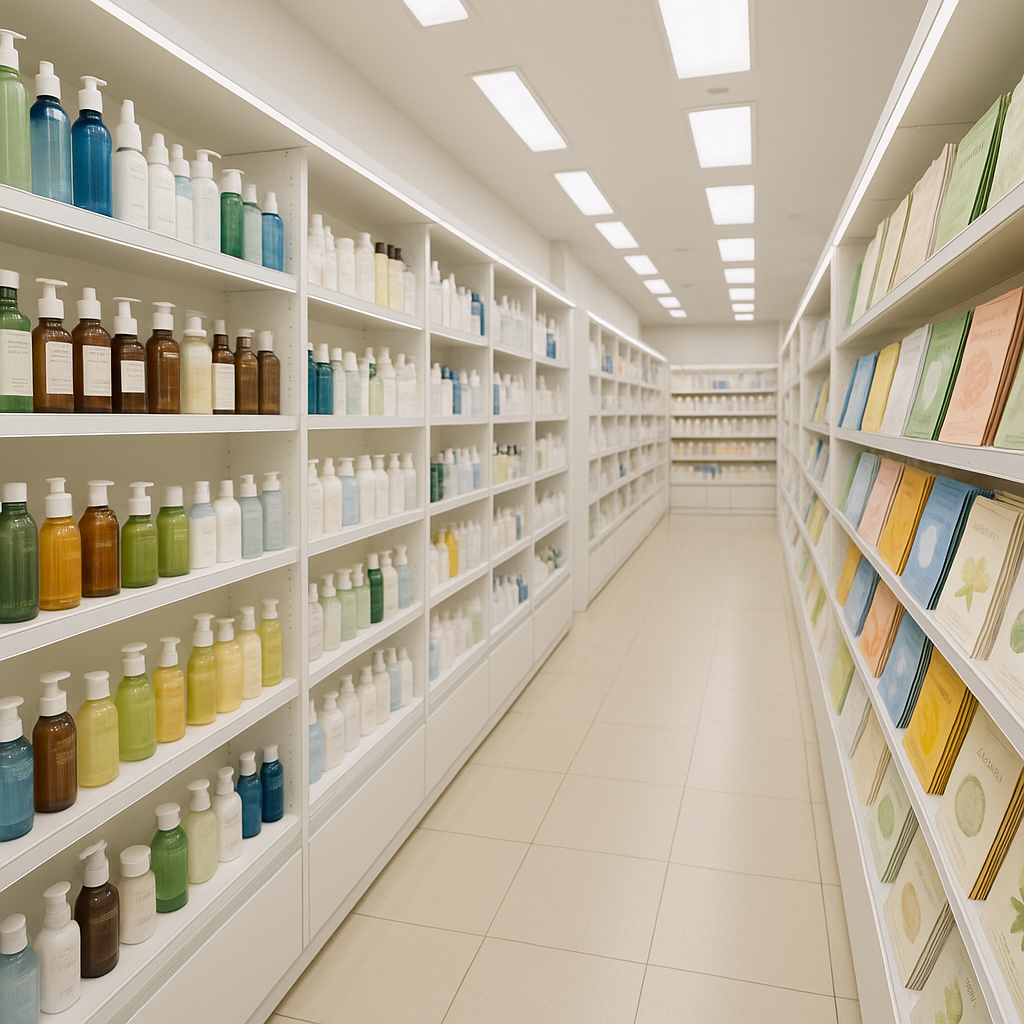
Sheet masks get treated here the way I’d treat a quick nap — not an everyday necessity, but a reset when skin looks tired or dry. Walk into any Olive Young and you’ll find an entire wall of them, sorted by ingredient focus, priced low enough that trying five different kinds in a month isn’t a big financial decision. What struck me wasn’t the masks themselves but how casually people use them — a twenty-minute mask while scrolling a phone or half-watching TV, not a special occasion, just Tuesday.
Eye Cream, Moisturizer, Sunscreen — Sealing It In
The last stretch of the routine is about locking everything in rather than adding something new. Eye cream, applied gently with a ring finger because the skin around the eyes is thinner and more easily tugged; moisturizer over the whole face to seal in every layer applied before it; and, in daylight hours, sunscreen — treated here less as an optional extra and more as the step that protects the effort of every step before it. I’ve noticed sunscreen shelves in Korean drugstores are enormous compared to what I remember from back home, with textures ranging from watery to almost powder-finish, which tells you something about how seriously daily sun protection is taken here regardless of weather.
The Cultural Logic Behind the Layers
What took me the longest to understand wasn’t any individual step — it was the underlying assumption. Skincare here isn’t primarily framed as damage control. It’s framed as maintenance, the same way you’d change your car’s oil before the engine starts knocking rather than after. Hydration comes first in that thinking, because well-hydrated skin is treated as the baseline condition everything else depends on, not a bonus. That’s a different starting point than the “problem, product, solved” pattern I grew up with, where you buy something specific because something specific went wrong.
I won’t pretend I do all seven or eight steps every single day — mornings before work rarely allow for it, and my routine on a rushed Tuesday looks more like cleanser, moisturizer, sunscreen, done. But the order stays the same, and that consistency, more than any single product, seems to be the actual point.
FAQ
Do I really need every single step every day?
From what I’ve observed and been told directly by Korean friends and family, no — the order matters more than the step count. A friend of mine skips ampoules on weekdays entirely and only does the fuller routine on weekends when she has time, but she never skips the toner-before-moisturizer order even on her laziest days.
What if I use a serum before a toner by mistake?
It won’t harm your skin, but the general understanding here is that the serum simply won’t absorb as effectively, since the toner is meant to prep the skin to receive it. My mother-in-law’s response to this question, when I once asked her mid-routine, was basically: it’s not a rule, it’s just less efficient.
Is this routine only for people with specific skin concerns?
Not from what I’ve seen. The framing at Olive Young and among people I know here is much more about general hydration maintenance than treating a particular issue — it’s closer to a daily habit like brushing your teeth than a targeted intervention, which is a different mindset than how skincare tends to get marketed elsewhere.