It was 1:40 in the morning at a jjimjilbang in Yeongdeungpo, and the man sleeping on the heated floor next to me was snoring louder than the TV mounted in the corner playing a rerun of some variety show nobody was watching. The air smelled like a strange mix of eucalyptus oil, chlorine, and warm floor mats — not unpleasant, just distinctly its own thing, the kind of smell you only ever encounter in one specific type of building. I was lying on a thin mat with a wooden pillow block under my neck, wrapped in the same orange t-shirt and shorts as every other person in the room. It occurred to me that I had paid about 12,000 won for this, and it was, without question, one of the best night’s sleep I’d had that month. That’s the moment jjimjilbang culture stopped being a “quirky Korean thing” to me and started being something I genuinely looked forward to.
If you’ve never heard the word, jjimjilbang (찜질방) is usually translated as “Korean bathhouse,” but that undersells it by a lot. It’s closer to a public bathhouse, a sauna complex, a rest lounge, and a 24-hour hostel all stacked into one building, often spread across three or four floors, and it never closes — which is exactly why I ended up sleeping there that night instead of paying for a hotel I didn’t need for six hours. It’s cheap enough that a college student and a retired grandmother can both afford to spend a whole Sunday there. Some are small neighborhood spots that have been running since the 1990s with the same laminate flooring since opening day. Others are sprawling compounds — like Spaland at Centum City in Busan or the well-known Dragon Hill Spa near Yongsan Station in Seoul — where you can genuinely lose an hour just trying to find the exit.
Step One: Surrendering Your Clothes
The structure is pretty consistent no matter which one you walk into, and once you understand the flow, it stops feeling confusing fast.
You pay at the front counter, usually somewhere between 9,000 and 15,000 won depending on the city and how fancy the place is, and get a wristband with a locker number and a barcode. That barcode tracks anything you buy inside — food, drinks, extra treatments — so you settle the whole tab when you leave instead of carrying cash around in a towel. That wristband becomes your entire identity for the next several hours.
From there, men and women split off into separate locker rooms, and this is where the part that surprises most first-time foreign visitors happens: you strip down completely before entering the bath area. No swimsuit, no towel wrapped around you while you walk to the tubs, nothing. I remember standing there my first time, half-undressed, genuinely stalling because I assumed I’d misunderstood the process. I hadn’t. In the gender-separated wet area — the mogyoktang — nudity is simply the default, the same way it would be at a Finnish sauna or a Japanese onsen. Nobody stares, nobody comments, and honestly, after the first ten minutes, you stop thinking about it entirely, which was not the outcome I expected walking in.
Before you touch any of the tubs, you sit at a low shower stool and wash — really wash, not a quick rinse — because everyone shares the same pools of water afterward.
Back home, a shared soaking tub with strangers sounds borderline unthinkable. There’s a very specific moment that gets almost every foreigner the first time: you’re standing fully naked at the rinse stations, an ajumma in her sixties strolls past without a flicker of self-consciousness, and you realize you’re the only person in the room treating this as a big deal. Korean bathhouse culture is built on the assumption that everyone scrubbed first, so the water itself stays clean rather than everyone individually being “clean enough” — and once that logic clicks, the whole nudity thing stops feeling like a big reveal and starts feeling like basic bathroom plumbing.
The Scrub, the Heat Rooms, and Everything In Between
If you stick around the wet area, you’ll probably notice a raised table off to the side with a woman or man in dark underwear working over someone lying face-down, scrubbing them with what looks like a rough washcloth. That’s the semokseshi, usually just called “the sekshi” (from the Korean word for scrub, semok), and it is not a spa treatment in the Western sense of aromatherapy oils and soft music. It’s a full-body exfoliation using an abrasive mitt, and it costs somewhere around 20,000 to 30,000 won on top of entry. It also does not feel gentle. Imagine being sanded down by someone who has five more customers waiting in line and zero patience for your delicate Western skin — that’s roughly the sensation. The first time I paid for one, I watched little gray rolls of dead skin peel off my own arm and had a brief moment of horror before realizing this was, apparently, completely normal and even expected. My skin afterward felt closer to how it feels after a week at the beach than after any shower I’d ever taken, minus the part where I briefly resembled a peeled potato.
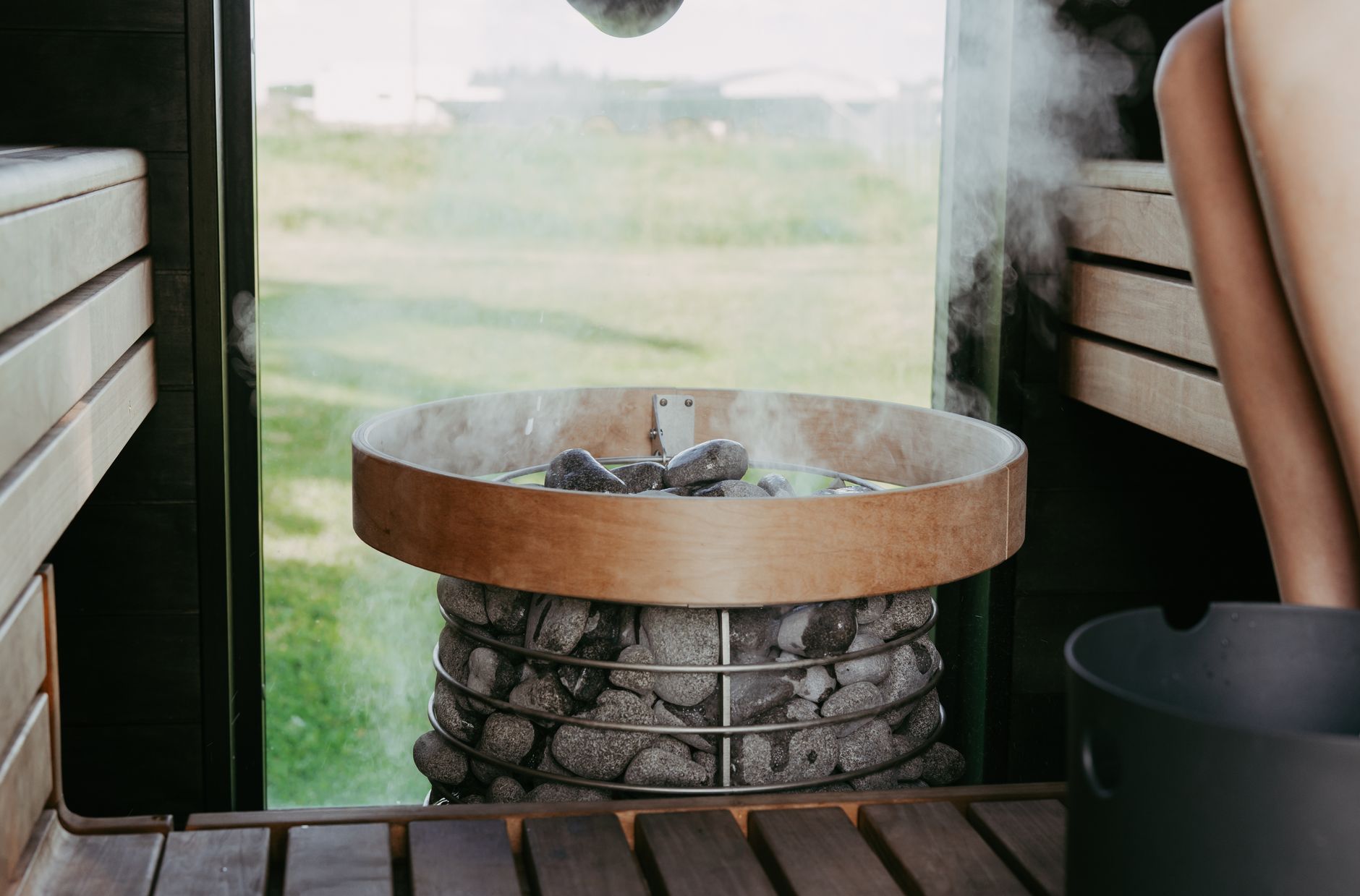
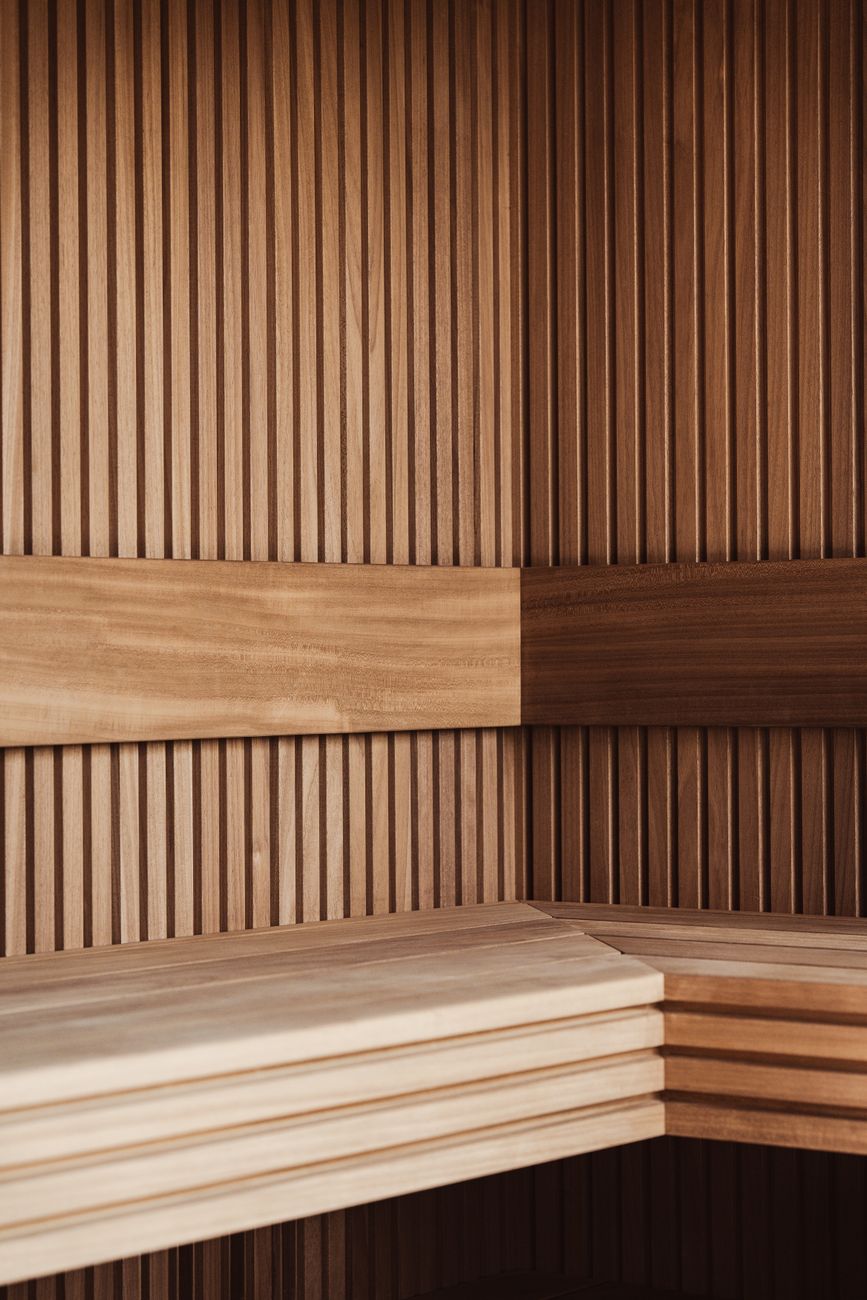
Once you’re done in the gender-separated wet area, you put on the jjimjilbang uniform — that matching t-shirt and shorts set, usually in a shade of orange, gray, or pink depending on the building — and head up to the co-ed floors, which is where the “sauna” half of the experience really kicks in. This is where jjimjilbangs get genuinely inventive. You’ll find a row of small themed rooms, each built around a different material and heat level: a salt room, a charcoal room, a jade room, sometimes an ice room kept just above freezing as a shock-cold contrast after the hotter ones. Each one comes with a laminated sign claiming it allegedly cures everything from poor circulation to general bad luck, and whether or not you buy any of it, sitting in a 70-degree Celsius salt sauna with a dozen strangers, all silently sweating and staring at the same muted TV, is a genuinely calming way to spend twenty minutes.
And then there’s the food court, which might be my favorite part of the whole ritual. Every jjimjilbang I’ve been to sells the same two things almost religiously: sikhye, a sweet, chilled rice punch with soft, chewy grains floating at the bottom, so sugary it borders on dessert, and hard-boiled eggs that you crack against your own forehead — a genuinely bizarre little tradition that nobody fully explained to me the first time and that I now just accept as part of the ritual. The egg yolks come out slightly chalky and dry, which is exactly why you need a cold gulp of sikhye right after to wash it down; the two foods are basically designed as a pair. Beyond those two staples, most places serve ramyeon, bibimbap, and grilled squid, eaten at low plastic tables while still in your matching sauna outfit, sweat-damp hair and all. Nobody dresses up for this part. That’s kind of the point.
Where the Nudity Stops Being a Big Deal
I’ve talked to a lot of other expats about their first jjimjilbang visit, and there’s a common shape to the surprise: it’s rarely the sauna heat or the food that catches people off guard, it’s the nudity and the sheer casualness around it. Western bathing culture, at least where I’m from, treats nakedness as either intimate or clinical — a locker room you get in and out of as fast as possible. Korean bathhouse culture treats it as neither. It’s just logistics. You can’t scrub properly in a swimsuit, and the whole point of the shared tubs is that everyone’s equally exposed, equally vulnerable, equally unbothered. There’s something almost leveling about it — the CEO and the delivery driver look identical standing at the sink with their toiletry bag, and I think that’s part of why jjimjilbangs cut across every income bracket in a way that a lot of Korean social spaces don’t.
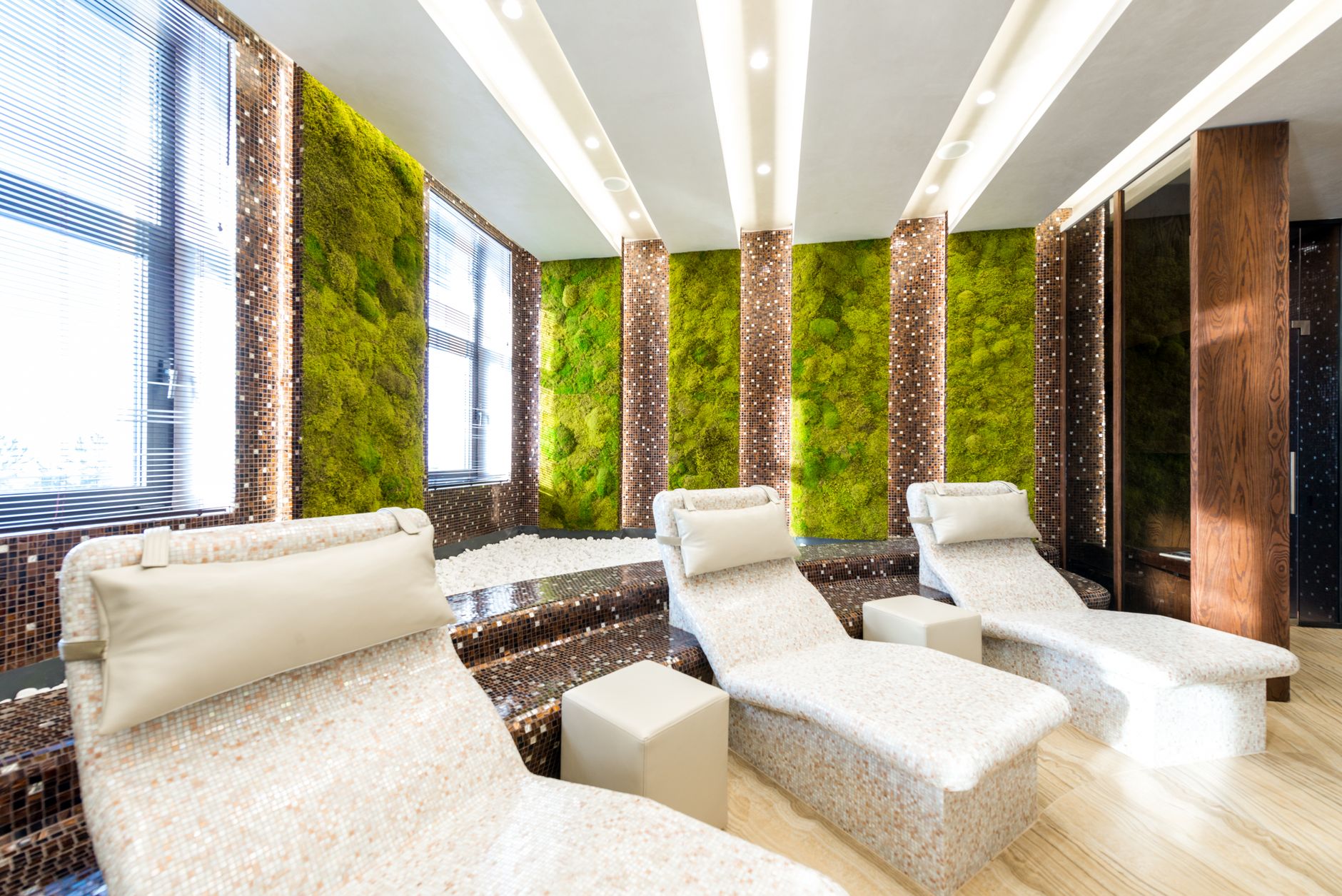
The overnight sleeping catches people off guard for a different reason. Jjimjilbangs function as a genuine, if unofficial, safety net — for travelers who missed the last subway, for workers pulling all-nighters near the office, for couples who need somewhere quiet after a fight, and yes, occasionally for people who just don’t have anywhere else to stay that night. The sleeping areas are usually a large heated-floor room (the “jjimjil” part of the name literally refers to heat-steaming) with folded mats, wooden or ceramic pillow blocks, and shared blankets. It’s not glamorous, but it’s warm, it’s safe, and it’s a fraction of the price of even the cheapest guesthouse. I’ve slept better in a room full of strangers’ snoring at a jjimjilbang than I have in some actual hotels, which says more about the ondol-style heated floor than it does about my tolerance for noise.
Practical Tips for Your First Visit
If you’re planning to go, a few things make the first trip smoother. Bring your own underwear to change into afterward, since most places don’t sell it on-site, and don’t bother bringing a swimsuit — you genuinely won’t need it and can’t use it in the wet area anyway. Most jjimjilbangs provide a small towel, but it’s usually tiny, more of a modesty gesture than a functional towel, so don’t expect to dry off with it the way you would at home. If you’re self-conscious about tattoos, know that some of the larger, more traditional bathhouses still associate visible tattoos with organized crime and may ask you to cover them or, in rarer cases, decline entry — smaller neighborhood spots and the more tourist-friendly ones tend to be far more relaxed about this, but it’s worth checking ahead if you have large pieces. Go on a weekday afternoon if you want to skip the crowds; weekends, especially with families, get genuinely packed. And don’t rush it — the appeal of a jjimjilbang isn’t the ten minutes you spend actually bathing, it’s the three or four hours you end up staying because there’s nowhere you’d rather be.
Why I Keep Going Back
I still think about that night in Yeongdeungpo more than I probably should. There’s something about a room full of complete strangers, all snoring, all sweaty, all equally stripped of whatever status or image they carry around during the day, that makes me feel more plugged into life here than a quiet afternoon at a coffee shop ever could. A cafe is where people go to be alone together. A jjimjilbang is where people go to actually be together, even if nobody says a word to each other the whole night. It’s a strange kind of intimacy — unglamorous, a little sweaty, occasionally involving a stranger sanding the skin off your back — and it’s one of the few places in Korea where I’ve genuinely felt like I belonged simply by lying down on the same floor as everyone else.
FAQ
Do jjimjilbangs have separate areas for women, including in the overnight sleeping zones?
Yes. While the co-ed floors — saunas, food court, common sleeping room — mix genders, most larger jjimjilbangs also offer a smaller, quieter women-only rest area near the female locker room, which is worth asking staff about if you’d rather not sleep in the big open common room.
Are jjimjilbangs safe for solo female travelers?
Generally yes. The bath areas are strictly gender-separated, staff are typically on-site around the clock, and the co-ed floors tend to be quiet, family-oriented spaces rather than anything rowdy. As mentioned above, asking about a women-only rest zone is a good option if you want extra peace of mind overnight.
What if I have visible tattoos?
It depends heavily on the specific bathhouse. Older, more traditional locations sometimes still equate tattoos with organized crime and may ask you to cover up or, occasionally, turn you away. Newer, more tourist-oriented spots are usually far more relaxed, so it’s worth a quick search or a phone call ahead if you have larger pieces.
Leave a Reply