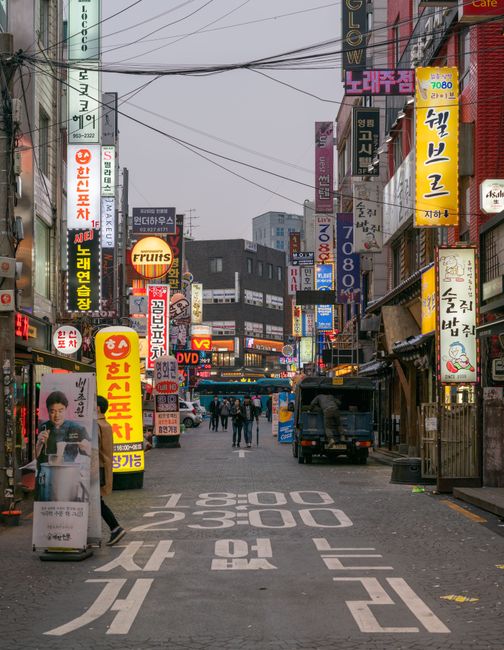
A guy in a hardware-store apron once watched me hesitate outside an unmarked steel shutter in Euljiro, phone flashlight aimed at a door with no sign, and just said, “Push it, it opens.” It did. Behind it was a bar with twelve seats and a bartender slicing a single perfect ice cube, wedged between two wholesale bolt shops that had gone dark for the night. That’s the version of Seoul I keep circling back to after four years here — not the glossy itinerary everyone screenshots before their flight, but the one that only shows itself once you stop looking for a sign telling you where to go. I’m Yijidaddy, and this isn’t a ranked list. It’s a short set of places I’d actually send a friend who already did Gyeongbokgung and Myeongdong last time and wants Seoul without the queue.
Before I get into it, one honest caveat: none of these are secret in the sense of being unlisted anywhere. Naver Maps knows every one of them. What they share is that they were built for logistics, not leisure — a hardware district, a shoe factory, a stream people walk their dogs along — and that changes how a place feels underfoot. So treat them the way you’d treat a stranger’s neighborhood, because that’s exactly what they are.
Euljiro: Drinking in the Machine Shop
You’d expect a district full of wholesale lighting shops, tile suppliers, and metal fabricators to empty out completely by 8pm, and by day it basically does. Take Line 2 or Line 5 to Euljiro 3-ga Station, come up around exit 4 or 5 in daylight, and you’ll find nothing but roll-down shutters, stacked pipe fittings, and the smell of solder clinging to the sidewalk. Walk that same stretch again at night and the shutters are still down, still unlit, still giving nothing away — which is exactly what got me curious the first time a coworker dragged me here. Somewhere around 2015, young bartenders and designers started renting the cheap upper floors and back rooms nobody else wanted, and the neighborhood picked up a nickname that stuck: hipjireum, a mashup of “hip” and Euljiro. It sounds like a marketing gimmick, and I half expected it to be one, but it isn’t run that way at all.
What makes it work is the mismatch. A door with zero signage, sandwiched between an electrical supply shop and a shuttered noodle press, can lead to a fifteen-thousand-won plum-infused soju cocktail you nurse slowly while the bartender explains the base spirit came from a distillery in Gyeonggi-do. There’s no glowing sign to guide you, no line out front, nothing on the street suggesting anything is happening at all, which is precisely why it hasn’t been swallowed by tour groups the way Ikseon-dong has. Go after 8pm on a weeknight rather than a Friday if you want an actual seat and a conversation with the bartender instead of shouting over a crowd. Most of these places don’t take reservations and most fit fifteen to twenty-five people, so a party of six should plan to split up or wait it out.
Seongsu, One Block Off the Feed
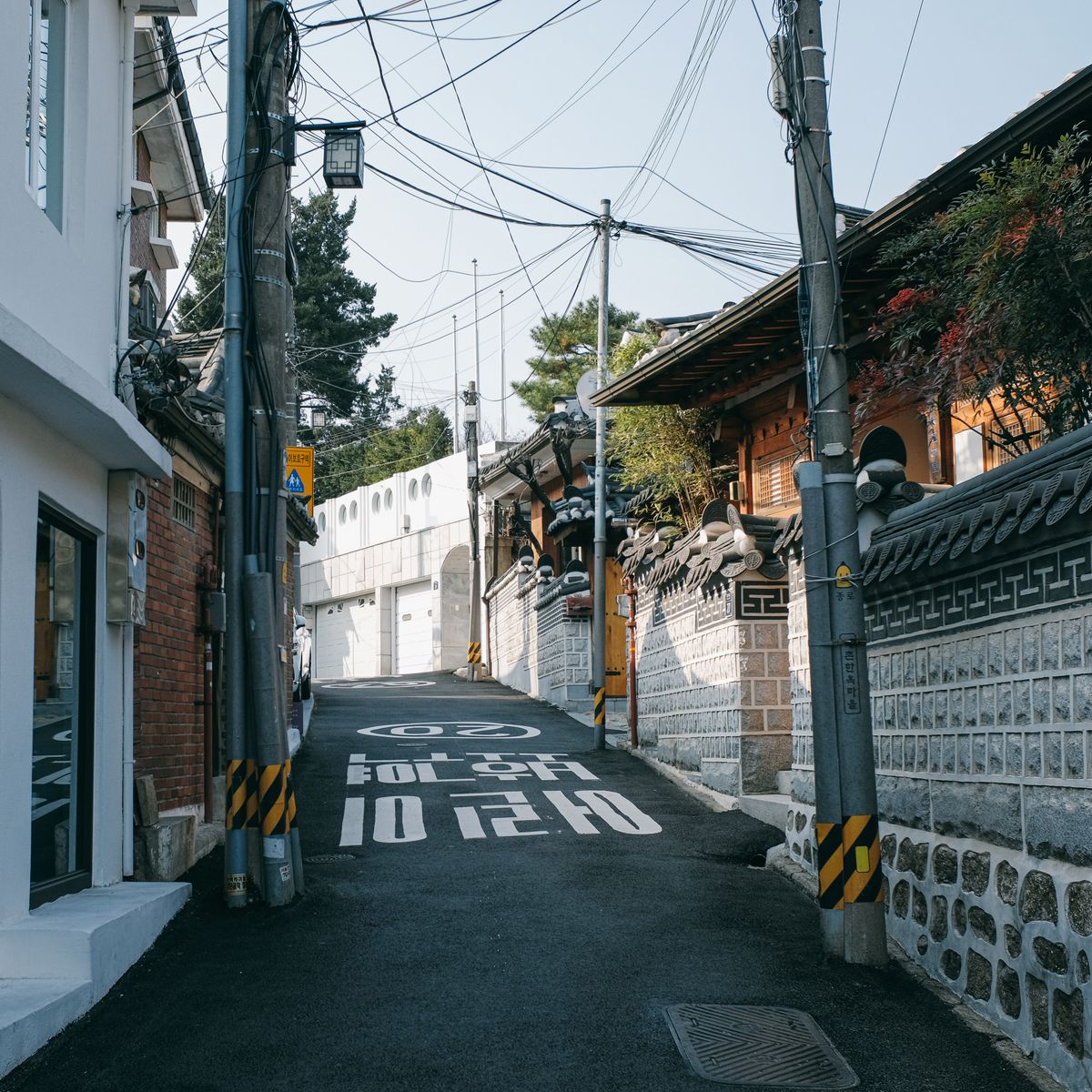
Everyone already knows Seongsu now — the flagship stores, the industrial-chic cafes converted from old shoe factories, the line outside whatever bakery is trending that month. Fair enough, it earned that reputation. But here’s the part most visitors skip entirely: walk one block off Seongsu-ro, the main strip, toward Yeonmujang-gil, and you land back in the neighborhood’s other life. This stretch near Seongsu Station, Line 2, exit 3, heading away from Seoul Forest instead of toward it, is still a working accessory and shoe wholesale district. Metal signs list phone numbers instead of Instagram handles, and the air carries that particular mix of machine oil and fresh-roasted coffee beans that tells you two very different economies are sharing the same block.
I nearly turned back the first time, assuming I’d wandered off the “real” Seongsu by mistake, since nothing about the shopfronts looked designed for anyone but wholesalers. Then I noticed a coffee counter wedged into what used to be a shoe last workshop, still fitted with the original ceiling hooks, seating maybe six people on stools clearly borrowed from somewhere else. That’s the pattern here: small cafes and design studios slotted into working shopfronts rather than replacing them outright, so a wholesaler moving boxes of zippers ends up next door to someone pulling espresso on a machine that cost more than the shop’s monthly rent. It’s quietest on weekday mornings, roughly 10 to 11am, before the delivery trucks finish and before the weekend cafe crowd arrives at all. Locals who live nearby tend to treat this stretch as a shortcut and a coffee stop, not a destination, which is probably the whole reason it hasn’t been overrun the way the main strip has.
Bomun-dong: A Neighborhood With No Headline Act
If you’ve heard of Seongbuk-dong’s hanok streets, you might assume Bomun-dong, tucked just south near Korea University, is more of the same. It isn’t, and that’s sort of the appeal. There’s no single landmark pulling people here, which probably explains why it barely shows up on English-language blogs at all. Take Line 6 to Korea University Station or Bomun Station and follow the Seongbukcheon stream path, and you land in a low-rise residential pocket where a bakery still selling old-school boribang, barley bread, sits a few doors down from a used bookstore with a window display of dog-eared paperbacks nobody’s bothered to rearrange in months.
You might expect a neighborhood this close to a major university to feel loud, and near the campus gates during the day, it can. But drift a few streets south toward the stream itself, especially in the late afternoon around 4 or 5pm, and the noise falls away fast. Students study at window-seat cafes that still post handwritten specials on paper taped to the glass instead of a laminated menu built for photos. I’ve walked this stretch on a weekday and counted more strollers and dog leashes than tourists with cameras, which felt oddly fragile, like a mood that wouldn’t survive being written about too loudly. Go for a slow walk rather than a checklist of stops; there isn’t one landmark so much as an atmosphere, and that’s easy to miss if you’re rushing between two better-known districts on either side of it.

Achasan: The Sunset View Without the Line
Ask a tourist where to catch a sunset over Seoul and you’ll hear Namsan or Bukhansan almost every time, and both are genuinely worth the climb once. But Bukhansan on a clear Saturday can feel more like a queue than a hike, especially near the main peaks, which is exactly why I started taking the subway out to Achasan instead. At only 287 meters, it’s more of a serious hill than a mountain, and that low bar is probably what gets it skipped by anyone chasing a “real hike” — but the same low bar is what makes it approachable, and why the crowd here skews toward local retirees and neighborhood regulars rather than hiking tour groups in matching gear.
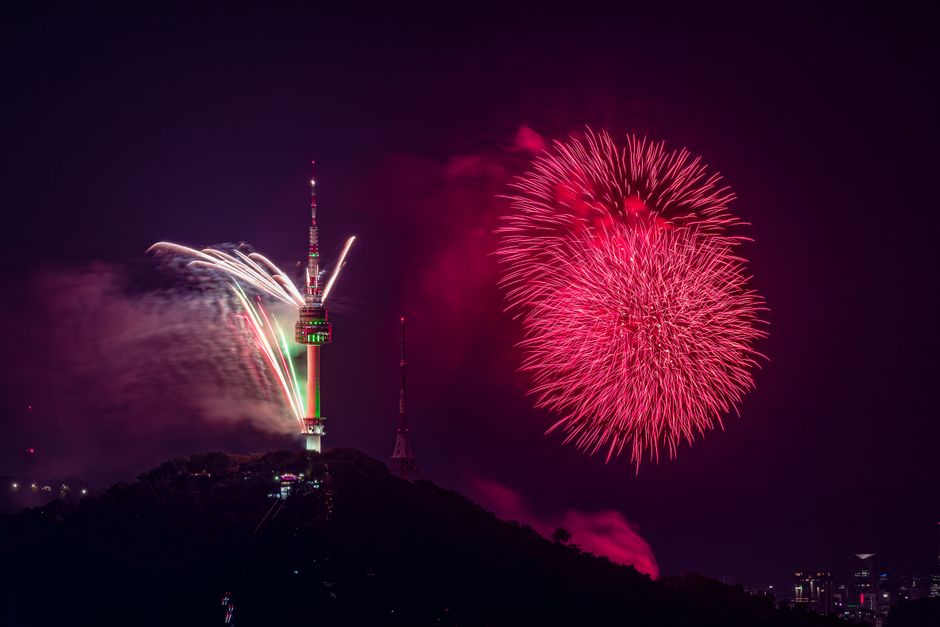
Get off at Achasan Station on Line 5, exit 2, and follow the signed trail up through pine forest toward the Achasan Fortress ruins, earthen walls dating back roughly seventeen hundred years to the Goguryeo kingdom, which most visitors walk straight past since there’s no placard shouting about their age. The summit clears enough to give you the Han River bending below, Jamsil’s Lotte World Tower catching the last light on the opposite bank, and on a good evening, the whole skyline sliding into orange without another camera crowding your shot. Time it for about an hour before official sunset, which shifts through the year, so check that specific day rather than assuming; the round trip from the station takes maybe ninety minutes at an easy pace, sneakers are genuinely fine, and there’s no entrance fee or gate to slow you down.
Past Mangwon Market, Where the River Goes Quiet
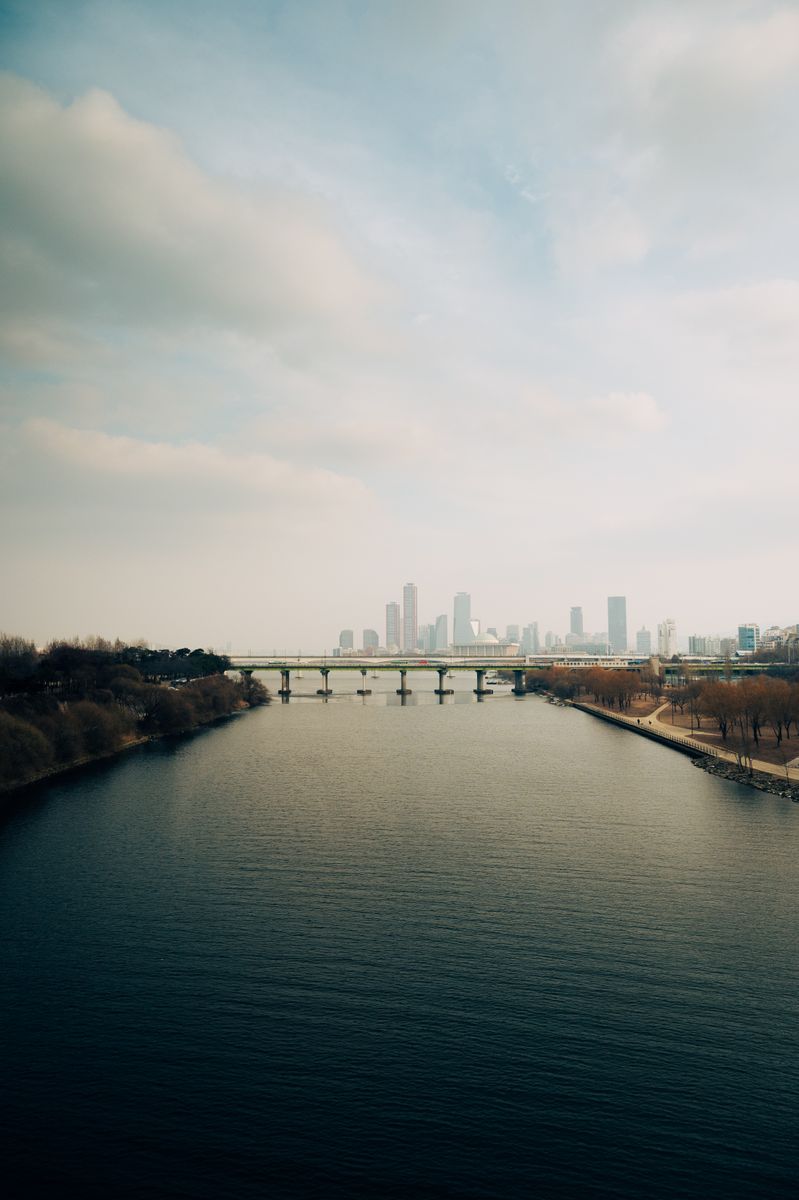
Mangwon Market gets its due credit already — I’ve written before about the hotteok stall my daughter still asks about — so let me point you just past it instead. Take Line 6 to Mangwon Station, exit 1, and skip the turn into the market for now. Keep walking north, past the last of the produce stalls, until the buildings fall away and the road opens straight onto Mangwon Hangang Park. You’d assume any stretch of the Han River would be packed given how popular Yeouido and Banpo’s fountain bridge have become, and closer to those spots on weekends, that’s true. This bank sits far enough from the flashier river parks that it somehow stays calm even on a Saturday evening.
What you get instead of a food truck row is a long, unhurried bike path, a modest patch of reed grass along the water’s edge, and mostly Mapo-district families out for an evening walk rather than anyone performing a picnic for the camera. I’ve sat there around 6 or 7pm in early autumn and counted more grandparents walking dogs than couples staging photos, which is a strange detail to find comforting, but somehow I did. If you want the classic sit-by-the-Han experience without a fifteen-minute wait for grass space, grab something from the market first, since it’s genuinely worth the stop, then walk the extra five minutes north before you settle in.
A Few Honest Notes Before You Go
None of this works if you show up expecting a curated experience, because curation isn’t what any of these places are offering. Euljiro’s bars can be dead on a Tuesday and slammed on a Friday with zero warning between the two. Bomun-dong has exactly one mood and no headline attraction, so if you need a landmark for your camera, it will disappoint you. That’s the trade you’re making: fewer guaranteed photo opportunities, more chance of standing somewhere that still belongs to the people who live there. I’d take that trade most days, but it’s worth knowing what you’re signing up for before you build an entire afternoon around it. And popularity moves fast here — Seongsu was a shoe-manufacturing district a decade ago and now anchors half the “trendy Seoul” listicles online, this one included. Nothing here is guaranteed to stay quiet, so go like you’re visiting someone’s block, not shooting content on it. If the pull toward Seoul after dark stays with you, I went looking for that same feeling once in Wandering a Korean Night Market After Dark: What I Found in Namdaemun, and if Mangwon’s food stalls are calling louder than the riverbank, What My Daughter Learned From the Hotteok Ajumma at Mangwon Market covers that ground properly.
Frequently Asked Questions
Is Euljiro’s bar scene safe to explore alone at night, even without much Korean? Yes, generally. The main roads stay well-lit even when the side alleys look shuttered, and the bars themselves are used to non-Korean-speaking customers by now. Bring a translation app for the menu, expect most staff to manage basic English for ordering, and stick to alleys within a few minutes of the main road on your first visit rather than pushing deep into the district before you’ve got your bearings.
I only have one evening free — should I pick Achasan’s sunset hike or the Mangwon riverside walk? If the weather’s clear, take Achasan; the view is the kind you don’t get back easily, and ninety minutes round trip is manageable even after a full day. Save the Mangwon riverside walk for an evening when you’re tired or it’s overcast, since it needs almost no effort and still delivers a real slice of local life along the water.
Do these neighborhoods work well with kids in tow? Bomun-dong and the Mangwon riverside are the easiest with children — flat ground, stroller-friendly paths, nothing rushed. Achasan is fine for older kids who can handle ninety minutes of walking, but I wouldn’t bring a stroller up that trail. Euljiro’s bar alleys are really an adults-only evening plan, both because of the venues themselves and because the streets turn genuinely quiet and industrial after dark.