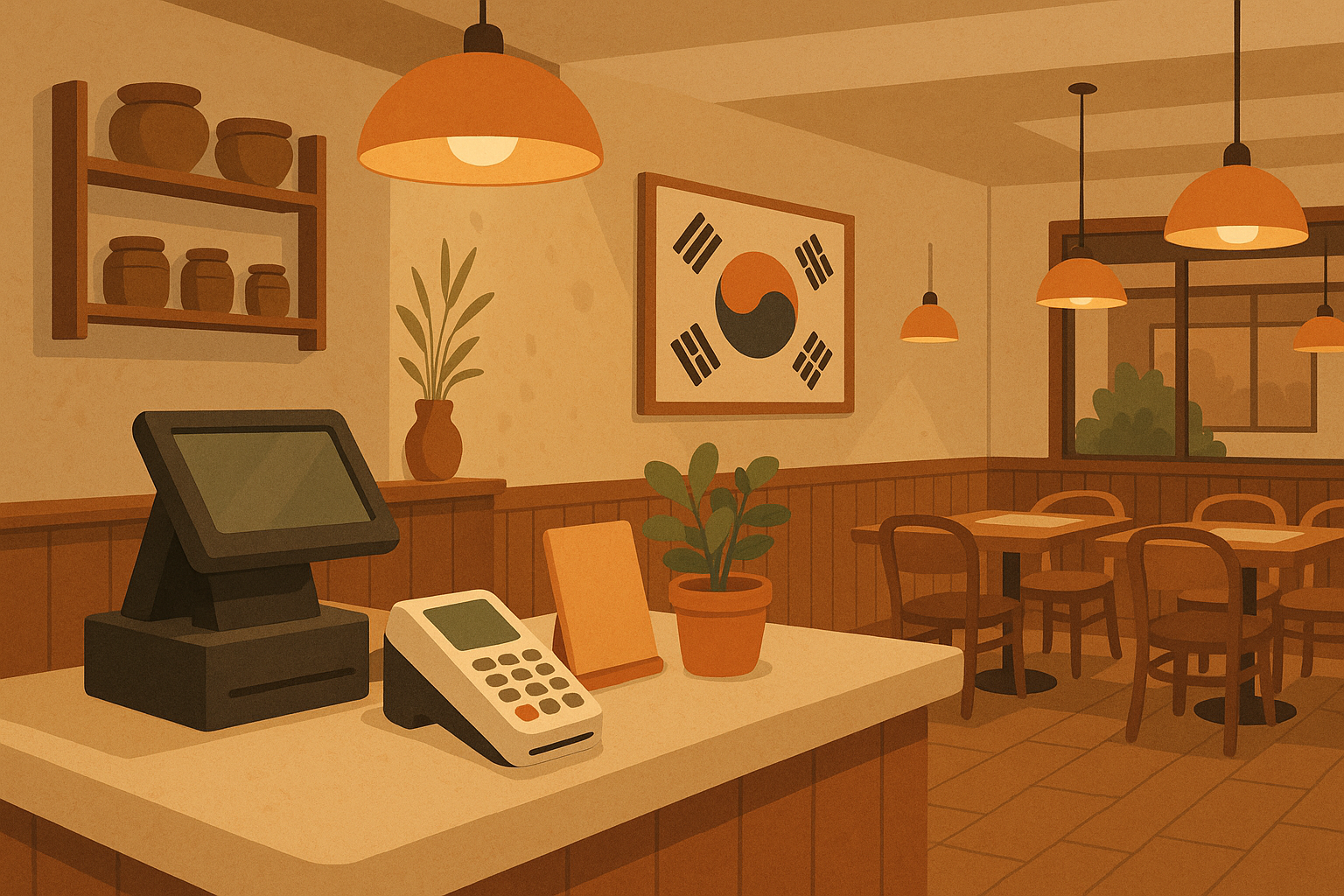
The card reader beeps, spits out a receipt, and that’s the whole transaction. No screen swivels around asking me to add 15, 18, or 20 percent. No little jar by the register with a hand-written “tips appreciated” sign taped to it. After years of paying for meals, haircuts, and taxi rides in Korea, I still catch myself noticing the absence of that ritual — the one that, growing up, felt as automatic as putting on a seatbelt.
Why the reflex doesn’t just disappear
Tipping isn’t illegal in Korea, exactly, but it’s structurally absent in a way that goes deeper than habit. Under Korea’s Food Sanitation Act, the price printed on a restaurant menu is required to already include VAT and any service charge — what you see is what you pay, full stop. There’s no line on the card receipt for “gratuity,” no percentage suggestions, nothing to fill in. Servers and cooks in most restaurants are on a fixed wage; their pay isn’t tied to how generous the table in the corner happens to be feeling that night. So tipping doesn’t get quietly discouraged here so much as it never had a slot to slide into in the first place.
That’s the part that trips people up. In a lot of tipping cultures, the custom exists because base wages assume it. In Korea, the system was never built with that assumption, so bolting a tip onto it doesn’t complete the transaction — it just confuses it.
What actually happens if you try
I’ve left a few thousand won on the table more than once, in the early years, out of pure muscle memory after a good meal. The result is almost always the same: a server catches it within seconds, assumes you forgot your change, and jogs it out to you on the sidewalk. It’s not performative modesty — they’re not going to leave money sitting on a table, because in their mental model of the transaction, unclaimed cash is a mistake to be corrected, not a gift to be pocketed. I’ve watched the same thing happen to visiting friends and family, usually accompanied by a slightly startled look on both sides: theirs at being handed money back, mine at having, once again, forgotten that the rule really does apply every time.
There’s also a quieter social layer to it. Korean service culture leans on a kind of professional pride — doing the job well is the baseline, not something that earns a bonus on the spot. Attaching a cash reward to that can read as slightly presumptuous, as if you’re grading the server’s performance in real time rather than just being a customer having dinner.
The exceptions worth knowing
None of this is absolute, and pretending otherwise would oversimplify it. Some hotels and higher-end restaurants — the kind with white tablecloths and a maître d’ — legally add a 봉사료 (bongsaryo), a service charge of around 10 percent, built directly into the bill. That charge is the tip; it’s already there, already disclosed on the receipt, and adding more on top of it is unnecessary. Spas and certain resort-style establishments sometimes do the same.
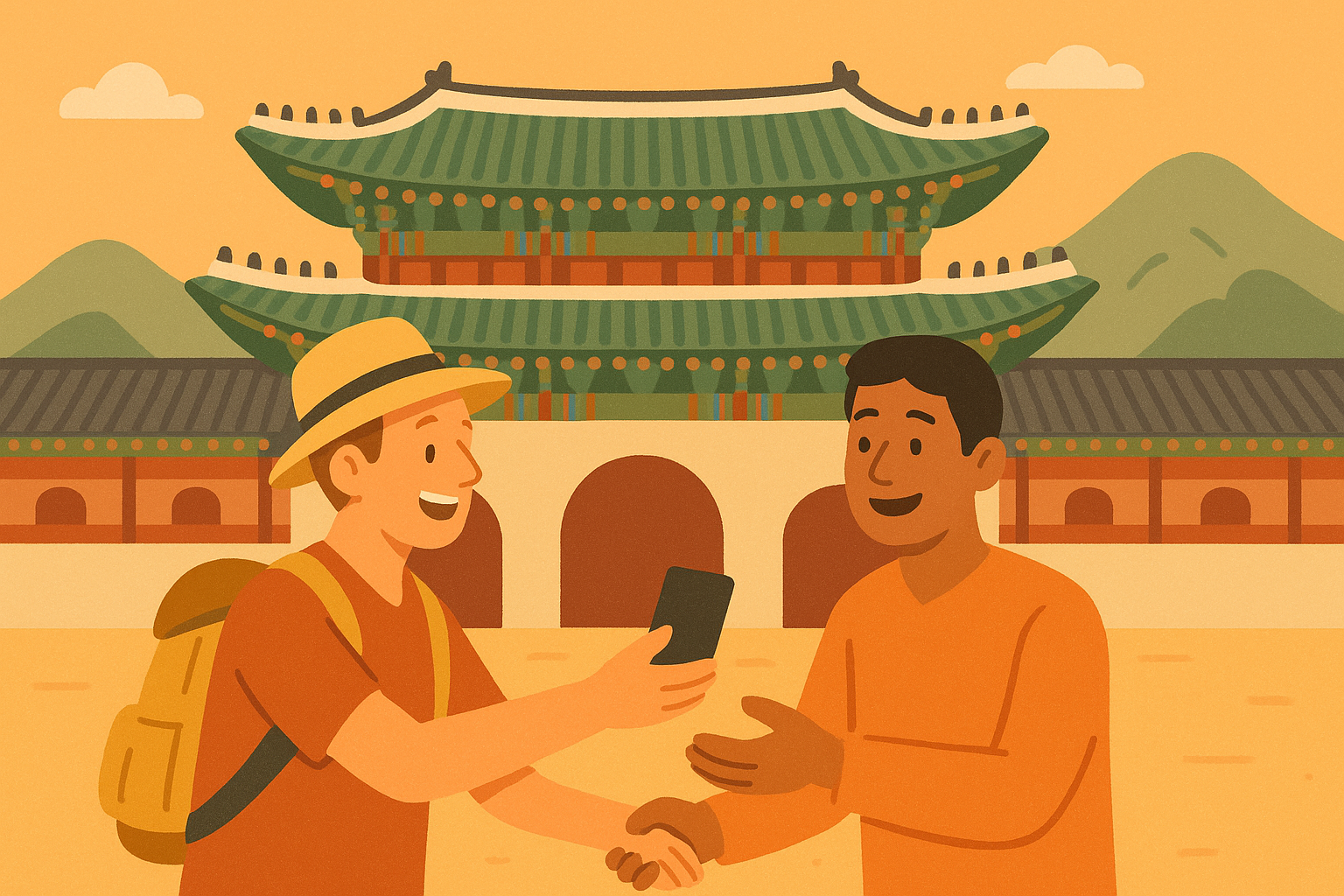
Then there’s tourism-facing work: private tour guides, drivers on multi-day trips, sometimes hiking or fishing guides catering specifically to foreign visitors. This is the one corner of the economy where tipping has crept in over the past decade or so, largely because so many of the guests are foreigners who tip out of habit and the guides have adapted to expect it. Even there, it’s appreciated rather than assumed — nobody hands you a bill with a suggested amount.
What to do instead
The honest answer is: less than you’d think. A sincere “jal meogeosseumnida” (roughly, “I ate well,” said on the way out) lands better than cash ever would. Coming back, recommending the place to a friend, telling the owner the food was good — these register as the real currency of appreciation here. It took me a while to stop feeling like I was being cheap by not tipping and start recognizing that, in this system, not tipping is the polite move.
FAQ
Should I tip taxi drivers in Korea?
No. Korean taxis run on the meter, and drivers don’t expect anything beyond the fare shown on the display. If a ride comes to 8,700 won, rounding up to 9,000 won because you don’t have exact change is fine and won’t raise an eyebrow — but handing over an extra couple thousand won as a “tip” will usually just get pushed back to you.
What about hotel bellhops or housekeeping?
This is genuinely one of the gray zones. At large international chain hotels in Seoul or Busan that cater heavily to foreign guests, a small tip for a bellhop carrying bags — a few thousand won — is sometimes accepted without much fuss, especially if it’s handed over quietly rather than left visibly on a cart. At a mid-range Korean-run hotel or a guesthouse, though, the same gesture is more likely to be met with polite refusal. When in doubt, a warm thank-you covers it.
Is it rude to tip in Korea, or just unnecessary?
It’s rarely taken as offensive, especially from someone who is obviously a visitor — most service workers, particularly younger staff in tourist-heavy areas, understand it’s a gesture of gratitude and won’t be insulted. But it does create a small logistical headache: there’s often no graceful way to accept it, no register function for it, and no cultural script for what to say back. The most common outcome isn’t offense, it’s mild confusion followed by someone jogging after you with your money.