The first time I sat down alone at a Korean barbecue place, the owner walked over, looked at the empty seats across from me, and asked if I was waiting for someone. I wasn’t. I just wanted galbi and a quiet lunch. That small, awkward pause — the “are you sure it’s just you?” moment — is the whole story of solo dining in Korea in one sentence. It used to be a real obstacle. These days, it’s mostly a memory, though not entirely.
What honbap actually means
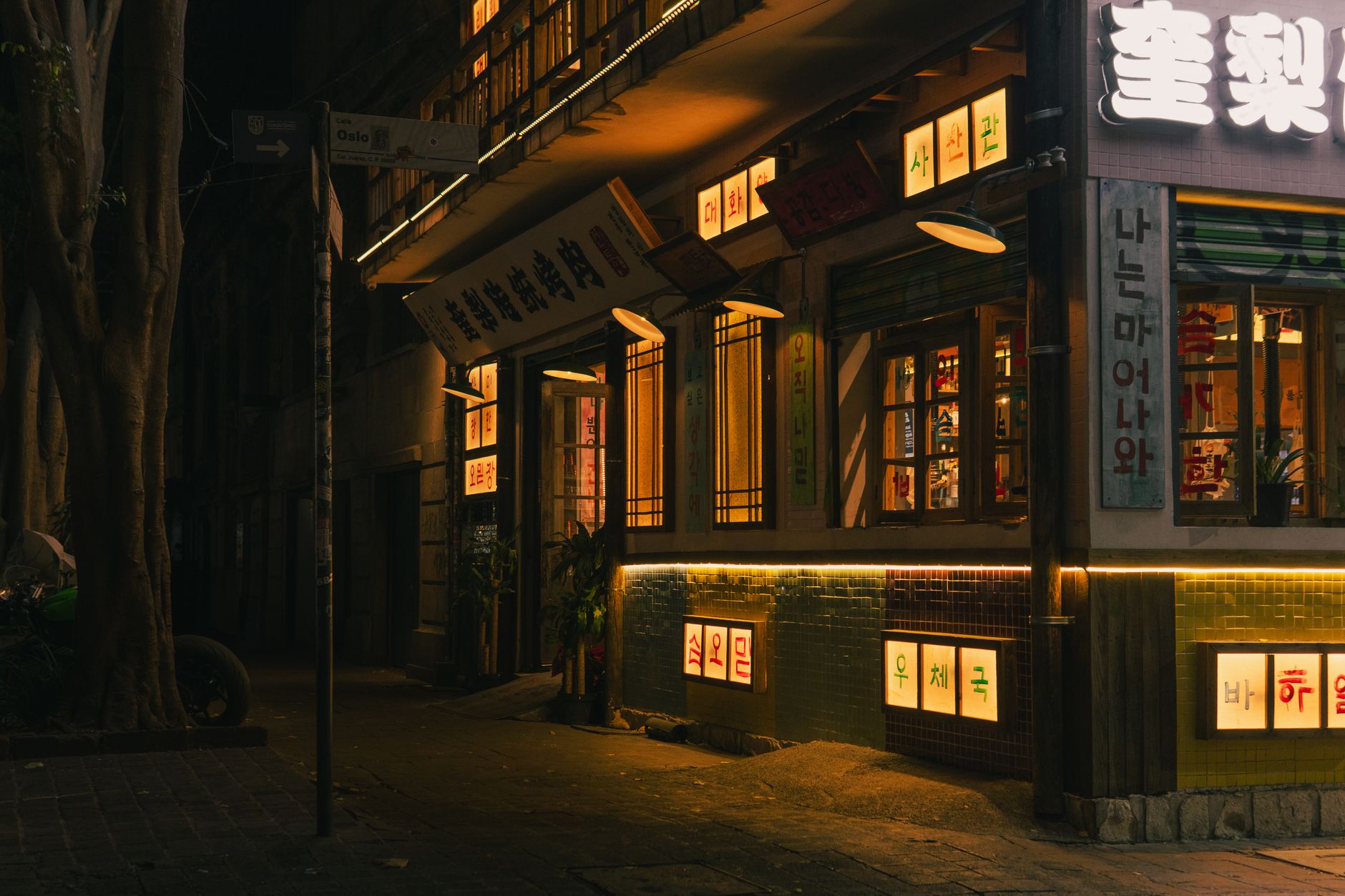
Honbap (혼밥) is a compound of “honja” (alone) and “bap” (rice, or meal) — eating by yourself. You’ll also hear “honsul” for drinking alone and “honyeong” for watching a movie solo; Korean has quietly built an entire vocabulary around doing things by yourself over the last decade or so. That in itself tells you something. Ten years ago you rarely needed a word for it, because it rarely came up.
Korean dining has traditionally revolved around the shared table — communal stews, grilled meat split among the group, side dishes (banchan) refilled for everyone at once. A lot of restaurant menus were built assuming at least two people: samgyeopsal ordered by the portion for two, jjigae priced for a pot meant to be shared. Walking in solo used to mean either getting turned away outright or getting served with a raised eyebrow. You might assume that’s exaggeration, but staff at some restaurants really would ask a solo customer to eat quickly and free up the table, or seat them somewhere out of the way near the kitchen.
Why the shift happened
The honbap boom didn’t come out of nowhere. Around 2017, media outlets in Korea started pointing to it as a genuine cultural turn, not just a niche habit among students or night-shift workers. The underlying demographic shift is the real driver: single-person households made up roughly a third of all households in Seoul by the early 2020s, and the number keeps climbing as marriage rates fall and people live alone longer, whether by choice or circumstance. Restaurants that ignore that many potential customers are, frankly, leaving money on the table.
There’s also a television and streaming effect worth mentioning — shows built around the pleasure of eating alone, following characters who savor a meal for one without anyone commenting on it, helped normalize the idea that honbap isn’t sad or pitiable. It can just be relaxing. Surprisingly, for a culture that spent decades prizing the group over the individual, that reframing landed fast. Business owners noticed and adapted their floor plans, not just their attitudes.
Where solo diners still get side-eyed — and where you’ll never notice
Not every restaurant category caught up at the same pace, so it helps to know the map before you go in expecting either total ease or total friction.
Gukbap houses (rice-in-soup shops) were basically built for honbap before the word existed. You order at a counter or from a simple menu, sit at a long bar-style counter, and eat in fifteen minutes. Nobody blinks. The same goes for most noodle shops, kimbap chains like Kimbap Cheonguk, and the entire convenience store ecosystem — GS25, CU, 7-Eleven — where you can grab a triangle kimbap or instant noodles, add hot water at the in-store kettle, and eat standing or seated right there. It sounds almost too casual to count as “dining,” but for a huge share of solo diners in Korea, that’s the daily default, not a last resort.
Kiosk-ordering restaurants deserve a special mention because they’ve quietly solved a big chunk of the honbap anxiety problem. If there’s a touchscreen at the entrance, you don’t have to catch anyone’s eye, explain that it’s just you, or navigate a conversation in a language you might not speak fluently. You tap, you pay, you sit. Chains that have gone all-in on kiosks — many franchise gimbap shops, budget donkatsu spots, coffee chains — are functionally solo-proof now.
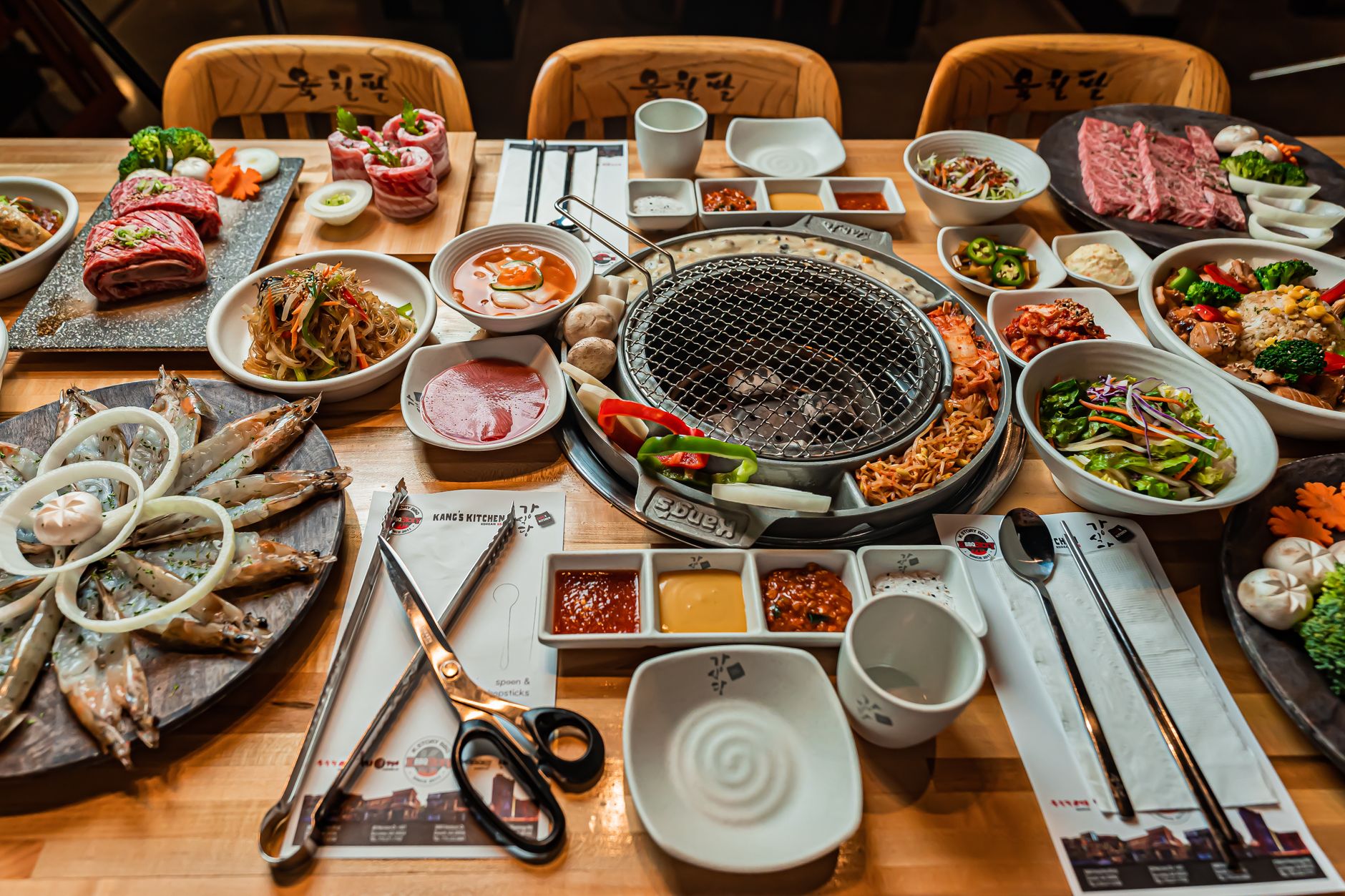
Korean barbecue is the trickier category, and it’s the one people ask me about most. Traditional KBBQ is built around shared grills and multi-portion ordering, which historically shut solo diners out entirely — you literally couldn’t order a single serving of meat at some places. That’s where the newer 1-person BBQ format comes in: individual grill stations at a counter, single servings starting around 9,000 to 12,000 won depending on the chain, self-serve banchan bars so you’re not waiting on staff. Gogitbar and Hongojip are two of the better-known chains built specifically around this idea, and they’ve spread well beyond Seoul at this point. If a regular KBBQ place doesn’t have single servings listed, it’s worth asking — some family-run spots will quietly accommodate you even without a formal solo menu, especially outside peak dinner hours.
Fine dining and traditional hanjeongsik (full-course Korean set meals) remain the hardest territory. These are built around communal ordering and pacing meant for groups, and some simply won’t seat a party of one during busy hours — not out of rudeness, exactly, but because a single-diner table during a dinner rush is a seat that could’ve served four. You might think that’s unfair, and in a sense it is, but it’s a business-logic problem more than a cultural judgment at this point.
Practical tips if you’re eating solo in Korea
Lunch hours (roughly 11:30 a.m. to 1:30 p.m.) tend to be the most solo-friendly window almost everywhere, since plenty of office workers eat alone on weekday lunches and restaurants expect it. Weekend dinner is the toughest slot to walk in solo at a popular spot, so if you’re set on a specific KBBQ or hanjeongsik restaurant, consider going earlier or on a weekday instead. Markets like Gwangjang in Seoul are worth calling out specifically — the long communal benches mean solo diners genuinely blend in better than groups do, which is a nice reversal of the usual dynamic. And honestly, don’t overthink the language barrier: pointing at a photo menu or a neighboring table’s dish works fine almost everywhere, kiosk or not.
Frequently asked questions
Is it considered rude in Korea to eat at a Korean BBQ restaurant by yourself?
It’s not considered rude exactly, but it can be logistically difficult at traditional KBBQ spots that only sell meat in multi-person portions. It’s less about etiquette and more about the restaurant’s ordering structure. Your best bet is a dedicated 1-person BBQ chain such as Gogitbar or Hongojip, or a regular KBBQ place during off-peak hours where staff are more likely to make an exception.
Will restaurant staff in Seoul treat me differently if I show up alone as a tourist?
Generally no — in a city like Seoul, where honbap culture is well established, a solo tourist barely registers as unusual, especially at kiosk-ordering restaurants, noodle shops, and gukbap counters. You’re more likely to get curious friendliness than judgment. The exceptions tend to be reservation-only fine dining or hanjeongsik restaurants during peak dinner hours, where table turnover matters more.
What’s the easiest type of Korean meal to order completely alone with no Korean language skills?
Anything with a kiosk at the door is the safest bet — you tap through a picture menu and pay by card without saying a word. Convenience store meals are the next easiest: pick a kimbap or instant noodle cup, use the free hot water station, and eat at the small counter most stores now have. Gukbap and noodle counters come in a close third, since the menus are short and pointing works fine.
Leave a Reply