The rice cake soup was already cold by the time I got to eat it. That’s not a complaint — by the time my mother-in-law finally sat down herself, four rounds of bowing had happened, three phone calls from relatives who couldn’t make the trip had been answered on speaker, and a toddler had cried twice over a red envelope she wasn’t yet allowed to open. I’m Yijidaddy, and I’ve written before about Chuseok, the autumn holiday that turns Korea’s highways into parking lots for three days straight. Seollal gets lumped in with it constantly, as if the two are interchangeable just because both involve food and a long drive to somebody’s parents’ house. They’re not the same holiday, and the difference becomes obvious the moment you’re standing in a kitchen at seven in the morning watching a soup pot that apparently decides how old everyone in the room is about to become.
Tteokguk isn’t just soup, it’s a birthday you didn’t ask for
You’d think a bowl of soup couldn’t carry much symbolic weight, but tteokguk (떡국) does more work than almost any other dish in the Korean calendar. The base is simple — thinly sliced rice cake ovals, called garaetteok, simmered in a beef or anchovy broth, topped with strips of egg, scallion, and sometimes dried seaweed. The part that catches most foreigners off guard is the age thing. Eating a bowl on Seollal morning is considered the marker of turning a year older, separate from your actual birthday. So when a Korean grandmother asks a child “how many bowls have you had,” she isn’t making conversation about portion sizes — she’s asking how many New Years the kid has lived through, and a kid who skips the soup gets teased, gently, for refusing to grow up. The reasoning behind the shape gets explained a little differently depending on which relative you ask, but it usually comes down to this: the white color stands for a clean start, and the round, coin-like slices are meant to bring good fortune.
Charye, the table nobody eats from first
Before anyone touches that tteokguk, there’s usually a ceremony most visitors never see, because it happens early and indoors, in front of a table set specifically for the ancestors. Charye (차례) is a memorial rite performed on Seollal morning, and the table itself, jesa-sang (제사상), follows placement rules that looked, the first time I watched one assembled, more like a seating chart than a meal. Fish faces a certain direction, fruit gets arranged by color, rice cake and soup sit in fixed spots, red fruits on one side and white ones on the other. Nobody hands you a diagram — you’re expected to absorb it by watching, which is a strange way to learn something with that many rules attached. What surprised me most wasn’t the layout, it was how quiet the room got. No music, no phones out, just the family standing in rows while the eldest male relative leads a few bows toward the table, honoring grandparents who aren’t there to eat any of it themselves.

Where sebae fits into the morning, and where it doesn’t
Once charye wraps up, the mood in the house shifts almost immediately — that’s when sebae (세배), the deep formal bow to elders, happens, followed by the money-in-envelopes part everyone already knows about even if they’ve never seen it in person. I’ve gone into the mechanics of the bow itself in a separate piece, so I won’t retread it here, but the sequencing on this particular morning is worth noting: ancestors first, then the living elders, then finally food for everyone still standing. Skipping straight to the eating part, the way a lot of Western holiday mornings work, would strike most Korean families as backwards. For the full breakdown of the bowing, the etiquette, and the envelope amounts, see my earlier guide to sebae and sebaetdon.
The traffic is real, and it’s a different kind of real than Chuseok
Anyone who’s already read about Chuseok might assume Seollal traffic works the same way — everyone drives home, roads jam, you plan around it. That part is true. What’s different is the compression. Chuseok stretches across a longer window with some flexibility about when people travel. Seollal, tied to the lunar calendar, tends to land in a tighter three-day block in the dead of winter, so the entire country tries to move at almost the same time, in worse weather, with less daylight to work with. I’ve sat in a car outside Daejeon for what felt like an unreasonable stretch of time watching brake lights disappear into the distance, and nobody in the car seemed particularly bothered by it. A long drive home for Seollal gets treated less like an inconvenience and more like a toll paid for the ceremony waiting at the other end.
Games, folk clothes, and the parts that actually feel like a holiday
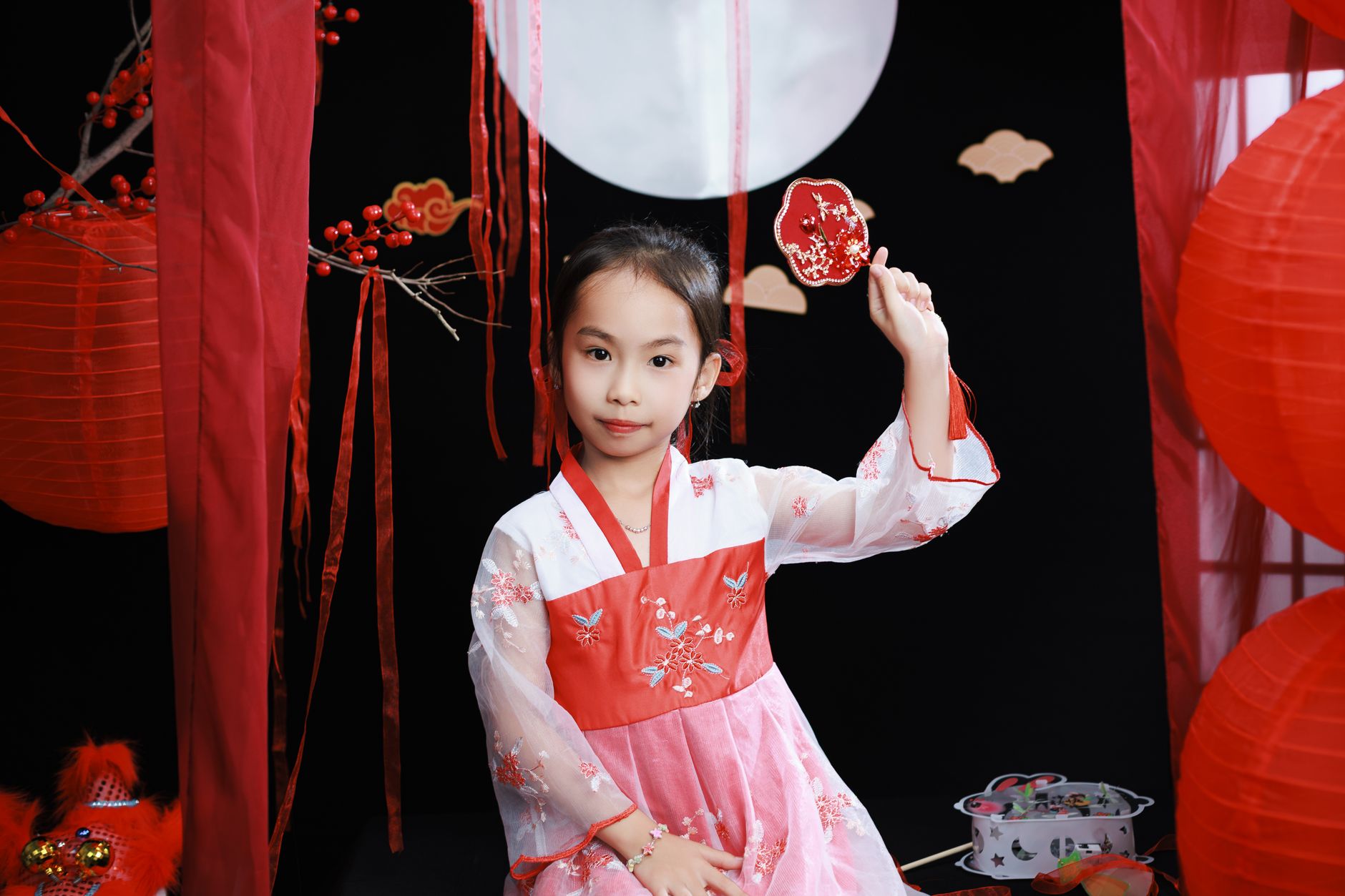
Once the formal part of the morning is done, Seollal loosens up considerably, and this is the half of the day foreigners tend to enjoy without much explanation needed. Yutnori (윷놀이), a board game played with four wooden sticks instead of dice, comes out at some point in most households, usually loud, usually competitive in a way that seems disproportionate to a game involving sticks. Kids and sometimes adults dress in hanbok for the morning ceremony, and it’s common to see families out walking afterward still in their folk clothes, which always struck me as a small but genuine bit of pride rather than costume-for-a-photo. There’s also kite flying in some regions and burning bundles of dried bamboo or straw, meant to chase off bad luck for the year ahead — not something every family does, but not rare either, especially outside the bigger cities.
What a foreigner should actually expect walking into it
If you’re joining a Korean family for Seollal as an outsider, married in or otherwise, the safest move is to show up early, watch before you act, and accept you’ll get the bow slightly wrong the first few times. Nobody expects perfect form from someone who didn’t grow up doing it — what people notice, and appreciate, is the effort of trying rather than opting out entirely. Bring something small if you’re a guest rather than immediate family, fruit or a modest gift works, though close relatives usually skip this. And don’t expect the day to feel like a party. It’s warmer than that in some ways and more formal in others, closer to a family reunion with a built-in ceremony than a celebration in the Western sense of the word.

FAQ
Is Seollal the same as Chinese New Year?
They fall on the same lunar date most years, but the traditions are distinct. Korea has its own food, its own version of ancestral rites, and its own etiquette around bowing and money envelopes that doesn’t map directly onto Chinese New Year customs, even though outsiders sometimes assume it’s the same holiday under a different name.
Do all Korean families still perform charye?
Not universally — it’s becoming less common in younger, more urban households, especially smaller families without a designated eldest son to lead the rite. Still, a surprising number keep some version of it going even after simplifying other holiday traditions, partly because it only takes twenty or thirty minutes and partly because nobody wants to be the generation that let it drop.
What should I say when I bow to an elder if I don’t speak much Korean?
The standard phrase is “saehae bok mani badeuseyo” (새해 복 많이 받으세요), which roughly translates to “receive a lot of luck in the new year.” It’s the one phrase worth memorizing before you go, since you’ll hear it and need to say it dozens of times over a single morning, and getting it out reasonably smoothly earns you real goodwill even if the rest of your Korean is shaky.
Leave a Reply