The first time I saw a dog in a stroller, I did a double take that probably looked rude. It was a fluffy little Pomeranian, propped up on a cushion, wearing sunglasses, being pushed down the sidewalk in what was unmistakably a baby stroller frame — the kind with the big shock-absorbing wheels and the sun canopy. My instinct was to laugh. Then I looked around and realized nobody else on that street had even glanced up. A woman walking her actual toddler nearby didn’t blink either. That was the moment I understood I wasn’t in a place where this counted as unusual. It was Tuesday.
Since then I’ve lost count of how many pet strollers I’ve seen — in department store elevators, lined up outside cafes, folded next to umbrella stands in apartment lobbies. And honestly, once you know the numbers behind it, the strollers stop being the strange part. The strange part is realizing how logically it all connects to something much bigger going on here.
The stroller thing is real, and it’s tied to something bigger than cute dogs
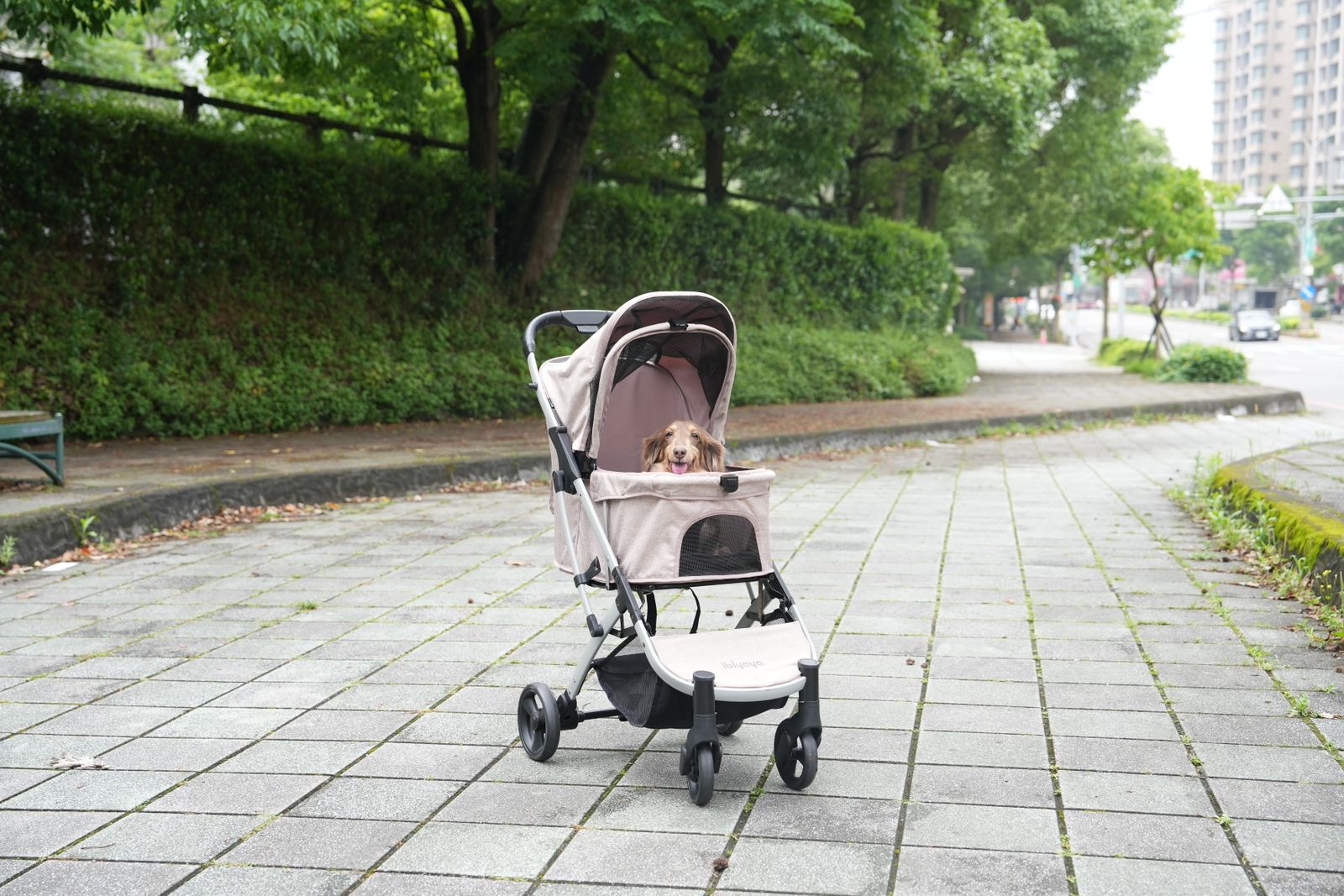
Here’s the detail that made me stop treating this as a quirky observation and start treating it as a real cultural shift: a few years back, pet stroller sales on one of Korea’s major shopping platforms actually overtook baby stroller sales. Not close — pet strollers made up the majority share, flipping a ratio that had favored baby strollers not long before. Sales of pet strollers have reportedly quadrupled since 2019, and some of the higher-end models, from brands like Ibiyaya that build genuinely sturdy, all-terrain frames, run well past what you’d expect for what is technically a dog accessory.
Sounds like a strange thing to spend real money on, I know. But it clicks once you connect it to Korea’s birthrate, which is famously the lowest in the world. Households with pets have nearly doubled over about a decade, and demographers and marketers alike talk about a “pet family” (펫팸족) identity that’s become completely mainstream — something like 30% of households here now have a pet, according to Ministry of Agriculture survey figures. When fewer people are having children, and more people are living alone or as couples, the emotional and financial energy that might have gone toward a stroller for a baby is, for a growing number of households, going toward a stroller for a dog instead. It’s not a joke or an internet meme. It’s a visible, quantifiable shift in what a lot of households here are actually built around.
Why strollers instead of just walking
You’d think a dog would rather walk, and plenty do. But small-breed dogs are enormously popular in Korean apartments — partly because apartment size and building rules favor smaller animals — and small dogs get tired fast, overheat fast in summer, and can’t keep pace on a long errand run. A stroller also solves a practical problem: it lets owners bring dogs into more places, since a dog contained in a stroller reads, to most cafes and shops, as “under control” in a way a dog on a leash weaving between tables doesn’t. Turns out the stroller isn’t really about babying the dog. It’s a mobility tool that happens to look adorable.
Dog cafes: not a novelty act, just a normal Saturday plan
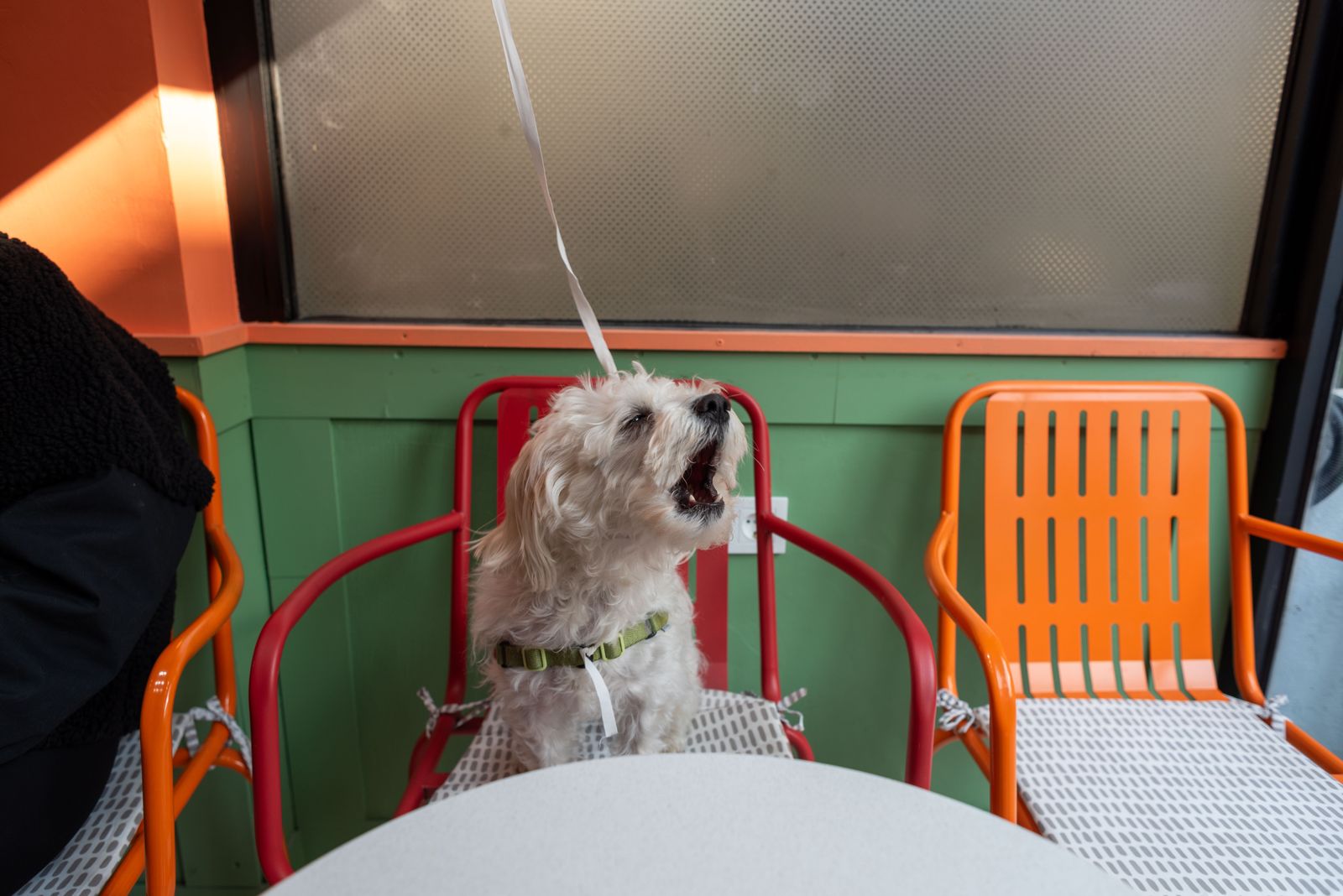
The other thing that took me longer to wrap my head around is how normalized dog cafes are. I’d heard of them before moving here, filed mentally under “quirky Asia tourist attraction,” the same bucket as owl cafes or raccoon cafes. But the dog cafes I’ve actually been to feel less like a novelty and more like a neighborhood hangout that happens to be full of loose, happy dogs. You pay an entry fee, usually somewhere in the 8,000 to 15,000 won range, which typically includes one drink. Some places cap your visit at an hour or two during busy weekend slots; quieter cafes on a weekday afternoon will let you linger. A few even let you pay a small top-up, something like 2,000 won, to buy another half hour if you’re not ready to leave.
What surprised me, honestly, wasn’t the concept — it was how calm it all is in practice. I expected chaos. What I got was a room full of dogs who’ve clearly been there before, owners chatting over coffee while their own dogs nap under the table, and staff who clearly know every regular by name and breed. It reads less like a gimmick and more like a community space that just happens to require four legs and a wagging tail to fully participate.
Are the dogs actually happy about this?
This is the part I was skeptical about at first, and I think it’s a fair thing to wonder. Not every dog cafe is created equal — the better-run ones limit the number of dogs on the floor at once, rotate them out for rest breaks in a back room, and clearly post rules about not overwhelming a shy dog. The less careful ones can feel like too much stimulation packed into too small a space, and I’d steer clear of those. Still, most of the cafes I’ve visited seem genuinely oriented around the dogs’ comfort rather than treating them as pure entertainment, which matters a lot if you’re the kind of person who’d otherwise feel a little guilty about the whole setup.
Cat cafes came first, and the whole animal-cafe wave grew from there
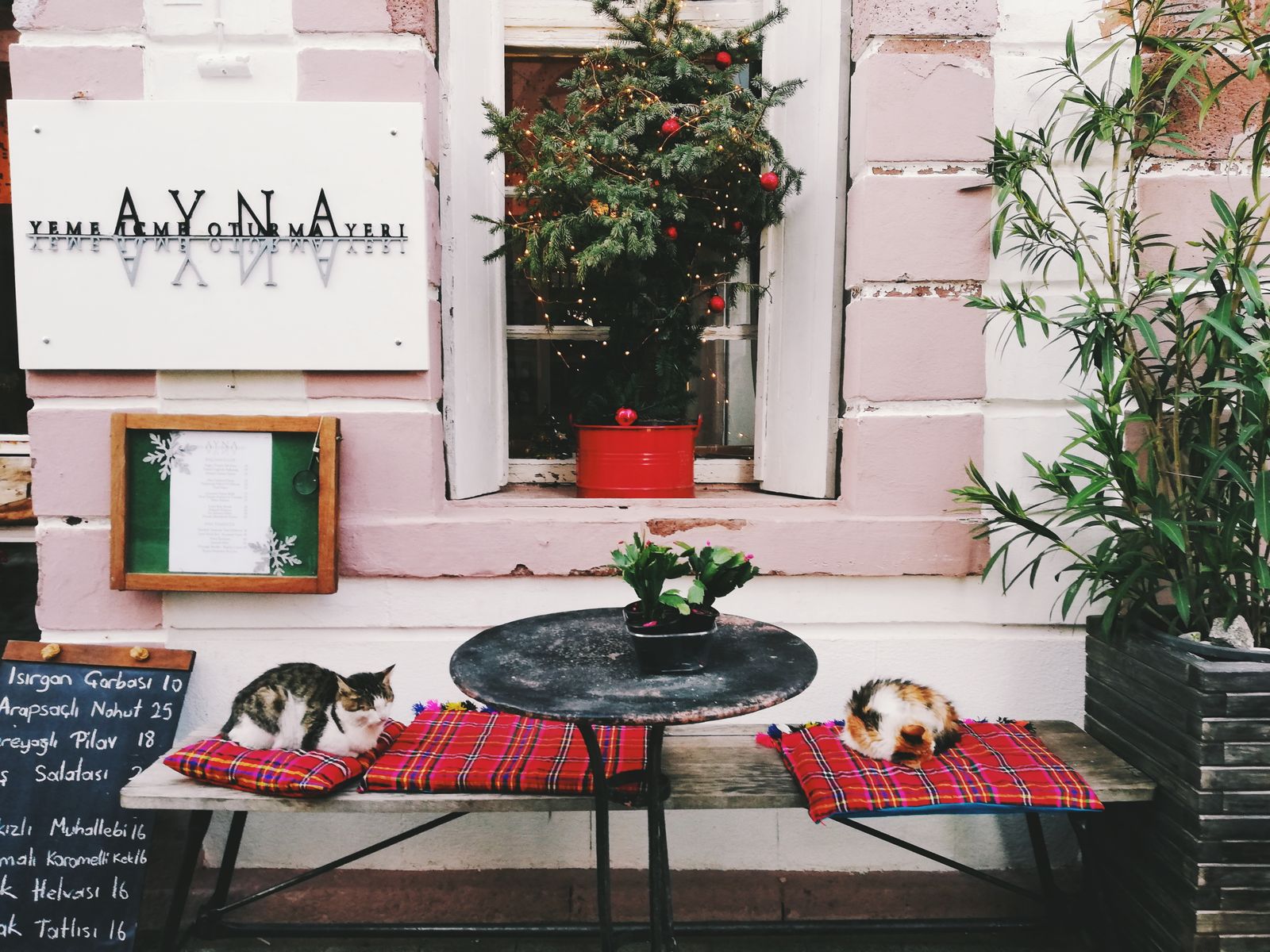
People sometimes assume Korea invented the pet cafe concept, but the honor actually goes to Taiwan, where the first cat cafe opened back in the late 1990s. Korea picked up the idea in earnest in the early 2010s, and cat cafes here spread fast, evolving from small novelty spots into what are now genuinely upscale social hubs, some with excellent coffee that would hold its own even without the resident cats wandering the tables. From there the category exploded outward — dog cafes, then more unusual variations involving raccoons, meerkats, and sheep, some of which have since drawn scrutiny and tighter regulation over animal welfare concerns, which honestly seems like the right direction for the industry to move.
I’ll admit the cat cafes are the ones I still visit most, mostly because the vibe skews quieter — a cousin of the same cafe-as-a-second-living-room habit that’s so common here, just with a cat ignoring you from across the room instead of a stack of textbooks, which somehow feels exactly right.
The rules behind the scenes: registration, apartments, and insurance
None of this happens in a regulatory vacuum, which surprised me a bit — I’d assumed pet culture here was mostly informal. It isn’t. Dog registration on the national animal registration system is mandatory once a dog is about two months old and living as a companion animal, and since 2024 there’s a separate, stricter permit system specifically for breeds classified as aggressive, which requires the dog to be neutered and the owner to carry liability insurance. That’s a level of formal oversight I genuinely didn’t expect walking into this.
Apartment living, which is how most people here actually live, adds its own layer. Whether you can keep a pet at all in a given building often comes down to that specific building’s management rules — some complexes are pet-friendly without much friction, others require the management body’s consent, especially for larger dogs or anything that might disturb shared hallways and elevators. I’ve written before about just how tightly apartment communities here run on shared expectations and quiet consideration for neighbors, and pets turn out to be one more thing woven into that same social contract.
Pet health insurance is the newer piece of the puzzle, and it’s growing fast — companies like Samsung Fire & Marine, DB Insurance, and Hyundai Marine now offer policies covering checkups, surgery, and accidents. It’s still not as seamless as human health insurance here, partly because vet clinics haven’t standardized medical coding the way hospitals have, but that’s reportedly being worked on with an eye toward more direct-billing products becoming available in the next couple of years. Give it time and I suspect pet insurance here ends up about as normal as it currently is for people.
So why does nobody blink?
I think the honest answer is that pets stopped being treated as pets, in the old sense, a while ago. The phrase people use is “fur baby” or “furkid,” and it’s not just cute branding — it reflects real shifts in family structure, disposable income, and what people are choosing to build their daily routines around. Add in K-pop idols and influencers regularly featuring their own dogs and cats, and social platforms turning individual pets into minor celebrities with six-figure followings, and pet ownership here picked up a cultural visibility that pet ownership in a lot of other places just hasn’t reached yet. Once that shift happens at scale, a stroller, a cafe entry fee, or a tailored little raincoat for a rainy commute stops registering as excessive. It’s just Tuesday, like I said.
FAQ
Are dog cafes sanitary — do they mix with regular food cafes?
Generally no, and this is worth knowing before you go looking for one near a meal. Dedicated dog cafes and cat cafes are set up as their own separate business, distinct from a standard coffee shop, precisely because Korean food service regulations are strict about animals around areas where food is prepared and served. What you’ll typically get is a drink — coffee, tea, something simple — rather than a full food menu, and the space is designed and cleaned specifically around having animals present. If you’re picturing your neighborhood bakery with a golden retriever wandering between the pastry case, that’s not really how it works here; the two concepts stay pretty cleanly separated.
Can a foreign resident actually bring a pet stroller or dog into a regular apartment building here?
It depends entirely on the building, so this is genuinely worth checking before you sign a lease, not after. Some apartment complexes are broadly pet-friendly and barely think twice about it; others have management rules requiring formal consent, particularly for larger breeds, and a few buildings restrict pets almost entirely. If having a pet matters to you, ask directly during the apartment search rather than assuming — real estate agents here are used to the question and can usually tell you a given building’s actual track record, not just what’s written in the lease.
Is a dog stroller actually necessary, or is it mostly for show?
Both, honestly, depending on the dog and the owner. For small, short-legged, or older dogs, a stroller solves real problems — heat exhaustion on hot pavement, tired legs on a long errand trip, or simply getting into places that don’t allow a dog freely underfoot. For other owners, sure, it’s partly about the aesthetic and the convenience of not managing a leash through a crowded market. I wouldn’t assume it’s pure vanity just because it looks that way at first glance; plenty of the strollers I’ve seen in use are clearly doing actual functional work, cushion and sun canopy aside.
Leave a Reply