1945년 12월 5일 오후 2시 10분, 플로리다 포트로더데일 해군항공기지의 관제탑에 다급한 무선 교신이 잡혔다. “우리가 어디 있는지 모르겠다. 모든 게 이상해 보인다. 바다조차 평소와 달라 보인다.” 훈련비행에 나섰던 뇌격기 5대, 이른바 ‘플라이트 19’ 편대의 리더 찰스 테일러 중위가 남긴 말이었다. 승무원 14명을 태운 비행기 다섯 대는 그 후 다시는 발견되지 않았고, 수색에 나섰던 구조기 한 대까지 실종되면서 하룻밤 사이 27명이 흔적도 없이 사라졌다. 정말 초자연적인 무언가가 이들을 삼킨 걸까, 아니면 우리가 놓치고 있는 훨씬 단순한 진실이 있는 걸까.
플로리다 남단과 버뮤다, 푸에르토리코를 잇는 대략 130만 제곱킬로미터의 이 해역에서 지난 100여 년간 선박과 항공기가 유독 자주 사라졌다는 이야기는 지금도 유튜브와 다큐멘터리를 타고 반복 재생산된다. 외계인 납치설, 초자연적 소용돌이설까지 등장했지만 정작 해군과 보험업계 기록을 들여다보면 이야기가 사뭇 달라진다. 이 글에서는 실제로 기록이 남아 있는 세 가지 사건 — 메리 셀레스트호, USS 사이클롭스, 플라이트 19 — 을 중심으로 무슨 일이 있었는지, 그리고 과학자들은 이를 어떻게 설명하는지 짚어본다.
1872년, 승무원 없이 발견된 유령선 메리 셀레스트호
사실 메리 셀레스트호는 버뮤다에서 한참 떨어진, 포르투갈령 아조레스 제도 인근 해역에서 발견됐다. 지도를 펼쳐보면 버뮤다 삼각지대의 경계선과는 아예 겹치지도 않는다. 그런데도 이 배 이야기는 거의 모든 버뮤다 삼각지대 특집에 단골로 등장한다. 1872년 11월 7일 뉴욕을 출발해 이탈리아 제노바로 향하던 이 미국 상선은 12월 4일, 아조레스 제도에서 동쪽으로 약 600해리 떨어진 대서양 한복판에서 캐나다 선적 화물선 데이 그라티아호에 의해 발견됐다.
선장 벤저민 브릭스와 아내, 두 살배기 딸, 선원 7명 등 모두 10명이 타고 있었지만 배 위에는 단 한 사람도 없었다. 구명보트는 사라졌고 항해일지는 11월 25일자로 멈춰 있었다. 화물칸에 실린 알코올 통 1,701개 중 9개가 비어 있었을 뿐 배 자체는 거의 온전했다. 물이 새는 흔적, 폭력의 흔적도 뚜렷하지 않았다. 이쯤 되면 초자연적 설명을 붙이고 싶어지는 것도 무리는 아니다.
다만 해양 역사학자들 사이에서 가장 설득력 있게 받아들여지는 가설은 의외로 단순하다. 알코올 통에서 새어 나온 증기가 화물칸에 차오르며 폭발 위험을 느낀 브릭스 선장이 승무원 전원을 구명보트로 대피시켰고, 배와 보트를 연결한 밧줄이 거친 파도에 끊어지며 본선과 분리된 구명보트가 그대로 침몰했으리라는 것이다. 2007년 스미스소니언 채널이 이 시나리오를 직접 실험으로 재현해 보이기도 했다. 미스터리라기보다는 판단 착오와 악천후가 겹친 해양 사고에 가깝다는 뜻이다. 왜 하필 버뮤다 삼각지대 이야기에 이 배가 끼어들었는지는, 뒤에서 다룰 ‘이야기가 만들어지는 방식’을 보면 짐작이 갈 것이다.
1918년, 309명을 태우고 통신 없이 사라진 USS 사이클롭스
USS 사이클롭스는 버뮤다 삼각지대 사건 가운데 인명 피해가 가장 큰 사례로 꼽힌다. 길이 165미터에 달하는 미 해군 석탄 운반선으로, 1918년 3월 4일 브라질을 거쳐 바베이도스에 들렀다가 볼티모어로 향하던 중 이후 어떤 통신도, 잔해도 남기지 않은 채 사라졌다. 승선 인원은 306명에서 309명 사이로 기록마다 조금씩 다르다.
당시 이 배는 정원을 초과한 망간 광석 약 1만 1천 톤을 싣고 있었다. 망간은 특성상 배의 움직임에 따라 화물칸 안에서 쏠릴 수 있는데, 이렇게 무게 중심이 급격히 이동하면 배가 순식간에 옆으로 기울어 전복될 위험이 커진다. 게다가 항해 당시 대서양에는 강한 폭풍이 지나가고 있었다는 기상 기록도 남아 있다. 벌써 여기서 초자연적 설명이 끼어들 자리는 좁아진다.
1968년 미 해군이 실시한 조사에서는 사이클롭스와 같은 시기, 같은 항로를 지난 자매함 두 척 — 프로테우스호와 넵튠호 — 역시 비슷한 방식으로 실종됐다는 사실이 재조명됐다. 세 척 모두 같은 설계로 만들어져 구조적으로 취약했다. 실은 화물 종류도, 항로도 거의 동일했다. 우연으로 치부하기엔 패턴이 너무 뚜렷하다고 생각할 수도 있다. 하지만 거꾸로 보면 이 패턴이야말로 초자연적 원인보다는 설계 결함 쪽으로 저울을 기울이는 근거다.
1945년 12월, 훈련 편대 27명이 증발한 플라이트 19
플라이트 19는 실전 경험이 있는 조종사와 훈련생이 섞인 편대였다. 리더 테일러 중위는 태평양전쟁 참전 경력이 있었지만, 정작 이 항로는 처음 비행하는 것이었다. 오후 2시 10분 편대는 예정대로 이륙했고, 3시가 넘어서면서 무전에 “나침반이 고장 난 것 같다”는 보고가 섞이기 시작했다. 편대는 방향을 잃고 대서양 상공을 헤맸다.
비행 시간이 4시간을 넘기면서부터는 상황이 더 심각해졌다. 항공 심리학에서 말하는 ‘공간 지각 상실(spatial disorientation)’ 상태에 빠지면, 조종사는 자신이 어느 방향으로 날고 있는지, 심지어 기체가 기울어 있는지조차 감각으로 판단하지 못하게 된다. 밤이 다가오며 시야마저 사라지자 판단은 더 꼬였을 것이다. 저녁 어스름이 내리고 연료마저 바닥나갈 무렵 교신은 완전히 끊겼다. 수색에 나선 마틴 마리너 비행정 한 대까지 이륙 직후 폭발했거나 추락한 것으로 추정되며 실종자 명단에 추가됐다.
미 해군 조사 보고서 원문에는 흥미롭게도 초자연적 언급이 전혀 없다. 대신 테일러 중위가 항로를 착각해 바하마 제도 쪽 섬들을 플로리다 키스로 오인했을 가능성, 그리고 기상 악화로 시야가 극도로 나빠졌다는 정황이 상세히 기록돼 있다. 낭만적인 미스터리를 기대했다면 다소 김이 빠질 수도 있는 결말이다.
과학자와 보험사들은 왜 “특별할 것 없다”고 말할까
그렇다면 버뮤다 삼각지대는 정말 아무 일도 아닌 걸까. 세계적인 해상보험 조합인 로이즈 오브 런던은 1975년 자체 조사에서 해당 해역의 사고 발생률이 다른 대양 항로와 통계적으로 차이가 없다고 결론지었다. 미국 해안경비대 역시 공식 문서에서 같은 입장을 반복해왔다. 실제로 미국 국립해양대기청(NOAA) 자료를 보면 이 해역에서 매년 발생하는 실종·사고 건수는 전 세계 주요 해상 교통로 평균과 비교해 특별히 상위권에 들지 않는다. 같은 넓이의 북해나 지중해 항로와 비교해도 딱히 두드러지지 않는다는 뜻이다. 막상 수치로 따져보면 버뮤다 삼각지대보다 사고가 잦은 해역은 세계 곳곳에 널려 있다는 얘기다.
지리적 조건을 보면 오히려 이 해역이 위험할 수밖에 없는 이유가 뚜렷하게 드러난다. 이곳은 걸프스트림이라는 강하고 변덕스러운 해류가 지나가는 길목이자, 열대성 폭풍과 허리케인이 카리브해에서 북상하며 세력을 키우는 통로다. 여기에 지구상에 몇 곳 없는, 나침반이 가리키는 자북(磁北)과 실제 진북(眞北)이 거의 일치하는 구간이라는 특징까지 겹친다. 대부분 지역에서는 이 둘 사이에 편차가 있어 항해사가 지도 위에서 따로 보정 계산을 해야 하는데, 버뮤다 삼각지대 부근에서는 그 보정값이 거의 0에 가깝다. 아, 그래서 옛날 항해사들이 헷갈렸겠구나 싶을 만한 대목이다. 편차가 없다는 사실 자체를 몰랐던 일부 선원과 조종사들은 오히려 습관적으로 넣던 보정을 그대로 적용하다 항로를 더 크게 이탈했을 가능성이 있다.
1970년대에는 해저에 매장된 메탄 하이드레이트가 갑자기 분출하며 바닷물의 밀도를 낮춰 선박을 순식간에 가라앉힌다는 가설도 주목받았다. 실제로 노르웨이 근해에서 이런 현상이 관측된 적은 있다. 다만 버뮤다 삼각지대 해역에서 그 정도 규모의 메탄 분출이 일어났다는 지질학적 증거는 아직 나오지 않았다. 꽤 솔깃한 이야기이긴 하지만, 지질학계의 정설로 인정받기엔 증거가 한참 부족한 셈이다.
미스터리는 어떻게 만들어지고 커지는가
버뮤다 삼각지대라는 이름 자체가 대중화된 건 1964년 아젠다 잡지에 실린 빈센트 개디스의 기고문 “The Deadly Bermuda Triangle” 덕분이었다. 이후 1974년 찰스 벌리츠가 펴낸 동명의 베스트셀러가 여러 사건을 한데 묶어 “설명할 수 없는 실종의 지대”라는 서사를 완성했다. 그런데 정작 벌리츠가 인용한 사례 중 상당수는 뒤이은 검증 과정에서 실종 위치나 날짜 자체가 부정확했던 것으로 드러났다. 이야기가 사실보다 앞서 나간 셈이다.
그렇다고 이 지역에서 일어난 사고들이 전부 조작이라거나 별것 아니라고 단정할 수는 없다. 실제로 수백 명이 목숨을 잃었고, 유가족들에게는 여전히 풀리지 않은 질문으로 남아 있다. 다만 초자연적 설명 없이도 강한 해류, 급변하는 기상, 인적 오류, 노후한 선박 구조만으로 충분히 설명 가능한 사고들이 대부분이라는 것이 지금까지 축적된 조사 결과다.
궁금증 해결: 자주 묻는 질문
여기까지 읽고도 여전히 남는 질문들이 있을 것이다. 자주 나오는 세 가지만 짚고 넘어가자.
버뮤다 삼각지대에서 지금도 배나 비행기가 자주 사라지나요?
그렇지 않다. 미국 해안경비대와 국제 해운 통계에 따르면 최근 수십 년간 이 해역에서 발생한 실종 사고 건수는 다른 주요 대양 항로와 비교해 두드러지게 많지 않다. GPS와 위성통신, 정밀 기상예보가 보급된 이후로는 대형 실종 사건 자체가 급격히 줄었다는 점도 함께 기억할 만하다.
메리 셀레스트호는 왜 버뮤다 삼각지대 이야기에 자주 등장하나요?
지리적으로는 아조레스 제도 인근에서 발견됐기 때문에 버뮤다 삼각지대와는 거리가 멀다. 다만 승무원이 흔적 없이 사라진 유령선이라는 극적인 설정이 대중서와 방송에서 반복 인용되면서 버뮤다 삼각지대 서사에 자연스럽게 편입된 사례로 볼 수 있다.
USS 사이클롭스의 잔해는 아직도 발견되지 않았나요?
그렇다. 100년 넘게 여러 나라의 탐사대가 대서양 해저를 샅샅이 수색했지만 지금까지 사이클롭스로 확인된 잔해는 발견되지 않았다. 이 때문에 정확한 침몰 원인을 100퍼센트 확정하기는 어렵고, 망간 화물 이동설과 구조적 결함설이 가장 유력한 가설로 남아 있다.
My second night in Mapo-gu, I ordered a fried chicken combo at 11:40 p.m. mostly as a test, half expecting the app to laugh at me and tell me to wait until morning. It showed up at 12:08 a.m., still hot enough to fog up the plastic lid, delivered by a guy on a scooter who bowed slightly before speeding off into the dark. I stood in my doorway holding a box of chicken like it was a small miracle. Back home, the version of “moving abroad” I’d pictured in my head involved dramatic things — language barriers, culture clashes, homesickness. What actually rewired my brain was a twenty-eight-minute chicken delivery at midnight.
Nobody tells you that the big cultural stuff — holidays, honorifics, family hierarchy — is the part you can actually prepare for. It’s the small infrastructure of daily life that quietly takes over: how food gets to your door, how your apartment building keeps track of you, how a bank account gets opened, how a doctor’s visit works, how quiet a subway car really is, how a restaurant decides what “one order” even means. Here’s what caught me off guard, in roughly the order the shock wore off.
The Delivery Obsession Goes Deeper Than You Think
Everyone warns you that delivery in Korea is fast. What nobody mentions is how much Koreans track it. The app doesn’t just say “on the way” — it shows you a little scooter icon crawling across a live map, updates you when the rider is “arriving in 3 minutes,” and sometimes texts you a photo of the food sitting outside your door as proof of delivery. My Korean coworker checks her dawn-delivery groceries — 새벽배송, ordered before midnight, on the doorstep by 7 a.m. — with the same intensity some people check stock prices. You’d think that level of tracking would feel excessive, even paranoid. Turns out it’s the opposite: once you’re used to knowing exactly where your food is at all times, going back to “the pizza will arrive sometime in the next 45 minutes” feels like flying blind.
But before you get to enjoy any of that, there’s a cold reality every foreigner runs into first: almost none of it works without a Korean phone number tied to a local bank account, which itself usually requires an Alien Registration Card. So for your first few weeks — sometimes longer, depending on how quickly your visa paperwork clears — you’re stuck watching your neighbors get 15-minute noodle delivery while you walk to the convenience store like it’s 2003. It’s a strange kind of onboarding tax nobody warns you about in advance, and it leads directly into the part of settling in that actually stressed me out.
Banking Feels Like a Circular Logic Puzzle
This is the one that genuinely stressed me out. To open a Korean bank account as a foreigner, most branches want to see a phone plan in your name. To get a phone plan, most carriers want to see a bank account for the monthly billing. To get either one, you generally need your Alien Registration Card, which itself can take two to six weeks to process depending on your immigration office and how backed up they are that month. I spent close to three weeks in a strange limbo — employed, housed, but financially invisible — paying for everything in cash and mentally rationing my bills like it was a budget stress test.
Once I actually got into a branch (KEB Hana, in my case, on a Tuesday morning with a printed employment letter and my passport), the process itself only took about forty minutes and the teller spoke better English than I expected. But you have to physically go — there’s no fully remote onboarding path for most foreigners, no matter how many banking apps this country has. It’s a genuinely strange contradiction: one of the most digitally advanced banking systems on earth, and the front door is still a paper form and a human being behind a counter.
Apartment Buildings Run Like Small, Quietly Paranoid Nations
I live in a fifteen-story building with an underground parking garage, and the first week I moved in, a security guard in a small glass booth by the entrance logged my name, my unit number, and the time I came and went — by hand, in a notebook, like it was 1985. Every visitor gets buzzed through a video intercom before the elevator will even respond to their floor button. Packages don’t just get left at your door; most newer buildings have a dedicated parcel room with individual lockers, and older buildings have the guard sign for everything and stack it neatly by the mailboxes, sorted by unit number, no exceptions.
I assumed, going in, that this level of oversight would feel invasive. Surprisingly, it didn’t take long before it felt like the opposite — a kind of built-in reassurance. Nobody’s stealing your Coupang order off the doorstep here, and if a stranger buzzes your unit at 11 p.m., you can see their face on a little screen before deciding whether to answer. The tradeoff is that everyone in the building knows everyone else’s business a little bit — the guard definitely noticed the week I ordered dinner delivery four nights in a row — but even so, I’ll take mildly monitored over unmonitored any day.
Getting Sick Is Almost Suspiciously Easy
Back home, “I have a sore throat” meant either gritting my teeth for a week or booking a doctor’s appointment two weeks out. Here, I walked into a small ear-nose-throat clinic near Hongik University station on a Wednesday afternoon, no appointment, and was seeing a doctor within twenty minutes. The whole visit — consultation, a quick look with a scope, a prescription — cost me about 9,000 won out of pocket once my national health insurance kicked in, and the pharmacy next door filled the prescription in about five minutes for another 4,000 won or so. I’m not exaggerating the timeline; I checked my card receipt afterward because I genuinely couldn’t believe it.
You’d expect a tradeoff somewhere, and maybe there is one in wait times at bigger hospitals, but for basic care, I haven’t found it yet. I do want to flag one thing clearly, though: I’m not a doctor, and none of this is medical advice. Insurance coverage, individual conditions, and what counts as “routine” all vary, and anything beyond a cold or a minor injury deserves an actual conversation with a licensed provider, not a blog post.
Public Transit Etiquette Is Stricter Than It Looks
Seoul’s subway is famously clean and famously quiet, and I’d read that before arriving. What surprised me was how consistently the norms hold even when no one’s obviously enforcing them. On a packed evening train, finding someone without earphones in feels rarer than finding a free seat — the silence has its own texture, less like “nobody’s talking” and more like a shared, unspoken agreement everyone showed up already having signed. Eating on the train is rare enough that doing it draws looks. The pink-marked pregnancy seats near the doors sit empty even on standing-room-only trains; I’ve watched commuters who look genuinely exhausted glance at an open pregnancy seat, hesitate for a second, and then choose to stand rather than risk sitting there “just in case.” I checked our earlier piece on how the transit card system actually works (T-Money Explained) and even that focuses mostly on mechanics, not on this unwritten social contract layered on top of it.
It’s not that Koreans never break these norms — I’ve seen a drunk businessman loudly on speakerphone at midnight, so it does happen. But the baseline compliance is high enough that the exceptions actually stand out, which flips the usual logic. Back home, quiet behavior on public transit is the exception people notice. Here, noise is.
Restaurants Assume You’re Not Eating Alone
The first time I tried to order samgyeopsal (grilled pork belly) for one person, the owner held up two fingers, said “one, two?” with a small apologetic smile, and explained the dish only comes in servings of two — no exceptions, not even for a hungry foreigner willing to pay for the extra portion himself. Same with a lot of jjigae (stews) and barbecue spreads at smaller, older-school places — the assumption baked into the menu and the kitchen workflow is that you’re eating with someone. I ended up either bringing a coworker along or, on nights I genuinely wanted to eat alone, hunting down one of the specific “honbap-friendly” spots that have popped up to serve solo diners, or leaning on kiosks at chain restaurants that don’t care how many people you are (our Kiosk Culture piece covers exactly why those machines intimidated me at first).
You’d think, in a country with such a visible solo-living population, this would’ve changed by now — and to be fair, it has, especially in university neighborhoods and among younger-generation restaurant owners. Even so, plenty of the older, family-run barbecue places still run on the two-person-minimum assumption, and there’s no real workaround except knowing which restaurants to walk into before you’re already seated and hungry.
What I’d Tell Someone About to Land Here
If there’s one thread running through all of this, it’s that “advanced” and “convenient” don’t always point the same direction here — the same country that tracks your fried chicken by GPS will still make you show up in person with a paper form to open a bank account. None of these surprises were dealbreakers; most of them made me like living here more once I understood the logic behind them. My actual advice, if you’re about to land at Incheon yourself: budget three to four weeks of friction before daily life clicks into place, and don’t judge the whole system by week one. If you want the version of this I wish someone had handed me before I packed my bags, our What I Wish I Knew Before Moving to Korea guide covers the practical groundwork this post doesn’t.
Frequently Asked Questions
Q: How long does it actually take to get a bank account and phone plan sorted as a new arrival? A: In my experience and among most foreign coworkers I’ve compared notes with, plan on two to six weeks from arrival, mostly bottlenecked by how quickly your Alien Registration Card gets processed at your local immigration office. Some cities move faster than Seoul’s busier offices. Bringing an employment or enrollment letter, your passport, and your Korean address registered in advance speeds things up considerably.
Q: Is it true you can’t order delivery food without a Korean phone number? A: For the major apps — the ones with the fastest delivery times and best selection — yes, practically speaking, you’ll need a Korean number and usually a linked local payment method. Some apps have added limited English or foreign-card support in recent years, but coverage and reliability vary by neighborhood and by app, so don’t count on it working smoothly on day one.
Q: Can I really see a doctor same-day without an appointment? A: For smaller neighborhood clinics — general practice, ENT, dermatology — walk-ins are genuinely common and wait times are often short on a weekday afternoon. This isn’t universal, and it isn’t medical advice for any specific condition; bigger hospitals and specialists usually require scheduling, and anything beyond routine care deserves its own research and a real conversation with a licensed provider.
새벽 세 시, 마포구에 사는 46세 박모 씨는 돌아눕다가 어깨를 부여잡고 잠에서 깼다. 통증보다 먼저 느껴진 건 팔을 어깨 위로 올리려는 순간 뭔가 걸리는 듯한 뻣뻣함이었다. 병원 갈 정도는 아니겠지 싶어 며칠을 참았는데, 어느새 머리를 감을 때도 옷을 입을 때도 팔이 예전만큼 안 올라간다는 걸 깨달았다.
이런 증상을 겪는 40~50대가 의외로 많다. 흔히 오십견이라 부르지만 정식 명칭은 유착성 관절낭염, 영어로는 프로즌 숄더(Frozen Shoulder)다. 어깨 관절을 감싼 주머니 모양의 관절낭에 염증이 생겨 붓고 두꺼워지면서, 팔을 움직일 수 있는 범위 자체가 좁아지는 질환이다. 질병관리청 국가건강정보포털에서도 특별한 외상 없이 서서히 통증과 운동 제한이 함께 나타나는 경우가 많다고 설명한다.
그런데도 병원에 가면 오십견이 아니라 회전근개파열이라는 진단을 받는 경우도 적지 않다. 두 질환 모두 40~50대에게 흔하고 증상도 겹쳐 보이지만, 원인도 접근 방식도 꽤 다르다고 알려져 있다.
오십견과 회전근개파열, 자가체크로 구분하는 법
막상 어깨가 안 올라간다고 느끼면 다들 오십견부터 떠올린다. 하지만 회전근개파열은 어깨를 감싼 힘줄 자체가 찢어지는 문제라서, 관절막이 굳는 오십견과는 원인이 다르다. 임상 현장에서는 흔히 세 가지 동작 테스트로 1차적인 구분 지점을 삼는다고 한다.
첫째, 팔을 스스로 옆으로 들어 올려본다. 회전근개파열이 있으면 60~120도 사이 구간에서 마치 어깨에 나사가 하나 풀린 것처럼, 팔을 지탱하던 힘이 순간 툭 빠지며 찌르는 통증이 온다고 알려져 있다. 반면 오십견은 각도와 상관없이 어깨 전체가 뻐근하게 저항한다.
둘째, 옆 사람이 아픈 팔을 대신 들어 올려준다. 회전근개파열은 힘줄만 손상됐을 뿐 관절 자체는 굳지 않았기 때문에, 남이 들어주면 의외로 순순히 올라가는 경우가 많다. 오십견은 누가 들어줘도 뻣뻣해서 잘 안 올라간다.
셋째, 손을 등 뒤로 돌려 브래지어 끈을 채우거나 뒷주머니에 손을 넣는 동작을 해본다. 오십견에서는 이 내회전 동작이 유독 힘들어지는 경우가 흔하다. 이 세 가지 동작만으로 상당 부분 방향을 가늠할 수 있다는 보고도 있지만, 이건 어디까지나 1차 참고용이고 정확한 확진은 영상 검사와 진찰이 필요한 영역이다.
통증기, 동결기, 해동기 — 오십견이 흘러가는 3단계
오십견은 하루아침에 좋아지지도, 하루아침에 시작하지도 않는다. 보통 세 단계를 거친다고 설명된다.
1단계는 통증기(freezing stage)다. 염증이 시작되면서 가만히 있어도 욱신거리고, 밤에 돌아눕다가 통증에 깨는 일이 잦아진다. 이 시기가 짧게는 6주, 길게는 9개월까지 이어질 수 있다고 알려져 있다.
2단계는 동결기(frozen stage)다. 통증은 오히려 조금 가라앉는데, 대신 어깨가 본격적으로 굳는다. 팔을 일정 각도 이상 못 올리고 뒷짐 지는 것도 거의 불가능해진다. 그런데도 많은 사람이 “통증이 줄었으니 나아지고 있나 보다” 하고 방치하다가 정작 운동 범위는 더 잃는 경우가 있다. 실제로 이 단계에서 손을 놓고 몇 달을 흘려보내면, 굳은 관절이 원래대로 돌아오는 데 걸리는 시간이 배로 늘어날 수 있다고 알려져 있다.
3단계는 해동기(thawing stage)다. 얼어붙었던 관절이 서서히 풀리면서 움직임과 통증 모두 회복되는 시기인데, 세 단계 중 가장 오래 걸린다. 전체 경과는 짧으면 1년, 길게는 2~3년 가까이 이어지는 사례도 보고된다. “시간이 지나면 저절로 낫는 병”이라고 안심하고 아무것도 하지 않으면, 통증은 가라앉아도 팔이 완전히 예전만큼 올라가지 않는 채로 굳어버리는 경우도 있다는 점은 알아둘 필요가 있다.
이럴 땐 미루지 말고 병원부터
스트레칭 몇 번으로 벌써 좋아질 거라 기대하기는 어렵다. 통증기처럼 염증이 한창일 때는 스트레칭보다 약물이나 주사 치료가 먼저 필요한 시기일 수 있어서, 다음 신호가 있다면 자가관리보다 진료를 서두르는 편이 낫다.
밤에 통증 때문에 잠에서 깨는 일이 일주일에 서너 번 이상 반복되거나, 팔을 들다가 갑자기 힘이 툭 빠지면서 물건을 놓치는 느낌이 든다면 회전근개파열 쪽 가능성도 함께 살펴봐야 한다. 당뇨병을 앓고 있다면 더 서둘러야 한다. 당뇨 환자는 그렇지 않은 사람보다 오십견 발생 위험이 높고, 양쪽 어깨에 동시에 오거나 증상이 더 오래가는 경향도 있다고 알려져 있다. 혈당 관리를 이미 하고 있는 40~50대라면 어깨가 뻣뻣해지는 초기 신호를 대수롭지 않게 넘기지 않는 편이 좋다.
집에서 하는 어깨 스트레칭, ‘시기’를 모르면 독이 됩니다
“아파도 움직여야 회복이 빠르다”는 말을 들어본 적 있을 것이다. 완전히 어깨를 쉬게 하는 것보다 통증이 참을 만한 범위 안에서 조금씩 움직이는 편이 관절 구축을 늦추는 데 도움이 된다고 알려져 있다. 다만 통증기처럼 염증이 심한 시기에 무리하게 스트레칭을 하면 오히려 자극이 될 수 있어서, 시기를 가려서 강도를 조절하는 게 핵심이다.
가장 기본이 되는 건 진자운동이다. 몸을 살짝 숙이고 아픈 팔을 축 늘어뜨린 채 앞뒤, 좌우로 작게 흔들어주는 동작인데, 관절에 무리를 주지 않으면서 순환을 돕는 방법으로 흔히 권장된다.
두 번째는 벽을 이용한 스트레칭이다. 벽을 짚고 몸을 옆으로 기울이면 겨드랑이 옆 근육이 늘어나는 느낌이 온다. 처음에는 팔이 귀 옆까지 올라가는 것조차 힘들 수 있는데, 매일 조금씩 각도를 늘려가는 걸 1차 목표로 삼으면 된다.
세 번째는 책상이나 식탁을 짚고 몸을 뒤로 빼는 동작이다. 팔은 그대로 두고 상체만 뒤로 이동시키면 어깨 앞쪽이 늘어나는데, 의외로 벽 스트레칭보다 편하게 느끼는 사람도 많다.
네 번째는 수건을 이용한 내회전 스트레칭이다. 수건 양 끝을 등 뒤에서 위아래로 잡고, 위쪽 손으로 살살 당겨 아래쪽 팔을 등 위로 끌어올리는 방식이다. 뒷짐이나 브래지어 끈 채우기가 유독 힘들었던 사람에게 도움이 된다고 알려져 있다.
하루 1분, 사무실 의자에서도 할 수 있는 습관
스트레칭은 하루 몇 번 시간 내서 하는 것도 중요하지만, 의외로 평소 자세가 어깨 상태를 좌우하는 경우가 많다. 하루 종일 모니터를 보는 사무직이라면, 어깨가 앞으로 말리고 굽은 자세가 오래 이어지면서 관절 주변 조직이 짧아지기 쉽다고 알려져 있다.
한 시간에 한 번씩 자리에서 일어나 양팔을 뒤로 젖혀 날개뼈를 모아주는 동작만 해도, 굳어가는 어깨를 조금이나마 풀어주는 데 도움이 될 수 있다. 운전을 오래 하는 사람이라면 핸들을 잡을 때 어깨가 으쓱 올라간 채 굳어 있지 않은지 가끔 점검해보는 것도 좋다.
잠버릇도 은근히 영향을 준다. 아픈 쪽 어깨를 아래로 깔고 옆으로 자는 습관이 있다면, 자는 동안 관절에 계속 압박이 가해져 다음 날 아침 뻣뻣함이 더 심해질 수 있다. 그런데도 통증 때문에 오히려 아픈 쪽을 눌러야 편하다고 느끼는 사람도 있어서, 베개나 쿠션으로 팔 아래를 받쳐 중립 자세를 만들어주는 편이 낫다고 알려져 있다.
40~50대에는 어깨 말고도 몸 여기저기서 낯선 신호가 시작된다. 비슷한 시기에 자다가 종아리에 쥐가 자주 나거나 노안이 갑자기 심해졌다면, 각각의 체크리스트를 함께 살펴보는 것도 이 나이대 몸의 변화를 넓게 이해하는 데 도움이 될 수 있다.
자주 묻는 질문
Q1. 찜질은 온찜질이 나을까, 냉찜질이 나을까?
단계에 따라 다르게 접근하는 편이 낫다고 알려져 있다. 통증기처럼 염증이 심하고 욱신거림이 강할 때는 냉찜질로 가라앉히고, 동결기로 넘어가 뻣뻣함이 주된 문제가 되면 온찜질로 근육과 관절을 부드럽게 만든 뒤 스트레칭하는 방식이 흔히 권장된다. 다만 어느 쪽이 더 편안한지는 사람마다 다를 수 있어서, 본인이 느끼기에 통증이 덜한 쪽을 우선하면 된다.
Q2. 스트레칭하다가 통증이 심해지면 그만둬야 하나?
48세 직장인 이모 씨는 벽 스트레칭을 시작한 지 사흘 만에 어깨가 더 뻐근해져서 겁을 먹었다고 한다. 이런 경우 통증이 스트레칭 도중 잠깐 있다가 곧 가라앉는 정도라면 계속해도 무방하지만, 다음 날까지 통증이 더 심해져 있다면 강도를 낮추거나 하루 이틀 쉬는 편이 좋다. 통증을 억지로 참으며 강도를 높이는 방식은 오히려 역효과를 낼 수 있다고 알려져 있다.
Q3. 한쪽 어깨가 나으면 반대쪽엔 안 생기나?
그렇지 않다. 오십견을 겪은 사람 중 적지 않은 비율에서 몇 년 안에 반대쪽 어깨에도 비슷한 증상이 나타날 수 있다는 보고가 있다. 한쪽이 회복됐다고 완전히 안심하기보다는, 반대쪽에서도 뻣뻣함이나 통증이 느껴지면 초기에 스트레칭을 시작하는 편이 도움이 될 수 있다.
정확한 진단과 치료는 정형외과 등 전문의 상담이 필요합니다. 이 글은 일반적인 정보 제공을 목적으로 하며, 개인의 증상과 병력에 따라 진단과 치료 방향은 달라질 수 있습니다.
Eleven minutes. That’s how long it took a taxi driver in Mapo-gu to ask me three things I would never ask a stranger back home: how old I was, whether I was married, and — this one still gets me — how much my company paid me a month. I’d been in Seoul less than a year at that point, still translating every sentence in my head before I answered it, and I remember sitting in the back seat doing the math on whether “well-paid enough” was an acceptable non-answer. It wasn’t. He wanted a number.
If you’ve lived in Korea for more than a few weeks, you already know this isn’t a one-off. It happens at a hair salon in Hongdae, at a company dinner, at your kid’s playground where another parent sizes you up before the kids have even finished saying hello. Age, salary, marital status, and — if the conversation runs long enough — whether you own your apartment or rent it. Back home, that’s a background-check questionnaire, not small talk. Here, it’s just Tuesday. Stick around long enough, though, and you start to see the taxi driver’s questions less as nosiness and more as a system quietly doing its job.
The Age Question Isn’t Curiosity — It’s Grammar
This is the part most explainer posts skip past too quickly. When someone asks your age in Korea, they are very rarely just curious. They’re trying to figure out how to speak to you. Korean has a whole architecture of speech levels — the honorific endings, the way you address someone, whether you can drop “-yo” at the end of a sentence — and almost all of it hinges on relative age. I’ve written before about how that honorific system actually works and why it isn’t optional the way “sir” or “ma’am” is in English (you can read that breakdown in our Korean honorifics piece if you want the mechanics), but the short version for this post is: without your age, a Korean speaker genuinely doesn’t know which verb endings to use. It’s less like asking “how’s the weather” and more like a software function that can’t run without one required input.
You’d think that would make the question feel clinical, almost bureaucratic. In practice it doesn’t — it usually comes wrapped in something closer to warmth, because once the age is settled, so is the relationship. At a book club I used to go to in Mangwon-dong, a 34-year-old and a 29-year-old didn’t just silently do the math and move on — within about thirty seconds, the younger one was topping off the older one’s glass with both hands without being asked, and the older one had slipped into a slightly more advisory, slightly more “let me tell you” tone about which chapter everyone should’ve paid more attention to. It sounds rigid described like that. At the table, it barely registers as a decision at all — the whole group just settles into it, the way people naturally lower their voice in a library without anyone posting a sign. Even the Korean age-counting system itself changed in 2023 — worth knowing before you get too confident answering this question, and I go into what actually shifted in this piece on the Korean age system.
Salary and Apartment Ownership: The Questions That Actually Sting
Age I’ve made peace with. The salary question took longer. A former coworker of mine — a Canadian guy who taught at the same hagwon I did in Ilsan back in 2016 — used to just laugh nervously and change the subject whenever an older relative at a family gathering asked what he made. It never worked. They’d circle back to it twenty minutes later, unbothered, the way you’d repeat a question about the weather that nobody answered the first time. I used to wince right along with him, honestly — it read to me like a stranger asking to see my bank statement. It took a while before I started seeing it through a different lens instead of just a ruder one.
Here’s the thing that took me embarrassingly long to understand: in a culture where social position is legible almost everywhere else — your title at work, your alma mater, even the specific apartment complex you live in — income is one of the last missing data points people need to place you accurately. It’s not idle nosiness so much as it is completing a picture. Where salary questions clock in as invasive almost everywhere, apartment ownership might be the more loaded question in Seoul specifically. Ask a 38-year-old whether they own their place, and you’re not really asking about square footage. You’re asking about jeonse deposits that can run past 500 million won in decent Seoul neighborhoods — that’s roughly the price of an entire small house in parts of the US or Canada, except here it just buys you the right to rent a two-bedroom apartment for two years — about parents who did or didn’t help with a down payment, about a housing market that’s made “owning an apartment in Gangnam” practically a synonym for having made it. It’s a heavier question than it sounds, and Koreans generally know that when they ask it — which is, oddly, part of why it still gets asked so casually. Everyone’s playing the same game with the same rules, so nobody flinches quite the way an outsider does.
How Foreigners Usually React (Spoiler: There’s a Pattern)
I’ve watched enough new arrivals go through this that I could probably chart the stages. First comes the flinch — someone asks your age at a welcome dinner and you feel your whole body go “wait, is that allowed?” Then comes the over-correction, where you start deflecting every personal question with a joke, which mostly just confuses the person asking. Somewhere around month six or eight, most people land on stage three: you just answer. Plainly, without the internal alarm bells. A friend of mine who moved to Busan for a marketing job described it as “the day I stopped bracing for the age question and just said the number like it was my shoe size.” That’s roughly the tell that you’ve adjusted.
Not everyone gets there at the same speed, and that’s fine — plenty of long-term expats keep a soft boundary around salary specifically even years in, and Koreans who know foreigners well tend to respect that once it’s clearly, kindly stated. Turns out the culture has more flexibility built in than the stereotype suggests; the questions are a default setting, not a demand.
Why None of This Reads as Rude to Most Koreans
Here’s the part that’s genuinely hard to internalize even after years here: none of this registers as prying to the person asking. It isn’t nosiness — it’s more like social architecture. Relationships here need a blueprint before they can run smoothly: who defers to whom, who speaks more formally, who picks up the check without it turning into a whole negotiation over the table. Age, job, marital status — these aren’t gossip fodder, they’re the coordinates you need to plot someone correctly on that map. Skip the questions, and you’re left running a hierarchy-based language with none of the hierarchy filled in, which is its own kind of awkward, like trying to address an email without knowing if you’re writing to your boss or your intern.
Compare that to the reflex most Westerners have, where identity gets built more around what you’re into, what you believe, how you present — categories that don’t require a number to sort. Neither framework is more “polite” than the other in absolute terms; they’re just solving different problems. That reframe helped me more than any etiquette guide did, honestly, because it stopped me from taking the questions personally and let me see them as maintenance work the relationship needed before it could move forward.
Younger Koreans Are Already Rewriting the Script
What surprised me most, actually, wasn’t the older generation’s directness — it’s how much that’s already shifting underneath it. Talk to Koreans in their twenties, especially in Seoul offices that have gone flatter and less hierarchical over the past several years, and you’ll hear a real ambivalence about the age-and-salary interrogation. Plenty of companies now default to English-style titles or flattened “-nim” address specifically to sidestep the whole ranking exercise. I’ve sat in on team lunches at a startup in Seongsu-dong where nobody asked age at all for the first month, which would have been unthinkable at a company I worked with a decade earlier.
Even so, it hasn’t disappeared — it’s just gotten more selective. Age still governs plenty of family and neighborhood interactions; salary questions have softened somewhat among peers but persist hard among relatives; marital status questions have arguably gotten more fraught, not less, as more people in their thirties delay or opt out of marriage and don’t love being reminded of it at every Chuseok gathering. So it’s less “Korea is abandoning this custom” and more “the custom is quietly renegotiating where it still applies,” which feels like the more honest read than either the old cliché or a tidy “everything’s changing now” narrative.
FAQ
Is it okay to just refuse to answer?
Yes, and you can usually dodge it with a chuckle rather than a flat refusal. Saying something like “I keep that one private, sorry!” in a light tone at a dinner in, say, Itaewon usually gets a laugh and a shrug rather than pressure. What tends to backfire is answering coldly or looking visibly offended — that reads as a bigger overreaction than the question itself, since the person asking genuinely didn’t intend insult.
Do Koreans ask each other these questions too, or is it just for foreigners?
Overwhelmingly, it’s the former — you’ll hear two Korean strangers meeting for the first time at, say, a shared taxi stand in Daegu run through age within the first minute, purely to sort out how to speak to each other. Foreigners sometimes assume it’s curiosity aimed specifically at them, but honestly the questions land on Korean people just as fast, sometimes faster, since the honorific stakes are higher between two Korean speakers than between a Korean speaker and someone clearly still learning the language.
What’s the most polite way to ask it back, if I want to?
“실례지만 나이가 어떻게 되세요?” (roughly, “Sil-lye-ji-man na-i-ga eo-tteo-ke doe-se-yo?” — “Excuse me, but may I ask your age?”) is the standard formal version, and it works fine in English too if you soften it the same way — “This might be a very Korean question, but can I ask how old you are?” Framing it as you playing along with the custom, rather than prying on your own initiative, tends to land warmly. I’ve used exactly that line at a language exchange in Hongdae and gotten an appreciative laugh more than once.
None of this means you need to become a different person to live here comfortably. It just means recalibrating what counts as an appropriate opening question, and once you do, the directness starts feeling less like an interrogation and more like what it actually is: Korean social wiring trying, in its own blunt way, to get straight to the part where you actually know each other.
이사 날 저녁, 짐을 반쯤 풀고 치킨 한 마리를 시켜 먹었을 뿐인데 그 몇 시간 사이 보증금의 순위가 뒤바뀔 수 있다면 믿어지는가. 과장이 아니다. 잔금을 치른 날 오전에 전입신고를 마쳐도, 같은 날 오후에 집주인이 은행에서 대출을 받아 근저당을 설정해버리면 세입자의 권리는 다음 날 0시에야 생기고 은행 저당권은 접수 즉시 효력이 붙는다. 순서로 보면 먼저 도착한 건 세입자인데, 법적으로는 은행이 앞서는 이상한 결과가 나온다.
가을은 계약이 몰리는 계절이다. 학기 시작과 정기 인사이동이 겹치면서 9월 말부터 11월 초 사이 이사 문의가 폭주하는데, 이 시기 부동산 카페에는 유독 “전입신고를 하루 늦췄다가 보증금 떼일 뻔했다”는 하소연이 자주 올라온다. 이유는 의외로 단순하다. 짐 정리에 지쳐서, 관공서 마감 시간을 몰라서, 혹은 “확정일자만 받아두면 다 되는 줄 알았다”는 오해 때문이다. 확정일자와 전입신고는 한 세트처럼 보이지만 법적 효력은 전혀 다르게 움직인다.
핵심만 먼저 정리하면 · 전입신고 마감: 정부24 온라인은 평일 오후 6시까지, 넘기면 다음날 처리 · 대항력 발생: 이사(입주)+전입신고를 모두 마친 다음 날 오전 0시 · 신고 기한: 이사 후 14일 이내(어기면 과태료 최대 5만 원) · 임대차 신고 의무: 보증금 6천만 원 또는 월세 30만 원 초과 시 계약일로부터 30일 이내
전입신고, 언제까지 어떻게 해야 하나
전입신고는 실제로 거주지를 옮긴 날로부터 14일 이내에 새 주소지 관할 주민센터나 정부24를 통해 신고해야 한다. 이 기한을 넘기면 과태료 대상이 되는데, 금액은 의외로 최대 5만 원 수준으로 크지 않다. 그래도 애초에 놓칠 이유가 없는 절차다. 방법은 두 가지뿐이다. 신분증을 들고 가까운 동 주민센터를 방문하거나, 정부24에서 공동인증서나 간편인증으로 온라인 접수하는 것이다.
그런데도 많은 사람이 놓치는 부분이 접수 마감 시간이다. 정부24 온라인 전입신고는 평일 오전 9시부터 오후 6시 사이에 접수해야 그날 처리분으로 잡힌다. 오후 6시를 1분이라도 넘기면 다음 날 처리로 밀린다. 잔금일 저녁 늦게 부랴부랴 신청했다가 다음 날 새벽에야 처리되는 바람에, 하필 그 사이 근저당이 설정돼 낭패를 본 경우도 실제로 있다. 직장인이라면 잔금일에 연차를 내고 오전 중에 끝내는 편이 가장 안전하고, 그게 어렵다면 최소한 오후 6시 마감만큼은 반드시 지켜야 한다. 주민센터도 점심시간(12시~1시)에는 업무가 잠깐 멈추고 토요일에 문을 안 여는 곳이 대부분이니, 주말 이사라면 이 부분도 미리 확인해두는 게 좋다.
한 가지 더, 2026년 현재 다가구주택이나 원룸·투룸 밀집 건물에 입주하는 경우 상세주소, 그러니까 몇 동 몇 호인지를 계약서와 똑같이 기재해야 한다. 막상 등본에는 지번만 찍히고 호수가 빠지는 경우가 종종 있는데, 이렇게 되면 나중에 대항력을 인정받지 못하는 분쟁으로 번질 수 있다. 상세주소 누락으로 직권 부여 절차까지 거쳐야 했던 사례가 관할 주민센터마다 심심찮게 접수된다고 한다.
확정일자는 어디서 받고, 왜 미리 받아두면 좋을까
막상 헷갈릴 것 같지만 확정일자를 받을 수 있는 곳은 세 군데뿐이다. 동 주민센터, 대법원 인터넷등기소, 그리고 정부24의 전입신고 화면이다. 전입신고를 하면서 “주택 임대차 신고(전월세 신고) 연계 및 확정일자 부여 신청” 항목에 동의하고 계약서 사진을 첨부하면, 등기소를 따로 찾아갈 필요 없이 확정일자가 그 자리에서 공짜로 붙는다. 게다가 보증금 6천만 원 또는 월세 30만 원을 초과하는 계약이라면 임대차 신고 자체가 의무이므로, 이 신고를 계약일로부터 30일 이내에 마치기만 해도 확정일자는 저절로 따라온다. 번거롭게 도장 받으러 다닐 일이 아예 사라지는 셈이다.
확정일자는 계약서를 쓴 당일에 미리 받아두는 것도 가능하다. 잔금을 치르기 전, 심지어 이사하기 몇 주 전이라도 계약서만 있으면 확정일자 자체는 받을 수 있다. 다만 여기서 헷갈리는 지점이 있다. 확정일자를 아무리 일찍 받아둬도 전입신고와 실제 거주가 함께 갖춰지지 않으면 우선변제권은 인정되지 않는다. 확정일자만 붙잡고 있으면서 전입신고를 미루다가 낭패를 본 경우가 뜻밖에 많다.
내 권리는 정확히 언제 생기는가 — 대항력과 우선변제권
대항력은 ‘다음 날 0시’에 생긴다
현행법에서 대항력은 주택 인도(실제 입주)와 전입신고를 모두 마친 다음 날 오전 0시부터 생긴다. “다음 날 0시”라는 표현이 별거 아닌 것 같지만 실무에서는 의외로 이 공백이 보증금의 운명을 가른다. 근저당권 같은 등기상 권리는 접수 당일 즉시 효력이 붙기 때문이다.
예를 들어 10월 25일 오전 10시에 전입신고와 확정일자를 마쳤는데, 같은 날 오전 11시에 집주인이 은행 대출을 받아 근저당을 설정했다고 하자. 은행 근저당권은 10월 25일 접수 당일 곧바로 효력이 생기지만, 세입자의 대항력과 우선변제권은 다음 날인 10월 26일 0시에야 생긴다. 불과 한 시간 차이로 은행이 1순위, 세입자가 2순위로 밀리는 것이다. 나중에 집이 경매로 넘어가면 은행 채권을 먼저 갚고 남는 돈에서만 보증금을 받는다.
이런 구조적 허점 때문에 최근 국가법제개혁위원회 등에서 대항력 발생 시점을 전입신고 당일 0시로 앞당기자는 논의가 나오고 있다. 1981년 법 제정 이후 처음 있는 변화 시도라 눈길을 끄는데, 그런데도 아직 국회 문턱을 넘은 건 아니라서 2026년 현재로선 여전히 다음 날 0시 원칙이 적용된다. 법이 바뀔 걸 기대하기보다는, 잔금일 당일 오전 중에 최대한 빨리 전입신고를 마치는 편이 지금으로선 가장 확실한 방법이다.
전입신고와 확정일자, 무엇이 늦게 끝나느냐가 관건
우선변제권이 생기는 시점은 전입신고와 확정일자 중 무엇을 먼저 받았는지에 따라 갈린다. 같은 날 받았다면 전입신고 다음 날 0시에 생긴다. 확정일자를 전입신고보다 먼저 받아뒀어도 기준은 똑같이 전입신고 다음 날 0시다. 반대로 전입신고를 먼저 하고 확정일자를 나중에 받았다면, 그 확정일자를 받은 날 즉시 우선변제권이 발생한다. 풀어보면 원리는 간단하다. 전입신고와 확정일자 중 늦게 완성되는 쪽에 맞춰 권리가 생긴다고 보면 된다. 그러니 이사 당일 정신없이 짐을 나르면서도 두 가지를 같은 날, 가능하면 오전 중에 함께 처리하는 게 가장 깔끔하다.
이사철에 놓치기 쉬운 체크리스트
첫째, 잔금 지급과 전입신고는 같은 날, 되도록 오전에 처리한다. 둘째, 다가구·원룸 건물이라면 계약서상 호수와 등본 주소가 정확히 일치하는지 확인한다. 셋째, 확정일자는 계약서 작성 즉시 미리 받아두고 잔금일에 전입신고까지 마무리해 늦게 완성되는 조건을 최소화한다. 넷째, 보증금 6천만 원 또는 월세 30만 원을 초과하면 계약일로부터 30일 이내 임대차 신고 의무가 있다는 걸 잊지 않는다. 다섯째, 계약서 원본과 전입신고 확인서류, 확정일자 부여 내역은 스캔본까지 따로 보관해둔다.
여섯째, 등기부등본은 계약 시점 한 번, 그리고 잔금을 송금하는 당일 아침에 한 번 더 확인한다. 잔금 이체 버튼을 누르기 직전, 스마트폰 인터넷등기소 앱으로 등기부를 다시 떼보는 습관만 들여도 계약 이후 갑자기 새로 잡힌 근저당을 걸러낼 수 있다. 일곱째, 보증금 규모가 크거나 건물 상태가 불안하다면 전세보증금 반환을 보장하는 보증 제도가 별도로 존재한다는 점 정도는 알아두고, 필요할 때 관련 기관에 직접 문의해보는 것도 방법이다. 다만 이건 상황마다 조건이 다르므로 특정 상품을 서둘러 정하기보다는 조건을 꼼꼼히 비교하는 태도가 먼저다.
자주 나오는 질문들
Q. 주말에 이사했는데 전입신고는 월요일에 해도 괜찮을까?
14일 이내라는 법정 기한 자체는 지켜지니 과태료 문제는 없다. 하지만 대항력 관점에서는 의외로 이야기가 다르다. 토요일에 이사했다면 월요일 신고분은 그만큼 대항력 발생 시점도 늦어진다는 뜻이고, 그 사이 근저당이 설정될 위험도 그대로 남는다. 가능하면 이사 당일, 온라인이 여의치 않으면 관할 주민센터의 토요일 근무 여부를 미리 확인해보는 편이 낫다.
Q. 확정일자를 계약서 원본이 아니라 사본으로도 받을 수 있나?
원본 제시가 원칙이다. 인터넷등기소나 정부24를 이용할 때는 계약서를 스캔하거나 사진 찍어 첨부하는 방식이라 원본이 없어도 접수 자체는 가능하지만, 추후 분쟁 시 원본 대조가 필요할 수 있으니 계약서 원본은 반드시 별도 보관해야 한다. 사본만 들고 다니다가 원본을 분실했다는 상담 사례도 종종 나온다.
Q. 이미 하루 늦게 전입신고를 했다면 지금이라도 방법이 있을까?
막상 지난 시점을 되돌릴 수는 없지만, 지금부터라도 등기부등본을 정기적으로 확인해 근저당권 추가 설정 여부를 체크하는 게 최선이다. 만약 이미 후순위로 밀린 상태라면 임대인과 협의해 보증보험 가입이나 추가 담보 설정 같은 대안을 상의해보는 것도 방법이다. 혼자 판단하기 애매하다면 대한법률구조공단 같은 공적 상담 창구를 이용하는 것도 나쁘지 않다.
전입신고와 확정일자는 서류 두 장 챙기는 정도의 절차처럼 보이지만, 실제로는 보증금 전체를 지키는 방어선이다. 이사 당일 정신없이 흘러가는 하루 속에서 이 두 가지만큼은 가장 먼저 처리해야 할 일순위로 올려두길 권한다. 치킨 한 마리 먹을 시간의 공백이 몇천만 원의 차이로 돌아올 수 있다는 걸, 이번 가을 이사를 앞둔 사람이라면 꼭 기억해두면 좋겠다.
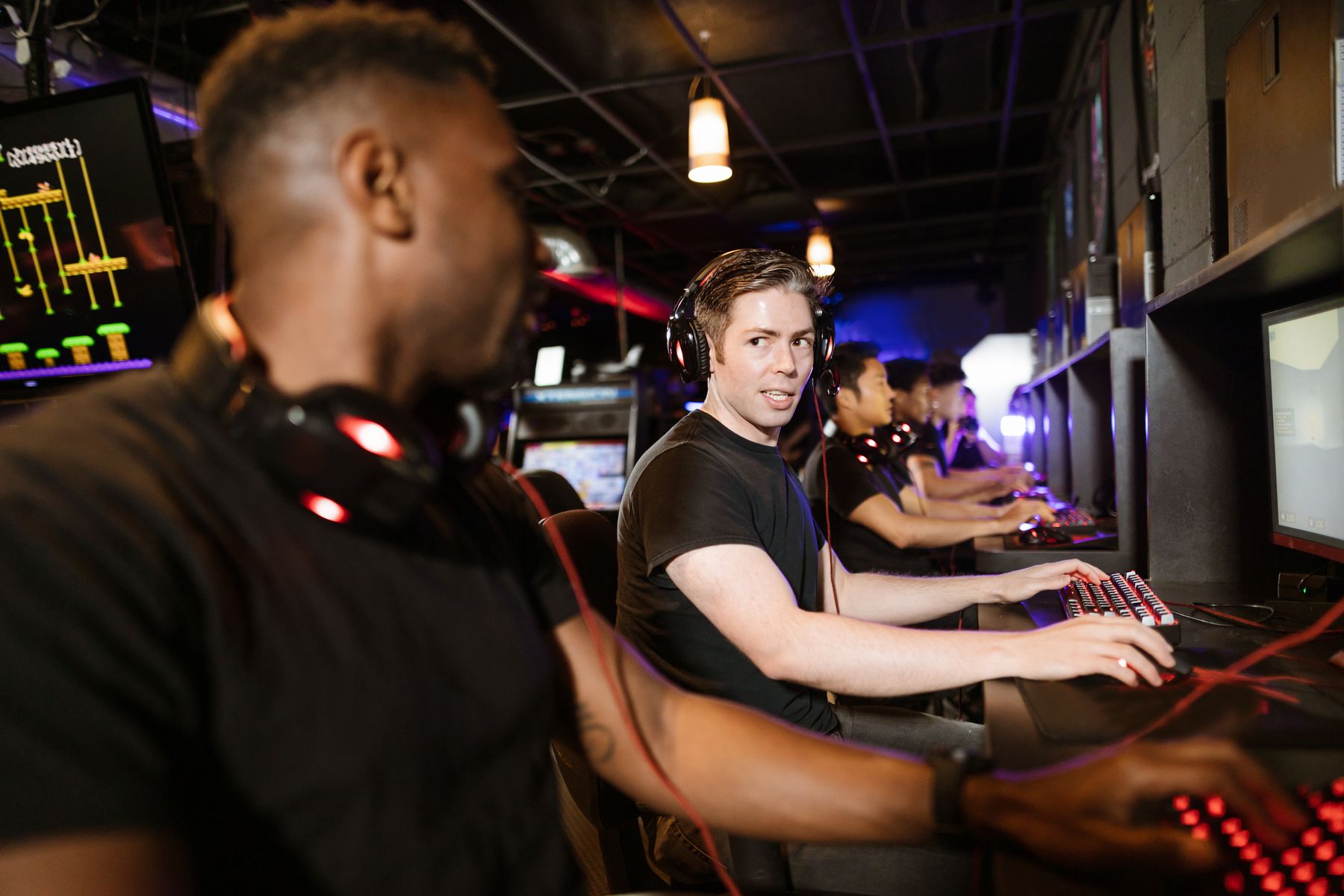
The first time I paid to sit in a chair for six hours, it wasn’t at a spa. It was at a PC bang two blocks from my old apartment in Gangseo-gu, at three in the morning, with a bowl of instant ramyeon going cold next to my keyboard because I was too deep into a League of Legends ranked match to eat it. A guy I didn’t know, two seats over, leaned across without asking and said “nice, you got a kill” in English, then went back to his own screen. Nobody clapped. Nobody made it weird. That’s kind of the whole point of these places, and it took me longer than I’d like to admit to figure that out.
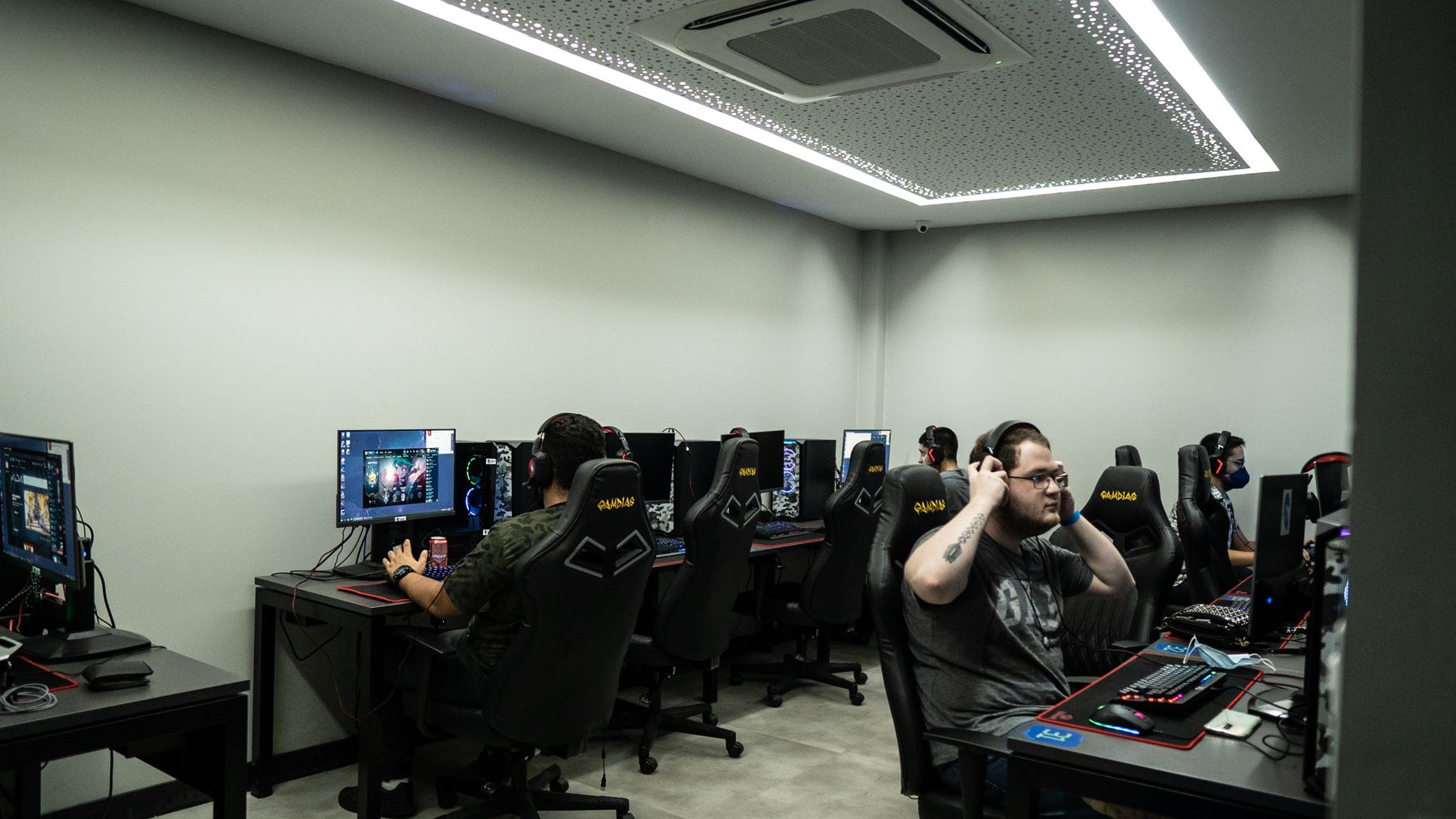
If you’ve walked around basically any neighborhood in Seoul, or Busan, or a mid-sized city like Cheonan, you’ve seen the signs — usually neon, usually some variation of “PC,” sometimes stacked two or three floors up above a convenience store. Koreans call them PC bang (PC방), which just means “PC room,” and there’s an entire ecosystem packed into that unglamorous name: rows of gaming rigs, a snack counter that does more business than some actual restaurants, and a social contract that lets a teenager, a delivery driver on his break, and a guy in his 40s killing time before a work dinner all sit three feet apart without anyone acknowledging each other unless they want to.
You’d think, given how normal it all feels now, that PC bangs were some inevitable part of Korean life, like public bathhouses or fried chicken delivery at midnight. They weren’t. The whole industry exists, more or less, because the country’s economy fell apart in 1997.
Born from a crisis, not a boom
The 1997 Asian financial crisis hit South Korea hard enough that the IMF stepped in with a $58 billion bailout — at the time, the largest rescue package the fund had ever arranged. Companies collapsed, and a huge number of mid-career workers were suddenly laid off with severance money and no clear next move. A striking number of them didn’t go looking for another corporate job. They opened small businesses instead, because that’s what the moment demanded, and one of the cheapest, lowest-overhead options going around was renting a storefront, filling it with computers, and charging by the hour.
There were maybe a hundred PC bangs in the whole country in 1997. By 1999, that number had jumped past 13,000. By 2001, estimates put it above 20,000. That’s not gradual growth — that’s an entire industry appearing out of an economic wound in about four years, which is a strange thing to sit with when you’re paying 1,200 won for an hour of Overwatch in one today and the whole thing just feels like furniture, like it’s always been there.
So what was actually waiting for these newly unemployed entrepreneurs on the other side of that storefront lease? Not much, honestly. Home computers and home internet were still expensive and inconsistent in Korea at that point, so the PC bang filled a gap nobody had really planned for: a warm room with a decent machine and a connection that didn’t crawl, available to anyone with a couple thousand won in their pocket. It wasn’t marketed as a gaming destination at first, either — early on, plenty of customers were there for email, job listings, or just something to do that wasn’t sitting in a cramped apartment with the whole family watching you fail to find work. The gaming culture came second. It just happened to come fast, and it happened to come attached to one very specific game.
StarCraft turned PC bangs into something else entirely
Blizzard released StarCraft in March 1998, almost exactly when the IMF crisis was at its worst. Of the roughly 11 million copies sold worldwide over the years that followed, something like 4.5 million went to South Korea alone — a wildly disproportionate share for a country that size. Part of the reason is almost embarrassingly practical: most people couldn’t afford to buy a home PC strong enough to run it well, let alone the game itself, but they could absolutely afford an hour or two at the PC bang down the street, where the machines were already upgraded and the copy was already installed.
What happened next is the part people outside Korea tend to find hard to believe unless you show them footage: StarCraft matches held inside PC bangs and small studios got broadcast on actual television, with dedicated cable channels, professional commentators, and players who became recognizable public figures — sponsored, ranked, occasionally mobbed at fan meets. A player known by his handle “BoxeR” was among the earliest to become something like a national celebrity off the back of tournament wins, at a time when “professional gamer” wasn’t even a phrase most countries had a category for yet. Korea basically invented the modern template for esports inside these rooms, years before the term “esports” meant anything to a Western audience, and PC bangs were the actual physical infrastructure that made it possible — cheap enough for anyone to practice for hours a day, fast enough that lag wasn’t going to cost you the match.
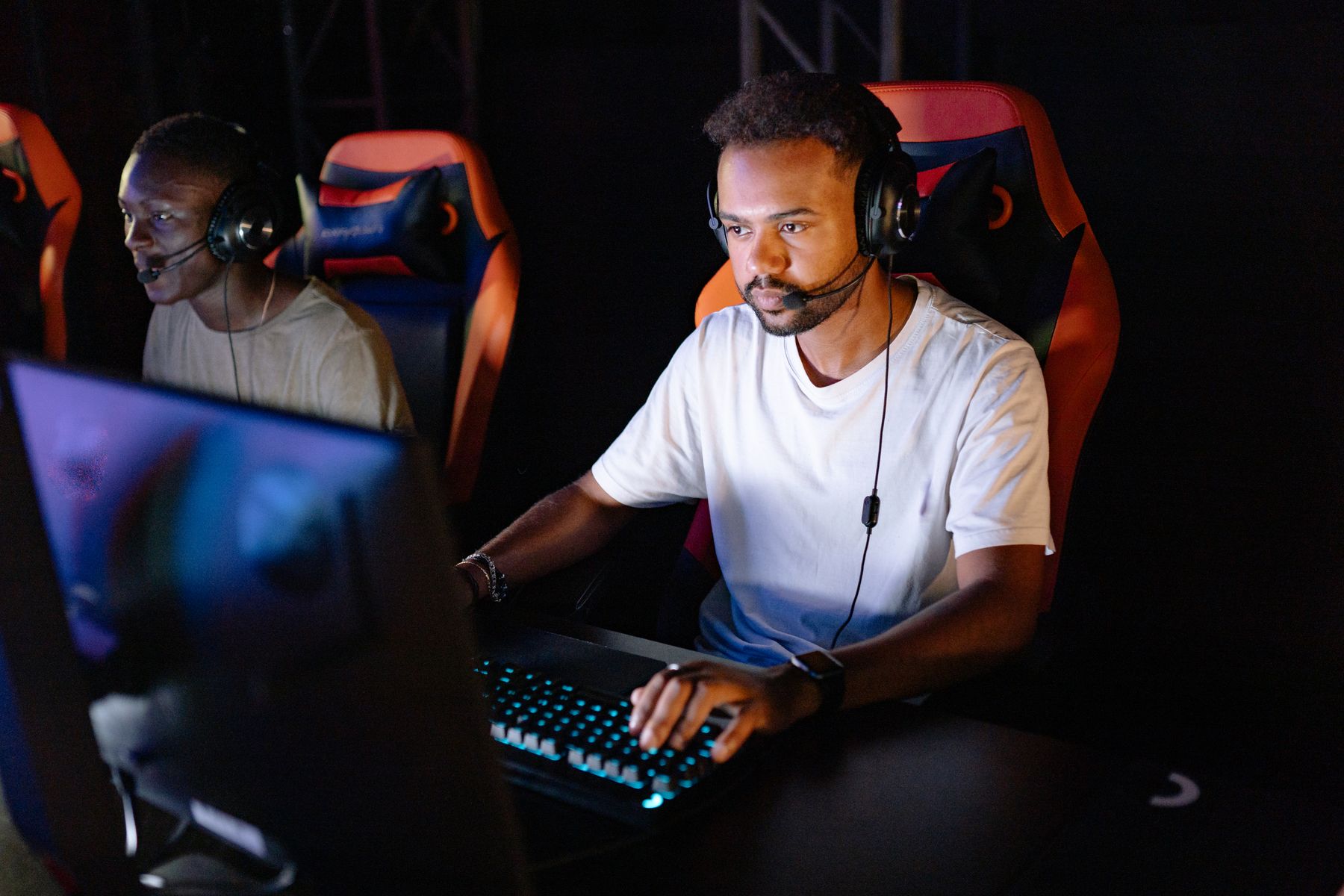
That StarCraft-era culture never really left. It just changed games. League of Legends took over the competitive throne in the 2010s, and PC bangs adapted instantly, because the hardware refresh cycle is basically part of the business model — owners upgrade GPUs and monitors every couple of years specifically to keep up with whatever the current esports title demands. Now walk into one and you’ll see PUBG, Valorant, Overwatch 2, and League running side by side across identical high-refresh-rate monitors, usually with RGB lighting that feels almost aggressive at two in the morning.
The ddangkong and ramyeon economy
PC bangs run on food almost as much as they run on electricity, and that took me a while to appreciate. Nearly every one has a small kitchen counter near the entrance, usually staffed by one person who’s also handling the front desk, and the menu is short but oddly beloved — instant ramyeon cooked to order and topped with a slice of processed cheese and a hard-boiled egg, fried rice, tteokbokki, and the item that seems to confuse foreigners most: ddangkong, roasted soybeans served in a little paper cup, usually free or nearly free with a food order. You order all of it from a small touchscreen bolted next to your monitor now — pick the ramyeon, pick the spice level, hit confirm — and the system already knows which seat you’re in because you scanned a membership card or typed your assigned number in when you sat down, so nobody has to shout across the room asking whose bowl is whose.
Ddangkong isn’t fancy. It’s just roasted, salted soybeans, the kind of thing you’d get free at a Korean bar as anju. But it’s become such a fixture of PC bang culture that people who grew up going to these places associate the smell of roasted soybeans with gaming the way some Americans associate movie theaters with popcorn. A staff member drops the tray at your desk five or ten minutes later without breaking your game, and the newer, glossier locations have leaned so hard into this that some now look less like a dim internet den and more like a co-working café that happens to have a graphics card humming under every desk — floor-to-ceiling windows, espresso machines up front, gaming chairs that recline further than anything most people have at home.
Pricing has stayed strange in the sense that it’s barely moved. You’re generally looking at somewhere around 1,000 to 1,500 won per hour depending on the neighborhood and how fancy the chairs are, which, even accounting for inflation, is close to what people were paying in the early 2000s. Membership cards that track your hours and apply bulk discounts are standard, and a lot of regulars just load 30,000 or 50,000 won onto a card and let it run down over weeks.
The all-nighter is a genuine subculture
Staying at a PC bang until sunrise has its own name — bam-saem, roughly “all-nighter” — and it’s less rare than you’d expect for something that sounds like it should be a one-time bad decision. University students pull them before exams end, not to study but to decompress right after. Groups of friends do it as a bonding ritual, the gaming equivalent of a road trip. Men on leave from mandatory military service famously beeline for the nearest PC bang before doing almost anything else, because eighteen months of restricted internet access apparently builds up a very specific kind of hunger.
Even so, it’s worth saying plainly: this isn’t some edgy underground scene. It’s remarkably ordinary and low-stakes. Staff don’t hover, nobody’s pressuring you to keep spending, and plenty of PC bangs are bright, clean, almost sterile-feeling spaces that would look more at home as a co-working office if you swapped the graphics cards for spreadsheets. The chairs recline. Some locations have shower stalls in the back for exactly this reason. It’s built for endurance, not chaos.
Why this doesn’t map onto the Western “internet cafe”
I’ve had friends visiting from the US try to explain a PC bang to their parents over the phone as “like a Cyber Cafe, remember those?” and it never quite lands, because the two things solved different problems. The Western internet cafe of the late 90s and early 2000s existed mostly because people didn’t have internet access at home yet, and it quietly disappeared the moment broadband and smartphones made that unnecessary. It was a stopgap.
PC bangs kept existing after home internet became universal in Korea — arguably one of the most connected countries on earth — because the value proposition shifted to something broadband at home can’t replicate: hardware. A gaming PC with a high-end graphics card, a 240Hz monitor, and a mechanical keyboard costs real money, and upgrading it every two or three years to keep pace with new games costs more. Renting an hour of top-tier hardware for the price of a coffee turns out to be a completely different pitch than “we have dial-up here.” That’s also why the industry didn’t just evaporate when smartphones took over — total PC bang numbers did drop significantly from their early-2000s peak, but the ones that survived generally got bigger, better-equipped, and more specialized, often branding themselves around specific esports titles or building out streaming-ready setups for content creators.
The social layer is different too. Nobody goes to a PC bang because they lack internet. They go because the chair is better than their chair at home, the monitor is bigger, their friends are two seats away instead of in a group chat, and there’s a bowl of ramyeon coming whether they order it or not.
A few practical things I wish someone had told me
You’ll usually need to show ID the first time, since most locations register you in a system that tracks hours for membership pricing — foreign residents can generally use an ARC card or passport for this, though a specific franchise might have its own quirks. Shoes generally stay on, unlike a lot of Korean indoor spaces, though don’t be shocked if you see slides at the door in some smaller neighborhood locations. And if you’re sensitive to smoke, ask before you sit down — plenty of PC bangs still have a separated smoking section, and “separated” is sometimes more of a suggestion than a wall.
I think about that three-in-the-morning bowl of cold ramyeon more than a reasonable person should. Not because the noodles were good — they weren’t, they’d been sitting there for forty-five minutes — but because nobody around me thought there was anything unusual happening. A stranger complimenting a stranger’s kill, a room full of people paying by the hour to sit somewhere better than home, a snack menu that hasn’t really changed in two decades. It’s a strange little institution when you actually stop to look at it, and it’s completely unremarkable to everyone who grew up inside it. Both of those things are true at once, which is more or less how I’d describe most of Korea if you made me pick one sentence.
Frequently asked questions
Do I need to speak Korean to use a PC bang? Not really, though it helps. Most kiosks now have an English option, and the login screen — where you type in your assigned seat number and sometimes a phone number — is simple enough to figure out by pattern-matching even if you can’t read the labels. Staff at busier locations near universities or Hongdae are also fairly used to foreign customers by now.
Is it weird for someone to go alone? Genuinely, no. I’d guess close to half the customers on a random weekday afternoon are solo — someone killing an hour before an appointment, a student avoiding a noisy dorm room, a guy who just wants faster internet than his own place has for downloading something huge. Going alone is the default, not the exception.
What happens if I’m mid-game when my paid time runs out? Most systems give you a warning pop-up five or ten minutes before your balance hits zero, and you can top up right from your seat using the kiosk or a card reader without losing your spot in the game. It’s rare that anyone actually gets cut off mid-match unless they genuinely ignore three separate warnings, which, to be fair, is easy to do when you’re one team fight away from winning.
Four seconds. That’s roughly how long it takes for the elevator doors in my building to start closing on their own, and it is also, apparently, longer than most of my neighbors are willing to wait. I know this because I have watched a woman in her sixties reach past my shoulder, jab the “close door” button twice, and step back with the satisfied look of someone who has just shaved a full second off her morning. Nobody said anything. Nobody needed to.
I used to think this was just an elevator quirk. It isn’t. It’s a small, everyday rehearsal of something Koreans call ppalli ppalli, 빨리빨리 — “hurry hurry” — and once you start noticing it, you can’t stop. It shows up in how food arrives at your door before you’ve finished setting the table, in how a subway platform empties out like a bathtub with the drain pulled, in how a bowl of noodles goes from boiling water to dinner in exactly three minutes. Ppalli ppalli isn’t a saying. It’s closer to a national operating speed.
The Delivery Culture That Ruined Me for Everywhere Else
Let’s start with the one that visitors notice first, because it’s the one that breaks their brain a little. Coupang, the e-commerce giant founded by Bom Kim in 2010, built its entire business around a promise called Rocket Delivery: order a rocket-marked item before midnight, and it’s on your doorstep before 7 a.m. Not “processing.” Not “out for delivery, arriving sometime this week.” Waiting for you, next to your shoes, before you’ve had coffee.
You’d think that kind of speed would require some kind of magic, and in a sense it does — just the logistical kind. Coupang runs more than 100 fulfillment centers packed into roughly 5.9 million square meters of warehouse space, which is a hard number to picture until you realize it works out to something like 800 football pitches laid side by side, positioned close enough to population centers that a truck never has far to go. I ordered cat litter at 11:47 p.m. once, mostly as a test, half-convinced I was calling their bluff. It was outside my door by 6 a.m., and the delivery app had even logged the exact minute the elevator in the courier’s building opened. I felt, briefly, like I’d discovered fire — and then immediately went back to sleep, because apparently that’s just Tuesday here.
The strange part is how normal this has become. Friends who grew up here don’t find it remarkable at all — to them, next-day is basically the slow lane, since same-day and even one-hour delivery apps now handle anything from fried chicken to a forgotten phone charger. When I go back to visit family abroad and a package takes five business days, I catch myself getting genuinely offended, as if the postal service had personally wronged me. That reaction is embarrassing to admit, but it’s also, I think, exactly the point — ppalli ppalli doesn’t just change your environment, it recalibrates your patience.
Nobody Walks Slowly Here, Not Even the Elevators
Take the Seoul subway, which moves something like 7 million rides a day across its network. Stand on any platform during rush hour and watch what happens when the doors open: it isn’t a crowd shuffling out politely, it’s more like someone popped a seam — everybody pours through the gap at once, coats brushing, nobody quite touching, and the platform is empty again in under a minute. People walk with purpose even when they have nowhere urgent to be. On escalators, the unspoken rule is that the left side is for standing and the right is for walking, and heaven help the tourist who blocks it while admiring the ceiling.
I’ll admit I found this stressful at first. Coming from a country where “the scenic route” is a compliment, I felt like I was constantly being swept along by a current I hadn’t agreed to join. Eventually, though, something clicked — the pace isn’t really about aggression, it’s about efficiency as a form of courtesy. Moving quickly means you’re not holding anyone up. Standing still in the wrong spot is the actual rude move. Once I reframed it that way, I stopped resenting the pace and started, a little unnervingly, matching it.
Which brings us back to that elevator button from the beginning. Korean elevators are almost unique in how literally they respond to it — press “close,” and the doors shut immediately, no theatrical pause, no fake deference to a button that secretly does nothing (a design trick famously used in a lot of older American elevators). There’s also a cancel button on nearly every panel: hit the wrong floor, tap it again, and the light goes off, no unwanted detour to the twelfth floor. It’s the same instinct as the subway platform, just compressed into a two-meter box — nobody wants to spend one extra second somewhere they didn’t choose to be.
It sounds like a minor engineering choice, but it says something bigger about the culture underneath it: convenience isn’t treated as a luxury add-on here, it’s closer to a baseline expectation. Systems get built assuming people want control and speed, and the workaround gets designed in before anyone has to complain about needing one. Foreigners who post about this online are usually equal parts delighted and slightly alarmed, and I get it — the first time your instinct to hurry is not just tolerated but engineered for, it’s a small culture shock in the opposite direction.
Three Minutes to Dinner
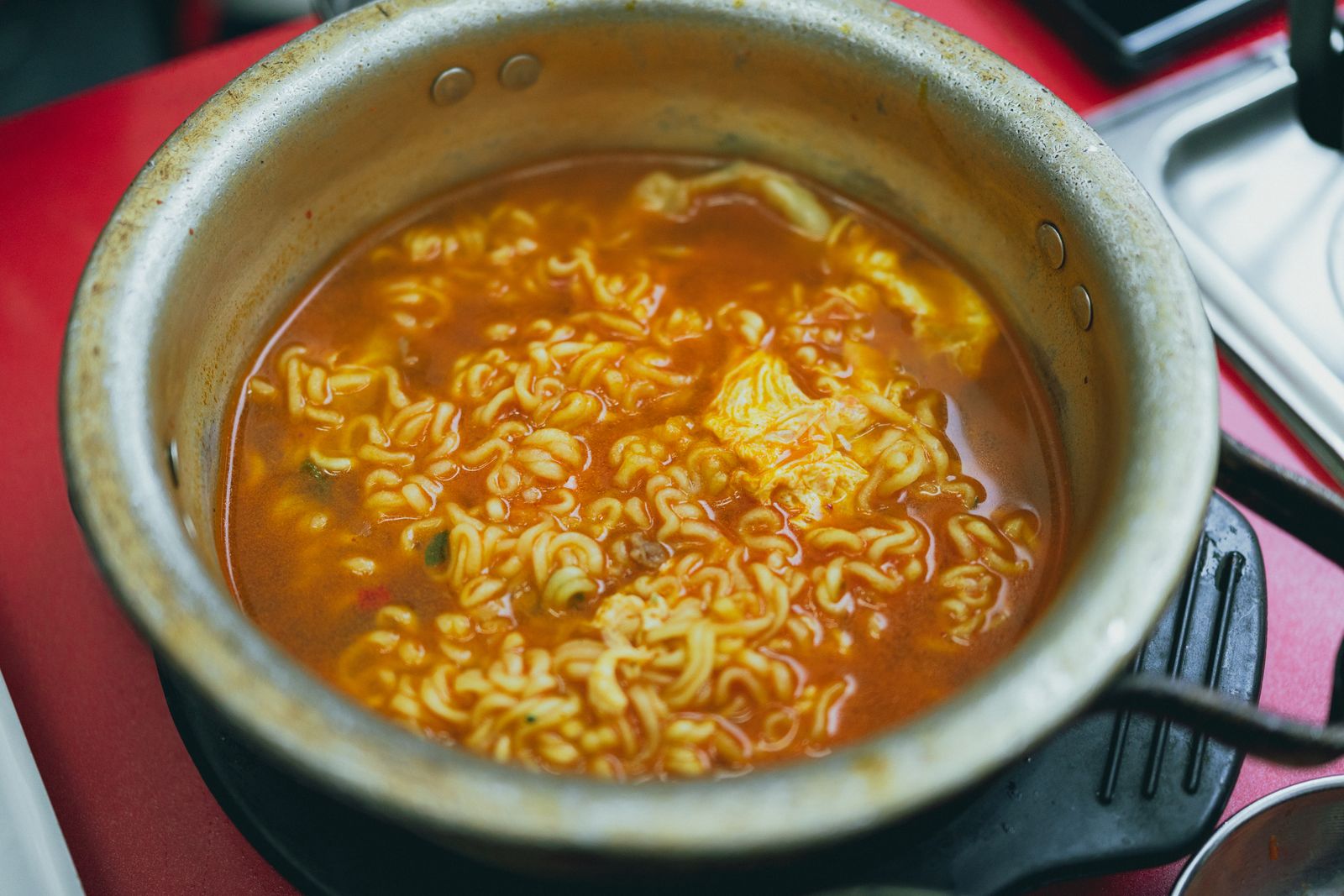
Then there’s ramyeon, which might be the most literal expression of ppalli ppalli on a per-meal basis. Samyang launched Korea’s first instant noodle product on September 15, 1963, as a direct response to postwar food shortages — a cheap, fast source of calories when rice was scarce and time, frankly, wasn’t the thing anyone was worried about saving. Nongshim’s Shin Ramyun followed in 1986 and now sells in more than 100 countries. Today, Koreans eat somewhere around 70 to 90 servings of instant noodles per person, per year — among the highest rates on the planet — and the entire cultural ritual around it, from the hot-water dispensers bolted to convenience store walls to the exact three-minute steep time everyone somehow just knows by feel, is built for a moment when you don’t have twenty minutes to spare, but you do have three.
You’d think a food built entirely around speed would feel like an afterthought, something you eat while doing something else. Turns out it’s the opposite — ramyeon nights are practically ceremonial, complete with the correct pot (always the same shallow yellow one, if you ask around), the correct amount of overcooking on purpose, and strong opinions about whether the egg goes in raw or scrambled. Somewhere along the way, three minutes stopped being a limitation and became its own little tradition.
The Internet Got Fast Before Anyone Else’s Did
None of this happened by accident, and the internet is maybe the clearest paper trail. In the mid-1990s, the Korean government launched the Korea Information Infrastructure project, essentially deciding as a matter of national policy that the country would have broadband before it had much obvious use for it yet. By 2000, South Korea had already become the first country where broadband users outnumbered dial-up users — a milestone most of the world wouldn’t hit for years. By 2016, Korea was topping global speed rankings at over 26 megabits per second average, at a time when plenty of countries were still watching the loading wheel spin.
You can feel the residue of that decision every time you’re forty meters underground on a moving subway car, streaming a variety show in full HD with zero buffering, which still strikes me as faintly absurd given that I’ve lost signal standing still in parking garages elsewhere. The rankings have shifted since, to be fair — by 2022, Korea had actually slipped to something like 34th in fixed broadband as other countries caught up and invested heavily, before climbing back with fixed speeds around 175 Mbps by early 2025. But the instinct that built the network in the first place hasn’t changed. When PC bang (internet café) culture, professional gaming leagues, and now cloud gaming all assume near-zero lag as a baseline, “good enough” was never going to be good enough.
Where This Actually Comes From
It’s tempting to treat all of this as quirky trivia, but ppalli ppalli has a fairly traceable origin, and it isn’t a personality trait — it’s a survival strategy that outlived the emergency that created it. In 1960, South Korea’s GDP per capita was around 79 dollars, putting it on par with some of the poorest countries in the world at the time, poorer, by some measures, than parts of sub-Saharan Africa. What followed, from the early 1960s through the 1990s, was roughly three decades of near-double-digit annual growth, government-driven industrialization pushing exports from about 55 million dollars in 1962 to more than 100 billion dollars a few decades later. That kind of compression — building in thirty years what took other countries a century — required speed to become the default setting, not a preference.
You can see why the habit stuck. When your parents’ or grandparents’ generation lived through rebuilding a country from rubble on a tight, unforgiving national deadline, “why rush” isn’t really a question anyone had the luxury of asking. Ppalli ppalli, in that light, isn’t really about impatience for its own sake. It’s inherited urgency, still running quietly in the background decades after the original crisis that demanded it has technically ended.
The Part Nobody Puts on the Postcard
Here’s where I have to be honest, though, because it would be dishonest to frame all of this as pure upside. The same instinct that gets you noodles in three minutes and packages before breakfast also shows up as construction sites that occasionally cut corners under deadline pressure, meals eaten standing up because sitting down feels like wasted time, and a baseline hum of impatience that can tip into real stress. Ppalli ppalli has a well-documented dark side — burnout, workplace pressure, and a cultural discomfort with simply waiting for anything, even the handful of things that genuinely benefit from not being rushed.
I’ve felt this myself in smaller ways — snapping at a slow-loading webpage, feeling irrationally behind schedule over a five-minute delay that wouldn’t register as a delay anywhere else. Even so, I don’t think the answer is to declare the whole culture unhealthy and move on, because that misses what actually makes it work. Ppalli ppalli is a tool, and like most tools, it’s neither good nor bad on its own — it depends entirely on whether the thing being rushed benefits from speed, or just quietly gets worse under pressure. Dinner benefits. A friendship, probably, doesn’t. Knowing the difference, I think, is the whole trick.
Frequently Asked Questions
Is it rude to press the elevator “close door” button in Korea? Not at all — it’s completely normal and expected, especially if you’re standing closest to the panel. If someone’s visibly hurrying toward the elevator, though, the polite move flips: you hold it open instead, which is the same instinct pointed the other direction.
Can Coupang Rocket Delivery really deliver everything overnight? Only items marked with the rocket icon qualify, and you generally need to order before midnight for guaranteed morning delivery. Non-rocket items from third-party sellers can still take several days, so it’s worth checking the icon before assuming everything ships at warp speed.
Why do Koreans walk so fast even when they’re not in a hurry? Partly habit, partly etiquette — moving efficiently through shared spaces like subway platforms is seen as considerate rather than aggressive, since standing still or walking slowly in a high-traffic lane holds everyone else up. It’s less about racing to a destination and more about refusing to become an obstacle.
Ppalli ppalli isn’t going anywhere, and honestly, I’ve stopped wanting it to. I still catch myself mashing that elevator button on mornings I’m not even late for anything. But I’ve also learned to notice when the speed stops serving me — when I’m eating too fast to actually taste the food, or refreshing a delivery tracker for a package that would’ve arrived either way, tracker or no tracker. The trick, I’ve decided, isn’t slowing Korea down. It’s knowing which four seconds are actually worth saving, and which ones you were only trying to save out of habit.
오후 6시 40분, 돌산대교 아래 주차장에 겨우 차를 욱여넣고 나서야 알았다. 오늘 여수는 나만 온 게 아니었다.
평일 저녁인데도 종포해양공원 산책로는 이미 사람으로 그득했다. 그런데도 다들 표정이 비슷했다. 케이블카 매표소 앞에서 스마트폰으로 일몰 시각을 검색하고, 낭만포차 어느 줄이 짧은지 눈치를 보고, 저녁으로 게장을 먹을지 하모 샤브샤브를 먹을지 고민하는 얼굴. 사실 이 벅찬 저녁 풍경을 제대로 완성하려면 시곗바늘을 열두 시간쯤 되감아야 한다. 아침 8시 오동도에서 출발해야 자정 전 낭만포차거리에서 여유롭게 마무리할 수 있다는 뜻이다. KTX로 서울에서 2시간 40분이면 도착하니 당일치기 자체는 충분히 가능하다. 다만 동선을 잘못 짜면 향일암 일출도, 게장 백반도, 케이블카 야경도 셋 다 어중간하게 겪고 돌아오게 된다.
전체 그림부터 그려두면 이렇다. 08:00 오동도 산책 → 10:00 이순신광장 및 디저트 거리 → 12:00 봉산동 게장거리 점심 → 15:00~18:00 자유 시간(휴식 혹은 진남관) → 18:10 해상케이블카(일몰 30분 전) → 19:30 낭만포차거리. 물론 사람마다 걷는 속도도 다르고 줄 서는 시간도 다르니 이건 뼈대일 뿐, 아래에서 구간별로 왜 이 시간이어야 하는지 풀어보겠다.
아침 8시, 오동도부터 시작해야 하는 이유
블로그마다 오동도를 1순위로 추천하지만, 막상 가보면 왜 하필 아침이어야 하는지 몸으로 깨닫게 된다. 입구부터 방파제 산책로를 왕복하는 데 40분에서 1시간이 걸리는데, 그늘이 거의 없어 한낮엔 금세 땀범벅이 된다. 아침 8시에서 9시 사이라면 얘기가 다르다. 동백나무 5천 그루가 만든 그늘 사이로 바닷바람이 지나가고, 사람도 적어 방파제 끝 등대까지 여유롭게 걸을 수 있다.
오동도는 육지와 방파제로 연결돼 있어 입장료 없이 걸어 들어갈 수 있고, 개방시간은 일출부터 일몰까지다. 동백열차(코끼리열차)를 타면 편도 500원, 왕복 1천 원 정도로 걷는 수고를 줄일 수 있는데, 다리가 아직 팔팔하다면 걸어서 왕복하길 권한다. 방파제 왼편으로 펼쳐지는 여수 앞바다와 오른편의 자산공원 전망이 걷는 내내 번갈아 보이기 때문이다. 차를 가져왔다면 오동도 공영주차장을 목적지로 잡으면 되는데, 1시간까지는 무료이고 이후 10분당 200원 안팎이 붙는다. 이 요금 체계 하나만 알아둬도 아침 산책 정도는 주차비 걱정 없이 다녀올 수 있다. 등대 앞에서 사진 한 장 남기고 나면 벌써 시계는 9시 반을 가리킨다.
이순신광장에서 점심까지, 오전의 빈 시간을 채우는 법
오동도에서 나와 이순신광장까지는 차로 15분 거리다. 광장 자체는 크지 않지만, 임진왜란 당시 조선 수군의 본영이었던 진남관이 바로 옆이라 역사에 관심이 있다면 30분 정도는 할애할 만하다. 국보로 지정된 이 건물은 정면 15칸에 이르는 규모가 생각보다 압도적이다. 그런데 정작 요즘 당일치기 여행자들 사이에서 이순신광장이 유명해진 이유는 따로 있다. 삼대옥 같은 딸기찹쌀떡(딸기모찌) 가게 앞에 줄이 늘어서고, 바로 옆 골목엔 바다김밥을 파는 분식집이 있어 달달한 디저트와 짭짤한 김밥을 번갈아 먹는 코스가 하나의 루틴처럼 자리 잡았다. 역사 탐방 30분, 디저트 골목 30분이면 오전 스케줄로 딱 맞는다.
여기서 KTX로 온 사람이라면 궁금할 법한 게 하나 있다. 여수엑스포역에서 오동도까지는 도보로 20분 남짓, 부담스럽다면 역 앞에서 공영자전거 ‘여수다오름’을 빌려 15분 만에 갈 수도 있다. 첫 코스부터 택시비를 아낄 수 있는 구간이니 기억해둘 만하다.
이렇게 오전을 채우고 나면 케이블카까지는 아직 시간이 남는다. 탑승은 일몰 30분 전이 가장 좋은 타이밍이라, 늦여름 기준 오후 6시 반 전후로 잡아야 하니 점심 이후로 서너 시간이 비는 셈이다. 많은 여행자가 이 구간을 통째로 건너뛰고 곧장 케이블카로 향하는데, 그러면 오히려 오후가 붕 떠서 카페에서 시간을 때우다 지치는 경우가 많다. 이 시간을 점심과 봉산동 게장거리 답사로 채우는 게 현실적이다.
봉산동 게장거리, 저녁 아닌 점심에 가야 하는 이유
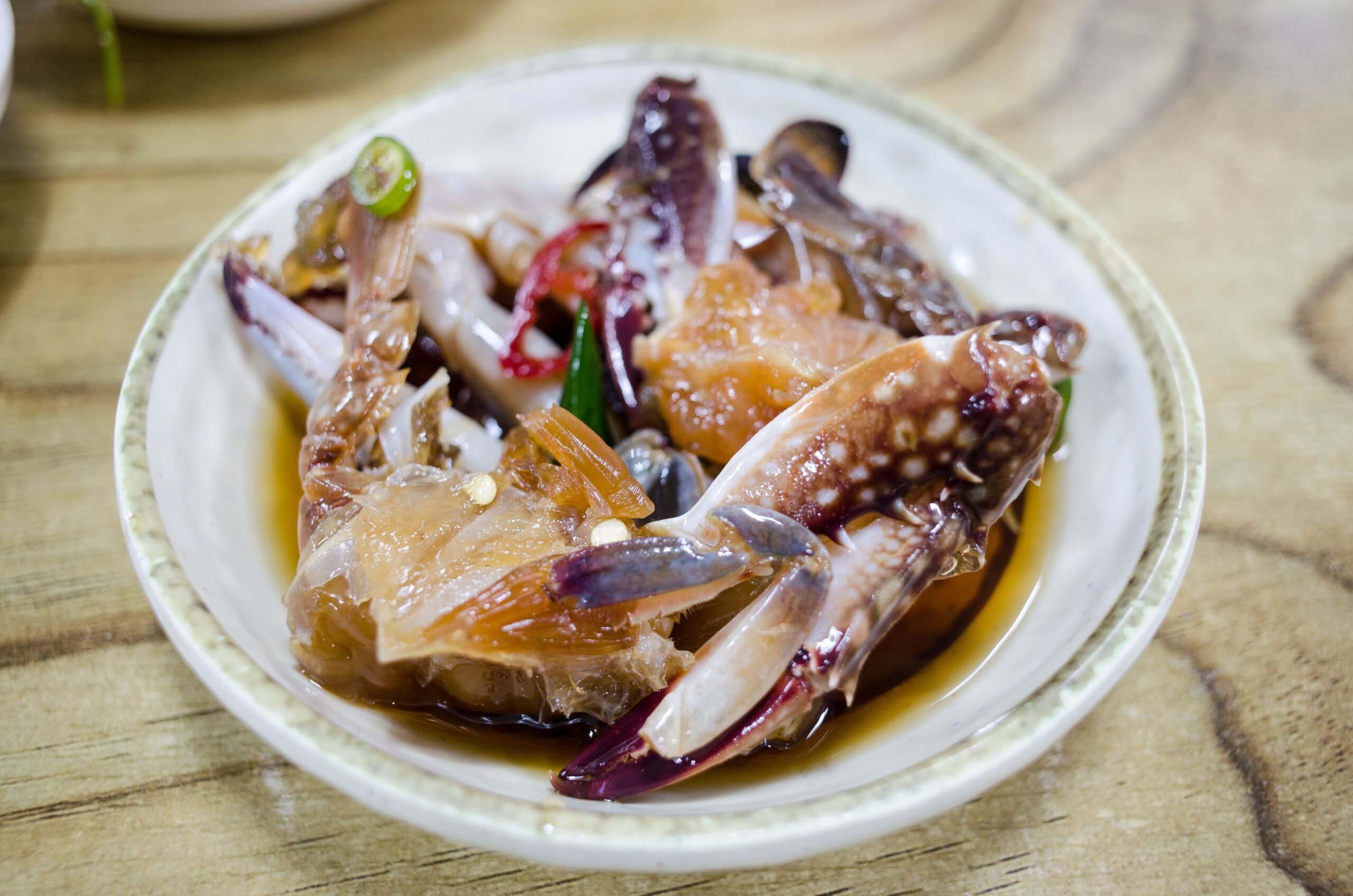
여수 게장백반의 본진이라 불리는 봉산동 게장골목에는 두꺼비게장, 황소식당 등이 몰려 있다. 집집마다 간장게장과 양념게장을 함께 내는 곳이 많고, 돌산갓김치나 전어무침 같은 곁반찬이 상을 가득 채운다. 점심 백반 가격대는 1인 1만 5천 원에서 2만 원 사이가 흔하다. 낮 시간에 먼저 게장을 먹어두면 저녁엔 위장에 여유를 두고 낭만포차 음식을 즐길 수 있다. 게장을 저녁 한 끼로 몰아넣으려다 정작 배가 불러 포차 음식을 못 즐기고 오는 사람을 여럿 봤다. 의외로 이 순서 하나 바꾸는 것만으로 하루 전체의 만족도가 달라진다.
해상케이블카, 몇 시에 타야 손해가 없을까
여수 해상케이블카는 돌산공원과 자산공원을 잇는 1.5km 구간을 운행하며, 일반캐빈 왕복 요금은 대인 기준 1만 7천 원, 바닥이 강화유리로 된 크리스탈캐빈은 왕복 2만 4천 원 선이다(2026년 상반기 기준, 요금은 시즌에 따라 소폭 변동될 수 있어 탑승 전 공식 홈페이지 확인을 권한다). 그런데도 크리스탈캐빈 쪽 줄이 항상 훨씬 길다. 발밑으로 바다가 훤히 보이는 대신 대기 줄이 길어, 평일이라도 30분 이상 기다릴 각오를 해야 한다.
타이밍이 핵심이다. 일몰 30분 전에 탑승하면 하늘이 붉게 물드는 순간부터 완전히 어두워져 도심 조명이 켜지는 순간까지 한 번에 볼 수 있다. 너무 일찍 타면 그냥 맑은 바다 풍경만 보고 내려오게 되고, 너무 늦게 줄을 서면 마지막 탑승 시간을 놓쳐 낭패를 본다. 9월 중순 기준 일몰은 오후 6시 50분 전후이니 늦어도 6시 10분에는 매표소에 도착해야 한다는 계산이 나온다. 의외로 이 사실을 모르고 저녁 8시쯤 느긋하게 도착했다가 매표 마감이라는 안내를 듣고 발길을 돌리는 사람이 꽤 많다.
낭만포차거리, 대기 없이 즐기려면
케이블카에서 내려와 도보로 20분, 혹은 택시로 5분이면 낭만포차거리다. 종포해양공원 일대에 늘어선 빨간 포장마차 수십 동이 여수 밤바다의 상징 같은 풍경을 만든다. 그런데도 막상 가보면 주말 저녁엔 웬만한 포차 앞에 대기 명단이 걸려 있다. 평일 저녁 8시 이전에 도착하면 대기 없이 자리를 잡을 수 있는 확률이 눈에 띄게 올라간다.
메뉴 고르는 기준은 예산이다. 대표 메뉴인 하모(갯장어) 샤브샤브는 여름부터 초가을이 제철인데, 시세에 따라 2인 기준 5만 원대부터 8만 원 이상까지 올라갈 수 있어 부담스러울 수 있다. 예산을 조금 낮추고 싶다면 돌문어와 새우, 삼겹살을 함께 구워 먹는 해물삼합이 4~5만 원대로 대안이 된다. 여기에 새우튀김 한 접시와 소주 한 병만 곁들여도 여수 밤바다 정취를 느끼기엔 충분하다.
포차 안쪽 좌석보다는 바다를 마주보는 야외 테이블을 추천한다. 돌산대교 조명이 색을 바꿔가며 켜지는 모습이 정면으로 보이기 때문이다. 벌써 자정이 가까운 시간인데도 거리엔 사람이 줄지 않는데, ‘여수 밤바다’라는 말이 왜 그렇게 자주 회자되는지 이 풍경 앞에 서면 고개가 끄덕여진다.
시간이 남는다면, 향일암까지 욕심내볼 만할까
향일암은 여수 시내에서 남쪽으로 40분 이상 떨어진 돌산도 끝자락에 있다. 앞서 짠 당일치기 코스만으로도 하루가 꽉 차기 때문에, 향일암은 어디까지나 새벽 5시쯤 출발해 오전 7시 전후로 여수에 도착하는 극단적인 일정을 짤 수 있을 때만 고려할 만한 번외편이다. 그럴 수 있다면 향일암 해탈문의 좁은 바위 동굴을 통과해 일출을 보고 나서 오동도로 넘어가는 순서로, 향일암·오동도·케이블카·낭만포차를 하루에 모두 소화할 수 있다. 다만 체력 소모가 상당해서, 다음날 일정이 없는 상태로 가는 걸 권한다. 향일암 경내는 무료로 개방되지만, 주차장부터 절까지 이어지는 오르막 계단이 만만치 않아 편한 신발은 필수다.
사실 이 코스가 부담스럽다면 향일암은 다음 여행으로 미뤄도 괜찮다. 어차피 여수는 한 번으로 끝날 도시가 아니라서, 오늘 못 본 새벽 바다는 다음 여행의 이유로 남겨두는 편이 낫다.
자주 묻는 질문
Q1. 여수 당일치기, 차 없이 대중교통만으로도 가능한가요? 가능은 하지만 동선이 촘촘해진다. 여수엑스포역에서 오동도까지는 도보 20분, 혹은 역 앞 공영자전거 ‘여수다오름’으로 15분이면 닿는다. 이순신광장과 낭만포차거리까지도 시내버스와 도보로 충분히 이동할 수 있지만, 케이블카 자산공원 승강장까지는 배차 간격이 긴 버스를 타야 해서 택시를 함께 활용하는 편이 시간을 아낄 수 있다. 하루 택시비로 2만 원 안팎을 예산에 넣어두면 마음이 한결 편하다.
Q2. 게장백반은 예약 없이 가도 되나요? 의외로 봉산동 게장골목 대부분은 예약을 받지 않고 현장 대기로 운영된다. 다만 점심시간인 낮 12시에서 1시 사이는 관광객과 현지 직장인이 겹쳐 대기가 길어질 수 있으니, 11시 반쯤 미리 가거나 오후 1시 반 이후로 시간을 늦추는 게 낫다.
Q3. 비 오는 날에도 케이블카를 탈 수 있나요? 가벼운 비라면 운행하지만, 강풍이나 뇌우 시에는 안전상 운행이 중단된다. 여름철 소나기가 잦은 시기라면 출발 전날 공식 홈페이지의 운행 공지를 확인하고, 대안으로 야경 크루즈(돌산대교 선착장 출발, 장군도·이순신광장·하멜등대·낭만포차·오동도를 바다 위에서 둘러보는 코스)를 알아두면 유용하다.
약국에서 영양제를 하나 사려고 성분표를 들여다본 적이 있다. 글자가 원래 작기도 했지만, 그날따라 유난히 두 겹으로 겹쳐 보였다. 눈을 몇 번 깜빡이고 팔을 쭉 뻗어봐도 초점이 잘 안 맞았다. “요즘 눈이 좀 침침하네” 정도로 넘겼는데, 며칠 뒤 회사 회의 자료를 보다가 똑같은 일이 또 일어났다. 안경을 썼다 벗었다 하며 옆 사람 눈치를 보는 스스로가 조금 낯설게 느껴졌다.
노안은 나이가 아주 많이 든 사람에게만 찾아오는 증상이라고 생각하기 쉽다. 설마 내가 벌써 그럴 리 없다고 대수롭지 않게 넘기기 쉬운데, 실제로 통계를 보면 이야기가 다르다. 서울대병원과 질병관리청 자료를 보면 여성은 40세 전후, 남성은 50세 전후로 근거리 초점 조절 능력이 눈에 띄게 떨어지기 시작한다. 문제는 이 변화가 어느 날 갑자기 확 느껴진다는 점이다. 서서히 진행되던 것이 어느 순간 선을 넘으면서 “왜 이렇게 갑자기 심해졌지”라는 체감으로 다가오는 것이다.
먼저 체크부터 — 내 눈은 지금 어디쯤일까
원인을 따지기 전에, 지금 내 상태부터 짚어보는 게 순서일 것 같다. 아래 항목 중 서너 개 이상 해당된다면 눈 관리 습관을 다시 살펴볼 시점이라고 봐도 좋다.
스마트폰이나 책을 볼 때 나도 모르게 팔을 뻗어 거리를 두게 된다
저녁이 되면 낮보다 글씨가 눈에 띄게 더 흐릿해진다
실내조명이 어두운 식당에서 메뉴판 읽기가 유독 힘들다
하루 스마트폰 사용 시간이 4시간을 훌쩍 넘긴다
최근 두세 달 사이 안경 도수를 바꿨거나 바꾸고 싶다는 생각이 들었다
눈이 자주 뻑뻑하고, 인공눈물 없이는 하루가 힘들다
한쪽 눈으로만 봤을 때 유독 잘 안 보이는 쪽이 있다
서너 개 이상 표시했다면, 지금 내 눈은 그저 피곤한 게 아니라 이미 구조적인 변화를 겪고 있는 중일 가능성이 크다. 그렇다고 겁먹을 필요는 없다. 왜 이런 일이 생기는지, 어디까지가 자연스러운 범위이고 어디서부터 병원 문을 두드려야 하는지 하나씩 풀어보면 된다.
왜 유독 ‘갑자기’ 심해진 것처럼 느껴질까
노안의 원인은 수정체가 점점 딱딱해지고 탄력을 잃어가는 데 있다. 고무줄을 떠올리면 이해가 쉽다. 늘어났다 줄어들었다를 반복하던 고무줄도 오래 쓰면 어느 순간부터 팽팽하게 굳어 더는 잘 늘어나지 않는다. 수정체도 비슷하다. 초반에는 남아있는 조절력으로 어떻게든 초점을 맞춰내지만, 그 여유분이 바닥나는 시점부터는 근거리 시력이 뚝 떨어진 것처럼 느껴진다. 몇 년째 조용히 진행되던 변화가 마지막에 한꺼번에 드러나는 셈이라, “몇 달 사이에 갑자기”라는 인상을 받기 쉽다.
여기에 스마트폰 사용 습관이 속도를 더 붙인다. 화면을 눈 앞 30센티미터도 안 되는 거리에 두고 오래 들여다보면, 초점을 맞추는 눈 속 근육인 모양체가 계속 수축한 상태로 긴장하게 된다. 자기 전 침대에서 어두운 화면을 오래 보거나 지하철에서 흔들리는 손으로 작은 글씨를 계속 읽는 습관은 이 근육을 쉴 틈 없이 혹사시키는 셈이다. 스마트폰 보급 이후 36~40세 사이에서 노안을 호소하는 비율이 예전보다 두 배 넘게 늘었다는 통계도 있다. 나이만의 문제가 아니라 생활 방식이 진행 속도에 꽤 크게 관여한다는 뜻이다. 스마트폰과 노안의 관계는 전에 조금 더 자세히 다룬 적이 있다.
진행 속도에 영향을 주는 생활 습관, 무심코 지나친 건 없을까
피곤해서 그런 거겠지 하고 넘기기 쉽지만, 눈을 혹사시키는 습관은 생각보다 구체적으로 콕 집을 수 있다.
화면을 눈에 가까이 두고 오래 보는 습관
어두운 조명 아래에서 작은 글씨를 계속 읽는 습관
자외선 차단 없이 야외 활동을 오래 하는 습관
겨울철 히터 바람을 얼굴에 직접 맞으며 눈이 건조해지도록 방치하는 습관
이 네 가지를 하나씩 짚어보면 스스로 해당되는 게 두세 개는 나올 것이다. 전신 건강 상태도 눈의 피로감과 무관하지 않다는 이야기를 종종 듣는다. 수면 부족이 이어지면 눈 근육이 회복할 시간이 줄어들고, 스트레스가 쌓이면 눈 깜빡임 횟수가 줄어 건조감이 심해진다는 식이다. 물론 이런 요인이 노안 자체를 만들어내는 건 아니다. 다만 이미 진행되고 있는 조절력 저하를 더 빨리, 더 뚜렷하게 체감하게 만드는 배경이 될 수는 있다.
눈 피로, 이렇게 관리하면 도움이 된다
일상 속에서 아주 사소하게 바꿀 수 있는 습관만으로도 눈의 피로도는 꽤 낮아진다. 가장 많이 알려진 방법은 20-20-20 원칙이다. 20분마다 20초씩, 2미터 이상 떨어진 곳을 바라보는 것. 별것 아닌 것 같지만 막상 해보면 화면에 몰입해 있다 보니 이 타이밍을 자꾸 놓치게 된다. 그래서 나는 휴대폰 타이머를 20분 간격으로 맞춰두고, 알람이 울리면 창밖 먼 건물을 보는 습관을 들였다. 처음 며칠은 번거로웠는데 일주일쯤 지나니 눈이 뻑뻑한 느낌이 확실히 줄어들었다.
조명도 생각보다 큰 변수다. 어두운 방에서 스마트폰만 켜놓고 보면 화면과 주변 밝기 차이가 커져서 눈이 더 빨리 피로해진다. 방 안 전체 조명을 켜두고 화면을 보는 것만으로도 부담이 줄어든다. 외출할 때 선글라스나 챙 넓은 모자로 자외선을 막아주는 것, 실내 냉난방 바람이 눈에 직접 닿지 않게 자리를 조정하는 것도 의외로 체감 효과가 크다. 인공눈물을 상비해두고 건조함을 느낄 때 바로 사용하는 습관도 도움이 된다고 많이들 이야기한다.
자세도 한몫한다. 책이나 서류를 눈에서 30센티미터 이상 떨어뜨려 보는 것, 모니터 높이를 눈높이보다 살짝 아래로 맞춰 시선이 자연스럽게 내려가게 하는 것 정도만 바꿔도 목과 눈에 걸리는 부담이 줄어든다. 사무실 책상 배치를 이 기준으로 한 번 점검해보는 것도 나쁘지 않다.
이런 신호가 있다면, 노안이 아니라 다른 문제일 수도 있다
노안 때문이겠거니 하고 넘기기 쉬운데, 실은 안과에서 확인이 필요한 신호일 수도 있다. 40대 이후에는 백내장, 녹내장, 황반변성처럼 노안과 증상이 겹치는 안질환의 발생 확률도 함께 올라가기 때문이다. 그중에서도 백내장 초기 증상은 노안과 구분이 잘 안 될 정도로 비슷하다고 한다.
그렇다고 매번 병원부터 가야 하나 싶겠지만, 다음 중 하나라도 해당된다면 미루지 않는 편이 낫다. 한쪽 눈만 유독 침침하게 느껴질 때, 밤에 불빛 주위로 번짐이나 눈부심이 갑자기 심해졌을 때, 시야 한 귀퉁이가 뿌옇게 가려지는 느낌이 들 때, 안경이나 렌즈 도수를 몇 달 새 두세 번이나 바꿔야 했을 때, 눈의 피로와 함께 지속적인 두통이나 어지럼증이 동반될 때다. 지난번에 다뤘던 무릎 소리 이야기 때도 그랬지만, 몸이 보내는 신호는 대체로 무시하지 않는 편이 결과적으로 마음도 편하다. 위 항목들은 단순한 노화 신호를 넘어선 것일 수 있어서, 정확한 검사로 확인해보는 게 낫다.
자주 묻는 질문
노안은 한번 시작되면 계속 나빠지기만 하나요?
그렇게 걱정하는 사람이 많지만, 노안은 대체로 40대 중반부터 시작해 50대에 빠르게 진행되다가 60대 이후로는 진행 속도가 완만해지는 경향을 보인다고 한다. 다만 개인차가 크고 진행 양상도 다르기 때문에, 본인의 상태는 안과에서 정기적으로 확인해보는 것이 가장 정확하다.
노안과 눈 피로를 구분하는 방법이 있을까요?
피로는 쉬면 어느 정도 나아지는 경우가 많은데, 노안으로 인한 초점 조절 어려움은 쉬어도 크게 달라지지 않는 편이다. 하지만 둘 다 겹쳐서 나타나는 경우도 흔해서 자가 진단만으로 구분하기는 쉽지 않다. 증상이 반복된다면 검사를 받아보는 편이 확실하다.
돋보기안경을 미리 맞추면 노안이 더 빨리 진행되나요?
이런 오해가 은근히 퍼져 있는데, 도수에 맞는 안경을 쓴다고 노안 자체의 진행 속도가 빨라진다는 근거는 확인된 바 없다. 오히려 맞지 않는 도수로 눈을 계속 무리하게 쓰는 쪽이 눈의 피로감을 키울 수 있다. 정확한 도수는 검사를 통해 맞추는 것이 좋다.
눈은 한번 나빠지면 되돌리기 어려운 만큼, 평소 생활 습관으로 관리하는 것도 중요하지만 스스로 느끼는 이상 신호를 그냥 넘기지 않는 태도가 더 중요하다. 어쩌면 지금 겪고 있는 침침함과 뻑뻑함은 몸이 “이제 좀 쉬어달라”고 보내는 신호일지도 모른다. 이 글에서 소개한 체크리스트나 관리법은 일반적인 생활 정보일 뿐, 개인의 눈 상태를 진단하거나 치료 방향을 정해주지는 못한다. 조금이라도 이상하다고 느껴진다면 미루지 말고 정확한 진단은 안과 전문의 상담을 받으시길 권한다.
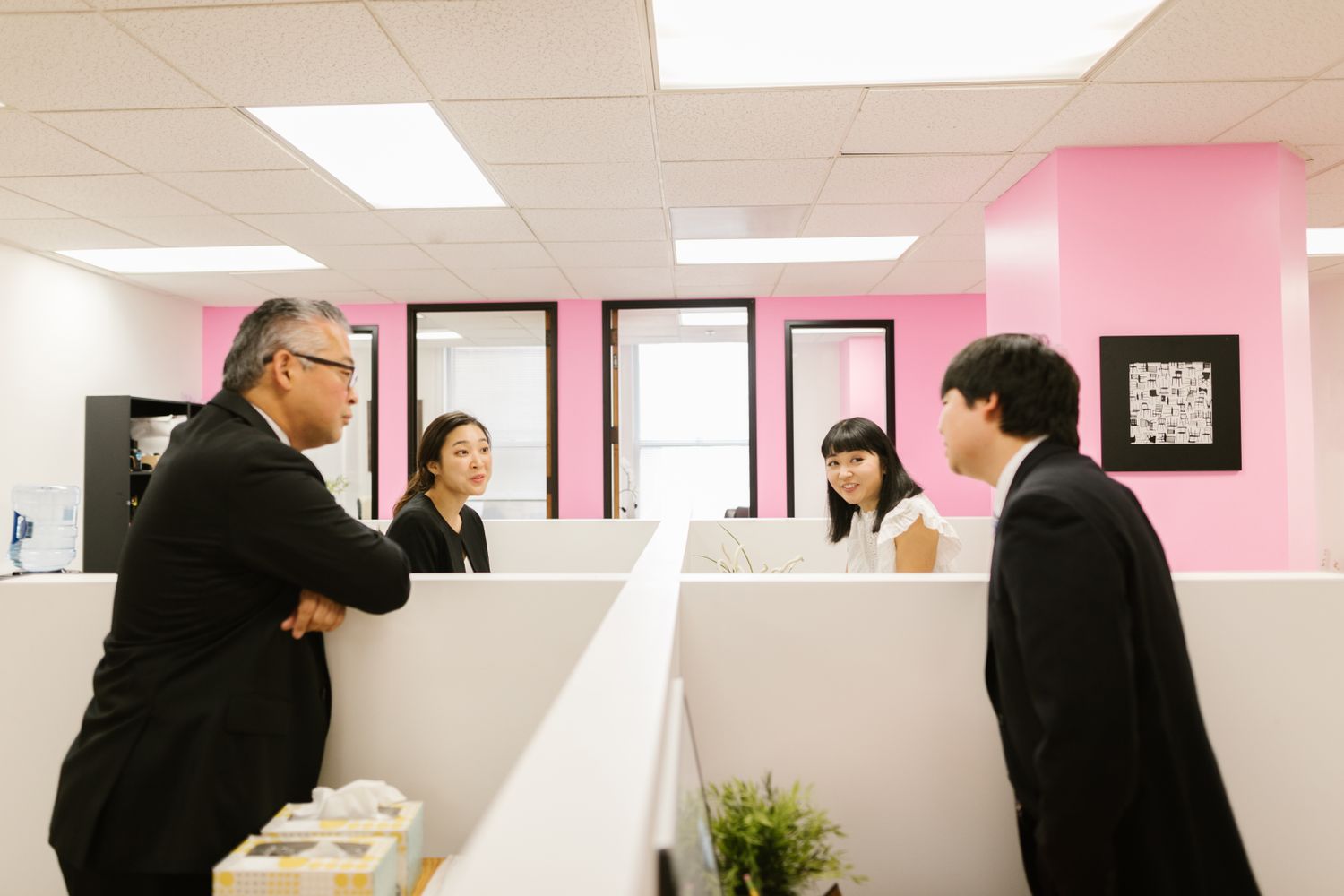
My first week at a Korean office, I made the mistake of asking a colleague her name so I could, you know, use it. She blinked at me like I’d asked something faintly rude. “You can just call me Kim-daeri-nim,” she said, which translated roughly to “Assistant Manager Kim, whom I respect.” Try to imagine addressing a coworker as “Chief Periodontist Smith, sir” every time you need to borrow a stapler, and you’re close to how it felt the first dozen times out of my mouth.
Six months later I was doing it without thinking, and I’d stopped hearing anyone’s actual first name at work at all — including, eventually, my own. If you’re picturing a workplace where everyone’s on a first-name basis and rank is something you infer from who has the corner office, Korean offices are going to rearrange that assumption fairly quickly. Here’s what that rearranging actually looks like, title by title.
The Ladder Nobody Explains to You Out Loud
You’d think a company would just hand new hires a chart. Nobody does. You’re expected to pick up the ranking system through a mix of quiet observation and the occasional cringeworthy misstep, which is a strange way to run an org chart but is exactly how it works at most traditional Korean companies. The core ladder, from entry level up, runs: 사원 (sawon, entry-level associate, roughly years zero to three), 대리 (daeri, assistant manager, usually landing somewhere between years three and seven), 과장 (gwajang, manager or section chief, often around the seven-to-ten-year mark), 차장 (chajang, deputy director, a rung some companies skip entirely), and 부장 (bujang, general manager or senior director, typically a decade or more in). Above that you move into executive territory — 이사, 상무, 전무, and eventually 사장 (company president) — but those titles vary more by company and industry, so there’s no single universal chart everyone follows past 부장.
What surprised me is how loosely the job title tracks with what a person actually does day to day. A 과장 might be doing nearly identical work to the 대리 sitting next to them. The title isn’t really describing the job. It’s describing tenure, and by extension, exactly how much deference the room owes that person before anyone’s said a word.
If you’re wondering whether every company still runs this exact ladder — plenty don’t. Startups and tech companies have been flattening it for years, sometimes down to three tiers, sometimes scrapping titles altogether in favor of English nicknames or a flat “-nim” suffix on everyone’s name. But even at the loosest startup I’ve visited in Seoul, somebody in the room still quietly knew who the senior person was. The ladder gets shorter. It doesn’t disappear.
Honorific Speech Is the Hierarchy, Spoken Out Loud
Knowing the title chart is only half the job, though — the real test starts the moment you open your mouth to address someone on it. In Korean, you can’t really talk to a coworker without grammatically declaring where they sit relative to you. Address your 부장 directly and it’s 부장님 — the honorific 님 isn’t optional politeness, it’s closer to a mandatory field you have to fill in before the sentence is grammatically complete. Skip it and you haven’t been casual, you’ve been borderline insubordinate. I wrote a longer breakdown of how these speech levels work in Korean Honorifics Explained, but the short version for the office specifically: your verb endings, your pronouns, even which word you use for “eat” or “sleep” shift depending on who you’re addressing and who you’re talking about. A senior person can address you in blunt, clipped speech. You cannot answer the same way back. That asymmetry is baked into the language itself, not layered on top of it as some cultural nicety — which is exactly why hierarchy rarely feels optional here, in a way it might in an English-speaking office where the CEO can still say “just call me Dave” and mean it.
Hoesik: Dinner as a Performance Review You Didn’t Know You Were Taking
The hierarchy doesn’t just decide how you speak to people, either — it decides how you physically sit across from them. If you’ve heard one thing about Korean office culture, it’s probably hoesik, the after-work team dinner, often followed by a second round (2차) at a different venue, sometimes a third. I used to think of it as just dinner with extra steps. It’s closer to a live-action rehearsal of the entire office hierarchy, performed with soju bottles as props. Seating isn’t random — the most senior person usually gets the seat facing the door or furthest from it, depending on the venue’s convention, and everyone else arranges themselves accordingly without a word being said about it. Pouring drinks has its own choreography: you pour for seniors before yourself, you turn slightly away from a senior when you drink in front of them, and you generally don’t leave before they do, regardless of how badly your feet hurt in shoes you didn’t expect to be standing in for four hours.
None of this is written down anywhere. You absorb it by watching, or by getting it wrong once and watching the air noticeably leave the room.
You might be thinking this all sounds exhausting, and honestly, plenty of Koreans think so too — which is exactly why hoesik culture has been visibly softening. The classic marathon dinner-then-noraebang-then-more-drinks format has been giving way to shorter, earlier, lighter versions, and “I have other plans” has become a phrase younger employees will actually say to a manager’s face now, something that would have been unthinkable a decade ago. It hasn’t vanished. It’s just lost some of its stamina.
Why Titles Carry More Weight Here Than in a Western Office
It’s tempting to write this off as “Korea just really likes bureaucracy,” but that undersells what’s going on. The hierarchy isn’t primarily about paperwork — it’s a holdover from a Confucian social framework where age and seniority were understood to map onto wisdom and authority, and that framework never stayed confined to family life. It moved straight into the modern corporation. In a lot of Western offices, hierarchy is functional: your manager has more authority because they control your budget or your review, full stop, and outside that specific transaction, rank mostly evaporates. In a Korean office, rank travels with the person into the elevator, the cafeteria, the group chat, and the hoesik table. It’s less an org-chart fact and more a social operating system that happens to also run the org chart.
This is also why nunchi — reading the room, sensing status and mood without anyone stating it outright — gets talked about as basically a professional skill here. You’re expected to know where you rank relative to everyone in a meeting before the meeting has properly started.
The MZ Pushback Is Real, and Companies Are Actually Responding to It
If you assume this whole system is airtight and unchanging, I’d gently push back, because the loudest resistance to it right now is coming from inside the building. Korean media groups workers born from the 1980s through the early 2000s under the label MZ세대, and the numbers back up what you’d guess just from talking to them: a JobKorea survey of over 1,100 millennial and Gen Z employees found that 54.8 percent had no intention of ever pursuing a management position at all. Asked why, 43.6 percent said they simply didn’t want the added responsibility, and another chunk cited burnout risk and a shrinking sense that promotion was worth the trade against their personal time. That’s not a fringe opinion — that’s a majority.
Samsung Electronics, of all places, told its executives back in 2023 to drop seniority titles among themselves and use first names with the honorific suffix “-nim” instead — a fairly startling move for a company that basically defines Korean corporate conservatism. Other companies have gone further with English nicknames, no dress codes, and shortened workweek pilots. There’s real momentum at the policy level too: the current administration has pushed a 4.5-day workweek conversation that would have sounded like fantasy a few years back.
I don’t think any of this means the system is collapsing. What I actually see happening is more like erosion at the edges while the core structure holds — the titles are still there, the honorific speech is still mandatory, but the emotional expectation that you owe your 부장 your Friday night has gotten noticeably weaker, especially at younger, tech-adjacent companies.
FAQ
Do I have to memorize every title if I’m just visiting or working short-term in Korea?
Not every rung, no. Learn 사원, 대리, 과장, 부장, and how to attach 님 to whichever title someone actually holds, and you’ll cover the vast majority of daily office interactions. Executive titles above 부장 vary enough by company that even Koreans sometimes double-check them before a meeting.
What do I call my boss if I genuinely don’t know their exact title?
“팀장님” (team leader) is a safer catch-all than guessing at a rank you’re unsure of, since most managers hold that functional role regardless of the formal title underneath it. Guessing wrong on a formal title out loud is more awkward than quietly asking once what to call someone.
Is hoesik mandatory, or can I actually say no?
Officially, no company can force you to attend social events outside working hours, and that’s increasingly true in practice too, especially at younger companies. But at more traditional, hierarchy-heavy workplaces, skipping every single hoesik will still register as a quiet social cost, even if nobody says a word about it to your face.
What strikes me most, even now, is how much of this system runs on things nobody explains and everybody just absorbs — the seating, the pouring, the exact moment you’re allowed to leave. You don’t get a manual. You get a series of small, slightly mortifying corrections until you stop needing them.