Blog

  • Is It Rude to Eat Alone in Korea? Inside ‘Honbap’ Culture

    Is It Rude to Eat Alone in Korea? Inside ‘Honbap’ Culture

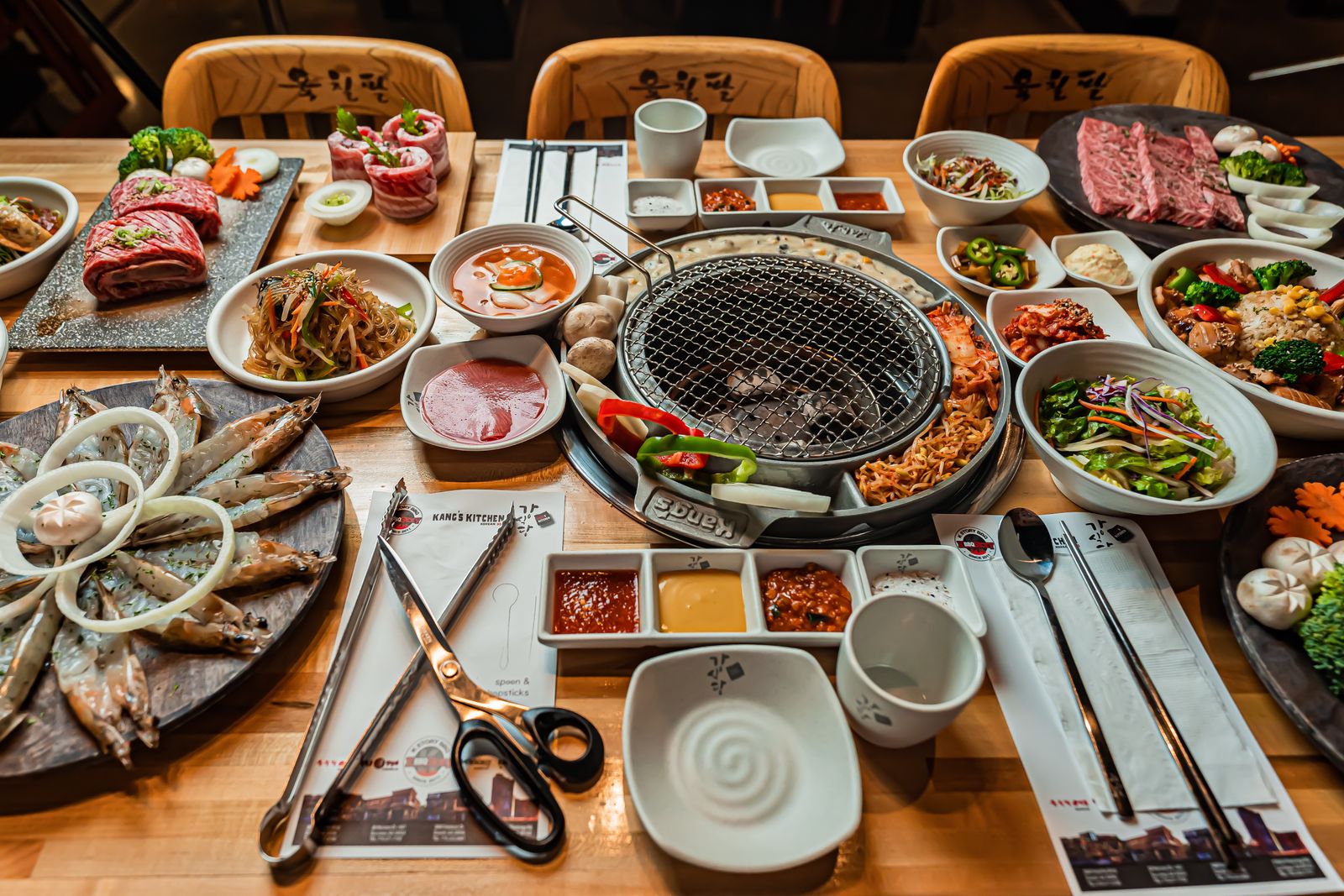
    The first time I sat down at a Korean barbecue place by myself, the waiter looked at me, looked at the two-burner table, and asked — not unkindly — “Just you?” I said yes, braced for the “two-person minimum” I’d read about online, and instead got waved to a narrow counter seat facing the wall, a single-burner grill already lit, like the restaurant had been expecting someone exactly like me. That counter, it turns out, tells you almost everything about where honbap culture is right now: not fully normal, not still shameful, just quietly, structurally accommodated.
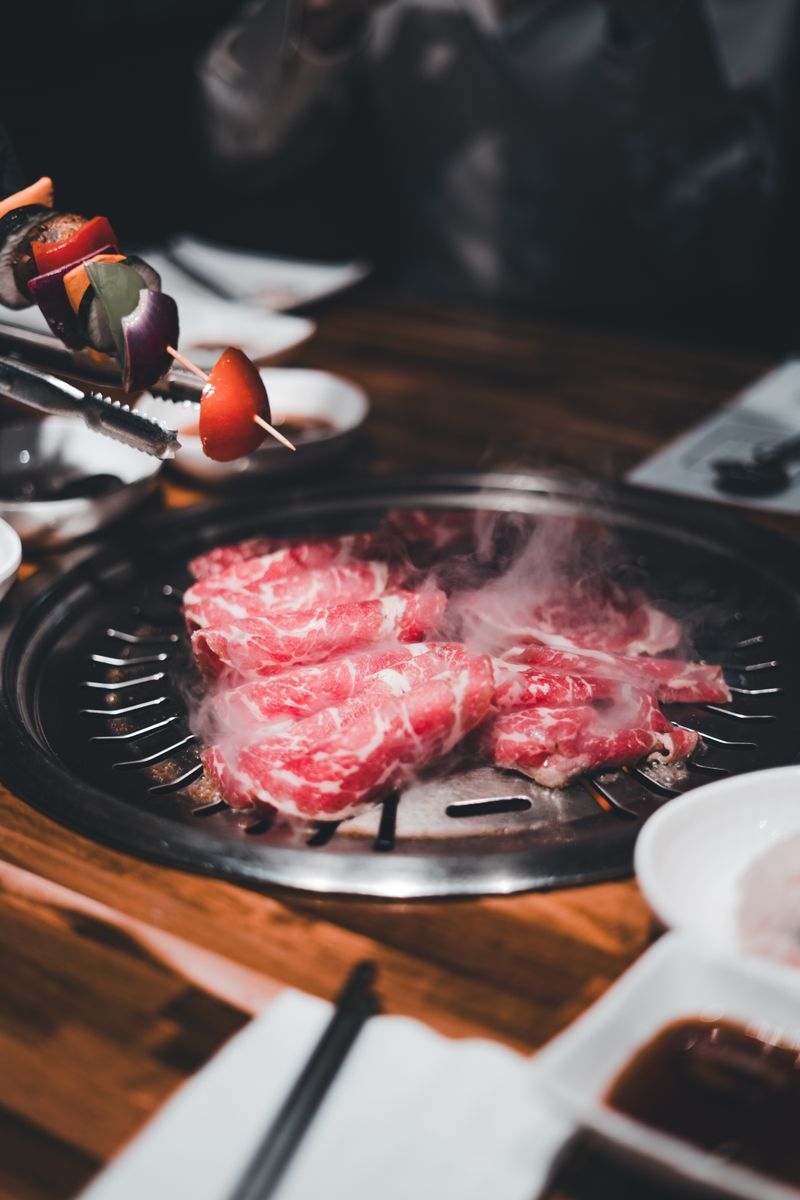
    Grilled Korean barbecue meat sizzling on an indoor grill with side dishes on the table

    Korean pop culture is full of solo eating and solo drinking — variety shows, dramas, YouTube mukbangs — and yet travel forums still carry warnings that eating alone marks you as pitiful, someone to be quietly pitied by the ajumma running the restaurant. Both of those things are true, sort of, depending on where you eat, what you order, and how old the person judging you happens to be. I’m Yijidaddy, and after enough solo meals here to have opinions about which restaurants handle it gracefully, let me walk through what’s actually changed, what hasn’t, and how to eat alone in Korea without it feeling like a social experiment.

    What “Honbap” Actually Means (and Why It Needed a Name at All)

    Honbap is a portmanteau — “honja” (alone) plus “bap” (rice, or food generally) — and the fact that Korean needed a specific, catchy word for “eating by yourself” is itself a clue. Nobody coins a term for something unremarkable. English doesn’t have a punchy word for eating alone because, culturally, nobody needed one; you just eat lunch at your desk and move on. In Korea, meals have historically functioned as social infrastructure — bonding rituals for coworkers, family, classmates — which meant eating by yourself wasn’t neutral. It was legible. It said something about you, whether or not that something was true.

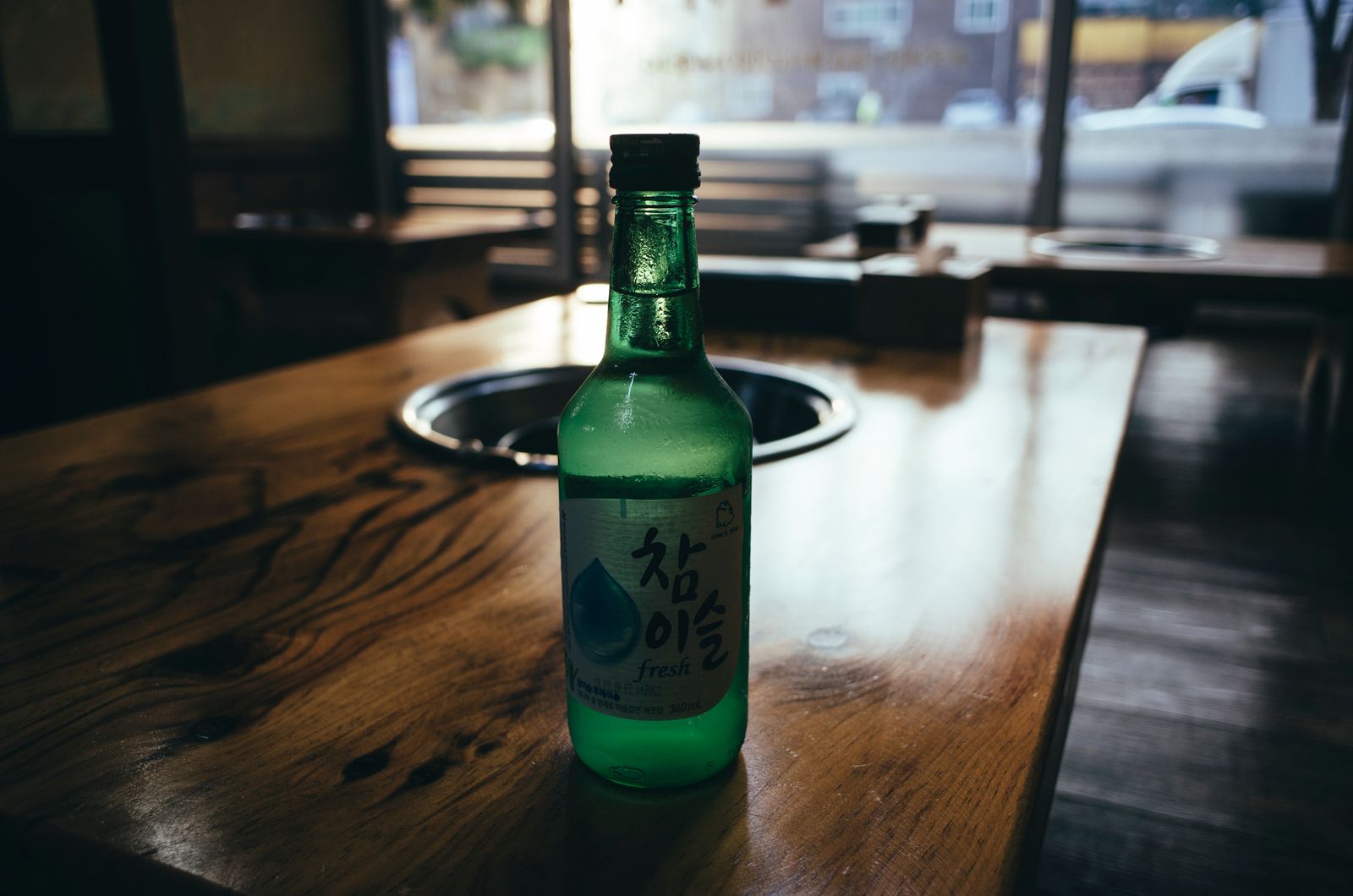
    The companion term, “honsul,” splices “honja” with “sul” (alcohol), and it carries a slightly heavier charge, because drinking in Korea has traditionally been even more communal than eating — rounds poured for each other, toasts, the whole choreography of hoesik (company dinners) that runs on group drinking. Sitting alone at a bar with a bottle of soju used to read as borderline concerning. These days, less so — though “less so” still leaves plenty of gap between the headlines about honsul bars and what actually happens at a random neighborhood pojangmacha on a Tuesday night.

    The Stigma Was Real, and It Wasn’t That Long Ago

    I think people who arrive in Korea now, in 2026, and see honbap cafés with individual booth dividers assume this was always the norm. It wasn’t. Older Koreans I’ve talked to describe growing up with a blunt social verdict attached to solo dining: if you’re eating alone, it usually meant you had nobody to eat with, and in a culture that has historically prized group belonging — school groups, work teams, extended family gatherings — that verdict didn’t stay private. People noticed. Restaurants weren’t built for it either; tables were sized for four, portions were often priced or plated for two, and a party of one at a barbecue joint could genuinely be turned away at the door for not meeting a two-person minimum. To put a number on it: many traditional galbi houses price pork belly and other cuts in servings meant for two, which in practice meant a solo diner either paid for a portion they couldn’t finish or got told, flatly, to come back with a friend.

    What shifted the cultural baseline wasn’t a policy or a campaign — it was television, gradually, making a private behavior feel public and even aspirational. A widely-noted moment came in 2018, when a K-pop idol was shown eating alone on TV and it became a genuine viral talking point, less because it was scandalous and more because it wasn’t. Variety shows like “I Live Alone” turned solo domestic life, honbap included, into entertainment rather than confession, following minor celebrities through the exact routines — grocery runs, solo dinners — that used to be seen as evidence of a sad life. A drama literally titled “Drinking Solo” leaned into honsul as a lifestyle choice rather than a red flag, not unlike how American sitcoms eventually stopped treating a character eating dinner alone as automatic shorthand for “this person’s life is falling apart.” None of that erased the old association overnight, but it gave people cultural permission to be seen doing something they’d already been doing quietly for years.

    The Real Driver: Korea’s Household Numbers Changed First

    Here’s the part that surprised me, because I assumed the honbap trend was mostly a vibe shift — attitudes softening because of Instagram and streaming shows. Actually, the underlying demographic shift is bigger and more concrete than the cultural narrative around it. Single-person households made up 36.1% of all households in South Korea in 2024 — over 8 million households — up from 31.7% in 2020 and 27.2% back in 2015. Seoul specifically is even higher, at roughly 39.9%. That’s not a subculture; that’s approaching two out of every five households in the capital.

    Once you see that number, the honbap infrastructure stops looking like a trendy accommodation and starts looking like basic market response. Restaurants that ignore a customer base that size are leaving money on the table, and enough of them have figured that out that solo-friendly seating — counters facing the wall, single-serving hot pot burners, one-person galbi grills — has become a recognizable category rather than a novelty. Surveys have put the rate of Koreans eating lunch alone at around 26.9%, and dinner alone at 25.7%, which tracks with a workforce that’s often eating on its own schedule anyway.

    So Is It Actually Normal Now? Depends Where You’re Standing

    Even so, a demographic shift that big doesn’t rewire 170,000 individual restaurants overnight, and I don’t want to oversell how solved this is. A lot of those restaurants are small, family-run operations where the whole cost structure — banchan side dishes, shared grills, kitchen layout — was built decades ago around parties of two or more, and re-plating a menu around solo portions means real margin decisions, not just a sign in the window. By some estimates only around 10% of the roughly 170,000 restaurants across the country formally offer single-person meal options. Picture walking down an ordinary block of ten restaurants in a residential neighborhood on a Tuesday night: statistically, nine of those doors are still structurally built to say “bring a friend,” even if the owner behind the counter wouldn’t personally mind serving you alone. In business-heavy neighborhoods like Gangnam or Jongno, where office workers grab quick lunches solo as a matter of routine, that ratio flips, and you’ll find counter seating and single-serving menus almost everywhere. Walk into an old-school, family-run barbecue or hot pot restaurant built around big shared pots, though, and you can still run into a two-portion minimum, particularly outside Seoul or in more traditional neighborhoods.

    And when that happens now, it tends to make news rather than pass unnoticed — there have been recent stories of restaurants publicly criticized, even internationally, for turning away solo diners, which is itself evidence of how far the norm has shifted: refusing a solo customer used to be default behavior, and now it’s newsworthy precisely because it’s the exception. I’d still call the current state “uneven normal” rather than “fully normal” — you’re very unlikely to get side-eye for honbap at a convenience store, a noodle counter, or a café, but a table for one at a place built for group grilling can still occasionally feel like you’re asking for something slightly off-script.

    Generational Lines Matter More Than You’d Think
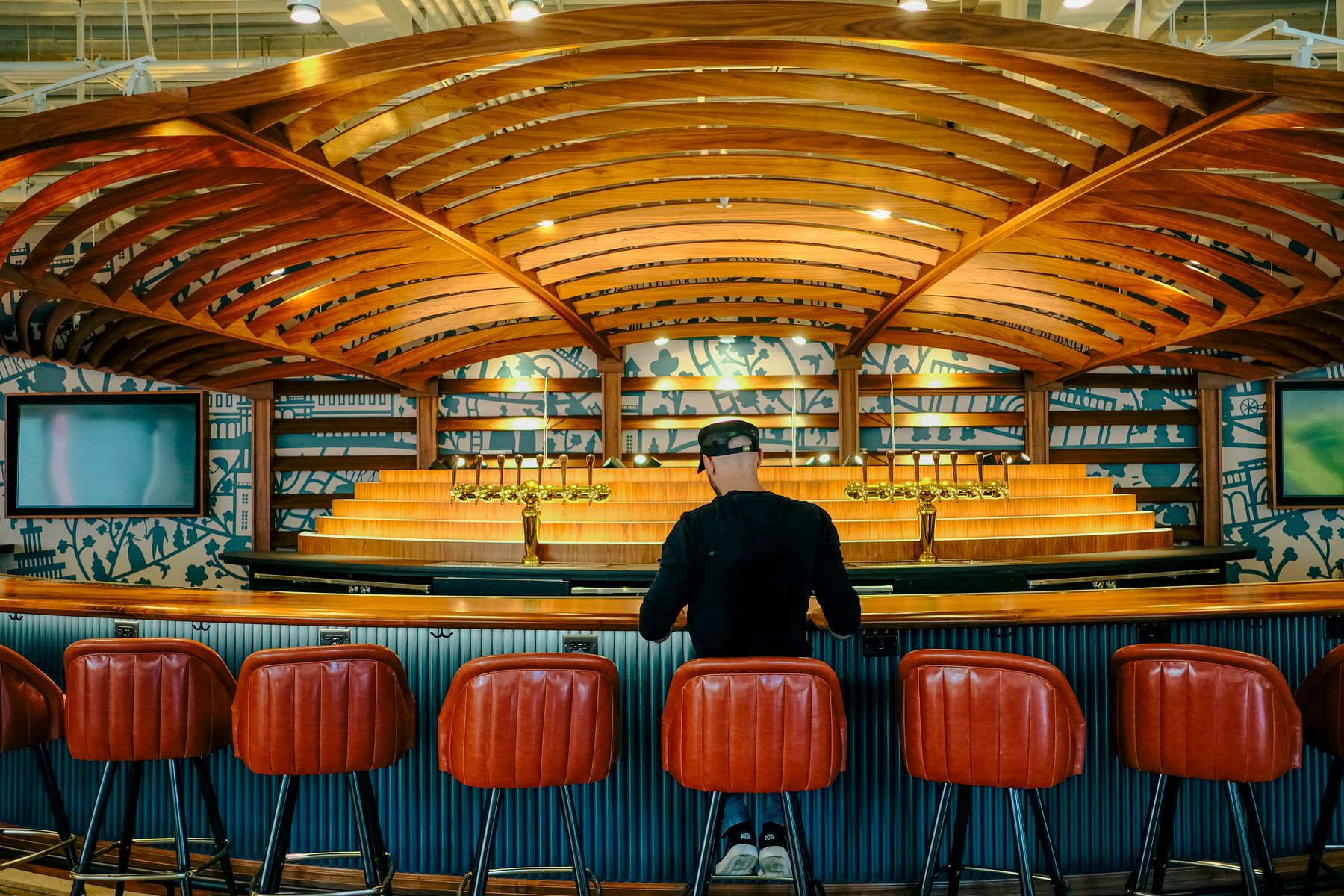
    A single person seated alone at a stylish bar counter with warm lighting

    The generational split here isn’t subtle. Younger Koreans have folded honbap and honsul into a broader embrace of solo leisure — solo camping, solo travel, solo drinking at dedicated honsul bars that have popped up specifically to serve people who want a curated solo-drinking experience rather than an awkward one. Some of that is framed, fairly explicitly, as a quiet rebellion against the older generation’s group-first social scripts — a preference for personal time over obligatory bonding, especially among people already burning out from Korea’s notoriously long working hours, among the longest in the OECD.

    Older Koreans, meanwhile, are more likely to hold onto the original reading: solo dining as circumstantial rather than chosen, something closer to loneliness than lifestyle. That doesn’t mean your average fifty-something is going to judge you for eating ramyeon alone at a counter — it means the emotional vocabulary around honbap still splits generationally, the same way “treating yourself” and “being isolated” can describe the exact same bowl of noodles depending on who’s asked.

    Which is really the whole picture in miniature: a culture in the middle of a shift, where the rules depend on the neighborhood, the restaurant’s age, and who’s sitting at the next table. That unevenness is exactly why a few concrete ground rules save you the guesswork.

    Practical Honbap Tips If You’re a Foreigner Eating Alone
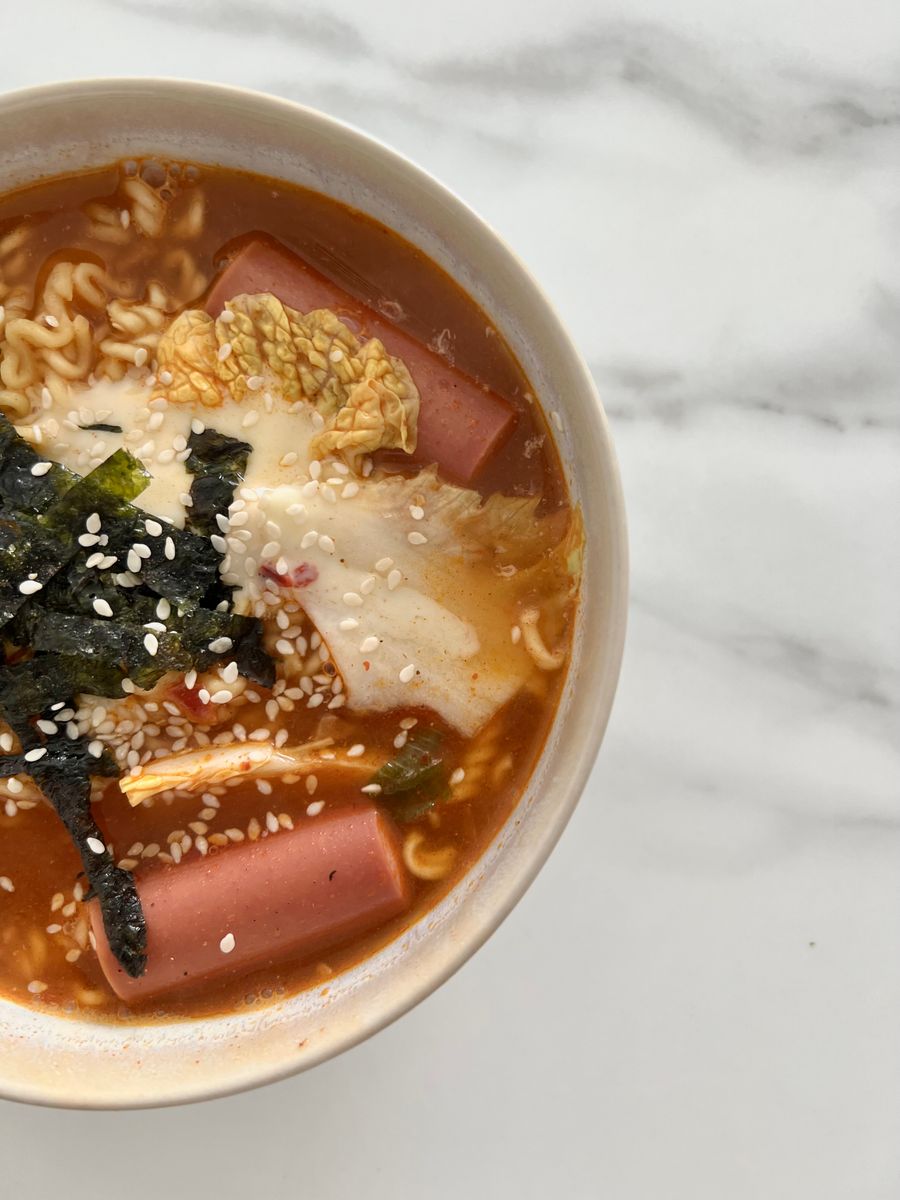
    A close-up bowl of Korean ramyeon with cabbage, seaweed, and sausage, a classic honbap meal

    If you’re visiting or new here and want to eat solo without friction, a few things genuinely help.

    Convenience stores and noodle counters are basically zero-friction. CU, GS25, and similar stores have instant ramyeon stations and seating built for exactly one person; nobody blinks.

    Look for “1인” (il-in, “one person”) on signage or menus — it’s now common enough at Korean BBQ and hot pot spots that specifically advertise single portions, and searching that term alongside a neighborhood name on a map app will usually surface a few solid options.

    Skip the biggest, most traditional galbi houses if you’re worried about pushback — they’re the most likely to still run on a two-portion pricing model. Smaller, modern BBQ chains built around individual grills are far more reliable for honbap.

    Bookstores-turned-cafés and quiet café chains are honestly some of the most comfortable honbap-adjacent spaces in the country — nobody there is eating in a group anyway, so a solo coffee or light meal draws zero attention.

    And if you do get turned away for a “two-person minimum” somewhere, take it for what it is: a leftover pricing structure from a menu built decades ago, not a verdict on you. Just walk next door.

    FAQ

    Is it rude or awkward to order a full Korean BBQ meal alone?
    Not inherently rude, but practically inconsistent — some traditional galbi and samgyeopsal restaurants still enforce a two-person minimum for cost reasons tied to shared grills and side-dish portions, while newer BBQ chains built around single burners will serve solo diners without hesitation. Checking for “1인” on the menu or storefront before you sit down saves you the awkward back-and-forth.

    I don’t speak Korean — how do I order alone without a menu or help?
    Easier than you’d expect: most Korean restaurants outside the countryside now have picture menus, kiosk ordering, or a QR code that pulls up an English option, and pointing at a photo works fine anywhere. Convenience stores and noodle counters, which are the easiest honbap entry point, almost always have a self-serve kiosk, so you never actually have to ask a stranger to seat you as a party of one.

    Is honsul (drinking alone) viewed the same as honbap?
    It’s carrying a bit more cultural weight, since group drinking has historically been so ritualized in Korean work and social life, but dedicated honsul bars now exist specifically for solo drinkers, and younger Koreans in particular treat it as a legitimate way to unwind rather than a warning sign.

    Honbap isn’t a fully settled question in Korea yet, and I’d be lying if I said every restaurant treats a table for one the same way. But the trajectory is clear, the infrastructure is catching up to the demographics, and if you’re eating alone here in 2026, you’re closer to the mainstream than the outlier — even if the occasional galbi house hasn’t gotten the memo.

  • 국민연금 조기수령 vs 연기수령, 실제로 뭐가 유리할까

    국민연금 조기수령 vs 연기수령, 실제로 뭐가 유리할까

    동네 맘카페도 아니고 지역 커뮤니티 게시판에 이런 글이 올라와 있었다. “국민연금 5년 당겨 받으면 진짜 손해인가요, 아니면 지금 당장 급한 게 우선인가요?” 댓글이 180개 가까이 붙었는데 절반은 “당연히 늦게 받아야 이득”이라 했고 나머지 절반은 “그 나이까지 산다는 보장이 어디 있냐”며 맞섰다. 이 글을 쓰기 전까지는 나도 대충 감액률 30%, 가산율 36%라는 숫자만 알고 있었는데, 막상 실제 사례에 숫자를 넣어보니 양쪽 다 일리 있는 이야기였다. 결과가 정해져 있는 문제가 아니라 사람마다 정답이 갈리는 문제라는 뜻이다.

    국민연금 예상수령액 통지서를 함께 검토하는 은퇴 부부

    조기수령과 연기수령, 기본 규칙부터 다시 짚기

    남들이 다 “이게 정답”이라고 우겨도 정작 내 통장 사정은 다른 법이다. 감정싸움으로 번지기 전에 헷갈리기 쉬운 기본 규칙부터 깔끔하게 정리해보자. 국민연금은 태어난 연도에 따라 정상적으로 받기 시작하는 나이가 다르다. 1957~1960년생은 62세, 1961~1964년생은 63세, 1965~1968년생은 64세, 1969년 이후 출생자는 65세부터다. 이 기준 나이를 최대 5년 앞당기면 조기노령연금, 최대 5년 늦추면 연기연금이 된다.

    감액과 가산 비율이 다르다는 걸 헷갈려 하는 사람이 생각보다 많다. 조기수령은 한 달 앞당길 때마다 0.5%씩, 1년이면 6%가 깎인다. 5년을 꽉 채우면 30% 감액된 금액을 평생 받는다. 연기수령은 반대로 한 달에 0.6%씩, 1년이면 7.2%가 붙는다. 5년 전부를 미루면 36% 늘어난 금액이 확정된다. 그런데도 두 비율이 비슷해 보여서 “그게 그거 아니냐”고 넘기는 경우를 종종 보는데, 30%와 36%라는 폭 자체가 이미 6%포인트 차이라 나중에 누적되면 체감이 꽤 다르다.

    1963년생 조수철 씨, 58세부터 받을까 63세까지 버틸까

    가상의 인물이지만 흔한 사례를 하나 만들어보자. 1963년생 조수철 씨는 2026년 현재 63세, 원래 정상수령 개시연령에 막 도달한 해다. 국민연금공단 예상수령액 통지서 기준 그의 정상연금액은 월 92만 원이다. 5년 전인 58세부터 조기수령을 신청했다면 어땠을까. 30% 감액이 적용돼 월 64만 4천 원을 받았을 것이다. 반대로 지금부터 5년을 더 미뤄 68세부터 받는다면 36% 가산이 붙어 월 125만 1,200원이 된다.

    복잡한 계산은 잠시 치워두고, 조수철 씨 통장에 실제로 찍힐 돈으로 시뮬레이션을 돌려보자. 조기수령(58세, 월 64만 4천 원)과 정상수령(63세, 월 92만 원)을 비교하면 이렇다.

    조기수령자는 정상수령자보다 5년, 그러니까 60개월을 먼저 받는 셈이라 이 기간 누적액이 64만 4천 원×60개월=3,864만 원이다. 63세 이후로는 매달 92만 원-64만 4천 원=27만 6천 원씩 정상수령자가 더 받아가니, 이 격차가 3,864만 원을 따라잡는 데 필요한 개월 수는 3,864만÷27만 6천=약 140개월, 그러니까 11년 8개월이다. 63세에 11년 8개월을 더하면 74세 8개월, 반올림해서 만 75세 전후가 손익분기점이라는 계산이 나온다. 요즘 백세 시대라고들 하니 만 75세면 아직 등산도 다니고 손주 용돈도 챙겨줄 나이인데, 그 시점부터 역전당한다는 걸 손해로 느낄지 아닐지는 사실 계산기가 아니라 본인의 체감 문제에 가깝다.

    이번엔 정상수령과 연기수령을 비교해보자. 정상수령(63세, 월 92만 원)과 연기수령(68세, 월 125만 1,200원)의 격차는 월 33만 1,200원이다. 정상수령자는 63세부터 68세까지 5년, 60개월을 먼저 받으니 이 기간 누적액은 92만 원×60개월=5,520만 원이다. 68세 이후 연기수령자가 매달 33만 1,200원씩 더 받는 구조이므로 5,520만÷33만 1,200=약 167개월, 13년 11개월이 걸린다. 68세에 이 기간을 더하면 81세 11개월, 대략 만 82세가 두 번째 손익분기점이다. 이 계산은 매년 반영되는 물가상승률 재평가가 조기·정상·연기 모두 똑같은 비율로 적용된다고 가정한 단순 비교이니, 실제로는 그해그해 물가 수준에 따라 몇 달씩 앞뒤로 움직일 수 있다는 점은 감안해야 한다.

    이렇게 물어볼 수도 있다. “한국인 기대수명이 84세쯤 된다는데, 그럼 무조건 연기가 답 아니냐”고. 통계적으로는 맞는 말이다. 다만 이 기대수명은 평균값이라 개개인의 건강 상태, 가족력, 은퇴 후 소득 유무를 다 지워버린 숫자라는 게 함정이다. 벌써 지병이 있거나 부모 형제가 일찍 세상을 뜬 집안이라면 평균을 그대로 내 이야기로 가져오기 어렵다.

    계산기와 현금으로 연금 수령액을 계산하는 노년 부부

    연기연금, 전부가 아니라 일부만 미루는 방법도 있다

    잘 알려지지 않은 제도 하나를 짚고 넘어가야 한다. 연기연금은 전액을 미루거나 아예 안 미루거나, 둘 중 하나만 고를 수 있는 게 아니다. 받을 연금액의 50%, 60%, 70%, 80%, 90% 중 원하는 비율만 골라 부분적으로 연기 신청하는 것도 가능하다. 나머지 비율은 정상 개시연령부터 곧바로 받으면서, 미룬 부분에 대해서만 연 7.2%씩 가산받는 구조다.

    가상의 사례로 1963년생 최윤정 과장을 들어보자. 정상연금액이 월 90만 원인데 생활비 일부는 당장 필요하지만 전액을 포기할 정도는 아니라고 판단해, 70%인 63만 원만 5년 연기하고 나머지 30%인 27만 원은 63세부터 바로 받기로 했다. 5년 뒤 연기했던 63만 원 부분에 36% 가산이 붙어 85만 6,800원이 되고, 처음부터 받던 27만 원과 합치면 68세부터는 총 112만 6,800원을 받게 된다. 전액 연기했을 때(125만 1,200원)보다는 적지만, 전액 정상수령(92만 원)보다는 많다.

    월 27만 원이라는 숫자가 크지 않아 보일 수 있는데, 실제로는 관리비나 실손보험료 한두 달치, 혹은 손주 유치원 준비물비 정도는 충분히 감당되는 금액이다. 소득 공백을 완전히 감수하기는 부담스러운데 그렇다고 가산 혜택을 통째로 포기하기도 아깝다면, 이 중간 지점을 검토해볼 만하다.

    2026년 바뀐 재직자 감액 기준, 조기수령과 헷갈리지 말 것

    여기서 많은 사람이 가장 크게 오해하는 부분이 하나 있다. 2026년 6월 17일부터 국민연금법 개정으로 소득이 있는 노령연금 수급자의 감액 기준이 완화됐다. 기존에는 월평균소득금액이 국민연금 전체 가입자 평균소득(A값, 2026년 기준 약 319만 3,511원)을 넘으면 소득 구간에 따라 연금이 깎였는데, 개정 후에는 여기에 200만 원이 추가로 공제돼 약 519만 원까지는 감액 없이 전액 받을 수 있다. 이 제도는 조기수령 신청 자격을 가르는 소득 기준과는 별개다. 조기수령은 신청 시점에 소득이 있는 업무에 종사하지 않아야 한다는 조건이 여전히 살아있고, 지금 설명한 519만 원 기준은 이미 연금을 받고 있는 재직자의 감액 폭을 줄여주는 제도다. 두 기준을 같은 것으로 착각해서 조기수령 신청 가능 여부를 잘못 판단하는 경우가 은근히 많으니 구분해서 봐야 한다.

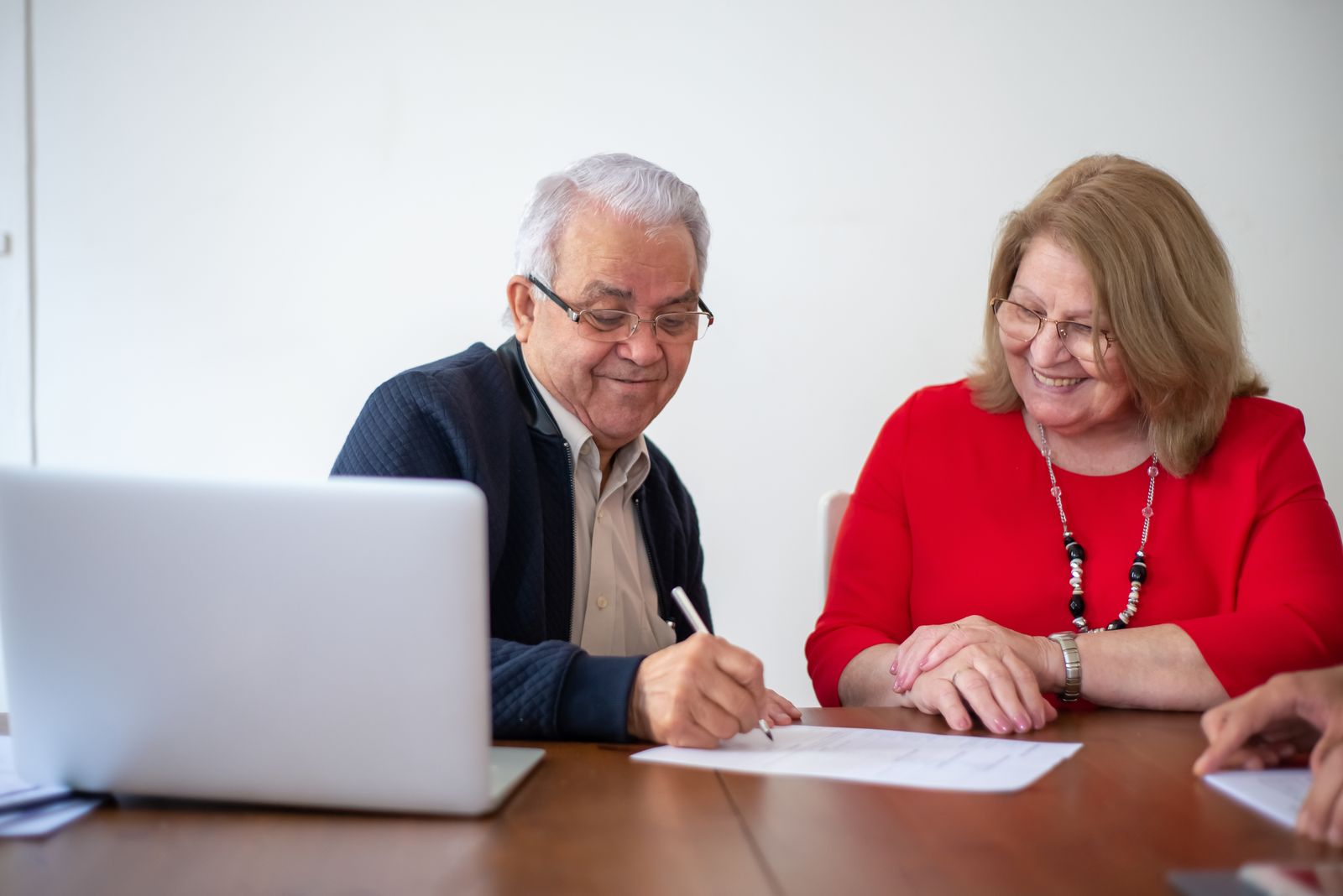
    국민연금 수령 시기를 결정하고 서류에 서명하는 노년 부부

    그래서 누구에게 어느 쪽이 맞을까

    퇴직은 했는데 재취업 계획이 없고 당장 다음 달 생활비부터 걱정해야 하는 상황이라면, 30% 감액을 감수하더라도 조기수령으로 현금흐름을 확보하는 편이 현실적일 수 있다. 반대로 퇴직 후에도 프리랜서나 재취업으로 월 소득이 어느 정도 유지되고, 집안에 장수한 사례가 많은 편이라면 연기수령으로 36% 가산을 노리는 쪽이 장기적으로 유리하다. 애매하게 둘 사이에 낀 사람, 그러니까 생활비는 아쉽지만 전액을 포기할 정도는 아닌 경우라면 앞서 소개한 일부연기가 절충안이 될 수 있다.

    조기수령 시 가장 골치 아픈 문제로 꼽히는 건강보험 피부양자 탈락 기준과 소득 정지 요건은 지난 글에서 자세히 다뤘으니 꼭 함께 확인해보길 권한다. 연기수령을 택했을 때 5년간의 소득 공백을 메우는 구체적인 방법은 IRP 퇴직연금을 가교자금으로 활용하는 글에도 정리해뒀다.

    여기 나온 숫자와 나이는 어디까지나 계산 구조를 보여주기 위한 예시다. 가입 기간, 소득 이력, 부양가족 여부에 따라 실제 예상수령액은 사람마다 다르게 나오니, 신청 전에는 국민연금공단(국번 없이 1355)이나 가까운 지사를 통해 본인 가입 이력 기준의 정확한 금액을 확인한 뒤 결정하는 게 순서다. 이 글은 특정 금융상품이나 투자처를 권하는 글이 아니라 제도 이해를 돕기 위한 정보 정리라는 점도 밝혀둔다.

    자주 묻는 질문

    Q1. 조기수령도 연기수령처럼 일부만 신청할 수 있나요?

    아니다. 부분 조정이 가능한 쪽은 연기연금뿐이다. 조기노령연금은 전액을 기준으로만 신청할 수 있어서, 일부 금액만 당겨 받고 나머지는 정상 개시연령에 받는 방식은 제도상 존재하지 않는다. 현금이 급한데 전액 감액이 부담스럽다면 조기수령 대신 다른 소득원으로 공백을 메우는 방법부터 검토하는 게 순서다.

    Q2. 조기수령을 하면 나중에 배우자가 받는 유족연금도 줄어드나요?

    유족연금은 사망자가 실제로 받던 감액된 금액이 아니라 가입기간에 따른 기본연금액을 기준으로 40~60%를 적용해 계산하는 것이 원칙이라, 조기수령 여부가 유족연금 액수를 그대로 깎아내리는 구조는 아니다. 다만 사례별로 계산 방식에 예외가 있을 수 있어서, 배우자가 있는 상태에서 조기수령을 고민 중이라면 신청 전에 국민연금공단에 유족연금 예상액까지 함께 확인해보는 편이 안전하다.

    Q3. 부부가 둘 다 국민연금 수급 대상이면 각자 따로 정해도 되나요?

    그렇다. 부부라 해도 두 사람의 국민연금은 각자의 가입 이력에 따라 독립적으로 계산되고 수령 시기도 각자 선택할 수 있다. 실제로 많이 쓰이는 방법은 소득이 끊긴 배우자 한쪽은 조기수령으로 당장의 생활비를 확보하고, 다른 한쪽은 정상수령이나 연기수령을 선택해 가구 전체의 장기 수령액을 키우는 조합이다. 두 사람의 건강 상태와 예상 소득 공백 기간이 다르다면 같은 선택을 맞출 필요는 없다.

  • 부산 원도심 당일치기 코스, 감천문화마을부터 국제시장까지

    부산 원도심 당일치기 코스, 감천문화마을부터 국제시장까지

    해운대 없이도 부산이 됩니다

    부산 당일치기 짜본 사람이라면 다들 해운대부터 넣고 시작한다. 이 블로그에서도 얼마 전 해운대에서 감천문화마을 거쳐 자갈치시장 밤바다까지 코스를 다뤘는데, 이번엔 방향을 반대로 잡아봤다. 바다 쪽으로 안 가고 산복도로와 원도심 골목 안쪽으로 파고드는 코스다. 국제시장, 깡통시장, 40계단까지 걸어서 도는 거라 예상 거리만 10km 안팎, 걸음 수로는 1만 8천에서 2만 보 정도 나온다. 그래도 부산역 근처에서 하루를 통째로 쓸 수 있다는 게 이 코스의 장점이다. 숙소를 부산역이나 남포동 쪽에 잡았다면 지하철 타고 해운대까지 안 가도 하루가 꽉 찬다.

    원도심이라는 말이 좀 애매하게 들릴 수도 있는데, 쉽게 말하면 중구와 서구 일대, 자갈치역부터 토성역, 중앙역, 남포역으로 이어지는 구간이다. 일제강점기와 한국전쟁 피란민 시절 이야기가 골목 곳곳에 아직 남아 있고, 그 위에 요즘 사람들이 찾는 카페나 편집숍이 얹혀 있는 식이다. 사진 찍기 좋은 산동네 마을과 시장통 냄새 나는 재래시장을 하루에 다 볼 수 있는 동네는 사실 흔치 않다.

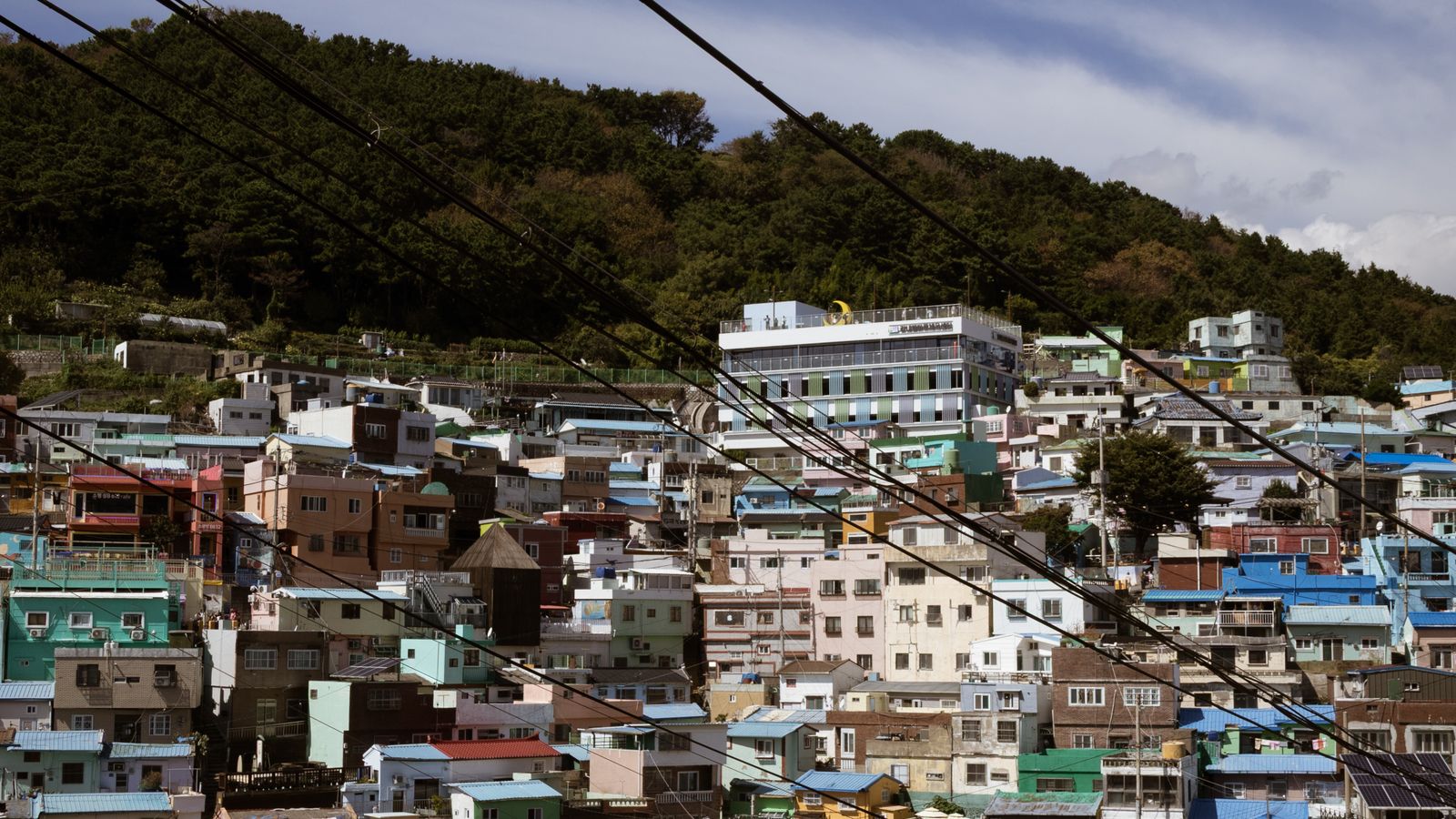
    감천문화마을 산비탈에 늘어선 파스텔톤 계단식 주택가

    전체 동선부터 잡고 가기

    아침 9시 반쯤 시작해서 저녁 7시 전에 끝내는 걸 기준으로 짰다. 아침 일찍 못 움직이는 사람이면 뒤로 한두 시간 밀려도 크게 상관없다. 다만 감천문화마을만큼은 오전에 가는 걸 추천한다. 오후 2시가 넘으면 단체 관광버스가 몰려서 골목 사진 한 장 찍으려고 줄을 서야 하는 상황이 생긴다.

    시간대별로 요약하면 이렇다.

    09:40 토성역 → 감천문화마을 / 11:30 보수동 책방골목 / 12:00 점심(국제시장 먹자골목) / 13:00 국제시장 구제거리 / 14:00 부평깡통시장 / 15:00 40계단 / 15:50 용두산공원·부산타워 / 17:00 자갈치시장에서 저녁.

    글로 보면 여덟 곳이나 되어 빡빡해 보이는데, 실제로는 후반부 네 곳이 서로 도보 5분 거리 안에 몰려 있어서 체감상 두 구역만 크게 도는 셈이다. 교통비와 입장료, 식비까지 다 더해도 한 사람당 4만~5만 원 선이면 충분하다. 여기에 구제거리나 국제시장에서 뭔가 하나 사면 그만큼 더 나가는 정도다.

    1) 감천문화마을, 09:40~11:20

    지하철 1호선 토성역 6번 출구로 나오면 바로 마을버스 정류장이 있다. 서구2, 서구2-2번 아무거나 타고 다섯 정거장 정도 가면 감천문화마을 정류장에서 내린다. 5분에서 10분이면 도착하니까 택시 부를 필요는 없다. 도보로도 가능하다는 말이 있긴 한데 20분 넘게 오르막을 올라야 해서 짐이 있거나 더운 날이면 추천하지 않는다.

    입장료는 따로 없다. 대신 안내센터에서 파는 마을 지도가 2천 원인데, 그냥 지도가 아니라 곳곳에 숨은 도장을 찍어가는 스탬프 투어 겸용이라 나름 쏠쏠하다. 어린왕자와 사막여우 동상 앞은 사진 찍으려는 줄이 늘 길게 서 있어서, 그 옆 골목의 파란 지붕 계단길이나 물고기 벽화 쪽으로 먼저 도는 게 시간 아끼는 방법이다. 한 시간 반 정도면 주요 포인트는 다 돌아볼 수 있다. 갤러리나 카페까지 다 들어가 보려면 두 시간 넘게 잡아야 한다.

    2) 보수동 책방골목, 11:30~12:00

    감천문화마을에서 여기까지는 대중교통으로 바로 가는 노선이 애매해서, 택시로 이동하는 게 제일 편하다. 10분에서 15분, 요금은 8천 원 안팎이다. 미리 밝혀두면 이 택시비는 여기서 끝이다. 보수동 책방골목에서 국제시장까지는 대각선으로 길 하나 건너는 거리라 걸어서 5분이면 닿는다. 즉 오늘 하루 택시는 이 구간 딱 한 번만 타면 나머지는 전부 도보로 이어진다는 뜻이다.

    책방골목이라고 하면 요즘 감성으로는 좀 심심하게 느껴질 수도 있다. 실제로 가보면 헌책 냄새와 낡은 간판들 사이로 30분 정도 천천히 걷기 딱 좋은 골목이다. 6.25 전쟁 직후 미군 부대에서 흘러나온 잡지와 헌책을 팔던 게 시작이었다는 이야기가 골목 안내판에 적혀 있는데, 운이 좋으면 절판된 옛날 만화책이나 오래된 잡지 창간호 같은 것도 서가 구석에서 튀어나온다. 지금은 헌책방보다 사진 찍는 사람이 더 많아 보이긴 하지만, 국제시장 바로 옆이라 동선상 들르지 않을 이유가 없다.

    3) 점심 — 국제시장 먹자골목, 12:00~13:00

    부산 국밥 얘기 나오면 빠지지 않는 신창국밥이 국제시장 안쪽, 옛 신창동 자리에 있다. 1969년부터 이어온 집인데 뜨거운 육수를 여러 번 부었다 따랐다 하는 토렴 방식을 아직도 고수한다. 왕순대국밥이 9천 원, 수육은 크기에 따라 3만~4만5천 원 선이다. 국밥 말고 가볍게 먹고 싶으면 먹자골목 노점에서 비빔당면을 시켜도 된다. 굵은 당면에 부추와 단무지를 얹고 매콤달콤한 양념장을 넣어 슥슥 비벼 먹는 방식인데, 한 그릇에 5천 원 안팎이라 걸어 다니느라 지친 다리에 당 충전용으로 나쁠 게 없다.

    한 곳만 정해서 줄 서야 하나 고민된다면, 그럴 필요 없다. 먹자골목 자체가 60년 넘게 이어온 노점 구역이라 어디를 골라도 크게 실패할 확률은 낮다. 다만 점심시간대인 12시부터 1시까지는 자리가 정말 없다. 11시 반쯤 조금 일찍 움직이면 대기 없이 앉을 수 있다.

    4) 국제시장 구제거리, 13:00~14:00

    국제시장은 원래 미군 부대 보급품이 흘러나오면서 형성된 시장이라, 그중에서도 구제거리는 지금까지도 옛날 군용품이나 빈티지 의류, 수입 잡화가 골목 하나를 가득 채우고 있는 구역이다. 80년대 스타일 바람막이나 낡은 가죽 재킷, 오래된 카메라 같은 물건이 아무렇지 않게 진열대에 걸려 있다. 명품 마니아들이 가끔 득템했다는 후기를 올리기도 하는데, 진품 감별은 결국 본인 눈썰미에 달렸으니 큰 기대는 접어두는 편이 마음 편하다.

    시장이라 딱히 정찰제는 아니다. 가격 흥정이 자연스러운 분위기니까 마음에 드는 물건이 있으면 한번쯤 깎아달라고 말해봐도 크게 이상하지 않다.

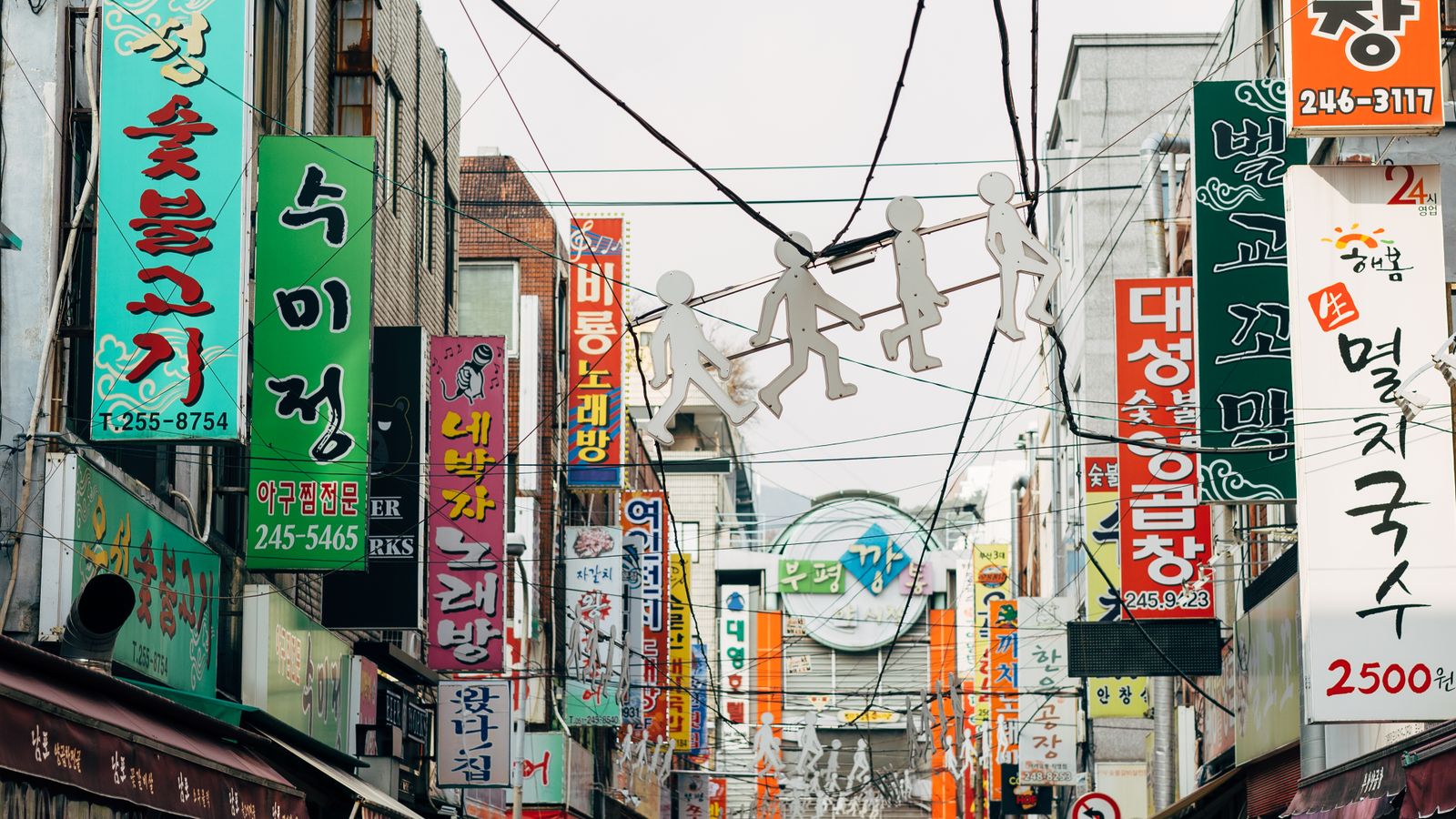
    부산 원도심 재래시장 골목의 알록달록한 간판과 노점 풍경

    5) 부평깡통시장, 14:00~15:00

    국제시장에서 대청로 하나 건너면 바로 부평깡통시장이다. 300미터도 안 되는 거리라 걸어서 5분이면 넘어간다. 국제시장이 물건을 사고파는 시장이라면 깡통시장은 먹는 시장에 가깝다. 씨앗호떡이 유명한데 삼촌호떡 같은 노포에서 한 개 2천 원 선이다. 유부전골, 왕만두, 오메기떡, 문어구이 노점도 줄지어 있어서 아직 배가 안 찼다면 여기서 한 바퀴 더 돌며 채우면 된다.

    밤 시간대에 다시 오면 완전히 다른 곳이 된다. 저녁 7시 반부터 밤 11시 반까지 포장마차들이 골목을 채우면서 야시장으로 변신하는데, 이번 코스에서는 낮에 훑고 지나가는 정도로만 잡았다. 저녁까지 여기서 버티고 싶다면 뒤에 나오는 40계단과 부산타워 순서를 앞당기고 마지막을 깡통시장 야시장으로 마무리하는 방법도 있다.

    6) 40계단 문화관광테마거리, 15:00~15:40

    깡통시장에서 중앙역 방향으로 15분쯤 걸으면 40계단이 나온다. 계단 하나 보러 이렇게까지 걸어가야 하나 싶겠지만, 여기가 그냥 계단이 아니다. 한국전쟁 피란민들이 부산항 부두와 산동네 판자촌을 오가던 길목이었고, 헤어진 가족을 찾으려는 사람들이 이 계단 근처에 모여 구호물품을 사고팔았다고 한다. 지금은 그 시절을 재현한 동상과 40계단 문화관이 조성돼 있는데, 문화관은 무료로 들어갈 수 있다.

    사진만 찍고 지나가는 사람이 많은데, 계단 옆 스피커에서 흘러나오는 옛날 가요를 들으며 10분만 앉아 있어보면 분위기가 확실히 다르게 느껴진다. 관광지라기보다는 동네 골목에 가까운 느낌이라 사람에 따라 호불호가 갈릴 수 있다.

    7) 용두산공원과 부산타워, 15:50~16:50

    40계단에서 다시 남포동 방향으로 10분 정도 걸으면 용두산공원 입구다. 공원 자체는 24시간 무료 개방이고, 에스컬레이터로 편하게 올라갈 수 있다. 정상에 있는 부산타워 전망대는 별도 요금인데 성인 8천 원, 어린이 6천 원이다. 원도심 코스를 하루 종일 걸었다면 마지막에 전망대에서 지나온 산동네와 시장통을 한눈에 내려다보는 게 나름 뿌듯한 마무리가 된다.

    전망대까지 굳이 올라갈 필요 있나 싶은 사람도 있을 텐데, 개인적으로는 여기서 감천문화마을 방향을 찾아보는 재미가 있었다. 아침에 걸었던 산동네가 저 멀리 손톱만하게 보이는 걸 확인하면, 오늘 하루 진짜 많이 걸었구나 싶은 실감이 그제야 든다.

    8) 자갈치시장에서 마무리, 17:00~

    용두산공원에서 내려와 자갈치시장까지는 도보로 15분 안팎이다. 저녁 시간이 애매하다면 여기서 회 한 접시나 곰장어 구이로 하루를 마무리하는 게 정석이다. 다만 원도심 코스만으로 이미 충분히 걸었다면 무리해서 자갈치까지 안 가고 남포동에서 저녁을 해결한 뒤 부산역으로 이동해도 괜찮다. 자갈치역에서 부산역까지는 지하철로 두 정거장, 5분이면 간다.

    비 오는 날과 주차, 미리 체크할 것들

    감천문화마을 골목이랑 40계단 구간은 야외라서 비가 오면 확실히 불편하다. 우산 들고 계단을 오르내리다 보면 사진이고 뭐고 짜증부터 나기 마련이다. 비 예보가 있는 날이면 국제시장, 부평깡통시장, 보수동 책방골목처럼 지붕이 있거나 실내 이동이 많은 구간 비중을 늘리고, 감천문화마을은 오전 잠깐 비가 그친 틈에 후딱 돌아보는 식으로 순서를 조정하는 게 낫다. 아예 다음 기회로 미루는 것도 충분히 합리적인 선택이다.

    자차로 왔다면 자갈치시장이나 국제시장 인근 공영주차장에 차를 대고 나머지는 도보와 마을버스로 도는 걸 추천한다. 감천문화마을 근처는 주차 공간이 좁고 골목이 가파른 편이라 초행길이면 차를 끌고 올라가기보다 마을버스를 타는 편이 마음 편하다.

    자주 묻는 질문

    감천문화마을 입장료가 있나요?

    마을 자체 입장료는 없다. 스탬프 투어용 지도가 2천 원이고, 개별 카페나 갤러리, 체험 공방은 별도 요금이 붙는다.

    하루에 다 도는 게 무리는 아닐까요?

    체력에 따라 다르지만 평균적으로 2만 보 안팎은 걷게 된다. 오르막이 있는 감천문화마을 구간에서 힘을 아껴두고, 후반부 원도심 골목은 평지가 많아서 생각보다는 수월하게 느껴질 것이다. 운동화는 필수다.

    대중교통만으로 가능한가요?

    가능하다. 토성역-감천문화마을 구간은 마을버스, 감천문화마을-보수동 구간만 택시를 한 번 타면 되고 나머지는 전부 도보로 이어진다. 부산역이나 남포동 쪽에 숙소를 잡았다면 하루 종일 지하철 한두 번 타는 걸로 끝난다.

    마치며

    해운대 바다도 좋지만, 부산이라는 도시가 겪어온 시간을 느끼고 싶다면 원도심 쪽이 훨씬 진하다. 전주 한옥마을 완주 코스안동 하회마을 코스가 옛 골목을 조용히 걷는 여행이었다면, 이번 코스는 그보다 훨씬 시끌벅적하다. 조선시대 기와지붕 대신 산복도로 판자촌의 파스텔 벽화가, 고즈넉한 서원 대신 흥정 소리 가득한 시장통이 기다리고 있는 셈이다. 그래도 한 번쯤은 산동네 지붕에서 시작해 시장 냄새로 하루를 채우는 코스, 충분히 걸어볼 만하다.

  • Korean Drinking Culture Rules Explained

    Korean Drinking Culture Rules Explained

    The first time I watched someone pour soju with two hands, I thought it was theater. A guy at my table — mid-thirties, junior enough to still be nervous around the department head — picked up the green bottle, cracked the cap with a twist that somehow looked practiced, and then, instead of just tipping it into his boss’s glass, he braced his pouring wrist with his other hand like he was steadying a rifle. I remember thinking: it’s a shot of soju, not a chalice. Nobody told me I was watching a whole grammar of respect play out in about four seconds, and that within the hour I’d be doing the same thing badly, twice, in front of people too polite to laugh at me out loud.

    I already wrote about whether it’s actually rude to say no to a drink in Korea — that’s a separate question with its own answer, and you can read it on its own. This piece is narrower and, I think, more useful day to day: the physical choreography of drinking with other people in Korea. Who pours for whom, which hand goes where, why your head suddenly needs to turn, and what that whole bomb-shot ritual is actually doing at the table besides getting everyone drunk faster. None of it is about whether you should drink. It’s about what happens once the glass is already in your hand.

    Seating order isn’t random — it’s a map of the hierarchy

    Korean barbecue dinner table set up for a group hoesik with grill and side dishes

    Walk into a private room at a Korean barbecue place for a company dinner and the seating looks casual, but it almost never is. The seat farthest from the door — usually the one flush against the back wall, facing the entrance, with a full view of the whole room — is the “head seat,” reserved for the most senior person present: your team lead, the department head, whoever’s paying, in some combination of those roles. People junior enough to matter sit closest to the door, partly so they’re positioned to flag down the server, refill the side dishes, and handle the general logistics of the table without disturbing anyone senior.

    Nobody hands you a seating chart, which is exactly what makes this stressful the first time. I found that out by confidently sliding into the open chair at the far end of the table during my second week at a new job, only to watch my manager hover behind me for a beat too long before someone gently redirected me two seats over. Nothing was said. Nothing needed to be. My advice now: if you’re not sure where to sit, hang back near the door and let the senior people settle in first. Worst case, someone waves you toward a specific chair, which beats accidentally parking yourself in the boss’s seat and watching six people quietly recalibrate around your mistake.

    Nobody pours their own drink — and it’s not just a rule, it’s a signal

    Once you’re seated, the next thing you’ll notice is that you don’t fill your own glass in Korea. If it’s empty, you wait. Someone at the table — usually whoever’s paying attention, which at a Korean table is basically everyone — will notice and pour for you before you’ve had a chance to reach for the bottle yourself.

    My instinct early on was to treat this as a nice-to-have, the kind of etiquette you observe when you remember and skip when you’re thirsty. That’s a mistake. Pouring your own drink at a Korean table doesn’t read as impatient or self-sufficient; it reads as a small refusal of the group, like you’ve decided you don’t need anyone else at the table tonight. If you do slip and pour your own, nothing dramatic happens — nobody stops the dinner — but don’t be surprised if someone gently takes the bottle from you a moment later and tops you off themselves, almost as a quiet correction. The whole point of the ritual is that everyone’s glass is someone else’s responsibility, which sounds almost sentimental written out like that, but at a hoesik (회식), that interdependence is basically the evening’s entire social contract.

    The two-hand rule: pouring and receiving

    This is the one people ask me about most, probably because it’s the most visible. When you’re pouring for someone older than you or more senior at work, you hold the bottle with your right hand and rest your left hand somewhere near your right wrist or forearm — not gripping it, just present, the way you’d steady one arm with the other while handing someone something heavier than it looks. Some of this traces back to older hanbok sleeves, which were loose enough that a free hand near the wrist kept the fabric out of the food and the pour under control; the gesture outlived the sleeves. The same logic runs in reverse: if an elder is pouring for you, you hold your glass with both hands, or cup your left hand under the base while your right hand steadies the rim.

    You can skip this among close friends your own age — nobody’s tracking a checklist at a casual Friday night table. But the moment there’s a meaningful age or rank gap, especially at a company dinner, skip it and you’ll catch the tiny flicker of surprise on people’s faces before they let it go. It’s not a huge offense. It’s more like showing up to a nice restaurant in flip-flops: survivable, forgivable, but noticeably off.

    Why you turn your head away when you drink with your seniors

    The one that genuinely surprised me is the head-turn. When you’re about to actually drink in front of someone significantly older or higher-ranked than you, custom says you angle your upper body slightly away from them and, often, raise your free hand to shield the glass and your mouth as you drink. I used to think this looked almost bashful, like people were hiding a bad habit. It’s closer to the opposite: it’s a small act of deference. The idea is that the physical act of throwing back a drink — head tilted, throat exposed — is a little too casual, too exposed, to do straight in the face of someone you owe formal respect to.

    If you grew up somewhere that drinking in front of your boss is just drinking in front of your boss, this will feel like a lot of choreography for one sip of soju. Fair enough. But once you notice it, you notice it everywhere — restaurants, work dinners, even K-dramas once you know to look for it — and it stops feeling performative and starts feeling like just how the room breathes.

    원샷: the one-shot toast

    At some point in the night, usually right after a toast, someone calls out “one shot” — 원샷 (wonshot), a borrowed English phrase Koreans folded into their own drinking vocabulary — and the whole table empties its glass at once. It’s less a dare than a synchronization move. The point isn’t really “get everyone drunk simultaneously,” even though that’s a side effect; it’s that the group starts the round together and finishes it together, which matters in a culture where drinking is treated as a collective act more than a personal indulgence.

    Worth knowing if you’re pacing yourself: you’re not actually obligated to drain a full glass every single time someone shouts 원샷. Nobody’s measuring your throat. What people notice is whether you engage with the gesture at all — clinking, lifting the glass, taking a real swallow even if it’s not the whole thing. Sitting there motionless while everyone else one-shots is the actual faux pas, not the size of your sip.

    Group of hands clinking soju shot glasses together in a toast

    폭탄주: the soju bomb, and why it exists

    By the time the grilled meat is mostly gone and the second bottle of soju is open, the mood at the table has usually shifted from polite dinner to something looser and louder — which is exactly the moment poktanju (폭탄주), literally “bomb liquor,” tends to show up. It’s the practice of dropping a shot of soju into a glass of beer — somaek, if you want the more casual version without the ceremony. At its most theatrical, someone balances a shot glass on two chopsticks laid across the rim of a beer glass, then slams a fist on the table so the vibration knocks the shot in with a satisfying little splash, and the whole table drinks it down together, often as another round of 원샷.

    It’s genuinely fun to watch, even once you know exactly what it’s doing socially: it’s a bonding ritual dressed up as a party trick, most common at company dinners and reunions where the goal is to collapse hierarchy fast and get everyone onto the same emotional register. It’s also, worth saying plainly, a way to drink faster and stronger than beer or soju alone — which is exactly why it’s worth treating as the occasional set piece it’s meant to be, not the default for the whole night. You don’t need to master the chopstick trick to survive a Korean dinner. You just need to know what’s happening when the table suddenly erupts and someone’s fist hits the wood.

    Why your glass never seems to sit empty for long

    Last mechanic, and it ties everything above together: at a Korean table, an empty glass functions almost like a raised hand. Someone will notice within a minute, sometimes seconds, and refill it for you — letting a companion’s glass sit dry is considered a small failure of attentiveness. This is also, conveniently, your best tool for pacing yourself. Since the custom is to refill empty glasses and leave full ones alone, you can quietly control your own intake by never actually finishing what’s in front of you. If someone reaches for the bottle anyway out of habit, a light hand resting near the rim of your glass — not covering it dramatically, just there — reads clearly enough without a word.

    I didn’t figure this out for embarrassingly long. I spent my first year in Korea either finishing every pour out of some misplaced sense of politeness, or awkwardly waving off refills and feeling like I was making a scene. The actual local move is quieter than either: just don’t empty the glass, and nobody says a word.

    FAQ

    Do I really have to use two hands every single time I pour or receive a drink?
    Not with close friends around your own age — that’s genuinely casual territory. The two-hand rule matters most with a real age or seniority gap: your in-laws, your boss, a client, anyone you’d bow to in a formal setting. When in doubt, use both hands. Overdoing respect rarely backfires; underdoing it is the version people remember.

    What happens if I accidentally sit in the wrong seat or pour my own drink?
    Nothing dramatic in either case. At worst you’ll get a quiet correction — someone redirecting you to a different chair, or topping off your glass right after you’ve filled it yourself. These are habits Koreans find genuinely strange to watch broken, not rules enforced with consequences, so a first-timer’s mistake reads as exactly that: a first-timer’s mistake.

    Is it rude to skip the soju bomb if I don’t want a strong drink?
    No, and this is worth separating from the pouring etiquette entirely — poktanju is optional in a way that receiving a poured drink politely isn’t. You can accept a beer-only glass, sip slowly, or simply keep your glass topped up rather than empty. The ritual is about the table’s mood, not a headcount of who drank the bomb.

    If any of this has you wondering whether you’re allowed to opt out of drinking altogether, that’s really a separate question with its own answer — I go deep on it in Is It Rude to Refuse Alcohol in Korea?. This piece was about what happens once you’ve already got the glass in hand: where you sit, who pours it, how you hold it, and why, for one specific second, you might find yourself turning your head away from the table like there’s something fascinating happening on the wall behind you. There isn’t. That’s just the room, doing what it always does.

  • Korean Superstitions Explained

    Korean Superstitions Explained

    My father-in-law grabbed the pen out of my hand so fast I thought I’d insulted his mother. All I’d done was sign a birthday card in red ink — the only pen on the table, as far as I could tell. He didn’t yell. He just looked at me the way you’d look at someone about to step off a curb into traffic, swapped the pen for a black one, and kept talking like nothing happened. Nobody explained anything for another ten minutes.

    My education in Korean superstition followed a strict, unspoken curriculum: get quietly corrected, feel thoroughly confused, and piece together the logic years later, usually from a different relative entirely. I’m Yijidaddy, and I’ve spent enough years married into a Korean family, raising Korean-Vietnamese kids, and getting side-eyed by my mother-in-law to have collected a small museum of these beliefs. Some are genuinely spooky once you know the backstory. Some are just funny. A couple of them, I’ll admit, I still low-key follow — not because I think the universe is tracking my pen color, but because it costs me nothing to not find out.

    The Red Pen That Nobody Will Explain to You Directly

    Hand writing New Year calligraphy with red ink, illustrating the Korean superstition against writing names in red

    Here’s the thing about the red ink rule: almost nobody in Korea will spell it out for you unprompted. It’s absorbed, not taught, which is exactly why it trips up so many foreigners. Writing a living person’s name in red ink is considered bad luck, tied directly to death.

    The history actually makes sense once you hear it. Back in the Joseon Dynasty, death sentences were recorded in red ink, and the names of the deceased were entered into family registers the same way. Red ink meant “this person’s story is over” on an official document. Over centuries, that association calcified into a blanket rule: you don’t write a name — any name, on anything — in red, because red-ink names are for the dead. The only carve-out is a dojang, the traditional stamp Koreans use in place of a signature, which is often pressed in red ink without anyone blinking; the taboo, it turns out, is specifically about the pen touching paper, not about the color itself.

    I know this sounds like it should have died out with hanbok and horsehair hats, but it hasn’t. Teachers grading papers will reach for anything but red near a student’s name, sometimes switching to green or blue mid-stack out of habit. Office workers marking up a contract that has someone’s name printed on it will avoid red pen entirely and correct in blue instead, even when red would technically be the clearer editing color. It’s one of those rules that’s survived because avoiding it costs nothing and ignoring it mildly upsets people who were raised to take it seriously.

    Fan Death, or How an Entire Country Decided Electric Fans Could Kill You

    Classic chrome electric fan, referencing the Korean fan death urban legend

    I want to be careful here, because this next one gets treated as a punchline online, and it deserves better than that — not because it’s true, but because the history behind it is genuinely interesting. Fan death is the belief that sleeping in a closed room with an electric fan running can kill you, through suffocation, oxygen displacement, or a sudden drop in body temperature. To be extremely clear before I go further: this is not real. Fans do not remove oxygen from a room or “chop it up.” There is no medical mechanism by which a rotating fan asphyxiates a sleeping adult in a sealed bedroom.

    And yet the belief has a long paper trail. Reports of mysterious fan-related deaths in Korea go back to the 1920s and 30s, decades before anyone had modern climate control, and the myth picked up serious steam in the 1970s. Korean newspapers ran fan death stories for years, and Korean media reportedly attributed something like twenty deaths to it between 2003 and 2005 alone — almost certainly misreading unrelated causes like heatstroke, alcohol, or an existing heart condition as “the fan did it.” The myth got taken seriously enough, for long enough, that it left a permanent fingerprint on the appliances themselves: to this day, it’s genuinely hard to buy an electric fan in Korea that doesn’t have a built-in sleep timer clicking it off automatically after an hour or two overnight — a hardware feature that exists almost entirely because of a belief with zero medical basis.

    My mother-in-law is younger than the myth’s peak but old enough to have absorbed it secondhand, and she still cracks a window if a fan’s running overnight in summer. I’ve learned not to argue physics with her at eleven at night. Belief in fan death has faded hard with younger Koreans — most twenty-somethings think it’s a joke — but that timer switch on nearly every fan sold in the country is a small, permanent monument to how seriously previous generations took it.

    Why There’s No Fourth Floor

    Hand pressing an elevator button panel, referencing how Korean buildings often skip the number 4

    Fan death shows how a superstition can shape the objects in your house. The number 4 shows how one can get poured into concrete. This is the belief that catches visitors off guard the fastest, because you don’t need to speak Korean to notice it — you just need to ride an elevator. Push the button panel in a lot of Korean buildings, especially hospitals and older apartment blocks, and instead of a clean 1, 2, 3, 4, 5 you’ll see 1, 2, 3, F, 5 — sometimes the panel skips straight from 3 to 5 with nothing standing in for four at all. The F stands in for “four,” and it’s not decorative.

    The reason is almost entirely linguistic. The Sino-Korean word for “four” is pronounced sa (사) — and it’s a homophone for the Sino-Korean word for “death,” also sa (死, 사). Same sound, unrelated meaning, but the ear doesn’t care about etymology. Once a sound carries that kind of weight, people give it a wide berth, the same way English speakers avoid certain phrases at a funeral even though nobody thinks the phrase itself is cursed. Hospitals tend to be strictest about this, for obvious reasons — nobody wants to recover from surgery in room 404. Gift sets in fours are rare for the same reason; four of anything reads as an unfortunate number to hand someone.

    It’s not universal — plenty of newer buildings, especially ones aimed at younger residents or foreign tenants, just use a normal 4 — but it’s common enough that the first time you notice a lettered floor button, it’s a little unsettling, like spotting a building with no thirteenth floor and immediately understanding why without being told.

    Don’t Shake Your Leg at the Dinner Table

    If you’ve spent any real time around Korean grandparents, you’ve heard some version of “다리 떨면 복 나간다” — shake your leg and your luck runs out the door. It’s aimed at kids constantly, usually while they’re bouncing a knee under the table without noticing they’re doing it.

    The logic ties back to an old folk story about a wealthy landlord with a nervous leg-shaking habit. A fortune teller supposedly told him he was physically shaking his fortune loose, and — in the version of the story that gets repeated at family dinners — had the landlord’s legs injured to stop him. Years later the landlord had become rich. Make of the ethics of that story what you will; it’s clearly meant as a cautionary folk tale rather than a literal instruction manual. But the underlying idea — that legs represent stability and prosperity, and restless legs represent restless, leaking fortune — stuck around long after anyone remembers the landlord’s name.

    I’ll admit this is the superstition I’ve internalized the hardest, purely through repetition. I don’t believe my knee is bleeding money onto the floor. I still stop doing it when I catch myself, because thirty years of being told this apparently rewires something.

    Small Ones Wrapped Around Gifts and Boundaries

    A lot of the smaller, everyday superstitions turn out to be about relationships more than fate — what you can safely hand someone, and what you shouldn’t put out into the air uninvited. Giving someone shoes as a gift carries a whisper of bad luck, on the theory that new shoes will “walk the person away” from you. The traditional workaround is almost sweet in how literal it is: the recipient hands back a small coin, even just 100 won, which technically turns the gift into a purchase and voids the curse. And whistling after dark gets discouraged for a similar boundary-drawing reason — older folklore says the sound calls something over that shouldn’t be called, whether that’s snakes or restless spirits, so plenty of people simply don’t whistle once it’s dark outside, treating it less like a fear and more like a mild, wordless rule of politeness toward the unseen.

    Exam Season: Sticky Candy In, Slippery Soup Out

    Traditional Korean pressed rice cakes served on a platter, similar to sticky treats given for exam luck

    If you want to see Korean superstition running at a fever pitch, watch what happens around the Suneung — the national college entrance exam — every November. This is where food superstition gets genuinely elaborate, and it’s built on a pun so clean it almost doesn’t feel like superstition at all.

    The Korean verb 붙다 (butda) means both “to stick” and “to pass” — an exam, an interview, anything with a pass/fail outcome. So sticky foods became stand-ins for good luck: yeot (엿), a hard taffy, and chapssaltteok (찹쌀떡), glutinous rice cake, are the traditional gifts parents, relatives, and even total strangers hand exam-takers in the weeks before test day. The wish embedded in the gift is literal — may your answers stick, may you stick to your target school.

    The flip side is just as pointed. Miyeokguk, seaweed soup, gets avoided like it personally offended someone, because seaweed is slippery, and slippery is the opposite of sticking. “미역국 먹었어” — “I ate seaweed soup” — is genuinely used as slang for bombing an exam, completely independent of any actual soup being involved. Some restaurants near major schools quietly pull it off the menu during exam season, and plenty of mothers won’t cook it in their own kitchen for months surrounding results day. It’s a small, almost tender superstition when you sit with it — an entire vocabulary of hope and dread, built out of pantry staples.

    New Year’s Eve: Stay Up or Your Eyebrows Turn White

    One more that I genuinely love: on the last night of the year, especially around Seollal, there’s an old custom called jeya — staying awake until midnight, or later, rather than sleeping through the transition into the new year. The folk warning attached to it is delightfully specific: fall asleep before the year turns, and your eyebrows will turn white, and you’ll age faster than everyone else.

    Nobody I’ve ever met treats this as biologically real, including the grandparents who say it. It reads more like a fairy tale rule than an actual fear — the kind of thing said with a wink to keep kids awake for one more hour of family time. And that’s really the function it serves: it’s an excuse to keep everyone in one room, telling stories, playing cards, until the year actually changes.

    FAQ

    Is fan death actually dangerous, even a little?
    No. There is no verified medical case of a fan alone causing someone’s death by suffocation or hypothermia in a normal room. It’s a debunked urban legend with a long media history in Korea, not a real health risk — though running any appliance safely and not overheating or under-cooling a room is just ordinary common sense, unrelated to the myth.

    Do young Koreans still take these superstitions seriously?
    It’s mixed and depends heavily on which one. Fan death is mostly a joke to anyone under 40 now. Red ink and the number 4 still get respected fairly broadly, even by people who’d say they don’t believe in superstition, simply because avoiding them costs nothing and ignoring them can genuinely upset an older relative or colleague.

    Will I actually offend someone by writing their name in red pen?
    You might get a stronger reaction than you’d expect for something so small, especially from someone of an older generation. It won’t ruin a relationship, but don’t be surprised if a Korean friend flinches or gently swaps your pen — it’s less about you specifically and more about a rule they’ve had drilled into them since childhood.

  • 컴백 시즌 스밍(스트리밍) 총공, 팬들은 왜 이렇게까지 할까

    컴백 시즌 스밍(스트리밍) 총공, 팬들은 왜 이렇게까지 할까

    출근길보다 바쁜, 팬덤의 새벽 6시

    휴대폰으로 공연 현장을 촬영하는 관객들의 모습

    컴백 당일 새벽 6시에 맞춰놓은 알람 소리에 눈을 뜨는 사람들이 있다. 출근도 등교도 아닌데 일어난다. 씻지도 않고 이불 속에서 휴대폰부터 켠다. 멜론이나 지니 앱을 열고, 미리 저장해둔 재생목록을 튼다. 그리고 화면을 끈 채로 다시 눈을 감는다. 곡은 계속 흘러나온다. 스밍, 그러니까 스트리밍 총공의 하루는 이렇게 시작된다. 하는 사람들 사이에서는 너무 당연한 아침 루틴이라 오히려 안 하면 이상한 분위기가 된다는 게 재미있는 부분이다.

    총공은 정확히 어떻게 굴러가나

    총공은 총공격의 줄임말이다. 팬들이 목표 하나를 정해놓고 정해진 시간에 다 함께 움직이는 걸 말하는데, 스밍만 있는 게 아니다. 음원 다운로드, 뮤직비디오 조회수, 트위터 실시간 트렌드, 심지어 예전 포털 실시간 검색어까지 종류가 다양했다. 방식은 목표마다 다르지만 원리는 하나로 통한다. 흩어져 있으면 티도 안 나는 개인의 행동을 같은 시간에 몰아서 하면 숫자로 드러난다는 것.

    이걸 누가 지휘하는지 궁금할 텐데, 팬덤 안에서 자발적으로 총대라는 역할을 맡는 사람이 나온다. 총대는 트위터나 팬카페에 시간표와 방법을 정리해 올리고, 실시간 순위를 확인하며 전략을 수정한다. 특정 사이트에서 순위가 안 오르면 그쪽으로 화력을 더 붙이라고 공지하는 식이다. 회사가 뒤에서 시키는 거 아니냐는 의심을 받기도 하지만, 실제로는 팬 개인이 자원해서 맡는 경우가 훨씬 많다. 대형 팬덤일수록 이 자리를 두고 은근한 신경전이 벌어지기도 한다는 뒷이야기도 있다.

    음원, 영상, SNS까지 — 총공의 세 갈래

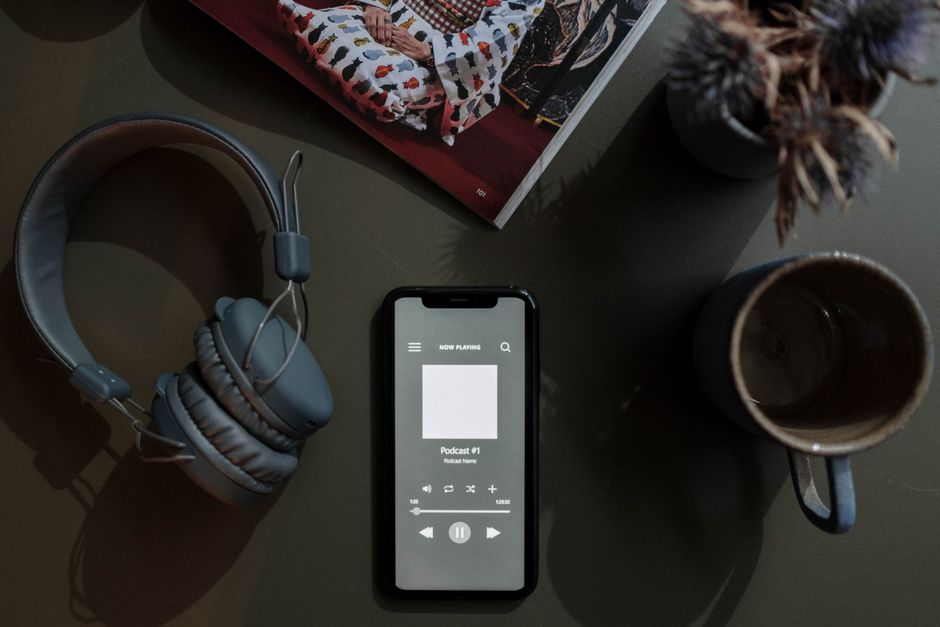
    음악 스트리밍 앱을 재생 중인 스마트폰과 헤드폰

    스밍 총공을 처음 접하면 스밍리스트라는 말부터 낯설 텐데, 타이틀곡 하나만 무한 반복하지 말라는 뜻에서 나온 개념이다. 멜론 실시간차트가 1시간 단위로 집계되던 시절에는 팬들이 타이틀곡과 수록곡을 섞어 1시간짜리 재생목록을 짜고 그걸 하루 종일 돌렸다. 한 곡만 계속 틀면 어뷰징으로 걸릴 수 있으니 순서와 구성을 바꿔가며 듣는 게 요령이었다. 2020년 멜론이 24Hits 방식으로 바꾸면서 하루 한 아이디당 한 곡은 한 번만 집계되게 됐는데, 그러자 이번엔 신곡이 이미 자리 잡은 곡들을 뚫기가 더 어려워졌다는 불만이 나왔다. 총공 매뉴얼도 그때마다 다시 짜여진다.

    음원총공이 청각 싸움이라면 유튜브 총공은 시각 싸움이다. 뮤직비디오 조회수는 신곡의 화제성을 보여주는 대표 지표라, 팬들은 발매 전부터 스트리밍 파티를 예고하고 특정 시간에 다 같이 재생 버튼을 누르자고 약속한다. 2026년 8월 유튜브가 공개 조회수 집계 방식을 바꾸면서 영상이 재생되는 첫 프레임 순간 바로 조회수 1회로 인정되게 됐는데, 발표 직후 팬덤 커뮤니티에는 총공 전략을 다시 짜야 한다는 글이 쏟아졌다. 어제까지 쓰던 매뉴얼이 하루아침에 무용지물이 될 수도 있으니, 플랫폼 정책 하나에 팬덤이 얼마나 촉각을 곤두세우는지 보여주는 장면이다. 광고를 스킵하지 않고 끝까지 보는 것도 총공 매뉴얼에 포함되는데, 채널 수익에 도움이 된다는 이유에서다.

    여기에 SNS 화력전도 빠지지 않는다. 컴백 당일에는 정해진 해시태그를 정해진 시간에 반복해서 올려 트위터 트렌드에 이름을 띄우는 총공이 벌어진다. 포털 실시간 검색어가 살아있던 시절에는 검색창에 그룹명을 직접 입력하는 총공도 흔했다. 지금은 그 서비스 자체가 대부분 사라졌지만, 대신 순위 집계 앱이나 팬 투표 플랫폼으로 무대가 옮겨갔을 뿐 총공이라는 행위는 형태만 바꿔 계속 이어지고 있다.

    내밀하게 들여다보면, 이건 계산이기도 하다

    그냥 좋아서 듣는 거 아니냐고 하면 절반은 맞다. 그런데 총공 참여 이유를 팬들에게 물어보면 생각보다 계산적인 답이 많이 나온다. 음원 성적이 잘 나오면 방송 활동 기회가 늘고, 그게 광고나 행사 섭외로 이어진다고 믿는 사람들이 많다. 회사 입장에서도 숫자로 증명된 성과가 있어야 다음 앨범에 투자를 더 하게 된다는 논리다. 팬들 눈에 총공은 단순한 응원이 아니라 아티스트의 커리어를 지켜주는 최소한의 방어선인 셈이다. 어떻게 보면 팬덤이 자발적으로 마케팅 부서 역할을 떠맡은 모양새인데, 기획사와 대중 사이에 있던 자리를 팬덤이 밀고 들어와 스스로 채운 결과라고 보는 시각도 있다.

    소속감도 크게 작용한다. 새벽에 같이 깨어서 같은 목표를 향해 뭔가를 하고 있다는 감각, 실시간 순위가 한 칸씩 오를 때마다 트위터 타임라인이 같이 들썩이는 걸 지켜보는 재미는 혼자서는 못 느낀다. 총공 성공 후 올라오는 결산 게시물, 몇 위까지 올랐는지 몇 명이 참여했는지 정리한 글을 보면서 뿌듯해하는 사람도 많다. 취미보다는 팀 스포츠에 가까운 감정이라고 보면 이해가 쉽다.

    그늘도 분명히 있다

    다 같이 열심히 응원하는 훈훈한 그림 같지만, 곱지 않은 시선도 상당하다. 가장 자주 나오는 비판은 음원 사재기 논란과 헷갈린다는 점이다. 사재기는 업체를 동원해 실제 이용자가 아닌 방식으로 순위를 조작하는 불법 행위인 반면, 팬덤 총공은 실제 사람이 실제로 재생 버튼을 누르는 행위라 법적으로는 다르다. 그렇다 해도 순위를 인위적으로 밀어 올린다는 결과만 보면 일반 대중 입장에서 둘을 명확히 구분하기는 쉽지 않다. 그래서 컴백 시즌마다 실시간 차트 상위권이 팬덤 화력에 좌우된다는 불만이 꾸준히 나온다.

    음소거 스트리밍 문제도 빼놓을 수 없다. 볼륨을 0으로 낮춰놓고 재생 횟수만 채우는 방식인데, 음원 사이트들이 이걸 걸러내겠다고 발표할 때마다 팬덤 내부에서도 자정 목소리가 나온다. 숫자만 채우면 오히려 아티스트 이미지에 해가 된다고 보는 팬이 많아서, 총공을 하더라도 실제로 곡을 들으면서 참여하자는 캠페인이 따로 돌 정도다.

    강요 아닌 강요 분위기도 짚어야 한다. 총공 시간표가 뜨면 참여 못 하는 팬들이 괜히 눈치를 보게 된다는 이야기가 자주 나온다. 새벽에 못 일어나서, 데이터가 부족해서 못했다는 이유로 죄책감을 느낀다는 후기가 커뮤니티에 종종 올라오는데, 좋아서 시작한 일이 어느 순간 숙제처럼 변해버리는 지점이 바로 여기다. 전기 요금이나 데이터 요금 이야기도 은근히 나온다. 휴대폰을 밤새 켜두고 반복 재생을 돌리다 보니 실제로 체감되는 비용인데, 큰돈은 아니어도 컴백마다 반복되니 무시할 수만은 없다는 사람도 있다. 그렇다고 팬덤이 이걸 그만두느냐 하면 그건 또 아니다. 부담과 애정이 뒤섞인 채로 총공 문화는 계속 굴러간다.

    자주 묻는 질문

    스밍 총공, 돈 안 들이고도 참여할 수 있나요?

    가능하다. 대부분의 총공은 이미 결제해둔 음원 스트리밍 이용권 안에서 재생 횟수만 채우는 방식이라 추가 결제가 필수는 아니다. 다만 데이터나 배터리 소모는 감안해야 하고, 그래서 와이파이 환경에서 참여하는 팬들이 많다.

    총공에 참여 안 하면 팬으로서 문제가 되나요?

    전혀 그렇지 않다. 다만 위에서 말했듯 눈치 보이는 분위기가 실제로 존재하기는 한다. 팬덤 문화 자체가 자율 참여를 전제로 하는 만큼, 각자 상황에 맞게 참여 여부를 정하면 되고 이를 두고 비난하는 건 바람직한 문화는 아니라는 인식이 점점 퍼지고 있다.

    총공하면 실제로 순위가 오르나요?

    단기적으로는 눈에 띄는 효과가 있다. 특정 시간대에 재생이 몰리면 그 시간 집계에는 확실히 반영된다. 다만 장기 차트나 종합 순위는 여러 지표가 섞여 있어서 총공만으로 끝까지 버티기는 쉽지 않고, 결국 곡 자체의 대중적 인기가 뒷받침돼야 오래간다는 평가가 많다.

    함께 보면 좋은 글

    온라인에서 벌어지는 화력전 말고 직접 얼굴을 마주하는 팬 활동이 궁금하다면 본 블로그의 K팝 팬사인회 응모 시스템 글도 함께 읽어보면 좋다. 응모 방식이나 당첨 기준을 미리 알아두면 실전에서 도움이 된다.

  • Korean Spicy Food Scale Explained

    Korean Spicy Food Scale Explained

    Somebody at the table always says it. A Korean friend, an in-law, the ajumma running the pojangmacha — they slide a bowl toward you, shrug, and say “it’s not that spicy.” Ten minutes later you’re sweating through your shirt, drinking water that does about as much good as trying to put out a grease fire with a squirt gun, and wondering if you’ve been poisoned. Meanwhile the person who fed it to you is calmly finishing their bowl and asking if you want more rice. I’m Yijidaddy, and I’ve watched this exact scene happen to nearly every foreigner who’s ever sat at a Korean table with me — myself included, more than once, even after years of thinking I’d built up a tolerance.

    You’d think “not spicy” would mean roughly the same thing everywhere. It doesn’t. In Korea, “안 매워요” isn’t really a claim about the dish — it’s a claim about the speaker. It means “this doesn’t bother me,” which is a completely different sentence from “this is mild.” Once you understand that gap, the whole confusing landscape of Korean spice — the buldak scale, the cheongyang peppers, the gochujang tubs with four different heat labels — starts to make a lot more sense.

    Spice in Korea is a moving target, not a fixed number

    Korea doesn’t really have one official spiciness scale the way a Scoville chart implies it should. What it has instead is a patchwork of systems — some scientific, some marketing, some just vibes passed down at the dinner table — that all get lumped under the single word 맵다 (spicy). Gochujang tubs in the supermarket are usually labeled 순한맛 (mild), 보통맛 (medium), or 매운맛 (spicy), and lab-tested SHU ranges for those tiers run roughly from 300–600 for mild up past 2,000+ for the hottest commercial pastes. Gochugaru, the red pepper flakes that go into kimchi and pretty much everything else, has a much wider spread — commonly cited between 1,500 and 10,000 SHU depending on the pepper variety and how it’s dried. To put that somewhere you can actually feel it: a standard pickled jalapeño slice on nachos usually sits around 2,500–8,000 SHU, so a heavy-handed spoonful of gochugaru is playing in roughly the same league — it’s just wearing a different outfit, dried and smoky instead of pickled and sharp. That’s a real range, not a rounding error, and it’s part of why two bowls of the “same” jjigae from two different restaurants can hit completely differently.

    Even so, none of those numbers are usually what actually torches your mouth in the most iconic Korean dishes. That job tends to belong to one specific pepper.

    The cheongyang pepper is doing more work than people realize

    Fresh red chili peppers piled together

    If gochugaru is the background hum of Korean spice, cheongyang pepper (청양고추) is the shove. It’s a small, unassuming green chili that shows up sliced into everything from kimchi jjigae to spicy seafood soup to the little dipping sauce next to your samgyeopsal, and it punches wildly above its size. Depending on the source and the batch, cheongyang peppers test anywhere from around 10,000 up to 23,000 Scoville Heat Units — comfortably above a jalapeño and edging into serrano-to-low-habanero territory. I know what you’re picturing: a garnish. It isn’t. When a Korean home cook tells you a stew has “just a little cheongyang in it,” that little is doing more damage than an entire diced jalapeño would.

    This is also, honestly, where a lot of the “it’s not spicy” miscommunication starts. A Korean grandmother who has eaten cheongyang-laced stew every week since childhood genuinely doesn’t register three or four rings of that pepper as remarkable. To her palate, calibrated over decades, it’s Tuesday. To yours, if you grew up on food where “spicy” means a dash of black pepper, it’s an emergency.

    Then Buldak turned all of this into a commercial arms race

    Cheongyang pepper is the traditional heat source, simmered into home cooking one household at a time. As Korean food went global and social media got involved, that same instinct for heat got packaged, branded, and turned into a competition — and Samyang’s Buldak Bokkeummyeon (“fire chicken” stir-fried noodles) is the result most non-Koreans actually meet first. Samyang leaned hard into measurable heat as an identity: the Original Buldak sits around 4,404 SHU, the 2x Spicy nearly doubles that to roughly 8,706 SHU, and the 3x Haek Spicy variant pushes up to about 13,200 SHU. There are milder spinoffs too — Cheese Buldak and Carbonara Buldak sit down in the low thousands, closer to 2,000–2,600 SHU, which is why they’ve become the unofficial “starter” flavors for people easing in.

    You’d assume, looking at those numbers, that Buldak would rank as unbearably hot next to, say, a Thai bird’s-eye chili dish or a proper Indian vindaloo. Surprisingly, it doesn’t always play out that way in the mouth. Buldak isn’t really a slow-burn kind of spicy — it’s a flash fire, engineered to hit hard and fast on the tongue and lips rather than build gradually through a meal, which is exactly why the ice-cream-cone-in-hell videos exist online. That’s a different kind of suffering than a curry that keeps escalating bite after bite, and it’s part of why comparing SHU numbers across cuisines only gets you so far. Delivery matters as much as the number on the label.

    Close-up bowl of spicy Korean ramyeon noodles

    Ranking the usual suspects, from “fine” to “why did I do this”

    Since you now have some actual numbers to hang this on, here’s a rough, real-world ladder — based on both chili content and how each dish actually feels going down, not a lab printout.

    • Cheese dakgalbi — the training-wheels version. Still built on gochujang, but the cheese blanket mutes it enough that plenty of spice-averse Koreans order it specifically for that reason.
    • Standard tteokbokki — sweet-forward, chewy rice cakes in a gochujang-gochugaru sauce. Approachable for most people after one or two tries, though street-stall versions near university areas can run noticeably hotter than the packaged supermarket kind.
    • Yukgaejang — a shredded beef soup that’s spicy in a slow, savory way rather than a sharp one; the chili oil floats on top and the heat creeps up over the bowl instead of front-loading.
    • Jjamppong — the Korean-Chinese seafood noodle soup, and a real jump up. The broth is where cheongyang pepper tends to do its heaviest lifting, and it lingers.
    • Original Buldak Bokkeummyeon — the fast, sharp, lip-numbing kind of spicy, engineered for exactly that sensation.
    • 2x and 3x Buldak, or dishes deliberately loaded with extra cheongyang — genuinely unpleasant for most people, Korean or not, without dairy or rice on standby. This tier isn’t really about flavor anymore; it’s about endurance.

    Just remember that where any given bowl actually lands on that ladder depends enormously on the heavy-handedness of whoever’s in the kitchen that day, which is maybe the least satisfying but most honest thing I can tell you about Korean spice.

    So why does a Korean “it’s fine” wreck a foreigner so completely?

    This is the part people actually want explained, so let’s get concrete instead of hand-waving at “spice tolerance.” A few real things are stacking on top of each other here.

    Biological desensitization comes first, and it’s not folklore. Capsaicin receptors — the same TRPV1 receptors that fire when you touch something genuinely hot — get less reactive with repeated exposure, the same basic sensory adaptation that makes a lifeguard stop noticing the smell of chlorine after a few seasons on the job. Koreans who’ve eaten gochugaru- and cheongyang-laced food since toddlerhood, often starting with watered-down kimchi as kids, have had a couple decades’ head start on that adaptation compared to someone who grew up on food where black pepper was the ceiling.

    The sugar mask comes second, and this one surprises people. A lot of Korean spicy dishes are also sweet — a commercial tteokbokki sauce, for instance, can carry somewhere in the range of 15 to 20 grams of sugar per serving right alongside the chili paste, and buldak seasoning and dakgalbi marinade lean on sugar or corn syrup just as hard. That sugar doesn’t cancel the capsaicin, but it does round off the sharpest edge of the burn for someone who already has some baseline tolerance — which is exactly why a Korean eater registers the dish as “sweet-spicy” (달달매콤) while a newcomer registers only the spicy part, full volume, with none of the sweetness cutting through yet. Even the sweetness itself has to be learned into.

    The face-saving factor comes third, and it’s a cultural layer that’s easy to underestimate. Admitting food is too spicy can read as a small loss of face at a Korean table, especially among men in a group setting — so “it’s not that spicy” sometimes means “I am choosing not to react,” not “this is objectively mild.” I’ve seen grown men go quietly bright red, keep eating, and insist they’re fine. Still, that’s not pure performance either — genuine tolerance and face-saving stubbornness usually show up together, tangled, and it’s honestly hard to tell from across the table which one you’re watching.

    If you’re actually going to eat this stuff

    A few practical notes, since half the point of explaining all this is so you don’t suffer needlessly. You can ask for food 덜 맵게 (deol maepge, “less spicy”) almost anywhere, and most restaurants will genuinely adjust it rather than just nodding and doing nothing — this isn’t a lost-in-translation dead end. Rice and milk both cut capsaicin’s burn better than water does, since capsaicin is oil-soluble and water just spreads it around your mouth instead of washing it away. And if you’re building tolerance on purpose, the boring truth is that it works the same way any adaptation does: small, repeated exposure over weeks, not one heroic bowl of 3x Buldak on a dare.

    Before you head out to your nearest pojangmacha, here are a few quick answers to the questions I get asked most often about all this.

    FAQ

    Is Buldak actually the spiciest food in Korea?
    No — and this trips people up because Buldak is the version most foreigners meet first, thanks to social media challenges. In terms of raw SHU, even 3x Buldak (around 13,200 SHU) sits below plenty of home-style dishes made with a heavy hand on fresh cheongyang pepper, which can individually test up to 23,000 SHU before you’ve even added the gochugaru. Buldak is famous because it’s consistent and mass-produced, not because it’s the hottest thing on a Korean table.

    Why does Korean spicy food feel so different from Thai or Indian spicy food?
    Partly delivery, partly composition. Korean heat — especially from cheongyang pepper and gochugaru — tends to hit sharp and fast and is frequently paired with sugar, which is why it reads as “sweet and spicy” rather than the slow-building, herb-heavy heat of a Thai curry or the layered spice blends in Indian cooking. Different pepper compounds, different fat content in the dish, and different accompanying flavors all change how the same rough SHU number actually feels in your mouth.

    How do I stop my mouth from being wrecked at a Korean BBQ or noodle place?
    Order rice or a glass of milk before you order the food, not after you’re already in trouble — capsaicin is fat-soluble, so dairy and starch work faster than water. If you’re new to it, ask for 덜 맵게 (less spicy) without embarrassment; it’s a completely normal request, not a foreigner-only cop-out. And pace yourself with cheese dakgalbi or standard tteokbokki before working up to jjamppong or buldak — tolerance really does build with repeated, unheroic exposure.

    If you’re curious about more of the everyday food culture around this, I’ve also written about the best convenience store snacks in Korea, several of which — surprise — come in a spicy version too.

  • 가을만 되면 코가 난리 나는 이유, 그리고 공기청정기 필터 교체 주기

    가을만 되면 코가 난리 나는 이유, 그리고 공기청정기 필터 교체 주기

    창문을 활짝 열어놓고 잔 다음 날 아침, 눈이 가렵고 재채기가 열 번 넘게 터진 적 있는가. 계절이 바뀔 때마다 반복되는 이 증상을 그냥 “감기겠지” 하고 넘기는 사람이 많다. 그런데도 콧물은 일주일 넘게 안 멈추고, 코막힘 때문에 밤에 몇 번씩 깬다면 얘기가 다르다. 도대체 왜 가을만 되면 코는 이렇게 유난을 떨까. 범인은 크게 두 가지다. 밖에서 날아드는 꽃가루, 그리고 집 안에서 조용히 방치돼 있던 공기청정기 필터다.

    가을에 비염이 심해지는 진짜 이유

    봄철 꽃가루 비염은 다들 알아도 가을 비염은 낯설어하는 사람이 의외로 많다. 벚꽃도 안 피는 계절에 무슨 꽃가루냐고 되묻는 경우도 흔하다. 그런데 가을에는 쑥, 돼지풀, 환삼덩굴 같은 잡초류 꽃가루가 기승을 부린다. 크기가 작고 가벼워서 멀리까지 날아가는 데다, 잡초류 꽃가루의 알레르기 유발력이 봄철 나무 꽃가루보다 오히려 높게 나타난다는 조사 결과도 여러 차례 나온 바 있다.

    일교차도 한몫한다. 낮에는 25도까지 오르다가 밤에는 15도 아래로 떨어지는 날이 이어지면, 콧속 점막이 온도 변화를 따라가지 못해 예민해진다. 여기에 습도까지 뚝 떨어지면서 점막이 바짝 마르면 먼지나 꽃가루를 걸러내는 기능 자체가 약해진다. 코가 원래 하던 일을 못 하게 되는 셈인데, 하필 이 시기와 맞물려 집집마다 보일러를 다시 트기 시작한다.

    여름 내내 꺼져 있던 난방기를 켜는 순간, 그 안에 쌓여 있던 먼지가 실내로 퍼진다. 창문 닫아놓은 시간이 길어지면서 집먼지진드기 농도도 나도 모르는 새 올라간다. 밖에서는 꽃가루, 안에서는 먼지와 진드기 — 이중으로 코를 자극하는 시기가 바로 가을이다. 공기질 앱을 켜봐도 초미세먼지(PM2.5) 수치가 ‘나쁨’ 기준인 36㎍/m³를 넘나드는 날이 부쩍 늘어난 게 이맘때다.

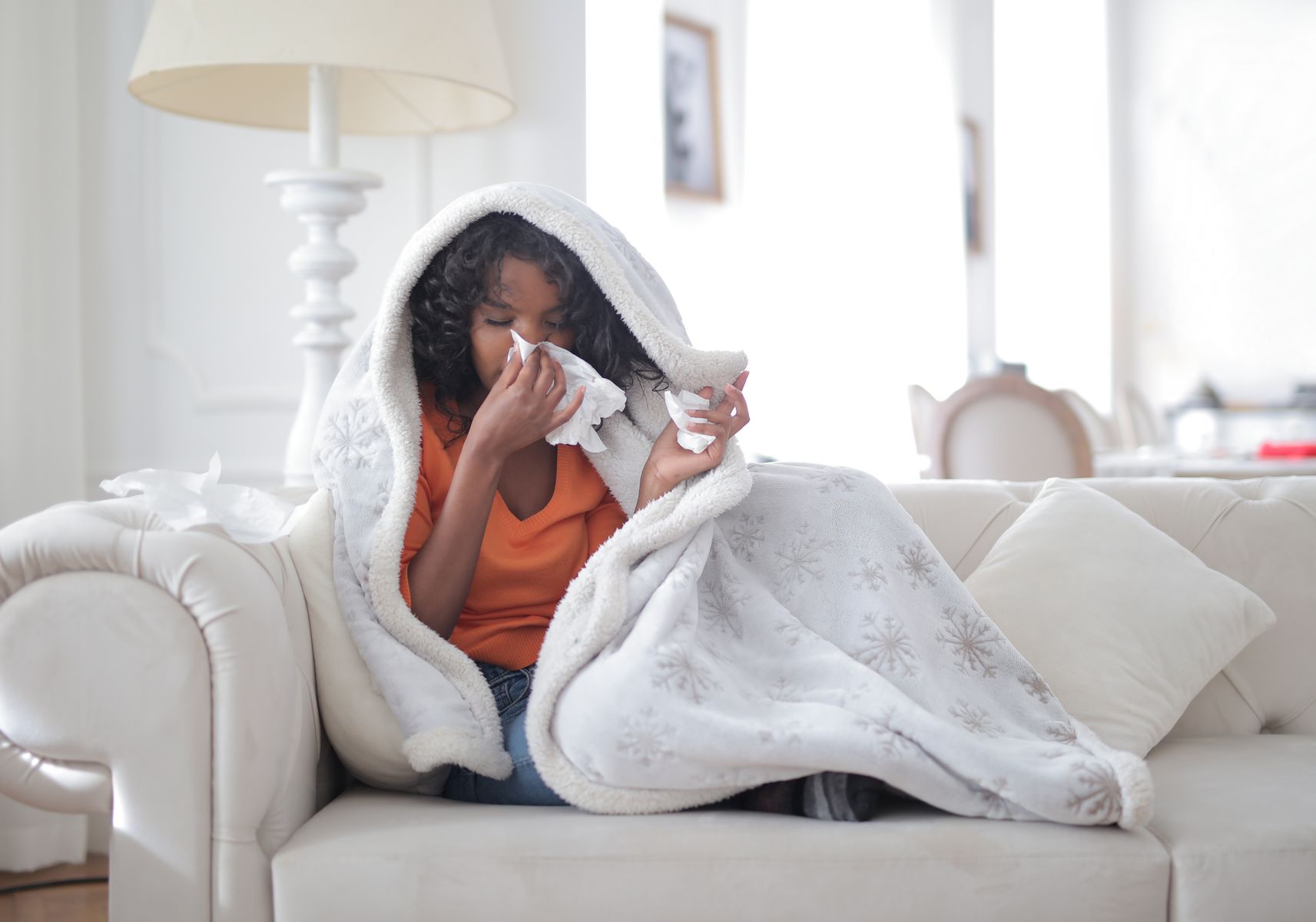
    환절기 비염 증상으로 휴지로 코를 푸는 모습

    필터, 이런 실수 하고 있지 않나

    “공기청정기 켜놨는데 왜 소용이 없지?”라고 묻는 사람들 얘기를 들어보면, 대다수가 필터를 언제 갈았는지 기억을 못 한다. 사놓고 2~3년째 한 번도 안 갈았다는 경우도 드물지 않다. 실제로 그렇게 방치된 필터를 열어보면 연탄재를 꺼내놓은 것처럼 새까맣게 변해 있는 경우가 적지 않다. 필터에 먼지가 두껍게 쌓이면 공기가 제대로 통과하지 못해서, 오히려 팬 소음만 커지고 정화 효율은 뚝 떨어진다. 켜놓기만 하면 알아서 다 걸러줄 거라 믿었다면 그 믿음부터 다시 봐야 한다.

    필터 표시등이 켜져야만 갈아야 한다고 생각하는 사람도 많은데, 그 표시등은 대부분 ‘사용 시간’을 기준으로 계산된 값이지 실제 오염도를 측정한 값이 아니다. 반려동물을 키우거나 창문을 자주 여는 집이라면 표시등이 뜨기 한참 전에 필터가 이미 제 기능을 못 하고 있을 수 있다. 표시등만 믿고 있다가 뒤늦게 필터를 열어보고 놀라는 경우를 여러 번 봤다. 건조기 필터를 딱 3개월 안 닦았다가 화재까지 부른 사례를 보면, 필터라는 부품은 대부분 조용히 방치되다가 뒤늦게 문제를 드러낸다는 공통점이 있다. 공기청정기라고 다르지 않다.

    필터 종류별 교체 주기, 헷갈리지 않게 정리

    공기청정기 안에는 보통 세 가지 필터가 층층이 들어 있다. 프리필터, 헤파(HEPA)필터, 탈취필터다. 이름은 들어봤어도 각각 뭘 거르는지, 언제 갈아야 하는지 정확히 아는 사람은 드물다.

    프리필터 — 1~3개월, 세척해서 재사용

    가장 바깥쪽에서 머리카락, 큰 먼지, 반려동물 털처럼 눈에 보이는 이물질을 먼저 걸러내는 역할을 한다. 다행히 물세척이 가능해서 교체가 아니라 청소로 해결된다. 1~3개월에 한 번, 흐르는 물로 씻고 완전히 말린 뒤 다시 끼우면 된다. 반려동물과 함께 사는 집이라면 한 달에 한 번씩 들여다보는 게 낫다.

    헤파필터 — 6~12개월, 물세척 절대 금지

    0.3마이크론 크기의 미세 입자까지 99% 넘게 걸러내는 핵심 필터다. 그런데 이 필터를 물로 씻으면 좋아질 거라 생각하는 사람이 의외로 많다. 결과는 반대다. 미세한 섬유 그물망이 물에 젖으면 조직이 헐거워지면서 촘촘하던 틈이 벌어지고, 그 틈으로 미세먼지가 그대로 통과해버린다. 완전히 말린다고 해도 원래 성능으로 돌아오지 않는다. 일반 가정 기준 6~12개월, 미세먼지가 심한 도심이나 도로변 아파트라면 6개월 쪽으로 당겨서 교체하는 편이 안전하다.

    탈취필터 — 6개월 전후, 조리·흡연 잦으면 더 빨리

    냄새와 휘발성 유기화합물(VOC)을 흡착하는 활성탄 필터다. 보통 6개월 주기로 권장하지만, 매일 기름 요리를 하거나 실내 흡연이 있는 집이라면 3~4개월 만에 흡착력이 바닥나기도 한다. 냄새가 예전만큼 안 잡힌다 싶으면 주기가 남았어도 갈아주는 게 맞다.

    필터 종류 역할 교체 주기 세척 가능 여부
    프리필터 큰 먼지, 털 1~3개월 가능(물세척)
    헤파필터 초미세먼지 6~12개월 불가
    탈취필터 냄새, VOC 3~6개월 불가

    필터 교체만큼 중요한, 가을 비염 잠재우는 홈케어 4가지

    필터만 새것으로 바꾼다고 비염이 뚝 사라지는 건 아니다. 그렇다고 필터 교체가 의미 없다는 뜻은 아니다. 여기에 몇 가지를 더하면 체감 차이가 꽤 크다.

    첫째, 환기 타이밍이다. 창문은 아예 안 여는 것보다 미세먼지 농도가 낮은 시간대를 골라서 여는 게 낫다. 대개 오전 10시에서 오후 2시 사이, 비가 온 직후가 상대적으로 공기가 깨끗한 편이다. 새벽이나 늦은 밤에 여는 습관이 있다면 시간대만 바꿔도 다르다.

    둘째, 습도 관리다. 실내 습도가 40% 아래로 떨어지면 콧속 점막이 마르면서 방어력이 약해진다. 가습기를 따로 안 쓰더라도 젖은 수건을 널어두거나, 공기청정기 옆에 물그릇 하나 놓아두는 정도만으로도 체감이 달라진다. 습도계 하나 사서 40~60% 구간을 지키는 걸 목표로 삼아보자.

    셋째, 침구다. 베개와 이불에 쌓이는 집먼지진드기는 눈에 안 보여서 다들 방심한다. 그런데도 알레르기 비염 환자의 상당수가 침구 관리를 소홀히 한다는 조사 결과가 꾸준히 나온다. 뜨거운 물로 주 1회 세탁하고 햇볕에 바짝 말리는 것만으로도 진드기 밀도를 크게 줄일 수 있다.

    넷째, 공기청정기 위치다. 벽에 딱 붙여놓고 쓰는 집이 은근히 많은데, 흡입구가 막히면 순환 효율이 떨어진다. 벽에서 최소 15~20센티미터는 떨어뜨리고, 사람이 자주 머무는 자리 가까이에 두는 게 낫다. 환절기 여름옷 정리하며 방 구조를 바꿀 때, 옷장 구석에 밀어두었던 공기청정기 위치도 같이 손봐 두면 두 가지를 한 번에 해결하는 셈이다.

    가을철 실내에서 공기청정기를 사용하는 모습

    필터 살 때, 이것만은 확인하자

    필터를 새로 사려는데 정품인지 호환품인지부터 헷갈린다는 사람이 많다. 호환 필터가 무조건 나쁜 건 아니지만, 제조사가 공개한 규격(두께, 밀도, 인증 등급)에 맞는지 확인하지 않고 저렴한 것만 고르면 오히려 정화력이 떨어질 수 있다. 구매 전에 모델명을 정확히 확인하고, 최소한 KF 등급이나 헤파 등급 표기가 있는 제품을 고르는 게 안전하다.

    필터를 갈고 나서 바로 버리지 말고 한 번쯤 들여다보는 것도 권할 만하다. 색이 거뭇하게 변했거나 냄새가 심하게 밴 정도를 보면, 우리 집 공기가 그동안 어떤 상태였는지 대략 감이 온다. 다음 교체 시기를 스스로 가늠하는 데도 도움이 된다.

    FAQ

    Q1. 공기청정기를 하루 종일 켜놔도 괜찮을까요?

    대부분의 공기청정기는 24시간 연속 가동을 전제로 설계되어 있어서 전원 자체는 문제가 되지 않는다. 다만 계속 켜두는 만큼 필터 소모 속도도 빨라진다는 점은 감안해야 한다. 표시등만 기다리지 말고 계절이 바뀔 때마다 한 번씩 직접 열어서 상태를 확인하는 습관을 들이는 편이 낫다.

    Q2. 자동 모드로 두면 필터를 덜 갈아도 되나요?

    자동 모드는 센서가 감지한 오염도에 맞춰 풍량을 조절해줄 뿐, 필터 자체의 수명을 늘려주는 기능은 아니다. 오히려 오염이 심한 날마다 강풍으로 오래 돌아가면서 필터 소모가 더 빨라질 수도 있다. 사용 환경에 맞춰 정해진 주기대로 점검하는 게 안전하다.

    Q3. 비염 증상이 심할 때 공기청정기만으로 해결이 될까요?

    공기청정기와 생활 습관 관리는 증상을 줄이는 데 도움을 줄 수 있는 보조 수단이지, 그 자체로 치료 방법은 아니다. 콧물이나 코막힘이 2주 이상 이어지거나 일상생활이 힘들 정도로 심하다면 자가 관리에 의존하기보다 이비인후과나 알레르기내과를 찾아 정확한 원인을 확인해보는 편이 좋다.

    환경만 바꿔도 재채기와 코막힘은 꽤 줄어든다. 그런데도 증상이 좀처럼 가라앉지 않거나 오히려 심해진다면, 혼자 버티지 말고 이비인후과나 알레르기내과에서 정확한 진료를 받아보길 권한다.

  • 가을 전어 맛집 고르는 법, 회와 구이는 이렇게 구분하세요

    가을 전어 맛집 고르는 법, 회와 구이는 이렇게 구분하세요

    9월 10일 저녁 6시 반, 인천 소래포구 어시장 입구에는 이미 아이스박스를 든 사람들이 줄지어 서 있었다. 좌판 위에 수북이 쌓인 전어 한 무더기 가격은 한 마리당이 아니라 한 뭇, 그러니까 20마리 기준으로 3만 원 선. 옆에서 흥정하던 아주머니는 “이 정도면 며느리 아니라 사돈까지 부를 가격”이라며 웃었다. 과장 같지만 가격표를 보면 그 말이 아주 틀린 것도 아니다.

    포구 어시장 좌판에 진열된 전어

    왜 하필 가을 전어인가

    전어는 원래 사계절 잡히는 생선이다. 그런데도 유독 가을, 그중에서도 9월 중순부터 10월 초까지가 제철로 꼽히는 이유는 따로 있다. 여름 내내 플랑크톤을 먹으며 몸집을 불린 전어는 산란을 마친 뒤 다시 살을 찌우는데, 이때 뼈 사이사이에 지방이 촘촘히 박힌다. 흔히 “가을 전어는 깨가 서 말”이라는 표현을 쓰는데, 실제로 이 시기 전어의 지방 함량은 여름철보다 두 배 가까이 높아진다는 조사 결과도 있다. 굳이 이맘때를 기다렸다가 챙겨 먹는 게 아주 근거 없는 유난은 아닌 셈이다.

    “집 나간 며느리도 돌아온다”는 속담은 조선시대 문헌에도 등장할 만큼 오래된 표현이다. 그런데 재미있는 건 이 말이 단순히 맛있다는 뜻만은 아니라는 점이다. 가을 전어를 구울 때 나는 특유의 고소한 냄새가 담장을 넘어갈 정도로 진했고, 그 냄새 하나로 서운했던 마음이 눅눅해졌다는 게 원래 유래에 가깝다. 냄새로 사람 마음을 돌린다는 게 좀 과장스럽긴 해도, 직접 연탄불에 전어를 구워본 사람이라면 그 말을 완전히 부정하지도 못할 것이다.

    실패 없는 전어 고르는 법

    좌판 앞에 서면 다들 비슷한 표정을 짓는다. 어떤 걸 골라야 할지 감이 안 온다는 얼굴. 그럴 때는 딱 세 군데만 보면 된다. 눈이 맑고 볼록한지, 아가미를 살짝 들춰봤을 때 선홍빛이 도는지, 비늘이 몸에 딱 붙어 은빛 윤기를 내는지. 이 세 가지만 확인해도 웬만해서는 실패하지 않는다.

    의외로 많은 사람이 놓치는 부분이 배 부위다. 손가락으로 살짝 눌렀을 때 탄력 있게 원래대로 돌아오면 싱싱한 것이고, 물컹하게 자국이 남으면 시간이 좀 지난 녀석이다. 회로 뜰 계획이라면 이 탄력 테스트를 반드시 해보는 게 좋다. 상인들 사이에서는 “아침 물때에 들어온 놈인지 오후 물때에 들어온 놈인지가 하루 장사를 가른다”는 말이 있을 정도로 시간 차이가 크다. 그러니 가능하면 오전이나 이른 오후에 방문하는 편이 신선한 전어를 만날 확률을 높여준다.

    손질을 부탁할 때 크기도 함께 얘기해두면 좋다. 성인 두 명이 회와 구이를 각각 배부르게 먹으려면 대략 두 뭇, 40마리 정도가 적당하다는 게 소래포구 상인들의 대체적인 귀띔이다. 물론 술을 곁들인다면 반 뭇쯤 더 넉넉하게 잡는 손님도 많다.

    회 vs 구이, 크기와 취향으로 갈리는 선택

    전어를 파는 좌판 앞에 서면 늘 고민되는 게 회냐 구이냐다. 결론부터 말하면 크기가 답을 준다. 손바닥 반 정도 되는 작은 전어, 그러니까 몸길이 10~13센티미터 정도는 뼈가 아직 억세지 않아서 뼈째 썰어 회로 먹기에 적당하다. 반대로 15센티미터가 넘어가는 큰 전어는 뼈가 굵어져서 회로 먹으면 입안이 까끌까끌한데, 이런 놈들은 통째로 구워야 진가가 나온다. 뱃살에 오른 기름이 불판 위에서 지글지글 녹아내리면서 살이 오히려 더 부드러워지기 때문이다.

    뼈째 썰어낸 전어회 한 접시

    전어회는 뼈째 썰어 나오는 게 기본이라 씹을 때 오도독한 식감이 살아있다. 상추에 밥 한 숟갈과 회를 얹고 막장에 마늘 한 쪽까지 올려 싸 먹으면 기름진 맛이 확 잡히면서 감칠맛만 남는다는 게 단골들의 공통된 평이다. 초장에 콕 찍어 먹는 방식도 물론 인기지만, 상추쌈이 의외로 더 낫다고 말하는 사람이 적지 않다. 반면 구이는 별다른 양념 없이 굵은소금만 뿌려 숯불이나 연탄불에 굽는 게 정석으로 통한다. 기름이 많은 생선이라 오히려 양념을 세게 하면 본연의 고소함이 묻힌다는 게 오래 장사한 상인들의 공통된 의견이었다.

    서울 근교 3대 전어 스팟

    서울에서 차로 40분 안팎이면 닿는 소래포구는 전어철마다 사람이 몰리는 대표적인 곳이다. 소래포구종합어시장 안쪽 좌판에서 전어를 직접 골라 근처 초장집에 가져가면 상차림비만 받고 회를 떠주는 구조가 일반적인데, 상차림비는 보통 1인당 4천~5천 원 선으로 형성돼 있다. 주말 오후에는 주차부터 어려우니 평일 저녁을 노리는 게 현실적인 방법이다.

    숯불에 노릇하게 구워지는 전어구이

    강화도 쪽으로 발을 넓히면 선수포구와 후포항 일대에서 활전어를 구할 수 있다. 소래포구보다 상대적으로 한산해서 아이를 동반한 가족 단위 방문객에게는 오히려 이쪽이 더 여유롭다. 안산 대부도 방아머리항도 전어 시즌이면 곳곳에 현수막이 걸리는데, 서해 낙조를 보면서 구이를 먹을 수 있다는 게 이곳만의 매력이다. 해 지는 시간에 맞춰 자리를 잡으면 노을과 연기가 뒤섞이는 풍경까지 덤으로 얻는다.

    서울 시내에서 벗어나기 번거롭다면 노량진수산시장도 괜찮다. 퇴근 후 지하철만 타면 닿는 접근성은 지방 산지가 절대 따라올 수 없는 강점이다. 지방 산지만큼 저렴하진 않지만, 2층 식당가에 자리를 잡고 1층에서 산 전어를 손질비만 내고 바로 회나 구이로 즐기는 방식이 관광객들 사이에서도 꽤 알려져 있다.

    먹기 전에 알아두면 좋은 것들

    전어를 살 때 가격은 지역과 시기에 따라 꽤 출렁인다. 시즌 초반인 9월 초에는 마릿수가 적어 값이 높게 형성되다가, 9월 말에서 10월 초로 넘어가면 어획량이 늘면서 상대적으로 저렴해지는 흐름을 보인다. 그러니 굳이 서둘러 첫 물량을 노리기보다는 시즌 중반을 기다리는 것도 나쁘지 않은 전략이다. 벌써 유명 맛집들은 예약 문의가 밀려든다는 얘기도 들리니, 주말 방문을 계획한다면 미리 전화 한 통 넣어두는 편이 마음 편하다.

    전어는 잔가시가 많은 생선이라 어린아이나 노약자와 함께라면 구이보다 살만 발라내는 방식을 부탁하는 게 안전하다. 상인들도 이런 요청에는 대체로 익숙해서 흔쾌히 손질해주는 경우가 많다. 그런데도 뼈째 씹는 맛이 전어의 진짜 매력이라고 말하는 사람도 많으니, 성인들끼리의 자리라면 원래 방식대로 즐겨보는 것도 나쁘지 않다.

    자주 묻는 질문

    Q. 전어는 냉동해도 맛이 유지되나요?

    급랭 처리한 전어라면 구이용으로는 크게 무리가 없다는 평이 많다. 다만 뼈째 씹는 식감이 생명인 회는 해동 과정에서 살이 물러지기 쉬워서, 회로 먹을 계획이라면 그날 잡은 활어를 쓰는 곳을 찾는 편이 낫다.

    Q. 전어 굽는 냄새가 유독 강한데 이유가 있나요?

    지방 함량이 높은 생선일수록 열을 받으면 향이 진하게 퍼지는 경향이 있다. 가을 전어가 유독 냄새로 유명한 것도 이 시기 지방이 최고조에 달하기 때문이라고 보면 된다.

    Q. 회와 구이 중 하나만 골라야 한다면요?

    처음 전어를 접해본다면 구이 쪽을 권하고 싶다. 뼈째 씹는 회의 식감이 낯설 수 있는 반면, 구이는 호불호가 적고 실패할 확률도 낮은 편이다.

  • 청년도약계좌 만기, 그다음은? 2026년 갈아타기 선택지 정리

    청년도약계좌 만기, 그다음은? 2026년 갈아타기 선택지 정리

    “매달 70만원씩 통장에서 빠져나가던 게 벌써 5년째라고?” 2026년 하반기 들어 청년도약계좌 1기 가입자들 사이에서 가장 자주 나오는 반응이다. 2023년 6월 첫 출시 물량 기준으로 계산하면 실제 만기는 2028년이니 아직 시간이 남았다고 생각하기 쉽지만, 3년 차를 넘긴 가입자들과 중도해지를 고민하는 사람들 사이에서는 벌써부터 “만기 후에 뭘 해야 하냐”는 문의가 은행 창구에 쌓이고 있다고 한다. 매달 꼬박꼬박 넣던 습관을 만기 한 번에 흐트러뜨리고 싶지 않다는 심리가 큰 탓이다.

    청년도약계좌는 만 19~34세 청년이 월 최대 70만원 한도로 5년간 자유 납입하면, 개인소득 구간에 따라 정부가 매달 정부기여금을 얹어주고 이자소득에 비과세 혜택까지 주는 정책형 적금이다. 소득이 낮을수록 매칭 비율이 높아서 개인소득 2,400만원 이하 구간은 매칭비율이 6%대까지 올라가는 것으로 알려져 있고, 6,000만원을 넘는 고소득 구간은 기여금 없이 비과세 혜택만 적용된다. 그렇다면 이 복잡한 구조를 거쳐 만기 때 실제로 통장에 찍히는 숫자는 얼마나 될까.

    만기 때 실제로 얼마를 받게 될까

    매월 70만원씩 5년 동안 빠짐없이 납입했다고 가정하면 원금만 4,200만원이다. 여기에 이자와 정부기여금이 더해지면서 최대 약 5,000만원 안팎의 목돈을 만들 수 있다는 계산이 여러 금융권 안내자료에서 공통적으로 나온다. 5,000만원이면 서울 외곽이나 수도권 소형 전세 보증금의 숨통을 트이게 하거나, 결혼자금 중 예식장 계약금과 혼수 일부를 감당할 수 있는 결코 작지 않은 액수다. 다만 이 숫자는 어디까지나 만기까지 매달 최대한도를 채웠을 때의 이야기다. 실제로는 월급이 들쭉날쭉해서 어떤 달은 30만원, 어떤 달은 아예 못 넣는 경우도 많다 보니 사람마다 만기 수령액 편차가 꽤 크다는 점을 감안해야 한다.

    정부기여금은 만기까지 채우거나, 혼인·출산·생애최초 주택구입 같은 특별중도해지 사유에 해당할 때 받을 수 있다는 원칙은 변함이 없다. 2025년 이후로는 가입 후 3년이 지난 시점의 중도해지라면 그동안 쌓인 기여금의 상당 부분(약 60% 수준으로 알려져 있다)을 지급하는 쪽으로 제도가 완화됐다고 하는데, 예를 들어 3년 동안 매달 2만원씩 기여금을 받아 총 72만원이 쌓였다면 중도해지 시 대략 40만원 안팎을 받는 셈이라고 보면 감이 온다. 물론 이 비율과 적용 조건은 시행세칙 개정에 따라 바뀔 수 있으니 해지를 고려하고 있다면 반드시 가입 은행이나 서민금융진흥원에 최신 기준을 확인하는 게 안전하다.

    적금 통장과 계산기를 앞에 둔 청년

    2026년, 만기 전에 갈아탈 수 있는 선택지가 생겼다

    원래대로라면 청년도약계좌는 5년을 꽉 채워야 정부기여금과 비과세를 온전히 받는 구조였다. 그런데 2026년부터 이 계좌의 신규가입 자체가 종료되면서, 그 자리를 잇는 후속 상품으로 청년미래적금이라는 이름의 상품이 언급되고 있다. 아직 만기가 한참 남은 도약계좌 가입자가 이 후속 상품 요건을 충족하면, 특별중도해지 형태로 갈아타면서 그동안 쌓인 정부기여금과 비과세 혜택을 유지할 수 있다는 안내가 나오고 있는 상황이다.

    그런데도 여기서 의외로 많이들 헷갈려 하는 부분이 있다. 갈아타기의 실제 조건을 정리하면 이렇다.

    • 도약계좌에서 채운 기간이 새 상품 가입 기간으로 자동 합산되지 않는다. 새 상품은 갈아탄 시점부터 다시 만기 카운트가 시작된다.
    • 월 납입 한도가 기존 70만원에서 50만원으로 20만원 줄어든다.
    • 만기 기간은 5년에서 3년으로 짧아진다.

    5년 중 3년을 채운 뒤 갈아탄다고 해서 새 상품 만기가 앞당겨지는 게 아니라는 뜻이니, “갈아타면 더 빨리 목돈을 받겠지”라는 기대는 접어두는 편이 낫다. 막상 계산해보면 월 저축 여력이 줄어드는 만큼 총 납입 가능 금액도 함께 줄어드는 구조이기 때문에, 목돈이 필요한 시점과 월 저축 여력을 함께 따져보고 갈아탈지 그대로 유지할지를 정해야 한다.

    은행 창구에서 상담받는 청년의 모습

    만기 후 예치처, 어떤 기준으로 골라야 할까

    막상 5,000만원 가까운 목돈이 통장에 들어오면 의외로 판단이 흐려진다. “일단 파킹통장에 넣어두자”는 사람도 있고, “이 기세로 계속 적금을 이어가자”는 사람도 있다. 정답이 정해져 있는 문제는 아니지만, 최소한 다음 세 가지는 만기 전에 미리 정리해두는 편이 낫다.

    첫째는 자금의 용처다. 1~2년 안에 전세보증금이나 결혼자금처럼 확정된 지출이 있다면 원금 손실 위험이 있는 상품보다는 예금자보호가 되는 정기예금이나 안정형 적금으로 짧게 굴리는 편이 무난하다. 둘째는 세제 혜택이다. 도약계좌와 마찬가지로 비과세나 세액공제 혜택이 있는 후속 상품이 있다면, 일반 과세 상품보다 실질 수익률이 높아질 수 있다는 점을 계산해봐야 한다. 이자소득세 15.4%가 빠지느냐 안 빠지느냐의 차이는 목돈 단위에서는 꽤 크게 체감된다. 셋째는 유동성이다. 갑자기 돈이 필요할 때 중도해지 페널티가 얼마나 되는지, 인출이 자유로운 구조인지를 가입 전에 약관으로 확인해야 나중에 후회가 없다.

    개인소득이 6,000만원을 넘어 애초에 정부기여금 혜택을 거의 못 받았던 고소득 가입자라면 상황이 조금 다르다고 생각할 수도 있는데, 이 구간에서는 저축성 상품의 기여금 매력이 낮은 만큼 목돈을 어떻게 운용할지 더 폭넓게 고민하는 경우가 많다. 다만 이 글에서는 특정 투자처를 권하지는 않는다. 목돈을 어떤 방식으로 굴릴지는 개인의 재무 상황과 위험 감내 수준에 따라 완전히 달라지는 문제이기 때문에, 저축인지 투자인지를 가르는 선택 자체는 스스로, 혹은 전문 상담을 통해 판단할 일이다.

    만기 D-3개월, 미리 체크해두면 좋을 것들

    만기 해지나 갈아타기 신청 과정에서 은근히 놓치는 부분이 소득 증빙 서류다. 정부기여금 매칭 비율이 개인소득 구간별로 차등 적용되다 보니, 최근 소득이 바뀐 경우 증빙 자료를 다시 제출해야 하는 경우가 생긴다. 서류 미비로 기여금 지급이 늦어지거나 재산정되는 사례도 종종 보고된다고 하니, 만기 두세 달 전부터 다음 항목들을 미리 챙겨두면 신청 당일 헤매는 일이 줄어든다.

    • 홈택스나 손택스(모바일 홈택스) 앱에서 소득금액증명원 미리 발급받아 두기
    • 주거래은행과 타 은행의 후속 상품 우대금리 조건 비교해보기 — 같은 상품이라도 은행별로 우대금리가 1~2%포인트씩 차이 나는 경우가 있다
    • 전세대출 상환일이나 결혼식 날짜처럼 목돈이 필요한 시점을 만기일과 겹쳐 역산해보기
    • 가입 후 직전 과세기간에 금융소득종합과세 대상자로 확인된 적이 있는지 미리 점검하기 — 해당되면 비과세와 기여금 혜택이 모두 제한될 수 있다

    주거래은행 앱에 뜨는 만기 안내 팝업만 보고 넘어가는 사람이 의외로 많은데, 은행마다 후속 상품 취급 여부나 우대금리 조건이 조금씩 다르다는 점은 다시 한번 강조해둘 만하다. 만기가 다가오면 최소 두세 곳의 은행 조건을 비교해보는 수고 정도는 들이는 게 결과적으로 이득이다.

    자주 묻는 질문

    Q. 청년도약계좌를 만기까지 다 채운 사람도 갈아타기가 가능한가요?

    A. 갈아타기 목적의 특별중도해지는 만기 전 가입자를 대상으로 하는 것으로 안내되고 있어서, 이미 5년 만기를 채워 해지한 사람은 이 갈아타기 대상에 포함되지 않는 것으로 알려져 있다. 만기까지 다 채운 경우라면 일반적인 만기 후 예치 상품 중에서 선택하게 되는 구조로 봐야 한다. 정확한 대상 여부는 개인 가입 시점과 은행에 따라 달라질 수 있으니 서민금융진흥원이나 가입 은행에 직접 확인하는 것이 확실하다.

    Q. 갈아타면 정부기여금을 두 번 받을 수 있나요?

    A. 그렇게 오해하기 쉬운데, 갈아타기는 기존에 쌓인 기여금과 비과세 혜택을 유지해주는 구조이지 기여금을 이중으로 지급하는 제도가 아니다. 새 상품에서는 새 상품 자체의 기여금 조건이 별도로 적용되는 것으로 이해하는 편이 맞다.

    Q. 만기 수령액을 다시 청년도약계좌 같은 비과세 상품에 넣을 수 있나요?

    A. 청년도약계좌 자체는 2026년 기준 신규가입이 종료된 것으로 알려져 있어 재가입은 어렵다. 다만 후속으로 나온 유사 성격의 상품이나 청년형 자산형성 지원 상품이 있다면 요건 충족 여부를 따져 가입을 검토해볼 수 있다. 이 부분 역시 매년 정책이 바뀌는 영역이라 가입 시점에 서민금융진흥원 공식 채널이나 콜센터를 통해 최신 상품 목록과 조건을 확인하는 절차를 건너뛰지 않는 게 좋다.

    청년도약계좌든 그 후속 상품이든 결국 핵심은 하나다. 정부기여금과 비과세라는 혜택은 조건을 지킬 때만 온전히 내 몫이 된다는 것. 은행 안내 문자만 무심히 넘기지 말고, 오늘 잠깐 시간을 내서 내 잔고와 소득금액증명원부터 한 번 확인해보는 건 어떨까. 이 글에 담긴 수치와 제도 내용은 작성 시점 기준으로 정리한 참고 정보이며, 세부 조건은 이후 변경될 수 있으므로 실제 신청 전에는 반드시 가입 은행이나 서민금융진흥원(국번없이 1397) 공식 채널을 통해 최종 확인하길 권한다.