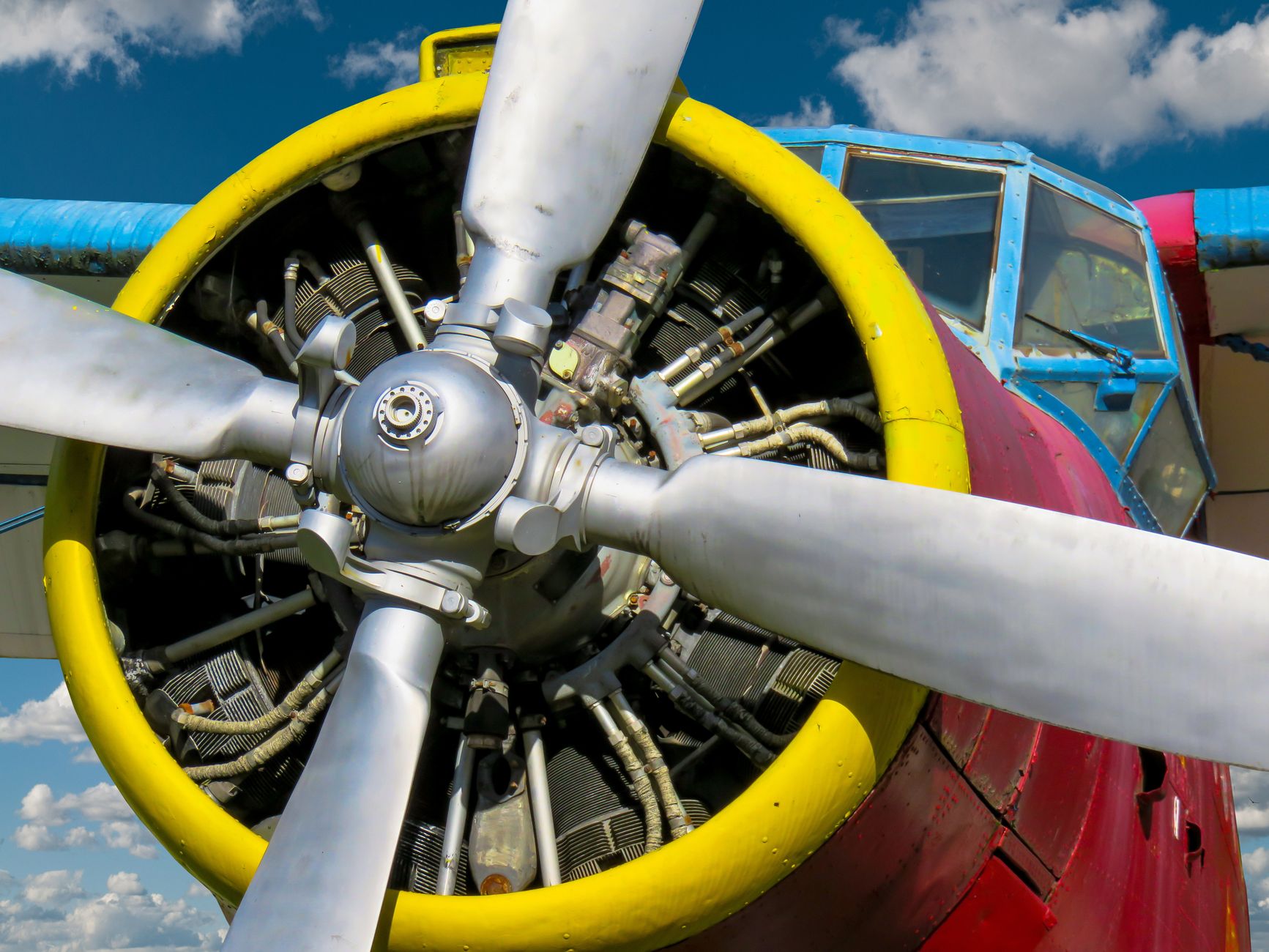
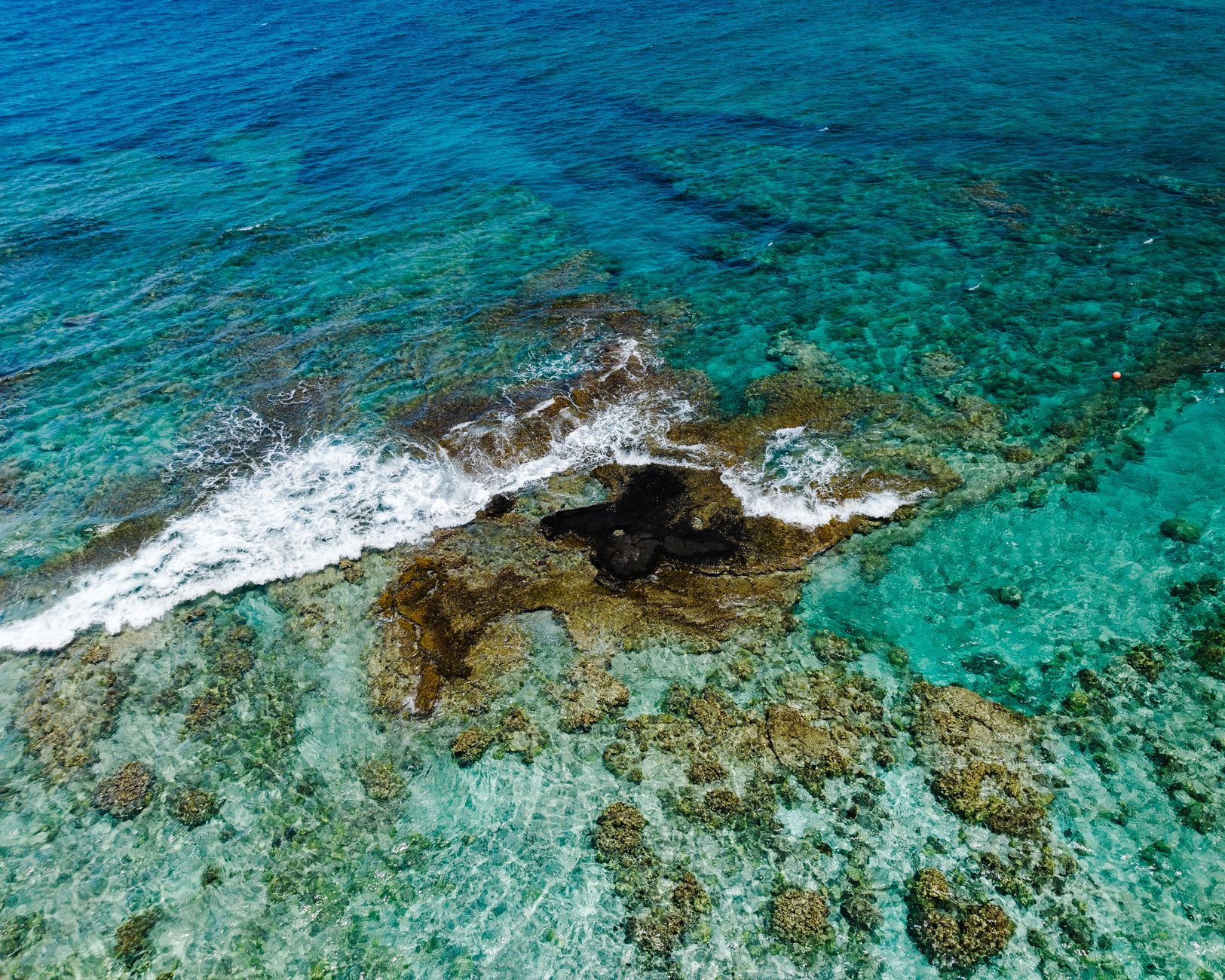
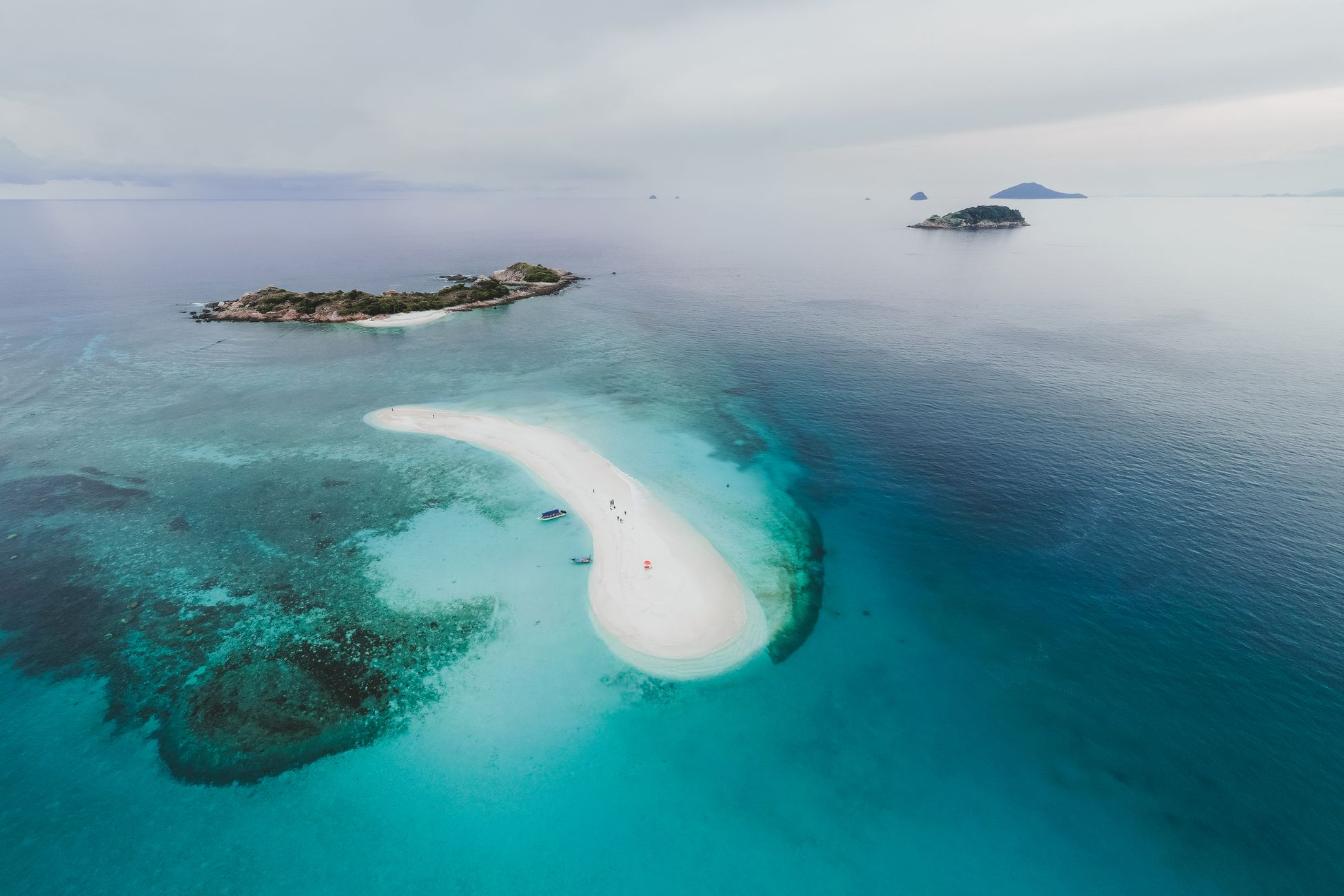
1937년 7월 2일 오전 8시 43분, 태평양 한가운데를 떠돌던 무전기에서 여자 목소리 하나가 끊겼다. “우리는 157-337 선상에 있다. 남북으로 날고 있다.” 잡음 섞인 그 문장을 끝으로 신호는 다시 돌아오지 않았다. 87년이 지났고 소나와 위성사진, DNA 분석까지 동원한 탐사대가 줄줄이 태평양을 훑었지만, 아멜리아 에어하트와 그의 비행기는 여전히 어딘가에 묻혀 있다. 단순히 연료가 떨어져 바다에 추락했다고 보기엔 이상한 구석이 너무 많다.
왜 하필 이 사건만 백 년 가까이 사람들 입에 오르내릴까. 아멜리아라는 이름이 여성 최초로 대서양을 횡단한 비행사, 그러니까 시대를 앞서간 인물이라는 점도 있겠지만, 결정적 증거가 단 하나도 안 나온다는 사실 자체가 더 큰 이유다. 사건이 미궁이면 사람들은 각자의 이야기를 채워 넣는다. 그래서 이 실종 사건에는 유독 서로 다른 세 가지 설명이 동시에 살아남아 있다.
세계일주 비행, 마지막 한 조각만 남아 있었다
1937년 당시 에어하트는 이미 유명 인사였다. 1932년 대서양 단독 횡단 기록을 세운 뒤, 이번엔 적도를 따라 지구를 한 바퀴 도는 2만 9천 마일짜리 비행에 도전하고 있었다. 항법사는 프레드 누넌, 기체는 록히드 일렉트라 10E. 겉모습은 당대 최첨단이었지만 조종석 안 무전기와 항법 장비는 지금 기준으로 보면 손전등 수준이었다. 캘리포니아 오클랜드를 출발해 남미, 아프리카, 인도, 동남아시아를 거쳐 뉴기니 라에까지 왔을 때 남은 거리는 전체의 10분의 1도 안 됐다. 그런데 하필 가장 짧고 가장 위험한 구간이 마지막에 남아 있었다.
라에에서 다음 기착지인 하울랜드 섬까지는 2,556마일. 문제는 이 섬의 크기였다. 길이 3km, 폭 700m 남짓한 산호섬, 서울 여의도 면적의 절반도 안 되는 땅덩이가 태평양 한복판에 점 하나로 찍혀 있었다. 활주로도, 등대도 없고 무전 시설조차 임시로 급조된 상태였다. 미국 정부는 이 비행을 위해 하울랜드에 활주로를 새로 닦고 해안경비함 이타스카(Itasca) 호를 대기시켰을 정도로 공을 들였다. 그런데도 항법 오차가 몇 마일만 나도 섬을 통째로 지나칠 수 있는 구조였다. 축구장 몇 개를 합친 크기의 섬을, 육지도 없는 망망대해에서 눈으로 찾아야 했던 셈이다.
1937년 7월 2일, 그날의 타임라인
현지 시각 오전 10시, 에어하트와 누넌을 태운 일렉트라기는 라에 활주로를 이륙했다. 최소 18시간 비행을 예상했고 일출 무렵 하울랜드에 도착할 계획이었다. 새벽 2시 45분부터 이타스카 호는 간헐적으로 에어하트의 음성을 수신하기 시작했다. 신호는 점점 강해졌다. 목적지에 가까워지고 있다는 뜻이었다. 오전 6시 14분, 그는 하울랜드까지 200마일 남았다고 보고했다. 여기까지는 순조로워 보였다.
그런데 이 순조로움 뒤에는 이미 어긋난 톱니바퀴가 돌고 있었다. 이타스카 호는 에어하트에게 계속 신호를 보냈지만 정작 그는 응답이 없었다. 나중에 밝혀진 사실이지만 에어하트와 누넌 둘 다 모스 부호를 다룰 줄 몰랐고, 쓰던 무전 주파수도 서로 어긋나 있었다. 오전 7시 42분, “우리는 당신들 근처에 있는 게 분명한데 보이지 않는다. 연료가 부족하다. 고도 1,000피트로 비행 중”이라는 다급한 목소리가 잡혔다. 배는 코앞에 있는데 섬이 안 보인다는, 듣는 사람 속을 태우는 보고였다.
“연료가 부족하다” — 끊긴 마지막 교신
오전 8시 43분, 이타스카 호가 수신한 마지막 메시지는 “우리는 157-337 방위선 위에 있다. 남북으로 비행하며 반복하겠다”였다. 항법사 누넌이 태양선을 이용해 계산한 방위였는데, 정확한 위도는 언급하지 않았다. 무전 담당 승무원들은 주파수를 이리저리 맞춰가며 응답을 기다렸지만, 이 신호를 끝으로 목소리는 완전히 사라졌다. 의외로 이 메시지는 이타스카뿐 아니라 인근에 있던 일본 어선과 다른 나라 함정에도 잡혔다고 한다. 신호 자체는 꽤 넓게 퍼졌는데, 정작 위치를 특정할 단서는 하나도 남기지 못했다.
여기서 드는 의문은 하나다. 연료가 떨어지고 있다면서 왜 착수(着水)나 비상 상황에 대한 언급이 전혀 없었을까. 이타스카 호 승무원들의 기록을 보면 에어하트의 목소리 톤은 침착했다고 한다. 다급함은 묻어 있었지만 패닉에 빠진 느낌은 아니었다는 것이다. 이 지점이 훗날 여러 가설이 갈라지는 시작점이 된다. 추락해서 바로 가라앉았다고 보기엔, 마지막 목소리가 너무 담담했다는 게 일부 연구자들이 계속 붙잡고 있는 대목이다.
사상 최대 규모 수색, 그런데도 아무것도 없었다
교신이 끊기자마자 수색이 시작됐다. 이타스카 호를 필두로 미 해군 순양함 USS 콜로라도, 항공모함 USS 렉싱턴까지 투입돼 군함 9척과 항공기 66대가 동원됐다. 수색 면적은 25만 제곱마일, 대략 한반도 면적의 세 배에 달했다. 17일간 이어진 이 작전에는 당시 돈으로 약 400만 달러, 지금 가치로 환산하면 7,500만 달러 가까이 들어갔다. 20세기 초반까지 인류가 벌인 수색 작전 중 최대 규모였다.
그런데도 잔해 하나, 기름띠 하나 발견되지 않았다. 단순 추락이었다면 이 정도 규모로 훑었을 때 최소한의 부유물이라도 나왔어야 하지 않을까. USS 콜로라도 소속 정찰기는 실종 일주일 뒤 니쿠마로로 섬(당시 이름 가드너 섬) 상공을 지나며 “최근 사람이 거주했던 흔적”을 봤다고 보고했지만, 당시엔 무인도로 알려져 있었기에 별다른 조사 없이 그냥 넘어갔다. 이 판단 하나가 훗날 두고두고 아쉬운 대목으로 되짚어진다.
세 가지 시선, 세 갈래의 가설
이제부터 나오는 세 가지 가설은 성격이 다 다르다. 첫 번째는 가장 현실적이고 심심한 설명, 두 번째는 낭만과 미련이 섞인 이야기, 세 번째는 음모론에 가까운 극적인 상상이다. 어느 쪽을 더 믿고 싶은지는 읽는 사람 취향에 달렸지만, 증거의 무게는 결코 똑같지 않다.
가설 하나, 단순 추락 후 침몰
가장 널리 받아들여지는 설명은 이렇다. 연료가 바닥나 하울랜드 근해 어딘가 바다에 추락했고, 록히드 일렉트라기는 그대로 가라앉았다는 것. 마지막 교신 위치와 항로를 계산하면 충분히 개연성 있는 시나리오다. 다만 87년째 잔해를 못 찾고 있다는 게 이 가설의 가장 큰 약점이다. 2024년 1월, 미국 탐사업체 딥 씨 비전(Deep Sea Vision)이 수심 약 4,900m 해저에서 비행기 형상과 닮은 소나 이미지를 포착했다고 발표해 화제가 됐다. 그런데 같은 해 11월 재조사에서 이 물체는 자연적으로 형성된 암석 지형으로 결론 났다. 화제성만큼 뒷맛이 씁쓸했던 사례다.
가설 둘, 니쿠마로로 섬 표류설
항공 역사 탐사 단체 티가(TIGHAR)가 오랫동안 밀어온 가설이다. 요지는 에어하트와 누넌이 하울랜드를 못 찾고 남동쪽으로 약 560km 떨어진 니쿠마로로 섬 산호초에 불시착했고, 한동안 그곳에서 생존하다 사망했다는 것이다. 1940년 이 섬에서 사람 뼈 13조각이 발견됐는데, 당시 검시관은 남성의 것이라 결론 냈다. 그런데 2018년 미국 테네시대 법의인류학자 리처드 얀첸이 골격 비율을 다시 계산한 결과, 이 뼈가 에어하트의 체형과 통계적으로 상당히 일치한다는 재해석을 내놨다. 물론 원래 뼈 자체가 이미 유실돼 DNA 검사로 확정할 방법은 없다는 한계는 남는다.
놀랍게도 뼈만이 아니다. 같은 섬에서 1930년대 미국산 여성용 화장품 병, 주근깨 크림 용기, 신발 밑창 조각, 손거울 파편이 잇따라 발견됐다. 이 정도면 우연으로 치부하기엔 겹치는 게 너무 많다는 게 티가 측 주장이다. 그런데 반대편 목소리도 만만치 않다. 이 섬이 1930~40년대 영국령 길버트 제도 이주 정책으로 실제 사람이 살았던 적이 있으니, 화장품이나 신발 조각은 그때 이주민들 물건일 수 있다는 반박이다. 니쿠마로로 표류설은 정황은 풍부한데 결정적 증거인 비행기 잔해 자체는 아직 나오지 않았다는 게 냉정한 현실이다.
가설 셋, 일본군 포로설
세 번째는 가장 극적이면서 동시에 가장 근거가 약한 가설이다. 에어하트와 누넌이 마셜 제도에 불시착해 일본군에 붙잡혔고, 사이판으로 이송된 뒤 그곳에서 처형당했다는 주장이다. 1960~70년대 사이판 주민 몇몇이 “백인 여성 조종사를 봤다”는 증언을 남기면서 퍼지기 시작했다. 2017년에는 미국 국립문서보관소에서 발견됐다는 사진 한 장이 “포로로 잡힌 두 사람”이라며 크게 보도되기도 했다. 그런데 조사해보니 이 사진은 1935년 일본 여행 안내서에 실린 것으로 확인됐다. 에어하트가 실종되기 2년 전에 이미 존재했던 사진이니, 증거로서는 애초에 성립할 수 없는 물건이었다.
일본 측 기록도 이 가설을 뒷받침하지 않는다. 당시 수색에 동원됐던 일본 해군 함정 고슈마루(Koshu Maru)의 통신사였던 코즈 사치나오는 훗날 저널리스트 아오키 후키코와의 인터뷰에서 “미국인을 산 채로든 죽은 채로든 본 적이 없다”고 잘라 말했다. 그럴듯한 목격담과 사진이 나올 때마다 정작 당사자였을 일본 측 기록은 정반대 얘기를 하니, 이 가설은 여전히 심증 수준에 머물러 있다는 평가가 많다.
최근 탐사는 뭔가 찾았나
그렇다면 요즘은 어디까지 왔을까. 2025년 11월, 퍼듀대학교 연구재단과 고고학유산연구소(ALI)가 공동으로 “타라이아 오브젝트 탐사”에 나섰다. 니쿠마로로 섬 인근 위성사진에서 발견된 길이 12~14m가량의 이상 물체를 직접 확인하겠다는 계획이었는데, 이 크기가 일렉트라 10E 동체 길이 12.2m와 거의 맞아떨어진다는 점 때문에 기대를 모았다. 퍼듀대는 에어하트의 모교이자 이번 비행의 후원자이기도 했으니, 이 탐사에 유독 진심일 수밖에 없는 곳이다.
매번 신기술과 새 자금이 투입되는데도 여전히 결정적 증거는 손에 잡히지 않는다. 소나, 위성사진, DNA 분석까지 동원됐지만 그때마다 나온 결론은 “가능성 있음” 아니면 “암석으로 판명”이었다. 2024년 미국 국립문서보관소가 관련 기밀 문서 5천여 쪽을 추가로 공개했지만 이 안에서도 결정적 단서는 나오지 않았다. 지금까지 확실한 건 딱 하나, 1937년 7월 2일 오전 8시 43분 이후 에어하트의 행방을 아는 사람이 세상에 아무도 없다는 사실뿐이다.
그래서인지 이 이야기는 매년 새 탐사대를 불러 모은다. 세상이 온갖 첨단 장비를 동원해 태평양 바닥을 뒤졌음에도, 1937년 그날 아침의 마지막 몇 시간은 여전히 짙은 안개 속에 멈춰 있다. 어쩌면 완전히 풀리지 않는다는 사실 자체가, 87년째 사람들이 이 사건에서 눈을 떼지 못하는 진짜 이유일지도 모른다.
자주 묻는 질문
Q1. 아멜리아 에어하트의 시신이나 비행기 잔해가 공식적으로 발견된 적이 있나? 아니다. 1939년 1월 5일 미국 법원이 실종 당시 사망한 것으로 공식 선언했을 뿐, 유해나 기체 잔해가 확인된 사례는 지금까지 없다. 니쿠마로로 섬에서 나온 뼈는 이미 유실돼 재검증이 불가능하고, 2024년 딥 씨 비전이 찾았다던 소나 이미지도 암석으로 판명됐다.
Q2. 왜 하필 하울랜드 섬을 목표로 삼았나? 세계일주 항로상 라에에서 다음 급유지까지 갈 수 있는 거리 안에 있는 몇 안 되는 섬이었기 때문이다. 다만 워낙 작고 편의시설이 전무해 항법 오차에 매우 취약했고, 결과적으로 이 선택 자체가 실종의 핵심 원인 중 하나로 꼽힌다.
Q3. 세 가지 가설 중 어느 쪽이 가장 유력하게 받아들여지나? 다수 항공사학자들은 여전히 연료 소진 후 해상 추락설을 가장 개연성 있는 설명으로 본다. 니쿠마로로 표류설은 정황 증거가 쌓이고 있어 소수 연구자들 사이에서 지지를 얻고 있지만, 일본군 포로설은 핵심 사진 증거가 조작으로 밝혀지면서 근거가 부족하다는 평가가 지배적이다.
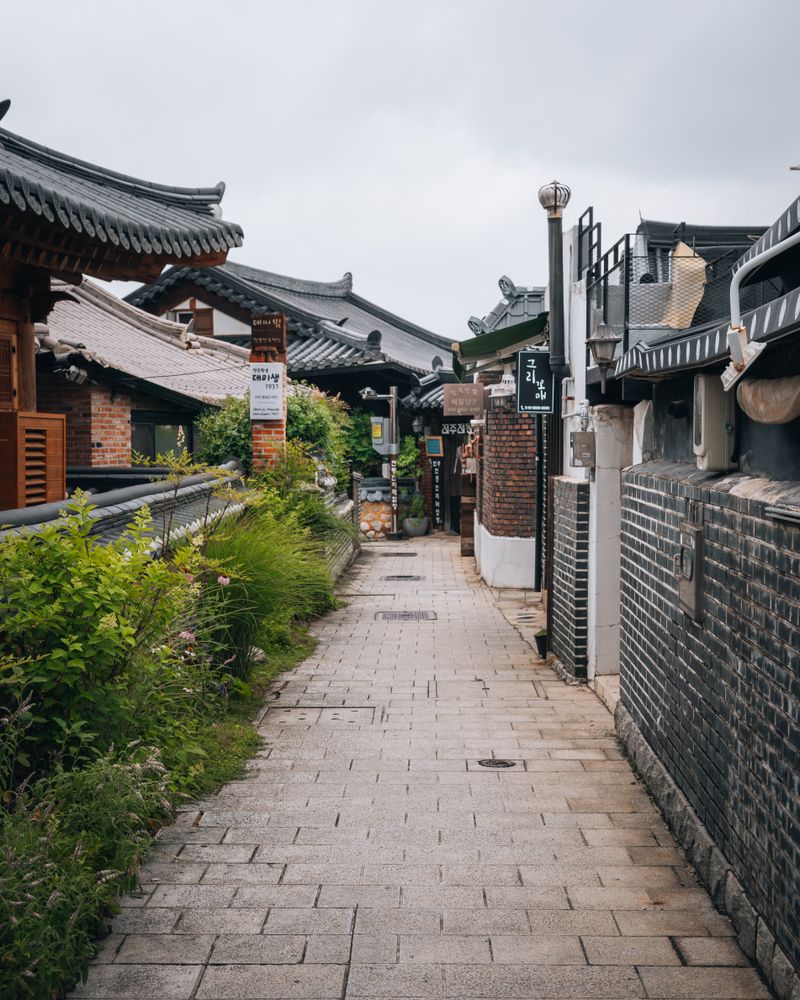
전주 한옥마을이라고 하면 “거기 사진만 예쁘게 찍고 오는 곳 아니야?”라고 되묻는 사람이 꽤 많다. 실제로 검색만 해봐도 비슷비슷한 후기가 쏟아지니 그렇게 생각할 만도 하다. 그런데 같은 골목을 오전 8시에 걷는 것과 오후 2시에 걷는 것은 아예 다른 장소를 걷는 기분이 든다. 아침에는 처마 밑으로 떨어지는 새소리와 내 운동화 소리만 골목에 울리는데, 두어 시간 지나면 그 자리가 사람들 캐리어 바퀴 소리와 호떡 냄새로 가득 찬다. “당일치기니까 대충 낮에 가면 되지” 싶었던 생각이 얼마나 순진했는지, 그 온도차를 직접 겪어봐야 알 수 있다.
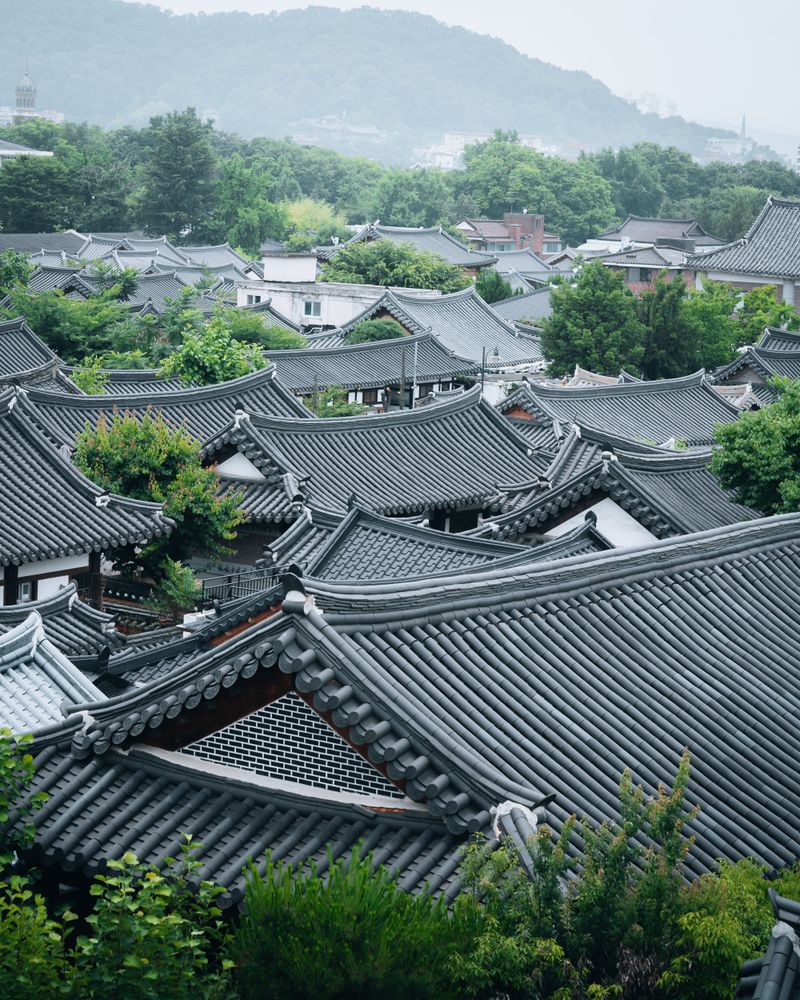
전주 한옥마을은 완산구 풍남동 일대 약 700여 채의 한옥이 모여 있는 구역으로, 경기전 정문 기준으로 보면 전주역에서 차로 15분, 전주고속버스터미널에서는 택시로 10분 남짓 걸린다. 뻔한 관광지라 생각하기 쉽지만 막상 골목 안쪽으로 들어가면 생각보다 동네가 넓다는 사실에 다들 한 번씩 놀란다. 경기전, 전동성당, 오목대, 전주향교까지 도보로 돌면 실제 이동 거리만 3.5km 안팎이 나오니 운동화는 필수다.
오전 8시 30분, 경기전과 전동성당
오전 일찍 가야 한다는 말, 어디서나 하는 얘기라 식상하게 들릴 수 있는데 실제 체감은 다르다. 오전 8시 30분쯤 경기전 앞에 서 있으면 매표소 직원이 셔터를 올리는 소리까지 들릴 만큼 조용하다. 반면 오전 11시가 넘어가면 단체 관광버스가 속속 도착하면서 은행로 메인 거리는 순식간에 인파로 들어찬다. 특히 주말 기준으로 낮 12시에서 오후 3시 사이에는 골목 폭이 좁은 최명희길이나 은행로 뒷골목에서 사람과 어깨가 부딪히는 일이 흔하다. 사진 한 장 찍으려고 5분씩 줄 서서 기다리는 상황도 심심찮게 벌어진다.
그럼 이 시간대엔 뭘 해야 할까. 경기전(입장료 성인 3천원, 개장 오전 9시)부터 시작하는 게 순서상 깔끔하다. 태조 이성계의 어진을 모신 곳이라 역사적 무게감이 있는데, 의외로 경내가 조용하고 오래된 나무 그늘이 많아서 초여름에도 걷기 편하다는 인상을 받는다. 경기전에서 도보 5분 거리에 전동성당이 있는데, 붉은 벽돌 건물이 한옥 사이에서 이질감 없이 자리 잡은 모습이 묘하게 잘 어울린다는 반응이 많다. 성당 미사 시간만 아니면 내부 관람도 가능하니 시간이 맞으면 들여다볼 만하다.
전주향교와 오목대, 순서가 중요하다
향교 얘기가 나오면 “거기까지 굳이 갈 필요 있나” 싶은 사람도 있을 텐데, 전주향교는 은행나무 두 그루가 마당을 뒤덮고 있어서 가을에는 그 자체로 포토 스팟이 된다. 경기전에서 걸어서 15분 정도 걸리고, 향교 자체는 무료입장이다. 다만 향교로 올라가는 길이 오르막에 좁은 골목이라 늦은 시간에는 사람이 몰려 걷기 불편해진다. 그래서 오전 10시 전에 방문 순서에 넣는 편이 여러모로 낫다.
오목대는 이름이 낯설다 보니 일정에서 빼는 사람도 있는데, 막상 올라가 보면 생각이 달라진다. 계단을 3~4분 정도 오르면 한옥마을 전체 기와지붕이 파노라마로 펼쳐지고, 이 뷰 하나 때문에 계단 오른 게 전혀 아깝지 않다는 후기가 많은 이유를 그 자리에서 이해하게 된다. 다만 계단 구간에 그늘이 거의 없어서 한여름 낮에는 체감상 훨씬 더 힘들게 느껴진다. 오전 9시 반에서 10시 사이, 혹은 해 질 무렵에 오르는 걸 권한다.
한복 대여, 예약 없이 갔다가 30분씩 기다린다
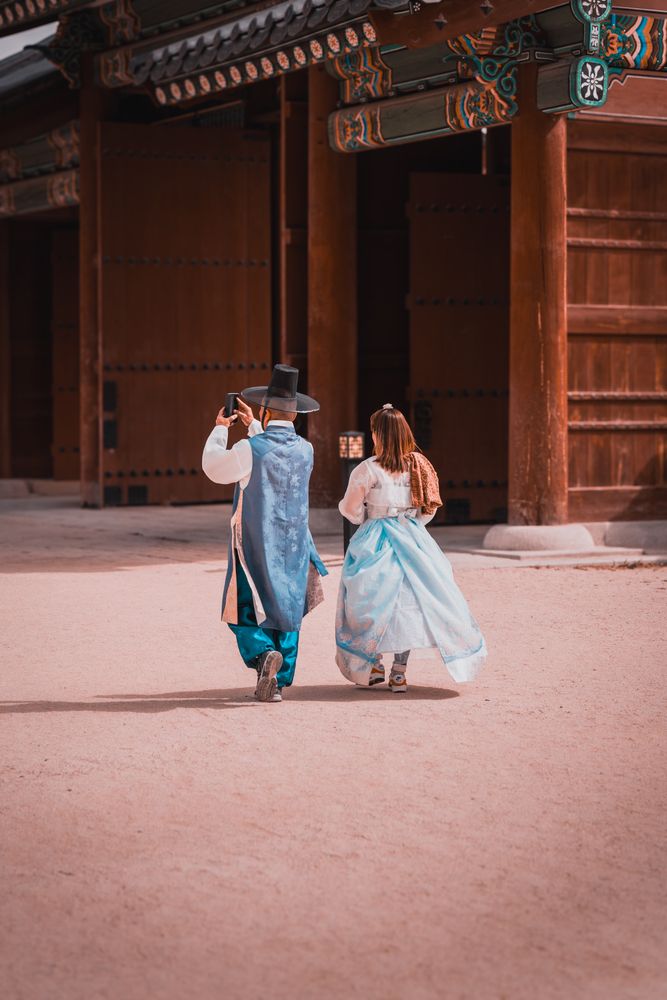
한복 대여는 당일치기 코스에서 빠지는 법이 없는데, “아무 데나 가서 빌리면 되지” 하고 가볍게 생각했다가 시간을 허비하는 경우가 종종 있다. 성수기 주말에는 인기 매장 기준으로 예약 없이 방문하면 30분 이상 대기하는 일이 흔하기 때문이다. 가격대는 업체마다 차이가 있는데, 1시간 30분 단위 대여가 1만원대 초반부터 시작하고 종일 대여는 1만 9천원에서 2만원대가 일반적이다. 헤어 세팅이나 소품을 추가하면 여기서 3천원에서 5천원 정도씩 더 붙는 구조다. 평일에는 예약 없이 가도 대체로 무난하지만, 주말이나 공휴일에는 최소 하루 전 예약을 걸어두는 편이 마음 편하다.
이렇게 한복을 곱게 차려입고 골목을 누비다 보면 얼마 지나지 않아 배가 고파진다. 걷는 것만으로도 은근히 체력이 소모되는 데다, 골목마다 풍기는 기름 냄새와 국밥 냄새를 지나치기가 쉽지 않아서다.
전주 8미, 국밥부터 모주까지
비빔밥은 전주의 대표 얼굴이지만, 정작 로컬들은 아침의 콩나물국밥을 더 진짜배기로 친다. 뜨거운 뚝배기에 계란을 톡 깨서 얹어주는 방식이 전주식 특징인데, 국물이 맑으면서도 칼칼해서 해장 목적으로 방문하는 사람도 많다. 그래서인지 이른 아침부터 줄이 길게 늘어서는 집들이 있다. 점심에는 콩나물과 육회를 함께 올린 전주식 비빔밥이 유명한데, 가격대는 1만원에서 1만 3천원 선이 흔하다. 그리고 골목을 걷다 보면 모주를 파는 곳이 유독 많이 눈에 띄는데, 알코올 도수가 낮은 데다 계피와 대추 향이 진하게 올라와서 술이 약한 사람도 부담 없이 한 잔 들이켤 수 있다는 점이 의외의 인기 비결이다.
야경, 생각보다 훨씬 다른 얼굴
야경까지 보고 오려면 일정을 촘촘히 짜야 한다는 부담이 있을 수 있는데, 막상 해 지는 시간대를 기준으로 움직이면 크게 어렵지 않다. 오목대에서 보는 노을과 그 직후 한옥마을 지붕 위로 조명이 하나둘 켜지는 시점이 겹치는 순간이 있는데, 9월 기준으로는 오후 6시 40분에서 7시 사이가 이 타이밍과 맞물린다. 낮 시간의 번잡함과는 완전히 다른 분위기로, 관광객 수가 확 줄어든 골목에 조명만 은은하게 비치는 풍경은 낮에 왔던 곳과 아예 다른 장소처럼 느껴진다는 반응이 많다.
[에디터 팁] 자차로 이동한다면 한옥마을 공영주차장(오거리 광장 인근)이 접근성이 가장 좋은데, 요금은 30분당 500원 수준이고 주말 오전 10시 이후에는 만차가 되는 경우가 잦다. 그래서 자차 이용자라면 오전 9시 전 도착을 목표로 잡는 게 안전하다. 대중교통을 이용한다면 전주고속버스터미널이나 전주역에서 시내버스로 20분 안팎이면 닿고, 배차 간격도 10~15분 수준이라 크게 기다릴 일은 없는 편이다.
전체 동선을 정리하면 이렇다. 오전 8시 30분 경기전 도착 → 전동성당 → 전주향교(오전 10시 전후) → 한복 대여 후 오목대(오전 11시) → 점심 비빔밥 → 오후에는 자유롭게 골목 탐방과 카페 휴식 → 저녁 콩나물국밥 또는 다른 8미 메뉴 → 오후 6시 40분경 오목대에서 야경 감상. 이렇게 짜면 이동 거리가 크게 겹치지 않아서 체력 소모도 상대적으로 적다.
자주 묻는 질문
Q1. 전주 한옥마을은 몇 시간이면 충분한가요?
핵심 스팟 위주로만 본다면 4~5시간 정도로도 가능하지만, 한복 대여와 식사, 야경까지 포함한 제대로 된 당일치기라면 8시간에서 10시간 정도는 잡는 게 현실적이다. 오전 8시 반에 시작해서 오후 7시쯤 야경까지 보고 마무리하는 일정이 실제로 무리 없이 소화되는 편이다.
Q2. 한복 대여는 당일 예약 없이 가도 되나요?
평일이라면 큰 무리 없이 현장 대여가 가능하다. 다만 주말이나 벚꽃철, 단풍철 같은 성수기에는 인기 매장 기준으로 대기가 길어질 수 있어서 최소 하루 전에 예약해두는 편이 시간 낭비를 줄이는 방법이다.
Q3. 비가 오는 날에도 한옥마을 당일치기가 가능한가요?
가능하다. 오히려 비 오는 날 기와지붕에 물기가 스며든 모습이 색다른 분위기를 만들어낸다는 평도 있다. 다만 한복 대여점에서는 우천 시 방수 커버나 우산을 함께 대여해주는 곳이 많으니 미리 문의해보는 게 좋다. 향교로 올라가는 골목이 비 오면 미끄러울 수 있어 신발은 미끄럼 방지가 되는 것으로 준비하는 편이 안전하다.
지난달 경기도 안산에 사는 47세 최모 씨는 두 달째 매일 새벽 3시 40분쯤 눈이 떠진다고 했다. 알람도 안 맞춰놨는데 신기하게 그 시간이면 정확하게 잠이 깬다는 거였다. 다시 잠들지 못하고 뒤척이다가 끝내 포기하고 6시부터 출근 준비를 시작하는 날이 늘었고, 지각할까 봐 아침마다 마음이 급해진다고도 했다. 처음엔 그냥 요즘 스트레스가 많아서 그런가 보다 하고 넘겼는데, 두 달이 지나도록 패턴이 똑같으니 슬슬 불안해지더라는 거다. 요즘 이맘때 친구들을 만나면 “너도 요즘 잠 설치니?”가 인사말처럼 오고 간다. 40대 중반을 넘기면서 이유 없이 새벽에 깨는 사람이 부쩍 늘어난다.
그냥 나이가 들어서 잠이 얕아지는 거라고 생각하기 쉽다. 실제로 수면 구조 자체가 40대를 기점으로 바뀌긴 한다. 20대에는 하룻밤 수면 시간의 20~25%를 차지하던 깊은 잠(서파수면)이 40~50대가 되면 10% 안팎으로 뚝 떨어진다는 연구 결과도 있다. 얕은 잠과 렘수면 사이를 왔다갔다하는 시간이 그만큼 길어진다는 뜻이다. 그런데 문제는 이걸 단순히 “나이 탓”으로 퉁치기엔 원인이 한두 가지가 아니라는 점이다. 호르몬, 호흡, 스트레스, 생활습관이 한꺼번에 얽혀서 밤마다 눈을 뜨게 만든다.
갱년기 호르몬 변화, 왜 하필 밤에 열이 오를까
여성이라면 40대 후반부터 폐경 이행기에 들어서면서 에스트로겐과 프로게스테론이 급격히 줄어든다. 에스트로겐은 체온을 조절하는 뇌의 시상하부와 밀접하게 연결돼 있는데, 이 호르몬이 흔들리면 마치 에어컨 리모컨이 고장 난 것처럼 체온 조절 스위치가 엉뚱하게 작동한다. 한여름에 난방이 켜졌다가 한겨울에 냉방이 도는 식이랄까. 그 결과가 바로 안면홍조와 야간 발한이다. 자다가 갑자기 얼굴이 화끈거리고 등에 식은땀이 흥건히 배어서 이불을 걷어차고 깨는 경험, 의외로 많은 사람이 겪는다.
여기서 그치지 않는다는 게 더 성가시다. 프로게스테론은 뇌에서 가바(GABA) 수용체를 자극해 마음을 가라앉히고 잠을 유도하는 역할도 하는데, 이 호르몬 분비가 줄면 진정 효과도 함께 약해진다. 그러니까 열감 때문에 깨는 것과 별개로, 애초에 다시 잠들기 어려운 뇌 상태가 되어 있다는 얘기다. 잠들었다 깨고, 다시 잠들려니 뒤척이고, 이런 밤이 반복되면 낮 동안 멍하고 예민해지는 건 당연한 수순이다.
그런데 갱년기 탓이거니 하고 방심하기 쉬운 진짜 복병이 하나 더 숨어 있다. 에스트로겐이 줄면 기초대사량도 함께 떨어지면서 체중이 늘기 쉬운 몸이 되는데, 이때 늘어난 살이 하필 목 주변에 붙는 경우가 많다. 폐경 시기와 체중 증가 시기가 공교롭게 겹치면서 기도 공간이 점점 좁아지는 것이다. 열감과 진정 작용 저하만 신경 쓰다가 정작 기도가 좁아지고 있다는 신호는 놓치기 쉬운 이유가 여기에 있다.
코를 심하게 곤다는데, 그냥 피곤해서 그런 거 아닐까
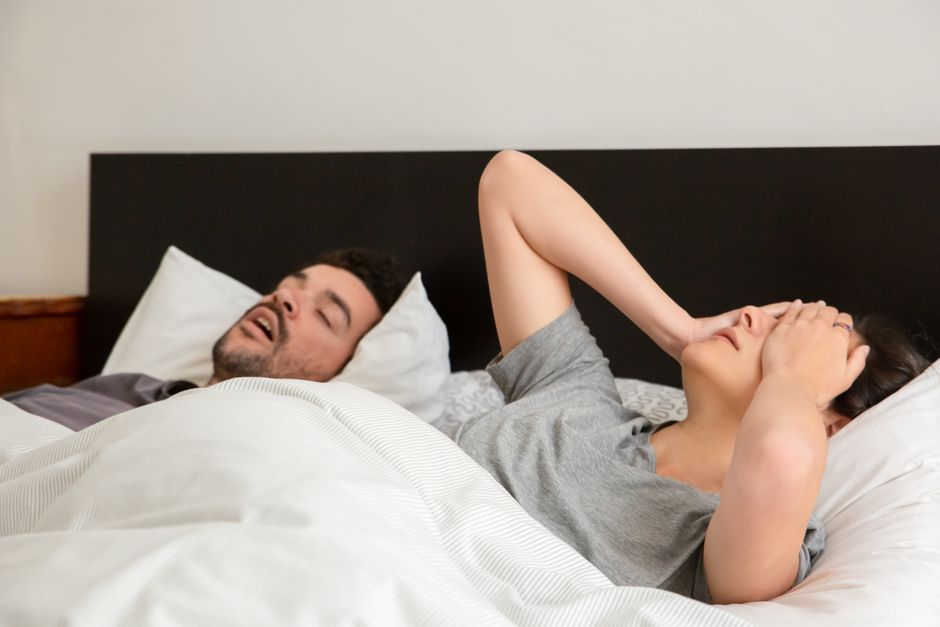
남편이나 아내가 “당신 어제 숨을 몇 초씩 멈췄다가 몰아쉬더라”라고 말해준 적이 있다면 흘려듣지 않는 게 좋다. 본인은 전혀 모르고 있다가 배우자의 증언으로 처음 알게 되는 경우가 정말 많다. 수면무호흡증은 자는 동안 기도가 좁아지거나 막혀서 호흡이 잠깐씩 멈추는 질환인데, 정작 당사자는 그 순간을 기억하지 못한다.
코골이가 심하다고 무조건 수면무호흡증인 건 아니다. 그런데도 코골이 소리가 유난히 크고 불규칙하게 끊어졌다가 다시 시작된다면, 그리고 낮에 커피를 몇 잔을 마셔도 졸음이 가시지 않는다면 의심해볼 만하다. 밤새 잠을 잔 것 같은데 아침에 일어나면 머리가 무겁고, 회의 시간에 자꾸 눈이 감기고, 운전 중에 깜빡 조는 일이 잦아졌다면 몸이 보내는 경고등이 이미 여러 번 깜빡인 셈이다.
흥미로운 건 여성의 경우 남성처럼 요란하게 코를 골지 않아도 수면무호흡증일 수 있다는 점이다. 갱년기를 지나면서 상기도 근육의 긴장도가 떨어지고 기도가 좁아지는데, 이게 꼭 큰 소리를 동반하지는 않는다. 대신 밤새 뇌가 미세하게 여러 번 깨는 형태로 나타나서, 본인은 그냥 “잠이 얕아졌다” 정도로만 느끼고 넘어가는 경우가 흔하다. 생각보다 많은 여성이 이런 식으로 수면무호흡증을 몇 년씩 모르고 지나간다.
스트레스, 카페인, 그리고 이불 속 스마트폰
호르몬도 아니고 호흡 문제도 아닌데 자꾸 깬다면 생활습관을 한번 들여다볼 차례다. 40대 이후에는 회사에서 팀장이나 부장 자리를 맡아 책임이 무거워지고, 집에 오면 아이들 진로 문제와 부모님 건강까지 챙겨야 하는 시기가 겹친다. 낮 동안 눌러놨던 걱정거리가 밤에 불쑥 떠올라서 잠을 깨우는 일이 흔해진다.
카페인도 의외의 복병이다. 20대 때는 저녁에 커피를 마셔도 반나절이면 몸에서 빠져나갔는데, 나이가 들면서 카페인을 분해하는 간 효소의 활동이 느려진다. 그 결과 체내에 머무는 시간이 최대 2배 가까이 길어지고, 오후 3시에 마신 아메리카노 한 잔이 밤 11시까지 몸속에 남아 있는 경우도 생긴다. 예전 습관 그대로 늦은 오후에 커피를 마시다가 밤에 유난히 뒤척이는 걸 느낀다면 카페인부터 의심해볼 일이다.
잠들기 직전까지 스마트폰을 들여다보는 습관도 빼놓을 수 없다. 화면에서 나오는 청색광은 수면 호르몬인 멜라토닌 분비를 늦추는데, 문제는 화면 자체보다 그 안의 정보다. 잠들기 전에 본 뉴스나 메신저 내용이 머릿속에 계속 맴돌면서 뇌를 각성 상태로 몰아넣는다. 이불 속에서 30분만 보려던 게 어느새 1시간 넘게 흘러가고, 정작 잠들 시간엔 머리가 말똥말똥해지는 패턴, 낯설지 않을 거다.
오늘 밤부터 바꿔볼 만한 것들
거창한 치료를 시작하기 전에 손댈 수 있는 부분도 분명 있다. 침실 온도를 18~20도 사이로 맞추는 것부터 시작해보자. 너무 덥거나 추운 방은 야간 발한을 더 자주 부추긴다. 커피는 오후 2시 이전으로 마지노선을 정해두고, 잠들기 최소 1시간 전에는 스마트폰을 다른 방에 두거나 손이 닿지 않는 곳에 두는 것도 도움이 된다. 사소해 보여도 이 세 가지만 바꿔도 새벽에 깨는 횟수가 줄었다고 말하는 사람이 실제로 적지 않다.
그렇다면 언제 병원에 가봐야 할까
한두 번 새벽에 깨는 정도라면 크게 걱정할 일은 아니다. 그런데 이런 패턴이 3주 이상 이어지거나, 낮 동안의 피로감이 일상생활에 지장을 줄 정도라면 이야기가 달라진다. 배우자가 반복적으로 무호흡이나 심한 코골이를 지적한다면, 그리고 야간 발한과 열감이 거의 매일 밤 반복된다면 병원 진료를 미룰 이유가 없다.
수면다원검사를 통해 수면무호흡증 여부를 확인할 수 있고, 산부인과나 내분비내과에서 호르몬 수치를 확인해 갱년기 관련 증상인지 감별할 수도 있다. 두 가지가 동시에 겹쳐 있는 경우도 드물지 않아서, 혼자 짐작만으로 원인을 단정 짓기보다는 검사를 통해 확인하는 편이 훨씬 빠른 길이다.
자주 묻는 질문
Q1. 갱년기 증상과 수면무호흡증을 집에서 구분할 방법이 있을까?
완벽하게 구분하기는 어렵다. 다만 안면홍조나 식은땀 없이 코골이와 무호흡 증상, 낮 동안의 극심한 졸림만 두드러진다면 수면무호흡증 쪽에 좀 더 무게가 실리고, 반대로 열감과 발한이 함께 나타난다면 호르몬 변화 쪽을 먼저 의심해볼 수 있다. 그런데 두 가지가 동시에 나타나는 경우도 많아서 자가 진단만으로는 한계가 있다.
Q2. 호르몬 치료를 받으면 수면 문제도 같이 좋아질까?
사람마다 반응이 다르게 나타난다는 게 이 질문에 대한 정직한 답이다. 열감과 발한이 줄면서 수면의 질이 함께 개선됐다고 말하는 사람도 있고, 큰 변화를 느끼지 못했다는 사람도 있다. 치료 방향은 개인의 건강 상태와 검사 결과에 따라 완전히 달라지는 부분이라 이 자리에서 단정적으로 말하기는 어렵다.
Q3. 코를 골긴 하는데 낮에 그렇게 피곤하지는 않다, 그래도 검사를 받아야 할까?
코골이가 있다고 전부 수면무호흡증은 아니고, 낮 동안 큰 불편이 없다면 당장 응급하게 서두를 일은 아닐 수 있다. 그렇다고 완전히 안심할 근거도 되지 않는다. 배우자가 무호흡 구간을 목격했거나 코골이 소리가 점점 심해진다면 한 번쯤 확인해보는 편이 마음 편하다.
새벽에 자꾸 깨는 이유는 한 가지로 딱 떨어지지 않는 경우가 많다. 호르몬 탓일 수도, 호흡 문제일 수도, 아니면 그날의 커피 한 잔과 스마트폰 화면 탓일 수도 있다. 원인을 뭉뚱그려 짐작하기보다는 본인의 패턴을 며칠 기록해보고, 필요하다면 전문의와 상담해 정확한 원인을 확인하는 편이 가장 확실하다. 이 글은 일반적인 정보 제공을 목적으로 하며, 정확한 진단은 전문의 상담을 통해 받으시기 바랍니다.
A friend of mine flew into Incheon last spring, dropped his bags at a guesthouse near Ikseondong, and within about two hours had already handed a cab driver his fare with one hand, stuck his chopsticks straight up in a bowl of rice like a tiny flagpole, and tried to tip the barista at a coffee shop near Insadong. Nobody yelled at him. Nobody even really scolded him. But you could watch each moment land slightly wrong, like a note played half a beat off in a song everyone else already knew by heart. That’s the thing about etiquette mistakes in Korea — they rarely blow up into a scene. They just quietly mark you as someone who hasn’t learned the rhythm yet, and once you notice how often visitors trip over the exact same handful of moments, you start to see a pattern worth actually writing down. It usually starts with the hands.
The Two-Hand Rule Nobody Explains Until You Break It
You’d think handing someone a coffee card or a stack of cash would be the same everywhere — stick out an arm, transaction complete. In Korea, though, how you extend that arm carries its own quiet message. Pass money, a business card, a gift, or a drink to someone older than you using just one hand, especially your left, and it can register as careless, even if you meant nothing by it. Picture the difference: dropping a folded bill on the counter one-handed while glancing at your phone, versus sliding a crisp 10,000-won note across with both hands and a small nod at the neighborhood convenience store — the gesture takes an extra half-second, and that half-second is the entire point. The fix isn’t complicated: use both hands, or use your right hand while your left fingers lightly touch your right wrist or forearm. It looks almost ceremonial the first few times you try it, which is honestly a little awkward, but it traces back to a much older Confucian framework about age and hierarchy that still runs quietly under daily life here — paying at a corner store, pouring soju at a company dinner, receiving a gift from your partner’s mother. Once you start doing it, you notice everyone around you was already doing it, which somehow makes your earlier mistakes more embarrassing in hindsight.
Chopsticks Standing Upright Looks Harmless. It Isn’t.
This one seems almost too small to matter — you’re talking, your hands are briefly free, so you park your chopsticks straight up in the rice. Except that image is a near-exact visual echo of incense sticks planted at a jesa memorial table, the rites held for deceased ancestors, so the gesture doesn’t read as neutral at all. It reads as a small, unintentional funeral reference dropped into the middle of dinner. I’ve watched otherwise very relaxed dining companions in Busan and in Seoul flinch at this in almost identical ways, which tells you it isn’t some regional quirk — it holds steady from countryside noodle shops to sleek barbecue spots in Gangnam. Lay the chopsticks flat across the bowl or on the little rest if the restaurant gives you one, and the whole issue disappears.
The Kindest Insult You Can Offer: Tipping
If you grew up somewhere tipping is practically mandatory, the instinct to leave cash behind after a good meal is almost automatic — and that instinct is exactly where Korea breaks the pattern. Service wages here aren’t structured around gratuities the way they are in, say, the United States, so a tip doesn’t land as “thank you.” It lands as confusion, or occasionally as something closer to pity, as if you assume the person needs the extra cash to get by. There’s also a more mundane, practical reason servers push it back: a loose 1,000-won or 5,000-won bill left on the table doesn’t fit into how the register closes out at the end of the shift, so it becomes an accounting headache rather than a windfall. Younger staff at tourist-heavy spots around Myeongdong have mostly caught on that foreigners mean well, so they’ll smile and wave it off. Oddly enough, though, the more old-school or family-run the restaurant, the more likely you are to get that same cash pushed firmly back into your hand, sometimes with a look that says you’ve made things briefly awkward for both of you. What actually lands better, if a meal genuinely impressed you, is saying so out loud — “jeongmal masisseoyo,” it was really delicious — which costs nothing and somehow means more than the money would have.
Blowing Your Nose at the Table
Here’s one that runs almost exactly backward from what a lot of Western visitors expect. Back home, quietly blowing your nose into a tissue is usually the polite move, while repeated sniffling is the thing that gets side-eyed. In Korea, at a shared table, it’s essentially flipped — a loud nose-blow over communal food reads as unpleasant and faintly unhygienic, while a bit of sniffling barely registers as an issue. It surprised me the first time I noticed it, mostly because I’d spent years assuming my own table manners were the neutral, default option. If your sinuses genuinely need clearing, excuse yourself, go handle it in the restroom, and come back. It won’t fix a cold, obviously, but it keeps the table pleasant for the six other people sharing that pot of budae-jjigae with you.
This fits into a wider pattern around public sickness that surprises a lot of newcomers. Long before masks became a routine sight worldwide, wearing one while coughing or sniffling on the street, at work, or on transit in Korea was already a baseline courtesy rather than an overreaction — the logic being that managing your own germs is a small, shared responsibility rather than a personal inconvenience. Turns out the nose-blowing rule isn’t really an isolated quirk at all; it’s one visible piece of that same broader instinct.
Loud Voice, Small Space: Subway and Bus Manners
The first time you ride Seoul’s Line 2 during evening rush hour, what actually catches you off guard isn’t the crowding — it’s the quiet. A New York subway car might have someone’s music leaking out of cheap earbuds, a London tube carriage after closing time can fill with loud post-pub chatter, but a Seoul train packed shoulder to shoulder with commuters is often strangely hushed, everyone glued to a phone screen, almost nobody actually talking into one. Texting is fine. A murmured word to the person next to you is fine. A full phone call, especially on speaker, especially an emotional one, is the fastest way to earn the silent, freezing stare of an entire subway car. It matters just as much off the train — a loud group conversation on a quiet bus at 10 p.m. gets the same reaction, even if nobody’s stern enough to say anything. The underlying idea isn’t really about phones or volume specifically; it’s that your business shouldn’t spill over and become everyone else’s problem in a shared space that other people also have to sit through.
Shoes at the Door, No Exceptions
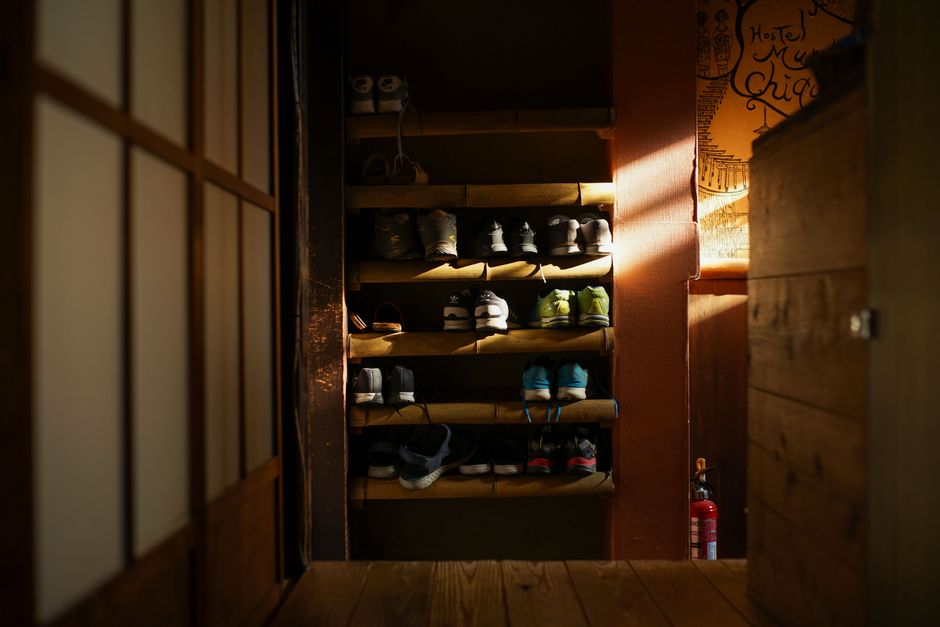
Shoes come off at the entrance in homes, in a surprising number of low-seated barbecue restaurants, in guesthouses, and even in some small clinics tucked into older neighborhoods — no “just this once,” no matter how confident you are your socks are presentable. Visitors usually expect this at a temple or a friend’s apartment, then forget it applies well beyond that, and end up standing awkwardly at a restaurant entrance while everyone else has already lined their shoes up neatly by the cubbies near the door. I’ve written a full piece on the deeper history behind this, including the ondol floor-heating logic that makes the floor itself something you sit and eat on, in Why Koreans Don’t Wear Shoes Indoors — worth a read if this is the one rule you keep forgetting.
The Color That Isn’t Just a Color: Writing a Name in Red
Grab whatever pen is closest to sign a birthday card or scribble a note on a coworker’s farewell gift, and if that pen happens to be red, you can end up handing someone a small, unintended jolt. Red ink feels like a completely neutral choice if you grew up somewhere it wasn’t loaded with meaning — it’s just a pen color. In Korea, writing a living person’s name in red is traditionally tied to death, since the names of the deceased were historically recorded in red on family registries, and the association has proven surprisingly durable even among younger, less superstitious Koreans, and it’s the kind of thing that can make an older relative go quiet for a beat over something as small as a name written on a worksheet in the wrong color. This one overlaps with a wider set of beliefs I’ve covered elsewhere, including fan death and a handful of other superstitions that still stick, in Korean Superstitions Explained. For a quick roundup like this one, the takeaway is narrow and easy to remember: keep the red pen for underlining or corrections, and reach for blue or black whenever an actual name is involved.
Speaking “Down” or “Up”: Korea’s Age-Based Speech Levels
This is the mistake almost nobody warns visitors about, probably because it’s invisible if you don’t speak any Korean at all — but it trips up learners constantly, and it matters more than most of the items on this list. Korean has distinct speech levels built around age and social relationship, broadly split between jondaetmal, the polite and formal register, and banmal, the casual form used with close friends or people clearly younger than you. Drop into banmal with someone you’ve just met who happens to be even a year or two older, and you’re not making a grammar mistake — you’re making a social one, implying a familiarity or equality that hasn’t been earned yet. Picture a 28-year-old foreigner on their first week at a Korean company, chatting with a coworker who looks about the same age, dropping the polite endings because hey, entry-level peers, right? — only to find out weeks later that colleague is 29 and had been quietly bristling at the casual tone the entire time. It sounds exhausting to track, and honestly, it kind of is at first. But the logic isn’t arbitrary: it’s the same age-and-hierarchy framework behind the two-hands rule, just expressed through verb endings instead of gestures. Koreans generally forgive foreigners for fumbling this, since the whole system takes years to internalize even for native speakers navigating a new workplace, but making the effort — asking someone’s age early in a new friendship, which is normal here rather than rude — tends to land better than avoiding the topic entirely.
Why Any of This Actually Matters
Every item on this list traces back to the same handful of ideas — respect for age and hierarchy, the boundary between public and private space, and a set of death-and-mourning associations that Korean culture has held onto with unusual consistency. Once you see that connective tissue, the individual rules stop feeling random and start feeling like dialects of the same underlying language. Korea welcomed well over sixteen million international visitors in 2024 alone, and the overwhelming majority of etiquette slips are met with patience rather than offense, because everyone involved usually understands you’re operating on an unfamiliar rulebook. Still, a genuine effort to learn the rulebook, rather than shrug it off as quaint, tends to be the thing that actually earns you goodwill here — more than flawless execution ever would.
Frequently Asked Questions
I accidentally tipped a taxi driver in Seoul and he seemed annoyed. Did I actually offend him?
Probably not in any lasting way, but you likely did create a small, confusing moment for him. Most taxi drivers will either wave it off with a slightly puzzled smile or, more often, try to hand the extra cash straight back to you. If that happens, take it back with a small nod rather than insisting he keep it — pushing the point tends to stretch the awkwardness out rather than end it. It’s a genuinely common mix-up, not a serious social violation, and nobody’s going to remember it by the next fare.
My Korean coworker is only two years older than me — do I really need to use formal speech with them?
In a workplace setting, yes, generally, at least until they explicitly invite you to speak more casually. Age gaps that would feel negligible in a lot of Western offices still shape how Koreans address each other, and a two-year gap is enough to matter, especially early in a working relationship. The good news is that most Korean colleagues will tell you outright once they’re comfortable dropping the formality — often over drinks at a company dinner — so you’re rarely left guessing indefinitely.
I forgot and stuck my chopsticks upright in my rice at a family dinner. Is that a big deal?
A single slip, corrected quickly once you notice or once someone gently points it out, isn’t going to derail an evening. What matters more is the reaction once it’s flagged — laying the chopsticks down immediately rather than brushing off the correction. Among family or close friends, it tends to get treated as an honest, forgivable mistake rather than a real breach, especially once they know you’re still learning the local rhythm. None of this, in the end, requires memorizing a rulebook before your plane touches down at Incheon — it becomes muscle memory faster than you’d expect, usually somewhere around the third or fourth time you catch yourself doing it right without even thinking about it.
I landed at Incheon on a Tuesday in late March with two suitcases and a job offer letter. I also had 340,000 won in cash, because I’d read somewhere that Korean ATMs “sometimes reject foreign cards.” That single piece of advice turned out to be more useful than everything else I’d researched combined, and it still wasn’t enough. By the end of my first week I had a phone that only worked on wifi, a bank teller who’d politely turned me away twice, and a landlord asking for a deposit of 10,000,000 won, roughly eleven times my monthly rent. Nobody had explained why any of this worked the way it did. This is the version of that explanation I wish someone had handed me before I got on the plane, not a list of quirky surprises, but the actual mechanics of the first ninety days, the stuff that determines whether your first few months feel manageable or like you’re improvising every single day.
The ARC Card Runs Your Entire Life, So Get It Moving on Day One
A bank account and a phone plan sound like two separate, boring errands you knock out in an afternoon. In Korea, they’re really one errand wearing two disguises, and both run through a single plastic card: the Alien Registration Card, or ARC. Without it, you exist in a kind of bureaucratic limbo where you can buy a prepaid SIM and maybe open a very limited banking app, but you can’t get a normal postpaid phone plan, you can’t open a full bank account, and you can’t sign a lease in your own name. I didn’t grasp how central this card was until I tried to do all three in the same week and got quietly turned away at every counter.
Here’s the part that actually matters logistically: applying for the ARC at your local immigration office can take anywhere from two to four weeks to process. You cannot really function as an independent adult in Korea until it’s in your hands. I applied at the Yangcheon immigration office nine days after arriving, because I’d wasted the first week not realizing you need an appointment booked through the Hi Korea website rather than a walk-in. If I could redo one thing, I would have booked that appointment from my old country the moment my visa was approved, weeks before my flight. That scheduling mistake alone cost me sixteen straight days of paying for everything in physical cash, watching my original 340,000 won dwindle to almost nothing by the second week, because my home card kept getting flagged as suspicious for “unusual overseas activity” every time I tried to use it at a Korean terminal.
Once the ARC finally arrived, the rest untangled fast. I walked into a KEB Hana branch near Hongdae, and the whole account was open in under forty minutes: passport, ARC, and a Korean phone number, which, yes, is its own chicken-and-egg problem if you don’t have one yet, though most carriers will let you register with a temporary number and swap it later. With the bank account done, I picked a postpaid plan from a small MVNO instead of one of the big three carriers. A Korean coworker had shown me a plan running about 33,000 won a month with unlimited data, versus the 70,000-plus won the flagship stores near my office were quoting for the same data allowance. Nobody mentions upfront that the “budget” carriers are functionally identical to SKT or KT, same towers, same coverage, just a layer of resale on top, and almost no foreigner walking into a flagship store gets told this unprompted.
Nobody Explained the Deposit System the Way It Actually Works
This is the one that genuinely rattled me, and I say that as someone who thought he’d read enough blog posts to be prepared. Korea’s rental market runs on a deposit logic that doesn’t really exist anywhere else I’ve lived. If you don’t know the vocabulary going in, every conversation with a real estate agent sounds like it’s happening in a different language even when it’s technically in English. There are three terms you need before you walk into any office: jeonse, wolse, and key money.
Jeonse is the one that sounds like an outright scam the first time somebody describes it to you. You hand the landlord a lump sum, often somewhere between 50 and 80 percent of the apartment’s total market value, and in exchange you pay zero monthly rent for the length of the lease, usually two years, with the full deposit returned to you at the end. I want to be clear that I’m not a legal or financial advisor and none of this is investment guidance, just a description of how the process felt from the inside: handing a stranger that much money is genuinely unsettling. The system is backed by real legal structures, and deposit insurance products exist for exactly this reason, but it’s still not the arrangement I’d recommend for someone brand new to the country who doesn’t yet know how to verify a landlord’s paperwork or read a registered lease properly.
Wolse is the version most newcomers actually end up using, and it looks closer to rent as you already understand it: a smaller deposit, often ten to twenty times your monthly rent, plus a monthly payment on top. My first place in Sinchon ran an 8,000,000 won deposit against 650,000 won a month, and even that smaller number felt uncomfortably large to wire before I’d so much as seen the building in daylight. “Key money” gets used loosely to describe any of these upfront deposits, though technically it can also mean a separate premium paid to a previous tenant for fixtures or remaining lease value, a whole separate conversation your agent should walk you through line by line before you sign anything. Bring a Korean-speaking friend, or an agent who works for you and not just the landlord, to your first lease signing. And don’t assume a smaller deposit is automatically the safer choice just because the number feels less scary; read what you’re actually agreeing to either way.
Getting Sick Before You Can Order a Coffee Confidently
You assume getting sick abroad will be roughly the same ordeal it is at home: you go, you wait, you get medicine. Getting a stomach bug three weeks into living in Yeonnam-dong, with maybe forty words of Korean to my name, taught me it isn’t, at least not the first time through. The good news, and I mean this sincerely, is that the system itself is efficient in a way that will spoil you for good. I walked into a small internal medicine clinic without an appointment, waited about twenty-five minutes, saw a doctor, and paid around 12,000 won, call it nine dollars, out of pocket once my National Health Insurance had kicked in. Back home, that same visit with a copay would have run me somewhere north of ninety dollars, and I’d have waited two days for an appointment slot to open up.
The part that catches people off guard isn’t the medical care, it’s the two-step process. In Korea, the clinic diagnoses you and writes a prescription, but you fill it at a separate pharmacy, usually just outside or near the clinic, not inside it. I didn’t know this the first time and stood around the clinic lobby for a good five minutes wondering where my medicine was before a nurse gestured at the door and said, essentially, “next door.” Pharmacists in busy neighborhoods are used to foreigners and are often patient about pointing at symptoms on a translation app, but don’t count on fluent English outside of international clinics in areas like Itaewon or Yongsan. Download an offline translation package before you need it, and if you take any regular medication from home, learn its generic name, not the brand name, before you arrive; brand names differ completely by country, and pharmacists work from the generic name printed on the label.
Your Address Isn’t What You Think an Address Is
This sounds like a small thing until it isn’t. Korea switched its official addressing system a few years back from an old lot-number method to a road-name system that looks closer to what you’d see in the US or Europe, but plenty of older maps, taxi drivers, and even some delivery drivers still think in the old system out of habit. My apartment’s official road-name address and the “old” address that my landlord and half my neighbors still used were genuinely different strings of text. The first time I tried to get furniture delivered, the driver called me three times because his GPS and my landlord’s directions didn’t match up.
What actually solved this for me was giving up on the idea that a Western-style address alone would get anything to my door reliably in the first month. Korean delivery culture is remarkably fast and precise once the system has your building correctly mapped; same-day and next-day delivery for almost everything is normal here, to the point that waiting three days for a package now feels like a small hardship rather than the baseline I grew up with. But that precision depends entirely on apps and drivers having accurate, current building and unit data. I started sharing my location pin through KakaoTalk or Coupang’s delivery app rather than typing an address by hand, and adding a note about my building’s distinctive color or the convenience store on the corner as a landmark. It felt unnecessary the first few times I did it. It saved me at least four missed or delayed deliveries over the following two months.
Learning Where You Stand Before You’ve Even Unpacked
All of that gets you fed, housed, and reachable by a delivery driver. It doesn’t prepare you for the unspoken rulebook waiting at your new job, which turned out to be the steepest curve of all. Nobody sat me down on day one and explained the hierarchy out loud, and that’s exactly the problem: you’re expected to absorb it through observation, fast, often before you’ve learned everyone’s name. Titles, not first names, are how colleagues address each other. Who pours the drinks at dinner, who speaks first in a meeting, who receives the two-handed bow versus the casual nod, all of it maps onto a structure that took me embarrassingly long to piece together on my own. I’ve gone into the specifics of how that hierarchy actually functions day to day in Korean Workplace Hierarchy Explained, but the short version for someone about to start their first Korean job: watch who refills whose water glass before anyone tells you to, and you’ll learn more about the org chart in one lunch than a week of orientation slides.
What surprised me wasn’t that hierarchy existed; every workplace has some version of it. It was how much of daily social friction outside of work also runs on that same logic of seniority and age, which in Korea are tracked closely enough that near-strangers will ask your age within the first few real conversations. It isn’t rudeness. It genuinely determines how they should speak to you. I used to bristle at the question, half-convinced it was an insult disguised as small talk. Once I understood it was functional rather than nosy, dinners got a lot less tense.
The Quiet Stretch Before Anything Feels Normal
This is the part almost nobody puts in the practical guides, probably because it’s harder to turn into a bullet point. There’s a window, somewhere between month two and month four for most people I’ve talked to, where the paperwork is finally handled, the apartment has furniture in it, and you’re left with the actual daily texture of a life that hasn’t found its routine yet. I remember one specific Sunday in my second month, sitting on a floor cushion with a bag of groceries I hadn’t unpacked yet, realizing that back home this exact weekend would have been full of small, automatic plans, a coffee with someone, a call from a sibling, and here it was just the hum of the refrigerator. That stretch is lonelier than any of the hard logistics, and it caught me more off guard than any bank counter ever did.
What actually pulled me out of it wasn’t some grand plan, just repetition: the same gym at the same time, the same neighborhood coffee shop where the owner started remembering my order around week six, a language exchange meetup I almost skipped because I was tired and didn’t feel like performing small talk in two languages at once. Routine in a new country isn’t romantic; it’s mostly just showing up to the same three or four places often enough that they stop feeling foreign. If you’re in that window right now, I won’t pretend there’s a shortcut. It does end, though, usually faster than it feels like it will while you’re in the middle of it.
What I’d Actually Tell Myself on That Flight
If I could hand my past self one page before boarding that flight, it wouldn’t be a packing list. It would be this: book your immigration appointment before you leave, not after you land. Bring more cash than feels necessary for the first two weeks, and expect to burn through it faster than planned. Learn the words jeonse, wolse, and key money before you meet a single real estate agent, and bring someone who can read a lease with you the first time. Save the name and number of a pharmacy near your apartment on day one, before you need it at 11pm with a fever. And expect the second and third months to feel harder than the first, not because anything is going wrong, but because that’s simply when the adjustment actually starts, once the novelty has worn off and the ordinary Tuesdays begin. None of this replaces figuring plenty of it out yourself, and honestly some of it you have to. But knowing the shape of the problem in advance would have saved me weeks of unnecessary stress on top of the ordinary kind that comes with moving anywhere new.
I wrote before about the smaller day-to-day things that genuinely surprised me after landing; you can read that one in Things That Surprised Me Moving to Korea. But this is the piece I wish had existed before I ever bought a plane ticket, the one about the logistics that quietly determine whether your first season here feels like a slog or just an adjustment.
Frequently Asked Questions
Can I open a bank account in Korea before I get my ARC?
Mostly no, not for a full account. Some banks now offer limited digital accounts to short-term visa holders through their mobile apps, and since the mobile ARC rollout in 2025 a few branches accept digital verification, but the standard path for anyone on a work or residency visa is still to wait for the physical or mobile ARC and then open a full account in person. If you need to move money in the meantime, keep using a foreign card and expect occasional declines at Korean terminals until your local account is active.
Is jeonse ever a good idea for a first-time foreign resident?
I wouldn’t recommend it for someone in their first year, and I say that purely from the logistics of how confusing the paperwork and deposit-return process can feel when you don’t yet know how to verify a landlord’s registered title or navigate a dispute in Korean. Wolse or ban-jeonse arrangements involve far smaller upfront sums and are generally easier to exit if something feels off, which matters a lot more than the theoretical savings of jeonse when you’re still learning how everything works.
What do I actually do if I get sick and can’t explain my symptoms in Korean?
Go to a smaller neighborhood clinic rather than a large hospital for anything non-urgent; the wait is shorter and staff are usually patient with translation apps. Download an offline Korean translation package before you need it, not during the emergency, and if you’re on any regular medication, write down its generic name before you leave home, since pharmacists work from that rather than the brand name you know. For anything serious, larger hospitals in areas like Gangnam or Yongsan have international clinics with English-speaking staff, though the wait and cost are usually higher than a neighborhood clinic.
A guy in a hardware-store apron once watched me hesitate outside an unmarked steel shutter in Euljiro, phone flashlight aimed at a door with no sign, and just said, “Push it, it opens.” It did. Behind it was a bar with twelve seats and a bartender slicing a single perfect ice cube, wedged between two wholesale bolt shops that had gone dark for the night. That’s the version of Seoul I keep circling back to after four years here — not the glossy itinerary everyone screenshots before their flight, but the one that only shows itself once you stop looking for a sign telling you where to go. I’m Yijidaddy, and this isn’t a ranked list. It’s a short set of places I’d actually send a friend who already did Gyeongbokgung and Myeongdong last time and wants Seoul without the queue.
Before I get into it, one honest caveat: none of these are secret in the sense of being unlisted anywhere. Naver Maps knows every one of them. What they share is that they were built for logistics, not leisure — a hardware district, a shoe factory, a stream people walk their dogs along — and that changes how a place feels underfoot. So treat them the way you’d treat a stranger’s neighborhood, because that’s exactly what they are.
Euljiro: Drinking in the Machine Shop
You’d expect a district full of wholesale lighting shops, tile suppliers, and metal fabricators to empty out completely by 8pm, and by day it basically does. Take Line 2 or Line 5 to Euljiro 3-ga Station, come up around exit 4 or 5 in daylight, and you’ll find nothing but roll-down shutters, stacked pipe fittings, and the smell of solder clinging to the sidewalk. Walk that same stretch again at night and the shutters are still down, still unlit, still giving nothing away — which is exactly what got me curious the first time a coworker dragged me here. Somewhere around 2015, young bartenders and designers started renting the cheap upper floors and back rooms nobody else wanted, and the neighborhood picked up a nickname that stuck: hipjireum, a mashup of “hip” and Euljiro. It sounds like a marketing gimmick, and I half expected it to be one, but it isn’t run that way at all.
What makes it work is the mismatch. A door with zero signage, sandwiched between an electrical supply shop and a shuttered noodle press, can lead to a fifteen-thousand-won plum-infused soju cocktail you nurse slowly while the bartender explains the base spirit came from a distillery in Gyeonggi-do. There’s no glowing sign to guide you, no line out front, nothing on the street suggesting anything is happening at all, which is precisely why it hasn’t been swallowed by tour groups the way Ikseon-dong has. Go after 8pm on a weeknight rather than a Friday if you want an actual seat and a conversation with the bartender instead of shouting over a crowd. Most of these places don’t take reservations and most fit fifteen to twenty-five people, so a party of six should plan to split up or wait it out.
Seongsu, One Block Off the Feed
Everyone already knows Seongsu now — the flagship stores, the industrial-chic cafes converted from old shoe factories, the line outside whatever bakery is trending that month. Fair enough, it earned that reputation. But here’s the part most visitors skip entirely: walk one block off Seongsu-ro, the main strip, toward Yeonmujang-gil, and you land back in the neighborhood’s other life. This stretch near Seongsu Station, Line 2, exit 3, heading away from Seoul Forest instead of toward it, is still a working accessory and shoe wholesale district. Metal signs list phone numbers instead of Instagram handles, and the air carries that particular mix of machine oil and fresh-roasted coffee beans that tells you two very different economies are sharing the same block.
I nearly turned back the first time, assuming I’d wandered off the “real” Seongsu by mistake, since nothing about the shopfronts looked designed for anyone but wholesalers. Then I noticed a coffee counter wedged into what used to be a shoe last workshop, still fitted with the original ceiling hooks, seating maybe six people on stools clearly borrowed from somewhere else. That’s the pattern here: small cafes and design studios slotted into working shopfronts rather than replacing them outright, so a wholesaler moving boxes of zippers ends up next door to someone pulling espresso on a machine that cost more than the shop’s monthly rent. It’s quietest on weekday mornings, roughly 10 to 11am, before the delivery trucks finish and before the weekend cafe crowd arrives at all. Locals who live nearby tend to treat this stretch as a shortcut and a coffee stop, not a destination, which is probably the whole reason it hasn’t been overrun the way the main strip has.
Bomun-dong: A Neighborhood With No Headline Act
If you’ve heard of Seongbuk-dong’s hanok streets, you might assume Bomun-dong, tucked just south near Korea University, is more of the same. It isn’t, and that’s sort of the appeal. There’s no single landmark pulling people here, which probably explains why it barely shows up on English-language blogs at all. Take Line 6 to Korea University Station or Bomun Station and follow the Seongbukcheon stream path, and you land in a low-rise residential pocket where a bakery still selling old-school boribang, barley bread, sits a few doors down from a used bookstore with a window display of dog-eared paperbacks nobody’s bothered to rearrange in months.
You might expect a neighborhood this close to a major university to feel loud, and near the campus gates during the day, it can. But drift a few streets south toward the stream itself, especially in the late afternoon around 4 or 5pm, and the noise falls away fast. Students study at window-seat cafes that still post handwritten specials on paper taped to the glass instead of a laminated menu built for photos. I’ve walked this stretch on a weekday and counted more strollers and dog leashes than tourists with cameras, which felt oddly fragile, like a mood that wouldn’t survive being written about too loudly. Go for a slow walk rather than a checklist of stops; there isn’t one landmark so much as an atmosphere, and that’s easy to miss if you’re rushing between two better-known districts on either side of it.
Achasan: The Sunset View Without the Line
Ask a tourist where to catch a sunset over Seoul and you’ll hear Namsan or Bukhansan almost every time, and both are genuinely worth the climb once. But Bukhansan on a clear Saturday can feel more like a queue than a hike, especially near the main peaks, which is exactly why I started taking the subway out to Achasan instead. At only 287 meters, it’s more of a serious hill than a mountain, and that low bar is probably what gets it skipped by anyone chasing a “real hike” — but the same low bar is what makes it approachable, and why the crowd here skews toward local retirees and neighborhood regulars rather than hiking tour groups in matching gear.
Get off at Achasan Station on Line 5, exit 2, and follow the signed trail up through pine forest toward the Achasan Fortress ruins, earthen walls dating back roughly seventeen hundred years to the Goguryeo kingdom, which most visitors walk straight past since there’s no placard shouting about their age. The summit clears enough to give you the Han River bending below, Jamsil’s Lotte World Tower catching the last light on the opposite bank, and on a good evening, the whole skyline sliding into orange without another camera crowding your shot. Time it for about an hour before official sunset, which shifts through the year, so check that specific day rather than assuming; the round trip from the station takes maybe ninety minutes at an easy pace, sneakers are genuinely fine, and there’s no entrance fee or gate to slow you down.
Past Mangwon Market, Where the River Goes Quiet
Mangwon Market gets its due credit already — I’ve written before about the hotteok stall my daughter still asks about — so let me point you just past it instead. Take Line 6 to Mangwon Station, exit 1, and skip the turn into the market for now. Keep walking north, past the last of the produce stalls, until the buildings fall away and the road opens straight onto Mangwon Hangang Park. You’d assume any stretch of the Han River would be packed given how popular Yeouido and Banpo’s fountain bridge have become, and closer to those spots on weekends, that’s true. This bank sits far enough from the flashier river parks that it somehow stays calm even on a Saturday evening.
What you get instead of a food truck row is a long, unhurried bike path, a modest patch of reed grass along the water’s edge, and mostly Mapo-district families out for an evening walk rather than anyone performing a picnic for the camera. I’ve sat there around 6 or 7pm in early autumn and counted more grandparents walking dogs than couples staging photos, which is a strange detail to find comforting, but somehow I did. If you want the classic sit-by-the-Han experience without a fifteen-minute wait for grass space, grab something from the market first, since it’s genuinely worth the stop, then walk the extra five minutes north before you settle in.
A Few Honest Notes Before You Go
None of this works if you show up expecting a curated experience, because curation isn’t what any of these places are offering. Euljiro’s bars can be dead on a Tuesday and slammed on a Friday with zero warning between the two. Bomun-dong has exactly one mood and no headline attraction, so if you need a landmark for your camera, it will disappoint you. That’s the trade you’re making: fewer guaranteed photo opportunities, more chance of standing somewhere that still belongs to the people who live there. I’d take that trade most days, but it’s worth knowing what you’re signing up for before you build an entire afternoon around it. And popularity moves fast here — Seongsu was a shoe-manufacturing district a decade ago and now anchors half the “trendy Seoul” listicles online, this one included. Nothing here is guaranteed to stay quiet, so go like you’re visiting someone’s block, not shooting content on it. If the pull toward Seoul after dark stays with you, I went looking for that same feeling once in Wandering a Korean Night Market After Dark: What I Found in Namdaemun, and if Mangwon’s food stalls are calling louder than the riverbank, What My Daughter Learned From the Hotteok Ajumma at Mangwon Market covers that ground properly.
Frequently Asked Questions
Is Euljiro’s bar scene safe to explore alone at night, even without much Korean? Yes, generally. The main roads stay well-lit even when the side alleys look shuttered, and the bars themselves are used to non-Korean-speaking customers by now. Bring a translation app for the menu, expect most staff to manage basic English for ordering, and stick to alleys within a few minutes of the main road on your first visit rather than pushing deep into the district before you’ve got your bearings.
I only have one evening free — should I pick Achasan’s sunset hike or the Mangwon riverside walk? If the weather’s clear, take Achasan; the view is the kind you don’t get back easily, and ninety minutes round trip is manageable even after a full day. Save the Mangwon riverside walk for an evening when you’re tired or it’s overcast, since it needs almost no effort and still delivers a real slice of local life along the water.
Do these neighborhoods work well with kids in tow? Bomun-dong and the Mangwon riverside are the easiest with children — flat ground, stroller-friendly paths, nothing rushed. Achasan is fine for older kids who can handle ninety minutes of walking, but I wouldn’t bring a stroller up that trail. Euljiro’s bar alleys are really an adults-only evening plan, both because of the venues themselves and because the streets turn genuinely quiet and industrial after dark.
The first time I really understood Korea’s shoes-off rule, I wasn’t the one being corrected — I was watching someone else get corrected, and feeling my own stomach drop in secondhand embarrassment. A guy about my age, clearly just off the plane, walked into a friend’s studio apartment in his sneakers, made it about four steps onto the floor, and stopped when he noticed everyone else was standing at the door in socks. Nobody yelled. Nobody even really said anything. But the silence did more work than words would have, and he was back at the entryway peeling off his shoes within about three seconds. I remember thinking: okay, this is clearly not a suggestion.
If you’re new to Korea, or just Korea-curious from abroad, you’ve probably heard the shorthand version already — “Koreans take their shoes off inside.” True, but it undersells what’s actually going on. This isn’t just about protecting hardwood floors. It’s a rule with real infrastructure behind it, real history, and real consequences if you get it wrong. Once you understand why, the whole logic of a Korean home — where the furniture is, where you sit, even how apartments are laid out — starts to make a lot more sense.
It Starts With the Floor Itself
Most explanations skip a detail that actually matters: in a lot of the world, floors are just floors, something you cross to get from the door to the couch. In Korea, historically, the floor was the furniture. That distinction matters more than it sounds like it should, and it’s the reason this whole custom exists in the first place.
The reason goes back to ondol (온돌), Korea’s traditional underfloor heating system — the name literally translates to “warm stone.” Long before radiators or electric heaters, Korean homes were built with a network of flues underneath the floor. A wood fire at one end of the house sent hot smoke and air winding through channels under a layer of heated stones, warming the entire floor slab from below. If you’ve ever seen radiant floor heating marketed as a luxury upgrade in a Western remodel — the kind installed under bathroom tile so your feet don’t hit cold ceramic in winter — that’s roughly the same physics ondol runs on, except it wasn’t a premium feature reserved for a few rooms. It was the default heating method for essentially every home in the country, rich or poor, for centuries. It’s also old — the basic concept dates back at least to the early centuries CE, with some scholars tracing rudimentary versions even further. In 2018, Korea’s Cultural Heritage Administration went so far as to designate ondol culture as a piece of National Intangible Heritage — not just the technique of building the heating system, but the whole way of living it produced.
And that’s really the key phrase: the way of living it produced. Because the floor was warm, people sat directly on it instead of on chairs. Because they were already sitting on it, they ate their meals there too, gathered around low tables barely a foot off the ground. And because they ate and lived on it all day, sleeping on it — on a folded mat called a yo rather than a raised bed — wasn’t a stretch at all. The floor wasn’t a walkway. It was where life happened. Suddenly, tracking outdoor dirt onto the exact surface you’d be sitting, eating, and sleeping on stops being a minor faux pas and starts looking like an obviously bad idea.
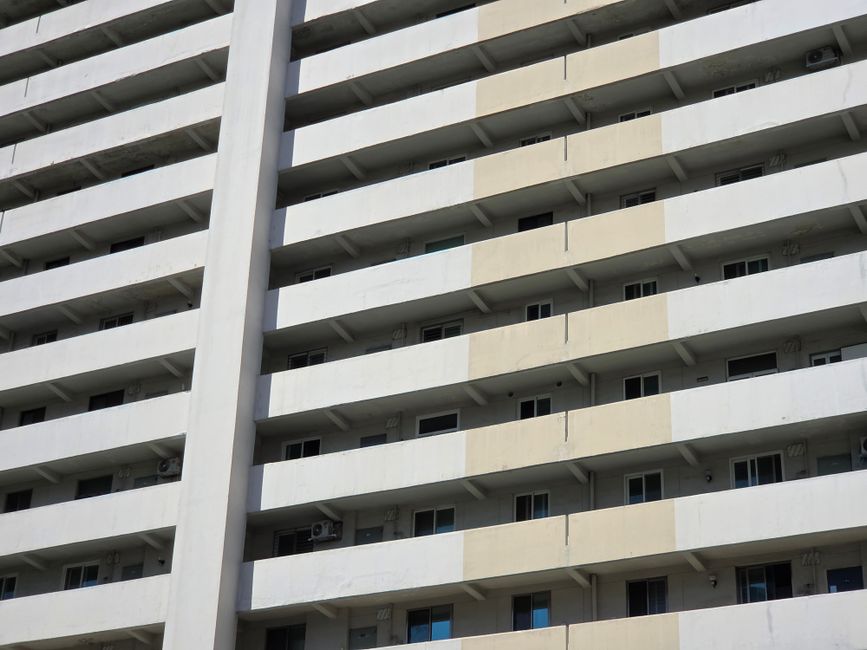
Getting from that wood-fired original to today’s apartments took a fairly bumpy road — wood-fire ondol proved impractical and even dangerous once Korea started stacking families into concrete high-rises during the rapid urbanization of the 1960s and 70s, so builders reengineered the same idea using hot water circulated through pipes embedded in the concrete slab instead of smoke through stone flues. The heating source changed twice over; the habit it created never did. Even in a high-rise apartment with a sectional sofa and a dining table, you’ll usually find the ondol thermostat mounted right next to the light switch, and on a cold February night, plenty of Koreans still end up sitting on that warm floor rather than the couch a few feet away, because forty years of central heating never quite talked people out of a few thousand years of floor living.
The Hyeongwan: A Small Space Doing a Lot of Work
Walk into pretty much any Korean home — whether it’s a decades-old house or a brand-new officetel — and you’ll notice the entryway, called the hyeongwan (현관), sits noticeably lower than the rest of the floor, usually by something like 10 to 20 centimeters. That step isn’t decorative and it isn’t an accident of construction. It’s a physical, built-in boundary line between “outside” and “inside,” and it exists specifically so shoes have somewhere to stay.
I’ll admit I underestimated the hyeongwan for a while. It looks like just a landing pad for shoes, maybe with a tall built-in cabinet along the wall — called a sinbaljang (신발장), literally “shoe cabinet,” and nearly every Korean home has one, often floor-to-ceiling and sized for a family’s entire footwear rotation. But functionally, the hyeongwan is doing something closer to what an airlock does on a spaceship: it’s the transition chamber where you shed the outside world before you’re allowed into the clean one. You step down into it in shoes, step up out of it without them, and the two spaces — objectively just a few inches apart — are treated as categorically different territories.
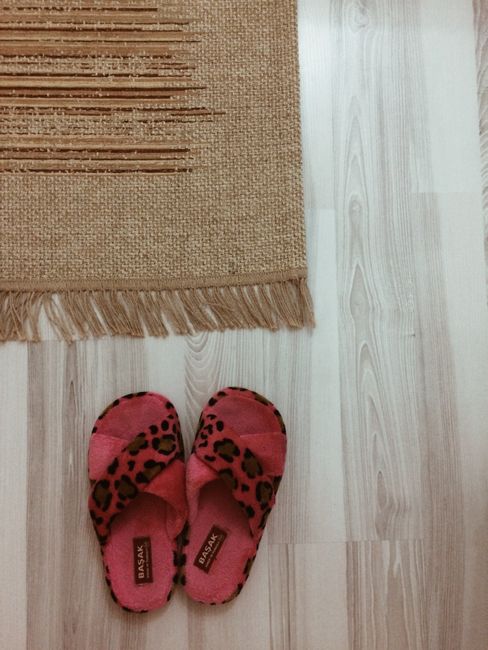
This is also, practically speaking, where you’ll find slippers waiting if you’re a guest. Sil-nae-hwa (실내화), or “indoor shoes,” are the soft house slippers many Korean families keep by the door for visitors. Not every household bothers — plenty of people are perfectly happy having guests pad around in socks or bare feet — but if slippers are sitting there lined up and pointed toward you, that’s your host’s way of saying “please, use these,” and it’s polite to actually use them rather than politely declining.
So What Happens If You Forget?
Nobody’s going to shout at you. But you will absolutely know you messed up, usually within about two seconds of doing it.
In my experience, the correction is almost always nonverbal, and honestly that’s what makes it sting a little more than a direct comment would. You’ll get a glance down at your feet, maybe a small wince, maybe someone quietly sliding a pair of slippers toward you without a word. At a friend’s grandmother’s house, I’ve seen it get slightly more animated — a sharp, urgent gesture at the floor, sometimes with a “no, no, no” thrown in, delivered with the kind of energy usually reserved for someone about to step on broken glass. It’s not hostility. If anything, it comes from the same place as flinching when someone’s about to spill a drink on your carpet — an instinctive, slightly panicked reaction to a mistake, not a moral judgment against you as a person.
Where this trips people up most isn’t actually private homes — most travelers get briefed on that one before they even land. It’s the gray-zone spaces: certain traditional restaurants with raised floor seating, some guesthouses and hanok stays, temple accommodations, even the occasional clinic waiting room or fitting room. Jjimjilbang — the Korean bathhouse-and-sauna complexes that are practically a national pastime — take it even further, with a locker system right at the entrance built specifically to swap your street shoes for a pair of sandals before you ever reach the changing room; skipping that step isn’t really an option, since the front desk staff will simply redirect you back to the lockers. The tell in most other spaces is almost always that step at the entrance and a shoe rack sitting right there, sometimes with little plastic bags for you to carry your shoes if the layout requires walking back through in socks later. If you see a raised floor and a pile of shoes at the base of it, that’s your cue, even if nobody’s posted a sign explaining it.
And to be fair, this isn’t some ancient custom frozen in amber — Korea’s own norms shift depending on context. A shoes-optional Western-style café with hardwood floors and barstool seating won’t blink if you keep your sneakers on. It’s specifically floor-seating and floor-adjacent spaces — homes, traditional restaurants, temples, some yoga studios and hair salons — where the rule kicks back in hard. Reading the floor level, more than reading any sign, is usually the most reliable guide.
More Than Hygiene — Though That’s Real Too
It would be easy to file all of this under “hygiene,” and sure, that’s part of it — shoes track in street dust, mud, and whatever else you stepped in on the subway platform, and nobody wants that ground into the same floor a toddler is about to crawl across. But I think the hygiene explanation, while accurate, actually undersells how deep this goes.
There’s a boundary-drawing function here that goes beyond germs. The outside world in Korean daily life — the crowded subway, the office, the street — is public territory, full of obligations and other people’s expectations. The home, by contrast, is private, relaxed, unshod ground, almost literally. Taking your shoes off is a small physical ritual that marks the switch from one mode to the other, the same way changing out of work clothes does for a lot of people elsewhere. You’re not just protecting the floor. You’re stepping across a line between two very differently governed spaces, and your body knows it before your brain catches up.
That’s also, I’d argue, why the custom survived the shift to Western-style apartment living so intact. You’d expect sofas and dining tables to have eroded the shoes-off rule along with the floor-sitting lifestyle that originally produced it. Instead, it just kept going, detached from its original hygiene-and-warmth logic and reattached to something more social: this is a threshold, and crossing it means something — which is exactly why the practical advice below matters more than a simple etiquette tip would.
What I’d Tell Anyone Visiting
So here’s the practical version of everything above: default to taking your shoes off the second you see a raised floor level or a shoe rack, and don’t wait for someone to tell you. Wear socks without holes in them, ideally — learn from other people’s mistakes here, not your own. If slippers are laid out for you, use them. And if you do slip up, don’t overcorrect into a five-minute apology; a quick, slightly sheepish “sorry” and immediately fixing it lands much better than turning it into a whole production.
But the checklist is really just the surface version. What the shoes-off rule is actually telling you is how space itself works here. The floor isn’t an afterthought in a Korean home — it’s arguably the most important surface in the house, warmer and more central than the sofa most Western homes build a living room around. Once that clicks, a lot of other things about Korean domestic life — the low tables, the floor cushions, why apartment listings advertise their ondol system like it’s a selling point — stop looking random and start looking like one coherent system, built around a single warm floor and the very reasonable decision to keep the street off of it.
FAQ
Do all Koreans still use traditional wood-fired ondol?
No — modern apartments use hot water circulated through pipes under the floor, controlled by a thermostat, rather than an actual wood fire. But it’s still called ondol, and it still keeps the shoes-off logic alive because the floor stays the main living surface either way.
Is it rude to ask if I should take my shoes off?
Not at all — if you’re ever unsure, just ask. Most Koreans will actually appreciate that you’re being thoughtful about it rather than assuming, and it takes the guesswork out of borderline spaces like some cafés or clinics.
What if I have a foot condition or just really don’t want to take my shoes off?
Say so honestly rather than trying to sneak by — most hosts will offer a workaround, like clean disposable shoe covers, rather than force the issue. It’s a much better look than getting caught trying to skip the rule.
I did the math the other day, mostly to shame myself into buying groceries like an adult, and figured out I’ve spent more money at the CU under my apartment than I have at any restaurant in this city. That’s not an exaggeration born of nostalgia — it’s just what happens when your building has one on the ground floor and your willpower has a bedtime. Korean convenience stores are not the sad fluorescent afterthought they are in a lot of countries. They’re closer to a small, extremely efficient grocery store that also happens to double as a 24-hour snack bar, a lunch counter, and, some nights, dinner. Cards work everywhere, most locations now have self-checkout kiosks if you’d rather avoid small talk at 1am, and almost everything is priced in round enough numbers that you won’t need to do math at the register. So when people ask me what to actually buy in there instead of just wandering the aisles looking overwhelmed, I have opinions. Strong ones. Here’s my ranked list of the convenience store snacks actually worth your won, from the reliable everyday stuff to the ones I’d genuinely recommend building a trip around.
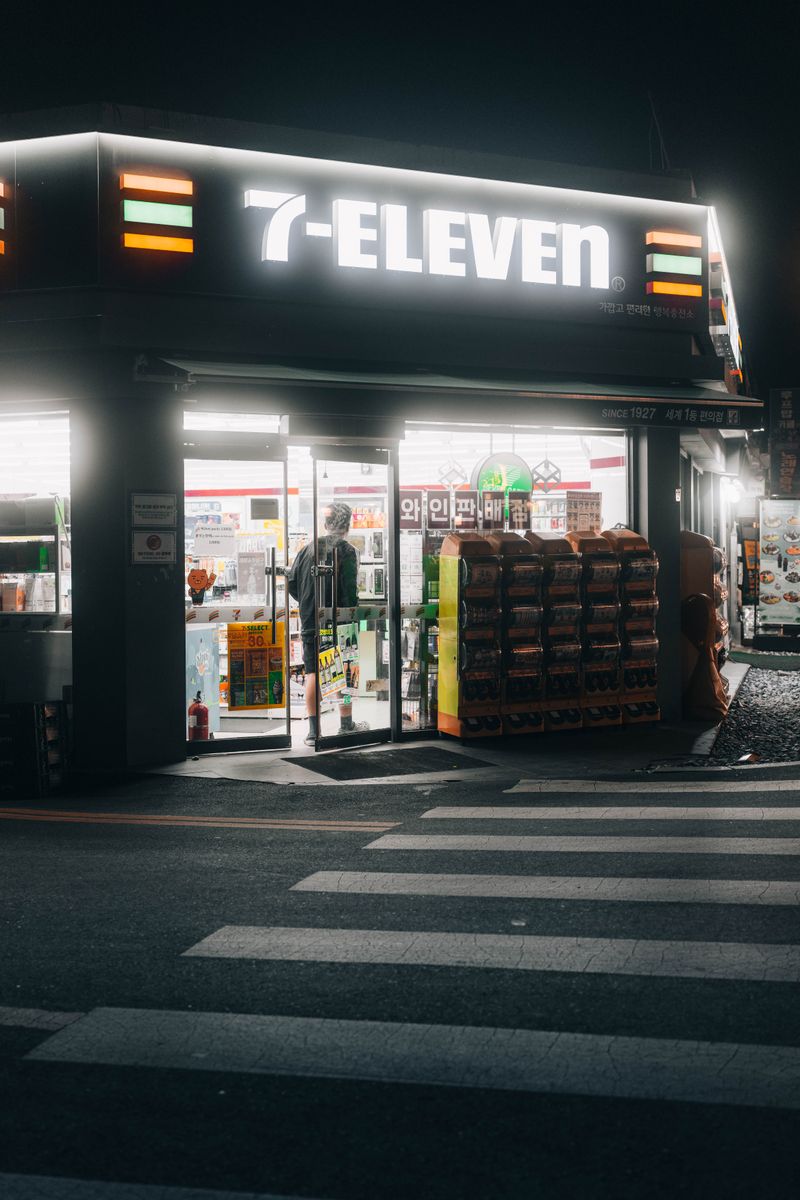
A quick caveat before we start: “best” here means a mix of taste, value, and how well something represents what makes Korean conbini culture different from a 7-Eleven back home. A few of these are objectively more delicious than others, but I’ve ranked for the full experience, not just calorie-for-calorie flavor. And since the three big chains come up constantly in this list, here’s the short version before we get into it: GS25 tends to win on exclusive collabs and seasonal limited editions, CU has the deepest snack and instant noodle selection along with a genuinely legendary hot bar corner, and 7-Eleven Korea is your best bet for late-night hot food since its dosirak and fried items rotate more after dark. None of them is “better” across the board — once you actually live here, you stop caring which logo is on the door and just go to whichever one is closer.
1. Samgak Gimbap (Triangle Kimbap) — the daily workhorse
Start here. Samgak gimbap, the triangular rice snacks wrapped in seaweed, somehow taste better than their 1,200 to 1,700 won price tag suggests they should. The trick with these is in the plastic — you pull the little tab on the back, and if you do it right, the seaweed and rice separate perfectly so the seaweed stays crisp instead of going soggy from sitting against the rice. I still mess this up about one time in five, and I’ve lived here for years, so don’t feel bad if your first attempt looks like a crime scene.
Flavor-wise, tuna mayo (참치마요) is the entry-level classic and for good reason — it’s rich without being heavy, and it’s the one even picky eaters tend to like. Jeyuk (spicy pork) is the one I actually crave, with enough gochujang kick to wake you up at 7am on a commute. Bulgogi is the safest, sweetest option if you’re not into spice. CU and GS25 both rotate seasonal flavors too, so don’t be surprised if a “cream cheese bulgogi” or a kimchi fried rice version shows up for a few months and then vanishes forever, Korean convenience store style.
2. Jjolbyeong Cheese Snack — the one nobody warns you about
This one flies under most tourists’ radar, but jjolbyeong (쫄병스낵) — a bag of crunchy little cheese-ball puffs, usually sold near the chip aisle for around 1,500 won — deserves way more attention than it gets. Imagine a cheese puff that got sent to military boot camp: dense, savory, slightly chewy in the middle instead of dissolving into powder the second it hits your tongue. The flavor leans closer to a sharp cheddar-and-corn combination than the fake-orange dust you get on Western cheese puffs, with a light sweetness underneath that keeps it from feeling one-note. It’s got a genuine cult following among Korean office workers as a hangover snack — something about the salt and the crunch resetting your brain — which makes total sense the first time you devour a bag at 2am after one soju too many. It’s not flashy, and it won’t show up on anyone’s Instagrammable-snacks countdown. But if I had to pick one item from this whole list to bring back with me, it’s a serious contender.
3. Binggrae Banana Milk — the icon, and yes, it’s worth the hype
You’ve probably already seen the yellow barrel-shaped bottle even if you’ve never set foot in Korea — Binggrae Banana Milk has been around since 1974, and it’s reportedly a top souvenir pick among foreign visitors according to CU’s own purchase data. It tastes nothing like an actual banana and everything like what a banana would taste like if a very confident child described one from memory. That’s not a knock. It’s oddly, stubbornly delicious, and at around 1,600 won a bottle it’s one of the cheapest “I tried a famous Korean thing” experiences available to you. Skeptics always ask me if it’s overrated. It isn’t — it’s just extremely specific, and either that specific flavor works for you or it doesn’t. Mine works.
Which is exactly why it earns a permanent spot in my fridge door for the next entry on this list. Where banana milk is sweet, cold, and forgiving, the next item is none of those things.
4. Samyang Buldak Bokkeum Myeon Cup — bring backup dairy
The fire noodle cup version deserves its own entry separate from the bagged noodles, mostly because the cup format changes the whole ritual. You add hot water, wait the requisite few minutes, drain most of it off, and mix in the sauce packet standing right there at the in-store hot water station like everyone else pretending they’re fine. I’ve watched more than one foreign tourist confidently order this as their first Korean meal of the trip and immediately regret every choice that led them to that exact moment. If it’s your first time, my honest tip is to hold back about a third of the sauce packet — you can always add more once you taste it, but you can’t take it out once it’s mixed in. It is genuinely spicy, not influencer-spicy. That said, once your tolerance builds — and it builds faster than you’d expect, usually within a few tries — it becomes almost meditative, in a “why am I sweating and also happy” kind of way. Keep that banana milk from item three nearby. It actually helps more than water does.
5. Ottogi Budae Jjigae Cup Noodle (Army Stew) — comfort in a cup
Budae jjigae, or “army base stew,” has a genuinely interesting backstory — it was born from GIs’ surplus rations like spam and hot dogs getting thrown into a communal pot with gochujang and kimchi during the lean postwar years — and Ottogi’s cup noodle version condenses that whole story into something you can eat standing up in under five minutes. It’s got that funky, slightly cheesy, slightly meaty broth that’s more complex than a regular instant noodle cup has any right to be. At roughly 2,000 to 2,500 won, it costs more than a basic cup ramyeon, but it earns the difference. This is the one I recommend to people who think they’ve “already tried Korean instant noodles” and want to see the actual range of what that category can do.
6. Orion Choco Pie — the export that started it all
Choco Pie doesn’t need much introduction — it’s the marshmallow-and-chocolate sandwich cookie that’s arguably Korea’s most successful snack export, sold across Asia and beyond for decades. What surprises people is how much better it tastes fresh off a Korean convenience store shelf than the version that’s been sitting in an import aisle overseas for who-knows-how-long; the marshmallow center stays noticeably softer here, closer to a fresh s’more than a shelf-stable one. At under 1,000 won individually, or cheaper per unit by the box, it’s not going to blow anyone’s mind, but it’s the reliable, comforting, always-there option, and a whole category of Korean snacks — Custard, ChocoHeim, and their many descendants — owes its existence to this one.
7. Yonsei Milk Cream Bread — the recent viral obsession
If you’ve been anywhere near Korean snack content in the last couple of years, you’ve seen this one: a soft milk bread roll injected with so much sweet cream filling that the bread itself starts to feel like a technicality. Think of it as a cream puff that decided to become a dinner roll — same idea, but heavier, denser, and noticeably more filling than any actual cream puff you’ve had. It’s not subtle, and it’s not for anyone watching their sugar intake, but there’s a reason it went from a regional bakery product to a convenience store staple that regularly sells out by early afternoon: people grab it as a mid-morning pick-me-up on the way to work, and by the time the lunch rush hits, a lot of stores are already sold out for the day. I went in expecting hype-driven disappointment. I was wrong, and I’ve since learned to just buy two the moment I see them.
8. Lotte Kkokkal Corn — the underrated crunchy classic
Kkokkal Corn is Korea’s answer to corn puffs, and it’s been a shelf staple for decades for a reason — light, crunchy, sweet-and-savory in a way that’s genuinely hard to stop eating once you’ve opened the bag. It doesn’t have the viral moment or the cult mystique of some of the other items here, but that’s sort of the point. This is comfort snacking, the kind of thing a Korean grandmother might have stashed away for grandkids decades ago, and it still holds up today. At around 1,700 won for a decent-sized bag, it’s an easy, unpretentious pick if you want something familiar-tasting without any gochujang burn.
9. Cheese Hot Bar (fish cake sausage) — the impulse buy near the register
Right by most registers you’ll find a rotating hot case with skewered items, and the cheese-stuffed fish cake sausage hot bar is the one worth the small detour. It’s a savory, slightly chewy fish-cake sausage with a molten cheese core, grilled or steamed right there, usually for around 1,500 to 2,000 won. It’s messy, it’s a little indulgent, and it’s exactly the kind of thing you buy on a whim at 11pm and don’t regret, mostly. I’ll admit it’s not for everyone — the springy, slightly rubbery texture of fish cake takes some people a minute to adjust to if they’ve never had Korean odeng before — but once it clicks, it clicks hard.
10. Egg Mayo Sandwich (Gyeran Sandwich) — the sleeper hit
This one gets slept on constantly, probably because “egg salad sandwich” sounds unremarkable on paper. But the Korean convenience store version, usually on impossibly soft white bread with a sweeter, fluffier egg-mayo filling than you’d expect, punches above its roughly 2,500 won price point. It’s the item I recommend to travelers who are jet-lagged, overwhelmed by menu options, and just need something reliably good without decision fatigue. It won’t make anyone’s viral snack countdown, but ask any long-term expat here and I’d bet more than half have a quiet soft spot for it.
Frequently Asked Questions
Is Korean convenience store food actually good, or just convenient? Both, honestly. Some of it is purely functional — you’re not going to write home about a basic cup ramyeon — but a surprising amount of it, especially the samgak gimbap and the hot bar items, is food I’d happily eat even if a proper restaurant were open right next door.
What’s the best triangle kimbap flavor if I can only try one? Tuna mayo if you want something safe and universally liked, jeyuk (spicy pork) if you want the flavor I’d actually pick for myself.
Can I find the spiciest items, like Buldak cup noodles, at every store? Pretty much, yes. Buldak and its many spin-off flavors have gotten popular enough that GS25, CU, and 7-Eleven all stock some version, though the exact lineup of extra-spicy or limited flavors can vary by branch.
Do prices change much between the three chains? Not really. Prices are largely standardized across GS25, CU, and 7-Eleven for the same national brands, with maybe a 100 to 200 won difference here and there. Where you’ll actually see price differences is in each chain’s own private-label items and seasonal collabs.
None of this is really about crowning one “objectively best” snack — that’s a losing argument I’ve had with too many Korean friends over too many late-night trips to the register. It’s more that once you know what to look for, a five-minute stop somewhere between your subway station and your front door stops being a chore and starts being one of the small, genuinely good parts of living here. Next time you’re standing in the aisle deciding between two suspiciously similar-looking cup noodles, at least now you’ll know which one to grab.
지난주에 건조기를 돌리다가 갑자기 탄내 비슷한 냄새를 맡고 화들짝 놀란 적, 혹시 없으신가요. 저희 집 이야기입니다. 세탁실 문을 열자마자 찌든 먼지 타는 냄새가 훅 끼쳐서 순간 ‘이러다 진짜 불 나는 거 아니야’ 하는 아찔한 생각이 스쳤습니다. 건조기부터 급히 끄고 필터를 열어보니 보풀이 손가락 두 마디 두께로 뭉쳐 있더군요. 마지막으로 필터를 닦은 게 언제였는지 기억도 안 났습니다. 그런데 이게 단순히 “청소를 게을리했다” 수준의 문제가 아니라는 걸 그날 알았습니다.
결론부터 말씀드리면, 지금 당장 확인해야 할 것은 딱 두 가지입니다. 필터에 낀 보풀과, 배기 호스 안쪽입니다. 이유는 아래에서 하나씩 풀어보겠습니다.
보풀 한 줌이 별거 아니라고요? 린트가 위험한 진짜 이유
건조기 필터에 쌓이는 보풀, 그러니까 린트는 옷에서 떨어져 나온 가늘고 바짝 마른 섬유 조각입니다. 문제는 이 섬유가 종이보다도 얇고 건조해서 발화점이 낮다는 점입니다. 실제로 라이터 불씨만 살짝 스쳐도 순식간에 확 타오를 만큼 예민한 물질이라고 보시면 됩니다. 한국소비자원 자료를 보면 건조기 화재의 주요 원인으로 필터와 배기구에 쌓인 린트가 반복적으로 지목됩니다. 린트가 공기 통로를 막으면 내부 열이 빠져나가지 못하고 한곳에 갇히면서 온도가 비정상적으로 치솟는데, 이 상태가 오래 이어지면 전기 부품에서 튄 작은 불티 하나로도 불이 붙을 수 있는 환경이 만들어집니다.
여기서 의아한 부분이 하나 있습니다. “필터만 잘 청소하면 되는 거 아닌가?”라는 생각인데요, 실제로는 필터를 열 때마다 보이는 보풀은 전체의 일부일 뿐입니다. 나머지는 필터 뒤쪽 통로, 콘덴서, 배기 호스 안쪽에 조용히 쌓입니다. 눈에 안 보이니까 안심하게 되는데, 그런데도 정작 화재로 이어지는 건 눈에 안 띄는 그 안쪽 린트인 경우가 많습니다.
그렇다면 우리 집 건조기는 어떤 구조일까 — 배기식과 응축식
가정용 건조기는 크게 배기식과 응축식(콘덴서식) 두 가지로 나뉩니다. 우리 집 건조기가 어느 쪽인지부터 알아야 어디를 더 신경 써서 봐야 할지 감이 잡힙니다. 배기식은 젖은 공기를 밖으로 뽑아내는 호스가 핵심 부품이고, 응축식은 콘덴서라는 열교환기가 습한 공기를 식혀 물로 바꿔주는 구조입니다. 두 방식 다 필터 하나만 믿고 지나치기 쉬운 부분이 있습니다.
배기식이라면 벽 쪽 배관과 건조기를 잇는 주름 호스 안쪽을 확인해야 합니다. 여기 린트가 뭉치면 배기 저항이 커지면서 기기 내부 온도가 올라가고, 심하면 호스 이음매 틈으로 열기가 새어 나와 주변 벽지나 먼지에 옮겨붙는 사고로 번지기도 합니다. 응축식이라면 콘덴서 표면에 미세한 먼지막이 앉으면서 열교환 효율이 뚝 떨어집니다. 제조사 매뉴얼을 무시하고 자동 세척 기능만 믿었다가는 수리비로 수십만 원을 마주할 수 있으니, 정기적인 확인은 건너뛰지 않는 게 안전합니다.
전기세 폭탄 맞기 전에 알아야 할 신호 세 가지
필터 청소를 미루면 처음엔 티도 안 납니다. 그런데 며칠만 지나도 변화가 시작됩니다. 첫 번째 신호는 건조 시간입니다. 원래 50분이면 마르던 수건 한 바구니가 어느 순간 1시간 40분, 심하면 2배 가까이 걸리기 시작합니다. 공기 흐름이 막힌 만큼 기기가 같은 온도를 내기 위해 더 오래, 더 세게 작동해야 하기 때문입니다. 자연히 두 번째 신호인 전기요금 고지서에도 그 흔적이 남습니다. 한 달에 건조기를 스무 번쯤 돌리는 4인 가족이라면, 건조 시간이 절반 가까이 늘어나는 것만으로도 전기요금이 평소보다 몇천 원에서 많게는 만 원 이상 훌쩍 뛰어오르는 결과로 이어집니다.
세 번째 신호는 냄새입니다. 축축한 린트에 세균이 번식하면서 은근한 쉰내가 옷에 배기 시작하는데, 세제 향을 아무리 강하게 써도 잘 가려지지 않습니다. 이 세 가지 신호를 무시하고 계속 방치하면 마지막에는 과열이 기다립니다. 통로가 완전히 막히면 기기는 계속 열을 만들어내는데 그 열이 빠져나갈 곳이 없어지고, 이 상태에서 전기 부품 쪽에 작은 스파크라도 튀면 축적된 린트가 순식간에 발화합니다. 미국소방협회(NFPA) 자료에서도 가정 내 건조기 화재의 대다수 원인으로 청소 부족을 꼽는데, 국내 사정이라고 크게 다르지 않습니다.
귀찮지만 딱 4가지만 기억하면 됩니다 — 3분 청소 루틴
1) 필터 청소는 매번 사용 후가 원칙입니다. 건조가 끝나고 옷을 꺼낼 때 필터망에 붙은 보풀을 손으로 떼어내는 데는 채 1분도 안 걸립니다. 습기가 남아 있을 땐 미지근한 물로 씻고 완전히 말린 뒤 끼워야 물때가 필터망을 막는 걸 막을 수 있습니다.
2) 배기 호스와 배관은 3개월에 한 번, 진공청소기의 가늘고 긴 노즐이나 덕트 전용 브러시로 훑어줍니다. 벽 쪽 배기구 마감판 틈새도 같이 확인하면 좋습니다.
3) 응축식이라면 물통에 물 1~2리터를 채우고 콘덴서케어 같은 전용 코스를 월 1~2회 돌려줍니다. LG전자는 건조 코스를 쓸 때마다 콘덴서를 자동으로 씻어내고 30회 사용마다 강화 세척을 하도록 설계했지만, 표시등이 켜지면 미루지 말고 바로 수동 세척을 실행하는 게 좋습니다. 삼성 건조기 역시 필터 막힘 정도를 감지하는 센서가 들어간 모델이 많으니, 알림이 뜨면 그날 안에 처리하는 습관을 들여보세요.
4) 반년에 한 번은 건조기를 벽에서 살짝 당겨 뒷면 먼지까지 확인합니다. 뒷면 통풍구가 가구나 벽에 바짝 붙어 있으면 그 자체로 열이 잘 안 빠지는 원인이 되니, 최소 10센티미터 정도는 틈을 둬야 합니다. 알림 기능도 기기가 완전히 막히기 전에 여유를 두고 울리도록 설계된 것일 뿐이라, 알림이 뜨기 전이라도 정기적으로 눈으로 확인하는 습관이 가장 확실합니다.
자주 묻는 질문
Q1. 건조기를 거의 매일 쓰는데 필터를 매번 닦아야 하나요? 네, 매일 쓴다면 매일 닦는 게 맞습니다. 사용량이 많을수록 린트도 그만큼 빨리 쌓이기 때문에 사용 빈도와 청소 빈도를 맞추는 게 기본 원칙입니다. 1분이면 끝나는 일이니 건조 종료 알림이 울리면 바로 필터부터 확인하는 루틴을 만들어보세요.
Q2. 필터를 열심히 닦는데도 건조 시간이 계속 길어져요. 왜 그럴까요? 필터 뒤쪽 통로나 배기 호스, 콘덴서 쪽에 린트가 쌓였을 가능성이 큽니다. 필터는 깨끗한데 건조 시간이 안 줄어든다면 배기 호스 점검부터 해보시고, 그래도 그대로면 서비스센터에 내부 청소를 문의하는 게 낫습니다.
Q3. 세탁실이 좁아서 건조기를 벽에 바짝 붙여놨는데 괜찮을까요? 배기식이라면 배관이 꺾이거나 눌리지 않았는지부터 확인해야 합니다. 응축식도 뒷면 통풍구가 막히면 열 배출이 잘 안 되니, 여건이 된다면 뒷면에 최소한의 틈은 만들어 두는 게 좋습니다.
보풀 한 줌 치우는 일이 별것 아니게 느껴질 수 있지만, 그 한 줌이 쌓여서 만드는 결과는 전기료 몇천 원 차이로 끝나지 않을 수도 있습니다. 오늘 건조기를 한 번이라도 돌릴 계획이라면, 시작하기 전에 필터부터 한 번 열어보는 걸 권해드립니다.
은행 창구 직원이 “이거 하나 만들어두시면 나중에 세금 아끼실 수 있어요”라고 권해서 서류에 사인만 하고 나온 계좌, 다들 하나쯤 있지 않으신가요. ISA(개인종합자산관리계좌) 얘기입니다. 2016년에 나와서 벌써 10년 차인데, 정작 “이게 왜 좋은 건지” 제대로 아는 사람은 생각보다 많지 않습니다. 그런데 딱 10년을 채운 이 통장, 2026년 세제개편안으로 구조가 통째로 흔들립니다. 대체 뭐가 달라지는지, 지금 계좌가 있는 사람과 이제 막 만들지 말지 고민하는 사람 양쪽 다 알아둘 만한 내용이라 정리해봤습니다.
먼저, 2026년에 바뀌는 것 세 줄 요약
본격적으로 들어가기 전에 핵심만 먼저 짚고 가겠습니다. 자세한 배경은 아래에서 하나씩 풀어드릴게요.
국내 투자 전용 “생산적금융 ISA” 신설 — 이자·배당소득 한도 없이 전액 비과세, 납입한도는 최대 2억원
기존 일반 ISA는 총 계약기간이 최대 5년으로 제한됨
매년 남는 납입 한도를 다음 해로 넘기던 “이월 제도”는 2027년 1월 1일 납입분부터 폐지
ISA가 “만능통장”이라 불리는 이유
ISA는 예금, 펀드, ETF, 국내 상장주식까지 한 계좌 안에 담아 운용할 수 있는 통합계좌입니다. 계좌 하나에 여러 상품을 넣고 빼도 매번 세금을 매기지 않고, 계좌를 만기까지 유지했을 때 발생한 손익을 통틀어 계산한 뒤 세제 혜택을 준다는 점이 핵심입니다. 예를 들어 A 펀드에서 300만원을 벌고 B 주식에서 100만원을 잃었다면, 둘을 합쳐 순이익 200만원에 대해서만 세금 계산이 들어갑니다. 일반 계좌라면 A 펀드 이익 300만원에 15.4% 세율이 그대로 붙어 46만 2천원을 세금으로 내야 하지만, ISA에서는 손실 100만원을 뺀 순이익 200만원까지가 일반형 비과세 한도라 세금이 아예 0원입니다. 숫자로 보니 체감이 확실히 다르죠.
비과세 혜택도 있습니다. 지금까지는 일반형 기준으로 200만원까지 이자·배당소득을 비과세로 처리하고, 그걸 넘는 금액은 9.9%로 분리과세합니다. 서민형·농어민형은 비과세 한도가 400만원으로 더 넉넉합니다. 은행 이자에 15.4%가 그대로 붙는 일반 예금통장과 비교하면 왜 “만능”이라는 수식어가 붙었는지 감이 오실 겁니다.
지금까지의 ISA, 구조부터 다시 짚어보면
현재 구조는 연간 2,000만원까지 납입할 수 있고, 그 해에 다 채우지 못한 한도는 다음 해로 이월됩니다. 이런 식으로 5년을 채우면 최대 1억원까지 넣을 수 있는 구조입니다. 의무가입기간은 3년으로, 이 기간을 채워야 비과세 혜택이 확정되고 그 전에 중도해지하면 감면받았던 세금을 다시 내야 합니다. 만기 자금을 연금계좌로 옮기면 추가 세액공제까지 받을 수 있어서, 노후자금 준비용으로 활용하는 사람도 적지 않았습니다.
이 정도만 해도 “알짜 통장” 소리를 듣기엔 충분했습니다. 다만 한도가 너무 작다는 지적이 꾸준히 나왔던 것도 사실입니다. 연 2,000만원, 5년 1억원이라는 한도는 2016년 도입 당시 기준 그대로였고, 그동안 물가도 오르고 개인이 굴리는 투자 규모도 커졌으니 손질이 필요하다는 얘기가 여기저기서 나왔습니다. 2026년 세제개편안은 이 지점을 정면으로 건드립니다.
2026년 세제개편안, 무엇이 달라지나
기획재정부가 2026년 8월 3일 세제발전심의위원회를 열어 발표한 내용인데, 아직 정부안 단계라는 점을 먼저 짚고 가야 할 것 같습니다. 입법예고와 국무회의를 거쳐 정기국회에 제출되는 순서로 진행되고, 국회 심의 과정에서 세부 숫자가 달라질 여지가 남아 있습니다. 그렇다고 그냥 지나칠 내용은 아니고, 방향성 자체는 꽤 뚜렷하기 때문에 미리 알아두면 손해 볼 일은 없습니다.
생산적금융 ISA, 국내투자 전용으로 새로 생긴다
가장 눈에 띄는 변화는 새로운 유형의 계좌가 생긴다는 겁니다. 이름은 “생산적금융 ISA”. 국내 상장주식, 국내 주식형 펀드, 국민성장펀드, 기업성장집합투자기구(BDC) 등 국내 자산에만 투자할 수 있는 절세계좌로 설계됐습니다. 여기서 발생하는 이자·배당소득은 한도 없이 전액 비과세입니다. 기존 ISA가 200만원, 400만원 하는 식으로 상한선을 그어놨던 것과 비교하면 파격적인 조건이라 “그럼 배당금을 아무리 많이 받아도 세금이 0원이라는 거야?”라는 의문이 바로 들 법합니다. 실제로 그렇습니다. 국내 주식형 펀드에서 5년 동안 배당금으로만 1,000만원을 받았다고 가정하면, 일반 계좌에서는 15.4% 세율로 154만원을 세금으로 떼이지만 생산적금융 ISA 안에서는 이 1,000만원 전액이 그대로 내 손에 남습니다.
납입한도는 연간 2,000만원, 5년 누적이 아니라 최대 2억원까지 넣을 수 있도록 설계됐습니다. 의무가입기간은 3년이고, 3년 단위로 계약을 연장해 최대 10년까지 운용할 수 있습니다. 다만 3년 안에 원금을 초과해서 인출하거나 계좌 자체를 해지하면 그동안 받았던 비과세 혜택은 그대로 환수된다는 점은 기억해둘 필요가 있습니다. 세제 혜택이 크다고 아무 계좌나 덜컥 만들었다가, 급전이 필요해서 깼는데 그동안 아꼈던 세금을 도로 토해내는 상황은 누구도 원하지 않을 테니까요.
청년층을 위한 장치도 따로 있습니다. 총급여 7,500만원 이하이면서 만 34세 이하(군복무 기간은 최대 6년까지 인정해 나이 계산에서 빼줍니다)인 경우, 납입금의 10%를 소득공제로 추가 지원합니다. 매달 100만원씩 꾸준히 납입하는 사회초년생이라면 연간 120만원 납입 기준으로 12만원을 소득공제로 더 받는 셈이니, 사회초년생이 목돈을 모으는 시기에 세금 부담을 줄여주겠다는 취지가 그대로 읽힙니다.
기존 일반 ISA는 오히려 조여지는 부분도 있다
새 계좌만 좋아지는 게 아닙니다. 기존 일반 ISA 쪽은 자유도가 줄어드는 방향으로 손질이 들어갑니다. 요약하면 “계좌를 붙들고 있을 수 있는 기간”과 “한도를 아껴 쓸 수 있는 유연함”이 둘 다 줄어드는 셈입니다. 지금까지는 계약을 계속 연장하면 사실상 기한 없이 유지할 수 있었는데, 앞으로는 총 계약기간이 최대 5년으로 묶입니다. 그리고 그 해에 다 채우지 못한 납입 한도를 다음 해로 넘기는 이월 제도도 폐지됩니다. 이 조항은 기존 가입자를 포함해 2027년 1월 1일 이후 납입분부터 적용될 예정입니다. “예전부터 갖고 있던 계좌니까 나는 상관없겠지”라고 넘기기엔 애매한 부분이라, 자신의 계좌 상태를 한 번쯤 확인해보는 게 좋습니다.
그래서 지금 계좌가 있다면, 없다면 뭘 해야 할까
이미 일반 ISA를 갖고 있는 사람이라면 당장 뭔가를 해지하거나 새로 갈아탈 필요는 없어 보입니다. 다만 한도이월 폐지가 2027년부터 적용되는 만큼, 올해 안에 그해 한도를 최대한 채워두는 편이 유리할 수 있습니다. 예를 들어 연봉 5,000만원인 34세 직장인이 올해 한도 2,000만원 중 800만원만 채웠다고 가정해보죠. 지금까지의 규정이라면 남은 1,200만원이 내년으로 넘어가지만, 폐지가 확정되면 그 기회는 사라집니다. 여윳돈이 있는데 아직 한도를 다 못 채웠다면, 올해가 사실상 마지막 이월 기회일 수 있다는 뜻입니다.
국내 주식이나 국내 펀드 위주로 투자 계획을 세우고 있던 사람이라면 생산적금융 ISA 쪽이 조건상 유리해 보이는 것도 사실입니다. 다만 이건 “이 계좌가 좋으니 여기에 돈을 넣으라”는 얘기가 아니라, 세제 구조가 이렇게 바뀐다는 사실관계를 전달하는 것뿐입니다. 국내 자산으로 투자 대상이 한정된다는 점, 3년이라는 의무가입기간이 걸려 있다는 점, 원금 손실 가능성은 어떤 계좌를 쓰든 사라지지 않는다는 점은 각자의 자금 계획과 위험 감수 수준에 맞춰 스스로 따져봐야 할 몫입니다.
서민형이나 농어민형 가입자는 아직 세부 지침이 다 나오지 않았습니다. 생산적금융 ISA와 어떤 식으로 관계를 맺을지, 기존 서민형의 400만원 비과세 한도가 그대로 유지될지는 정기국회 논의 과정을 좀 더 지켜봐야 확실해질 것 같습니다.
자주 묻는 질문
기존 ISA 계좌는 자동으로 생산적금융 ISA로 바뀌나요?
아닙니다. 생산적금융 ISA는 완전히 새로운 계좌 유형으로 신설되는 것이라, 기존 계좌를 갖고 있다고 자동 전환되지는 않습니다. 가입을 원한다면 별도로 새 계좌를 개설해야 합니다. 다만 세부 시행규칙은 국회 통과 이후 금융위원회나 각 금융사 공지를 통해 확정될 예정이라, 실제 신청 방법은 그때 다시 확인하는 게 정확합니다.
이 개편안은 언제부터 실제로 적용되나요?
2026년 8월 발표된 세제개편안은 정부안일 뿐이고, 입법예고와 국무회의를 거쳐 정기국회에서 통과돼야 법적 효력이 생깁니다. 한도이월 폐지처럼 시점이 명시된 조항은 2027년 1월 1일 납입분부터 적용될 예정으로 나와 있지만, 국회 심의 과정에서 시행일이나 세부 요건이 조정될 가능성은 열려 있습니다.
이미 일반 ISA에 가입한 지 5년이 넘었다면 어떻게 되나요?
계약기간을 5년으로 제한하는 조항이 기존 가입자에게 어떻게 소급 적용될지는 아직 명확한 발표가 없습니다. 신규 가입분부터 적용될 가능성과 기존 계좌에도 일괄 적용될 가능성이 모두 거론되는 단계라, 5년을 넘긴 계좌를 갖고 있다면 정기국회 통과 이후 금융사 안내를 확인해보는 게 안전합니다.
세제 혜택이 후하다고 해서 무작정 계좌부터 만들 필요는 없습니다. 다만 오늘 저녁에라도 은행 앱이나 증권사 앱을 켜서 내 ISA 계좌가 몇 년 차인지, 올해 한도를 얼마나 채워뒀는지 딱 3분만 확인해보시길 권합니다. 2027년이 오기 전에 챙길 수 있는 마지막 이월 기회를 그냥 흘려보내긴 아까우니까요.