The first time a Korean coworker grabbed my sleeve after dinner and said “노래방 가자” — let’s go to noraebang — I assumed he meant a bar with a stage, a sign-up sheet, and a room full of strangers judging my pitch. I was wrong, and it took me a good six months of living in Korea to understand just how wrong. There is no stage. There are no strangers. There’s a door that locks, a tambourine somebody always ends up hogging, and a screen counting down the minutes you paid for. That door is the whole point.
If you’ve only ever done “karaoke” in the Western sense — a public bar, an open mic, one brave soul at a time — noraebang is going to reorganize your assumptions from the ground up. I’m Yijidaddy, and I’ve lived in Korea long enough now to have been dragged to more noraebang sessions than I can count, from grimy basement rooms near a university to a genuinely plush one in Gangnam with a disco ball the size of a beach ball. What follows isn’t a listicle of trivia. It’s what I’ve actually noticed, hour after paid hour, about how this place works and why it matters so much here.
Private room, not public stage — the core difference
Here’s the distinction that trips up almost every visitor before they’ve even walked in: noraebang (노래방, literally “song room”) is not a performance venue. You and your group rent a private, soundproofed room — usually by the hour — and once that door shuts, the only audience is each other. Compare that to the karaoke-bar model common in the US or UK, where you sing in front of the entire bar and strangers rate you with their eyebrows. Korean social norms tend to discourage exactly that kind of public spectacle among people who don’t know each other, so the private-room format isn’t a random business choice. It solves an actual cultural problem: how do you let people be loud, off-key, and ridiculous without anyone outside the group ever finding out.
You’d think that privacy would make things quieter, more restrained. Surprisingly, it does the opposite. Because nobody outside the room is watching, people tend to let go far more than they would on an open stage — grabbing the tambourine, standing on the vinyl bench seats, doing the full arm-flail during a ballad’s key change. I’ve seen buttoned-up managers who spent all night nursing one beer at dinner turn into full performers the second that door clicked shut. The privacy isn’t a downgrade from a real stage. For most Koreans, it’s the feature that makes singing in front of people bearable at all.
How the pricing actually works
Noraebang runs on a time-rental model, not a cover charge or a per-drink minimum. A standard room for four to six people typically costs somewhere in the range of 15,000 to 25,000 won per hour on a weekday evening, though it varies by neighborhood and by how late it is — a room near a university at midnight on a Friday is priced differently than the same size room on a quiet Tuesday afternoon. Split four or five ways, that’s often less than the price of a single coffee-shop drink per person, which is part of why it’s such an easy add-on after dinner rather than a whole separate outing you have to plan for.
One thing that confused me early on: almost every room comes with “서비스 시간” — service time, a chunk of bonus minutes tacked on for free, sometimes doubling your paid hour. You’d expect that kind of freebie to be rare or negotiated, but it’s practically baked into the business model, especially on slower nights when the owner would rather keep the room occupied than empty. Ask at the counter when you check in; sometimes they offer it unprompted, sometimes you have to nudge with an extra ten minutes’ patience while they decide how generous to be that night. There’s no tipping expected anywhere in this transaction — you just pay the metered time at the front desk when you leave, plain and simple.
Coin noraebang vs. the regular kind
If an hourly room still sounds like more commitment than you want, there’s a cheaper, smaller cousin built for exactly that hesitation: the coin noraebang. It’s a completely different animal that a lot of guides lump in with regular noraebang even though the experience is nothing alike. Instead of a group room rented by the hour, a coin noraebang is a tiny, closet-sized booth meant for one or two people, and instead of paying for time, you feed coins or cash into a machine per song — often two songs for around a thousand won. Step inside one and the first thing you notice is how tight the acoustics feel, almost like singing inside a phone booth wired for sound, your own voice bouncing back at you a half-second before the backing track catches up. It sounds almost too small to matter, but that’s exactly why it exists: for the person who wants five minutes of stress relief on the walk home from the subway, not a whole evening event with friends. You don’t need a group, a reservation, or even much daylight left — plenty of these booths are open late and see just as much solo foot traffic near midnight as they do in the afternoon.
I’ll admit I underestimated these at first, assuming they were a cheap knockoff for people who couldn’t afford the real thing. Turns out that’s backwards. Coin noraebang serve an entirely different social function — solitary, quick, almost meditative — while a full room is inherently a group activity built around performance for an audience of friends. Students use coin booths between classes to blow off steam alone; nobody’s watching, nobody’s taking a turn, there’s no tambourine drama. It’s karaoke as a five-minute reset button rather than a shared night out.

The tambourine ritual, explained
Every noraebang room comes stocked with at least one tambourine, and if you’ve never experienced it, the intensity people bring to shaking that thing might genuinely surprise you. It isn’t a toy handed to whoever’s too shy to sing. It’s an instrument of encouragement — whoever isn’t currently holding the microphone is expected to be doing something with their hands, usually pounding that tambourine against a palm or a knee in time with the song, especially during a rousing chorus or an up-tempo trot number with a driving beat. Trot songs in particular seem built for this — that thumping, almost march-like rhythm practically demands a tambourine underneath it — while a slower ballad tends to draw out quieter swaying instead of full-on shaking. Silence while someone else sings can read as disengagement, so the tambourine gives everyone a job.
You might wonder why a simple percussion instrument carries this much social weight. I think it comes down to noraebang being fundamentally a group activity even when only one person is singing at a time — the tambourine is how the rest of the room stays visibly part of the performance instead of just watching it happen. Even if you can’t sing a note, even if you don’t know the song at all, you can still contribute rhythm and noise and enthusiasm. That’s often more valued than actual singing talent, honestly. I’ve watched someone with genuinely no sense of rhythm at all get more approving nods for their tambourine commitment than the person who’d clearly rehearsed their ballad in the shower.
Song selection etiquette: who picks first, and the duet question
Song order tends to follow the same soft hierarchy that governs most group settings here — the most senior person in the room, whether that’s age, rank at work, or simply whoever organized the outing, usually gets the first song, or at minimum gets asked first whether they’d like to open. It’s not an ironclad rule stamped anywhere, but skipping straight past the boss to grab the microphone yourself would land oddly in most Korean workplace contexts, similar to how seating and pouring order matter at a company dinner. After that opening formality, though, things loosen up fast and the machine’s queue fills with whoever punches in a song number next.
Duets are their own small tradition worth knowing about, particularly between couples or close friends. Certain songs are practically designed for two voices trading verses, and it’s common enough that regulars will have a go-to duet partner and a go-to song they’ve clearly done together before. I used to find it a little awkward being pulled into one before I’d built up any song-choice confidence, and if that’s you too, it helps to know refusing gracefully is completely normal — nobody’s going to force a microphone into your hand. Even so, once you do take a turn at a duet, it tends to land as a genuinely warm, bonding moment rather than a performance obligation, which was not what I expected walking in.
Why it’s the default move after dinner and drinks
Noraebang sits at the tail end of a very familiar sequence in Korean social life: dinner, then drinks, then — if the night still has legs — noraebang as the natural third stop. After a company dinner (회식, hoesik) built around soju and grilled meat, singing together in a private room functions almost like a release valve, letting hierarchy soften a little further after the more formal parts of the meal are done. I’ve written elsewhere about how rigid Korean hoesik culture can feel at the dinner-table stage, with its particular rules around who pours for whom and who leaves first; noraebang is often where that rigidity actually cracks open, because nobody expects a manager to sound good, and everybody quietly appreciates that they tried anyway. It helps, too, that a dim private room flattens rank in a way a brightly lit dinner table never quite manages — nobody can see exactly how badly you’re sweating through the second verse.
It’s also just logistically easy, which matters more than people give it credit for. A group doesn’t need a reservation days in advance, doesn’t need to agree on a theme, and doesn’t need everyone to be in the mood to dance or drink more — you can be stone sober and still have a great time belting out a ballad. That low barrier to entry is probably underrated as a reason noraebang has stuck around as hard as it has; it absorbs almost any mood a group happens to be in by the time midnight rolls around. Some nights the order flips entirely — noraebang first, then a stumble into a late-night pojangmacha tent for skewers and soju afterward — but the after-dinner-then-noraebang pattern is still the one I see most often.
Luxury noraebang vs. the budget basement version
Not all noraebang look alike, and the gap between the cheapest and the most upscale versions is bigger than first-timers usually expect. Budget noraebang, the kind clustered around university areas and side streets, tend to be no-frills: slightly worn vinyl seats, a modest sound system, maybe a stack of song books with dog-eared pages. They get the job done, and honestly, the atmosphere doesn’t suffer much for it — half the charm is how unpretentious the whole thing feels.
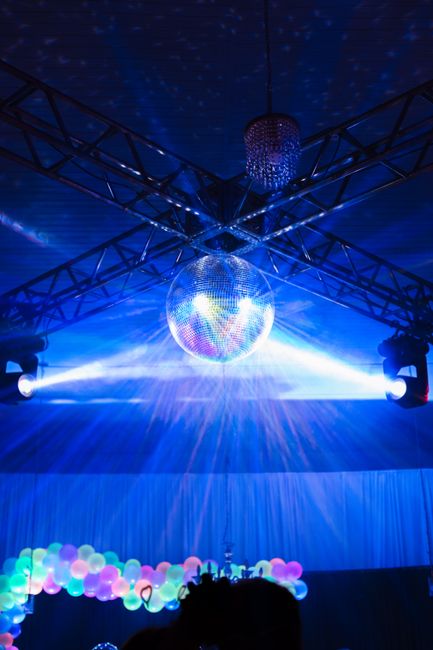
Then there’s the luxury end, found in nightlife districts like Gangnam or Hongdae, where rooms can come with leather seating, a genuinely impressive sound and lighting rig, private bathrooms, and sometimes bottle service instead of a simple drink menu from the front counter. Walk into one of these on a birthday or a bonus night and it’s easy to briefly forget you’re technically still in a karaoke room rather than a small nightclub — the disco lighting alone, swinging color across a wall of leather booths, tends to do more work than the lighting in most actual bars. The core mechanics stay identical between the cheap and expensive versions, though: private room, hourly rental, tambourine, song machine. What changes is purely the polish, and which one you pick usually says more about the occasion than about musical seriousness.
A few practical things I wish someone had told me
Song machines usually let you search in English as well as Korean, so you don’t need to memorize hangul to find your go-to karaoke standard — a relief the first time I realized it, since I’d been bracing myself to type out titles letter by letter. Numbers get punched in on a remote control once you find your song, and yes, it’s completely normal for the queue to briefly show three or four songs lined up back to back if everyone gets excited at once.
Drinks and snacks are typically ordered separately through a phone on the wall or an intercom to the front counter, not included in the room rental, so budget a little extra if your group wants beer or the inexplicably good instant ramen some noraebang chains serve. And if the phrase “노래방 도우미” ever comes up in conversation, know that it refers to a paid hostess service some adult-oriented venues offer — an entirely separate business from the standard noraebang experience described here, and not something you’ll encounter at a normal family-friendly or friend-group outing.
FAQ
Is it rude to refuse to sing at all if I’m dragged along to a noraebang? Not at all — plenty of people spend the whole session on tambourine duty or just clapping along, and nobody keeps score of who sang and who didn’t. That said, if a coworker specifically hands you the microphone and asks for one song, picking something short and simple is an easy way to participate without the pressure of a full performance.
Can I go to a noraebang completely alone? A regular hourly-rate room is built for groups and can feel a little empty solo, but this is exactly what coin noraebang were made for — you can walk into one after work, sing two or three songs for a few thousand won, and leave without ever needing anyone else in the room.
Do I need to speak Korean to use the song machine? No — most machines let you switch the interface to English and search song titles or artist names in English directly, and the remote control’s number pad works the same way regardless of language, so a first-timer with zero Korean can still queue up a set without help.
Whatever room you end up in — basement-cheap or Gangnam-plush — the door closing behind you is really the whole ritual. Nobody outside is watching, the tambourine is somebody’s job, and for a couple of paid hours, being loud and slightly off-key isn’t a risk. It’s just what the room is for.
Leave a Reply