I once showed up to my wife’s cousin’s new apartment carrying a box of pastries in both hands, stepped through the door still mid-sentence, and made it a good three steps onto the pale oak flooring before anyone said a word. The room didn’t erupt or anything dramatic like that, but I felt the silence shift, the kind where everyone’s too polite to say “your shoes” out loud but you can feel six pairs of eyes doing it for them, flicking down to my sneakers and back up to my face. I’m Yijidaddy, and even after years of living here, that one still catches me off guard occasionally, usually when my hands are full and my brain is elsewhere.
It’s Not Really About Cleanliness, Even Though It Looks That Way
If you ask most foreigners why Koreans take their shoes off indoors, the first answer out of their mouth is usually “hygiene,” and sure, that’s part of it. But the real root goes back to how Korean homes were physically built for centuries. Traditional houses, hanok, were heated from underneath through a system called ondol, where warm air and smoke from a wood fire ran through channels under the floor itself. The floor wasn’t just something you walked on — it was the warmest, most lived-in surface in the entire house. People ate sitting directly on it, slept on padded mats rolled out across it at night, folded laundry on it, and in winter practically migrated their whole lives onto whichever patch happened to be sitting right above the heat channel. There was no elevated furniture culture the way Western homes developed with sofas and dining chairs raised a few feet off the ground. The floor was the furniture, the dinner table, and on a cold January night, the only thing standing between you and frostbite.
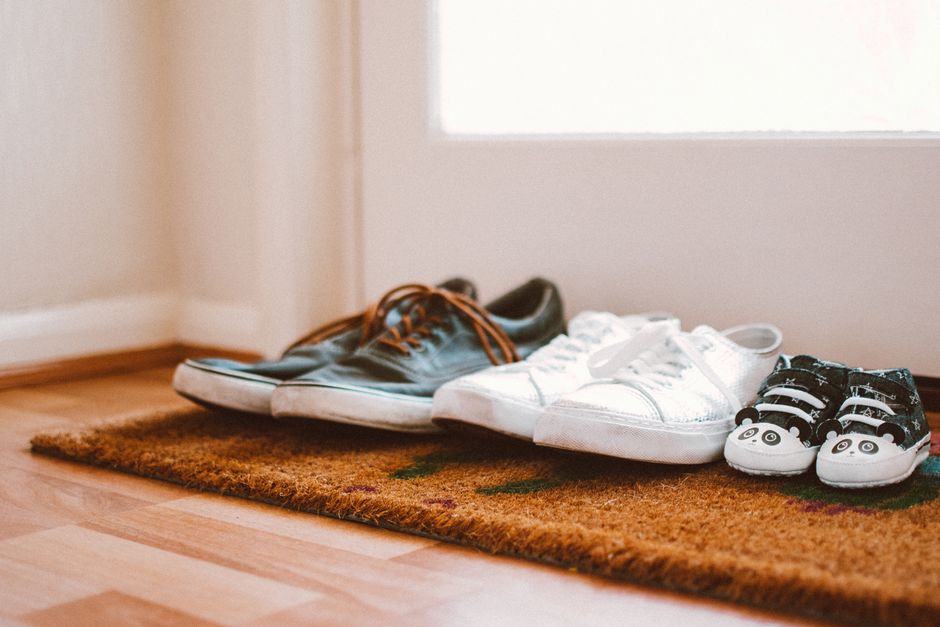
Once you picture a home where the floor doubles as your bed, your dining table, and the spot where your kids sprawl out sharing a bowl of bingsu on a summer afternoon, the shoes-off rule stops feeling like an arbitrary house policy and starts feeling pretty obviously necessary. Nobody wants to eat dinner three inches above a patch of floor that a stranger just walked across in the shoes he wore on the subway that morning. That physical setup didn’t just create a hygiene habit, either — it slowly hardened into something more like a mental line in the sand.
The Confucian Layer Nobody Mentions First
There’s a quieter, more philosophical piece to this that took me longer to appreciate. Korean culture carries a heavy Confucian influence, one that treats a home as something closer to a small, ordered sanctuary than just four walls and a roof. Crossing that threshold with the dirt of the outside world still clinging to your soles isn’t just unhygienic in this framework, it’s treated as a minor violation of a boundary that’s supposed to separate the chaos of the street from the order of the household. My mother-in-law doesn’t phrase it in those exact philosophical terms, obviously, but when she insists on handing me a pair of guest slippers the second I’m through the door, that’s essentially the instinct running underneath it.
The NYT Article That Ruffled Feathers Across Korean Forums
In the summer of 2024, a New York Times piece touched on wearing shoes indoors and sparked an instant, defensive chorus across Korean and Korea-based online communities. The backlash wasn’t really about one article being wrong, it was more that a lot of people here felt like a genuinely functional, sensible household practice kept getting treated by outsiders as some quirky cultural oddity rather than, you know, common sense. Comment sections and forum threads filled up fast with people pointing out, half-joking and half-irritated, that nobody needed a newspaper to explain why you wouldn’t track subway grime across a floor your toddler crawls on. Reading through the reactions at the time, I remember thinking that the pushback said less about the article itself and more about how tired people get of having their everyday normal get turned into exotic trivia for someone else’s feed.
What Actually Happens When You Forget
Nobody’s going to yell at you, but the reaction is immediate and unmistakable. At my in-laws’ place, my father-in-law will just quietly point at the entryway without even looking up from the newspaper, one finger extended, eyebrow raised just enough to make the point without a single word leaving his mouth. Somehow that lands harder than yelling ever would. At a friend’s place once, someone actually followed me a few steps with a damp cloth to wipe up after my mistake before I’d even finished apologizing, moving fast and businesslike like this was a routine she’d performed a hundred times before, which made me feel worse than any scolding would have. The social cost isn’t yelling, it’s this very specific, efficient little moment of correction that makes you absolutely certain you won’t do it again. And you really don’t, not twice.
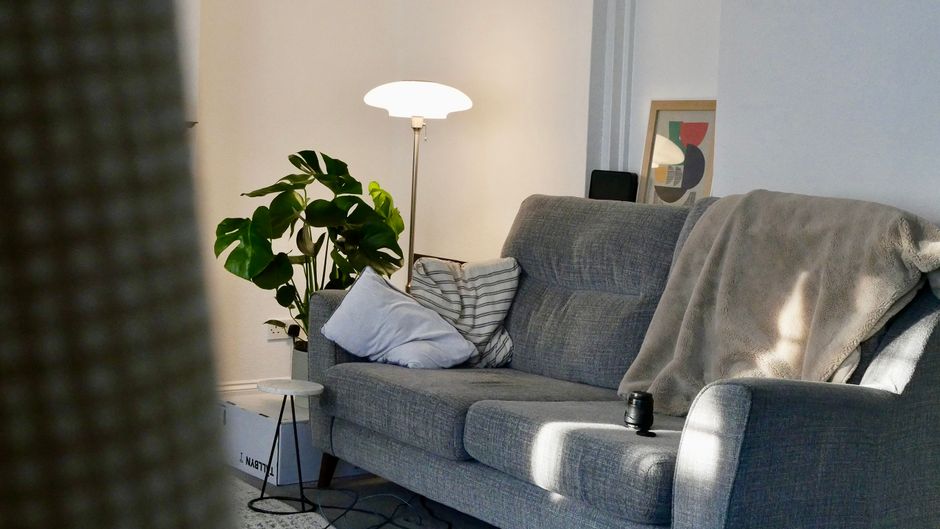
Modern apartments complicate this slightly, since plenty of newer places have Western-style sofas, dining tables, and raised furniture instead of pure floor-seating. You’d think that might loosen the rule a little, now that people aren’t eating directly off the floor the way they used to. It hasn’t. Even in apartments stacked full of IKEA furniture and nothing resembling a traditional hanok anywhere in sight, the shoes-off boundary has survived completely intact. It’s less about the furniture now and entirely about the line between “outside” and “inside,” which apparently doesn’t need ondol heating to stay sacred.
Survival Rules for the Uninitiated (Socks and Slippers Edition)
Always bring an extra pair of clean socks if you know you’re visiting someone’s home, especially in winter, since standing around in damp or holey socks in someone’s entryway is its own small embarrassment. If a house offers slippers, take them, even if your instinct is to politely decline — declining just means someone has to go find a pair for you anyway. And if you’re ever unsure whether a particular space counts as “shoes off” territory, since some small shops, waiting rooms, and offices blur the line, just glance down at the entrance. If there’s a little step up, a tray of slippers, or a pile of other people’s shoes already sitting there, that’s your answer before anyone has to say a word. Figuring this rhythm out, honestly, feels like its own small rite of passage for anyone settling into life here, one awkward hallway moment at a time.
Frequently Asked Questions
Q1. Do I need to take my shoes off at every restaurant in Korea?
Not every one. Western-style cafes and most modern restaurants with chairs and tables are fine to keep shoes on. But traditional restaurants with low floor seating, especially places serving Korean barbecue or set meals on floor cushions, will almost always have a shoe rack or cubby at the entrance. Watch what other customers do when you walk in and you’ll know within about two seconds.
Q2. What if I’m just dropping something off and not staying long?
Doesn’t matter. Even a thirty-second visit means shoes come off at the door. I learned this one the hard way trying to quickly hand off a package once, thinking I could just lean in from the entryway. I got waved further inside before I could even protest, shoes already half off out of habit.
Q3. Is it okay to wear socks with holes in them if I know I’ll be taking my shoes off?
Technically nobody’s going to say anything, but it’s one of those small dignity things that’s easy to avoid. I keep a spare pair in my bag specifically for days I know I’ll be visiting someone’s home, after one too many moments of discreetly tucking a big toe under itself at a dinner table.
Q4. What about my own apartment when I have Korean guests over?
They’ll take their shoes off automatically without you even having to mention it, every single time, no matter how Western your furniture setup looks. The first time I hosted a dinner in my own place, I’d half-prepared an awkward little speech about “feel free to keep your shoes on if you want,” and never got to use a single word of it. My guests were already lined up in socks by the door before I’d finished locking it behind them.
These days I check my shoelaces before I even ring the doorbell, which feels like a small thing until you realize how much smoother every single home visit goes once that habit actually sticks. My own kids, meanwhile, already do it without thinking twice, kicking off their shoes the second the front door clicks shut behind them, which is maybe the clearest sign of all that this isn’t some old-fashioned relic fading out with their grandparents’ generation. It’s just how a home works here, full stop, and somewhere along the way it quietly became how our home works too.
Leave a Reply