The first time I ordered fried chicken to a park bench in Seoul, I genuinely thought I had misread the app. There was no address field for “bench near the north gate of Olympic Park, blue jacket, will wave.” There was a pin. I dropped the pin where I was sitting, and twenty-two minutes later a scooter rider found me among several hundred other picnicking strangers and handed me a box of still-sizzling chicken and a liter of beer. Nobody involved in that transaction thought it was remarkable. I thought about it for a week.
That, more or less, is Korean delivery culture in one anecdote-sized package: an infrastructure so dense and so fast that it stops feeling like a service and starts feeling like a utility, the way electricity or tap water is a utility. You don’t marvel at the tap. Koreans mostly don’t marvel at baedal (배달), the catch-all word for delivery. I still do, a little, even after years of living here, and I think that gap — between what locals consider unremarkable and what the rest of us consider close to science fiction — is worth unpacking properly instead of just listing app names and calling it culture.
What actually gets delivered (hint: almost everything)
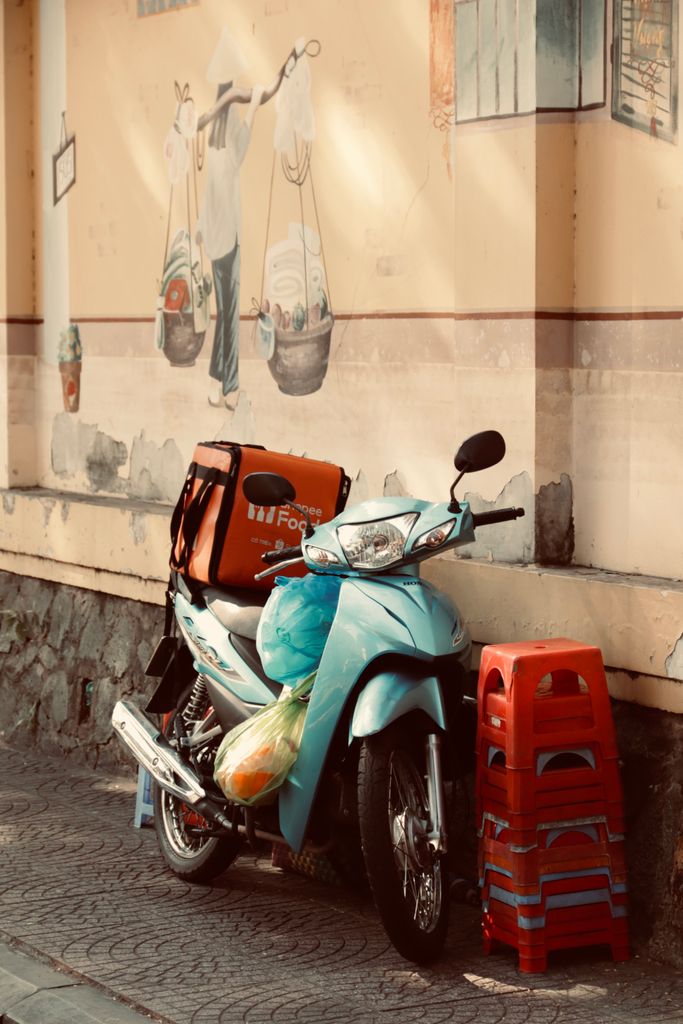
Fried chicken, jjajangmyeon (black bean noodles), samgyeopsal grill kits, entire multi-course Korean barbecue spreads, bingsu shaved ice, a single iced Americano — all of it moves across the city constantly, carried by riders on scooters threading between cars at speeds that still make me flinch slightly, years in. But food is really just the beachhead. Convenience store runs, pharmacy items, phone chargers, a specific brand of instant coffee you forgot to buy, laundry pickup, grocery hauls for the week — the range of what shows up at the door is wider than most first-time visitors expect, and wider, frankly, than I expected when I moved here.
The one that still gets people is dawn delivery, saebyeok baesong (새벽배송). Market Kurly popularized it, and the model is almost comically precise: order your groceries before 11 p.m., and a box shows up at your door before 7 a.m. Behind that promise is an actual cold chain running on a schedule — Kurly’s main fulfillment center reportedly packs out overnight and dispatches to several hundred drivers by around 2:30 a.m., each one covering a set route before the city wakes up, with produce and dairy held at controlled temperatures the whole way so nothing warms up sitting in a truck. You wake up, and there are fresh vegetables, milk, and meal-kit ingredients sitting outside your apartment door like they grew there overnight. I will admit this one took me longer to trust than chicken-to-a-park-bench did — handing over produce freshness to a system you can’t see feels different from handing over a box of fried food that’s sealed and obviously fine. But the logistics behind it are genuinely serious infrastructure, not a gimmick, and rival services have spent years and a lot of money trying to chip away at Kurly’s lead in that particular race.
The apps: Baedal Minjok, Coupang Eats, Yogiyo
Three names dominate the food side. Baedal Minjok — shortened to Baemin, and literally “nation of delivery” — sounds like marketing hyperbole until you actually open it and see the restaurant count: over a hundred thousand listings, which is why if a mom-and-pop place in your neighborhood delivers at all, it is almost certainly on Baemin. Coupang Eats leaned hard into raw speed instead, building a single-rider-per-order model — one rider, one bag, no stacking three deliveries into the same run — that tends to get food to your door faster, often somewhere in the fifteen-to-twenty-minute range for anything reasonably close. Yogiyo rounds out the big three, competing mostly on coupons and restaurant selection in specific neighborhoods.
Here’s a detail that trips up a lot of newcomers, and it tripped me up too: there’s no tipping. You pay the menu price plus a delivery fee, typically somewhere between 2,000 and 4,000 won — call it a dollar fifty to three dollars — and that’s the full transaction. No awkward percentage math, no debate over whether 15 or 20 percent is correct, no little screen turned toward you expectantly. Coming from a tipping culture, the first few orders felt almost suspiciously simple, like I was forgetting a step. I wasn’t. It’s just built differently, and once you stop looking for the tip screen, it’s honestly a relief. That said, the fee itself has become a bit of a battleground: rising delivery charges over the past few years pushed all three platforms into subscription territory, with Baemin Club and Coupang’s WOW membership both dangling free or discounted delivery for a flat monthly rate, which tells you something about how normalized the whole system has become — it’s less “treat yourself” now and more a subscribed-to utility, like a phone plan.
Why it’s this fast
Picture a twenty-story apartment tower with three hundred units stacked above a block of restaurants at street level, and a single rider can clear a dozen orders in that one building without ever really leaving a three-block radius. That’s the real engine: density. Seoul and most Korean cities pack a huge number of people into a relatively small footprint, mostly in high-rises, and that changes the math on delivery completely compared to a city where the nearest restaurant is a ten-minute drive away. Add to that a restaurant scene so competitive that any given dish has a dozen nearby sellers, and a cultural comfort with speed that long predates delivery apps — the phrase ppalli-ppalli (빨리빨리), “hurry hurry,” gets thrown around a lot, maybe too often, as an explanation for everything from construction timelines to internet speeds, but it isn’t wrong here. Koreans expect things to move quickly, and the infrastructure — broadband, road density, apartment numbering systems, GPS accuracy — was built in an era that made fast delivery possible almost as a side effect, not a headline feature.
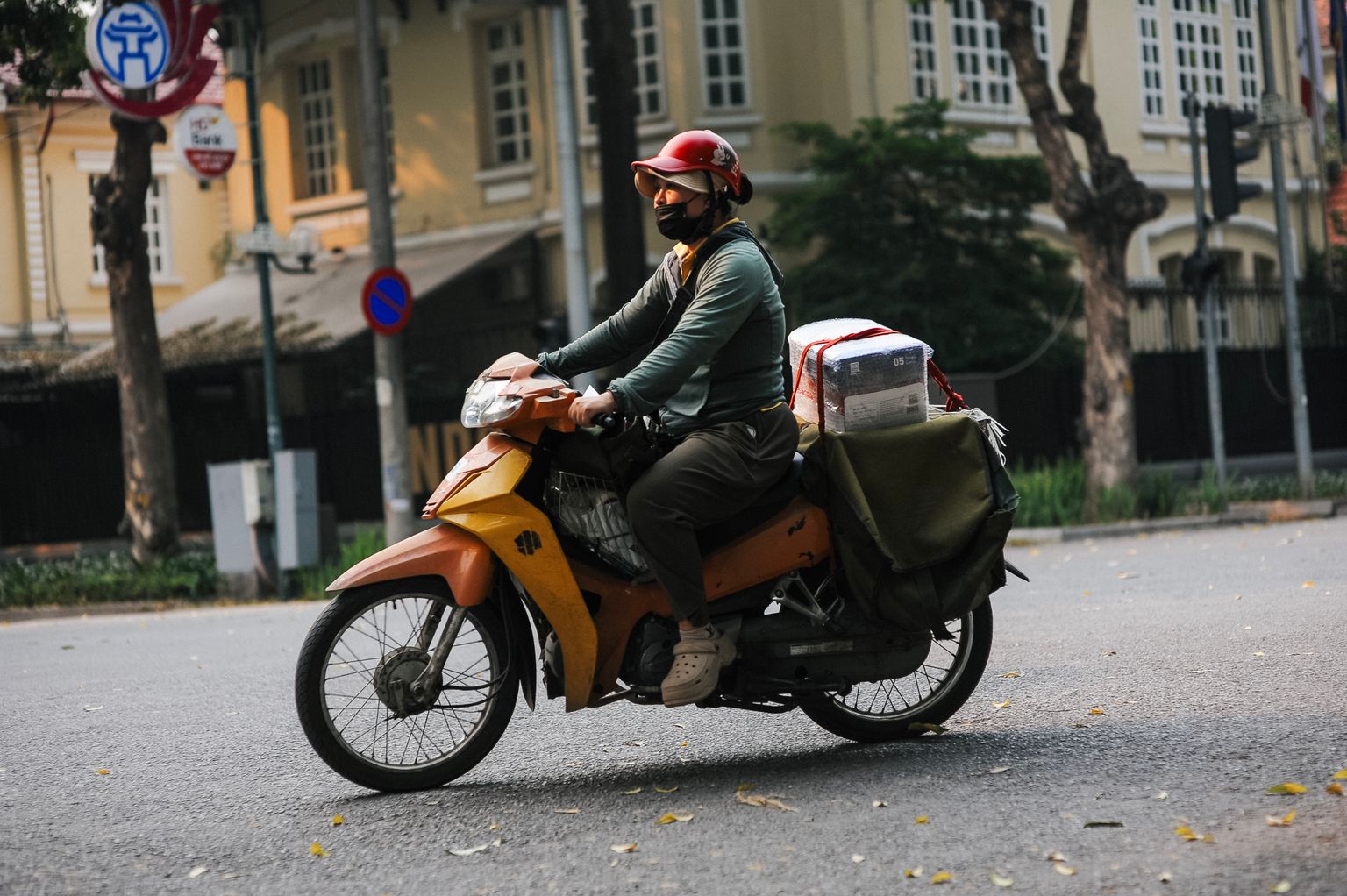
That breathless efficiency is powered by real people on real scooters, though, and it’s worth not skipping past that. A lot of riders are working under app algorithms that assign routes, rate punctuality, and push toward tighter windows, often earning per delivery rather than by the hour, which is a structure that’s drawn real scrutiny. Groups like the Riders Union have organized around pay rates and accident insurance in recent years, and traffic safety for delivery workers shows up in Korean news coverage often enough that it’s clearly not a fringe concern. I haven’t done the job myself, so I’m not going to pretend I can adjudicate exactly how fair or unfair the pay structures are — but it’s fair to say the speed we all enjoy has a human cost that’s commonly discussed and reported here, not some invisible, costless magic trick.
Late-night ordering and the chicken-and-beer ritual
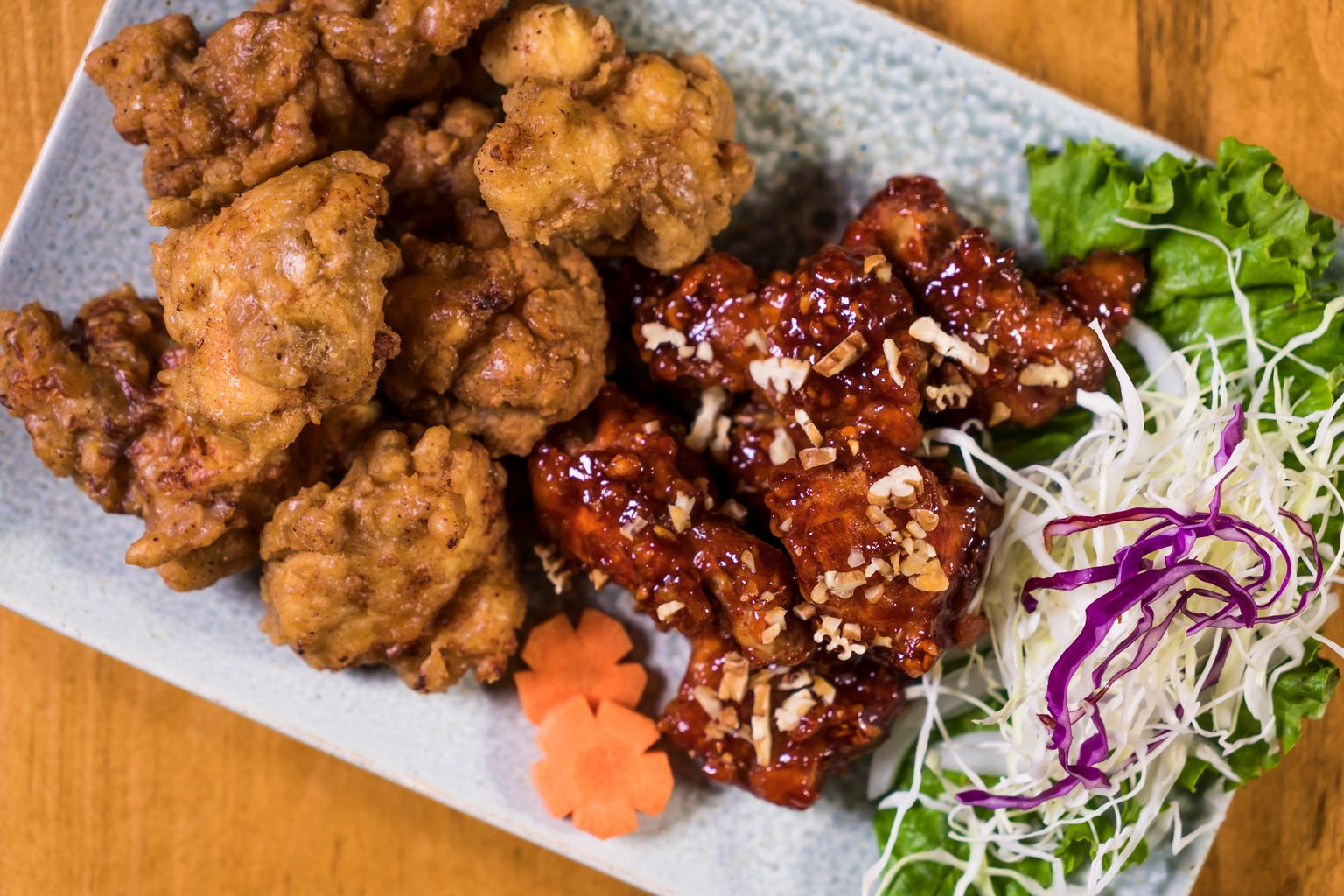
In Seoul, “closing time” is more of a polite suggestion than a hard rule. Convenience stores never close, plenty of restaurants deliver well past midnight, and chimaek — chicken plus maekju, beer — is close to a cultural institution rather than just a menu combo. Watch a football match or a baseball game that runs late, and you can set a clock by the surge of chicken orders that follows. I used to assume this was mostly a weekend thing. It isn’t, particularly. Tuesday night, studying for an exam, finishing a work deadline, nothing special happening at all — ordering chicken at 11 p.m. doesn’t require an occasion here the way it might where I’m from.
Part of what makes this possible, oddly enough, is something unglamorous: building design. Most Korean apartment complexes have intercom systems, elevator access, and standardized unit numbering that make a rider’s job of actually locating you fast and simple, even at 1 a.m. in a twenty-story tower. Compare that to a sprawling suburban street grid with unlit house numbers, and you start to understand why the delivery economy here operates at a different clock speed than in a lot of other countries — it’s not just the apps, it’s the buildings the apps are delivering into.
The small rituals nobody explains to you
A few things took me embarrassingly long to figure out. First, and this one genuinely startled me the first time: a lot of Korean restaurant delivery, especially jjajangmyeon and other noodle dishes, still arrives on real ceramic plates and metal bowls, with actual metal chopsticks, not a flimsy plastic fork. You eat, you stack the dishes — sauce-smeared and all — back in the delivery bag or just outside your door, and at some point later that day someone from the restaurant swings by and collects them, no questions asked, no extra fee. The first time this happened to me I nearly walked a full set of stainless steel bowls down to the building’s trash room, convinced they were one-time-use, before a Korean friend caught my arm with an expression somewhere between horrified and amused. It’s a system that runs entirely on an assumption I wasn’t used to making: that strangers will return something valuable without anyone checking up on them, and that it will simply work.
Second, building codes and gate entry: delivery apps now often ask for an entry code or a note like “leave at door, don’t ring bell,” which has become its own small social contract — this kind of contactless drop-off was normal here well before it became a pandemic-era habit worldwide. Third, and related, is the sheer trust involved: riders routinely leave food unattended outside doors in shared hallways, sometimes for ten or fifteen minutes if you’re not home right when it arrives, and it mostly just stays there untouched until you get it. That one still surprises me a little, even now, coming from places where a box left in a hallway has a shelf life measured in minutes before someone “helps themselves” to it.
None of these rituals get explained anywhere when you first move here; you just absorb them, order by order, usually after getting something slightly wrong the first time. A few questions come up often enough from friends and readers back home that they’re worth answering directly, so here’s the short version of what people actually want to know.
FAQ
Is delivery in Korea actually as fast as people say?
For food, yes, within reason. In a dense city neighborhood, twenty to thirty minutes from order to door is typical, and some single-rider services like Coupang Eats push toward fifteen. Rural areas and late-peak surge times (think Friday 7 p.m.) will be slower, so treat “Korea delivery is instant” as a city-center generalization rather than a universal law.
Do I need to speak Korean to use delivery apps?
Less than you’d think. Baemin and Coupang Eats both have English-language support built in now, and apps built specifically for foreign residents and tourists exist precisely to smooth over the parts that used to require a Korean phone number or a Korean-only interface. It’s not flawless, but it’s dramatically easier than it was even a few years ago.
Do you have to tip delivery riders in Korea?
No. The delivery fee is built into the order — usually a couple thousand won — and that’s the complete cost. There’s no tipping culture layered on top of it, which is one of the more pleasant adjustments for anyone arriving from a country where tipping delivery drivers is expected.
Leave a Reply