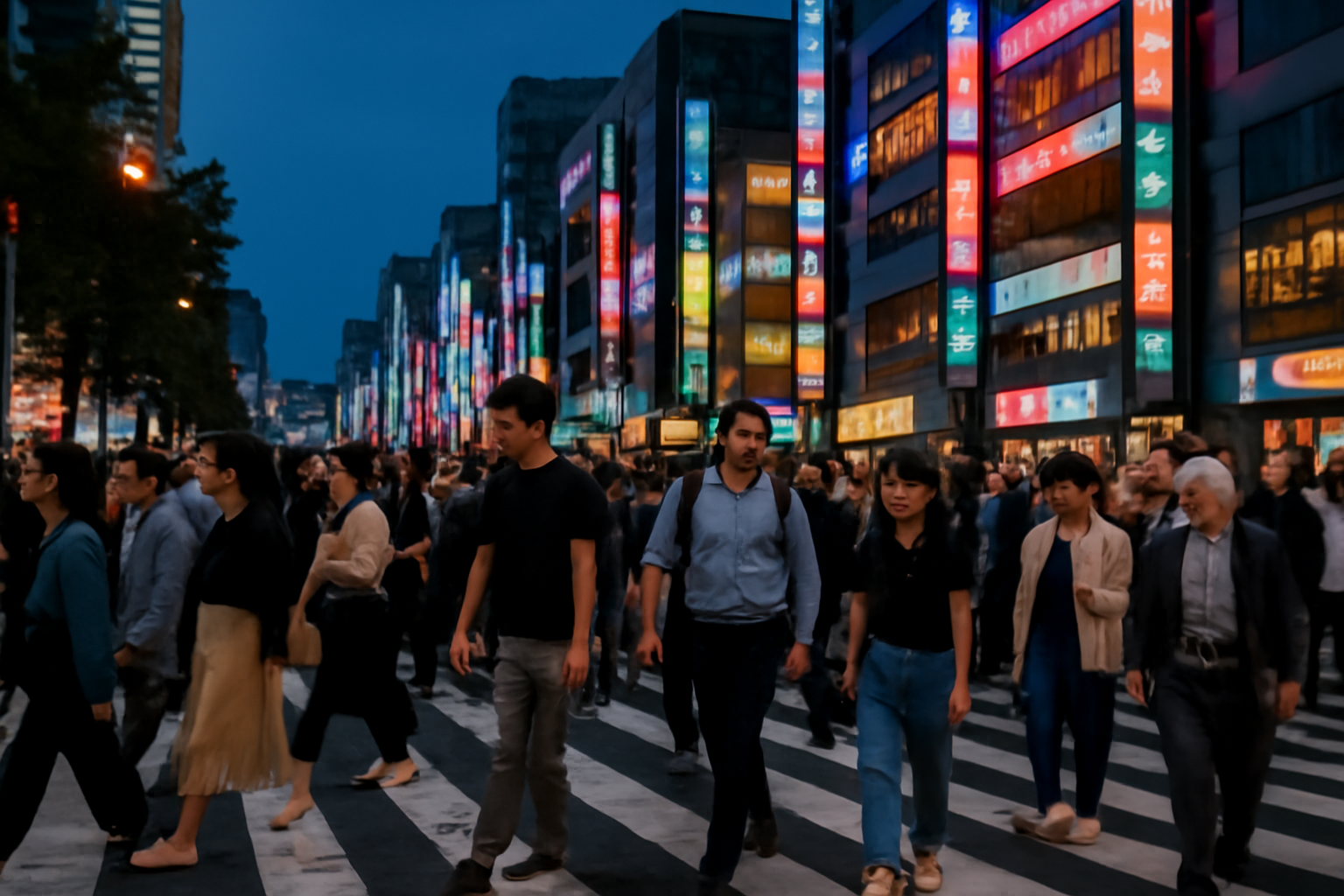
The room went dead silent for maybe two seconds, though at the time it felt like two full minutes. It was my first Chuseok dinner with my wife’s family, and I’d just reached across the table for a piece of galbi, forgotten all about the bowl of rice sitting right in front of me, and left my chopsticks standing straight up in it — two little flagpoles nobody had asked for. My mother-in-law’s eyes flicked to the bowl, then to me, then back down to her plate. Nobody yelled. And yet nobody explained anything either. My wife just reached over, quietly laid my chopsticks flat across the rim of the bowl, and gave me a look that said we’d be talking about this later. We did. That was the night I found out that a bowl of rice with chopsticks jutting straight up looks, to Korean eyes, exactly like the incense offered to the dead.
I’m Yijidaddy, and I’ve now lived in Korea long enough to have personally made almost every mistake on this list, usually in front of an in-law. Nobody hands you a manual when you land at Incheon; you just quietly embarrass yourself a few times, get corrected if you’re lucky, and eventually the rules stop feeling like rules and start feeling like common sense. This post is the manual I wish someone had handed me on day one. It won’t cover everything, nothing really could, but it covers the mistakes that actually land foreigners in awkward territory, ranked by how often I still see visitors make them.
Nine Things Not to Do in Korea (Learned the Hard Way)
1. Don’t leave your chopsticks standing up in your rice
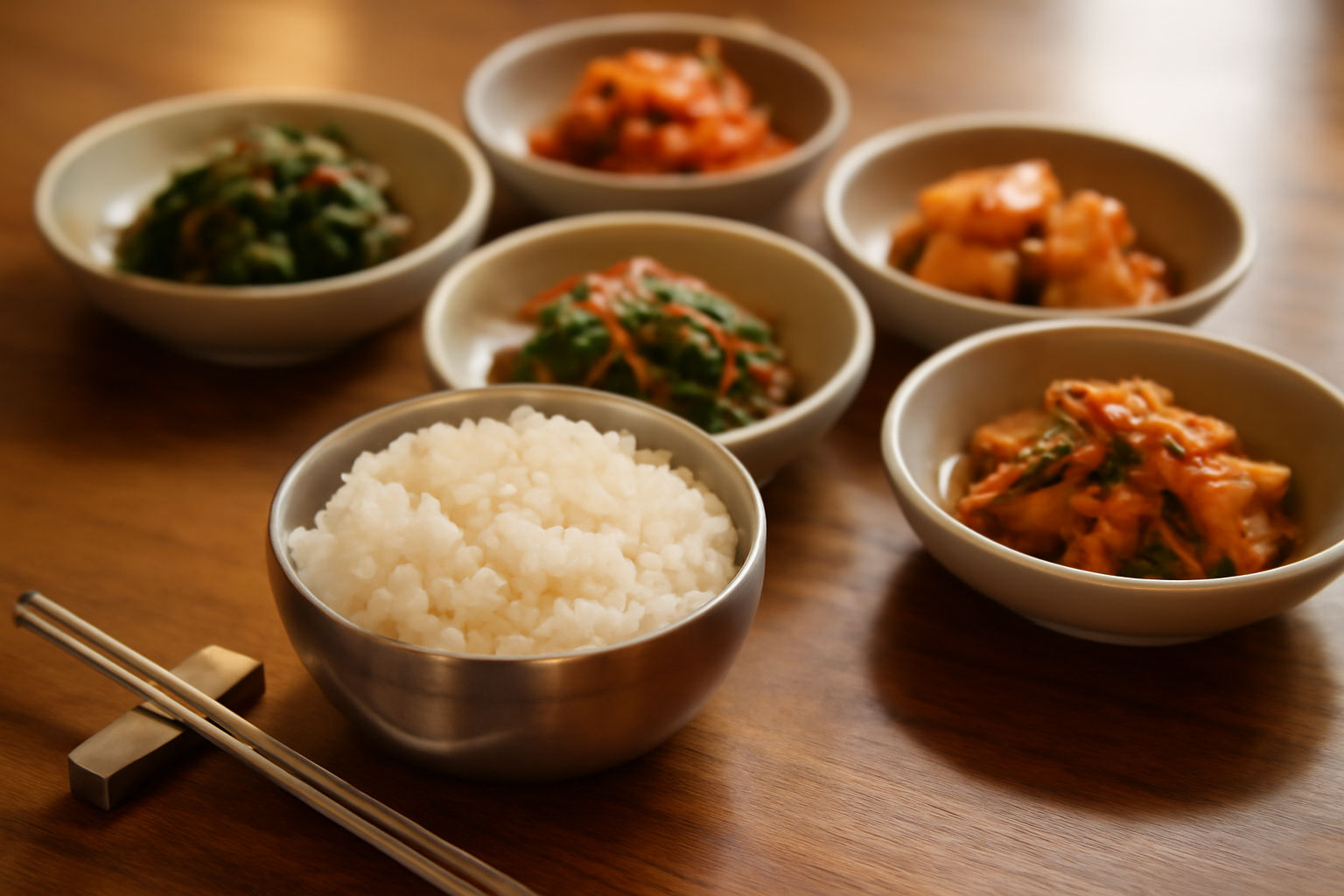
This is the one that gets me every time someone visits from abroad. Sticking chopsticks vertically into a bowl of rice mimics the incense sticks placed at funeral altars and ancestral rites, strange as it sounds to explain out loud, it’s not a minor faux pas. It touches on death and mourning, so it lands harder than most table manners slip-ups. If you need to set your chopsticks down mid-meal, rest them across the top of your bowl or on the little chopstick rest, if there is one. It becomes automatic after a while, but for the first few months I had to consciously think about it every single meal.
2. Don’t write someone’s name in red ink
I found this one out by accident, signing a birthday card for a Korean coworker with the only pen on my desk, which happened to be red. She didn’t say anything cruel, but the pause before she thanked me told me something was off. Red ink was traditionally used to record the names of the deceased, and oddly, even today writing a living person’s name in red still carries an association with death and bad luck that most Koreans feel instinctively, even if they can’t always explain why. Stick to black or blue for names, cards, and signatures.
3. Don’t hand things to elders with one hand
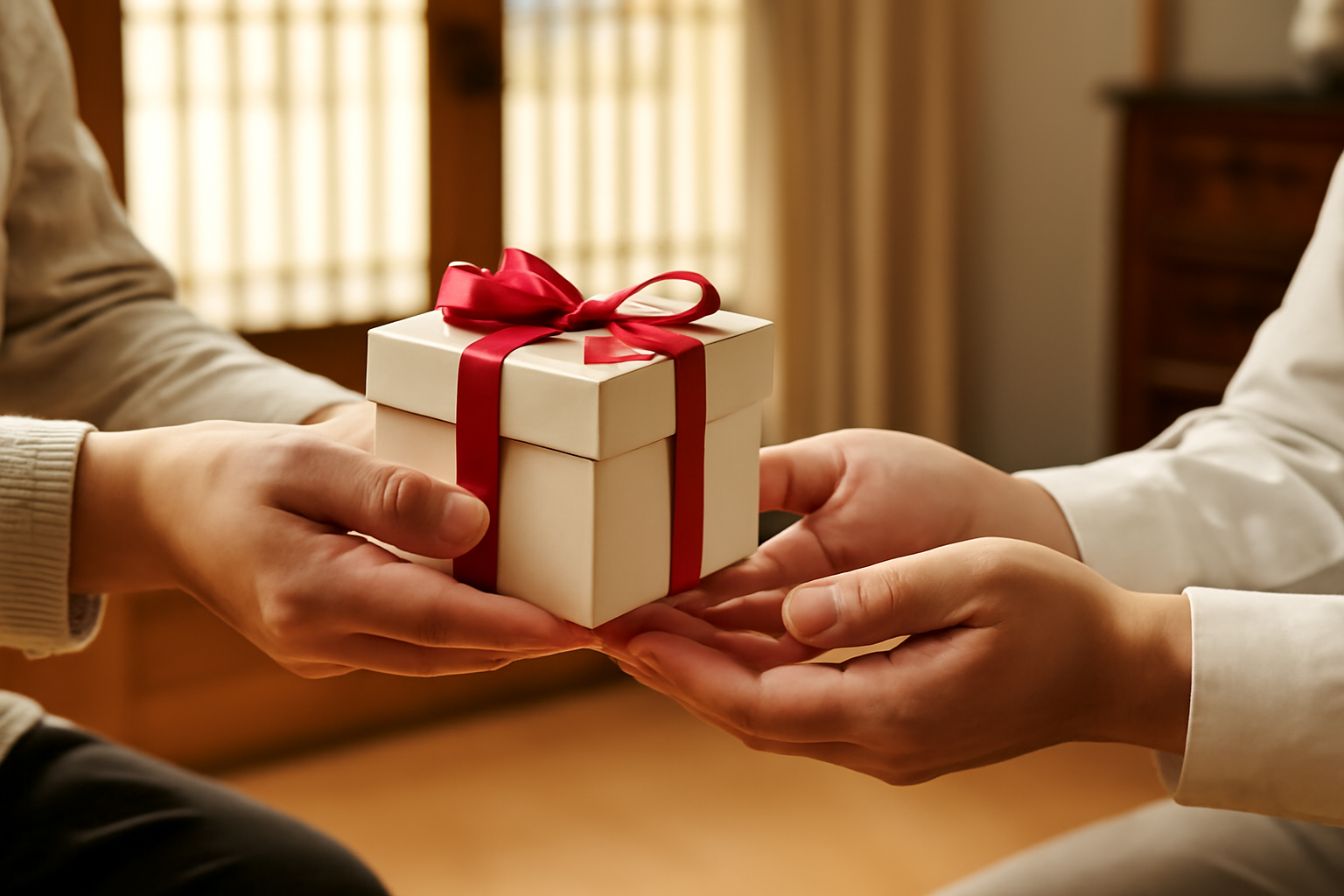
Whether it’s passing a business card, handing over cash at a market stall, or receiving a drink from someone older than you, the two-hand rule matters more than almost anything else on this list. If both hands genuinely aren’t free, the fallback is to support your extended arm at the wrist or elbow with your other hand. You might assume this is a formality reserved for boardrooms. It isn’t. My father-in-law still notices when I hand him something with one hand, even now, and he’s too polite to say anything, which somehow makes it worse.
4. Don’t tip at restaurants
This one trips up visitors in the opposite direction, they worry about being rude by not tipping. And yet in Korea, tipping isn’t expected and can genuinely confuse or fluster restaurant staff, who may chase you down the street to return money they think you accidentally left behind. Service charges, where they exist, are already built into the price. Save the tipping instinct for places abroad where it’s actually the custom.
5. Don’t jaywalk, especially anywhere near a police box
Seoul’s crosswalks can feel like mere suggestions when you’re jetlagged and running late, and you might figure nobody’s watching at that hour, but Korean traffic law takes jaywalking seriously, with real fines attached, and enforcement has tightened in recent years around high-traffic tourist areas. Beyond the legal risk, it’s one of those visible behaviors that shapes how foreigners get perceived in a neighborhood. I’ve waited at empty three-lane crossings at midnight with elderly Koreans standing beside me, not moving an inch until the light changed. That patience isn’t performative. It’s just the norm.
6. Don’t blow your nose at the table
This was a hard habit to break. Where I grew up, a quiet nose-blow during a meal barely registers. In Korea, it’s considered one of the ruder things you can do at a shared table, on par with talking with your mouth full in other cultures. If you need to, excuse yourself to the restroom. You might think this is overkill, but it stops feeling that way once you notice nobody else at the table is doing it, ever.
7. Don’t wear your outdoor shoes past the entryway
Most Korean homes, plenty of traditional restaurants, and some guesthouses expect shoes off at the door, no exceptions. Look for the raised floor level, the shoe cubbies, or a small pile of slippers by the entrance, still, take the hint even if nobody explicitly tells you. I once kept my sneakers on at a friend’s parents’ house because I genuinely didn’t notice the step up in the entryway. My friend caught it before his mother did, which I count as one of my luckier escapes on this list.
8. Don’t pour your own drink at a group meal
Drinking culture in Korea runs on reciprocity. You pour for others, they pour for you, and you’d think refilling your own glass mid-meal is no big deal, even so, it reads as a small signal that you’re not paying attention to the people around you. When someone senior pours for you, receive the glass with both hands, and when you drink with someone considerably older, it’s polite to turn your head slightly away from them as you drink. I got this backwards for months, cheerfully topping off my own soju like I was at a backyard barbecue, until a coworker gently took the bottle out of my hand and did it for me.
9. Don’t sit in the priority seats on the subway, even if they’re empty
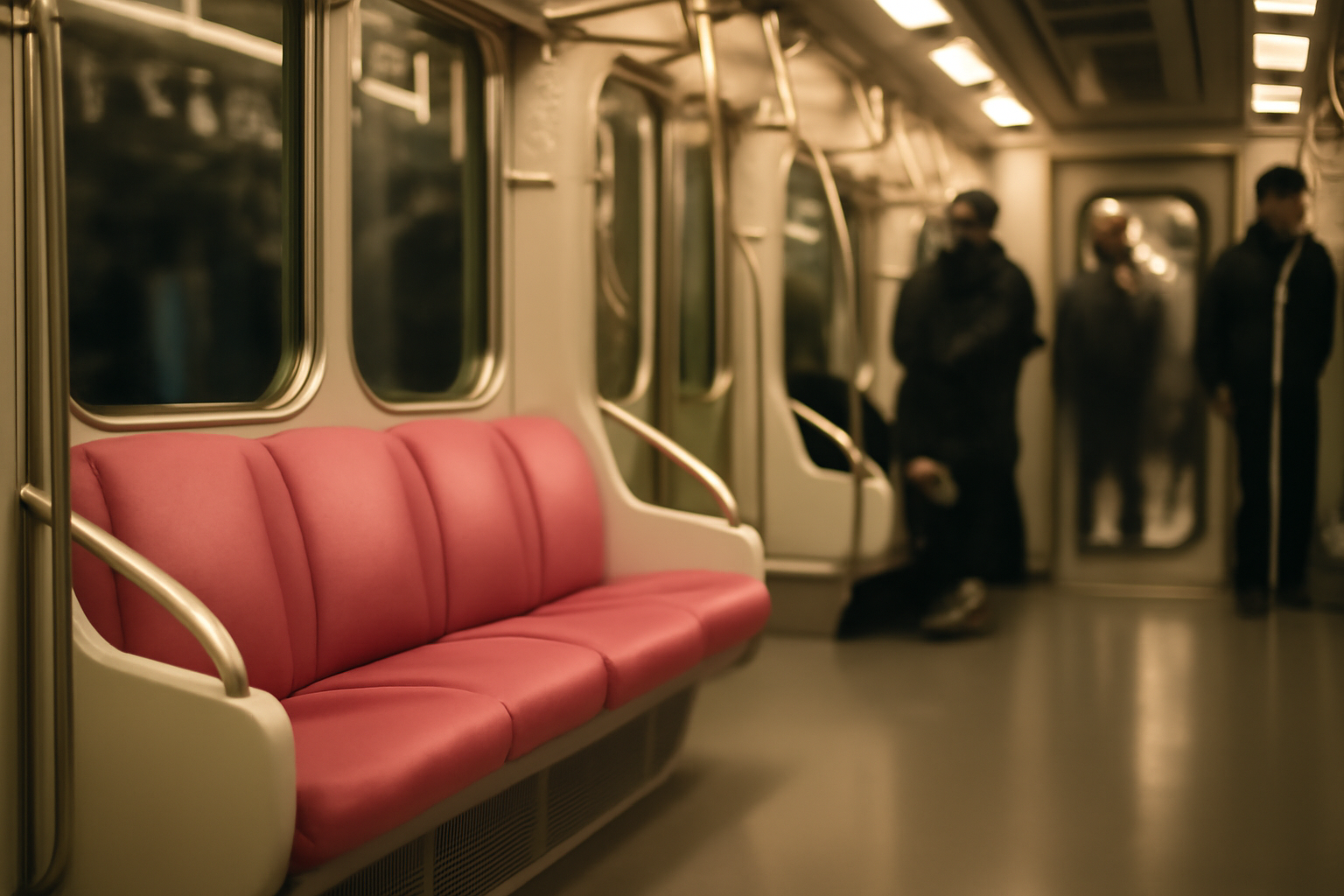
The pink, yellow, or blue seats near the ends of subway cars are reserved for elderly passengers, pregnant women, and people with disabilities, and the expectation holds even when the car is nearly empty and those seats are the only ones open. I used to think an empty priority seat was fair game. A pointed look from an ajumma boarding at the next stop taught me otherwise. Just stand, or find a regular seat further down the car.
Frequently Asked Questions
Will Koreans get truly offended if I mess up?
Almost never in a lasting way. Most Koreans recognize instantly that a foreigner reaching across the table or waving with one hand isn’t trying to be disrespectful, and genuine effort tends to earn more goodwill than the mistake costs you. The chopsticks-in-rice one and anything touching on funeral symbolism land harder than the rest, so those are worth getting right early. Everything else is far more forgivable than it feels in the moment.
What’s the one mistake first-time visitors make most?
In my experience, it’s the one-handed exchange, handing over payment, a business card, or a gift with a single hand without realizing an older person or someone in a service role noticed. It’s such a small physical habit that most visitors never think to unlearn it before landing, and oddly, it’s also the easiest one to fix once someone points it out.
Is it okay to ask about etiquette in the moment?
Yes, and honestly it’s often appreciated more than staying quiet and guessing. A simple “is this okay?” before you do something you’re unsure of shows more respect than silently getting it wrong. I still ask my wife or her parents when I’m not sure, even years in. Nobody has ever seemed annoyed by the question.
None of this is meant to make Korea sound like a minefield. It isn’t. Most of these rules exist for reasons that make sense once you understand them, respect for elders, respect for the dead, respect for shared space, and once you’ve internalized a few, the rest tend to follow naturally. I still catch myself slipping occasionally, usually when I’m distracted or tired, but the learning curve flattens out faster than you’d expect. Get the chopsticks right, use both hands with your elders, and give up the seat. The rest comes with time.
Leave a Reply