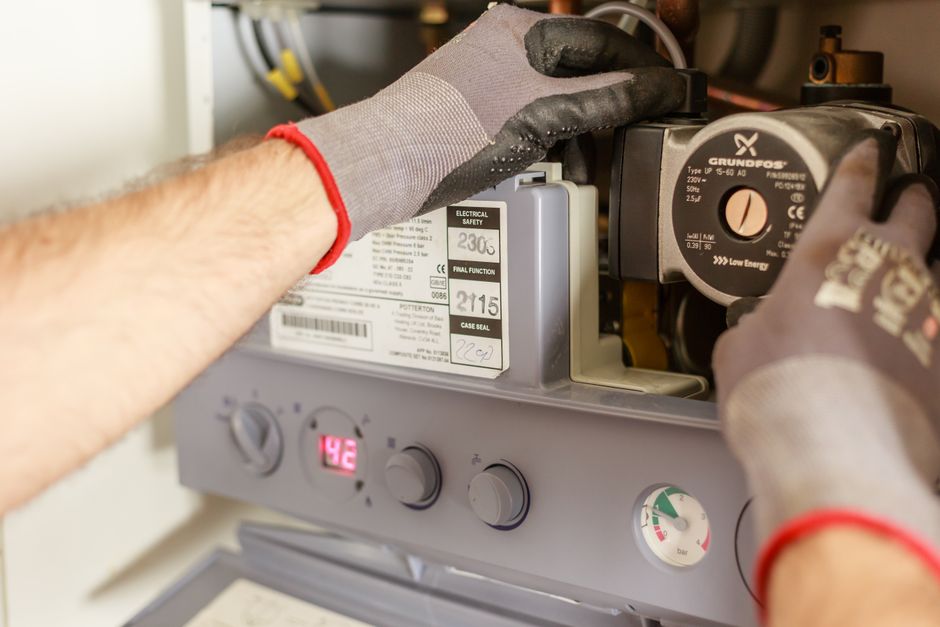
지난 토요일 아침, 서울 마포구에 사는 김모(52)씨는 창문 틈으로 들어오는 찬 기운에 놀라 보일러 스위치를 눌렀다. 그런데 온수는커녕 “삐-” 소리와 함께 낯선 에러 코드만 액정에 떴다. 5개월 넘게 꺼둔 보일러였다. 관리사무소에 전화를 돌려보니 돌아온 대답은 간단했다. “이맘때 그런 전화, 하루에도 몇 통씩 옵니다.”
아직 한낮은 덥다고 보일러 얘기가 이르다고 생각할 수도 있지만, 정작 첫 추위가 훅 들이닥치는 날 고장이 나면 서비스 기사 예약도 밀리고 출장비도 성수기 요금이 붙는다. 그러니 날이 완전히 추워지기 전, 지금 이 시기가 오히려 점검하기 딱 좋은 타이밍이다.
1. 반년 넘게 뽑아둔 플러그부터 다시 꽂아두기
의외로 많은 사람이 모르는 사실인데, 요즘 보일러에는 ‘고착방지 기능’이라는 게 들어있다. 24시간마다 딱 1분씩 순환펌프와 송풍기를 저절로 돌려서 내부 부품이 굳지 않게 막아주는 장치다. 여름 내내 절전한다고 플러그를 뽑아뒀다면 이 기능도 같이 멈춰 있었다는 뜻이다. 그러니 본격적으로 난방을 시작하기 며칠 전에 미리 플러그를 꽂아 이 기능부터 다시 작동시켜 두는 게 좋다.
2. 보일러실 침수 흔적, 켜기 전에 눈으로 확인
장마와 태풍이 지나간 뒤라 별거 아니라고 넘기기 쉽지만, 보일러실 바닥이 젖었던 흔적이 있다면 얘기가 달라진다. 물기가 남은 상태에서 무작정 전원을 넣으면 내부 회로가 상할 수 있어서다. 바닥에 얼룩이 있거나 벽면에 곰팡이 자국이 보인다면 전원을 켜지 말고 제조사 고객센터에 먼저 문의해야 한다. 괜히 혼자 해결해보겠다고 전원부터 넣는 게 가장 흔한 실수다.
3. 수압 게이지, 1.0~1.5 사이인지부터 보자
보일러 앞면 수압 게이지를 유심히 본 적 없는 사람이 대부분일 것이다. 정상 범위는 보통 1.0~1.5바 사이인데, 바늘이 이보다 한참 낮으면 보일러가 물을 다시 채우라는 신호를 보내는 것이고, 반대로 너무 높으면 압력밸브 쪽을 점검해봐야 한다. 게이지 하나만 봐도 큰 고장을 막을 수 있다는 걸 아는 사람은 생각보다 적다.
4. 가스 밸브와 연통, 벌레 집 되기 딱 좋은 자리
여름 내내 안 쓴 연통 안에 벌레나 거미줄이 자리 잡는 일이 은근히 잦다. 배기가 막힌 채로 가동하면 불완전연소로 이어질 수 있어서, 가스 밸브가 완전히 열려 있는지, 연통 끝이 막혀있지 않은지 눈으로 한 번 훑어보는 게 순서다. 별것 아닌 것 같아도 이 확인 하나로 출장 한 번을 아낄 수 있다.
5. 그래도 1년에 한 번은 전문가 점검이 답이다
직접 할 수 있는 점검은 여기까지지만, 내부 부품 상태나 열효율까지 보려면 전문가 손을 빌리는 수밖에 없다. 보통 본격적인 추위가 오기 전, 그러니까 지금 같은 시기에 예약하면 대기 시간도 짧고 출장비도 상대적으로 저렴한 편이다. 반대로 첫 한파가 몰아친 뒤에 전화를 돌리면 일주일 넘게 기다리는 경우도 드물지 않다.
자주 묻는 질문
Q. 보일러에서 에러 코드가 떴는데, 전원을 껐다 켜면 되나요? 일시적인 오류라면 재부팅으로 풀리는 경우도 있지만, 같은 코드가 반복해서 뜬다면 임의로 계속 껐다 켰다 하지 말고 제조사 콜센터에 코드 번호를 그대로 불러주는 게 빠르다. 코드마다 원인이 다르기 때문에 증상만 설명하는 것보다 훨씬 정확하게 진단받을 수 있다.
Q. 보일러 점검, 꼭 업체를 불러야 하나요? 직접 하면 안 되나요? 수압 확인이나 플러그 연결, 연통 주변 확인 정도는 누구나 할 수 있다. 다만 내부 부품 분해나 가스 배관 쪽은 자격을 갖춘 기사가 다뤄야 하는 영역이라, 이상 소음이나 냄새가 난다면 무리해서 손대지 말고 바로 서비스를 부르는 편이 안전하다.
Q. 옥탑방이나 다세대주택은 관리사무소가 따로 없는데 어떻게 하나요? 이런 경우는 세입자가 직접 보일러 제조사 고객센터로 연락해서 방문 점검을 신청하면 된다. 임대인과 미리 연락해 비용 부담 부분을 확인해두면 나중에 얼굴 붉힐 일이 줄어든다.
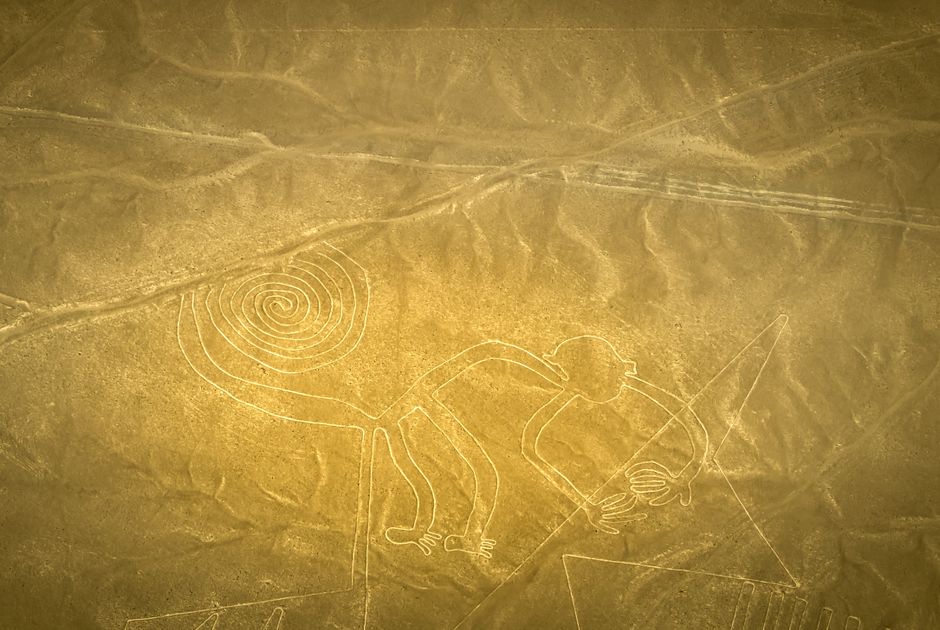
비행기 창밖으로 봐야만 겨우 알아볼 수 있는 그림을, 대체 왜 그 시대 사람들은 땅 위에 그려 놓았을까. 2천 년 가까이 지난 지금까지도 페루 남부의 나스카 사막에는 새 한 마리, 원숭이 한 마리가 수백 미터 크기로 새겨져 있다. 사람 키보다 높은 곳에서 봐야 형체가 보이는 그림을, 하늘을 날 방법도 없던 사람들이 왜 그렸는지는 여전히 답이 나오지 않았다.
외계인이 만들었다는 말까지 나올 법도 하지만, 최근 몇 년 사이 이 미스터리에 꽤 진지한 균열이 생겼다. 2024년, 일본 야마가타대학의 사카이 마사토 교수 연구팀이 AI에게 기존에 확인된 나스카 지상화 패턴을 학습시키고 고원 전체를 다시 스캔한 것이다. 결과는 놀라웠다. 1,309곳의 유력 후보지를 추려낸 뒤 실제 드론 답사와 현장 검증을 거쳐 303개의 새로운 지상화를 추가로 확인했다.
있는 줄도 몰랐던 그림이 갑자기 300개 넘게 나온 이유
몇 십 년째 사람 눈으로 훑어봐도 못 찾던 그림들이 왜 이제야 나왔을까 싶겠지만, 이유는 단순하다. 기존에 알려진 대형 선형 지상화는 하늘에서만 보이지만, 이번에 새로 발견된 것들은 크기가 훨씬 작고 지면과 가까운 곳에 있어 사람 눈으로는 그냥 지나치기 쉬운 형태였다. 사카이 교수팀은 위성영상과 LiDAR, 항공사진에 머신러닝을 결합해서 사막 표면 전체를 다시 읽어냈고, 그 결과 그동안 확인된 지상화 수가 거의 두 배로 늘었다.
길과 그림의 관계, 의외로 실마리가 여기 있었다
그럼 이 그림들은 대체 무슨 용도였을까 하는 질문에, 연구팀은 뜻밖의 단서를 내놨다. 새로 확인된 작은 부조형 지상화들이 사람들이 실제로 반복해서 다녔던 옛길 주변에 몰려 있었다는 점이다. 반면 우리가 익히 아는 거대한 선형 그림들은 오히려 공동체 단위의 의례 행사와 관련 있을 가능성이 크다고 봤다. 그러니까 작은 그림은 ‘지나가며 보는 표식’에 가깝고, 큰 그림은 ‘모여서 치르는 의식’의 흔적이라는 얘기다. 두 종류가 완전히 다른 목적으로 만들어졌을 수 있다는 뜻이라 흥미로운 대목이다.
2천 년 넘게 안 지워진 것도 미스터리라면 미스터리다
그림의 정체 못지않게 신기한 건 보존 상태다. 페루 남부 사막은 연간 강수량이 극도로 적고 바람도 약한 편이라, 표면의 검붉은 돌을 걷어내 흰 지반을 드러내는 방식으로 그린 선들이 지금까지 거의 그대로 남아있다. 자연조건이 이렇게까지 맞아떨어지는 곳도 드물다 보니, 오히려 이 우연 같은 보존 조건이 없었다면 애초에 지상화라는 개념 자체가 알려지지도 못했을 거라는 얘기까지 나온다.
그래서 누가, 왜 그렸다는 건가
여전히 완전한 답은 아니다. 다만 지금까지 나온 근거들을 모아보면, 나스카 문명이 기원전 500년부터 기원후 500년 사이 이 지역에 살면서 천문 관측이나 물 관련 의식, 신에게 바치는 제의의 일환으로 이 그림들을 그렸을 가능성이 유력하게 거론된다. AI가 찾아낸 300여 개의 신규 지상화 덕분에 이제야 ‘큰 그림용 vs 길 표식용’이라는 구분이 생겼을 뿐, 정확히 누가 왜 그렸는지는 여전히 열려 있는 질문이다.
자주 묻는 질문
Q. 나스카 지상화는 실제로 하늘에서만 보이나요? 큰 그림들은 그렇다. 벌새나 원숭이처럼 유명한 형상들은 수백 미터 규모라 지상에서는 선 몇 개만 보일 뿐 전체 형태를 알아보기 어렵다. 다만 이번에 AI로 새로 발견된 작은 부조형 그림들은 크기가 작아 근처 언덕이나 낮은 고도에서도 확인 가능한 경우가 있다.
Q. 직접 가서 볼 수 있나요? 페루 나스카 지역에서 경비행기 투어를 통해 상공에서 관람할 수 있다. 다만 고지대에 사막 기후라 멀미가 심한 사람이라면 사전에 대비가 필요하다는 후기가 많다.
Q. 외계인이 만들었다는 설은 근거가 있나요? 1960~70년대 일부 저술에서 제기된 주장이지만, 학계에서는 나스카 문명의 도구와 제작 기법으로도 충분히 재현 가능하다는 실험 결과가 여러 차례 나온 바 있어 설득력 있는 근거로 받아들여지지 않는다.
신곡 하나 나오는 데 뭐 그렇게 오래 걸리냐고 묻는 사람이 많지만, 사실 팬들이 SNS에서 “컴백 떴다”고 환호하는 그 순간은 이미 몇 달 전부터 준비된 일정의 마지막 단계에 가깝다. 티저 이미지 한 장이 올라오기까지, 그 뒤에는 녹음실과 연습실을 오가며 쌓인 시간이 훨씬 길게 깔려 있다.
컴백일 한 달 전, 조용히 시작되는 예고편 전쟁
공식 발표 없이도 팬들 사이에서 컴백설이 먼저 도는 경우가 흔한데, 이때 회사는 대개 컴백일로부터 3~4주 전 시점에 콘셉트 포토부터 순서대로 공개한다. 처음엔 인물 사진 한 장, 다음엔 그룹 단체컷, 그다음엔 짧은 하이라이트 클립 순으로 조금씩 정보량을 늘려가는 방식이다. 이 순서가 무너지면 팬덤 반응도 예상과 다르게 흘러가기 때문에, 공개 간격과 순서 자체가 하나의 전략으로 취급된다.
정작 노래는 몇 달 전에 이미 끝나 있다
티저가 뜨는 시점엔 이미 늦었다고 생각할 수도 있지만, 실제 녹음 작업은 보통 그보다 두세 달 앞서 마무리된다. 타이틀곡 선정 자체가 회사 내부 회의와 멤버들 의견을 거쳐 여러 후보 중에서 좁혀지는 과정이라, 곡이 확정된 뒤에도 가이드 보컬을 참고해 실제 멤버 목소리로 다시 녹음하는 데만 며칠이 걸린다. 그 사이 안무팀은 별도로 붙어서 곡에 맞는 포인트 동작을 짜고, 멤버들과 몇 차례 수정을 거친 뒤에야 최종 안무가 확정된다.
연습실 불은 밤늦게까지 꺼지지 않는다
안무가 나왔다고 끝난 게 아니라 오히려 그때부터가 진짜 시작이다. 컴백을 앞둔 몇 주간은 멤버들이 거울 앞에서 같은 동작을 몇 백 번씩 맞춰보는 시간으로 채워진다. 대형 이동 동선이나 카메라 워킹까지 고려한 ‘방송용 동선’을 따로 짜는 경우도 많아서, 단순히 춤을 추는 것과 무대에서 보여주는 춤은 연습 강도 자체가 다르다는 얘기가 나온다.
쇼케이스, 사실 리허설만 하루 종일이다
막상 쇼케이스 당일 팬들이 보는 시간은 한두 시간 남짓이지만, 그 무대를 위해 당일 아침부터 카메라 동선, 조명 큐, 음향 밸런스까지 맞추는 리허설이 몇 시간씩 이어진다. 생방송 음악 프로그램 출연이 겹치는 주라면 하루에 여러 방송사 무대를 옮겨 다니며 같은 동작을 반복해야 해서, 겉으로 보이는 화려함과 실제 스케줄 강도 사이의 간극이 꽤 크다.
컴백 스케줄, 어디서 확인하면 될까
이렇게 촘촘하게 짜인 컴백 일정을 팬 입장에서 놓치지 않고 따라가려면 스케줄 정리해주는 채널부터 챙겨보는 게 편하다. 실시간으로 컴백 일정을 모아 보여주는 사이트들이 여럿 있어서, 좋아하는 그룹의 티저 공개일부터 음악방송 출연일까지 한눈에 확인하는 팬들이 많다.
자주 묻는 질문
Q. 타이틀곡은 누가 정하나요? 최종 결정은 회사 프로듀싱팀과 대표 프로듀서가 하는 경우가 많지만, 최근에는 멤버들이 직접 작사·작곡에 참여하거나 후보곡 선정 단계에서 의견을 내는 그룹도 늘고 있다.
Q. 티저가 예정보다 늦게 나오는 이유는 뭔가요? 뮤직비디오 촬영이나 후반 작업 일정이 밀리는 경우, 혹은 의상·세트 관련 마무리 작업이 늦어지는 경우가 대표적인 이유로 꼽힌다. 팬들 사이에서는 종종 불안 요소로 받아들여지지만, 실제로는 완성도를 높이려는 조정인 경우가 많다.
Q. 쇼케이스는 아무나 갈 수 있나요? 대부분 사전 응모나 팬클럽 우선 예매를 거쳐야 하고, 좌석 수가 한정돼 있어 경쟁률이 높은 편이다. 온라인 생중계로 동시 송출되는 경우가 많아 현장에 못 가더라도 실시간으로 지켜볼 수 있는 방법이 마련돼 있다.
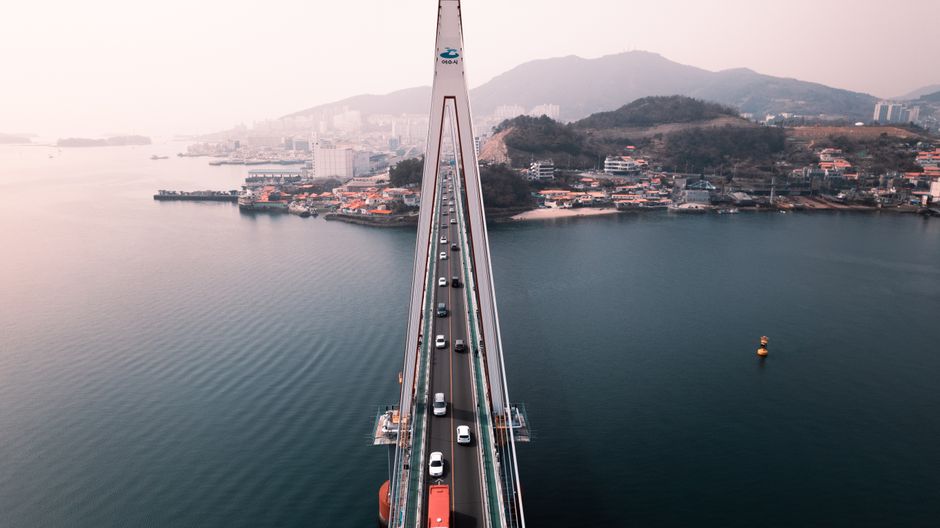
“여수 밤바다”라는 노래 제목만 알고 정작 여수에 가본 적 없는 사람이 의외로 많다. 노래방에서 백번 부른 것과 실제로 돌산대교 아래 파란 조명이 물 위에 번지는 걸 보는 건 완전히 다른 이야기다. 지난여름 이곳을 다녀온 여행객들 후기를 보면 한결같이 나오는 말이 있다. “사진보다 실물이 낫다”는 거다.
1코스: 해상케이블카, 일몰 시간 맞춰야 진짜다
낮에 타도 예쁘지 않겠냐고 할 수도 있지만, 여수 해상케이블카는 확실히 해 질 무렵이 다르다. 오동도와 자산공원을 잇는 국내 최초의 바다 위 케이블카인데, 일반 캐빈 외에 바닥이 투명하게 뚫린 크리스탈 캐빈까지 운영 중이다. 현재 두 종류 합쳐 50대가 오가고 있어서 성수기가 아니라면 대기 시간이 그렇게 길지는 않다. 다만 크리스탈 캐빈은 인기가 많아 따로 줄을 서야 할 수도 있으니 참고하자.
2코스: 낭만포차 거리, 배고픈 채로 가야 제맛
케이블카에서 내려와 슬슬 허기가 질 때쯤 찾아가면 딱 좋은 곳이 거북선대교 아래 낭만포차 거리다. 파란 조명으로 장식된 포장마차들이 바닷가를 따라 쭉 늘어서 있는데, 해산물 안주부터 여수 특산물인 갓김치를 곁들인 메뉴까지 종류가 다양하다. 바다를 바로 옆에 두고 먹는 자리라 그런지, 다른 지역 포차 거리보다 유독 사진 찍으러 오는 사람이 많다.
3코스: 돌산공원, 여수 밤바다 전체를 내려다보는 자리
포차 거리에서 배를 채웠다면 이번엔 조금 올라가야 한다. 돌산대교 바로 옆에 자리한 돌산공원에서는 형형색색으로 빛나는 돌산대교와 거북선대교를 한 프레임에 담을 수 있다. 연인들의 데이트 코스로 유명한 이유가 있다 싶을 만큼, 야경 하나만큼은 여수 시내 어디에 내놔도 밀리지 않는 곳이다.
4코스: 다음 날 아침엔 오동도 일출로 마무리
전날 밤을 화려하게 보냈다면 아침은 반대로 차분하게 채워보자. 동백꽃으로 유명한 오동도는 해가 뜨는 시간대에 산책하면 관광객이 적어 훨씬 여유롭게 걸을 수 있다. 밤에는 케이블카로 훑어봤던 섬을, 아침엔 직접 걸어서 다시 만나는 셈이라 같은 장소를 두 번 다르게 즐기는 기분이 든다.
자주 묻는 질문
Q. 여수 밤바다 코스, 1박2일이면 충분한가요? 해상케이블카, 낭만포차, 돌산공원까지는 하루 만에도 충분히 돌 수 있다. 다만 오동도 일출까지 챙기려면 하루를 묵고 아침 일찍 움직이는 편이 여유롭다.
Q. 크리스탈 캐빈, 꼭 따로 예약해야 하나요? 현장 구매도 가능하지만 주말이나 성수기에는 대기가 길어질 수 있어 온라인 사전 예약을 해두는 여행객이 많다.
Q. 낭만포차 거리는 언제까지 운영하나요? 계절과 포차마다 조금씩 다르지만 대체로 저녁부터 자정 무렵까지 운영한다. 겨울철에는 일부 포차가 단축 운영하는 경우도 있으니 방문 전 확인하는 게 안전하다.
비 오는 날 부추전 안 먹으면 서운하다는 사람도 있지만, 정작 집에서 부치면 식당처럼 바삭하게 안 나온다고 하소연하는 사람이 더 많다. 문제는 대부분 부추나 불 세기가 아니라 반죽 자체에 있다. 물 대신 뭘 넣느냐, 가루를 어떤 비율로 섞느냐에 따라 같은 재료로도 결과물이 완전히 달라진다.
반죽 비율부터 다시 잡자
부침가루만 쓰면 되지 않냐고 생각하기 쉽지만, 바삭한 식감을 살리려면 부침가루와 튀김가루를 3:1 비율로 섞는 게 핵심이다. 부침가루가 기본적인 점성과 감칠맛을 잡아주고, 튀김가루가 가벼우면서 바삭한 식감을 더해주는 역할을 한다. 부추 한 줌(약 150g) 기준으로 튀김가루 1컵, 부침가루 반 컵 정도가 무난한 비율이다.
물은 반드시 얼음물, 이거 하나만 지켜도 다르다
별거 아닌 것 같아도 반죽에 넣는 물의 온도가 의외로 결과를 크게 바꾼다. 미지근한 물로 반죽하면 글루텐이 빨리 활성화돼 식감이 질겨지는데, 얼음을 2~3개 띄운 찬물을 쓰면 반죽이 눅눅해지지 않고 굽는 동안 수분이 빠르게 날아가면서 바삭함이 훨씬 오래 유지된다. 반죽 농도는 국자로 떠서 주르륵 흐르지 않고 약간 뻑뻑하게 떨어질 정도가 적당하다.
탄산 있는 맥주, 넣어보면 이유를 알게 된다
의외라고 생각할 수 있지만 반죽 물의 일부를 맥주로 바꾸면 확실히 다른 식감이 나온다. 맥주 속 탄산 기포가 반죽 안에 미세한 공기층을 만들어주는데, 이 공기층이 굽는 동안 수분을 더 빨리 날려보내는 역할을 해서 겉은 바삭하고 속은 촉촉한 대비가 살아난다. 술 냄새가 걱정된다면 소량만 섞어도 효과는 충분하다.
기름은 아끼지 말고, 뒤집는 타이밍은 한 번만
기름을 적게 써야 건강에 좋을 것 같지만, 부추전만큼은 예외에 가깝다. 팬 전체에 기름이 얇게 코팅되도록 넉넉히 둘러야 반죽 겉면이 튀기듯 익으면서 바삭한 층이 생긴다. 그리고 뒤집는 횟수도 중요한데, 자꾸 뒤적이면 반죽이 부서지고 식감도 물러지니 한쪽 면이 완전히 노릇해질 때까지 기다렸다가 딱 한 번만 뒤집는 게 요령이다.
재료는 취향껏, 청양고추 하나면 확 산다
부추만 넣어도 맛있지만, 양파와 당근을 채 썰어 조금 섞으면 단맛이 더해지고 색감도 화사해진다. 여기에 청양고추를 하나 다져 넣으면 느끼함을 잡아주면서 맛의 밸런스가 확 살아나니, 매운 걸 못 먹는 게 아니라면 꼭 한번 넣어보길 추천한다.
자주 묻는 질문
Q. 부침가루가 없으면 밀가루로만 해도 되나요? 가능은 하지만 부침가루에는 이미 소금과 조미료가 배합돼 있어 간을 따로 맞춰야 한다. 밀가루만 쓸 경우 소금 약간과 다진 마늘을 넣어 밑간을 해주는 게 좋다.
Q. 냉동 보관하면 바삭함이 유지되나요? 구운 뒤 식혀서 냉동하면 보관은 되지만, 해동 후 전자레인지보다는 에어프라이어나 팬에 다시 구워야 바삭함이 어느 정도 살아난다. 전자레인지는 수분이 다시 스며들어 눅눅해지기 쉽다.
Q. 부추전과 파전, 반죽 비율이 다른가요? 기본 반죽 비율은 비슷하지만 파전은 대파의 수분이 많아 반죽을 살짝 더 되직하게 잡는 편이 좋다. 부추는 상대적으로 수분이 적어 이번 레시피 비율 그대로 적용해도 무난하다.
My father-in-law once told me, dead serious, that a rainy Tuesday is basically a national holiday for fried chicken delivery. I laughed the first time I heard it. I stopped laughing the third time I watched him actually order the moment the first drop hit the window. That’s when I understood chimaek isn’t a snack combo here — it’s closer to a reflex.
You might assume “chicken and beer” is just something every country does in some form, and sure, that’s fair. But Korea took two separate things — fried chicken and beer — and welded them into one word, one craving, and eventually one Oxford English Dictionary entry. In 2021, “chimaek” officially made it into the OED, defined as fried chicken enjoyed with beer, Korean-style. That’s not a small thing for a word that barely existed in casual conversation fifty years ago.
It’s newer than you’d think
Here’s the part that surprised me most when I first looked into it: whole roasted chicken was already a thing in Korea by the 1960s, mostly at electric rotisserie shops around Myeongdong, but that was a family outing kind of food, not a beer-pairing. The actual fried-chicken-with-beer combo we know today didn’t really take shape until the late 1970s, once cooking oil became affordable and widespread enough for frying to move from special occasion to everyday menu. So next time someone acts like chimaek is some ancient tradition, you can gently correct them — it’s younger than disco.
What changed everything, though, wasn’t the chicken itself. It was where people started eating it. Chimaek stopped being a delivery-only thing and became baseball stadium food, company dinner food, Han River picnic food. I’ve sat cross-legged on a picnic mat by the Han River with a paper cup of draft beer balancing on my knee more times than I can count, and I still don’t fully understand how a plastic bag of fried chicken tastes better outdoors than it does on a plate at home. But it does.
Why beer specifically, and not soju
Strange as it sounds for a country famous for soju, chimaek culture leans hard on beer, and there’s a practical reason for it. Fried chicken is heavy, salty, greasy — the kind of food that needs something carbonated and cold to cut through it, not something that intensifies the heaviness. Soju pairs better with grilled meat or spicy stews, where you want that sharper, cleaner contrast. Beer just does the job fried chicken needs: wash it down, reset your palate, repeat.
The delivery app changed the math entirely
I wish I knew this before moving here, but ordering chimaek in Korea isn’t really “ordering food” the way I understood it back home. You open an app, pick a chain — there are dozens, each with a cult following over whether their sauce or their batter is superior — and thirty minutes later someone’s at your door with a bag that’s somehow still hot. No tip expected, no awkward cash fumbling. It’s efficient enough that I’ve genuinely questioned why I’d ever cook chicken myself again.
And on nights the delivery minimum feels like too much commitment, there’s always the convenience store option. Grab a canned beer, maybe some tteokbokki-flavored chips, and call it a smaller-scale chimaek. It’s not quite the same ceremony, but it counts.
It traveled further than I expected
You’d think a food-and-drink combo this specific would stay local, but the K-drama and K-pop wave of the 2010s carried chimaek along with it, and now I’ve seen Korean fried chicken chains in cities that have nothing else Korean around them. Getting a dictionary entry in 2021 was almost a formality at that point — the word had already spread faster than anyone was tracking it.
FAQ
Is chimaek just fried chicken and any beer, or does it have to be a specific brand? No specific brand required — draft beer (called “hof” beer here) is the classic pairing, but canned beer from a convenience store works just fine for a casual version. The combo matters more than the label.
Why do Koreans double-fry their chicken? It’s a texture thing. Frying twice — once at a lower temperature to cook it through, then again at higher heat for a short burst — renders out more fat and leaves the skin far crunchier, which holds up better even after a 30-minute delivery ride.
Is it rude to order chimaek alone? Not at all. Solo chimaek nights, sometimes called “honmaek,” are common enough that most delivery portions are sized for exactly that.
보닛을 열어본 지 얼마나 됐는지, 선뜻 대답하기 어려운 운전자가 많다. 계기판에 경고등 하나 뜨지 않으면 차는 멀쩡하다고 믿기 쉽지만, 정작 문제는 경고등이 켜지기 벌써 한참 전부터 시작된다. 정비소에 가서 진단만 맡기면 되지 않느냐고 반문할 수도 있지만, 5분짜리 셀프 점검 몇 가지만 미리 해두면 불필요한 출장이나 과잉 정비를 피할 수 있다. 공구도 필요 없다. 손전등 하나와 100원짜리 동전 한 닢이면 충분하다.
엔진오일, 게이지에 묻은 색부터 본다
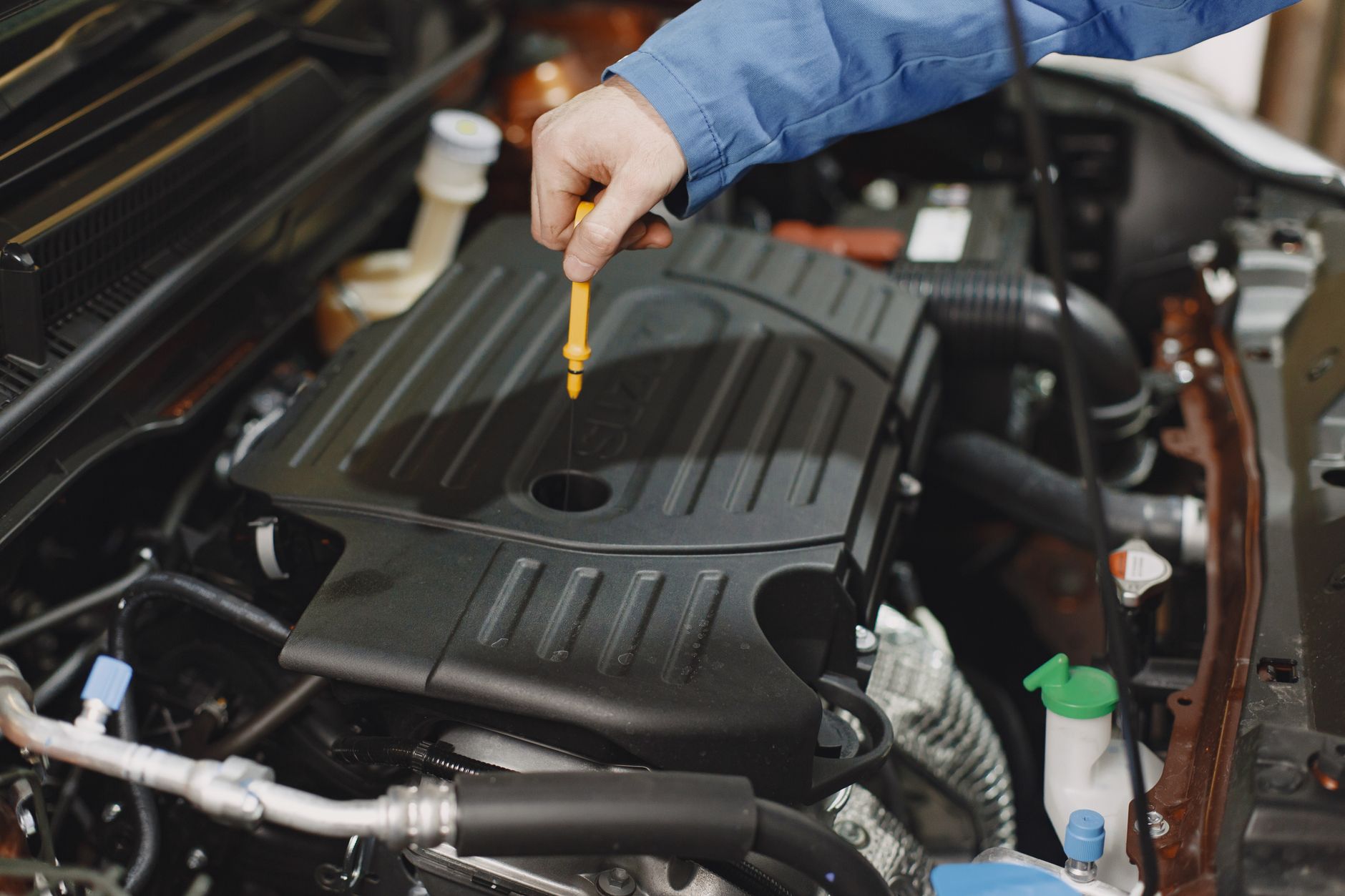
평지에 주차하고 엔진이 식은 상태에서 오일 게이지를 뽑아본다. 처음 뽑았을 때 묻어나온 오일은 일단 천으로 닦아내고, 다시 끝까지 밀어 넣었다가 빼내는 게 순서다. 게이지 끝의 오일 자국이 MIN과 MAX 눈금 사이에 걸쳐 있으면 양은 정상이다. 색깔이 진한 갈색이나 검은색에 가깝다고 해서 무조건 교체 신호는 아니다. 오일은 원래 쓰면서 검게 변하기 때문이다. 다만 손가락으로 문질렀을 때 끈적임 없이 묽고 흐르는 느낌이라면, 점도가 떨어졌다는 뜻이라 교체 시기가 지났을 가능성이 크다. 일반 광유는 5,000~10,000km, 합성유는 10,000~15,000km 정도가 흔히 권장되는 주기인데, 주행 거리보다 6개월~1년이라는 시간 기준이 먼저 차는 경우도 의외로 많다.
타이어, 동전 하나면 판정 끝난다
타이어는 눈으로만 봐서는 마모 정도를 가늠하기 어렵다고 생각하기 쉽지만, 지갑 속 100원짜리 동전 하나로 충분하다. 동전을 타이어 트레드 홈에 거꾸로 세워 넣었을 때, 이순신 장군 초상의 관모 부분이 절반 넘게 드러나 보인다면 법정 마모 한계선인 1.6mm에 가까워졌다는 신호다. 이 상태로 빗길을 달리면 제동 거리가 눈에 띄게 길어진다. 공기압도 함께 봐야 한다. 운전석 문을 열었을 때 안쪽 기둥에 붙은 스티커에 적힌 수치가 그 차의 정답이고, 대체로 30~35psi 사이에서 정해진다. 공기압계가 따로 없다면 동네 주유소나 셀프 세차장 에어기를 빌려 써도 되는데, 한 달에 한 번 정도는 확인하는 습관을 들이는 편이 낫다. 타이어 옆면에 실금이 가 있거나 못이 박힌 흔적이 있다면, 공기압이 정상으로 나와도 그냥 넘기지 않는 게 안전하다.
워셔액과 냉각수, 보닛만 열어도 다 보인다
워셔액 보충 통은 대개 파란색이나 반투명 재질로 되어 있어 뚜껑만 열어도 잔량이 바로 보인다. 비어 있으면 와이퍼를 작동시켜도 유리 먼지만 밀어내는 꼴이라 시야 확보에 오히려 방해가 된다. 냉각수 보조 탱크는 LOW와 FULL 두 눈금 사이에 액체가 있어야 정상이고, 엔진이 뜨거운 상태에서는 절대 뚜껑을 열면 안 된다. 뜨거운 냉각수가 압력에 밀려 튀어나올 수 있어서다. 냉각수가 자꾸 줄어든다면 단순 증발이 아니라 어딘가 새고 있다는 뜻일 수 있는데, 이런 경우는 셀프 점검으로 끝내지 말고 반드시 정비소에서 원인을 확인해야 한다.
배터리 단자, 하얀 가루가 보인다면
겨울 아침 시동이 잘 안 걸린다고 배터리 탓만 하기 쉽지만, 단자 부식이 원인인 경우도 적지 않다. 보닛을 열어 배터리 단자 부분을 살펴봤을 때 하얗거나 푸르스름한 가루가 붙어 있다면 부식이 진행 중이라는 신호다. 이 가루가 전류 흐름을 방해해서, 배터리 자체는 멀쩡한데도 시동이 힘겹게 걸리는 일이 생긴다. 단자를 흔들어봤을 때 헐겁다면 렌치로 살짝 조여주는 정도는 초보자도 어렵지 않게 할 수 있다. 배터리 수명은 보통 3~5년으로 보는데, 이 기간을 훌쩍 넘긴 배터리라면 단자가 깨끗해 보여도 방전 위험은 그대로 남아 있다.
와이퍼, 유리에 자국이 남으면 그때는 늦은 것
와이퍼는 저렴한 소모품이라 다들 후순위로 미루지만, 정작 비 오는 날 시야를 좌우하는 부품이다. 와이퍼를 작동시켰을 때 유리에 물기가 줄무늬로 남거나 드르륵거리는 소리가 난다면 고무날이 굳었다는 뜻이다. 손가락으로 고무날을 문질러봤을 때 갈라짐이 만져진다면 교체할 때가 된 것이다. 교체 주기는 보통 6개월에서 1년 사이로 잡지만, 여름철 뙤약볕에 주차를 오래 하는 차라면 고무가 그보다 빨리 굳어버리는 경우도 있다.
엔진오일 색이 까맣게 변했는데 아직 주행거리는 안 됐어요. 그래도 교체해야 하나요?
주행거리만 보고 판단하기엔 애매한 경우다. 오일 색이 검다고 무조건 나쁜 오일은 아니다. 연소 찌꺼기가 섞이면서 자연스럽게 어두워지기 때문이다. 다만 게이지에 묻은 오일을 손가락으로 비벼봤을 때 이물감이 느껴지거나 끈적임 없이 묽게 흐른다면, 거리와 상관없이 교체하는 편이 낫다. 시간 기준으로 6개월에서 1년을 넘겼다면 색과 무관하게 갈아주는 게 안전하다.
타이어 공기압이 적정치보다 조금 낮게 나왔어요. 바로 정비소에 가야 하나요?
몇 psi 정도 낮은 수준이라면 근처 주유소나 셀프 세차장 에어기로 직접 채워도 충분하다. 문제는 공기압이 눈에 띄게 빠르게 줄어드는 경우다. 일주일 만에 다시 낮아졌다면 못이 박혔거나 밸브가 새고 있을 가능성이 있어서, 이때는 셀프로 채우는 걸로 끝내지 말고 정비소에서 원인을 찾아보는 게 맞다.
배터리 단자를 직접 청소해도 될까요?
간단한 부식이라면 시동을 끄고 마이너스(-) 단자부터 먼저 분리한 다음, 물에 희석한 베이킹소다로 닦아내는 정도는 초보자도 시도해볼 만하다. 순서를 반대로 해서 플러스 단자부터 만지면 합선 위험이 있으니 주의가 필요하다. 부식이 심하거나 배터리 자체가 부풀어 있다면, 이때는 직접 손대지 말고 교체를 전문가에게 맡기는 편이 안전하다.
1945년 12월 5일 오후 2시 10분, 플로리다 포트로더데일 해군항공기지에서 뇌격기 다섯 대가 차례로 떠올랐다. 편대 이름은 플라이트19. 조종사와 승무원 열네 명을 태운 이 훈련 비행대는 대서양 상공을 세 시간 돌고 기지로 복귀하는, 특별할 것 없는 오후 항법 훈련을 하고 있었다. 그런데 오후 4시가 조금 지난 시각, 관제탑 무전기에 이상한 목소리가 잡혔다. “우리가 어디 있는지 모르겠다. 육지가 보이지 않는다.” 그날 밤 아홉 시가 다 되도록 다섯 대의 비행기 중 단 한 대도 돌아오지 못했다.
이상하게 들릴 수도 있지만, 이 사건이 유명해진 진짜 이유는 실종 그 자체가 아니다. 실종된 편대를 찾으러 나갔던 마틴 마리너 구조기 한 대마저, 승무원 열세 명을 태운 채 통신이 끊기고 다시는 발견되지 않았다는 점이다. 미 해군은 함정과 항공기 수백 대를 동원해 대서양과 멕시코만 일대를 몇 주간 뒤졌다. 잔해 한 조각, 기름띠 하나 나오지 않았다. 조사 보고서는 원인을 “알 수 없음”으로 남겼고, 그 공백이 이후 수십 년 동안 온갖 추측을 불러들이는 빈틈이 됐다.
플라이트19, 사실은 미스터리가 아니었을 수도 있다
편대장 찰스 테일러 대위의 비행 기록을 들여다보면 조금 다른 그림이 보인다. 그는 태평양 전선에서 항공모함이 격침돼 구명보트로 표류한 경험이 있는 베테랑이었지만, 플로리다 해역 비행은 이번이 처음이었다. 그날 그의 나침반이 오작동했다는 무전 기록이 실제로 남아 있다. 방향을 잃은 편대는 바하마 제도를 플로리다키스로 착각해 계속 동쪽으로, 그러니까 육지에서 점점 멀어지는 방향으로 비행했다는 게 해군 조사관들의 재구성이다. 해가 지고 연료가 바닥나면서 다섯 대는 거친 야간 대서양 위에 순차적으로 불시착했을 가능성이 높다. 당시 그 해역 파고는 4.5미터를 넘었다고 기록돼 있다. 야간에, 악천후 속에, 통신도 끊긴 채 착수한 뇌격기가 무사할 확률은 사실 그리 높지 않다.
구조기가 사라진 이유는 더 단순하게 설명된다. 실종된 마틴 마리너 기종은 조종실에 휘발유 증기가 차기 쉬운 구조적 결함으로 악명이 높았다. 인근을 지나던 상선 SS 게인즈밀스호 승무원들은 그날 밤 바다 위에서 폭발과 함께 불기둥이 치솟는 걸 목격했다고 진술했다. 미스터리한 흡입력이 아니라, 낡은 기체와 기름 증기와 담뱃불 하나가 만든 비극이었을 가능성 쪽에 더 무게가 실린다.
1918년, 이미 306명이 사라졌다
버뮤다 삼각지대 이야기가 플라이트19에서 시작됐다고 생각하기 쉽지만, 그보다 27년 앞선 사건이 있다. 1918년 3월, 미 해군 보급함 USS 사이클롭스호가 브라질에서 볼티모어로 향하던 중 바베이도스에 잠시 들른 뒤 자취를 감췄다. 승무원과 승객 306명 전원이 함께 사라졌다. 조난 신호도, 잔해도 없었다. 미 해군 역사상 전투와 무관한 인명 손실로는 지금도 최대 규모로 남아 있는 사건이다. 흥미로운 점은 이 배가 정원을 초과해 망간 광석을 가득 싣고 있었다는 사실인데, 화물이 한쪽으로 쏠리며 배가 순식간에 전복됐을 가능성이 조사 초기부터 제기됐다. 폭풍 경보가 있었는데도 무리하게 항해를 강행했다는 기록도 남아 있다.
자기장이 배와 비행기를 삼킨다는 말, 사실일까
버뮤다 삼각지대 하면 가장 먼저 떠오르는 설명이 자기 이상 현상이다. 이 해역이 진북과 자북이 거의 일치하는 무편각선 위에 있어서, 나침반을 다루는 데 익숙하지 않은 조종사나 항해사가 방향을 오판하기 쉽다는 이야기다. 그럴듯하게 들리지만, 미국 지질조사국과 여러 해양 연구기관이 실제로 이 해역을 정밀 측정한 결과는 다르다. 이상 자기장도, 설명되지 않는 전자기 교란도 확인되지 않았다. 무편각선은 지구 자전축이 조금씩 흔들리면서 시간이 지나면 위치가 이동하는데, 지금은 오히려 버뮤다 삼각지대를 벗어나 있다.
해저 메탄가스 폭발설도 한동안 인기를 끌었다. 해저에 갇혀 있던 메탄 하이드레이트가 한꺼번에 터져 나오면서 바닷물 밀도를 낮추고, 그 위를 지나던 배가 순식간에 가라앉는다는 시나리오다. 영상으로 재현하면 꽤 설득력 있어 보이지만, 미국 지질조사국은 이 해역에서 지난 1만5천 년 동안 그 정도 규모의 메탄 분출이 있었다는 지질학적 증거를 찾지 못했다고 밝혔다. 있지도 않은 폭발로 비행기 실종까지 설명하기는 더더욱 무리다.
정작 통계는 훨씬 심심한 이야기를 들려준다. 미국 해안경비대와 로이드 보험사가 각각 집계한 자료를 보면, 버뮤다 삼각지대의 사고 발생률은 다른 대양 항로와 견줘 유독 높지 않다. 벌써 반세기 넘게 이 해역을 지나는 선박과 항공편 수가 압도적으로 많았을 뿐이라는 게 더 정확한 설명에 가깝다. 카리브해 특유의 갑작스러운 열대성 스콜, 걸프 해류의 예측하기 힘든 흐름에 사람의 판단 실수까지 겹치면 사고는 어디에서든 일어난다. 다만 ‘버뮤다 삼각지대’라는 이름표가 붙는 순간, 평범한 조난 사고도 미스터리로 포장되기 쉬워진다는 점은 분명하다.
그래도 남는 질문들
과학적 설명이 다 나왔다고 해서 이야기가 완전히 끝나는 건 아니다. 플라이트19의 잔해는 지금까지도 발견되지 않았다. 나침반 오작동과 야간 착수라는 시나리오가 가장 유력하긴 하지만, 다섯 대 모두가 정확히 어디에 가라앉았는지는 여전히 미지수로 남아 있다. 사이클롭스호 역시 90년 넘게 수색이 이어졌는데도 선체가 발견된 적이 없다. 답을 모른다고 해서 초자연적 현상이라는 뜻은 아니지만, 그렇다고 모든 물음표가 다 지워진 것도 아니라는 얘기다.
자주 묻는 질문
버뮤다 삼각지대는 정확히 어디를 말하나요?
공식적으로 정해진 경계선은 없다. 마이애미, 버뮤다, 푸에르토리코 세 지점을 잇는 삼각형 모양의 대서양 해역을 가리키는 게 통상적인 정의다. 면적으로 치면 대략 130만 제곱킬로미터에 달하는데, 이렇게 넓은 해역이다 보니 애초에 통계적으로 사고가 몰릴 만한 특별한 이유를 찾기가 더 어렵다.
콜럼버스도 버뮤다 삼각지대에서 이상 현상을 겪었다는데, 사실인가요?
1492년 항해 일지에 콜럼버스가 이 해역에서 나침반 바늘이 흔들리고 밤하늘에 이상한 불빛을 봤다고 기록한 건 맞다. 다만 오늘날 학자들은 그 불빛을 화산 활동이나 유성, 나침반 이상을 자기 편차 계산 오류로 설명하는 쪽이 많다. 항해 중 흔히 겪을 수 있는 현상을 후대 사람들이 삼각지대 신화와 엮어 재해석한 사례에 가깝다.
보험사들은 이 해역을 위험 지역으로 취급하나요?
아니다. 로이드 보험사를 비롯한 주요 해상보험사들은 버뮤다 삼각지대에 별도의 위험 할증료를 매기지 않는다. 실제 사고 데이터를 근거로 다른 대서양 항로와 동일한 기준으로 보험료를 책정한다는 점이, 이 해역이 통계적으로 특별히 위험하지 않다는 주장을 뒷받침하는 근거로 자주 인용된다.
Walk into almost any Korean office at 6:58 a.m. on a Monday and you’ll see something odd: the newest hires already at their desks, coats off, while the department head strolls in at 8:55 sipping an Americano. It looks backwards until you understand the logic underneath it. In Korean companies, rank isn’t just a line on an org chart — it’s a script that tells you when to speak, where to sit, who pours the drink, and who gets to be a few minutes late. I’ve spent enough years watching this system up close, as Yijidaddy, to tell you it’s not as rigid as outsiders assume, and not nearly as loose as young employees wish it were.
The Title Ladder: From 사원 to 임원
Most large Korean corporations still run on a title ladder that hasn’t changed much since the 1970s conglomerate boom. It goes roughly like this: sawon (사원, staff-level), daeri (대리, assistant manager), gwajang (과장, section chief), chajang (차장, deputy general manager), and bujang (부장, general manager). Above bujang, you cross into the executive tier — imwon (임원) — with titles like isa (이사) and beyond, where the rules of the game change entirely because you’re no longer really an “employee” in the traditional sense; you’re closer to management leadership.
A typical timeline has someone spending three to four years as sawon before making daeri, then another four or so years before gwajang. By the time a person reaches bujang, they’ve often put in fifteen-plus years at the same company or industry. Sounds slow, and it is — that’s the point. Seniority by tenure was historically treated as proof of loyalty, and loyalty was treated as proof of competence. Younger employees today push back on that equation constantly, and honestly, they have a case.
What surprises a lot of foreigners is that these titles aren’t just internal — they get used like names. You don’t call your section chief “Mr. Kim” in a meeting; you call him “Kim Gwajang-nim,” title first, honorific suffix attached. Get the title wrong and it’s not a small slip. It signals you either don’t know where someone stands, or worse, that you don’t care.
Age vs. Title: Who Actually Outranks Whom
Here’s where it gets genuinely tricky, even for Koreans. Title determines your position on paper, but age determines a huge amount of the social dynamic underneath it. It’s entirely possible — common, even — for a 27-year-old daeri to be technically senior to a 34-year-old sawon who joined the company late after a career switch. On paper, the daeri gives instructions. In practice, the daeri will often speak to the older sawon with noticeably more deference than the org chart would suggest, softening orders into requests, avoiding direct correction in front of others.
You might assume this creates constant friction, and sometimes it does. But more often, both sides quietly work out an arrangement: the older, lower-ranked employee accepts the younger person’s authority on tasks and deadlines, while the younger, higher-ranked employee extends the everyday social respect that Korean culture assigns to age — using more polite speech levels, letting the older colleague pour their own drink first, that sort of thing. It’s a workaround, not a rulebook, and it doesn’t always hold.
Honorific Speech: The Grammar of Rank
Korean has a built-in honorific system, and the workplace is where it gets used most precisely. Speaking to a superior means switching verb endings, adding “-nim” to titles, and often changing your vocabulary entirely — even the word for “eat” changes depending on who’s doing the eating. Get too casual with someone above you and it reads as disrespect, even if you didn’t mean it that way. Get too formal with a peer and it can feel distant, even cold.
Strange as it sounds to someone from a flatter workplace culture, this isn’t just etiquette for its own sake. The honorific system does real communicative work — it tells everyone in the room, instantly, who has decision-making authority in that conversation. New hires often spend their first few months just calibrating this, and it’s genuinely exhausting. Even Korean-born new employees say the first year of adjusting their speech habits at work feels like learning a second dialect.
Hoesik: The Dinner That Was Never Really Optional
No conversation about Korean workplace hierarchy is complete without hoesik (회식) — the team dinner, usually built around grilled meat and soju, that traditionally doubled as unofficial work time. You weren’t paid for it, but you were absolutely expected to show up, and showing up late or leaving early used to be read as a quiet act of defiance. The idea behind it wasn’t unreasonable on its face: hierarchy makes people guarded at their desks, and a few rounds of soju is supposed to loosen that up so a bujang and a sawon can talk like human beings for once.
Even so, the reality for a lot of employees was less “bonding” and more “obligation.” Drinking games got used to enforce pecking order — juniors pouring for seniors, never the other way around, glasses refilled the moment they dipped below half-full. A 2023 JobKorea survey found that roughly 64 percent of employees in their twenties said they’d prefer hoesik events without alcohol entirely, which tells you how far the gap has grown between what hoesik was designed to do and how it actually landed on younger staff.
What’s Actually Changing
You’d be forgiven for thinking none of this budges, but it genuinely has, especially post-2020. Startups and younger tech companies in Seoul’s Gangnam and Pangyo districts have been quietly stripping out layers of the old title ladder altogether — plenty now use flat English-style titles like “Manager” or simply first names with “-nim” attached, regardless of tenure. Naver and Kakao popularized this years ago internally, and smaller startups followed suit because it’s genuinely easier to move fast when a junior developer can flag a problem to a senior one without navigating five layers of honorific speech first.
Hoesik hasn’t disappeared, but its shape has shifted. “Dry hoesik” — team meals with no alcohol — are increasingly normal, and lunchtime team-bonding has been eating into what used to be exclusively an evening ritual. Turns out, once companies started competing harder for younger talent, the old assumption that everyone would just tolerate late-night drinking sessions stopped holding up. That said, don’t expect this to be universal any time soon. Walk into a traditional manufacturing conglomerate versus a five-year-old fintech startup and you’ll still find two fairly different worlds operating under the same national culture.
Frequently Asked Questions
I just joined a Korean company as a foreign hire and I’m not sure how to address my coworkers. What’s the safe default?
When in doubt, use the person’s title plus “-nim” — for example, “Kim Gwajang-nim” rather than “Kim-ssi” or a first name. If you genuinely don’t know someone’s title yet, ask a peer quietly rather than guessing out loud in a meeting. Most Korean colleagues are patient with foreign staff still learning the system, but they do notice effort, so erring toward more formal is almost always the safer move than erring toward casual.
My team keeps scheduling hoesik on weeknights and I’d rather not drink. Is it acceptable to skip the alcohol?
Yes, and this is one of the areas where things have genuinely loosened up. It’s now common to simply say you don’t drink, or to drink very little while still showing up and participating in the conversation — nobody reasonable will force a glass on you at most modern companies. Full absence from hoesik entirely is still a different question and depends heavily on your specific team and manager, so gauge that separately from whether you’re expected to drink once you’re there.
A colleague younger than me was just promoted to a position above mine. How should I handle that?
This situation, called age-title inversion, comes up more than you’d think given Korea’s seniority-heavy hiring history, and there’s no single fixed rule — most workplaces handle it through mutual, unspoken calibration rather than an explicit policy. In practice, it usually works out with the younger person using respectful language and avoiding blunt commands, while you extend the professional deference their title now calls for on work matters. It can feel awkward for the first few weeks, but most people on both sides settle into a workable rhythm faster than expected.
The first time I sat down alone at a Korean barbecue place, the owner walked over, looked at the empty seats across from me, and asked if I was waiting for someone. I wasn’t. I just wanted galbi and a quiet lunch. That small, awkward pause — the “are you sure it’s just you?” moment — is the whole story of solo dining in Korea in one sentence. It used to be a real obstacle. These days, it’s mostly a memory, though not entirely.
What honbap actually means
Honbap (혼밥) is a compound of “honja” (alone) and “bap” (rice, or meal) — eating by yourself. You’ll also hear “honsul” for drinking alone and “honyeong” for watching a movie solo; Korean has quietly built an entire vocabulary around doing things by yourself over the last decade or so. That in itself tells you something. Ten years ago you rarely needed a word for it, because it rarely came up.
Korean dining has traditionally revolved around the shared table — communal stews, grilled meat split among the group, side dishes (banchan) refilled for everyone at once. A lot of restaurant menus were built assuming at least two people: samgyeopsal ordered by the portion for two, jjigae priced for a pot meant to be shared. Walking in solo used to mean either getting turned away outright or getting served with a raised eyebrow. You might assume that’s exaggeration, but staff at some restaurants really would ask a solo customer to eat quickly and free up the table, or seat them somewhere out of the way near the kitchen.
Why the shift happened
The honbap boom didn’t come out of nowhere. Around 2017, media outlets in Korea started pointing to it as a genuine cultural turn, not just a niche habit among students or night-shift workers. The underlying demographic shift is the real driver: single-person households made up roughly a third of all households in Seoul by the early 2020s, and the number keeps climbing as marriage rates fall and people live alone longer, whether by choice or circumstance. Restaurants that ignore that many potential customers are, frankly, leaving money on the table.
There’s also a television and streaming effect worth mentioning — shows built around the pleasure of eating alone, following characters who savor a meal for one without anyone commenting on it, helped normalize the idea that honbap isn’t sad or pitiable. It can just be relaxing. Surprisingly, for a culture that spent decades prizing the group over the individual, that reframing landed fast. Business owners noticed and adapted their floor plans, not just their attitudes.
Where solo diners still get side-eyed — and where you’ll never notice
Not every restaurant category caught up at the same pace, so it helps to know the map before you go in expecting either total ease or total friction.
Gukbap houses (rice-in-soup shops) were basically built for honbap before the word existed. You order at a counter or from a simple menu, sit at a long bar-style counter, and eat in fifteen minutes. Nobody blinks. The same goes for most noodle shops, kimbap chains like Kimbap Cheonguk, and the entire convenience store ecosystem — GS25, CU, 7-Eleven — where you can grab a triangle kimbap or instant noodles, add hot water at the in-store kettle, and eat standing or seated right there. It sounds almost too casual to count as “dining,” but for a huge share of solo diners in Korea, that’s the daily default, not a last resort.
Kiosk-ordering restaurants deserve a special mention because they’ve quietly solved a big chunk of the honbap anxiety problem. If there’s a touchscreen at the entrance, you don’t have to catch anyone’s eye, explain that it’s just you, or navigate a conversation in a language you might not speak fluently. You tap, you pay, you sit. Chains that have gone all-in on kiosks — many franchise gimbap shops, budget donkatsu spots, coffee chains — are functionally solo-proof now.
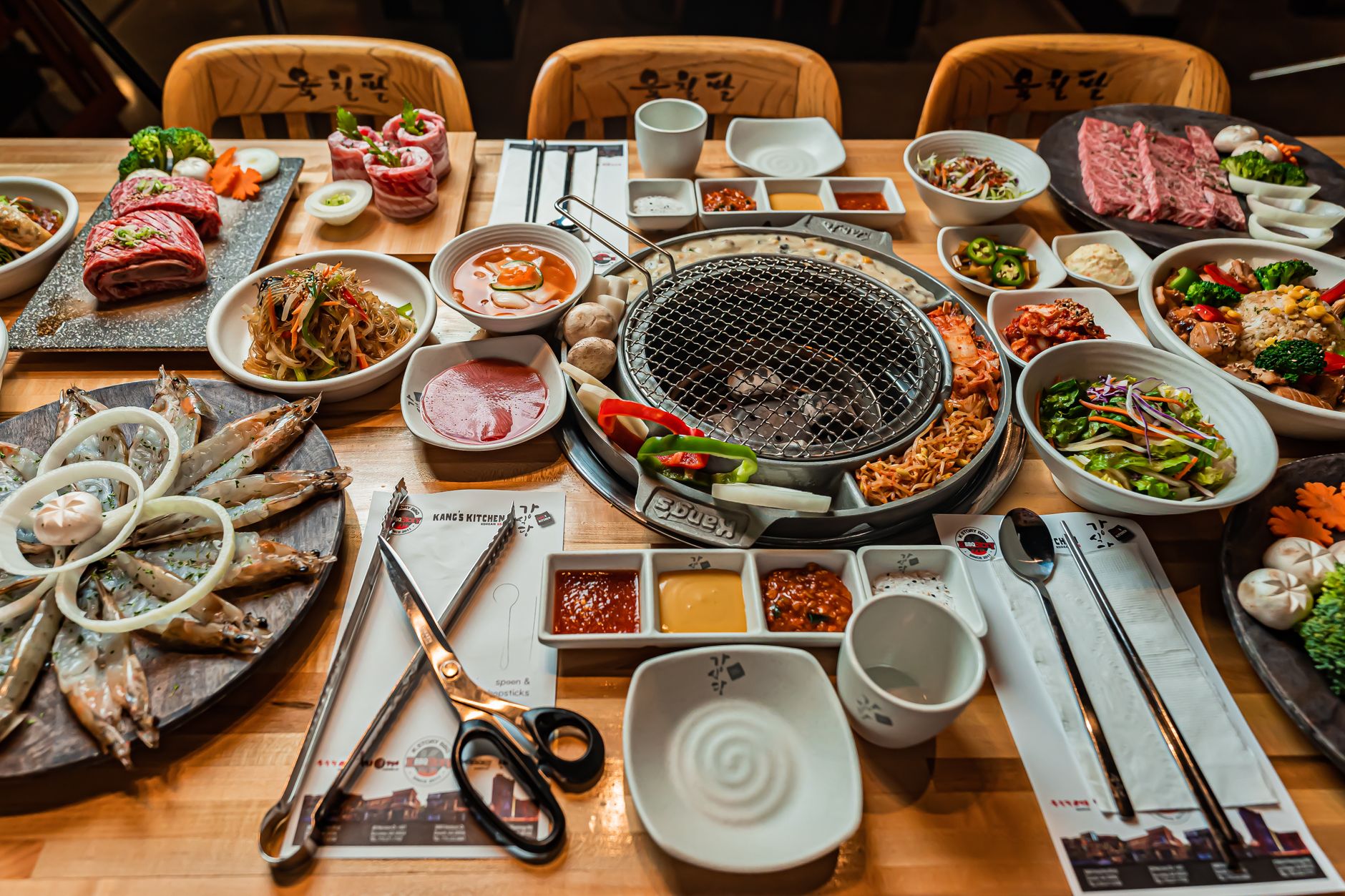
Korean barbecue is the trickier category, and it’s the one people ask me about most. Traditional KBBQ is built around shared grills and multi-portion ordering, which historically shut solo diners out entirely — you literally couldn’t order a single serving of meat at some places. That’s where the newer 1-person BBQ format comes in: individual grill stations at a counter, single servings starting around 9,000 to 12,000 won depending on the chain, self-serve banchan bars so you’re not waiting on staff. Gogitbar and Hongojip are two of the better-known chains built specifically around this idea, and they’ve spread well beyond Seoul at this point. If a regular KBBQ place doesn’t have single servings listed, it’s worth asking — some family-run spots will quietly accommodate you even without a formal solo menu, especially outside peak dinner hours.
Fine dining and traditional hanjeongsik (full-course Korean set meals) remain the hardest territory. These are built around communal ordering and pacing meant for groups, and some simply won’t seat a party of one during busy hours — not out of rudeness, exactly, but because a single-diner table during a dinner rush is a seat that could’ve served four. You might think that’s unfair, and in a sense it is, but it’s a business-logic problem more than a cultural judgment at this point.
Practical tips if you’re eating solo in Korea
Lunch hours (roughly 11:30 a.m. to 1:30 p.m.) tend to be the most solo-friendly window almost everywhere, since plenty of office workers eat alone on weekday lunches and restaurants expect it. Weekend dinner is the toughest slot to walk in solo at a popular spot, so if you’re set on a specific KBBQ or hanjeongsik restaurant, consider going earlier or on a weekday instead. Markets like Gwangjang in Seoul are worth calling out specifically — the long communal benches mean solo diners genuinely blend in better than groups do, which is a nice reversal of the usual dynamic. And honestly, don’t overthink the language barrier: pointing at a photo menu or a neighboring table’s dish works fine almost everywhere, kiosk or not.
Frequently asked questions
Is it considered rude in Korea to eat at a Korean BBQ restaurant by yourself?
It’s not considered rude exactly, but it can be logistically difficult at traditional KBBQ spots that only sell meat in multi-person portions. It’s less about etiquette and more about the restaurant’s ordering structure. Your best bet is a dedicated 1-person BBQ chain such as Gogitbar or Hongojip, or a regular KBBQ place during off-peak hours where staff are more likely to make an exception.
Will restaurant staff in Seoul treat me differently if I show up alone as a tourist?
Generally no — in a city like Seoul, where honbap culture is well established, a solo tourist barely registers as unusual, especially at kiosk-ordering restaurants, noodle shops, and gukbap counters. You’re more likely to get curious friendliness than judgment. The exceptions tend to be reservation-only fine dining or hanjeongsik restaurants during peak dinner hours, where table turnover matters more.
What’s the easiest type of Korean meal to order completely alone with no Korean language skills?
Anything with a kiosk at the door is the safest bet — you tap through a picture menu and pay by card without saying a word. Convenience store meals are the next easiest: pick a kimbap or instant noodle cup, use the free hot water station, and eat at the small counter most stores now have. Gukbap and noodle counters come in a close third, since the menus are short and pointing works fine.