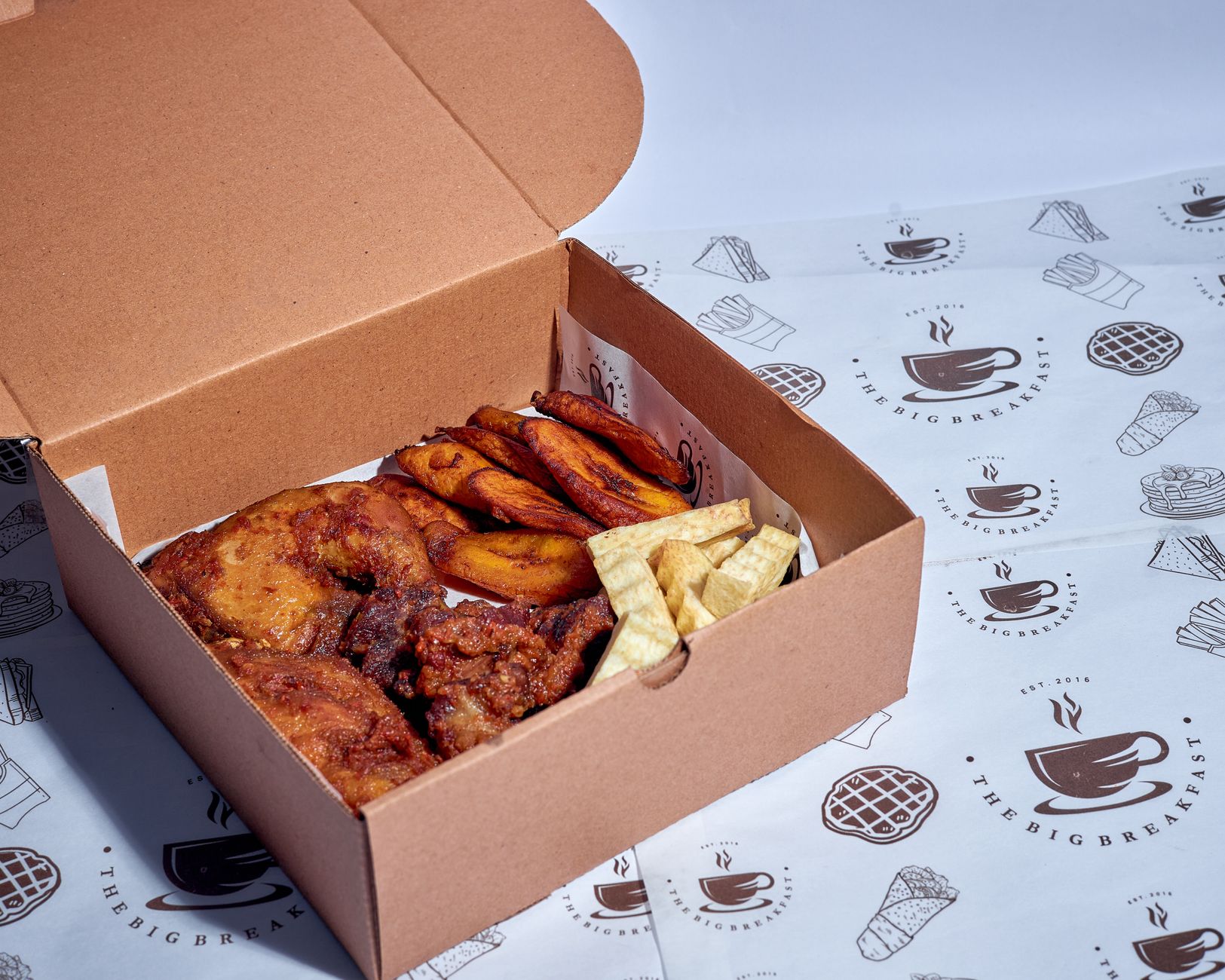
I was sitting on a bench by the Han River one evening, no plans, no kitchen nearby, just a phone and a vague craving for fried chicken. Twenty-two minutes later, a rider in a padded jacket rolled up on a scooter, checked the pin on his screen, and handed me a warm box and two cans of cola like it was the most ordinary transaction in the world. To him, it was. To me, even after years of living here, it still isn’t.
That’s the thing about delivery in Korea that never quite stops registering as remarkable, even once you’ve stopped being surprised by it. You get used to the speed. You get used to the convenience. But every so often something small — a single can of soda showing up at your door, a rider finding you on a riverside bench with no street address at all — reminds you that this is not how most of the world works.
Twenty to thirty minutes, more or less on the dot
The number people throw around is twenty to thirty minutes, and in my experience that’s not marketing copy — it’s roughly what actually happens in most cities, especially Seoul and other dense urban areas. Delivery fees typically land somewhere between about 1,000 and 5,000 won depending on distance, weather, and how busy the app’s algorithm thinks the neighborhood is at that moment. Minimum order amounts aren’t fixed across the board; each restaurant sets its own, and you’ll see it clearly before you check out, usually somewhere in the 12,000 to 20,000 won range for a full meal. You might assume that keeps small orders out of the system entirely. It mostly does, for restaurant food — but that’s not the whole picture, because delivery here isn’t limited to restaurants at all.

This is where it gets genuinely strange for newcomers. Convenience store apps and quick-commerce services will send someone to your door with a single can of soda, a bag of ramen, or a roll of toilet paper, often within twenty minutes, for a delivery fee that’s barely more than the item itself. I’ve heard people call this wasteful or excessive, and I get the instinct — sending a person and a scooter across town for one can of Coke does sound like overkill on paper. But the infrastructure exists, the riders are already circulating through the neighborhood on other runs, and the margins apparently work out, because the service keeps expanding rather than disappearing.
An ecosystem, not a single app
There isn’t really one delivery app so much as a layered ecosystem of them — restaurant delivery apps, grocery and fresh-food delivery services, convenience store partnerships, and increasingly, dedicated dawn or late-night delivery windows that promise your order before you wake up. Most of these apps work the same basic way: you drop a pin on a map, browse restaurants or stores within range, pick your items, and pay inside the app, usually through whatever cashless method is already linked to your phone. If you’ve read about how thoroughly Korea has moved away from cash, that same infrastructure is quietly doing a lot of the work here too — the ease of tapping to pay through KakaoPay or a similar app is part of why ordering food feels almost frictionless.
What surprised me, coming from a country where “delivery” mostly meant pizza or maybe Chinese food, is how normal it feels here to order a full grocery run, a coffee, or even convenience store snacks without ever leaving the couch. If you’ve wondered what’s actually worth ordering from a Korean convenience store, there’s a whole world of snacks worth trying that show up just as fast as a hot meal would.

The riders make the whole thing possible
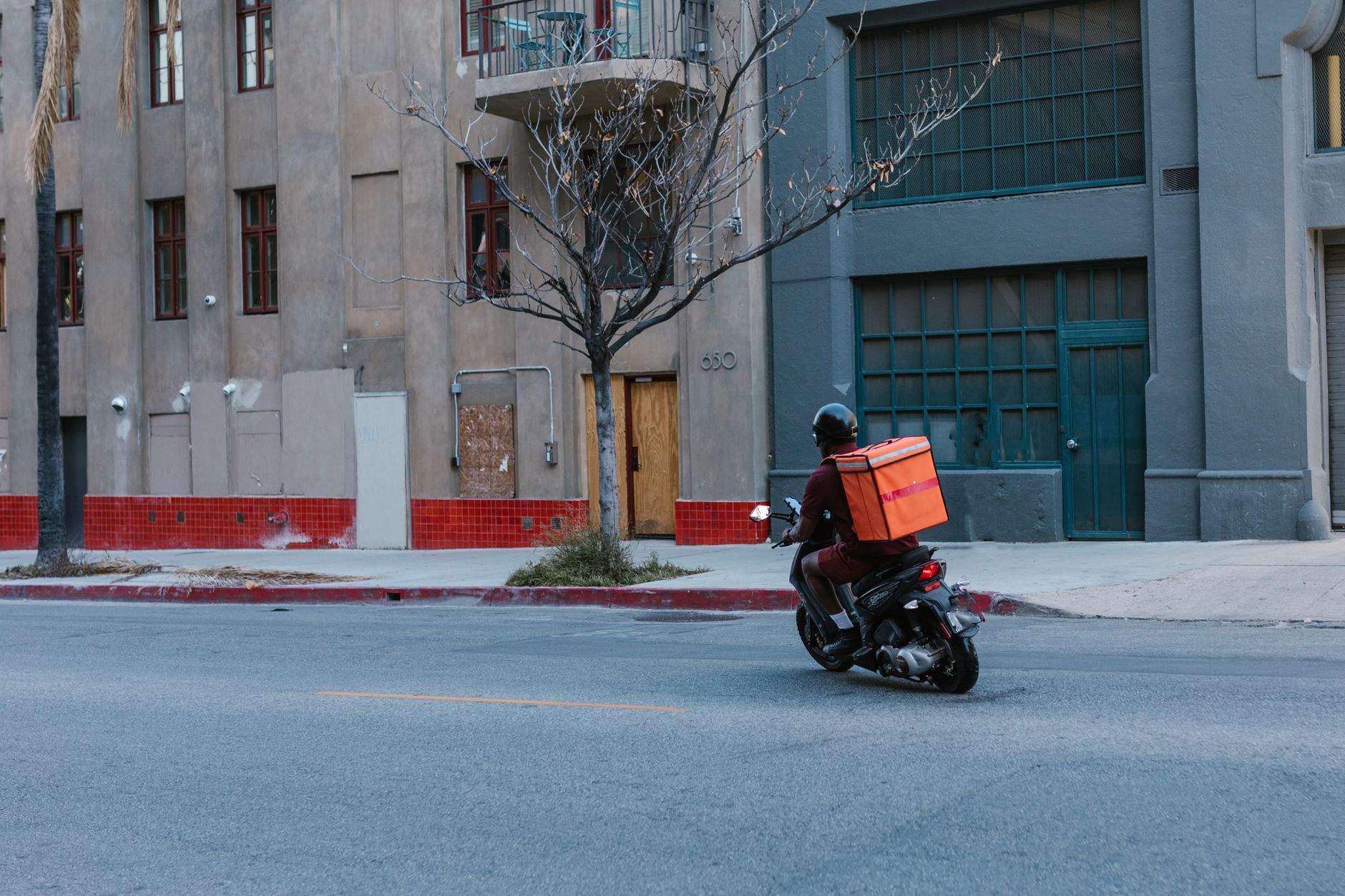
None of this works without the riders, and once you start paying attention to them, you notice they’re everywhere — weaving between cars, cutting through alleys, parked in clusters outside busy restaurants during dinner rush. They ride motorbikes and scooters year-round, through summer humidity and winter cold, often carrying insulated bags strapped to the back that keep soup piping hot for the full trip. It’s easy to take this for granted until you actually watch someone do it during a downpour and realize how much coordination — and honestly, risk — goes into getting your dinner to you in half an hour.
Riders are generally paid per delivery, sometimes with bonuses tied to volume, which is part of why speed matters so much to them. Korea’s broader “palli palli,” or hurry-hurry, mindset shows up clearly on the road — riders treat some traffic rules more like suggestions, which locals mostly shrug off as the cost of fast delivery, even though it raises real safety concerns that regulators keep debating.
No tipping, and it’s not just a suggestion
Here’s a detail that consistently catches newcomers off guard: tipping is not part of the equation, and I mean that more strongly than it sounds. The delivery fee shown at checkout is the entire cost — nothing extra is expected for the rider, and offering cash on top of it can come across as awkward or even faintly insulting rather than generous. You’ll sometimes see a line item labeled something like “delivery tip” inside an app, which trips people up, but that’s just the delivery fee under a different name, not a gratuity in the Western sense. Strange as it sounds if you’re coming from a tipping culture, showing up with extra cash in hand is more likely to fluster a rider than please one.
As Yijidaddy, I’ve had more than one conversation with visiting friends who instinctively reach for their wallet after a delivery arrives, and I have to explain, again, that they can just say thanks and close the door. It never quite feels natural the first few times. Eventually it does.
Ordering to a bench, a riverside, a spot with no address
Maybe the clearest sign of how far this system has been engineered is that you don’t actually need a street address to receive a delivery. Apps let you drop a location pin anywhere — a bench in a riverside park, a specific spot in a plaza, a picnic mat under a bridge — and riders navigate to that pin rather than to a building number. You might think this would lead to constant confusion, missed meetups, food going cold while everyone searches for each other. In practice it works surprisingly well, partly because riders call or message when they’re close, and partly because Korean cities are dense enough that “near the second bench past the fountain” is a perfectly workable set of directions.
Turns out that’s the real shift for someone who didn’t grow up with this: delivery stops being a special occasion and becomes closer to infrastructure, on par with public transit. It reshapes small daily decisions — whether to pack a lunch, whether to grocery shop ahead, whether a picnic needs any planning beyond picking a decent spot to sit.
FAQ
Can I really order delivery to a park with no address, like if I’m having a picnic by the river?
Yes. Most delivery apps let you drop a map pin instead of typing an address, so if you’re sitting on a bench along the Han River or in a neighborhood park, you can place the pin on your exact spot and the rider will navigate there directly, usually calling or texting once they’re close so you can wave them down.
Is it rude to try to tip a delivery rider if I feel bad making them come out in bad weather?
It’s not considered rude exactly, but it’s unusual enough that riders often refuse it or seem uncomfortable accepting it, since the delivery fee already covers the trip. A better gesture, if you want to acknowledge the effort, is just a genuine thank-you or a good rating in the app rather than cash at the door.
What happens if my order is below the restaurant’s minimum, can I still get a single item like one drink delivered?
Restaurant minimums are usually firm — if your order doesn’t meet the threshold, you’ll need to add more items or choose a different place. But convenience store and quick-commerce delivery services operate differently, with much lower minimums, which is exactly how a single can of soda or one snack can still get delivered on its own.