샤워기 아래서 머리를 감는데 온도가 42도에서 28도로 뚝 떨어진다. 손끝이 먼저 알아챈다. 비누 거품을 헹구다 말고 수도꼭지를 이리저리 돌려보지만 나오는 건 미온수뿐이다. 이 순간 대부분의 사람이 떠올리는 생각은 딱 하나, 보일러가 고장났으니 기사를 불러야 한다는 것이다. 그런데 실제로 출동 기사들이 현장에서 확인하는 사례의 상당수는 부품 고장이 아니라 설정값 하나, 밸브 하나의 문제였다는 이야기를 종종 듣게 된다.
기사를 부르면 출장비만 2만 원대에서 시작하고, 주말이나 야간에 부르면 3만 원 중반까지 훌쩍 뛴다. 여기에 수리비까지 더해지는 걸 생각하면, 그 돈을 쓰기 전에 10분만 투자하면 해결되는 경우가 의외로 많다는 사실이 조금 억울하게 느껴질 정도다.
이 글에서는 온수가 안 나올 때 가장 먼저 짚어봐야 할 세 가지 지점과 그 확인 순서, 그리고 자가진단으로 안 되는 상황을 구분하는 기준을 정리했다. 브랜드마다 조작부 디자인은 다르지만 원리는 거의 같아서, 어떤 보일러든 이 순서대로 훑으면 된다.
확인 1. 조작부 모드와 온도 설정 — 생각보다 흔한 원인
보일러 조작부를 보면 난방, 온수, 난방+온수 겸용 모드가 따로 나뉘어 있는 제품이 많다. 겨울철 난방을 오래 틀어놓고 지내다 보면 어느 순간 온수 전용 모드가 꺼진 채로 방치되는 경우가 생긴다. 가족 중 누군가가 외출 모드나 절전 모드로 바꿔둔 채 그대로 두면, 보일러는 정상 작동 중인데도 온수 요청 신호 자체를 받지 못한다. 화면에는 에러 표시도 없고 전원도 켜져 있으니 겉보기엔 멀쩡해 보이는데, 실제로는 온수 회로가 대기 상태로 잠겨 있는 셈이다.
여기서 함께 봐야 할 게 온수 온도 설정값이다. 설정 온도가 35도 아래로 내려가 있으면 배관을 타고 오는 동안 열이 식어버려 수전에서는 미온수 수준으로만 느껴진다. 겨울철 실내 유입 온도가 5도 안팎이라는 걸 감안하면, 보일러 출구에서 38도로 맞춰도 끝단에 도달할 때는 몇 도씩 떨어지기 마련이다. 뜨거운 아메리카노를 테이크아웃 컵에 담아 겨울바람 속을 5분쯤 걸어오면 미지근해지는 것과 비슷한 원리라고 보면 된다. 조작부에서 온수 온도를 42도에서 45도 사이로 올려보고, 그래도 안 나오면 다음 단계로 넘어가면 된다.
수전 쪽 레버 방향도 의외의 변수다. 원터치 수전을 냉수 쪽 끝까지 돌려놓은 상태라면 보일러는 온수 요청 신호 자체를 받지 못하고 냉수만 직수로 내려보낸다. 기사를 부르기 아깝다고 생각할 수도 있지만, 사실 이 항목 하나만 체크해도 출장 건수의 꽤 많은 부분이 해결된다고 한다.
확인 2. 수압과 필터 — 눈에 안 보이는 곳이 막힌 경우
모드와 온도를 다 맞췄는데도 온수가 약하게 나오거나 뜨거워지다 말다 한다면 수압과 필터 쪽을 봐야 한다. 보일러 내부, 그리고 연결 배관 곳곳에는 이물질을 걸러내는 스트레이너(필터)가 달려 있다. 오래된 아파트나 다세대주택일수록 배관 안에 녹이나 침전물이 쌓이기 쉬운데, 이게 필터에 들러붙으면 물이 통과하는 양 자체가 줄어든다. 유량이 일정 기준 밑으로 떨어지면 보일러는 온수 요청을 인식하지 못해서 점화조차 하지 않는다.
직접 확인하는 방법은 생각보다 단순하다. 욕조 수전과 부엌 수전을 동시에 냉수로 틀어보고 물살이 약한지 비교해본다. 두 곳 다 약하게 나온다면 원인은 보일러가 아니라 급수 배관 쪽 수압 저하일 가능성이 크고, 이런 경우는 온수만의 문제가 아니라 건물 전체 수압 문제로 넘어간다. 반면 냉수는 세차게 나오는데 온수만 약하다면 보일러 진입부의 온수 스트레이너가 막혔다는 신호로 봐도 무리가 없다.
직수 밸브가 완전히 열려 있는지도 함께 확인해야 한다. 이사나 수리 후 밸브를 반쯤만 열어둔 채 잊어버리는 경우가 드물지 않은데, 이럴 때는 유량 자체가 부족해서 온수와 난방 모두 시원찮게 작동한다. 밸브 손잡이가 배관과 나란히 일자로 놓여 있으면 열린 상태, 배관과 직각으로 꺾여 있으면 잠긴 상태로 보면 된다(제품에 따라 반대인 경우도 있으니 손잡이를 살짝 돌려보고 물살 변화로 확인하는 게 확실하다). 보일러 아래쪽 배관에 달린 이 밸브 하나를 눈으로 확인하는 것만으로도 원인이 갈린다.
확인 3. 겨울철 배관 동파와 순환펌프 노후화
난방수는 난방이 돌아가는 동안 배관 속을 계속 순환하지만, 온수 배관은 수도꼭지를 열 때만 물이 흐른다. 그 말은 온수 배관이 사용하지 않는 시간 내내 정지된 물로 가득 차 있다는 뜻이다. 새벽처럼 기온이 뚝 떨어지는 시간대에는 이 정지된 물이 그대로 얼어버릴 수 있다. 영하 10도 안팎까지 내려가는 밤이 며칠 이어졌다면, 실외에 노출된 배관이나 다세대주택 옥상 배관 구간에서 동파가 생기기 쉽다.
동파가 의심될 때는 절대 뜨거운 물이나 급하게 열을 가하는 방식으로 배관을 녹이려 하면 안 된다. 배관이 급격한 온도 변화를 못 견디고 터질 위험이 있기 때문이다. 미지근한 물수건을 배관에 감싸두거나 헤어드라이어로 약하게, 천천히 온도를 올리는 방식이 안전하다. 얼었던 부분이 풀리는 데는 보통 한두 시간, 심하면 반나절 넘게 걸릴 수 있다는 점도 미리 알아두면 마음이 덜 급해진다.
동파와는 결이 다른 이야기지만, 온수가 나왔다 안 나왔다 불규칙하게 반복된다면 이번엔 순환펌프 쪽을 의심해볼 차례다. 순환펌프는 보일러 내부에서 물을 밀어 보내는 역할을 하는데, 보통 7~8년 이상 쓴 펌프는 베어링이 마모되면서 소음이 커지거나 회전이 불안정해진다. 보일러에서 평소와 다른 웅웅거리는 소리나 드르륵거리는 진동이 느껴진다면, 이건 사용자가 직접 손볼 수 있는 영역을 넘어선다. 그런데도 여기까지는 대부분 셀프로 확인이 가능한 범위이니, 순서대로 짚어보고 넘어가면 불필요한 출장비를 아낄 수 있다.
5분 셀프 체크리스트
막상 여러 항목을 한꺼번에 떠올리면 뭐부터 해야 할지 헷갈리기 마련이다. 아래 순서대로 하나씩 지워나가면 된다.
조작부 모드가 온수 또는 겸용으로 켜져 있는지, 온도가 40도 이상인지 본다
수전 레버가 온수 쪽으로 제대로 돌아가 있는지 확인한다
냉수와 온수의 물살을 비교해서 유량 문제인지 가려낸다
직수 밸브가 완전히 열려 있는지 손잡이 방향을 확인한다
최근 기온과 배관 위치를 떠올려 동파 가능성을 점검한다
보일러에서 평소와 다른 소음이나 진동이 있었는지 되짚어본다
이 여섯 가지를 5분 안에 훑을 수 있다. 순서대로 지워나가다 보면 보통 두세 번째 항목에서 원인이 드러난다. 요즘 나오는 보일러는 전용 앱으로 원격 확인이 가능한 제품도 많은데, 조작부까지 갈 것 없이 앱에서 에러 코드를 먼저 보는 게 더 빠를 때도 있다. 여기까지 다 확인했는데도 원인을 못 찾았다면, 그때는 미루지 말고 다음 단계로 넘어가야 한다.
여기서부터는 A/S를 불러야 하는 신호
보일러 창에 에러 코드가 뜬다면 자가진단 단계는 사실상 끝났다고 보면 된다. 에러 코드는 제조사가 내부 센서 값을 근거로 표시하는 것이라, 코드 번호만 검색해도 어느 부품이 의심되는지 대략 나온다. 다만 코드가 뜨는 원인이 삼방밸브나 유량 스위치, 기판 쪽 전기적 결함처럼 분해가 필요한 부품이라면 직접 손대지 않는 게 안전하다. 삼방밸브는 난방수와 온수를 전환해주는 핵심 부품인데, 이게 고착되면 온수 요청이 와도 밸브가 안 열려서 온수 자체가 만들어지지 않는다.
가스 냄새가 나거나, 보일러 하단에서 물이 새어나오는 흔적이 보이거나, 전원을 켜도 점화 소리 자체가 아예 안 들리는 경우도 즉시 A/S를 요청해야 하는 상황이다. 이런 증상은 셀프로 진단하다가 오히려 더 큰 문제로 이어질 수 있어서, 지체 없이 전문가를 부르는 편이 안전하다. 보일러 제조사별로 공식 서비스센터 번호가 다르니, 모델명과 제조번호를 미리 확인해두면 통화가 훨씬 빨리 끝난다.
FAQ
Q1. 온수만 안 나오고 난방은 잘 되는데 왜 그런가요?
난방과 온수는 보일러 내부에서 서로 다른 경로로 작동한다. 난방수 순환에는 문제가 없는데 온수만 안 나온다면 온수 전용 모드 설정, 온수 스트레이너 막힘, 삼방밸브 순서로 의심해볼 만하다. 위에서 설명한 확인 1과 확인 2 단계만 훑어도 원인이 좁혀지는 경우가 많다.
Q2. 온수가 나오다가 몇 초 뒤 갑자기 차가워지는 건 왜 그런가요?
이런 증상은 유량 감지 스위치나 순환펌프의 회전이 불안정할 때 자주 나타난다. 수압이 순간적으로 흔들리면서 보일러가 온수 요청을 잠깐씩 놓치는 경우인데, 자가진단으로 원인이 명확히 안 잡히고 반복적으로 발생한다면 부품 문제일 가능성이 높다. 이럴 땐 증상이 언제 어떤 상황에서 나타나는지 메모해뒀다가 서비스센터에 구체적으로 설명하면 방문 점검이 한결 빨라진다.
Q3. 동파 예방을 위해 평소에 해둘 수 있는 게 있나요?
기온이 영하로 떨어지는 날이 이어질 때는 수도꼭지를 아주 조금 열어 물을 미세하게 흘려두는 방법이 흔히 쓰인다. 물이 배관 안에서 완전히 멈춰 있는 시간을 줄여주기 때문이다. 실외에 노출된 배관에는 보온재를 감아두는 것도 도움이 되고, 오래 집을 비울 때는 보일러의 외출 모드보다 동파 방지 모드가 따로 있다면 그쪽을 켜두는 편이 안전하다.
The first time a saju master asked me for my birth hour and not just my birth date, I genuinely didn’t know the answer. My mother did, of course, because in Korea that number gets written down somewhere the way a blood type does, filed away for the day someone might need it. I called her from the waiting room of a small office above a dry cleaner’s in Sinchon, feeling faintly ridiculous, and that phone call turned out to be the most useful thing that happened all afternoon.
Saju, or the Four Pillars of Destiny, is built on exactly that kind of specificity. You give a practitioner four pieces of information — year, month, day, and hour of birth — and each one becomes a “pillar” made of two Chinese characters, a heavenly stem and an earthly branch. Eight characters total, so a lot of older Koreans just call the whole system “palja,” literally “eight characters.” The idea, inherited from centuries-old Chinese cosmology and filtered through Korean tradition, is that the balance of yin and yang and the five elements — wood, fire, earth, metal, water — at the moment of your birth leaves an imprint a trained reader can decode. If a reader tells you you’re “missing wood,” for instance, the fix isn’t mystical at all — it’s often as mundane as wearing more green, choosing a certain direction for your desk at work, or, in more serious cases, picking a baby name whose characters are believed to supply whatever element the birth data seems short on. It’s less a prediction machine than a very old, very elaborate personality framework, and the people who practice it seriously spend years learning to read the interactions between those elements the way a music theory student learns counterpoint.
Why Koreans still bother with birth hours
What surprised me, coming into this as an adult rather than growing up steeped in it, is how unevenly serious people are about it. I’ve sat with relatives who treat a saju reading the way some people treat a horoscope app — a bit of fun before New Year’s, forgotten by February. And I’ve also sat in a room where a reading genuinely delayed a wedding date by three weeks because the numbers “didn’t line up,” and nobody in that family found that strange. Marriage dates are probably the single most common reason people still consult a saju master with real intent. Couples bring their birth details in and ask a practitioner to check “gunghap,” or compatibility, before anything gets booked with a wedding hall. Business openings work the same way — a lot of small shop owners I’ve talked to picked their opening day, sometimes even the exact hour they first unlocked the door, based on what a reading suggested was auspicious.
This is the part that outsiders find hardest to square: Korea is a country with excellent universities, a brutally competitive tech sector, and one of the highest rates of higher education in the world, and yet none of that seems to override the impulse to check whether Saturday or the following Tuesday is the better day to sign a lease. I don’t think it’s a contradiction so much as a separate lane. Most people I know who’ve had a reading done aren’t rejecting science or reason; they’re adding one more layer of ritual and reassurance on top of decisions that already feel heavy — marriage, a new business, a big move. Turns out the two impulses coexist pretty comfortably once you stop expecting them to compete.
The saju cafe: an old practice in a pastel wrapper
If you want to see how this tradition has adapted, go to a university neighborhood like Hongdae or Sinchon on a weekend evening. Saju cafes have sprung up there in numbers, tucked between bubble tea shops and secondhand clothing stores, usually a narrow storefront with a small sign showing the eight-trigram symbol or a stylized eye. Compare that to the older, traditional offices you still find in residential neighborhoods — sliding glass doors with a faded red signboard, a low table, stacks of well-worn reference books, sometimes a red ink stamp the master presses onto a printed chart at the end of the session — and the cafe version feels almost like a different industry entirely, right down to the menu boards done up in pastel fonts. You order a drink, sit down with a reader, and for somewhere between fifteen and thirty thousand won you get maybe twenty minutes on your career prospects, your love life, or whatever specific question you walked in with. It’s marketed at students and twenty-somethings, and the tone is noticeably lighter than what you’d find in an older neighborhood.
I expected these cafes to feel like a gimmick the first time I sat down in one near Ewha Womans University, and in some ways they are — nobody pretends this carries the same gravity as visiting a fortune teller your grandmother has used for thirty years. Even so, the reader across the table pulled out a printed chart of my eight characters within about a minute of hearing my birth details, scribbled a few notes in the margins in pencil, and then talked for twenty straight minutes without once glancing back at her notes — which told me the training underneath the pastel branding was real, whatever you make of the conclusions. A friend described her own session as “half therapy, half cold read,” which is about as honest a summary as I’ve heard anyone give. You’re not required to believe any of it to get something out of sitting there and talking through what’s on your mind with a stranger who has no stake in the answer.
Tarot cafes: the spinoff nobody quite expected to take over
Stay in those same university alleys long enough and you’ll notice tarot has crowded in right alongside saju, sign for sign. Walk down a single block near Hongik University and it’s common to pass three or four tarot storefronts before you hit one saju cafe, which tells you something about where younger interest has shifted over roughly the last decade. Tarot has an obvious appeal for a generation raised on MBTI personality quizzes and Instagram — it’s visual, it’s shareable, and it doesn’t require you to know your birth hour, which plenty of younger people simply don’t have memorized the way their parents’ generation does.
What’s interesting is that a lot of these cafes now offer both saju and tarot side by side, sometimes even letting a customer request both in the same sitting, cross-referencing one against the other. That would have seemed strange to an older generation of saju masters who trained for years in a specific lineage, but the current crop of readers, especially the ones in their twenties and thirties working these cafes, seem far more comfortable blending traditions. I’ve also started seeing MBTI worked into the pitch — a reader glancing at your saju pillars and then asking whether you’re an INFP, treating the two systems as complementary rather than contradictory. It’s a strange hybrid, and probably not one a purist would endorse, but it fits the mood of these neighborhoods perfectly.
Where fun ends and genuine belief begins
The honest answer to “do Koreans actually believe this stuff” is that it depends entirely on who you ask, and even asking the same person twice might get you two different answers depending on what’s going on in their life that month. I’ve watched people laugh off a bad reading in November and then quietly bring it up again in March when something the reading mentioned seemed to line up. That’s not proof of anything — it’s just how memory and coincidence work, and most people I’ve talked to would readily admit that if you pressed them. But admitting it doesn’t always stop the behavior. A reading that predicts trouble around a certain age, or advises against a particular business partnership, tends to linger in a way a fortune cookie never does, mostly because it was delivered with specificity and confidence by someone treating your birth data seriously.
I’d put the range roughly like this: at one end, a saju reading is a novelty activity, barely different from doing a personality quiz with friends over coffee. At the other end, families still consult professional saju masters — the kind who’ve built decades-long reputations, often passed down within a family practice — before naming a newborn, choosing a wedding date, or deciding whether to expand a business. Naming especially still carries weight; a surprising number of parents I know paid a practitioner specifically to select characters for their child’s name that would balance out whatever elements the birth data seemed to be lacking.
Where I’ve personally landed, after enough of these sessions to lose count, is somewhere in the middle of that spectrum myself — I don’t plan my week around what a reader tells me, but I’d be lying if I said none of it stuck. And that, more than anything, is probably the most Korean part of the whole practice: whether or not the underlying system holds any predictive power is a separate question entirely from whether it functions as a meaningful ritual, and most people here seem to hold both possibilities at once without much internal conflict. None of this should be read as an endorsement of saju or tarot as a reliable way to make real decisions about money, health, or anything else with actual stakes. It’s folklore with a very long history and a genuine cultural function — as ritual, as conversation starter, as a way of externalizing anxiety about big decisions — but the eight characters in your birth data are not a substitute for a financial advisor, a doctor, or your own judgment, and no cafe reader I’ve met would claim otherwise if you asked them directly. The practice survives because it’s flexible enough to be taken exactly as seriously as the person sitting across the table wants to take it, and in my experience most Koreans, even the ones who go every New Year without fail, understand that distinction better than outsiders tend to give them credit for.
FAQ
Do I need to know my exact birth hour to get a saju reading? Traditional saju readings do ask for it, since the hour forms one of the four pillars, but plenty of modern saju cafes will still do a reading with just the year, month, and day if you don’t know it, and tarot readings don’t require birth data at all.
How much does a typical saju cafe session cost in a place like Hongdae? Casual sessions at university-area cafes generally run somewhere in the fifteen-to-thirty-thousand-won range for about fifteen to twenty minutes, though a longer session or a well-known independent master’s office can cost considerably more.
Is it considered normal to plan a wedding date around a saju reading? It’s common enough that many wedding halls and planners are used to couples requesting a specific date range after a compatibility reading, though plenty of other couples skip this step entirely and just pick a date that works with everyone’s schedules.
건강검진 결과지를 받아 들고 “고혈압”이라는 세 글자를 처음 본 순간을 기억하는 사람이 많다. 혈압 148/94, 의사 앞에 앉아 있는데 머릿속엔 딱 한 문장만 맴돈다. “이거 한번 먹으면 평생 먹는 거 아니에요?” 40대 후반, 50대 초반 진료실에서 거의 매일 나오는 질문이다. 젊을 때는 별생각 없이 넘겼던 혈압 수치인데, 막상 약 봉투를 받아 드는 순간 갑자기 인생이 달라진 것 같은 기분이 든다.
왜 다들 이 질문부터 하는 걸까
이상하게도 당뇨약이나 고지혈증약을 처음 처방받을 때보다 혈압약 앞에서 유독 망설이는 사람이 많다. 아마도 매일 아침 눈뜨자마자 챙겨야 하는 약이라는 이미지, 그리고 주변에서 “그거 한번 시작하면 못 끊는다더라”는 말을 하도 많이 들어서일 것이다. 그런데도 정작 그 말이 어디서 왔는지, 어떤 근거로 하는 말인지 제대로 아는 사람은 드물다. 진료실에서 3분 안에 이 궁금증을 다 풀고 나가는 사람도 거의 없다.
고혈압, 생각보다 훨씬 흔한 이야기다
질병관리청의 2024년 국민건강영양조사에 따르면 19세 이상 성인 고혈압 유병률은 남성 26.3%, 여성 17.7%로 전년 대비 각각 2.9%포인트, 1.2%포인트 상승했다. 국내 고혈압 환자는 약 1300만 명, 이 가운데 1090만 명가량이 치료제를 처방받고 있는 것으로 집계된다. 40~50대의 18.0%는 고혈압과 고콜레스테롤혈증을 동시에 앓고 있고, 이 연령대 복합 만성질환 유병률은 17.3%에 달한다. 40대 남성 10명 중 6명(61.7%)이 비만이라는 수치까지 겹쳐 놓고 보면, 이 질문을 하는 사람이 왜 이렇게 많은지 납득이 간다. 혼자만의 고민이 아니라는 뜻이다.
약은 언제부터, 어떤 기준으로 시작하나
대한고혈압학회 진료지침을 보면 무조건 진단 즉시 약부터 주는 것은 아니다. 심뇌혈관질환이나 표적장기 손상이 없는 1기 고혈압(수축기 140~159 또는 이완기 90~99 수준)이라면 먼저 수개월간 생활습관 개선을 시도해보고, 그래도 목표 혈압 아래로 내려오지 않을 때 약물치료를 권고하는 방식이다. 반면 2기 고혈압이거나 심뇌혈관질환 위험도가 중등도 이상인 1기 고혈압은 생활습관 교정과 약물치료를 동시에 시작하도록 되어 있다. 처방 시점 자체가 “지금 당장 위험한가, 아니면 시간을 두고 지켜볼 여지가 있는가”에 따라 갈리는 셈이다.
그래서 누군가는 진단받자마자 약을 받고, 누군가는 “일단 3개월 운동하고 다시 재보자”는 말을 듣는다. 이 차이를 모르면 “쟤는 약을 안 주는데 나는 왜 바로 주지?”라는 억울함마저 생길 수 있다. 사실 두 경우 모두 같은 지침 안에서 나온, 각자의 위험도에 맞춘 결정일 뿐이다.
생활습관만으로 해결되는 사람, 실제로 있을까
의외로 답은 “그렇다”에 가깝다. 체중이 원인의 상당 부분을 차지했던 경우, 체중 감량과 나트륨 섭취 조절, 규칙적인 유산소 운동을 병행해 혈압이 정상 범위로 돌아오고 약을 줄이거나 끊는 사례가 실제로 보고된다. 흔히 체중 1kg을 감량할 때마다 수축기 혈압이 대략 1mmHg 안팎으로 떨어지는 경향이 있다고 알려져 있는데, 5kg만 줄여도 체감할 만한 변화가 나타나는 경우가 있는 셈이다. 다만 이건 “노력하면 누구나 끊을 수 있다”는 뜻이 아니라, 원인과 조건이 맞아떨어졌을 때 가능한 이야기라는 점을 짚어야 한다.
그런데 왜 대부분은 계속 먹으라고 할까
막상 주변을 둘러보면 약을 끊었다는 사람보다 계속 먹고 있는 사람이 압도적으로 많다. 여기서 많은 사람이 오해하는 지점이 있다. “약을 오래 먹으면 몸에 내성이 생겨서 나중엔 더 센 약으로 바꿔야 하는 것 아니냐”는 걱정인데, 실제로는 내성 문제라기보다 혈압이 오르는 원인 자체가 그대로 남아 있어서 계속 복용이 필요한 경우가 대부분이다. 나이가 들면서 혈관 탄력이 자연스럽게 떨어지고, 유전적 소인과 오래된 생활습관이 겹겹이 쌓여 만들어진 결과인 경우가 많아 생활습관 개선만으로 원인 자체가 사라지지는 않는다는 이야기다. 그래서 학회 자료들도 공통적으로 “완치 개념이 아니라 꾸준한 조절이 핵심”이라는 표현을 쓴다.
혈압약 먹으면 기침이 난다던데, 부작용은 어떨까
약 자체에 대한 불안감을 키우는 또 다른 이유가 부작용이다. 실제로 특정 계열의 혈압약을 복용한 사람 중 일부에서 마른기침이 나타나는 경우가 알려져 있고, 어지럼증이나 발목 부종을 호소하는 사람도 있다. 그런데도 이런 증상이 나타났다고 해서 임의로 약을 끊어버리면 오히려 혈압이 다시 치솟을 수 있다. 계열이 다른 약으로 바꾸거나 용량을 조정하는 방법이 대체로 마련되어 있어서, 불편한 증상이 생기면 참거나 끊는 대신 진료 시 그대로 이야기하는 편이 안전하다.
약을 줄이거나 끊은 사람들, 어떻게 가능했나
그렇다고 “일단 시작하면 끝까지”라는 공식이 모두에게 적용되는 것도 아니다. 실제로 약 용량을 줄이거나 중단까지 이어진 사례들을 보면 몇 가지 공통점이 있다. 체중을 눈에 띄게 감량했거나, 술을 거의 끊다시피 줄였거나, 걷기·자전거 같은 유산소 운동을 몇 달간 꾸준히 유지한 경우다. 중요한 건 이런 변화가 혼자 판단해서 약을 끊는 방식이 아니라, 정기적으로 혈압을 재고 담당 의사와 상의하며 단계적으로 용량을 조절해나갔다는 점이다. 반대로 “체중 좀 뺐으니 이제 안 먹어도 되겠지” 하고 스스로 결론 내려 임의로 중단한 뒤 나중에야 병원에 알리는 경우는 이야기가 다르다. 혈압이 다시 오르는 데 며칠에서 몇 주가 걸릴 수 있어 당장은 괜찮아 보여도, 몇 달 뒤 건강검진에서야 수치가 도로 올라간 걸 발견하는 사례가 생각보다 자주 나온다.
그래서 이 질문에 대한 답은
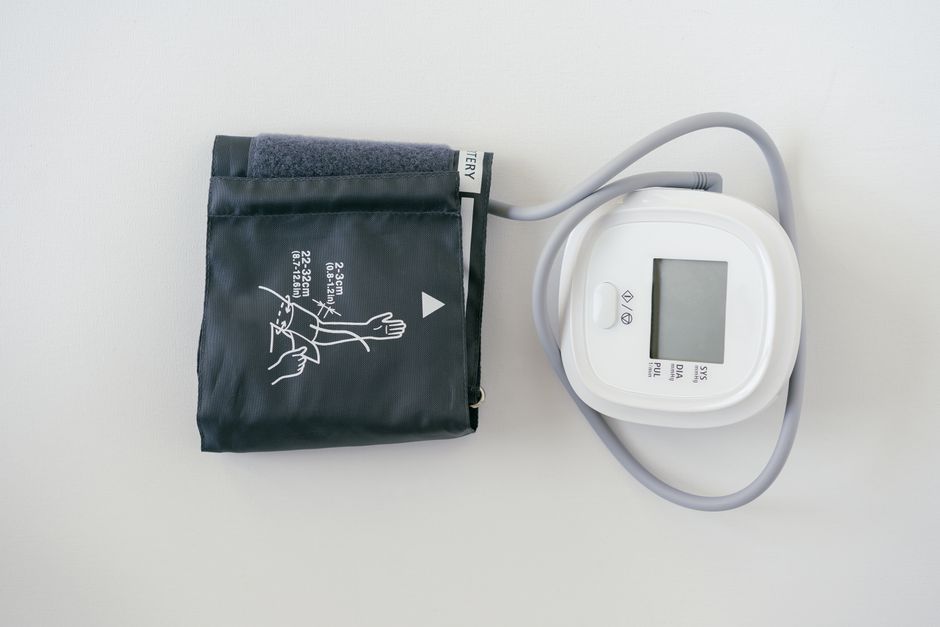
“혈압약을 한번 먹으면 평생 먹어야 하느냐”는 질문에 하나의 정답은 없다. 원인이 무엇이었는지, 생활습관 교정이 얼마나 이루어졌는지, 혈압이 얼마나 안정적으로 유지되는지에 따라 사람마다 다른 길을 간다. 다만 그 판단은 스스로 내릴 영역이 아니라는 점만은 분명하다. 오늘 저녁 혈압계 앞에서 한숨부터 쉬기보다, 집에서 잰 혈압 기록을 수첩이나 앱에 몇 주만 모아서 다음 진료 때 들고 가보는 건 어떨까. “평생의 숙제”가 아니라 내 몸 상태를 함께 점검하는 대화의 시작점으로 여기는 편이, 이 오래된 질문에 실질적으로 답하는 방법에 가깝다.
자주 묻는 질문
Q1. 혈압약을 먹으면서 운동하면 오히려 위험하지 않나요?
일반적으로는 약물치료와 병행하는 적절한 강도의 유산소 운동이 혈압 관리에 도움이 된다고 알려져 있다. 다만 복용 중인 약의 종류나 개인의 심혈관 상태에 따라 운동 강도와 방식이 달라질 수 있으므로, 새로운 운동을 시작하기 전에는 담당 의사와 미리 상의하는 것이 안전하다.
Q2. 혈압이 정상으로 나오면 그날은 약을 안 먹어도 되나요?
혈압이 정상으로 측정되는 건 약이 효과를 내고 있다는 신호인 경우가 많아서, 그 자체가 복용을 중단해도 된다는 근거가 되지는 않는다. 임의로 복용 여부를 조절하기보다는 측정값을 기록해두었다가 진료 시 함께 확인하는 편이 낫다.
Q3. 건강기능식품이나 저염식만으로 약을 대신할 수 있나요?
저염식이나 특정 영양성분이 혈압 관리에 보조적인 역할을 한다는 연구는 있지만, 이미 처방된 약물을 대신할 수 있다는 의미는 아니다. 병행 여부와 대체 가능성은 개인차가 커서 일반화하기 어렵다.
이 글은 고혈압 약물치료에 대한 일반적으로 알려진 정보를 정리한 것으로, 특정 진단이나 처방을 대신할 수 없다. 정확한 진단과 처방 변경은 반드시 담당 전문의와 상담하세요.
Somewhere around 11 p.m. most weeknights, the ceiling above my living room starts to talk. Not loudly — a chair dragged two feet, a child’s heel-drop, the specific thud of a laundry basket set down a little too hard — but consistently enough that I’ve started narrating the footsteps in my head like a sports commentator. This is not a complaint post. It’s closer to a confession: I am Yijidaddy, I have lived in Korean apartments for most of my adult life, and I have never once knocked on that neighbor’s door. Almost nobody does.
Koreans call it cheung-gan so-eum — literally, “between-floor noise” — and it is one of those phrases that needs zero translation once you’ve lived here, the way “rush hour” needs none in English. Ask a random group of ten Korean apartment residents whether they’ve had a noise problem with a neighbor, and I’d bet at least seven raise a hand. A 2013 government survey by the Anti-Corruption and Civil Rights Commission found that 79 percent of people in multi-household housing reported being distressed by neighbor noise, and 9 percent said the resulting conflict itself had caused them real stress. More than a decade later, anecdotally, it hasn’t gotten better. If anything, more people are simply naming it now, out loud, to an agency.
That agency is the Korea Environment Corporation’s Neighbor Noise Center, a hotline and counseling service that exists purely to mediate this exact kind of dispute. Last year it fielded roughly 33,027 consultations. In 2012, that number was 8,796 — close to a 275 percent jump in about a decade. I’ve scrolled through summaries of these numbers late at night, half-annoyed at my own ceiling, and the thing that strikes me isn’t that Koreans got noisier. It’s that a private irritation quietly turned into a publicly nameable problem with a government office attached to it. Before you can really understand why tens of thousands of people are calling that hotline every year, though, you have to look down — literally — at what they’re all standing on.
Why Korean Apartments Are Built the Way They Are
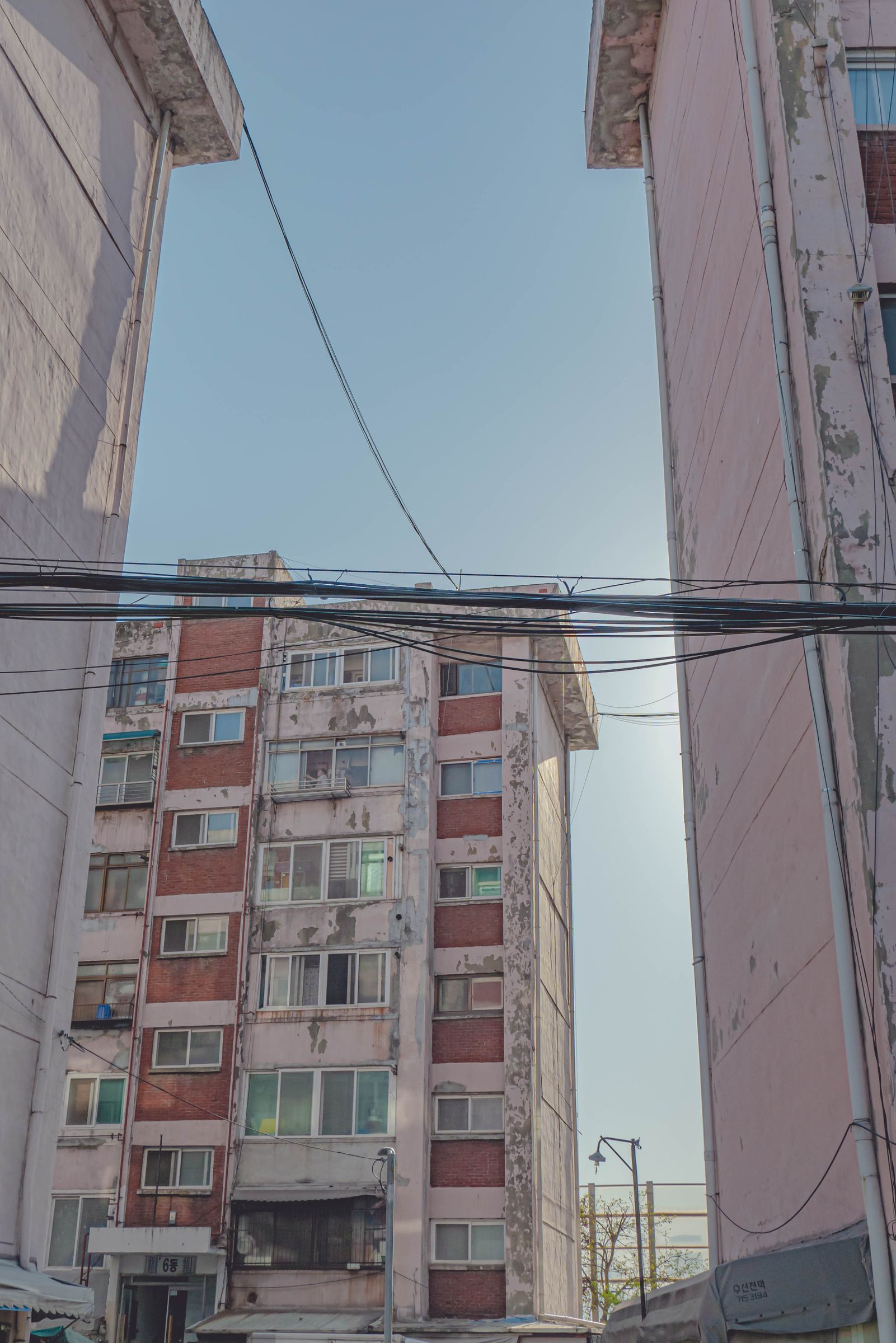
Here’s the part most outsiders miss: this isn’t really about rude neighbors. It’s structural, in the most literal sense of that word. The overwhelming majority of Korean apartment complexes use what’s called wall-bearing construction — the floor slabs rest directly on load-bearing walls rather than on a beam-and-column skeleton, the “Rahmen” style more common in older Japanese or Western buildings. That design is cheaper and faster to build, which matters enormously in a country where, according to Statistics Korea, apartments made up 53.1 percent of all housing units as of 2023. But a wall-bearing slab transmits impact noise — footsteps, dropped objects, dragged furniture — almost like a drumhead stretched between two rooms. A sharp heel-strike travels as a sharp crack; a dragged chair travels as a low, rolling thud you feel more than hear. There’s no beam structure in between to interrupt any of it.
For years, the legal minimum floor slab thickness for these buildings sat around 210 millimeters, and even that was frequently treated as a design target rather than a hard floor, if you’ll forgive the pun. Builders discovered that a slab tested for sound insulation in a lab, before installation, could pass easily — and then perform far worse once it was actually poured, cured, and topped with a thinner cushioning layer than advertised on paper. That gap between the spec sheet and the lived reality is, in my opinion, the single most underreported cause of the entire noise-wars phenomenon.
Regulators eventually caught on. Apartment builders are now required to test actual completed units for impact-sound performance after construction, not just submit a pre-approved sample floor design, and units that fail can be named publicly or face fines. Even so, that rule only applies going forward — it does nothing for the millions of units built under the old system, which is most of the country’s existing apartment stock. My own building predates the reform by a wide margin, which is a polite way of saying I already know how this paragraph ends for me personally.
The Etiquette Nobody Explains to You
If you move into a Korean apartment complex without a Korean friend to brief you, nobody hands you a manual, but there is one, unwritten and absolutely real. Slippers indoors are not a suggestion; they’re closer to a load-bearing social contract. Walk into almost any Korean home and you’ll find a small pile of noise-reduction slippers by the door — thick foam or gel soles specifically marketed as “cheung-gan so-eum slippers,” sold in every home goods aisle and on every shopping app, right next to the interlocking foam play mats parents put down under a toddler’s favorite running route. I own three pairs. I did not choose to become a person who owns three pairs of noise-dampening slippers; the apartment made that decision for me.
What surprised me more, honestly, was the note culture. Somewhere along the way, Korean apartment life developed an entire genre of anonymous, laminated notices taped to elevator walls or slid under doors. The tone ranges from gently pleading — something in the spirit of “please be a little more careful with noise after 10 p.m., we have a newborn” — to openly seething, occasionally illustrated with a cartoon of an angry face for emphasis. Management offices post these as general warnings to the whole building rather than naming a specific unit, which sounds diplomatic in theory but in practice means everyone quietly suspects everyone else. I’ve watched grown adults debate, with genuine intensity, whether a note was “about them.” It almost never is. It’s about all of us, all at once, which somehow makes it worse.
All of that — the slippers, the mats, the laminated notes — can feel almost cute in isolation, a quirky bit of shared apartment-block etiquette. But it’s worth remembering that this soft cushioning, literal and social, exists as a buffer against something that can turn genuinely serious.
When It Escalates — And It Does
The official advice, and I think it’s correct, is: never confront the neighbor directly. Go through the management office, or through a formal mediation channel like the Neighbor Noise Center, and keep a written log — date, time, duration, type of sound. That sounds almost bureaucratically cold for what is, at its core, an emotional problem between two households sharing a wall or a slab. But the research backs up the caution. One study tracking criminal cases connected to inter-floor noise disputes between 2013 and 2023 found 734 such cases nationally, and of those, roughly 70.5 percent involved violent offenses, with about 9.9 percent classified as serious felonies. Separately, police data shows more than half of noise-related reports involve some element of confrontation turning physical. Disturbingly, nearly all of those violent cases started with someone knocking on a door in person to “just talk it out.”
As it happens, the calm, bureaucratic, slightly absurd note-on-the-elevator system exists precisely because the alternative is so much worse. I used to find the anonymous-notice approach almost comically indirect — why not just talk to each other like adults? — but the more I read the case data, the more I understood it as a genuine safety valve. Removing the face-to-face element removes the moment where things go wrong. The Korea National Police Agency logged as many as 137,912 inter-floor noise reports between 2021 and 2024, an average of roughly 160 calls a day, nationwide. That’s not a niche problem. That’s a structural feature of how tens of millions of people live stacked on top of each other, in a housing form the entire country chose, for good economic reasons, decades ago.
Living With It, Not Solving It
What I’ve settled into, after years of this, is something closer to defensive courtesy: the slippers, the rubber-backed rug under the dining table, timing the washing machine’s spin cycle to daytime hours, and a working assumption that the people above me are, at worst, ordinary and tired rather than malicious. Even so, on the nights the thumping goes past midnight, the old irritation flares right back up, no matter how many statistics I’ve read about how common and structural the whole thing is. Knowing why something happens doesn’t always make it easier to sleep through.
What I keep coming back to is that this conflict says something bigger about density itself. Korea built vertical, fast, and affordable, and it got a country where the overwhelming majority of people live within a few feet — vertically — of a stranger’s daily habits. Mediation centers, slippers, laminated notices, tighter construction codes: none of these are fixes so much as they are the accumulated coping mechanisms of a society that built itself into this problem and is now, slowly and somewhat awkwardly, building its way back out.
FAQ
My upstairs neighbor’s kids run around every evening around 7 p.m. — is that normal, or should I file a complaint? Honestly, early evening is about as forgivable as it gets — that’s prime kid-chaos hour in most households, mine included at various points. I’d log it for a week or two just to see if it’s a pattern rather than a bad night, and if it keeps happening, route a polite note through the management office before you do anything else. Skip the direct knock; it almost never goes the way you picture it in your head.
I want to complain but I’m scared of retaliation from my neighbor. What’s the safest first move? Let the management office or the Neighbor Noise Center be the messenger, not you. That’s not cowardice, it’s just how this works best in practice — a neutral third party can raise the issue without your name attached to it, and given how many of these disputes turn ugly once it becomes face-to-face, keeping some distance is the genuinely smart move, not the timid one.
Do noise-reduction slippers and mats actually help, or is it mostly placebo? They help more than I expected them to, for what it’s worth — impact sound especially. But they’re a patch, not a cure. No amount of foam padding on your feet fixes a 1990s-era slab that was never built with proper cushioning underneath. Think of slippers as the seatbelt, not the airbag.
군산은 딱히 볼 게 없다는 말, 여행 커뮤니티에서 심심찮게 마주친다. 여수처럼 바다 위로 케이블카가 지나가는 것도 아니고 전주처럼 한옥 지붕이 마을 하나를 통째로 덮고 있는 것도 아니니까. 그런데 지난주 토요일 아침 8시, 군산역 앞에서 택시를 기다리며 그 말이 반나절 만에 뒤집혔다. 일제강점기 건물 사이로 짬뽕 냄새가 풍기고, 초등학생들이 옛날 교복을 빌려 입고 골목을 뛰어다니는 동네를 걸어보면 생각이 조금 달라진다.
군산역에 내려서 이성당, 근대역사박물관, 동국사, 신흥동 일본식가옥, 경암동 철길마을을 도는 데 쓴 시간을 그대로 옮겨 적었다. 도보와 택시를 섞어서 움직였고, 순수 관람 시간만 재도 4시간 가까이 나왔다. 총 이동 거리는 6km 안팎, 점심까지 포함하면 오전 8시부터 오후 4시 정도까지로 잡으면 여유 있게 끝난다.
오전 8시, 이성당부터 시작하는 이유
다들 군산 여행 첫 코스로 이성당부터 가라고 하는데, 굳이 아침이어야 하냐고 물을 수도 있다. 이유는 단순하다. 매장이 좁아서 주말엔 오전 9시만 넘어도 줄이 인도까지 이어진다. 실제로 8시 정각에 도착했는데도 앞에 열 명 남짓 서 있었고, 계산까지 15분 정도 걸렸다. 9시 반쯤 다시 지나가 보니 대기 줄이 그새 두 배로 늘어 있었다.
이성당 본점은 중앙로 177번지, 영업시간은 08:00~21:30이고 금·토·일요일은 22:00까지 연장한다. 정기 휴무는 2026년 들어 수요일로 바뀌었는데 비정기 휴무도 종종 있어서, 방문 전 공식 인스타그램이나 전화(063-445-2772)로 한 번 확인하는 편이 안전하다. 자체 주차장이 없다는 게 의외로 발목을 잡는데, 매장 근처 구시청광장 무료주차장을 이용하는 게 그나마 낫다는 걸 도착하고 나서야 알았다.
단팥빵과 야채빵만 사는 사람이 많은데, 옆줄에서 고로케를 집어 드는 손님이 꽤 있길래 따라 하나 사봤다. 겉은 바삭하고 속은 생각보다 촉촉해서 아침 대용으로 나쁘지 않았다. 빵을 들고 근처 벤치에 앉아 먹는 데 걸린 시간은 20분 남짓, 빵맛보다 줄 서서 기다리는 그 특유의 아침 리듬이 여행의 시작을 잡아주는 느낌이었다.
근대문화유산거리 — 박물관에서 동국사까지
이성당에서 근대문화유산거리까지는 도보 5분 남짓이다. 첫 목적지는 군산근대역사박물관인데 개관 시간이 계절마다 달라 헷갈리기 쉽다. 하절기(3~10월)는 09:00~18:00, 동절기(11~2월)는 09:00~17:00이고 매주 월요일은 휴관이다. 입장료는 어른 2,000원, 청소년 1,000원, 어린이 500원이니 커피 한 잔 값도 안 되는 셈이다. 1930년대 군산 시가지를 축소 모형으로 재현해 놓은 전시실이 있는데, 여기서만 40분이 훌쩍 지나갔다.
박물관 정문을 나와 오른쪽으로 10분쯤 걸으면 동국사가 나온다. 국내에 하나뿐인 일본식 사찰이라는 소개는 여러 번 들었지만 막상 와보니 의외로 종교색보다 건축 자체가 눈에 먼저 들어왔다. 1913년 일본 조동종 승려가 세운 사찰이라 기와 지붕의 경사가 완만하고 처마 곡선이 국내 전통 사찰과는 확연히 다르다. 경내를 한 바퀴 도는 데는 20분이면 충분하고, 평일 오전이라면 관람객이 몰리지 않아 사진 찍기도 수월하다.
신흥동 골목에서 만난 히로쓰가옥과 초원사진관
동국사에서 신흥동 일본식가옥, 이른바 히로쓰가옥까지는 도보로 15분쯤 걸린다. 골목이 좁아지고 사람이 줄어들면서 오히려 이 구간이 이번 코스에서 가장 인상에 남았다. 구영1길 17번지, 관람 시간은 10:00~17:00, 월요일 휴무다. 1925년 무렵 포목점을 운영하던 히로쓰 게이사부로가 지은 2층 목조 주택으로, 2005년 국가등록문화재 제183호로 지정됐다. 다다미방과 일본식 정원이 그대로 남아 있어서 문지방 하나 넘을 때마다 시대가 바뀌는 듯한 감각이 든다.
가옥을 나와 골목을 두 번 꺾어 3분쯤 걸으면 초원사진관이 나온다. 영화 <8월의 크리스마스>를 찍었던 세트장을 그대로 살려둔 곳인데, 입장료 없이 자유롭게 들어가 사진을 찍을 수 있다. 소품이라고는 낡은 자전거와 빛바랜 커튼 정도라 화려한 포토존을 기대하면 실망할 수도 있다. 그런데도 그 허름함이 영화 속 정적인 분위기와 묘하게 맞아떨어져서, 사진보다 그냥 앉아서 5분쯤 멍하니 있다 나오게 되는 공간이었다.
점심은 짬뽕거리에서 — 빈해원의 물짜장
신흥동에서 짬뽕특화거리까지는 도보 15분, 택시로는 5분이다. 이 구간은 골목이 좁아 카카오택시가 잘 안 잡힐 때가 있는데, 그럴 땐 큰길인 동국사길까지 나와서 잡는 편이 빠르다. 거리 초입에 있는 빈해원은 1950년 개업해 1965년 지금 건물로 옮겨온, 화교가 운영하는 중식당이다. 붉은 벽돌과 나무 창틀이 그대로 남아 있어서 영화 세트장 같다는 말이 과장이 아니었다.
꽃게와 새우, 바지락과 홍합이 통째로 들어간 군산짬뽕이 대표 메뉴고, 짬뽕만큼 유명한 게 물짜장이다. 처음 시켜본 사람은 당황할 수도 있는데, 일반 짜장면과 달리 면 위에 걸쭉하지 않은 맑은 국물형 소스를 부어주는 방식이라 첫 젓가락에는 낯설다. 짜지 않고 해물 육수 맛이 진해서 두세 젓가락 넘기고 나면 오히려 짬뽕보다 자꾸 손이 가는 쪽은 물짜장이었다. 예약을 받지 않는 곳이라 정오 전에 도착하는 걸 추천하고, 정기 휴무는 월요일이다.
오후, 경암동 철길마을로
빈해원에서 나와 배를 두드리며 5분쯤 걸으면 큰길이 나오는데, 여기서 택시를 잡아 경암동 철길마을까지 이동했다. 15분 정도 걸렸고 요금은 6,000원대였다. 오후 2시쯤 도착하는 걸 추천하는 이유는 햇빛 방향 때문인데, 이 시간대엔 철길 위로 그림자가 길게 늘어지지 않아 사진이 훨씬 깔끔하게 나온다. 일제강점기 화물 수송을 위해 놓였던 철길이 마을 한복판을 관통하는 풍경은 국내에서 보기 드물다. 철길 옆으로 옛날 문방구와 불량식품 가게가 늘어서 있어서 어릴 적 기억이 있는 사람이라면 반가울 만하다.
기차가 실제로 다니지는 않으니 철로 위를 걸어도 안전하다. 다만 주말 오후에는 사람이 몰려서 철길 한가운데서 사진 찍으려면 순서를 기다려야 할 때도 있다. 30분 정도만 있어도 마을 분위기는 충분히 느낄 수 있고, 아이와 함께 온 가족이라면 옛날 과자를 사 먹으며 좀 더 머무르는 편이 낫다.
군산역으로 돌아가는 길 — 당일치기 총정리
경암동 철길마을에서 군산역까지는 택시로 15분 안팎이다. 하루 쓴 돈을 대충 계산해보니 택시비 세 번 합쳐 18,000원, 박물관과 가옥 입장료 합쳐 4,000원, 빵과 짬뽕과 간식까지 25,000원 안팎. 한 사람 기준으로 지갑에서 5만 원 정도 빠져나갔는데 생각보다 부담이 크지 않았다.
시간대별로 다시 정리하면 아래와 같다.
08:00 이성당 도착, 빵 구매 (20분)
08:30 근대문화유산거리 도보 이동
09:00 군산근대역사박물관 관람 (40분)
09:50 동국사 관람 (20분)
10:20 신흥동 일본식가옥·초원사진관 (30분)
11:00 짬뽕거리 이동, 빈해원 점심
13:00 경암동 철길마을 이동·관람
14:30 군산역 복귀
중간에 은파호수공원이나 째보선창 쪽을 더 넣고 싶다면 하루로는 빠듯하다. 근대문화유산 코스 하나만 제대로 걷는 것도 생각보다 알차서, 굳이 욕심내지 않는 편을 권한다.
자주 묻는 질문
Q1. 군산 당일치기, 대중교통만으로도 가능한가?
가능은 하지만 시내버스 배차 간격이 넓은 편이라 이동 구간마다 10~20분씩 여유를 더 잡아야 한다. 신흥동이나 짬뽕거리처럼 골목이 좁은 구간은 택시를 섞는 편이 시간을 크게 줄여준다. 군산시청에서 운영하는 시티투어 버스도 있는데 사전 예약이 필요하니 미리 확인해두는 게 좋다.
Q2. 아이와 함께 가도 괜찮은 코스인가?
경암동 철길마을과 초원사진관은 아이들이 유난히 좋아하는 구간이다. 다만 박물관과 가옥 관람은 지루해할 수 있으니, 그 구간은 짧게 훑고 철길마을에서 시간을 더 쓰는 방식으로 조정하면 무리가 없다.
Q3. 사진 찍기 가장 좋은 시간대는 언제인가?
신흥동 일본식가옥은 오전 햇빛이 목조 벽에 비스듬히 들어오는 10~11시가 좋고, 경암동 철길마을은 그림자가 짧아지는 오후 2~3시가 낫다. 두 곳 모두 사람이 적은 평일 오전이 가장 여유롭다.
Around 11:40 on a Tuesday night in my Mapo-gu apartment, I watched a delivery rider’s little motorcycle icon crawl across my phone screen and realized I had timed my rice cooker to finish exactly when the food would not arrive. That thirty-second miscalculation sums up how Baedal apps rewired my relationship with eating. I no longer plan meals around when I’m hungry. I plan them around when the app says the rider will hit my building’s elevator.
It took me a while to admit how thoroughly these apps had rewritten my habits. Baedal Minjok, which everyone just calls Baemin, and Coupang Eats were things I resisted at first, mostly because Baemin’s cartoon fonts and the “Bae-tap Bae-tap” jingle struck me as a marketing trick aimed at people younger than me. Then I noticed the app tells you, in real time, which of the eleven kimbap places within 1.5 kilometers can get to you in under twenty minutes, and I stopped caring what the mascot looked like.
What surprised me first wasn’t the speed, though the speed is genuinely startling if you didn’t grow up with it. It was the density. In a lot of the neighborhoods I’ve lived in, from a fourth-floor walkup near Hongik University to a newer officetel block near Gangnam Station, there are sometimes three or four delivery motorcycles idling at the same intersection at 9 p.m., waiting on the light, each one carrying a different color of insulated delivery bag. Baemin’s bags are a flat teal-green. Coupang Eats riders often carry the brand’s signature blue-and-white boxes. You start to read a street the way you’d read a parking lot, just by bag color.
The ordering itself is almost aggressively frictionless. You open the app, it already knows your address down to the building and unit number, it shows you estimated delivery windows before you’ve picked a single dish, and it lets you track the rider’s GPS position turn by turn once the restaurant confirms. I’ve watched the little icon stop at a red light two blocks from my apartment and felt a genuinely irrational flicker of impatience, as if thirty seconds mattered. It does something to your sense of time. You stop thinking of dinner as something you make happen and start thinking of it as something that’s already in motion, somewhere out there, that you just have to intercept.
Here’s the part that took me longer to get used to than the speed: the packaging. A single order of jjajangmyeon for one person can generate an amount of plastic that would embarrass me back home. The noodles come in their own container, the black bean sauce sometimes in a separate one, pickled radish in a small sealed cup, wooden or plastic chopsticks individually wrapped, a spoon, napkins, sometimes an extra rubber band or two holding the lids down so nothing spills on the ride over. Multiply that by the roughly seven million delivery orders Korea’s platforms handle on an average day, and you start to understand why disposable waste from delivery has become its own environmental headache here. Even so, I’ll admit I still order. The convenience wins almost every time, and I think that quiet contradiction, caring about the waste while still tapping “order now,” is more honest than pretending I’ve solved it.
Some restaurants have started offering a “다회용기” (reusable container) option through the apps, where you pay a small deposit and a rider picks the container back up on a later run. I’ve used it maybe four or five times. The mechanics are a little clunky: you’re supposed to rinse the container, leave it outside your door in a marked bag, and wait for a rider to swing back for it, usually the next day. It works, but it requires you to actually be home, or at least to remember, and that requirement alone defeats a decent chunk of the spontaneity that makes delivery appealing in the first place. The environmental guilt from the plastic and the labor guilt I’d eventually feel about tipping, it turns out, are really two sides of the same convenience I keep paying for without fully reckoning with the cost.
Tipping is the part that seems to surprise visitors the most, and honestly it took me a beat to adjust to as well, just from the opposite direction. There’s no tipping line in the checkout flow. None. You pay the menu price plus a delivery fee, which usually lands somewhere between 2,000 and 4,000 won for a normal order, though a rainy Friday night with every platform’s surge pricing active can easily push that past 6,000 or 7,000 won. Either way, that’s the full transaction. No tip jar, no percentage slider, no awkward moment at the door. The absence of that ritual felt oddly freeing the first year I lived here, and then it started to feel a little uncomfortable once I read more about what riders are actually paid per run and how thin those margins get once you factor in gas, motorcycle maintenance, and insurance that a lot of riders don’t have. Surge pricing on a rainy night sounds like it should help, but from what I’ve read and heard secondhand, it rarely bridges the gap to anything close to a stable, living income for someone doing this full time. I don’t think the system is malicious. I think it’s just built around volume and speed in a way that quietly shifts risk onto the person driving the bike.
And the risk is real. I’ve seen riders navigating narrow alleyways near Itaewon at full speed in the rain, weaving around parked cars with a delivery bag stacked so high it blocks their rearview. The Korea Times and other local outlets have covered the accident rates among delivery riders in detail, and after you watch a near-miss happen in your own neighborhood a few times, the statistics stop being abstract. There’s a real tension between everything I love about this system, the reliability, the speed, the fact that I can get a full Korean-style fried chicken and beer set delivered to a Han River picnic spot, and the plain fact that the cost of that speed rests on somebody’s shoulders that I don’t have to think about unless I choose to.
I expected delivery robots to be a flash-in-the-pan pilot-program story, the kind that gets a wave of press coverage and then quietly disappears within a year. They’re stranger and more persistent in person than they sound in a press release. I first saw one of Woowa Brothers’ Dilly robots trundling through an apartment complex in Songdo back in 2023, moving at a pace slightly slower than a brisk walk, waiting patiently at a crosswalk for the pedestrian light like it had somewhere to be but no urge to rush. By 2025 and into this year, a handful of apartment complexes and office parks around Seoul and Incheon have expanded those programs so the robot takes the elevator itself, calls it through some kind of building integration, and rolls right up to your door. It’s a little uncanny. You order food, and instead of a knock, you get a chirpy notification that a machine is outside, and you open the door to find a wheeled cooler patiently blinking its lights at you like it’s proud of itself.
More than I expected, these programs have actually stuck around in the specific complexes that adopted them, probably because Korea’s apartment towers are so uniform and well-mapped that the robots have an easier time here than they would navigating an older, messier streetscape. It’s not a citywide phenomenon yet. It’s a handful of test zones. But it’s not a passing novelty either anymore, and I’d be surprised if it stayed this small for long.
Late-night delivery culture is maybe the thing I’d have the hardest time giving up if I left. Convenience stores close, most restaurants close, but the apps run until 2 or 3 a.m. in denser neighborhoods, and there’s a specific, almost communal feeling to ordering fried chicken at midnight after a long day, knowing that somewhere in your neighborhood, dozens of other people are doing exactly the same thing at exactly the same hour. It’s not a lonely activity here the way late-night delivery can feel elsewhere. It’s woven into the rhythm of how a lot of people, students studying for exams, office workers coming home from a late meeting, unwind at the end of the day. There’s a phrase, “치맥” (chimaek, chicken and beer), that’s basically shorthand for this entire ritual, and I’ve come to genuinely look forward to it more than I ever expected to feel about a food delivery order.
What strikes me, almost two years into living with this system daily, is how quickly the extraordinary becomes ordinary. The first time a rider handed me a bag of tteokbokki eleven minutes after I ordered it, I texted a friend back home just to tell her about it. Now I barely register the speed itself. What I notice are the small frictions underneath it: the packaging piling up faster than my recycling bin can handle, the quiet unease of never once tipping a rider who rode through rain to reach me, the odd fascination of watching a robot wait its turn at a crosswalk like it has somewhere to be. Baedal culture didn’t just change how I get food. It changed what I notice about food arriving at all.
FAQ
Q: Do I need to tip a Baemin or Coupang Eats rider in Korea? A: No. Tipping isn’t built into the checkout process and isn’t expected. You pay the food price and a delivery fee (typically 2,000 to 4,000 won), and that covers the entire transaction.
Q: How late can you actually order food delivery in Korea? A: It depends heavily on the neighborhood, but in dense areas of Seoul it’s common to find restaurants still accepting delivery orders through the apps until 1 or 2 a.m., especially chicken and Korean-Chinese food spots.
Q: Are delivery robots common across Korea now? A: Not yet. They’re running in specific pilot zones, mostly newer apartment complexes and office parks in places like Songdo, where the buildings are modern enough to support elevator and door integration. Most delivery in Korea still arrives by motorcycle.
My mother-in-law still calls the morning of anyone’s birthday to ask one question before “happy birthday” even comes out of her mouth: did you eat your miyeokguk yet? Not “how are you,” not “what are your plans.” Just the soup. The first time I heard it directed at me, an outsider who married into a Korean family, I laughed a little, thinking it was a quirky one-off. It took me a few years and a few dozen birthdays to realize it isn’t quirky at all. It’s closer to a national reflex.
For anyone who hasn’t encountered it, miyeokguk is a clear, dark-green soup made from dried brown seaweed (miyeok, sometimes labeled wakame outside Korea) simmered in a broth of beef, clam, or sometimes nothing but seaweed and sesame oil. It’s mild, a little slippery, faintly briny, and nowhere near as intimidating as it sounds to people who assume “seaweed soup” means something closer to pond water. Most Koreans eat it constantly, not just on birthdays, but the birthday version carries a weight none of the others do.
The soup that comes before the cake
Here’s the part that surprised me the most when I first learned it: the tradition isn’t really about the birthday person. It’s about the mother. Miyeokguk has been documented as postpartum food in Korea going back to the Goryeo dynasty, and it shows up again in Joseon-era records too, making it a ritual with well over a thousand years of unbroken history behind it. New mothers were fed the soup two or three times a day for weeks after giving birth, and in many households that habit still holds today.
The logic behind it isn’t just folklore dressed up as nutrition. Brown seaweed is genuinely high in iodine, iron, and calcium, and Korean postpartum medicine has long treated it as something that helps a new mother recover, reduce swelling, and support lactation. A 2021 nationwide survey of postpartum Korean women’s iodine intake, published in a peer-reviewed nutrition journal, actually confirmed that women who follow this custom show dramatically higher iodine levels than the general population, sometimes far past recommended daily limits, precisely because of how much miyeokguk they eat in that window. So this isn’t a superstition floating free of biology. There’s a real, measurable dietary practice underneath it, even if the amounts involved would make a modern nutritionist wince a little.
There’s also an older, more folkloric layer to why seaweed specifically. One version of the story traces back to observations that whales, after giving birth, were seen grazing on seaweed in shallow water, apparently to recover faster. Whether or not that’s literally what inspired the practice, it’s the kind of origin story Koreans tell with a shrug and a smile, more charming than something anyone insists is literal fact. There’s also Samsin Halmoni, the grandmother-goddess figure associated with childbirth and infant destiny in Korean folk religion. Traditionally, a small offering table with a bowl of miyeokguk, some white rice, and clean water was set in a quiet corner of the room right after delivery, a private thank-you gesture rather than anything performed for an audience, and in some households an older relative still sets that same modest table out of habit even when nobody explains why anymore.
So when a Korean person eats miyeokguk on their own birthday, every single year, the private meaning underneath it is: I’m eating the soup my mother ate for me. It’s a quiet, edible way of saying thank you to a parent who isn’t even necessarily in the room. I’ve come to think this is a much more elegant piece of cultural design than a card or a toast. You don’t have to say anything sentimental out loud. The soup says it for you.
The one day nobody touches it
Here’s where the tradition flips into genuine superstition, and it’s the part I find most entertaining to explain to non-Koreans. On the day of Suneung, the notoriously brutal nationwide college entrance exam held every November, seaweed soup disappears from cafeteria menus and household breakfast tables across the country. Test-takers avoid it on purpose. The logic is painfully literal: miyeok is slippery, and eating something slippery is thought to make you “slip” on the exam, meaning fail or drop in your ranking.
It sounds silly written out like that, and honestly, most Koreans will tell you they don’t actually believe seaweed soup affects test scores. Even so, almost nobody risks it. Mothers who serve miyeokguk to their kids every other day of the year will deliberately swap it out for something else on Suneung morning. It’s less about genuine belief and more about not wanting to be the one variable that “caused” a bad score, however irrational that sounds in hindsight. The flip side of the superstition is almost funnier: sticky foods like yeot, a chewy traditional taffy, and rice cakes are handed out by the fistful outside exam halls, because “sticky” is supposed to make knowledge stick in your head the same way the candy sticks to your teeth. Strangers, grandmothers, alumni associations, sometimes even people who just show up outside a test center for the occasion, will press yeot into a student’s hand on the way in. I’ve always thought this pairing, ban the slippery soup, gift the sticky candy, tells you everything you need to know about how seriously this exam is taken. An entire country reorganizes its superstitions twice a year, once for luck and once against bad luck, around a single bowl of soup.
Doljanchi: the birthday that matters most
It’s a strange kind of bookend when you notice it: the same soup that gets banished on the most pressure-filled day of a Korean teenager’s life is the same soup that marks the most celebrated day of a Korean infant’s life, just eighteen years earlier. If the yearly miyeokguk ritual is quiet and personal, a baby’s first birthday, called dol or doljanchi, is the loud opposite. Historically, in a country where infant mortality was high well into the twentieth century, surviving a full year was genuinely something to celebrate, not a given. That’s part of why doljanchi grew into such an elaborate event rather than staying a small family meal.
The centerpiece of a modern doljanchi is doljabi, a fortune-telling game dressed up as structured chaos. Parents lay out a table of objects, a needle and thread for long life, money for wealth, a pencil or a book for scholarship, a stethoscope, a microphone, a gavel, sometimes a basketball, depending on what the parents are hoping for or joking about, and the baby is set in front of the table and encouraged to grab something. Whatever the baby picks is treated, half-seriously and half as a party game, as a hint at their future path. More than once I’ve watched a one-year-old ignore every symbolic object on the table entirely and go straight for a stray cracker, which the whole room found funnier than any of the “correct” answers would have been.
The other unmissable piece is the hanbok. Babies are dressed in miniature traditional clothing, often with a jeweled headpiece for girls or a small hat for boys, generating enough photos for the family group chat to circulate for the next two decades. Rice cakes, specifically baekseolgi, a plain white steamed rice cake symbolizing purity, and multicolored rainbow rice cakes for a colorful life, are traditionally served, along with towers of fruit. It’s a lot for a person who can’t remember any of it, which is part of the charm and part of the absurdity, depending on who you ask in the family.
From family meals to birthday cafes
What’s changed more than the food is the venue and the audience. A generation ago, a Korean birthday, outside of doljanchi and maybe a sixtieth-birthday hwangap celebration, was a fairly private affair: soup at the family table, maybe a cake from a neighborhood bakery, done by evening. Walk through a neighborhood in Seoul now, particularly around university areas like Hongdae or Konkuk, and you’ll see something that didn’t really exist fifteen years ago: entire cafes rented out and redecorated, floor to ceiling, for a single person’s birthday.
Some of this is fan culture, specifically saeng-il cafe, or birthday cafes organized by fans to celebrate a K-pop idol’s birthday rather than their own. For three to five days, a cafe gets wrapped in banners, photocards, and themed merchandise honoring one specific celebrity, and strangers who share the same fandom show up to eat a themed dessert and take photos in front of a display built entirely out of affection for someone they’ll likely never meet in person. It sounds strange described plainly, and it kind of is, but it’s also oddly touching once you’ve stood inside one and watched how sincerely people treat it.
The trend has bled into ordinary personal birthdays too. Rented party rooms, sometimes just repurposed studio spaces, now let ordinary people book a decorated space for a few hours, complete with balloon arches, disposable cameras, and a small dessert table, for a fraction of what an actual event planner would charge. It’s less about needing all that decoration and more about wanting a shareable, photographable moment. Turns out the soup and the styled photo booth aren’t actually in competition with each other, at least not in the households I know. Plenty of families still do both in the same day, soup at breakfast, party room in the evening, treating them as two separate rituals rather than a contradiction.
What stays the same underneath it all
What strikes me most, having watched this from both inside and outside the culture, is how much restraint the core tradition has. A birthday cafe can be elaborate and Instagram-ready. A doljanchi can involve a rented hanbok, a photographer, and fifty guests. But the actual birthday morning, for most adults on an ordinary year, still comes down to a bowl of soup eaten at a kitchen table, often alone, often before anyone else in the house is even awake. It’s not a tradition built for an audience. If anything, it seems designed to work best with no audience at all.
I used to assume that was a strange contradiction: a culture capable of building entire cafes around a single day, yet the actual daily ritual is this modest, private thing that requires nothing more than a pot and fifteen minutes. The more birthdays I’ve sat through in this family, though, the less contradictory it feels. The public party is for the person turning a year older. The quiet soup is for the person who made that year possible in the first place. Keeping both, instead of letting one replace the other, might be the most Korean part of the whole tradition.
FAQ
Q: If I’m invited to a Korean friend’s birthday and there’s a bowl of green soup on the table, is it rude to skip it? A: It’s not rude in the sense of causing offense, but it will likely get commented on. Miyeokguk on a birthday table isn’t just a side dish, it’s the symbolic center of the meal, so a host might gently push you to at least try a few spoonfuls. If you genuinely dislike seaweed or the texture, saying so honestly is fine; nobody expects a guest to finish a full bowl out of obligation.
Q: My partner is Korean and has an exam coming up. Should I avoid cooking seaweed soup that week entirely, or just on the actual test day? A: The superstition specifically targets the day of the exam itself, not the whole preparation period, so there’s no need to ban it from the kitchen for weeks beforehand. Most families simply skip it for that one breakfast or lunch and pick it right back up the next day without a second thought.
Q: Is doljanchi still common for babies born in Korea today, or has it faded like some older traditions? A: It’s still very much alive, though the format has modernized. Many families now hold it at rented event halls or hotel banquet rooms with a professional photographer rather than at home, and the guest list can be considerably larger than it once was, but the core elements, hanbok, doljabi, and rice cake towers, remain essentially unchanged.
카페에 앉은 지 17분. 아메리카노 얼음이 채 녹기도 전에, 상대 입에서 그 말이 나왔다. “집 대출은 없으시죠?” 장난스럽게 웃으며 물었으니 농담이겠거니 했는데, 눈을 보니 진심이었다. 마치 면접관 앞에 앉은 지원자가 된 기분으로 바로 일어나지는 못했다. 남은 커피가 아까워서였는지, 예의 때문이었는지는 지금도 잘 모르겠다. 그날 이후로 소개팅 자리에서 나오는 첫 번째 질문을 유심히 듣는 버릇이 생겼다.
소개팅 자리에서 나온 질문 하나가 그 사람의 전부를 설명해주진 않는다. 그런데도 어떤 질문은 유난히 정직하다. 상대를 어떤 존재로 대하고 있는지, 딱 그만큼만 숨김없이 드러내기 때문이다. 이런 걸로 유난이냐 싶겠지만, 첫 만남에서 나온 말 한마디가 이후 세 달을 예고하는 경우를 여러 번 봤다. 이별의 복선은 서너 번째 만남이 아니라, 첫 잔의 커피가 채 식기도 전에 이미 깔려 있는 경우가 많다.
돈부터 캐묻는 사람
“연봉이 얼마예요”, “집은 자가예요, 전세예요” 같은 질문이 만난 지 20분 안에 나오면 일단 의심해봐야 한다. 궁금할 수는 있다. 결혼을 전제로 만나는 자리라면 더더욱 그렇다. 문제는 순서다. 이름도 겨우 외웠는데 통장 잔고부터 스캔하려는 태도는, 사람보다 조건을 먼저 심사하고 있다는 신호에 가깝다. 마치 중고 거래 게시글에 “사고 이력 있나요”부터 묻듯, 사람을 매물 취급하는 느낌이 들 때가 있다.
의외로 이런 질문을 스스럼없이 던지는 사람일수록 본인 조건에는 관대하다. “저는 그런 거 안 따져요”라고 먼저 말해놓고, 뒤이어 나오는 질문이 죄다 조건 확인용인 경우도 흔하다. 막상 상대가 대답을 얼버무리면 표정이 눈에 띄게 굳는데, 그 순간의 반응이 진짜 속내에 가깝다. 두 시간짜리 커피 한 잔 자리에서 상대의 자산 규모부터 계산기를 두드리는 사람과, 세 번째 만남쯤 되어서야 조심스럽게 “이런 거 물어봐도 될까요” 하고 운을 떼는 사람은 애초에 사람을 대하는 방식 자체가 다르다.
“전 애인” 비교하며 캐묻는 사람
“전 여자친구는 이런 거 좋아했는데”, “전 남자친구랑 왜 헤어졌어요” 같은 말이 자연스럽게 튀어나오는 사람이 있다. 몇 번 만나 편해진 사이라면 지나가는 이야기로 넘길 수 있다. 첫 만남에서, 그것도 캐묻듯이 나오면 얘기가 다르다.
헤어진 이유를 상세히 캐묻는 건 호기심이 아니라 채점표를 만들려는 행동에 가깝다. 그런데도 본인 얘기는 두루뭉술하게 넘어가는 경우가 대부분이다. “그냥 안 맞아서요”로 자기 서사는 끝내놓고, 상대 서사는 5분 넘게 파고드는 온도차, 겪어본 사람은 안다. 이 질문을 받은 사람 입장에서는 대답을 어떻게 해도 손해다. 헤어진 이유를 솔직히 말하면 흠으로 기록되고, 얼버무리면 숨기는 게 있다고 의심받는다. 애초에 답이 없는 질문을 던져놓고 반응만 관찰하는 셈이다.
연락 텀부터 정해놓으려는 사람
“카톡 답장은 얼마 만에 하는 편이에요”, “연락 뜸하면 좀 서운하더라고요” 같은 말이 첫 만남에서 나오면 귀 기울여야 한다. 아직 사귀지도 않았는데 상대의 연락 습관에 미리 규칙을 걸어두려는 시도이기 때문이다.
생각보다 많은 사람이 이걸 관심의 표현이라고 착각한다. 좋아해서 그런다는 말로 포장되지만, 실제로는 택배 배송 조회하듯 답장 타이밍을 확인하려는 사람으로 이어지는 경우를 여럿 봤다. 답장이 10분만 늦어도 무슨 일 있냐고 세 번 연속 묻는 식이다. 초반의 이 문장 하나가, 서너 달 뒤 “왜 이렇게 연락이 없어”로 바뀌어 있을 확률이 낮지 않다. 연애 초반의 애정 표현과 연애 중반의 집착은 겉모습이 비슷해서 헷갈리기 쉽지만, 상대의 일정이나 사정은 궁금해하지 않고 응답 속도만 따지는 쪽이라면 전자보다 후자에 가깝다고 보는 편이 안전하다.
여기까지 읽고 “나도 저 질문 몇 개 했던 것 같은데” 싶어 뜨끔한 사람도 있을 것이다. 걱정할 정도는 아니다. 한 번 스친 질문 하나로 사람 전체를 재단할 필요는 없으니, 잠깐 숨을 고르고 나머지 유형도 마저 짚어보자.
질문으로 포장한 자랑
“저 이번에 차 바꿨는데 어떤 브랜드 좋아하세요”처럼, 질문의 탈을 쓴 자기소개가 있다. 한두 번이면 그러려니 하는데, 대화 내내 이 패턴이 반복되면 슬슬 피곤해진다. 회사, 자격증, 자산, 여행지까지 소재만 바뀔 뿐 매번 본인 자랑으로 수렴하는 대화가 있다.
이런 사람과의 대화는 신기하게도 끝나고 나면 상대에 대해 아는 게 하나도 없다. 물어본 건 나인데 답을 들은 기억이 없는, 이상한 허탈감만 남는다. 조건이 아무리 좋아도 이런 방식으로 전달되면, 매력이 아니라 피로로 남는다. 두 시간 동안 자기 얘기만 하고 상대 이름조차 제대로 부르지 않았다면, 그 사람 머릿속에 이 만남은 이미 자기소개 발표회로 저장돼 있었을 가능성이 크다.
답 정해놓고 시험하는 질문
“제가 몇 살로 보여요”, “저 살찐 것 같아요, 아니에요”처럼 답이 하나로 정해진 질문을 던지고, 그 답이 나올 때까지 표정으로 압박하는 사람이 있다. 웃자고 하는 말처럼 들리지만, 몇 번 반복되면 무겁다. 잘못 대답했을 때 흐르는 침묵 5초, 그 어색함을 메우려고 허둥지둥 말을 덧붙여 본 사람이라면 이 감각을 안다.
이런 질문의 진짜 목적은 대화가 아니라 확인이다. 원하는 대답을 알아서 맞춰줄 수 있는 사람인지 시험하는 셈인데, 이 패턴에 익숙해지면 이후 관계에서도 계속 정답을 맞혀야 하는 입장이 된다. 만난 지 한 시간도 안 됐는데 이미 시험대에 오른 기분이 든다면, 그 감각을 무시하지 않는 게 좋다.
몇 번째 소개팅이냐고 점수 매기듯 묻는 사람
“이번이 몇 번째 소개팅이에요”, “이 나이 되도록 왜 아직 혼자예요” 같은 질문도 은근히 자주 나온다. 순위를 매기듯 숫자를 캐묻고, 그 숫자를 근거로 상대를 평가하려는 태도다. 소개팅을 많이 했으면 인기가 없어서, 적게 했으면 눈이 너무 높아서라는 식으로 어느 쪽이든 트집을 잡을 준비가 되어 있다.
막상 이런 질문을 하는 사람 본인의 소개팅 횟수를 물어보면 대답이 궁색해지는 경우가 많다. 남의 연애 이력은 숫자로 재단하면서 자기 몫은 예외로 두는 내로남불, 몇 번 겪어보면 금방 눈에 익는다.
그렇다고 전부 손절각은 아니다
이 질문들이 한 번 나왔다고 무조건 자리를 박차고 일어나라는 얘기는 아니다. 긴장해서 말이 헛나오는 사람도 있고, 원래 표현이 서툰데 의도는 나쁘지 않은 경우도 있다. 문제는 반복이다. 한 번의 실수는 실수지만, 비슷한 결의 질문이 두세 번 겹치면 그건 습관이고 태도다.
판단 기준은 의외로 단순하다. 그 질문 뒤에 상대의 반응을 살피는지, 아니면 자기 할 말만 하고 넘어가는지를 보면 된다. 어색해도 되묻고 사과할 줄 아는 사람과, 같은 질문을 아무렇지 않게 세 번 반복하는 사람은 완전히 다른 사람이다. 예를 들어 연봉 질문을 던졌다가 상대 표정이 굳는 걸 보고 “아, 이건 제가 좀 성급했네요”라며 화제를 돌리는 사람이라면, 그 한 번의 실수를 근거로 손절할 이유는 없다.
소개팅은 두 시간 안에 한 사람의 평생을 알아내는 자리는 아니다. 다만 그 두 시간 동안 나온 말투와 질문의 방향이, 이후 만남에서 반복될 패턴의 축소판인 경우는 많다. 좋은 사람을 찾는 것 못지않게, 나를 함부로 다룰 사람을 초반에 걸러내는 감각도 하나의 기술이다. 다음 소개팅에서 비슷한 질문이 나온다면, 웃어넘기기 전에 한 번쯤 되짚어봐도 늦지 않다.
자주 묻는 질문
Q. 이런 질문 한 번 나왔다고 바로 애프터를 거절해도 될까요? A. 질문 하나만으로 결론 내리기보다는, 그 뒤에 나온 반응까지 함께 보길 권한다. 실수를 인지하고 사과하거나 화제를 자연스럽게 돌리는 사람이라면 한 번의 실언으로 넘어갈 여지가 있다. 같은 질문을 태연하게 반복하거나 반응이 없다면, 그건 습관에 가깝다.
Q. 저도 모르게 비슷한 질문을 한 것 같은데, 어떻게 만회하나요? A. 돌이켜보고 찜찜했다면 다음 연락에서 가볍게 짚고 넘어가는 편이 낫다. “아까 그 질문은 좀 무례했던 것 같다”는 한마디가, 어설픈 사과 없이 넘어가는 것보다 훨씬 신뢰를 준다. 사람은 실수보다 실수 이후의 태도로 더 오래 기억된다.
Q. 연락 텀 얘기는 관심의 표현 아닌가요? A. 관심과 통제는 종이 한 장 차이처럼 보이지만 방향이 다르다. “연락이 잦으면 좋겠다”는 바람을 말하는 것과, 답장 시간을 정해놓고 어기면 서운함을 표시하는 것은 전혀 다른 문제다. 전자는 취향이고 후자는 규칙이다. 무례한 질문을 받았을 때는 정색하기보다 “그건 다음에 좀 더 편해지면 얘기해요”처럼 부드럽게 선을 긋는 한 마디가 관계를 어색하게 만들지 않으면서도 태도를 분명히 하는 데 효과적이다.
Four seconds. That’s roughly how long it takes for the elevator doors in my building to start closing on their own, and it is also, apparently, longer than most of my neighbors are willing to wait. I know this because I have watched a woman in her sixties reach past my shoulder, jab the “close door” button twice, and step back with the satisfied look of someone who has just shaved a full second off her morning. Nobody said anything. Nobody needed to.
I used to think this was just an elevator quirk. It isn’t. It’s a small, everyday rehearsal of something Koreans call ppalli ppalli, 빨리빨리 — “hurry hurry” — and once you start noticing it, you can’t stop. It shows up in how food arrives at your door before you’ve finished setting the table, in how a subway platform empties out like a bathtub with the drain pulled, in how a bowl of noodles goes from boiling water to dinner in exactly three minutes. Ppalli ppalli isn’t a saying. It’s closer to a national operating speed.
The Delivery Culture That Ruined Me for Everywhere Else
Let’s start with the one that visitors notice first, because it’s the one that breaks their brain a little. Coupang, the e-commerce giant founded by Bom Kim in 2010, built its entire business around a promise called Rocket Delivery: order a rocket-marked item before midnight, and it’s on your doorstep before 7 a.m. Not “processing.” Not “out for delivery, arriving sometime this week.” Waiting for you, next to your shoes, before you’ve had coffee.
You’d think that kind of speed would require some kind of magic, and in a sense it does — just the logistical kind. Coupang runs more than 100 fulfillment centers packed into roughly 5.9 million square meters of warehouse space, which is a hard number to picture until you realize it works out to something like 800 football pitches laid side by side, positioned close enough to population centers that a truck never has far to go. I ordered cat litter at 11:47 p.m. once, mostly as a test, half-convinced I was calling their bluff. It was outside my door by 6 a.m., and the delivery app had even logged the exact minute the elevator in the courier’s building opened. I felt, briefly, like I’d discovered fire — and then immediately went back to sleep, because apparently that’s just Tuesday here.
The strange part is how normal this has become. Friends who grew up here don’t find it remarkable at all — to them, next-day is basically the slow lane, since same-day and even one-hour delivery apps now handle anything from fried chicken to a forgotten phone charger. When I go back to visit family abroad and a package takes five business days, I catch myself getting genuinely offended, as if the postal service had personally wronged me. That reaction is embarrassing to admit, but it’s also, I think, exactly the point — ppalli ppalli doesn’t just change your environment, it recalibrates your patience.
Nobody Walks Slowly Here, Not Even the Elevators
Take the Seoul subway, which moves something like 7 million rides a day across its network. Stand on any platform during rush hour and watch what happens when the doors open: it isn’t a crowd shuffling out politely, it’s more like someone popped a seam — everybody pours through the gap at once, coats brushing, nobody quite touching, and the platform is empty again in under a minute. People walk with purpose even when they have nowhere urgent to be. On escalators, the unspoken rule is that the left side is for standing and the right is for walking, and heaven help the tourist who blocks it while admiring the ceiling.
I’ll admit I found this stressful at first. Coming from a country where “the scenic route” is a compliment, I felt like I was constantly being swept along by a current I hadn’t agreed to join. Eventually, though, something clicked — the pace isn’t really about aggression, it’s about efficiency as a form of courtesy. Moving quickly means you’re not holding anyone up. Standing still in the wrong spot is the actual rude move. Once I reframed it that way, I stopped resenting the pace and started, a little unnervingly, matching it.
Which brings us back to that elevator button from the beginning. Korean elevators are almost unique in how literally they respond to it — press “close,” and the doors shut immediately, no theatrical pause, no fake deference to a button that secretly does nothing (a design trick famously used in a lot of older American elevators). There’s also a cancel button on nearly every panel: hit the wrong floor, tap it again, and the light goes off, no unwanted detour to the twelfth floor. It’s the same instinct as the subway platform, just compressed into a two-meter box — nobody wants to spend one extra second somewhere they didn’t choose to be.
It sounds like a minor engineering choice, but it says something bigger about the culture underneath it: convenience isn’t treated as a luxury add-on here, it’s closer to a baseline expectation. Systems get built assuming people want control and speed, and the workaround gets designed in before anyone has to complain about needing one. Foreigners who post about this online are usually equal parts delighted and slightly alarmed, and I get it — the first time your instinct to hurry is not just tolerated but engineered for, it’s a small culture shock in the opposite direction.
Three Minutes to Dinner
Then there’s ramyeon, which might be the most literal expression of ppalli ppalli on a per-meal basis. Samyang launched Korea’s first instant noodle product on September 15, 1963, as a direct response to postwar food shortages — a cheap, fast source of calories when rice was scarce and time, frankly, wasn’t the thing anyone was worried about saving. Nongshim’s Shin Ramyun followed in 1986 and now sells in more than 100 countries. Today, Koreans eat somewhere around 70 to 90 servings of instant noodles per person, per year — among the highest rates on the planet — and the entire cultural ritual around it, from the hot-water dispensers bolted to convenience store walls to the exact three-minute steep time everyone somehow just knows by feel, is built for a moment when you don’t have twenty minutes to spare, but you do have three.
You’d think a food built entirely around speed would feel like an afterthought, something you eat while doing something else. Turns out it’s the opposite — ramyeon nights are practically ceremonial, complete with the correct pot (always the same shallow yellow one, if you ask around), the correct amount of overcooking on purpose, and strong opinions about whether the egg goes in raw or scrambled. Somewhere along the way, three minutes stopped being a limitation and became its own little tradition.
The Internet Got Fast Before Anyone Else’s Did
None of this happened by accident, and the internet is maybe the clearest paper trail. In the mid-1990s, the Korean government launched the Korea Information Infrastructure project, essentially deciding as a matter of national policy that the country would have broadband before it had much obvious use for it yet. By 2000, South Korea had already become the first country where broadband users outnumbered dial-up users — a milestone most of the world wouldn’t hit for years. By 2016, Korea was topping global speed rankings at over 26 megabits per second average, at a time when plenty of countries were still watching the loading wheel spin.
You can feel the residue of that decision every time you’re forty meters underground on a moving subway car, streaming a variety show in full HD with zero buffering, which still strikes me as faintly absurd given that I’ve lost signal standing still in parking garages elsewhere. The rankings have shifted since, to be fair — by 2022, Korea had actually slipped to something like 34th in fixed broadband as other countries caught up and invested heavily, before climbing back with fixed speeds around 175 Mbps by early 2025. But the instinct that built the network in the first place hasn’t changed. When PC bang (internet café) culture, professional gaming leagues, and now cloud gaming all assume near-zero lag as a baseline, “good enough” was never going to be good enough.
Where This Actually Comes From
It’s tempting to treat all of this as quirky trivia, but ppalli ppalli has a fairly traceable origin, and it isn’t a personality trait — it’s a survival strategy that outlived the emergency that created it. In 1960, South Korea’s GDP per capita was around 79 dollars, putting it on par with some of the poorest countries in the world at the time, poorer, by some measures, than parts of sub-Saharan Africa. What followed, from the early 1960s through the 1990s, was roughly three decades of near-double-digit annual growth, government-driven industrialization pushing exports from about 55 million dollars in 1962 to more than 100 billion dollars a few decades later. That kind of compression — building in thirty years what took other countries a century — required speed to become the default setting, not a preference.
You can see why the habit stuck. When your parents’ or grandparents’ generation lived through rebuilding a country from rubble on a tight, unforgiving national deadline, “why rush” isn’t really a question anyone had the luxury of asking. Ppalli ppalli, in that light, isn’t really about impatience for its own sake. It’s inherited urgency, still running quietly in the background decades after the original crisis that demanded it has technically ended.
The Part Nobody Puts on the Postcard
Here’s where I have to be honest, though, because it would be dishonest to frame all of this as pure upside. The same instinct that gets you noodles in three minutes and packages before breakfast also shows up as construction sites that occasionally cut corners under deadline pressure, meals eaten standing up because sitting down feels like wasted time, and a baseline hum of impatience that can tip into real stress. Ppalli ppalli has a well-documented dark side — burnout, workplace pressure, and a cultural discomfort with simply waiting for anything, even the handful of things that genuinely benefit from not being rushed.
I’ve felt this myself in smaller ways — snapping at a slow-loading webpage, feeling irrationally behind schedule over a five-minute delay that wouldn’t register as a delay anywhere else. Even so, I don’t think the answer is to declare the whole culture unhealthy and move on, because that misses what actually makes it work. Ppalli ppalli is a tool, and like most tools, it’s neither good nor bad on its own — it depends entirely on whether the thing being rushed benefits from speed, or just quietly gets worse under pressure. Dinner benefits. A friendship, probably, doesn’t. Knowing the difference, I think, is the whole trick.
Frequently Asked Questions
Is it rude to press the elevator “close door” button in Korea? Not at all — it’s completely normal and expected, especially if you’re standing closest to the panel. If someone’s visibly hurrying toward the elevator, though, the polite move flips: you hold it open instead, which is the same instinct pointed the other direction.
Can Coupang Rocket Delivery really deliver everything overnight? Only items marked with the rocket icon qualify, and you generally need to order before midnight for guaranteed morning delivery. Non-rocket items from third-party sellers can still take several days, so it’s worth checking the icon before assuming everything ships at warp speed.
Why do Koreans walk so fast even when they’re not in a hurry? Partly habit, partly etiquette — moving efficiently through shared spaces like subway platforms is seen as considerate rather than aggressive, since standing still or walking slowly in a high-traffic lane holds everyone else up. It’s less about racing to a destination and more about refusing to become an obstacle.
Ppalli ppalli isn’t going anywhere, and honestly, I’ve stopped wanting it to. I still catch myself mashing that elevator button on mornings I’m not even late for anything. But I’ve also learned to notice when the speed stops serving me — when I’m eating too fast to actually taste the food, or refreshing a delivery tracker for a package that would’ve arrived either way, tracker or no tracker. The trick, I’ve decided, isn’t slowing Korea down. It’s knowing which four seconds are actually worth saving, and which ones you were only trying to save out of habit.
오후 6시 40분, 돌산대교 아래 주차장에 겨우 차를 욱여넣고 나서야 알았다. 오늘 여수는 나만 온 게 아니었다.
평일 저녁인데도 종포해양공원 산책로는 이미 사람으로 그득했다. 그런데도 다들 표정이 비슷했다. 케이블카 매표소 앞에서 스마트폰으로 일몰 시각을 검색하고, 낭만포차 어느 줄이 짧은지 눈치를 보고, 저녁으로 게장을 먹을지 하모 샤브샤브를 먹을지 고민하는 얼굴. 사실 이 벅찬 저녁 풍경을 제대로 완성하려면 시곗바늘을 열두 시간쯤 되감아야 한다. 아침 8시 오동도에서 출발해야 자정 전 낭만포차거리에서 여유롭게 마무리할 수 있다는 뜻이다. KTX로 서울에서 2시간 40분이면 도착하니 당일치기 자체는 충분히 가능하다. 다만 동선을 잘못 짜면 향일암 일출도, 게장 백반도, 케이블카 야경도 셋 다 어중간하게 겪고 돌아오게 된다.
전체 그림부터 그려두면 이렇다. 08:00 오동도 산책 → 10:00 이순신광장 및 디저트 거리 → 12:00 봉산동 게장거리 점심 → 15:00~18:00 자유 시간(휴식 혹은 진남관) → 18:10 해상케이블카(일몰 30분 전) → 19:30 낭만포차거리. 물론 사람마다 걷는 속도도 다르고 줄 서는 시간도 다르니 이건 뼈대일 뿐, 아래에서 구간별로 왜 이 시간이어야 하는지 풀어보겠다.
아침 8시, 오동도부터 시작해야 하는 이유
블로그마다 오동도를 1순위로 추천하지만, 막상 가보면 왜 하필 아침이어야 하는지 몸으로 깨닫게 된다. 입구부터 방파제 산책로를 왕복하는 데 40분에서 1시간이 걸리는데, 그늘이 거의 없어 한낮엔 금세 땀범벅이 된다. 아침 8시에서 9시 사이라면 얘기가 다르다. 동백나무 5천 그루가 만든 그늘 사이로 바닷바람이 지나가고, 사람도 적어 방파제 끝 등대까지 여유롭게 걸을 수 있다.
오동도는 육지와 방파제로 연결돼 있어 입장료 없이 걸어 들어갈 수 있고, 개방시간은 일출부터 일몰까지다. 동백열차(코끼리열차)를 타면 편도 500원, 왕복 1천 원 정도로 걷는 수고를 줄일 수 있는데, 다리가 아직 팔팔하다면 걸어서 왕복하길 권한다. 방파제 왼편으로 펼쳐지는 여수 앞바다와 오른편의 자산공원 전망이 걷는 내내 번갈아 보이기 때문이다. 차를 가져왔다면 오동도 공영주차장을 목적지로 잡으면 되는데, 1시간까지는 무료이고 이후 10분당 200원 안팎이 붙는다. 이 요금 체계 하나만 알아둬도 아침 산책 정도는 주차비 걱정 없이 다녀올 수 있다. 등대 앞에서 사진 한 장 남기고 나면 벌써 시계는 9시 반을 가리킨다.
이순신광장에서 점심까지, 오전의 빈 시간을 채우는 법
오동도에서 나와 이순신광장까지는 차로 15분 거리다. 광장 자체는 크지 않지만, 임진왜란 당시 조선 수군의 본영이었던 진남관이 바로 옆이라 역사에 관심이 있다면 30분 정도는 할애할 만하다. 국보로 지정된 이 건물은 정면 15칸에 이르는 규모가 생각보다 압도적이다. 그런데 정작 요즘 당일치기 여행자들 사이에서 이순신광장이 유명해진 이유는 따로 있다. 삼대옥 같은 딸기찹쌀떡(딸기모찌) 가게 앞에 줄이 늘어서고, 바로 옆 골목엔 바다김밥을 파는 분식집이 있어 달달한 디저트와 짭짤한 김밥을 번갈아 먹는 코스가 하나의 루틴처럼 자리 잡았다. 역사 탐방 30분, 디저트 골목 30분이면 오전 스케줄로 딱 맞는다.
여기서 KTX로 온 사람이라면 궁금할 법한 게 하나 있다. 여수엑스포역에서 오동도까지는 도보로 20분 남짓, 부담스럽다면 역 앞에서 공영자전거 ‘여수다오름’을 빌려 15분 만에 갈 수도 있다. 첫 코스부터 택시비를 아낄 수 있는 구간이니 기억해둘 만하다.
이렇게 오전을 채우고 나면 케이블카까지는 아직 시간이 남는다. 탑승은 일몰 30분 전이 가장 좋은 타이밍이라, 늦여름 기준 오후 6시 반 전후로 잡아야 하니 점심 이후로 서너 시간이 비는 셈이다. 많은 여행자가 이 구간을 통째로 건너뛰고 곧장 케이블카로 향하는데, 그러면 오히려 오후가 붕 떠서 카페에서 시간을 때우다 지치는 경우가 많다. 이 시간을 점심과 봉산동 게장거리 답사로 채우는 게 현실적이다.
봉산동 게장거리, 저녁 아닌 점심에 가야 하는 이유
여수 게장백반의 본진이라 불리는 봉산동 게장골목에는 두꺼비게장, 황소식당 등이 몰려 있다. 집집마다 간장게장과 양념게장을 함께 내는 곳이 많고, 돌산갓김치나 전어무침 같은 곁반찬이 상을 가득 채운다. 점심 백반 가격대는 1인 1만 5천 원에서 2만 원 사이가 흔하다. 낮 시간에 먼저 게장을 먹어두면 저녁엔 위장에 여유를 두고 낭만포차 음식을 즐길 수 있다. 게장을 저녁 한 끼로 몰아넣으려다 정작 배가 불러 포차 음식을 못 즐기고 오는 사람을 여럿 봤다. 의외로 이 순서 하나 바꾸는 것만으로 하루 전체의 만족도가 달라진다.
해상케이블카, 몇 시에 타야 손해가 없을까
여수 해상케이블카는 돌산공원과 자산공원을 잇는 1.5km 구간을 운행하며, 일반캐빈 왕복 요금은 대인 기준 1만 7천 원, 바닥이 강화유리로 된 크리스탈캐빈은 왕복 2만 4천 원 선이다(2026년 상반기 기준, 요금은 시즌에 따라 소폭 변동될 수 있어 탑승 전 공식 홈페이지 확인을 권한다). 그런데도 크리스탈캐빈 쪽 줄이 항상 훨씬 길다. 발밑으로 바다가 훤히 보이는 대신 대기 줄이 길어, 평일이라도 30분 이상 기다릴 각오를 해야 한다.
타이밍이 핵심이다. 일몰 30분 전에 탑승하면 하늘이 붉게 물드는 순간부터 완전히 어두워져 도심 조명이 켜지는 순간까지 한 번에 볼 수 있다. 너무 일찍 타면 그냥 맑은 바다 풍경만 보고 내려오게 되고, 너무 늦게 줄을 서면 마지막 탑승 시간을 놓쳐 낭패를 본다. 9월 중순 기준 일몰은 오후 6시 50분 전후이니 늦어도 6시 10분에는 매표소에 도착해야 한다는 계산이 나온다. 의외로 이 사실을 모르고 저녁 8시쯤 느긋하게 도착했다가 매표 마감이라는 안내를 듣고 발길을 돌리는 사람이 꽤 많다.
낭만포차거리, 대기 없이 즐기려면
케이블카에서 내려와 도보로 20분, 혹은 택시로 5분이면 낭만포차거리다. 종포해양공원 일대에 늘어선 빨간 포장마차 수십 동이 여수 밤바다의 상징 같은 풍경을 만든다. 그런데도 막상 가보면 주말 저녁엔 웬만한 포차 앞에 대기 명단이 걸려 있다. 평일 저녁 8시 이전에 도착하면 대기 없이 자리를 잡을 수 있는 확률이 눈에 띄게 올라간다.
메뉴 고르는 기준은 예산이다. 대표 메뉴인 하모(갯장어) 샤브샤브는 여름부터 초가을이 제철인데, 시세에 따라 2인 기준 5만 원대부터 8만 원 이상까지 올라갈 수 있어 부담스러울 수 있다. 예산을 조금 낮추고 싶다면 돌문어와 새우, 삼겹살을 함께 구워 먹는 해물삼합이 4~5만 원대로 대안이 된다. 여기에 새우튀김 한 접시와 소주 한 병만 곁들여도 여수 밤바다 정취를 느끼기엔 충분하다.
포차 안쪽 좌석보다는 바다를 마주보는 야외 테이블을 추천한다. 돌산대교 조명이 색을 바꿔가며 켜지는 모습이 정면으로 보이기 때문이다. 벌써 자정이 가까운 시간인데도 거리엔 사람이 줄지 않는데, ‘여수 밤바다’라는 말이 왜 그렇게 자주 회자되는지 이 풍경 앞에 서면 고개가 끄덕여진다.
시간이 남는다면, 향일암까지 욕심내볼 만할까
향일암은 여수 시내에서 남쪽으로 40분 이상 떨어진 돌산도 끝자락에 있다. 앞서 짠 당일치기 코스만으로도 하루가 꽉 차기 때문에, 향일암은 어디까지나 새벽 5시쯤 출발해 오전 7시 전후로 여수에 도착하는 극단적인 일정을 짤 수 있을 때만 고려할 만한 번외편이다. 그럴 수 있다면 향일암 해탈문의 좁은 바위 동굴을 통과해 일출을 보고 나서 오동도로 넘어가는 순서로, 향일암·오동도·케이블카·낭만포차를 하루에 모두 소화할 수 있다. 다만 체력 소모가 상당해서, 다음날 일정이 없는 상태로 가는 걸 권한다. 향일암 경내는 무료로 개방되지만, 주차장부터 절까지 이어지는 오르막 계단이 만만치 않아 편한 신발은 필수다.
사실 이 코스가 부담스럽다면 향일암은 다음 여행으로 미뤄도 괜찮다. 어차피 여수는 한 번으로 끝날 도시가 아니라서, 오늘 못 본 새벽 바다는 다음 여행의 이유로 남겨두는 편이 낫다.
자주 묻는 질문
Q1. 여수 당일치기, 차 없이 대중교통만으로도 가능한가요? 가능은 하지만 동선이 촘촘해진다. 여수엑스포역에서 오동도까지는 도보 20분, 혹은 역 앞 공영자전거 ‘여수다오름’으로 15분이면 닿는다. 이순신광장과 낭만포차거리까지도 시내버스와 도보로 충분히 이동할 수 있지만, 케이블카 자산공원 승강장까지는 배차 간격이 긴 버스를 타야 해서 택시를 함께 활용하는 편이 시간을 아낄 수 있다. 하루 택시비로 2만 원 안팎을 예산에 넣어두면 마음이 한결 편하다.
Q2. 게장백반은 예약 없이 가도 되나요? 의외로 봉산동 게장골목 대부분은 예약을 받지 않고 현장 대기로 운영된다. 다만 점심시간인 낮 12시에서 1시 사이는 관광객과 현지 직장인이 겹쳐 대기가 길어질 수 있으니, 11시 반쯤 미리 가거나 오후 1시 반 이후로 시간을 늦추는 게 낫다.
Q3. 비 오는 날에도 케이블카를 탈 수 있나요? 가벼운 비라면 운행하지만, 강풍이나 뇌우 시에는 안전상 운행이 중단된다. 여름철 소나기가 잦은 시기라면 출발 전날 공식 홈페이지의 운행 공지를 확인하고, 대안으로 야경 크루즈(돌산대교 선착장 출발, 장군도·이순신광장·하멜등대·낭만포차·오동도를 바다 위에서 둘러보는 코스)를 알아두면 유용하다.