Somewhere around my second year living here, I noticed I had stopped asking Korean friends “what’s your skincare routine” and started asking “how many steps are you skipping today.” Summers are brutal and humid, with a monsoon stretch called jangma that rolls through late June into July and leaves everything, including your face, feeling permanently damp. Winters swing the other way entirely — dry, wind-scoured, the kind of cold that cracks knuckles and makes a rich cream feel less like a luxury and more like basic maintenance. People adjust their routines to that swing constantly, which is really the whole point: the multi-step Korean routine isn’t a fixed ten-step ritual everyone performs religiously every night. It’s a modular system people dial up or down depending on the season, how tired they are, and whether they have somewhere to be in the morning. I want to walk through the actual steps, roughly in the order people use them, and talk honestly about which ones I think earn their place and which ones feel more like habit than necessity.

Double cleansing: the step that actually surprised me
Double cleansing means washing your face twice, back to back, with two different products — an oil-based cleanser first, then a water-based foam or gel. The logic is simple once you hear it: oil dissolves oil, so sunscreen, makeup, and the natural sebum your skin produces through the day come off more completely with an oil cleanser than with foam alone. Then the second wash, the foam, takes care of sweat, dirt, and whatever water-soluble residue is left. I was skeptical the first time a friend explained this to me, mostly because washing my face twice sounded like overkill, maybe even a little performative. But I tried it for about two weeks and noticed my skin actually felt less tight afterward, not more, which is the opposite of what I expected from doubling up on cleansing. To be fair, I don’t think this is some miracle technique; it’s just a more thorough version of what a single strong cleanser tries to do in one pass, and if you don’t wear sunscreen or makeup most days, skipping the oil step in the morning is completely normal here too. Nobody double cleanses at 7 a.m. before work unless they slept in a full face of makeup the night before.
Toner: not what the English word implies
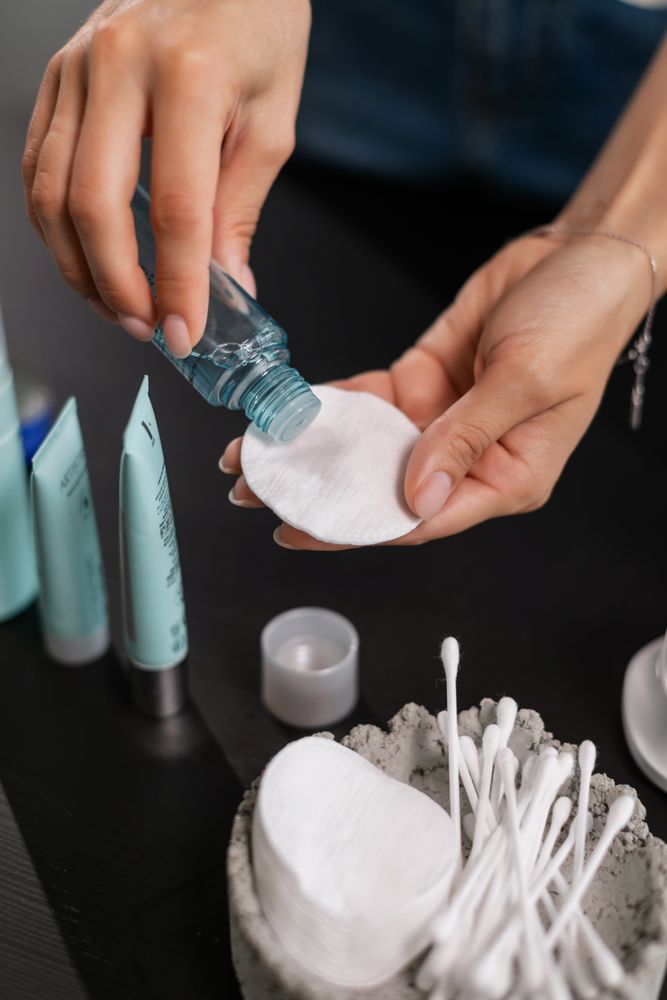
This is the step that confused me the most when I first moved here, because “toner” in a lot of Western drugstores means an astringent, alcohol-heavy liquid meant to strip oil and shrink pores. Korean toner is almost the opposite. It’s a thin, hydrating liquid — sometimes called a “skin” in local branding, which threw me for months every time I saw it on a shelf — patted or swept onto the face right after cleansing to rebalance moisture and prep the skin for everything that comes after. Think of it less as a cleaning step and more as the first layer of hydration. Most people apply it with their hands rather than a cotton pad these days, which was another small surprise, since Western influencers pushed cotton-pad application so hard for years. When I asked a coworker about it, she just shrugged and said patting it in with clean hands wastes less product and feels nicer, which, honestly, tracks once you try it.
Essence: the step that’s hardest to translate
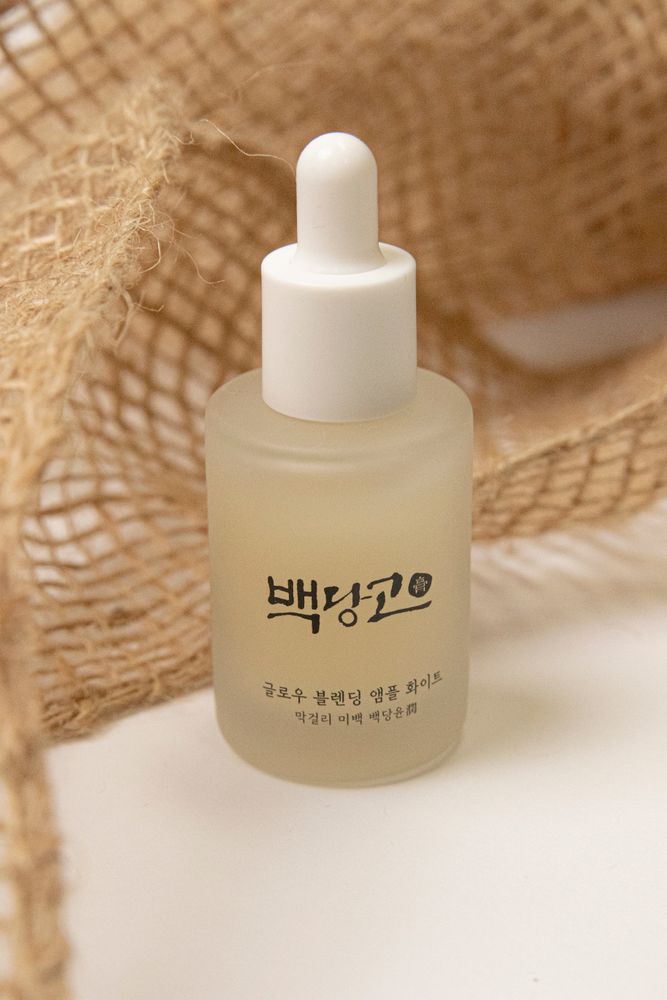
Essence is genuinely the step outsiders have the most trouble picturing, and I think that’s because it’s usually defined by comparison — lighter than serum, heavier than toner — rather than by what it actually feels like on skin. In practice, it has a watery-but-slightly-tacky texture, thinner than a lotion, that sinks in fast and leaves a faint dampness behind rather than a film. Its whole purpose is to add a layer of active, hydrating ingredients before the heavier serums and creams go on, working almost like a primer for whatever comes next. Surprisingly, this is one of the steps even longtime residents debate the necessity of. Some skip it entirely and layer a hydrating serum in its place; others treat it as the actual backbone of their routine and get more particular about their essence than any other product they own. I lean toward thinking it’s genuinely optional for most people, but I understand why it became popular — Korean skincare culture generally favors thin, layerable liquid textures over thick, single-step creams, and essence fits that philosophy well.
Serum and ampoule: where people actually get particular
Serums and ampoules are the concentrated, targeted layer — the step people reach for when they’re dealing with a specific concern like dullness, dehydration, or uneven texture, rather than general upkeep. Ampoules are typically described as even more concentrated than serums, meant for shorter, more intensive use rather than everyday application, though in practice the line between the two gets blurry and a lot of people use the terms almost interchangeably. This is the step where I’ve noticed the most personal variation. Some of my friends here treat serum shopping the way people elsewhere treat coffee — a small, recurring indulgence they research obsessively, comparing notes the way you’d compare a new espresso blend. Others use the same bottle for eight months without thinking twice. I don’t think there’s a “correct” amount of investment here, and I’d push back a little on the idea, common in a lot of online content, that you need five different serums rotating through your week to be doing this “right.” Most people I know use one, maybe two, and call it done.
Sheet masks: ritual first, product second
Sheet masks are probably the single most recognizable export of this whole system, and I think their real appeal has less to do with results and more to do with how ordinary and low-stakes they are here. A sheet mask is a thin, saturated fabric or gel sheet cut to the shape of a face, left on for roughly fifteen to twenty minutes while the essence it’s soaked in transfers onto the skin, and a big part of why they’re so casual is that they’re genuinely cheap — usually somewhere around a dollar or two at a convenience store, priced closer to a can of coffee than a beauty splurge. That price point is what turns them into an everyday habit rather than an occasional treat. I’ve sat through entire dinner parties where half the room ended up wearing sheet masks afterward, laughing, talking with their mouths barely moving so the mask doesn’t slip, because grabbing a pack on the way over cost less than the drinks did. It’s less a serious treatment and more a shared evening activity, similar to how some people treat a face mask night with a movie back home. Even now, after years of living here, I still find it a little funny how normalized it is to answer the door for a delivery while wearing one — nobody blinks.
Moisturizer and sunscreen: the unglamorous finishers
After the thinner layers, moisturizer locks everything in, and the seasonal swap is more concrete than most people expect: a light, watery gel-cream through the humid summer months, then something noticeably richer — often built around ceramides or ingredients marketed as barrier-repairing — once the dry winter wind sets in around late November. What I think gets undersold in a lot of coverage of this routine is how seriously sunscreen gets treated as the actual final, non-negotiable step, arguably more consistently followed than any other part of the routine. It’s less about tanning and much more tied to a long-standing cultural preference for an even, unblemished complexion, and I’d frame that as a beauty and cultural norm rather than anything to do with medical skin health. I’ve noticed people here reapply sunscreen through the day far more consistently than I ever did before moving — cushion compacts with SPF built in, powder sunscreen for touch-ups over makeup, arm sleeves and wide-brim visors on anyone gardening or walking for long stretches in July. It’s not vanity exactly, or not only vanity; it’s just a much more deeply ingrained daily habit than what I grew up with.
So is it really “ten steps,” every single day?
Honestly, no, and I think this is the part that gets lost when the routine gets summarized in listicles. The famous “ten-step” framing was more of a marketing shorthand from around the early 2010s than a description of how most people actually behave day to day. In practice, what I see around me is closer to a flexible menu: cleanse, moisturize, and sunscreen as the non-negotiable baseline, with toner, essence, serum, and masks layered in depending on the day, the season, or just how someone’s skin feels that morning. A rushed weekday morning might genuinely be three steps. A slow Sunday night, especially after a stressful week, might stretch to seven or eight, sheet mask included. I’d push back gently on any framing — mine included, in earlier conversations I’ve had with visiting friends — that presents this as some rigid daily discipline. It’s closer to a toolkit than a ritual with fixed rules, and that flexibility applies to pretty much everyone who uses it, regardless of who they are.
Skincare without the gender lines I grew up with
That “everyone” is worth pausing on, because men’s skincare here is mainstream in a way that still occasionally surprises visitors. Convenience stores and drugstores routinely stock men’s cleansing foam and toner right alongside the women’s shelves, not tucked into some separate “grooming” corner, and BB cream marketed specifically to men sits at eye level, not on a bottom shelf. Bus stop ads and drugstore window displays for men’s skincare lines regularly feature male actors and idols the same way women’s lines do. I remember being a little thrown, early on, by how normal it was for male coworkers to compare toners the same way people elsewhere compare running shoes, checking ingredient lists and arguing about which brand felt less sticky. It’s a small thing, but it reframes the whole practice as general personal care rather than a gendered beauty ritual, which is a distinction I think gets flattened a lot in how this topic gets covered abroad.
FAQ
Do I really need all these steps, or can I just use a moisturizer with SPF and call it done?
If you’re short on time or just getting into this, a simplified version — cleanser, a hydrating layer, moisturizer, sunscreen — covers the core logic of the routine without the full step count. Most of what I described above is optional layering that people add based on preference, budget, and how much time they have, not a strict requirement. I’d rather someone do four steps consistently than attempt ten and quit after a week.
Is essence just a marketing word for a slightly diluted serum?
There’s a real textural and functional distinction in how these products are formulated, but I understand the skepticism — the line does get blurry, and plenty of people here use the two words loosely in everyday conversation. If you’re building a routine from scratch, I wouldn’t stress over getting the essence-versus-serum distinction perfect; picking one hydrating, layerable liquid and building from there matters more than the label on the bottle.
Why do sheet masks feel like such a big deal here compared to where I’m from?
Mostly price and normalization, in my experience. When a mask costs about the same as a canned coffee and is sold at every convenience store on the corner, it stops being a special-occasion treat and just becomes something people reach for on an ordinary Tuesday night. That everyday accessibility is a bigger part of the story than any particular ingredient inside the packet.