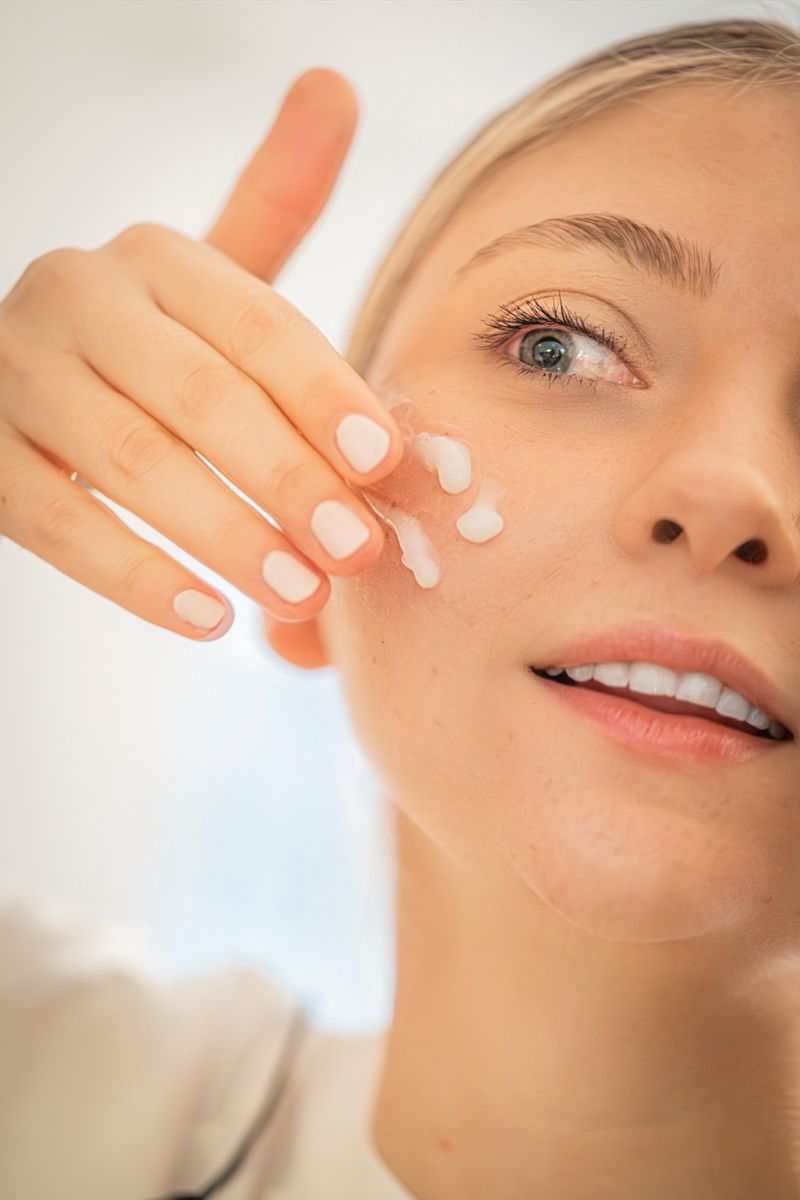
My partner’s bathroom shelf has somewhere around twenty bottles on it, more than my entire kitchen holds, and for the first eight months I lived in Korea I genuinely thought some of them were decorative — there’s a squat little glass jar with a rose gold lid that I assumed for months was a candle. It is not a candle. Every single one of those twenty bottles has a job, a specific order, and, I’ve since learned after asking one too many condescending questions, an opinion about what decade of your life you’re supposed to start using it in. Let’s get the obvious caveat out of the way early, since it matters more here than in most of what I write: I’m not a dermatologist, I’m not endorsing any brand, and none of what follows is treatment advice for an actual skin condition — if something’s genuinely bothering you medically, that’s a dermatologist’s job, not a foreigner’s blog post. What I can talk about is the culture behind all those bottles, as someone who moved here without a single opinion about toner and now owns four of them.
Let’s start with the number everyone’s heard of, because it’s simultaneously the most famous and the most misleading thing about Korean skincare. Ten steps sounds like a lot, and honestly it is, but the ten-step routine was never really meant to be a daily checklist — it’s more like a full menu that a magazine or a brand assembled to show the range of product categories that exist. In practice, my partner does maybe five or six steps on a normal weeknight and saves the rest for when she actually has the energy, which, fair enough, is most people’s real relationship with any elaborate routine, skincare or otherwise. And she’s not alone in scaling back — there’s a whole minimalist counter-current going right now, sometimes shorthanded as “skip-care,” which is basically permission to do less and trust that a handful of well-chosen products can do the job a dozen scattered ones used to. I’ve come to think that’s the more honest version of this culture: not the glossy ten-step infographic everyone screenshots, but the reality of someone doing a quick three-step version on a Tuesday and the full production on a lazy Sunday when there’s time to spare.
The part that actually is non-negotiable, from what I’ve observed, is double cleansing at night. This tripped me up for a long time because it seems redundant — you’re washing your face twice? — but the logic clicked once it was explained to me properly. An oil-based cleanser goes on first, while your face is still dry, and it dissolves sunscreen, makeup, and the oil-based grime that built up over the day; oil dissolves oil, basically. Then a water-based cleanser — foam, gel, whatever texture someone prefers — comes in afterward to wash away sweat, dirt, and anything water-soluble that the oil cleanser didn’t touch, plus the residue of the oil cleanser itself. Skip the oil step and use only a water-based cleanser, and sunscreen in particular has a way of clinging on stubbornly. I was skeptical the first few times I tried it, mostly because it felt like an extra chore before bed, but I noticed my skin actually did feel different — less like there was an invisible film left over — so now I corner dinner guests to talk about the merits of oil-based cleansers unprompted, which is how you know a habit has fully taken hold.
After cleansing comes toner, and this is where things start to diverge from what I grew up thinking a toner was for. Back home, “toner” in my head meant an astringent, alcohol-heavy liquid that stung a little and was supposedly for shrinking pores. Here, toner is mostly about rebalancing and rehydrating skin right after cleansing strips away its natural oils, prepping it to actually absorb whatever comes next. It’s applied with hands or a cotton pad, and it’s rarely the dramatic, tingly experience I associated with the word. That mismatch in vocabulary, by the way, comes up constantly — a lot of English-language marketing borrowed Korean skincare terms without necessarily preserving what they originally meant, which is part of why the whole category can feel confusing to newcomers.
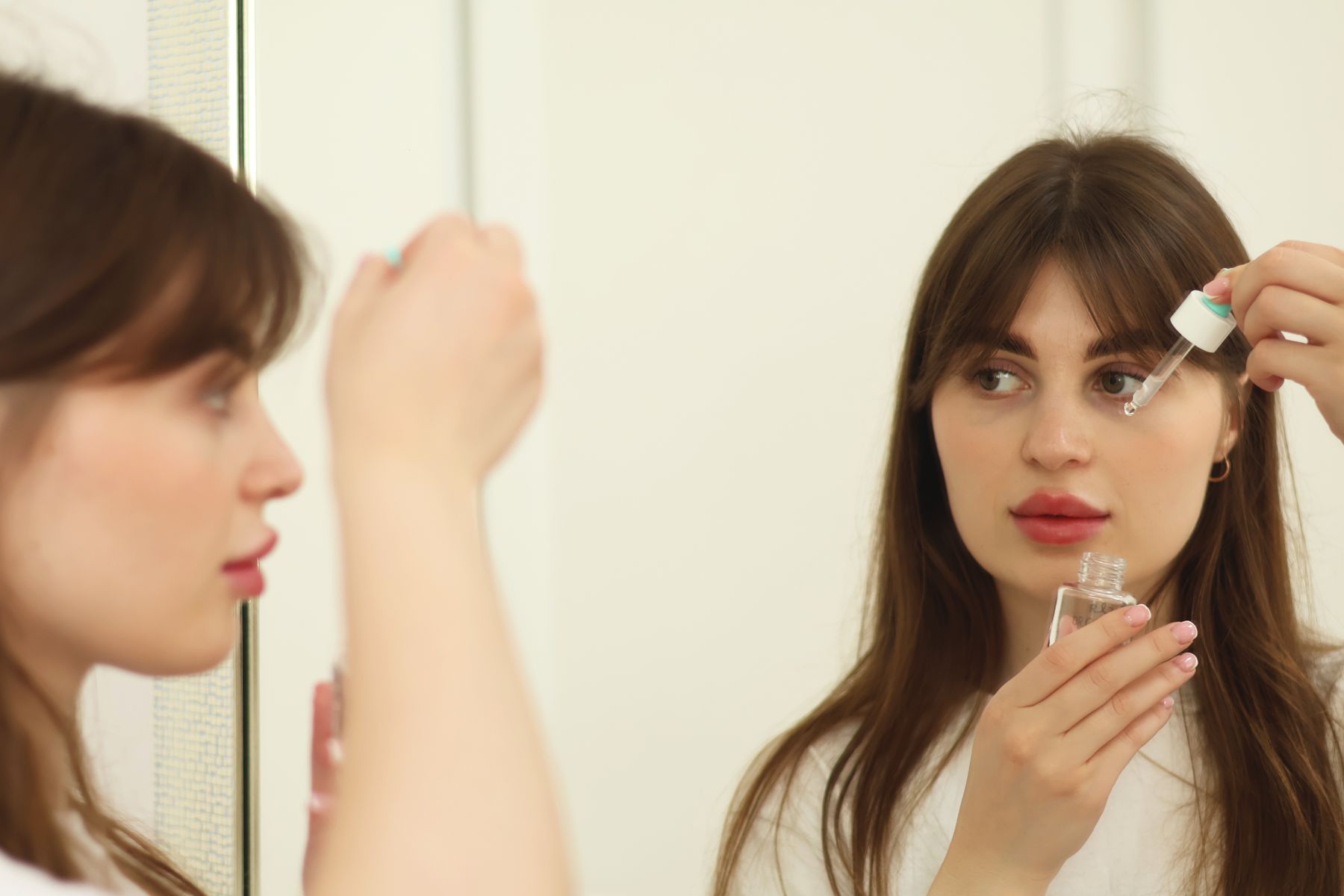
Then there’s the trio that confused me more than anything else when I first started paying attention: essence, serum, and ampoule. They look similar sitting in little dropper bottles on the shelf, and for a long time I assumed they were basically the same product with different marketing. They’re not, though the differences are more about concentration and texture than anything mysterious. Essence tends to be the lightest and most watery of the three, meant for broad, everyday hydration and to prep skin for absorption — think of it as a step between toner and serum rather than a targeted treatment. Serum is thicker and more concentrated, usually built around one or two specific ingredients aimed at a particular concern, like brightening or fine lines. Ampoule is the most concentrated version of that same idea — a short, intensive burst rather than something you’d necessarily use forever, often recommended for a few weeks at a time rather than as a daily forever-step. My partner explained it to me once as “essence is water, serum is juice, ampoule is syrup,” which is not scientifically rigorous in the slightest but is the mental image that finally made it stick for me.
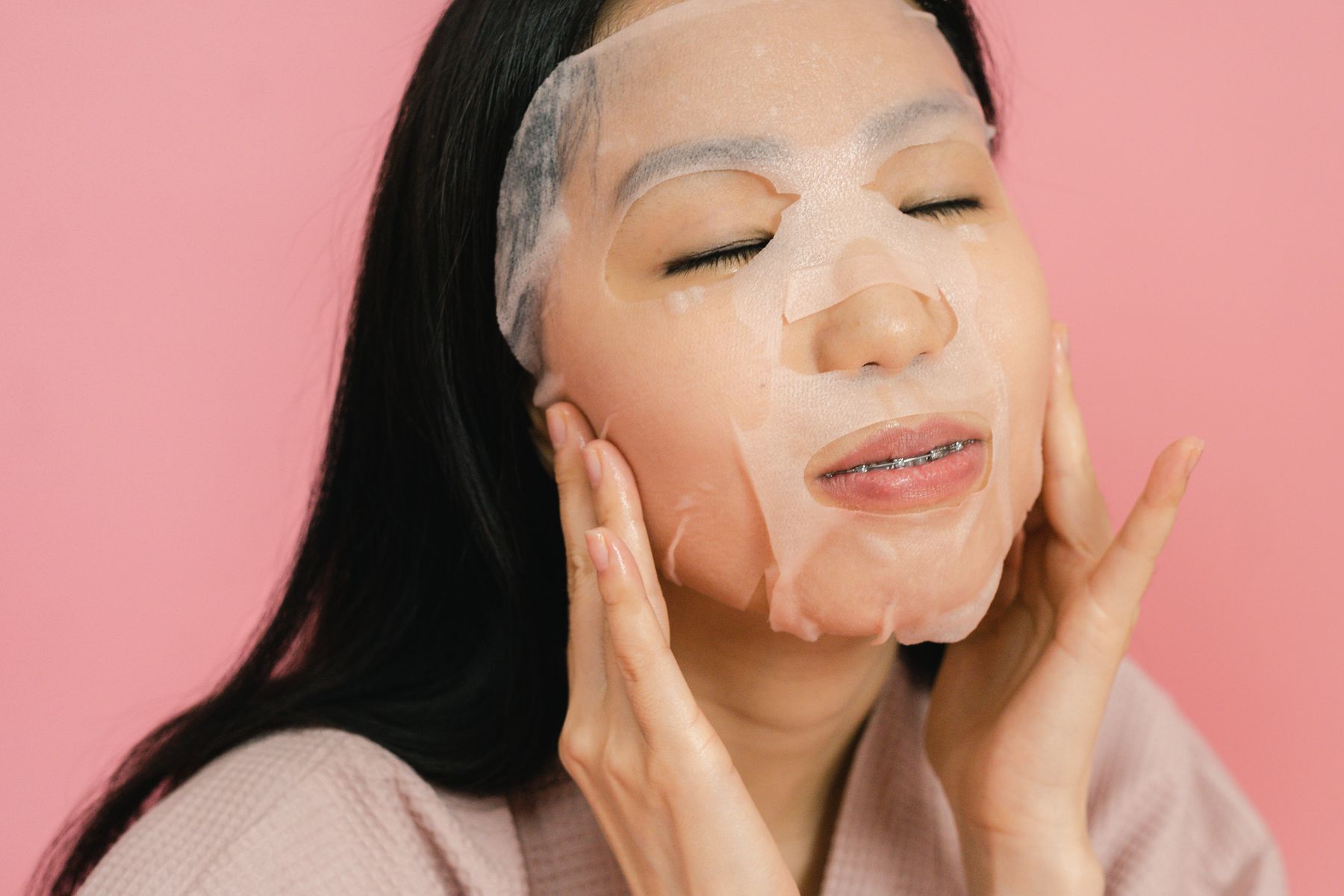
Sheet masks deserve their own mention, if only because they’re probably the single most recognizable image people outside Korea associate with this whole culture — the slightly unsettling photo of someone’s face covered in a wet paper mask, eyes and mouth cut out. I was genuinely nervous the first time I tried one; there’s something inherently strange about draping damp fabric over your entire face and sitting there for fifteen or twenty minutes while it drips slightly onto your collar. But functionally, they’re just a very efficient hydration delivery method — the sheet keeps the essence pressed against your skin instead of evaporating, so more of it actually gets absorbed instead of just sitting on the surface. Convenience stores here sell them individually for around 1,000 to 2,000 won apiece, roughly a dollar or two, which tells you something about how normalized they are as a low-effort self-care habit rather than a special-occasion luxury. A lot of people use one a few times a week, not necessarily every day, treating it more like a mid-week reset than a core routine step. And if a convenience store carries a decent selection, that gives you some idea of what an actual dedicated beauty retailer looks like — which brings me to Olive Young.
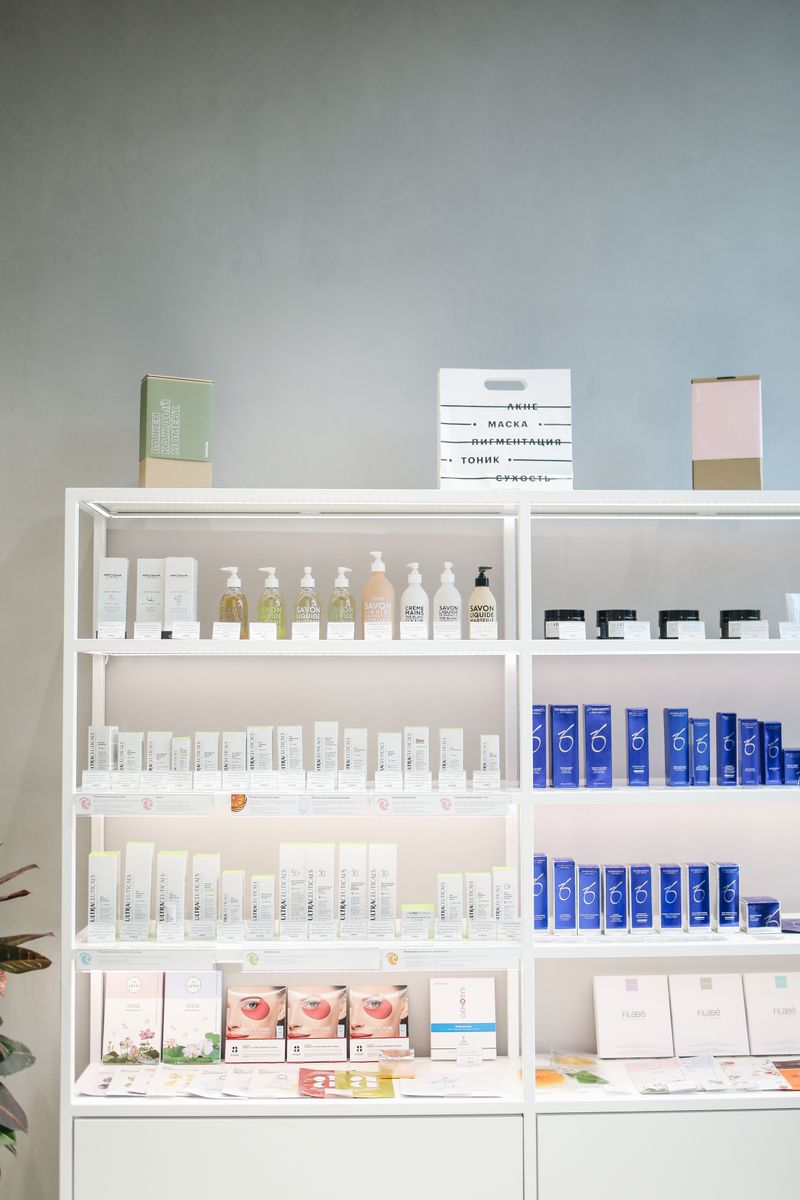
I don’t think you can talk honestly about this topic without mentioning Olive Young, the drugstore-meets-Sephora chain that seems to have a location on every other block in Seoul. Walking into one for the first time is a genuinely overwhelming experience — wall after wall of cleansers, toners, masks, and sunscreens, organized by skin concern in a way that assumes you already know your skin type and what “concern” you’re addressing. I’ve gone in looking for one specific thing and left forty-five minutes later having sniffed and swatched six different sunscreens on the back of my hand: one smelled unmistakably of artificial green tea, another left a faint white cast that took a full minute of rubbing to fade, and a third disappeared into my skin so cleanly I couldn’t tell it was there at all. The staff seem completely used to this kind of dithering; there’s usually someone nearby who’ll happily talk you through the difference between a gel and a cream formula if you look lost enough, which I clearly did on multiple occasions. It functions less like a pharmacy and more like a browsing destination, the kind of place people pop into on a whim the way you might wander into a bookstore.
Sunscreen is its own chapter, and it might be the part of Korean skincare culture that surprised me most, because it’s less about the product itself and more about the habit of reapplying it. Where I’m from, sunscreen was something you put on once in the morning during summer and mostly forgot about. Here, I’ve watched people carry stick-format sunscreen in their bags specifically so they can reapply over makeup without smudging anything, touching it up midday the way some people touch up lip balm. That was a genuine mindset shift for me — the idea that protection actually fades over the course of a few hours, especially once you’ve sweated or wiped your face, so one application in the morning isn’t really doing the job it feels like it’s doing. I won’t pretend I’ve fully adopted the habit myself; old routines die hard, and I still forget to reapply more often than I’d like to admit. But I understand the logic now in a way I didn’t before, and that’s more than I can say for a lot of what I’ve absorbed here by osmosis.
One thing that took me a while to appreciate is how much of this culture is about consistency over intensity. It would be easy to look at a shelf full of ten-plus products and assume the goal is to layer as much as possible, as often as possible, but the people I’ve actually watched use these routines day to day tend to be fairly conservative about introducing anything new. A single unfamiliar product goes in at a time, often tested on a small patch first, and if skin reacts badly to something, it comes right back off the rotation rather than getting pushed through out of stubbornness. That patience is, I think, the actual cultural export worth paying attention to — not the ten steps themselves, but the underlying idea that skin is something you maintain steadily rather than something you fix with one dramatic intervention.
It’s also worth saying that none of this is stuck in the maximalist fever dream of a decade-old K-beauty blog post. What people actually use has shifted noticeably even in the time I’ve been paying attention, and the trend line points toward fewer, more efficient products rather than more — a direct reaction, I’d guess, to how exhausting the full ten-step version can feel to keep up on a random Wednesday.
If you’re curious about how this attitude toward maintenance and routine shows up elsewhere in daily life here, it’s worth reading through some of my other posts on the everyday habits that surprised me after moving to Korea — a lot of the same patience-over-intensity mindset shows up in places you wouldn’t necessarily expect, from how people approach exercise to how they think about food.
So where does that leave someone who’s just curious rather than trying to build a whole new routine from scratch? Honestly, I’d say start smaller than you think you need to. A cleanser, a light moisturizer, and sunscreen you’ll actually remember to reapply will get you further than an ambitious ten-product haul that ends up half-used in a drawer, which — speaking from experience — is exactly what happened to me the first time I tried to do this all at once. Add one thing at a time, pay attention to how your skin actually responds rather than how a product is marketed, and don’t feel obligated to chase every step just because it exists on some famous list. That’s roughly the advice I got from my partner when I asked, slightly embarrassed, why my skin felt tight and dry after copying her full routine wholesale on my first attempt: fewer things, worn consistently, beats a lot of things worn impatiently.
FAQ
Do I really need to do all ten steps every single day? No, and from what I’ve seen, almost nobody actually does. Think of the ten-step list as a menu of available categories rather than a mandatory checklist — most people I’ve talked to treat double cleansing, a light moisturizer, and daytime sunscreen as the daily non-negotiables, then layer in essence, serum, or a sheet mask when they have the time or feel their skin needs the extra attention. Trying to force all ten every night is a fast way to burn out on the whole idea within a couple of weeks.
What’s actually the difference between essence and serum, in plain terms? The simplest way I’ve come to think about it is texture and purpose rather than anything more technical. Essence is thinner, more like a light hydrating liquid meant to prep skin generally, while serum is thicker and usually built to target one specific thing, like uneven tone or fine lines. If you’re only going to buy one of the two, most of what I’ve read and heard suggests serum is the more targeted, results-oriented pick, while essence is more of a nice-to-have hydration layer.
Is any of this actually necessary, or is it just marketing? I get a version of this question a lot from friends visiting from abroad who wander into an Olive Young and immediately feel out of their depth. My honest answer is somewhere in the middle. The core habits — gentle cleansing, consistent moisturizing, daily sun protection — are pretty universally agreed on as genuinely useful, and none of that is unique to Korea. The elaborate multi-step version on top of that is more cultural and personal preference than medical necessity, closer to a hobby some people enjoy than a requirement everyone should follow.
What if I actually have a skin problem, not just curiosity about routines? Then this whole post isn’t really for you, and that’s fine — go see an actual dermatologist instead of trying to solve it with a shelf of serums. Persistent acne, unexplained rashes, anything that’s genuinely bothering you: that’s a medical conversation, not a shopping trip. That part isn’t optional, and no blog post, including this one, should be your substitute for it.
Leave a Reply