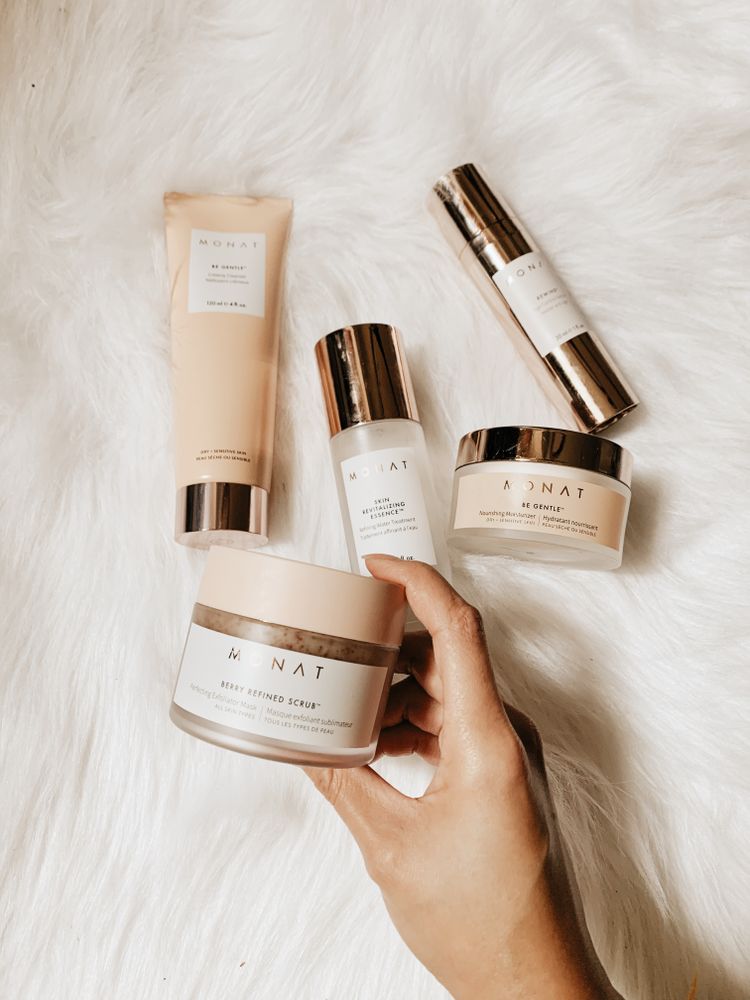
My mother-in-law caught me washing my face with just a bar of soap last winter and made a sound I can only describe as physical pain. She didn’t say anything for a second, just walked to her bathroom cabinet and came back with what looked like eight different bottles, lined them up on the sink edge, and said, “Yijidaddy, this is not optional.” I laughed. She did not laugh. Two years and a lot of trial and error later, I understand why.
The Order Isn’t Random, Even If It Looks That Way
The thing that trips people up first is the sheer number of steps, and I get it — when you line up ten-plus products on a shelf it looks like a ritual designed to sell you things. Sometimes it is, honestly, this is still a massive industry. But the sequence itself follows one simple rule that actually makes sense once someone explains it: thinnest, most watery texture first, richest and heaviest texture last. Everything in between exists to get water and active ingredients into your skin before you seal it with something oil-based.
Double Cleansing
You start with an oil cleanser, which sounds backwards if you grew up thinking oil and clean skin don’t belong in the same sentence. But sunscreen, makeup, and the invisible layer of city grime that settles on your face all day are oil-soluble, so an oil-based cleanser breaks them down far better than a foaming soap ever could. This gets massaged in dry, then rinsed or emulsified with a bit of water. Then comes a water-based cleanser — a low-pH gel or foam — to catch what’s left, mainly sweat and water-soluble debris. Two cleanses, not because one isn’t “good enough,” but because they’re each solving a different problem. Most people I know only do the full double cleanse at night, and just a gentle water-based rinse in the morning, since there’s nothing to dissolve after eight hours of sleep.
Toner, Essence, Serum — The Hydration Ladder
Here’s where it gets a little more foreign to Western routines, and where most of the confusion happens. Toner in a Korean routine isn’t the astringent, pore-shrinking stuff a lot of people grew up with — it’s closer to a lightweight hydrating liquid that preps skin and mops up any last residue so the next products absorb evenly. After that comes essence, which is a category that genuinely doesn’t have a great Western equivalent, which is probably why so many people skip it or confuse it with toner. It’s thinner than a serum, more concentrated than a toner, usually built around fermented ingredients or hyaluronic acid, and its whole job is hydration layering — building up thin, absorbable layers of moisture rather than dumping one thick layer on top of dry skin. Then serum or ampoule, which is where the actual targeted ingredients live — vitamin C, niacinamide, centella asiatica, that sort of thing, in a more concentrated form than the essence.
Sheet Masks Aren’t a Spa Day, They’re a Tuesday
I used to think of sheet masks as an occasional treat, something you do before a big event. Turns out most people here use them two or three times a week, sometimes more, as a normal weeknight step rather than an indulgence. You put it on after essence or serum and before moisturizer, leave it fifteen to twenty minutes, and pat in whatever essence is left on your face afterward instead of rinsing it off. It’s basically an intense, short hydration boost. Not magic, just a very efficient way to saturate skin before locking it in.
Moisturizer and Sunscreen — The Part People Actually Skip
Moisturizer comes near the end to seal in everything you just layered on, often followed by an eye cream if that’s part of someone’s routine, though plenty of people skip that step without much consequence. And then, in the morning only, sunscreen — which somehow is still the step foreigners skip most, despite it being arguably the most important one in the entire routine. Korean sunscreen formulas tend to be lighter and more cosmetically elegant than a lot of what’s sold abroad, which is probably part of why daily use is so normalized here. It’s not vanity, or not only vanity — it’s the entire philosophy of the routine boiled down to one product.
Prevention Over Correction — The Actual Philosophy
If there’s one mindset shift that explains the whole ten-step thing, it’s this: the goal is to prevent damage rather than fix it after the fact. A lot of skincare marketing elsewhere is built around correcting a problem you already have — dark spots, wrinkles, breakouts. Here the emphasis leans harder toward daily maintenance, consistent hydration, and sun protection so those problems show up later, or less, or not at all. It’s less dramatic, sure, and it doesn’t make for a satisfying before-and-after post, but that’s kind of the point. Nobody in this routine is expecting a serum to erase ten years overnight. It’s closer to brushing your teeth than it is to a treatment.
Where Foreigners Usually Go Wrong
Ten steps sounds excessive, and honestly it can be, but the mistake isn’t doing all ten — it’s doing them wrong, or doing the wrong ones too aggressively. The first thing I see people do, myself included at first, is treat exfoliation like a daily requirement instead of the occasional one it’s meant to be. A gentle chemical exfoliant two or three times a week is plenty for most people; every single day just strips the skin barrier and leaves it red and reactive, which then gets misread as needing even more products to fix.
The second mistake is stacking every active ingredient available at once — retinol, vitamin C, multiple acids, a strong niacinamide serum, all in the same routine, all at once — because if one is good, surely five must be better. It’s not. Actives can cancel each other out or just overwhelm skin that hasn’t built up tolerance yet. The usual advice here is to introduce one new active at a time and actually watch how skin responds before layering in the next, rather than assembling a whole regimen overnight from a shopping list.
And then there’s sunscreen, which somehow still gets skipped by people who otherwise do every single one of the other nine steps religiously. It’s the least glamorous step, no immediate visible effect, so it’s the easiest to talk yourself out of. But it’s arguably doing more long-term work than everything else on the shelf combined.
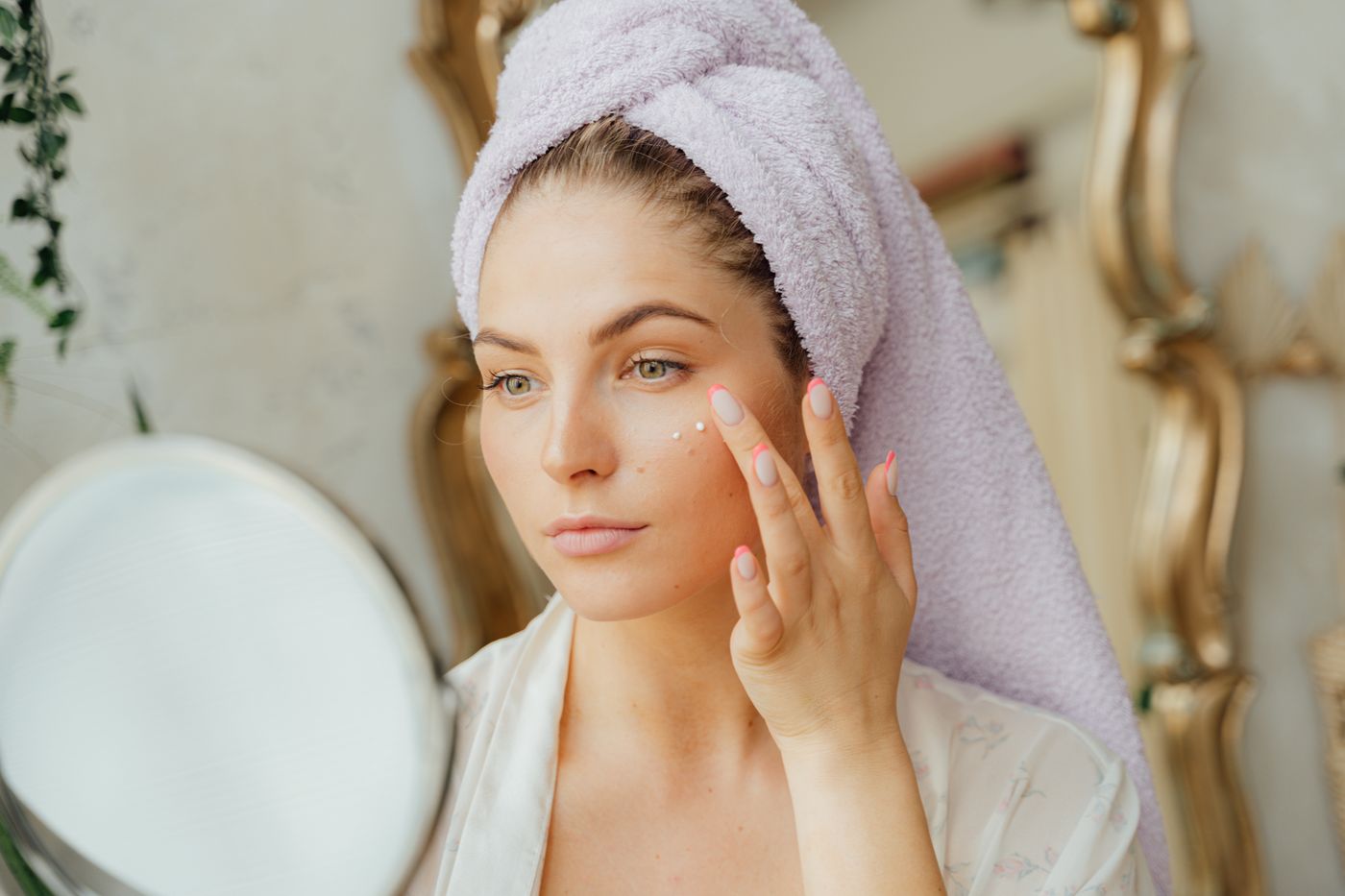
Do You Actually Need All Ten Steps?
No, and most people I know don’t do all ten every single day anyway — it flexes with how much time and skin tolerance you have that day. A stripped-down version, cleanse, toner, moisturizer, sunscreen, still follows the same logic and still works. The full routine tends to come out on days you have time for it, or when skin needs a bit more attention. Layering more products isn’t inherently better; it’s about matching the routine to what your skin can actually use that day.
FAQ
Do I really need ten steps every day?
Not at all. Plenty of people here rotate between a full routine and a shortened four or five step version depending on the day. The number of steps matters less than the order — thin to thick, hydration before sealing — and the consistency of showing up daily, even for a shorter version.
What if my skin is sensitive or reacts badly to a new product?
Sensitive skin generally does better easing in slowly — one new product at a time, patch tested, with plenty of days between additions so you can actually tell what caused a reaction if one happens. If irritation, breakouts, or redness stick around longer than a few days or keep recurring, that’s a conversation for a dermatologist rather than something to diagnose from a routine, since everyone’s skin history and triggers are different.
Can I skip the essence step since it’s confusing and hard to find outside Korea?
You can, and plenty of people simplify their routine by folding that hydration step into a slightly more concentrated toner or a lighter serum instead. The category itself is less important than the underlying idea — layering thin, hydrating products before anything heavier — so if essence isn’t available where you live, adjusting the order slightly around what you can actually get is completely reasonable.
Leave a Reply