
The first time my manager stood up mid-dinner, pointed at me, and said “Josh-ssi, noraebang,” I assumed it was a suggestion. It was not a suggestion. It was 9:40 on a Thursday, we’d already been at the barbecue place for two hours, and somehow the night was just getting started. I remember thinking: we have work tomorrow. Nobody else seemed to be thinking that at all.
That was four years ago, and I’ve probably logged more hours inside a noraebang than I have inside most Korean apartments I’ve lived in. If you’ve spent any time around Korean coworkers, friends, or even just wandering a side street in Hongdae past 10 p.m., you’ve seen the signs — a tower of neon characters stacked above a stairwell, half of them promising “24 HOUR” service like the whole building runs on a different clock than the rest of the city.
What “Noraebang” Actually Means
Break the word apart and it’s almost insultingly literal: norae (노래) is song, bang (방) is room. Song room. Koreans aren’t usually in the business of poetic branding, and this is a good example — it does exactly what it says, nothing more. The Oxford English Dictionary apparently agreed, quietly folding “noraebang” into its pages a couple of years back, which felt like a strange kind of vindication the first time I heard about it. A word I’d been mangling in front of my in-laws is now, technically, English.
You’d expect a country this into karaoke to have imported the American bar-stage version — the one where a stranger in flannel butchers “Don’t Stop Believin’” while everyone at the counter pretends to listen. Korea looked at that model and mostly passed on it. Here it’s private rooms, closed doors, a screen, two microphones, and nobody outside your group ever hears you sing unless you happen to be loud enough to leak through the wall. That single design choice explains most of why the culture works the way it does.
Not a Performance — A Pressure Valve
This is the part that took me the longest to actually absorb, not just intellectually understand. In the U.S., karaoke night has a mild competitive edge to it — somebody’s “good,” somebody’s doing it ironically, somebody’s clearly rehearsed. In a Korean noraebang, the worst singer in the room usually gets the loudest cheer. My father-in-law, who I would generously describe as tone-deaf, gets handed the mic first every single time we go, and every single time the room erupts like he just landed a high note from a K-pop finale. Nobody’s being kind out of pity. It’s closer to a rule: the room’s energy matters more than the room’s talent.
Once you clock that noraebang exists to release pressure rather than showcase skill, a lot of adjacent behavior makes sense. Hoesik — the work dinners that can stretch across three separate venues in one night — almost always end here, not because anyone especially wants to sing but because it’s the one space where hierarchy loosens slightly. I’ve watched a department head who visibly flinches when the office copier jams grab the mic stand like a conductor’s baton and throw himself into a trot ballad, tie loosened, top button undone, sweat on his forehead by the second verse — the same man who’d spent the entire dinner talking about quarterly numbers in a flat, careful voice. That transformation, more than anything else, is the whole point of the room. I’ve seen junior employees relax visibly the moment the noraebang door shuts behind them, like the office finally got left outside on the street.
The Tambourine Is Not a Toy
Every noraebang room comes stocked with at least one tambourine, sometimes two, and I assumed for my first year in Korea that these were just there for kids. They are not for kids. The tambourine holder has an actual job: light shaking through the verses, aggressive pounding through the chorus, and a triumphant crash the second someone nails — or badly misses — the high note. Hand you the mic without warning and you’re expected to sing. Hand someone else the tambourine and they’re expected to work. I’ve watched a coworker take tambourine duty more seriously than her actual PowerPoint presentation the next morning, and honestly, I respected it.
Song Selection Is Its Own Skill
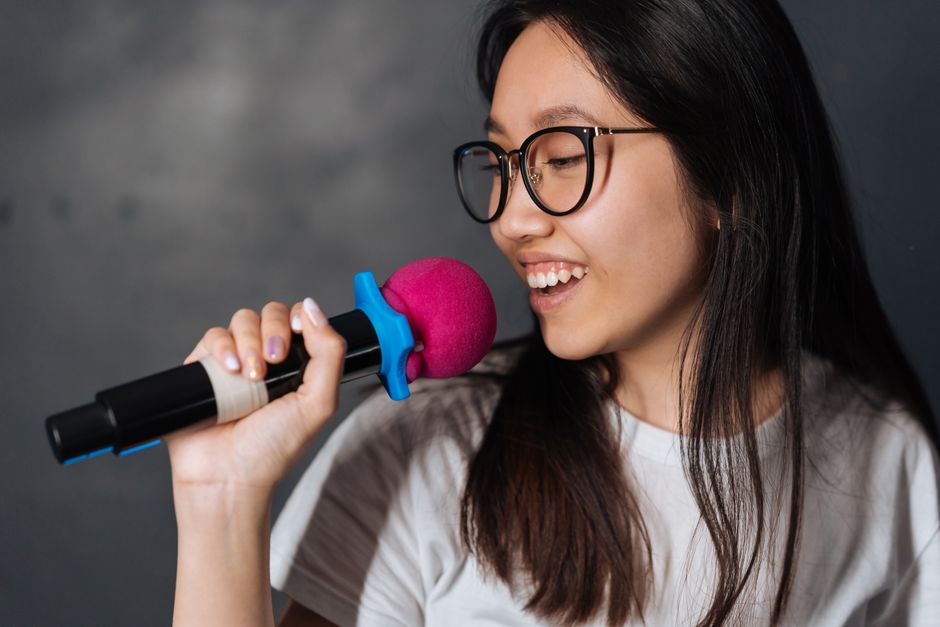
Every room has a thick, dog-eared songbook — or increasingly, a tablet — organized by number, and learning to navigate it fast is a genuine social skill. English-language songs sit in their own section, usually a few pages that get more battered than the rest because every foreigner in the room heads straight there. I still remember the mild panic of being handed the book on night one and realizing I didn’t actually know any song numbers, while my Korean coworkers were tapping in five-digit codes from memory like they were dialing a phone number they’d owned for a decade. There’s a particular kind of confidence to watching someone punch in “18942” without even glancing at the screen.
Trot — the older, accordion-and-drum-machine genre that sounds almost polka-adjacent — gets pulled out disproportionately once the adults have had a few drinks, and ballads dominate the back half of any long session once the energy dips. Service songs, extra free minutes the noraebang owner tosses in without being asked if you tip a little or just look like regulars, are the closest thing Korea has to a karaoke happy hour. It’s a small gesture, but it tracks with the broader idea of jeong (정) — that slightly untranslatable Korean sense of accumulated goodwill between people who see each other often enough to stop being strangers. The owner isn’t handing out free minutes because it’s good business. It’s because you showed up last Tuesday too.
The Score Machine Will Humble You
Most systems score your performance out of 100 the second the song ends, and I’ve never seen a scoring feature generate this much genuine emotional investment in any other context. Ninety-plus and the room treats you like a minor celebrity for the next fifteen minutes. Anything under sixty and you will hear about it, gently, for the rest of the night. I once scored a 52 on a song I genuinely thought I’d nailed, and my sister-in-law brought it up at Chuseok dinner eight months later like it was recent news. The machine remembers nothing. The people in the room remember everything.
Coin Noraebang: The Version Nobody Warns You About
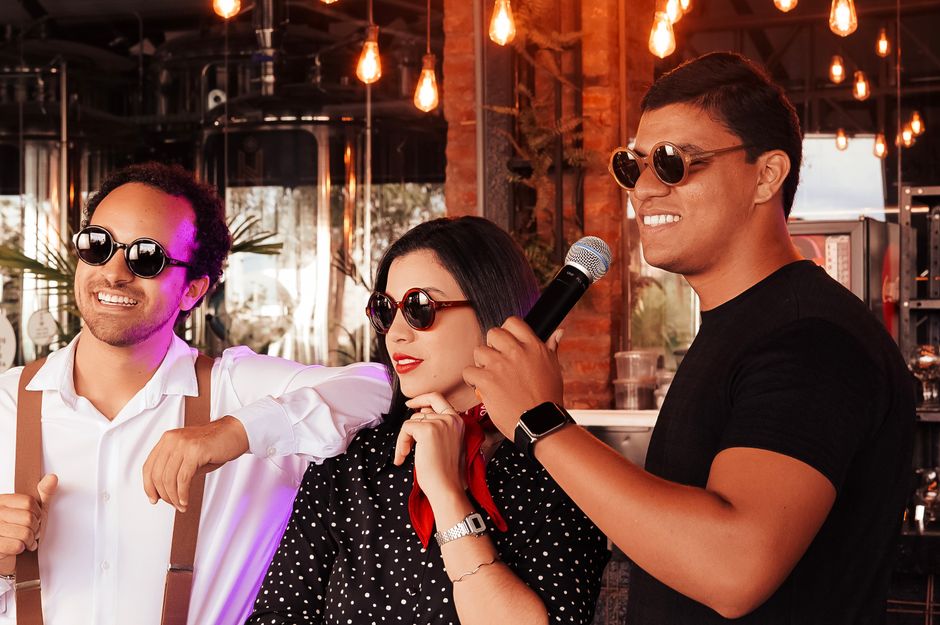
Whether you end up in a crowded room with six coworkers or completely alone, the ritual always starts the same way: staring down a songbook and picking a number. Standard rooms run somewhere around 15,000 to 25,000 won an hour, priced per room rather than per head, which is why a group of six splitting one room feels almost embarrassingly cheap. What surprised me more, months into living here, was discovering coin noraebang — tiny, closet-sized booths, usually built for one or two people, where you feed in coins or cash for roughly 500 won a song.
I ducked into one alone after a bad day at work, a can of Milkis from the vending machine in one hand, planning to sing exactly one song and leave. I sang eleven, working my way through a stretch of overwrought 2000s ballads I would never admit to owning if you asked me sober. The booth was barely wider than my shoulders, the carpet had that specific noraebang smell of stale air freshener, and nobody was there to judge either the song choice or the math. That’s sort of the point — coin noraebang strips away even the small social performance of booking a room with friends. It’s karaoke as a coping mechanism, available at 2 a.m., no reservation required, no group required, no audience except a screen that’s already forgotten your score by the time you’ve left the building.
When People Actually Go
There’s no single occasion that “belongs” to noraebang the way, say, jjimjilbang belongs to a rainy Sunday. It shows up after work dinners, after birthdays, after breakups, after exam results — good or bad — and after basically any event that generates enough emotional charge to need somewhere to put it. University students treat it as a default second stop after cheap eats near campus. Middle-aged coworkers treat it as the unofficial closing ceremony of a hoesik night. I’ve been dragged into a 4 a.m. session after a friend’s job interview went badly, and into another one three hours later that same week after mine went well. Different reasons, same room, same slightly sticky mic.
A Few Things Worth Knowing Before You Go
Rooms are usually paid at the counter when you leave, not upfront, and most places will let you extend by the half hour if the room’s free afterward — just ask at the desk rather than assuming. Bringing outside drinks is technically frowned on in some places and completely fine in others, so it’s worth reading the room, literally, before you crack open a can of makgeolli someone smuggled in from the convenience store downstairs. And if you’re handed the mic first as a guest, don’t overthink the song choice — nobody’s grading your taste, only your commitment to keeping pace with whoever’s on tambourine duty.
자주 묻는 질문 (FAQ)
Do I need to speak Korean to use a noraebang?
Not at all. Numbers are universal, and the English song section exists specifically because so many visitors and expats use these rooms — most machines even let you switch the interface language with a couple of taps. The one moment you’ll actually want a Korean-speaking friend nearby is settling the bill or asking about extending your time, since front-desk staff at older, family-run spots may not speak much English.
Is it awkward to go to a coin noraebang alone?
Genuinely, no — and this surprised me the most. Solo visits are common enough that nobody looks twice, and the tiny booths are built with exactly that in mind. If anything, showing up alone at 11 p.m. on a weeknight is one of the least remarkable things you can do in most Korean cities.
What happens if nobody in the group wants to sing first?
Someone always eventually caves, usually whoever’s had the most to drink or whoever’s the most senior in the group — seniority still nudges its way into even a room built around cutting loose. If the silence drags on too long, the tambourine tends to get passed around as a stalling tactic until someone finally breaks.
Leave a Reply