There is a particular sound in my apartment building that I have come to associate with late October: the soft thump of a plastic container being set down outside a door, followed by the quiet shuffle of slippers retreating before anyone has to answer it. Nine times out of ten, it means someone on our line just finished making kimchi and decided the people two doors down needed a share of it. No note, no doorbell, sometimes not even a name on the lid. You just know, because the smell of garlic and fresh-cut cabbage has been drifting through the stairwell all afternoon.
I have lived in a few different Korean apartment complexes since moving to Korea, and this small, almost invisible economy of food and favors is one of the things that took me longest to understand — and one of the things I now miss most whenever I am away for a few weeks. It runs on rules nobody writes down, and it is easy to miss entirely if you are used to city living elsewhere, where a closed door usually means “leave me alone.”
The Architecture of Apartment Community
Korean apartment complexes, or 아파트, are not really individual buildings so much as small towns with their own governance. Every complex has a 관리사무소 (management office), and that office runs the building the way a tiny municipal government runs a neighborhood. Announcements come over a wall-mounted speaker in every unit — a slightly tinny voice reading out the trash collection schedule change, a reminder that the water will be shut off between 10 a.m. and noon for pipe maintenance, or a warning that a car with a certain plate number is blocking the fire lane. At first these announcements felt intrusive to me, like a loudspeaker in my living room. Now I find the silence strange on the rare day there isn’t one.
Recycling day is its own small ritual. Most complexes designate specific days and specific bins for paper, plastic, glass, and food waste, and food waste in particular is charged by weight through a chip-based bin that deducts credit from a prepaid card. Get it wrong — put glass in with plastic, or leave a box out on the wrong evening — and you will hear about it, gently but firmly, from whoever happens to be walking their dog nearby. It is not scolding so much as shared maintenance of a system everyone depends on.
Small Rituals of Arrival and Season
When a new family moves in, there is still a lingering custom of 떡 돌리기 — bringing rice cakes, usually the red-bean-studded 시루떡, around to the immediate neighbors as an introduction and a kind of goodwill deposit. It is less universal in newer high-rise towers than it once was in older complexes, but I have seen it enough times to know it is not dead, just quieter than it used to be. A tray of rice cakes at your door with a hand-written note is still, to me, one of the more touching things a total stranger can do.
Then there is the seasonal rhythm of gift-giving that has nothing to do with moving at all. Around Chuseok and Seollal, boxed fruit sets — Korean pears the size of a fist, wrapped individually in foam netting, or a mix of apples and pears in a padded gift box — start appearing at doors and in elevators, carried by people balancing two or three at once on their way to relatives. And in late autumn, during kimjang season, the kimchi-sharing begins in earnest, sometimes accompanied by a bag of freshly steamed pork belly, because good kimchi apparently demands to be eaten immediately, not stored.
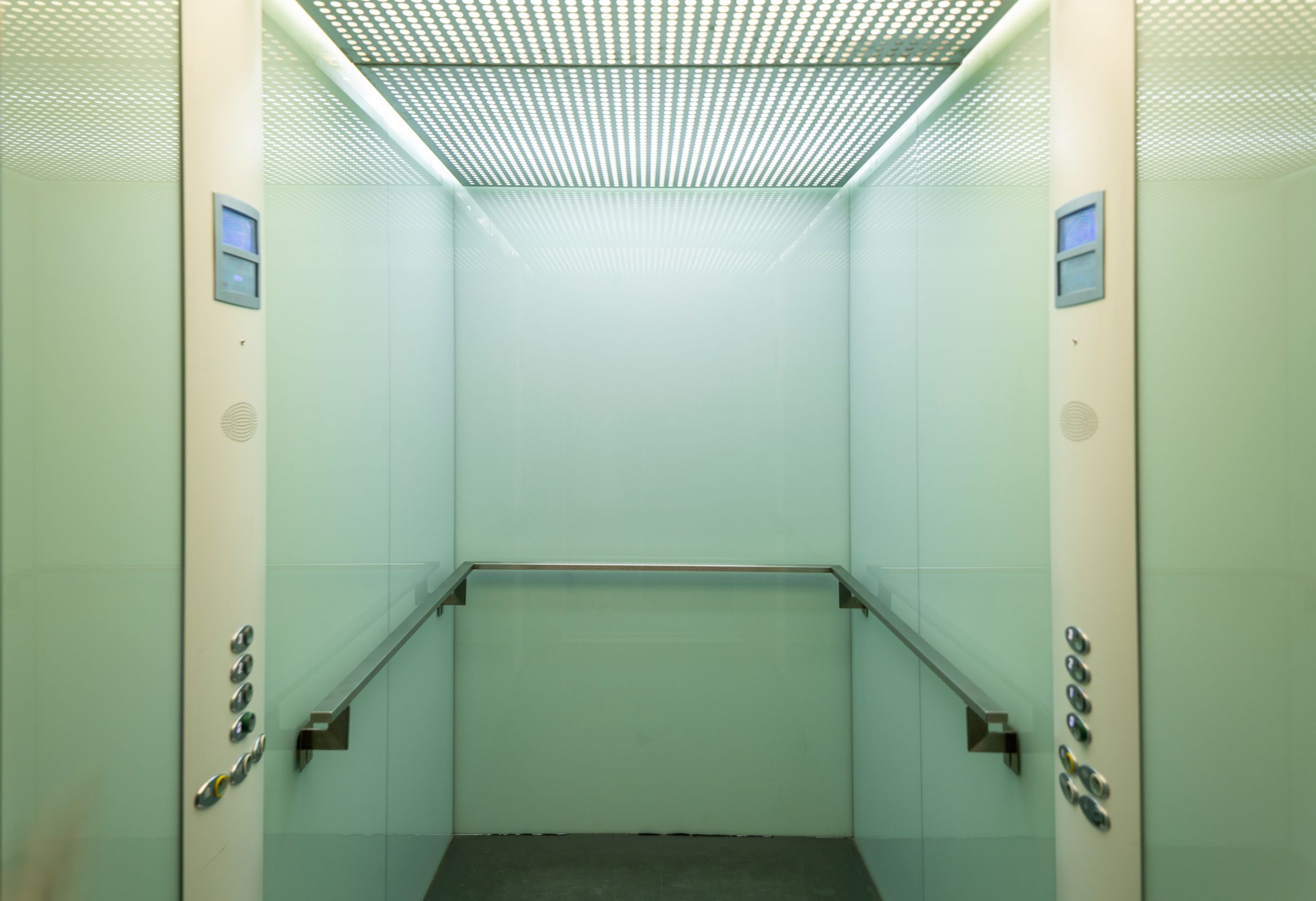
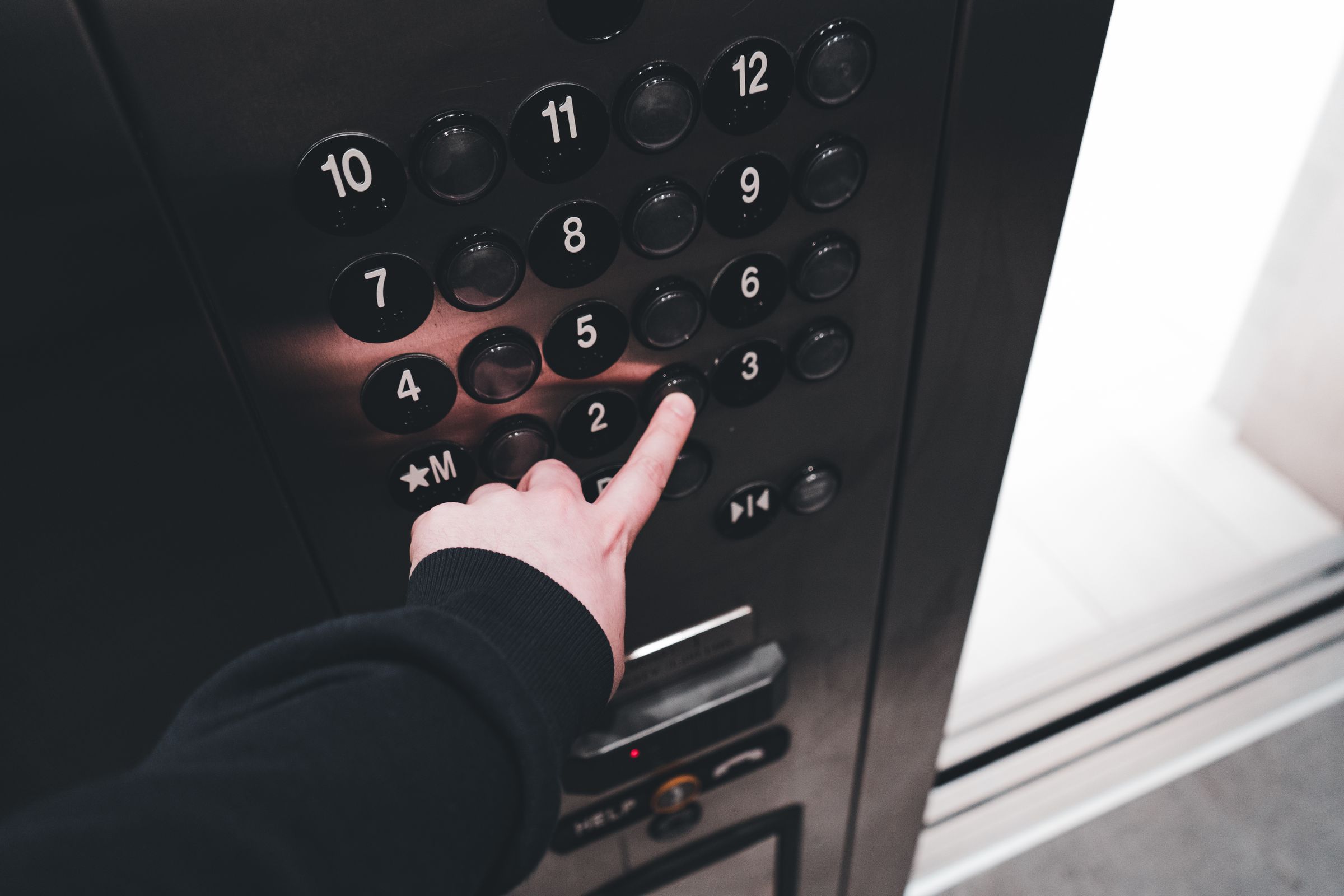
Even the elevator has its own quiet etiquette. People hold the door without being asked, press the floor button for whoever gets on after them, and there is an unspoken understanding that you nod, even to someone you have never spoken to, because you will likely share this box of metal and mirrors with them for years. Inside many elevators and near the building entrance, laminated sheets list emergency contacts — the management office, the nearest fire station, sometimes a resident association head’s phone number — a small reminder that this vertical village has an actual chain of people responsible for it.
None of this is dramatic. No single gesture is a headline. But taken together — the rice cake at the door, the intercom voice reading out the trash schedule, the unclaimed container of kimchi, the nod in the elevator — it adds up to something I did not expect from apartment living: a sense that the walls between units are thinner, in the best way, than they look.
FAQ
Do I have to reciprocate if a neighbor gives me kimchi or rice cakes?
There is no strict rule, but returning an empty container without something in it — even just a small snack, fruit, or coffee — is considered a bit awkward. A common approach is to return the container with something simple inside, or to reciprocate later with a different seasonal food, like fruit during Chuseok or homemade side dishes if you cook. The gesture matters more than the value.
What if I don’t know any of my neighbors well enough to receive something like this?
It is increasingly common, especially in large new complexes, for residents to barely interact, and plenty of Koreans in modern high-rises report never receiving a moving-in rice cake or kimchi from anyone. If it happens to you, treat it as a genuine opening rather than an obligation — a short thank-you at the door, in Korean or English, is generally well received and can be the start of an actual relationship with that household.
Are the intercom announcements important, or can I ignore them?
Most are routine — trash schedule changes, elevator maintenance, water shut-offs, delivery notices — but some are time-sensitive, like fire drill tests or urgent parking requests to move a car blocking an ambulance or fire truck. If you don’t understand spoken Korean well, it is worth asking a neighbor or the management office to flag anything that requires action, since ignoring a genuine emergency notice (rare, but they happen) is the one type of announcement worth not missing.