Blog

  • What My Daughter Grabbed at Her Doljanchi (And What I Secretly Hoped She’d Pick)

    What My Daughter Grabbed at Her Doljanchi (And What I Secretly Hoped She’d Pick)

    Six years ago, in a rented party room above a pharmacy two blocks from our old apartment, my daughter got about four seconds away from grabbing a fistful of cash instead of anything more “meaningful” — and half the room actually gasped when she changed her mind. My mother-in-law still brings it up. So does my wife, usually right before she reminds me I bet on the wrong object that day and lost a very small, very serious family wager.

    That was our doljanchi, my daughter’s first birthday party, and it is still one of the strangest, warmest afternoons I have lived through as a parent — strange because I had no real frame of reference for it going in, warm because I understand it completely now.

    A Table Set Like a Small Fortune-Telling Booth

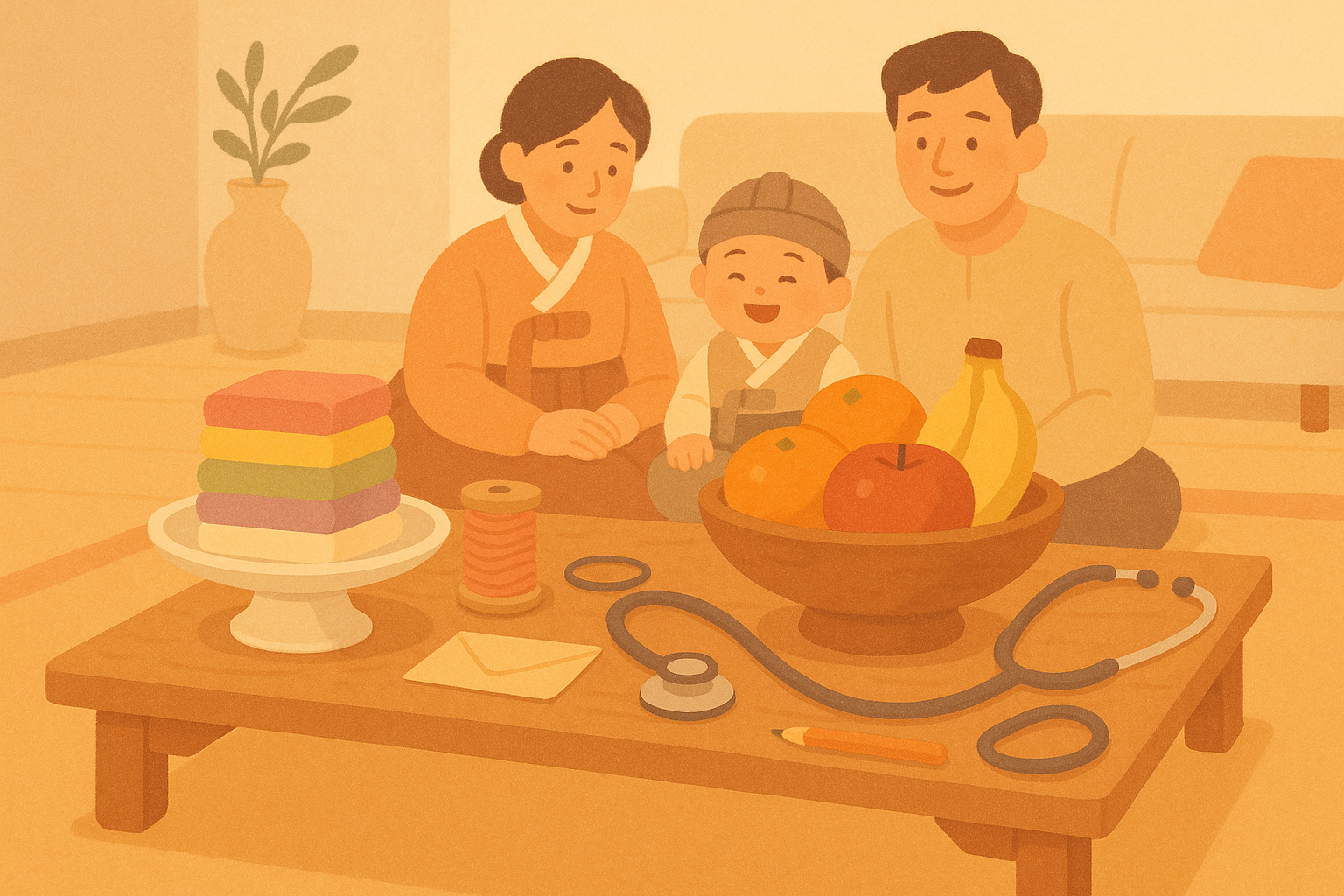
    If you have never seen a dolsang, the traditional first-birthday table, it looks a little like a cross between an altar and a game show set. Ours had mounds of rainbow rice cake (무지개떡), a small tower of fresh fruit, a spool of thread, a bundle of cash tucked into an envelope, and a handful of objects laid out in a loose semicircle facing where my daughter would sit: a pencil, a microphone, a stethoscope, and — because my father-in-law insisted — a golf ball, of all things. This is doljabi, the part of the party where the baby crawls forward and grabs whatever catches her eye first, and Korean tradition treats whatever she picks as a small, half-serious prophecy about her future.

    My wife wanted the stethoscope on that table more than she wanted almost anything else that day. Her mother wanted the money. I quietly hoped for the microphone, mostly because I thought it would make a better photo. Nobody consulted the baby about any of this, which in hindsight is the whole point.

    What She Actually Grabbed

    She went for the microphone first, got maybe two fingers on it, and then — I still don’t know why — pivoted at the last second and picked up the pencil instead. My mother-in-law let out this short, delighted “아이고,” and an aunt I’d met exactly once before that day declared, with total confidence, that my daughter was going to be a scholar. The money sat there completely untouched, which felt like it should have meant something, though nobody in my wife’s family has ever managed to explain to me what.

    I know how this sounds to someone hearing about it for the first time — a room full of adults treating a one-year-old’s grab-bag instincts like a genuine glimpse into her future. But nobody there actually believed the pencil was destiny. It was more like a shared excuse to cheer for her, all at once, out loud, which is a thing that happens surprisingly rarely once kids get past the age where every small thing they do is treated as a miracle.

    The Soup That Comes Back Every Year

    Before any of the doljabi theater, there was seaweed soup — miyeok-guk, the same soup Korean mothers eat after giving birth, because seaweed is traditionally believed to help postpartum recovery. Serving it again on the first birthday closes a kind of loop: the soup that helped my wife heal becomes the soup that marks our daughter making it safely through her first year. My mother-in-law still makes a pot of it every August, sometimes with beef, once memorably with mussels because that’s what was fresh at the market that morning, and my daughter, now seven, eats it without any idea that it’s tied to anything more than her birthday breakfast.

    It Doesn’t Always Look Like Ours Anymore

    Our doljanchi was small and homemade — a rented room, a hired photographer for two hours, hanbok that my wife’s aunt had actually sewn herself. Plenty of families now hold theirs at hotel banquet halls or dedicated party studios in Seoul, with professionally styled dolsang tables, rental hanbok delivered the morning of, and a set menu instead of home cooking. Neither version is more “authentic” than the other. The doljabi table and the seaweed soup tend to survive either way, because those are the two pieces nobody wants to cut.

    FAQ

    Can parents pick their own objects for the doljabi table instead of the traditional set?

    Yes, and most modern families do mix in at least one non-traditional item. Our neighbors’ doljanchi last spring included a small toy airplane alongside the usual pencil and stethoscope, because their son had been obsessed with planes since he could point. It’s common now to see a mouse (computer/tech), a basketball, or even a tiny paintbrush sitting next to the more classical objects like thread (long life) or rice (abundance).

    Do Korean parents actually believe the item their baby grabs predicts anything real?

    Most families I’ve talked to, including my own in-laws, treat it as affectionate tradition rather than literal fortune-telling — nobody redirects a child’s career at age fifteen because of what she grabbed at one. That said, it does get referenced for years afterward as a running family joke; my daughter has heard the “you almost grabbed the money” story enough times that she now tells it herself, slightly exaggerated, to anyone who’ll listen.

    Is it rude for a foreign parent or guest to not know the doljanchi customs when invited to one?

    Not at all — nobody expects a first-time guest to know the order of events, and hosts are generally happy to explain the dolsang items or the doljabi ritual as it happens. A cash gift in a plain envelope, typically in a round number, is the standard gesture if you’re invited and unsure what else to bring; flowers or a baby gift work too, but cash is by far the most common and least awkward option.

  • What I Didn’t Expect the First Time I Took My Daughter to a Jjimjilbang

    What I Didn’t Expect the First Time I Took My Daughter to a Jjimjilbang

    My daughter was five the first time she saw a full-grown stranger’s back and asked, at full volume, “Appa, why does that ajumma have a dragon?” The ajumma in question was maybe sixty, deep in conversation with a friend over a bowl of shikhye, and the dragon in question was a very faded tattoo she’d clearly had for decades. Nobody in that steam-filled room even glanced over. That was the moment I understood jjimjilbang culture isn’t really about the sauna at all. It’s about a room where staring, judging, and small talk with strangers all quietly stop mattering.

    We’d gone that Saturday because our boiler was making a noise I didn’t trust and I wanted an excuse to avoid dealing with it before Monday. Two hours later we walked out pink-cheeked, slightly dehydrated, and both somehow calmer than when we’d walked in.

    The Locker Key Bracelet Is Doing More Work Than You Think

    You get one rubber-banded key at the front desk, and that single number runs your entire visit — locker, food charges at the snack counter, even the massage chairs upstairs if the place has them. I lost track of my key exactly once, at a jjimjilbang near Konkuk University, and spent an unreasonably stressful ten minutes wading through a sea of identical bracelets in a lost-and-found bowl before the front desk just looked mine up by locker number instead. Lesson learned: the number matters more than the physical key.

    The gender-separated bathing floors are where you actually get undressed and scrub down, no swimsuits allowed, which is the single detail that stops most first-timers cold. My wife had to physically walk me through it my first year here — soap first, rinse, then soak, and nobody is looking at you the way you’re bracing for them to look at you. After the first few minutes it stops feeling like anything at all, which is honestly the strangest part.

    Where the Actual Family Hangout Happens

    The unisex floor upstairs is where jjimjilbang earns its reputation as a genuine family activity instead of just a bath. Everyone wears the same baggy cotton uniform — usually a T-shirt and shorts in whatever two colors that particular jjimjilbang has chosen that year, ours was mustard yellow — and wanders between kiln-style saunas with names like the salt room, the ice room, and the earth room built into a low clay dome you have to duck to enter. My daughter’s favorite by far is the ice room, mostly because she gets to watch grown adults yelp the second they step inside.

    Somewhere between the salt room and the snack counter, we always end up sharing a plate of gyeran (the hard-boiled eggs cooked slowly in the sauna’s own heat until the shells turn brown) and a bowl of sikhye, the sweet rice punch that tastes like nothing else and that my daughter now insists is “sauna juice,” a name I’ve stopped correcting.

    The Part Nobody Tells You Until You’ve Fallen Asleep on the Floor

    Plenty of jjimjilbang stay open 24 hours, and there’s a whole culture of people — students cramming before exams, coworkers after a late dinner who missed the last train, entire families on a budget weekend trip — sleeping on the heated floor under a shared wooden pillow block instead of paying for a hotel. We tried it exactly once, on a trip to Busan when our reserved guesthouse fell through last minute, and I will say the floor is warmer and more comfortable than it has any right to be, though I woke up with a very specific ache in my neck that the wooden pillow is entirely responsible for.

    FAQ

    Is it awkward for a foreigner to go to a jjimjilbang alone for the first time?

    Less than you’d expect. Staff at larger jjimjilbang, like the well-known 24-hour spots in Seoul such as Dragon Hill Spa, are used to first-time foreign visitors and will usually point you toward the right floor without much fuss. The gender-separated bathing area is the one place where you’re genuinely on your own with no clothes and no guide, but nobody there is paying attention to you the way you’ll assume they are — everyone’s focused on their own routine.

    Do kids really go into the same sauna rooms as adults?

    Yes, the unisex floor with the themed sauna rooms is open to all ages, and it’s genuinely one of the more popular family outings for a rainy weekend. Some rooms, especially anything advertised above roughly 70–80°C like the traditional hanjeungmak kiln sauna, are uncomfortable for young kids fast, so most parents rotate between the hotter rooms briefly and the cooler ones like the ice room or salt room for longer stretches.

    What should I actually bring, and is anything provided?

    Most jjimjilbang provide the uniform, a small towel, and basic soap or shampoo dispensers in the bathing area, so you genuinely can walk in with just your entry fee and a phone. I’d still bring a hair tie if you have long hair, your own toothbrush if you’re staying more than a couple hours, and cash or a card for the snack counter, since not every location’s food stalls take every payment app.

  • 저기요! How to Actually Call Staff at a Korean Restaurant or Bar

    저기요! How to Actually Call Staff at a Korean Restaurant or Bar

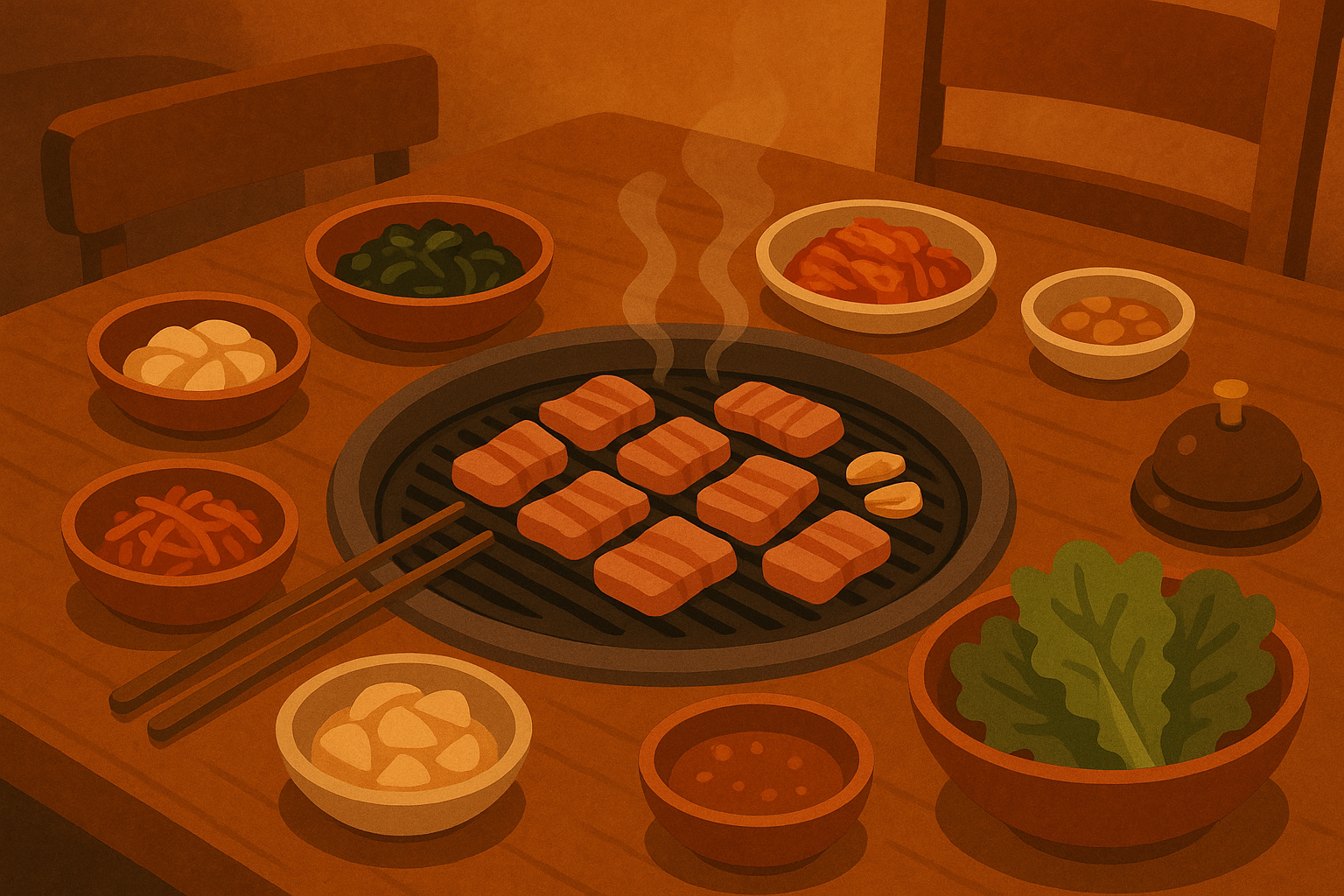
    A friend visiting from back home sat frozen at a galbi place last month, eyes darting around the room, waiting for someone — anyone — to notice we needed another round of lettuce. Ten minutes later she leaned over and whispered, “are we being ignored?” I laughed, because I remember that exact feeling from my first year here. You’re not being ignored. You just haven’t learned the system yet, and once you do, eating out in Korea gets a lot less stressful.

    Nobody Is Coming to Your Table (And That’s Actually Fine)

    Back home, a server drifts by every so often to “check in,” refill your water, ask how everything tastes. In most Korean restaurants and bars, that isn’t how it works. Staff aren’t hovering — they’re in the kitchen, running food, handling five other tables — and the expectation is that you speak up when you need something, instead of everyone playing a silent guessing game. It felt rude to me at first, like I was being demanding by calling someone over. Now I get it: it’s actually more efficient and less awkward once you’re used to it. You call, they come, you order, done.

    저기요 (Jeogiyo): Your New Favorite Word

    If you only learn one phrase for eating out in Korea, make it this one. “저기요” (jeogiyo) is a polite little phrase that basically means “excuse me” or “over here” — and it works everywhere, on anyone, in any restaurant, cafe, or bar. Say it a touch loudly, maybe with a small raised hand, and someone will look your way within seconds. It’s not rude, it’s not shouting, it’s just how the whole country flags people down. I use it at the pharmacy, at clothing stores, at street food carts. Once it clicks, you’ll wonder how you ever survived without it.

    사장님 and 이모님: Calling Someone Like You Actually Know Them

    This is the part that took me a while to warm up to, and now I love it. Instead of a generic “excuse me,” Koreans often call staff by a relational title. “사장님” (sajangnim) literally means “boss” or “owner,” and it’s used respectfully for whoever seems to be running the place — even if you have no idea whether they actually own it. “이모님” (imonim) means “auntie,” the warm, familiar way to call over an older woman working there, the way you’d talk to a favorite aunt rather than a stranger in uniform. The first time I called a grandmother-aged woman “이모님” at my neighborhood soup place, she beamed and gave us extra banchan. There’s real affection built into these words — you’re treating someone like part of the room, not an anonymous employee.

    Bells, Buttons, and the Kiosk Doing the Yelling For You

    Some restaurants skip the shouting entirely. Look down at your table — if there’s a small button or plastic buzzer near the napkins, that’s your call bell. One press and a light or chime tells staff exactly which table needs them, no vocal cords required. It’s especially handy in loud barbecue joints where nobody could hear you over the grill sizzle anyway. More and more places now have a small tablet or kiosk built into the table for ordering, and many of them also hide a dedicated “call staff” button in the menu, so you don’t need a single word of Korean to get someone’s attention. Some of my most successful restaurant interactions here have involved zero spoken language at all.

    So next time you’re out and the food seems to be arriving at every table except yours, don’t just sit there waiting politely. Take a breath, say “저기요,” or try out a “사장님” if you’re feeling brave, and watch how fast the room responds. It’s a small thing, but it’s one of those little cultural switches that makes you feel like you’re actually living here instead of just visiting.

  • Don’t Forget: How to Get Your Subway Card Deposit Back Before You Leave Korea

    Don’t Forget: How to Get Your Subway Card Deposit Back Before You Leave Korea

    Okay, funny confession first: I lived in Seoul for almost a year before I understood how the single-use subway cards actually worked. I kept buying them, kept losing track of them, and it wasn’t until a Korean friend watched me toss one in a trash can near Hongik University Station and physically gasped that I learned I’d been throwing away free money the whole time. So today I want to save you that same small heartbreak, because it happens to almost every tourist who rides the Seoul subway.

    Wait, there’s a deposit on the ticket?

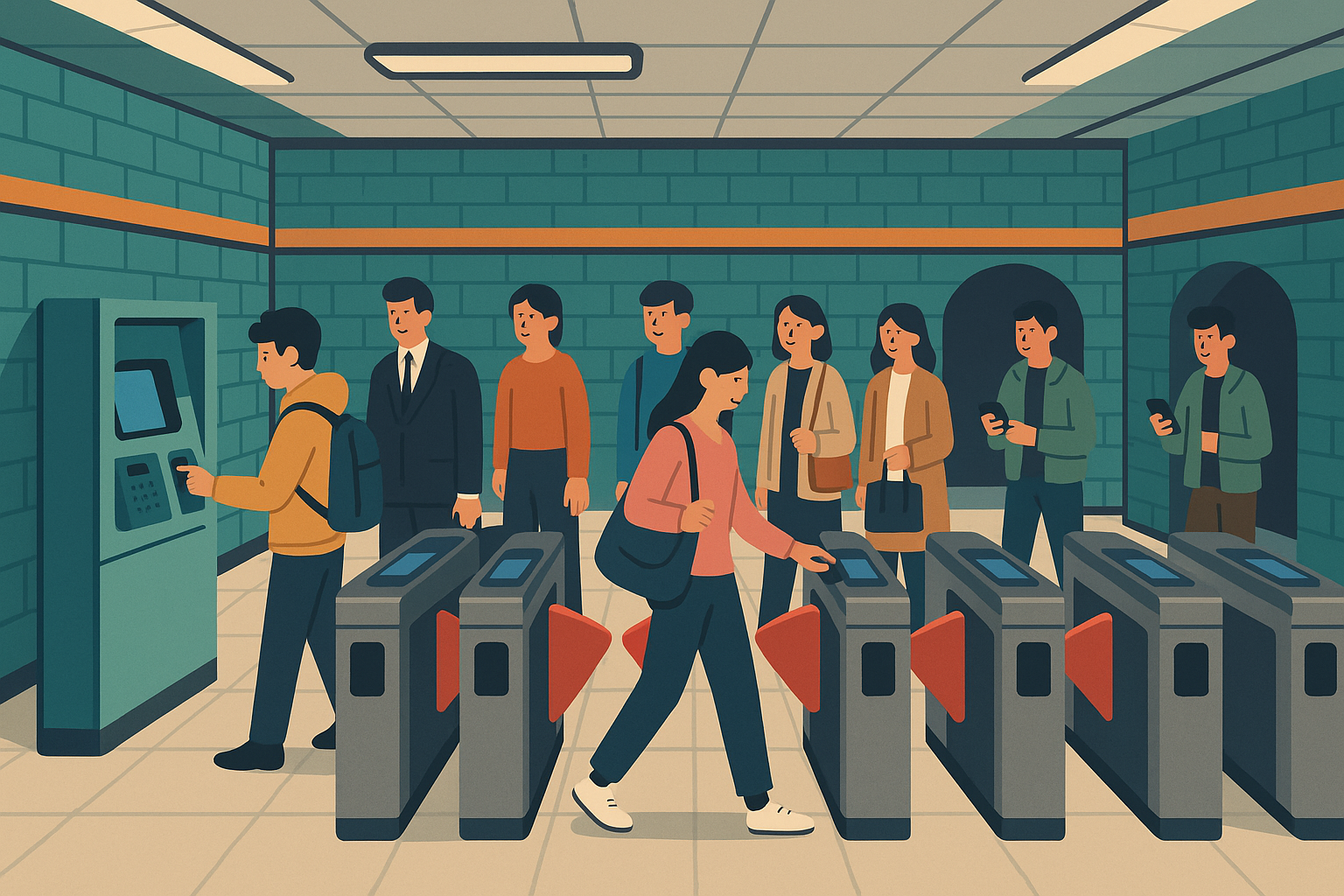
    If you’ve used the Seoul subway without a T-money card, you’ve probably bought one of those plastic disposable tokens from the touchscreen ticket machines at the station. You tap your destination, pay the fare, and out pops a little round plastic card instead of a paper ticket. What most visitors don’t realize is that the price you just paid isn’t only the fare. It includes an extra 500 won deposit tacked on top. That deposit isn’t a fee, it’s yours, and it’s sitting there waiting for you to claim it back the moment you’re done riding.

    The system exists because the operators would rather you return the card than have thousands of them piling up in drawers and landfills. Nobody announces this loudly, though, and the refund machine looks nothing like the one that sold you the ticket, so most tourists just assume the 500 won is gone for good.

    Finding the refund machine

    Here’s the part that trips people up: you don’t get your deposit back at the same colorful kiosk where you bought the card. You need a separate, much smaller machine, usually a plain box mounted on the wall labeled something like “Deposit Refund,” sometimes with a coin symbol. In my experience these are almost always near the ticket gates, often right beside the row of vending machines, and sometimes just past the turnstiles before you exit to the street. If you can’t spot one, station staff are used to the question and will point you toward it without missing a beat.

    Using it is refreshingly simple. Feed your used card into the slot, and 500 won drops into the tray below. No screens, no menus, nothing to read in Korean. It takes about three seconds once you find the machine, which honestly feels a little anticlimactic after all that searching. Still, coffee money is coffee money.

    The card has to be the disposable kind

    One thing worth knowing is that these refund machines are strictly for the single-journey disposable cards. They won’t take your personal T-money card, the rechargeable one you buy at a convenience store and keep topping up all trip long. That card isn’t disposable at all, and there’s no deposit to refund on it, because you’re meant to keep using it, or hang onto it afterward as a souvenir if you like. Don’t feed your regular T-money card into the slot expecting coins back. It’s also worth checking your balance first, since if there’s leftover fare on the disposable card, some machines return that along with the deposit, not just the 500 won.

    A small habit worth building before you fly home

    My real tip here is timing. Do this before you’re rushing for your flight, because the last thing you want is sprinting through the airport train with a pocketful of plastic cards you meant to cash in three days earlier. I’ve made it part of my routine now: the moment I’m done with a disposable card, I walk it straight to the refund machine on my way out rather than tossing it in my bag and forgetting about it. It takes less time than tying your shoes.

    Is 500 won going to change your trip? Of course not, it’s less than fifty cents. But there’s something satisfying about closing the loop properly, about leaving Korea having used the system the way it was designed instead of quietly donating loose change to the transit authority one card at a time. Now you also get to be the friend who mentions this to someone else and watches their face do exactly what mine did that day at Hongik University Station.

  • Handing My Phone to a Stranger in Korea (And Why I Don’t Worry About It)

    Handing My Phone to a Stranger in Korea (And Why I Don’t Worry About It)

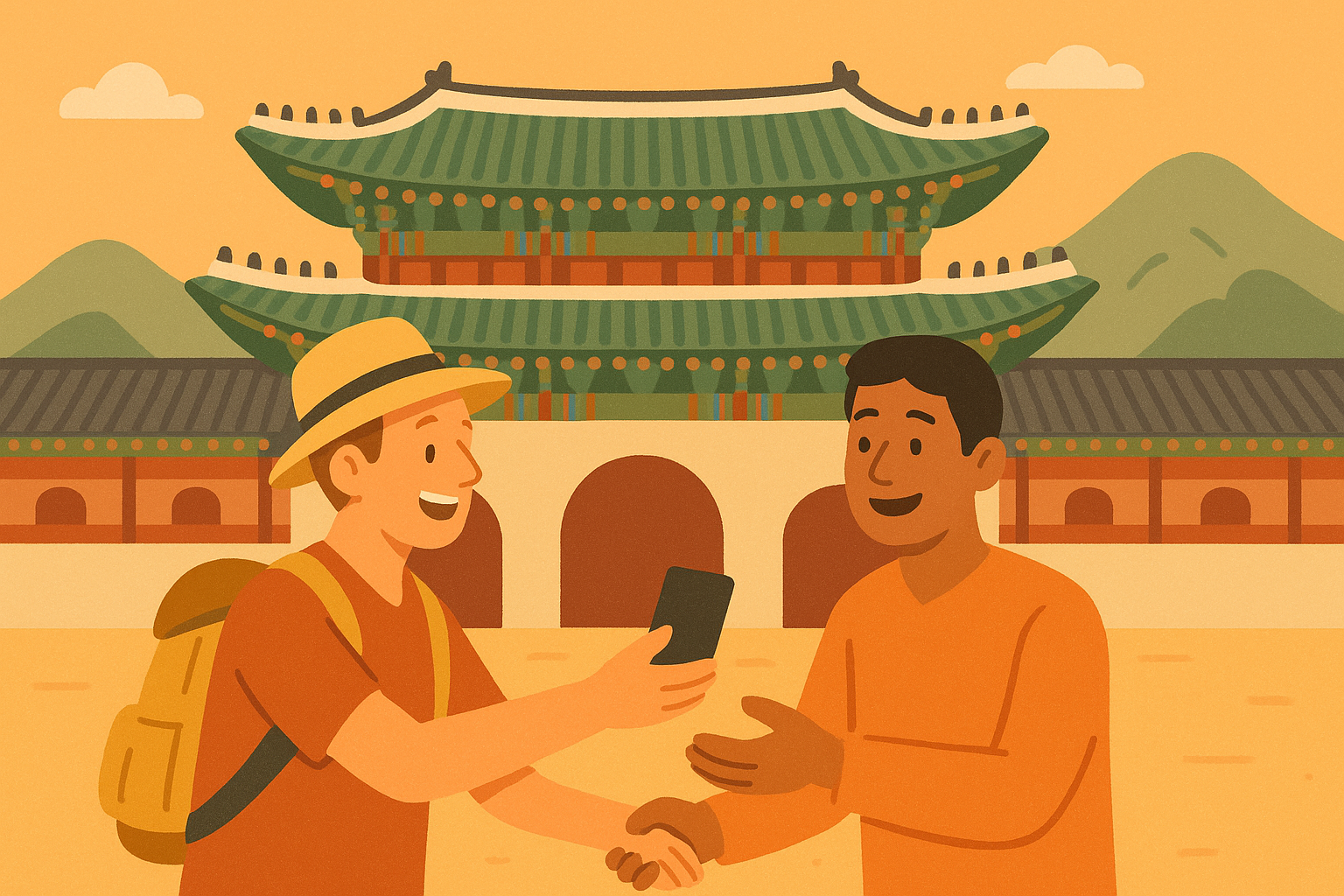
    A few months into living in Seoul, I found myself standing alone in front of Gyeongbokgung’s stone wall, phone in hand, trying to angle a selfie that would somehow fit the whole palace roofline behind me. It looked terrible. I could have just asked someone. But an old habit kicked in — the instinct from years of traveling elsewhere that says never, ever hand your phone to a stranger. So I gave up and took a crooked selfie instead. Looking back now, that was a completely unnecessary worry, and I’ve since learned that Korea is one of the easiest places in the world to just ask.

    Why I Stopped Hesitating

    These days I hand my phone over without a second thought, and honestly, so does almost everyone I know who lives here. Phone-snatching or that kind of opportunistic theft is genuinely rare in Korea, and it’s not just a feeling — you notice it in small everyday things, like people leaving laptops on cafe tables to hold a seat while they order, or tourists setting phones down at a bench without anyone eyeing them twice. That baseline of public trust is part of what makes asking a stranger for a photo feel so low-stakes here. I’m not saying you should turn your brain off completely — a little basic awareness never hurts anywhere in the world — but the level of caution that might feel necessary in other big cities just isn’t really called for in most parts of Korea.

    Suddenly You’ve Got a Volunteer Photographer

    What still catches me off guard, even after a couple of years here, is how seriously people take the job once you’ve handed it to them. I’ve had strangers crouch down to fix the angle, ask me to take two steps to the left so the palace gate isn’t cut off, or take four or five shots in a row “just in case.” At Gyeongbokgung and Bukchon Hanok Village especially — places absolutely full of people taking photos all day — I think locals have just seen enough badly framed tourist pictures that they can’t help but step in and do it properly. More than once someone has handed my phone back with a little grin and said something like “this one’s better,” and they were right every time. It’s a small thing, but it turns a two-second favor into an oddly warm little interaction with a total stranger.

    Picking the Right Person to Ask

    If you want good odds of getting one of these mini photoshoots instead of a rushed, blurry shot, I’ve found it helps to read the room a little. I usually look for someone who isn’t glued to their own phone screen, isn’t power-walking somewhere, and ideally is already sitting or standing around taking in the view themselves — people like that tend to be relaxed enough to actually enjoy helping. Couples or small groups of friends are often a safe bet too; they’re usually mid-conversation and happy for a short break. I try to avoid people clearly rushing to catch a bus or juggling three shopping bags, not because they’d say no, but because nobody enjoys being stopped when they’re in a hurry.

    The Phrase That Makes It Easy

    You really don’t need much Korean to make this work. “사진 좀 찍어주시겠어요?” (sajin jom jjik-eo-ju-si-get-eo-yo?) roughly means “would you mind taking a photo for me?” and it’s polite enough to use with anyone, of any age. I usually pair it with a smile, an outstretched phone, and a quick gesture toward what I want in the frame — the phrase does the heavy lifting, and body language covers the rest. Even if your pronunciation is a little rough, people generally understand right away what you’re asking, and in my experience they’re almost always glad to help. It’s turned into one of my favorite small rituals of exploring this country — a tiny exchange that somehow always leaves me smiling, camera roll included.

  • Why Koreans Look at You on the Street (And It’s Not What You Think)

    Why Koreans Look at You on the Street (And It’s Not What You Think)

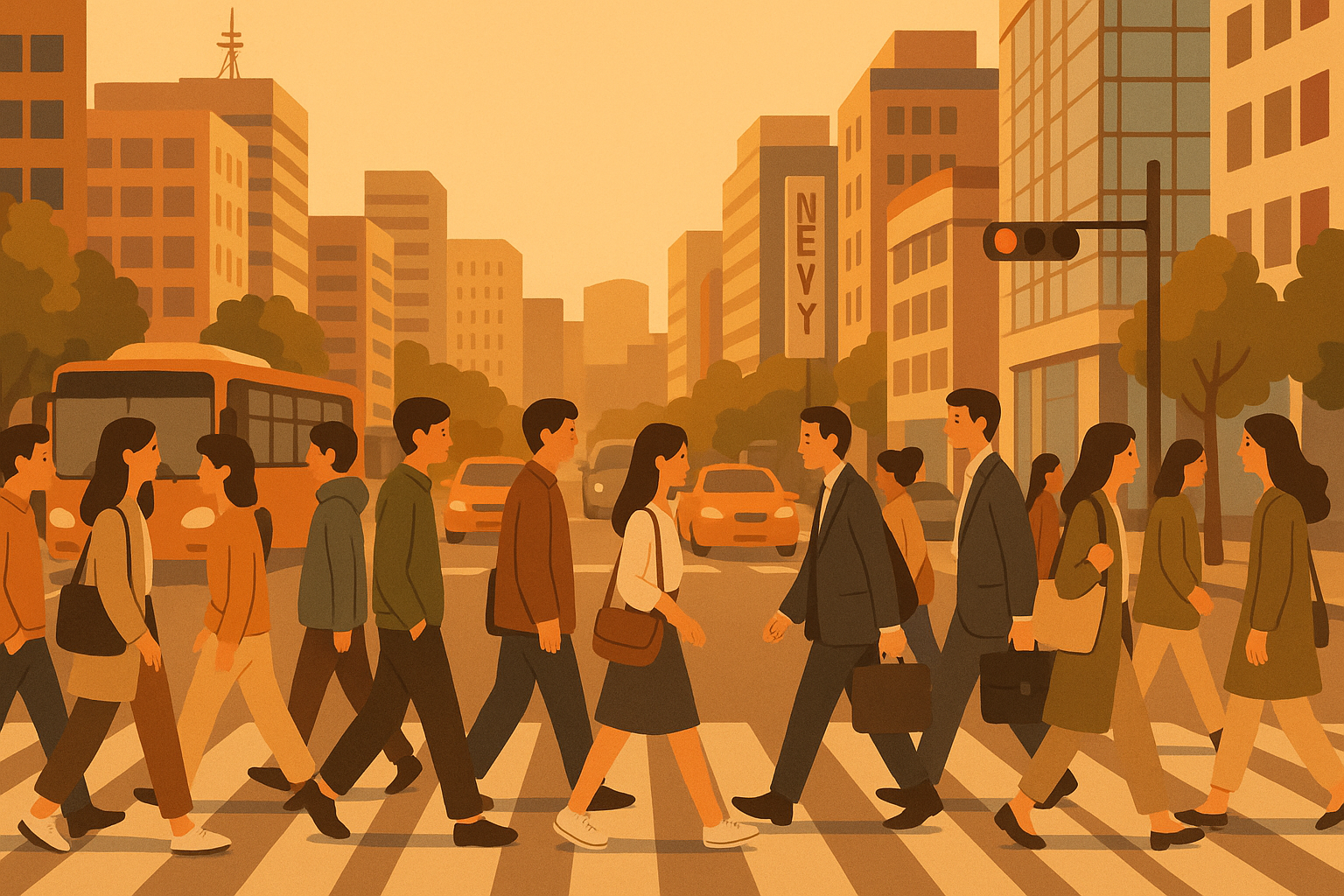
    I was standing at a crosswalk near Hongdae a few weeks ago, waiting for the light to change, when I noticed an older man a few feet away just… looking at me. Not glaring, not staring me down, just looking, the way you’d glance at a store window or a dog walking by. Our eyes met for a second, I gave a little nod, he nodded back, and then the light turned green and we both walked off in opposite directions like nothing happened. That whole exchange took maybe two seconds, but it’s stuck with me because it captures something I get asked about constantly by friends visiting Korea for the first time: “Why does everyone keep looking at me?”

    It’s Not the Stare You Think It Is

    If you’re coming from a place where making prolonged eye contact with a stranger usually means something’s wrong, this can throw you off at first. Your instinct might be to think you’ve got spinach in your teeth, or that your outfit is somehow off, or worse, that you’re being sized up. I promise you, nine times out of ten, that’s not what’s happening. In my experience living here, a direct glance on the street in Korea tends to carry a completely different emotional weight than it might back home. It’s closer to noticing than to judging. People here just seem more comfortable letting their eyes rest on a passerby for a beat longer than, say, folks in a lot of Western cities would consider normal, and it genuinely doesn’t carry the same charge.

    Why the Eyes Wander a Little More Here

    I’ve thought about this a lot, and I don’t think there’s one tidy explanation, but a few things seem to be going on. Seoul especially is dense and walkable in a way that puts you shoulder to shoulder with strangers constantly, on the subway, on narrow sidewalks, in markets, so people are just more visually tuned in to who’s around them out of habit. There’s also a genuine curiosity factor, especially if you look like you might be a tourist, or you’re wearing something interesting, or you’ve got a dog that’s dressed better than I am. None of this is about scrutiny. It’s more like background awareness that occasionally surfaces into an actual glance. I’d be careful about reading it as “Koreans are more curious” or “my culture is more private,” because honestly it’s just a different social default, not a better or worse one. Every place has its own unspoken rules about where your eyes are supposed to land.

    My Go-To Move: Glance Back and Nod

    Here’s the thing that took me embarrassingly long to figure out: you don’t need to do anything complicated with this. Early on I used to look away fast, almost flinch, like I’d been caught doing something wrong. That actually made things feel more awkward, not less. These days my default is just to meet the glance, give a small nod, maybe a half-smile, and keep walking. More often than not, the other person nods or smiles back, and it turns into this tiny, pleasant nothing of a moment instead of an uncomfortable one. It’s such a small gesture, but it changes the whole feeling of the interaction from “why is this person looking at me” to “oh, we just acknowledged each other as two people existing on the same sidewalk.”

    A Small Moment, Not a Big Deal

    If you’re planning your first trip to Korea and this is on your list of low-key anxieties, you can safely cross it off. Nobody is judging your shoes. Nobody thinks you’re doing something wrong. You’ll get looked at sometimes, you’ll do some looking yourself without even meaning to, and every so often you’ll catch someone’s eye and share a little nod that means absolutely nothing and somehow also feels kind of nice. Honestly, some of my favorite tiny moments living here have been exactly that: a half-second of unspoken “hey, we’re both just out here.” Once you stop overthinking it, it becomes one of those small textures of daily life here that you barely notice anymore, and maybe even start to miss when you’re somewhere else.

  • 40대 이후 근감소증 예방하는 생활 속 습관

    40대 이후 근감소증 예방하는 생활 속 습관

    마흔 이후, 근육이 자꾸 줄어드는 이유

    나이가 들면서 어쩐지 예전보다 힘이 달리고, 계단을 오를 때 다리가 무겁게 느껴진 적 있으신가요? 사실 우리 몸의 근육량은 서른 중반을 지나면서부터 서서히 줄어들기 시작해요. 특히 마흔을 넘기고 나면 그 속도가 조금씩 빨라진다고 하는데, 이게 바로 근감소증이라 불리는 자연스러운 변화의 시작이랍니다. 문제는 이걸 그냥 ‘나이 탓’이라고 넘기다 보면 어느새 일상생활이 불편해질 만큼 근력이 떨어질 수 있다는 거예요. 그래서 젊을 때부터가 아니더라도, 지금 이 순간부터 생활 속 작은 습관을 챙기는 게 정말 중요하답니다.

    단백질, 끼니마다 조금씩 신경 써보기

    근육은 결국 우리가 먹는 것에서 재료를 얻어요. 그런데 나이가 들수록 입맛이 예전 같지 않아서 밥과 국, 나물 위주로만 식사를 하게 되는 경우가 많죠. 이럴 때 의식적으로 달걀, 두부, 콩, 생선, 살코기 같은 단백질 음식을 매 끼니 한 가지씩이라도 곁들여보는 습관을 들여보세요. 하루 세 끼에 골고루 나누어 먹는 것이 한 끼에 몰아서 먹는 것보다 근육 유지에 더 도움이 된다고 알려져 있어요. 아침에 우유나 두유 한 잔, 점심에 계란찜, 저녁에 생선구이처럼 자연스럽게 식탁에 녹여내는 것부터 시작해보는 건 어떨까요.

    근육은 쓰는 만큼 남는다, 주 2~3번의 힘쓰는 시간

    근육은 참 정직해서, 쓰지 않으면 그만큼 빠르게 사라지고 조금씩이라도 계속 쓰면 그만큼 남아있어 줘요. 헬스장에 가서 무거운 기구를 들어야만 근력운동이 되는 건 아니에요. 집에서 의자를 잡고 스쿼트를 몇 번 해본다든지, 벽을 짚고 팔굽혀펴기를 해본다든지, 물병을 아령 삼아 팔을 들어 올려보는 것도 훌륭한 시작이 됩니다. 일주일에 두세 번, 하루 15~20분 정도만이라도 몸에 살짝 힘이 들어가는 움직임을 꾸준히 넣어주면 근육이 조금씩 반응하기 시작해요. 처음부터 무리하기보다는 내 몸이 감당할 수 있는 만큼, 천천히 늘려가는 게 오래 지속하는 비결이랍니다.

    걷기와 잠, 가장 평범하지만 가장 든든한 습관

    거창한 운동이 아니어도 괜찮아요. 매일 30분 정도 걷는 습관 하나만으로도 다리 근육과 전신 균형을 지키는 데 큰 힘이 됩니다. 엘리베이터 대신 계단을 이용하거나, 한 정거장 먼저 내려서 걸어가는 것처럼 일상 속에서 자연스럽게 몸을 움직이는 기회를 늘려보세요. 그리고 의외로 많은 분들이 놓치는 부분이 바로 잠이에요. 근육은 운동할 때가 아니라 쉬는 동안, 특히 깊이 잠든 사이에 회복되고 다져지거든요. 하루 6~7시간 정도 규칙적으로 잠자리에 들고 일어나는 리듬을 지키는 것만으로도 몸이 훨씬 가벼워지는 걸 느끼실 수 있을 거예요.

    이렇게 단백질 챙기기, 꾸준한 근력운동, 걷기, 충분한 수면이라는 네 가지 습관은 거창하지 않아도 매일 조금씩 쌓이면 마흔 이후의 몸을 든든하게 지켜주는 밑거름이 됩니다. 혹시 이미 근력이 눈에 띄게 떨어졌다거나 몸이 예전과 다르게 느껴진다면, 스스로 판단하고 넘기기보다 병원을 찾아보시길 권해요. 정확한 진단과 치료는 전문의와 상담하세요.

  • Feel Free to Ask Anything When You’re in Korea!

    Feel Free to Ask Anything When You’re in Korea!

    A Scene That Keeps Repeating on Me

    You know that look. Someone standing on a Seoul sidewalk, phone held up at a weird angle, turning in a slow circle like they’re trying to find north by instinct alone. I’ve seen it so many times now that I can spot it from half a block away, and more often than not, I just walk over. Not because anyone flagged me down. I go up first, ask if they need help, and nine times out of ten the answer is a relieved “oh my gosh, yes, actually.” It’s become a strange little habit of mine, and honestly one of my favorite parts of living here.

    Why Asking a Stranger Feels So Hard

    Talking to travelers over the years, I’ve noticed something that used to genuinely puzzle me: a lot of visitors would rather wander in circles for twenty extra minutes than walk up to a stranger and ask for directions. And it’s not shyness exactly, or at least not only that. Where a lot of us grew up, especially in more individualist Western cultures, there’s this quiet rule that you handle your own problems and you don’t impose on people who are just trying to live their day. Asking a stranger for help can feel like you’re interrupting something, like you owe them an apology just for existing in their path. I get it, I used to feel that way too before I moved here.

    The Korean Side of the Equation

    What surprised me is how differently that same moment tends to land here. In my experience, a lot of Koreans don’t treat a stranger’s question as an interruption at all, they treat it as just a normal, expected part of city life. I can’t count how many times I’ve watched someone stop what they were doing, pull out their own phone, and walk a lost tourist halfway down the block just to make sure they didn’t get sent the wrong way. That said, it’s not universal, and I want to be honest about that. Younger Koreans tend to be more comfortable jumping into English on the spot, while older folks might hesitate simply because the language gap feels intimidating, not because they don’t want to help. The willingness is usually there either way, even when the vocabulary isn’t.

    Feel Free to Ask Anything When You’re in Korea!

    So that’s really the message I keep coming back to, and it’s become something like my personal motto for anyone visiting: feel free to ask anything when you’re in Korea. Nobody is going to think you’re rude for stopping them on the street. If your Korean is nonexistent and your phone battery is at two percent, that’s fine, gestures and Google Translate and a lot of patience go a surprisingly long way. And if you happen to catch me on a street corner looking a little too pleased with myself for successfully explaining subway directions in broken Korean-English, that’s just Tuesday. Come say hi. I promise I’ll say yes before you even finish the question.

  • 버지니아 앞바다에 나타난 100개의 불빛, 미국 국방부는 왜 조사에 나섰을까

    버지니아 앞바다에 나타난 100개의 불빛, 미국 국방부는 왜 조사에 나섰을까

    어느 밤, 바다 위에 나타난 이상한 빛들

    여러분은 밤바다 위로 반짝이는 불빛 100여 개가 동시에 떠 있는 모습을 상상해본 적 있으신가요. 실제로 이런 일이 미국 해군의 보고를 통해 세상에 알려졌습니다. 미국 국방부 산하 전영역 이상현상 해결국, 줄여서 AARO라고 부르는 기관이 2026년 7월에 공개한 자료에 따르면, 해군 전력이 버지니아 해안 인근 해상에서 약 100개의 공중 물체와 함께 무인으로 추정되는 수상 물체 2대를 포착했다는 보고가 접수되었습니다. AARO는 이 사건을 보고를 올린 부대와 함께 지금도 들여다보고 있다고 밝혔는데요, 아직 명확한 결론이 나오지 않은 채로 조사가 진행 중이라는 점이 오히려 사람들의 호기심을 더 자극하고 있습니다.

    AARO라는 곳, 어떤 일을 하는 걸까

    AARO는 미국 국방부 안에 만들어진 조직으로, 하늘과 우주, 바다에서 벌어지는 정체불명의 현상을 정리하고 분석하는 역할을 맡고 있습니다. 이 기관이 최근 내놓은 2025 회계연도 통합 연례 보고서를 보면, 2024년 6월 2일부터 2025년 5월 30일까지 새롭게 접수된 사례가 319건이었다고 합니다. 이 가운데 274건은 하늘에서, 44건은 우주 영역에서, 그리고 딱 1건이 바다 영역에서 보고되었는데, 바로 그 1건이 앞서 말씀드린 버지니아 앞바다 사건입니다. 이렇게 해서 AARO가 지금까지 쌓아온 전체 사례는 2025년 5월 30일 기준으로 1,870건에 이른다고 하니, 결코 적은 숫자가 아니지요.

    결론은 신중했지만, 궁금증은 여전히 남아

    그렇다면 이 조사들을 통해 외계 기술이나 초자연적인 무언가가 발견되었을까요. AARO는 지금까지 살펴본 사례들 가운데 외계의 존재나 이례적인 첨단 기술을 뒷받침할 만한 확실한 증거는 찾지 못했다고 설명합니다. 다만 동시에, 여전히 풀리지 않은 채 남아 있는 사례들이 상당수 있다는 점도 함께 인정했습니다. 조사가 더디게 진행되는 이유로는 현장에서 실시간으로 확보할 수 있는 센서 자료가 부족하다는 점을 꼽았는데요, 하늘을 스쳐 지나가는 짧은 순간을 포착해 분석하는 일이 생각보다 훨씬 까다롭다는 걸 짐작해볼 수 있습니다.

    2025년, 유난히 많아진 목격담들

    버지니아 앞바다 사건 말고도 2025년에는 미확인 비행체를 봤다는 신고가 눈에 띄게 늘었습니다. 미국의 한 민간 추적 단체가 집계한 자료에 따르면, 2025년 상반기에만 미국 전역에서 2천 건이 넘는 목격 신고가 접수되었다고 합니다. 이 가운데 특정 주에서만 60건 넘게 보고되었다는 소식도 함께 전해졌고요. 물론 이런 목격담 하나하나가 전부 설명하기 힘든 현상인 것은 아니겠지만, 그만큼 밤하늘을 유심히 올려다보는 사람들이 많아졌다는 뜻이기도 합니다. 언젠가 이 많은 보고들 가운데 하나가, 지금은 알 수 없는 무언가에 대한 실마리를 풀어줄지도 모르는 일입니다. 오늘 밤에도 어딘가에서는 누군가 하늘을 올려다보며 낯선 불빛의 정체를 궁금해하고 있을 것입니다.

  • 강릉 당일치기 여행 코스, 안목해변부터 경포호까지 하루 완주하기

    강릉 당일치기 여행 코스, 안목해변부터 경포호까지 하루 완주하기

    서울에서 아침 일찍만 나서면 강릉을 하루 만에 알차게 돌아볼 수 있어요. 청량리역에서 강릉선 KTX를 타면 강릉역까지 대략 1시간 40분이면 도착하니까, 7시쯤 열차를 타면 9시가 되기 전에 강릉 땅을 밟을 수 있답니다. 오늘은 안목해변, 초당순두부마을, 강릉 커피거리, 경포호를 하루 동선으로 엮어서 소개해 드릴게요.

    오전, 강릉역에서 안목해변으로

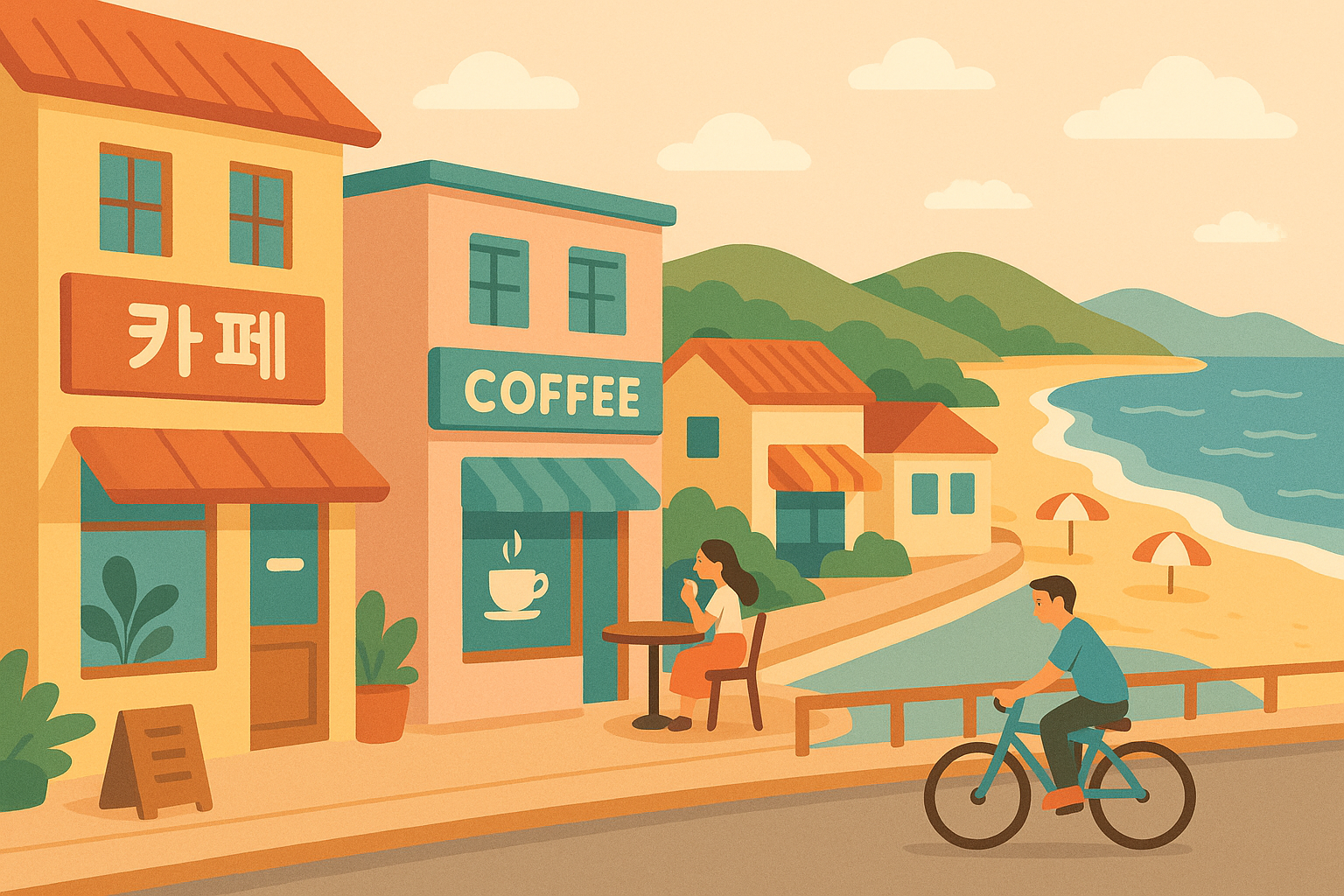
    강릉역에 도착하면 먼저 안목해변으로 향해요. 버스로 15분 남짓이면 닿고, 택시를 타도 크게 부담스럽지 않은 거리예요. 안목해변은 백사장 길이가 500미터쯤 되는 아담한 해변인데, 대신 해안선을 따라 늘어선 카페들이 이 동네를 유명하게 만들었어요. 아침 바다 공기를 맡으며 모래사장을 따라 걷다 보면 파도 소리에 마음이 절로 편안해집니다. 카페들이 아직 한산한 시간이라면 해변 산책만으로도 충분히 여유로운 시작이 되어줘요.

    점심은 초당순두부마을에서

    안목해변에서 초당순두부마을까지는 걸어서 10분에서 15분이면 넉넉해요. 초당동은 예로부터 바닷물을 간수 삼아 두부를 만들어온 동네로, 마을 골목 곳곳에 순두부 전문점이 모여 있어요. 부드럽고 고소한 초당순두부 한 그릇이면 아침 일찍 나선 여정의 허기가 싹 가시죠. 순두부집들이 골목을 따라 나란히 있어서 발길 닿는 대로 걸으며 마음에 드는 집을 골라 들어가는 재미도 있답니다.

    오후엔 강릉 커피거리에서 한숨 돌리기

    점심을 든든히 먹었다면 다시 안목해변 쪽으로 발걸음을 돌려요. 이 일대에는 백 곳이 넘는 카페가 해안선을 따라 다닥다닥 붙어 있어서 ‘강릉 커피거리’라는 이름이 붙었어요. 통유리창 너머로 동해 바다가 펼쳐지는 자리에 앉아 커피 한 잔을 마시면 오전 내내 걸은 다리도 스르르 풀립니다. 카페마다 분위기가 조금씩 달라서 두세 군데를 옮겨 다니며 비교해 보는 것도 강릉 여행의 소소한 재미예요.

    마무리는 경포호 산책과 노을

    해가 기울기 시작하면 경포호로 이동해요. 안목해변에서 버스나 택시로 15분이면 도착하는 거리랍니다. 경포호는 둘레가 약 4킬로미터라서 한 바퀴를 다 걸으려면 두 시간 가까이 걸리지만, 굳이 완주하지 않아도 괜찮아요. 호수 서쪽 산책로를 따라 걷다가 노을이 물드는 모습을 보는 것만으로도 하루 여행의 마무리로 충분하거든요. 저녁 무렵 강릉역으로 돌아가는 길에 KTX 막차 시간을 미리 확인해두면 서울로 돌아오는 여정까지 여유롭게 마칠 수 있어요.

    강릉역에서 시작해 안목해변, 초당순두부마을, 커피거리, 경포호까지 하루 안에 도는 이 코스는 장소 간 이동 거리가 짧아서 부담 없이 다녀올 수 있는 당일치기 여행이에요. 다음에 강릉 갈 일이 생기면 이 동선 그대로 따라가 보세요.