I thought I had done my homework before I moved. I had read the guidebooks, watched the vlogs, memorized the phrases for “one more, please” and “where is the bathroom.” What nobody tells you is that the real adjustment isn’t the big cultural stuff you prepare for — it’s the small, dumb, everyday friction that catches you off guard three weeks in, when you’re just trying to buy stamps or find your apartment’s fourth floor. Below are the things that actually made me stop and go “wait, what” after I settled into life here. Not the greatest-hits list you’ve read a dozen times — the smaller stuff that snuck up on me.
1. The fourth floor that isn’t there
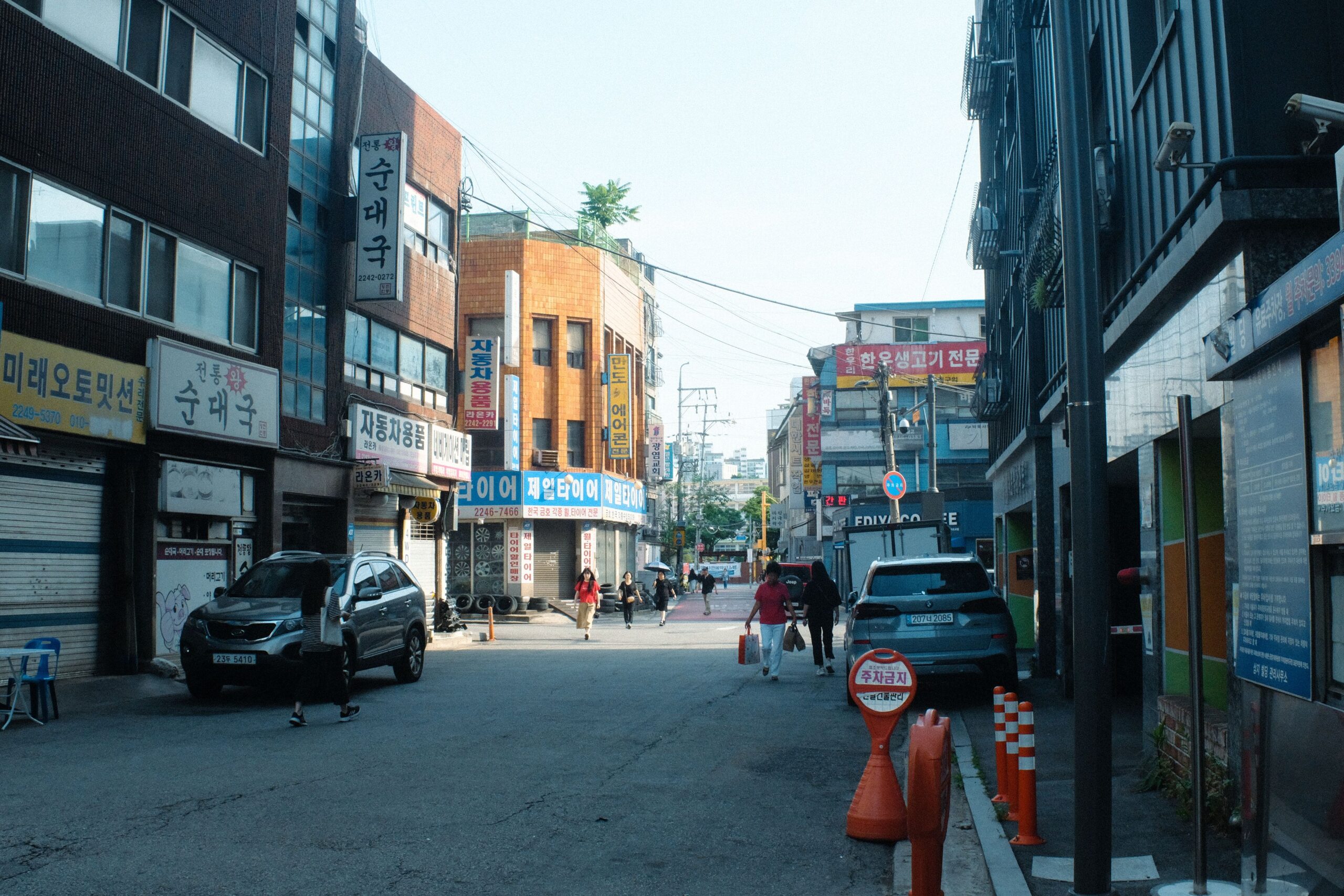
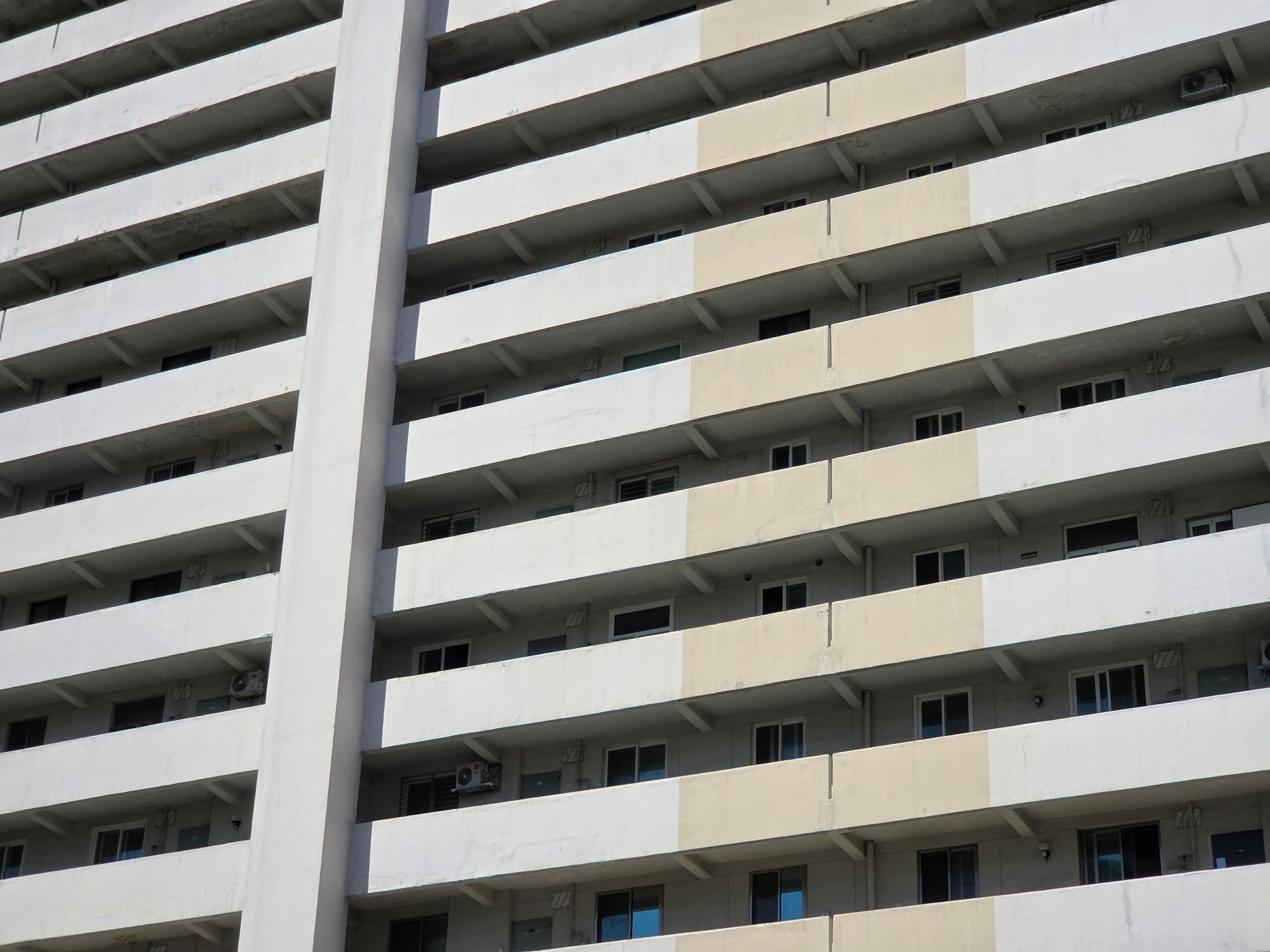
The first time I stepped into an elevator here, I scanned the panel for button four and found an “F” sitting where it should be. I assumed it was a typo. It wasn’t. The number 4 is pronounced “sa,” which happens to sound identical to the Chinese-derived word for death, and that homophone has been enough to push the digit out of elevators, hospital wards, and parking garages across the country. You might think this is a fringe superstition that only shows up in temples or fortune-teller shops, but even sleek, brand-new office towers in Gangnam do it. Hospitals take it furthest — some skip room numbers ending in 4 on every single floor, not just the fourth level. Newer apartment complexes marketed to younger buyers are starting to push back and print a plain 4 anyway, on the logic that a confusing elevator button costs more in customer complaints than the superstition costs in bad luck. Still, three years in, I catch myself glancing for the F out of habit even in buildings that don’t have one.
2. Sleeping in public is not a red flag
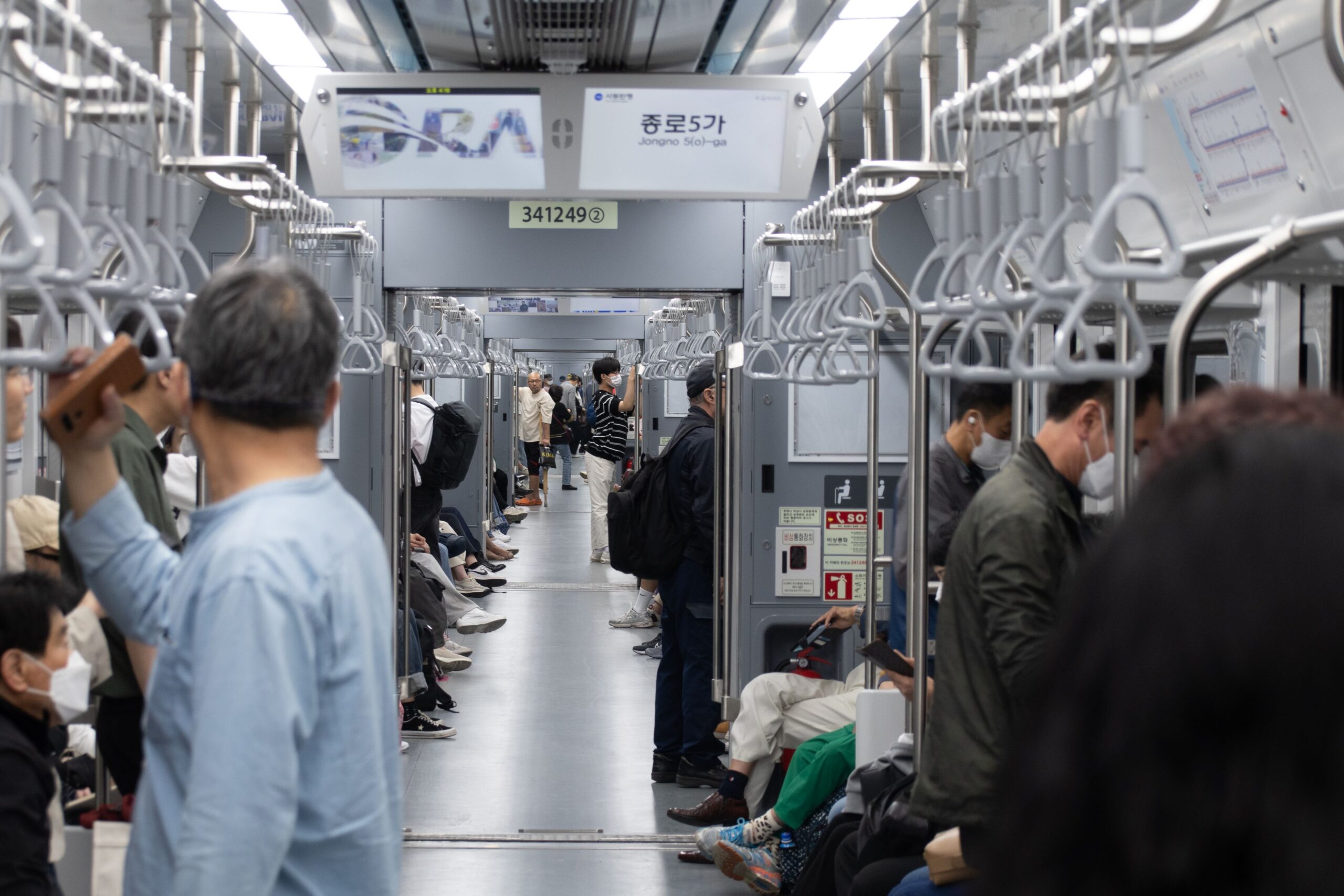
Back home, someone slumped over asleep on a train is either exhausted beyond reason or something to keep an eye on. Here, it’s Tuesday. Riders nod off standing up gripping a subway pole, students face-plant on library desks between classes, and office workers put their heads down on a coffee shop table during lunch without a hint of embarrassment. Nobody wakes them up early, nobody side-eyes them, and nobody assumes anything is wrong. Turns out this makes a strange kind of sense once you think about the hours a lot of people here actually work — a 9 a.m. start after a late night out or a long commute leaves people running on fumes, and a short public nap is treated as basic maintenance rather than a personal failing. I’ll admit I was self-conscious about dozing off on the Line 2 loop around Seoul the first few times. Nobody else was.
3. “Open 24 hours” means literally anything, not just stores
Convenience stores being open around the clock isn’t unusual anywhere anymore. What surprised me was how far the 24-hour logic extends into daily life here. Gyms with 4 a.m. members. Saunas that double as an actual sleeping option if you miss the last train. Print shops, hair salons open past midnight in university neighborhoods, kids’ English academies running evening sessions that end well after most Western elementary schools would have sent everyone home hours earlier. Even some clinics keep late hours for people who can’t get away from work during normal business time. You might assume this points to an unhealthy schedule culture, and there’s a fair conversation to be had there — but from a pure convenience standpoint, it rewires your sense of what’s “normal” pretty fast. I’ve had a haircut at 11 p.m. on a weeknight because that’s simply when I had time, and nobody at the salon blinked.
4. Recycling is a genuine skill you have to learn
I figured recycling would be recycling everywhere — glass here, plastic there, done. Not quite. Many apartment complexes sort waste into a half-dozen or more separate streams: paper, clear PET bottles rinsed and label-removed, colored plastics, styrofoam, food waste weighed by a chip embedded in the bin, general trash that has to go in a specific paid bag for your district. Get it wrong often enough and, at some buildings, there’s a camera pointed at the disposal area and a fine on the way. Strange as it sounds, I found this oddly satisfying once I got the hang of it — there’s a system, the system works, and the streets genuinely stay cleaner for it. The learning curve in month one, though, involved a neighbor gently re-sorting a bag I’d left in completely the wrong bin.
5. Everyday errands move at a speed that feels almost suspicious
Need a spare key cut? Ten minutes at a hardware stall, done while you wait. Glasses with a new prescription? Same-day at most optical shops, often within the hour. Alterations on a pair of pants picked up an hour earlier? Ready before dinner. Internet installed in a new apartment? A technician can often show up the same day or the next morning, not “sometime in the next two-week window” the way it can go elsewhere. I remember being almost suspicious of how fast a tailor near my old place turned around a jacket hem — I kept asking if she was sure it would actually be ready, and she just laughed at me. It wasn’t a fluke. That’s closer to the baseline expectation here for small services, and once you get used to it, waiting a week for anything back home feels bizarre in the other direction.
6. Appliances are built for a different-shaped life
My first apartment had a washing machine roughly the size of a cooler and a fold-out drying rack instead of a dryer. Dedicated clothes dryers exist here but aren’t the default the way they are back home — plenty of people just hang laundry by a window or on a small balcony. The fridge situation runs the opposite direction: many households keep a second, dedicated kimchi refrigerator next to the regular one, built to hold fermenting cabbage at a stable temperature without stinking up everything else in the kitchen. Sounds like overkill until you’ve smelled what happens when kimchi ferments on a regular fridge shelf. Bathrooms surprised me too — built-in bidets are common enough that I now feel oddly under-equipped in ones that don’t have one.
7. Your ID card becomes an extension of your hand
Everyone carries a card — citizens have their resident registration card, foreign residents carry an Alien Registration Card — and it comes up far more than a passport ever would back home. Picking up a held package, signing a phone contract, checking into some clinics, even certain gym sign-ups: the card number gets asked for constantly, almost like a second name. I didn’t expect how naked I’d feel the one time I left mine at home and needed it for something routine. You’d think you could just get waved through with extra paperwork, but more than once I’ve had to turn around and go back for it. Small thing, but it recalibrates how you think about identification day to day.
Frequently Asked Questions
Is it actually rude to point out the missing 4th floor to a Korean friend?
Not rude, just a little bit “everyone already knows that.” Most people here are aware it’s a superstition rather than a strict rule, and plenty will laugh along if you point at the F button. It’s more interesting as a conversation starter than a taboo — I’ve had genuinely fun chats with older coworkers about which buildings in their neighborhood still skip it and which new ones don’t bother.
If I move into an apartment with a kimchi fridge already installed, do I need to actually use it for kimchi?
Not at all — plenty of people use the second fridge for drinks, extra groceries, or overflow from a small kitchen. It’s just a second fridge with a more specific factory setting. But if you do end up making or storing kimchi at home, you’ll notice quickly why the dedicated unit exists; a regular fridge really does pick up the smell.
Do I need to worry about doing something wrong with recycling as a new arrival who doesn’t read the local language well?
Most apartment buildings post color-coded signs with pictures, and building staff or a neighbor will usually correct you gently rather than report you the first few times. It’s worth asking your landlord or a building manager for a quick walkthrough in your first week — a five-minute explanation up front saves you from the guessing game I went through.
Leave a Reply