My father-in-law still doesn’t believe me when I tell him I can get from our apartment in Eunpyeong-gu to the far side of Gangnam in under 50 minutes for about 1,500 won. He grew up driving everywhere, and to him a subway system that fast and that cheap sounds made up. I didn’t believe it either, my first few months here, mostly because I kept getting the transfers wrong and adding twenty minutes to every trip. Three years in, here’s what actually changed things for me.

Get the T-money card before you get anything else
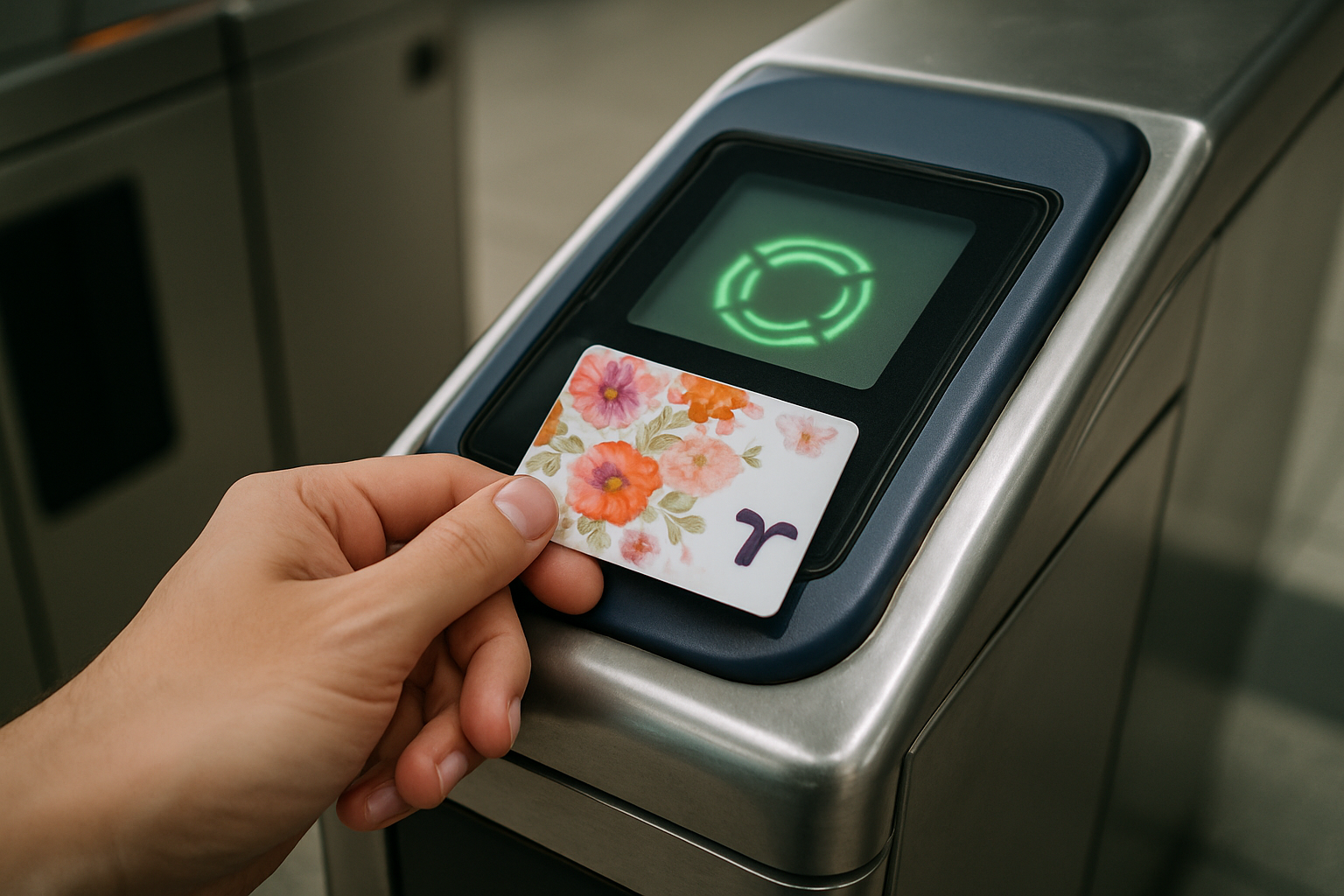
I bought my first T-money card at a GS25 near Incheon Airport for 2,500 won, before I’d even found my Airbnb. That turned out to be the right instinct, even by accident. The card works on subways, buses, most taxis, and you can tap it at convenience stores for small purchases too. The part that actually matters, though, is the free transfer window — up to four transfers within 30 minutes, subway to bus or bus to subway, without paying a second base fare. I didn’t understand how much that saved me until I compared a month of T-money receipts against what I’d have paid buying single tickets each ride. It wasn’t close.
Google Maps will lie to you here, and it’s not Google’s fault
This one took me embarrassingly long to figure out. Korean law restricts detailed mapping data from being exported to foreign servers, so Google Maps in Korea gives you a pin and not much else — no walking directions, no real-time transit routing. I spent my first month wandering out of the wrong exit at Hongik University Station more times than I want to admit. Once a coworker showed me Naver Map and KakaoMetro, the whole city opened up. KakaoMetro in particular tells you which car to stand in front of on the platform so your transfer at the other end lines up with the stairs — a small thing that saves an actual five minutes when you’re doing it twice a day.
The middle of the train is not always your friend
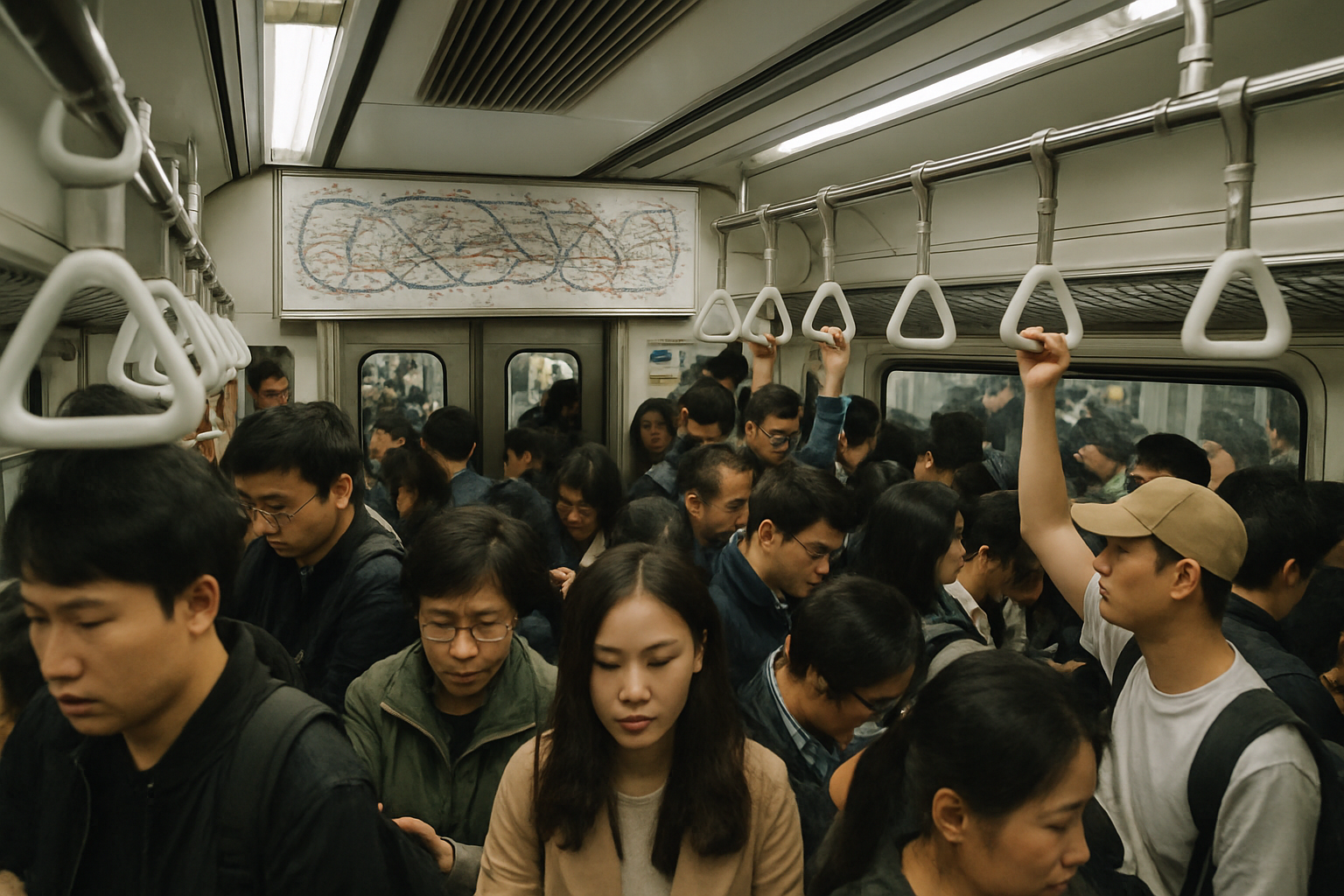
Everyone tells you to avoid the first and last cars during rush hour because that’s where the crowd bottlenecks at transfer stations. True, mostly. But at Sadang Station, where Line 2 meets Line 4, I’ve found the opposite happens on weekday mornings — the transfer stairs sit close to the front cars, and the middle gets jammed instead. My rule now is less about a fixed car number and more about checking KakaoMetro’s platform diagram before I board, since it varies station by station in ways the generic advice doesn’t cover.
Things that only clicked after I embarrassed myself
- The line color matters more than the number when you’re lost — I once rode Line 2 the wrong direction for four stops because I matched the wrong colored circle on a faded platform sign.
- Priority seats near the doors are taken seriously here. I got a very pointed look from an ajumma once for sitting in one while carrying grocery bags, not a baby.
- Last trains run earlier than you’d expect, usually around midnight to 1 a.m. depending on the line — missing it in Gangnam on a Friday night means either a long taxi ride or waiting for the first train around 5:30 a.m.
FAQ
Can I use my phone’s contactless payment instead of a physical T-money card?
If you have a Korean SIM or certain NFC-enabled phones with the T-money app registered to a Korean payment method, yes. For most visitors on a foreign phone and foreign card, though, a physical card is still the simpler route — I’ve tried both and the physical card has never once failed to tap through a gate for me.
How do I know which exit to take at a big station like Seoul Station or Gangnam?
Naver Map will tell you the exact exit number if you search your destination rather than just the station name. I make it a habit now to type the actual place I’m going, not “Gangnam Station,” because some of these stations have over a dozen exits and guessing wrong can mean a fifteen-minute walk around the block.
Is the subway safe to ride late at night as a foreigner traveling alone?
In my experience, yes, noticeably more so than most cities I’ve lived in. Platforms are well lit, station staff are present, and CCTV coverage is extensive. The bigger risk late on a Friday or Saturday is just missing the last train, not personal safety.
Leave a Reply