My daughter asked me a question in the fourth inning that I still don’t have a great answer for: “Appa, why does that lady have a job dancing at a baseball game?” I looked down at the woman in question — one of eight cheerleaders on a small stage bolted in front of the outfield bleachers, mid-routine, leading a chant with a K-pop-tight synchronization that would not have been out of place on a music show — and realized I’d been in Korea long enough to stop noticing how strange that sentence sounds to anyone who grew up on organ riffs and a lone guy in a hot dog costume.
Because that’s the thing about Korean baseball fan culture. It isn’t just loud, and it isn’t just fun — it’s staffed. Organized. Rehearsed. There’s an entire professional apparatus behind the noise, and once you notice it, you can’t watch a KBO game the same way again.
It’s Not Spontaneous Cheering — It’s a Production
You’d think a stadium full of people yelling is just a stadium full of people yelling. Turns out, at a KBO game, almost none of it is spontaneous. Every one of the league’s ten teams employs a cheer squad — a company-hired cheerleading team plus a “eung-wondan” leader, usually a man with a microphone and a whistle, who stands on that little stage and conducts nine innings of continuous chanting, clapping, and dancing like he’s running a marathon-length concert. He doesn’t sit down between innings. He barely sits down between batters.
I asked a Korean coworker once whether the cheerleaders were seasonal hires, like ballpark ushers back home. She laughed at me a little. It’s a real audition process — cheerleading agencies post job listings, hopefuls try out, and if you pass you’re usually put through around three months of choreography training before you’re allowed anywhere near that stage. The competition has apparently gotten fierce enough in recent years that some of the top agencies reject far more applicants than they accept. These are professional dancers with a specific, demanding skill set: memorize a full season’s worth of chants, hit precise formations, and do it in front of tens of thousands of people who already know every move and will absolutely notice if you’re a half-beat off.
Honestly, once you know that, the whole thing reads differently. It’s less “enthusiastic fans” and more “well-drilled ensemble cast,” and the crowd is less audience than backup chorus.
Every Player Gets a Song. Not a Chant — a Song.
This is the part that genuinely surprised me, and I think it’s the part that best explains why KBO games feel more like festivals than sporting events. Every single player on the active roster has his own personalized walk-up chant — a real melody, often borrowed from a K-pop hit or trot classic, with his name and a rhyme worked into the lyrics. When he steps up to bat, the speakers cue the track, the cheer squad leads it, and the entire section — not just the die-hards, everyone — sings the whole thing from memory. Not hums along. Sings.
I still remember standing there the first time it happened and just moving my mouth, hoping nobody would clock that I had no idea what I was singing. Nobody clocked it. Or if they did, nobody cared. The guy next to me was singing loud enough to cover for both of us, thundersticks crossed over his head in a figure-eight pattern that seemed to be part of the choreography too.
KIA Tigers fans get credit for popularizing this — moving cheer chants away from bare rhythmic clapping and whistling toward full melodic songs — and the rest of the league followed. Now it’s just how Korean baseball works. Change the batter, change the song. String together enough of a winning rally and you’ll hear four or five different tunes in a single inning, each one switching over instantly, like the crowd is a jukebox with a very fast operator.
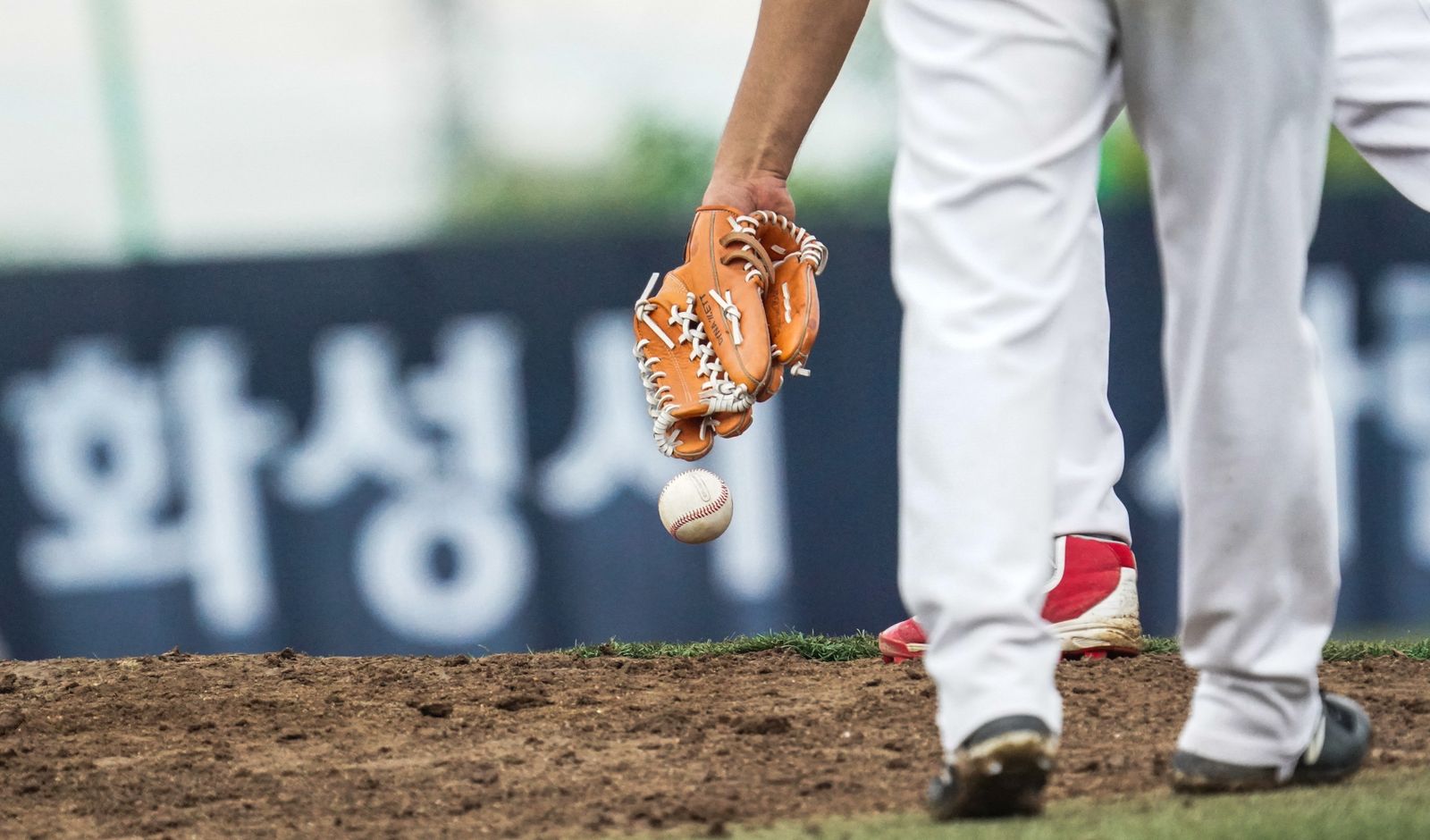
Where the Chants Actually Come From
Fans don’t just absorb these by osmosis, either, though it can feel that way once you’re a few games in. Teams publish chant sheets and apps every season — full lyrics, batter by batter — so that regulars can actually study before opening day. I’ve seen a middle-aged man in the row ahead of me scrolling through one on his phone between innings like he was cramming for a quiz. In a way, he was. Missing your team’s own chant at the wrong moment is a minor social embarrassment in a section that’s been doing this together for years.
The Volume Never Actually Drops
A professor got quoted somewhere comparing an American ballgame to opera and a KBO game to rock and roll, and I think that’s about right, if a little generous to opera. Western baseball has this reputation — earned, I’d say, from the games I’ve caught back home — of long stretches of quiet punctuated by the crack of a bat or an organ sting. KBO doesn’t really do quiet. The cheer squad runs almost continuously for nine innings: chants for the pitcher, chants for the batter, chants during pitching changes, chants that exist purely to fill the gap between chants. Even a scoreless, slow-moving middle inning has a soundtrack.
You’d think that would get exhausting by the seventh inning. Still, somehow it doesn’t — probably because it’s participatory rather than passive. Nobody’s cheering at you. You’re just folded into it, the way you get folded into a wedding hanbok photo you didn’t ask to be in, except here you actually wanted to be there.
Is It Too Rowdy for a Family Outing?
This was my actual worry the first time I brought my daughter, and it turned out to be almost backwards. Loud, yes — bring earplugs for a toddler if noise is a real concern. Rowdy in the sense of drunk or aggressive, not really, not in the way that word implies back home. Beer absolutely flows, sold by vendors who walk the aisles with kegs strapped to their backs, but I’ve never once seen it curdle into anything ugly. The energy stays inside the chants. Kids doing the thunderstick figure-eight next to grandparents doing the exact same motion is a completely normal sight in the family sections, and most stadiums designate quieter, kid-friendly zones away from the most intense outfield cheering blocks if you want a gentler entry point.
If you’ve read about the chicken-and-towel side of a KBO night already — I wrote about my first game at Jamsil a while back — you already know food gets delivered straight to your seat, which honestly makes the family-outing math even easier. Nobody’s wrangling a toddler through a concourse line for a hot dog. The hot dog, or more likely the fried chicken, comes to you.
What Actually Surprised Me Most
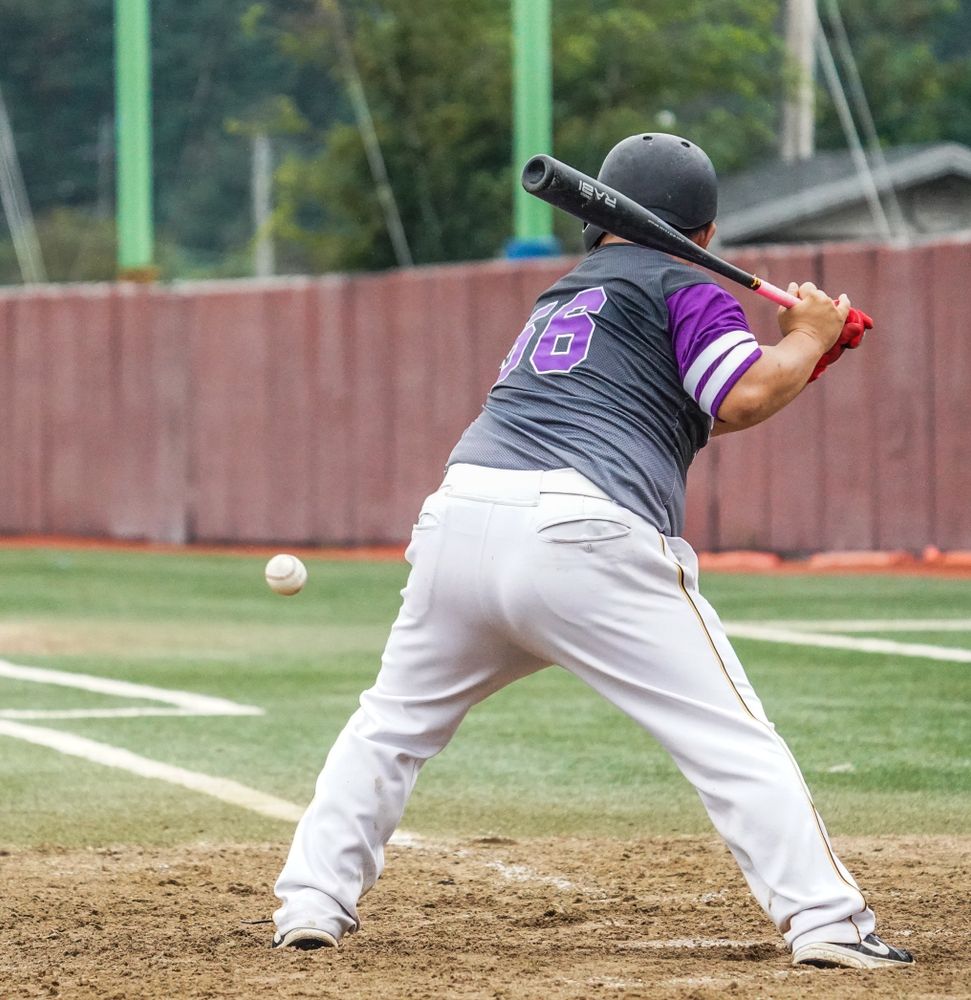
It wasn’t the noise, and it wasn’t the dancing, if I’m being honest. It was how unbothered everyone was by a bad play. Back home I’ve seen crowds turn on a struggling pitcher fast — boos, sarcasm, the whole ugly chorus. At the games I’ve been to here, even a blown lead gets absorbed into the same cheer structure. The chant for the next batter starts up almost immediately, like the squad’s job is partly to keep the room from curdling into frustration. Maybe that’s the real function of all that choreography — not just entertainment, but crowd management dressed up as a K-pop routine.
A Few Things I Wish Someone Had Told Me First
You don’t need a jersey to fit in, but a lot of regulars wear the team color head to toe, and you’ll feel slightly conspicuous without at least one orange or blue or red item if you’re sitting deep in a cheering section rather than the quieter upper deck. You also don’t need to know the words. I said this already but it bears repeating, because it’s the single biggest thing that keeps foreign visitors from going: the chants are designed to be joinable by rhythm and gesture alone, even if the lyrics stay a mystery for a few innings.
And the game itself — the actual baseball — matters less than I expected it to, in terms of enjoying the night. Innings pass, scores shift, and the cheer squad’s choreography barely changes tempo either way. You could watch a KBO game with zero understanding of baseball’s rules and still leave having had a genuinely great night out, which is not something I could say about most sports I’ve watched anywhere else.
Frequently Asked Questions
Do I need to understand Korean to follow the chants, or will I feel completely lost?
You’ll feel lost for about an inning, maybe two, and then the pattern clicks. The chants repeat per batter throughout the game and across a team’s home stand, so by your second or third at-bat for the same player, you’ll already recognize the melody even if the words are still a blur. Most sections are generous about pulling newcomers along — someone will hand you thundersticks or mouth the beat at you without being asked.
Can I bring my kids to a KBO game, or is it too rowdy?
I’ve brought mine more than once and would do it again without hesitation. It’s loud rather than rowdy — the intensity channels into singing and thunderstick choreography, not the kind of drunken edge that makes some stadiums feel unsafe for families elsewhere. Bring ear protection for very young kids given the sustained volume, and consider seats a little further from the most hardcore cheering blocks in the outfield sections if you want something gentler for a first visit.
Is the cheerleading only during breaks, like an American halftime show, or does it run the whole game?
It runs essentially the entire game. There’s no real “halftime” moment where the cheer squad performs a standalone show and then disappears — they’re leading chants for nearly every batter, every pitching change, and most lulls in play, inning after inning. It’s closer to a continuous live conducting job than an intermission act, which is honestly part of why the atmosphere holds up for all nine innings instead of spiking and fading.
Leave a Reply