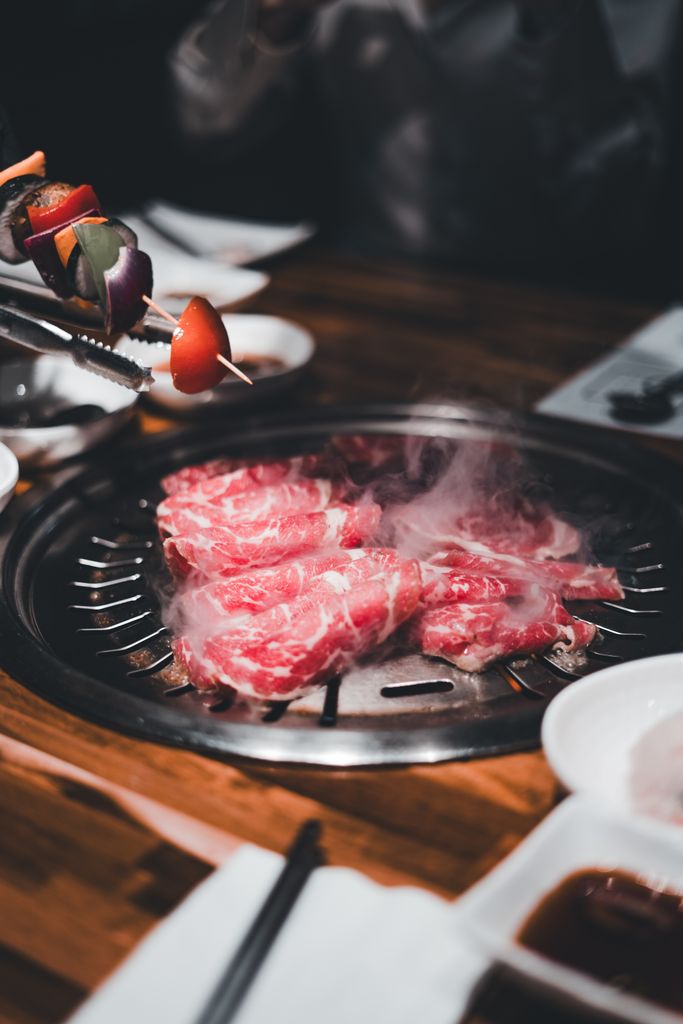
The first time someone held a soju bottle out to me with both hands and a small, almost ceremonial bow, I did the only logical thing: I reached over and grabbed it with one hand, like I was passing the ketchup. The table didn’t erupt or go silent in some dramatic movie way — it was smaller than that, and somehow worse. A colleague’s hand drifted toward mine half a beat too late, as if to intercept it, then pulled back. Someone else suddenly found their phone very interesting. Nobody corrected me out loud, because that’s not really how it works here; you’re just left holding a slightly too-heavy silence along with the bottle. I had failed a test I didn’t know I was taking, and I’d go on to fail it, in smaller forms, for another year or two before the rules finally clicked. So let’s get the real question out of the way first, since it’s the one everyone searches at 11pm after an awkward company dinner: is it actually rude to refuse alcohol in Korea? The honest answer is “it depends” — which sounds like a cop-out until you realize that in Korea, the depends usually comes down to exactly one thing: who’s holding the bottle.
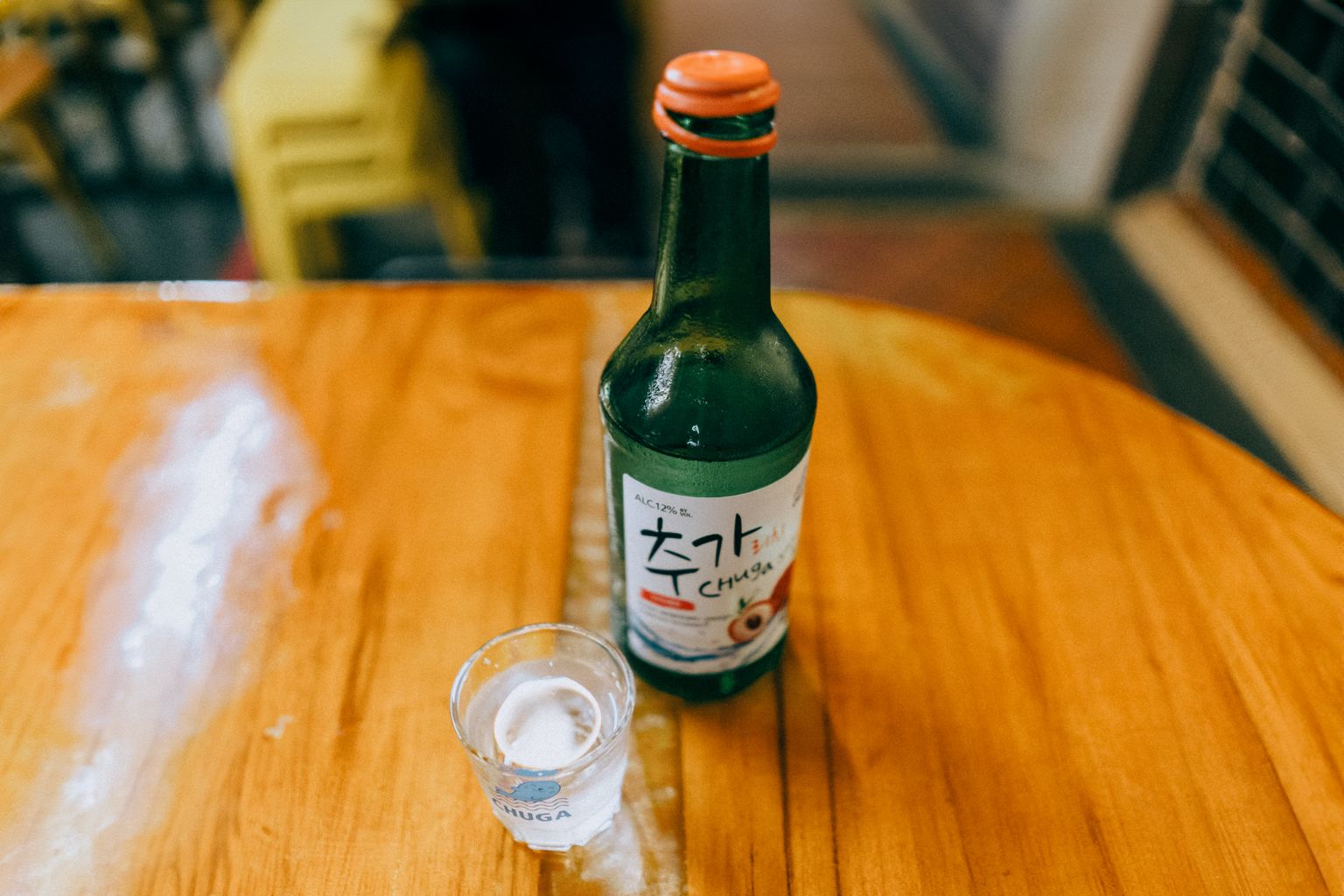
Why the Question Isn’t as Simple as It Looks
Korea doesn’t have a single, uniform drinking culture so much as a layered one, where the layer that matters most is context. Refusing a beer at a casual dinner with friends your own age barely registers as an event. Refusing a shot poured by your department head at a hoesik (회식), the semi-mandatory company dinner, is a completely different ecosystem, and conflating the two is where most explainer articles go wrong. They’ll tell you “just say no politely” as if the social physics are identical in both rooms. They aren’t. The pressure in Korean drinking culture isn’t really about alcohol at all — it’s about hierarchy, relationship-building, and face. Alcohol just happens to be the vehicle everyone’s agreed to use.
That’s worth sitting with for a second, because it reframes the whole topic. If you think of a hoesik as “a dinner where people drink,” the etiquette feels arbitrary and faintly absurd. If you think of it as “a ritual where seniority, trust, and group belonging get performed,” the pouring, the toasting, and yes, even the mild pressure to drink start to make a lot more sense. There’s actually a word for the skill this all runs on: nunchi (눈치), loosely “the ability to read a room,” though that translation undersells it. Nunchi is knowing, without anyone saying it, that the junior manager three seats down is nursing a bad week and needs the senior director to notice; it’s knowing exactly how long you can let your glass sit full before it starts to look like a statement. Koreans grow up absorbing this instinctively. Foreigners usually have to learn it the hard way, glass by awkward glass, the way I did. None of that means you’re obligated to get drunk. It means the stakes of how you decline are higher than they’d be at a backyard barbecue in, say, Ohio.
The Rules Nobody Explains Out Loud
Because those stakes are rooted in physical choreography rather than written rules, the etiquette can feel like a minefield if nobody’s ever walked you through the basic moves — and almost nobody does, because Koreans themselves absorbed it as children, not from a list. You don’t pour your own drink in Korea. Ever, really. Someone else pours for you, and you pour for them; it’s a small act of mutual care, and doing it yourself is read as either oblivious or, in older superstition, a little unlucky, a bit like opening an umbrella indoors. When you pour for someone senior to you, you use two hands on the bottle, or at minimum steady your right forearm with your left hand. When they pour for you, you hold your glass with both hands to receive it. And when you actually drink in front of an elder or a senior colleague, you’re supposed to turn your head slightly away and cover your glass with your hand, taking the sip somewhat out of their direct line of sight.
I’ll admit this last one felt the most theatrical to me when I first learned it, like I was being asked to perform a magic trick with a shot glass. But once you’ve seen a table full of Koreans do it without a second thought — fluidly, almost invisibly — you realize it’s not performance at all, it’s muscle memory, the same way covering your mouth when you yawn is muscle memory and not a grand statement. Nobody at the table is thinking about it. You’re the only one thinking about it, which is exactly why it feels so loud when you get it wrong.
And this is where the actual mechanics of refusal live, before you ever say a word. Holding your hand lightly over the mouth of your glass when someone comes around with the bottle, paired with a small smile and “gwaenchanayo” (괜찮아요, roughly “I’m fine, thanks”), is instantly understood and almost never pushed back on. It’s a gesture, not a negotiation — the Korean equivalent of putting your hand over your coffee cup when the waiter circles with the pot a second time. Nobody takes offense at that in a diner in the US, and nobody really takes offense at this either, as long as you do it before the bottle tips, not after.
Hoesik: Where the Real Pressure Lives
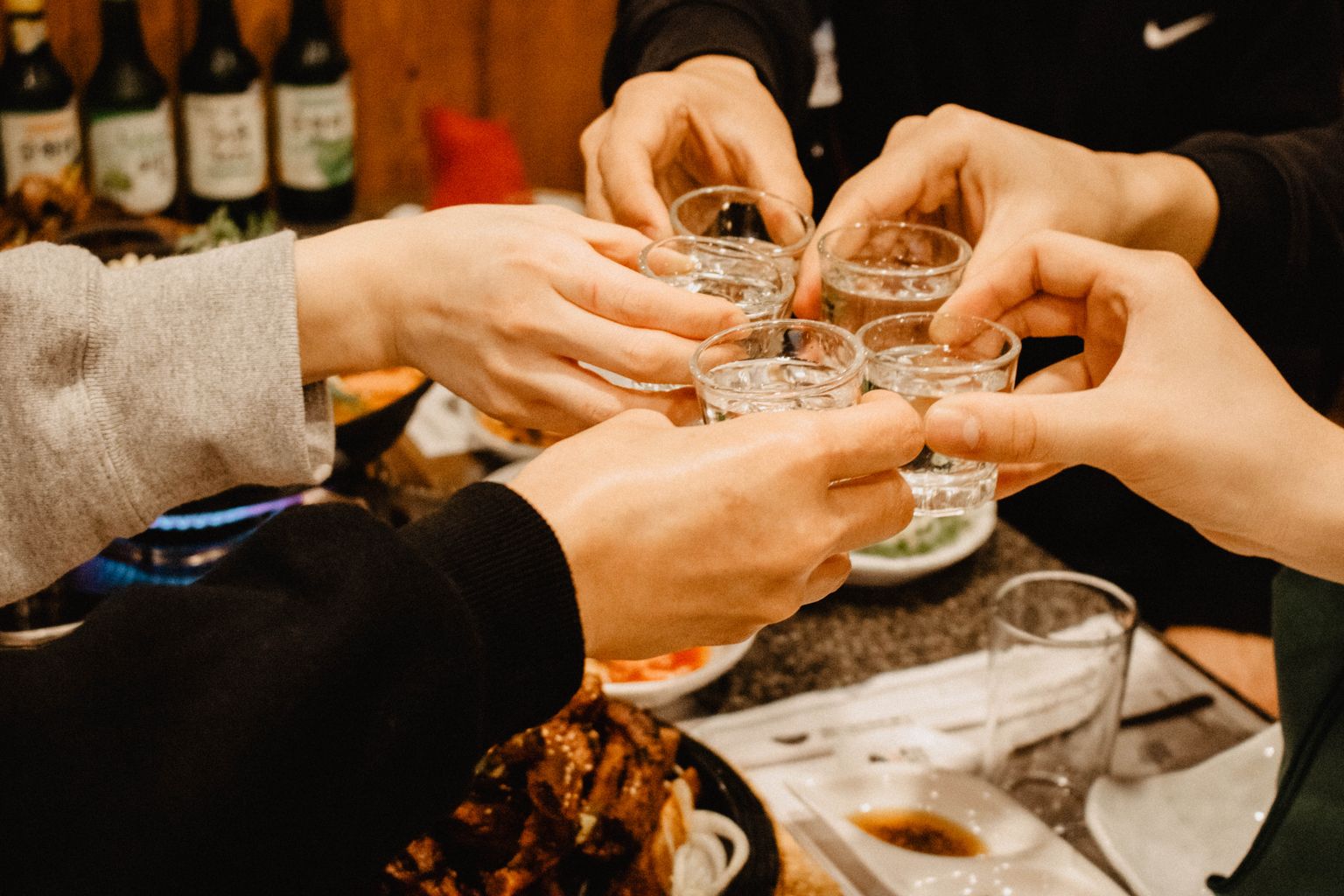
If there’s one word that explains most of the anxiety behind this topic, it’s hoesik. Literally “gathering to eat,” it’s the Korean institution of the company dinner, and it’s where generational tension around drinking is most visible. Traditionally a hoesik runs in rounds — 1차 (il-cha) is the main dinner, often with grilled meat and soju; 2차 (i-cha) might move to a bar or a noraebang (karaoke room); a determined group might stagger into 3차 near midnight. Refusing to show up at all used to be nearly unthinkable for a junior employee. Refusing to drink once you were there used to carry real social cost — not fired-the-next-day cost, but the quieter cost of being read as someone who doesn’t quite fit the team.
Here’s the part that surprised me, though, and it’s the part a lot of older explainer posts miss because they were written five or six years ago and the culture has genuinely moved since then: hoesik itself has been shrinking, and not by a small margin. Companies have been actively dialing it back, partly because of changing labor norms, partly because younger employees have simply pushed back harder than their predecessors ever did. Job-platform surveys in Korea have run this question for years, and the trend line only moves one direction: a clear majority of office workers, year after year, now say they’d prefer a hoesik with no alcohol at all, or no multi-round structure at all. The lunchtime hoesik — 점심 회식, “point lunch” in office slang — has become a real fixture precisely because it ends by 1pm with nobody slurring their words back at their desk. I don’t think that shift gets enough airtime in English-language explainers, which still tend to describe hoesik like it’s 2008, all rounds and regret.
Still, “shrinking” isn’t “gone.” If you work at a more traditional company, or in an industry with a stronger hierarchical culture — construction, some legacy manufacturing firms, certain government offices — you’ll still encounter the old rhythm fully intact, rounds and all. Context really does the heavy lifting here, which is a long way of saying: ask a Korean coworker, quietly, what your specific office is actually like before assuming either extreme.
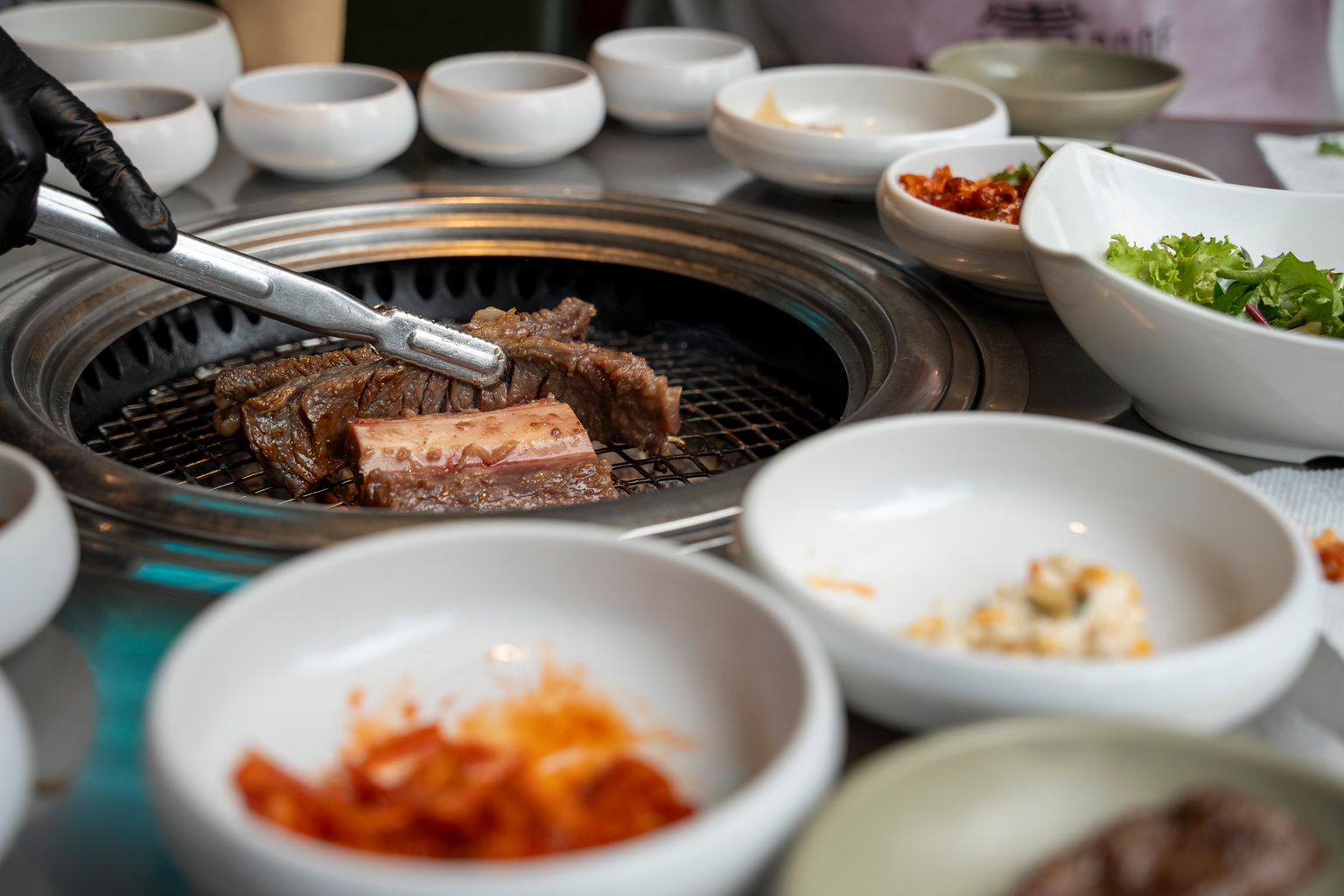
So How Do You Actually Say No?
Beyond the physical gesture of covering your glass, in practice nobody expects a dissertation when you want to put the verbal version of “no” on record. A short, calm reason works better than an elaborate one, mostly because elaborate excuses invite follow-up questions you don’t want to answer at a dinner table. “저는 오늘 술 안 마실게요” (I won’t be drinking today) is clean and final. “약 먹고 있어서요” (I’m on medication) shuts the conversation down almost instantly, because health trumps hierarchy in Korean social logic — nobody is going to pressure a person who says they’re on medication, and frankly, pushing past that would make the pusher look bad, not you. Driving works the same way. Pregnancy works the same way, obviously. Religion is understood, if occasionally met with a raised eyebrow depending on the crowd. “I don’t drink,” offered as a flat personal statement with no excuse attached, is accepted more and more, especially among younger Koreans, though it can still draw a surprised “really, not even one?” from an older relative who grew up in a very different Korea.
One popular workaround you’ll see recommended online deserves a specific warning, though, and it belongs right here in the “how to say no” conversation rather than off to the side: discreetly dumping your drink under the table, into a nearby plant, or into your water glass when nobody’s looking. It’s often framed as a harmless shortcut that avoids the awkwardness of saying no out loud. But it’s also a small act of deception at a table literally built around the ritual of mutual pouring and watching out for each other, and if you get caught — and people do get caught — it reads far worse than a plain refusal would have. A polite “no” costs you nothing. A discovered trick costs you the trust the whole evening was meant to build.
What’s Actually Changing
The most interesting part of living here long-term isn’t the old rules — plenty of guides cover those — it’s watching them erode in real time, year by year. Non-alcoholic soju and beer have gone from novelty items to genuine shelf staples; Hite-Jinro and Lotte Chilsung, the two giants that between them make most of the soju sold in this country, now both sell 0.0% versions of their flagship brands sitting right in the convenience store fridge next to the real thing, which would have looked like a strange marketing stunt a decade ago. “MZ세대” (the Korean shorthand for Millennials and Gen Z, used constantly in local media and occasionally as a mild generational jab) gets blamed or credited, depending on who’s talking, for normalizing a flat “저는 안 마셔요” (I don’t drink) with zero justification attached. Nobody owes the table a medical note anymore, and that’s a genuine shift from the culture even ten years ago, when “I just don’t want to” would have sounded almost confrontational, a quiet refusal of the whole social contract rather than a personal preference.
Even labor policy has nudged things along. Regulators have weighed in on whether a late-running, compulsory-feeling hoesik counts as compensable work time, which, predictably, made HR departments think twice before expecting anyone to stay for round three. None of this means Korean drinking culture has disappeared — soju remains the best-selling liquor on earth by volume, and toasting rituals aren’t going anywhere soon — but the old idea that you must drink to belong is noticeably weaker than it used to be, and it gets a little weaker every year I’ve been here.
If I had to boil down a decade of watching this up close into one piece of advice, it’s this: the form matters more than the content. How you decline — calmly, with the right small gesture, without making the person pouring feel rejected — matters far more than whether you decline at all. Koreans I know who don’t drink at all, for religious or personal reasons, hold respected positions and get invited to every hoesik anyway, nunchi fully intact, no questions asked after the first one. The people who actually get talked about the next morning are the ones who make a scene in either direction — the ones who refuse loudly and self-righteously, like they’re scoring a point, or the ones who get sloppily, aggressively drunk and make everyone else’s night harder. The quiet middle, where you show up, you’re gracious, and you drink exactly as much or as little as you genuinely want, is where almost everyone actually lives, foreigner or not.
Frequently Asked Questions
Is it rude to refuse a drink from your boss in Korea?
Not inherently, as long as you decline gracefully rather than bluntly. A hand lightly covering your glass, a small smile, and a simple “gwaenchanayo” (I’m fine) is almost always enough. What can come across poorly isn’t refusing itself, it’s refusing in a way that seems to reject the gesture of being poured for, since the pour is really an offer of goodwill. Accept the goodwill, decline the liquid, and you’re fine.
Will people think I’m unsociable if I never drink at hoesik?
Less and less, especially in offices with younger staff or in Seoul generally, where attitudes have shifted fastest. You’ll build rapport just as well by showing up, eating, and engaging in conversation as by drinking. That said, in more traditional or older-skewing workplaces, showing up consistently and staying for at least part of the evening still matters more than whether there’s alcohol in your glass.
What should foreigners specifically watch out for?
Mostly the small mechanics: don’t pour your own drink, use two hands when pouring for someone senior, and don’t be alarmed if someone turns away slightly to drink in front of you — it’s respect, not rudeness. Getting these details right tends to earn more goodwill than perfect Korean ever would, because it signals you’ve actually paid attention rather than just passed through.
Leave a Reply