Author: luxsman

  • What I Wish I Knew Before Moving to Korea

    What I Wish I Knew Before Moving to Korea

    The first time I realized I actually lived in Korea — not just visited, not just stayed for a while, but lived here — wasn’t when I signed a lease or got my Alien Registration Card. It was the day I stood in front of the recycling bins behind my building in Mapo-gu, holding a plastic container stained red from fermented kimchi jjigae paste, genuinely stuck on whether that red residue disqualified it from the plastics bin and demoted it to the district’s paid food-waste bag system instead. Nobody warns you that “moving abroad” eventually comes down to moments like that. Not the visa paperwork, not the flight, but a Tuesday evening standing next to your own trash, feeling like a complete beginner at adult life again.

    I’ve been in Korea long enough now that I forget which parts still confuse newcomers and which parts I’ve simply absorbed. So this post is the version of “moving to Korea” advice I actually wish someone had handed me — not the checklist of documents (you’ll find that easily enough), but the stuff that sits underneath the checklist. The systems, the small humiliations, the things that cost more than I expected and the things that turned out to matter less than I feared.

    Cardboard boxes packed for an international move to Korea

    Housing hits differently once you’re actually signing the lease

    Everyone tells you Seoul apartments are small. Fine, I believed that going in. What nobody quite prepared me for was the deposit structure. Korea runs largely on two systems: jeonse, where you hand over a lump-sum deposit — sometimes 70-80% of the apartment’s value — in exchange for living rent-free until you move out, and wolse, the more familiar monthly-rent-plus-deposit setup that most foreigners actually use. As a newcomer without deep local banking history, jeonse is basically off the table unless you have serious capital sitting somewhere, so you’ll almost certainly be looking at wolse. The deposit on a modest one-room (a “one-room,” not a one-bedroom — Korean listing terms don’t map cleanly onto English ones) in a decent area can run anywhere from 5 million to 20 million won, with monthly rent from around 500,000 to over a million won depending on the neighborhood. To put the space itself in perspective: a one-room in that price range is often somewhere between 16 and 23 square meters total, bed, kitchen, and bathroom included — closer to a generously-sized walk-in closet than to what “studio apartment” conjures up back home, and that surprised me more than the price did.

    And the neighborhood matters more than I expected it to. I ended up in Mapo-gu, close to Yeonnam-dong, mostly because a coworker mentioned it offhand, and I’m genuinely glad I didn’t overthink it — it’s walkable, close to Gongdeok station where several subway lines meet, and has enough of a mixed local-and-expat feel that I wasn’t the only foreigner in the building. Compare that to somewhere like Itaewon or Haebangchon, which are more obviously “foreigner-friendly” with English menus everywhere, but also noticeably pricier and, depending on who you ask, a little more insulated from actual Korean daily life. If you’re the type who wants convenience over immersion, that trade-off is worth thinking through before you sign anything, not after.
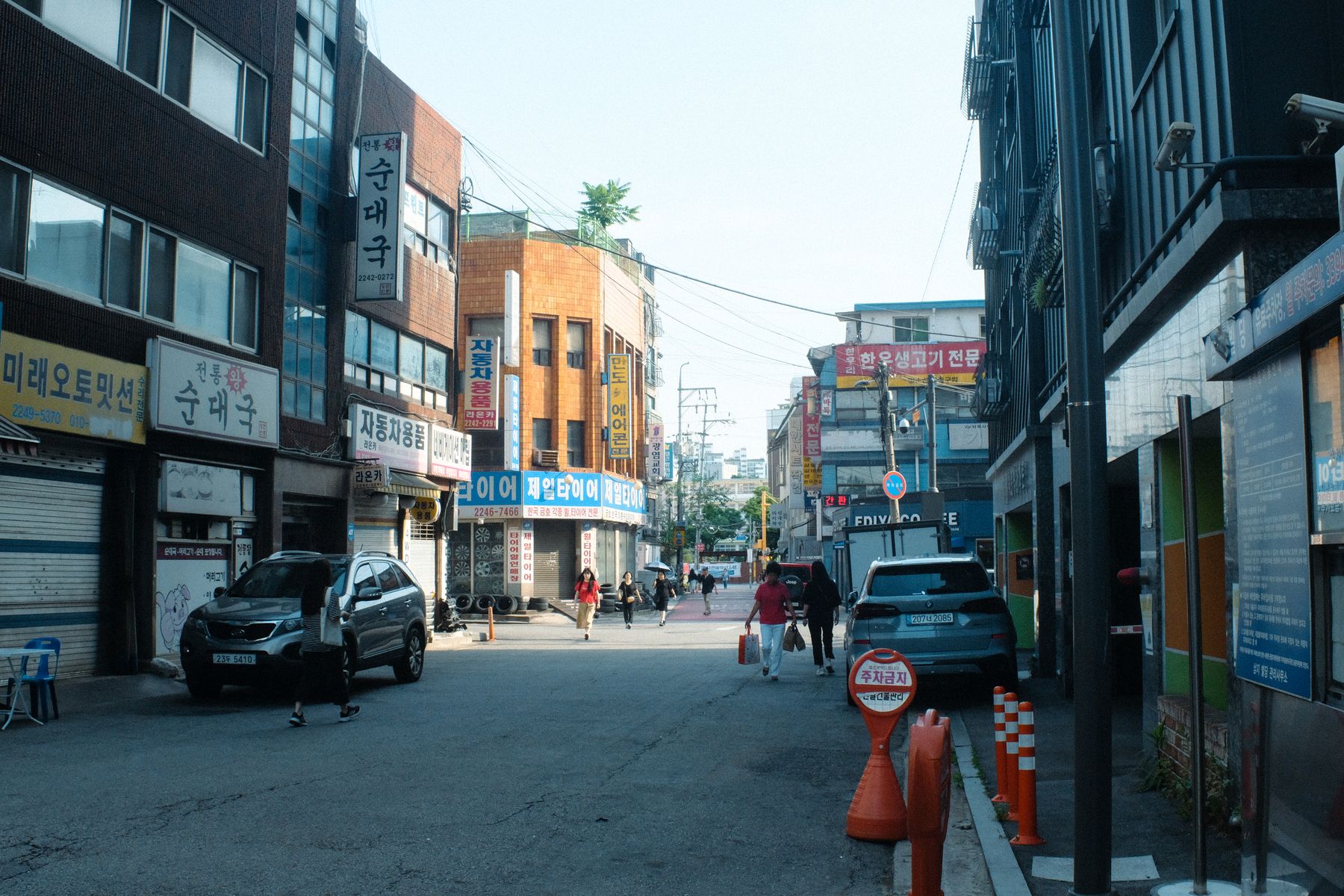
    A quiet residential street in a Seoul neighborhood

    One thing I underestimated badly: real estate agents (부동산, budongsan) are not neutral parties the way they might function elsewhere. They’re paid by whoever they close the deal for, and they will absolutely show you a “perfect” apartment that has some detail — a landlord who’s slow to return deposits, a management fee that’s oddly high — that only comes out if you ask directly. I didn’t know to ask about 관리비 (gwanlibi, management fees) separately from rent the first time, and got mildly blindsided by an extra 150,000 won a month I hadn’t budgeted for. That fee usually covers building cleaning, elevator maintenance and repairs, common-area electricity, and sometimes a chunk of your water or internet bill bundled in — which is worth knowing, because it means two apartments with identical rent can end up costing very different amounts once you add the management fee on top, and the listing itself won’t always make that obvious.

    The ARC card is the actual key to your life here

    Your Alien Registration Card (ARC) is not a formality; it’s the master key to your whole life here. You have 90 days after arrival to apply for one at your local immigration office, and until it arrives, you are functionally locked out of most of Korean adult life — no proper phone contract, no bank account at most mainstream banks, no easy way to sign a lease in your own name. I naively assumed I could “get settled” first and deal with the ARC card whenever convenient. That’s backwards, and it cost me weeks I didn’t need to lose. The ARC should be the very first bureaucratic domino you knock over, because everything else — banking, phone, sometimes even gym memberships — waits on it.

    The process itself isn’t dramatic, just slow: you book an appointment (increasingly through the Hi Korea website rather than walk-in, depending on your immigration office), bring your passport, visa documents, a passport photo, proof of address, and the application fee, and then wait. Processing typically takes two to three weeks, and the card arrives by mail — which means you also need a Korean address sorted before you even apply, creating a slightly circular problem for anyone who lands without housing already arranged. If you can, sort out at least temporary housing before you fly, purely so this clock can start immediately.

    Banking and phones: the chicken-and-egg problem nobody explains well

    Here’s where I got genuinely frustrated. You’d think opening a bank account and getting a phone plan would be simple errands. They’re not, not at first, because the two systems lean on each other in a way that feels almost designed to test you. Most banks want a Korean phone number to verify your account and send one-time passwords; most phone carriers, for a full contract plan, want proof of stable residency that effectively means your ARC card. So during that early gap — after landing, before your ARC arrives — you’re stuck with workaround options: an airport prepaid SIM or a tourist eSIM to get by, and maybe a foreigner-friendly bank branch, since Citibank Korea and the global-service desks at KB Kookmin or Shinhan tend to be more used to processing passport-only accounts, though even they’ve tightened up over the years due to financial fraud rules.

    Once your ARC does arrive, everything opens up, and honestly the relief is bigger than I expected it to be. I switched from an expensive tourist SIM to an MVNO plan — one of the budget carriers, like KT M Mobile or a similar reseller, riding on the big three networks’ actual infrastructure, with starter SIM kits available at convenience stores like GS25 or 7-Eleven — and cut my monthly phone bill from around 55,000 won down to about 28,000 won for basically the same data allowance. Kakao Bank and Toss also became usable at that point, and honestly, once I had those two apps plus a real Korean number, probably 90% of my daily friction — splitting bills, paying rent transfers, ordering delivery — just evaporated. Your Alien Registration Card is genuinely the master key here: don’t fight the airport-SIM-then-ARC-then-real-plan sequence, just budget two or three weeks of slightly annoying, slightly overpriced workarounds and move on.

    The apps you didn’t know you needed

    Google Maps is close to useless for walking or transit directions in Korea — a quirk of local mapping regulations — so you’ll need Naver Map or Kakao Map almost immediately, and honestly they’re better once you adjust to them. I still remember ordering a box of eggs, milk, and vegetables from Coupang’s Rocket Delivery at around 11 p.m. and finding it sitting outside my door at 6:15 the next morning, still cold, before my alarm had even gone off — that, plus Baemin for hot food delivery, became so normal to me that I now find it strange when a country doesn’t treat overnight grocery delivery as a baseline expectation rather than a luxury. That said, I’d be lying if I said the delivery culture doesn’t come with a quieter cost — it’s very easy to stop walking to your local market entirely, and I noticed after a few months that I barely knew the shop owners two blocks from my apartment, which felt like a loss I hadn’t anticipated.

    The culture shock nobody warns you about isn’t the big stuff

    People prepare you for chopsticks, for bowing, for the drinking culture at company dinners. Fair enough — those things are real, and yes, if you work at a more traditional Korean company, you should expect that turning down every single 회식 (company dinner) invitation will read as more antisocial than it might at home. But what actually wore on me wasn’t any of that. It was the accumulation of tiny systems I had to relearn from zero: how recycling actually works (food waste, general waste, and recyclables are separated with real enforcement, sometimes with weight-based fee stickers for food waste bags), how to read an elevator button panel that lists basement parking floors in a way that trips up anyone used to ground-floor-is-zero logic, how apartment building intercoms work when a delivery driver buzzes and you don’t yet have the Korean to say “just leave it at the door.”

    It’s relentless, in the way that a hundred small unfamiliarities are more exhausting than one big obviously “foreign” experience. If you’re the sort of person who assumes you’ll adjust quickly because you’re generally adaptable, I’d gently push back on that assumption — adaptability helps, but it doesn’t make the learning curve shorter, it just makes you less miserable while you’re on it.

    Health insurance and the money question people avoid

    Contributions depend on your visa type, employer, and income, so I won’t throw out a number that might just confuse your situation more than help it. Broadly, though: once you’re on a work visa and enrolled through an employer, you’re automatically part of National Health Insurance (NHIS), with premiums split between you and your employer and deducted directly from your paycheck. If you’re on a different visa type or self-employed, you may need to enroll as a regional subscriber instead, and those premiums are calculated differently. The smartest thing I did was ask my HR contact directly, in writing, exactly how enrollment worked for my specific visa, rather than assuming it matched what a friend on a different visa type had told me. Assuming visa categories all work the same way is a surprisingly common and completely avoidable mistake.

    What I’d actually tell someone about to move

    If I’m honest, most “moving to Korea” advice online focuses on the exciting parts — the food, the neighborhoods, the K-culture access — and skips the administrative fog that eats your first month. So here’s my blunt version: front-load your paperwork obsessively, accept that your first two or three weeks will involve some frustrating workarounds around phones and banking, pick a neighborhood based on your actual daily commute rather than Instagram appeal, and budget both money and patience for management fees, deposit structures, and the general friction of doing everyday adult tasks in a system you didn’t grow up inside. None of it is insurmountable. Most of it, honestly, becomes second nature faster than you’d expect — I don’t think twice about recycling sorting anymore, and my Korean coworkers still occasionally find it funny how confidently I now correct newer expats on management fee etiquette.

    If you’re also trying to make sense of workplace culture here specifically, I wrote a bit more about how Korean names and titles work in the office in an earlier post — it trips up almost every new arrival at some point, usually in an email signature or a meeting introduction, and it’s worth a read before your first day at a Korean company.

    Frequently asked questions

    Can I open a Korean bank account before I get my ARC card? At a handful of foreigner-friendly branches, sometimes yes, with just a passport and proof of your address (even a temporary one, like a hotel or short-term stay contract) — but it’s inconsistent, varies by branch and by the individual teller you get that day, and some banks have tightened these rules recently due to financial fraud concerns. If you’re arriving without an ARC yet, I’d plan around not having full banking access for your first few weeks rather than counting on an exception.

    Is it realistic to live in Seoul without speaking Korean at all? Realistic, yes, especially in neighborhoods like Itaewon, Haebangchon, or parts of Hongdae where English signage and staff are common. Comfortable long-term, less so. I’d say basic survival Korean — enough to handle a delivery call, a landlord text, or a pharmacy visit — makes an outsized difference to daily stress levels compared to how much studying it actually takes to get there.

    How long does it actually take to feel “settled” rather than constantly adjusting? For me it was somewhere around the four-to-six month mark, once banking, phone, housing, and a basic daily routine were all in place and no longer required active problem-solving. That timeline will vary a lot depending on whether you arrive with a job and housing pre-arranged or are sorting it out from scratch on the ground, so take any specific number, including mine, as a loose reference point rather than a promise.

    Bonus: what’s the one thing you’d change if you could redo your first month? I’d apply for my ARC card literally the first week instead of treating it as a lower-priority task behind “settling in.” Every other piece of friction I dealt with in that first month traced back to not having it yet.


  • 귀에서 삐- 소리가 들리기 시작했다면, 40대 이후 이명의 흔한 원인과 생활 관리법

    귀에서 삐- 소리가 들리기 시작했다면, 40대 이후 이명의 흔한 원인과 생활 관리법

    지하철이 끊긴 밤 11시, 거실 불을 다 끄고 누웠는데 어디선가 “삐-” 하는 가는 소리가 계속 들린다. 처음엔 냉장고 소리인가 싶어 부엌까지 나가 확인해본 사람도 있을 것이다. 그런데 냉장고 코드를 뽑아도 소리는 그대로다. 43세 회사원 김모 씨는 지난봄 이런 경험을 하고 나서야 자신이 “이명”이라는 걸 검색해봤다고 한다. 조용한 밤에만 들리니 신경성이겠거니 넘기기 쉽지만, 실은 낮에도 계속 있었는데 주변 소음에 묻혀 못 들었을 뿐인 경우가 많다.

    신기한 건, 이 소리가 유독 밤에만 존재감을 드러내는 게 우연이 아니라는 점이다. 낮 동안 켜져 있던 온갖 소음이 사라지고 나서야 몸이 원래 갖고 있던 신호가 표면 위로 떠오르는 것에 가깝다. 그러니까 “왜 하필 조용할 때만 들릴까”라는 질문 자체가 이명을 이해하는 첫 번째 단서인 셈이다.

    40대부터 왜 갑자기 많아질까

    국내외 여러 조사를 보면 이명 유병률은 전체 인구에서 대략 10~25% 수준으로 보고되는데, 55세 이상으로 좁히면 이 비율이 30%까지 올라간다는 자료도 있다. 20대에는 드물던 증상이 40대 중반을 넘기면서 갑자기 흔해지는 셈이다. 의외로 이 시기는 청력 자체의 노화가 시작되는 때이면서, 동시에 혈압·수면·스트레스 관리가 함께 무너지기 쉬운 시기와 겹친다. 그러다 보니 원인 하나를 콕 집기보다 여러 요인이 겹쳐서 나타나는 경우가 훨씬 많다.

    늦은 밤 책상에서 피곤한 눈을 비비는 중년 남성

    가장 흔하게 지목되는 원인들

    1. 소음성 난청 – 이어폰이 조용히 쌓아온 손상

    나도 모르게 최대 볼륨으로 유튜브나 음악을 틀어놓고 다니던 출퇴근길, 콘서트나 공사장 근처에서 몇 시간을 보낸 기억, 이런 게 20~30대 때는 아무렇지 않았을 것이다. 문제는 달팽이관의 미세한 유모세포가 한 번 손상되면 재생되지 않는다는 점이다. 그 손상이 10년, 20년 쌓이다가 40대 무렵 청력 저하와 함께 이명으로 드러나는 사례가 드물지 않다. 그런데도 정작 본인은 “요즘 젊었을 때만큼 안 들려서 그런가 보다” 정도로만 넘기는 경우가 많다.

    2. 스트레스와 수면 부족 – 악순환의 시작점

    스트레스, 불안, 수면 문제가 이명을 악화시키는 요인으로 자주 거론된다. 회의가 많은 주에 유독 귀울림이 심해진다고 말하는 사람들이 많은데, 이게 단순한 우연이 아니라는 뜻이다. 막상 이명이 시작되면 그 소리 자체가 신경 쓰여 잠을 설치고, 잠을 설치니 다음날 이명이 더 크게 느껴지는 식으로 순환이 반복된다. 여기서 빠져나오려면 소리 자체보다 수면의 질부터 손보는 편이 현실적이다.

    3. 혈압 – 생각보다 관계가 깊다

    고혈압과 이명의 연관성을 조사한 자료들이 있는데, 한 조사에서는 고혈압이 있는 사람의 45.8%가 이명을 함께 겪은 반면 고혈압이 없는 사람은 39.2%에 그쳤다는 결과가 나왔다. 다른 조사에서는 41.5%와 22.8%로 차이가 더 크게 벌어지기도 했다. 수도관에 이물질이 조금씩 끼면 물 흐르는 소리가 달라지듯, 혈압 변화로 내이 주변 혈류의 흐름이 바뀌면 그 미세한 변화가 소리로 감지되는 것 아니냐는 게 관련 전문가들의 추정이다. 40대 이후 건강검진에서 혈압 수치가 슬금슬금 오르기 시작하는 시점과 이명 발생 시점이 겹치는 것도 이런 맥락과 무관하지 않아 보인다.

    4. 갱년기와 호르몬 변화

    여성의 경우 폐경 전후로 에스트로겐 수치가 떨어지면서 귀 안쪽 혈류와 신경 전달에 영향이 갈 수 있다는 설명이 있다. 안면홍조나 불면 같은 대표 증상에 가려 이명은 뒷전으로 밀리기 쉬운데, 실제로는 같은 시기에 함께 시작됐다고 말하는 여성들이 적지 않다. 남성 역시 50대로 접어들며 테스토스테론이 서서히 줄고 대사 전반이 바뀌는데, 이 변화가 청각계에도 영향을 미칠 수 있다는 시각이 있다.

    5. 이관기능장애 – 귀가 “먹먹한” 느낌과 함께 오는 경우

    비행기를 안 탔는데도 귀가 꽉 찬 느낌이 며칠씩 이어진다면 이관, 그러니까 중이와 콧속 뒤쪽을 잇는 통로의 기능이 떨어졌을 가능성을 생각해볼 만하다. 이 통로가 제대로 열리고 닫히지 않으면 중이 압력이 불균형해지고, 그 과정에서 이명이나 먹먹함, 팝핑 소리가 함께 나타난다고 알려져 있다. 비염이나 축농증을 오래 앓아온 사람이라면 이 가능성을 한 번쯤 짚어볼 필요가 있다.

    손으로 턱을 괴고 생각에 잠긴 중년 남성

    다섯 가지를 쭉 나열하고 나면 오히려 막막해지는 사람도 있을 것이다. 여기서 한 가지만 콕 집어 원인이라고 확신할 수 없다는 게 이 증상의 어려운 지점이다. 그런데 반대로 생각하면, 어느 한 부분만 바꿔도 소리가 누그러지는 경험을 하는 사람들이 실제로 존재한다는 뜻이기도 하다. 그럼 오늘 밤 당장 뭘 바꿔볼 수 있을지, 구체적으로 짚어보자.

    병원 가기 전, 오늘부터 해볼 수 있는 생활 관리

    첫째는 카페인과 염분 줄이기다. 커피 두세 잔을 습관처럼 마시는 사람이라면 하루 한 잔으로, 그것도 오후 2시 이전으로 옮겨보는 것만으로 체감이 달라졌다고 말하는 경우가 종종 있다. 국물 요리나 배달 음식을 주 3회 이상 먹는 습관이 있다면 그 횟수를 절반으로 줄여보는 것도 함께 시도해볼 만하다.

    둘째는 이어폰 사용 습관을 바꾸는 일이다. 스마트폰 음량을 최대치의 60% 이하로 낮추고, 한 시간 들었으면 10분은 귀를 쉬게 해주는 식의 단순한 원칙만 지켜도 추가 손상을 막는 데 도움이 된다고 한다. 요즘 나오는 스마트폰은 볼륨이 일정 수준을 넘으면 경고 알림을 띄워주는 기능이 있으니, 그 기능부터 켜두는 게 첫걸음이 될 수 있다.

    셋째는 백색소음이나 자연음을 활용하는 방법이다. 완전한 침묵 속에서는 오히려 이명 소리가 도드라져 신경이 더 쏠리는데, 유튜브나 음악 앱에서 “빗소리 8시간”, “파도 소리 잠잘 때” 같은 키워드로 검색해 낮은 볼륨으로, 그러니까 이명 소리보다 살짝 큰 정도로만 틀어두면 뇌가 그쪽으로 주의를 분산시켜 상대적으로 덜 신경 쓰이게 된다고 한다. 잠들기 전 30분 정도만 틀어봐도 효과를 체감하는 사람들이 있다.

    넷째는 수면 시간을 일정하게 유지하는 것이다. 평일엔 6시간 자고 주말엔 9시간을 몰아 자는 패턴은 몸의 리듬을 계속 흔들어놓는다. 매일 비슷한 시각에 눕고 일어나는 습관이 스트레스 호르몬 수치를 안정시켜 이명 악화 고리를 끊는 데 도움이 된다는 게 여러 전문가들의 공통된 조언이다.

    다섯째, 목과 어깨 긴장을 풀어주는 습관도 은근히 중요하다. 턱관절이나 목 근육의 긴장이 귀 주변 신경과 연결되어 있어서, 스트레칭이나 온찜질만으로 이명이 잦아드는 경우가 실제로 보고된다. 컴퓨터 앞에서 하루 8시간 이상 앉아 있는 사람이라면 한 시간에 한 번씩 목을 좌우로 천천히 돌려주는 것부터 시작해보는 게 좋다. 이 다섯 가지 중 딱 하나만 고른다면, 많은 사람들이 체감 효과를 가장 먼저 느꼈다고 말하는 건 역시 이어폰 볼륨 조절이다.

    40~50대 건강 관리는 어느 한 부위만 따로 떼어놓고 보기 어렵다. 앞서 다룬 중년 이후 수면의 질을 높이는 습관 글에서 언급했던 취침 루틴 조정이 이명 완화에도 그대로 도움이 되는 경우가 많으니 함께 참고해보면 좋겠다.

    자주 묻는 질문

    Q. 이명이 한쪽 귀에서만 들리는데, 양쪽 다 들리는 것보다 더 걱정해야 하나요?

    한쪽에서만 소리가 나는 경우와 양쪽에서 나는 경우는 배경이 다를 수 있다는 이야기가 있다. 특정 자세에서만 들리거나 갑자기 한쪽에서만 시작됐다면 이관 문제나 국소적인 원인을 짚어보는 검사가 필요할 수 있으니, 자가 판단보다는 정확한 검사를 받아보는 편이 안전하다.

    Q. 이명 소리가 며칠 만에 사라졌다가 다시 나타나기를 반복하는데 괜찮은 걸까요?

    스트레스가 심한 주간에 나타났다가 좀 쉬고 나면 잦아드는 패턴을 보이는 사람들이 꽤 있다. 그렇다고 매번 저절로 없어지니 안심해도 된다고 단정할 수는 없다. 반복 주기가 짧아지거나 강도가 세지는 느낌이 든다면 그 변화 자체를 기록해두었다가 진료 시 알려주는 게 도움이 된다.

    Q. 이어폰을 아예 안 쓰는데도 이명이 시작됐어요. 이유가 뭘까요?

    소음 노출이 없었다고 해서 원인이 없는 건 아니다. 혈압, 갱년기, 스트레스, 이관 문제처럼 소음과 무관한 경로로도 이명이 시작될 수 있다는 점을 앞서 살펴봤다. 최근 몇 달 사이 새로 생긴 변화, 이를테면 복용 약물이 바뀌었거나 카페인 섭취가 늘었거나 하는 부분을 함께 점검해보는 게 실마리가 될 수 있다.

    여기까지 읽고 나면 오히려 신경이 더 쓰일 수도 있겠다. 다만 이 글에서 정리한 내용은 일반적으로 알려진 정보일 뿐, 개인의 증상을 진단하거나 치료 방향을 정해주는 건 아니다. 이명은 원인이 워낙 다양하게 얽혀 있어서 스스로 판단해 방치하기보다 검사를 통해 확인하는 편이 훨씬 안전하다. 정확한 원인 파악과 치료는 이비인후과 전문의와 상담하시기 바랍니다.

  • 국민연금 조기수령 vs 연기수령 — 5년 당겨 받으면 실제로 얼마나 손해일까

    국민연금 조기수령 vs 연기수령 — 5년 당겨 받으면 실제로 얼마나 손해일까

    지난달 국민연금공단에서 예상수령액 안내문을 받아 든 61년생 지인은 봉투를 열자마자 계산기 앱부터 켰다. “어차피 일찍 받으나 늦게 받으나 평생 받는 총액은 비슷한 거 아니냐”는 게 그의 첫마디였는데, 실제로 숫자를 뽑아보니 생각과는 거리가 있었다. 5년 당겨 받는 것과 5년 늦춰 받는 것 사이에는 매달 수십만 원, 평생으로 따지면 수천만 원 단위의 격차가 생긴다.

    퇴직 시점과 연금 개시 시점이 어긋나면서 생기는 소득 공백, 이게 요즘 50대 후반~60대 초반이 가장 자주 부딪히는 고민이다. 당겨 받으면 무조건 손해라는데, 당장 다음 달 생활비가 아쉬운 사람 입장에서는 “그래도 어쩔 수 없는 것 아니냐”는 반문이 나올 수밖에 없다. 지갑을 열기 전에, 이 ‘은퇴 시계’의 오차가 실제로 얼마짜리인지부터 짚어보자.

    조기노령연금, 매달 0.5%씩 깎이는 계산법

    조기노령연금은 원래 받을 나이보다 최대 5년 먼저 신청해서 받는 제도다. 1969년 이후 출생자는 원래 65세부터 받는데, 이 경우 60세부터 당겨 받는 게 가능하다. 1957~1960년생은 62세가 기준이라 57세부터, 1961~1964년생은 63세 기준이라 58세부터 신청할 수 있다. 출생연도별로 기준 나이가 다르니 본인 생년월일 기준으로 몇 세부터 가능한지부터 확인해야 한다.

    감액 방식은 한 달 앞당길 때마다 0.5%씩, 그러니까 1년이면 6%가 깎인다. 5년을 꽉 채워 앞당기면 총 30%가 줄어든 금액으로 확정되고, 이 감액률은 평생 유지된다. 여기서 의외로 많은 사람이 놓치는 부분이 있는데, 조기수령은 아무나 신청할 수 있는 게 아니라 가입기간 10년 이상, 그리고 ‘소득이 있는 업무’에 종사하지 않아야 한다는 조건이 붙는다.

    숫자로 감을 잡아보면 이렇다. 정상수령액이 월 100만 원으로 확정된 사람이 5년을 앞당기면 월 70만 원으로 줄어든다. 30% 감액이 그대로 적용된 결과다. 2026년 기준 국민연금 평균 수령액이 월 69만 8천 원 수준인 걸 감안하면, 이 감액된 70만 원이 실제로 많은 수급자가 마주하는 현실적인 금액대라는 뜻이기도 하다.

    국민연금 상담 창구에서 조기수령과 연기수령을 상담하는 장면

    조기수령의 숨은 리스크 — 소득 제한, 건강보험료, 그리고 손익분기점

    30% 감액만 계산하고 신청 버튼을 누르면 몇 달 뒤 예상 못 한 청구서를 받을 수 있다. 첫 번째 변수는 소득 제한이다. 이 기준이 2026년 6월 17일부터 바뀌었는데, 기존에는 월평균 소득이 319만 3,511원을 넘으면 조기수령 대상에서 제외됐지만 이제는 519만 원 수준으로 문턱이 올라갔다. 조기수령 중에 다시 취업해서 이 기준을 넘기면, 그 초과 기간만큼 연금 지급 자체가 정지된다.

    두 번째는 의외로 더 아픈 변수, 건강보험 피부양자 자격이다. 그동안 자녀나 배우자의 건강보험에 피부양자로 얹혀 있던 은퇴자가 조기수령을 시작하면, 연간 합산소득이 2,000만 원을 넘는 순간 피부양자 자격이 박탈되어 지역가입자로 전환된다. 재산 규모에 따라 다르지만 이렇게 전환되면 월 10만~20만 원대의 건강보험료가 새로 부과되는 경우가 흔하다. 연금은 월 10만 원 더 받으려고 앞당겼는데, 건보료로 그보다 많은 돈이 빠져나가는 주객전도 상황이 실제로 벌어질 수 있다는 뜻이다.

    그러면 몇 살까지 살아야 조기수령이 유리한가. 여러 계산 사례를 종합하면 조기수령과 정상수령 사이의 손익분기점은 대략 만 76~80세 근방에 형성된다. 그 나이보다 일찍 세상을 떠난다면 총 수령액 기준으로는 조기수령이 유리하고, 그보다 오래 산다면 정상수령 쪽이 누적 총액에서 앞선다. 막상 이 얘기를 들으면 씁쓸해하는 사람들이 많다. 내 여생을 기준으로 연금 수령 시점을 계산해야 한다는 사실 자체가 유쾌할 리는 없으니까.

    지폐와 계산기로 국민연금 실수령액과 건강보험료를 점검하는 모습

    반대로 늦추면? 연기연금 가산율 7.2%와 공백기 메우는 법

    연기연금은 반대 방향이다. 원래 받을 시점에 신청하지 않고 최대 5년까지 미루면, 미룬 기간만큼 연금액이 늘어난다. 가산율은 한 달에 0.6%, 연 환산으로는 7.2%다. 5년을 꽉 채워 미루면 36%가 늘어난 금액을 죽을 때까지 받는다.

    같은 월 100만 원 사례를 그대로 가져와 보자. 5년 미루면 월 136만 원이 된다. 조기수령 70만 원과 연기수령 136만 원, 이 둘의 격차는 매달 66만 원이다. 연간으로 환산하면 792만 원 차이가 나는데, 이 정도면 웬만한 생활비 항목 하나를 통째로 좌우할 수 있는 금액이다.

    그런데도 연기수령을 선택하는 사람이 생각보다 많지 않다. 이유는 단순하다. 연기하는 5년 동안은 연금 없이 다른 소득으로 버텨야 하기 때문이다. 이 공백을 메우는 방법으로 흔히 거론되는 게 퇴직연금 IRP 계좌를 먼저 인출해 쓰는 방식이나, 소유한 주택을 담보로 매달 생활비를 받는 주택연금 제도를 가교 자금처럼 활용하는 방식이다. 두 방법 모두 각자의 조건과 세금 문제가 얽혀 있어서, 무작정 따라 하기보다는 본인의 자산 구성을 놓고 국민연금공단이나 금융기관 상담을 통해 실행 가능 여부부터 짚어보는 게 순서다.

    계산기로 국민연금 조기수령과 연기수령 예상액을 계산하는 모습

    그럼 누구에게 어느 쪽이 맞을까

    퇴직 후 별다른 소득 없이 당장 생활비가 필요한 사람, 혹은 가족력이나 건강상의 이유로 평균 수명보다 이르게 노후를 계획해야 하는 사람이라면 조기수령의 감액분을 감수하더라도 지금 당장의 현금흐름을 확보하는 쪽이 합리적일 수 있다.

    반대로 퇴직 후에도 재취업이나 프리랜서 활동으로 일정 소득이 유지되고, 가족 중 장수한 사례가 많은 편이라면 연기수령으로 36% 가산을 받는 쪽이 장기적으로 더 큰 금액을 손에 쥐게 해준다. 저희 블로그에 실린 은퇴 후 현금흐름 설계 관련 글에서도 다룬 적이 있는데, 이럴 때는 개인연금이나 퇴직연금을 가교연금처럼 세팅해 연기수령 기간의 공백을 메우는 방법을 함께 검토해볼 만하다.

    여기서 다룬 감액률과 가산율, 손익분기점은 일반적인 기준선일 뿐이다. 가입기간, 소득이력, 부양가족 여부에 따라 실제 수령액은 사람마다 다르게 계산되니, 신청 전에는 국민연금공단 콜센터(국번 없이 1355)나 가까운 지사에 직접 연락해 본인 가입 이력 기준의 예상수령액을 다시 한번 확인하고 결정하길 권한다.

    자주 묻는 질문

    Q1. 55세에 퇴직했는데 지금 바로 조기수령을 신청할 수 있나요?

    아니다. 조기수령은 원래 수급 개시 연령보다 최대 5년까지만 앞당길 수 있다. 예를 들어 1965년생이라 원래 수급 개시가 64세라면, 조기수령이 가능한 최소 연령은 59세다. 55세에 퇴직했다고 해도 59세가 되기 전까지는 국민연금 조기수령 자체가 불가능하고, 그 사이 소득 공백은 퇴직금이나 실업급여, 개인연금 등 다른 재원으로 메워야 한다.

    Q2. 조기수령을 받던 중 다시 취업해서 소득이 생기면 어떻게 되나요?

    월평균 소득이 기준 금액(2026년 6월 17일부터 519만 원 수준)을 넘으면 그 초과 기간 동안 연금 지급이 정지된다. 소득이 다시 기준 이하로 줄어들면 지급이 재개되는 구조라 완전히 자격이 박탈되는 건 아니지만, 재취업 계약이 예정되어 있다면 신청 전에 예상 소득 수준을 국민연금공단에 미리 알리고 지급 정지 여부를 확인하는 편이 안전하다.

    Q3. 연기연금을 신청했다가 중간에 마음이 바뀌면 취소하고 바로 받을 수 있나요?

    연기 기간 중이라도 연기 신청을 철회하고 그 시점부터 정상적으로 연금을 받는 것은 가능하다. 다만 이미 지나간 연기 기간에 대해 소급해서 받을 수는 없고, 철회 이후 시점부터의 가산율만 적용된다. 연기 기간 도중 갑자기 목돈이 필요해지거나 건강상의 이유가 생겼다면, 국민연금공단에 연락해 철회 절차와 그 시점까지의 가산율 적용 방식을 정확히 확인하는 게 우선이다.

  • Is It Rude to Pour Your Own Drink in Korea?

    Is It Rude to Pour Your Own Drink in Korea?

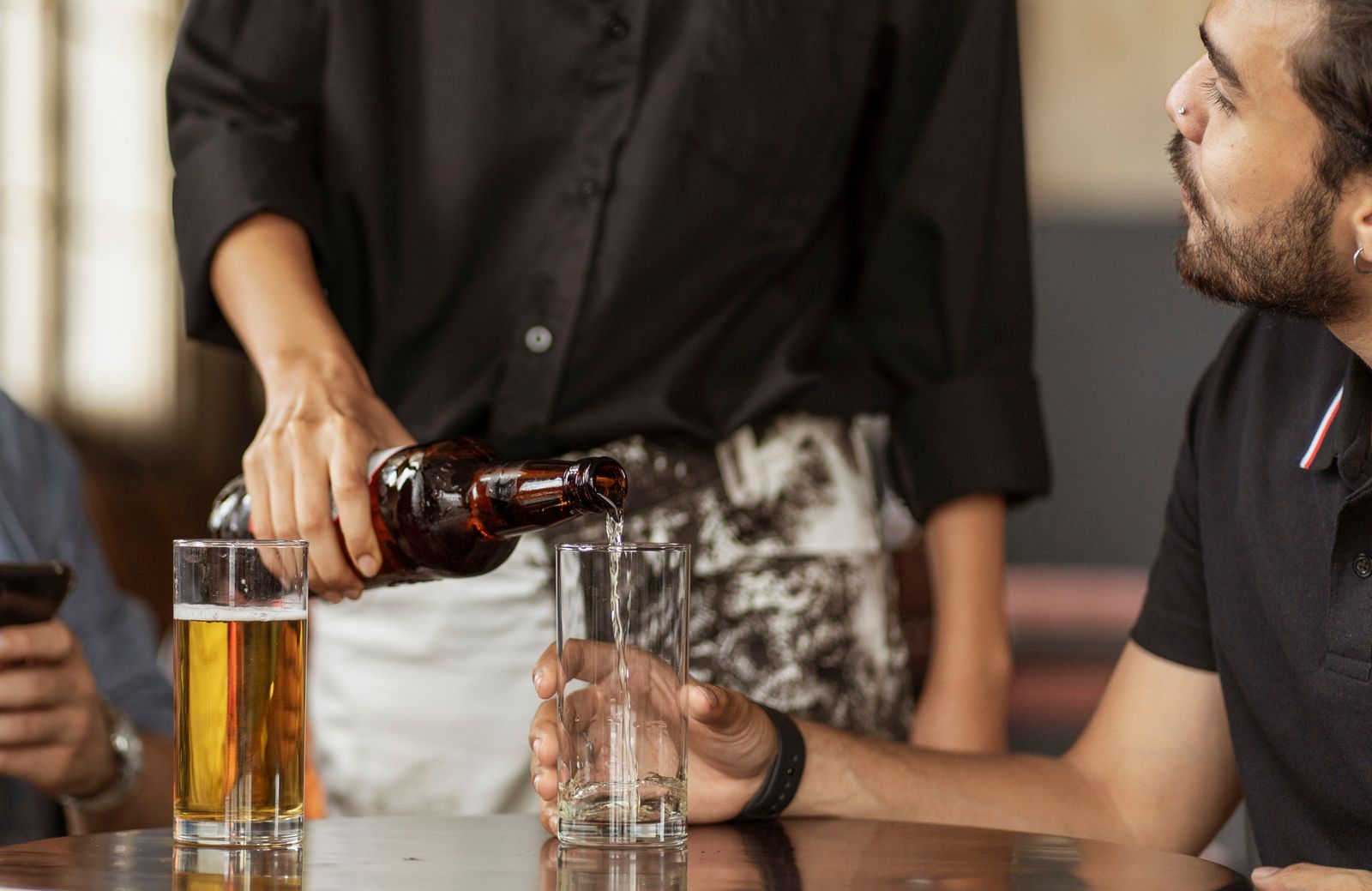
    The first time I reached over and topped up my own soju glass at a work dinner in Yeongdeungpo, the guy next to me — a mild-mannered accountant who’d said maybe ten words all night over the sizzle of a tabletop grill — physically took the bottle out of my hand. Not aggressively. More like he was rescuing a toddler from a hot stove. The table was crowded with side dishes, someone two seats down was mid-toast, and in the middle of all that noise he still noticed my glass and reached across three plates of grilled pork belly to fix it before I could. “No, no,” he said, already pouring for me himself. I remember sitting there holding an empty shot glass, slightly stunned, thinking: I just wanted more soju. What did I do wrong?

    That was probably eight years ago now, and I still think about it, weirdly enough, because it was such a small gesture that told me so much about how differently Korea thinks about a dinner table. In most of the English-speaking world, reaching for your own bottle is just efficiency. Nobody’s going to stop the conversation to police your glass. But in Korea, that one motion — self-pouring — sits at the intersection of hierarchy, care, and a set of unwritten rules that took me years, honestly, to fully absorb.

    So, Is It Actually Rude?

    The simple answer is yes. The real answer is: it depends entirely on who’s sitting across from you. As a baseline social rule, pouring your own drink in a group setting reads as self-centered, even a little lonely-looking, like you couldn’t be bothered to include anyone else in the moment. But the intensity of that judgment shifts a lot depending on the room — a formal company dinner versus a late-night bottle of makgeolli with your college roommate are two completely different worlds, even though the same bottle is on the table.

    You’d think this would just be a minor quirk of table manners, the kind of thing you nod at and forget. But it’s not, really. It’s tied to a much bigger idea in Korean social life, and once you understand why it feels so counterintuitive to Westerners, the whole thing clicks into place: drinking together here is fundamentally a shared act, not a series of individual acts happening at the same table. Pouring for someone is a small transfer of attention. You noticed their glass was low. You cared enough to fix it, mid-conversation, without being asked. Which, honestly, is a nicer way to think about it than I gave it credit for when I first ran into the rule.

    Where the Rule Comes From

    A lot of Korean table etiquette — this included — traces back to Confucian ideas about hierarchy and mutual obligation that shaped Korean social life for centuries, and that history is exactly why the custom feels less like “manners” and more like a small ritual once you know the backstory. The core logic is pretty simple: younger people pour for older people first, juniors pour for seniors, and the person being poured for reciprocates once their own glass runs low. It’s a loop. Everyone is, in theory, taking care of everyone else, and the oldest or most senior person at the table is typically served first as a mark of respect before anyone else touches their glass.

    There’s also the physical choreography that goes with it, which caught me off guard the first several times I saw it. When you pour for someone older or more senior than you, you’re expected to use two hands — or at least steady your pouring arm at the wrist or elbow with your free hand. In practice this is genuinely awkward the first dozen times you try it: you’re reaching across a table crammed with banchan — the little side dishes of kimchi, seasoned spinach, bean sprouts — trying not to knock over the bean-paste soup while keeping your forearm braced just so. It looks almost ceremonial if you’re not used to it, like you’re handling something fragile. Receiving works the same way: you take the glass with both hands, or one hand supported at the elbow, rather than just sticking your cup out like you’re at a backyard barbecue. Between people roughly the same age, one-handed pouring is totally normal and nobody thinks twice about it. The two-handed thing is specifically a hierarchy signal, not a universal soju rule, which is a distinction that took me embarrassingly long to figure out.

    And then there’s the turning-away part, which still catches me off guard even now. If someone senior — your boss, your father-in-law, an older relative — pours you a shot, the polite move when you actually drink it is to turn your body slightly away from them and cover your mouth and glass with your free hand. It looks almost like you’re hiding the drink, which is sort of the point: you’re not flaunting the act of drinking in front of someone you owe deference to. The first few times I did this I felt ridiculous, like I was playacting in a historical drama, glass angled away, shoulder half-turned, hoping I looked respectful and not just constipated. Now it’s just muscle memory — I do it before I even consciously register who poured for me.

    The Exceptions Nobody Tells You About

    Here’s the part most etiquette articles skip, and it’s the part that actually matters if you live here rather than just visit for a week. The “never pour your own drink” rule loosens up fast once the context shifts. If you’re alone at a pojangmacha — one of those orange tent bars that pop up along the sidewalks in neighborhoods like Jongno or near Konkuk University — nobody expects you to flag down a stranger to top off your glass. You pour your own. Nobody blinks.

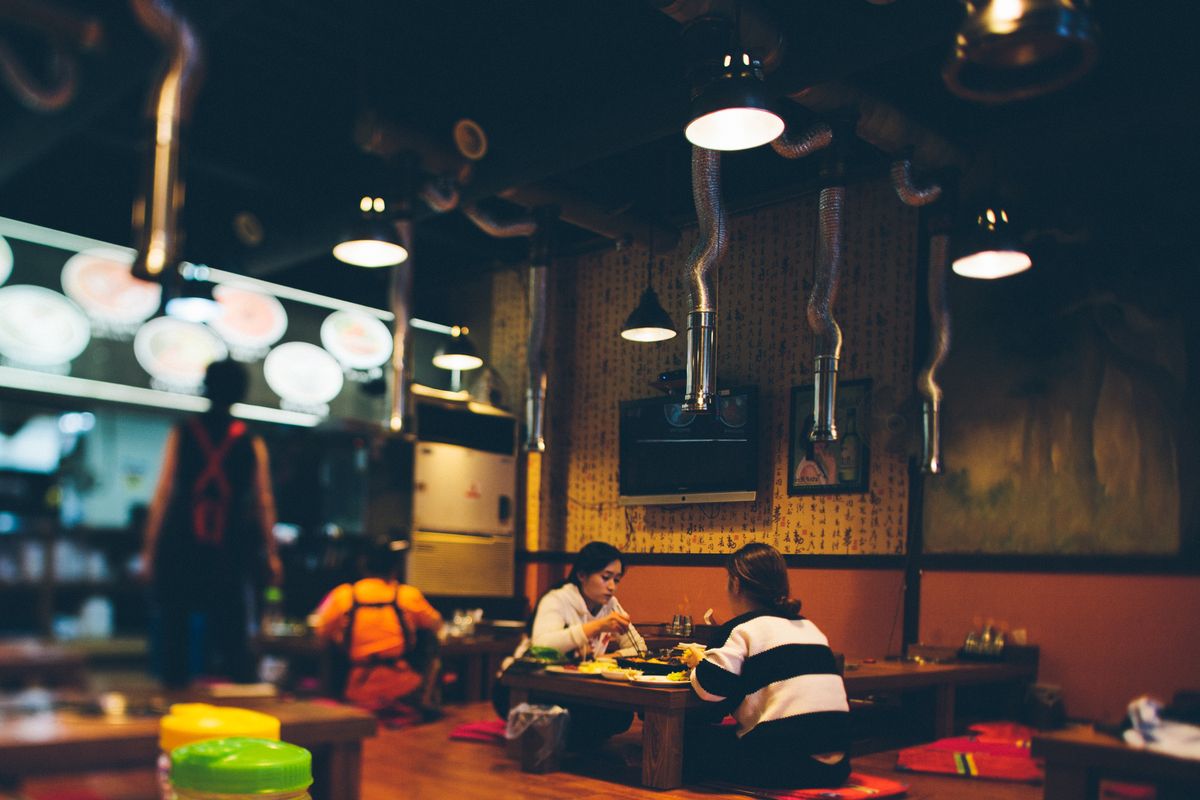
    A Korean barbecue restaurant table set up for a group dinner

    Same with close friends in a genuinely casual setting. If I’m at my friend’s apartment in Ilsan splitting a couple of cans of Cass and a bag of dried squid, we’re not performing formal etiquette at each other. Somebody pours, somebody doesn’t, glasses get topped off in whatever order makes sense, and it would honestly feel a little stiff and try-hard to insist on strict pouring order between two people who’ve known each other for a decade. The rule is really at its strongest in situations with a status gap — work dinners, meeting your partner’s parents for the first time, a reunion with a much older mentor — where getting it wrong reads as either not knowing better or, worse, not caring to.

    There’s also a generational shift happening that’s worth spelling out, because Korea’s drinking culture in 2026 is not identical to what it was even ten years ago. Younger Koreans, especially in casual friend groups, have relaxed a lot of the stricter hoesik-era customs — the forced shots, the rigid seating by seniority, the endless second and third rounds that used to bleed into a 2 a.m. noraebang session whether you wanted to go or not. You’ll see it in small ways: so-maek (soju mixed with beer, at a lower effective ABV than a straight soju shot) has become the default order for a lot of twenty- and thirty-somethings instead of round after round of pure soju, and some companies have started swapping the marathon dinner-then-drinks hoesik format for lighter alternatives — an early dinner, a round of bowling, something that wraps up by nine. The core pouring etiquette still holds up reasonably well even in these lighter settings, but the surrounding pressure — being made to drink until someone decides you’re done — has softened considerably at a lot of workplaces, partly because younger employees have pushed back on it and companies have noticed.

    What Happens If You Mess It Up

    You’d think breaking a drinking etiquette rule would trigger some visible reaction — a raised eyebrow, a comment, something. Usually it doesn’t, at least not out loud. Koreans are generally very forgiving of foreigners who don’t know the rules yet; there’s a wide berth given for people who are clearly still learning. What you’ll notice instead, if you’re paying attention, is more subtle: someone quietly reaches over and pours for you before you can pour for yourself, the way that accountant did to me years ago. Or an older person at the table might gently correct you — “here, let me” — without making it a whole moment. It’s corrective, but it’s rarely punitive.

    Even now, I slip. Just a few months back at a family gathering, I caught myself reaching for the bottle to refill my own glass mid-story, completely on autopilot, before my mother-in-law’s hand appeared and took it from me with a small laugh — no words needed, just a look that said she’d clocked the habit years ago and expected nothing less from me by now. That said, in more formal or hierarchical settings — a first dinner with a boss’s boss, a very traditional family gathering — repeatedly self-pouring or ignoring the pouring order can read as a bit tone-deaf, even if nobody says anything directly. Face and harmony matter a lot in these settings, and direct confrontation over a social misstep is rare. The silence itself is sometimes the feedback. I’ve actually written before about the flip side of this — how to politely refuse a drink you don’t want without causing offense, which comes up constantly once you understand how central pouring and reciprocity are to the whole ritual — and a lot of the same gauge-the-vibe, don’t-make-it-a-scene logic applies here too.

    How I Handle It Now

    These days my default move at any group table, Korean or otherwise, is to just keep an eye on the glasses around me — not in a performative, watch-me-be-culturally-fluent way, but because it’s genuinely become second nature after enough dinners. If someone’s glass is low, I fill it. If mine gets low, I wait a beat before someone else notices, and if nobody does within a reasonable window, I’ll pour my own without much drama, especially in a mixed group where not everyone follows the same customs anyway. There’s no secret ledger being kept. It’s less about rigid rule-following and more about paying attention to the people you’re sitting with, which — okay, this sounds a little precious when I write it out, but it’s true — is kind of the whole point of the custom in the first place.

    What surprised me most, looking back, isn’t the rule itself. It’s how much a tiny physical habit — who lifts the bottle, who holds the glass, which hand goes where — can carry an entire philosophy of respect and interdependence without a single word being spoken. You don’t need to memorize a manual before your first Korean dinner. You just need to watch the table for five minutes, follow along, and let someone steal the bottle out of your hand at least once. Most people will meet you more than halfway, and honestly, that one awkward moment tends to stick with you a lot longer than any etiquette guide ever could.

    A man pouring a drink for someone at a restaurant table in Korea

    FAQ

    I’m at a company dinner (hoesik) and my glass is empty but the senior manager is deep in conversation with someone else. Can I just pour my own?

    In that exact spot, most people would quietly pour for the person next to them first, which usually prompts a chain reaction where someone eventually notices your glass too. If a few minutes go by and truly nobody catches it, a quiet self-pour isn’t going to end your career — nobody’s watching that closely — but the more socially fluent move is to pour for someone else nearby first. It tends to solve the problem for you within a round or two.

    My Korean boyfriend’s parents keep pouring for me even after I say I’ve had enough. Is it rude to refuse?

    This one trips up a lot of foreigners dating into Korean families. You’re not obligated to drink everything poured for you, and leaving a glass mostly full is a perfectly normal way to signal you’re done, especially for health or driving reasons. What matters more is how you decline — a polite “I’m okay for now, thank you” with a small hand gesture over the glass reads much better than an abrupt “no.” Covering your glass lightly with your hand when someone reaches for the bottle is a widely understood, non-awkward way to say you’re done without making a scene.

    Does this pouring rule apply to non-alcoholic drinks too, like at a family meal with soda or tea?

    Less strictly, but the underlying courtesy carries over. At a formal meal, especially with elders present, it’s common and appreciated to pour tea or water for others before yourself, particularly for the oldest person at the table. Nobody’s going to correct you the way they might with soju, but doing it anyway tends to land as thoughtful rather than performative.

  • 떡볶이 황금레시피 — 밀떡이냐 쌀떡이냐부터 국물 농도 맞추는 법까지

    떡볶이 황금레시피 — 밀떡이냐 쌀떡이냐부터 국물 농도 맞추는 법까지

    분식집 그 맛을 집에서 내보려다 싱거운 국물에 퉁퉁 불은 떡만 건져본 적 있다면, 이 글이 도움이 될 거다. 레시피마다 물 양은 다르고 떡 종류도 다른데, 계량은 죄다 “적당히”로 뭉개놓아서다. 여기서는 그 적당히를 그램과 큰술, 분 단위로 바꿔놓았다.

    밀떡이냐 쌀떡이냐, 여기서 국물 농도가 갈린다

    밀떡 대신 쌀떡 쓰면 되지 않냐 싶지만, 둘은 완전히 다른 재료로 봐야 한다. 밀떡은 씹으면 말캉하고 야들야들하게 끊기는 식감이고, 쌀떡은 이 사이에서 쫄깃하게 버티는 묵직한 타격감이 있다. 표면도 다르다. 밀떡은 매끈해서 양념을 천천히 머금고, 쌀떡은 전분 함량이 높아 표면이 거칠어 양념을 빨리, 많이 빨아들인다. 처음엔 국물이 넉넉해 보여도 10분만 지나면 반으로 줄어드는 경험, 쌀떡으로 만들어본 사람이라면 다들 겪어봤을 거다. 마트 냉장 코너에서 고를 땐 국수처럼 길고 얇은 게 밀떡, 짧고 통통한 원통형이 쌀떡이라고 보면 헷갈릴 일이 없다.

    떡 100g 기준으로 비교하면 차이가 더 명확해진다. 밀떡은 끓는 물에 담근 뒤 3~4분이면 부드러워지고, 쌀떡은 냉동 상태였다면 최소 5~6분은 끓여야 심이 남지 않는다. 그런데도 많이들 쌀떡을 냉동에서 바로 꺼내 찬 국물에 던져 넣는다. 그러면 겉은 익었는데 속은 딱딱한, 그 애매한 식감이 나온다. 쌀떡은 조리 10분 전에 미지근한 물에 담가 심을 풀어주는 게 먼저다.

    냄비부터 골라야 재료가 고르게 익는다

    양념 비율만 맞으면 다 될 것 같지만, 의외로 냄비 크기가 결과를 좌우한다. 지름 20cm 정도의 좁은 냄비에 떡 300g과 어묵 100g을 한꺼번에 넣으면 재료끼리 눌려서 열이 고르게 전달되지 않는다. 위쪽 떡은 설익고 바닥 쪽 떡은 눌어붙는 식이다. 2인분이라면 지름 24~26cm 정도의 넓은 팬을 미리 꺼내두는 게 좋다. 재료를 다 넣고 나서야 냄비가 작다는 걸 깨달으면 이미 늦다.

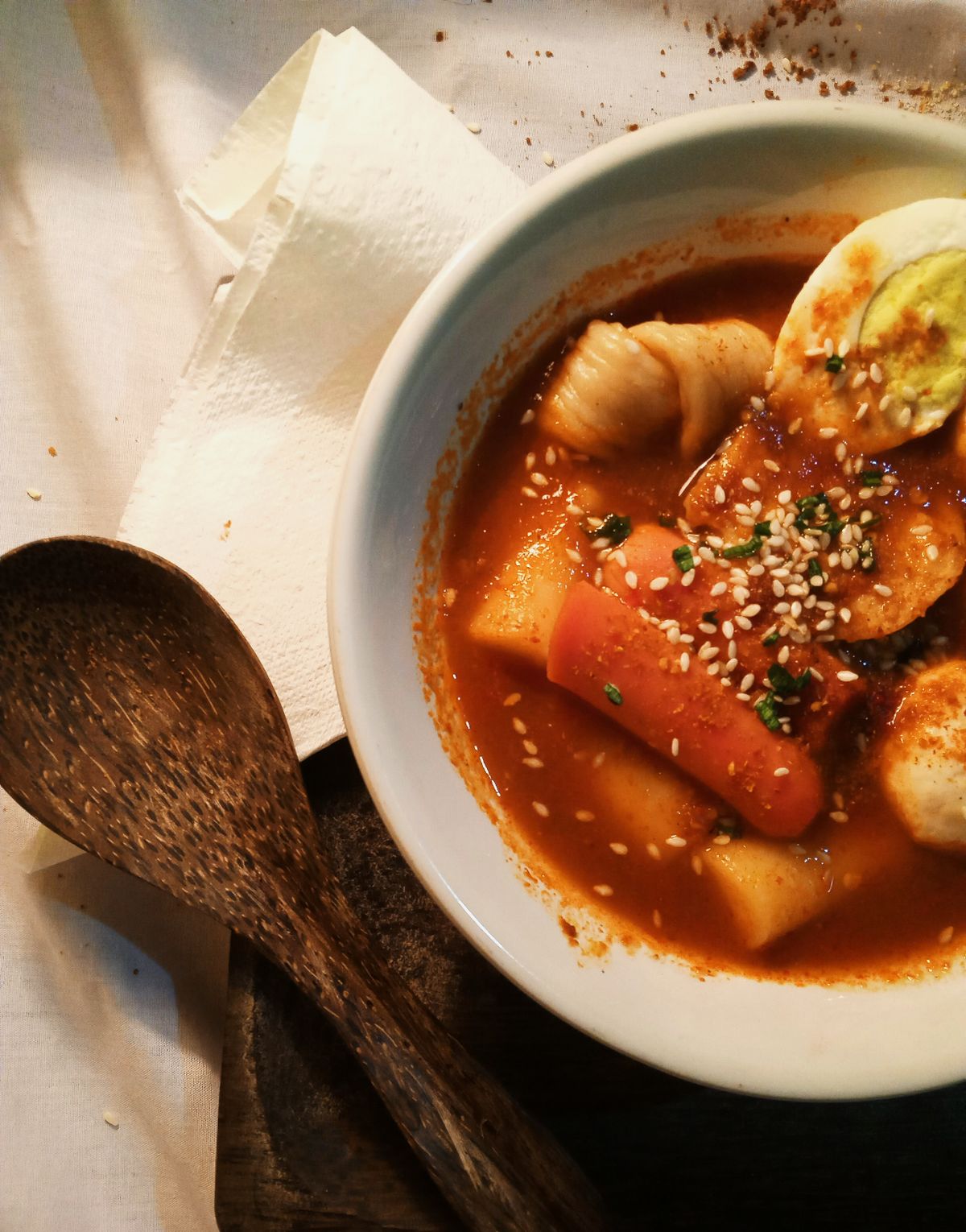
    떡볶이 재료와 양념

    2인분 황금 비율 — 고추장과 고춧가루는 1:1

    양념 비율부터 적어두겠다. 물 500ml, 고추장 1.5큰술, 고춧가루 1.5큰술, 설탕 2큰술, 진간장 1큰술, 물엿 1큰술, 다진마늘 0.5큰술. 이게 2인분 기준이고, 여기서 핵심은 고추장과 고춧가루를 정확히 1:1로 맞추는 것이다.

    고추장만 많이 넣으면 어떻게 되냐고 묻는 사람이 꽤 있다. 결과는 텁텁하다. 고추장 특유의 장 냄새가 진해지고 단맛도 애매하게 뭉개진다. 반대로 고춧가루만 왕창 넣으면 색은 예쁘게 빨간데 감칠맛이 확 빠지고 매운맛만 튄다. 두 재료가 서로의 단점을 메꿔주는 구조라서, 비율을 흐트러뜨리면 다른 부분을 아무리 잘해도 티가 난다. 설탕 2큰술은 매운맛을 순화하는 최소 마지노선이고, 아이들도 먹을 거라면 여기서 반 큰술 정도 더 넣는 정도까지는 괜찮다.

    고춧가루도 은근히 무시하는 변수다. 개봉한 지 6개월 넘은 걸 쓰면 색은 그대로여도 매운맛과 향이 눈에 띄게 죽어 있다. 그래서 같은 1.5큰술을 넣어도 어떤 날은 맵고 어떤 날은 심심하다. 냉동 보관한 게 아니라면 개봉 후 3개월 이내 것을 기준으로 삼으면 편차가 훨씬 줄어든다. 고추장 역시 오래된 통 밑바닥 쪽은 수분이 빠져 되직해져 있어 계량이 흐트러지기 쉽다.

    육수부터 잡아야 국물이 산다

    물로만 끓여도 되지 않냐 싶은데, 의외로 육수 하나로 완성도가 확 갈린다. 멸치 10마리 정도 내장을 제거하고, 5cm x 5cm 다시마 두 장과 함께 물 600ml에 넣고 끓인다. 순서가 중요하다. 물이 끓어오르는 순간 다시마부터 건져낸다. 다시마를 오래 두면 미끈거리는 점액질이 나오면서 비린 맛이 배어든다. 다시마를 건진 뒤에는 멸치만 7~8분 정도 더 끓이고 체에 걸러낸다.

    그런데도 막상 해보면 육수 우리는 걸 귀찮아해서 그냥 수돗물로 때우는 경우가 많다. 급할 땐 어쩔 수 없지만, 시간이 조금이라도 있다면 육수 하나만 제대로 잡아도 나머지 조리 과정에서 실수를 좀 해도 맛이 크게 무너지지 않는다. 멸치 육수 600ml에서 끓이는 동안 100ml 정도는 증발하니, 양념 계량은 끓기 전 물 양 기준으로 잡으면 된다.

    순서를 틀리면 열에 아홉은 여기서 망한다

    떡볶이가 망하는 이유 중 압도적으로 많은 케이스가 하나 있다. 양념과 육수를 먼저 끓이지 않고 떡부터 넣는 것이다. 떡을 처음부터 넣으면 떡이 물을 먼저 다 빨아들여서 정작 국물에는 양념 맛이 배지 못한다. 결과물은 떡만 퉁퉁 불어있고 국물은 밍밍한, 그 실패한 떡볶이가 된다.

    순서는 이렇다. 먼저 육수에 고추장, 고춧가루, 설탕, 간장, 마늘을 풀어서 중불로 3분 정도 끓여 양념 맛을 국물에 완전히 녹인다. 이 단계에서 국물을 한 숟갈 떠서 맛을 봐야 한다. 짜다 싶으면 물을, 밍밍하면 간장을 반 큰술씩 더한다. 그다음에 미리 찬물에 10분 불려둔 떡을 넣고 중약불로 8~10분 졸인다. 어묵과 대파는 마지막 3분 남았을 때 넣는다. 너무 일찍 넣으면 어묵이 퍼석해지고 대파 향도 다 날아간다.

    완성된 매운 떡볶이

    국물 농도, 졸이는 시간으로 조절한다

    국물 자작한 스타일을 원하면 물엿을 넣은 직후부터 8분을 넘기지 않는 게 좋다. 반대로 국물이 거의 없이 떡에 양념이 코팅되듯 붙는 걸 원한다면 뚜껑을 열고 중불에서 12~15분까지 졸인다. 이때 계속 저어주지 않으면 바닥이 눌어붙으니 2분에 한 번씩은 뒤적여야 한다.

    여기서 자주 하는 실수가 하나 더 있다. 국물이 너무 졸아들었다고 찬물을 그냥 부어버리는 것이다. 이러면 애써 잡아둔 양념 농도가 다시 흐트러진다. 이럴 땐 찬물 대신 남겨둔 멸치육수를 30ml씩 나눠 넣으면서 맛을 다시 맞추는 편이 훨씬 안전하다. 육수를 100ml 정도 여유 있게 더 우려서 냉장 보관해두면 이럴 때 바로 쓸 수 있다. 불을 끄기 직전 마지막 1분 동안은 국물을 계속 숟가락으로 떠서 떡 위에 끼얹어야 한다. 이 마지막 1분을 건너뛰면 떡 윗면만 색이 옅게 남아 접시에 담았을 때 얼룩덜룩해 보인다.

    어묵도 종류에 따라 결과가 다르다

    사각 어묵과 부산 어묵은 익는 속도부터 다르다. 얇은 사각 어묵은 3분이면 충분히 익지만, 두툼한 부산 어묵은 5분은 끓여야 속까지 양념 맛이 배어든다. 부산 어묵을 사각 어묵과 같은 타이밍에 넣으면 겉만 데워진 채 부드럽지 않은 상태로 끝나버린다. 예전에 소개한 오뎅탕 레시피에서도 비슷한 얘기를 한 적 있는데, 어묵은 두께 차이가 조리 시간 차이로 그대로 이어지는 재료라서 한 냄비에 여러 종류를 섞을 땐 두꺼운 것부터 먼저 넣는 게 안전하다.

    자주 묻는 질문

    Q. 밀떡을 마트에서 못 구했는데 쌀떡으로 바로 대체해도 되나요?
    가능은 하지만 물을 100ml 정도 줄여야 한다. 쌀떡이 양념을 더 많이 흡수하기 때문에 물 500ml를 그대로 쓰면 다 졸아들고 나서 짠맛만 남는 경우가 흔하다. 대신 졸이는 시간을 2~3분 짧게 잡아 국물을 좀 더 남긴 채로 마무리하는 게 낫다.

    Q. 만들고 남은 떡볶이는 어떻게 보관하나요?
    당일 다 못 먹었다면 국물과 떡을 분리해서 냉장 보관하는 게 낫다. 떡이 국물에 계속 잠겨 있으면 하루만 지나도 떡이 퍼져 원래 식감이 완전히 사라진다. 재가열할 때는 물을 2~3큰술 정도 더해 약불에서 데우면 처음 만들었을 때의 농도에 가깝게 돌아온다.

    Q. 매운 걸 잘 못 먹는데 아이들과 같이 먹으려면 어떻게 조절하나요?
    고춧가루 양을 1.5큰술에서 0.5큰술로 줄이고, 그 자리를 고추장으로 채우지 말고 케첩 1큰술로 대체해보는 걸 권한다. 케첩의 산미와 단맛이 매운맛 대신 감칠맛과 붉은 색을 어느 정도 채워준다. 다만 이 경우 설탕은 1큰술로 줄여야 전체적으로 너무 달아지지 않는다.

    떡볶이는 재료 자체는 단순하지만, 순서와 시간을 얼마나 지키느냐에 따라 결과물 차이가 크게 벌어지는 음식이다. 오늘 삶은 계란을 반으로 갈라 국물에 콕 찍어 먹거나, 튀김 하나 옆에 곁들이면 완성도가 한층 올라간다. 오늘 적어둔 순서와 시간만 그대로 따라가면, 적어도 국물이 밍밍하거나 떡이 퍼지는 흔한 실패는 피할 수 있을 거다.

  • What NOT to Do in Korea as a Foreigner

    What NOT to Do in Korea as a Foreigner

    Somebody handed me a paper cup of makgeolli at a company dinner in my second month living in Korea, and I did what felt completely normal to me back home: I poured my own refill about ten minutes later when the cup ran dry. The table went quiet for a second. Not dramatically quiet, nobody gasped, but there was this tiny pause, like a skipped beat in a song, before my coworker reached over, took the bottle from my hand, and topped me off himself with a little laugh. I didn’t fully understand what had happened until months later. That’s the thing about living here as a foreigner: the mistakes are rarely catastrophic, but they pile up in small, specific ways, and nobody really sits you down and explains the whole list at once.

    I’m Yijidaddy, and I’ve been based in Korea long enough now that I’ve made most of the mistakes on this list personally, sometimes more than once. This isn’t a tourist pamphlet with the usual “don’t point with one finger” bullet points you’ve probably already read on ten other sites. I want to walk through the ones that actually trip up people who are here for months or years, not just a weekend in Myeongdong, because the traps change once you’re not just sightseeing anymore.

    The Drinking Trap

    You might assume a drink is a drink, and refilling your own glass is just efficient — nobody wants to sit there with an empty cup waiting for someone to notice. But in Korea, especially at hoesik, the after-work dinner-and-drinks gatherings that are still a real fixture of office culture here, pouring your own soju or beer reads as a small signal that you’re either not paying attention to the people around you or, worse, that you don’t need anyone. Drinking here is relational, not just consumption. You watch other people’s glasses, you top them off when they’re low, and you let them do the same for you.

    There’s a physical component too that I got wrong for longer than I’d like to admit. When you’re pouring for someone senior — a boss, an older coworker, someone’s parent — you use two hands, or at minimum one hand on the bottle with your other hand resting lightly against your forearm. Same when you’re receiving a pour: two hands on the glass, or one hand on the glass with the other touching your forearm or chest. It looks almost ceremonial the first few times you see it, but it becomes automatic embarrassingly fast, which honestly says something about how much repetition this culture runs on.

    Underneath all the choreography, though, it’s really just a running, wordless check-in happening across the table the entire night — who’s had enough, who needs a refill, who’s being looked after. It’s less about the alcohol and more about that. If you want more on how drinking culture works here, from the toasting to the check dynamics to why nobody just orders one round and leaves, I wrote a longer piece specifically on that.

    A restaurant table set up for a Korean group meal with shared side dishes

    The Subway Code

    I used to think the pink seats near the subway doors — the priority seats reserved for elderly passengers, pregnant women, and people with disabilities — were more of a suggestion than a rule, the way they can feel back where I’m from. In Seoul, they are not a suggestion. I sat in one exactly once during rush hour, half asleep after a long shift, and an older man boarded a few stops later. Nobody said anything to me directly. But three or four people near me gave this specific, deliberate look toward him and then quickly back at me — not a glare exactly, more the kind of look that dissolves into staring at their phone the second you notice it — and I got up so fast I nearly dropped my phone. Weirdly, that silent social pressure works better than any sign could.

    Phone calls are the other one that catches people off guard. You’ll see people texting, gaming, watching dramas with earphones in, completely absorbed in their phones the entire ride — but actually talking on a call, especially at normal volume, gets you looks fast. Line 2 during evening rush hour, packed tight enough that you can feel the person next to you’s backpack against your ribs between Gangnam and Hongdae stations, is not the place to catch up with a friend on speakerphone. If a call is unavoidable, people tend to cup a hand over their mouth and speak just above a whisper. It felt excessive to me at first, honestly, but after a year of quiet commutes I’ve come to genuinely prefer it. There’s something calming about a train car where the loudest sound is the door chime.

    The Chopstick Rule That Makes Older Koreans Actually Flinch

    This one gets repeated so often in guidebooks that it almost sounds like an urban legend, but it’s real and it matters: don’t stick your chopsticks upright in a bowl of rice. It visually mirrors the incense sticks placed for ancestral memorial rites, so doing it at a dinner table, even by accident while you go grab something from another dish, can land as genuinely unsettling to an older Korean at the table rather than just a minor faux pas. I’ve watched a host quietly reach over and lay a friend’s chopsticks flat without a word, mid-conversation, like muscle memory, and keep right on talking as if nothing happened.

    There’s a rhythm to eating with a group here that took me longer to absorb than the rules themselves. You generally wait for the oldest or most senior person at the table to pick up their spoon first before anyone else starts eating. It’s not enforced with any kind of scolding, at least not with foreigners, but you’ll notice everyone else naturally pausing for that first beat, and if you’re the one who dives in early, you’re the only person whose spoon moved.

    And if you’re offered more food or another drink, the polite move is to decline once, maybe twice, before accepting — which felt bizarre and even a little dishonest to me at first, since where I’m from you just say what you actually want. Here it’s less about honesty and more about a small ritual of showing you’re not being greedy, even when everyone at the table knows you’re going to say yes eventually.

    The Tipping Habit That Doesn’t Translate

    Tipping just doesn’t exist in Korea in the way it does in the US, and I mean that literally — there’s no line on the receipt for it, no jar by the register expecting it, and leaving cash on a restaurant table is more likely to make a server chase you down the street to return it than to be received as a kindness. I tried tipping a taxi driver during my first month, a ride from Hongik University Station to my old apartment in Mangwon that came to about 4,700 won, and I told him to keep the change from a 10,000 won bill and stepped out. He rolled the window down, called out, and held the coins and small bills out flat on his open palm until I turned around and took them back — no annoyance in his face, just a kind of patient correction, like he’d done this exact routine with a foreigner before.

    It’s not that Koreans think tipping is rude exactly, more that the entire pricing structure here assumes the listed price is the full price, service included, full stop. You’ll still occasionally see tip jars appear at trendy dessert cafes clearly aimed at foreign tourists, which, honestly, muddies the water for everyone and probably confuses first-time visitors more than it helps.

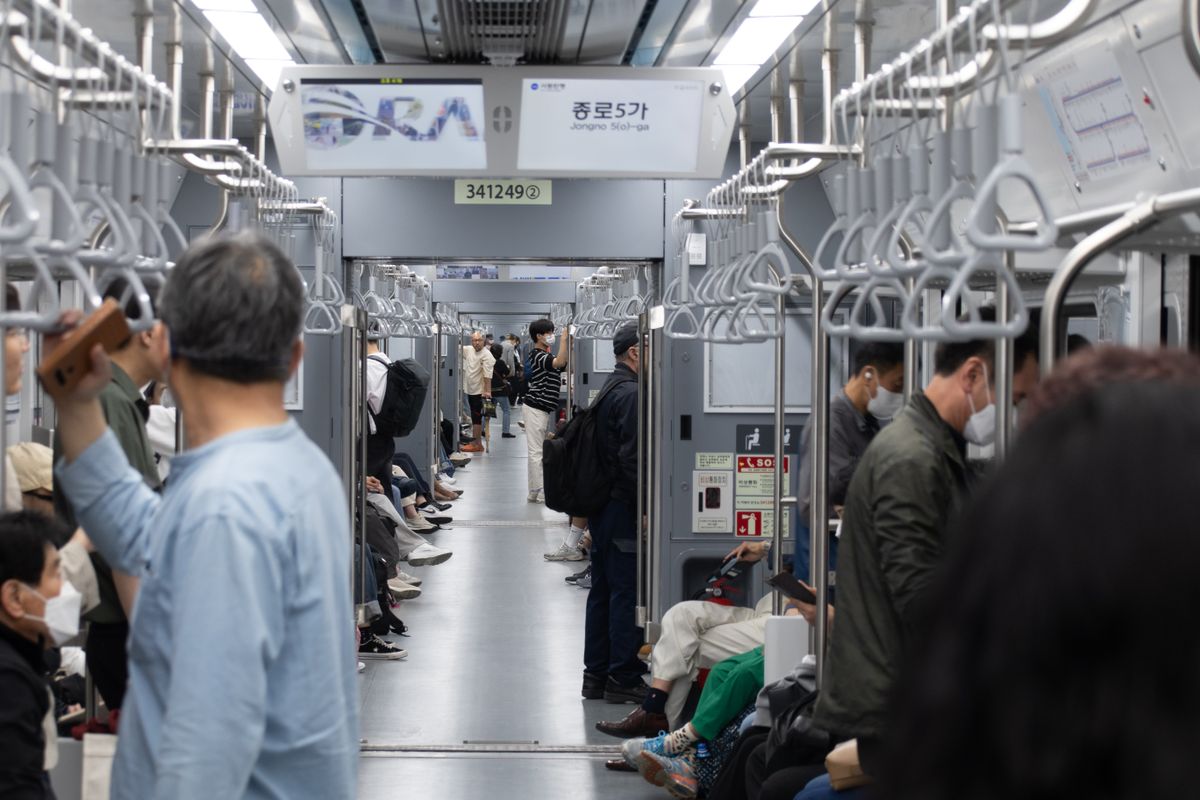
    Commuters riding a Seoul subway train, seated and standing quietly

    The Sacred Boundary of the Front Door

    You’d think shoes-off-at-the-door is simple enough to get right immediately, and mostly it is, but the gray areas are where people slip up. Some smaller traditional restaurants with raised floor seating, certain guesthouses, temples obviously, and pretty much every Korean home require shoes off right at the entrance, usually marked by a small step up called a hyeongwan. What surprised me was how far the “no shoes” logic extends beyond just floors — at a jjimjilbang, the Korean bathhouse and sauna, you change into sandals the moment you’re inside, and wearing your outdoor shoes even one step past the entrance mat is treated as genuinely unclean, not just a style violation.

    I once wandered two steps too far into a friend’s apartment entryway while checking my phone for directions, still half in the hallway, and got a very polite but very immediate “ah, ah, ah” and a pointed look at my sneakers before I’d even managed to say hello properly. I hopped back onto the hyeongwan, laughing, and untied my shoes right there while she held the door.

    Public Affection and Reading the Room

    Public displays of affection are more restrained here than in a lot of Western countries, though this one has genuinely loosened over the years I’ve been watching it, especially among younger couples in areas like Hongdae or Yeonnam-dong. Still, a hand on the small of someone’s back or a quick hug reads very differently from what would be unremarkable in, say, a park in Los Angeles. Loud laughter, group photos that block a whole sidewalk, or a boisterous conversation carried across an entire cafe are the kind of thing that won’t get you confronted, but will get you noticed, and being noticed in a culture that generally prizes not standing out is its own quiet kind of mistake.

    I’ve caught myself doing this more than once, laughing too loudly at something on my phone on a quiet bus, and felt that specific prickle of a dozen polite, uninterested-looking people who are absolutely aware of me. Nobody turns their head. That’s almost the point — the awareness is there without anyone needing to show it.

    The Mistake That Actually Matters Most

    If there’s a single thread running through everything above, it’s that Korea isn’t one uniform rulebook, it’s closer to a set of overlapping social radars — generational, regional, situational — that locals read instinctively and foreigners have to learn consciously. A twenty-two-year-old barista in a Hongdae coffee shop and a sixty-year-old shop owner in a Jongno alley are operating on somewhat different versions of the etiquette I’ve described here, and the honest, if unsatisfying, answer is that you calibrate as you go.

    I still get things wrong. Last month I accidentally handed a business card with one hand to a client visiting our office, a man clearly in his fifties who’d flown in from Busan for the meeting, and caught myself half a second too late, card already halfway across the table. He took it graciously, gave a small nod, and didn’t miss a beat in the conversation. Nobody made a scene about it.

    That’s really the pattern I’d want anyone new here to understand: the social cost of a mistake is almost always smaller than the anxiety of anticipating it, and Koreans I’ve met are, on the whole, remarkably graceful about foreigners who are visibly trying.

    A busy Seoul street at night lined with illuminated signs

    Frequently Asked Questions

    I’m going to a work dinner with Korean colleagues for the first time next week and I don’t drink alcohol. Will I offend anyone by refusing soju?

    You won’t, and this is genuinely one area where things have relaxed a lot even in the years I’ve lived here. Saying “저는 술을 못 마셔요” (I can’t drink alcohol) is understood immediately, and most hoesik dinners these days will have cola, juice, or non-alcoholic options on the table without anyone blinking. What matters more than whether you drink is that you still participate in the pouring ritual — top off other people’s glasses with theirs, let them pour your soda for you using the same two-handed gesture, and stay through at least part of the meal rather than ducking out the second food arrives. The social participation matters more than the alcohol itself.

    I accidentally sat in a priority seat on the subway and nobody said anything directly to me — was that actually fine, or did I mess up?

    Nobody confronting you doesn’t mean it went unnoticed. Korean social correction tends to be indirect rather than direct confrontation, so silence isn’t the same as approval — it’s more likely that people simply expected you’d notice and move on your own, the way I described happening to me. If it happens again, the safest habit is to treat the pink-marked seats as fully off-limits regardless of how empty the car is, even late at night, since an elderly rider boarding at the next stop is always a possibility and the seat being empty when you sat down doesn’t really factor into the etiquette at all.

    My Korean host family keeps insisting I eat more even after I’ve said I’m full twice — am I doing something wrong by declining?

    You’re actually doing it exactly right, and this pattern is a genuine, recognized social ritual here rather than a communication breakdown. Hosts are expected to insist two or three times as a show of generosity, and guests are expected to decline once or twice before accepting, so both sides are essentially performing a small, mutually understood dance. If you’re truly full, a firm but warm “저는 배불러요, 정말 잘 먹었습니다” (I’m full, I really enjoyed the meal) after the second offer usually closes it out gracefully. The mistake isn’t in the back-and-forth itself, it’s assuming the first “I’m full” is meant to be taken as the final answer.

  • Korean Age Explained: The System, the 2023 Law, and Why It’s Still Confusing

    Korean Age Explained: The System, the 2023 Law, and Why It’s Still Confusing

    Ask a Korean person how old they are and you might get a pause, a little laugh, and then a follow-up question: “Do you mean my Korean age or my real age?” I’ve watched this exact exchange happen more times than I can count, usually right after someone meets a Korean friend for the first time and does some quick birth-year math that turns out to be wrong. It’s not a trick question. It’s just that, for most of modern Korean history, “how old are you” had more than one correct answer.

    I’m Yijidaddy, and if you’ve spent any time around Korean culture — dramas, workplaces, family dinners, whatever — you’ve probably run into this age confusion yourself. Here’s the part most quick explainers skip, though: Korea wasn’t juggling two age systems before things got standardized. It was juggling three, all at once, all technically valid depending on which form you were filling out or which relative was asking. So let’s actually untangle it — where the traditional counting system came from, what its two lesser-known cousins were for, what changed with the 2023 law, and why that law didn’t fully kill off the old habit.

    Three Ages, One Person: How Korea Ended Up Counting Age Three Different Ways

    Depending on the context — a hospital form, a school enrollment, a casual conversation with your grandmother — the “correct” age for one Korean person to give could genuinely be three different numbers. Here’s the quick rundown before we go deep on each one:

    • Se-eun nai (세는 나이) — the traditional “counting age.” Born at 1, everyone ages up together on January 1st. This is the one people mean when they casually say “Korean age.”
    • Man-nai (만 나이) — international age. You’re 0 at birth, and you age up on your actual birthday, exactly like in the US, UK, or basically anywhere else. “Man” here just means “full,” as in, full years actually completed.
    • Yeon-nai (연나이) — a hybrid “year age” used for administrative convenience. You take the current year, subtract your birth year, and that’s it. Birthday doesn’t matter at all.

    Even plenty of Koreans found this three-way overlap confusing, which is a big part of why the government eventually stepped in. But you can’t appreciate why the fix mattered until you see how strange the traditional system actually is on its own terms.

    The Traditional Korean Age System: You’re Already 1 When You’re Born

    Here’s the part that trips up almost everyone the first time they hear it. In se-eun nai, a baby is considered 1 year old the moment they’re born, not 0. Then, instead of aging up on their birthday, everyone in the entire country ages up together on January 1st, regardless of when their actual birthday falls.

    Think about what that means for a baby born late in the year. A child born on December 30th is 1 year old on the day they’re born. Two days later, on January 1st, they turn 2. Picture that literally: an infant who can’t yet hold their head up steady is, by Korean age, already considered a two-year-old. Meanwhile, by international counting, that same baby is two days old. That gap — a newborn labeled a toddler — is probably the single clearest illustration of how differently these two systems treat the passage of time.

    The reasoning traces back to an older East Asian idea that time spent in the womb already counts as part of a person’s life, so birth itself marks the start of year one, not year zero. Combine that with the practical habit of treating the new calendar year as a shared birthday for everyone, and you get a system where your Korean age can be one, or in that December-baby scenario nearly two, years ahead of your international age.

    Calendar showing December 31st, the night before everyone in Korea traditionally ages up a year

    Yeon-Nai: The Quiet Third System That’s Still Legal Today

    Yeon-nai doesn’t get nearly as much attention as se-eun nai in most explainers, but it’s actually the system you’re most likely to bump into in a very specific, very practical situation: buying alcohol or cigarettes in Korea. The legal drinking and smoking age is written into law using yeon-nai, meaning it’s based on your birth year alone, not your exact birthday. If you were born in 2007 and it’s 2026, you’re considered old enough the entire year, even if your birthday technically hasn’t happened yet. A convenience store clerk checking your ID isn’t doing the math on your exact birth date — they’re just checking the year.

    The same logic applies to school starting age in Korea, which is also set by birth year rather than by a precise birthday cutoff. It’s a system built for administrative convenience: when you’re processing an entire nationwide age cohort at once, “everyone born in this calendar year” is a far easier line to draw than tracking hundreds of individual birthdays. That convenience is exactly why yeon-nai survived the reforms that eventually wiped out se-eun nai’s legal standing — it was never really competing with man-nai for the same jobs.

    What Changed in 2023 (And Why It Took So Long)

    On June 28, 2023, a law standardizing the use of international age, man-nai, across all judicial and administrative contexts officially took effect in South Korea. Overnight, on paper at least, a huge number of Koreans became one or two years “younger” without a single day passing. The law had actually been passed by the National Assembly back in December 2022, giving the country roughly six months to prepare before it kicked in.

    Naturally, plenty of foreign media coverage leaned into the headline drama — millions of people technically de-aging in an instant sounds like chaos waiting to happen. In reality, the transition was surprisingly anticlimactic. Most people had already been using man-nai for legal documents like passports and driver’s licenses anyway; the traditional counting age was mostly a social habit layered on top of a legal system that, in the places that mattered most, already ran on international age. What the law did was close the gap in areas where the systems clashed — insurance contracts, medical consent forms, pension eligibility, that sort of thing — by making man-nai the single legal standard everywhere, not just in some places.

    Here’s the detail a lot of coverage at the time glossed over, though: yeon-nai didn’t disappear in this reform. As covered above, it’s still baked into the specific laws governing drinking, smoking, and school starting age, because those rules are written around “the year you turn a certain age,” not your exact birthday. So even after the 2023 reform, Korea technically still runs on two systems, not one. The traditional se-eun nai lost its legal footing entirely, but yeon-nai quietly kept its narrow, specific jobs.

    Birthday celebration with a lit candle, representing how international age counts up from your actual birth date

    So Is Korean Age Actually Gone Now? Not Even Close.

    This is where I think a lot of outside coverage got it slightly wrong, or at least oversold the change. The 2023 law reset the legal default. It did not reach into how people actually talk to each other at a team dinner, in a group chat, or at a noraebang at midnight when someone starts sorting out who’s the oldest in the room.

    Age hierarchy is baked pretty deeply into everyday Korean social behavior — it affects speech levels, who pours the drinks, who gets called oppa, hyung, eonni, or noona instead of just a name. And that whole social system was built around se-eun nai, not man-nai. Here’s a scenario that actually plays out constantly: two coworkers, one born in December 1995 and one born in January 1996, are only a month apart in real time. Under the old counting habit, the December-born one gets called “hyung” or “eonni” as the senior, full stop, no debate. Under international age, there’s a stretch of the year where they’re technically the exact same age. Try explaining that nuance to someone three drinks into a work dinner — it doesn’t land, because nobody’s actually recalculating their social pecking order based on a law that changed what a government form says.

    So oddly enough, in daily conversation, se-eun nai arguably still functions as the default age in a lot of social situations, even though it has zero legal standing anymore. Even now, well after the law took effect, you’ll still hear people state their Korean age first and only clarify their international age if someone asks directly or if it comes up on paperwork. That gap — legally retired but socially still doing all the work — is the most interesting outcome of the whole reform, and it’s the part that gets flattened in a lot of quick explainer articles that treat the 2023 law as the end of the story.

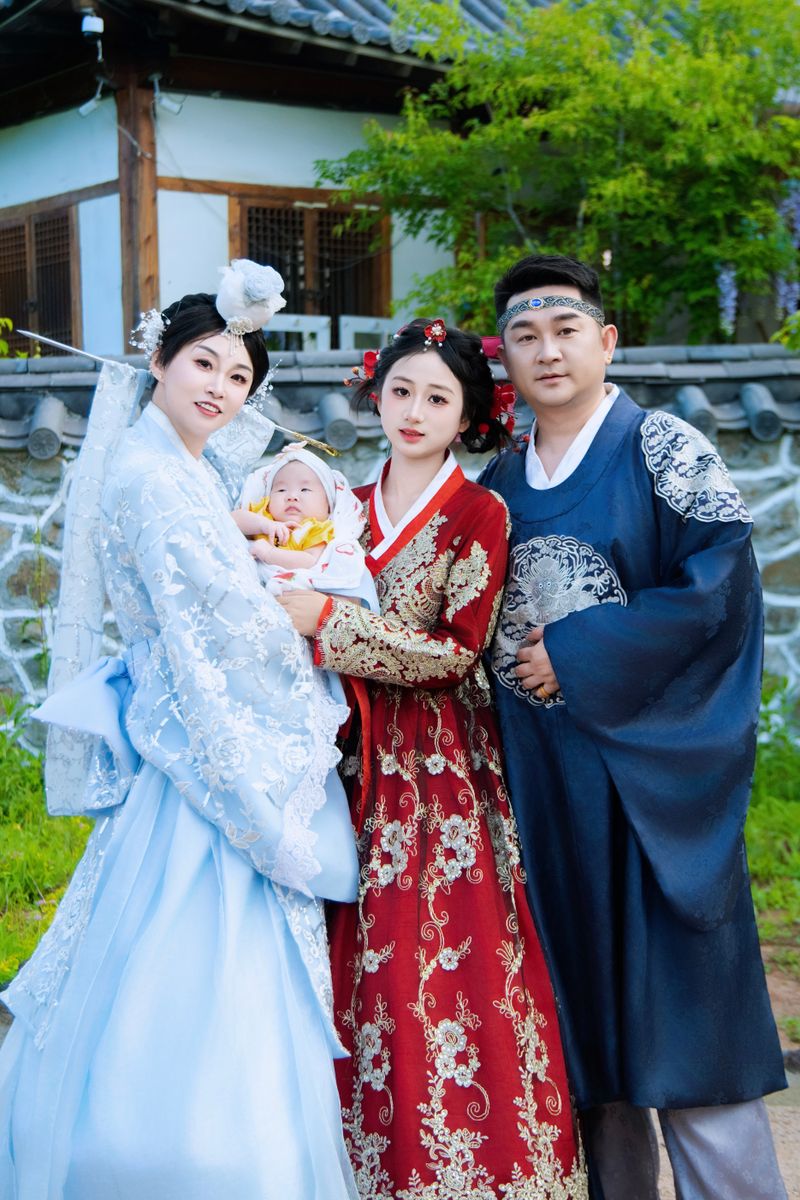
    A Korean family in traditional hanbok, representing how age and generation shape social relationships in Korea

    A Quick Way to Do the Math Yourself

    Let’s make this concrete instead of abstract. Say it’s October 2026, and you were born on May 5, 2000. Your international age is easy: 2026 minus 2000 is 26, and since your birthday already passed this year (May comes before October), you’re a confirmed 26 by man-nai. Your traditional Korean age, though, is 27 — take that same 26 and add 1, because se-eun nai counted you as 1 at birth and has ticked you up every January 1st since, independent of your actual birthday.

    Now flip it. Say your birthday is November 5th instead of May 5th, and it’s still October 2026. Your international age is still 25, because November hasn’t arrived yet this year. But your traditional Korean age is already 27 — a full two years ahead — because the “extra year” from before you turned 25 internationally hasn’t dropped off yet. Once your birthday passes and you flip to 26 by international counting, the gap tightens back down to exactly one year, and it stays at one year until New Year’s Day resets everyone at once. It’s confusing to explain in the abstract, but it clicks fast once you’ve actually run the numbers for a real birthday.

    To wrap things up, here are the few questions I get asked most often when someone’s trying to figure out their actual age in Korea over a meal, rather than just nodding along.

    Frequently Asked Questions

    If I’m 25 by international age, what’s my Korean age?

    It depends on whether your birthday has happened yet this year. If it has, your traditional Korean age is 26. If it hasn’t happened yet, it’s 27, because you’re still counting the “extra” year from before you turned 25 internationally. This exact gap used to trip people up on official forms before the 2023 law made man-nai the universal legal standard.

    Do Korean IDs and passports use Korean age or international age?

    International age, and this was actually true even before the 2023 reform — passports, national ID numbers, and most government paperwork already ran on man-nai. What the law mainly fixed was the messier middle ground: contracts, insurance policies, and medical consent forms, where the systems used to overlap and cause real legal ambiguity.

    Why do Koreans still ask “what year were you born” instead of just asking your age?

    Because birth year, not a single age number, is what actually determines your social rank relative to someone else in casual Korean interactions, and it sidesteps the whole Korean-age-versus-international-age question entirely. Two people born in the same year are generally treated as peers regardless of which specific age system either one prefers to use — a pretty practical workaround for a country that, not too long ago, ran on three overlapping ways of counting the same thing.

  • 닭갈비 황금레시피: 춘천식 철판 닭갈비 집에서 만드는 법

    닭갈비 황금레시피: 춘천식 철판 닭갈비 집에서 만드는 법

    지난 주말, 냉동실 구석에 있던 닭다리살 800g을 꺼내면서 문득 궁금해졌다. 분명 유명한 레시피 그대로 양념장을 만들었는데, 왜 집에서 볶으면 명동 닭갈비 골목이나 백화점 지하 식품관에서 파는 그 ‘착 감기는 맛’이 안 나는 걸까. 결론부터 말하면 범인은 재료가 아니라 순서였다. 양념을 넣는 타이밍과 채소를 써는 크기, 그리고 카레가루 한 스푼의 존재 여부가 맛의 8할을 갈랐다.

    닭갈비, 왜 집에서 하면 그 맛이 안 날까

    닭갈비집 철판 앞에 앉아본 사람이라면 알겠지만, 그 가게들은 양념을 절대 한 번에 다 붓지 않는다. 처음엔 심심하다 싶을 정도로만 무쳐서 재워두고, 볶는 중간에 나머지를 더한다. 이 얘기를 하면 “그냥 한 번에 넣으면 편한데 왜 번거롭게”라는 반응이 먼저 나온다. 그런데 막상 해보면 차이가 확연하다. 한 번에 다 넣으면 고추장의 당분이 먼저 타면서 겉은 쓴맛이 돌고 속엔 간이 안 밴다. 반대로 나눠서 넣으면 고기 안쪽까지 양념이 스며들 시간을 벌면서 겉면은 마지막에 캐러멜라이징되듯 윤기가 돈다.

    재료 준비: 닭다리살 800g 기준

    닭다리살(순살) 800g, 양배추 1/4통, 대파 1대, 깻잎 15장, 고구마 1개, 떡볶이떡 200g을 기본으로 잡는다. 채소는 대충 썰어도 될 것 같지만 의외로 두께가 맛을 가른다. 양배추는 2cm 폭으로 큼직하게, 고구마는 0.5cm 두께 반달썰기로 얇게 저며야 짧은 조리 시간 안에 속까지 익는다. 두껍게 썰면 겉만 타고 속은 설익어서 아삭한 식감 대신 딱딱한 심지가 남는다. 닭가슴살로 대체하는 경우도 많이 보이는데, 퍽퍽해지는 속도가 다리살보다 두 배는 빠르다. 시간 없다고 가슴살 쓰면 나중에 후회하기 쉽다.

    양념장은 고추장 3큰술, 고춧가루 2큰술, 간장 2큰술, 설탕 1.5큰술, 물엿 1큰술, 다진 마늘 1큰술, 다진 생강 0.5작은술, 카레가루(순한맛 기준) 1큰술, 후춧가루 약간, 그리고 간 사과 또는 배 3큰술로 잡는다. 여기서 카레가루를 보고 갸웃하는 사람이 많다. 닭갈비에 웬 카레가루냐 싶겠지만, 이게 잡내를 눌러주고 양념 색을 붉은 갈색에서 살짝 누런빛이 도는 황금색으로 바꿔준다. 실제로 넣은 것과 뺀 것을 두 번 만들어 비교해봤는데, 카레가루 뺀 쪽은 뭔가 밋밋하고 단맛만 튀는 느낌이 났다. 매운맛 뒤에 은은하게 남는 향신료 풍미, 그게 바로 카레가루의 몫이다.

    양념에 재우는 시간, 30분이면 충분할까

    레시피마다 재우는 시간이 짧게는 20분에서 길게는 하룻밤까지 천차만별이다. 냉장고에 3시간, 심하면 하루 종일 재워야 제맛이라는 얘기도 있다. 의외로 그렇게까지 오래 필요하지 않다. 닭다리살은 돼지 갈비나 소고기처럼 결이 질기지 않아서 30분에서 1시간 정도만 재워도 충분히 간이 밴다. 오히려 너무 오래 재우면 고추장의 염도 때문에 살이 질겨지는 역효과가 난다. 시간 여유가 있다면 냉장고에서 1시간, 급할 때는 상온에서 20분도 나쁘지 않다.

    철판 없이 프라이팬으로도 되나요

    집에 무쇠 철판이 없어서 못 만든다고 생각하는 사람이 많은데, 사실 일반 프라이팬으로도 충분히 비슷한 결과가 나온다. 다만 조건이 하나 있다. 집에 있는 팬 중 가장 크고 넓은 걸 꺼내야 한다. 팬이 너무 작으면 재료가 겹쳐 쪄지듯 익어버려서 볶음 특유의 불맛이 안 산다. 지름 28cm 이상 되는 웍이나 넓은 프라이팬을 쓰고, 강불에서 짧게 승부를 봐야 한다. 순서는 이렇게 나눠서 진행한다.

    1단계, 고기 초벌 — 강불에서 팬을 달군 뒤 식용유 2큰술을 두르고, 재운 닭고기만 먼저 넣어 중강불에서 5분간 겉면을 익힌다. 2단계, 단단한 채소 — 고구마와 떡을 넣고 3분을 더 볶는다. 이때 고구마 단면이 살짝 투명해지면 익었다는 신호다. 3단계, 숨 쉬는 채소 — 양배추와 대파를 넣고 4분을 더 볶는데, 양배추에서 물이 배어 나오기 시작하면 불을 살짝 줄여 국물이 흥건해지는 걸 막아야 한다. 마지막에 깻잎을 넣고 30초만 뒤적이면 끝이다. 총 조리 시간은 대략 12~13분 안팎이다.

    채소를 나중에 넣는 이유를 물어보는 사람이 꼭 있다. 처음부터 다 넣고 볶으면 편하지 않냐는 것이다. 그런데 양배추와 고구마는 익는 시간이 다르다. 고구마는 얇게 썰어도 안에서 안 익을 수 있고, 양배추는 오래 볶으면 숨이 죽어 물이 흥건해진다. 그래서 단단한 재료부터 순서대로 넣어야 한다. 이 순서 하나만 지켜도 완성도가 확 달라진다.

    철판에서 볶고 있는 매콤한 닭갈비

    마무리는 밥볶음으로

    닭갈비를 다 먹고 나서 팬에 남은 양념과 자투리 채소, 치즈를 넣고 밥을 볶아 먹는 순간을 위해 애초에 이 요리가 존재하는 게 아닐까 싶을 정도다. 밥 2공기 기준으로 김가루 한 줌과 참기름 1작은술을 더하면 자칫 느끼해지기 쉬운 볶음밥이 훨씬 산뜻해진다. 여기에 모차렐라 치즈 100g을 얹고 살짝 뚜껑을 덮어 1분만 녹이면, 굳이 치즈닭갈비집에 가지 않아도 비슷한 만족감을 낼 수 있다. 다만 치즈를 너무 일찍 얹으면 눌어붙어서 팬 바닥에 들러붙는 사고가 난다. 불을 끄고 여열로 녹이는 편이 안전하다.

    자주 하는 실수 세 가지

    물기 제거 생략 — 닭다리살을 씻고 나서 키친타월로 물기를 안 닦으면 양념이 겉돌고 팬에서 국물이 흥건하게 나온다. 중불로만 볶기 — 센불이 무서워서 중불로만 오래 볶으면 수분이 계속 빠져나오면서 볶음이 아니라 조림처럼 되어버린다. 볶음 요리는 짧고 굵게, 이게 원칙이다. 대파를 처음부터 투입 — 대파 향은 오래 가열하면 금세 날아가버리기 때문에 마지막 3분을 남기고 넣는 게 좋다. 이 세 가지만 피해도 완성도는 확실히 달라진다.

    양배추와 깻잎이 곁들여진 닭갈비 완성 접시

    FAQ

    Q1. 고추장 대신 고춧가루만 써도 되나요?
    가능은 하지만 결과물이 꽤 달라진다. 고추장은 매운맛뿐 아니라 끈적한 점도와 발효된 감칠맛을 함께 준다. 고춧가루만 쓰면 매콤하긴 한데 양념이 겉에서 겉돌고 윤기가 안 난다. 부득이하게 고추장이 없다면 된장 1작은술을 더해 점도와 감칠맛을 보완하는 방법이 있다.

    Q2. 아이랑 같이 먹으려면 매운맛을 얼마나 줄여야 하나요?
    고춧가루를 절반으로 줄이고 케첩 1큰술을 추가하면 매운맛은 낮아지면서도 색과 단맛은 유지된다. 실제로 초등학생 조카랑 먹을 때 이 비율로 해봤는데, 맵다고 물 찾는 일 없이 잘 먹었다. 대신 카레가루는 그대로 넣어야 심심해지지 않는다.

    Q3. 남은 닭갈비, 다음날 어떻게 먹는 게 좋을까요?
    냉장 보관한 닭갈비는 다시 볶으면 살이 뻣뻣해지기 쉽다. 전자레인지에 물 1큰술을 뿌리고 뚜껑을 덮어 2분 정도 데우면 수분이 날아가지 않아 훨씬 부드럽다. 아니면 아예 볶음우동으로 재활용해서 면과 함께 볶으면 질감 변화가 크게 느껴지지 않는다.

  • 추석 성묘·벌초 안전수칙, 이거 모르고 산에 올라가면 큰일 납니다

    추석 성묘·벌초 안전수칙, 이거 모르고 산에 올라가면 큰일 납니다

    추석을 앞둔 주말, 내비게이션에 선산 위치를 찍고 출발하기 전에 꼭 확인해야 할 게 있습니다. 벌초는 매년 하는 일인데 사고는 왜 줄지 않을까요. “작년에도 별일 없었으니까”라는 생각으로 준비 없이 산에 오르기 때문입니다. 처서(8월 23일경)부터 백로(9월 8일경) 사이, 그러니까 지금 이 시기가 벌 활동이 절정에 달하는 구간이고 동시에 벌초객이 가장 몰리는 때이기도 합니다. 두 흐름이 겹치니 사고도 같이 몰립니다.

    가을 산과 단풍이 어우러진 풍경

    벌초, 언제 가는 게 맞을까

    벌초는 보통 추석 2~4주 전, 음력 7월 백중 무렵부터 시작해 늦어도 추석 일주일 전에는 끝내는 게 관행입니다. 너무 일찍 하면 추석 즈음 풀이 다시 자라 있고, 너무 늦게 하면 벌써 벌 활동이 극에 달한 시기와 겹쳐 위험합니다. 그런데도 많은 집안이 “다 같이 모이는 주말”에 맞추다 보니 결국 9월 초중순에 몰리는 경우가 많습니다. 의외로 이 타이밍 조율이 안전과 직결됩니다.

    시기뿐 아니라 벌초와 성묘의 순서를 헷갈려 하는 경우도 흔합니다. 벌초가 풀 베고 봉분을 정리하는 작업이라면, 성묘는 그렇게 정리된 산소를 찾아가 절하고 인사하는 의식입니다. 설, 한식, 단오, 추석 네 번이 전통적인 성묘 시기인데, 요즘은 벌초와 추석 성묘를 한 번에 묶어서 다녀오는 집이 대부분입니다. 순서상으로는 벌초를 먼저 끝내고, 추석 당일이나 그 전후로 성묘를 가는 흐름이 자연스럽습니다.

    예초기, 생각보다 훨씬 위험한 도구입니다

    예초기 사고라고 하면 흔히 “칼날에 손 베이는 것” 정도를 떠올리는데, 실제로는 튕겨 나온 돌멩이나 나뭇조각에 눈을 다치는 사례가 압도적으로 많습니다. 칼날 끝 회전 속도가 시속 100km에 육박한다고 알려져 있어서, 작은 돌 하나도 총알처럼 튕겨 나갑니다. 작업 반경 15미터 안쪽으로는 다른 사람을 들이지 않는 게 원칙인데, 막상 현장에서는 “잠깐인데 뭐 어때”라며 옆에 서서 구경하다가 다치는 경우가 적지 않습니다.

    보안경과 안면 보호구는 선택이 아니라 필수입니다. 그런데도 날이 더우니까 답답하다고 벗어 던지는 분들을 종종 봅니다. 긴팔, 긴바지, 안전화, 장갑까지 갖추면 확실히 거추장스럽긴 합니다. 다만 예초기 칼날에 걸린 이물질을 제거할 때 전원을 끄지 않고 손을 넣었다가 큰 부상으로 이어지는 사고가 매년 반복된다는 점을 생각하면, 그 몇 분의 불편함이 그렇게 비싼 값은 아닙니다.

    이물질이 눈에 튀었다면 절대 비비지 말아야 합니다. 예초기부터 끄고, 눈을 깜빡여 눈물로 자연스럽게 씻겨 나오게 하거나 흐르는 물을 코 쪽 방향으로 흘려보내며 헹궈내는 게 우선입니다. 통증이 계속되거나 시야가 흐려지면 그 자리에서 참지 말고 병원으로 이동해야 합니다.

    예초기로 잔디를 정리하는 모습

    예초기 작업 중에는 보안경과 안면 보호구가 선택이 아니라 필수입니다.

    말벌, 색깔부터 다르게 반응합니다

    “벌집만 안 건드리면 되는 거 아니야?”라고 생각하기 쉬운데, 문제는 벌초 작업 자체가 진동과 소음으로 땅속이나 나무 구멍 속 벌집을 자극한다는 점입니다. 예초기 소리와 진동이 벌집 근처까지 퍼지면 벌들이 방어 태세로 전환합니다. 특히 말벌은 검은색이나 짙은 갈색 계열에 훨씬 공격적으로 반응한다는 게 여러 현장 사례에서 확인된 부분입니다. 말벌의 천적인 곰이나 오소리 같은 동물의 털 색이 대체로 검은색과 갈색 계열이다 보니, 비슷한 색을 보면 경계 반응부터 튀어나온다는 설명이 그럴듯하게 들립니다. 그래서 밝은색 옷을 권장하는 겁니다. 향수나 헤어스프레이 같은 강한 향도 벌을 자극할 수 있으니 벌초 당일만큼은 참는 게 낫습니다.

    작업 전에 산소 주변을 한 바퀴 둘러보며 벌집이 있는지 눈으로 확인하는 습관, 별것 아닌 것 같아도 의외로 사고를 많이 막아줍니다. 벌집을 발견했다면 절대 직접 건드리거나 막대기로 쑤셔보지 말고, 조용히 뒤로 물러나 안전한 거리를 확보한 뒤 119에 신고하는 게 정답입니다. 소방서에서는 벌집 제거 출동을 실제로 지원하고 있습니다.

    말벌이 벌집 위에 앉아 있는 모습

    말벌집을 발견하면 직접 제거하려 하지 말고 즉시 자리를 피해야 합니다.

    벌에 쏘였을 때, 순서대로만 하면 됩니다

    쏘였다는 걸 인지하면 가장 먼저 할 일은 그 자리를 벗어나는 겁니다. 벌이 쏘일 때 함께 뿜어내는 경보 페로몬이 동료 벌을 불러 모으는 신호가 되기 때문에, 그 자리에 계속 머물면 추가로 쏘일 위험이 커집니다. 최소 20~30미터는 벗어난 뒤에 상처를 살펴보는 게 좋습니다.

    꿀벌에게 쏘였다면 침이 피부에 박혀 남아 있는 경우가 많은데, 이때 손가락으로 집어 뽑으면 독낭을 눌러 독이 더 들어갈 수 있습니다. 신용카드나 단단한 카드 모서리로 옆으로 살살 긁어내듯 제거하는 게 낫습니다. 반면 말벌은 침이 피부에 남지 않고 여러 번 쏠 수 있어서 카드로 긁어내는 방법 자체가 해당되지 않습니다. 어느 쪽이든 비누와 물로 상처 부위를 씻어내고, 얼음찜질로 부기를 가라앉히면서 심장보다 높은 위치로 들어 올려 두는 게 기본 대처입니다.

    여기서 진짜 중요한 건 그다음입니다. 두드러기가 온몸으로 퍼지거나, 숨쉬기가 답답해지거나, 어지럽고 속이 메스꺼워지는 증상이 나타나면 이건 단순 붓기가 아니라 알레르기 반응일 가능성을 의심해야 합니다. 이런 경우, 그리고 여러 곳을 동시에 쏘였거나 입안·목 주변을 쏘였을 때는 지체 없이 119에 신고하거나 가까운 응급실로 이동하는 게 맞습니다. “괜찮아지겠지”하고 기다리다가 증상이 급격히 나빠지는 사례가 매년 보고되는 만큼, 애매하면 병원 쪽으로 마음을 정하는 편이 낫습니다.

    뱀도 조심해야 할 계절입니다

    벌 얘기에 가려지기 쉽지만 9월은 뱀도 활발하게 움직이는 시기입니다. 겨울잠 준비를 위해 먹이 활동이 늘어나면서 풀숲이나 돌 틈 사이에 있을 확률이 높아집니다. 장화나 목이 긴 등산화를 신고, 예초기로 풀을 벨 때는 발밑을 확인하면서 조금씩 나아가는 게 안전합니다. 만약 뱀에게 물렸다면 절대 해서는 안 되는 행동부터 알아두는 게 낫습니다. 입으로 독을 빨아내려 하지 말 것, 상처 위쪽을 끈이나 벨트로 세게 묶지 말 것, 얼음으로 직접 지지지 말 것, 이 세 가지입니다. 지혈대를 강하게 묶으면 오히려 혈액순환이 막혀 조직 손상이 더 커질 수 있습니다. 대신 물린 부위를 심장보다 낮게 유지한 채 움직임을 최소화하고, 최대한 빨리 병원으로 이동하는 게 유일하게 확실한 대처입니다.

    자주 묻는 질문

    Q. 벌초 대행업체를 부르면 이런 위험을 신경 안 써도 되나요?
    대행업체가 예초기 작업과 벌집 확인까지 해주긴 하지만, 성묘를 위해 직접 방문할 때는 여전히 본인이 주변을 살펴야 합니다. 대행 후 며칠 지나서 방문하면 그사이 새로 벌집이 생기는 경우도 있어서, 도착하자마자 바로 절부터 하지 말고 잠깐 주변을 둘러보는 습관이 필요합니다.

    Q. 벌에 쏘인 자리가 다음 날에도 계속 부어 있으면 병원에 가야 하나요?
    쏘인 직후 몇 시간 안에 심해지는 급성 반응과 달리, 하루 이틀 지나 국소적으로 붓고 가려운 정도는 흔한 반응입니다. 다만 부기가 점점 넓게 퍼지거나 열감과 통증이 심해진다면 감염 가능성도 있으니 그때는 병원에서 확인받는 게 좋습니다.

    Q. 아이나 어르신을 모시고 성묘 갈 때 특별히 더 조심할 게 있나요?
    아이들은 벌을 손으로 쫓아내려다 오히려 자극하는 경우가 많고, 어르신은 알레르기 반응이 있어도 스스로 대수롭지 않게 넘기는 경우가 있습니다. 동행자가 증상을 옆에서 관찰하고, 이상 징후가 보이면 본인이 괜찮다고 해도 병원 쪽으로 판단을 내리는 게 안전합니다.

    조상님을 뵙는 날이 뿌듯한 기억으로 남으려면 준비가 절반입니다. 밝은색 옷 한 벌, 보안경 하나, 그리고 벌집을 보면 물러설 줄 아는 판단력. 이 세 가지만 챙겨도 올해 벌초와 성묘는 훨씬 안전하게 지나갈 겁니다.

  • Korean Naming Order Explained: Why Your Coworker’s “First Name” Isn’t What You Think

    Korean Naming Order Explained: Why Your Coworker’s “First Name” Isn’t What You Think

    I still remember the first time a new hire at a Seoul office introduced himself as “Kim Minsu” and I immediately called him “Minsu” for the rest of the meeting, assuming that was his first name. He was polite about it. Everyone else in the room was not. Months later, filling out a delivery form at a different company, I watched a coworker’s package get sent back because the courier’s system had swapped her surname and given name into the wrong fields — Park had ended up in the “first name” slot and her actual given name sat where a surname should be, and the address label came out looking like it belonged to a stranger. That’s when it clicked for me that this wasn’t just a one-time awkward introduction. It’s a structural mismatch that keeps resurfacing in small, annoying ways.

    Here’s the short version: in Korean, the family name comes first, then the given name. Kim Minsu means the surname is Kim and the given name is Minsu, full stop. No middle name, no comma flipping things around like a Western business card would do. It sounds simple when you write it out like that, but the confusion runs deeper than most explanations let on, and that’s really what this post is about.

    Korean father holding his laughing son outside a traditional building

    The order itself: surname first, always

    Korean names almost always follow a strict pattern: one-syllable family name, followed by a one or two-syllable given name. Park Jimin is Park (family) plus Jimin (given). Choi Woo-shik is Choi plus Woo-shik. It’s the same order used across China and much of East Asia, and it’s not some quirky exception — it’s the default naming convention for a huge share of the world’s population, even though English-language media treats “first name last” as if it were the strange one.

    The confusion usually starts when Koreans don’t keep this order for a Western audience. A businessman named Kim Minsu might put “Minsu Kim” on his English business card specifically because he’s used to Westerners flipping it back anyway, so he saves everyone the trouble. Meanwhile his coworker in the same company keeps “Kim Minsu” order because that’s what feels correct to her. Same company, same country, two different conventions on two different cards. Nobody agreed on this as a rule; it’s just individual habit, and that inconsistency is honestly the root of half the trouble foreigners run into.

    It also matters early, before you even get to surnames and syllables, because it shapes how you address someone at work from day one. In a Korean office, you rarely default to a given name at all — you use family name plus title, like Kim Bujang-nim (Manager Kim) or Park Sajang-nim (President Park), and that pattern holds regardless of how casual the office culture otherwise feels. A foreign hire used to first-name-basis workplaces might go weeks without hearing a Korean colleague’s given name spoken out loud even once. It’s not distance for its own sake; it’s just a different default for what counts as appropriately respectful.

    Kim, Lee, Park: why it feels like everyone has the same last name

    If you’ve spent any time in Korea, you’ve noticed it: an enormous share of the population seems to be named Kim, Lee, or Park. That’s not a coincidence or an exaggeration. Kim alone accounts for roughly one in five South Koreans, and Kim, Lee, and Park combined cover close to half the country. There are fewer than 300 surnames in total use in Korea today, compared to the tens of thousands common in a country like the United States. So when you meet three Kims in one small meeting room, that’s just statistically expected, not some strange coincidence worth a raised eyebrow.

    Because those three surnames carry so much of the population on their own, Korean naming needed a second layer just to keep families distinguishable from one another, which is where “bon-gwan” (본관) comes in — essentially a clan origin tied to a specific ancestral region. Two people can both be named Kim, but one traces back to the Gimhae clan and the other to Gyeongju, and traditionally those two lines were treated as entirely separate families for purposes like marriage eligibility. It’s a layer most foreigners never even learn exists, and honestly, most younger Koreans don’t dwell on it much these days either — but it explains why “Kim” was never really one unified family to begin with, even though it looks that way from the outside.

    Dollimja: the generational syllable hiding in a family’s names

    Here’s a detail that rarely makes it into beginner guides: a lot of given names in Korea aren’t fully freeform. Many families use a “dollimja” (돌림자), a generational name syllable shared by siblings or same-generation cousins. So if a father names his sons Minsu and Minho, that repeated “Min” isn’t a coincidence or a matching theme he picked for cuteness — it signals they belong to the same generational rank in the extended family, often following a rotating cycle of characters written down generations earlier in a family genealogy book (jokbo).

    This tradition has faded somewhat in recent decades, especially in cities, where parents increasingly pick given names purely for sound or meaning rather than lineage tracking. Still, it hasn’t disappeared, and you’ll see it plenty in older generations’ names and in family-saga dramas where a scene will casually reveal three cousins all sharing one syllable. If you ever notice two Korean siblings whose names share one syllable, there’s a decent chance it’s not a stylistic choice at all — it’s a naming system quietly doing exactly what it was designed to do.

    How given names actually get chosen

    Given names in Korea usually come from Sino-Korean characters (hanja), each with its own meaning, and parents — sometimes with a grandparent or a professional name-fortune teller weighing in — pick a combination believed to bring good fortune, based on the child’s birth details in the Korean lunar calendar and Five Elements theory (saju). This isn’t universal; plenty of modern parents skip the fortune-telling step entirely and just choose names that sound good together or carry meaning they personally like, sometimes in pure Korean rather than hanja at all. Names like Haneul (sky) or Bit-na (shining) are purely native Korean words with no Chinese-character basis, and they’ve become noticeably more popular over the last generation as a kind of quiet cultural statement.

    Either way, the given name is rarely just decorative. Even names that sound modern and casual to an English ear usually carry a specific, intentional meaning chosen for the child — which is worth remembering the next time you’re tempted to shorten someone’s two-syllable given name into a single-syllable nickname without asking first. It can land as more casual than intended, since Koreans don’t default to nicknames the way English speakers often do with names like Michael becoming Mike.

    Passport and notebook on a desk, representing paperwork and official documents

    Romanization: the same name, five different spellings

    This is where things get genuinely inconsistent, even for Koreans themselves. Korean has no single, universally enforced system for converting its sounds into the Roman alphabet on personal documents. The government’s official Revised Romanization system would spell 이 as “I” and 박 as “Bak,” but almost nobody actually uses those spellings in real life. Instead, you’ll see “Lee,” “Yi,” “Rhee,” and even “Ri” all representing the exact same Korean surname, and “Park” persisting as the default English spelling for 박 despite being, by most linguists’ account, one of the least phonetically accurate romanizations still in common use. Picture an American family named Smith showing up on four different government documents as “Smith,” “Smyth,” “Smithe,” and “Smithee” — that’s roughly the scale of inconsistency Korean surnames tolerate on paper without anyone treating it as an error.

    Why does this happen? Passports historically let the applicant choose their own preferred spelling within reason. Once a family settled on one spelling — often decades ago, sometimes shaped by how an immigration officer or an English teacher first wrote it down — it tends to stick across generations for consistency with older documents, even when it doesn’t match current romanization guidelines. That’s how you end up with siblings whose passports spell the same family name slightly differently, if one applied years before the other and family preferences shifted in between. It’s also how a company’s Korean-language paperwork and its English-language paperwork can list an employee’s name in two spellings that don’t obviously match unless you already know they’re supposed to be the same word.

    Given names have it even worse, honestly, since there’s more room for personal preference. A given name written 정연 might appear as “Jung-yeon,” “Jeong-yeon,” or “Jungyeon” with no hyphen at all, depending entirely on what the person filled out on their own paperwork. None of these are wrong exactly — they’re just different transliteration choices for sounds that don’t map cleanly onto English spelling conventions in the first place.

    Seoul office building and street, representative of a Korean workplace setting

    Where this trips foreigners up in real life

    The most common stumble happens on forms. Western intake forms ask for “First Name” and “Last Name,” and a Korean applicant has to decide, every single time, whether to put their family name in the “first name” box because it comes first in their own language, or in the “last name” box because that’s the field’s actual intent. There’s no consistent right answer that every Korean person follows, which means the same person might genuinely fill it out differently depending on the day or the form — and once that inconsistency lands in a database, it can quietly follow someone across flight bookings, bank accounts, and delivery addresses for years without ever getting fully corrected. On the flip side, foreigners looking at a Korean name on a badge or a name tag sometimes guess wrong about which part to use when addressing someone directly, calling a manager by what’s actually her family name and wondering why the room goes quiet.

    And then there’s the entertainment industry, which somehow manages to make things more confusing rather than less. Korean drama and film credits often list cast and crew in Western order (given name, family name) for international release versions, while the same credits in the domestic Korean-language version keep the traditional order. Watch the same show’s opening credits in both languages back to back and you’ll see the exact same two names in reverse sequence. It’s a small thing, but it’s a fairly accurate stand-in for the whole topic: one name, two orders, both technically correct, and no sign either convention is going away in favor of the other any time soon.

    FAQ

    If a Korean coworker introduces herself as “Park Sujin,” which part do I actually call her?
    Park is the family name, Sujin is the given name. In a formal or workplace setting, especially early in the relationship, default to family name plus an honorific or title rather than jumping straight to “Sujin” — that’s closer to how her own colleagues would address her unless you’re already on close personal terms.

    Why does my friend’s passport spell his surname “Yi” when everyone else with the same Korean surname spells it “Lee”?
    Both represent the same Korean character, 이. There’s no single mandatory romanization for personal names in Korea, so the spelling on a passport usually reflects whatever the applicant or their family chose at some point, sometimes decades ago, and it tends to stay fixed after that for document consistency.

    I noticed two brothers with names that both start with the same syllable — is that just a family style choice?
    It might be decorative, but there’s a good chance it’s a dollimja, a generational naming syllable shared among siblings or cousins of the same generation in a family. It’s an older tradition that’s becoming less common in cities but is still very much alive in plenty of families.