지구상에서 가장 외딴 섬 중 하나, 가장 가까운 유인도까지도 2000km 넘게 떨어진 그 섬에 키 5미터짜리 얼굴 900개가 줄지어 서 있다. 이스터섬, 원주민들이 부르는 이름으로는 라파누이(Rapa Nui)의 실제 풍경이다. 1722년 부활절에 이 섬에 처음 발을 디딘 네덜란드 탐험가 야코프 로헤베인 일행은 눈앞의 광경 앞에서 말을 잃었다고 전해진다. 크레인도 없고 수레바퀴조차 몰랐을 법한 사람들이, 대체 무슨 수로 이 돌덩이들을 세웠을까. 지금도 학자들 사이에서 완전히 합의된 답은 없다. 다만 최근 10여 년 사이 발굴과 실험이 쌓이면서 예전 상식이 하나둘 뒤집히고 있어서, 300년 묵은 미스터리치고는 이야기가 꽤 역동적으로 흘러가는 중이다.
얼굴만 있는 줄 알았다면 오산이다
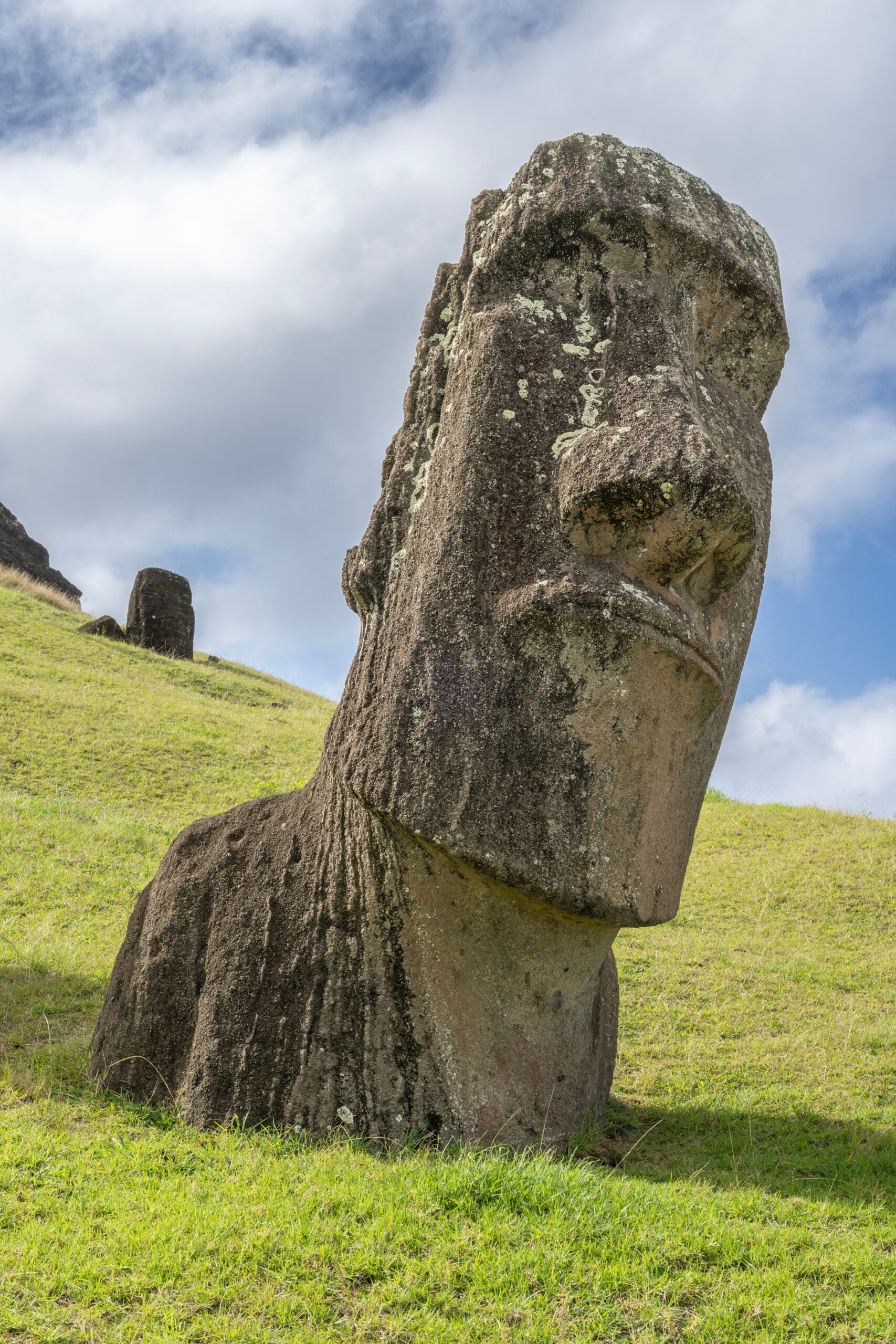
모아이 하면 대부분 커다란 얼굴 사진을 떠올린다. 코가 길고 턱이 각진, 그 무표정한 얼굴 말이다. 그런데 흙 속에 묻혀 있던 부분까지 파보면 얘기가 완전히 달라진다. 2010년대 이스터섬 통계 프로젝트(EISP) 발굴팀이 라노 라라쿠 화산 사면에 반쯤 묻혀 있던 모아이 여러 기를 통째로 파냈더니, 성인 남성 키를 훌쩍 넘는 몸통이 땅속에서 딸려 나왔다. 등에는 초승달과 물결이 겹친 듯한 문양이 새겨져 있었는데, 일부 연구자는 이걸 항해나 카누를 상징하는 씨족 표식으로 해석한다. 수백 년 동안 관광객과 사진작가들이 봐온 건 사실 거인의 얼굴이 아니라 거인의 정수리 언저리였던 셈, 이라고 정리하고 넘어가기엔 반전의 크기가 좀 크다.
섬 전체에 흩어진 모아이는 약 887기에서 900기 사이, 그중 대다수가 라노 라라쿠 채석장 안이나 그 주변에 몰려 있다. 완성돼서 제자리로 옮겨진 것도 있지만, 조각하다 만 채로 화산암벽에 그대로 붙어 있는 미완성 석상도 적지 않다. 가장 큰 미완성작은 길이가 21미터, 완성됐다면 무게가 270톤을 넘었을 것으로 추정된다. 웬만한 아파트 5층 높이와 맞먹는 돌덩이를 옮길 엄두조차 내지 못하고 중단했다는 뜻이다. 만들다가 다 못 만든 흔적이 이렇게 대놓고 남아 있다는 사실은, 라파누이 사람들의 야심이 실제 기술력보다 한 걸음쯤 앞서 있었다는 증거로 읽힌다.
누가, 왜 이런 걸 만들었나
라파누이에 처음 사람이 정착한 시기는 대략 서기 1200년 전후로 본다. 폴리네시아 항해자들이 별자리와 조류를 읽어 대양을 건너와 정착했다는 게 정설이다. 이들이 모아이를 세운 이유는 단순한 장식이 아니라 조상 숭배와 맞닿아 있다. 라파누이어로 모아이는 ‘아링가 오라(aringa ora)’, 즉 ‘살아있는 얼굴’로 불렸다. 죽은 족장이나 중요한 조상의 마나(영적 힘)가 석상에 깃들어 후손과 마을을 계속 지켜준다고 믿었기 때문이다.
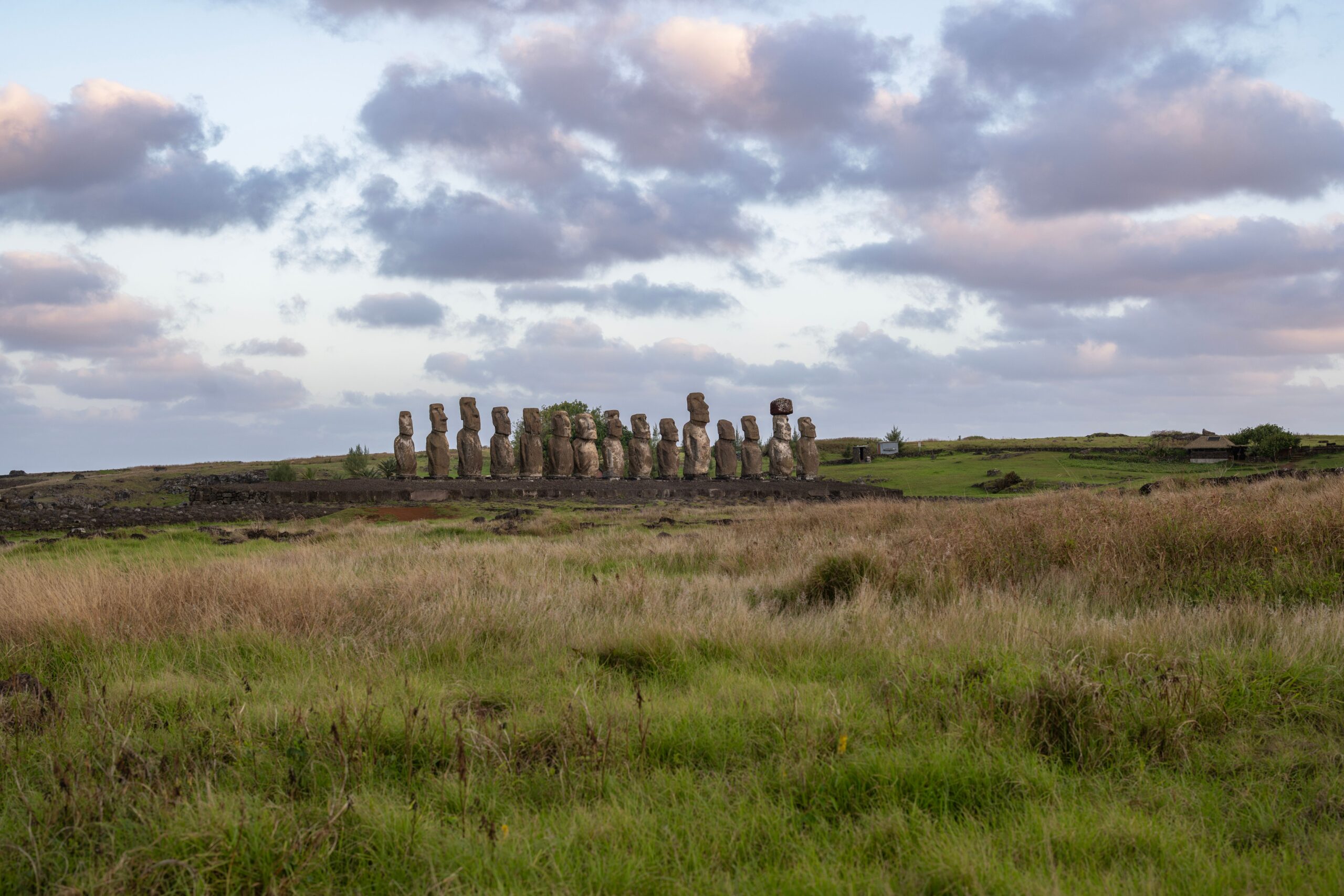
그래서 모아이는 아무 데나 세워지지 않았다. 대부분 ‘아후(ahu)’라 불리는 돌 제단 위에, 바다를 등지고 마을 쪽을 바라보는 방향으로 세워졌다. 조상이 살아있는 후손들을 지켜본다는 개념이니, 시선이 마을을 향하는 게 자연스러웠다. 예외적으로 아후 아키비에 있는 모아이 7기만 바다를 바라보는데, 이 역시 전설 속 최초 정착자들의 도착을 기리는 상징이라는 해석이 있다. 씨족마다 경쟁하듯 더 크고 화려한 모아이를 세웠다는 정황도 뚜렷하다. 옆 마을 조상상보다 조금이라도 더 크게, 라는 경쟁심이 세대를 거듭할수록 석상 크기를 계속 키운 원동력이었을 가능성이 크다.
조상 숭배까지는 좋았는데, 진짜 난관은 여기부터다
거대한 석상을 세워 조상을 기리겠다는 마음까지는 그렇다 쳐도, 그다음이 문제다. 크레인도, 바퀴 달린 수레도, 큰 짐을 끌 만한 가축도 없던 사람들이 평균 12.5톤, 무거운 건 80톤 넘는 돌덩이를 채석장에서 최대 18km 떨어진 해안까지 옮겨야 했다. 라파누이 구전 설화에는 “모아이가 스스로 걸어갔다”는 이야기가 전해 내려온다. 오랫동안 이건 그냥 신화로 치부됐다. 그런데 2010년대 들어 이 전설을 문자 그대로 받아들인 학자들이 등장하면서 상황이 달라졌다.
빙엄턴대의 칼 리포 교수와 애리조나대의 테리 헌트 교수 연구팀이 대표적이다. 이들은 모아이 밑동의 형태를 분석한 뒤, 실제 크기와 똑같은 무게 4.35톤짜리 콘크리트 복제품을 만들어 현장 실험을 했다. 밧줄 세 개를 석상에 묶고 사람 18명이 좌우와 뒤에서 번갈아 당기자, 석상이 앞으로 기우뚱거리며 마치 오리가 뒤뚱거리며 걷듯 조금씩 전진했다. 실험팀은 이 방식으로 100미터를 채 40분도 안 걸려 이동시켰다고 밝혔는데, 열여덟 명이 밧줄만으로 몇 톤짜리 돌을 걷게 만드는 장면은 지켜본 연구자들조차 예상 밖이었다고 술회했다. 더 놀라운 건 모아이의 볼록한 배 모양과 앞으로 살짝 기운 무게중심이 이 ‘걷기’에 최적화된 설계였다는 점이다. 조각 단계에서부터 운반 방식을 염두에 두고 형태를 잡았다는 뜻이니, 이게 사실이라면 라파누이 사람들의 공학적 감각은 우리가 짐작했던 것보다 훨씬 정교했다.
물론 이 가설만으로 전부가 설명되지는 않는다. 눕혀서 통나무 위로 굴렸다는 전통적인 ‘통나무 롤러’ 가설도 여전히 지지를 받고, 카누를 옮길 때 쓰던 것과 비슷한 나무 썰매 겸 레일을 이용했다는 ‘카누 사다리’ 가설도 있다. 실제로는 지형과 상황에 따라 여러 방법을 섞어 썼을 가능성이 크다. 평탄한 길에서는 눕혀서 굴리고, 좁고 굽은 오르막에서는 세워서 흔들며 걷게 했을 수도 있다. 한 가지 방법으로 전 과정을 다 설명하려는 시도 자체가 애초에 무리였을지도 모른다.
스스로 무너졌다는 이야기, 사실은 거짓에 가까웠다
모아이 미스터리와 늘 같이 따라다니는 이야기가 하나 있다. “라파누이 사람들이 석상 만드는 데 집착하다 숲을 다 베어버리고, 그 결과 문명이 스스로 무너졌다”는 이른바 생태 붕괴설이다. 1990년대 이후 여러 대중서를 통해 널리 퍼진 이야기이고, 한때는 인류가 자연을 파괴하면 어떤 대가를 치르는지 보여주는 대표 사례처럼 소개되기도 했다. 인구가 한때 1만 5000명에서 많게는 3만 명까지 폭증했다가 자원 고갈로 급격히 붕괴했다는 게 이 가설의 뼈대였다.
그런데 2024년 컬럼비아대 딜런 데이비스 박사 연구팀이 국제학술지 사이언스 어드밴시스에 발표한 연구가 이 통설을 정면으로 흔들어놨다. 위성사진과 인공지능으로 섬 전역의 고대 농경지 흔적을 샅샅이 분석한 결과, 그 정도 면적의 농지로는 인구가 4000명을 넘긴 적이 없었을 거라는 계산이 나왔다. 한때 3만 명까지 불었다던 숫자와 견주면 절반에도 한참 못 미치는 셈이다. 인구 폭증도, 그로 인한 급격한 붕괴도 애초에 일어나지 않았다는 뜻이다. 그렇다면 실제 인구 감소는 왜 일어났을까. 16세기 중반부터 이어진 장기 가뭄, 폴리네시아쥐가 야자나무 씨앗을 갉아먹어 숲이 자연 재생을 못 한 문제, 그리고 결정적으로 18세기 유럽인들이 들여온 천연두 같은 전염병과 노예 사냥이 겹치면서 인구가 줄었다는 쪽에 무게가 실린다. 섬 스스로 무너진 게 아니라 바깥에서 온 요인들에 떠밀렸다는 설명이다.
이 반박이 흥미로운 건, 라파누이 사람들을 ‘어리석게 자멸한 사람들’이 아니라 ‘척박한 섬에서 수백 년간 지속 가능한 시스템을 유지한 사람들’로 다시 보게 만들기 때문이다. 나무가 부족한 환경에서도 돌을 쌓아 만든 ‘마나비(manavai)’라는 재배 구조물로 작물을 지켜냈고, 자원이 한정된 만큼 인구를 계획적으로 조절했을 가능성도 함께 제기된다. 실제로 채석장에 남은 도구와 작업 흔적을 보면, 조각과 운반이 중단된 시점은 정확히 못 박기 어렵지만 대략 17~18세기 무렵으로 추정된다. 유럽인과의 접촉, 전염병 확산, 부족 간 갈등 심화가 겹치면서 대규모 공동 작업을 조직할 여력 자체가 사라졌다는 해석이 유력하다. 이 시기 이후로는 새 모아이를 세우는 대신 기존 석상을 넘어뜨리는 ‘후리 모아이(huri moai)’라는 파괴 행위마저 늘었다는 기록이 남아 있다. 조상을 지키던 상징물이 되레 부족 간 반목의 표적이 됐다는 이야기이니, 씁쓸한 반전이 아닐 수 없다. 결국 모아이를 만든 사람들에 대한 평가 자체가, 논문 한 편으로 완전히 뒤집힌 셈이다.
자주 묻는 질문
모아이는 전부 몇 기나 되나요?
이스터섬 통계 프로젝트 기준으로 약 887기에서 900기 사이로 집계된다. 완성돼서 아후에 세워진 것도 있고, 운반 도중 길에 버려진 것도 있고, 채석장에서 조각하다 만 미완성작도 상당수다. 조사마다 숫자가 조금씩 다른 이유는 파편이나 아주 작은 미완성 조각까지 포함할지 기준이 갈리기 때문이다.
모아이 머리 위에 얹힌 빨간 원통은 뭔가요?
‘푸카오(pukao)’라 불리는 일종의 상투 장식이다. 모아이 본체와는 다른 채석장인 푸나 파우에서 붉은 화산암을 따로 캐서 만들었다. 무게만 수 톤에 달하는 이 돌덩이를 완성된 모아이 머리 위에 어떻게 얹었는지는 별도의 미스터리로 취급된다. 경사로를 이용해 굴려 올렸다는 가설이 현재로선 가장 유력하다.
모아이가 걸어서 옮겨졌다는 게 확실한 정설인가요?
아니다. 실험으로 가능성을 입증한 유력한 가설 중 하나일 뿐, 학계 전체가 합의한 정설은 아니다. 통나무를 이용한 눕혀 끌기 방식을 지지하는 연구자들도 여전히 많고, 지형에 따라 여러 방법이 혼용됐을 거라는 절충적 시각도 힘을 얻고 있다. 라파누이 구전 설화와 실험 결과가 맞아떨어진다는 점에서 특히 주목받는 정도로 이해하면 된다.
단톡방에 갑자기 “나 방금 콜포비아 걸렸어”라는 메시지가 뜨면, 팬덤 밖 사람은 열에 아홉 못 알아듣는다. 전화 공포증이라는 병명이 실제로 있긴 하지만, 여기서 말하는 건 그것과는 결이 다르다. 좋아하는 아이돌과 1분 남짓 통화할 기회가 당첨됐는데, 정작 그 순간이 오면 목소리가 안 나오고 머릿속이 하얘지는 증상을 팬들은 그렇게 부른다. 좋은 일이 생겼는데 무섭다니, 밖에서 보면 이상한 소리처럼 들릴 수 있다. 그런데도 팬덤 안에서는 다들 고개를 끄덕이는 흔한 이야기다. K팝 팬덤에는 이렇게 바깥에서는 낯설지만 안에서는 상식처럼 통하는 말이 꽤 많다. 먼저 마음이 움직이는 방식을 보여주는 최애, 조공, 콜포비아부터 살펴보고, 그 다음 팬들이 직접 몸으로 움직여 만들어내는 홈마, 사바사, 총공까지 순서대로 짚어보려 한다.
최애 — 가장 좋아하는 멤버, 그 이상의 의미
최애는 “가장(最) 사랑한다(愛)”는 한자를 그대로 풀면 그만인 단어처럼 보인다. 실제로도 그룹 안에서 가장 애정을 쏟는 멤버를 가리키는 말로 쓰인다. 그런데 막상 팬덤 대화를 들어보면 이 단어가 생각보다 복잡하게 움직인다는 걸 알게 된다. “이번 컴백에서 최애가 바뀌었다”는 말이 자연스럽게 오가고, 한 명만 정하지 못해 “최애가 둘”이라고 말하는 사람도 흔하다. 그룹 자체보다 특정 멤버 조합을 더 좋아한다는 뜻으로 “최애 조합”이라는 표현을 쓰기도 하고, 실물(실제 얼굴)보다 무대 위 캐릭터나 예능감을 더 좋아한다는 뜻에서 “최애캐”라는 말도 따로 쓴다. 최애가 바뀌는 계기도 의외로 사소하다. 데뷔 무대에서는 센터 자리에 선 멤버에게 눈길이 갔다가, 브이라이브에서 라면을 먹다가 사레들려 한참을 캑캑대는 모습 하나에 마음이 완전히 넘어가는 식이다. 화려한 무대 밖에서 툭 튀어나오는 그 허당미가, 몇 달을 벼르던 최애 순위를 하루아침에 뒤집는다. 팬들 사이에서는 이걸 두고 “최애 갈아탔다”는 표현을 쓰는데, 배신이라기보다는 덕질의 자연스러운 흐름으로 받아들여진다. 애정의 크기와 방향이 이렇게 사소한 순간에도 움직인다는 사실 자체가, 최애라는 말이 단순한 순위 매기기가 아니라는 걸 보여준다.
조공 — 팬심이 선물이 될 때 생기는 딜레마
조공이라는 단어의 원래 뜻을 알면 다들 한 번쯤 움찔한다. 옛날에 힘이 약한 나라가 강한 나라에 물건을 바치던 것, 그 상하관계를 나타내는 말이 지금은 팬이 아이돌에게 주는 선물을 가리키는 말로 쓰이고 있어서다. 시작은 나쁘지 않았다. 팬 한 명이 감당하기 어려운 값비싼 선물을, 팬덤이 십시일반으로 돈을 모아 그럴듯하게 마련해 주자는 취지에서 이 말이 퍼졌다. 생일 카페를 열어 커피와 함께 대형 화환을 보내는 정도로 시작했던 조공은, 시간이 지나며 규모가 눈에 띄게 커졌다. 지하철역에 생일 축하 광고판을 통째로 걸거나, 명품 시계와 의상을 세트로 맞춰 보내는 사례가 화제가 되면서, “이 정도까지 해야 하나” 싶은 부담감을 호소하는 팬도 늘었다.
문제는 그 다음부터였다. 팬덤끼리 조공 규모를 은근히 비교하기 시작하면서 경쟁이 과열됐고, “갖다 바친다”는 원래 의미가 겹치면서 스타와 팬 사이의 관계를 수직적으로 굳혀버린다는 지적이 나오기 시작했다. 실제로 JYP엔터테인먼트는 공식 홈페이지에 소속 아티스트에게 보낼 수 있는 품목과 금액대를 구체적으로 공지하며 고가 조공을 자체적으로 제한했고, 다른 기획사들도 비슷한 가이드라인을 속속 내놓는 추세다. 최근에는 흐름이 조금 달라졌다. 조공 대신 아티스트 이름으로 기부하거나 봉사활동을 하는 “개념 조공”이 늘었고, 반대로 아이돌이 팬들에게 음료나 간식을 돌리는 “역조공”이라는 말도 새로 생겼다. 팬심을 표현하는 방식이 일방적으로 바치는 쪽에서 서로 주고받는 쪽으로 조금씩 옮겨가고 있는 모습이다.
콜포비아 — 목소리 한 번 듣자고 이렇게까지 떨릴 일인가
아침부터 심장이 벌렁거려서 물 한 모금 못 넘긴다는 팬의 이야기를 들으면, 사정을 모르는 사람은 무슨 큰일이라도 난 줄 안다. 정체는 다름 아닌 팬콜, 그러니까 팬사인회나 위버스 라이브에서 추첨을 통해 아이돌과 짧게 전화 통화를 하는 이벤트다. 앨범을 사서 응모하고, 당첨 문자를 받는 순간까지는 기쁨이 앞선다. 그런데 실제 통화 시간이 다가올수록 상황이 역전된다. 준비해둔 말은 머릿속에서 다 날아가고, “여보세요” 대신 상대의 숨소리만 들려도 정신이 아득해진다는 사람이 한둘이 아니다. 실제 통화는 보통 1분 안팎으로 짧게 끝나는데, 그 짧은 시간이 오히려 부담을 키운다. 하고 싶은 말은 많은데 시간은 없고, 상대의 반응을 예측할 수도 없으니 긴장감이 배로 뛰는 것이다. “오빠 사랑해요”라고 말하려다 혀가 꼬여서 “오빠 ㅅ…”까지만 말하고 전화가 끊겼다는 후기가 팬덤 커뮤니티에 심심찮게 올라오는 것도 이런 이유에서다. 그래서 게시판에는 통화 전 심호흡법이나 미리 대사를 종이에 적어두는 요령을 공유하는 글도 함께 올라온다. 그럼에도 막상 전화를 받으면 준비한 대본이 하나도 소용없더라는 후기가 훨씬 많다. 콜포비아라는 말이 웃프게 들리는 이유가 여기 있다. 세상에서 가장 듣고 싶던 목소리를 코앞에 두고, 정작 그 순간이 가장 무서운 순간이 되어버리는 것이다.
이제는 팬들이 직접 만들어가는 문화
최애, 조공, 콜포비아가 마음이 움직이는 방향을 보여주는 말이라면, 지금부터 살펴볼 홈마와 사바사, 총공은 팬들이 직접 몸을 써서 만들어낸 활동에 가깝다. 감정이 아니라 행동에서 나온 용어들이라, 앞의 세 단어와는 결이 조금 다르게 읽힌다.
홈마 — 카메라 뒤에서 팬덤을 지탱하는 사람들
공항 출국장이나 음악방송 대기줄에서 자기 몸집만 한 흰색 렌즈, 이른바 “백통”을 든 사람들을 본 적이 있을 것이다. 팬덤 안에서는 이런 대형 망원렌즈를 흔히 “대포”라고 부르고, 이 장비로 아이돌을 전문적으로 찍는 사람을 홈마라고 부른다. 홈마는 “홈페이지 마스터”의 줄임말로, 원래는 개인 홈페이지에 직접 찍은 사진을 올리던 문화에서 나온 말이다. 지금은 트위터나 인스타그램 같은 SNS 계정을 운영하며, 대포 카메라로 찍은 고화질 사진을 무료로 배포하는 팬들을 통틀어 이렇게 부른다. 놀라운 건 이 활동이 어지간한 취미 수준을 넘어선다는 점이다. 수백만 원짜리 카메라 본체에 백통 렌즈까지 더하면 장비값만 왕왕 소형차 한 대 값을 넘기고, 새벽부터 공항에 나가 몇 시간씩 기다리는 건 예사다. 그렇게 찍은 사진 한 장이 온라인에서 몇만 번씩 공유되면서, 팬덤 안에서 홈마는 거의 준공식적인 위치를 차지하게 된다. 그런데 이 관계가 항상 매끄럽지만은 않다. 홈마가 활동을 접거나 다른 멤버로 최애를 옮기는 “밀덕”을 하면, 수년간 쌓인 사진 아카이브가 통째로 사라지는 일이 벌어진다. 팬덤 입장에서는 소중한 기록이 하루아침에 없어지는 셈이라 아쉬움이 클 수밖에 없다. 여기에 상업적 사용을 둘러싼 저작권 문제까지 겹치면서, 홈마라는 존재는 팬덤 문화의 애정과 갈등을 동시에 보여주는 상징이 됐다.
사바사 — 팬덤 규칙이 그룹마다 다 다른 이유
“이거 우리 팬덤에서는 되는데 저기서는 안 된다던데?”라는 질문에 대한 가장 흔한 답이 바로 사바사다. “사람 바이 사람”, 그러니까 사람마다 다르다는 뜻을 줄인 말인데, K팝 팬덤에서는 팬덤별로, 심지어 같은 팬덤 안에서도 시기별로 규칙이나 분위기가 다르다는 뜻으로 즐겨 쓰인다. 예를 들어 생일 카페에서 팬아트를 무단으로 상품화해도 되는지, 홈마 사진을 캡처해서 개인 SNS에 올려도 되는지, 최애가 아닌 멤버 이야기를 얼마나 해도 되는지 같은 문제는 그룹마다, 팬덤마다 기준이 제각각이다. 어느 팬덤에서는 당연한 매너로 통하는 일이 다른 팬덤에 가면 눈총받는 행동이 될 수도 있다. 그래서 팬덤에 새로 들어온 사람, 이른바 “새덕”에게 선배 팬들이 가장 많이 해주는 조언도 “그건 사바사니까 여기 분위기부터 살펴보라”는 말이다. 겉보기엔 무책임한 대답 같지만, 팬덤 문화가 위에서 아래로 정해지는 게 아니라 그 안의 사람들이 직접 만들어가는 것이라는 사실을 가장 솔직하게 인정하는 표현이기도 하다.
총공 — 순위 앞에서 하나가 되는 팬덤
음악방송 1위 발표 직전, 팬덤 SNS 타임라인이 똑같은 문구로 도배되는 걸 본 적이 있다면 그게 바로 총공이다. “총공격”의 줄임말로, 특정 시간에 팬덤이 힘을 모아 스트리밍이나 투표, 해시태그 올리기 같은 활동을 집중적으로 벌이는 걸 가리킨다. 종류도 여러 가지다. 정해진 음원 사이트에서 같은 시간에 반복 재생을 돌리는 스트리밍 총공, 음악방송 순위 투표에 표를 몰아주는 투표 총공, 앨범 판매량을 끌어올리기 위한 음반 총공까지, 목적에 따라 방식이 나뉜다. 차트 1위 하나를 위해 얼굴도 모르는 수만 명이 같은 시간에 똑같이 움직이다 보니, 팬덤 밖에서는 이걸 곧 사재기로 오해하는 일도 종종 생긴다. 실제로는 이미 발매된 곡을 정당한 방법으로 반복해서 듣거나, 정식 투표 절차를 그대로 따르는 활동이라 불법 사재기와는 성격이 다르다. 다만 짧은 시간에 스트리밍이 몰리는 방식 자체가 차트 시스템을 왜곡한다는 지적은 꾸준히 나오고 있어서, 음원 사이트들도 이용자당 반복 재생 횟수를 제한하는 등 대응책을 계속 손보는 중이다. 총공이 흥미로운 건 이게 개인기가 아니라 협업이라는 점이다. 총공 시간표를 짜는 사람, 참여 인증을 독려하는 사람, 해시태그 문구를 만드는 사람까지 역할이 나뉘어 있고, 이 모든 게 자발적으로 굴러간다. 순위 하나를 앞에 두고 수만 명이 같은 시간에 같은 행동을 맞추는 모습은, 팬덤이 얼마나 조직적으로 움직일 수 있는지를 보여주는 장면이다.
용어 하나하나에 팬덤의 역사가 들어있다
이 여섯 개 단어를 나란히 놓고 보면 흥미로운 공통점이 드러난다. 최애처럼 감정을 표현하는 말이 있는가 하면, 조공처럼 논란 속에서 의미가 계속 바뀌는 말도 있고, 콜포비아처럼 팬덤 특유의 정서를 웃음 섞어 압축한 말도 있다. 홈마와 총공은 팬들이 스스로 역할을 나눠 만들어낸 활동을 가리키고, 사바사는 그 활동에 정답이 없다는 걸 인정하는 말이다. 새로 입덕한 사람 입장에서는 이 모든 용어가 낯설고 어렵게 느껴질 수 있다. 그런데도 몇 번 커뮤니티를 들여다보고 나면 금방 익숙해진다. 어차피 이 단어들은 학술 용어가 아니라, 같은 걸 좋아하는 사람들끼리 편하게 소통하려고 자연스럽게 생겨난 말이기 때문이다. 팬덤이 커지고 활동 방식이 달라질수록 새로운 말도 계속 생겨날 것이고, 지금 낯설게 들리는 단어도 몇 년 뒤에는 누군가에게 상식이 되어 있을 것이다.
자주 묻는 질문
Q. 최애는 꼭 한 명만 정해야 하나요?
그렇지 않다. 그룹 안에서 최애를 한 명 정하는 사람도 있지만, 상황이나 활동에 따라 최애가 여러 번 바뀌는 사람도 많고 아예 두세 명을 동시에 최애로 두는 경우도 흔하다. 팬덤 안에서는 이런 변화를 “최애 갈아탔다”고 표현할 뿐, 특별히 이상하게 보지 않는다.
Q. 조공은 다 부정적으로 봐야 하나요?
꼭 그렇지는 않다. 문제가 되는 건 과도한 경쟁으로 번지거나 수직적인 관계를 강조하는 방식일 때다. 최근에는 기부나 봉사로 대신하는 개념 조공처럼, 부담을 줄이면서 마음을 전하는 방향으로 문화 자체가 조금씩 바뀌고 있다.
Q. 입덕한 지 얼마 안 된 ‘새덕’인데, 이런 용어는 어디서부터 익히면 되나요?
한꺼번에 다 외우려 하지 않아도 된다. 처음에는 최애, 총공처럼 자주 쓰이는 기본 용어 몇 개만 알아두고, 팬덤 트위터나 커뮤니티 게시판을 눈팅하면서 문맥으로 익히는 방식이 가장 자연스럽다. 모르는 말이 나오면 바로 검색하기보다, 그 단어가 어떤 상황에서 쓰이는지 몇 번 지켜보는 쪽이 오히려 빨리 익숙해진다.
Somebody asked me once, half-joking, whether ordering a full rack of galbi for a table of one in Seoul would get me stared at. Fair question. It used to be the kind of thing that made Korean strangers glance twice, maybe pity you a little, maybe assume something had gone wrong in your life. These days, though, that same scene barely registers. Nobody looks up.
Honbap Wasn’t Always This Easy
The word is honbap — 혼밥 — a mashup of “honja” (alone) and “bap” (rice, or meal, depending on how loosely you’re translating). It sounds almost too simple to carry cultural weight, but it does. Korean food culture, for most of its modern history, has been built around the group. Dishes arrive in shared bowls. Barbecue is grilled at the center of the table for everyone to reach. Even the portion sizes assume more than one mouth is eating. Sit down solo at a restaurant built for sharing, and you’re not just eating — you’re quietly announcing that nobody came with you.
That announcement used to carry a sting. Older Koreans have described turning down invitations rather than admit they’d be dining by themselves, and some restaurant owners flat-out refused single customers because a one-top meant less revenue per table and, honestly, a slightly awkward vibe for the room. You’d hear the word “sajangnim” called out, and then that beat of hesitation — where do I put this person who came in alone. It wasn’t hostility exactly. It was just that the whole system wasn’t built for you.
So when people say honbap “used to be rude,” what they usually mean is that it used to be sad-looking, not against any rule. Nobody was going to throw you out. But there was a quiet judgment baked into it — the assumption that a person eating alone must not have anyone, which in a culture that prizes belonging to a group (family, company, school, friend circle) reads almost like a small failure.
Why the Stigma Actually Broke
It wasn’t one sudden social revolution. It was two slower forces landing at roughly the same time, and it’s worth separating them, because flattening the whole shift into “Koreans just got more individualistic” misses half the story. Single-person households have been climbing for years — Statistics Korea’s own household surveys have put the figure above 35 percent nationally in recent counts, and in Seoul specifically it’s already brushing up against 40, a number that would have sounded like a rounding error a generation ago, back when three-generation households under one roof were still the norm in most neighborhoods. That’s not a fringe demographic anymore. That’s a market big enough to build a business model around.
And markets respond to size. Once enough people were eating, drinking, even traveling and watching movies alone, businesses stopped treating solo customers as an inconvenience to tolerate and started treating them as a segment to design for. You can trace the honbap boom pretty specifically to around 2015 through 2017, the years when one-person shabu-shabu chains and “study room” style grill houses — private little booths that looked more like reading carrels than restaurant seating — started popping up around university districts and office neighborhoods. That’s also roughly when honjok — “alone tribe,” people who deliberately choose solo activities rather than settle for them — started showing up on variety shows and in marketing decks. There’s a particular Korean cultural talent for turning a coping mechanism into a lifestyle brand, and that’s basically what happened here.
But it isn’t purely generational rebellion against collectivism, either — a lot of it is plain exhaustion. Company dinners, hoesik, can run long, loud, and obligatory, with rounds of soju you didn’t necessarily want and conversations you’re too junior to steer. After a week of that, a quiet bowl of kimchi jjigae eaten alone, at your own pace, reading your phone without anyone asking why you’re on your phone, isn’t loneliness. For a lot of people it’s the first calm twenty minutes of their day — which is probably why honbap took off hardest among office workers in their twenties and thirties, the exact group most exposed to that hoesik fatigue in the first place.
From Kiosks to Solo Grills to the Convenience Store Counter
Here’s where the shift stopped being just attitude and started showing up as actual physical infrastructure — and it happened in a fairly logical order, starting with how you order.
The self-order kiosk, or “kiosk” (키오스크, borrowed straight from English), quietly removed a huge chunk of the social friction around eating alone. Before kiosks became standard, walking into a restaurant by yourself meant a verbal exchange with staff — how many, table for one, sometimes a look. Small stuff, but it added up if you were already a little self-conscious about dining solo. With a kiosk, you walk in, tap a screen, pay, sit down, and your number gets called. No conversation required. I’ve noticed this pattern in plenty of places outside Korea too — the barrier to doing something alone in public is rarely the activity itself, it’s the tiny moment of having to explain yourself to someone. Kiosks quietly deleted that moment from the honbap equation.
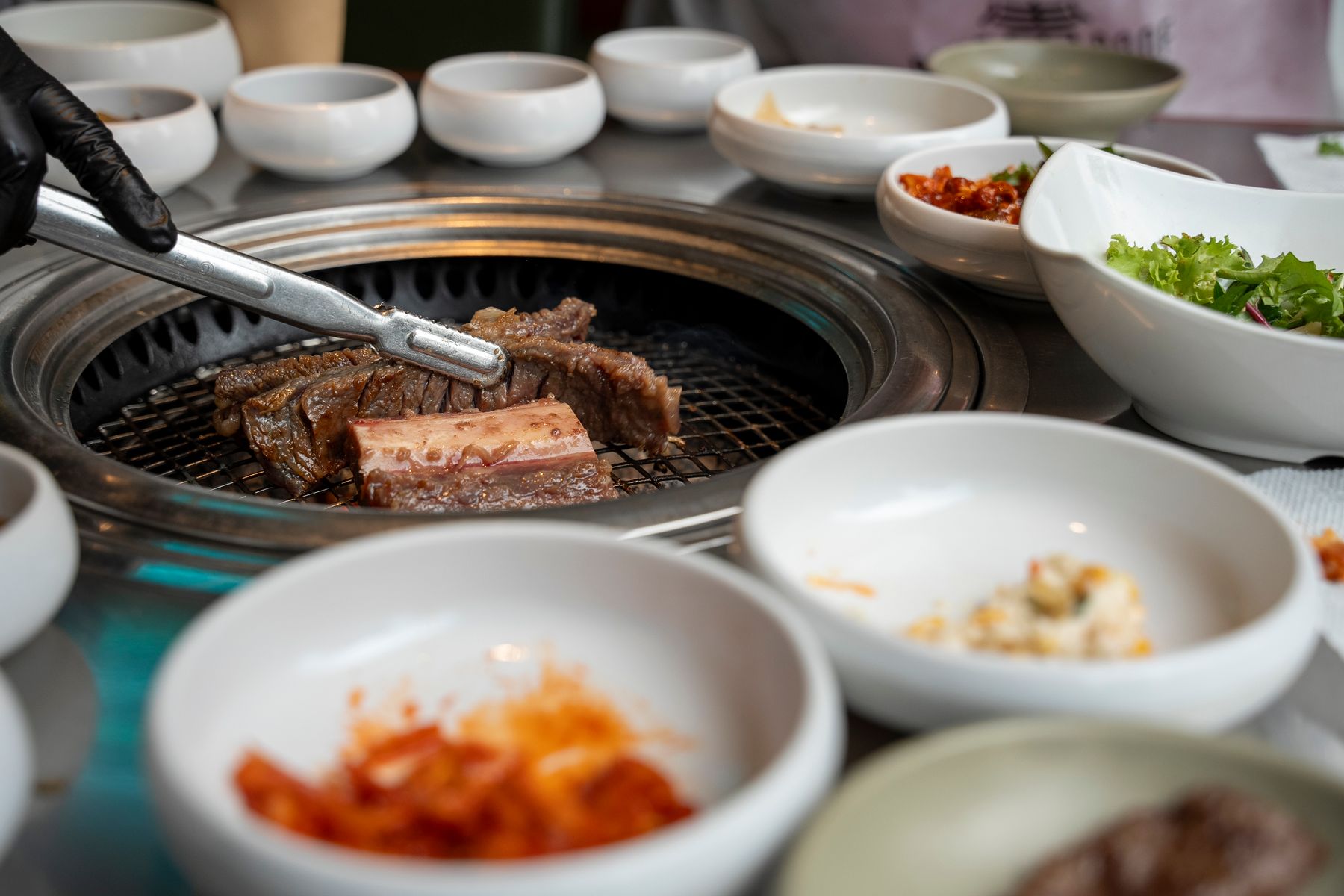
Once ordering stopped requiring a human conversation, the next logical step was redesigning the room itself — and Korean barbecue and hot pot restaurants, the exact category of food that used to require a minimum of two or three people just to place an order, are where that redesign shows up most literally. Rows of narrow booths, each with its own little grill or individual pot, sometimes with a divider on either side so you’re not making eye contact with strangers mid-bite. Some booths even have a small TV or tablet built in.
What’s a little funny is how deliberately anti-social these places are, in the best way. The partitions aren’t there because Koreans have become cold or unfriendly — if anything, the opposite. They exist because someone did the math and realized there was a huge, previously ignored customer base that wanted the food without the performance of having company. A single-portion samgyeopsal set with your own tiny grill isn’t a downgrade from the group version. For a lot of regulars, it’s actually preferable — no one’s negotiating who flips the meat, no one’s hogging the good cuts.
And if kiosks handled the ordering and solo-grill booths handled the seating, convenience stores went one step further and removed the restaurant altogether. Walk into a GS25 or CU or 7-Eleven at almost any hour and you’ll find instant noodles, triangle kimbap, and pre-packaged lunch boxes (dosirak) built specifically around eating right there, alone, at the counter seating most stores now have bolted along the front window — usually facing outward toward the street rather than toward other customers, which somehow makes the whole thing less self-conscious rather than more. There’s a hot water dispenser a few feet from the noodle shelf so you can build your own instant meal on the spot, iced-coffee machines that turn the same counter into a five-minute breakfast bar, and, in a few flagship stores, actual ramen-cooking machines that plate a hot bowl for a couple thousand won. None of it requires talking to anyone. It’s hyper-efficient, faintly ritualistic, and — once you’ve done it a few times — strangely calming rather than sad.
I think that’s the part outsiders underestimate the most: honbap culture didn’t just make eating alone socially acceptable, it built entire physical spaces — kiosk counters, grill booths, convenience store windows — where being alone in public simply isn’t remarkable anymore. You’re not the only person doing it; you’re one of several, all quietly doing the same thing, and that shared anonymity ends up feeling less isolating than a lot of forced group meals ever did.
Is There Still Any Awkwardness Left?
Some, sure — I wouldn’t pretend the stigma vanished completely. Certain restaurant categories still lean group-oriented in practice even where they’ll technically serve you: a full traditional hanjeongsik spread, or a table meant for shabu-shabu with one giant communal pot, can feel like overkill for a party of one even when nobody actually stops you. Older generations, generally speaking, are more likely to raise an eyebrow at solo dining than people in their twenties and thirties, who mostly shrug at it. But the trajectory is pretty unmistakable. What used to require an apology now barely requires a second thought, and the businesses that adapted fastest — the honbap-specific grill chains, the kiosk-equipped cafes, the convenience store counter seats — are the ones doing the best business with that exact customer today.
So no, eating alone in Korea today isn’t rude. If anything, it’s become almost fashionable, wrapped up in a broader honjok identity that treats solitude as a preference rather than a consolation prize. The stigma didn’t disappear because Koreans stopped valuing togetherness — hoesik dinners and family meals are still very much alive — it just stopped being the only acceptable way to eat.
FAQ
Will a restaurant actually turn me away if I ask for a table for one?
It’s rare in cities like Seoul or Busan now, especially at honbap-friendly chains, cafes, and anywhere with a kiosk. It’s more likely to come up at group-format places built around communal grilling or hot pot for four or more, where a two-person minimum might still apply on the menu rather than as a personal judgment about you.
Is honbap the same thing as honjok?
Not quite. Honbap specifically means eating alone. Honjok is the broader identity — the “alone tribe” — that covers solo dining along with solo drinking (honsul), solo travel, solo movie-watching, and generally choosing solitary activities on purpose rather than as a fallback.
What’s the easiest first honbap meal to try if I feel self-conscious about it?
A convenience store counter seat or a solo-format Korean BBQ booth is about as low-pressure as it gets — no waitstaff conversation required at either, thanks to kiosks or self-checkout, and you’ll be surrounded by other people doing the exact same thing.
A Korean friend once handed me a bowl of jjamppong — the deep red, slightly murky kind, with a slick of chili oil pooling on top before you even stir it — and said, casually, “it’s not that spicy.” I was three bites in, eyes watering, groping blindly for my ice water like it was a matter of national security. She wasn’t lying to me. She genuinely believed it. That gap — between what a Korean tongue registers as “a little kick” and what the rest of us register as a five-alarm fire — is the whole reason this post exists. Korean spiciness isn’t one thing. It’s a stack of different chemistries, different cultural habits, and different pain tolerances, all disguised under the exact same shade of angry red, and once you can tell them apart, eating in Korea stops being a guessing game.
Gochugaru and gochujang are not the same heat
Here’s the mix-up almost every visitor makes: they see red powder or red paste on a label and assume “chili” means one consistent level of pain. It doesn’t. Gochugaru, the dried red pepper flake, is the actual firepower — it typically sits somewhere around 1,500 to 10,000 Scoville Heat Units depending on the batch, which is a wide enough range that two bags from two different markets can taste nothing alike. It’s what gives kimchi its sharp, immediate bite and what makes a bowl of sundubu jjigae sting the second it hits your lips.
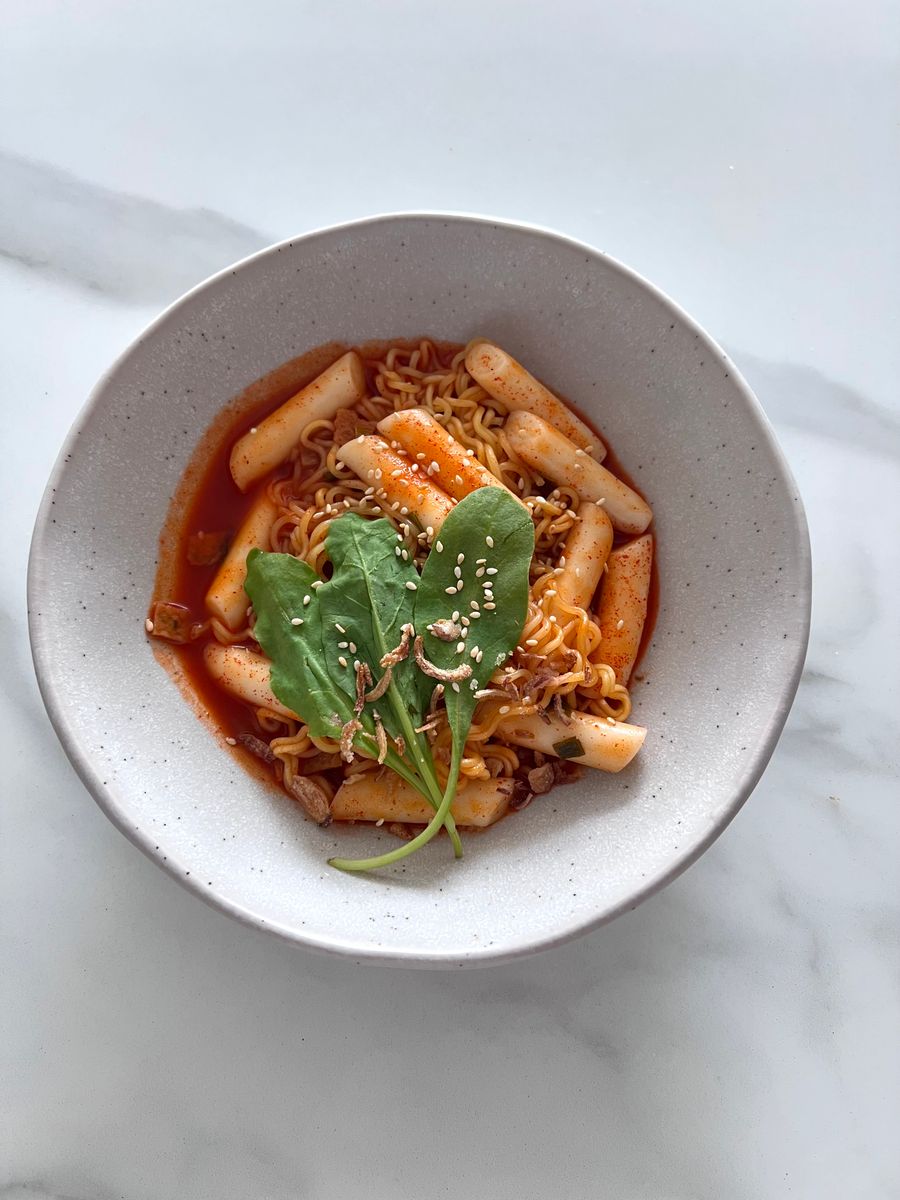
Gochujang, on the other hand, is the fermented chili paste — and despite looking like the spicier of the two (it’s thicker, darker, more intense-looking), it actually clocks in under 1,000 SHU most of the time. That’s because gochujang isn’t just chili. It’s chili powder blended with glutinous rice, fermented soybean, barley malt, and salt, then aged for months. The fermentation mellows the raw heat and swaps a chunk of it for sweetness and umami. So when a dish is built around gochujang — think tteokbokki, or a bibimbap sauce — you’re tasting a slow, rounded warmth. When it’s built around gochugaru, you’re getting hit fast and sharp. Same red color, genuinely different experience, and almost nobody explains this to foreigners before they order.
Why Buldak became a global dare while Koreans just ate it for lunch
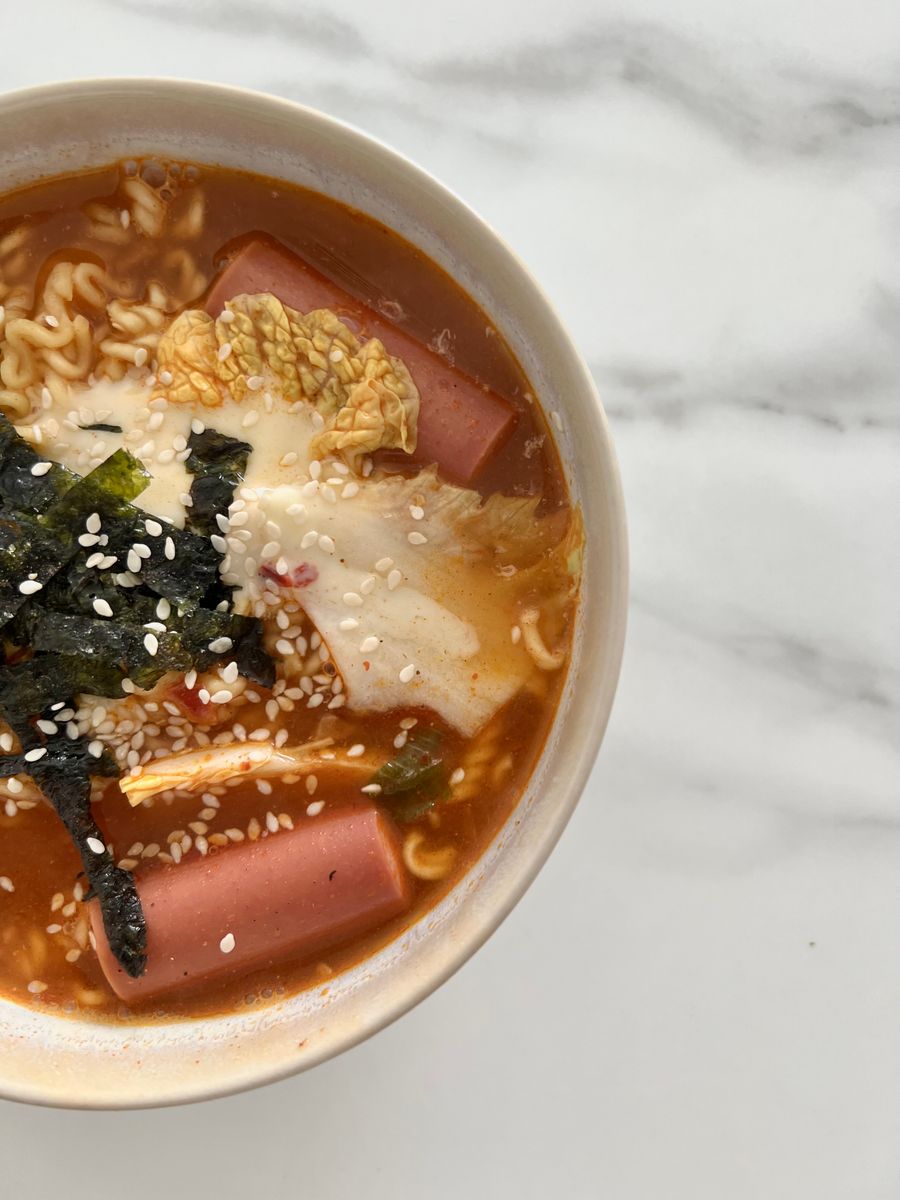
Once that natural baseline of pepper and paste is set, modern Korean food culture takes the same heat and cranks it up into something almost entirely synthetic — which is exactly where Buldak comes in. You’d think a country with this much nuance in its chili game would be a little embarrassed by Buldak Bokkeummyun turning into a worldwide dare. It isn’t. If anything, Koreans find the international “fire noodle challenge” mildly amusing, because the original Buldak sits at roughly 4,404 SHU — spicy, sure, but nowhere near the top of what’s sold on Korean shelves. The 2x Spicy version jumps to around 8,706 SHU, and the 3x Haek variant pushes past 13,000. Compare that to gochugaru’s upper range and you’ll notice something: Buldak’s sauce isn’t relying on gochugaru alone. It leans on concentrated chili extract and oil-based capsaicin, which spreads across your whole mouth instead of landing in one spot — part of why it feels so relentless compared to a spicy stew that at least gives your tongue a break between spoonfuls.
What’s easy to miss from outside Korea is how ordinary the noodles actually are here. Grab a convenience store cup version at a GS25 late on a Friday night and you’ll see office workers eating it standing up at the plastic counter after a round of drinks, treating it like a hangover snack rather than a medieval torture device. The dare framing exploded abroad around 2014 and never really was a “challenge” domestically to begin with — it was just instant noodles that happened to be hot. That says something about how differently the exact same bowl can be read depending on which side of the ocean you’re standing on.
The cheese-and-mayo strategy nobody warns you about
If you’ve ever watched a Korean coworker dump shredded cheese onto Buldak, or squeeze mayo over a plate of tteokbokki at a street cart, it might look like they’re ruining the dish. They’re not — they’re managing it. Capsaicin, the compound responsible for the burn, is oil-soluble, not water-soluble. That’s why chugging ice water when your mouth is on fire is basically a fool’s errand; it just spreads the oil around instead of clearing it out. Dairy fat is what actually works, because casein — a protein in milk products — binds to capsaicin molecules and pulls them off the receptors in your mouth. Cheese, mayo, and condensed milk all do this job, which is exactly why cup-bap and tteokbokki carts treat a squirt of kewpie-style mayo or a slice of gooey processed cheese as practically mandatory rather than optional, and why convenience stores sell a “cheese sachet” add-on for spicy ramyeon in the first place.
This isn’t a hack foreigners invented online. It’s baked into how the food is actually built and sold. Cream cheese tteokbokki, rose (creamy gochujang) sauces, cheese-topped budae jjigae — these aren’t watered-down versions for people who “can’t handle it.” They’re a legitimate second category of Korean spicy food, one where the fat is doing real, measurable work against the capsaicin instead of just sitting on top for flavor. Cheese Buldak, for context, comes in around 2,323 SHU — roughly half the original — and it consistently outsells several of the hotter variants, which tells you plenty about what most people actually want when the packaging says “fire.”
So why do Koreans keep saying it’s “not spicy” when you’re sweating
This is the part that actually annoys foreigners the most, and I get it — you’re crying over a bowl of soup and the person across the table is calmly finishing theirs while telling you it’s “mild.” It’s tempting to assume they’re just tougher, or exaggerating for effect, but the more boring explanation is closer to the truth: repeated exposure to capsaicin from early childhood genuinely blunts the pain response over time. The trigeminal nerve, which is what actually registers that burning sensation (not your taste buds, despite what it feels like), adapts with consistent exposure. Someone who’s been eating gochugaru-laced side dishes since they were five years old is working from a recalibrated baseline that a first-time visitor simply doesn’t have yet.
There’s also a labeling problem hiding underneath this. Korean menus and product packaging run on their own internal spice scale — mild, medium, “maeun-mat” (spicy flavor), and then the genuinely dangerous stuff — and that scale was calibrated against a population with a much higher average tolerance. A dish rated “medium” on a Korean scale can land firmly in “why is my nose running” territory for someone who grew up on food that barely uses black pepper. Neither side is wrong about their own experience. They’re just measuring against two completely different baselines, and nobody bothers to translate between them until you’re already three spoonfuls in and it’s too late to send it back gracefully.
How to actually navigate it if you’re new here
If you’re trying to build up tolerance instead of avoiding spicy food entirely, the smarter path is starting with gochujang-based dishes before gochugaru-heavy ones, since the paste gives you the flavor without the same sharp spike. Ordering “half spicy” (banmae) is a completely normal, non-embarrassing request at most restaurants that let you customize heat, and asking for extra cheese or a side of milk isn’t seen as weak — it’s practically a built-in menu option at this point. If a Korean friend tells you a dish “isn’t spicy,” it’s worth treating that less as a fact and more as a translation problem: ask them to compare it to something specific you’ve already tried, because a direct comparison is far more useful than a vague reassurance from someone whose baseline sits nowhere near yours. And if you do end up in over your head, reach for dairy before water — a small carton of banana milk from the fridge case works better than an entire bottle of Coke, no matter what the vending machine next to it is trying to tell you.
FAQ
Is gochugaru always spicier than gochujang?
By raw Scoville numbers, generally yes — gochugaru lands around 1,500 to 10,000 SHU while gochujang usually sits under 1,000 SHU thanks to fermentation and the added rice, soybean, and malt. But brand and pepper batch matter too, so a seed-heavy, high-quality gochugaru can feel sharper than a cheap gochujang cut with extra sugar, and the reverse is possible as well.
Does drinking water actually help with Buldak-level spice?
Barely. Capsaicin is oil-based, so water just spreads it around instead of washing it away. Dairy fat — milk, yogurt, cheese — works better because casein binds to the capsaicin and helps clear it off your receptors, which is exactly why those cheese sachet packets sold with spicy ramyeon aren’t just a flavor gimmick.
Why does a “medium” dish in Korea feel extremely hot to me?
Korean spice labeling is calibrated against a population that’s built up tolerance since childhood through repeated capsaicin exposure, which gradually dulls the trigeminal nerve’s pain response. A “medium” rating on that scale reflects a much higher baseline than most first-time visitors carry, so it’s less that the label is wrong and more that two different reference points are colliding on the same spoon.
카카오톡 프로필을 오늘만 세 번째 눌러봤다. 마지막 접속 시간은 어제 밤 11시 42분에서 멈춰 있다. 그런데 내가 보낸 메시지 옆에는 여전히 ‘1’이 그대로다. 웃긴 건 인스타그램 스토리는 어제도, 오늘 아침에도 새로 올라왔다는 거다. 나만 빼고 다 잘 지내는 느낌. 바쁜 건가, 아니면 이게 그 유명한 ‘잠수 이별’인가 — 이 질문 하나로 하루 종일 일이 손에 안 잡힌 사람이라면, 이 글이 도움이 될 것이다.
사흘의 침묵, 이거 정말 위험 신호일까
결론부터 말하면 ‘3일’이라는 숫자 자체엔 절대적인 기준이 없다. 사람마다 연락 빈도가 다르고, 원래도 하루에 한 번 안부만 주고받던 사이라면 사흘의 침묵이 이상 신호가 아닐 수도 있다. 반대로 매일 아침저녁으로 카톡을 주고받던 사이였다면 하루만 조용해도 불안이 스멀스멀 올라온다. 중요한 건 날짜 수가 아니라 ‘평소 패턴 대비 얼마나 벗어났는가’다. 어제까지 시시콜콜한 하루 일과를 실시간으로 중계하던 사람이 갑자기 세 마디 답장으로 줄었다면, 그건 사흘이 아니라 하루 만에도 이미 신호다.
그렇다고 완전히 안심할 일도 아니다. 한 결혼정보업체가 미혼남녀를 대상으로 진행한 설문에서 ‘썸이 깨지는 신호’를 묻자 응답자의 51.6%가 ‘연락이 없어지거나 텀이 길어진다’를 꼽았다. 뒤를 이어 ‘말투가 변한다’가 24.7%, ‘약속 잡는 횟수가 줄어든다’가 15.8%였다. 즉 연락 텀이 늘어나는 건 실제로 관계가 식어갈 때 가장 흔하게 나타나는 첫 신호이긴 하다. 다만 이게 밀당인지 진짜 정리 수순인지는 이 숫자 하나로는 구분이 안 된다는 게 문제다. 그래서 필요한 건 숫자가 아니라 ‘무엇이 함께 달라졌는가’를 보는 눈이다.
‘밀당’과 ‘잠수’를 가르는 결정적 차이
여기서 밀당이랑 잠수를 같은 걸로 헷갈리는 사람이 은근히 많다. 밀당의 침묵은 ‘의도가 있는 침묵’이다. 상대는 여전히 SNS에 스토리를 올리고, 다른 사람 게시물엔 좋아요도 누르고, 프로필 사진도 자주 바꾼다. 존재감은 여전히 흘리면서 단지 나한테만 답장 속도를 늦추는 식이다. 심지어 답장이 온 다음엔 평소보다 더 다정하거나 애교 섞인 말투로 오는 경우도 많다 — 밀당은 상대를 완전히 놓을 생각이 없다는 전제에서 나오는 행동이기 때문이다.
반면 잠수 이별의 침묵은 ‘설명을 아예 회피하는 침묵’이다. 카톡은 물론이고 인스타그램 스토리도 뜸해지거나, 심하면 팔로우를 끊거나 스토리 공개 범위에서 나를 제외해버린다. 답장이 와도 단답이고, 예전과 달리 애정 표현이나 이모티콘이 사라진다. 무엇보다 “요즘 좀 바빠서”라는 말만 반복하고 정작 언제 만나자는 약속은 끝까지 잡지 않는다. 친구들과의 약속 인증샷은 꼬박꼬박 올라오는데 정작 나한테는 “일이 많아서 정신없다”는 말만 돌아온다면, 그건 바쁜 게 아니라 우선순위에서 밀려난 거다. 밀당이 ‘긴장감을 주는 기술’이라면, 잠수는 ‘이별 통보를 회피하는 방식’에 가깝다.
왜 우리는 답장 10분, 20분에 이렇게 목을 매게 될까
그 사흘 동안 유독 신경 쓰이는 게 하나 더 있다. 바로 답장 속도다. 답장 속도에 웃길 정도로 예민해지는 게 요즘 연애의 특징이라고 해도 과언이 아니다. 실제로 연애 조언을 다루는 한 SNS 계정에서는 “상대가 10분 안에 답하면 10~20분 내로, 2~3시간 후에 답하면 비슷한 템포로 맞추라”는 팁까지 돌 정도다. 우습게 들릴 수도 있지만, 이게 완전히 근거 없는 얘기는 아니다. 답장 속도는 상대가 지금 나를 얼마나 우선순위에 두고 있는지를 보여주는 가장 직관적인 신호이기 때문이다. 그러니 사흘째 답이 없는 상황에서 유독 시계를 자꾸 들여다보게 되는 것도, 사실은 이 ‘속도 = 관심’이라는 감각이 몸에 배어 있어서다.
문제는 이 속도 게임이 종종 과도한 해석으로 이어진다는 점이다. 회의 중이었거나, 운전 중이었거나, 그냥 폰을 무음으로 해놓고 낮잠을 잤을 수도 있는데 우리는 그 몇 시간의 공백에 온갖 서사를 채워 넣는다. “혹시 다른 사람이 생긴 건 아닐까”, “내가 뭘 잘못 말했나” 하고 대화 내용을 스크롤해서 다시 읽어보는 것도 흔한 패턴이다. 답장 속도 하나로 관계 전체를 판단하려는 순간, 오히려 진짜 신호를 놓치기 쉽다.
심리학은 ‘잠수’를 어떻게 설명할까
잠수 이별을 학술적으로는 ‘고스팅(ghosting)’이라고 부른다. 심리학자 피터 조나슨(Peter Jonason) 연구팀이 2021년 학술지 ‘Acta Psychologica’에 발표한 논문은 참가자 341명을 대상으로 고스팅에 대한 태도와 경험을 조사했는데, 상대의 감정보다 자기 보호와 갈등 회피를 우선시하는 성향—흔히 ‘다크 트라이어드(Dark Triad)’라고 부르는 성격 특성이 높은 사람일수록 고스팅을 더 쉽게 받아들이고 실제로 저지르는 경향이 나타났다. 거창하게 들리지만 쉽게 풀면 “불편한 대화를 마주할 용기가 지독하게 없는 사람일수록 말없이 사라지는 쪽을 택한다”는 얘기다. 즉 잠수는 단순히 마음이 식어서라기보다, 이별 통보라는 껄끄러운 순간 자체를 견디지 못하는 회피 습관에 가깝다.
오스트리아의 심리학자 라인하르트 할러(Reinhard Haller)도 비슷한 지적을 한다. 스마트폰과 SNS 같은 디지털 소통 수단이 발달하면서 오히려 ‘침묵으로 도망치기’가 훨씬 쉬워졌다는 것이다. 상처받는 입장에서는 억울할 수 있지만, 뒤집어 보면 그만큼 잠수를 타는 쪽도 정면으로 부딪힐 용기가 없다는 뜻이기도 하다. 내가 못나서, 매력이 없어서 잠수를 당한 게 아니라 상대가 갈등을 감당할 그릇이 안 됐을 뿐이라는 얘기다.
‘밀당’과 ‘잠수’를 가르는 체크리스트 4가지
아래 항목 중 서너 개 이상 겹친다면 밀당보다는 잠수 이별 쪽에 무게를 두는 게 현실적이다.
첫째, 연락 텀이 서서히 늘어난 게 아니라 갑자기 뚝 끊겼다. 밀당은 보통 점진적인데, 잠수는 어느 날을 기점으로 급격하게 조용해지는 경우가 많다. 어제까지 하루 열댓 통씩 오가던 카톡이 오늘부로 완전히 멈췄다면, 이건 서서히 식은 게 아니라 어떤 결정을 이미 내린 뒤일 가능성이 크다.
둘째, SNS 활동 자체가 줄었거나, 유독 나와 관련된 반응에서만 조용해졌다. 스토리는 계속 올리는데 나한테만 답장이 없다면 이건 밀당일 가능성이 높지만, 친구들과 놀러 간 인증샷은 올라오는데 정작 나와 나눴던 대화나 함께 찍은 사진에는 좋아요조차 안 눌러준다면 얘기가 다르다.
셋째, 마지막으로 나눈 대화에서 미묘하게 갈등이나 서운함이 오갔다. “그건 좀 서운했어”라는 말 한마디 이후로 대화가 뚝 끊겼다면, 그 침묵은 밀당의 ‘튕기기’가 아니라 정리의 시작일 확률이 크다.
넷째, 약속을 구체적으로 잡으려 하면 계속 미뤄지거나 흐지부지된다. “다음 주에 보자”는 말만 반복되고 정작 날짜는 한 번도 확정되지 않는다면, 이건 상대가 이미 관계를 정리하는 쪽으로 마음을 굳혔을 가능성이 크다.
이미 잠수라는 확신이 들었다면, 지금 당장 멈춰야 할 행동
답이 없다고 메시지를 연달아 세 통, 네 통 보내는 건 오히려 역효과다. 상대가 밀당 중이었다면 부담을 느껴 더 멀어질 수 있고, 진짜 잠수 이별 중이었다면 그 침묵을 더 정당화해줄 빌미만 준다. 감정을 쏟아내기보다 “네 설명을 기다리고 있어” 정도의 담담한 메시지 하나를 남기고 기다려보는 편이 심리적으로도 더 유리하다. 내가 ‘기다려지는 을’이 아니라, ‘설명을 요구할 권리가 있는 사람’이라는 걸 잊지 않는 게 핵심이다.
그리고 무엇보다, 사흘이라는 시간 동안 내 일상을 완전히 상대의 답장 여부에 저당 잡히지 않는 게 중요하다. 고작 그 사람의 ‘읽씹’인지 ‘안읽씹’인지 때문에 내 소중한 주말 오후와 저녁 메뉴 고르는 즐거움까지 빼앗기기엔 너무 억울하지 않은가. 오히려 이 시간 동안 친구를 만나거나 평소 미뤄뒀던 일을 하면서 스스로 여유를 되찾은 사람들이, 나중에 상대가 연락을 다시 해왔을 때도 훨씬 담담하게 반응할 수 있었다는 이야기를 주변에서 많이 듣는다.
자주 묻는 질문
Q1. 원래 연락을 잘 안 하는 스타일인데, 이것도 잠수 이별일 수 있나요?
평소 패턴이 원래 그랬다면 사흘의 침묵은 큰 의미가 없을 가능성이 높다. 판단 기준은 절대적인 날짜 수가 아니라 ‘이 사람의 평소 연락 빈도 대비 얼마나 달라졌는가’다. 원래 답장이 느린 사람이 갑자기 며칠째 조용한 것과, 원래 하루에도 몇 번씩 연락하던 사람이 갑자기 뚝 끊긴 것은 완전히 다른 신호로 봐야 한다.
Q2. 잠수 탄 것 같아서 화가 나는데, 계속 연락해도 될까요?
감정적으로는 이해가 가지만 실질적인 도움은 안 될 확률이 크다. 하루 이틀 간격으로 짧은 메시지를 두세 번 보내는 정도까지는 자연스럽지만, 그 이상 반복되면 상대에게 오히려 침묵을 정당화할 명분만 주게 된다. 한 번 담담하게 의사를 전달한 뒤엔 답이 올 때까지 기다리는 편이 관계에서든 스스로의 감정 회복에서든 더 나은 선택이다.
Q3. 밀당인 줄 알았는데 결국 잠수 이별로 끝나는 경우도 많나요?
적지 않다. 밀당으로 시작했다가 상대가 아예 관계를 정리하기로 마음먹으면서 그대로 잠수로 넘어가는 경우도 흔하다. 그래서 이 둘을 딱 잘라 구분하기보다는, 위에서 언급한 체크리스트—SNS 활동 변화, 약속 잡기 패턴, 갈등 직후의 침묵 여부—를 시간을 두고 계속 관찰하는 편이 더 정확하다.
아침에 창문 열었다가 유리에 맺힌 물방울 보고 흠칫한 적 있을 것이다. 어젯밤엔 분명 멀쩡했는데. 9월 중순 넘어가면서 낮에는 26도까지 오르다가 새벽엔 15도 아래로 뚝 떨어지는 날이 이어지는데, 이렇게 실내외 온도차가 10도 이상 벌어지는 순간이 결로를 만드는 진짜 범인이다. 따뜻하고 습한 실내 공기가 차가운 유리·벽면에 닿으면 공기 중 수증기가 이슬점 온도 아래로 식으면서 그대로 물방울로 맺히는 것뿐이라, 에어컨을 껐다 켰다 반복하거나 낡은 창틀 코킹도 거들긴 하지만 근본 원인은 온도차 그 자체다. 그래서 일교차가 벌어지는 환절기가 1년 중 제일 취약한 시기가 된다.
문제는 이게 물기 닦고 끝날 일이 아니라는 점이다. 눈에 잘 안 띄는 창틀 패킹이나 벽지 뒷면, 붙박이장 안쪽에 습기가 계속 스며들면 놀랍게도 단 2주 만에 검은 곰팡이 포자가 자리를 잡는다. 그때 가서 락스 뿌리는 것보다, 애초에 물방울이 맺히지 않게 습도와 환기를 관리하는 쪽이 훨씬 적은 노력으로 끝난다.
환기, 아무 시간에나 하면 오히려 역효과다
창문만 열면 다 해결될 거라 생각하기 쉬운데, 시간대를 잘못 잡으면 습한 바깥 공기를 실내로 들이는 꼴이 된다. 새벽 5~7시나 해 진 뒤 저녁 시간대는 바깥 습도가 오히려 실내보다 높은 경우가 많아서 이때 환기하면 방을 눅눅하게 만드는 셈이다. 그렇다면 언제 열어야 할까. 기상청 습도 데이터를 봐도 보통 오전 10시~오후 2시 사이, 해가 올라와 기온이 오른 직후 바깥 공기가 가장 건조하다. 이 구간에 하루 2~3회, 한 번에 10~15분씩 환기하는 게 정석이다.
창문 하나만 빼꼼 여는 것보다 집 안에서 서로 마주 보는 창을 동시에 여는 편이 훨씬 효율적이다. 맞바람이 통하면서 5분 만에도 공기가 확 뒤바뀌는데, 창 하나만 열어놓으면 15분을 열어도 방 안쪽 공기는 거의 안 움직인다. 화장실이나 주방처럼 습기가 몰리는 공간은 문을 살짝 열어두고 환풍기를 같이 돌리는 게 좋고, 샤워 직후에는 환풍기를 최소 30분은 더 돌려야 벽 타일 틈 결로가 줄어든다.
비 오는 날이나 미세먼지 나쁨인 날엔 창문 열기가 부담스러울 수 있는데, 그런 날은 환기 대신 실내 습도계로 수치를 확인하면서 제습기나 에어컨 제습 모드로 40~60% 구간을 유지하는 쪽이 낫다. 습도 60%를 넘어가는 시간이 하루 누적 6시간 이상 되면 곰팡이 포자가 발아하기 좋은 조건이 갖춰진다고 보면 된다.
제습제는 아무 데나 놓는다고 효과가 나는 게 아니다
마트에서 파는 염화칼슘 제습제, 그냥 방 한가운데 던져놓고 쓰는 사람 많은데 사실 그건 제일 비효율적인 위치다. 습기는 공기 중에 고르게 퍼져 있는 게 아니라 차가운 표면 근처에 몰려 있다. 구체적으로는 찬 공기가 스며드는 창틀 바로 밑, 그리고 공기가 정체되기 쉬운 붙박이장 구석 바닥처럼 손이 잘 안 가는 자리다. 그래서 제습제는 방 중앙보다 창틀 하단이나 벽 모서리, 붙박이장 바닥 쪽에 두는 게 훨씬 흡습 효율이 높다.
용량 대비 공간도 따져봐야 한다. 시판 제습제 한 통(보통 200~300ml 흡수 용량)은 1.5평 안팎의 밀폐 공간을 기준으로 만들어진 제품이 많다. 붙박이장처럼 문을 닫으면 완전히 밀폐되는 공간이라면 한 칸에 하나씩, 옷장이 크면 위·아래 칸에 각각 하나씩 놓는 식으로 배치해야 한다. 물이 다 차오르면 흡습력이 떨어지니 2~3주에 한 번은 물통을 확인하고, 물이 가득 차기 전에 미리 교체하는 편이 안전하다.
숯을 쓰는 사람도 있는데, 숯은 화학 제습제보다 흡습 속도는 느리지만 냄새까지 같이 잡아준다는 장점이 있다. 다만 숯 자체가 습기를 머금다 보면 어느 시점부터는 방출하는 쪽으로 돌아서기 때문에, 2주에 한 번 정도는 햇볕에 3~4시간 널어 말려서 다시 써야 한다. 안 그러면 오히려 숯이 습기 저장고가 되어버린다. 신발장이나 옷장 서랍 한 칸에 200g 안팎을 그물망에 담아 넣어두면 적당하다.
벽지에 곰팡이가 이미 폈다면, 락스보다 먼저 할 일
동전만 한 검은 반점이 벽지 구석에 보인다고 바로 락스부터 뿌리는 경우가 많은데, 벽지 표면은 락스 원액에 색이 바래거나 얼룩이 남기 쉬워서 초기 단계에서는 소독용 에탄올을 물에 70% 정도 희석해서 마른 천에 묻혀 톡톡 두드리듯 닦아내는 게 먼저다. 문질러 닦으면 포자가 오히려 주변으로 퍼질 수 있으니 두드리는 방식이 낫다.
닦아낸 뒤에는 반드시 그 자리를 완전히 건조시켜야 한다. 젖은 상태로 방치하면 며칠 안에 같은 자리에 다시 곰팡이가 올라온다. 헤어드라이어 찬바람이나 선풍기로 10분 정도 바람을 쐬어주고, 그 위에 베이킹소다를 살짝 뿌려 습기를 마저 흡수시킨 다음 마른 브러시로 털어내는 방법도 많이 쓴다. 반점이 손바닥 크기를 넘어가거나 벽지 뒤 석고보드까지 검게 번진 흔적이 보이면, 이건 표면 청소로 해결될 단계가 아니라 벽 내부 결로나 누수를 의심해야 하는 상황이라서 관리사무소나 전문 업체 점검이 필요하다.
옷장·신발장, 문 닫아두는 습관부터 고쳐야 한다
외출했다 돌아오면 신발장 문부터 딱 닫는 사람이 많은데, 신발 안쪽 습기가 빠져나갈 틈이 없으면 그 습기가 고스란히 신발장 안에 머물다가 나무 선반이나 신발 밑창 사이 곰팡이로 이어진다. 신발을 벗고 최소 1~2시간은 문을 살짝 열어 통풍시킨 뒤 닫는 습관 하나만 들여도 신발장 냄새와 곰팡이가 눈에 띄게 줄어든다.
옷장도 마찬가지다. 옷을 빽빽하게 걸어두면 옷 사이에 공기층이 없어서 습기가 갇히기 쉬우니, 옷걸이 간격을 손가락 한두 마디 정도는 띄워서 걸어두는 게 좋다. 벽에 완전히 붙여둔 붙박이장이라면 뒤판과 벽 사이에 습기가 맺히기 쉬운데, 이동식 옷장이라면 벽에서 5cm 정도 떼어놓는 것만으로도 뒷면 결로가 확 줄어든다. 이렇게 공간을 띄워도 바닥 쪽은 여전히 습기가 고이기 쉬운데, 이때는 옷장 바닥에 신문지를 몇 장 깔아두는 것도 은근히 효과가 있다. 신문지가 습기를 머금는 동시에 인쇄 잉크 특유의 냄새가 좀약 냄새를 대신 잡아주는 부수 효과도 있어서, 한 달에 한 번 정도 갈아주면 나쁘지 않다.
습도계 하나 사두면 훨씬 편해진다
감으로 “요즘 좀 눅눅한 것 같은데” 하고 넘어가는 것보다, 만원 안팎 하는 디지털 습도계 하나 방마다 놓아두면 관리가 훨씬 수월해진다. 이왕이면 바닥에 세워두기보다 자석 부착형이나 스탠드 겸용 제품을 골라 눈높이 벽면에 붙여두면 지나갈 때마다 자연스럽게 눈에 들어와 확인을 놓치지 않는다. 쾌적하면서도 곰팡이 발생을 억제하는 구간은 실내 온도 18~22도, 습도 40~60% 정도로 보면 된다. 습도가 65%를 넘어가는 시간이 길어질수록 곰팡이 포자 발아 확률이 가파르게 올라가니, 습도계 바늘이 그 선을 넘나드는 게 보이면 그날은 환기 시간을 평소보다 5분씩 늘리거나 제습기를 한 시간 더 돌리는 식으로 바로 대응하면 된다.
자주 묻는 질문
Q. 보일러를 틀어두면 결로가 줄어드나요?
난방으로 실내 온도를 올리면 유리 표면과 실내 공기의 온도차가 줄어들어 결로가 어느 정도 완화되는 건 맞다. 다만 창문을 계속 닫아둔 채 난방만 돌리면 실내 습도 자체는 오히려 높아질 수 있으니, 난방 중에도 하루 한두 번은 짧게라도 환기를 해주는 게 안전하다.
Q. 제습제와 제습기, 둘 다 필요한가요?
역할이 다르다고 보면 된다. 제습기는 방 전체 공기 습도를 빠르게 낮추는 데 유리하고, 제습제는 옷장·신발장처럼 밀폐된 좁은 공간에 지속적으로 놓아두는 용도에 맞다. 거실이나 침실처럼 넓은 공간은 제습기로, 붙박이장이나 신발장 같은 밀폐 공간은 제습제로 나눠서 관리하는 게 효율적이다.
Q. 곰팡이 냄새는 안 나는데 벽지가 자꾸 들뜨는 건 왜 그런가요?
벽지 뒤쪽에서 이미 결로수가 고이고 있다는 신호일 수 있다. 냄새가 나기 전이라도 벽지 아래쪽이나 이음매 부분이 부풀거나 뜯어지는 느낌이 든다면, 그 부분만 살짝 들춰서 안쪽에 물기나 검은 자국이 있는지 확인해보는 게 좋다. 물기가 확인되면 벽면 결로 문제일 가능성이 높으니 환기·제습을 강화하면서 지켜보고, 계속 반복되면 전문 점검을 받아보는 편이 낫다.
지난 토요일 오후, 동네 정육점에서 돼지등뼈 2kg을 사 들고 오면서 사장님이 툭 던진 말이 있었다. “핏물만 제대로 빼면 절반은 성공한 거예요.” 반신반의하며 집에 왔는데, 실제로 해보니 정말 그랬다. 감자탕은 재료 자체는 어렵지 않은데, 유독 잡내라는 벽 앞에서 많은 사람들이 무너진다. 몇 번의 실패 끝에 알게 된 순서와 시간, 그리고 정육점 사장님도 잘 안 알려주는 디테일까지, 오늘은 처음부터 끝까지 순서대로 풀어보려 한다.
재료 준비 – 4인분 기준 정확한 분량
레시피 유튜브를 보면 재료 분량이 제각각이라 헷갈릴 수 있는데, 아래는 4인 가족이 넉넉하게 한 끼 먹을 수 있는 양이다. 돼지등뼈 2kg이면 28cm 전골냄비에 담았을 때 얼추 8부 능선까지 차오르는 정도다. 성인 넷이서 뼈 뜯느라 한동안 말수가 줄어드는, 그 정도로 넉넉한 양이라고 생각하면 된다. 감자탕은 국물 맛이 전부이기 때문에 재료를 눈대중으로 하면 다음에 같은 맛을 재현하기 어렵다.
돼지등뼈 2kg (마디뼈, 목뼈 섞인 것 추천)
우거지(삶은 배추 우거지) 400g
알감자 8~10개 (작은 것 기준)
대파 2대, 양파 1개, 통마늘 10쪽
생강 1톨(엄지손톱 크기), 청양고추 2개
깻잎 10장, 대파 어슷썰기 1대분
들깨가루 4큰술, 통들깨 2큰술
양념장 재료는 따로 챙겨야 한다. 된장 2큰술, 고춧가루 5큰술, 고추장 1큰술, 다진마늘 3큰술, 간장 2큰술, 후추 약간, 맛술 2큰술이 기본이다. 여기서 된장 비율을 낮추면 텁텁함은 줄지만 잡내 잡는 힘도 같이 빠진다는 걸 몇 번의 실패 끝에 알게 됐다.
뼈 핏물 빼기 – 진짜 승부는 여기서 갈린다
뼈 사러 가기 귀찮다고 핏물 빼는 시간을 아끼려는 사람들이 있는데, 그건 나중에 몇 배로 대가를 치른다. 돼지등뼈는 찬물에 담가 최소 2시간, 가능하면 3~4시간 동안 핏물을 뺀다. 중간에 물을 2~3번 갈아주는 게 핵심이다. 물 색이 뿌옇게 붉어지다가 점점 맑아지는 게 눈에 보이는데, 이 과정을 건너뛰면 국물 자체가 탁하고 잡내가 배어든다.
시간이 없다고 찬물 대신 미지근한 물을 쓰면 되지 않을까 싶겠지만, 오히려 역효과다. 물이 미지근하면 뼈 표면 단백질이 먼저 익어버려서 막이 생기고, 그 막 때문에 안쪽 핏물이 밖으로 못 빠져나온다. 찬물, 그리고 얼음을 두어 개 띄워두면 온도가 계속 낮게 유지돼서 단백질이 굳지 않고 핏물이 계속 삼투압으로 빠져나온다. 별거 아닌 것 같아도 이 온도 차이 하나로 국물 맑기가 확실히 달라진다. 여름철엔 실온에 두면 상할 수 있으니 냉장고 안에서 담가두는 걸 추천한다.
뼈 초벌 삶기 – 첫 육수는 반드시 버린다
핏물을 뺀 뼈를 냄비에 넣고 물을 넉넉히 부어 센 불에서 끓인다. 물이 끓기 시작하면 5~7분 정도만 팔팔 삶고 바로 물을 버린다. 아깝게 왜 버리냐고 묻는 사람들이 의외로 많은데, 이 첫 물에는 잡내를 유발하는 불순물과 거품이 그대로 녹아 있다. 뼈를 체에 밭쳐 흐르는 찬물로 한 번 더 씻어주면 표면의 허연 거품기까지 깔끔하게 제거된다.
여기서 생강 한 조각과 대파 뿌리 부분, 통후추 한 줌을 같이 넣고 삶으면 잡내 제거 효과가 배가 된다. 마늘 대신 생강을 쓰는 이유가 있는데, 마늘은 향이 강해서 나중에 양념장과 겹치면 맛이 텁텁해지고, 생강은 잡내만 딱 잡아주고 은근하게 빠져나간다. 이 단계에서 냄비 뚜껑은 열어둔 채로 삶아야 한다. 뚜껑을 덮으면 잡내 성분이 수증기와 함께 국물 속에 갇혀 도로 스며든다. 시간이 아깝다고 이 단계를 생략하면 뒤에서 아무리 양념을 강하게 해도 냄새는 완전히 가려지지 않는다.
우거지 손질법 – 질기고 쓴맛 잡는 법
본격적으로 끓이기 전에 우거지부터 손질해두는 게 순서상 편하다. 시중에서 파는 삶은 우거지를 쓴다고 손질이 필요 없는 게 아니다. 봉지에서 꺼낸 우거지는 쌉싸름한 맛이 남아있는 경우가 많은데, 이걸 그대로 넣으면 국물 전체가 씁쓸해진다. 찬물에 20~30분 정도 담가 쓴맛을 우려낸 뒤, 물기를 꽉 짜고 먹기 좋은 크기로 썬다. 억센 줄기 부분은 손으로 만져보면 딱딱한 게 느껴지는데, 그 부분만 골라 칼등으로 두드려준다. 두드리면 질긴 섬유질 조직이 부서지면서 국물이 배어들 틈이 생겨, 씹었을 때 훨씬 부드럽고 양념도 속까지 잘 스며든다.
직접 배추를 삶아 우거지를 만드는 경우라면 소금 약간과 된장을 살짝 풀어 데치는 게 좋다. 된장이 배추의 풋내를 잡아주고 색도 먹음직스럽게 유지해준다. 데친 뒤에는 찬물에 헹궈 여러 번 치대듯 씻어야 남은 흙과 쓴맛이 빠진다. 귀찮은 과정이지만, 우거지 손질을 대충 하면 뼈와 국물에 아무리 공을 들여도 전체적인 완성도가 떨어진다. 실제로 처음 감자탕을 끓였을 때 이 과정을 생략했다가, 다 된 국물에서 배추 특유의 풋내가 계속 올라와서 결국 반은 버린 적도 있다.
본격적으로 끓이기 – 시간과 순서가 맛을 결정한다
초벌 삶은 뼈를 다시 냄비에 담고 물을 뼈가 잠길 만큼, 넉넉히 3리터 정도 붓는다. 대파, 양파, 통마늘, 생강을 통째로 넣고 센 불에서 끓이다가 끓기 시작하면 중약불로 낮춰 1시간 30분에서 2시간 정도 뭉근하게 끓인다. 이번에는 뚜껑을 반쯤 걸쳐 덮는다. 완전히 덮으면 국물이 걸쭉해질 정도로 졸아붙고, 완전히 열어두면 수분이 너무 빨리 날아가 육수량이 부족해진다. 압력솥을 쓰면 40분 정도로 줄일 수 있지만, 뼈에서 우러나는 깊은 맛은 일반 냄비로 오래 끓인 쪽이 확실히 낫다는 게 개인적인 생각이다.
1시간쯤 지나면 뼈에서 살이 붙어있던 부분이 부드러워지기 시작한다. 이때 양파와 대파는 건져내고, 준비해둔 양념장을 넣는다. 양념장을 처음부터 넣으면 오래 끓이는 동안 타거나 텁텁해질 수 있어서, 육수가 어느 정도 우러난 뒤에 넣는 순서가 중요하다. 양념을 넣고 30분 정도 더 끓인 뒤 손질해둔 알감자와 우거지를 넣고 15분, 마지막에 들깨가루와 깻잎, 청양고추를 넣고 5분만 더 끓이면 완성이다. 들깨가루는 너무 일찍 넣으면 오래 끓는 동안 향이 다 날아가버리니 꼭 마지막 순서를 지키자.
실패하지 않는 3가지 팁
정육점 사장님에게 꼭 해야 할 말이 있다. “감자탕용으로 마디뼈랑 목뼈 섞어주세요.” 마디뼈만 쓰면 국물이 심심하고, 목뼈만 쓰면 기름기가 많아 느끼해진다. 대부분의 정육점은 이 말 한마디면 알아서 비율을 맞춰준다. 직접 부위를 골라 담으려다 오히려 한쪽으로 치우친 뼈만 사 오는 경우를 여러 번 봤다.
된장과 고추장 비율은 2:1을 넘기지 않는 게 좋다. 고추장이 많아지면 텁텁하고 단맛이 강해져서 오히려 잡내가 도드라져 보인다. 된장이 주인공, 고추장은 색과 감칠맛을 살짝 더하는 조연 정도로 생각하면 된다.
그리고 하루 묵혀야 비로소 완성되는 맛도 있다는 걸 기억하자. 다 끓인 후 하루 냉장 숙성하면 맛이 확 달라진다. 갓 끓였을 때보다 다음날 다시 데워 먹을 때 국물이 더 진하고 잡내도 거의 느껴지지 않는다. 시간 여유가 있다면 미리 끓여두고 하루 묵혀 먹는 것도 방법이다.
자주 묻는 질문
Q. 핏물 빼는 시간이 부족하면 어떻게 하나요?
급하게 만들어야 한다면 최소 1시간은 채워야 한다. 30분 이하로 빼면 아무리 초벌 삶기를 해도 잡내가 남는다. 시간이 정말 없을 땐 뼈를 흐르는 찬물에 두고 손으로 계속 주물러가며 핏물을 짜내는 방법도 어느 정도 효과가 있다.
Q. 들깨가루 대신 다른 걸로 대체할 수 있나요?
들기름을 살짝 넣어도 비슷한 고소함을 낼 수 있지만, 국물이 걸쭉해지는 느낌은 들깨가루만 못하다. 통들깨를 절구에 살짝 빻아 넣으면 향이 훨씬 진해지니, 시간 여유가 있으면 시도해볼 만하다.
Q. 우거지 대신 시래기를 써도 되나요?
가능하다. 다만 시래기는 우거지보다 질감이 질기고 삶는 시간이 더 필요하다. 미리 삶아둔 시래기를 쓴다면 우거지와 동일하게 20~30분 정도 물에 불려 쓴맛을 뺀 뒤 넣으면 된다.
It was raining on a Tuesday night in Bundang, the kind of cold October drizzle that makes you want to disappear under a blanket and never move again, when I did something that still feels a little absurd typing out: I ordered a single can of Chilsung Cider off Coupang Eats. Not a meal. Not even a snack to go with it. Just the soda, because I didn’t feel like putting on shoes. Nineteen minutes later, a rider in a green helmet was standing at my door with exactly that — one can, no judgment, receipt tucked under the bag’s flap, delivery fee for the whole errand somewhere around 2,500 won, or roughly two dollars.
Koreans have a phrase for this: “baedal-ui minjok,” or “the nation of delivery” — and yes, that’s also literally the name of the country’s biggest delivery app, Baedal Minjok (usually shortened to Baemin). It’s not just branding bravado. In August 2025 alone, Baemin logged over 23 million monthly active users in a country of roughly 51 million people — meaning close to every economically active adult in Korea opened that one app at least once that month. For comparison, DoorDash’s entire U.S. user base, spread across a country with more than six times the population, sits in a similar ballpark of monthly actives. Scale that down to Korea’s size and the density of delivery-app usage here is on another level entirely. Coupang Eats trails Baemin with close to 12 million, and a newer discount-focused challenger called Ddaenggyeo is climbing fast. This isn’t a niche convenience for busy office workers — it’s infrastructure, as fundamental to daily life here as the subway.
Why “20 minutes” isn’t even the fast option anymore
You’d think 20 minutes sounds like marketing copy, something no company could actually pull off consistently. But depending on where you live, it’s genuinely closer to the norm than the exception. Baemin and Yogiyo, the older-generation apps, tend to run 40 to 50 minutes during peak dinner hours because they route through independent riders juggling several restaurants’ orders at once. Coupang Eats, on the other hand, built its own dedicated rider network and regularly clears 25 to 30 minutes even on a busy Friday.
The real stress test of that speed, though, isn’t a quiet residential alley — it’s an open public park with no street address at all. Along the Han River, at spots like Ttukseom, Banpo, and Yeouido, there are marked “delivery zones” with numbered flags planted in the grass, so a rider can actually find you among a thousand identical blue picnic tarps on a warm Saturday. Order from one of those zones and food still shows up in about 20 minutes flat. I’ve used the Banpo one, sitting cross-legged on a mat with zero landmarks around me except a flag with a number on it, and it worked exactly as advertised. It’s a little unsettling how well it works.
What still gets me, even after years here, is the sheer range of what qualifies as “deliverable.” I’ve ordered a single roll of toilet paper at 11 p.m. because I miscounted my stock. I’ve had someone bring me two ice cubes’ worth of ice — okay, a small bag of ice, but it felt about that dramatic — during a heat wave when my freezer’s ice maker broke. Coffee, a full traditional market’s worth of banchan, a single stick of gum, a phone charger cable, an entire birthday cake with candles already in it — all of it arrives on the back of a scooter, usually faster than you’d get a table at the restaurant itself. In most countries I’ve lived in or visited, there’s an unspoken minimum order size before delivery makes economic sense. Here, that line barely exists.
Chicken, beer, and the traffic-light problem nobody wants to talk about
Chicken is what built this industry, more than any single dish. Specifically the double-fried, often gochujang-glazed kind that Koreans eat with beer in a combo so iconic it has its own word, “chimaek” (chicken plus maekju, beer). Walk down almost any residential street after 9 p.m. and you’ll see at least one scooter idling outside a chicken shop, insulated delivery box strapped to the back, engine still running, rider glancing at his phone for the next assigned drop.
Here’s the part that’s less fun to write about but matters: baedal riders often treat traffic lights and lane markings as more of a suggestion than a rule, and that’s not exaggeration for effect. Platforms in Korea have leaned on algorithmic dispatch systems that route riders by estimated delivery windows, and when those windows get tight — especially during rainstorms, snow, or the dinner rush — the pressure to shave off two or three minutes translates directly into riskier riding. Rider deaths and injuries from delivery-related traffic accidents have shown up regularly enough in Korean news coverage that unions representing riders have staged public protests over commission structures and speed-based incentive pay, including organized actions against Baemin’s fee policies in 2025. It’s worth holding both truths at once: the convenience is genuinely remarkable, and it’s built partly on riders absorbing risk that customers rarely think about while refreshing the tracking map, waiting for their wings.
The tracking map, the checkout screen, and zero tips
That tracking map, by the way, might be the single most addictive UI element in the country. Every app shows a little icon — a scooter, sometimes shaped like the food itself — crawling along a live map from restaurant to your building. You can watch it stop at a red light. You can watch it apparently take a wrong turn and correct itself a block later. There’s something almost hypnotic about it, and I say this as someone who has opened the app just to check the dot’s progress instead of doing anything useful with those four minutes.
Once that dot reaches your door, the payment side is where things diverge sharply from what a lot of foreign readers expect. If you’re coming from the U.S., the tipping question is probably the first thing on your mind, and the answer surprises a lot of newcomers: you don’t tip, and nobody expects you to. There’s no tip prompt on the checkout screen, no awkward moment at the door, no mental math about 15 versus 20 percent. Delivery fees are baked into the order upfront — usually somewhere between 2,000 and 4,000 won, or roughly $1.50 to $3, depending on distance and time of day, sometimes waived entirely above a certain order size — and that’s treated as the full and complete cost of getting food to your door. Riders are paid per delivery by the platform or the restaurant, not by customer generosity, so there’s no social pressure hanging over the transaction the way there can be elsewhere. Which, when you think back to that single can of soda from the intro, is what makes the whole system work financially: a flat two-dollar fee on a low-cost item still pencils out because the rider isn’t waiting around for a tip that may or may not come.
That said, it’s not universally a tip-free zone in every micro-context — some apartment complexes and older customers will occasionally hand a rider a canned coffee or a small cash “thank you” for a delivery made in brutal weather, but this is a personal gesture, not a system. Nobody calculates a percentage. Nobody feels guilty for not doing it. Coming from a tipping culture, this took me an embarrassingly long time to get used to — I kept hovering my finger over an imaginary tip button that simply didn’t exist, out of pure muscle memory.
How this rewired daily expectations
Living here long enough changes your baseline for what “reasonable” even means. I now genuinely feel a flicker of impatience if delivery takes 35 minutes, which is a ridiculous thing to admit out loud given that in plenty of other cities I’ve lived, 35 minutes would count as impressively fast. Korea’s delivery ecosystem grew out of a particular combination of factors that reinforce each other: extremely dense apartment living where a rider can hit dozens of doors in one building without moving the bike, a culture where working late is common enough that cooking dinner from scratch isn’t always realistic, small restaurants that depend on delivery volume to survive razor-thin margins, and a broader cultural instinct that treats speed itself as a form of quality and respect for the customer’s time.
That last part matters more than it sounds. In a lot of places, “fast” and “good” service are separate conversations. Here, they’re often treated as the same conversation — a restaurant that’s slow to deliver is quietly judged as worse at its job, even if the food itself is identical.
There’s also a quieter side effect worth mentioning: the sheer convenience has made it easy to almost never cook, which some Korean friends have half-jokingly told me is its own kind of trap. A few have mentioned cutting back on delivery apps specifically because it got too easy to order chicken three nights a week without noticing. I don’t think that’s a uniquely Korean problem — it’s just that the infrastructure here makes the path of least resistance unusually smooth. Once ordering food takes less effort and less time than boiling water for ramen, the decision basically makes itself.
Frequently Asked Questions
Do I need to speak Korean to use delivery apps like Baemin or Coupang Eats?
Not really, at least not anymore. Coupang Eats runs almost entirely in-app with photos and set menus, so you can order by tapping images without typing a word of Korean. Baemin added an English interface option in its settings menu, and both apps let you leave delivery notes (“leave at door,” “call on arrival”) in English — most riders will understand or just default to the standard drop-off if you don’t specify. The trickier part isn’t the language, it’s that both apps typically require a Korean phone number and a Korean bank card or a linked payment method to sign up, which is the actual hurdle for new arrivals.
Is it true you can get things other than food delivered, like from convenience stores?
Yes, and this is one of the more underrated parts of the system. Apps like Baemin have a dedicated “B Mart” or similar quick-commerce section that functions like a mini convenience store — think phone chargers, instant noodles, diapers, beer, ice packs, even basic medicine — and it gets delivered in roughly 20 to 30 minutes from a local dark store, not an actual restaurant. I’ve used this for last-minute birthday candles and, once, a phone case after I dropped mine down a stairwell at 1 a.m.
Why don’t Korean delivery apps have a tipping option built in?
It comes down to how the delivery fee structure was designed from the start. The upfront fee you pay at checkout is meant to fully compensate the platform and rider for that trip, rather than functioning as a base price that assumes supplemental tipping, the way service industries in the U.S. are often structured. Some critics argue this means riders are more dependent on volume and speed bonuses to make a living wage, which ties back into the safety concerns around fast delivery — but from the customer side, the checkout experience stays simple: what you see is what you pay, full stop.
통장에 월급이 안 들어온 지 이틀째. 퇴사 도장 찍을 때만 해도 “쉬면서 재충전해야지” 했는데, 막상 다음 달 카드값 문자가 오니까 머릿속이 복잡해진다. 이럴 때 다들 한 번쯤 검색해보는 게 실업급여다. 그런데 막상 고용센터 홈페이지를 열어보면 피보험단위기간이니 소정급여일수니 하는 단어들이 쏟아져서 두 번째 창을 닫아버리게 된다. 실업급여, 아무나 주는 돈이 아니다. 조건도 까다롭고 금액 계산법도 생각보다 복잡하다. 2026년 기준으로 정확히 얼마를 받을 수 있는지, 누가 받을 자격이 있는지 숫자로 정리해봤다.
미리 요약하면 이렇다. 2026년 실업급여는 하루 최소 66,048원, 최대 68,100원이다. 30일 기준으로 계산하면 약 198만 원에서 204만 원 사이. 받으려면 퇴사 전 18개월 중 180일 이상 고용보험에 가입돼 있어야 하고, 이직 사유가 비자발적이어야 한다. 신청 후 첫 입금까지는 보통 3~4주가 걸린다. 여기까지 알았다면 이제 조건부터 하나씩 짚어보자.
실업급여, 아무나 받는 게 아니다 — 수급 조건부터 확인하자
일단 이름부터 정정하고 시작하자. ‘실업급여’라고 통칭하지만 정식 명칭은 ‘구직급여’다. 실업급여는 구직급여, 취업촉진수당 등을 포함한 큰 개념이고, 우리가 흔히 말하는 매달 통장에 들어오는 그 돈은 구직급여를 가리킨다. 조건은 크게 두 가지로 나뉜다.
첫째, 이직일 이전 18개월 동안 고용보험 피보험단위기간이 통산 180일 이상이어야 한다. 여기서 헷갈리는 부분이 있는데, 이 180일은 달력상 6개월이 아니라 실제로 임금을 받고 근무한 날을 기준으로 센다. 주 5일 근무자라면 주말도 유급휴일로 포함되니 대략 7개월 정도 다니면 채워지는 경우가 많다. 그런데 아르바이트를 짧게 여러 번 옮겨 다닌 경우라면 이야기가 달라진다. 이전 직장에서 고용보험에 가입하지 않았거나 상실신고가 누락됐다면 아무리 오래 일했어도 피보험기간으로 인정받지 못한다. 퇴사 전에 4대보험 가입 여부를 꼭 확인해야 하는 이유다.
둘째, 이직 사유가 ‘비자발적’이어야 한다. 회사 사정으로 권고사직을 당했거나, 계약 기간이 만료됐거나, 회사가 문을 닫아서 그만둔 경우가 대표적이다. 본인이 사표를 쓴 자발적 퇴사는 원칙적으로 대상이 아니다. 그런데 여기서 다들 놓치는 부분이 있다. 자발적 퇴사여도 인정되는 예외가 꽤 넓다는 점이다. 임금이 2개월 이상 밀렸다거나, 회사 사무실 자체가 이전해서 왕복 통근시간이 3시간을 넘게 됐다거나(본인이 이사한 경우는 해당 안 된다, 어디까지나 회사가 옮긴 경우다), 직장 내 괴롭힘이나 성희롱을 신고했는데도 회사가 아무 조치를 취하지 않았다면 자발적 퇴사여도 정당한 사유로 인정받아 수급이 가능하다. 이 부분은 서류 증빙이 관건이라 퇴사 전에 고용센터에 먼저 문의해보는 걸 권한다.
2026년 기준, 하루에 얼마를 받을 수 있나
조건을 통과했다면 이제 숫자를 볼 차례다. 계산식 자체는 단순하다. ‘이직 전 3개월 평균임금의 60%’가 하루치 구직급여액이다. 그런데 이 식만 믿고 계산기를 두드리면 헛다리를 짚기 쉽다. 상한선과 하한선이라는 벽이 하나 더 있기 때문이다.
2026년 기준 1일 상한액은 68,100원이다. 2019년에 66,000원으로 오른 뒤 6년 넘게 동결돼 있다가 이번에 처음 오른 금액이라 체감상 크게 느껴지진 않을 수 있다. 월급이 아무리 높았어도 하루 68,100원, 30일이면 약 204만 원이 최대치라는 뜻이다. 반대로 하한액은 66,048원인데, 이 숫자는 2026년 최저임금 10,320원의 80%에 8시간을 곱해서 나온 값이다. 최저임금이 오르면 하한액도 자동으로 따라 오르는 구조라서, 올해는 특이하게 상한액과 하한액 차이가 2,052원밖에 나지 않는다. 평균임금이 웬만큼 낮지 않은 이상 대부분의 수급자가 이 좁은 구간 안에서 실업급여를 받게 되는 셈이다.
예를 들어보자. 월급 250만 원을 받던 직장인이 퇴사했다면, 하루 평균임금은 대략 8만 2천 원 정도고 여기에 60%를 곱하면 약 49,300원이 나온다. 이 값이 하한액 66,048원보다 낮기 때문에 실제로는 하한액인 66,048원을 받게 된다. 반대로 월급 500만 원을 받던 사람이라면 계산상 하루 10만 원 가까이 나오지만, 상한액에 걸려서 68,100원만 받는다. 결국 월급이 250만 원이든 500만 원이든 실제 수령액은 하루 66,048원에서 68,100원 사이, 큰 차이가 나지 않는다는 얘기다. “월급 250만 원이나 500만 원이나 거의 비슷하다니” 싶겠지만, 직장인 입장에서는 허탈할 수밖에 없다. 고소득자일수록 실업급여의 소득대체 효과가 낮다고 느끼는 이유가 여기에 있다.
며칠 동안 받을 수 있나 — 소정급여일수 계산
하루 금액을 알았으니 이제 며칠 치를 받는지가 남았다. 이건 나이와 고용보험 가입기간으로 정해지는데, 표로 보면 훨씬 빠르다.
가입기간
50세 미만
50세 이상 / 장애인
1년 미만
120일
120일
1년~3년
150일
180일
3년~5년
180일
210일
5년~10년
210일
240일
10년 이상
240일
270일
숫자로 감이 잘 안 온다면 계산을 하나 해보자. 20대 후반에 한 회사를 3년 다니고 퇴사한 사람이라면 표에서 150일 구간에 걸린다. 하루 하한액 66,048원을 곱하면 약 990만 원. 적은 돈은 아니지만 이걸로 반년 가까이 버틴다고 생각하면 넉넉하다고 하긴 어렵다. 여기서 진짜 주의할 점은 따로 있다. 소정급여일수가 아무리 많이 남아 있어도 퇴직 후 12개월이 지나면 수급 자격 자체가 소멸해버린다는 것이다. 실업급여는 신청을 미루면 미룰수록 손해라는 뜻이다. 퇴사하고 나서 “일단 좀 쉬다가 신청해야지” 하며 서너 달을 흘려보내는 경우를 종종 보는데, 이러다 남은 급여일수를 다 못 받고 12개월이라는 소멸시효에 걸려버리는 사례가 실제로 적지 않다. 신청은 늦어도 손해, 서둘러도 손해 볼 일은 없다.
신청 절차 — 순서를 지켜야 지연이 없다
신청 순서를 헷갈려서 시간을 허비하는 사람이 의외로 많다. 순서대로 정리하면 이렇다.
1. 회사의 이직확인서 제출 — 회사가 고용보험 상실신고와 이직확인서를 제출해줘야 시작된다. 처리에 보통 며칠에서 2주 정도 걸리니, 퇴사 면담 자리에서 바로 요청해두는 게 낫다. 회사가 늑장을 부리면 그만큼 내 신청도 밀린다.
2. 워크넷 구직등록 — 본인이 워크넷(work24)에 이력서를 올리고 구직 신청을 해야 한다. 형식적인 절차처럼 보이지만 이게 없으면 다음 단계로 못 넘어간다.
3. 고용24 온라인 교육 이수 — 고용24 홈페이지에서 ‘수급자격 신청자 온라인 교육’ 영상을 봐야 한다. 대략 1시간 정도 걸리는데, 중간에 끊으면 처음부터 다시 봐야 하니 한 번에 몰아서 보는 게 좋다.
4. 고용센터 방문 — 교육 이수 후 14일 이내에 거주지 관할 고용센터를 방문해서 수급자격 인정 신청을 해야 한다. 신분증은 필수로 챙겨야 한다.
여기서 끝이 아니다. 수급자격이 인정됐다고 바로 통장에 돈이 꽂히는 게 아니라서 다들 한 번씩 당황한다. 신청 후에는 1~4주 간격으로 지정된 ‘실업인정일’에 출석해서 구직활동 실적을 증빙해야 급여가 나온다. 이력서를 넣었다거나 면접을 봤다는 식의 활동을 최소 1회 이상 인정받아야 하는 식이다. 수급자격 인정부터 첫 실업인정일까지 보통 2~4주가 걸리고, 실업인정이 승인되면 2~3일 안에 계좌로 입금된다. 결국 퇴사한 시점부터 첫 입금까지 통상 한 달, 늦으면 그보다 더 걸릴 수 있다는 뜻이다. 퇴사 직후 통장 잔고만 믿고 있다가는 이 공백 기간에 발등 찍히기 쉽다. 최소 한 달 치 생활비는 따로 마련해두고 퇴사하는 게 현실적이다.
자주 묻는 질문
Q. 권고사직인데 회사가 자진퇴사로 서류를 처리해버렸어요. 실업급여 받을 수 있나요?
이직확인서에 이직 사유가 ‘자발적 퇴사’로 잘못 기재되면 수급자격 신청 자체가 반려될 수 있다. 이런 경우 무작정 고용센터를 찾아가기보다, 회사에 정정을 요청하는 게 먼저다. 회사가 정정을 거부하면 고용센터에 이의를 제기하면서 문자나 메신저 대화, 권고사직 통보 이메일 같은 증빙 자료를 함께 제출하면 된다. 실제로 이런 사례가 적지 않아서 고용센터 상담 창구에서도 익숙하게 처리해준다.
Q. 실업급여를 받는 중에 아르바이트를 해도 되나요?
가능은 하지만 반드시 신고해야 한다. 실업인정일에 근로 사실을 숨기고 신고하지 않으면 부정수급으로 걸려서 지급된 급여를 전액 반환하고 추가로 배액까지 징수당할 수 있다. 소득이 일정 기준을 넘지 않으면 그 주간의 급여만 조정되고 나머지 기간은 정상적으로 받을 수 있으니, 짧은 알바 정도는 숨기지 말고 그대로 신고하는 편이 훨씬 이득이다.
Q. 자영업자도 실업급여를 받을 수 있나요?
자영업자는 고용보험에 임의가입한 경우에 한해 ‘자영업자 고용보험’이라는 별도 제도로 구직급여를 받을 수 있다. 다만 조건이 좀 더 까다로워서, 폐업일 이전 24개월간 1년 이상 보험료를 납부했어야 하고 매출 감소나 적자 지속 같은 폐업 사유도 비자발적으로 인정되는 범위에 들어야 한다. 일반 근로자와 계산식이나 상한액도 다르게 적용되니 별도로 확인이 필요하다.
A few years ago, a friend of mine just… vanished. One week he was answering my texts within minutes, cracking jokes about how bad the Lotte Giants were doing that season, and the next week: nothing. No reply for two days, then a short message at 11 p.m. saying he’d just gotten off “training” and could only use his phone for twenty minutes before lights-out. That was my introduction to Korean military service — not a textbook, not a news article, but a friend disappearing into a system that every single Korean man I know has gone through, is going through, or is dreading.
I’m not Korean, and I never served — obviously. Everything I know comes from nine years of living here, marrying into a Korean family with two brothers-in-law who did their time, and a small graveyard of friendships that got put on a low simmer for about a year and a half while guys I knew were off in Gangwon-do somewhere holding a rifle. So think of this as the outsider’s field guide — not policy analysis, just what I’ve actually seen and learned about how this works day to day, from the family side of the fence.
How long, and starting when
Here’s the first thing that surprises most foreigners: it’s not a fixed two years like a lot of people assume from old movies or vague rumors. As of the past few years, Army and Marine Corps service runs about 18 months, the Navy around 20, and the Air Force the longest at roughly 21 months. It used to be closer to 24 months a couple decades ago, so if you’re talking to an older Korean man — say, my father-in-law — his experience is going to sound noticeably harsher and longer than what his own son went through.
Every able-bodied Korean man is legally on the hook starting at 18, and he technically has until 28 to enlist, though almost nobody waits that long on purpose. What actually happens is more interesting than the law itself: most guys start university, do a year or sometimes two, and then enlist somewhere between ages 20 and 22 — right smack in the middle of their degree. Then they come back afterward and finish school. I remember being genuinely confused the first time a friend told me he was a “22-year-old sophomore.” In the U.S. that would sound like someone was held back. Here, it’s completely normal — he just did his 18 months in between.
Around age 19, every man gets called in for what’s basically a full-body and mental fitness physical, and the result is a grade from 1 to 7. Grades 1 through 3 mean active duty. Grade 4 routes you into what’s called “social service agent” duty, or gongik — and if you’ve ever wondered who those young guys in slightly different uniforms are, staffing the metal detectors at subway stations or sitting at the front desk of your local community center, that’s them, serving out their time in a civilian-facing role instead of a barracks. Grades 5 through 7 mean anything from a desk-only wartime role to a full medical exemption. I’ve heard guys joke about which grade they pulled and I’ve heard guys go quiet when it comes up, which tells you it’s not something to poke at lightly — it’s less a single dramatic event and more the starting gun for a countdown that hangs over the rest of university life.
What actually happens once you enlist
Enlistment day itself has become a small, semi-public ritual. Families drive their sons out of Seoul and down to a training center — Nonsan, a couple hours south in Chungcheongnam-do, is the most famous one, practically a household name the way certain boot camp towns are recognizable in other countries — and there’s a very specific choreography to it. The mom cries. The dad tries not to. The girlfriend, if there is one, cries harder than the mom, honestly, because everyone already knows the statistics on relationships that don’t survive an 18-month deployment to a mountain base with spotty phone service. Guys get a buzz cut days or even weeks before they show up, sometimes as a kind of ritual send-off with friends rather than waiting for the army barber.
Once they arrive, the first stretch — about five weeks — is basic training, called hullyeonso, and this is where every K-drama cliché you’ve ever half-watched turns out to be more or less true: the screaming instructors, the crawling through mud, the 5 a.m. wake-up calls. After that, though, life diverges a lot depending on your assigned unit (bo-jik), and this is where I think foreigners get it most wrong. We picture eighteen months of trench warfare readiness. In reality a huge number of conscripts end up doing things that look a lot more like an office job with a uniform — paperwork, logistics, driving, cooking, IT support for the unit. My younger brother-in-law spent a chunk of his service basically doing administrative data entry, which he still complains was “boring, not hard.” My older one, in a combat unit, has very different stories involving winter field exercises in weather I genuinely don’t understand how anyone survives.
One thing that’s changed enough to surprise even Koreans who served fifteen years ago: cell phones. Since around 2020, soldiers have generally been allowed to use personal phones during designated off-duty hours in the evenings and on weekends, and what that actually looks like, according to my brother-in-law, is a barracks room full of guys sprawled on their bunks at 9 p.m., half of them FaceTiming their moms and the other half grinding through a mobile game before lights-out. That sounds small, but ask anyone who served before that policy and they’ll tell you it’s a completely different experience psychologically — the isolation used to be much more total. Food has also improved; the old jokes about grim, gray institutional slop are increasingly outdated, with some bases running buffet-style dining halls now. Pay has changed even more dramatically. A decade ago conscripts were making something like 100,000 to 200,000 won a month — pocket change, basically a symbolic allowance. As of last year a sergeant makes somewhere around 1.25 million won a month, plus a government savings-match program that means a lot of guys walk out with a surprisingly decent lump sum, sometimes north of 10 million won — which is, for many of them, the first real savings account they’ve ever had, and more than a few put it straight toward a post-service trip to Southeast Asia.
How Korean families actually treat it
This is the part I find genuinely touching, and it took me a while to notice the pattern. It’s not treated like an inconvenience. It’s treated more like a rite of passage on the scale of a wedding or a big exam — there’s real ceremony around it. Parents post about “ipdae” (enlistment) day on KakaoTalk with photos of their newly shorn son standing at the gate. Friend groups do a big meal beforehand, sometimes framed almost like a going-away party. And when the guy is finally discharged — jaedae — there’s an equally enthusiastic homecoming, often with a “counting the days” app that girlfriends and mothers alike use religiously, watching a number tick down for a year and a half.
My mother-in-law still talks about visiting my brother-in-law during his “family day” — a scheduled visit weekend partway through training where parents can come see their sons, eat together on base grounds, and take approved photos. She describes it the way you’d describe visiting someone in a very structured, very clean summer camp, not a stint in the armed forces. That tone — half-pride, half-worry, with an undercurrent of “this is just what happens” — seems to be the default emotional register for most families I’ve met here.
Misconceptions foreigners tend to have
The biggest one, by far, is thinking of it as uniformly brutal and dangerous — like every conscript is training for imminent combat every single day. Some units are genuinely tough, no argument there, but a large share of the experience is closer to monotony than danger: standing watch, doing drills, filling out forms, waiting for meals, waiting for the weekend phone window. Boredom, not fear, is usually the dominant emotion people describe once they’re a few months in.
Another one: people assume every Korean man serves the exact same way, when in reality there’s a whole spectrum, from combat units down to that gongik desk job I mentioned earlier. Even the famous cases foreigners have heard about — chart-topping K-pop idols enlisting right on schedule despite millions of fans wishing they wouldn’t — get treated pretty matter-of-factly here rather than as some kind of scandal. Nobody in Korea seems to expect a carve-out; the grade-1 exam result doesn’t care how many albums you’ve sold. And a smaller but persistent misconception: that guys come back from service completely transformed, hardened soldiers. Mostly what I’ve noticed is subtler — better posture, weirdly, a newfound tolerance for early mornings, and an ability to fold laundry with military precision that Korean mothers seem to appreciate more than anyone.
Frequently asked questions
I’m a foreigner married to a Korean woman — does that mean I owe any service?
No, and this is a question I actually got asked by a coworker back home, half-joking. Conscription applies to Korean male citizens, full stop. Marrying into a Korean family, having Korean in-laws, even raising kids here doesn’t put a foreign national on the hook — the only scenario where it would matter is if someone naturalizes as a Korean citizen, and even then there are age-based rules about how that intersects with service obligations. As someone who married in, I’ve never had so much as a form to fill out about it.
Can a guy pick his branch or job, or does the army just assign whatever it wants?
There’s a little more agency than most people assume, but it’s not exactly a menu. Recruits can request certain branches or specialties — Navy, Air Force, KATUSA (the units attached to U.S. forces, which require passing an English test and are famously competitive to land) — but final placement comes down to your exam grade, the timing of your enlistment, and how many spots a given unit has open that month. My older brother-in-law wanted a technical role and ended up in a combat unit instead simply because that’s where the numbers needed filling.
What actually happens to a couple when the guy enlists?
It varies wildly, but the honest answer is: a lot of relationships don’t survive it, and everyone here sort of already knows that going in. The ones that do tend to lean hard on the family-day visits, the weekend phone windows, and a fair amount of care packages — Korean girlfriends mailing snacks and letters to bases is practically its own mini-tradition. The joke I’ve heard more than once is that surviving your boyfriend’s military service is basically a relationship milestone in itself, on par with meeting the parents.