지난달 21일 저녁 8시, 야근을 마치고 들어와 순두부찌개를 끓이다가 계란을 너무 일찍 넣는 바람에 국물 전체가 계란탕에 고춧가루를 대충 풀어놓은 것처럼 탁해진 적이 있다. 맛 자체는 나쁘지 않았는데, 그릇에 담아놓고 보니 딱 실패작 몰골이었다. 사진 찍어서 자랑할 비주얼은 확실히 아니었다. 순두부찌개의 승패는 사실 재료보다 불을 끄는 마지막 30초에서 갈린다는 걸 그날 처음 깨달았다. 그 뒤로 계란 넣는 시점만 따로 세 번을 다시 실험했고, 육수 베이스까지 갈아엎으면서 겨우 지금의 방식에 정착했다. 이 글은 그 세 번의 실패와 한 번의 성공을 기록한 것에 가깝다.
육수부터 다시 잡았다 — 사골, 멸치, 조개
막상 레시피를 찾아보면 육수 얘기는 대충 넘어가는 경우가 많다. 그냥 “육수 또는 물”이라고 써놓고 끝. 그런데 이게 은근히 결과물을 완전히 바꿔놓는다. 사골 육수로 끓이면 국물이 진하고 고소한데, 순두부 특유의 담백함이 좀 눌린다는 느낌을 지울 수가 없었다. 반대로 멸치 육수는 시원하긴 한데 자칫 밍밍해지기 쉽다. 다시마 한 조각을 안 넣으면 그 밍밍함이 더 도드라진다. 여러 번 끓여보고 나서 내가 정착한 조합은 멸치 12마리, 다시마 5cm 두 장, 물 600ml를 15분만 우려낸 육수다. 여기에 마른 새우를 한 줌 더하면 감칠맛이 훨씬 또렷해진다.
시원한 국물 하면 조개도 빼놓을 수 없어서, 바지락을 한 줌 넣고 끓여본 적도 있다. 결과는 의외로 괜찮았다. 다만 바지락 해감이 제대로 안 되면 국물에 모래가 씹히는 사고가 나기 때문에, 소금물에 최소 30분은 담가둬야 안심할 수 있다. 시간 없는 평일 저녁엔 손이 잘 안 가는 방법이라 주말용으로 남겨두는 편이다. 사골, 멸치, 조개 세 가지를 다 써본 결론은 정답이 하나가 아니라는 거다. 급할 땐 멸치 다시팩도 나쁘지 않다. 다만 육수를 아예 안 우리고 맹물에 고춧가루만 풀어 끓이는 건, 그날의 실패 사진이 증명하듯 국물 맛이 확연히 얕아진다.
순두부, 아무거나 사면 안 되는 이유
마트 냉장 코너에 가면 순두부라고 적힌 봉지가 여러 종류다. 다 똑같아 보이지만 실제로 끓여보면 농도 차이가 상당하다. 찌개 전용으로 나온 순두부는 조직이 촘촘해서 끓여도 형태가 어느 정도 유지되는데, 일반 연두부에 가까운 순두부는 국물에 풀어지듯 흩어져서 씹는 맛이 사라진다. 처음 순두부찌개를 시작했을 때는 이 차이를 모르고 아무거나 집어왔다가 국물이 걸쭉한 죽처럼 변한 적도 있다. 봉지 뒷면에 “찌개용”이라고 적혀 있는지 확인하는 습관이 생긴 건 그 뒤부터다.
초순두부라는 것도 따로 있는데, 이건 실크처럼 매끈하고 고소해서 찌개보다는 그냥 양념장 얹어 먹는 쪽에 어울린다. 찌개에 넣으면 끓는 동안 거의 다 풀어져버려서 건더기로서의 존재감이 없어진다. 반대로 찌개용은 손으로 살짝 눌러보면 두부처럼 살짝 저항감이 느껴지는데, 그 중간 정도 단단함을 고르는 게 요령이다. 봉지를 눌러봤을 때 손가락이 쑥 들어가면 초순두부, 탄력 있게 밀어내면 찌개용이라고 생각하면 얼추 맞는다. 브랜드마다 미묘하게 다르지만 300g 한 봉지 기준으로 물기를 살짝만 따라내고 통째로 숟가락으로 뭉텅뭉텅 잘라 넣는 방식을 쓴다. 칼로 썰면 오히려 부서지기 쉬워서, 숟가락이 의외로 더 깔끔하다.
계란 넣는 타이밍이 완성도를 가른다
여기가 이번 글에서 가장 하고 싶은 얘기다. 계란을 언제 넣느냐에 따라 완전히 다른 음식이 나온다. 초반에 넣고 계속 끓이면 국물이 탁해지고 계란은 완전히 익어서 고명으로서의 매력이 사라진다. 서두에 말한 실패가 바로 이 경우였다. 반면 상에 낼 직전, 그러니까 가스불을 끄기 30초 전에 계란을 톡 깨서 올리고 뚜껑을 잠깐 덮어두면, 흰자는 국물 열기로 살짝 익고 노른자는 반숙 상태로 남는다. 숟가락으로 노른자를 톡 터뜨려서 국물에 섞어 먹으면 농도와 고소함이 확 올라간다. 식당에서 파는 순두부찌개가 유독 부드럽게 느껴지는 이유가 여기 있다고 생각한다. 다만 이 30초 규칙은 뚝배기를 기준으로 한 얘기라, 그릇을 바꾸면 타이밍도 같이 바꿔야 한다.
일반 냄비에 하면 얘기가 좀 달라진다. 뚝배기는 불을 꺼도 한동안 계속 부글부글 끓는 열용량이 있어서 반숙이 유지되는데, 일반 냄비는 불을 끄면 금방 식어버려서 계란이 아예 안 익는 경우가 생긴다. 이럴 땐 불을 끄기 1분 전에 넣는 걸로 조정한다. 도구에 따라 타이밍이 달라진다는 걸 인정하기까지 시행착오가 좀 있었다. 계란 두 개를 한 번에 넣고 싶은 유혹도 있는데, 2인분 기준으로는 한 개가 적당하다. 두 개를 넣으면 흰자가 국물 표면을 다 덮어버려서 오히려 지저분해 보인다.
매운맛은 고춧가루가 아니라 고추기름으로 조절한다
매운맛 조절이라고 하면 다들 고춧가루 양을 늘리거나 줄이는 걸 먼저 떠올릴 텐데, 그것만으로는 한계가 있다. 고춧가루를 많이 넣으면 매운맛은 강해지지만 텁텁한 가루 느낌도 같이 세진다. 국물이 깔끔하지 않고 붉은 앙금이 바닥에 가라앉는 것도 이 때문이다. 그래서 요즘엔 고춧가루 절반은 그대로 쓰고 나머지 매운맛은 고추기름으로 채운다. 고추기름은 팬에 식용유와 고춧가루를 3대1 비율로 넣고 약불에서 저어가며 5분 정도 우려내면 집에서도 쉽게 만들 수 있다. 고춧가루 색이 거뭇해지기 직전에 불을 꺼야 한다는 것만 기억하면 된다. 그 타이밍을 놓치면 기름 전체에 탄맛이 배어서 처음부터 다시 만들어야 하는 불상사가 생긴다.
고추기름으로 매운맛을 조절하면 좋은 점은 국물이 훨씬 맑고 윤기가 돈다는 거다. 매운맛 강도도 기름 넣는 양으로 미세하게 조절할 수 있어서, 아이가 있는 집이라면 고추기름을 아예 빼고 조리한 뒤 나중에 각자 그릇에 따로 둘러주는 방법도 괜찮다. 청양고추를 썰어 넣는 방법도 있는데, 이건 매운맛이 뒤늦게 훅 올라오는 편이라 처음 먹을 땐 안 매운 것 같다가 세 숟갈째부터 땀이 나는 경우가 흔하다. 매운 걸 잘 못 먹는 사람과 같이 먹을 땐 청양고추보다 고추기름 쪽이 조절하기 훨씬 수월하다.
실제 레시피 — 2인분 기준
재료는 순두부 1봉지(300g), 돼지고기 다짐육 100g, 애호박 4분의 1개, 양파 4분의 1개, 대파 반 대, 계란 1개, 다진 마늘 1작은술, 고춧가루 1과 2분의 1큰술, 고추기름 1큰술, 국간장 1큰술, 육수 500ml를 준비한다. 순서는 생각보다 단순하다. 뚝배기에 참기름을 살짝 두르고 다진 마늘과 돼지고기를 먼저 볶는다. 고기 겉면이 하얗게 변하면 고춧가루를 넣고 30초 정도 더 볶아서 기름에 매운맛을 배게 한다. 이 단계를 생략하면 나중에 고춧가루가 겉돌면서 텁텁해진다.
그다음 육수를 붓고 애호박, 양파를 넣어 5분간 끓인다. 국간장으로 간을 맞추고 나서야 순두부를 숟가락으로 큼직하게 떠 넣는데, 순두부를 너무 일찍 넣으면 끓는 동안 계속 뭉개져서 결이 사라지니 순서를 지키는 게 낫다. 2~3분 더 끓인 뒤 대파를 넣고, 불을 끄기 직전에 계란을 올려 뚜껑을 덮어 30초만 기다린다. 이 정도면 노른자는 반숙, 흰자는 살짝 익은 상태로 완성된다. 간이 부족하면 소금보다 국간장을 아주 조금 더 추가하는 편이 국물 색과 감칠맛을 해치지 않는다.
자주 묻는 질문
Q. 순두부찌개에 해물을 넣어도 되나요?
넣어도 된다. 다만 새우나 조개를 넣을 땐 육수를 처음부터 조개 베이스로 잡는 게 맛의 통일감이 있다. 지난번에 멸치 육수에 새우만 급하게 추가했더니 두 가지 감칠맛이 따로 놀아서 애매한 맛이 났다. 새우를 넣을 거면 차라리 마른 새우를 육수 낼 때부터 같이 우리는 편이 낫다는 걸 그때 배웠다.
Q. 순두부찌개가 자꾸 짜게 되는데 이유가 뭘까요?
국간장과 고춧가루를 같이 넣다 보면 간을 이중으로 보는 실수가 흔하다. 국간장 1큰술만으로도 짠맛은 충분히 나오는데, 여기에 습관적으로 소금을 더 치면 순두부 자체의 밍밍한 단맛이 짠맛에 완전히 묻혀버린다. 간은 마지막에 한 번만 보고, 부족하다 싶어도 계란을 넣고 나서 다시 확인하는 게 안전하다. 계란 노른자가 국물에 섞이면서 짠맛이 한 단계 부드러워지기 때문이다.
Q. 뚝배기가 없는데 그냥 냄비로 끓여도 될까요?
당연히 된다. 다만 앞서 말했듯 냄비는 열이 빨리 식기 때문에 계란 넣는 타이밍을 뚝배기보다 조금 앞당겨야 한다. 그리고 뚝배기만큼 보글보글 끓는 맛은 덜하니, 먹기 직전까지 약불을 유지해서 계속 살짝 끓는 상태로 상에 내는 걸 추천한다. 냄비 바닥이 얇으면 눌어붙기 쉬우니 중간중간 저어주는 것도 잊지 말아야 한다.
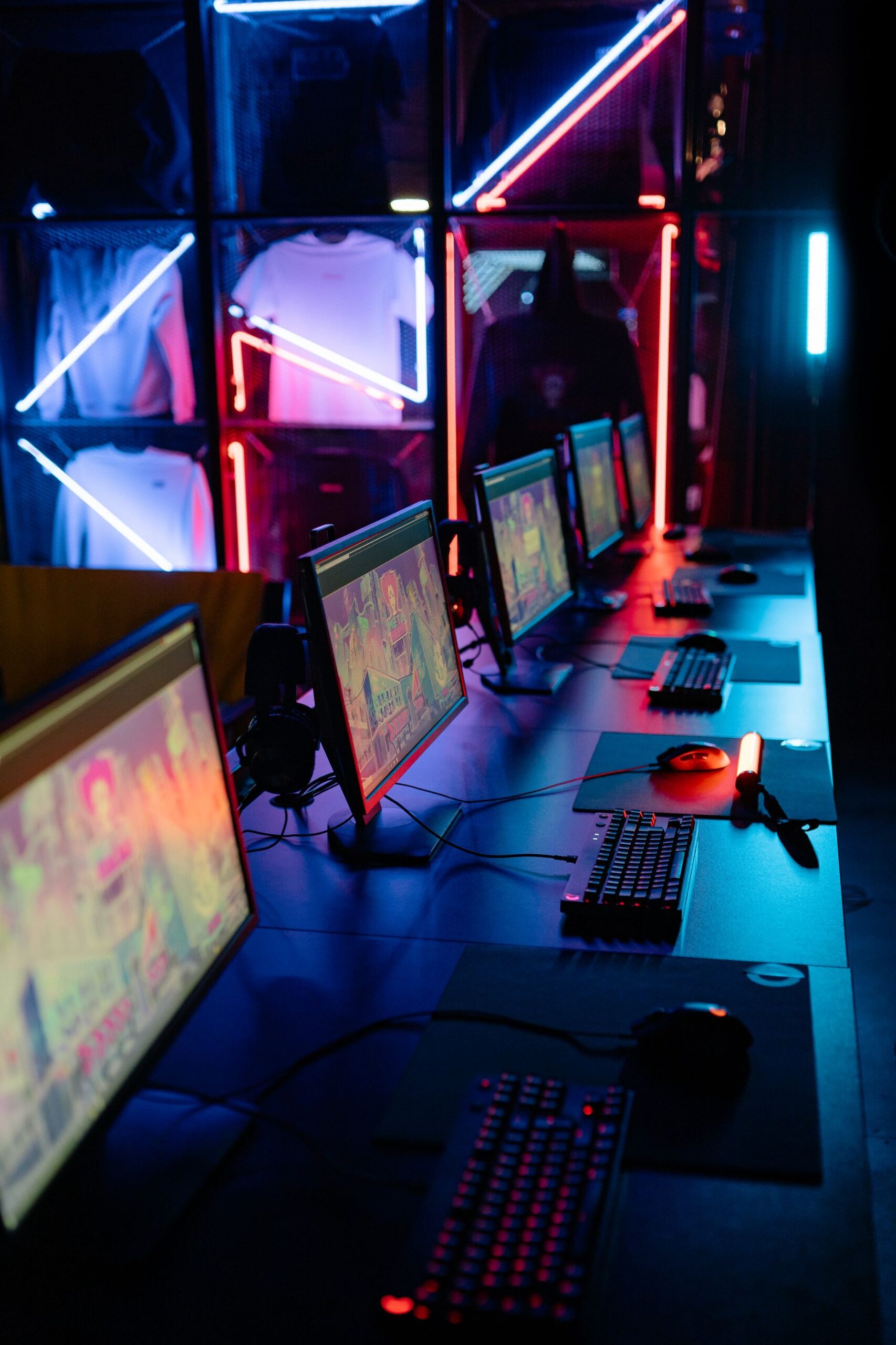
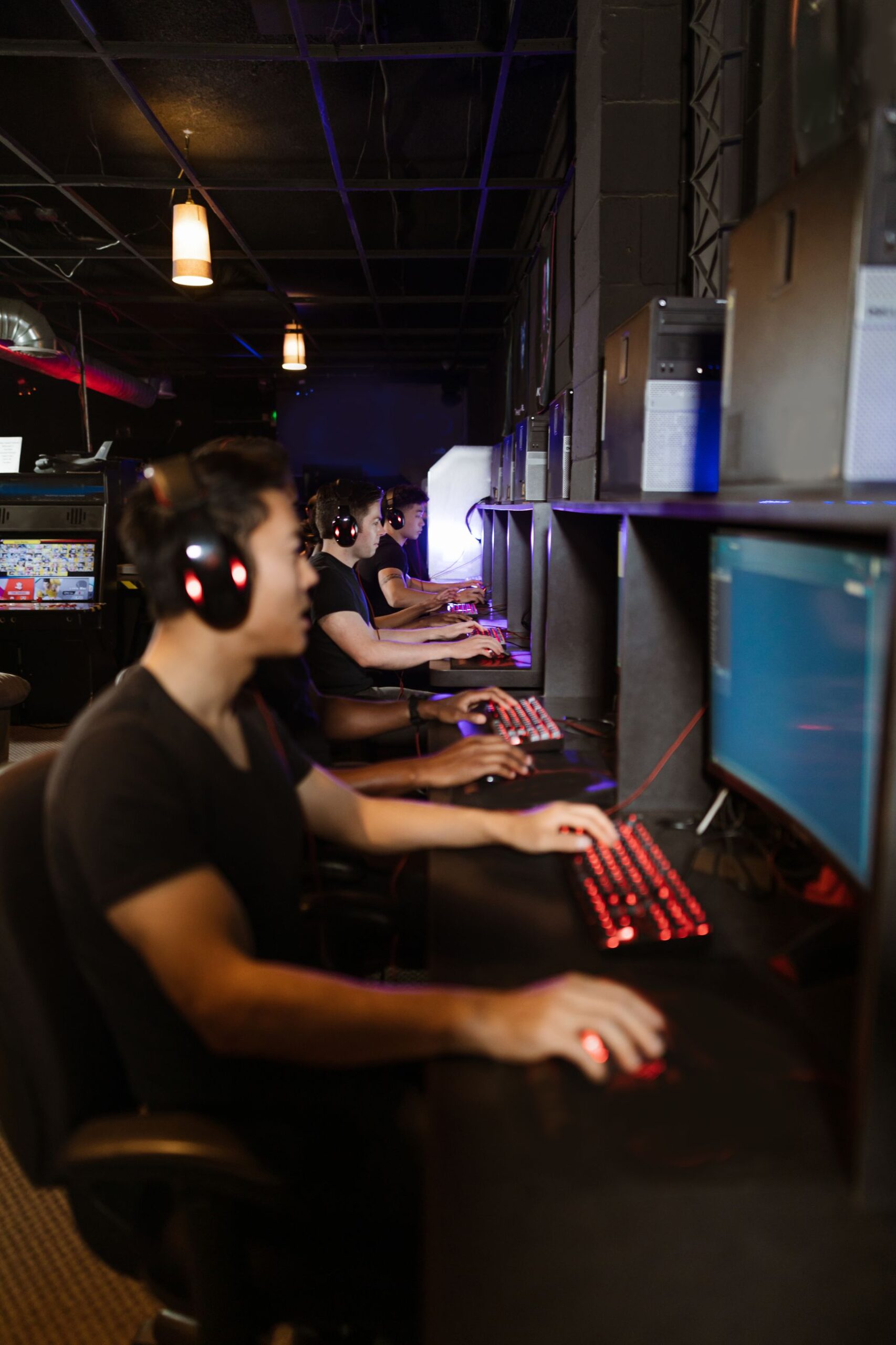
There is a specific kind of confusion that hits every new arrival in Korea the first time they see a sign that just says “PC” in giant neon letters above a stairwell going down into a basement. Not a repair shop. Not an electronics store. You go down the stairs expecting something computer-adjacent and boring, and instead you walk into a dim, humming room lit mostly by monitor glow, dozens of faces lit blue-white and completely absorbed, the click of mechanical keyboards overlapping with the whir of heavy-duty cooling fans, someone’s headset picking up a muffled burst of team chat every few seconds. Forty people, all somehow playing the same game at eleven on a Tuesday morning. Nobody warns you about this. My own first reaction was the one nearly every bewildered new arrival has: is this legal, is this a front for something, and why does it smell like ramyeon and energy drinks in exactly equal measure.
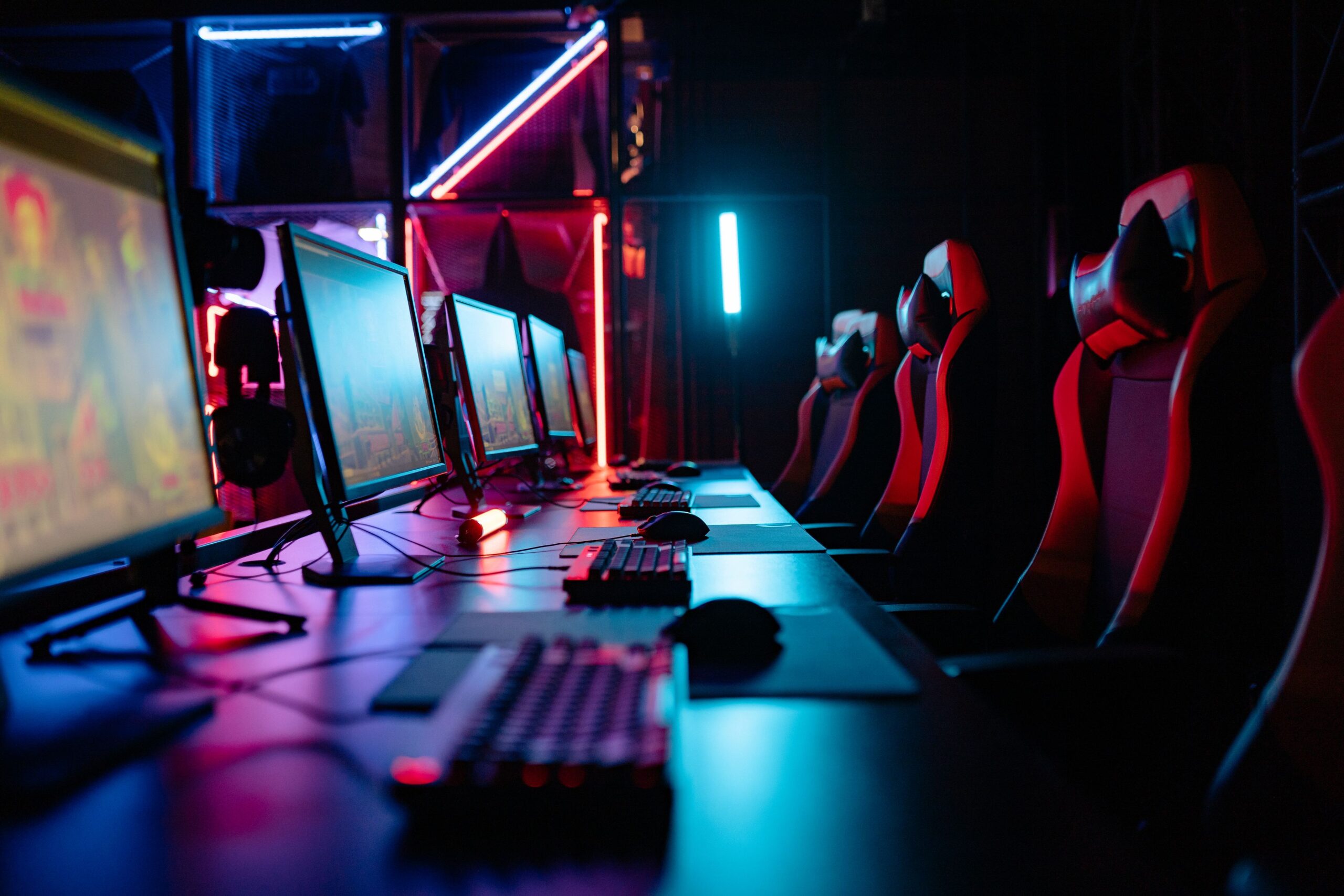
It is, of course, completely legal, extremely normal, and one of the more quietly brilliant pieces of infrastructure this country has built. A PC방, PC bang if you’re transliterating, literally means “PC room,” and it is the closest thing Korea has to a corner pub, except instead of beer you’re paying for bandwidth and a chair that reclines further than most business class seats. You’d think an internet cafe is just an internet cafe wherever you go, but that assumption falls apart within about thirty seconds of sitting down in one of these places. The chair alone tells you something different is happening here, and so does the ordering software glowing in the corner of the screen before you’ve even opened a game.
What a PC Bang Actually Is
Strip it down and a PC bang is a room full of desktop computers you rent by the hour, usually running the latest games at settings your own laptop could only dream about, on a connection that makes buffering feel like a myth from another decade. That much sounds like the internet cafes some of us remember from the early 2000s in other countries, the kind with sticky keyboards and a vague smell of bleach. The similarity ends almost immediately. Korean PC bangs invested early and kept investing, cycling through top-tier graphics cards, the kind of Nvidia RTX-class hardware you’d expect in a serious home gaming rig rather than a rental terminal, because the entire business model depends on people wanting to sit there for hours, not minutes. A slow machine means a customer who leaves after twenty minutes. A fast one means a customer who orders dinner.
And that difference in incentive, more than anything else, is why the whole experience feels engineered rather than incidental. Nobody stumbled into gaming chairs and seat-side food service by accident. It grew out of a very specific economic logic: charge a small amount per hour, keep people comfortable enough that they stay for four or six hours instead of one, and sell them everything else in between.
The StarCraft Roots
To understand why that logic took hold so completely here, it helps to go back to where PC bangs actually came from, because the density on today’s street corners isn’t a recent trend, it’s closer to sediment built up over three decades. In the late 1990s, after the Asian financial crisis, the Korean government pushed hard on broadband infrastructure as part of a broader economic recovery push, and PC bangs multiplied fast as a cheap, shared way for ordinary people to access that new high-speed internet before most households had it at home. Blizzard’s StarCraft landed right into that moment in 1998 and took off in Korea on a scale that reportedly startled even its own publisher, accounting for a very large share of the game’s total global sales that year. PC bang owners started running informal tournaments among their regulars to keep people coming back, those tournaments grew reputations and rivalries, and what began as a marketing gimmick for gaming cafes eventually scaled into something that filled hotel ballrooms and later stadiums, creating the professional esports industry Korea is still known for today. You don’t have to care about esports at all to still be living inside the infrastructure that history built. The PC bang on your corner is basically a living fossil of that entire arc, still running the same core business model it did before esports was a word anyone used.
The Ordering System, or Why You Never Have to Stand Up
This is the part that genuinely surprised me, and I think it surprises most people who grew up with the Western idea of an internet cafe as a place you check email and leave. In a Korean PC bang, your monitor is also a menu. A small ordering program sits minimized in the corner of the screen, and with a couple of clicks you can order ramyeon, fried chicken, tteokbokki, a pork cutlet, coffee, or one of roughly a dozen energy drinks, and someone brings it directly to your seat, usually within five to ten minutes. You do not stand up. You do not interrupt your game. You do not even have to pause to hand someone cash, since it usually goes straight onto your session tab. A bowl of ramyeon typically runs somewhere around three to four thousand won, a few dollars at most, and most other dishes stay under ten thousand won, so a full meal rarely breaks the price of a movie ticket.
I still find this a little absurd in the best way. There is something almost funny about a business model built entirely around the premise that once you sit down, you shouldn’t have to get back up, and has built an entire kitchen operation around that fact rather than fighting it. Most of the food is inexpensive too, which keeps the math working for both sides: the cafe makes money on food margins as much as screen time, and the customer never has to break concentration on a ranked match to go find dinner.
Pricing, and Why It Never Quite Adds Up the Way You Expect
Base hourly rates tend to sit somewhere in the range of one thousand to two thousand won, roughly one to two dollars, give or take depending on the neighborhood and how new the machines are. That sounds almost silly compared to gaming cafes in a lot of other countries, and it is. But the pricing structure is where the actual cleverness lives. Most places sell bulk time packages, ten hours, twenty hours, sometimes more, at a meaningfully lower per-hour rate than paying as you go, and plenty of regulars keep a running balance loaded onto a membership card the way you might keep money on a subway card. You’d expect that kind of volume discount to be a niche option, but it is often the default way people actually pay, which quietly reframes the PC bang from “occasional treat” into “place you have a running tab at,” not unlike a bar where the owner already knows your order.
Add food, and a few hours can genuinely cost less than a single movie ticket with popcorn. That is not a coincidence. It is the entire point. A PC bang only works as a business if the per-visit cost stays low enough that stopping by after work, or killing time before the last subway train, never feels like a real financial decision. It is priced to be a habit, not an event, and once you’re locked into that cheap, habitual rate, the thing that actually decides how long you stay stops being the price and starts being your body. Which is exactly where the chair comes in.
Gaming Chairs and the Cult of Comfort
You could argue the gaming chair is the actual star of the operation, more than any graphics card. These are not the flimsy office chairs you’d find in a budget internet cafe elsewhere. They recline, they have real lumbar support, some have built-in speakers in the headrest, and after four hours in one you start to understand why people who haven’t sat in an actual barber’s chair in years will happily sink into one of these without a second thought. There is a reason PC bang chairs occasionally show up as a punchline in Korean entertainment, the exaggerated fantasy seat that pampers a person who is, on paper, just sitting at a desk. The joke works because the comfort is real, not because it’s absurd.
Comfort here is not decoration, it’s strategy again. If your back hurts after ninety minutes, you leave after ninety minutes. If the chair genuinely holds you, the four-hour session becomes plausible, and the whole economic model above depends on exactly that. It still gets me every time how much of what looks like indulgence in Korea turns out, on closer inspection, to be quietly load-bearing for something else entirely.
Why There’s One on Every Corner
Walk through almost any residential or university neighborhood in a Korean city and you will pass at least one PC bang sign within a few blocks, often more than one, sometimes two on the same street competing on late-night hours or newer monitors. That density looks excessive until you think about who’s actually using the space. It is not just teenagers skipping class, although that stereotype exists for a reason. It is office workers killing forty minutes before a dinner appointment, university students studying in the library who need a break that isn’t quite home, groups of friends who want to play the same game side by side rather than over a voice call, and, in cities where apartment sizes are famously modest, people who simply do not have room at home for a proper gaming setup and see no reason to buy one when a better rig sits two minutes away for a couple of dollars an hour.
That last point is easy to underestimate if you’re coming from a country where a spare bedroom or a garage makes a home gaming setup unremarkable. Picture a standard one-room studio here, the kind where the bed, the desk, and the kitchen counter are all within arm’s reach of each other. There is simply no square footage left over for a dedicated gaming corner, let alone a second monitor and a proper chair. A PC bang effectively rents you the space you don’t have, along with hardware you’d otherwise have to justify buying outright for an apartment that can’t hold it. Once you look at it that way, the density on every corner stops looking excessive and starts looking like a fairly rational response to how people actually live here.
How This Differs From a Western Internet Cafe
The comparison is worth spelling out plainly, because it’s easy to assume these are the same thing wearing different signage. The old internet cafe model treated the computer as a utility, a tool you used briefly and left, usually billed by the minute for printing or a quick email check. The Korean model treats the seat as a destination in itself, built for hours-long social gaming, complete with food service, membership pricing, and hardware upgraded on a competitive cycle most public libraries would never dream of matching. One is a service you use out of necessity. The other is closer to a hybrid of a sports bar and a co-working space, minus the coffee snobbery and plus a much better chair.
FAQ
Do I need to speak Korean to use a PC bang? Not really. Most ordering software has enough visual menus and icons that you can point and click your way through, and staff are used to foreigners wandering in confused. Bring a bit of cash or a card for the membership deposit some places ask for, and you’ll be fine even with zero Korean.
Are PC bangs only for hardcore gamers? Not at all. Plenty of people use them to browse, do light work on a bigger monitor, or just have somewhere warm and cheap to sit for a couple of hours between appointments. Nobody checks what you’re doing on your screen.
Is it awkward to go alone? Genuinely no, and this ties into something I’ve written about before on this blog regarding eating alone in Korea: PC bangs are one of the most solo-friendly spaces in the country. Half the room is already sitting there by themselves, headphones on, completely unbothered.
There is a specific kind of panic that hits foreign parents in Korea about eleven months into their baby’s life, and it has nothing to do with sleep training. It’s the moment someone — a coworker, an in-law, the ajumma who runs the corner store and has somehow tracked your child’s age this whole time — asks, “Doljanchi jun-bi haseyo?” Have you prepared the first birthday party? And you realize this is not a suggestion. This is an expectation with a venue, a caterer, and possibly a stage.
If you grew up somewhere that treats a first birthday as a nice excuse for cake and a slightly bewildered baby smearing frosting on the carpet, doljanchi (돌잔치) will recalibrate your sense of scale. I assumed, going in, that the fuss was mostly about the party — the photographer, the hanbok, the rented event hall with the LED backdrop. It isn’t. The party is the visible layer sitting on top of something much older and, honestly, much sadder than it first appears, and once you understand that layer, the whole production stops looking excessive and starts looking almost tender.
Why the first birthday became the big one
You’d think Koreans just like round numbers, but the real reason the first birthday outranks every other birthday is grim: for most of Korean history, a huge share of infants did not survive their first year. Historians studying premodern Korea and the wider region commonly cite infant and early-childhood mortality somewhere in the range of 20 to 30 percent before age one — disease, malnutrition, and cold winters in homes without reliable heating took a brutal, routine toll. Compare that to South Korea’s infant mortality rate today, which sits below 3 per 1,000 births, one of the lowest figures in the world, and the gap stops being an abstract statistic. A baby who made it to their first “dol” (돌, meaning both “birthday” and, not coincidentally, “one full turn of the year”) had cleared the single most dangerous stretch of their life. That was worth throwing a party over. It still is, even now that the danger has largely disappeared — the ritual outlived the crisis that created it, the way a lot of traditions do, and to mark that hard-won survival, communities pulled out all the stops visually, starting with the clothes.
Once you know that history, a few things about doljanchi make more sense. The emphasis on longevity symbols. The slightly superstitious energy in the room even among families who’d otherwise call themselves totally non-superstitious. The fact that grandparents tend to take this event more seriously than the parents do, sometimes visibly more emotional than anyone expects them to be. I’ve seen a grandmother tear up watching a baby just sit there in a hanbok doing nothing in particular, and it took me a while to understand that she wasn’t reacting to the outfit. She was reacting to the fact that the kid was there at all, a full year in, healthy. That context reframes the whole event from “elaborate baby party” to something closer to a survival milestone people are still instinctively grateful for, even generations after the danger passed.
The hanbok, and the photo studio culture around it
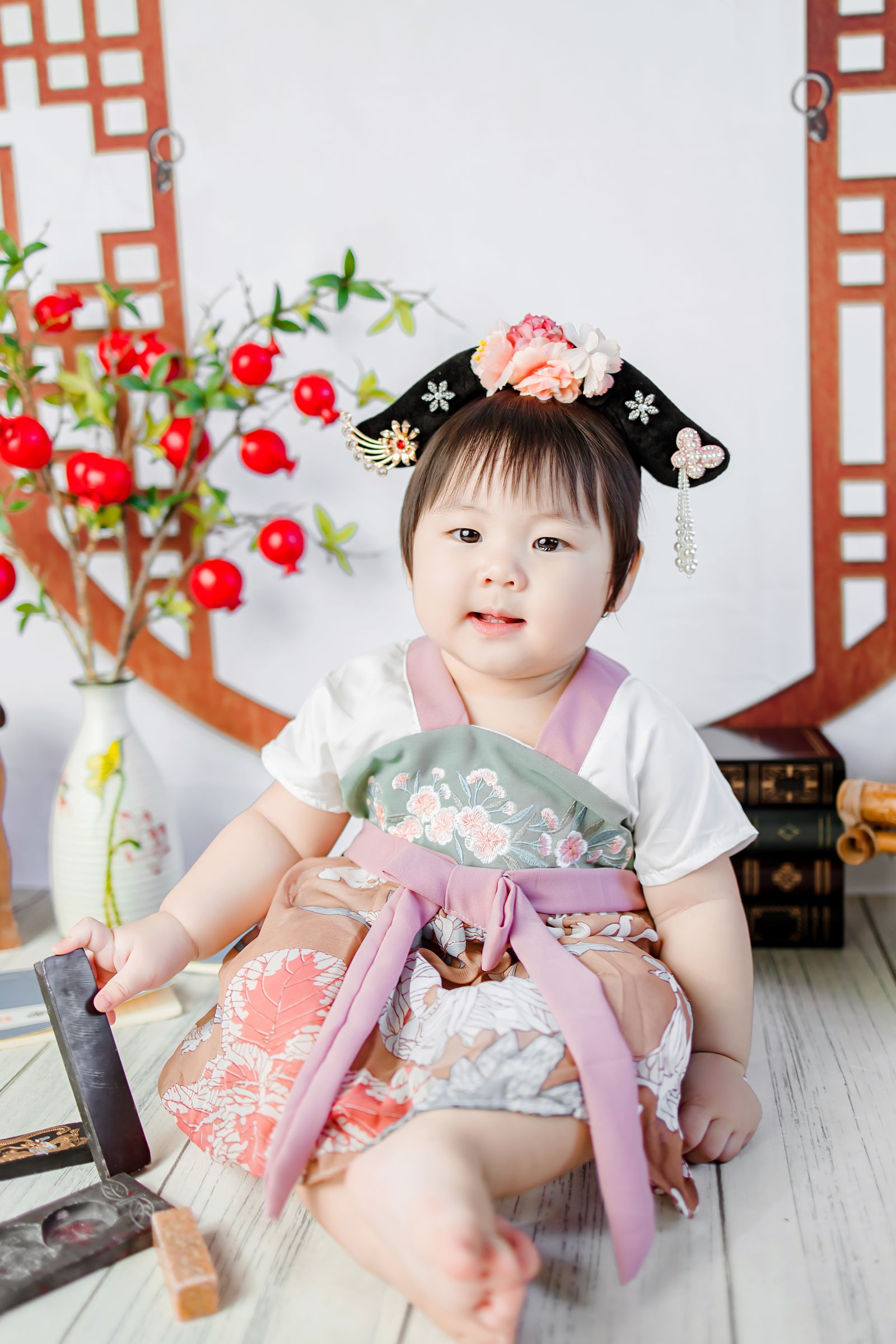
The outfit is where doljanchi announces itself visually before anything else happens. Baby boys typically wear a version of the sekdong jeogori — a jacket with rainbow-striped sleeves (obangsaek, the five traditional colors representing the cardinal directions and elements) — paired with a vest and sometimes a small black hat called a bokgeon or a jobawi. Girls wear a miniature hanbok with a wrap skirt (chima) and jacket (jeogori), often in equally saturated colors, sometimes with a decorative headpiece. None of this is randomly pretty. The colors and layers borrow directly from the ceremonial dress of Joseon-era nobility, which is a deliberate choice — for one day, every baby, regardless of the family’s actual background, gets dressed like they matter that much. It’s a nice inversion, honestly: a culture that can be sharply status-conscious in adult life takes one day to dress every single infant like royalty.
What surprised me, watching this up close, is how commercialized and yet how sincerely maintained the hanbok tradition is at the same time. You can rent a full doljanbok set for under 100,000 won at most event hall packages, or buy one outright for a few hundred thousand won if you want to keep it. That commercial layer extends straight into photography. Dol photo studios book up weeks in advance during peak season, and most run a formula: a dedicated shoot happens before the actual party, with two or three outfit changes — hanbok, then a Western-style suit or dress, then often a themed costume — plus staged doljabi props set up early so the “official” album can be shot and edited regardless of how the baby’s mood holds up on the real day. Parents effectively rehearse the milestone photographically before living through it live in front of guests. It would be easy to call this pure consumerism, and there’s plenty of markup baked into a rush-season studio package, but the underlying impulse is the same one that existed five hundred years ago: document this thoroughly, because it once wasn’t guaranteed. The equipment just got much better.
Doljabi: where the small talk stops
Doljabi (돌잡이, literally “grabbing at the dol”) is where polite chatter around the buffet suddenly cuts out and the whole room leans in at once. It’s the fortune-telling centerpiece of the party: the baby is set down in front of a table lined with symbolic objects, and whatever they grab first is treated as a genuinely meaningful sign of their future. I went into my first doljabi assuming it was a scripted photo-op everyone knows isn’t real. Then I watched a room full of adults — engineers, a pharmacist, someone’s very no-nonsense uncle — go completely silent as the kid’s hand hovered between options, and I revised that opinion fast. Nobody actually believes a one-year-old’s grab predicts anything with statistical reliability. Everyone acts, for about eight seconds, like they might.
The traditional lineup includes thread (silsa), which represents a long life; money, for wealth; rice, for a life of abundance; and a book or a brush/pencil (bit or yeonpil), representing scholarly success. Some tables include a bow and arrow for boys, symbolizing courage, or scissors and a ruler for girls, symbolizing skill with handiwork — though modern doljanchi have mostly dropped the gendered version in favor of one shared set of items regardless of the baby’s sex. Modern tables have also expanded well beyond the classic four or five objects: a stethoscope (future doctor), a microphone (future singer or broadcaster), a golf ball (future athlete), a gavel (future judge or lawyer), or a mouse — as in a computer mouse — for a future in IT. I’ve heard of tables with a tiny airplane for a future pilot and, more than once, a miniature basketball. The core mechanic hasn’t changed in five hundred years; the vocabulary of aspiration has just updated itself for whatever careers a given generation of parents actually respects. Part of why the room actually pays attention: some event-hall MCs run a small side game where guests guess in advance which item the baby will grab, sometimes for a token prize like a bottle of olive oil or a coffee gift card. That silence during the grab isn’t purely sentimental — there’s occasionally a minor bragging right riding on it too.
What nobody tells you beforehand is how rigged it secretly is. Parents will angle the table, place their preferred item slightly closer to the baby’s dominant hand, or have someone gently redirect a wandering arm. I’ve seen a father visibly wince when his daughter went straight for the microphone instead of the stethoscope he’d been not-so-subtly nudging toward her. Is this cheating a fortune-telling ritual nobody believes in literally? Sure, technically. Does it matter? Not even slightly, and everyone in the room knows the game while playing along completely straight-faced, which is honestly the most Korean detail in the whole ceremony. That playful manipulation of destiny happens in front of an audience, which is part of why these parties rarely stay confined to a living room anymore.
Why the party outgrew the living room
You might expect a baby’s first birthday to be a small, private, at-home affair — immediate family, maybe a few close friends, cake on the coffee table. That is very much not the default in urban Korea today. Doljanchi has its own dedicated event-hall industry, the same way weddings do, and the packages look surprisingly similar: a rented hall, often inside a hotel or a purpose-built party venue, for anywhere from thirty to well over a hundred guests; a buffet running roughly 30,000 to 50,000 won per head; a hired MC who runs the doljabi segment like a mini game show, complete with a script and sometimes that guessing game; a professional photographer working the room in real time; a rented hanbok set bundled into the package; and a slideshow of the baby’s first year, cut to music, playing on a loop while guests eat. Total package prices in Seoul commonly run from roughly 1 to 3 million won depending on guest count and venue tier, sometimes considerably more for upscale hotel banquet rooms. It is, structurally, a wedding-sized production for a guest of honor who cannot yet walk unassisted.
I found this baffling at first, honestly a little absurd — why stage a full banquet for someone who will spend half the event asleep or crying and remember none of it? But it clicked once I connected it back to the infant mortality history. If your culture spent centuries treating “made it to age one” as an event worth genuinely celebrating with the whole extended community, then scaling that celebration up as families got wealthier and event infrastructure got more sophisticated is just consistent. Weddings got bigger. Funerals got more elaborate. Of course the first birthday party did too. It was never really about the baby’s own enjoyment — babies this age are famously indifferent to venue quality — it’s about the community formally witnessing that the child made it.
Gifts: why so much gold
Guests do not show up empty-handed, and cash envelopes are common, often in the same format as wedding cash gifts, with amounts scaled to how close you are to the family. But the gift that actually defines Korean doljanchi culture is gold, specifically gold rings, called dol banji. A one-don gold ring (about 3.75 grams) is the traditional benchmark gift from close relatives, and at recent gold prices that single ring can run roughly 500,000 to 600,000 won or more — gold has climbed sharply in the past couple of years, and dol banji prices climbed right along with it. A baby with five or six close relatives, each bringing one ring, can plausibly leave their own first birthday party holding well over two million won in gold, in a form they obviously can’t spend, wear, or even understand receiving.
You’d think giving a baby jewelry it can’t wear for another fifteen years would feel like an odd gift choice, and I thought so too, until someone explained the logic plainly: gold doesn’t spoil, doesn’t go out of style, and holds value regardless of what’s fashionable that particular year, unlike baby clothes or toys, which are irrelevant within six months. It’s less a toy and more a small, physical head start, something the family can hold onto or convert later. Some families genuinely still keep the rings in a drawer for years; others quietly sell them and put the money toward the actual costs of raising a kid, which, in a country with Korea’s cost-of-living pressures, is a pretty reasonable thing to do with several grams of gold. Either way, it’s one of the more practical superstitions I’ve come across here — a gift that’s simultaneously symbolic and, unlike most symbolic gestures, retains real liquid value.
The pressure underneath the pastel photos
Is there pressure in all of this? Undeniably. Parents compare venues, compare hanbok quality, compare how elaborate the slideshow was, in ways that echo the same social comparison that shows up around Korean weddings or around Seollal gift-giving, if you’ve read about either of those on this blog before. The glossy, professionally retouched photo-album aesthetic that comes out of a dol studio session sets a bar that not every family wants to or can match, and I won’t pretend that pressure is imaginary or that every family loves the expense. But underneath the polished surface, I keep coming back to the same thing: this entire, slightly overproduced circus exists because, for most of human history in this part of the world, getting a baby safely to age one was not something you could take for granted. The party is loud and a little much. The reason for the party is quiet and, once you sit with it, kind of moving.
Frequently asked questions
Do I have to rent an event hall, or can doljanchi be small and at home? Plenty of families, especially younger or more budget-conscious ones, now do a smaller version — immediate family only, at home or at a casual restaurant, with a simplified doljabi table and a hired photographer for an hour instead of a full banquet package. The scaled-down version is increasingly common and nobody treats it as a lesser celebration; it’s just a different budget decision, the same way not every wedding needs a hotel ballroom.
I’m invited to a doljanchi and have no idea how much cash to give — what’s normal? As a general guideline, cash gifts for a doljanchi you’re attending as a casual acquaintance or coworker tend to run somewhere around 50,000 to 100,000 won, similar in logic to wedding cash gifts. Closer relatives or very close friends often give considerably more, sometimes alongside a gold ring instead of, or in addition to, cash. When in doubt, matching what you’d give at a coworker’s wedding is a reasonable baseline.
What if the baby doesn’t grab anything, or just cries through the whole doljabi? This happens constantly, and nobody treats it as a bad omen — it’s usually just filed under “the MC will make a joke about it and move on.” Some families do a second attempt a few minutes later once the baby calms down; others just laugh it off and move straight to cutting the cake. The ritual is taken seriously in the moment and shrugged off immediately afterward if it doesn’t go as planned, which is honestly a pretty healthy way to treat a fortune-telling game involving a one-year-old.
The first time my manager stood up mid-dinner, pointed at me, and said “Josh-ssi, noraebang,” I assumed it was a suggestion. It was not a suggestion. It was 9:40 on a Thursday, we’d already been at the barbecue place for two hours, and somehow the night was just getting started. I remember thinking: we have work tomorrow. Nobody else seemed to be thinking that at all.
That was four years ago, and I’ve probably logged more hours inside a noraebang than I have inside most Korean apartments I’ve lived in. If you’ve spent any time around Korean coworkers, friends, or even just wandering a side street in Hongdae past 10 p.m., you’ve seen the signs — a tower of neon characters stacked above a stairwell, half of them promising “24 HOUR” service like the whole building runs on a different clock than the rest of the city.
What “Noraebang” Actually Means
Break the word apart and it’s almost insultingly literal: norae (노래) is song, bang (방) is room. Song room. Koreans aren’t usually in the business of poetic branding, and this is a good example — it does exactly what it says, nothing more. The Oxford English Dictionary apparently agreed, quietly folding “noraebang” into its pages a couple of years back, which felt like a strange kind of vindication the first time I heard about it. A word I’d been mangling in front of my in-laws is now, technically, English.
You’d expect a country this into karaoke to have imported the American bar-stage version — the one where a stranger in flannel butchers “Don’t Stop Believin’” while everyone at the counter pretends to listen. Korea looked at that model and mostly passed on it. Here it’s private rooms, closed doors, a screen, two microphones, and nobody outside your group ever hears you sing unless you happen to be loud enough to leak through the wall. That single design choice explains most of why the culture works the way it does.
Not a Performance — A Pressure Valve
This is the part that took me the longest to actually absorb, not just intellectually understand. In the U.S., karaoke night has a mild competitive edge to it — somebody’s “good,” somebody’s doing it ironically, somebody’s clearly rehearsed. In a Korean noraebang, the worst singer in the room usually gets the loudest cheer. My father-in-law, who I would generously describe as tone-deaf, gets handed the mic first every single time we go, and every single time the room erupts like he just landed a high note from a K-pop finale. Nobody’s being kind out of pity. It’s closer to a rule: the room’s energy matters more than the room’s talent.
Once you clock that noraebang exists to release pressure rather than showcase skill, a lot of adjacent behavior makes sense. Hoesik — the work dinners that can stretch across three separate venues in one night — almost always end here, not because anyone especially wants to sing but because it’s the one space where hierarchy loosens slightly. I’ve watched a department head who visibly flinches when the office copier jams grab the mic stand like a conductor’s baton and throw himself into a trot ballad, tie loosened, top button undone, sweat on his forehead by the second verse — the same man who’d spent the entire dinner talking about quarterly numbers in a flat, careful voice. That transformation, more than anything else, is the whole point of the room. I’ve seen junior employees relax visibly the moment the noraebang door shuts behind them, like the office finally got left outside on the street.
The Tambourine Is Not a Toy
Every noraebang room comes stocked with at least one tambourine, sometimes two, and I assumed for my first year in Korea that these were just there for kids. They are not for kids. The tambourine holder has an actual job: light shaking through the verses, aggressive pounding through the chorus, and a triumphant crash the second someone nails — or badly misses — the high note. Hand you the mic without warning and you’re expected to sing. Hand someone else the tambourine and they’re expected to work. I’ve watched a coworker take tambourine duty more seriously than her actual PowerPoint presentation the next morning, and honestly, I respected it.
Song Selection Is Its Own Skill
Every room has a thick, dog-eared songbook — or increasingly, a tablet — organized by number, and learning to navigate it fast is a genuine social skill. English-language songs sit in their own section, usually a few pages that get more battered than the rest because every foreigner in the room heads straight there. I still remember the mild panic of being handed the book on night one and realizing I didn’t actually know any song numbers, while my Korean coworkers were tapping in five-digit codes from memory like they were dialing a phone number they’d owned for a decade. There’s a particular kind of confidence to watching someone punch in “18942” without even glancing at the screen.
Trot — the older, accordion-and-drum-machine genre that sounds almost polka-adjacent — gets pulled out disproportionately once the adults have had a few drinks, and ballads dominate the back half of any long session once the energy dips. Service songs, extra free minutes the noraebang owner tosses in without being asked if you tip a little or just look like regulars, are the closest thing Korea has to a karaoke happy hour. It’s a small gesture, but it tracks with the broader idea of jeong (정) — that slightly untranslatable Korean sense of accumulated goodwill between people who see each other often enough to stop being strangers. The owner isn’t handing out free minutes because it’s good business. It’s because you showed up last Tuesday too.
The Score Machine Will Humble You
Most systems score your performance out of 100 the second the song ends, and I’ve never seen a scoring feature generate this much genuine emotional investment in any other context. Ninety-plus and the room treats you like a minor celebrity for the next fifteen minutes. Anything under sixty and you will hear about it, gently, for the rest of the night. I once scored a 52 on a song I genuinely thought I’d nailed, and my sister-in-law brought it up at Chuseok dinner eight months later like it was recent news. The machine remembers nothing. The people in the room remember everything.
Coin Noraebang: The Version Nobody Warns You About
Whether you end up in a crowded room with six coworkers or completely alone, the ritual always starts the same way: staring down a songbook and picking a number. Standard rooms run somewhere around 15,000 to 25,000 won an hour, priced per room rather than per head, which is why a group of six splitting one room feels almost embarrassingly cheap. What surprised me more, months into living here, was discovering coin noraebang — tiny, closet-sized booths, usually built for one or two people, where you feed in coins or cash for roughly 500 won a song.
I ducked into one alone after a bad day at work, a can of Milkis from the vending machine in one hand, planning to sing exactly one song and leave. I sang eleven, working my way through a stretch of overwrought 2000s ballads I would never admit to owning if you asked me sober. The booth was barely wider than my shoulders, the carpet had that specific noraebang smell of stale air freshener, and nobody was there to judge either the song choice or the math. That’s sort of the point — coin noraebang strips away even the small social performance of booking a room with friends. It’s karaoke as a coping mechanism, available at 2 a.m., no reservation required, no group required, no audience except a screen that’s already forgotten your score by the time you’ve left the building.
When People Actually Go
There’s no single occasion that “belongs” to noraebang the way, say, jjimjilbang belongs to a rainy Sunday. It shows up after work dinners, after birthdays, after breakups, after exam results — good or bad — and after basically any event that generates enough emotional charge to need somewhere to put it. University students treat it as a default second stop after cheap eats near campus. Middle-aged coworkers treat it as the unofficial closing ceremony of a hoesik night. I’ve been dragged into a 4 a.m. session after a friend’s job interview went badly, and into another one three hours later that same week after mine went well. Different reasons, same room, same slightly sticky mic.
A Few Things Worth Knowing Before You Go
Rooms are usually paid at the counter when you leave, not upfront, and most places will let you extend by the half hour if the room’s free afterward — just ask at the desk rather than assuming. Bringing outside drinks is technically frowned on in some places and completely fine in others, so it’s worth reading the room, literally, before you crack open a can of makgeolli someone smuggled in from the convenience store downstairs. And if you’re handed the mic first as a guest, don’t overthink the song choice — nobody’s grading your taste, only your commitment to keeping pace with whoever’s on tambourine duty.
자주 묻는 질문 (FAQ)
Do I need to speak Korean to use a noraebang?
Not at all. Numbers are universal, and the English song section exists specifically because so many visitors and expats use these rooms — most machines even let you switch the interface language with a couple of taps. The one moment you’ll actually want a Korean-speaking friend nearby is settling the bill or asking about extending your time, since front-desk staff at older, family-run spots may not speak much English.
Is it awkward to go to a coin noraebang alone?
Genuinely, no — and this surprised me the most. Solo visits are common enough that nobody looks twice, and the tiny booths are built with exactly that in mind. If anything, showing up alone at 11 p.m. on a weeknight is one of the least remarkable things you can do in most Korean cities.
What happens if nobody in the group wants to sing first?
Someone always eventually caves, usually whoever’s had the most to drink or whoever’s the most senior in the group — seniority still nudges its way into even a room built around cutting loose. If the silence drags on too long, the tambourine tends to get passed around as a stalling tactic until someone finally breaks.
새벽 5시 40분, 서울역 승강장은 아직 어둡다. 테이크아웃 아메리카노 뚜껑 틈으로 김이 새어 나오고, 옆자리 남자는 벌써 좌석에 기대 눈을 감았다. 부산까지 2시간 40분, 부산역 도착이 오전 8시 20분쯤이니 해 뜨자마자 바다를 보는 일정도 그렇게 무리는 아니다. 다만 이 코스, 해운대에서 감천문화마을을 거쳐 자갈치 밤바다까지 하루에 끝내려면 동선을 허투루 짜면 안 된다. 시간에 쫓겨 편의점 김밥으로 저녁을 때운 게 두 번, 그 실패 끝에 겨우 맞춘 순서가 이거다.
오전 8시 40분, 해운대는 생각보다 조용하다
해운대해수욕장에 도착하면 백사장 폭이 생각보다 넓어서 놀란다. 1.5km 길이에 넓은 구간은 폭이 50m를 넘는다는데, 여름 성수기 사진만 보고 오면 겨울이든 봄이든 “여기 진짜 그 해운대 맞아?” 싶을 만큼 한산하다. 부산역에서는 지하철 1호선으로 서면까지, 거기서 2호선으로 갈아타면 해운대역까지 45분 정도 걸린다는 것만 기억해두면 된다. 이 시간대는 관광객보다 출근하는 사람이 더 많아서, 바다 앞에 서 있는 사람이 나 혼자인 것 같은 착각마저 든다.
달맞이길 쪽으로 15분쯤 걸어 올라가면 미포항이 나오고, 절벽 위로 통유리 오션뷰 카페들이 줄지어 있다. 아메리카노 한 잔이 7,000원대라 서울 번화가 가격과 비슷한데, 창가 자리에 앉아 파도가 부서지는 걸 내려다보고 있으면 그 돈으로 3면이 바다인 상영관을 통째로 빌린 기분이 든다. 주말이라면 오픈 직후인 10시쯤 가야 창가 자리를 잡을 확률이 높다. 여기서 30분만 앉아 있어도 하루 일정이 벌써 여유로워진 느낌인데, 이건 착각이다. 다음 목적지가 절대 만만치 않기 때문이다.
감천문화마을, 사진보다 계단이 문제다
해운대에서 감천문화마을까지는 택시로 25분 남짓, 요금은 2만 2천 원 안팎이다. 대중교통을 고집한다면 해운대역에서 2호선을 타고 서면에서 1호선으로 환승, 토성역 6번 출구로 나와야 한다. 거기서 마을버스 1-1번이나 2번, 2-2번을 타면 10분 만에 마을 입구에 닿는다. 배차 간격이 15~20분이라 놓치면 애매하게 기다리게 되니, 이 구간만큼은 택시 쪽이 마음 편하다. 남포동에서 출발한다면 기본요금 수준인 5,000~6,000원 정도면 충분하다.
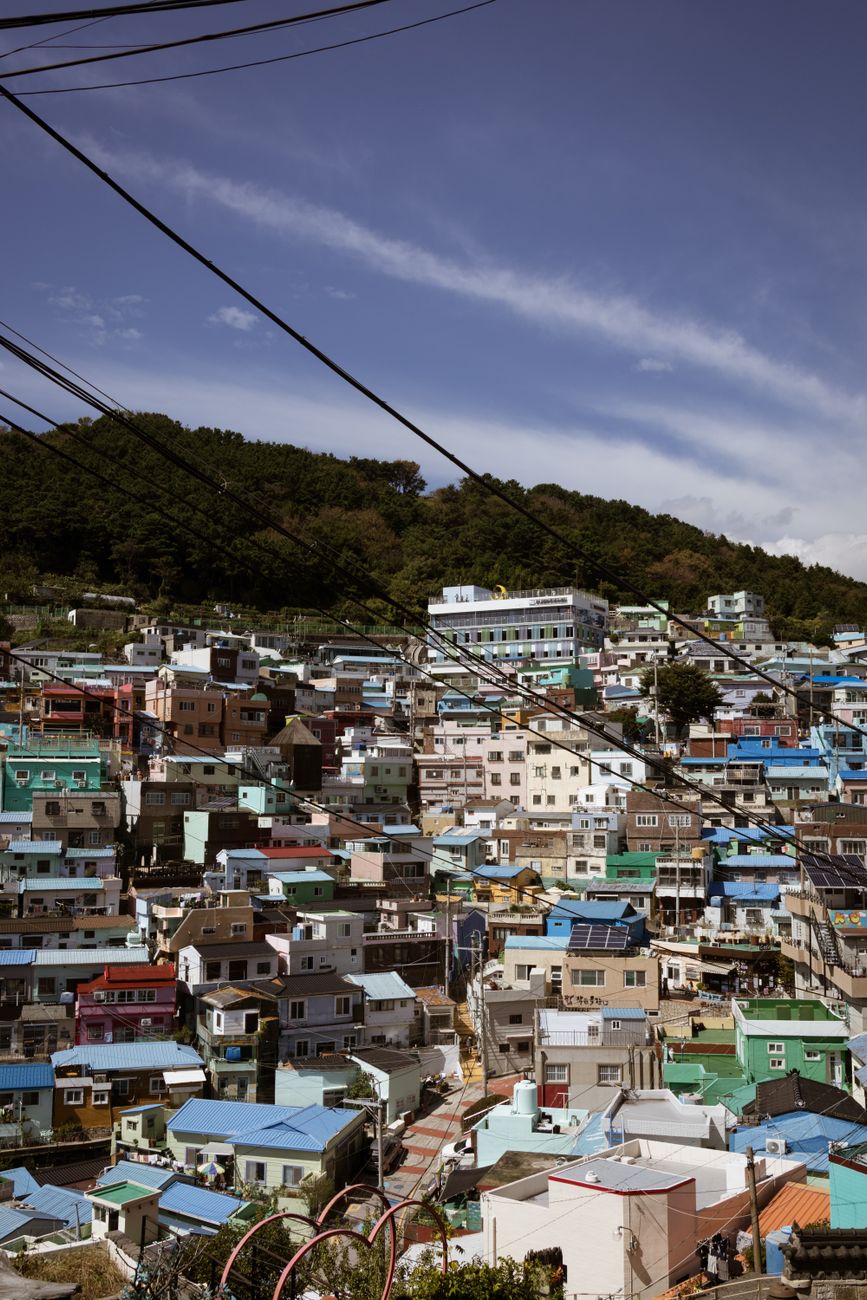
‘한국의 마추픽추’라는 별명이 좀 오버 아닌가 싶었는데, 전망대에 올라서면 그 말이 왜 나왔는지 바로 이해된다. 산비탈을 따라 파스텔톤 집들이 계단식으로 붙어 있고, 골목마다 벽화와 조형물이 숨어 있다. 어린왕자와 사막여우 동상 앞은 줄이 길어서 평일 오후 2시에도 10분은 기다려야 사진을 찍을 수 있었다. 문제는 계단이다. 마을 전체가 경사지라 골목 투어를 제대로 하려면 최소 1시간 반은 잡아야 하고, 운동화가 아니면 후회한다. 힘을 아끼고 싶다면 순서를 거꾸로 타는 것도 방법이다. 전망대에서 시작해 아래로 내려가면 체감 난이도가 절반 이하로 줄어든다. 입구에서 파는 스탬프 지도가 2,000원인데, 이거 하나 들고 다니면 놓치는 골목 없이 다 돌 수 있어서 의외로 유용했다.
점심은 마을 초입 국밥집에서 돼지국밥으로 해결했다. 9,000원, 양이 아주 많지는 않은데 오히려 다행이다. 저녁에 자갈치에서 회를 먹어야 하니 국밥은 밥을 3분의 1쯤 남기는 게 낫다. 배부르게 먹었다가는 나중에 회가 눈앞에 있어도 젓가락이 안 간다.
오후 5시, 자갈치로 넘어가는 타이밍이 핵심이다
감천문화마을에서 자갈치시장까지는 택시로 15분, 요금은 만 원 안쪽이다. 여기서 시간을 잘 맞춰야 하는 이유가 있다. 너무 일찍 도착하면 낮 시간이라 시장 특유의 활기가 덜하고, 너무 늦으면 좌판 상인들이 벌써 정리를 시작한다. 오후 5시에서 6시 사이 도착을 목표로 잡으면 낮의 시장 구경과 저녁의 야경을 둘 다 놓치지 않는다.
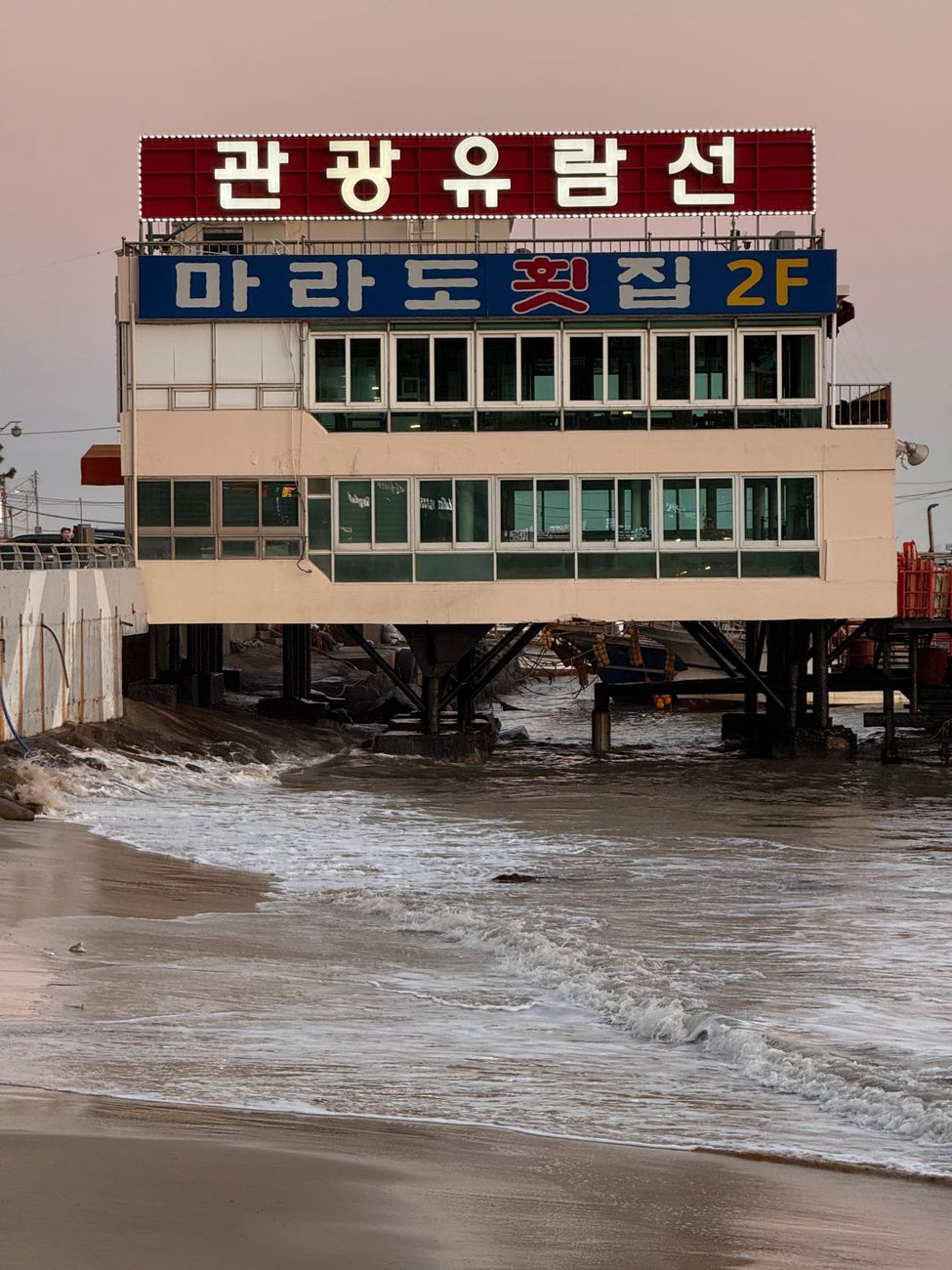
자갈치시장 2층 식당가에서 회 한 접시를 시키면 2인 기준 4~6만 원대. 비싸다고 느낄 수도 있는데, 활어를 그 자리에서 썰어주는 걸 보고 나면 값을 깎을 마음이 안 든다. 회로 배를 채우기 부담스럽다면 1층 좌판에서 파는 만 원짜리 물회도 나쁘지 않은 대안이다. 그러고도 입이 심심하다면 걸어서 5분 거리인 국제시장 씨앗호떡, BIFF광장 비빔당면으로 간식 로드를 이어가면 된다. 하나에 2,000~3,000원이라 부담도 없다.
해가 완전히 떨어지고 나면 자갈치시장 앞 방파제 쪽으로 나가보길 권한다. 영도대교 불빛과 건너편 부산항대교 조명이 검은 물 위에 겹쳐 번지는데, 낮에 본 감천문화마을의 파스텔톤과는 완전히 다른 얼굴이다. 하루 종일 걸어 다닌 다리가 이 야경 앞에서는 이상하게 덜 아프게 느껴진다. 부산역까지는 여기서 택시로 10분, 지하철로는 남포역에서 1호선을 타면 15분이면 충분하다. 서울행 막차 KTX는 밤 10시 30분 전후로 넉넉히 있으니 시간에 쫓길 걱정은 크지 않다.
왜 하필 이 순서인가
해운대-감천-자갈치 순서를 고집하는 데는 이유가 있다. 감천문화마을의 파스텔톤 벽은 오후 햇빛이 정면으로 비칠 때 색이 제일 살아난다. 낮 12시부터 오후 2시 사이가 그 시간대다. 반대로 자갈치는 노을과 야경이 겹치는 해 질 무렵이 가장 예쁜 곳이라, 하루의 뒷부분에 배치해야 그림이 산다. 순서를 거꾸로, 그러니까 자갈치를 먼저 가고 감천을 나중에 가면 골목 투어를 어둑한 데서 해야 해서 사진이 흐릿하게 나온다. 실제로 첫 방문 때 이 순서를 반대로 했다가 사진을 절반쯤 다시 찍어야 했다. 순서 하나 바꿨을 뿐인데 결과물이 이렇게 달라질 줄은 그때는 몰랐다.
정리하면 오전 8시 반 해운대 도착, 9시부터 10시까지 백사장과 달맞이길 카페, 11시쯤 택시로 감천문화마을 이동, 낮 12시부터 오후 2시까지 마을 골목 투어와 점심, 오후 2시 반 자갈치시장 이동해서 낮 시장 구경, 5시부터 저녁 겸 회 한 접시, 해 진 뒤 방파제 야경까지 보면 하루가 딱 채워진다. 이전에 소개했던 전주 당일치기 코스나 강릉 당일치기 코스와 비교하면 부산은 이동 거리가 훨씬 짧고 대중교통이 촘촘하다는 게 장점이다. 대신 볼거리가 한곳에 몰려 있어서 오히려 욕심을 부리다 시간에 쫓기기 쉬운 도시이기도 하다.
자주 묻는 질문
Q. 서울에서 당일치기로 다녀오면 KTX 왕복 비용이 얼마나 드나요? 일반실 기준 왕복 약 12만 원 안팎이다. 특실은 편도 1만 원 정도 더 비싸다. 평일 오전 6시대 열차는 그나마 여유가 있지만 주말에는 최소 2주 전 예매를 권한다.
Q. 비 오는 날에도 이 코스가 괜찮을까요? 해운대 백사장 산책은 아쉬워지지만 감천문화마을은 골목 자체가 지붕 없는 구간이 많아 우산이 필수다. 대신 자갈치시장은 실내 상가라 비를 피하기 좋고, 국제시장과 BIFF광장도 아케이드 지붕이 있어 우천 시엔 이 두 곳 위주로 동선을 짜는 게 낫다.
Q. 감천문화마을 계단이 부담스러운데 대안이 있나요? 앞서 말한 대로 전망대에서 시작해 아래로 내려가는 역방향 코스를 추천한다. 마을버스가 서는 상단 정류장 위치를 미리 확인하고 출발하면 헤매지 않는다.
240페이지짜리 책 한 권이 있다. 알파벳도 아니고 한자도 아닌 낯선 글자로 빼곡히 채워져 있고, 여백에는 처음 보는 식물과 벌거벗은 여인들이 목욕하는 그림, 그리고 별자리처럼 보이는 원형 도표가 가득하다. 그런데 이걸 아직도 아무도 못 읽었다. 세계 최고의 암호학자들이, 심지어 2차 대전 때 나치 암호를 깬 사람들까지 달려들었는데도 말이다. 이 책의 이름은 보이니치 문서(Voynich Manuscript)다.
1912년, 이탈리아 별장에서 발견된 낡은 책
시작은 평범했다. 1912년, 폴란드계 서적상 윌프리드 보이니치(Wilfrid Voynich)가 이탈리아 프라스카티 근처의 예수회 소유 별장 ‘빌라 몬드라고네’에서 오래된 책 더미를 뒤지고 있었다. 서적상이 낡은 창고에서 옛 책을 골라내는 일 자체는 늘 있는 일이다. 그런데 그가 집어 든 한 권이 문제였다. 펼쳐보니 지금까지 알려진 그 어떤 문자 체계와도 일치하지 않는 글자들이 처음부터 끝까지 채워져 있었다. 라틴어도, 그리스어도, 히브리어도, 아랍어도 아니었다. 그렇다고 완전히 무작위한 낙서라고 하기엔 너무 규칙적이었다. 글자마다 등장 빈도가 있고, 자주 붙어 다니는 조합이 있고, 심지어 페이지마다 쓰는 어휘가 조금씩 달라지는 패턴까지 보였다. 언어학자들이 볼 때 이건 진짜 언어의 통계적 특징에 가까웠다. 낙서라고 치부하기엔 너무 정교했다.
예일대가 확인한 것: 최소한 ‘진짜 옛날 양피지’라는 사실
그럼 이거 근대에 만들어진 정교한 사기극 아니냐고 물을 수 있다. 실제로 그런 의심이 오랫동안 따라다녔다. 그런데 2009년, 이 필사본을 소장 중인 예일대학교 바이네키 희귀본·필사본 도서관이 애리조나대 연구팀에 양피지 조각의 방사성탄소 연대측정을 의뢰했고, 결과는 1404년에서 1438년 사이로 나왔다. 콜럼버스가 아메리카 대륙에 도착하기도 전, 조선으로 치면 세종대왕 즉위 초반쯤 되는 시기다. 참고로 그 무렵 유럽에서는 이미 알파벳을 뒤섞어 만드는 초보적인 암호 문서가 여기저기서 쓰이고 있었으니, 이 책이 그 시대 어딘가의 산물이라는 것 자체는 그리 이상한 일이 아니다. 학계는 이 결과에 한동안 술렁였다. 위조설 하나가 물리적 증거 앞에서 힘을 잃었으니까. 그런데 여기서 끝이 아니었다. 연대가 진짜라는 것과 내용이 실제로 의미를 담고 있다는 것은 완전히 다른 문제였기 때문이다. 15세기에 만들어진 진짜 양피지 위에, 아무 의미 없는 글자를 정성껏 옮겨 적었을 가능성도 여전히 남아 있었다. 이 책은 현재 코네티컷주 뉴헤이븐의 예일대 바이네키 도서관 서고에 보관돼 있다.
정체불명의 문자와 낯선 삽화들
보이니치 문서를 처음 보는 사람들이 가장 당황하는 지점은 의외로 글자보다 그림일 때가 많다. 책은 크게 몇 개 구역으로 나뉘는데, 앞부분에는 실존하지 않는 것 같은 식물들이 뿌리와 잎까지 정교하게 그려져 있다. 식물학자들이 여러 번 도전했지만 지금까지 지구상의 어떤 식물과도 완전히 일치시키지 못했다. 중반부로 가면 분위기가 확 달라진다. 벌거벗은 여성 여러 명이 초록빛 액체가 담긴 관 모양 구조물 속에 몸을 담그고, 그 사이사이를 배관처럼 보이는 선들이 복잡하게 연결한다. 무슨 실험실 도면 같기도 하고 목욕탕 배관도 같은, 어느 쪽으로도 딱 떨어지지 않는 낯선 장면이다. 그 옆으로는 별자리 모양의 원형 도표들이 이어진다. 후반부에는 작은 별 표시가 붙은 짧은 문단들이 촘촘하게 나열돼 있어서, 마치 약초 처방전이나 조제법 목록처럼 보이기도 한다. 이 구성 때문에 초기 연구자들은 이 책을 중세 약초의학서(herbal)의 일종으로 추정했다. 그런데 식물이 실재하지 않는다는 게 계속 걸린다. 약초책이라면서 있지도 않은 식물을 그렸다는 게 앞뒤가 안 맞기 때문이다.
암호학자들의 무덤이라 불리는 이유
이 정도로 이상한 텍스트라면 당연히 암호 해독 전문가들이 눈독을 들일 만하다. 실제로 그랬다. 1919년부터 여러 학자들이 도전했고, 특히 눈에 띄는 건 2차 세계대전 시기다. 앨런 튜링이 몸담았던 영국 블레츨리 파크 암호국 출신 인물들과, 미국 국가안보국(NSA) 창설 초기 암호분석가였던 윌리엄 프리드먼(William Friedman)까지 이 책에 매달렸다. 나치의 에니그마 암호를 깨고 미군 암호 체계를 설계했던 실력자들이 정작 500년 전 필사본 한 권 앞에서는 손을 들었다는 얘기다. 프리드먼은 수십 년에 걸쳐 이 문서를 연구했지만 결국 유의미한 해독에는 이르지 못했다. 학계는 이걸 두고 씁쓸한 농담처럼 말하곤 한다. 에니그마보다 어려운 암호가 그것도 500년 전에 있었다니, 하고. 그 이후로도 수학자, 언어학자, 컴퓨터 알고리즘을 동원한 연구팀까지 계속 도전해왔지만, 학계에서 폭넓게 인정받는 해독 결과는 아직 하나도 없다. 그래서 암호학계에서는 이 필사본을 두고 ‘암호학자들의 무덤’이라는 표현을 쓰기도 한다.
그럼 대체 뭐라는 걸까 — 갈리는 가설들
해독이 안 되니 가설만 무성하다. 가장 조심스러운 쪽은 알려지지 않은 자연어의 방언이나 소멸된 지역어를 어떤 방식으로 표기한 것이라는 가설이다. 반대편 극단에는 이 책이 정교한 사기극이라는 가설도 있다. 실제로 통계학자들 중 일부는 이 문자 패턴이 특정 규칙만 지키면 인간도 무의미한 텍스트를 만들어낼 수 있다는 걸 실험으로 보여주기도 했다. 다만 이 가설은 ‘만들 수 있다’는 걸 보여준 것이지 ‘실제로 그렇게 만들어졌다’는 증거는 아니라서 완전히 결론이 난 문제는 아니다. 또 다른 흥미로운 가설은 이 책이 인공적으로 설계된 언어, 그러니까 오늘날의 에스페란토 같은 만들어진 언어 체계라는 주장이다. 여성 삽화가 많이 등장한다는 점에 착안해 여성 건강이나 산부인과 관련 지식을 담은 책이라는 견해를 내놓은 연구자도 있다. 물론 이건 어디까지나 정황에 기댄 해석이고, 확정된 사실은 아니다. 개인적으로 흥미로운 건, 이 정도로 오랫동안 전 세계 최고 지성들이 매달렸는데도 여전히 답이 없다는 사실 자체다. 보통 이런 미스터리는 시간이 지나면 어느 정도 윤곽이라도 잡히기 마련인데, 보이니치 문서는 백 년 넘게 그 자리에 그대로 멈춰 있다.
직접 들여다보고 싶다면
여기까지 읽었으면 한 번쯤 직접 눈으로 확인하고 싶어질 수 있다. 다행히 원본을 못 만지더라도 방법은 있다. 예일대 바이네키 도서관이 전체 240페이지를 고해상도로 스캔해 온라인에 그대로 공개해뒀기 때문에, 누구나 인터넷에서 페이지를 한 장씩 넘기며 그 낯선 글자와 삽화를 직접 확인할 수 있다. 전문 암호학자가 아니어도 상관없다. 그냥 몇 페이지만 넘겨봐도 왜 이 책이 백 년 넘게 사람들을 붙잡아두고 있는지 감이 온다.
자주 묻는 질문
Q1. AI로 이미 해독됐다는 뉴스를 본 것 같은데, 사실인가요?
몇 차례 그런 보도가 나온 적은 있다. 2018년 캐나다 앨버타대 연구팀이 인공지능 알고리즘으로 이 문서가 히브리어 기반일 가능성을 제시한 사례가 대표적이다. 그런데 이후 여러 학자들이 그 방법론과 결론에 대해 반박을 내놓았고, 지금까지 학계에서 폭넓게 검증되고 합의된 해독본은 나오지 않았다. 흥미로운 시도가 나올 때마다 화제는 되지만, ‘이걸로 확정’이라고 말할 단계는 아직 아니라고 보는 게 정확하다.
Q2. 그럼 이 책은 대체 왜 만들어진 걸까요?
아쉽지만 이 질문에 대한 확실한 답은 없다. 약초의학서, 연금술 기록, 종교적 상징체계, 심지어 부유한 후원자를 속이기 위한 정교한 위조품이었다는 가설까지 다양하게 제기돼 있을 뿐, 어느 것도 결정적 증거로 뒷받침되지는 않았다. 그래서 이 책은 여전히 ’15세기에 누군가 작정하고 만든, 이유를 알 수 없는 텍스트’로 남아 있다.
Q3. 전문가도 아닌 일반인이 봐도 뭔가 알아낼 수 있을까요?
해독까지는 당연히 무리다. 다만 스캔본을 몇 페이지만 넘겨봐도 왜 학자들이 이 정도로 매달렸는지는 어렵지 않게 이해된다. 실제로 아마추어 애호가나 대학원생이 온라인 커뮤니티에서 특정 글자의 출현 빈도를 분석해 작은 논문 한 편을 내는 경우도 종종 있다. 전문 학위가 없어도 데이터를 들여다보는 재미 자체는 누구에게나 열려 있는 셈이다.
600년 가까이 지난 지금도 이 책은 여전히 예일대 서고 한켠에서 조용히 자기 비밀을 지키고 있다. 세계 최고 수준의 암호분석가들도, 최신 인공지능도 아직 완전히 뚫지 못한 텍스트가 21세기에 하나쯤 남아 있다는 사실은, 생각해보면 묘하게 든든하기도 하다. 언젠가 누군가 이 문자의 진짜 의미를 밝혀낼지, 아니면 영원히 풀리지 않는 채로 남을지는 아무도 모른다. 다만 그때까지는, 이 책을 펼쳐본 사람 모두가 똑같이 낯선 글자 앞에서 멈춰 설 수밖에 없다.
지난 8월 말, 회사 인사팀에서 단체 메일이 하나 왔다. “퇴직연금 제도 변경 신청 기간이 9월 15일까지입니다. DB형과 DC형 중 하나를 선택해 회신해주세요.” 첨부파일은 A4 두 장짜리 안내문. 표 하나에 화살표 몇 개, 맨 아래엔 “궁금한 점은 총무팀으로”라는 문구가 전부였다. 이 메일을 받고 5분 만에 아무거나 체크해서 회신 버튼을 누른 사람이 아마 적지 않을 것이다.
퇴직연금 선택은 결혼식 드레스 고르는 것과 비슷한 구석이 있다. 한 번 정하면 되돌리기가 여간 까다롭지 않다는 점에서다. DB형에서 DC형으로 넘어가면 다시 되돌아올 수 없고, 근속 10년, 20년이 지난 뒤 퇴직금 정산 시점에 가서야 그 선택의 무게를 실감하는 경우가 많다. 그러니 9월 15일이라는 마감일에 쫓기기 전에, 먼저 본인 연봉이 최근 몇 년 사이 얼마나 올랐는지부터 되짚어볼 필요가 있다. 그 숫자 하나가 이 선택의 절반을 결정한다.
DB형과 DC형, 구조부터 완전히 다르다
DB형(확정급여형)은 말 그대로 받을 돈이 미리 확정돼 있다. 퇴직 직전 3개월 평균임금에 근속연수를 곱한 금액을 회사가 책임지고 지급한다. 운용은 회사 몫이다. 회사가 그 돈을 어디에 투자하든, 수익이 나든 손실이 나든 근로자가 받는 금액은 변하지 않는다. 쉽게 말해 “얼마 받을지는 이미 정해져 있고, 위험은 회사가 진다”는 구조다.
DC형(확정기여형)은 반대다. 회사가 매년 연간 임금총액의 1/12 이상을 근로자 개인 명의 계좌에 넣어주고, 그다음부터는 근로자가 알아서 운용해야 한다. 펀드를 고르든 예금에 넣어두든 본인 결정이다. 수익이 나면 그만큼 퇴직금이 불어나고, 손실이 나면 줄어든다. “매년 들어오는 돈은 정해져 있고, 그걸 불리고 못 불리고는 내 몫”인 셈이다. 여기서 흔히 헷갈리는 부분이 하나 있다. DC형이라고 해서 무조건 위험한 건 아니다. 원리금보장형 상품에 넣어두면 예금이나 다름없이 안정적으로 굴릴 수도 있다. 다만 그 선택도 본인이 직접 해야 한다는 게 DB형과의 결정적 차이다.
임금상승률로 계산해보는 손익분기점
전문가들이 자주 언급하는 기준선이 있다. 연평균 임금상승률 4%다. 왜 하필 4%일까. DB형은 퇴직 시점 임금을 기준으로 계산되기 때문에, 임금이 빠르게 오를수록 뒤로 갈수록 유리해지는 구조를 갖는다. 반면 DC형은 매년 넣어준 돈에 운용수익률이 붙는 방식이라, 그 운용수익률이 임금상승률을 앞질러야 DC형이 이득이 된다. 참고로 한국 민간기업의 최근 몇 년간 평균 임금 인상률은 대체로 3~4%대를 오간다. 그러니 4%라는 기준선은 “딱 평균쯤 되는 회사라면 저울 위에서 반반씩 갈린다”는 의미로 이해하면 된다.
예를 들어보자. 연봉 4,000만 원인 직장인이 있다고 치자. 임금상승률이 매년 6%씩 오른다면, 20년 뒤 이 사람의 평균임금은 지금보다 훨씬 높아져 있을 테고 DB형으로 받는 퇴직금도 그만큼 커진다. 이걸 DC형 수익률로 따라잡으려면 연평균 6% 이상의 운용수익을 20년 내내 꾸준히 내야 하는데, 입으로 말하긴 쉬워도 매년 시장의 파도를 그만큼 버텨내는 실전은 다른 얘기다. 반대로 임금상승률이 2~3%대에 머무는 직장이라면 얘기가 달라진다. 웬만한 채권형·혼합형 펀드로도 그 정도 수익률은 충분히 노려볼 만하고, 이런 경우엔 DC형으로 직접 운용하는 쪽이 더 나은 결과로 이어질 가능성이 크다.
그럼 본인 임금상승률은 어떻게 확인할까. 회사 인사팀에 최근 3년치 연봉 인상률을 요청해보면 된다. 대기업 정규직처럼 호봉제가 확실히 자리 잡은 조직이라면 DB형 쪽으로 기울 확률이 높고, 성과급 비중이 크거나 연봉협상형 구조라면 DC형 쪽 계산이 더 유리하게 나오는 경우가 많다.
이직 계획이 있다면 계산법이 완전히 바뀐다
여기서 하나 짚고 넘어가야 할 지점이 있다. DB형의 유리함은 “한 직장에서 오래 근속한다”는 전제 위에 서 있다. 3~4년마다 이직을 반복하는 사람이라면 이 계산이 무의미해진다. DB형은 퇴직 직전 평균임금 기준이라, 짧은 근속으로 이직하면 임금이 한창 오르기 전에 퇴직금이 정산돼버린다. 매번 이직할 때마다 낮은 시점의 임금으로 퇴직금이 확정되는 셈이니, 장기근속의 이점을 전혀 누리지 못한다.
이럴 땐 DC형이 훨씬 합리적이다. 이직하더라도 계좌는 그대로 유지되거나 IRP로 이전되면서 운용이 끊기지 않는다. 20대 후반, 30대 초반처럼 이직이 잦고 커리어를 여러 회사에 걸쳐 쌓아가는 시기라면, 임금상승률 계산보다 이직 빈도가 더 결정적인 변수가 된다. 스타트업이나 IT 업계처럼 이직이 활발한 산업군에서 DC형 선택 비율이 유독 높게 나타나는 것도 이런 이유에서다.
투자성향, 결국 이게 마지막 변수다
임금상승률과 이직 계획을 다 따져봤는데도 애매하다면, 마지막 기준은 본인의 투자성향이다. 원금이 조금이라도 줄어드는 걸 못 견디는 성격이라면 DC형으로 넘어가더라도 원리금보장형 위주로 운용할 수밖에 없고, 그럴 바엔 처음부터 DB형을 유지하는 편이 마음 편할 수 있다. 반대로 시장 변동성을 어느 정도 감내할 수 있고 장기적으로 주식형 자산의 기대수익률을 믿는 사람이라면, DC형으로 옮겨 TDF(타깃데이트펀드)나 글로벌 주식형 펀드에 분산 투자하는 쪽이 잠재적으로 더 큰 퇴직금을 만들 여지가 있다.
그런데 성향을 정했다고 끝이 아니다. DC형을 선택하는 순간, 피할 수 없는 숙제가 하나 따라온다. 바로 ‘셀프 관리’다. DB형은 회사가 고용한 자산운용사가 알아서 굴려주지만, DC형은 계좌 안의 원리금보장형과 실적배당형 비중을 본인이 주기적으로 들여다보고 조절해야 한다. 이 숙제를 방치하면 어떻게 될까. 통장 속 돈이 물가 상승률조차 따라가지 못한 채 조용히 실질 가치가 깎여나가는 상황이 벌어질 수 있다. 겉으로는 잔고가 그대로거나 오히려 소폭 늘어 있어도, 몇 년 뒤 뜯어보면 물가 대비 실속은 오히려 줄어 있는 경우가 드물지 않다. 계좌를 열어볼 시간과 관심이 없는 사람이라면, DC형을 선택해놓고 그대로 방치하는 게 가장 피해야 할 시나리오다.
전환할 때 반드시 확인해야 할 세 가지
막상 DB형에서 DC형으로 전환하기로 마음먹었다면, 서명하기 전에 확인할 게 몇 가지 있다. 첫째, 전환은 한 방향으로만 가능하다. DB형에서 DC형으로는 옮길 수 있어도 DC형에서 다시 DB형으로 돌아가는 건 원칙적으로 불가능하다. 회사 내규에 따라 예외가 있을 수도 있지만, 흔한 경우는 아니니 신중해야 한다.
둘째, 전환 시점의 퇴직금이 그대로 DC 계좌로 이전된다. 즉 전환하는 그 순간까지의 근속분에 대해서는 DB형 방식으로 계산된 금액이 확정되고, 그 금액이 새 계좌에 들어간 뒤부터 DC형 운용이 시작된다. 전환 시점이 언제인지에 따라 확정되는 금액이 달라지므로, 회사의 임금 인상 시점(예를 들어 매년 1월 정기 인상)을 고려해서 전환 시점을 잡는 것도 방법이다.
셋째, 임금피크제를 앞두고 있다면 더더욱 서둘러야 한다. 임금피크제가 시작되면 그 시점부터 임금이 줄어드는데, DB형은 퇴직 직전 평균임금을 기준으로 계산하기 때문에 임금이 깎이기 시작한 뒤 퇴직하면 퇴직금도 함께 줄어드는 구조적 손해를 본다. 이런 경우엔 임금피크제 적용 직전에 DC형으로 전환해서, 임금이 가장 높았던 시점의 금액을 확정받는 전략을 쓰는 직장인들이 실제로 많다.
자주 묻는 질문
Q. 회사에 DB형과 DC형이 둘 다 있는데, 지금 DB형이면 반드시 하나를 골라야 하나요?
회사가 두 제도를 모두 운영하고 있다면 선택은 근로자 자유다. 아무것도 신청하지 않으면 대부분 기존 제도(보통 DB형)가 유지되니, 급하게 결정할 필요는 없다. 다만 앞서 말한 임금상승률이나 이직 계획이 뚜렷하게 한쪽으로 기운다면, 굳이 미룰 이유도 없다. 인사팀에 문의하면 본인의 최근 3년 임금 인상률 자료를 받아볼 수 있는 경우가 많으니, 그 숫자를 먼저 확인하고 계산해보는 게 순서다.
Q. DC형으로 전환한 뒤 아무 운용 지시도 안 하면 어떻게 되나요?
2022년부터 디폴트옵션(사전지정운용제도)이 시행되면서, 근로자가 별도로 운용 지시를 하지 않으면 미리 지정해둔 디폴트옵션 상품으로 자동 투자된다. 예전처럼 계좌가 그냥 방치돼 저원가 예금에 묶여 있는 경우는 많이 줄었지만, 그렇다고 그게 본인에게 가장 잘 맞는 상품이라는 보장은 없다. 최소한 1년에 한 번은 계좌에 로그인해서 어떤 상품에 얼마나 들어가 있는지 확인해보는 게 좋다.
Q. 이직할 때 DC형 계좌에 있던 돈은 어떻게 되나요?
퇴사와 동시에 원칙적으로 개인형 IRP 계좌로 이전된다. 새 직장에서 다시 DC형에 가입하면 별도 계좌로 운용되거나, 본인이 원하면 통합해서 관리할 수도 있다. 이전 과정에서 세금이 원천징수되지는 않으니 그 부분은 걱정하지 않아도 되지만, 계좌가 여러 개로 흩어지면 관리가 번거로워지는 건 사실이다. 이직이 잦은 편이라면 IRP 계좌를 하나로 모아 관리하는 습관을 들이는 편이 낫다.
2025년 말 기준 국내 퇴직연금 적립금은 501.4조 원으로 처음 500조 원을 넘어섰다. 그 안에서 DB형 비중은 45.7%로 매년 조금씩 줄고, DC형(28.2%)과 IRP(26.1%)는 반대로 늘고 있다. 사람들이 점점 ‘내가 직접 굴리는 쪽’으로 옮겨가고 있다는 뜻이지만, 그게 모두에게 정답이라는 뜻은 아니다. 9월 15일까지 회신해야 한다는 그 메일을 다시 열어봤다면, 지금 당장 인사팀에 최근 3년 치 연봉 인상률표부터 요청해보자. 체크박스를 누르는 건 그다음이어도 늦지 않다.
My father-in-law poured my first shot of soju at a barbecue place in Ilsan back in 2016, and I did everything wrong. I grabbed the glass with one hand, drank facing him head-on, and then — the real crime — reached for the bottle to pour myself a second round before anyone offered. Nobody yelled at me. My wife just put her hand over mine, gently moved the bottle back to the table, and said, “Not like that.” That one dinner taught me more about Korean social hierarchy than any book could have, and ten years later I still catch myself running the checklist in my head before the first glass ever touches the table.
Korean drinking culture isn’t really about alcohol. It’s a language. Who pours for whom, who turns away, who orders the second round — every gesture is a small transaction of respect, and once you can read it, you can read a lot about how a Korean workplace or family actually functions. I’ve written before about two narrower slices of this — whether it’s rude to say no to a drink and why you never pour your own glass — but this time I want to zoom out and lay out the whole system, the way I had to learn it in real time, glass by glass.
The Two-Handed Rule Isn’t Optional
Here’s the rule that trips up almost every foreigner in their first week: when you pour for someone older or more senior than you, you hold the bottle with your right hand and rest your left hand somewhere on your right forearm — near the wrist, near the elbow, doesn’t matter exactly where, as long as the left hand is visibly supporting the pour. Receiving works the same way in reverse. When someone senior pours for you, you hold your glass with both hands, or at minimum keep your glass hand supported by the other. I’ve seen my father-in-law wince, actually wince, when a younger relative poured with one hand like they were serving tap water at a diner.
What surprised me is how much this scales with the gap in status, not just age. Pouring for my wife, who’s a few years younger than me, I don’t think twice about using one hand. Pouring for her father, both hands, every time, no exceptions, even after a decade of him telling me I don’t have to be so formal. And pouring for my own boss back when I worked a contract job in Gangnam — I used two hands so deliberately that a coworker once joked I looked like I was defusing a bomb. Korean etiquette isn’t designed for physical comfort; it’s designed to signal, instantly and wordlessly, that you know exactly where you stand relative to the person across the table.
Turning Away: 고개 돌리고 마시기
The custom that still feels the strangest to explain to friends back home is 고개 돌리고 마시기 — literally “turning your head and drinking.” When you’re drinking in front of someone senior, particularly an elder, you angle your body slightly away from them, turn your head to the side, and often cover the glass or your mouth with your free hand as you drink. I asked my mother-in-law about it once over dinner in Bucheon, and she said something that stuck with me: “You don’t show your face while drinking in front of your elders. It’s like turning away to sneeze.” The comparison isn’t perfect, but it captures the spirit — it’s not shame about drinking itself, it’s about not putting your unguarded face on display in front of someone you owe deference to.
I’ll admit the first few times I did it, it felt almost performative, like I was in a period drama. But I’ve come to see it differently. At a work dinner in 2019 with my wife’s old team, I watched a 24-year-old new hire turn fully sideways in her chair to drink in front of the department head, who was maybe 55. Nobody commented on it. It was just the water everyone swims in. And honestly, once you do it enough times, it stops feeling theatrical and starts feeling like just… manners. The same way you’d angle away to cough.
Why Nobody Pours Their Own Glass
I’ve covered this one in depth elsewhere, but it deserves a mention here because it’s structurally central to everything else. In Korea, you don’t pour your own drink — someone else fills your glass, and you keep an eye on theirs in return. The rule forces constant, low-level attention to the people around you: you can’t zone out at a Korean dinner table, because part of your job is watching every glass within reach and topping it off before it runs dry, especially if you’re the youngest person there. At my first hoesik, my wife’s colleague — the most junior guy on the team, maybe two years into the company — spent half the night doing almost nothing but refilling glasses. He barely ate.
That’s the unspoken job description of being the maknae, the youngest, at a Korean table, and it’s less punishing than it sounds. My brother-in-law told me once that his own maknae years — running drinks, refilling side dishes nobody asked him to refill, laughing at every joke the department head made even the third time around — are what he actually looks back on fondly now that he’s the senior guy at the table. It’s a shared hazing that everyone in the room has already survived, which is part of why nobody feels sorry for the current maknae; they just remember being him. And when a junior finally gets promoted and someone newer takes over the pouring, there’s usually a small, half-joking ceremony to it — someone announces “이제 너는 아니야” (you’re off the hook now), and the outgoing maknae gets handed a full glass instead of pouring one for once.
회식: The Company Dinner That Isn’t Optional (Or Wasn’t)
회식 (hoesik) technically just means “staff dining,” but functionally it’s closer to a mandatory team-building exercise that happens to involve soju. A department head announces a hoesik, usually with a day or two of notice, sometimes with none at all, and the team goes out — Korean barbecue first, then often a “2차” (second round) at a different bar, and occasionally a “3차” that ends at a noraebang around 1 a.m. I remember my brother-in-law, who worked at a mid-sized construction firm in Incheon, describing a stretch in 2018 where his team had hoesik three nights in a row during a project crunch, and turning down even one of them was treated as a mild character flaw.
That’s changing, and I think it’s worth being honest about the direction it’s changing in rather than just describing the old version like it’s still universal. A Korea Times survey found that 56 percent of Koreans aged 19 to 29 said in 2024 that they either don’t drink at all or drink no more than once a month — the highest that number has been since the survey started in 2005. A lot of that shift traces back to the pandemic years, when hoesik simply stopped happening for a while, and plenty of younger employees discovered they didn’t miss it. I’ve noticed it myself in the last couple of years — coworkers who used to grumble and go now just say “저는 빠질게요” (I’ll sit this one out) and nobody blinks. The hierarchy that used to make hoesik feel compulsory hasn’t disappeared, but it’s noticeably looser than it was even five years ago.
You can actually see it in the neighborhoods. Walk through Hongdae or Gangnam on a Thursday night in 2026 and you’ll still find plenty of loud, soju-heavy tables, but you’ll also see far more of what didn’t really exist when I first moved here — barbecue places doing brisk business at 8 p.m. with tables ordering zero alcohol at all, and a noticeable rise in “무한리필” (all-you-can-eat) meat spots that market themselves on the food, not the drinking. A friend who manages a restaurant near Gangnam Station told me their alcohol sales as a share of total revenue have dropped year over year since 2021, even as the tables stay full. Companies have adjusted too — a lot of hoesik now start earlier, wrap up after one round, or get rebranded entirely as “런치식” (lunch hoesik), which is exactly what it sounds like: the same team bonding, minus the soju and the 1 a.m. finish.
Even so, when a traditional hoesik does happen — especially the kind meant to kick off a big project or celebrate a contract win — the old rituals still show up in full force, poktanju included.
Soju Bombs and the Ritual of Mixing
Poktanju (폭탄주), the “bomb drink,” is soju dropped into beer — the gentler modern version is called somaek, a portmanteau of soju and maekju (beer). The tradition traces back to the 1970s, when it became something of a workplace ritual, and there’s real showmanship to how it’s made. I’ve seen a senior colleague spin a spoon balanced on top of a shot glass of soju inside a beer glass until it drops in on its own, and I’ve seen people line up a row of glasses and knock them like dominoes so the soju cascades down the row into beer below. The person mixing is usually someone senior or someone who’s simply good at it, and there’s a small performance element to the whole thing — people clap, someone records it on their phone, it becomes the highlight of the night’s photos.
I want to be careful here, because it’s easy for an outsider to describe soju bombs and make it sound like the goal is speed-drinking. It isn’t, or shouldn’t be. The ritual is about the shared moment — the countdown, the clink, everyone drinking together on cue — not about who can down the most glasses. The healthiest hoesik culture I’ve been part of treats poktanju as a once-per-night novelty, not a repeating event, and honestly the times I’ve seen it get out of hand are exactly the times people remember the night badly the next morning. If you’re at a table where the bombs keep coming and nobody’s checking in on how you’re doing, that’s not tradition, that’s just bad hosting, and it’s fine to say so with your feet if you need to.
When “No” Is Fine, and When It Actually Lands Badly
This is the part people get most anxious about, so let me be concrete. Saying no to a single round, or nursing one drink through a whole dinner, is almost never a problem anymore — I do it constantly, especially since I started running in the mornings and stopped wanting to nurse a hangover through a 6 a.m. jog along the Anyangcheon. The way you say no matters more than the no itself. If someone pours for you and you don’t want to drink, you don’t leave the glass sitting there ignored — you touch it to your lips, or take a small token sip, or simply say “저 오늘 컨디션이 안 좋아서요” (I’m not feeling great today) while gesturing that your glass is still fine. What actually reads as rude is refusing a poured drink outright without any acknowledgment, or worse, refusing to let someone pour for you at all — that one can genuinely sting, because it can read as refusing the relationship, not just the alcohol.
There’s also a level above the individual glass: refusing to attend a hoesik altogether used to be the harder no, though as I mentioned, that’s softened a lot. My own read, after years of this, is that Korean drinking culture has gotten a lot more tolerant of “I don’t drink” as a blanket policy and much less tolerant of “I don’t drink with you specifically,” which still reads as a pointed social snub. Say no to the substance all you want. Don’t make it look like you’re rejecting the person pouring.
Where the Rules Loosen: Drinking With Close Friends
Almost everything above assumes a hierarchy is in the room — an elder, a boss, someone senior enough that the formality matters. Take that away and the whole system relaxes fast. With my closest Korean friends, guys I’ve known since my early years here, we pour one-handed, we don’t turn away, and somebody’s already refilling their own glass before the bottle’s even made it around the table once. The two-handed pour and the head turn aren’t really about the physical act of drinking — they’re about signaling rank, and among genuine peers there’s no rank to signal, so the gestures fall away almost automatically, not as a rule you consciously break.
What’s interesting is watching the switch happen in real time. I’ve sat at tables where a boss leaves after the first round and says “이제 편하게 마셔” (drink comfortably now), and the whole table visibly loosens — people slouch, pour for themselves, laugh louder. It’s not disrespect; it’s understanding exactly which mode you’re supposed to be in and calibrating to the room correctly when the mode changes. That instinct — knowing which version of the rules applies to this exact table, tonight — is really what the whole etiquette system is training you to build.
I think about that first dinner in Ilsan a lot, actually. Ten years on, I don’t fumble the two-handed pour anymore, and turning my head to drink in front of my mother-in-law isn’t a performance — it’s just what my body does now, the same way I don’t think about buckling a seatbelt. What changed wasn’t that I memorized a list of rules. It’s that I finally understood what the rules were for: reading a room full of relationships and responding to it correctly, glass by glass. My father-in-law still brings up that first night sometimes, usually after a few rounds, and usually to remind me how far I’ve come — which, I’ve learned, is its own kind of compliment in this culture. A few practical questions people ask me most often, before we wrap up:
FAQ
Do I really have to turn away every single time I drink in front of an elder, even at a casual family dinner? In practice, yes, if the elder is present and it’s a drinking context — a Chuseok family dinner, a grandmother’s birthday meal. I still do it with my mother-in-law even after ten years, purely out of habit at this point. But at a mixed table where everyone present is roughly your peer and the “elder” is more like an older cousin than a parent figure, people tend to relax it. Read the room; when in doubt, turn slightly.
What if I genuinely can’t drink for health reasons — will people push back? In my experience, no, not if you say it plainly and early. “저는 술을 못 마셔요” (I can’t drink alcohol) said once at the start of a meal is generally respected, and Korean drinking culture has gotten noticeably more accommodating of this over the past several years as the younger generation’s own drinking rates have dropped. What doesn’t land well is agreeing to a round and then leaving the glass full and untouched without saying anything — that reads as awkward rather than the clear boundary it’s meant to be.
Is it rude to ask for a soju bomb to be made weaker, or to skip it? Not at all, and I do this constantly now. You can ask for a lighter mix, or simply let the glass sit through that particular round and join back in on the next one. Nobody at a decent table is tracking your exact intake glass by glass — they’re tracking whether you’re engaged and having a good time, which you can absolutely do at your own pace.
셔츠 단추를 등 뒤로 채우다가 팔이 그대로 멈춰버린 적, 있으신가요. 지난 8월 25일 화요일 아침, 마흔아홉 살 직장 동료 정혜숙 씨가 딱 그랬습니다. 매일 하던 동작인데 갑자기 팔이 안 넘어가서, 처음엔 그냥 잠을 잘못 잔 줄 알았답니다. 파스 붙이고 사흘을 버텼는데 오히려 밤에 통증이 더 심해졌다고 하더군요. 결국 동네 정형외과에 갔더니 나온 말이 오십견이었습니다. 마흔아홉인데 벌써 오십견이냐고 되물었다는데, 사실 이 병은 나이보다 어깨를 얼마나 방치했느냐가 더 중요한 변수입니다.
오십견, 정확히는 ‘유착성 관절낭염’
오십견이라는 이름 때문에 50대만의 병이라고 생각하기 쉬운데, 의학적 정식 명칭은 유착성 관절낭염입니다. 어깨 관절을 감싸는 관절낭이라는 얇은 주머니에 염증이 생기고 그게 굳으면서 어깨가 통째로 잘 안 움직이게 되는 질환입니다. 뼈나 인대가 끊어지는 문제가 아니라 관절을 둘러싼 막 자체가 뻣뻣해지는 것이라, 통증도 통증이지만 움직임 자체가 제한된다는 게 이 병의 핵심입니다.
왜 하필 40대 후반~50대에 몰릴까 — 원인
40대 후반부터 어깨 관절낭의 콜라겐 조직이 탄력을 잃기 시작합니다. 여기에 컴퓨터와 스마트폰을 오래 쓰면서 어깨를 웅크린 자세로 지내는 시간이 겹치니, 관절낭 입장에서는 이중으로 시달리는 셈입니다.
의외로 당뇨병이나 갑상선 질환이 있는 사람은 발병률이 눈에 띄게 높아진다는 보고가 있는데, 이유가 꽤 구체적입니다. 혈당이 오래 높은 상태로 유지되면 혈액 속 당 성분이 관절낭 콜라겐 섬유에 들러붙어 조직을 끈적하고 뻣뻣하게 만든다고 알려져 있습니다. 당뇨약 처방받는 것과 어깨 스트레칭이 무슨 상관이냐 싶겠지만, 실제로는 같은 문제의 두 얼굴인 셈입니다.
특별한 외상 없이도 찾아온다는 점이 더 의외입니다. 어깨를 다쳐서 한동안 안 움직였거나 수술 후 팔을 오래 고정했던 경우에도 잘 생깁니다. 안 쓰면 굳는다는 말이 이 병에서는 그대로 들어맞는 셈입니다.
초기 증상, 이렇게 시작됩니다
초기 증상은 생각보다 조용히 시작됩니다. 어깨를 움직일 때 뻐근한 정도로 시작해서, 몇 주 지나면 밤에 옆으로 누워 자기 힘들 만큼 통증이 심해집니다. 정혜숙 씨도 처음 2주는 낮에는 그럭저럭 괜찮은데 자려고 누우면 어깨가 욱신거려서 새벽 3시에 두 번씩 깼다고 했습니다. 머리를 감거나 브래지어 훅을 채우는 동작, 뒷주머니에 손을 넣는 동작에서 유독 걸리는 느낌이 든다면 단순 근육통보다는 관절낭 쪽 문제를 의심해볼 만합니다.
회전근개파열과 헷갈리기 쉬운 이유
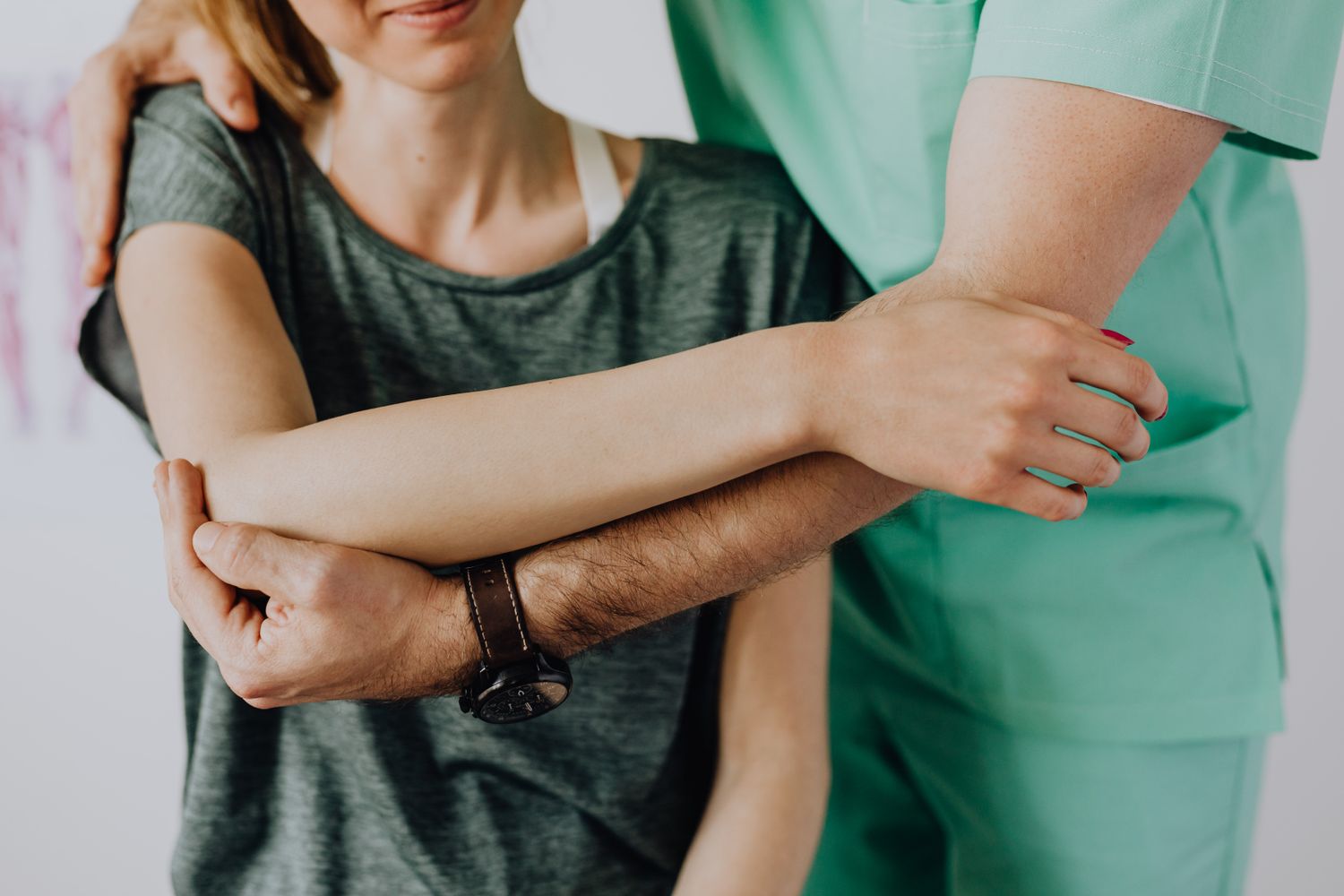
둘 다 팔이 안 올라간다는 공통점이 있어서 구별이 쉽지 않은데, 차이는 남이 팔을 들어줄 때 나타납니다. 오십견은 본인이 들든 다른 사람이 옆에서 들어주든 똑같이 안 올라갑니다. 관절낭 자체가 굳어 있어서 누가 도와줘도 소용이 없는 겁니다. 반면 회전근개파열은 힘줄이 약해진 것이라 본인 힘으로는 못 들어도 누가 살짝 받쳐주면 의외로 잘 올라가는 경우가 많습니다. 집에서 가족한테 팔을 살짝 들어달라고 부탁해보는 것만으로도 대략적인 감을 잡을 수 있습니다.
결빙기·동결기·해동기 — 시간과의 싸움
오십견은 보통 세 단계를 거치며 진행됩니다. 처음 3개월 정도는 결빙기라고 해서 통증이 제일 심하고 어깨가 점점 굳어가는 시기입니다. 이후 3개월에서 12개월 사이는 동결기인데, 신기하게도 통증은 좀 줄어드는데 관절은 더 뻣뻣해져서 팔을 어깨 높이 이상 못 올리는 경우가 흔합니다. 12개월을 넘기면서 해동기에 들어가면 서서히 가동 범위가 돌아오는데, 이 단계까지 짧으면 1년, 길면 2~3년이 걸리기도 합니다.
가만히 두면 언젠가 낫는다는 말도 완전히 틀린 건 아닙니다. 다만 그 ‘언젠가’가 방치한 기간만큼 늦어지고, 굳은 채로 시간을 보내면 회복 이후에도 가동 범위가 예전만큼 안 돌아오는 경우가 적지 않습니다. 3년을 그냥 흘려보낼지, 스트레칭을 병행해서 회복 시기를 조금이라도 당길지는 결국 지금 어떻게 관리하느냐에 달려 있습니다.
집에서 할 수 있는 관리법 4가지
병원 치료만 기다리며 손 놓고 있을 필요는 없습니다. 통증 범위 안에서 매일 조금씩 움직여주는 것만으로도 굳는 속도를 늦출 수 있다는 게 여러 정형외과 전문의들의 공통된 조언입니다.
첫째, 시계추 운동. 상체를 살짝 숙이고 아픈 팔을 힘 빼고 늘어뜨린 채로 시계추처럼 앞뒤, 좌우로 작게 흔들어주는 동작입니다. 통증 범위 안에서 하루 4~5회, 한 번에 1~2분씩만 해도 관절낭이 굳는 속도를 늦추는 데 도움이 됩니다.
둘째, 벽 타고 오르기. 벽을 마주 보고 서서 손가락을 이용해 벽을 조금씩 짚어 올라가는 동작인데, 아침저녁으로 하루 두 번, 통증이 시작되는 지점에서 멈추고 그 자리에서 10초 정도 버텼다가 내려오는 걸 5회 반복합니다. 무리해서 더 올리려고 하면 오히려 염증이 자극받으니 여기서는 욕심을 버리는 게 낫습니다.
셋째, 수건 이용 회전 운동. 수건 양 끝을 등 뒤에서 위아래로 잡고, 위쪽 손으로 아래쪽 손을 살살 끌어올리는 식으로 안 움직이는 방향을 조금씩 늘려주는 겁니다. 아침저녁 하루 두 번, 한 번에 10회 정도가 적당합니다. 등 뒤로 손이 안 닿는다고 억지로 힘주지 말고, 반대쪽 손이 살짝 당겨주는 정도까지만 하는 게 맞습니다. 이 모든 동작은 통증이 10점 만점에 3~4점 정도로 느껴지는 선까지만 하고, 그 이상 아프면 그날은 쉬는 게 안전합니다.
넷째, 찜질 순서. 운동 전에는 온찜질로 관절낭 주변 혈류를 늘려 뻣뻣함을 풀어주고, 운동 후 통증이나 붓기가 남으면 냉찜질로 가라앉히는 식입니다. 정혜숙 씨는 처음에 계속 온찜질만 하다가 오히려 붓기가 안 빠졌었다고 하는데, 순서를 바꾸고 나서야 좀 나아졌다고 하더군요. 잠잘 때는 아픈 쪽 어깨를 밑으로 두고 눕는 자세는 피하고, 아픈 팔 밑에 얇은 베개나 수건을 받쳐 팔이 살짝 뜨도록 해주면 새벽에 깨는 횟수가 줄어드는 편입니다.
이럴 땐 병원에 가야 합니다
스트레칭을 2주 이상 꾸준히 했는데도 통증이 줄지 않거나 오히려 심해진다면, 그때는 집에서 버틸 단계가 아닙니다. 팔을 어깨높이 이상 전혀 못 올리거나, 밤마다 통증 때문에 잠을 설치는 날이 일주일 넘게 이어진다면 정형외과에서 초음파나 MRI로 정확히 확인해보는 게 낫습니다. 당뇨나 갑상선 질환이 있는 분이라면 발병 위험 자체가 높은 만큼 증상이 가볍더라도 한 번쯤 검사를 받아두는 걸 권합니다.
자주 묻는 질문
Q1. 한쪽 어깨에 왔는데 반대쪽 어깨도 나중에 오나요? 한쪽에 왔던 사람 중 상당수가 몇 년 안에 반대쪽 어깨에도 증상을 겪는다는 보고가 있습니다. 특히 당뇨가 있는 경우 이 비율이 더 높다고 알려져 있어서, 한쪽이 나았다고 방심하기보다는 평소에도 양쪽 어깨를 같이 스트레칭해주는 습관을 들이는 게 좋습니다.
Q2. 스트레칭을 하면 순간적으로 더 아픈데, 그래도 계속해야 하나요? 스트레칭 도중 살짝 당기는 느낌이나 미세한 통증은 자연스러운 반응이지만, 다음날까지 통증이 심하게 남거나 붓기가 생긴다면 강도가 과했다는 신호입니다. 통증 강도를 낮춰서 다시 시작하되, 아예 멈추기보다는 범위를 줄여서라도 매일 이어가는 편이 결과적으로 낫습니다.
Q3. 파스나 소염진통제만으로도 충분한가요? 통증을 일시적으로 줄이는 데는 도움이 되지만 굳어가는 관절낭 자체를 풀어주지는 못합니다. 약으로 통증을 가라앉힌 틈에 스트레칭을 병행하는 쪽이 실질적인 회복에는 더 가깝습니다.
정혜숙 씨는 진단받은 지 두 달째인데, 아직 완전히 예전 같지는 않아도 새벽에 깨는 날은 확실히 줄었다고 합니다. 며칠 전엔 등 뒤로 손을 넘겨 브래지어 훅을 다시 채웠다고, 별것 아닌 일에 문자를 보내오기도 했습니다. 오십견은 시간이 걸리는 병이라 조급해하면 오히려 지치기 쉽습니다.
이 글에서 다룬 내용은 일반적인 정보이고, 사람마다 원인과 진행 속도가 다릅니다. 정확한 진단과 치료는 정형외과 등 전문의와 상담하시길 권합니다.
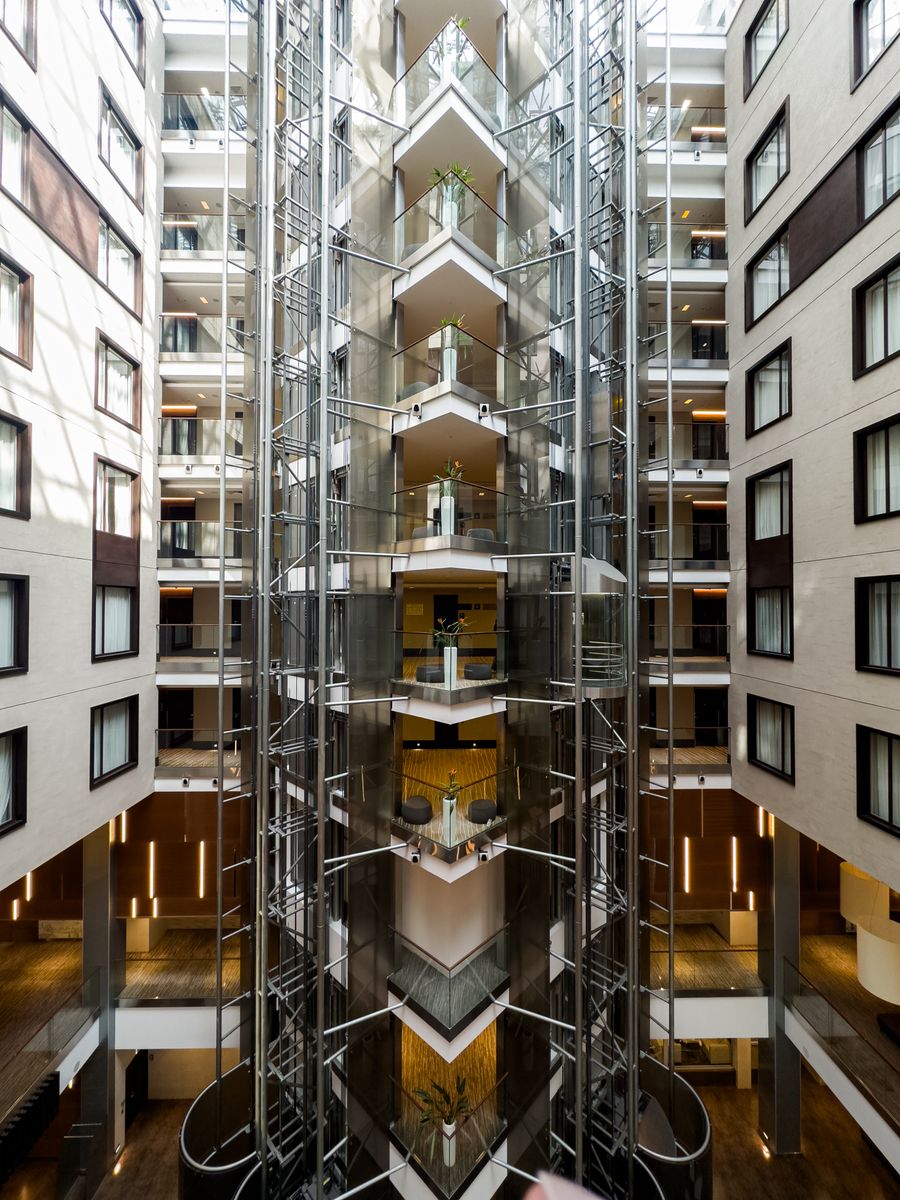
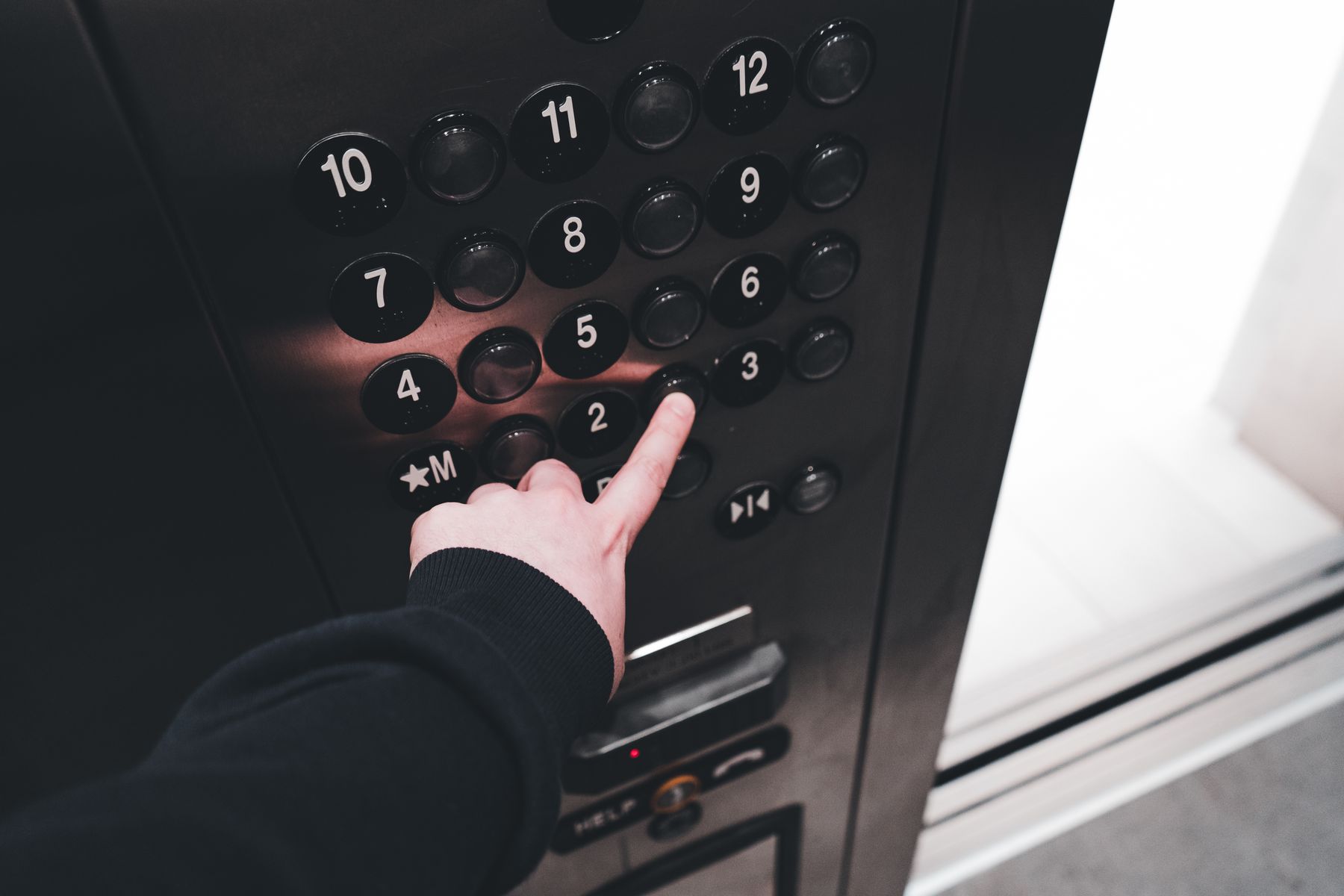
Nobody hands you a manual when you move into a Korean apartment building, but by the second week you’ve absorbed one anyway, mostly through the elevator. Mine is a 22-story tower in Gimpo, and the ride from the lobby to my floor takes about forty seconds — just long enough for an entire unwritten code of conduct to play out in near-total silence. I didn’t learn any of it from a book. I learned it from flinching the first time a stranger held the door for four extra seconds while I jogged across the lobby with a stroller, and from the slow-dawning realization that everyone in that box was standing at a slightly different angle than I was, like I’d missed a memo on where to put my feet. This is the same elevator, by the way, where I once spent a week convinced the button panel was broken because it skips straight from 3 to F — a different kind of unspoken rule I’ve written about separately. But the missing floor number turned out to be the easy mystery. The behavior inside the box was the harder one to crack.
I want to be upfront about something before I go further: none of this is written down anywhere. There’s no laminated sign in the elevator that says “bow slightly, do not make eye contact, do not discuss the weather.” You won’t find it in any apartment lease. But live in a Korean high-rise long enough — I’m on year nine now — and you start to notice that thirty or forty strangers who share a building somehow move through a two-square-meter box every single day without friction, without confusion, and almost without words. That’s not an accident. That’s a system, and it’s a genuinely interesting one once you stop being annoyed by it.
Start with the door-holding, because it’s the rule most likely to trip up a newcomer in the wrong direction. In a lot of countries, holding a door for someone barreling toward you from across a lobby is basic courtesy, no different from holding a door at a coffee shop. In my building, it still happens, but there’s a specific shape to it. You hold the door, you don’t make a big performance out of holding the door, and the person running for it doesn’t shout “thank you so much!” — they just nod, maybe say a quick “gamsahamnida” under their breath, and get in. The transaction is fast and almost embarrassed on both ends. I used to read that clipped quality as coldness. It isn’t. It’s efficiency dressed up as modesty — nobody wants to make the moment bigger than it needs to be, because making it bigger would draw attention, and drawing attention in a shared space is its own small violation.
Then there’s the bow, or more accurately, the almost-bow. I want to push back on my own instinct here, because when I first arrived I assumed elevator greetings would look like the deep, formal bows I’d seen in dramas — hands at the sides, back straight, the whole production. They don’t, and honestly a full bow in an elevator car is a bad idea; you’d clip your head on the handrail. What actually happens is a small nod, a slight dip of the chin, sometimes paired with “annyeonghaseyo” if you’re making eye contact with someone older, and sometimes just the nod on its own if you’re both pretending very hard not to be looking at each other. I do this now without looking up from my grocery bags, which is usually how you know a foreign habit has quietly become muscle memory.
The silence itself deserves its own paragraph, because it’s the thing every foreign visitor comments on first and misreads most badly. A Canadian friend visiting Seoul in 2019 told me the elevators in her hotel felt “like everyone had just had a fight.” They hadn’t. Korean elevator silence isn’t tension — it’s closer to the hush people keep in a hospital waiting room or a museum gallery, a shared, wordless agreement that this particular box of shared air isn’t the place for chit-chat. Phone calls get answered with a whispered “call you back,” not taken. Conversations between two people who got in together drop to a murmur. It’s less about elevators specifically and more about how small the space is: you’re standing eight inches from a stranger’s shoulder for anywhere from ten seconds to a minute, and the etiquette compensates for that closeness by turning down the volume on everything else. I’ve come to find it restful, actually — a small daily pocket where nobody expects anything from you conversationally.
Floor-button etiquette is its own small ballet, and it’s the part that took me the longest to internalize. Whoever is standing nearest the panel becomes the de facto operator for that ride, pressing floors for people getting in behind them without being asked. It looks almost choreographed if you watch for it: the operator half-turns at the waist, one arm out toward the buttons, eyebrows up in a silent question aimed at whoever just stepped in, and the newcomer answers not with words but with a small tilt of the chin toward the panel — floor eleven, understood, done in under two seconds. You get a nod of thanks in return, never a spoken request, just that glance-and-pause that somehow communicates the floor number without anyone saying it out loud. If you’re getting off first among a car full of people, you say a small “excuse me” and thread through; if someone else needs to exit before you, you step all the way out into the lobby to let them pass and then step back in, rather than doing the shuffle-and-squeeze that’s normal in, say, a New York office building. I’ve had to teach my own kid this — not through a lecture, but by physically nudging him out of the doorway the first dozen times he stood his ground while an elderly neighbor tried to get past.
Here’s where I’ll admit the system has a real limit, because I don’t want to oversell the harmony: a 20-plus story building with two elevator banks moves an enormous number of strangers every single day, and the etiquette exists precisely because nobody expects to become friends with any of them. A national survey a few years back found that close to 79 percent of Korean adults say they don’t interact with neighbors beyond a basic greeting, and more than half said the old idea of neighbors as close, drop-in-anytime companions just doesn’t apply anymore. The elevator ritual isn’t a substitute for community in the old village sense — it’s a substitute for the friction that would happen if thirty households a floor tried to actually get to know each other in a box that fits twelve people. It’s politeness engineered for density, not warmth engineered for closeness.
Those are different things, and conflating them is the mistake I made for my first couple of years here.
That said, it isn’t purely transactional either, and I think that’s the part easy to miss if you only visit for a week. Over nine years I’ve built a strange, low-grade familiarity with people whose names I still don’t know. There’s a man on the 15th floor who always seems to be walking his elderly dog around 7:40 a.m., and we’ve developed a nod that’s warmer than the standard one — not friendship exactly, but recognition, which in a city of ten million is its own quiet form of belonging. My wife calls these people “elevator friends,” half-joking, and I’ve decided I like the term more than I expected to. It captures something real: a relationship built entirely out of forty-second increments, repeated for years, that never needs to become anything more to still mean something.
This invisible social contract doesn’t stop at nods and hushed voices, either — it eventually governs how the entire building gets physically managed, and nowhere is that more obvious than on moving day. It caught me completely off guard the first time I moved apartments within Seoul, back in the fall of 2017. A lot of newer high-rises — mine included — have a separate freight elevator, or at minimum a formal reservation system for moving day, because a standard passenger car simply can’t handle a wardrobe, let alone the ladder trucks (사다리차) that hoist furniture up the outside of the building through a window or balcony for anything above the fourth or fifth floor. Watching one of those trucks extend its ladder up past the tenth story to swing a sofa in through a balcony rail is still, nine years in, the single most unnerving thing I’ve seen in this neighborhood. You call the building’s management office, sometimes days in advance, and book a two-to-four-hour window; a moving crew zips quilted padding around the elevator walls and floor in well under ten minutes flat before a single box goes in; and if you show up without a reservation on a Saturday morning, you may simply be told to wait, because someone else booked that slot first and the building isn’t going to let two moving trucks fight over one elevator car. It sounds bureaucratic written out like this, and it is, a little — but I’ve also seen what happens in older buildings without the system, which is a lobby full of boxes, an elevator tied up for hours, and at least one furious resident just trying to get to work. The reservation slip is annoying to book. It’s also the reason moving day here is rarely the disaster it can be elsewhere.
Zoom out and the elevator stops being just a forty-second commute and starts looking like the operating system for how dense Korean apartment living actually works. You cannot legislate warmth between strangers who share a building, and Korea doesn’t try to. What it’s built instead is a set of low-cost, low-friction rituals — the nod, the held door, the lowered voice, the reserved freight slot — that let a huge number of people share extremely tight physical space without wearing each other down. It’s not the neighborly, borrow-a-cup-of-sugar community my grandmother would have recognized, and it would be dishonest of me to pretend it is. But it’s a form of consideration that’s built to survive exactly the conditions it exists in — twenty-plus floors, dozens of strangers a day, forty seconds at a time — and after nine years of riding that elevator, I’ve come to think that’s not a lesser kind of community. It’s just a more efficient one.
If any of this is on your mind because you’re planning a move here yourself, or just gearing up for your first week in a Korean high-rise, a few practical questions tend to come up more than the rest.
FAQ
Do I really need to bow to my neighbors in the elevator, even if I don’t know them? A full bow, no — a small nod or slight dip of the chin is the norm, especially if you make eye contact with someone visibly older than you. Nobody expects a foreigner to get the angle exactly right; what people actually notice is whether you acknowledge them at all versus staring at your phone the entire ride. I still get it slightly wrong sometimes, and nobody has ever seemed to mind.
What happens if I show up to move apartments without reserving the elevator? It depends on the building, but in mine, and most newer high-rises I know of, the security desk will simply ask you to wait until the reserved window ends, even if that means your movers are standing in the lobby with a couch. Some buildings will let you use a regular passenger car for a small move if the freight elevator is booked solid, but it’s genuinely worth calling the management office (관리사무소) two or three days ahead rather than finding out on moving morning.
Is it rude to talk on the phone in the elevator? Not forbidden, but noticeably out of step with the room. Most people either let the call go to voicemail for those thirty seconds or answer quietly with something like “I’ll call you back,” then hang up. A loud, ongoing conversation will get you looks, though rarely a word said directly to your face — Korean elevator etiquette runs almost entirely on nonverbal cues rather than direct correction.