Every year, a few days before Seollal, Korean banks quietly get a strange little rush of customers who aren’t withdrawing cash so much as trading it in — handing over ordinary, wrinkled bills and asking for brand-new ones straight from the vault. Crisp. Unfolded. Practically warm from the printer. It sounds fussy until you learn what they’re for: sebaetdon (세뱃돈), the money that gets tucked into an envelope and handed to a child the moment they’ve finished bowing to you on your own living room floor. I’m Yijidaddy, and working out the rules around that single bow — who does it, what you’re supposed to say, how much money counts as generous versus stingy — has taken me longer to get comfortable with than almost anything else about Korean holiday life.
Seollal (설날), the Lunar New Year, falls on Tuesday, February 17, 2026, with the official holiday running from Monday the 16th through Wednesday the 18th. I’ve already written about Chuseok, Korea’s autumn harvest holiday, and it’s tempting to lump the two together — they’re both huge, both send the entire country’s traffic into gridlock, both mean days off work. But Seollal has its own center of gravity, and it isn’t the food table. It’s the bow. So this one’s going to stay focused on sebae itself: the bowing, the money, the phrase, and the small print nobody explains to you on your first try.
What sebae actually is
Sebae (세배) is a formal, floor-level bow performed by younger family members to their elders on the morning of Seollal. Not a nod, not a handshake substitute — an actual full bow, done kneeling, usually to grandparents first, then parents, then aunts and uncles in descending order of age. Married couples often bow together, side by side, which is its own small adjustment if you’re the one married in. You might assume this is a relic that’s faded out with each generation, the way a lot of formal etiquette does. Surprisingly, it hasn’t — even families who’ve dropped most other traditional practices tend to keep this one, maybe because it only takes a few minutes and everyone secretly likes the ceremony of it.
How the bow is actually done
The mechanics take some getting used to. You kneel, place your hands together in front of you — this clasped-hands position is called gongsu (공수) — bow forward until your hands and forehead are near the floor, pause for a beat, then rise. It’s more deliberate than it sounds, and the first few times, you will absolutely watch everyone else out of the corner of your eye to time it right. One detail that trips people up: the “correct” hand-over-hand order in gongsu differs by gender, and honestly, I’ve had two different in-laws correct me in two different directions, which tells you something about how strictly this is actually enforced in practice. Nobody’s grading you on form. They’re watching to see if you showed up and tried.

The phrase: saehae bok mani badeuseyo
Right as you’re rising from the bow, or sometimes right before it, you say “saehae bok mani badeuseyo” (새해 복 많이 받으세요) — literally something like “receive a lot of new year’s fortune,” though everyone just translates it loosely as “happy new year.” It’s the one phrase you genuinely need memorized going into Seollal, more than any food name or holiday greeting. Kids usually get taught a slightly more casual version among themselves, but toward elders it stays formal, badeuseyo and all. I’ll admit the rhythm of it didn’t stick for me right away — Korean formal endings rarely do — but saying it wrong is far less awkward than not saying it at all. Elders seem to appreciate the attempt more than the pronunciation.
Sebaetdon: the money part
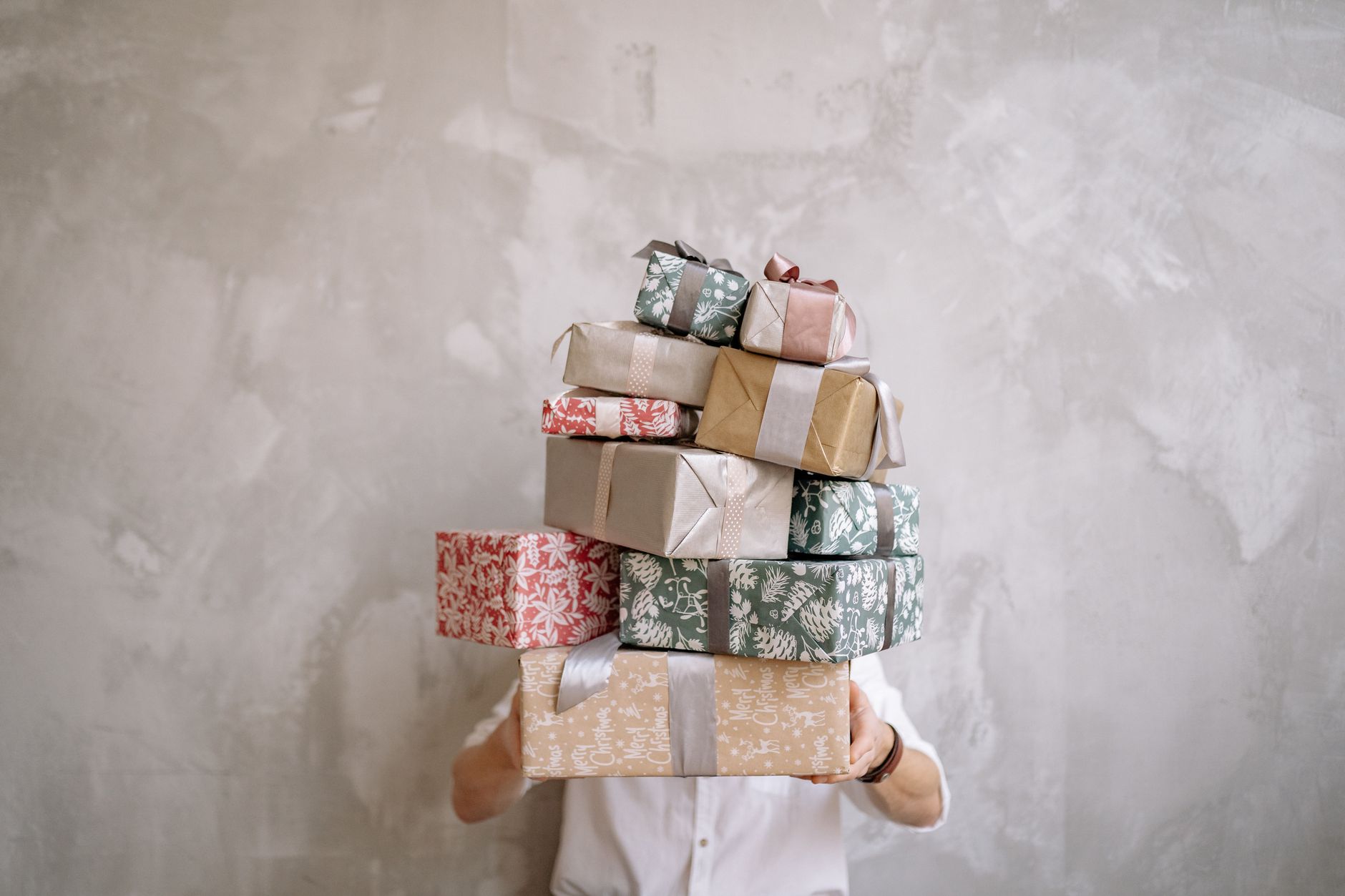
This is the part that catches most foreigners off guard, and it’s also the part I get asked about most. Sebaetdon is cash given by an elder to a younger relative immediately after the bow — a direct, one-to-one reward for the gesture of respect, not a general gift-giving tradition like Christmas. The mechanics matter more than you’d think. The money goes into an envelope, ideally with those crisp new bills I mentioned earlier — using worn or creased cash is considered a little careless, even if nobody will say so out loud. You hand it over with two hands, not one. The child receives it with two hands as well, bows again to say thank you, and — this is the rule that surprises people most — does not open the envelope to check the amount in front of you. Doing that on the spot reads as rude, almost transactional, even though everyone involved obviously knows money is exactly what’s inside.
How much sebaetdon is normal in 2026
Amounts scale with both age and relationship, and there’s a real range. For young children receiving from relatives outside the immediate family, 10,000 to 50,000 won (roughly $7 to $35) is typical. Grandparents and parents tend to give more to their own grandchildren and children, often 50,000 to 100,000 won or beyond once kids reach their teens. One widely cited Korean survey found that close to half of respondents considered 50,000 won a reasonable “standard” amount — which, if you’re new to this, is a genuinely useful anchor point when you’re standing there with an envelope and no idea what’s appropriate. Turns out even Koreans debate this every single year, so if you’re unsure, you’re in good company. And a modern wrinkle worth knowing: with adult children now often living far from their parents, digital sebaetdon sent by bank transfer or KakaoPay has become common enough that it’s barely remarked on anymore, even though it skips the whole envelope ceremony entirely.
What to wear
You do not need to own a hanbok to attend a Seollal gathering, and most Koreans don’t wear one on the actual day either — hanbok tends to be reserved for kids, for photos, or for families who specifically want the aesthetic. What matters more is looking tidy: no ripped jeans, no gym wear, nothing that reads as “I rolled out of bed for this.” Neat, modest, slightly dressed-up casual is the safe zone. That said, if your in-laws do put you in a hanbok — and mine did, more than once — just go with it. It photographs well, and refusing tends to disappoint people more than the outfit itself would ever embarrass you.

Jesa and charye: the ancestral rite some families do first
In families that observe it, an ancestral memorial rite — sometimes called charye (차례) when it’s tied to a holiday, sometimes referred to more broadly as jesa (제사) — happens on Seollal morning before the living-family bowing starts. Food is arranged on a low table in a specific order, and the eldest members lead bows toward photos or memorial tablets of ancestors, thanking them and welcoming the new year on their behalf. You might expect this to be universal, but it genuinely isn’t — Christian families often skip it entirely, some households have quietly stopped doing it as generations pass, and it’s usually hosted at the home of the eldest son regardless of where everyone else lives. If your host family does it, the safest move is the same one that works for sebae itself: watch, follow, and don’t touch anything on the table unless someone tells you to. Afterward, most families sit down to tteokguk, the rice cake soup eaten specifically on this day — tradition says eating a bowl is what actually makes you a year older, which is a strange kind of birthday to wrap your head around at first.
Why the whole country seems to disappear
One thing you can’t miss around Seollal, even from the outside, is the traffic. It’s consistently one of the two heaviest travel periods on the Korean calendar, alongside Chuseok, as nearly everyone heads back to a hometown or a grandparent’s house for the morning bow. I won’t dwell on that side of it here since I’ve covered the mechanics of holiday travel gridlock in the Chuseok piece — the short version for Seollal is the same instinct, just in the dead of winter instead of early autumn, which somehow makes the whole thing feel even more determined.
Frequently asked questions
How much sebaetdon should I give as a foreign in-law?
Match whatever your in-laws are giving to children of similar age, or ask directly — nobody will think less of you for checking, and most families would rather tell you than watch you guess wrong. As a rough baseline, 10,000 to 30,000 won for younger kids and 50,000 won for teenagers or young adult relatives is a safe, unremarkable range for 2026.
Do I have to bow if I’m not Korean or just recently married in?
Yes, generally — once you’re part of the family through marriage, you’re expected to take part in sebae the same as anyone else, hand position mistakes and all. Nobody expects flawless form from someone new to it, but skipping it entirely tends to read as more awkward than attempting it imperfectly.
What if my host family doesn’t do jesa or charye — does that change anything about sebae?
Not really. Jesa and sebae are separate customs that happen to fall on the same morning in some households. Plenty of families do sebae with zero ancestral rite involved, so if yours skips the memorial table, the bowing to living elders and the sebaetdon that follows still happen exactly the same way.
One last thing
If this is your first Seollal in a Korean family, my honest advice is to just commit to the bow rather than overthinking the choreography — nobody’s timing your form with a stopwatch. Learn the phrase even if the pronunciation comes out rough. Accept the envelope with two hands and don’t peek inside until you’re out of the room. And if someone hands you a hanbok, put it on. You’ll get the hang of the rest by your second or third year, the same way I did — one slightly awkward bow at a time.