8월 중순, 낮 기온이 34도를 넘나드는 날엔 가스불 앞에 오래 서 있는 것 자체가 곤욕이다. 그런데 냉모밀은 면 삶는 4분, 육수 끓이는 10분만 버티면 끝이다. 나머지는 냉장고가 다 해준다. 얼음 동동 띄운 국물에 메밀면을 말아 후루룩 넘기는 순간, 에어컨보다 시원하게 느껴지는 요리가 바로 이것이다.
시판 쯔유 한 병으로 대충 물만 타 먹어도 나쁘진 않다. 다만 다시와 간장, 미림의 비율을 직접 맞추면 감칠맛의 깊이가 완전히 달라진다. 국물 한 숟갈만 먼저 맛보면 시판 제품과의 차이가 바로 느껴진다. 이 글에서는 2인분 기준 정확한 계량과 시간, 그리고 고명을 올리는 순서까지 실측 수치로 정리했다.
메밀면 고르는 법
마트에서 파는 건면은 대개 메밀 함량 30~40% 제품이 많다. 나머지는 밀가루로 채워져 있어 삶아도 잘 끊어지지 않고 다루기 쉽다. 반면 메밀 함량 80% 이상 제품은 향이 진하고 구수하지만 삶는 도중 끊어지기 쉬워서 물을 세게 끓이지 않고 은근하게 삶아야 한다. 처음 만든다면 메밀 함량 40% 안팎의 제품으로 시작해 손에 익힌 뒤 고메밀 제품으로 넘어가는 편을 권한다. 2인분 기준 건면 200g이면 성인 두 명이 넉넉하게 한 끼를 해결할 수 있는 양이다.
육수 비율 — 다시 700ml에 진간장 100ml
모밀 육수(멘쯔유)는 크게 다시물, 간장, 미림, 설탕 네 가지로 완성된다. 2인분 기준 계량은 다음과 같다.
물 900ml
가쓰오부시(가다랑어포) 20g
다시마 5g (5cm×5cm 한 조각)
진간장 100ml
미림 60ml
맛술 또는 청주 20ml
설탕 15g (약 1.5큰술)
다시마는 찬물에 20분간 담가 불린 뒤, 물이 끓기 직전(냄비 가장자리에 기포가 올라올 때) 건져낸다. 완전히 끓기 시작하면 쓴맛이 나기 때문에 물이 끓기 전에 빼는 것이 핵심이다. 그다음 가쓰오부시를 넣고 다시 한소끔 끓인 후 불을 끄고 5분간 그대로 우린다. 면포나 체에 걸러 다시물만 받아내면 약 700ml 정도가 남는다.
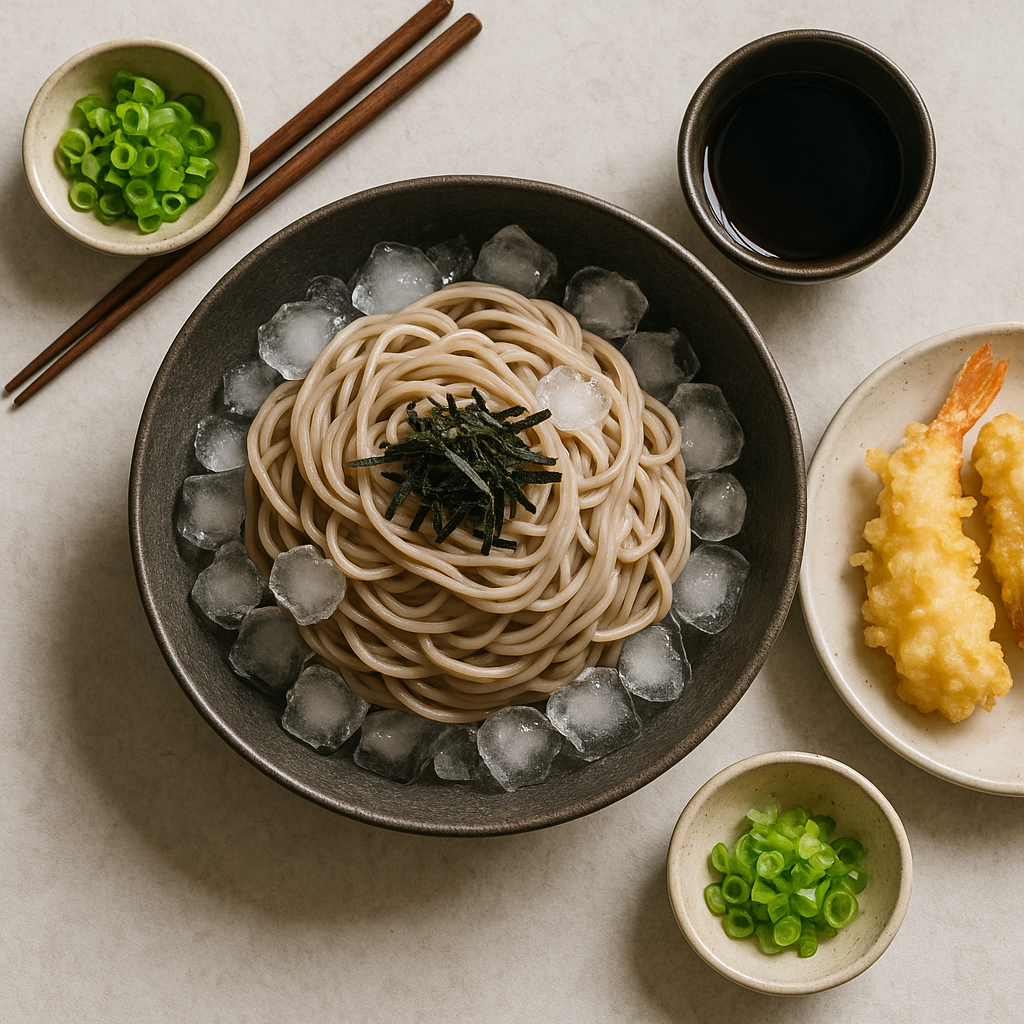
이 다시물에 진간장, 미림, 청주, 설탕을 넣고 중불에서 3분간 끓여 알코올을 날린 뒤 완전히 식힌다. 냉장고에서 최소 2시간, 가능하면 하룻밤 숙성시키면 간장 특유의 날카로운 맛이 둥글어진다. 먹기 직전에는 원액 육수와 찬물을 1:1 비율로 희석한다. 간이 진하게 느껴지면 물을 조금 더 넣어 1:1.2까지 늘려도 좋다. 마지막으로 얼음을 4~5개 띄우면 살얼음 낀 냉모밀 국물이 완성된다.
얼음을 두른 그릇에 메밀면을 담고 쯔유와 함께 낸 냉모밀 한 상
면 삶는 시간과 찬물 헹구기
메밀면은 밀가루 함량이 낮을수록 삶는 동안 쉽게 풀어진다. 시판 건면 기준으로 2인분 200g을 삶을 때는 물 2L를 팔팔 끓인 뒤 면을 넣고 젓가락으로 살살 풀어준다. 끓어오르면 찬물 100ml를 부어 온도를 한번 낮추는 작업(찬물 치기)을 총 2번 반복하면서 4분간 삶는다. 면 굵기와 브랜드마다 차이가 있으니 포장지 권장 시간보다 30초 짧게 맛보고 판단하는 편이 실패가 적다.
삶은 면은 즉시 체에 밭쳐 흐르는 찬물에 헹군다. 이때 손으로 면을 비비듯 문질러 표면의 전분기를 씻어내는 과정이 식감을 좌우한다. 전분기를 제대로 씻지 않으면 면끼리 들러붙고 국물이 탁해진다. 1차로 수돗물에 헹군 뒤, 얼음물(물 1L에 얼음 10개 정도)에 30초간 담가 마무리하면 면발이 탱탱하게 조여진다. 물기는 체에 밭쳐 자연스럽게 뺀 다음, 키친타월로 가볍게 눌러 여분의 물기를 제거한다. 물기가 남아 있으면 육수가 금방 싱거워진다.
고명 황금비율 — 무순 5:튀김 3:지단 2:김채 1
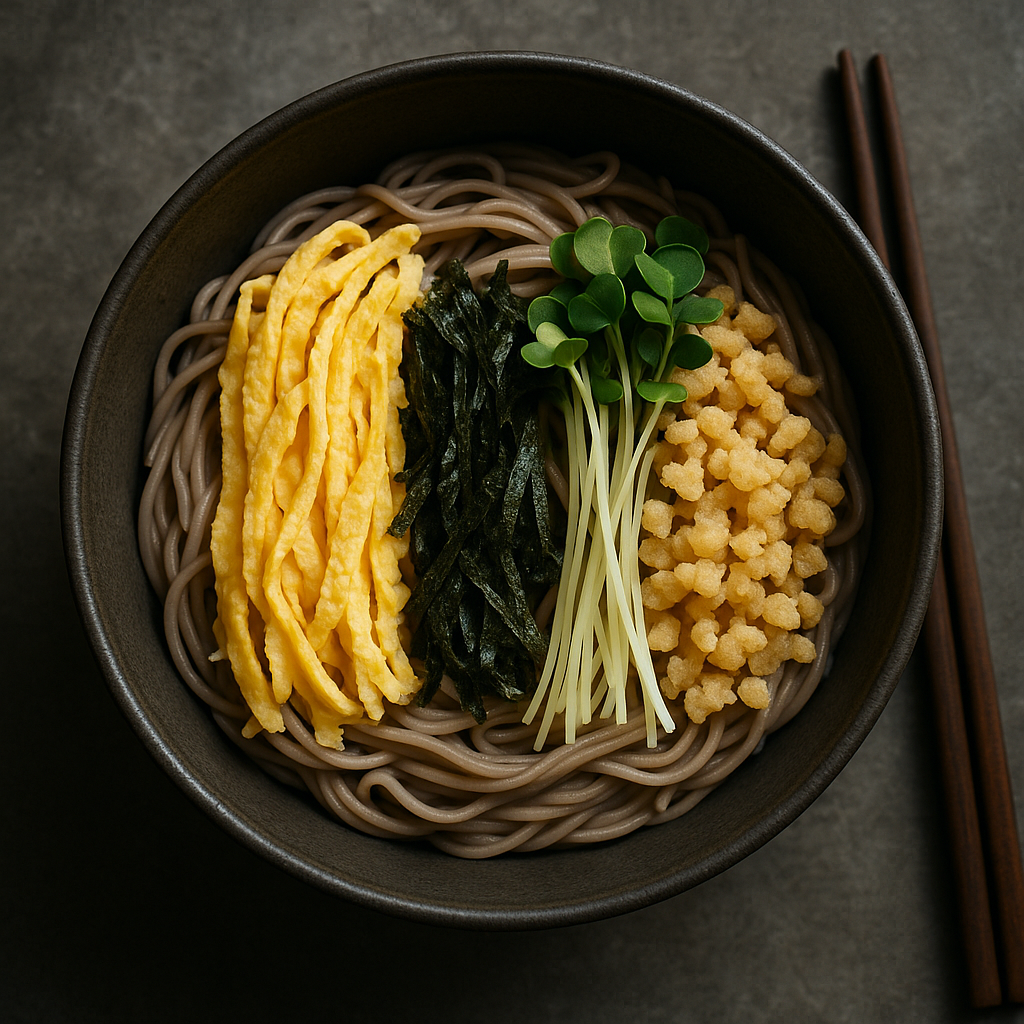
고명은 양보다 배치가 중요하다. 그릇 중앙에 면을 소복하게 담은 뒤, 시계 방향으로 네 가지를 나눠 올리면 국물에 섞여도 색과 맛이 뭉개지지 않는다. 2인분 기준 권장량은 다음과 같다.
무순 20g — 전체 고명의 절반 가까이 차지하는 주재료. 물기를 꼭 짜서 올려야 육수가 묽어지지 않는다.
튀김 부스러기(덴카스) 또는 새우튀김 2조각 — 약 12g. 국물에 살짝 적셔 바삭함과 눅눅함의 중간 지점을 즐기는 것이 포인트다.
계란지단 채 8g — 흰자와 노른자를 분리해 얇게 부친 뒤 곱게 채썬다. 지단이 두꺼우면 식감이 무거워진다.
김채(구운 김을 가위로 채썬 것) 4g — 마지막에 올려야 눅눅해지지 않는다.
무순 5, 튀김 3, 지단 2, 김채 1의 비율로 기억하면 계량이 쉽다. 여기에 쪽파 송송 썬 것 5g과 고추냉이(와사비) 3g을 그릇 한쪽에 곁들이면 향이 훨씬 산다. 와사비는 육수에 바로 풀지 않고 면을 찍어 먹을 때마다 소량씩 묻히는 방식이 감칠맛을 해치지 않는다.
다시물을 우린 쯔유를 잔에 따르는 모습. 원액과 찬물을 1:1로 희석해 먹는다
완성까지 순서 정리
순서를 지키면 면이 붇지 않고 육수도 흐트러지지 않는다.
1단계: 다시마를 20분 불리는 동안 계란지단과 무순을 손질한다.
2단계: 다시물을 우리고 간장 육수를 끓여 식힌다 (냉장 숙성 2시간 이상).
3단계: 먹기 직전 면을 삶고 찬물, 얼음물 순으로 헹군다.
4단계: 그릇에 면을 담고 고명을 황금비율로 올린 뒤, 희석한 육수를 별도 종지에 담아 낸다.
육수를 면에 바로 붓지 않고 종지에 따로 담아 찍어 먹는 방식(자루소바 스타일)으로 내면 면이 붇는 속도가 확 느려진다. 손님상에 여러 그릇을 한꺼번에 낼 때 유용한 팁이다. 반대로 국물을 넉넉히 부어 말아 먹는 스타일을 좋아한다면 희석 비율을 1:1.3까지 묽게 잡아야 짜지 않게 즐길 수 있다.
남은 면과 육수는 따로 보관하는 것이 원칙이다. 면과 육수를 미리 섞어두면 30분 안에 면이 퉁퉁 불어 처음의 탱탱함을 완전히 잃는다. 육수는 밀폐용기에 담아 냉장 보관하고, 면은 먹기 직전에 삶는 습관을 들이면 두 번째 상을 차릴 때도 처음 맛 그대로 즐길 수 있다.
계란지단, 김채, 무순, 튀김 부스러기를 구역별로 올린 완성 접시
자주 묻는 질문
Q. 메밀면 대신 소바 생면을 쓰면 시간이 달라지나요?
생면은 건면보다 훨씬 빨리 익는다. 시판 냉장 생소바 기준으로는 끓는 물에 넣고 1분~1분 30초면 충분하다. 오래 삶으면 뚝뚝 끊어지는 식감이 되므로 타이머를 꼭 맞춰두는 것이 좋다.
Q. 육수를 하루 전에 미리 만들어도 될까요?
가능하다. 오히려 하루 정도 냉장 숙성시키면 간장 맛이 부드러워져서 맛이 더 좋아진다. 밀폐용기에 담아 3~4일 내로 소진하면 되고, 그 이상 보관할 경우 한 번 끓여서 살균한 뒤 다시 식혀 보관하는 편이 안전하다.
Q. 무순이 없을 때 대체할 재료가 있을까요?
깻잎을 가늘게 채썰거나 어린잎채소(베이비채소)로 대체해도 향과 색감이 비슷하게 살아난다. 다만 무순 특유의 알싸한 맛은 완전히 재현하기 어려우니, 이때는 와사비 양을 살짝 늘려 균형을 맞추는 것을 추천한다.
예금 이자를 받을 때마다 15.4%가 자동으로 빠져나간다. 200만원짜리 정기예금 이자를 받아도, 소액 펀드 수익이 나도 세금은 어김없이 붙는다. 이 구조를 계좌 하나로 바꿀 수 있는 제도가 ISA(개인종합자산관리계좌)다. 예금, 펀드, 상장주식, ETF 등을 한 계좌에 담아 운용하고, 만기 시점에 계좌 전체의 손익을 합산해 세금을 매기는 방식이라 개별 상품마다 세금을 떼는 일반 계좌와는 과세 구조 자체가 다르다.
ISA란 정확히 어떤 제도인가
ISA는 하나의 계좌 안에서 예금성 상품과 투자성 상품을 함께 운용할 수 있는 통합관리계좌다. 계좌 안에서 발생한 이익과 손실을 상계한 순이익을 기준으로 세제 혜택을 적용받는다는 점이 핵심이다. 예를 들어 A펀드에서 100만원을 벌고 B펀드에서 30만원을 잃었다면, 과세 대상은 두 금액을 합산한 70만원이 된다. 개별 상품 단위로 과세하는 일반 계좌라면 A펀드의 이익 100만원 전체에 세금이 붙는 것과 비교된다.
가입 대상과 유형별 차이
가입 자체는 까다롭지 않다. 만 19세 이상 국내 거주자면 누구나 신청할 수 있고, 15세 이상 19세 미만이라도 직전 과세기간에 근로소득이 있었다면 가입이 가능하다. 다만 직전 3개 과세기간 중 한 번이라도 금융소득종합과세 대상자였다면 가입이 제한된다. ISA는 유형에 따라 받을 수 있는 혜택 폭이 다르다.
일반형 — 소득 요건 없이 가입 가능. 비과세 한도는 순이익 200만원까지.
서민형 — 총급여 5,000만원 이하 근로소득자 또는 종합소득금액 3,800만원 이하 사업소득자 대상. 비과세 한도는 순이익 400만원까지.
농어민형 — 종합소득금액 3,800만원 이하 농어민 대상. 서민형과 동일하게 400만원까지 비과세가 적용된다.
서민형과 농어민형은 비과세 한도가 일반형의 두 배다. 소득 기준을 충족한다면 굳이 일반형을 고집할 이유가 크지 않다. 다만 가입 시점 소득 증빙 서류(원천징수영수증, 소득금액증명원 등)를 제출해야 하고, 이후 소득이 늘어난다고 해서 곧바로 유형이 바뀌지는 않는다.
납입한도와 이월 규칙
연간 납입 한도는 2,000만원이며, 전체 누적 한도는 1억원이다. 올해 한도를 다 채우지 못했다면 남은 금액은 다음 해로 이월된다. 예를 들어 첫해에 500만원만 넣었다면 그다음 해에는 기본 한도 2,000만원에 이월분 1,500만원을 더해 최대 3,500만원까지 납입할 수 있는 식이다. 이 이월 구조 덕분에 여윳돈이 생길 때 몰아서 납입하는 방식으로도 한도를 활용할 수 있다.
운용 방식에 따른 세 가지 형태
ISA는 누가 투자 판단을 내리느냐에 따라 세 가지 운용 형태로 나뉜다. 신탁형은 가입자가 편입할 상품을 직접 골라 지시하는 방식이고, 일임형은 금융회사가 정해둔 포트폴리오 안에서 자산배분을 대신 운용해주는 방식이다. 중개형은 계좌 안에서 상장주식을 직접 매매할 수 있도록 증권 계좌 성격을 결합한 형태로, 최근 신규 가입자 상당수가 선택하는 유형이다. 세 유형 모두 비과세 한도나 의무가입기간 같은 세제 혜택 조건은 동일하게 적용되며, 차이는 계좌 안에서 자산을 누가 운용하고 어떤 상품군을 담을 수 있는지에 있다. 어떤 방식을 고를지는 개인의 투자 성향과 직접 운용에 들일 수 있는 시간에 따라 달라지는 문제이지, 세제 혜택 크기와는 무관하다.
세제 혜택의 실제 구조
ISA의 진짜 이점은 비과세 한도 자체보다 초과분 과세 방식에 있다. 순이익 중 비과세 한도(일반형 200만원, 서민형·농어민형 400만원)를 넘어선 부분에는 일반 이자·배당소득세율 15.4% 대신 9.9%의 분리과세율이 적용된다. 일반 계좌였다면 15.4% 전체가 부과됐을 이익에 대해 세율이 낮아지는 셈이라, 순이익 규모가 클수록 절세 효과도 함께 커진다. 또 분리과세되는 이익은 금융소득종합과세 대상에서 빠진다는 점도 고소득자에게는 의미가 있다.
의무가입기간 3년, 중도해지의 대가
ISA는 계좌를 개설한 날부터 3년을 채워야 세제 혜택이 온전히 인정된다. 3년 이내에 계좌를 해지하면 그동안 적용받았던 비과세·저율과세 혜택이 취소되고, 이미 발생한 이익에 대해 일반 이자소득세율 15.4%가 그대로 부과된다. 사망, 해외 이주, 퇴직, 사업장 폐업, 천재지변 등 부득이한 사유로 인정되는 경우는 예외지만, 단순히 급전이 필요해서 해지하는 경우는 이 예외에 해당하지 않는다.
계좌 해지와 중도인출은 별개다. 납입한 원금 범위 내에서는 3년을 채우기 전이라도 별도의 페널티 없이 자유롭게 자금을 인출할 수 있다. 다만 인출한 만큼 납입 한도가 다시 채워지는 것은 아니어서, 자주 인출할수록 남은 한도는 줄어든다는 점은 감안해야 한다.
만기 후에는 어떻게 처리하나
3년 의무가입기간이 지나 만기가 도래하면 선택지는 크게 세 가지다.
해지 후 현금 인출 — 비과세·저율과세 혜택을 그대로 적용받고 계좌를 정리한다.
계좌 재가입·연장 — 만기 자금을 그대로 새 ISA로 옮겨 세제 혜택 적용 기간을 이어간다.
연금계좌로 전환 — 연금저축이나 IRP로 만기 자금을 옮기는 방법이다.
세 번째 방법인 연금계좌 전환은 절세 폭이 가장 크다는 이유로 눈여겨볼 만하다. 만기 해지 후 60일 이내에 금융사의 연금전환서비스를 통해 이체하면, 전환 금액의 10%(최대 300만원)를 그해 세액공제로 추가 받을 수 있다. 원래 연금계좌 세액공제 한도가 900만원인데, ISA 만기자금을 전환한 해에는 이 한도가 1,200만원까지 늘어난다는 뜻이다. 일반 계좌이체가 아니라 반드시 연금전환서비스를 이용해야 이 혜택이 인정된다는 점도 놓치기 쉬운 부분이다.
앞으로 바뀔 수 있는 부분
2026년 세제개편안에는 국내 상장주식과 국내 주식형 펀드 등에 투자하는 신규 유형인 ‘생산적금융 ISA’를 도입하고, 연간 납입 한도를 확대하는 방안이 포함되어 있다. 다만 이 내용은 아직 국회 심의를 거치지 않은 정부 발의안 단계이며, 통과되더라도 2027년 1월 이후 신규 가입분부터 적용될 예정이다. 지금 시점에 새로 가입하거나 기존 계좌를 운용할 때는 위에서 설명한 현행 기준(일반형·서민형·농어민형, 비과세 한도, 3년 의무가입)이 그대로 적용된다는 점을 기억해두면 된다.
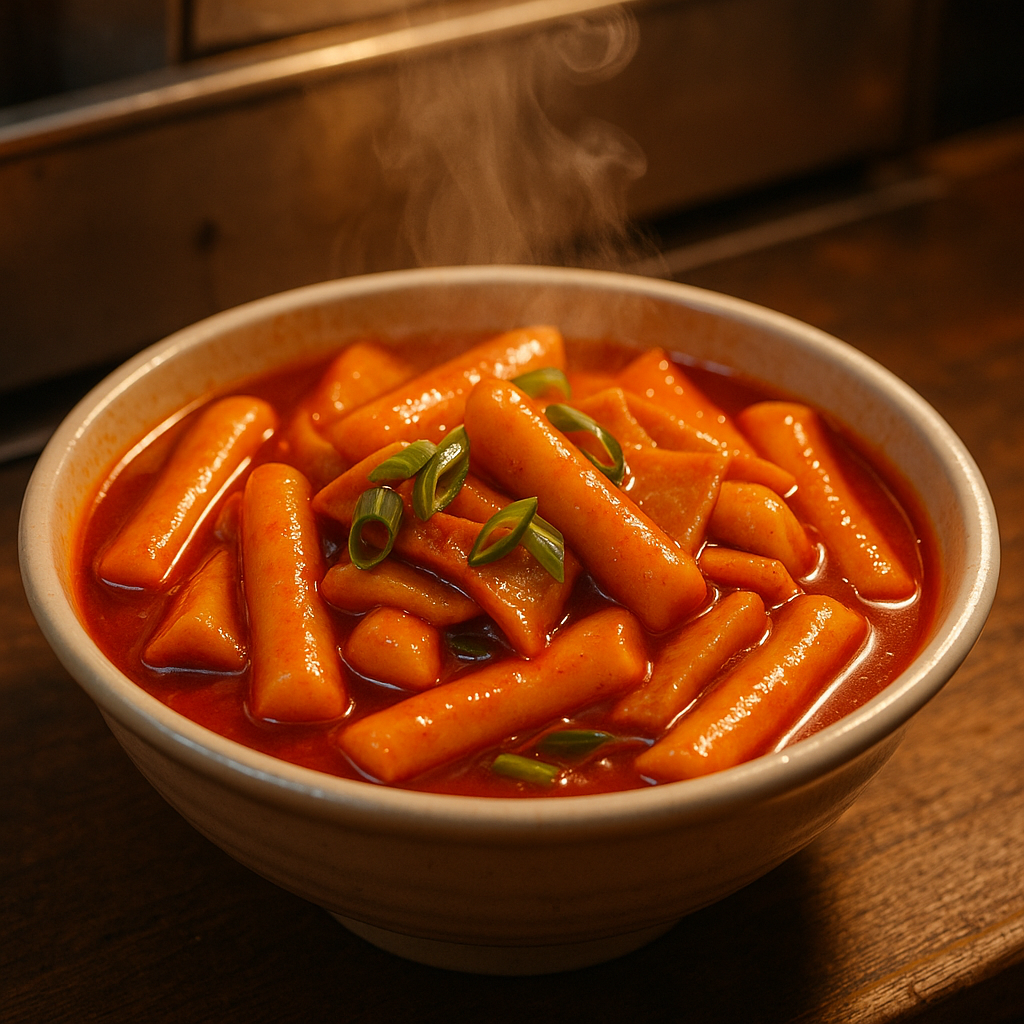
My kid pointed at a tteokbokki cart last week and asked why the ajumma running it laughed when I said “not too spicy, please.” I found out why about four minutes later, eyes watering over a paper cup of rice cakes that, by Korean standards, were basically kid food. That gap between what I expected and what actually showed up is the whole story of eating spicy in Korea as a foreigner — and it took me longer than I’d like to admit to figure out the system behind it.
Korea Doesn’t Use “Mild, Medium, Hot” the Way You Think
Back home, a spice scale is usually a straight line: mild, medium, hot, maybe an “extra hot” for people who want to suffer. Korean menus and packaging work off a different logic. You’ll see 순한맛 (sun-han-mat, “mild/gentle taste”), 보통맛 (bo-tong-mat, “normal/regular taste”), and 매운맛 (mae-un-mat, “spicy taste”) as the baseline three, with 아주매운맛 (a-ju mae-un-mat, “very spicy taste”) or 핵매운맛 (haek mae-un-mat, “nuclear spicy”) showing up on the aggressive end of instant noodle packaging and fried chicken menus.
The key difference is that “보통맛” — normal — is already spicy by most non-Korean standards. It’s not the zero point. It’s the middle of a scale where the low end is “the burn is present but polite” rather than “no burn at all.” A lot of visitors order what looks like the safe middle option and get blindsided because they were mentally translating it as “medium” on a Western curve that starts near zero.
Where the Heat Actually Comes From
Most Korean spice doesn’t come from raw chili peppers eaten whole — it comes from gochugaru (고추가루, Korean red pepper flakes) and gochujang (고추장, fermented red pepper paste). Gochugaru itself sits in a fairly moderate range, roughly 1,500 to 10,000 Scoville Heat Units depending on the batch and variety, which is comparable to a jalapeño on the high end and closer to a poblano on the low end. What makes Korean food feel more intense than that number suggests is volume and repetition — gochugaru and gochujang show up in the broth, the marinade, and the garnish of the same dish, stacking heat instead of delivering one clean hit.
That’s a structural difference from a lot of Western hot food, which tends to concentrate heat in a single sauce or pepper. Korean heat is often distributed and cumulative, which is part of why it can sneak up on you a few bites in rather than hitting immediately.
Rough Scoville Reference Points
Nobody hands you a Scoville chart at a restaurant, but having rough numbers in your head helps you calibrate. These are approximate ranges, not lab measurements of a specific bowl, since recipes vary by kitchen:
Kimchi jjigae (김치찌개): generally the gentlest of the well-known “spicy” dishes, often landing in a range comparable to a mild-to-medium salsa — noticeable warmth, rarely punishing.
Tteokbokki (떡볶이): street-cart versions vary a lot by vendor, but a standard bowl is usually in a moderate range, similar to a solid hot sauce — enough to make your lips tingle without derailing the meal.
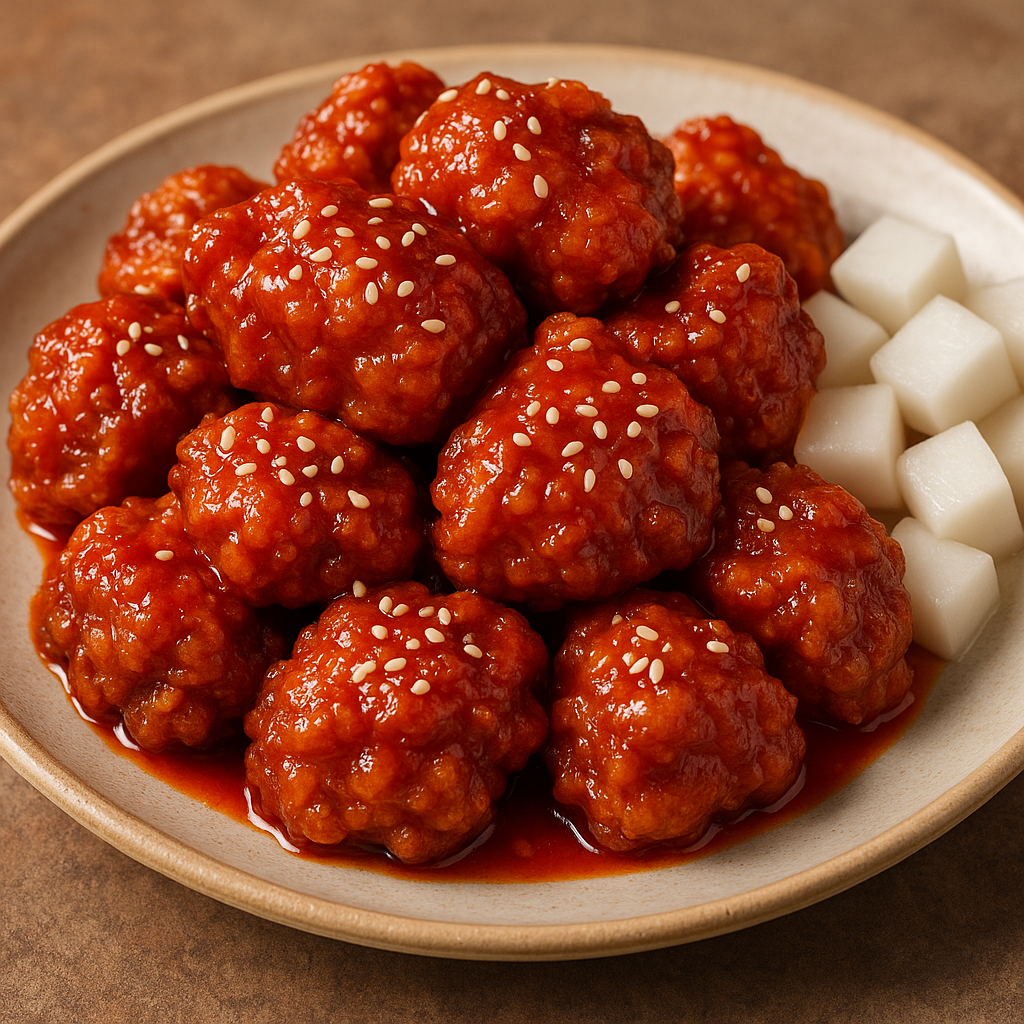
Yangnyeom chicken (양념치킨): the sweet-spicy glaze softens the perceived heat with sugar and gochujang, so it often reads as less intense than tteokbokki even though the ingredients overlap.
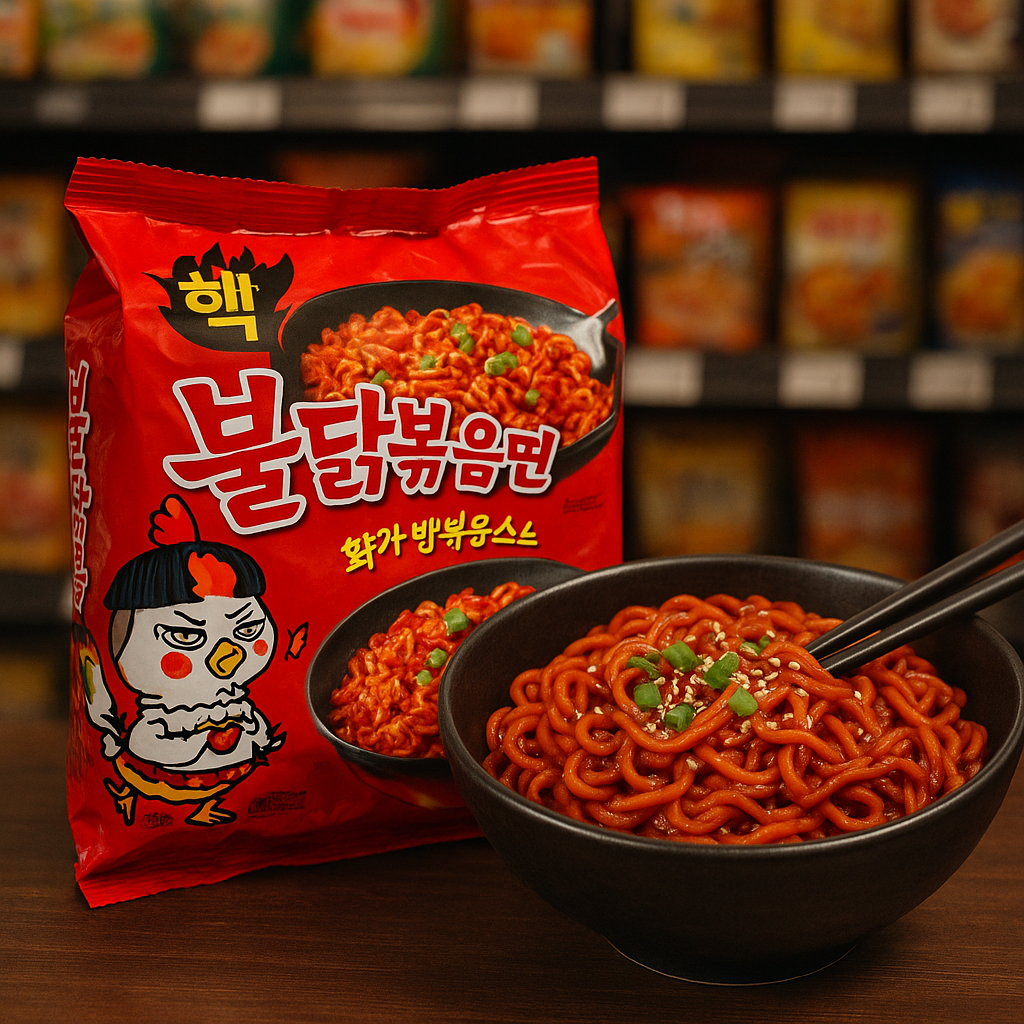
Original Buldak bokkeummyeon (불닭볶음면): the standard fire noodle, independently measured by outlets that have tested it, comes in around 4,000–4,500 SHU for the sauce packet — genuinely hot, but the brand built an entire tier system on top of this baseline because it was only the starting point.
Cheese Buldak vs. original: the cheese version isn’t actually less spicy in raw sauce content — the melted cheese coats your palate and mutes the burn, which is a texture trick as much as a heat reduction. It’s a common recommendation for someone easing into the Buldak line.
The Buldak Tier System, Briefly
Samyang’s Buldak (“fire chicken”) noodle line is the closest thing Korea has to a spice video game with difficulty settings. The original launched as a viral-challenge food, and the company kept releasing hotter variants above it — most notably the “2x Spicy” version, which markets itself as roughly double the heat of the original packet. Online spice-tier rankings (fan-made, not official Samyang data) place the standard 2x Spicy somewhere in the 8,000–10,000+ SHU territory, though exact figures aren’t independently published for every release. The practical point for a first-timer: “Buldak” as a brand name does not mean one fixed spice level. Reading which variant is in your hand matters as much as knowing it’s Buldak at all.
Practical Tips for Ordering Without Getting Ambushed
Ask for “순한맛으로 주세요” (sun-han-mat-eu-ro ju-se-yo — “the mild version, please”) when a restaurant offers a choice. Many tteokbokki and jjigae places will actually adjust it for you if asked directly, especially at sit-down restaurants rather than street carts.
Treat “보통” as your actual starting point, not as a safe default. If you have low spice tolerance, ask if there’s an option milder than 보통 before ordering it assuming it’s tame.
Milk, not water, cools your mouth down. Capsaicin is fat-soluble, not water-soluble, so plain water mostly just spreads the burn around. Convenience stores sell small milk cartons specifically because this is common knowledge here.
Rice is your buffer, not your rescue. A spoonful of plain rice between bites of something like kimchi jjigae dilutes the intensity without watering down the flavor, which is why Korean spicy stews are almost always served with a side of rice rather than eaten alone.
Read the packaging before you buy instant noodles, not after. The spice-level word, and sometimes a small pepper icon count, is usually printed near the product name. If you can’t read Hangul, a quick photo-translate on your phone before checkout saves you from an unpleasant lunch.
A Note on Tolerance
None of this is about proving anything. Spice tolerance is genuinely variable, tied to how often someone eats capsaicin-heavy food rather than to willpower, and plenty of Koreans I know order 순한맛 without a second thought. The scale exists so people can order what they actually want, not so foreigners can pass a test. Once you know 순한/보통/매운/아주매운 as real categories instead of vague adjectives, ordering gets a lot less like gambling.
FAQ
Is Korean tteokbokki always spicy?
Not always — there are cream-sauce and gungjung (royal court style, soy-based) versions that skip chili entirely, but the default street-cart version almost everyone means by “tteokbokki” is gochujang-based and does carry real heat. If you’re unsure, asking whether a stall has a non-spicy version before ordering is completely normal.
Why does cheese Buldak taste less spicy than the original if it’s the same base sauce?
It’s largely a perception effect. Melted cheese coats the tongue and mouth with fat, and capsaicin dissolves into fat more readily than it clings to your taste buds directly, so the sensation is dulled even though the sauce underneath is comparably hot. It’s a reasonable entry point if you want to try the Buldak line without jumping straight into the higher tiers.
What should I actually order if I want something Korean but genuinely mild?
Kimchi jjigae ordered on the milder side, doenjang jjigae (soybean paste stew, which isn’t chili-based at all), or bibimbap with the gochujang served on the side rather than mixed in are all reasonable low-heat choices that still feel like real Korean food rather than a workaround.
매년 봄, 눈이 녹기 시작하면 인도 우타라칸드의 해발 5029m 산정 호수 바닥에서 사람 뼈가 하나둘 모습을 드러낸다. 두개골, 정강이뼈, 심지어 머리카락과 가죽 신발 조각까지 그대로 남아 있다. 현지에서는 오래전부터 이 호수를 ‘룹쿤드’라 불렀지만, 세상은 이곳을 다른 이름으로 기억한다. 스켈레톤 레이크.
이 작은 빙하 호수는 트리슐 산군과 낭다데비 국립공원 경계에 자리 잡고 있다. 지름 40m 안팎에 불과한 좁은 물웅덩이 하나가 80여 년째 세계 각지 고고학자와 유전학자를 끌어들이는 이유는 단순하다. 한 장소에서 나온 유골인데도, 그 안에 뒤섞인 사람들의 사연이 시대도 출신지도 제각각이라는 사실이 뒤늦게 드러났기 때문이다.
1942년, 숲지기가 마주친 광경
영국령 인도의 산림 감시원 H. K. 마드왈은 1942년 낭다데비 성역 인근을 순찰하던 중 얼어붙은 호수 가장자리에서 뼈 무더기를 발견했다. 처음엔 산사태나 짐승의 흔적이라 여겼지만, 가까이 다가가자 두개골이 뒤엉킨 인간의 유해라는 사실이 드러났다. 지름 40m 남짓한 좁은 분지 안에 흩어진 유골의 수는 조사자마다 다르게 추산했는데, 적게는 200구에서 많게는 600~800구에 이른다는 보고까지 나왔다.
당시는 제2차 세계대전이 한창이었다. 영국 당국은 일본군이 티베트를 거쳐 침투하다 죽은 것은 아닌지 의심했다. 조사 결과 뼈에서 화약이나 총상의 흔적은 나오지 않았고, 복장이나 장신구도 20세기 병사의 것과는 거리가 멀었다. 전쟁 유해설은 오래 버티지 못하고 폐기됐다.
수십 년 동안 룹쿤드 호수는 그저 등산객 사이에 떠도는 괴담 취급을 받았다. 정식 학술 조사가 뒤따르지 않은 채, 유골은 눈과 얼음 속에 묻혔다가 여름이면 다시 드러나기를 반복했다. 접근이 워낙 어려운 지형이라 본격적인 발굴이나 표본 채취는 수십 년이 더 지난 뒤에야 이뤄졌다.
전염병, 산사태, 그리고 우박 – 엇갈린 초기 가설들
전쟁설이 무너진 뒤에도 의문은 풀리지 않았다. 일부 학자는 콜레라 같은 전염병이 순례 행렬을 덮쳤다고 추정했고, 다른 쪽에서는 눈사태나 산사태에 휩쓸린 집단이라는 설명을 내놓았다. 룹쿤드 호수는 여신 낭다데비를 기리는 라지자트 순례길과 가깝다. 12년마다 한 번씩 열리는 이 대규모 순례 행렬이 근처를 지나기 때문에, 유골이 순례자들의 것이라는 추정은 오래전부터 힘을 받았다.
2004년 내셔널지오그래픽 채널과 인도·유럽 공동 연구팀이 현장을 재조사하면서 이야기는 한층 구체화됐다. 방사성탄소 연대측정 결과 다수의 유골이 서기 850년 무렵으로 추정됐고, 두개골과 어깨뼈에 둥글게 함몰된 골절 흔적이 반복적으로 확인됐다. 연구팀은 위에서 떨어진 둥글고 단단한 물체, 지름 최대 23cm에 달하는 대형 우박이 사망 원인이라고 발표했다. 도망칠 곳 없는 좁은 분지에서 순례자 무리가 갑작스러운 우박 폭풍에 갇혀 목숨을 잃었다는 이야기였다. 이 ‘우박설’은 다큐멘터리로 널리 알려지며 룹쿤드 호수를 상징하는 정설처럼 자리 잡았다.
2019년 유전자 분석이 뒤엎은 단일 사건설
정설처럼 굳어가던 우박설은 2019년 국제 공동 연구팀이 네이처 커뮤니케이션스에 발표한 논문으로 흔들리기 시작했다. 미국 하버드 의과대학, 독일 막스플랑크 인류사연구소, 인도 국립세포과학센터(NCCS)가 참여한 이 연구는 유골 38구에서 게놈 수준의 고대 DNA를 추출해 분석했다. 결과는 예상을 완전히 벗어났다.
유골은 크게 세 유전적 집단으로 나뉘었다. 23구는 오늘날 남아시아인과 유전적으로 가까웠고, 14구는 놀랍게도 동지중해 지역, 그리스나 크레타섬 인구 집단과 유사한 조상 계통을 지니고 있었다. 나머지 1구는 동남아시아계에 가까운 혈통으로 나타났다. 연구진은 개별 유골마다 별도로 방사성탄소 연대를 측정해 집단별 시기를 교차 검증했는데, 같은 무덤도 같은 유적층도 아닌 한 호숫가에서 이 정도로 이질적인 조상 계통이 확인된 사례는 매우 드문 축에 속한다.
2019년 논문이 정리한 세 집단을 간단히 요약하면 다음과 같다.
남아시아계 23구 — 오늘날 인도 아대륙 인구와 유전적으로 유사, 서기 700~950년 사망
동지중해계 14구 — 그리스·크레타섬 계통과 가까운 조상, 서기 1800년대 사망
동남아시아계 1구 — 나머지 표본과 뚜렷이 구분되는 별개의 계통
천 년의 시간차를 두고 쌓인 죽음들
방사성탄소 연대측정을 다시 정밀하게 수행한 결과는 더 놀라웠다. 남아시아계 유골 23구는 서기 700~950년 사이, 기존 우박설이 지목했던 9세기 무렵에 죽은 것으로 확인됐다. 문제는 동지중해계 유골이었다. 이들은 그보다 약 1000년 뒤인 서기 1800년대에 사망한 것으로 나왔다. 한날한시에 벌어진 재난이 아니라, 최소 두 차례, 어쩌면 그 이상의 시기에 걸쳐 서로 다른 사람들의 유해가 같은 호숫가에 쌓인 셈이다.
연구진은 동지중해계 유골 가운데 근친 관계로 보이는 개체들도 확인했다고 밝혔다. 19세기 무렵 어떤 경로로 그리스계 혈통의 사람들이 히말라야 오지의 산정 호수까지 올라와 목숨을 잃었는지는 유전자 데이터만으로는 설명되지 않는다. 식민지 시기 이 지역을 오가던 여행자나 순례단에 섞여 있던 외국인이었을 가능성이 거론되지만, 확정된 답은 아직 없다.
여전히 남아 있는 의문들
룹쿤드 호수를 둘러싼 미스터리는 완전히 풀리지 않았다. 남아시아계 유골 집단이 정말 우박 때문에 한꺼번에 죽었는지, 아니면 이 역시 개별적인 사건들이 겹친 결과인지는 논쟁의 여지가 남아 있다. 2004년 조사에서 확인된 두개골 함몰 골절이 우박 때문인지, 낙석 같은 다른 원인 때문인지를 두고도 연구자들의 의견은 완전히 일치하지 않는다.
DNA 연구는 새로운 질문도 남겼다. 동지중해 혈통의 사람들이 왜 하필 이 좁은 산정 분지에서, 그것도 여러 세대에 걸쳐 발견되는지에 대한 설명은 아직 가설 단계에 머물러 있다. 룹쿤드는 지금도 트레킹 코스로 개방되어 있고, 매년 여름이면 등산객들이 호수 주변을 걷다가 노출된 유골을 마주치기도 한다.
자주 묻는 질문
Q. 룹쿤드 호수 트레킹은 지금도 가능한가요?
가능하다. 우타라칸드주 로하중 마을을 기점으로 완 마을, 베드니 부기얄 초원을 거쳐 오르는 코스가 일반적이며, 보통 5박 6일에서 6박 7일 일정이 잡힌다. 최고 지점인 준가르갈리 고개는 해발 4800m를 넘는다. 고산병 위험이 있어 사전 순응 일정을 반드시 포함해야 하고, 현지 여행사를 통한 허가와 가이드 동반이 요구된다.
Q. 유골은 왜 아직도 호수 주변에 남아 있나요?
고고학적 가치가 있는 유적지로 분류되어 유골 반출이 엄격히 금지되어 있기 때문이다. 해발 5000m 안팎의 저온·저산소 환경 덕분에 부패가 더뎌 80여 년이 지난 지금도 상당수 뼈가 원형에 가깝게 남아 있다.
Q. 뼈가 정말 최대 800구나 되나요?
정확한 개체 수는 확정되지 않았다. 초기 조사에서는 최대 600~800명 분량이라는 추정이 나왔지만, 2019년 유전자 연구는 이 중 38구만 표본으로 분석했다. 눈과 얼음에 파묻힌 나머지 유골까지 포함하면 실제 규모는 여전히 정확히 파악되지 않은 상태다.
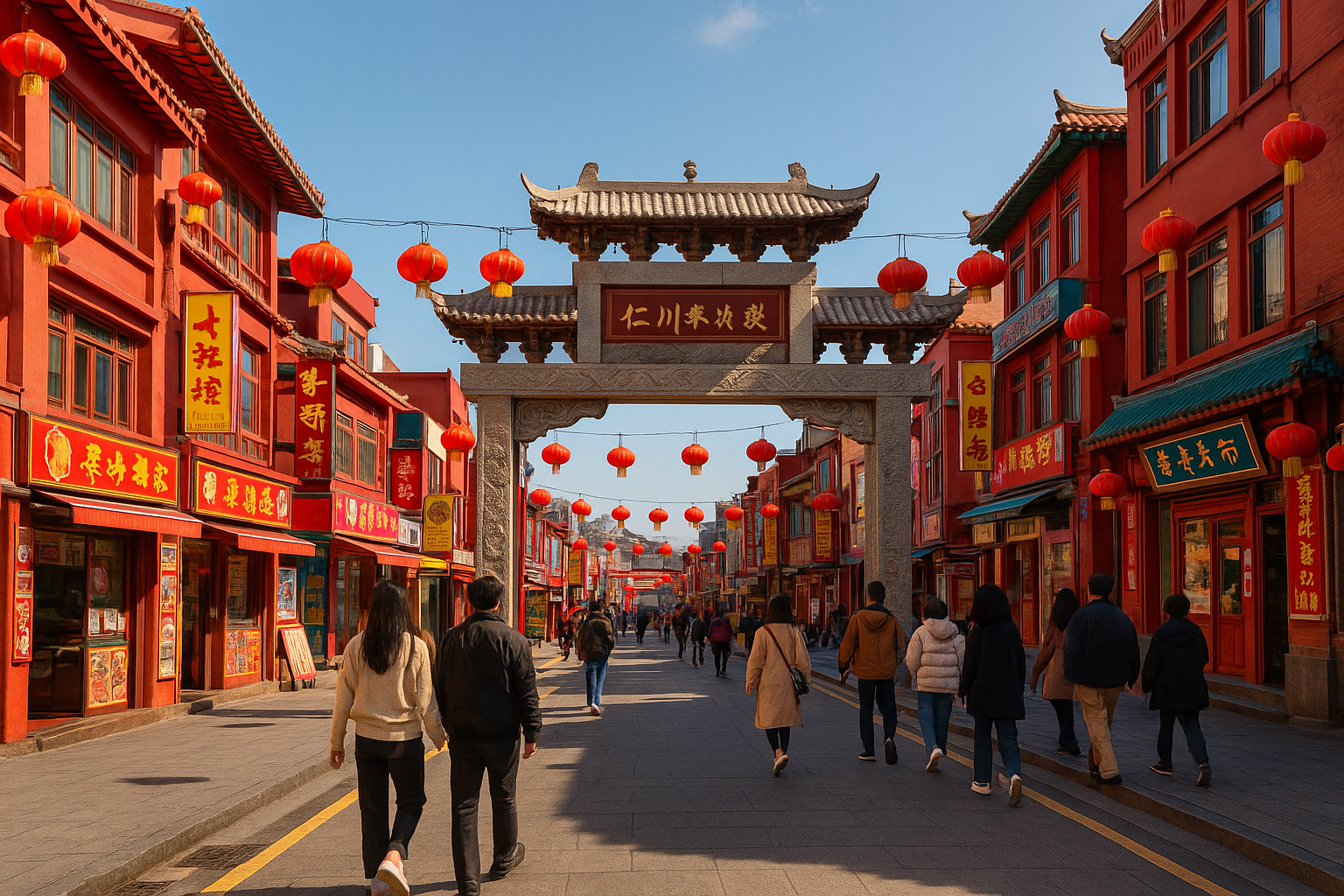
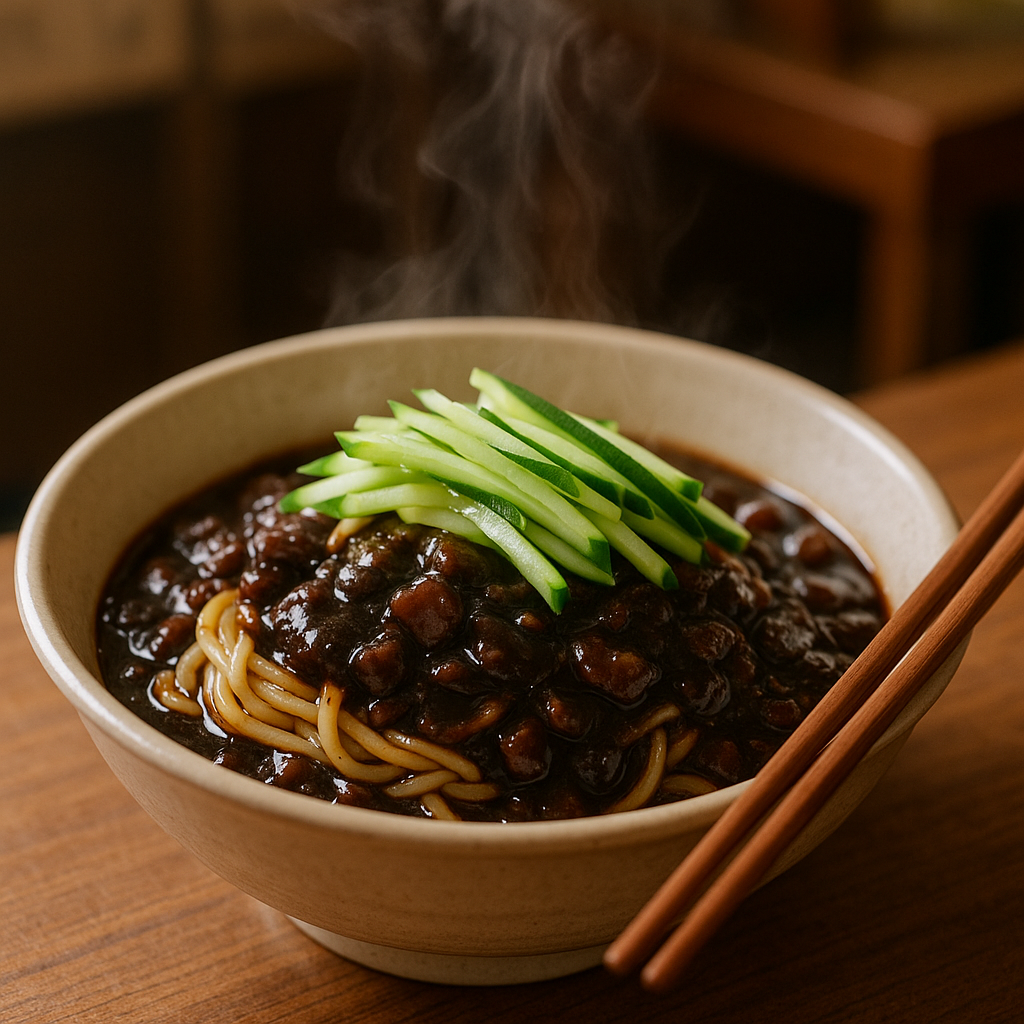
인천 중구 차이나타운로 43번지, 붉은 벽돌 건물 앞에 서면 짜장면 그릇 하나가 100년 넘게 이어져 온 이유를 실감하게 된다. 주말 낮 12시가 되기도 전에 공화춘 앞으로 줄이 늘어서고, 언덕 위 자유공원에서는 인천항이 훤히 내려다보인다. 짜장면 한 그릇 먹으러 왔다가 근대 건축물 사이를 두 시간 넘게 걷게 되는 동네, 그게 인천 차이나타운이다.
붉은 패루를 지나면 시작되는 짜장면거리
인천역 1번 출구를 나서면 바로 붉은색 패루(중국식 전통 문)가 보인다. 이 패루를 기준으로 차이나타운로가 곧게 뻗어 있고, 길 양옆으로 중식당 간판이 빼곡하다. 1883년 인천항이 개항하고 이듬해 이 일대가 청국 조계지로 지정되면서 화교들이 정착했고, 그 흔적이 지금의 붉은 담벼락과 벽화 골목으로 남았다. 평일 오전에는 한산하다가 점심시간이 가까워지면 관광버스와 단체 손님들이 몰려 골목이 순식간에 붐빈다.
길 초입에는 짜장면 캐릭터 조형물과 벽화가 늘어서 있어 사진 찍는 사람들로 늘 북적인다. 좁은 골목이라 유모차나 캐리어를 끌고 다니기는 조금 불편하지만, 그만큼 옛 거리 느낌이 살아 있다. 계단식으로 이어지는 뒷골목에는 삼국지 벽화거리도 있는데, 관우와 제갈량 같은 인물들이 담벼락 가득 그려져 있어 짜장면 골목과는 또 다른 볼거리를 준다.
거리 이름 자체가 흔히 ‘차이나타운 짜장면거리’ 또는 ‘북성동 원조자장면거리’로 불리는데, 인천 중구 북성동에 속한다는 사실은 도로명 주소만 봐서는 잘 드러나지 않는다. 지도 앱에 ‘인천 차이나타운’을 검색하면 대부분 이 일대로 안내되므로 길 찾기에 큰 어려움은 없다.
원조의 맛, 공화춘과 짜장면박물관
차이나타운로 43에 자리한 공화춘은 짜장면이 처음 만들어져 팔린 곳으로 널리 알려진 식당이다. 1905년 산동회관이라는 이름으로 문을 연 뒤 공화춘으로 이름을 바꿔 80여 년간 자리를 지켰다는 이야기가 전해지며, 1984년 문을 닫았다가 2004년 다시 문을 열었다. 영업시간은 매일 오전 10시부터 오후 9시 30분까지고, 자장면은 7,000원, 유니자장은 9,000원, 공화춘자장면은 11,000원선이다. 공화춘자장면은 면과 소스가 따로 나오는데, 고추가 들어가 살짝 매콤한 편이라 아이들과 함께라면 순한 유니자장 쪽이 편할 수 있다.
옛 공화춘 건물, 그러니까 등록문화재 제246호로 지정된 자리에는 지금 짜장면박물관이 들어서 있다. 국내 최초로 짜장면만을 주제로 삼은 박물관인데, 짜장면이 탄생한 배경부터 시대별로 바뀐 그릇과 배달통까지 전시되어 있어 식사 전이나 후에 들르면 국물 한 그릇의 서사가 다르게 느껴진다. 관람에는 20~30분 정도면 충분하다. 선린동 골목 안쪽에 자리한 탓에 처음 찾는 사람은 지나치기 쉬운데, 붉은 벽돌 건물 외관이 옛 모습 그대로 남아 있어 골목을 두리번거리다 보면 금방 눈에 띈다.
하얀 짜장부터 화덕만두까지, 골목 먹거리
짜장면거리라고 해서 검은 짜장면만 있는 건 아니다. 연경 차이나타운본점은 하얀짜장과 북경오리로 알려져 있고, 만다복 역시 하얀짜장과 하얀짬뽕을 함께 낸다. 춘장을 볶지 않고 만드는 하얀짜장은 색이 연한 만큼 맛도 순하고 짜지 않아서, 매운 음식을 못 먹는 어르신이나 아이와 함께라면 시도해볼 만하다.
길을 걷다 보면 십리향 같은 가게 앞에서 화덕만두를 굽는 냄새가 진동한다. 화덕에 반죽을 붙여 구워내는 만두는 겉은 바삭하고 속은 육즙이 가득해서 걸어 다니며 먹기 딱 좋다. 그 옆으로 공갈빵도 빠질 수 없다. 부풀린 빵을 갈고리로 톡톡 쳐서 갈라 먹는 재미가 있는데, 속이 텅 비어 있어 이름 그대로 ‘공갈’빵이다. 월병을 함께 파는 곳도 많아 선물용으로 사가는 손님도 자주 보인다. 낙지짬뽕을 전문으로 하는 래리성처럼 매콤한 국물 요리를 찾는 이들을 위한 가게도 골목 한편에 자리하고 있다.
점심 한 끼로 짜장면만 먹고 지나치기보다, 화덕만두 한 조각과 공갈빵을 나눠 먹으면서 걷는 편이 이 동네를 즐기는 방법에 가깝다. 줄이 길게 늘어선 가게보다 골목 안쪽, 사람이 조금 적은 집을 살펴보는 것도 나쁘지 않다. 양꼬치를 파는 가게도 곳곳에 있어서, 저녁 시간에 다시 찾아 술 한잔과 곁들이는 손님들도 자주 보인다.
짜장면 한 그릇이 7,000원부터 시작하는 걸 생각하면 전체적인 가격대는 부담스럽지 않은 편이다. 화덕만두나 공갈빵 같은 길거리 간식은 가게마다 가격이 조금씩 다르니 메뉴판을 먼저 확인하는 게 좋고, 작은 노점 중에는 카드 결제가 안 되는 곳도 있어 현금을 조금 챙겨가면 마음이 편하다.
자유공원과 근대문화거리로 이어지는 하루 동선
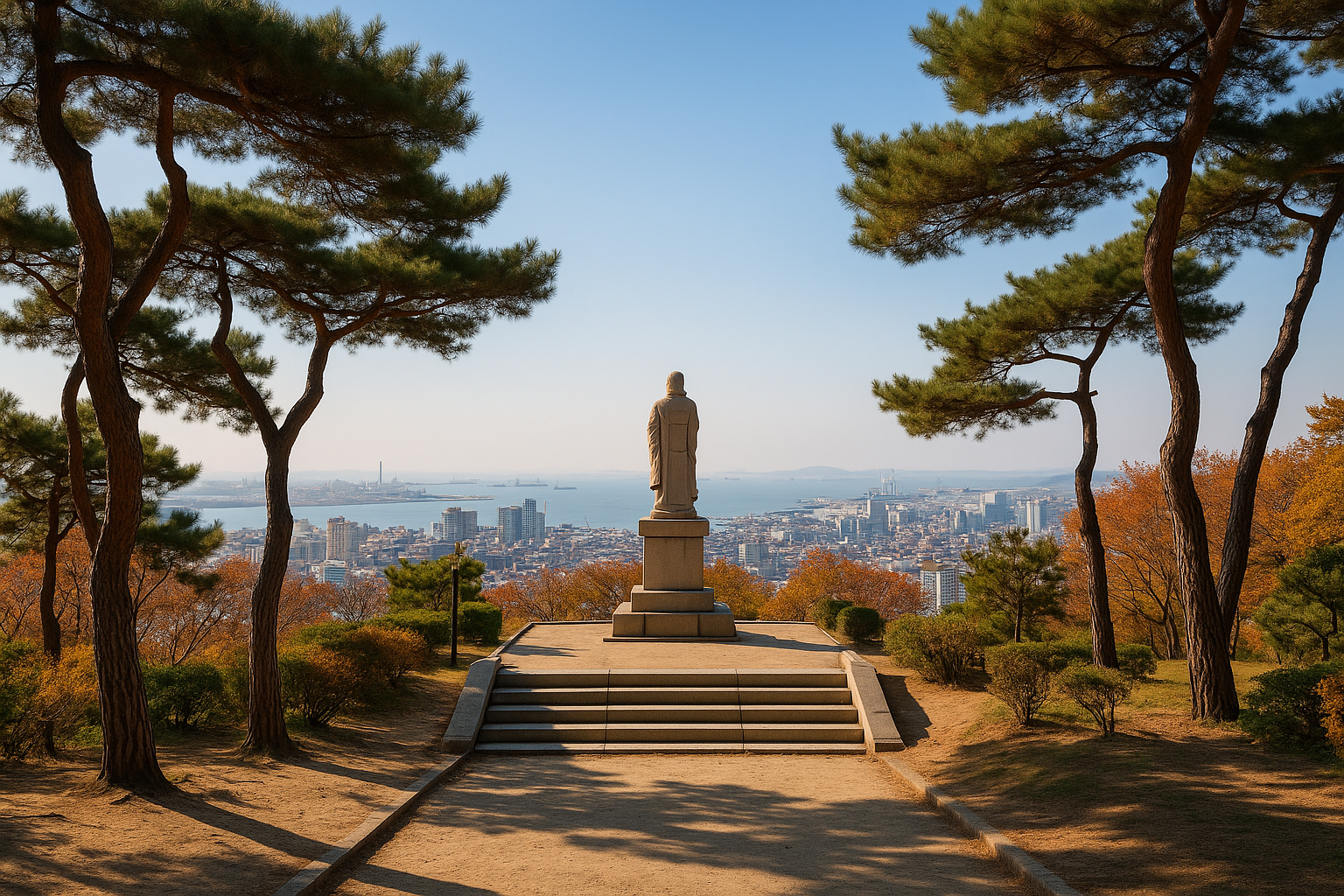
차이나타운에서 식사를 마쳤다면 언덕 위 자유공원까지 걸어 올라가는 코스를 추천한다. 도보로 10분 남짓이면 닿는데, 계단이 제법 있어 편한 신발이 필요하다. 자유공원 정상에는 맥아더 장군 동상이 있고, 여기서 내려다보는 인천항과 월미도 풍경이 이 동네 최고의 전망이다. 벤치에 앉아 바닷바람을 맞으며 잠시 쉬어가기 좋은 곳이기도 하다.
동선을 짤 때 가장 편한 교통편은 수도권 전철 1호선 인천역이다. 서울역이나 부평역에서 한 번에 닿는 데다, 개찰구를 나서자마자 차이나타운 패루가 보이니 초행길이라도 헤맬 일이 적다. 자가용을 이용한다면 인천역 인근 유료 주차장을 미리 검색해두는 편이 좋다.
공원에서 내려오는 길에는 한국근대문학관, 인천개항장 근대건축전시관, 한국이민사박물관이 이어져 있다. 붉은 벽돌의 옛 은행 건물과 조계지 시절 건물들이 그대로 남아 있어서, 짜장면거리의 화려한 색감과는 또 다른 차분한 분위기를 느낄 수 있다. 여기서 조금 더 걸으면 신포국제시장이 나오는데, 신포 닭강정이나 순대골목으로 이어지는 이 시장까지 묶으면 하루 코스가 자연스럽게 완성된다. 오전 11시쯤 차이나타운에서 시작해 자유공원과 개항장 거리를 거쳐 오후 3~4시 신포시장에서 마무리하는 동선이면 무리 없이 소화된다.
자주 묻는 질문
주차는 어디에 하는 게 편한가요?
차이나타운로 인근은 주말이면 골목이 좁고 사람이 많아 차량 진입 자체가 답답하다. 인천역 앞 공영주차장이나 차이나타운 주차타워를 이용하고 도보로 이동하는 편이 시간을 아낀다. 오후 1~2시 사이는 만차인 경우가 많아 오전 일찍 도착하는 게 낫다.
아이와 함께 가도 괜찮을까요?
가능하다. 다만 공화춘자장면처럼 매콤한 메뉴보다는 순한 유니자장이나 하얀짜장을 고르는 편이 무난하다. 화덕만두와 공갈빵은 아이들도 좋아하는 간식이라 식사 전후로 나눠 먹기 좋다. 자유공원 계단은 유모차로 오르기 힘들어 아기띠나 편한 신발을 준비하는 게 좋다.
평일과 주말 중 언제가 덜 붐비나요?
평일 오전, 그중에서도 개점 직후인 10시대가 가장 한산하다. 주말 점심시간에는 공화춘을 비롯한 유명 식당 앞에 대기줄이 길게 늘어서므로, 예약이 되지 않는 곳이라면 11시 전 도착이나 오후 2시 이후 방문을 고려하는 게 낫다. 명절 연휴나 벚꽃철 주말에는 골목 자체가 인파로 가득 차 이동 속도가 눈에 띄게 느려진다는 점도 감안하는 게 좋다.
My father-in-law walked into the bedroom, saw the fan running with the door shut, and switched it off without a word. Nobody explained anything. Nobody needed to. I’d been in Korea long enough by then to know exactly what had just happened, and it wasn’t really about electricity bills.
That small, silent gesture is a good entry point into something I’ve come to enjoy about living here: Korea runs two operating systems side by side. There’s the modern, hyper-wired, apartment-tower version of the country, and underneath it, quietly, a set of older beliefs most people say they don’t take seriously — right before they act on one anyway. As a foreign dad raising kids here, the gap between what people claim to believe and what they actually do is where these superstitions really live.
Fan Death: The One Every Foreigner Hears About First
If you’ve spent any time around Korean friends or family in summer, you’ve probably heard some version of “don’t sleep with the fan on in a closed room, you could die.” This is the famous “fan death” belief — the idea that a running electric fan in a sealed room overnight can somehow cause suffocation, hypothermia, or worse. It has zero scientific backing; there’s no known mechanism by which a fan can deplete oxygen or lower a healthy adult’s body temperature to a dangerous degree in an ordinary bedroom. Fans move air, they don’t consume it.
What’s genuinely interesting is how mainstream the belief remained despite that. Local news outlets used to run fan-death stories with some regularity, and one theory is that it started, or at least got reinforced, as an energy-conservation message during leaner economic decades — a nudge not to leave appliances running all night. Whatever its origin, the fallout is visible in Korean electronics stores today: almost every fan sold here comes standard with a timer function, letting you set it to shut off after one, two, or four hours. I didn’t think much of that feature until I learned the backstory — now I see it as a small design fossil of a belief that shaped an entire product category.
The Number 4 Doesn’t Officially Exist
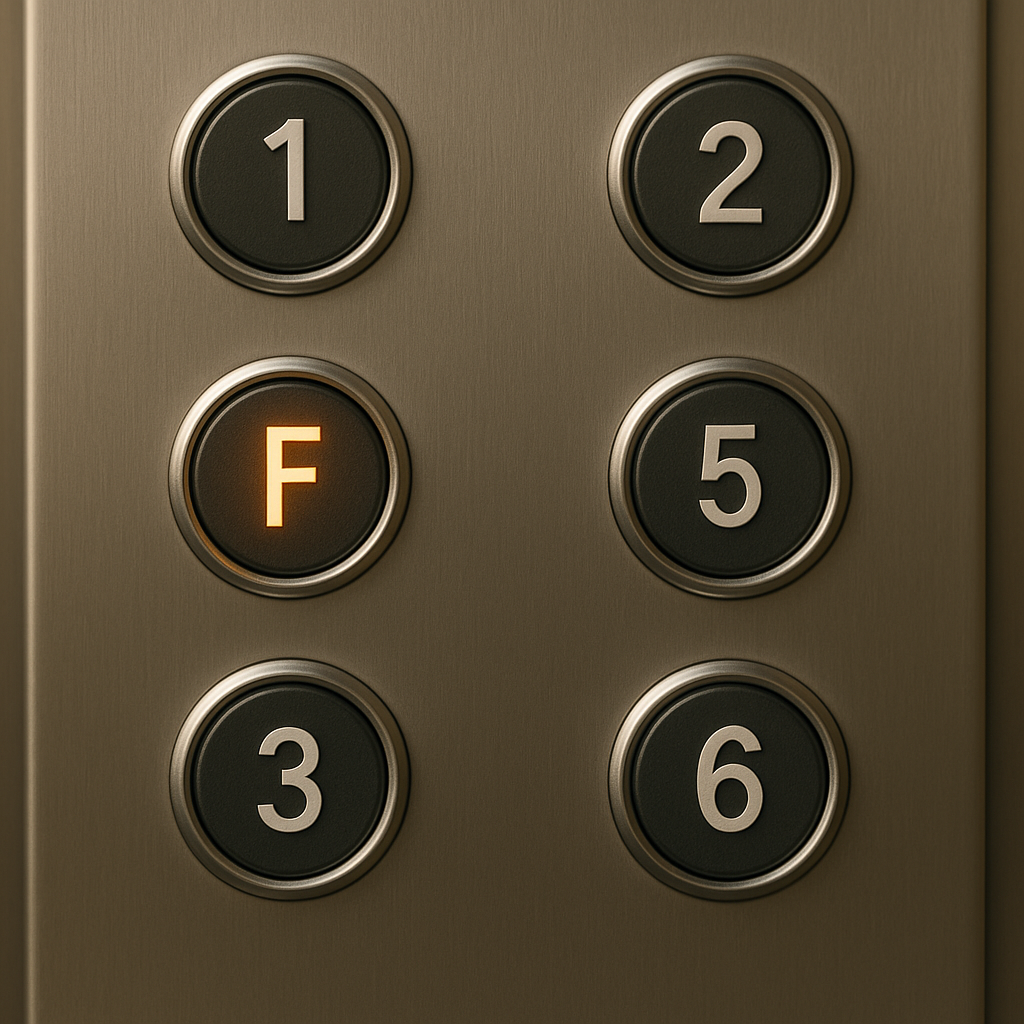
The first time I noticed the elevator in our building skipped straight from 3 to F, I assumed it was a maintenance floor or something similarly boring. It wasn’t. In Korean, the Sino-Korean word for “four” (사, sa) is pronounced identically to the word for “death” (死, also sa). That homophone is enough to make the number genuinely unwelcome in certain contexts, and building design is where it shows up most consistently.
Look around enough apartment complexes, hospitals, and office towers and you’ll find the fourth floor labeled “F” instead of “4,” or occasionally skipped in numbering altogether. It’s not universal — plenty of ordinary buildings number straight through — but it’s common enough that once you notice it, you can’t stop. Hospitals in particular tend to avoid the number, given the context people are already in when they walk through the door. The habit extends past floors, too: gift money is typically given in round, non-four amounts, and table settings or product packaging often come in threes or fives rather than fours.
Red Ink Is Not a Neutral Color
This one caught me off guard the first time I grabbed a red pen to fill out a form with my kid’s name on it, and got a quiet, urgent correction from my wife. Historically, the names of the deceased were recorded in red ink in official family registries, a practice tied to older beliefs about warding off evil spirits. The association stuck. Writing a living person’s name in red today can come across as ominous or simply rude, even if the person doing it means nothing by it.
You see the residue of this everywhere: students avoiding red pen for their own name on exam papers, teachers steering clear of red ink on a document with a name, people hesitating before signing anything in red. Nobody I know actually believes writing a name in red will summon bad luck. But the discomfort is real enough that most people simply reach for a different color pen rather than test it — a low-cost form of respect.
Shoes as a Gift: A Practical Superstition
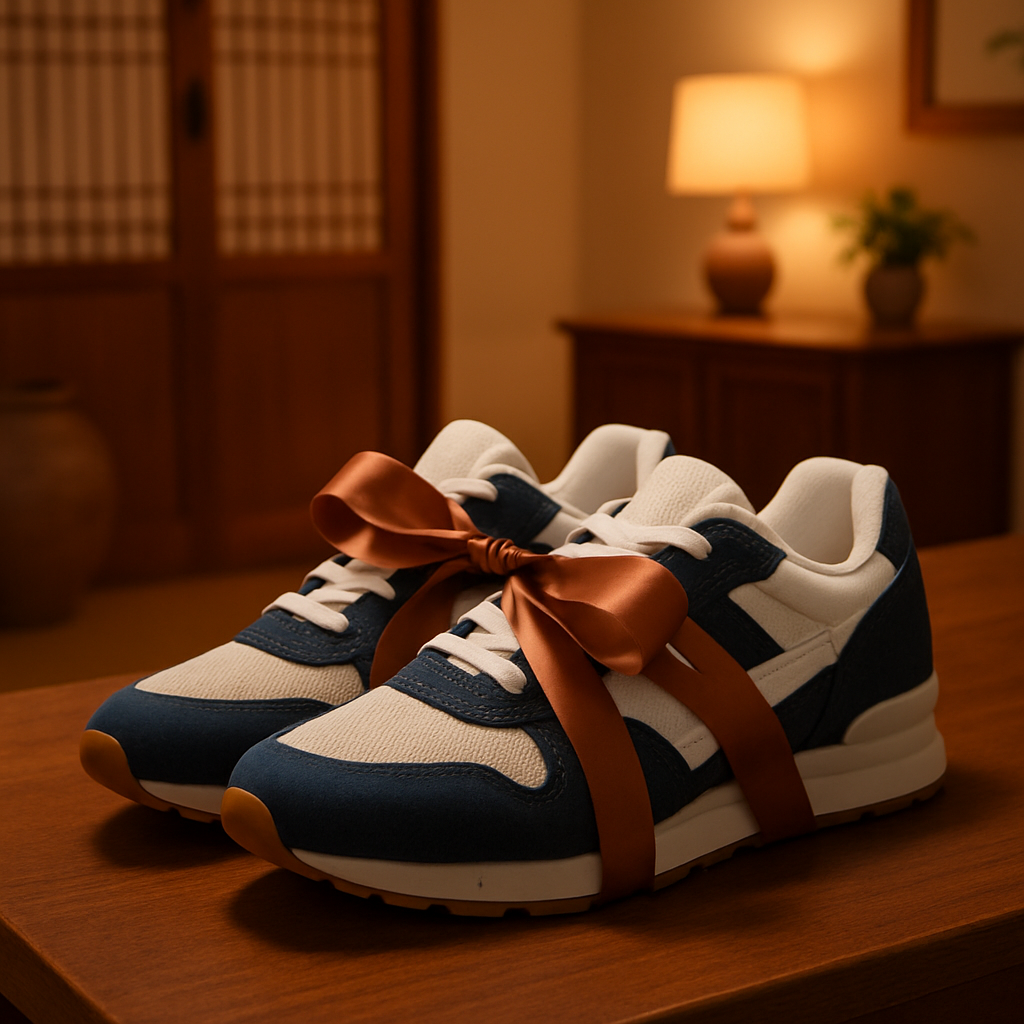
Before I understood this one, I nearly gave a close Korean friend a nice pair of sneakers for his birthday. My wife stopped me at the door. The belief is that gifting someone shoes — especially a romantic partner — means they’ll use those very shoes to walk away from you. Some version of this “gift of shoes equals leaving” superstition shows up in other cultures too, but in Korea it’s specific and commonly cited enough that it actively shapes gift-giving decisions.
In practice, people work around it rather than avoid shoes entirely. A common fix is to have the recipient “pay” a token, symbolic amount — a coin or small bill — for the shoes, which reframes the exchange as a purchase and supposedly cancels out the bad luck. Whether anyone truly fears the alternative or just enjoys the ritual, I couldn’t tell you. But I’ve watched grown, thoroughly modern adults hand over a coin for a pair of shoes with a straight face, so the habit has staying power regardless of belief.
Dreams as Omens, Especially Before Buying a Lottery Ticket
The last one took me the longest to appreciate, because it’s less about avoiding bad luck and more about chasing good luck. Certain dreams, called “taemong” when tied to pregnancy or “gil-mong” more generally when they signal fortune, are treated as meaningful omens rather than random noise from a tired brain. A pig showing up in a dream is one of the most famous examples — pigs are linked to wealth and abundance in Korean folk belief, and dreaming about one is widely considered a sign that money or good fortune is coming. Dreams involving deceased ancestors, or specific images like fire, dragons, or large sums of money, get taken similarly seriously.
The most visible real-world effect of this belief is at the lottery counter. It’s an accepted, unremarkable thing for someone to buy a ticket specifically because they had a pig dream the night before, or because an ancestor appeared to them and it felt significant. I’ve never seen anyone treat this as an actual financial strategy, but the dream still earns you a ticket that probably wouldn’t have been bought otherwise. Not every superstition here is about fear; some are just about hope having a specific shape.
Thresholds, Desks, and the Small Rules Nobody Explains
A couple of smaller, quieter superstitions round things out. Stepping directly on the threshold of a doorway — the raised strip at the base of a traditional door frame — is considered bad manners at best and bad luck at worst, tied to old beliefs about the boundary being a spot where spirits pass through. None of these things get formally taught to you. You absorb them by watching people wince, or correct you gently, over years of daily life.
FAQ
Do young Koreans actually believe in fan death?
Most younger Koreans I’ve talked to will say outright that they don’t believe a fan can kill you, and plenty leave a fan running all night without a second thought. But the belief is common enough among older relatives that the courtesy of turning on the fan’s built-in timer, or cracking a window, still gets practiced in a lot of households — mine included.
Is the number 4 avoided everywhere in Korea?
No — it’s inconsistent. Some apartment buildings and hospitals label the fourth floor “F,” others number straight through with no adjustment at all. It’s common enough to notice, especially in hospitals, but it isn’t a hard rule enforced everywhere.
What happens if you accidentally give someone shoes as a gift?
Nothing dramatic in most cases — people generally understand it as a light superstition rather than an actual prediction. The common workaround, if you want to be safe, is to have the recipient hand you a small coin in exchange, which turns the gift into a symbolic purchase.
Somewhere on my desk in Korea there’s a stack of business cards, and for the first year I lived here, I read every single one of them wrong. Not the language — the order. I’d glance at “Kim Minsoo,” assume Minsoo was the surname, and then spend the meeting calling the man “Mr. Minsoo” while he was too polite to correct a foreigner in a suit he’d clearly just bought. Nobody warns you about this before you land. They warn you about chopsticks and shoes at the door. Nobody warns you that the entire logic of a person’s name runs backward from what you grew up with.
The Basic Flip: Family Name Comes First
In Korea, the surname leads. Always. A name like Kim Minsoo (김민수) breaks down as Kim — the family name — followed by Minsoo, the given name. Compare that to the Western convention, where John Smith puts the personal name first and the family identity second, almost like an afterthought. Korean naming inverts that priority entirely: lineage announces itself before the individual does.
This isn’t a quirky exception. It’s the standard across most of East Asia — Chinese and Japanese names follow the same surname-first structure — but Korea sticks to it with unusual consistency. Most Korean given names are two syllables, built from two separate hanja-based characters, sitting after a one-syllable family name. So a full name is typically three syllables total: one for the family, two for the individual. Kim Ji-eun. Park Sang-hoon. Lee Ha-eun. The rhythm becomes so predictable that after enough time here, your ear just expects it.
And the surname pool is small. Kim, Lee, and Park together account for close to half the entire population of South Korea — a level of concentration that has no real equivalent in most Western countries, where surnames are far more evenly distributed. That means when you meet someone named Kim, you’ve learned almost nothing distinguishing about them yet. The given name is doing all the identifying work, which is arguably the opposite of how a lot of foreigners are trained to process names.
Why the Order Exists in the First Place
The logic isn’t arbitrary. It reflects a broader cultural instinct about what gets emphasized first: the group before the individual, the family line before the person standing in front of you. Placing the surname first is, functionally, a small linguistic bow to ancestry every time a name is spoken. It’s the same instinct you see elsewhere in the language — addresses in Korea are written largest-unit-first too, country before city before street before building number, the mirror image of how most Western postal systems build outward from the individual house.
Once you notice that pattern, the name order stops feeling random. It’s part of a consistent habit of sequencing information from broad to specific, from collective to individual. I don’t think most Koreans consciously think about it that way day to day — it’s just how a name sounds correct — but as an outsider watching the pattern repeat across addresses, dates (year-month-day, again broadest to narrowest), and names, the underlying logic clicks eventually.
Where Foreigners Actually Get Tripped Up
Knowing the rule intellectually and applying it instinctively are two different skills, and the gap between them shows up in a few very specific places.
Introductions. Someone says their name once, fast, and you have maybe half a second to decide which syllable is the “handle” you’ll use with an honorific. Get it backward and you end up calling a colleague by their given name attached to “-ssi” in a way that sounds oddly familiar, or worse, formal-sounding in the wrong direction.
Business cards. Korean business culture treats the exchange of a card as a small ritual — received with both hands, read before it’s pocketed, never signed on or shoved in a back pocket in front of the giver. If you misread the surname in that moment, you’ve usually already said the wrong name out loud before anyone can correct you.
Official forms. This is the one that actually causes problems, not just embarrassment. Korean government and bank forms typically have separate fields for surname and given name, and when a Western name gets forced into that structure, people default to Western order out of habit — first name in the surname field, surname in the given-name field. Multiply that by every bank account, phone contract, and delivery address, and you get a foreigner whose official Korean records don’t consistently match across institutions.
Reading Korean names presented in Western media. To make things messier, Korean names are frequently flipped to Western order once they leave the country — Olympic broadcasts, international press, some romanized passports — so a name you learned as “Kim Yuna” domestically might show up as “Yuna Kim” abroad. There’s no universal rule enforcing which version appears where, so the same person’s name can legitimately look different depending on the context you encounter it in.
What I Do Now
These days I don’t guess. If I’m not sure which syllable is the surname, I ask directly — “is Kim your family name?” — and I’ve never once had someone find that rude. If anything, it signals you’re paying attention rather than steamrolling through an assumption. On paperwork, I’ve learned to slow down and check the field labels every time, because autopilot is exactly how a Western name ends up split in the wrong direction on a form that then gets filed somewhere permanent.
The honorific habit helps too. Attaching “-ssi” after a full name, or after the given name only once you’re on friendlier terms, forces you to actually identify which part is which before you open your mouth. It’s a small discipline, but it’s saved me from a fair number of half-second stumbles in meetings.
What surprised me most, honestly, is how quickly the old habit reasserts itself the moment I’m not concentrating. Even years in, if someone rattles off a name quickly in a noisy restaurant, my brain still tries to default to first-name-first for a beat before correcting itself. Old instincts don’t fully retire. You just get faster at catching them.
Frequently Asked Questions
How do I know which part of a Korean name is the surname if someone only gives me one name?
If you’re only given a single name in a casual setting, it’s almost always the given name — Koreans generally don’t introduce themselves by surname alone the way an English speaker might say “just call me Smith.” If in doubt, the safest move is to ask which part is the family name, or check a business card or ID, where the full three-part structure is usually written out clearly.
Why does the same Korean celebrity or athlete sometimes appear with their name in a different order online?
International outlets and databases don’t apply a single consistent rule. Some preserve Korean order (surname first) out of respect for the original convention; others automatically flip it to match Western reading habits for their audience. Both versions can be technically “correct” depending on which convention the publisher chose, which is exactly why the same person’s name can look inconsistent across two different websites.
Should I put my own Western name in Korean order when filling out forms in Korea?
No — for legal and administrative documents, you generally keep your name in the order that matches your passport, since that’s the reference document Korean institutions cross-check against. The important part is reading the form’s field labels carefully (surname field vs. given-name field) rather than reordering the name itself, since the fields are what determine how the information gets recorded.
지난달 27일, 관리비 고지서를 열어보고 숫자를 두 번 다시 확인했다. 7월 한 달 전기요금이 18만 4천 원. 작년 같은 달보다 6만 원 넘게 뛰어 있었다. 에어컨을 특별히 더 튼 것도 아닌데 왜 이렇게 나왔을까 싶어서, 그날 저녁부터 사용 습관을 하나씩 뜯어고쳐 봤다. 한 달 뒤 8월 고지서는 13만 원대로 내려왔다. 뭘 바꿨는지 순서대로 적어본다.
온도보다 먼저 바꿔야 하는 건 ‘켜고 끄는 습관’
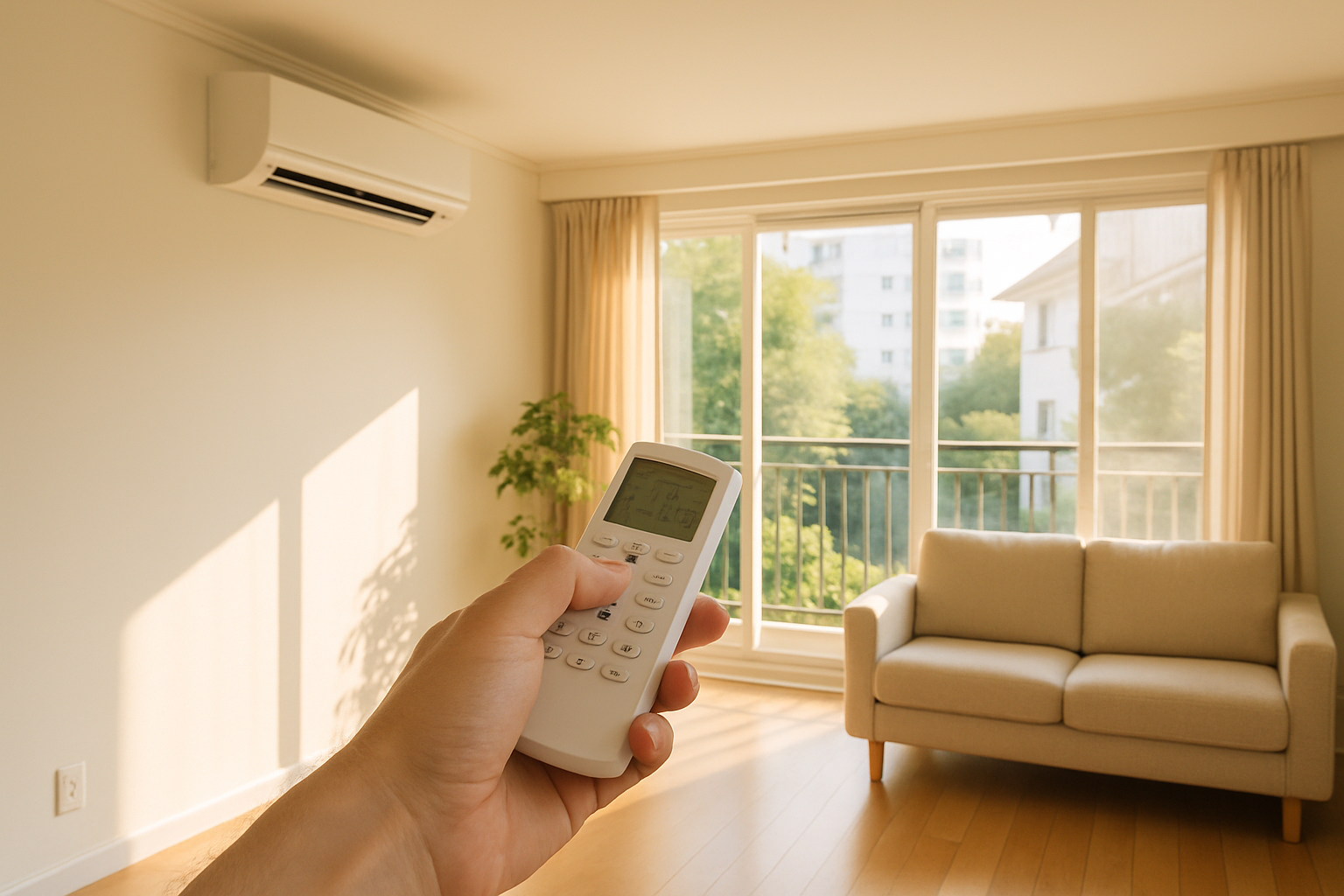
제일 먼저 고친 건 온도 설정이 아니라 전원을 켰다 껐다 하는 버릇이었다. 잠깐 편의점 다녀올 때마다, 화장실 갈 때마다 꺼버리는 습관이 있었는데 이게 오히려 독이었다. 요즘 나오는 인버터형 에어컨은 실내 온도가 설정값에 도달하면 압축기 회전을 크게 줄여서 전력 소비 자체가 확 떨어진다. 이 상태에서 껐다 켜면 다시 처음부터 강하게 돌아가면서 전기를 더 먹는다. 30분 이내로 나갔다 올 예정이면 끄지 말고 그냥 두는 편이 낫다는 걸 몸으로 확인했다. 반대로 2시간 넘게 외출한다면 그때는 끄는 게 맞다.
우리 집 에어컨은 2022년에 산 LG 인버터 모델인데, 구입할 때 받은 설명서에도 비슷한 얘기가 적혀 있었다. 그때는 대충 넘겼는데 이번에 다시 꺼내 읽어보니 짧은 외출은 유지, 긴 외출은 종료라는 원칙이 명확하게 나와 있었다.
26도가 아니라 27도, 그리고 서큘레이터
냉방 온도는 26도에서 27도로 딱 1도만 올렸다. 별거 아닌 것 같지만 체감은 크게 다르지 않았다. 대신 다이소에서 만 오천 원 주고 산 미니 서큘레이터를 에어컨 맞은편에 놓고 위쪽을 향하게 틀었다. 찬 공기는 아래로 가라앉는 성질이 있어서 그냥 두면 발밑만 시원하고 위쪽은 후텁지근한 상태가 계속된다. 서큘레이터로 공기를 섞어주니 체감 온도가 확 낮아졌고, 덕분에 에어컨이 목표 온도에 도달하는 시간도 짧아졌다.
실외기 자리와 필터, 눈에 안 보이는 곳이 진짜 문제
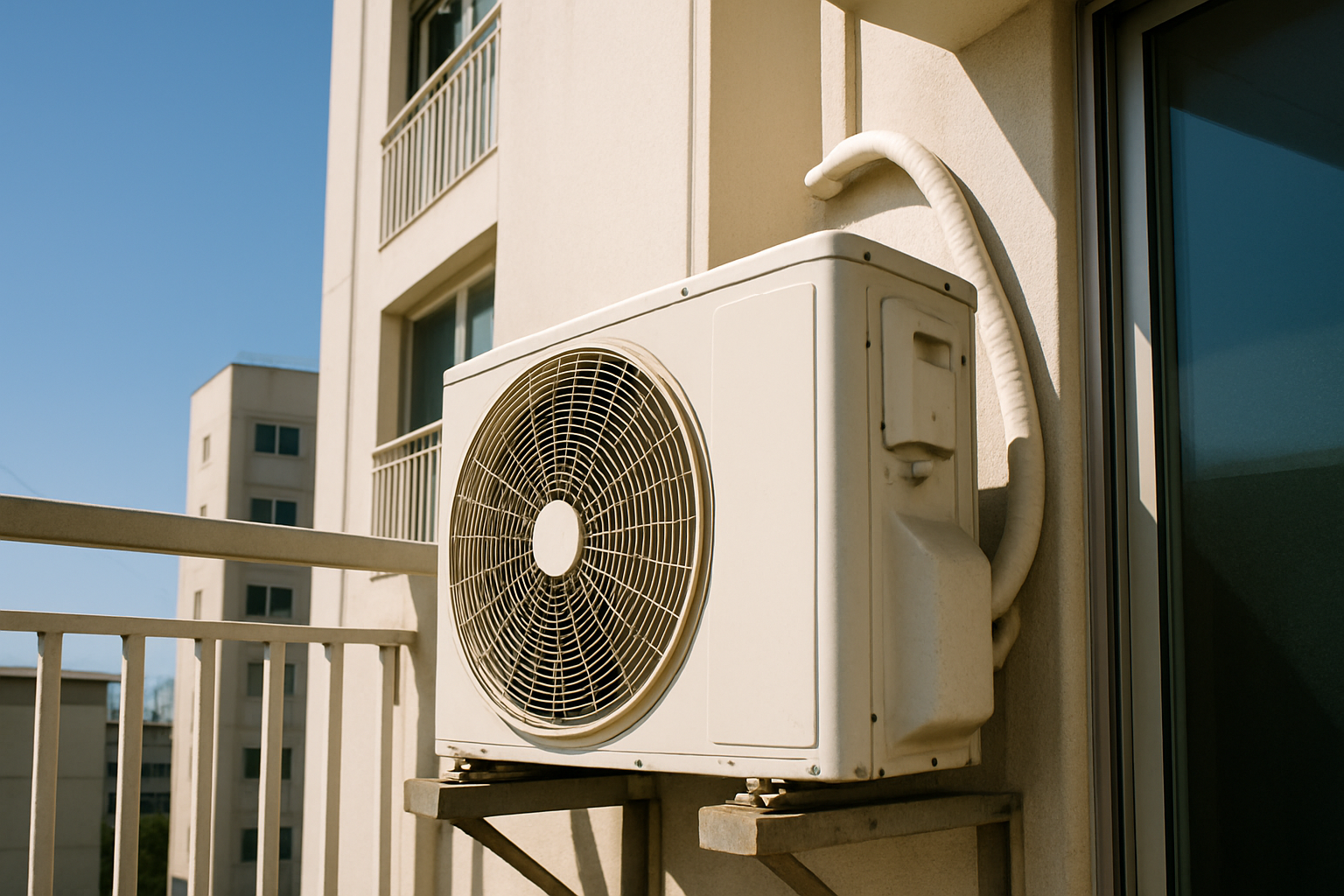
베란다에 있는 실외기가 오후 2시부터 5시까지 직사광선을 그대로 맞고 있었다. 그늘막 하나 없이 뜨거운 콘크리트 바닥 위에 놓여 있으니 실외기 자체가 계속 과열 상태였던 셈이다. 인터넷에서 찾아본 실외기용 차광막을 8천 원 주고 사서 씌웠더니 그것만으로도 냉방 효율이 눈에 띄게 좋아졌다. 실외기 앞에 화분이나 빨래건조대를 두고 바람길을 막고 있었다면 그것부터 치우는 게 먼저다.
필터는 2주에 한 번 물로 씻어냈다. 처음 필터를 뺐을 때 먼지가 회색 담요처럼 붙어 있는 걸 보고 놀랐다. 필터가 막히면 같은 온도를 유지하는 데 더 많은 전력이 들어간다는 걸 그날 눈으로 확인한 셈이다.
커튼 하나로 실내 온도 2도 차이
서향인 우리 집 거실은 오후 4시가 넘으면 햇빛이 그대로 들어와서 바닥이 뜨끈뜨끈해진다. 암막까지는 아니어도 차광 기능이 있는 리넨 커튼으로 바꾸고 낮 시간에 쳐두었더니, 온습도계로 재봤을 때 커튼을 안 쳤을 때보다 실내 온도가 2도 가까이 낮게 유지됐다. 창문으로 들어오는 직사광선을 막는 것만으로 에어컨이 일해야 하는 양 자체가 줄어드는 셈이다.
한 달 실험 결과
7월 사용량: 486kWh, 요금 184,320원
8월 사용량(같은 기간 기준): 341kWh, 요금 131,760원
온도 1도 상향, 짧은 외출 시 전원 유지, 실외기 차광막, 2주 간격 필터 청소, 차광 커튼 적용
습관 몇 가지만 바꿨을 뿐인데 5만 원 넘게 차이가 났다. 냉방을 참는 게 아니라 에어컨이 덜 힘들게 일하도록 환경을 정리해준 결과라고 생각한다.
자주 묻는 질문
Q. 에어컨을 하루 종일 켜두는 게 정말 더 저렴한가요?
집을 오래 비우지 않는다는 전제에서만 맞는 얘기다. 출근 등으로 8시간 이상 집을 비운다면 끄고 나가는 게 낫다. 우리 집은 재택근무가 많아서 짧은 외출이 반복되는 패턴이라 유지하는 쪽이 유리했던 것뿐이다. 본인의 외출 패턴부터 파악하는 게 먼저다.
Q. 서큘레이터랑 선풍기 중에 뭐가 더 나은가요?
직진성 있는 바람으로 공기를 멀리, 위아래로 순환시키는 데는 서큘레이터가 유리하다. 선풍기는 넓게 퍼지는 바람이라 사람 몸을 직접 식히는 데는 좋지만 공기 순환 효과는 상대적으로 약하다. 둘 다 없다면 선풍기를 에어컨 반대편 벽을 향해 놓기만 해도 어느 정도 효과가 있다.
Q. 실외기 차광막을 씌우면 오히려 통풍이 막혀서 안 좋다던데요?
실외기 전체를 완전히 덮는 밀폐형 커버는 통풍을 막아 역효과가 날 수 있다. 위쪽에서 그늘만 만들어주고 옆면은 트여 있는 개방형 차광막을 써야 한다. 구매할 때 제품 설명에 통풍구가 있는지 꼭 확인하자.
새벽 5시 40분, 강릉행 첫 KTX를 타려고 청량리역 승강장에 서 있었다. 목적지는 딱 두 곳이었다. 초당동 순두부 골목과 안목해변 카페거리. 두 곳을 걸어서 오갈 수 있는 거리라는 걸 이번에 직접 걸어보고 알았다. 순두부로 속을 채우고 바다를 보며 커피를 마시는 하루 코스, 실제로 다녀온 순서 그대로 정리한다.
초당순두부, 동해 바닷물로 간을 맞춘다는 그 순두부
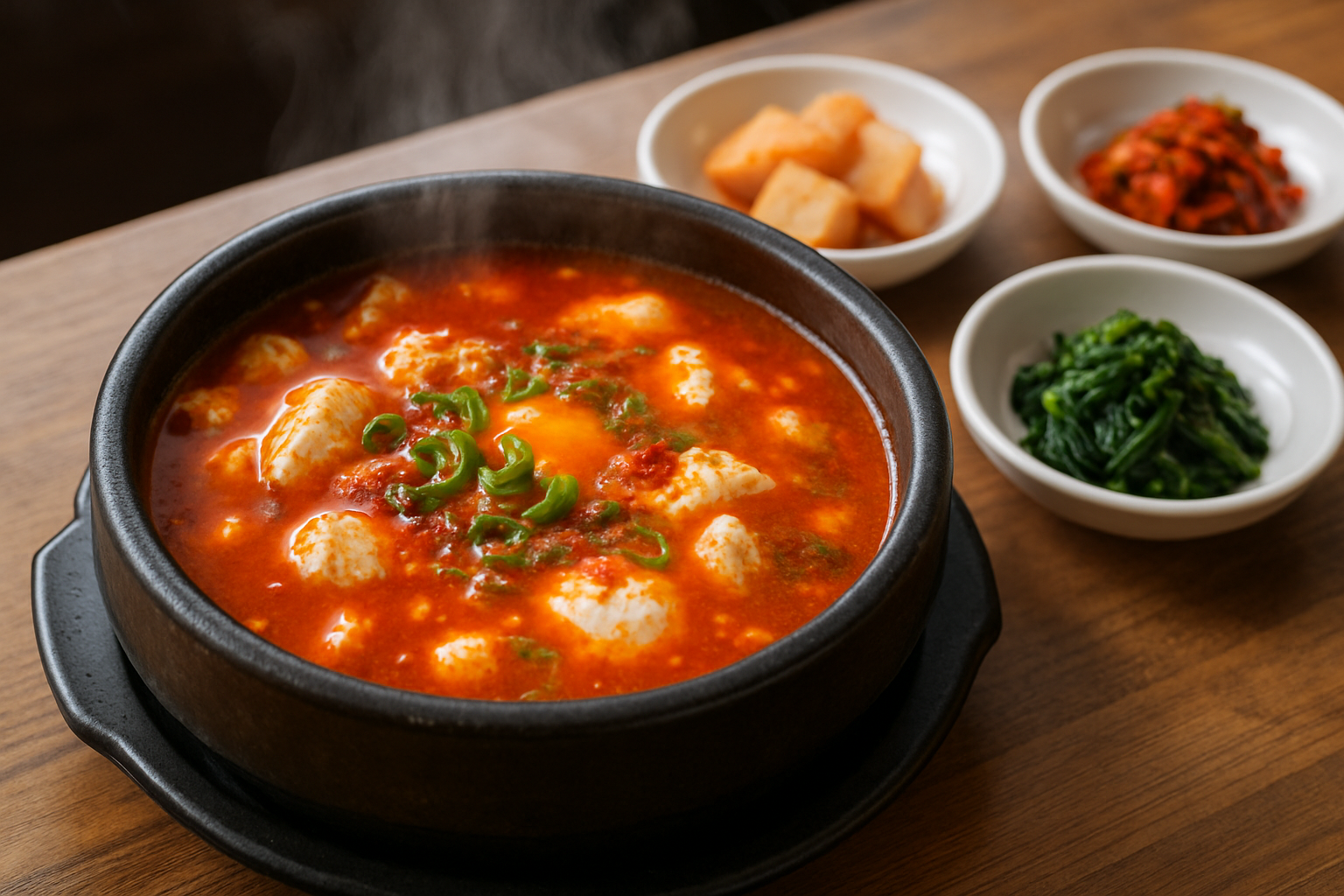
초당동 일대에는 순두부를 파는 식당이 골목 하나에 스무 곳 가까이 몰려 있다. 처음 가는 사람은 어디를 골라야 할지 막막할 정도다. 이번에 들른 곳은 오전 9시에 문을 여는 한 식당이었는데, 이른 시간인데도 벌써 대기 명단에 이름을 적어야 했다. 순두부 백반을 시켰더니 간을 하나도 하지 않은 순한 순두부와, 매콤하게 끓여낸 순두부짬뽕 스타일 중 고를 수 있었다.
이 동네 순두부가 다른 지역과 다른 이유는 간수 대신 동해 바닷물을 그대로 끓여 간을 맞추기 때문이다. 그래서 짜지 않으면서도 특유의 깊은 감칠맛이 난다. 숟가락으로 뜨면 두부가 아니라 커스터드 같은 질감으로 부서지는데, 첫입에는 밍밍하다가 반찬으로 나온 강된장이나 양념장을 살짝 얹으면 맛이 확 살아난다. 백반 한 상에 만 원 안팎이면 나물 반찬 대여섯 가지까지 함께 나온다.
순두부 마을에서 바다까지, 걸어서 25분
배를 채운 뒤 안목해변까지는 걸어서 25분 정도 걸렸다. 택시를 타면 5분이면 갈 거리지만 날씨가 나쁘지 않다면 걷는 걸 추천한다. 남대천을 따라 난 산책로를 걸으면 강릉 시내와 바다가 만나는 경계를 눈으로 확인할 수 있다. 중간에 카페 몇 곳이 더 있어서 쉬어가기도 좋다.
안목해변 카페거리, 자판기 커피 성지에서 지금은
1990년대에는 이곳이 자판기 커피로 유명했다는데, 지금은 2층짜리 대형 카페들이 해안선을 따라 줄지어 있다. 그중에서도 눈에 띄었던 건 순두부와 젤라또를 접목한 디저트를 파는 가게였다. 초당두부마을 본점에서 시작해 안목해변 쪽에 낸 2호점이 더 붐빈다고 들었는데, 실제로 가보니 대기줄이 있었다. 콩 비린내가 날까 걱정했는데 의외로 고소하고 깔끔한 맛이라 순두부를 안 좋아하는 사람도 부담 없이 먹을 만했다.
창가 자리에 앉으면 파도 소리가 들릴 정도로 바다와 가까운 카페들이 많다. 다만 주말 오후에는 자리 잡기가 쉽지 않으니, 평일이나 오전 이른 시간을 노리는 게 낫다. 오후 3시쯤 도착했을 때는 이미 창가 자리가 거의 다 차 있었다.
다녀와서 남는 팁 몇 가지
순두부 식당은 오전 9시~10시가 가장 한산하다. 점심시간대(12시~1시 반)에는 줄이 길다.
초당동에서 안목해변까지는 도보 25분, 버스로는 230번이 다닌다.
카페 자리는 평일 오전이나 늦은 오후(5시 이후)가 여유롭다.
순두부는 대부분 포장도 가능하니, 숙소가 근처라면 저녁으로 사가는 것도 방법이다.
자주 묻는 질문
Q. 초당순두부는 맵지 않은 버전도 있나요?
있다. 간을 하지 않은 순두부 백반은 전혀 맵지 않고, 매운 걸 원하면 순두부짬뽕이나 얼큰순두부를 따로 주문하면 된다. 아이와 함께 간다면 백반으로 시작해서 필요할 때 양념장만 곁들이는 걸 추천한다.
Q. 주차는 어디에 하면 되나요?
초당순두부마을 입구에 공영주차장이 있고, 안목해변 쪽에도 해변을 따라 유료 주차 구역이 여럿 있다. 다만 여름 성수기 주말에는 오전 10시만 넘어도 만차인 경우가 많아서, 대중교통이나 도보 이동을 함께 고려하는 게 낫다.
Q. 강릉역에서는 어떻게 이동하나요?
강릉역에서 초당순두부마을까지는 택시로 10분 안팎, 버스로는 230번이나 202번을 이용하면 된다. 짐이 많지 않다면 역 앞에서 공유자전거를 빌려 이동하는 것도 나쁘지 않은 선택이다.
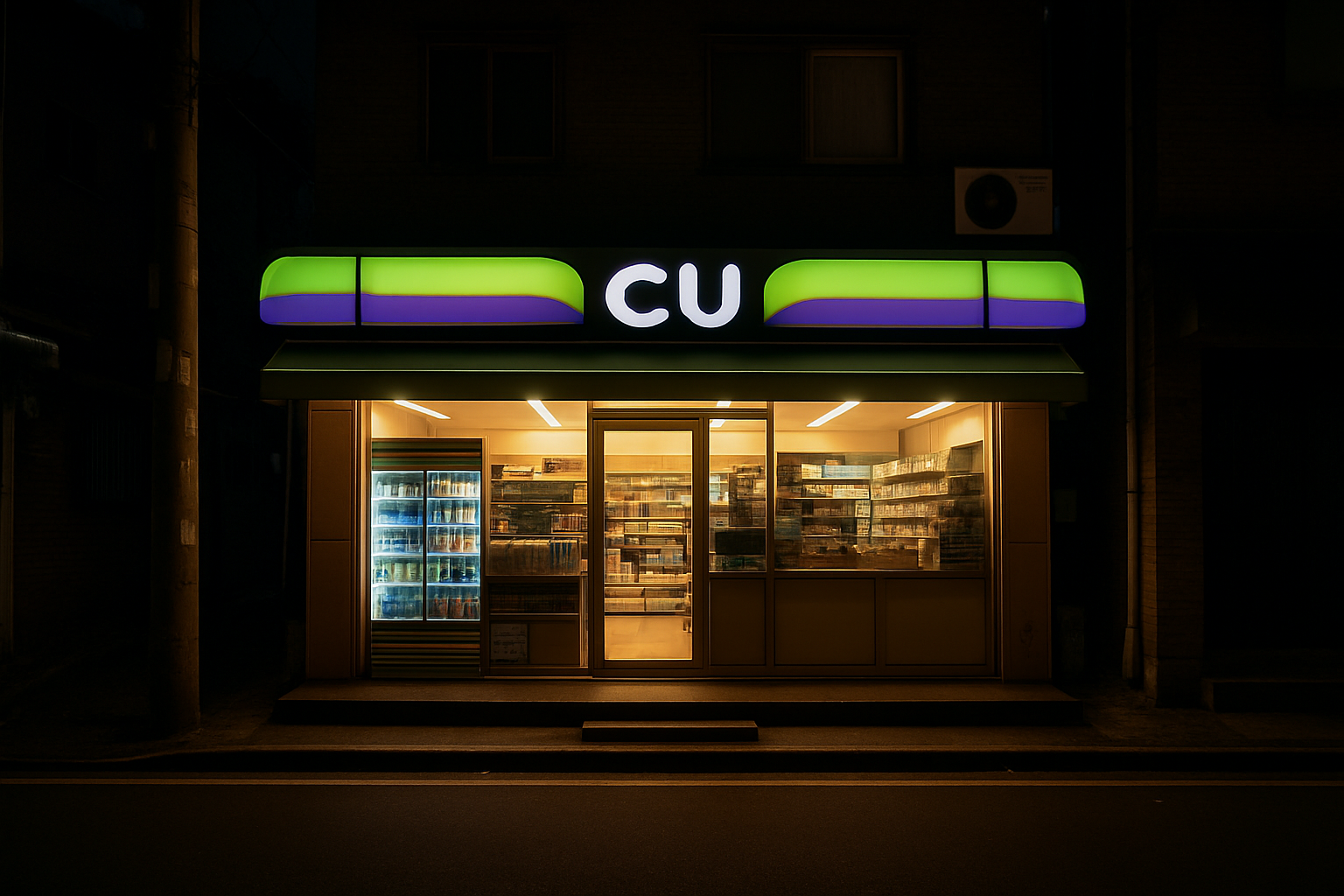
I used to think convenience stores were a last resort — the place you go when everything else is closed. That changed for me around 11 p.m. on a rainy Tuesday in Mapo-gu, standing under the awning of a CU with a triangle gimbap in one hand and a can of Cass in the other, watching the street empty out. Somewhere between that night and now, the CU on my corner became less of a shop and more of a second kitchen. Here’s what I’ve actually come to rely on, not the “top 10 must-try” list you’ve probably already read.
The samgak gimbap habit nobody warns you about
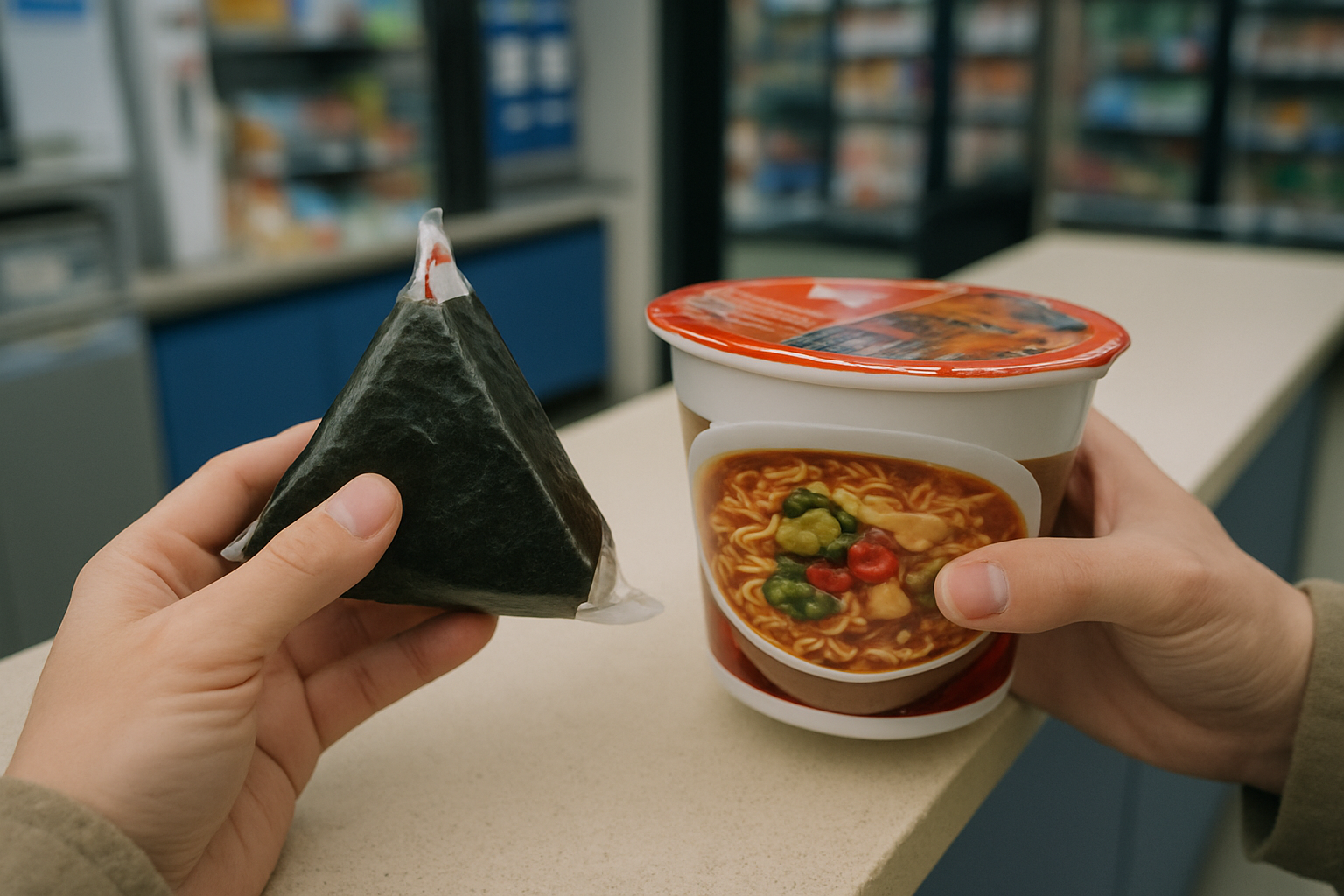
Samgak gimbap — the triangle-shaped seaweed rice snack — is the thing I grab without thinking now, the way I used to grab a granola bar back home. Tuna mayo is the safe default, and I get why: it’s mild, a little sweet, hard to dislike. But spicy tuna is the one I keep coming back to, especially from GS25, where the filling actually has some bite instead of just heat for the sake of heat. There’s a trick to opening the plastic wrap without tearing the seaweed into confetti — pull tab 1 first, then 2, then 3, in that order, or you’ll be standing there fighting with it like I did the first dozen times.
What surprised me is how seasonal the lineup gets. In summer, stores push cold noodle versions and iced americanos at a discount if you buy a sandwich with it. Around Chuseok last year, my local Emart24 had a songpyeon-flavored ice cream bar sitting right next to the register that I still think about.
Banana milk is not a gimmick, it’s a mood
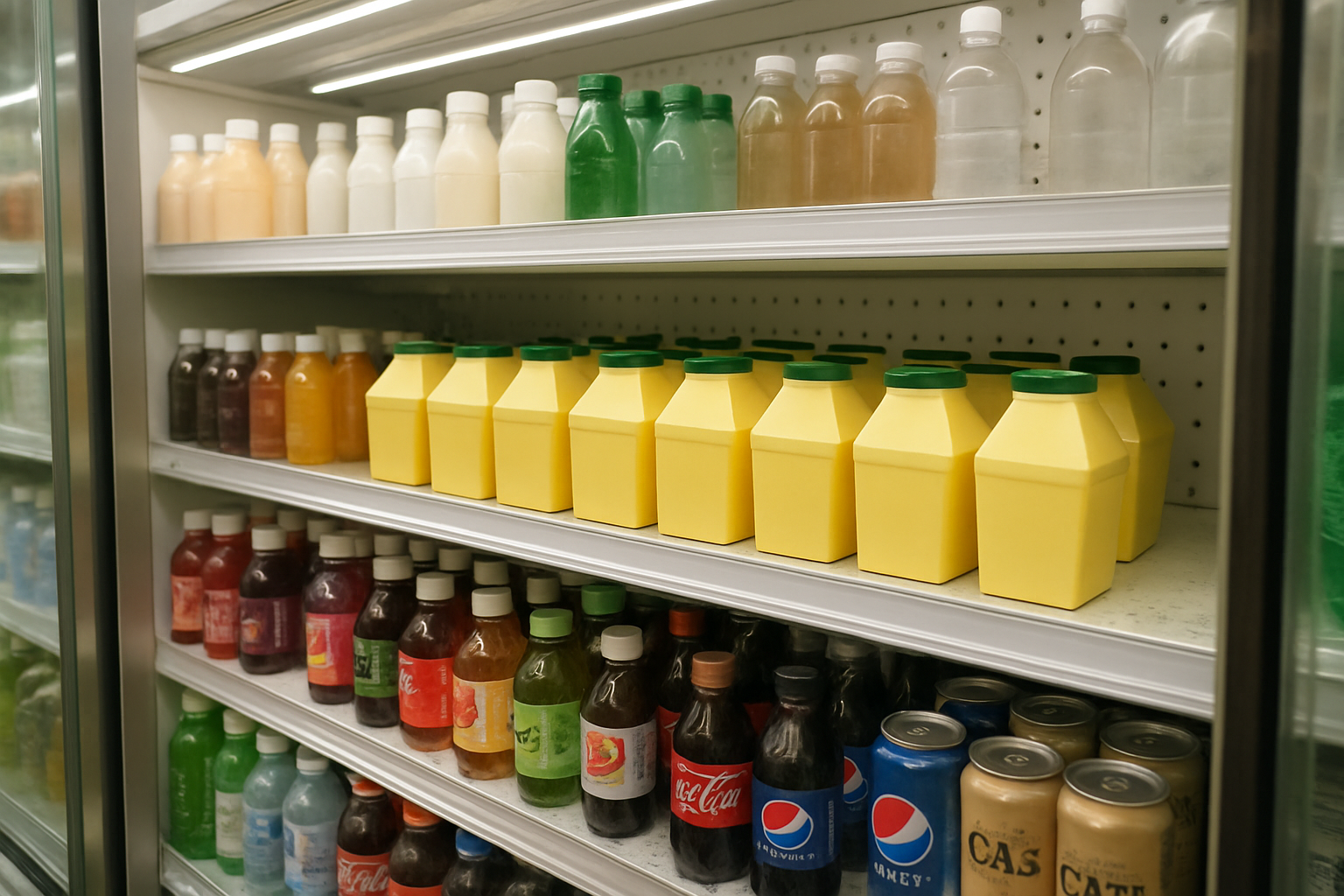
Binggrae banana milk in that pot-bellied bottle gets treated like a novelty item in a lot of the English-language guides, something to photograph rather than actually drink. I disagree. On a humid August afternoon after walking around Hongdae for two hours, that bottle — cold enough that it fogs up immediately — does more for me than an iced coffee does. My daughter, who’s six, now asks for it by name instead of asking for “milk,” which tells you something about how deep the branding runs here.
Buldak carbonara ramen: worth the hype, once
I resisted the Buldak Carbonara cup for months because I’d already burned my mouth on the original fire noodles back in 2019 and swore off the brand entirely. My neighbor talked me into trying the carbonara version last month, and it’s genuinely different — the cream sauce cuts the heat just enough that you can taste something other than pain. I wouldn’t eat it weekly. Once a month, standing at the little bar counter by the store window with the hot water machine, it’s a decent way to spend four minutes.
The corn dog thing is real
Korean-style corn dogs — the ones rolled in cubed potato or coated in ramen noodle bits before frying — are having a moment at convenience stores now, not just at street stalls. The 7-Eleven near Seoul Station heats them fresh in a small fryer by the register rather than just microwaving a pre-made one, and the difference is obvious: the coating stays crunchy instead of going soggy. Get the sugar-and-ketchup version if you see it. It sounds wrong. It works.
A few things I wish someone had told me
Most stores will heat your gimbap or ramen for free if you point and ask — you don’t need to know the Korean word, just gesture at the microwave.
T-money and most convenience store point cards can be topped up or used at the register, which saves a subway station trip.
The hot water dispenser for cup noodles is usually self-serve near the window seats, not behind the counter.
FAQ
Do convenience stores in Korea take foreign credit cards?
Almost always, yes — CU, GS25, 7-Eleven, and Emart24 all accept Visa and Mastercard at the register, and most locations near tourist areas have contactless terminals. I’ve had one or two smaller franchise locations outside Seoul where the card reader was down and cash was the only option, so I keep a little cash on hand just in case.
What’s the best convenience store snack for someone who doesn’t like spicy food?
Tuna mayo samgak gimbap, egg salad sandwiches, and the plain cream bread (called soboro or crème bread depending on the brand) are all safe, mild choices. Banana milk pairs well with any of them if you want something to wash it down that isn’t going to add heat.
Is it rude to eat standing at the counter inside the store?
Not at all — most CU and GS25 locations have a small eat-in counter with stools specifically for this, plus the hot water and utensils. It’s completely normal to see office workers eating a full meal there during lunch hour.