It was raining hard, past eleven at night, and I was standing on my balcony in socks watching a delivery scooter lean into a turn three floors below like it was qualifying for a race. Ten minutes later my phone buzzed, and a soaking-wet guy in a helmet handed me a paper bag of fried chicken that was still hot enough to fog up my glasses when I opened it. The chicken wasn’t the surprising part. The fact that I’d ordered it on impulse, in the rain, at midnight, and genuinely never doubted it would show up — that was the moment I understood I wasn’t in my home country’s version of “normal” anymore.
I’m Yijidaddy, and I’ve been raising a kid and building a life in Korea long enough now that most of this stuff doesn’t register as strange anymore. But when I go back through old messages I sent to friends and family in my first year or two here, they’re full of exclamation points about things that, honestly, embarrass me a little now because they seem so mundane in hindsight. That gap — between what shocked me then and what feels invisible now — is basically the whole story of adjusting to a new country. So instead of another generic “things I wish I knew” list, I wanted to just walk through the actual surprises, in the order of how hard they hit me, good and bad.
The Delivery Speed Isn’t a Gimmick, It’s Infrastructure
Before I moved here, I assumed “Korea has fast delivery” meant something like a slightly quicker Amazon. I did not understand that it meant hot food, cold groceries, and even random convenience items could show up at your door in under thirty minutes almost anywhere in a city, at almost any hour, with a tracking map that shows the rider’s dot moving toward you in real time like you’re watching a tiny video game. What actually got me wasn’t the first fast delivery. It was the fifth or sixth one, when I caught myself getting mildly annoyed that it took twenty-five minutes instead of fifteen. That’s when I realized my baseline for “reasonable” had completely recalibrated without my permission.
Convenience Stores Are Basically Tiny Department Stores
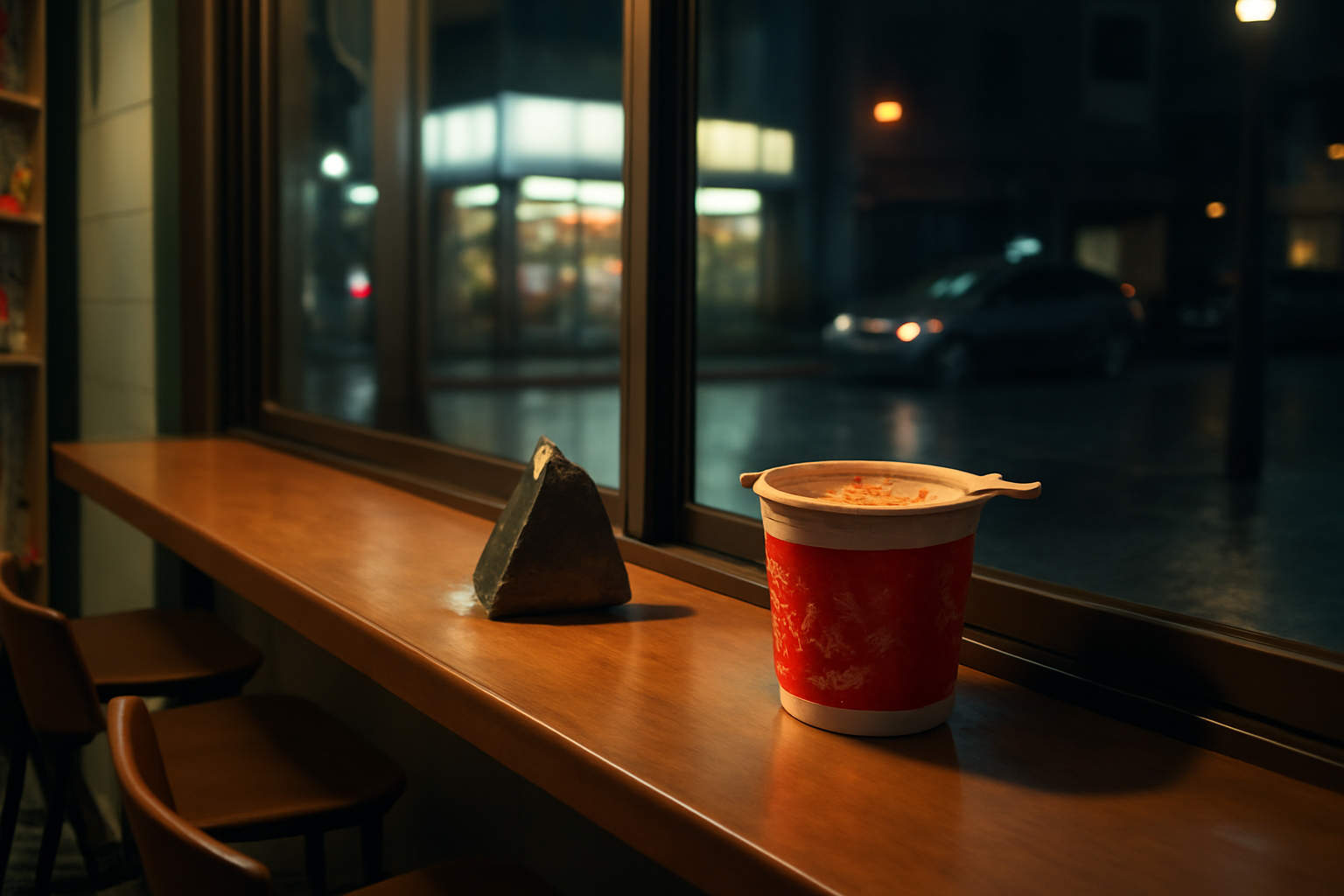
I went into my first Korean convenience store expecting gas-station snacks and lottery tickets. What I found was a place where I could pay my utility bill, print a document, buy decent instant coffee, sit at a little window counter and eat a full meal, and pick up a package I’d ordered online — all in the same five minutes. I remember standing there the first week just sort of turning in a slow circle, recalibrating what the word “convenience store” was allowed to mean. Back home the equivalent store was where you went when you’d run out of options. Here it’s often the first option.

The Quiet Kind of Safety
Nobody tells you how physically your body reacts to safety until you notice yourself relaxing muscles you didn’t know were tense. I remember watching someone leave a laptop and a phone sitting on a café table, unattended, to go order at the counter, and just… walk away for a few minutes. Where I’m from, that’s an invitation. Here, nobody even glanced at the table. It took me a long time to stop instinctively grabbing my bag every time I stood up, and even longer to admit that the instinct wasn’t really protecting me from anything anymore — it was just a habit from somewhere else.
Work Dinners Are a Whole Second Job
I’d heard the phrase “drinking culture” before I arrived, and I pictured something like after-work happy hour back home — one round, some laughs, everyone home by eight. What actually surprised me was the structure of it: how a single evening could move through multiple locations, multiple courses, and multiple rounds of drinks with what felt like genuine choreography behind it. It’s not chaotic. It’s almost formal, in its own way, with its own unwritten rules about who pours for whom and when you’re allowed to leave. I don’t drink like that anymore, and honestly most of my Korean friends don’t either these days, but the first time I experienced a full “hoesik” evening, I came home and just sat on the floor of my apartment for a while, recalculating my whole concept of what an office dinner could be.
Everyone Wants to Know How Old You Are, Immediately
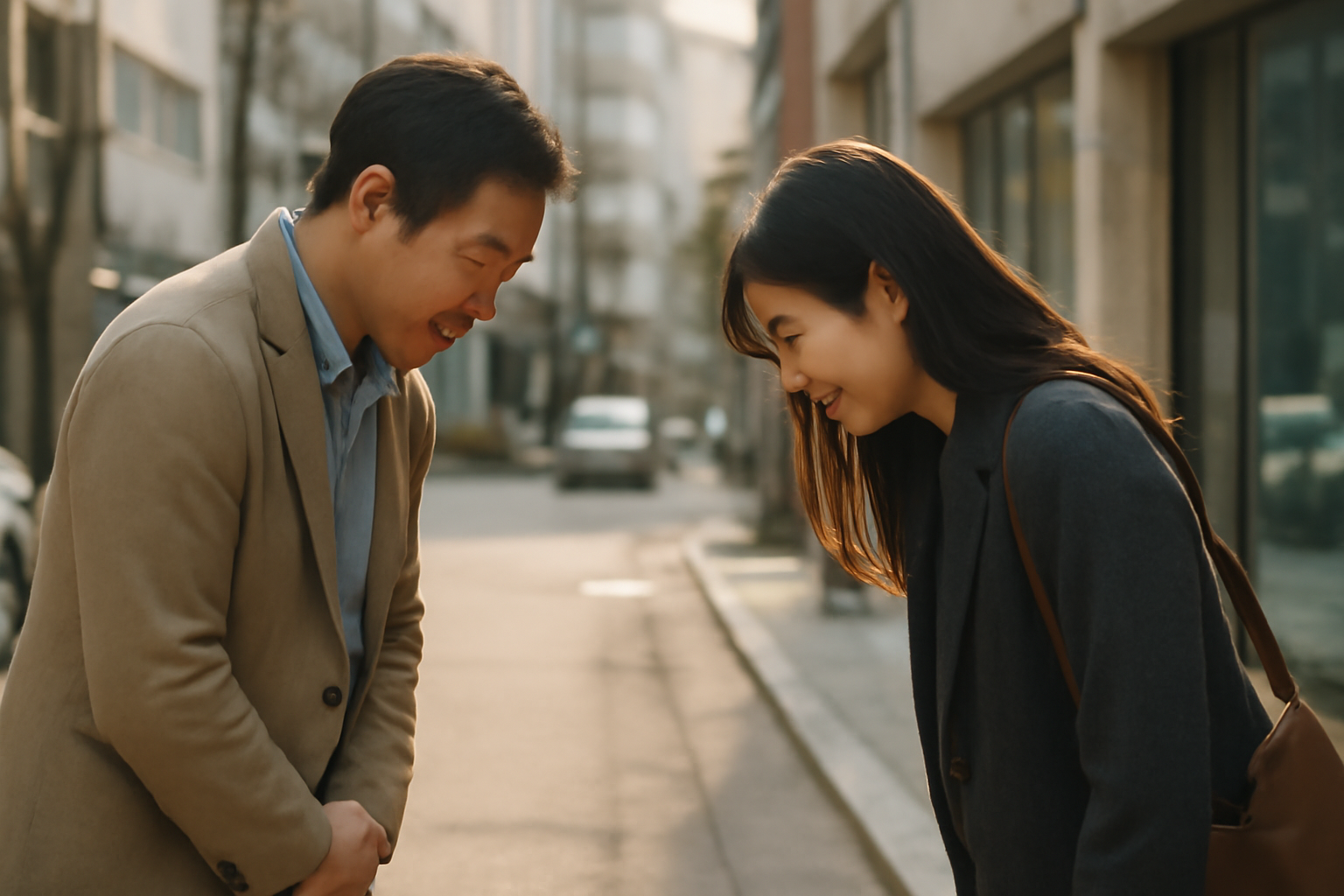
In a lot of Western small talk, asking someone’s age early on can feel almost rude, like you’re sizing them up. Here, it’s closer to a functional question, because age determines so much about how two people are supposed to speak to each other — which verb endings to use, who defers to whom, even who picks up the check sometimes. The surprise wasn’t that people asked. It was how quickly the conversation could recalibrate once they had the number, like a switch flipped somewhere and the whole tone of the interaction shifted a few degrees. I used to find it invasive. Now I mostly find it efficient, which says something about how much my own expectations have moved.
Strangers Are Distant, Neighbors Can Be Surprisingly Warm
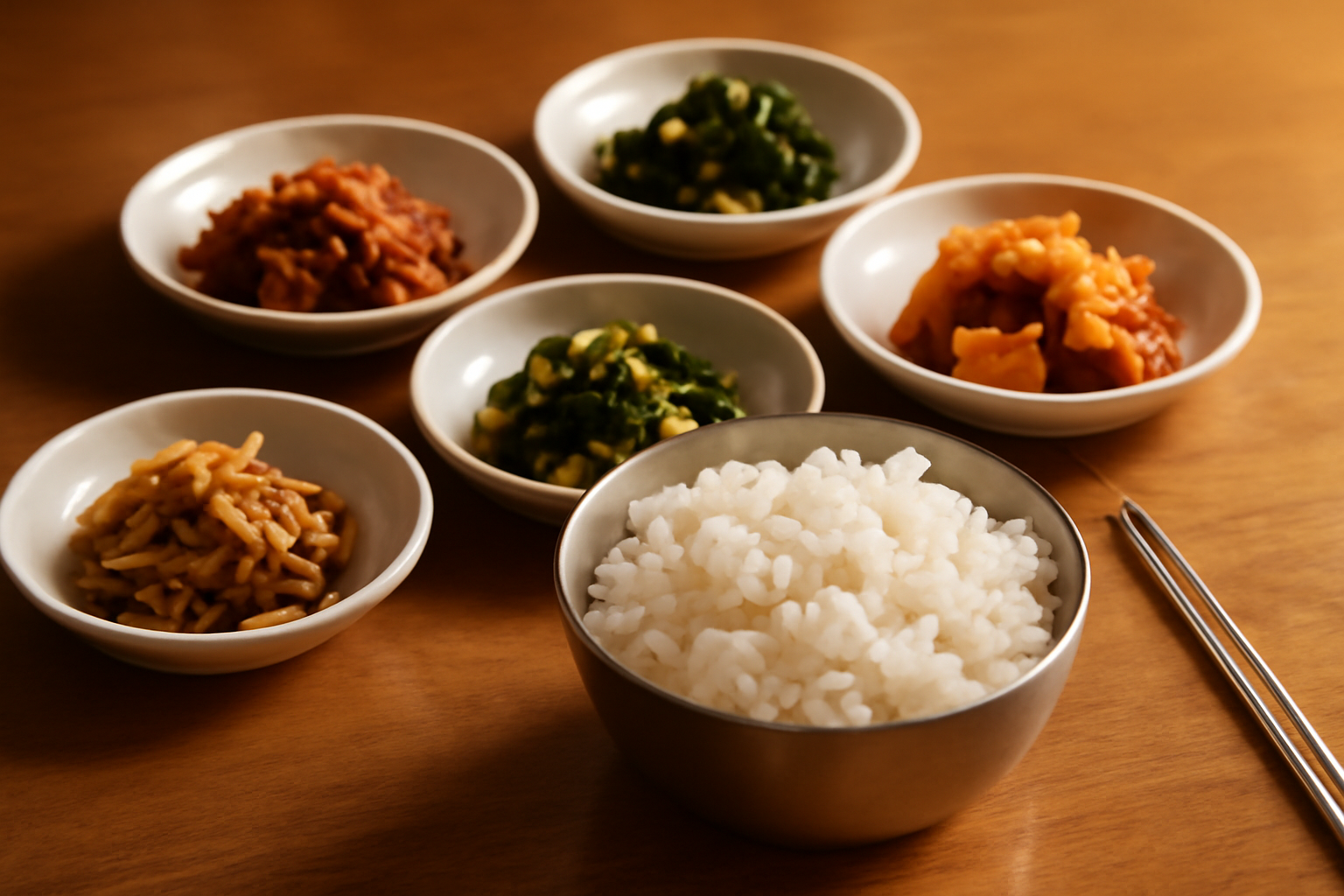
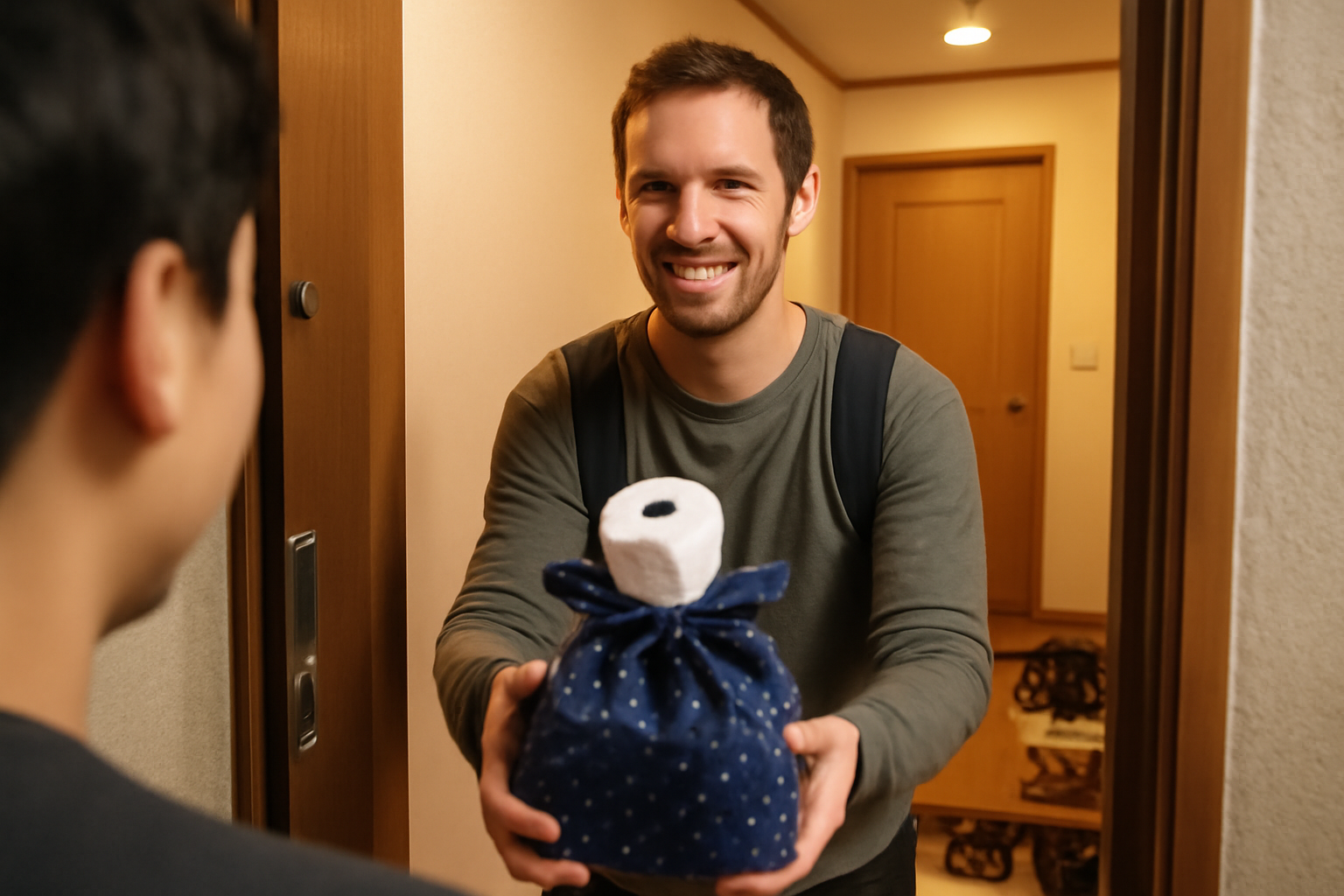
This one cuts both ways and I think it trips people up because they only notice the first half. Walking down the street, riding the subway, standing in line — there’s a kind of comfortable anonymity here, minimal eye contact, no small talk with the cashier, no chatting with strangers in an elevator. I found that cold at first, coming from a place where “how’s it going” is basically a reflex. But the surprise came later, once I’d been in the same neighborhood long enough that the woman at the produce stand started tossing an extra piece of fruit into my bag without saying much about it, or a neighbor left a container of homemade side dishes outside our door around a holiday. The warmth exists. It’s just not distributed to strangers by default — it’s earned through proximity and time, which is a completely different social operating system than the one I grew up with.
Apartment Living Has Its Own Unspoken Rulebook
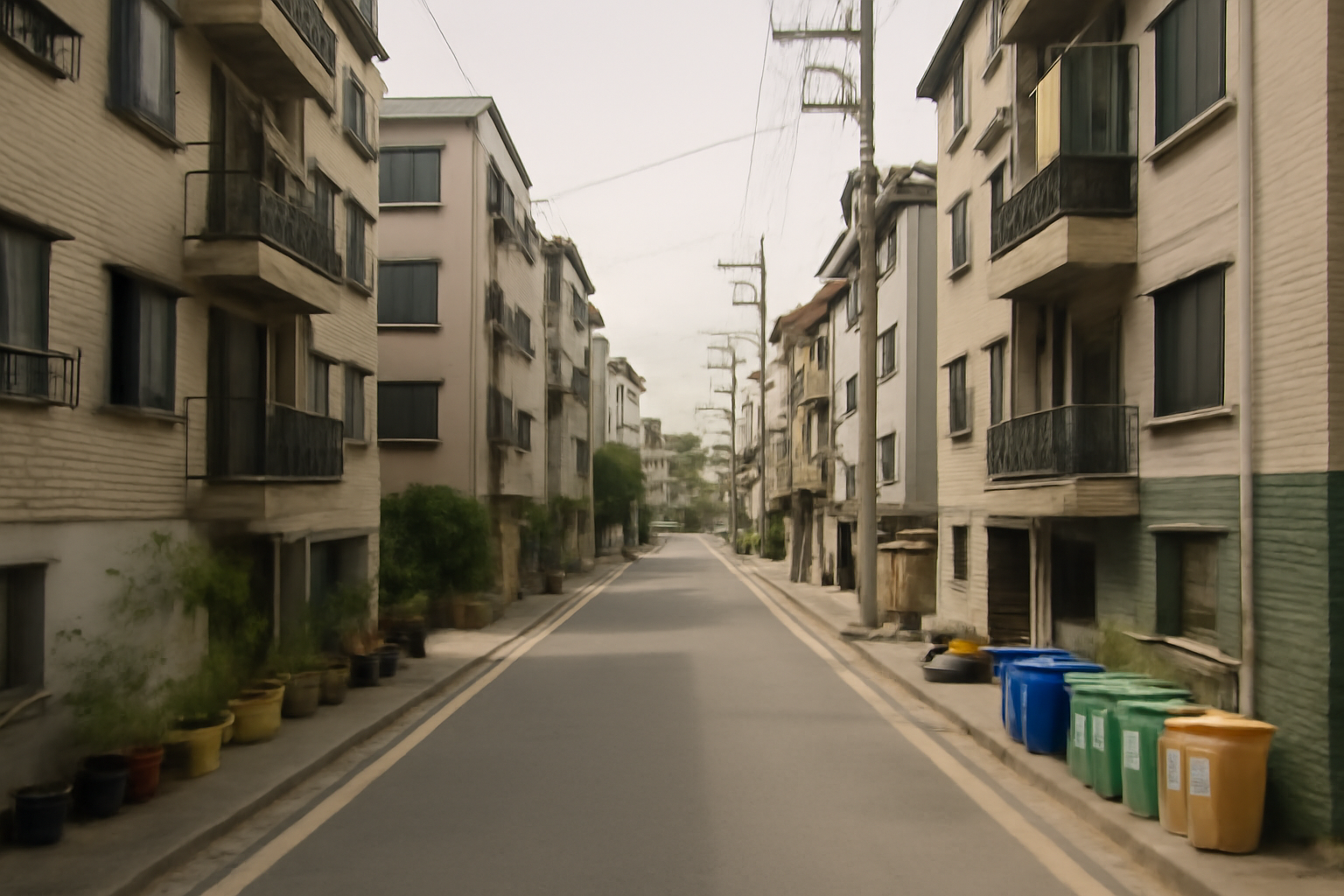
Nobody handed me a manual when I moved into my first Korean apartment, and I definitely could have used one. Heated floors that you control like a thermostat instead of radiators. A recycling and food-waste system specific enough that I once stood in the building’s trash room for a genuinely uncomfortable amount of time trying to figure out which bin took what. Building announcements that come through an intercom speaker mounted in the kitchen, occasionally waking up my kid. None of it is difficult once you know it, but the learning curve in the first few months was steeper than I expected for something as basic as “where does the trash go.”
“Pali Pali” Is a Real Operating Speed, Not a Stereotype
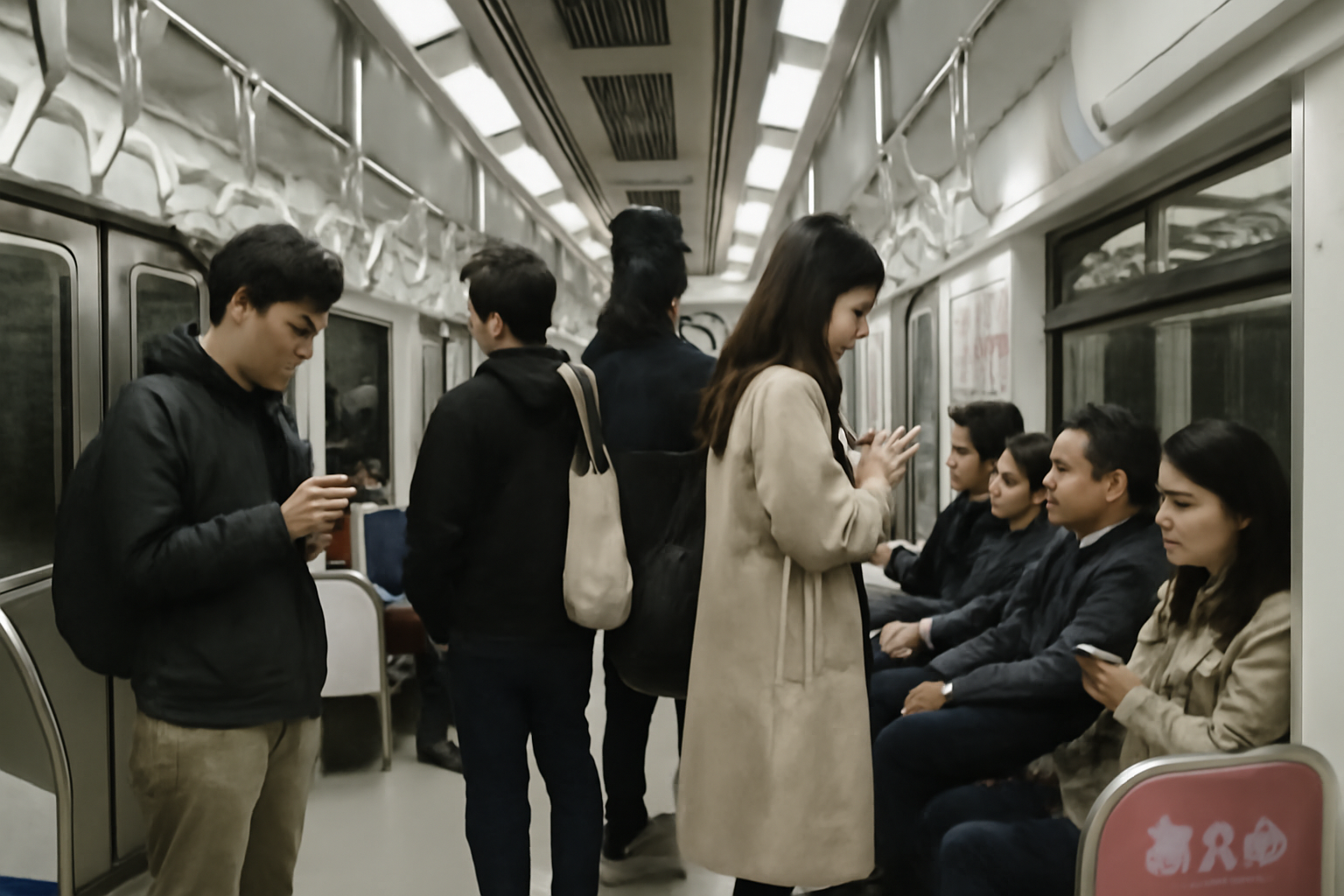
I’d read about “pali pali” (hurry hurry) culture before moving here and assumed it was exaggerated, the way every country has some stereotype about itself. Then I watched an entire subway car worth of people speed-walk in unison toward a transfer, watched a kiosk order get placed and confirmed faster than I could read the menu, watched construction that seemed to finish overnight. The pace isn’t rude, exactly. It’s just calibrated differently, and standing still in the middle of it — literally, on an escalator, not walking up the left side — will get you a very clear, wordless signal that you’re in someone’s way.
The Service Speed Extends to Almost Everything Official
This was one of the good surprises. I went in expecting the usual bureaucratic slog for anything involving paperwork, because that had been my experience elsewhere. Instead, tasks that I assumed would eat an entire afternoon — getting a phone plan sorted, handling paperwork at a local government office, even certain medical appointments — moved through in a fraction of the time I’d budgeted. I’ve shown up to appointments with a book to read and barely cracked the cover before I was called in. It recalibrated how much slack time I build into a day here, which took a while to trust.
Sitting With All of It
None of these things are good or bad on their own — they’re just different defaults, and the surprise fades into normalcy faster than you’d think. What stays with me isn’t any single item on this list, honestly. It’s the general experience of having so many assumptions about how ordinary life works quietly rewritten, one convenience store trip or office dinner or trash room standoff at a time. That process didn’t stop after year one, and I don’t think it ever fully stops. It just gets quieter.
Frequently Asked Questions
Was the culture shock mostly positive or negative for you?
Mostly positive, though it wasn’t evenly split day to day. The infrastructure-related surprises — delivery, safety, convenience, service speed — were almost universally pleasant once I adjusted. The social ones, like the hierarchy in language or the pace of work dinners, took longer to feel comfortable with, and a few of them I still navigate more carefully than a local would.
How long did it take before these things stopped feeling surprising?
Honestly, it varied a lot by category. Practical stuff like the convenience stores or delivery apps felt normal within a couple of months. The deeper social patterns — how age shapes conversation, how warmth gets extended to neighbors versus strangers — took closer to a year or two before they stopped registering as “different” and just became how I expected things to work.
Did having a family change which surprises stood out most?
Definitely. Safety and the apartment-building routines mattered a lot more once I had a kid to think about, in a way they wouldn’t have if I’d moved here on my own. Things like leaving a stroller in a building hallway without worrying about it, or the sheer predictability of the trash and delivery systems, went from “interesting cultural note” to “genuinely useful part of daily life” pretty quickly.