이자 몇천 원, 몇만 원 차이 갖고 은행 앱을 세 개나 깔아놓고 비교하는 게 유난처럼 보일 수 있다. 그런데 1천만 원을 1년 넣어두는 기준으로 계산기를 두드려보면 얘기가 달라진다. 정기예금이냐 파킹통장이냐에 따라 세후로 손에 쥐는 이자 차이가 15만 원을 넘어가는 경우도 흔하다. 커피값 정도가 아니라 알뜰폰 요금제 기준 서너 달치 통신비다. 9월 중순인 지금, 저축은행 정기예금 평균금리는 3%대 후반까지 내려왔고 한여름 반짝했던 특판 경쟁은 눈에 띄게 잠잠해졌다. 갈아탈 타이밍을 재고 있던 사람이라면 지금 상황을 한 번은 정리해볼 필요가 있다.
가을 들어 예금 시장이 조용해진 이유
6월만 해도 일부 저축은행이 연 4.6%대 특판을 잇달아 내놓으며 수신 경쟁이 뜨거웠다. 그런데 8월 기준 전국 79개 저축은행의 12개월 정기예금 평균금리는 연 3.79~3.80% 수준으로 내려앉았다. 최고 우대금리를 다 채워도 4.10% 안팎이 상한선이다. 두 달 사이에 특판 열기가 이렇게까지 식을 일인가 싶겠지만, 이유는 단순하다. 저축은행들이 상반기에 목표했던 유동성을 이미 상당 부분 확보했고, 가계대출 규제 때문에 끌어모은 자금을 굴릴 곳도 마땅치 않다. 돈을 급하게 더 모을 이유가 없어진 셈이다.
기준금리는 오르는데 예금금리는 왜 거꾸로 가나. 한국은행 기준금리는 7월 2.75%, 8월 3.00%로 두 차례에 걸쳐 오른 뒤 9월 들어서도 3.00%를 유지하고 있다. 상식대로라면 예금금리도 따라 올라야 정상인데, 저축은행 입장에서는 기준금리보다 증시 변동성이 더 예민한 변수로 작동한다. 최근 주식시장 변동성이 커지면서 안전자산인 예금으로 돈이 몰리는 흐름이 생겼고, 그만큼 저축은행이 고금리를 내걸어 예금을 붙잡아야 할 절박함이 줄었다. 굳이 비싼 값 치르고 돈을 끌어올 이유가 없어진 거다. 다만 시장금리가 다시 튀거나 예금 이탈이 커지면 일부 저축은행을 중심으로 특판이 재등장할 여지는 남아 있다는 게 업계 관측이다.
예금자보호, 아직도 5천만 원까지인 줄 알았다면
주변에 물어보면 의외로 많은 사람이 여전히 “예금자보호는 5천만 원까지”라고 알고 있다. 2025년 8월까지는 맞는 말이었다. 그런데 2025년 9월 1일, 예금자보호법 시행령 등 관련 법령 개정으로 보호 한도가 5천만 원에서 1억 원으로 껑충 뛰었다. 2001년 한도가 정해진 뒤 24년 만에 처음 손댄 조정이다. 1년이 채 안 된 변화라 아직도 예전 기준으로 알고 있는 사람이 많은 것도 무리는 아니다. 원금과 이자를 합쳐 금융회사 한 곳당 1억 원까지 보호되고, 시행일 이전에 넣어둔 예금이라도 이후에 그 금융회사가 파산하면 상향된 한도로 보호받는다.
한도가 두 배로 늘었다는 게 숫자로만 보면 별것 아닌 것 같지만, 실제 자금 배분 전략에서는 꽤 큰 변화다. 예전에는 저축은행 한 곳에 5천만 원 이상 넣기가 꺼림칙해서 여러 은행에 쪼개 넣는 게 정석이었다. 그런데 지금은 1억 원까지는 한 곳에 몰아 넣어도 제도적으로는 안전하다. 그렇다고 무조건 한 곳에 몰빵하라는 뜻은 아니다. 만기가 겹치면 갈아탈 타이밍을 놓치기 쉽고, 급하게 목돈이 필요할 때 중도해지 손실을 한꺼번에 떠안을 수도 있다. 한도가 늘어난 걸 알고도 굳이 만기를 3개월, 6개월, 12개월로 쪼개 넣는 사람들이 있는 이유가 여기에 있다.
파킹통장 vs 정기예금, 숫자로 따져보면
파킹통장 금리 1~2%포인트 차이를 갖고 왜 이렇게들 예민하게 구나 싶을 수 있다. 그런데 막상 계산해보면 체감이 다르다. 1천만 원을 12개월 정기예금(연 3.8%)에 넣으면 세후 이자는 약 32만 1천 원이다. 같은 돈을 파킹통장(연 2.0%대 기본금리 기준)에 그냥 넣어두면 세후로 약 16만 9천 원 정도다. 차액이 15만 원을 넘는다. 1년 내내 돈을 안 건드릴 자신이 있다면 정기예금 쪽이 확실히 유리하다는 뜻이다.
그런데도 파킹통장이 완전히 밀리는 건 아니다. 정기예금은 중도해지 시 약정금리가 아니라 중도해지이율(대개 연 0.1~1%대)로 확 깎여서 계산된다. 6개월만 넣어놓고 급하게 뺄 상황이 생기면 애초에 파킹통장에 넣어두는 게 나았던 셈이 된다. 카카오뱅크 세이프박스, 케이뱅크 파킹통장, 토스뱅크 통장처럼 인터넷은행 파킹통장 기본금리는 연 1%대 후반에서 2%대 초반이 대체적인 수준이고, 저축은행 파킹통장은 이보다 0.5~1.0%포인트 높게 나오는 경우가 많다. 다만 광고에 붙는 “최고 연 3%대” 문구는 대부분 신규가입, 간편결제 등록, 마케팅 동의 같은 우대조건을 다 채워야 하고, 그 우대금리조차 50만~200만 원 이하 소액 구간에만 붙는 경우가 흔하다. 1천만 원을 넣어둬도 실제로 최고 우대금리가 적용되는 돈은 딱 100만 원뿐이고, 나머지 900만 원에는 기본금리만 붙는 식이다. 앱 열어서 상품 상세 조건을 한 줄 한 줄 읽어봐야 광고 문구랑 체감 이자가 다르다는 걸 알게 되는 이유다.
그래서, 지금 갈아타야 할까
내 돈이 언제 필요한지, 그 디데이(D-day)가 언제냐에 따라 답이 갈릴 뿐이다. 6개월 안에 쓸 계획이 있는 돈이라면 파킹통장이나 만기가 짧은 특판을 찾는 편이 낫고, 1년 이상 묵혀둘 여윳돈이라면 지금 나와 있는 3.8~4.1%대 정기예금을 잡아두는 쪽이 유리하다. 애매한 건 그 중간, 그러니까 3~6개월 뒤에 쓸지 안 쓸지 모르는 돈이다. 이럴 때 흔히 쓰는 방법이 만기 분산이다. 예를 들어 3천만 원이 있다면 1천만 원은 3개월, 1천만 원은 6개월, 나머지 1천만 원은 12개월로 나눠 넣으면 금리 변동에 따라 순차적으로 갈아탈 여지가 생긴다.
기존에 넣어둔 정기예금을 지금 깨고 갈아타야 하나 고민하는 경우도 있을 텐데, 이건 계산을 꼭 해봐야 한다. 중도해지이율로 손해 보는 이자와, 새 상품으로 갈아탔을 때 늘어나는 이자를 비교해서 후자가 확실히 커야 갈아탈 값어치가 있다. 예를 들어 남은 기간 동안 포기해야 하는 이자가 5만 원인데 갈아타서 추가로 얻을 수 있는 이자가 12만 원이라면 갈아타는 쪽이 이득이고, 반대로 차이가 1만~2만 원 수준이면 은행 옮기고 서류 다시 쓰는 수고에 비해 실익이 크지 않다. 만기가 한두 달 안 남았다면 웬만하면 버티는 쪽이 낫다. 반대로 만기가 6개월 넘게 남았고 금리 차이가 1%포인트 이상 난다면 갈아타는 쪽으로 계산이 기우는 경우가 많다.
자주 묻는 질문
Q. 저축은행 예금이 1금융권보다 금리가 높은데, 정말 안전한가요? 대부분의 저축은행도 예금보험공사 보호 대상이라 원금과 이자를 합쳐 1억 원까지는 시중은행과 동일하게 보호받는다. 다만 개별 저축은행의 자기자본비율(BIS비율)이나 연체율 같은 건전성 지표를 예금보험공사나 해당 저축은행 공시자료에서 한 번쯤 확인해보는 걸 권한다. 금리가 높다고 무조건 좋은 게 아니라, 왜 높은지를 알고 넣는 게 안전하다.
Q. 여러 저축은행에 나눠 넣으면 세금 처리가 복잡해지지 않나요? 이자소득세는 각 금융회사에서 원천징수(15.4%)로 처리되기 때문에 통장을 여러 개 만든다고 해서 신고 절차가 따로 늘어나지는 않는다. 다만 연간 이자·배당소득이 2천만 원을 넘으면 금융소득종합과세 대상이 될 수 있으니, 목돈을 굴리는 경우라면 이 부분만 별도로 챙기면 된다.
Q. 파킹통장 우대금리 조건, 매번 확인해야 하나요? 그렇다. 은행들이 마케팅 목적으로 우대조건을 수시로 바꾸기 때문에, 지난달 가입 당시 조건과 이번 달 조건이 달라져 있는 경우가 종종 있다. 최소 분기에 한 번은 은행 앱의 상품 상세 페이지에서 기본금리와 우대금리 구간을 다시 확인하는 습관을 들이는 게 실제 수익률 관리에 도움이 된다.
예금이든 파킹통장이든, 목적은 잠자는 돈을 깨워서 소소하지만 확실한 이자를 만들어두는 일이다. 큰돈을 굴리는 사람만 신경 쓸 문제가 아니라 비상금 몇백만 원을 넣어두는 사람에게도 이자 차이는 쌓이면 무시 못 할 금액이 된다. 비상금 운용에 대한 좀 더 구체적인 방법은 파킹통장 활용법, 비상금 굴리는 현실적인 방법 총정리 글에서 다뤘다. 만기가 다가오는 적금이나 청년도약계좌가 있다면 청년도약계좌 만기, 그다음은? 2026년 갈아타기 선택지 정리도 함께 참고해볼 만하다. 이 글은 정보 제공을 목적으로 하며, 특정 금융상품 가입을 권유하지 않는다. 실제 가입 전에는 반드시 금융감독원 금융상품통합비교공시나 은행연합회 소비자포털에서 최신 금리와 조건을 직접 확인하길 바란다.
아침 최저기온이 8도 밑으로 떨어지는 날이 벌써 며칠째다. 창문에 살짝 김이 서리고, 시동 걸자마자 계기판에 낯선 경고등 하나가 반짝하고 사라진다. 이 정도는 그냥 넘어가도 되지 않냐 싶지만, 매년 12월 둘째 주쯤 되면 카센터마다 배터리 방전 견인 요청이 몰린다는 걸 아는 사람은 의외로 적다. 겨울은 어느 날 갑자기 오지 않는다. 차 입장에서는 이미 지난주부터 시작된 셈이다.
그래서 이번 글은 날씨가 완전히 추워지기 전, 그러니까 지금 이 시점에 딱 하루만 시간을 내서 끝내둘 수 있는 다섯 가지를 정리했다. 순서는 중요도가 아니라 실제로 손이 많이 가는 정도, 그러니까 귀찮은 순서대로 뒤에 배치했다. 부동액부터 보자.
부동액(냉각수), 색깔만 보고 넘어가면 안 되는 이유
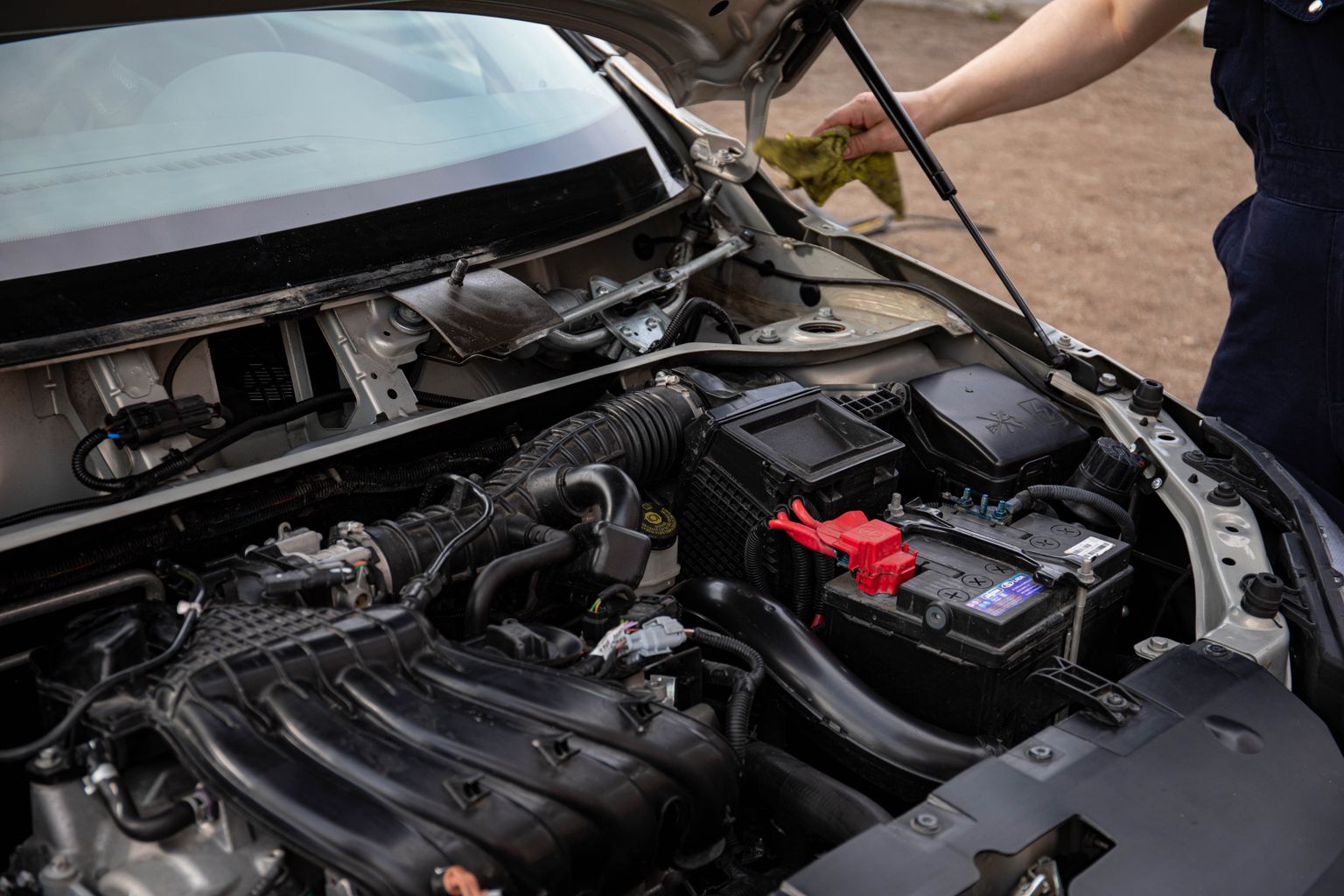
보닛을 열어 냉각수 통을 보면 초록색이든 분홍색이든 액체가 그득 차 있으니 괜찮겠거니 싶다. 그런데 부동액은 양이 아니라 농도가 문제다. 여름내 계속 보충만 하다 보면 물 비율이 슬금슬금 높아지는데, 이게 겨울엔 치명적이다. 부동액과 물의 비율이 5:5, 못해도 4:6은 유지돼야 영하 20도 안팎에서도 냉각수가 얼지 않는다. 물 비율이 너무 높아지면 라디에이터 안에서 살얼음이 잡히고, 심하면 엔진 블록에 크랙이 가는 경우까지 실제로 있었다.
직접 비중계로 재는 방법도 있지만 번거롭다면 정비소에 가서 “부동액 비중 점검해주세요” 한마디면 5분 안에 끝난다. 비용도 만 원 안팎이다. 이왕 간 김에 라디에이터 호스와 히터 호스에 실금이 갔는지도 같이 봐 달라고 하자. 호스는 눈으로만 봐선 멀쩡해 보여도 고무가 삭으면서 미세하게 갈라지는 경우가 많아서, 겨울철 도로 위에서 냉각수가 새는 사고의 상당수가 여기서 시작된다.
배터리, 여름보다 겨울에 더 잘 죽는다
“설마 내 차가 방전되겠어” 싶겠지만, 방전은 꼭 가장 바쁜 아침에 찾아온다. 이상하게 들릴 수도 있는데, 배터리는 폭염보다 한파에 더 취약하다. 화학반응으로 전기를 만드는 구조라 온도가 낮아지면 반응 속도 자체가 느려지고, 영하 10도 근처에서는 배터리가 낼 수 있는 순간 힘, 그러니까 시동을 거는 데 필요한 순간 출력이 여름 대비 절반 가까이 떨어진다는 자료도 있다. 아침에 키를 돌렸을 때 “크르릉… 크릉…” 하고 한 박자씩 힘겹게 돌아간다면, 그게 배터리가 보내는 마지막 신호일 가능성이 높다. 여름엔 멀쩡히 잘 걸리던 시동이 첫 한파에 갑자기 안 걸리는 게 그래서다. 배터리가 갑자기 고장 난 게 아니라, 원래 성능이 딱 그만큼이었는데 여름이라 티가 안 났을 뿐이다.
배터리 교체 주기는 보통 3~4년, 주행거리로는 6만~8만km 정도를 기준으로 잡는다. 이 기간을 넘겼는데 최근 시동이 한 박자씩 늦게 걸리는 느낌이 든다면, 지금 바꾸는 게 맞다. 막상 방전돼서 견인차를 부르면 부품값보다 출동비가 더 아깝게 느껴질 때가 많다. 보험사 긴급출동 통계를 보면 배터리 방전 신고가 12월과 1월에 몰리는데, 한 손해보험사 자료로는 겨울 두 달 동안 접수되는 배터리 출동 건수가 여름철의 두 배 안팎이라고 한다. 실내 주차가 힘든 환경이라면 배터리 보온 커버를 씌워두는 것도 의외로 효과가 있다. 전조등이나 블랙박스 상시전원을 오래 켜두는 습관이 있다면 이 시기에 한 번 점검받는 걸 추천한다.
워셔액, 여름용 그대로 두면 겨울에 노즐이 막힌다
낙엽철이라 워셔액 소모가 평소보다 빠르다는 건 다들 아는데, 정작 통 안에 뭐가 들어있는지는 신경 안 쓰는 경우가 많다. 여름용 워셔액은 어는점이 0도 근처라서, 기온이 영하로 떨어지면 워셔액 라인이나 노즐 안에서 그대로 얼어버린다. 앞유리에 흙탕물 튀었는데 워셔액 버튼 눌러도 안 나오는 상황, 야간 운전 중이면 꽤 아찔하다.
겨울용 워셔액은 어는점 기준으로 영하 25도용, 영하 35도용처럼 등급이 나뉘어 있다. 사는 지역 최저기온을 기준으로 여유 있게 고르면 된다. 이미 여름용이 남아있다면 다 쓰고 바꾸는 게 아니라, 지금 비율 섞어서라도 미리 교체해두는 편이 안전하다. 겨울용을 조금 섞어놓는다고 큰 문제 생기는 것도 아니고, 노즐 얼어서 견인차 부르는 것보다는 훨씬 낫다. 참고로 워셔액 보충은 셀프주유소나 대형마트에서도 구매가 가능해서, 퇴근길에 5분만 들러도 끝나는 일이다.
타이어, 공기압은 지금부터 매달 체크해야 한다
기온이 10도 떨어질 때마다 타이어 공기압은 대략 0.1bar, psi로 치면 1.5 정도 자연스럽게 낮아진다. 별거 아닌 숫자 같지만 가을에서 겨울로 넘어가는 두 달 사이 기온차가 20도 가까이 나는 걸 생각하면 0.3~0.4bar가 빠지는 셈이고, 이 정도면 계기판에 공기압 경고등이 뜨기 충분하다. 타이어 공기압계 하나 트렁크에 넣어두고 한 달에 한 번씩 재는 습관, 귀찮아 보여도 막상 해보면 3분도 안 걸린다. 셀프 주유소 한쪽에 있는 공기압 주입기도 사용법이 쓰여 있는 대로 숫자만 맞추면 되니 처음 써보는 사람도 헤맬 일은 별로 없다.
공기압이 낮은 채로 계속 달리면 타이어 옆면이 과도하게 눌리면서 마모가 빨라지고, 제동거리도 길어진다. 운전석 문 안쪽에 붙은 스티커에 적힌 제조사 권장 공기압을 기준으로, 겨울철에는 거기서 10% 정도 더 채워주는 걸 권한다.
스노우타이어 교체 시기도 짚고 넘어가야 한다. 흔히 눈 오는 날만 생각하는데, 사실 스노우타이어의 핵심은 저온 접지력이다. 일반 타이어 고무는 기온이 영상 7도 밑으로 내려가면 딱딱해지면서 노면을 붙잡는 힘이 눈에 띄게 떨어진다. 그러니까 첫눈이 오기 전, 아침 기온이 7도 아래로 자주 떨어지기 시작하는 지금이 교체 적기다. 상습 결빙 구간을 자주 지나거나 산간 지역을 오간다면 더더욱 미루지 않는 게 좋다. 타이어 마모 상태가 애매해서 지금 당장 판단이 안 선다면, 예전에 소개했던 동전 하나로 끝내는 셀프 점검법으로 마모 홈 깊이부터 먼저 확인해보길 권한다.
문틈 고무패킹, 이거 하나로 겨울 아침 스트레스가 줄어든다
이건 안 해도 그만 아니냐고 할 수 있는데, 겨울 아침에 문이 안 열려서 진땀 뺀 경험이 한 번이라도 있다면 얘기가 달라진다. 문틈 고무 패킹, 정식 명칭으로는 웨더스트립에 수분이 스며든 채로 밤새 기온이 떨어지면 고무와 차체 사이가 그대로 얼어붙는다. 억지로 잡아당기면 고무가 찢어지거나 늘어나서 여름철 빗물 유입의 원인이 되기도 한다.
방법은 의외로 간단하다. 마른 천으로 고무 패킹 표면의 물기와 먼지를 닦아낸 뒤, 실리콘 계열 코팅제나 바세린을 얇게 발라주면 된다. 실리콘 그리스는 영하 40도 안팎까지도 유연성을 유지하는 성분이라 코팅 한 번이면 겨우내 효과가 간다. 트렁크 고무, 선루프 고무까지 같이 발라두면 좋다. 도구도 거창할 필요 없이 헝겊 조각 하나면 충분하고, 차 한 대 기준으로 15분이면 끝난다.
이미 문 손잡이가 얼어붙어서 안 열리는 상황이라면 당황해서 힘으로 잡아당기지 말자. 뜨거운 물을 붓는 것도 유리 파손 위험이 있어 피해야 한다. 미지근한 물을 문틈에 살짝 흘리거나, 실내에서 워셔액을 묻힌 천으로 문틈을 살살 닦아내면 대부분 몇 분 안에 풀린다.
정리하면, 오늘 3분 + 이번 주말 반나절이면 끝난다
다섯 가지를 한 번에 다 하려면 부담스럽게 느껴질 수 있는데, 굳이 하루에 몰아서 할 필요는 없다. 오늘 퇴근길에 워셔액부터 겨울용으로 바꾸는 데는 3분이면 충분하고, 문틈 고무 코팅은 주차장에서 15분이면 끝난다. 부동액 비중, 배터리 상태, 타이어 공기압처럼 장비나 전문 지식이 필요한 항목은 이번 주말에 정비소 한 번 방문으로 묶어서 해결하면 된다. 그래도 이걸 미리 해두면 첫 한파 특보가 뜨는 날 아침, 시동 걱정 없이 출근할 수 있다는 게 확실한 보상이다.
자주 묻는 질문
Q. 부동액은 얼마 주기로 완전히 갈아줘야 하나요? 일반적으로 4만km 또는 2년을 기준으로 교체를 권장한다. 다만 비중이 낮아 물 비율이 높아진 상태라면 주기가 안 됐어도 보충 겸 일부 교환이 필요할 수 있으니, 정비소에서 비중 측정 후 판단하는 게 정확하다.
Q. 스노우타이어 대신 사계절 타이어면 충분할까요? 평소 눈이 거의 안 오고 상습 결빙 구간을 지나지 않는다면 사계절 타이어로도 버틸 수 있다. 다만 산간 지역 출퇴근이나 새벽 운행이 잦다면, 저온 접지력 차이가 실제 제동거리로 이어지기 때문에 스노우타이어 쪽이 안전하다.
Q. 문 손잡이가 이미 얼어서 안 열립니다. 어떻게 해야 하나요? 뜨거운 물을 직접 붓는 건 유리 파손 위험이 있어 피해야 한다. 미지근한 물을 문틈에 살짝 뿌리거나, 실내에서 워셔액을 살짝 뿌린 천으로 문틈을 닦아내면 대부분 풀린다. 급하게 힘으로 열려고 하면 고무 패킹이 손상될 수 있다.
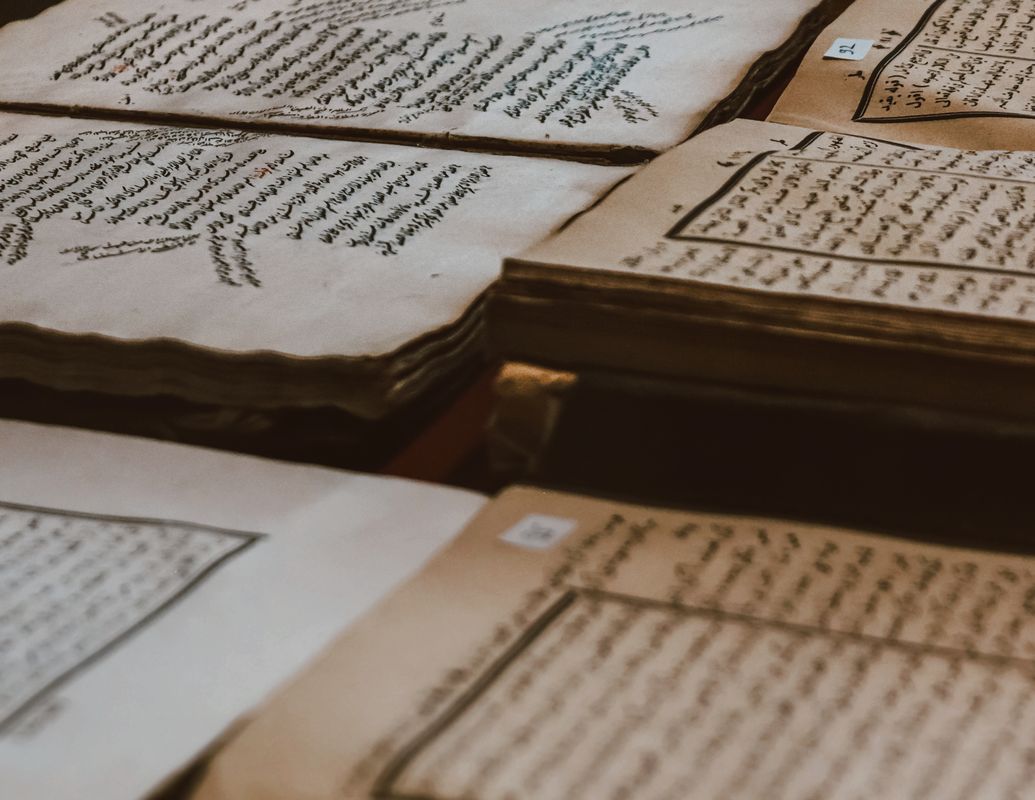
240쪽짜리 책 한 권이 세계 최고 수준의 암호학자들을 100년 넘게 무너뜨렸다면 믿을 수 있을까. 2차 세계대전 때 일본의 암호를 깬 미군 암호해독가 윌리엄 프리드먼도, 냉전 시절 NSA 소속 전문가들도 이 책 앞에서는 손을 들었다. 예일대 바이네케 희귀본 도서관 서고 깊숙한 곳, MS 408이라는 서가번호로 불리는 이 문서의 이름은 보이니치 필사본이다.
고서점상이 발견한 ‘못생긴 오리 새끼’
1912년, 폴란드 출신 고서적상 빌프리드 보이니치는 이탈리아 프라스카티의 콜레지오 로마노에서 예수회가 처분하려던 오래된 책 더미를 살펴보고 있었다. 그러다 표지도 없이 낡은 양피지 뭉치 하나를 집어 들었는데, 본인 표현으로는 딱 “못생긴 오리 새끼” 같았다고 한다. 펼쳐보니 알파벳도 한자도 아닌, 처음 보는 문자로 빼곡히 채워진 필사본이었다.
그림도 예사롭지 않았다. 뿌리가 사람 손처럼 갈라진, 지구상 어디서도 본 적 없는 식물 그림이 페이지마다 등장하고, 벌거벗은 여성 여러 명이 정체불명의 배관 장치로 연결된 초록빛 액체 관 속에 나란히 몸을 담근 삽화도 있다. 여기에 별자리인지 세포 구조인지 애매한 원형 천체 도표까지 겹쳐진다. 단순한 중세 낙서장으로 치부하기엔 찝찝한 구석이 한둘이 아니다. 그런데 문제는 이 ‘낙서’가 무려 240쪽 가까이 일관된 문자 체계로 이어진다는 점이다. 글자마다 나름의 규칙과 빈도가 있고, 특정 글자 조합이 반복되는 패턴까지 보인다. 아무 의미 없이 손 가는 대로 휘갈긴 거라면 나오기 힘든 통계적 특징이다.
가짜가 아니라는 것만은 확실하다
위작 논란은 처음부터 따라다녔다. 보이니치 본인이 골동품 값을 부풀리려고 직접 만든 것 아니냐는 의심도 있었다. 그런데 2009년, 애리조나대학교 연구팀이 문서의 양피지 네 곳을 떼어내 방사성 탄소연대측정을 진행한 결과가 의외의 답을 내놨다. 95% 확률로 1404년에서 1438년 사이에 제작된 양피지라는 것이다. 잉크도 당대에 흔히 쓰이던 철몰식(iron gall) 잉크였고, 안료 성분 역시 15세기 유럽에서 구하기 쉬운 광물이었다. 최소한 ‘가짜 골동품’은 아니라는 뜻이다.
진짜 15세기 물건이라는 게 확인되면서, 이 필사본은 단순한 사기 의혹의 대상에서 벗어나 실제 역사 속 수집가들이 눈독 들이던 물건으로 격상됐다. 신성로마제국 황제 루돌프 2세가 이 책을 손에 넣으며 치른 값은 600두카트. 당시 기준으로는 웬만한 저택 한 채를 사고도 남을 만한 금액이었다고 하니, 황제조차 눈여겨볼 정도로 특별한 취급을 받았던 셈이다. 이후 여러 소장자를 거쳐 1969년 예일대 바이네케 도서관에 최종 기증됐고, 지금도 도서관 웹사이트에서 가장 많이 조회되는 디지털 자료 중 하나로 꼽힌다. 다만 이 탄소연대측정 결과가 오히려 미스터리를 더 키웠다. 진짜 15세기 물건인데, 어느 언어학자도 어느 암호학자도 여태 단 한 문장을 완전히 읽어내지 못했으니 말이다.
로저 베이컨부터 원시 로망스어까지, 실패한 해독설들
20세기 초에는 13세기 영국 철학자 로저 베이컨이 썼다는 설이 꽤 오래 돌았다. 베이컨이 암호에 능했다는 이유였는데, 방사성탄소연대측정 결과 그가 죽고도 백 년 넘게 지나 만들어진 양피지라는 게 밝혀지면서 이 가설은 완전히 힘을 잃었다.
2019년에는 영국 브리스톨대 연구자 제라드 체셔가 언론의 큰 주목을 받았다. 자신이 문서를 완전히 해독했으며, 아라곤 왕비 마리아를 위해 도미니크회 수녀가 편찬한 여성 건강 참고서라는 주장이었다. 사용된 언어는 지금은 사라진 ‘원시 로망스어’라고 설명했다. 그럴듯하게 들리지만, 놀랍게도 학계 반응은 싸늘하다 못해 냉랭했다. 로망스어 전문가들은 체셔 본인이 세운 문법 규칙조차 스스로 지키지 못했다고 지적했고, 애초에 그가 말하는 ‘원시 로망스어’라는 언어 자체가 언어학적으로 실재를 확인할 수 없는 개념이라는 비판이 쏟아졌다. 소속 대학조차 공식 입장에서 거리를 뒀을 정도다. 그럴싸한 헤드라인 하나가 얼마나 쉽게 학문적 검증을 건너뛸 수 있는지 보여준 사례로 남았다.
2020년대, AI가 뛰어들었지만
최근에는 인공지능이 해독 전선에 합류했다. 수메르어, 인도유럽조어 계열 고대어는 물론 세계 각지 소수언어 데이터까지 학습시켜 문자 패턴을 대조해봤지만, 지금까지 어떤 기존 언어와도 유의미한 일치점을 찾지 못했다는 게 중론이다. 문자 자체를 언어로서 해독하려는 시도는 이렇게 고전 중이다. 그런데 문서의 물리적 비밀을 벗기려는 쪽에서는 오히려 최근 몇 년 사이 진전이 있었다.
2024년에는 흥미로운 발견이 하나 나왔다. 다중분광 촬영 기법으로 문서 첫 페이지를 다시 들여다본 결과, 육안으로는 안 보이던 알파벳 글자열과 보이니치 문자 열이 겹쳐 쓰여 있었다는 사실이 확인된 것이다. 연구자들은 이를 17세기 소유자 중 한 명, 프라하의 의사 요하네스 마르쿠스 마르치가 남긴 해독 시도의 흔적으로 추정하고 있다. 본인도 못 풀었다는 뜻이니, 400년 전 의사도 최첨단 장비를 든 오늘날 연구자도 매한가지로 막다른 벽 앞에 섰던 셈이다.
2025년에는 암호학 쪽에서 조금 더 구체적인 논문이 나왔다. ‘나이베(Naibbe)’라는 이름의 가상 암호 체계로 문서와 비슷한 결과물을 만들어낼 수 있다는 연구인데, 글자 빈도나 평균 단어 길이 같은 통계적 특징이 실제 문서와 상당 부분 겹쳤다. 그런데도 연구진 스스로 “실제로 쓰인 체계가 있다면 단순 치환암호와는 전혀 다른, 훨씬 복잡한 구조였을 것”이라고 선을 그었다. 풀렸다는 소식이 아니라, 풀 수 있는 틀 하나를 새로 제시했다는 정도로 받아들이는 게 정확하다.
예일대 소속 중세 필사본 전문가 리사 페이긴 데이비스도 이 분야에서 꾸준히 목소리를 내는 학자다. 화려한 해독설이 나올 때마다 문서의 물리적 구조, 필체가 몇 명이 손으로 쓴 것인지, 잉크와 종이 결합 방식은 어떤지를 근거로 검증하며 성급한 결론에 제동을 걸어왔다. 의외로 이런 ‘재 뿌리는’ 역할이 이 분야에서는 꽤 중요하다. 그럴듯한 해독설이 나올 때마다 검증 없이 확산되는 경우가 많았기 때문이다.
왜 아직도 못 풀었을까
단순한 암호라면 컴퓨터로 진작 뚫렸어야 하는 거 아니냐고 반문할 수 있다. 맞는 말이다. 그런데 보이니치 문서의 문자 배열에는 일반적인 언어에서는 잘 안 보이는 독특한 통계 패턴이 섞여 있다. 같은 글자가 한 단어 안에서 반복되는 빈도, 특정 위치에서만 나타나는 글자 조합 같은 것들이다. 이 패턴이 ‘숨겨진 진짜 언어’의 흔적인지, 아니면 애초에 의미 없는 글자를 그럴듯하게 생성하는 알고리즘 같은 규칙의 결과물인지, 학계는 아직도 결론을 내리지 못했다.
후자라면, 그러니까 만약 이 문서가 처음부터 아무 뜻도 담지 않은 정교한 가짜 텍스트였다면 어떨까. 실제로 특정 단어 목록에서 글자를 조합해내는 단순한 생성 규칙만으로도 보이니치 문서와 비슷한 통계적 특징을 흉내 낼 수 있다는 실험 결과가 여럿 보고돼 있다. 물론 이것도 확정된 결론은 아니고 하나의 가설일 뿐이다. 다만 이 가설이 맞다면, 지금까지 암호학자와 언어학자들이 100년 넘게 매달려온 대상은 애초에 풀 ‘내용’ 자체가 없는 텍스트였다는 뜻이 된다. 존재하지도 않는 언어의 벽 앞에서 계속 주먹을 휘두르고 있었던 셈이랄까. 그렇다고 연구가 무의미했다고 보긴 어렵다. 어느 쪽이 맞는지조차 아직 가려내지 못했다는 사실 자체가, 이 문서를 여전히 살아 있는 미스터리로 남겨두는 이유이기 때문이다.
이렇게 물증은 넘치는데 결론만 안 나오는 사건이 보이니치 문서 하나만은 아니다. 배는 멀쩡한데 선원들만 흔적도 없이 증발해버린 메리 셀레스트호 미스터리도 비슷한 결의 사건이다. 증거는 눈앞에 뻔히 있는데, 그걸 설명할 마지막 한 조각만 계속 빠져 있는 셈이다.
자주 묻는 질문
Q. 보이니치 문서 원본을 실제로 볼 수 있나? 디지털 스캔본은 예일대 바이네케 도서관 홈페이지에서 누구나 열람할 수 있다. 실물은 상시 전시되지는 않고, 특별전 시기에 맞춰 제한적으로 공개된다.
Q. AI로 언젠가는 풀릴 가능성이 있을까? 단정하기는 이르다. 기존 언어 데이터와 대조하는 방식의 AI 분석은 지금까지 뚜렷한 성과를 내지 못했다. 다만 다중분광 촬영처럼 숨겨진 필적을 찾아내는 이미지 분석 기술 쪽에서는 2024년 사례처럼 실질적인 진전이 나오고 있다.
Q. 여러 사람이 해독했다고 발표했는데 왜 계속 ‘미제’로 남아 있나? 지금까지 나온 해독 주장들은 대부분 검증 과정에서 논리적 결함이 드러났다. 자기가 세운 규칙을 스스로 어기거나, 실존이 확인되지 않는 언어를 근거로 삼는 식이다. 학계가 공식적으로 인정한 해독은 2026년 현재까지 단 하나도 없다.
유독 피곤했던 밤, 베개에 머리를 대자마자 귓속에서 “삐-” 하는 가느다란 소리가 파고든 적 있으신가요. 대부분은 몇 초, 길어야 몇 분 안에 사라지니 대수롭지 않게 넘깁니다. 그런데 마흔을 넘기고부터 이 소리가 며칠씩 이어지거나, 잠자리에 누울 때마다 매미 우는 소리가 반복된다면 이야기가 달라집니다. 피곤해서 그런 거 아니냐고 생각하기 쉽지만, 의외로 이명은 몸이 보내는 여러 신호 중 하나로 나타나는 경우가 많습니다.
전문가들은 살면서 한 번이라도 이명을 경험하는 사람이 전체 인구의 15~20%에 이른다고 말합니다. 다섯 명 중 한 명꼴이니 생각보다 흔한 증상입니다. 문제는 40대 이후부터는 이 흔한 증상이 그냥 스쳐 지나가는 해프닝이 아니라 청력 저하나 혈관 건강 변화와 맞물려 나타나는 경우가 늘어난다는 점입니다.
왜 하필 40대 이후에 이명이 늘어날까
이명의 원인은 한 가지로 딱 떨어지지 않습니다. 스트레스, 소음 누적 노출, 노화성 난청, 혈압 문제까지 여러 요인이 겹쳐서 나타나는 경우가 많습니다. “왜 나만 이러지” 싶은 마음이 들 수 있는데, 사실 원인을 하나로 좁히기 어려운 게 이명이라는 증상 자체의 특징이기도 합니다.
1. 스트레스와 자율신경 – 만만하게 볼 게 아니다
스트레스 때문에 귀울림이 생긴다고 하면 “그냥 신경성 아니냐”며 대수롭지 않게 넘기는 분들이 많습니다. 그런데도 실제로는 스트레스가 자율신경계를 자극해서 귓속 미세혈관의 혈류를 변화시키고, 이 과정에서 청각신경이 예민해지면서 없던 소리가 인지되는 경우가 있습니다. 만성 피로나 수면 부족이 겹치면 평소보다 이명이 더 크게, 더 자주 느껴진다고 호소하는 분들도 적지 않습니다.
야근이 몰린 주에 유독 귀가 울린다거나, 중요한 일을 앞두고 며칠 뜬눈으로 지새운 뒤 증상이 심해졌다면 이 패턴을 의심해볼 만합니다. 물론 스트레스성이라고 단정할 수는 없습니다. 다른 원인이 함께 있는지 살펴보는 게 먼저입니다.
2. 소음 노출의 누적 – 젊을 때 낸 소리가 지금 청구서로 돌아온다
“나 이제 시끄러운 데 잘 안 가는데?”라고 반문할 수 있습니다. 그런데 소음성 난청은 지금 당장의 노출보다 누적된 과거 노출이 더 크게 작용합니다. 20~30대에 이어폰을 크게 틀고 다녔거나, 공사장이나 공장처럼 소음이 많은 환경에서 오래 일했다면 그 손상이 시간이 지나 40대 무렵부터 서서히 드러나는 식입니다.
달팽이관 안에는 소리를 전기신호로 바꿔주는 유모세포가 촘촘히 박혀 있는데, 이 세포는 한 번 꺾이거나 손상되면 다시 자라나지 않습니다. 그래서 억울한 지점이 생깁니다. 20대에 소리를 크게 들었을 땐 멀쩡했지만, 손상은 그때 이미 시작됐고 40대에 들어서야 겉으로 드러나는 겁니다. 게다가 유모세포가 보내야 할 신호가 끊기면 뇌의 청각 중추가 그 빈자리를 스스로 메우려는 반응을 보이는데, 이 과정에서 실제로는 존재하지 않는 소리를 뇌가 만들어내는 게 이명의 한 기전으로 설명되곤 합니다. 억울하게 느껴질 수 있지만, 이게 소음성 난청의 특징입니다.
3. 노화성 난청의 초기 신호일 가능성
노화성 난청, 의학 용어로는 노인성 난청 혹은 presbycusis라고 부르는 이 현상은 보통 60대부터 본격적으로 나타난다고 알려져 있지만, 실제로는 40대부터 서서히 진행이 시작되는 사례가 드물지 않습니다. 처음에는 고음역대부터 소리가 잘 안 들리다가, 그 빈 자리를 뇌가 스스로 채워 넣으려는 과정에서 이명이 동반되는 것으로 설명되곤 합니다.
“아직 젊은데 벌써 노화성 난청이라니” 싶을 수도 있습니다. 그런데 청력은 30대 중반부터 이미 아주 천천히 낮아지기 시작한다는 게 여러 자료의 공통된 설명입니다. 체감이 안 될 뿐이지 진행 자체는 훨씬 일찍 시작된다는 뜻입니다.
4. 혈압, 의외로 귀와 연결되어 있다
혈압이랑 귀울림이 무슨 상관이냐 싶겠지만, 관련이 없지 않습니다. 고혈압이 지속되면 달팽이관으로 가는 미세한 혈관의 혈류에 영향을 줄 수 있고, 이 상태가 이명으로 이어질 수 있다는 연구들이 보고돼 있습니다. 특히 심장 박동에 맞춰 “쿵쿵” 울리는 듯한 박동성 이명은 일반적인 “삐-” 소리와는 결이 다릅니다. 혈관 벽이 좁아졌거나 혈류 속도가 평소와 달라졌을 때 그 흐름 자체가 소리로 인지되는 경우가 많아서, 혈관 쪽 문제와 관련이 있는 경우가 상대적으로 많다고 봅니다. 그래서 이 유형은 다른 이명보다 조금 더 주의 깊게 봐야 합니다.
혈압 관리를 오래 해오신 분이라면 혈압약과 관련한 이전 글도 참고해보시면 도움이 될 수 있습니다. 혈압과 청각 건강은 따로 떨어진 문제가 아니라는 걸 짚고 넘어가고 싶었습니다.
정리하면, 이 네 가지가 핵심입니다
스트레스·수면 부족 → 자율신경 자극 → 귓속 혈류 변화
과거 소음 노출 누적 → 유모세포 손상 → 뇌가 빈자리를 메우며 소리 인지
노화성 난청 초기 → 고음역대부터 서서히 저하
고혈압·혈류 변화 → 박동성 이명 형태로 나타나기 쉬움
자가체크 포인트 – 이 정도는 스스로 확인해볼 수 있다
진단은 당연히 병원에서 받아야 하지만, 그전에 스스로 패턴을 관찰해보는 것만으로도 의료진에게 훨씬 구체적인 정보를 전달할 수 있습니다. 아래 항목을 하나씩 짚어보시길 권합니다.
한쪽 귀에서만 소리가 나는지, 양쪽 다 그런지
소리의 성격이 “삐-” 하는 고음인지, 심장 박동에 맞춰 “쿵쿵” 뛰는 느낌인지
증상이 며칠 만에 사라지는지, 2주 넘게 이어지는지
어지럼증이나 귀 먹먹함이 함께 나타나는지
전화 통화할 때 한쪽 귀가 유독 잘 안 들리지는 않는지
이 항목들이 두세 개 이상 겹쳐서 나타난다면 그냥 넘기지 않는 게 낫습니다.
언제는 정말 이비인후과에 가야 할까
“이 정도는 다들 겪는 거 아니야?” 하고 넘기고 싶은 마음, 이해합니다. 그런데도 다음과 같은 경우라면 미루지 않고 이비인후과 진료를 받아보시는 걸 권합니다. 특히 한쪽 귀에서 갑자기 소리가 안 들리면서 이명이 동반된 경우입니다. 이런 유형은 초기 대응 시점이 예후에 영향을 줄 수 있다고 알려져 있어서, 며칠 지켜보다가 병원에 가는 것보다는 가능한 한 빨리 진료를 받는 편이 안전합니다.
심장 박동과 맞물려 울리는 박동성 이명, 어지럼증이나 구토감을 동반하는 이명, 한쪽 귀에서만 지속되는 이명도 마찬가지입니다. 증상이 2주 이상 계속되거나 일상생활에 지장을 줄 정도로 신경 쓰인다면, 그것만으로도 진료를 받을 이유는 충분합니다. 이명은 방치할수록 뇌가 그 소리 자체를 하나의 패턴으로 학습해서 더 예민하게 반응하게 된다는 설명도 있으니, 미루는 게 늘 능사는 아닙니다.
자주 묻는 질문
자기 전에만 유독 삐- 소리가 들려요, 왜 그런가요?
낮에는 주변 소음 때문에 이명 소리가 묻혀서 잘 못 느끼다가, 밤에 조용해지면 상대적으로 크게 들리는 경우가 흔합니다. 이걸 “밤에만 심해진 것”으로 착각하기 쉬운데, 실제로는 소리 자체의 크기가 커진 게 아니라 주변이 조용해지면서 도드라져 보이는 것일 수 있습니다. 다만 정말로 밤마다 강도가 세지는 느낌이 지속된다면 자가 판단으로 끝내지 말고 진료로 확인해보시는 게 좋습니다.
한쪽 귀에서만 들리는데 이것도 이명인가요?
네, 한쪽 귀에서만 나타나는 것도 이명의 한 형태입니다. 오히려 양쪽보다 한쪽에서만 나타나는 이명이 특정 원인과 연관될 가능성이 있다고 보는 시각이 많아서, 더 가볍게 넘길 게 아니라 더 신경 써서 확인해봐야 하는 유형입니다.
이명이 있으면 보청기부터 알아봐야 하나요?
보청기가 필요한지, 다른 방식의 관리가 필요한지는 청력 검사와 진찰 결과에 따라 완전히 달라지는 문제입니다. 인터넷 정보만 보고 미리 결론 내리기보다는, 이비인후과에서 정확한 검사를 받은 뒤 그 결과를 바탕으로 상담받는 순서가 맞습니다.
결국 이명은 단일 질환이 아니라 여러 원인이 섞여서 나타나는 하나의 ‘증상’에 가깝습니다. 스트레스 때문일 수도, 오래전 소음 노출의 결과일 수도, 노화성 난청의 초기 신호일 수도, 혈압 문제와 맞물린 것일 수도 있습니다. 원인이 이렇게 다양하다 보니 스스로 판단해서 결론 내리는 건 오히려 위험할 수 있습니다. 귀가 보내는 이 작은 신호를 귀찮은 잡음으로 치부하지 말고, 몸 상태를 한 번 점검해보는 계기로 삼아보시면 좋겠습니다.
설악산 케이블카 타려고 새벽부터 줄 서는 사람들 틈에 끼어본 적 있는가. 매표소 앞에 100명 넘게 늘어선 줄을 보고 발길을 돌린 적이 있다. 강풍이나 안개면 아예 운행이 멈추는 케이블카를 믿고 하루 일정을 짰다가는 낭패 보기 십상이다. 그래서 이번엔 케이블카를 아예 코스에서 뺐다. 대신 대포항으로 방향을 틀었더니, 오히려 하루가 더 알차게 채워졌다.
오늘의 동선을 먼저 정리하면 이렇다. 오전 10시 아바이마을 갯배(40분) → 낮 12시 중앙시장 닭강정(1시간) → 오후 2시 대포항 회와 방파제(1시간 반) → 오후 4시 바다뷰 카페(1시간). 케이블카 대기줄 하나만 뺐을 뿐인데 전체 일정이 이렇게 헐렁해질 줄은 몰랐다.
속초행, 왜 케이블카부터 버렸나
속초 당일치기 하면 다들 설악산 케이블카를 1순위로 꼽는다. 권금성 전망대에서 보는 동해 풍경은 분명 값어치가 있다. 그런데 문제는 변수다. 케이블카는 사전 예약 제도가 없다. 당일 현장 발권만 가능하고, 기상 상황에 따라 운행이 수시로 중단된다. 성수기 주말엔 대기가 1시간을 넘기는 일도 흔하다. 하루짜리 일정에서 1시간 반, 심하면 2시간을 대기줄에 쏟아붓는다는 게 나는 영 아깝게 느껴졌다.
그래서 이번 방문은 아예 케이블카를 빼고 짜봤다. 대신 대포항과 바다뷰 카페를 채워 넣었다. 결과는 의외였다. 이동 스트레스가 줄어드니 오히려 한 곳 한 곳에 더 오래 머물 수 있었고, 사람에 치이지 않고 속초를 훨씬 여유롭게 돌아본 하루가 됐다. 서울에서 출발한다면 새벽 6시 반, 늦어도 7시엔 출발선을 넘는 게 좋다. 서울양양고속도로는 오전 9시를 넘기면서부터 인제·홍천 구간이 서서히 막히기 시작하는데, 이 타이밍만 피해도 도착 시간이 30분 이상 앞당겨진다.
오전 10시, 아바이마을 갯배부터
속초 여행에서 가장 흔한 실수가 아바이마을을 차로 빙 돌아 들어가는 거다. 그러면 이 여행에서 제일 재밌는 부분을 놓친다. 청초호 나루터에서 갯배를 타고 건너야 진짜 아바이마을 여행이 시작된다. 편도 요금 500원, 이렇게 저렴해도 되나 싶겠지만 실제로 그렇다. 모터 없이 쇠줄을 손으로 당겨 건너는 방식이라 관광객도 직접 줄을 당겨볼 수 있다. 건너는 시간은 2~3분 남짓인데, 이 짧은 순간이 하루 여행 중 가장 기억에 남는다는 사람이 의외로 많다.
함경도 실향민들이 정착하며 형성된 마을이라 골목 곳곳에 그 흔적이 남아 있다. 오징어순대, 아바이순대 골목을 지나 벽화와 옛날 사진들을 구경하다 보면 30~40분이 훌쩍 지나간다. 이름만 보면 매콤한 순대볶음을 기대하게 되는데, 정작 담백하고 슴슴한 맛이라 처음 먹는 사람은 대부분 한 번씩 어리둥절해한다. 두 번째 먹을 때부터 그 슴슴함에 자꾸 손이 가는 게 아바이순대의 반전 매력이다. 갯배 선착장 인근에는 조양동 갯배 선착장 주차장이 있어 차를 가져왔다면 여기가 제일 무난하다.
낮 12시, 중앙시장 닭강정으로 배 채우기
아바이마을에서 갯배로 다시 건너오면 걸어서 5분 거리에 중앙시장, 정식 명칭으로는 속초관광수산시장이 있다. 닭전골목, 순대골목, 젓갈어시장골목이 나뉘어 있는데, 처음 가면 방향을 잃기 쉽다. 닭강정 원조 논쟁이 있는 몇몇 가게는 웨이팅이 길어서, 줄이 짧은 지점을 골라 들어가는 게 시간 관리에는 낫다. 뼈닭강정과 순살 기준 한 마리에 19,000원에서 21,000원 사이, 두세 명이 먹기엔 한 마리로 충분하다.
시장 안을 걷다 보면 오징어순대, 회오리감자, 홍게라면 냄새가 한데 섞여서 정신이 없다. 이게 또 중앙시장 특유의 매력이라 싫지가 않다. 낮 12시부터 오후 2시 사이가 가장 붐비는 시간대니, 웨이팅을 줄이고 싶다면 오전 10시 반 전에 도착하는 걸 권한다. 여기서는 딱 한 마리만 포장해서 아이스박스나 보냉백에 챙겨 넣자. 대포항에서 곧바로 회를 먹을 예정이니, 닭강정은 저녁에 집에서 꺼내 먹을 몫으로 남겨두는 편이 동선이 훨씬 깔끔하다. 중앙시장 먹거리를 더 파고들고 싶다면 속초 중앙시장 맛집 코스 글에 가게별 웨이팅 정보를 더 자세히 정리해뒀다.
오후 2시, 대포항 회 한 접시와 방파제 산책
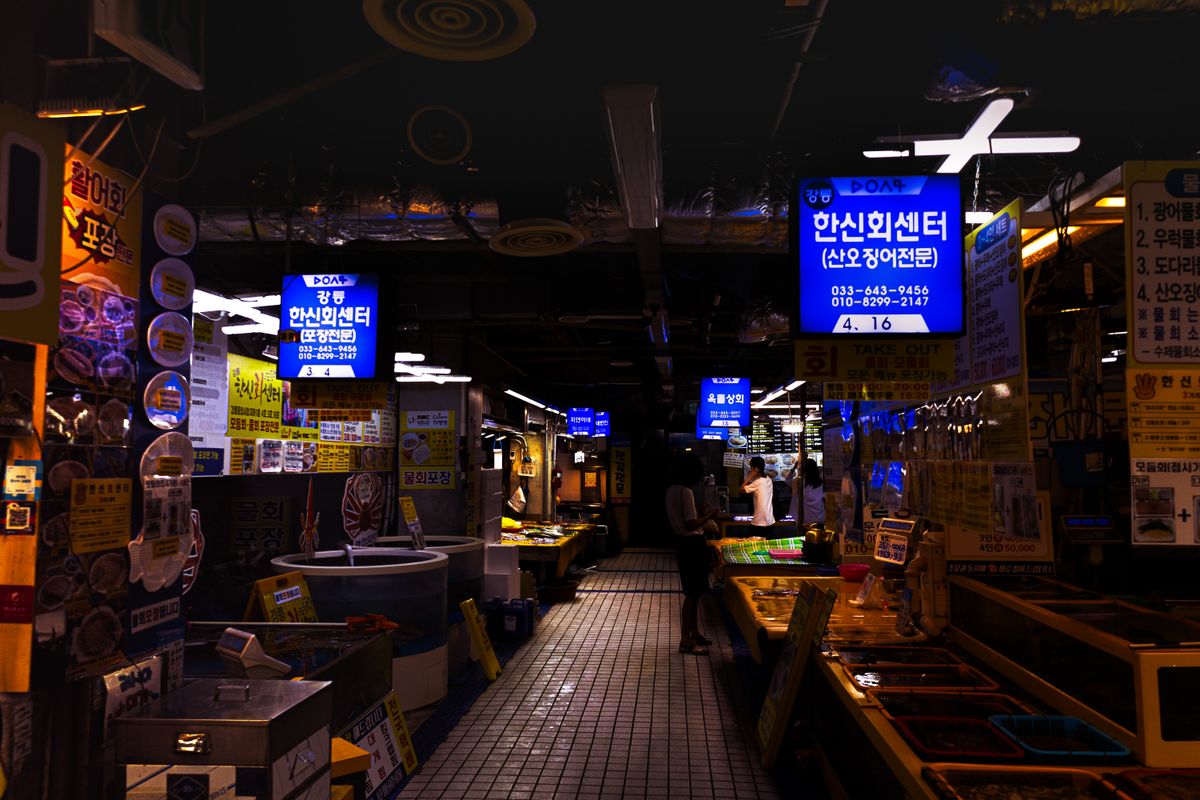
중앙시장에서 차로 15분이면 대포항에 닿는다. 케이블카 대신 이곳을 넣은 이유, 여기서 확실히 체감된다. 예약도 대기도 필요 없고, 회 한 접시 값이면 바다를 실컷 보고 나올 수 있다. 대포항 활어회센터에 들어서면 1층에서 직접 회를 뜨고 2층 식당에서 초장값을 내고 먹는 구조인데, 광어나 우럭 기준 2인분에 4~5만 원선이면 넉넉하게 먹는다. 대게나 홍게철이라면 가격이 조금 올라가지만, 그래도 서울 시내보다는 확실히 저렴하다는 게 이 동네 사람들 얘기다. 통유리창 너머로 정박한 배들이 보이는 좌석에 앉아 짭짤한 바닷바람 냄새를 맡으며 회를 뜨는 그 순간, 케이블카 줄에서 날렸을 시간이 하나도 아깝지 않다는 생각이 들었다.
밥을 먹고 나면 방파제 쪽으로 걸어보자. 등대전망대까지 왕복 20분이면 충분한데, 여기서 보는 동해는 아바이마을이나 중앙시장에서 본 바다와는 결이 다르다. 방파제 끝에 서면 파도가 테트라포드에 부딪히는 소리가 꽤 크게 들리고, 저 멀리 오징어잡이 배들이 점처럼 떠 있는 게 눈에 들어온다. 권금성 전망대의 탁 트인 스케일에는 못 미치지만, 코앞에서 바다를 마주하는 밀도감은 오히려 이쪽이 낫다는 느낌마저 든다. 갈매기가 유독 많은 곳이라 새우깡을 들고 있으면 순식간에 몰려드니, 아이와 함께라면 미리 언질을 해두는 게 좋다.
오후 4시, 동해 바다뷰 카페에서 마무리
속초 여행 글에 카페 얘기가 잘 안 나오는 게 늘 의아했다. 케이블카나 시장 이야기만 반복되다 보니 정작 하루를 마무리할 곳이 빠진 셈이다. 대포항에서 차로 10분 거리, 청초호를 낀 옛 조선소 건물을 개조한 칠성조선소 같은 카페가 요즘 속초 여행자들 사이에서 은근히 입소문을 타고 있다. 녹슨 철제 골조와 콘크리트 마감을 그대로 살려둔 공간에 커다란 통유리창을 낸 구조라, 자리에 앉으면 유리 너머로 호수와 그 끝에 겹쳐진 바다가 한 프레임에 들어온다. 낡은 것과 트인 풍경이 부딪히는 이 대비가, 사진으로 옮기면 예상보다 훨씬 근사하게 나온다.
속초해변 인근 카페거리 쪽으로 방향을 잡아도 좋다. 대형 통창 좌석은 오후 4~5시쯤이면 노을이 지기 시작해서 자리 경쟁이 살짝 붙는다. 커피 한 잔에 6천 원에서 8천 원 선, 크게 비싼 편은 아니다. 케이블카 대기줄에서 시간을 쓰는 대신 여기서 한 시간쯤 앉아 바다를 보고 있으면, 하루 일정을 서두르지 않고 마무리했다는 느낌이 확실히 든다. 개인적으로는 이 한 시간이 이번 코스에서 제일 만족스러운 순간이었다.
이 동선, 실제로 하루에 다 되나
정리하면 오전 10시 아바이마을 갯배(40분) → 낮 12시 중앙시장 닭강정(1시간) → 오후 2시 대포항 회와 방파제 산책(1시간 반) → 오후 4시 바다뷰 카페(1시간)까지, 오전 10시에 시작하면 오후 5~6시쯤 여유 있게 끝난다. 케이블카를 뺀 대신 이동 거리가 짧고 대기가 없으니, 서울에서 아침 일찍 출발한다면 왕복까지 포함해도 무리 없는 당일치기가 나온다. 물론 설악산 단풍철이나 여름 성수기 주말엔 대포항과 카페 쪽도 붐비긴 하지만, 케이블카 대기줄만큼 변수가 크지는 않다.
차가 없다면 속초시외버스터미널에서 시내버스로 아바이마을, 중앙시장까지는 무난하게 닿는다. 다만 대포항까지는 배차 간격이 넓어서 택시를 섞어 쓰는 게 시간을 아끼는 방법이다. 렌터카를 빌린다면 아바이마을-중앙시장-대포항-카페 순서로 동선을 짜는 게 가장 헤매지 않는다. 돌아가는 길, 고속도로 정체가 걱정된다면 저녁 7시 이전에 속초를 벗어나는 걸 목표로 잡자. 일요일 오후 4시 이후로는 양양고속도로 서울 방향 정체가 본격적으로 시작되는 편이다.
자주 묻는 질문
Q. 설악산 케이블카 없이 속초 여행이 아쉽지 않을까요? 케이블카는 날씨 변수가 크고 사전 예약도 안 되니, 시간이 빠듯한 당일치기라면 오히려 대포항과 카페 코스가 마음 편하다. 다음에 1박 2일로 여유 있게 온다면 그때 케이블카를 넣는 것도 방법이다.
Q. 대포항 근처 주차는 어디가 편한가요? 대포항 공영주차장이 활어회센터 바로 옆에 있어서 가장 편하다. 성수기 주말 낮 시간대는 자리가 금방 차니 오후 1시 전에 도착하는 걸 권한다. 만차면 인근 대포동 다목적 주차장까지 걸어서 5분 정도 걸린다.
Q. 이 코스, 대중교통만으로도 가능한가요? 아바이마을과 중앙시장까지는 시내버스로 충분하다. 다만 대포항과 카페 구간은 배차가 넓어서 택시 이용을 섞는 걸 권한다. 서울에서 왕복한다면 고속버스나 시외버스를 이용하고, 현지에서는 택시 위주로 움직이는 게 시간 손실을 줄이는 방법이다.
The first time a Korean grandmother grabbed my forearm, flipped it over like she was checking a piece of meat, and started scrubbing it with something that felt like 200-grit sandpaper, I made eye contact with my own kneecap and genuinely wondered if I’d wandered into an assault or paid for a spa treatment. Turns out it was both, sort of, and I’d pay for it again next week. That’s the jjimjilbang in one sentence: a place that strips away every ounce of your Western sense of personal space and hands you back something oddly close to peace.
I’ve lived in Korea long enough now that “want to hit the jjimjilbang tonight” doesn’t sound like a strange sentence anymore, but I remember when it did. If you’ve only heard the word secondhand, you probably picture some vague combination of a gym locker room and a Turkish steam bath. That’s not wrong, exactly, but it undersells how much is actually packed into one of these buildings. A proper jjimjilbang isn’t a room. It’s often four or five floors: a gender-separated bathing hall in the basement, a co-ed heated sauna floor above it, a snack counter, a TV room, sometimes an arcade, and a carpeted sleeping hall where entire families crash out under thin blankets at 1am. Entry runs anywhere from about 9,000 to 15,000 won depending on the city and how fancy the place is, and that single fee buys you as many hours as you want. Some people stay twenty minutes. Some people, notoriously, stay the whole weekend.
One small detail wrecked my brain on the first visit and, oddly, is what sold me on the whole system afterward: you don’t carry cash or a card once you’re inside. That wristband with the locker chip is also your tab. Buy the sikhye, rent a private sauna room, sit in the massage chair for a thousand won, all of it gets scanned to your wristband and you settle the total when you leave. No wallet, no pockets, because you’re not wearing anything with pockets anyway. It sounds like a small convenience. It’s actually the thing that makes a five-hour stay feel effortless instead of like a series of transactions.
Getting Naked Is the Easy Part (Eventually)
Might as well name the thing everyone actually wants to know before anything else: yes, the bathing area is fully nude, and yes, it’s strictly separated by gender. You hand over your shoes at the entrance, pay at a counter, get that wristband, and head into your side. Clothes come off completely before you so much as touch the shower stalls. No swimsuit option. No discreet wrap-yourself-in-a-towel workaround. You might assume this is the part that breaks people — the part where every foreign visitor stands frozen by the lockers, doing math about whether they can just leave. I did that math myself, once. But here’s the strange thing nobody tells you going in: within about ninety seconds, it stops registering. Nobody is looking at you. Everyone in that room grew up doing this with their own mother, grandmother, or army buddies, and the whole point of the space is that bodies here are just bodies, not a performance for anyone.
That’s a hard sell to a Western brain trained to treat nudity as either intimate or transgressive. Korean bathhouse culture treats it as neither — it’s closer to how you’d feel changing in front of a sibling. Older women scrub their backs for each other without a second thought. Little kids run between the hot tub and the cold plunge shrieking, trailed by grandmothers half-yelling at them to slow down before they slip. Nobody is checking anybody out, mostly because everyone is red-faced, dripping, and mid-conversation about dinner plans. Still, the etiquette rules matter more than the nudity itself: you shower and scrub down at the low stools before entering any of the shared tubs, never let your towel touch the water, and you don’t stare. Skip the pre-shower and you’ll get an actual scolding from a stranger, and honestly, they’d be right to give you one.
The Hot Rooms, the Ice Room, and Everyone Wearing the Same Pajamas
Once you’re done in the nude bathing hall, you dry off, put on the uniform the front desk gave you — usually a baggy t-shirt and shorts, often a slightly ridiculous shade of orange or grey depending on the chain — and head up to the mixed-gender floor. This is the part people picture when they hear “jjimjilbang” even if they don’t know the word, and it’s genuinely the most fun part of the whole experience. You’ll find a row of kiln-shaped rooms, each one built from a different material and held at a different temperature: a jade room, a salt room, a charcoal-lined hanjeungmak that can climb past 90°C, sometimes an ice room kept just below freezing so you can shock your system after roasting yourself in the hot ones. You go from a room hot enough to make your ears ring straight into one cold enough to see your breath, and you do it on purpose, repeatedly, for fun.
You’d think alternating between near-sauna heat and a walk-in freezer would feel miserable. For the first thirty seconds in each direction, it kind of does. But there’s a specific, almost drugged calm that sets in after the third or fourth round, and I’ve genuinely fallen asleep sitting upright against a warm salt wall more than once. Around you, families sprawl out on the heated floor using wooden or ceramic pillows, teenagers scroll their phones, and somewhere someone is always, always cracking a boiled egg against their own forehead. Nobody ever explains why the forehead specifically — it’s just how it’s done, passed down the way you’d learn to shuffle a deck of cards. There’s a small, dull thock, a half-second of suspense over whether the shell will cooperate or shatter into forty pieces stuck to the white, and then the small, private satisfaction of getting it clean in one try. The whole floor smells like pine, warm stone, and whatever’s cooking at the snack counter, and the lighting is dim enough that half the room looks like it’s dozing.
The Food Is Not an Afterthought
If you think of bathhouse food as a vending machine snack, you’re underestimating how central it is to the whole ritual. The two non-negotiables are sikhye and gyeran, the eggs. Sikhye is a sweet, chilled rice punch, pale amber and studded with a few grains of rice floating on top, usually served in a comically large plastic cup with ice. You come out of a 90-degree kiln room with your whole face flushed, throat dry, skin practically humming, and the first cold pull of sikhye through a straw hits your chest like a small electric shock — that exact whiplash between “too hot to think” and “ice-cold sugar water” is basically the entire appeal in one sip. I’m not sure anything has ever tasted better to me than a 3,000 won cup of it at 11pm, half-delirious from the heat. The eggs are steamed or baked right there in the kiln ovens, and the accepted method — crack it on your own forehead, peel, eat two or three in a row — looks bizarre until you’ve done it yourself, at which point you understand it’s basically a Korean campfire ritual with modern packaging. Beyond that, most jjimjilbangs run a small restaurant counter selling naengmyeon, the cold buckwheat noodles that make perfect, illogical sense after you’ve overheated yourself on purpose, plus ramyeon, gimbap, and shaved ice for the hotter months. None of it is gourmet. All of it tastes better than it has any right to at 1am in your rented pajamas.
Yes, People Actually Sleep There
This is the detail that surprises visitors most: jjimjilbangs function as legitimate, if unconventional, overnight lodging. There’s usually a dedicated sleeping hall with the lights dimmed low, thin communal mats on a heated floor, and shelves of blankets and those infamous wooden pillow blocks that look torturous until you’re too exhausted to care. It’s not private — you’re sleeping a few feet from strangers, snoring included — but it’s also astonishingly cheap, often the same flat entry fee that got you in the door, sometimes with a small overnight surcharge. Students crash there after missing the last subway. Businessmen who’ve had one soju too many use it instead of going home. Backpackers use it instead of a hostel. I’ve done it myself more than once after a late flight into a city where I had nowhere booked, and it beats a plastic airport bench by an embarrassingly wide margin. You do have to keep your expectations calibrated — this is not a spa hotel with turndown service, it’s a warm floor and a room full of strangers — but there’s something almost communal and reassuring about an entire society that’s collectively decided sleeping in public, half-clothed, next to people you’ve never met, is completely normal and fine.
The Scrub That Ruins You (In a Good Way)
Now, back to that grandmother from the opening line — because the scrubbing service, seshin, deserves its own section, not just a cameo. Along the wall of the bathing hall you’ll usually see a row of tables staffed by an ajumma (or ajusshi on the men’s side) wearing only black underwear, working through a line of customers lying face-down. The tool is the “Italy towel,” a rough green exfoliating mitt that has, confusingly, nothing to do with Italy at all — the story goes a Korean manufacturer imported a similar Italian-made viscose fabric decades ago, the name stuck, and now an entire country is fiercely loyal to a mitt named after a place it has no connection to. It’s sold at every convenience store and pharmacy for 1,000 to 2,000 won, and Koreans genuinely debate brand loyalty over it the way some people argue over razors. The professional version, though, is a different animal. They’ll scrub you down limb by limb, with enough force to peel off visible grey rolls of dead skin you didn’t know you were carrying — and the first time you see those little rolls pile up on the plastic sheet beneath you, it’s somewhere between horrifying and deeply satisfying. A basic scrub runs roughly 15,000 to 25,000 won. Add an oil massage on top and you’re looking at 25,000 to 40,000 won. It sounds aggressive because it is aggressive — your skin will be lobster-red and slightly tender afterward — but it’s also the closest thing to a full reset button I’ve found for a body. You’d expect it to hurt in a bad way. It doesn’t, quite. It’s more like a sunburn crossed with the satisfaction of finally cleaning a window you didn’t realize was filthy.
Etiquette Mistakes Foreigners Almost Always Make
A few things trip people up every single time, and they’re worth flagging before your first visit. First, tattoos: Korea’s older association between tattoos and organized crime has softened a lot in big-city, modern spas, and plenty of visitors with sleeve tattoos report zero issues, especially in trendier Seoul locations. But it’s not a universal rule — a small, older neighborhood bathhouse in a quieter part of town may still ask you to cover up or, occasionally, turn you away, so don’t assume the rule that applied at one location holds everywhere. Second, phones: taking photos anywhere near the bathing floor is a hard no, for obvious reasons, even in the co-ed sauna area where everyone’s clothed — just keep it in your locker. Third, the shower-before-you-soak rule isn’t a suggestion; skipping it is the single fastest way to get side-eyed or directly corrected by a stranger, and they will correct you. Fourth, don’t wring out your towel over the floor or let it dip into the shared tubs — small thing, but locals notice immediately. And finally, on the mixed-gender kiln floor, keep the volume down; it’s shared communal space where half the room is trying to nap, and loud foreign tourist groups are, unfortunately, a known stereotype you don’t want to reinforce.
What still gets me, even after all this time, is how ordinary the whole thing feels to everyone except the newcomer. A jjimjilbang isn’t performing relaxation for tourists; it’s just how an enormous number of Korean families actually spend a Sunday. Once you stop treating the nudity, the heat, and the communal sleeping as the main event and start treating them the way locals do — as the backdrop to a slow, three-hour hangout with your body and your appetite finally left alone — it clicks. I still can’t explain why cracking an egg on my forehead feels like a small victory every single time, but it does, and I have a feeling it always will.
Frequently Asked Questions
Do I have to be fully naked the entire time? Only in the gender-separated bathing hall itself. The moment you head up to the shared kiln-sauna floor, you’re back in the provided t-shirt and shorts, and that area is mixed-gender and fully clothed. So no, you’re not walking around a communal space nude the whole visit — just during the bathing portion, and only among people of your own gender.
Can couples or families go together? Not into the bathing hall itself, since that’s strictly single-gender, but the sauna floor, sleeping hall, and food area are all shared common space. In practice, most couples and families split up for the bathing part, then reunite upstairs for the kiln rooms and dinner — it’s a normal, expected rhythm, not an inconvenience.
Is it awkward if I’m the only foreigner there? Less than you’d think. In big cities especially, plenty of jjimjilbangs see tourists regularly, and staff are used to walking newcomers through the process. You might get a curious glance or two, but nobody treats a foreign visitor as a spectacle — everyone’s there to relax, not to watch you figure out the locker system.
The first time I got the look, I didn’t even know I’d done anything wrong. It was my second month in Korea, a company dinner with my wife’s relatives crammed around a low table, and I reached for the last piece of galbi like it was a normal Tuesday. Nobody said a word. My father-in-law just glanced at my mother-in-law, she glanced at the dish, and somehow the entire table’s mood shifted three degrees colder without a single sentence being spoken. My wife kicked me under the table. Later she explained, patiently, the way you’d explain something to a golden retriever who’d just eaten the good couch cushion: that piece was for grandmother. Everyone knew. Everyone except me.
Later that night, once we were back in the car, my wife finally explained what had happened at that table, and named it for me for the first time. That was my introduction to 눈치, or nunchi, and eleven years later I still think about it more often than I’d like to admit. Nunchi literally translates to something like “eye-measure,” and the closest English gets is “reading the room,” but honestly that phrase undersells it. Reading a room in English usually means noticing if people look bored during your presentation. Nunchi means noticing the presentation is bored, the coffee is cold, your boss’s tie is slightly crooked because he had a fight with his wife that morning, and adjusting your entire behavior for the next hour accordingly — all without anyone telling you any of it out loud.
What Nunchi Actually Means
Koreans don’t usually describe someone as having “good” nunchi. They say someone’s nunchi is “quick” (눈치가 빠르다) or “slow” (눈치가 느리다), which tells you something important: it’s less about intelligence and more about speed of perception. The room is always changing, moods shift mid-conversation, and the person with quick nunchi catches the shift before it’s finished happening. I used to think this was some kind of mystical sixth sense reserved for people raised in Confucian hierarchy from birth. It isn’t. It’s closer to a muscle — pattern recognition built from thousands of small social feedback loops, most of them silent, most of them starting in childhood.
I’ll admit I resisted this idea for a while. Coming from a culture where “just say what you mean” is basically a personality trait, the notion that an entire society runs on unspoken cues sounded, frankly, exhausting and a little inefficient. Why not just tell me the last piece of galbi was reserved? Wouldn’t that save everyone the trouble? But the more dinners I sat through, the more I understood that saying it out loud would have been the actual rude move — it would have called attention to a hierarchy that’s supposed to function invisibly, like plumbing. You’re not meant to see the pipes. You’re just meant to know where the water goes.
In Meetings: Knowing When to Open Your Mouth
Nowhere did this hit me harder than in my first real Korean workplace. I sat in meetings for months genuinely confused about why nobody argued with the boss, even when his plan had an obvious hole in it. I was still convinced, back then, that saying the obvious thing out loud was just basic honesty, so I pointed out the hole. Once. In front of six people. It was a scheduling conflict buried in a marketing timeline, the kind of thing that seemed to demand a correction right then and there. The meeting didn’t stop, nobody yelled, but I watched the pen our boss had been idly spinning between two fingers simply stop moving, mid-turn, and stay stopped for the rest of the meeting. Afterward a colleague quietly pulled me aside and said, “Next time, maybe talk to him after, just the two of you?” That was the whole conversation. No further explanation offered, none needed by Korean standards.
What I eventually pieced together is that nunchi in a meeting isn’t about staying silent forever — it’s about timing and channel. Junior staff are expected to sense which disagreements belong in the room and which belong in a hallway, a private message, or a drink after work where rank temporarily loosens. A senior colleague once told me, half-joking, that the real skill isn’t knowing the right answer, it’s knowing the right moment for the right answer. I’ve watched Korean coworkers read a boss’s slightly-too-long pause after a proposal and immediately soften their own follow-up question before he’d even frowned. To me it looked like telepathy. To them it was just Tuesday.
Who Pours Whose Drink
If in-law nunchi is about survival and meeting-room nunchi is about strategy, drinking-table nunchi is where the two collide, loudly, over soju. If you want a crash course in it, go to a Korean company dinner and just watch the bottle. Nobody announces who’s pouring for whom, and yet somehow the youngest person at the table always ends up refilling the most senior person’s glass first, using two hands, angling the label so it’s visible, and never letting a glass sit empty for more than a few seconds. I once described this system to a friend back home and she asked, reasonably, “But how does everyone know the rules without a meeting about it?” The honest answer is that there was a meeting about it — it just happened over about twenty years of childhood dinners, work outings, and quiet correction, none of which felt like instruction at the time.
I’ve written elsewhere about the mechanics of pouring etiquette in Korea, but nunchi is really the invisible engine underneath all of it. The rule isn’t “youngest pours for oldest” written down anywhere. The rule is: notice the glass, notice the hierarchy, act before anyone has to ask. Pouring your own drink isn’t illegal, obviously, nobody’s arresting you for it. It just quietly signals that you weren’t paying attention to the room, which in a culture built on group harmony, is its own small failure.
At Family Gatherings: The Silence That Says Everything
Chuseok at my in-laws’ place is basically a nunchi Olympics, and every year I feel like I’ve been demoted back to beginner. There’s a particular way my mother-in-law sets her spoon down — a slightly sharper click against the table than usual — while arranging the ancestral rite table that means “someone forgot the jeon again,” and a different, slower sigh through the nose that means “your father-in-law is going to bring up retirement money later, brace yourself.” My wife catches both instantly. I catch neither, still, even after all these years, though I have gotten marginally better at at least noticing that a sigh has occurred and treating it as a five-alarm fire requiring immediate quiet cooperation.
What surprised me most, once I started paying real attention, is how much of Korean family communication happens through what doesn’t get said rather than what does. Nobody announces “I’m annoyed.” The rice gets served a little too briskly. A question gets answered one beat too short. And every single person at that table, except me, apparently, registers it instantly and adjusts. I used to find this maddening. Now, oddly, I find it kind of efficient — an entire emotional weather report delivered without anyone having to have an actual confrontation.
Knowing When to Leave
There’s a specific skill inside nunchi that I think might be its purest form: knowing exactly when a gathering is over before anyone says so. Koreans seem to have an internal clock that tells them when the host is tired, when the conversation has peaked and is now sliding downhill, when it’s time to stand up, thank everyone, and go, all several minutes before the actual mood turns awkward. I have never once successfully done this on my own. My wife now handles it with a single glance in my direction that I’ve come to recognize as “we’re leaving in four minutes, start wrapping up your sentence.”
I asked a Korean friend once how she knows when to leave a gathering, and she looked genuinely puzzled by the question, the way you might look puzzled if someone asked how you know when to duck a low doorway. “You just feel it,” she said. That answer used to frustrate me. Now I think it’s actually the most honest description of nunchi anyone’s ever given me — it’s not a rule you follow, it’s a sensation you develop, and like most sensations, it’s nearly impossible to explain to someone who’s never felt it.
Why Foreigners Get Called “눈치가 없다”
눈치가 없다 — “has no nunchi” — is one of the more quietly devastating things you can say about someone in Korean, and expats hear it about themselves more often than they’d like. I’ve earned the label plenty of times, and to my surprise it never really stings the way a direct insult would, because it’s rarely meant as one. It’s more like being told you missed an announcement everyone else somehow heard. The trouble is, foreigners genuinely didn’t hear it, because it was never announced in any language, Korean or otherwise. It was absorbed, over decades, by everyone who grew up inside the system.
This is where I think a lot of well-meaning advice to expats falls short. People tell you to “just watch and learn,” as if nunchi were a skill you could pick up by binge-watching enough dinners like a foreign language show with no subtitles. It helps, sure, but it’s slower than that, and frankly a little humbling. You will misread the room. You will reach for the wrong piece of meat. You will speak up in the meeting you should have stayed quiet in. The difference between a foreigner with growing nunchi and one without, I’ve noticed, isn’t that the first group stops making mistakes — it’s that they start noticing the mistakes happened at all, and adjust the next time.
Nunchi vs. Western Directness
It would be tempting to frame all of this as Korea being indirect and the West being honest — I certainly framed it that way myself for the first couple of years, usually while grumbling to other expats over beer. I don’t think that’s quite fair to either side, though. Western directness has its own unspoken rules — you’re just supposed to say what you mean, sure, but there’s an entire etiquette around tone, timing, and softening language that Americans absorb just as invisibly as Koreans absorb nunchi. The real difference is where the information lives. In a directness culture, meaning lives mostly in the words. In a nunchi culture, meaning lives mostly in the space around the words — the pause, the glance, the sigh, the level of the glass.
Neither system is objectively better, though I’ll admit I spent my first few years here quietly convinced mine was. What changed my mind wasn’t a single dramatic moment but an accumulation of small ones: watching how much conflict Korean nunchi actually prevents by catching tension early, before it turns into an argument, versus how often my own directness, deployed with the best intentions, landed like a slap I never meant to throw. I still lean direct. I’ve just gotten better at knowing when directness is a tool and when it’s a weapon I’m swinging without looking.
Practical Nunchi in Action
None of these were ever written down for me. I picked up every one of them by getting it wrong first, usually in front of people who were too polite to correct me directly. A few that finally stuck, and that now run in the background without me thinking about them:
I glance at glasses on the table before I glance at my own food.
I wait a beat after a senior person finishes speaking before I respond, instead of jumping in the moment they pause for breath.
I watch whether someone’s coat stays on after they arrive — if it does, they’re not planning to stay long, and the conversation shouldn’t either.
I notice who reaches for the bill first, and whether their reach is genuine or just for show, since the real payer is often the quiet one who already settled it with the cashier before dessert arrived.
It’s a strange kind of literacy, learning to read a room in a language that has no words in it at all. But it is, unmistakably, a literacy — one that gets sharper with every dinner, every meeting, every slightly-too-long pause, whether you were born into it or not.
Frequently Asked Questions
Can nunchi be learned as an adult, or do you have to grow up with it? I’d like to think my own decade of trial and error is proof it can be, though I’ll admit I’m still nowhere near native-level. What I’ve found is that it’s less about memorizing rules and more about slowing down enough to actually watch — most foreigners, myself very much included, walk into a room focused on what they’re going to say next rather than what the room is currently doing. Nunchi starts the moment you flip that priority around.
Is nunchi the same thing as social anxiety? They can look similar from the outside, since both involve intense awareness of other people’s reactions, but the engine underneath is different. Social anxiety tends to be driven by fear of judgment turned inward — will they think less of me. Nunchi is oriented outward, toward the group’s comfort and harmony, and skilled practitioners generally aren’t anxious while doing it; they’re almost relaxed, because reading the room accurately is itself what keeps them safe from awkwardness, rather than a source of it.
Isn’t it exhausting to constantly monitor a room like that? I asked several Korean friends this exact question, expecting sympathy, and mostly got shrugs. For someone who grew up doing it, nunchi apparently doesn’t feel like effortful monitoring any more than reading traffic lights feels like effortful math to a driver — it’s automatic. It’s foreigners like me, doing it consciously and imperfectly, who find it draining, which is honestly a pretty good argument for why it’s worth practicing until it stops feeling like homework.
Eleven years in, I still get the look sometimes — the slight one, the kind that means I’ve reached for the wrong thing or spoken a beat too soon. It bothers me less now than it used to, mostly because I’ve realized nunchi was never really about achieving some perfect silent fluency. It’s about caring enough to keep watching the room, even when you get it wrong, especially when you get it wrong. My father-in-law, for what it’s worth, saves me a piece of galbi now without anyone saying a word about it. I’d like to think that means something.
The first time I heard “언제 가?” — “when are you going?” — I thought someone was asking about a vacation. Nope. In Korea, that question means exactly one thing when it’s aimed at a guy in his early twenties: when is your military enlistment date. It comes up at family dinners, on first dates, in group chats with new coworkers, practically before anyone asks your MBTI. And the answer usually comes with a specific month and year already locked in, because in South Korea, military service isn’t a maybe. It’s a countdown almost every able-bodied man is already running in his head.
Here’s the part that surprises most foreigners, myself included, when I first moved here: this isn’t optional, and it isn’t rare. Under South Korea’s conscription law, every able-bodied Korean man is legally obligated to serve. The window for enlistment runs from age 18 to 28, and the broader service obligation — including reserve duty — technically extends until 35. Most guys go somewhere in their early twenties, often pausing university to do it, then coming back to finish their degree afterward like nothing happened. It’s baked into the life timeline so thoroughly that “before the army” and “after the army” function almost like two separate chapters of a person’s twenties.
Duration depends on which branch you’re assigned to, and this is where a lot of outside explainers get sloppy. Army and Marine Corps conscripts serve around 18 months of active duty. Navy is a bit longer, around 20 months. Air Force conscripts serve the longest among the standard branches, close to 21 months. It’s neither a tragedy nor a vacation — it’s a year and a half to nearly two years where a guy’s phone gets confiscated on day one, his social media goes quiet, and everyone around him adjusts to a very different rhythm of contact.
Not every man ends up holding a rifle, either. There’s a supplementary service track — sometimes called public service or social service — for men who don’t pass the physical fitness grading for combat duty, and that track runs closer to 21 months, done in a civilian-adjacent role rather than active military life. Then there’s the conscientious objector path, which Korea legally recognized only fairly recently. Objectors can serve an alternative term, but it’s notably longer, around 36 months, often working inside a correctional facility. Twice the time in exchange for skipping combat training — it’s a strange kind of math, but it shows just how deeply rooted the duty itself is, even in the one system built specifically to accommodate refusing part of it.
So what actually happens in those first few weeks? Basic training runs about five weeks, and from what friends have described to me, it’s less about combat skill and more about a total behavioral reset. Wake-up is 6 a.m. sharp, no negotiation. Even joking around with a bunkmate has to end in the clipped, formal verb endings the military uses — 다, 나, 까 — so a guy who’s spent his whole life ending sentences casually suddenly has to relearn how to talk, even in a whispered conversation after lights-out. Days are filled with rifle drills, marching formations, grenade-throwing practice, and an enormous amount of what Koreans call 제식: basically synchronized movement drilling until a platoon moves like one organism instead of thirty individuals. One small, oddly universal detail that comes up constantly when guys reminisce: the first bite of a PX snack after weeks of mess-hall food tastes, by every account, like the best thing they’ve ever eaten. It sounds almost comically rigid described from the outside, and yet nearly everyone who’s been through it finishes that five-week stretch with a strange kind of pride, like they’d survived something bigger than themselves.
After basic training wraps, conscripts get assigned out to units across the country, and that’s where the real waiting game begins for everyone connected to them. It’s less isolated than it used to be, to be fair. Rather than the old system of rare landline calls and mailed letters, a lot of units now allow evening smartphone access through an approved app, so a girlfriend might get a goodnight text most nights instead of silence for a month. Even so, it’s a filtered, scheduled kind of contact — nothing like the constant back-and-forth people are used to before enlistment — and plenty of units still restrict it more heavily depending on assignment and rank. Parents mark discharge dates on calendars the way other families mark college graduations. Girlfriends learn to plan trips and birthdays around leave schedules instead of the other way around. It’s a strange kind of long-distance relationship that nobody signs up for on purpose; it just happens to you if you’re dating, married to, or raising a Korean son — and if you’re new to how seriously Koreans treat relationship milestones in general, it helps to read up on Korean couple culture before your first “언제 가” conversation catches you off guard.
There’s a particular scene that repeats itself at training centers every few weeks, and it’s the one that gets me every time I hear about it secondhand: family dropping a guy off at the gate, a stiff group photo, a lot of forced smiling, and then everyone driving home in a car that’s suddenly much quieter than it was on the way there. No dramatic movie farewell, no music swelling — just a strangely ordinary goodbye for something that isn’t ordinary at all. Mothers cry more than they expect to. Girlfriends tell him “it’s not a big deal” through visibly wet eyes, which is such a specifically Korean kind of emotional multitasking — comforting him while clearly needing comfort themselves.
Even mega-stardom doesn’t buy an exemption, which is exactly what makes the K-pop side of this so relatable to people who’ve never thought about Korean conscription before. Male idols aren’t exempt just because they’re famous — the law currently draws exemption lines around things like Olympic medals or certain classical music and arts competition wins, not chart success or fan votes. So when a member of a group hits enlistment age, he goes, and the group either promotes as a smaller lineup, goes on hiatus, or leans on prerecorded content, solo projects from members who haven’t enlisted yet, and stockpiled footage to stay visible in the meantime. Fans have their own term for it now, something like a “waiting era,” where anticipation itself becomes part of the fandom experience. Actors deal with a quieter version of the same thing — a promising lead disappears from casting conversations for nearly two years, and directors have learned to build shooting schedules around known enlistment windows the same way they’d work around a pregnancy or a visa timeline.
What genuinely caught me off guard, though, was how normalized the whole thing feels socially, even as it clearly reshapes people’s lives underneath the surface. Nobody treats “언제 가?” as an intrusive question. It’s small talk, the Korean equivalent of asking what someone does for work, except the answer determines a real chunk of their near-term future. Foreign friends dating Korean men often go through a specific arc: confusion when the topic first comes up unprompted, then quiet dread as the date approaches, then — more often than you’d expect — genuine respect for how matter-of-fact everyone around them treats it. There’s an entire social script already worked out for this, decades in the making, and outsiders just have to learn it in real time.
Careers absorb the disruption very differently depending on the field, and it’s worth separating the two. For a regular office worker, a résumé gap for military service raises zero eyebrows — if anything, employers expect it and plan around it, which is partly why Korean male university students often graduate a couple of years later than their female classmates. Entertainment and sports work the opposite way. There, timing is everything: an eighteen-month absence at the peak of a comeback cycle or a hot streak can genuinely reshape someone’s trajectory, for better or worse. Some come back to renewed public goodwill for having “done their duty like everyone else, fame or not.” Others quietly struggle to regain the exact momentum they had walking in, because two years is a long time for an industry that moves in months.
Frequently Asked Questions
Can a Korean man choose which branch he serves in? Not entirely freely, but there’s more input than people assume. Applicants can express a preference for Army, Navy, Air Force, or Marines, and factors like physical fitness grade, education, and even lottery-style slot availability affect the final assignment. Someone hoping for a shorter Army term over a longer Air Force term doesn’t always get their pick, which is a common source of pre-enlistment anxiety among guys comparing notes with friends.
What happens to a K-pop idol’s career while he’s serving? The group typically keeps releasing content — solo tracks from members not yet enlisted, previously filmed footage, anniversary specials — to avoid going completely dark. Some idols also record extra material before leaving, specifically to be released in staggered drops during their service. It’s less a hard stop and more a controlled slowdown, engineered well in advance by management teams who’ve done this before with earlier members.
Do foreign nationals or dual citizens have to serve? Generally, men who hold only foreign citizenship are not subject to Korean conscription. Dual citizens face a more complicated set of rules and deadlines around choosing one nationality by a certain age, and the details shift often enough that anyone in that situation should check current, official guidance rather than rely on a general blog explanation — this is one area where the specifics genuinely matter and change.
If there’s one thing I’d tell someone dating a Korean guy and hearing about this whole system for the first time: don’t panic, and don’t treat it like a breakup countdown. It’s closer to a long, structured pause than an ending. Couples stay together through it constantly, families function around it without much drama, and careers restart afterward more often than they derail. It’s just one of those things baked so deeply into how Korean society runs that everyone quietly agrees to build their plans around an eighteen-month gap that, from the outside, looks enormous, and from the inside, mostly looks like Tuesday.
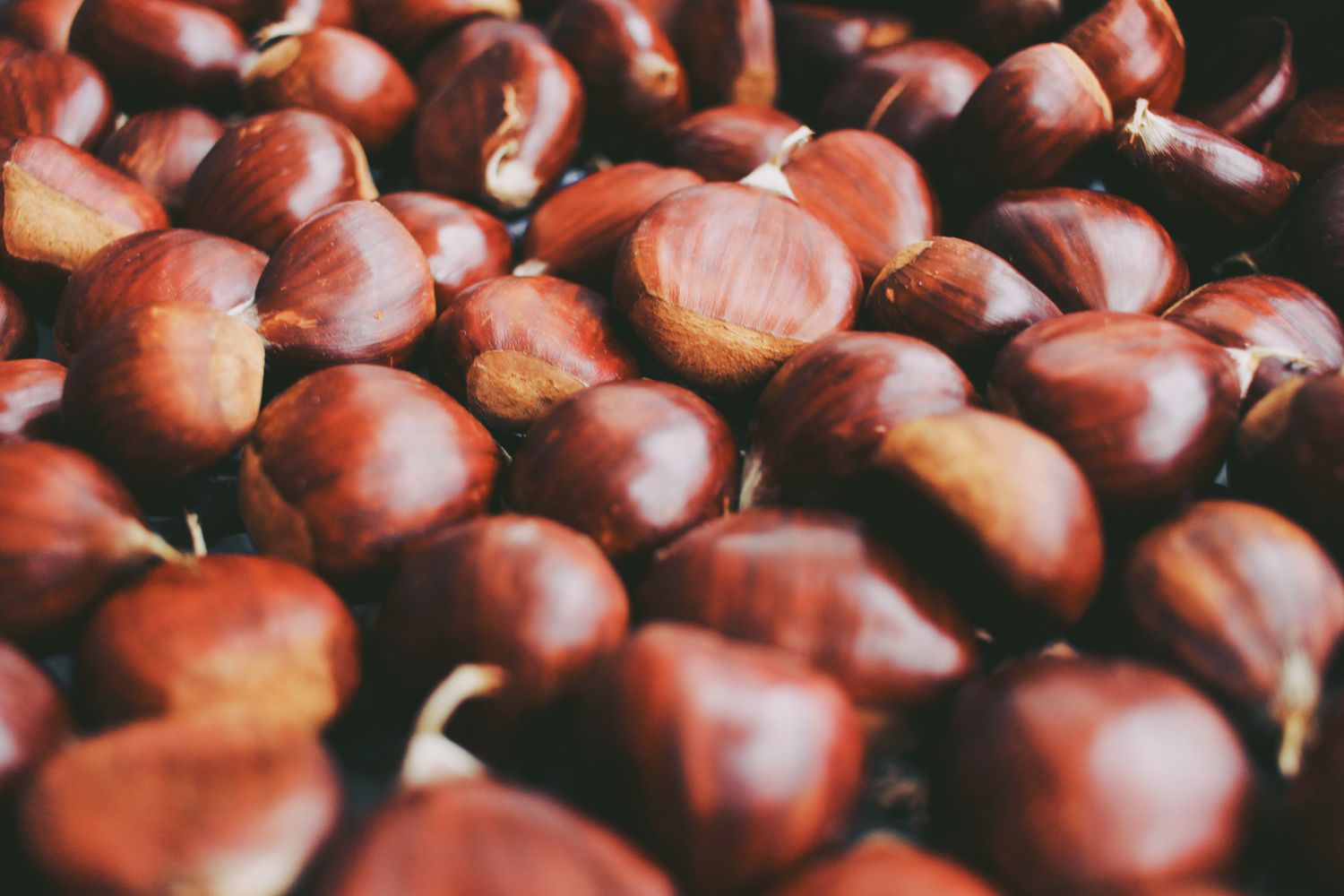
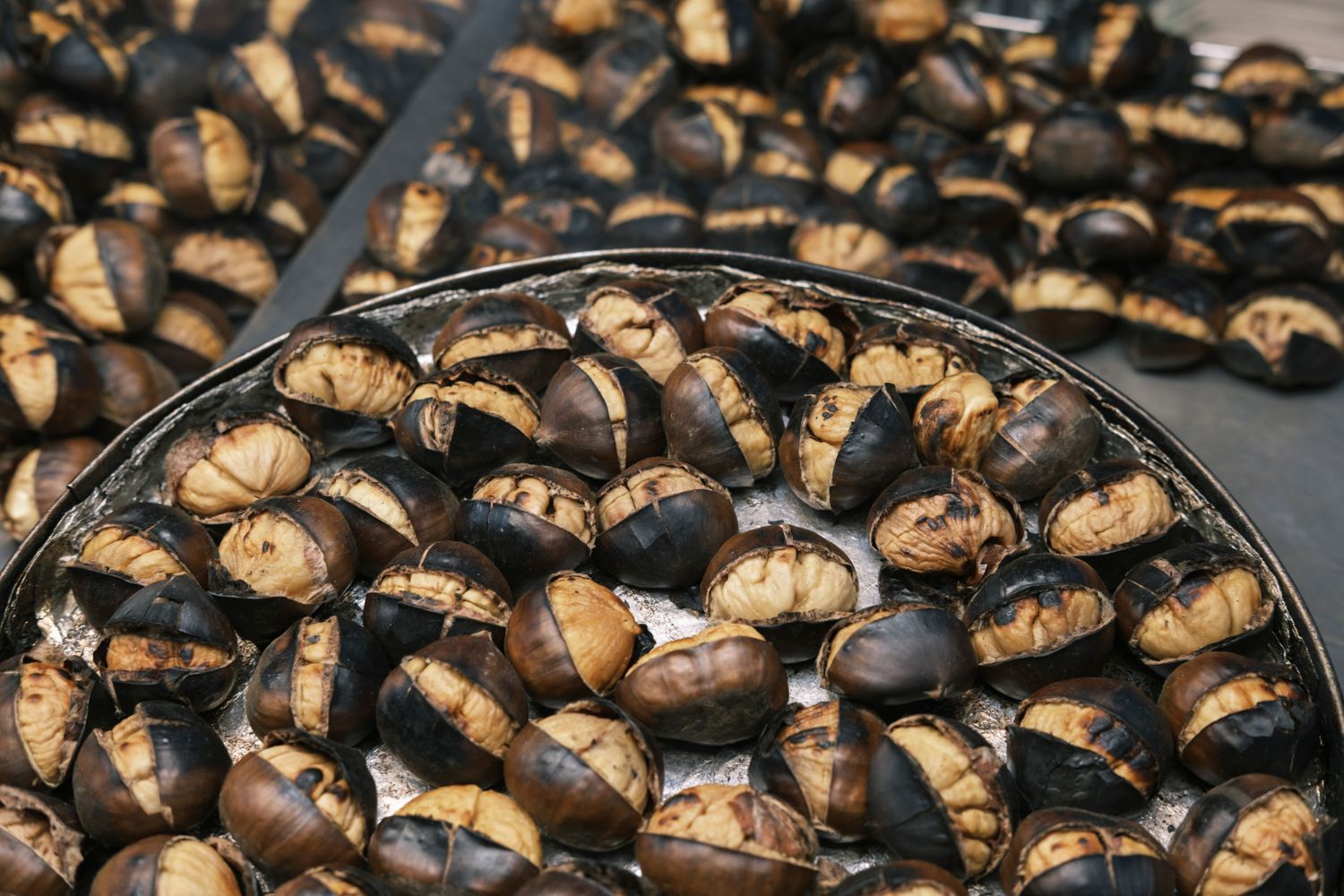
마트 과일 코너를 지나다 보면 9월 둘째 주쯤부터 밤이 쏟아지듯 나온다. 껍질에 윤기가 자르르 흐르는 햇밤이 한 소쿠리씩 쌓이는데, 정작 집에 사 오면 반은 손질하다 지쳐서 그냥 삶아만 먹고 끝나는 경우가 많다. 도마 위에서 도르르 굴러가는 밤을 손가락으로 누르며 칼집을 넣다 보면 식탁 위에서 조그맣게 사투를 벌이는 기분이 든다. 그런데도 가을마다 밤을 또 사는 건, 제대로만 손질하면 밤조림이든 밤밥이든 군밤이든 어느 하나 실패하기 어려운 재료이기 때문이다. 이 글에서는 손질법부터 밤조림, 밤밥, 구운밤까지, 그리고 다 못 쓰고 남은 생밤을 오래 두는 법까지 실제로 따라 할 수 있는 분량과 시간으로 정리했다.
밤 손질, 칼집부터 제대로 내야 한다
밤 손질에서 제일 먼저 막히는 지점은 칼집이다. 딱딱한 겉껍질에 칼을 대는 순간 밤이 미끄러져 굴러가버리는 경험, 한 번쯤 있을 것이다. 이걸 막는 방법은 의외로 단순한데, 씻은 밤을 찬물에 30분 정도 담가두는 것이다. 겉껍질이 살짝 눅눅해지면서 칼이 훨씬 잘 들어간다. 병뚜껑이나 작은 종지를 뒤집어 밤을 그 위에 고정하듯 얹고, 뾰족한 윗부분에 십자(+)로 칼집을 넣으면 미끄러짐이 크게 줄어든다. 손을 많이 쓰는 작업이라 걱정된다면 목장갑을 끼고 잡는 것만으로도 안정감이 다르다.
칼집을 낸 다음은 가열 방식을 정할 차례다. 여기서 방법을 하나로 뭉뚱그려 설명하면 오히려 헷갈리니, 상황별로 나눠보는 게 낫다. 시간 여유가 있다면 찜기에 넣고 센 불에서 20분 정도 찌는 쪽을 추천한다. 삶는 것보다 단맛이 덜 빠지고, 뜸이 드는 동안 속껍질(보늬)이 알맹이와 자연스럽게 분리되기 때문이다. 당장 몇 알만 급하게 까야 한다면 끓는 물에 2~3분만 데쳐도 충분하고, 그마저 번거롭다면 전자레인지에 1분 30초 돌리는 방법도 있다. 다만 전자레인지는 기종마다 화력 차이가 커서 30초 단위로 상태를 확인하며 조절하는 편이 안전하다.
가열이 끝나면 뜨거운 채로 까지 말고, 찬물에 잠깐 담갔다가 벗기는 게 낫다. 온도가 확 떨어지면서 껍질과 알맹이 사이에 틈이 생기기 때문이다. 그래도 한두 알은 꼭 속껍질이 딱 붙어서 안 떨어지는데, 이럴 땐 억지로 뜯지 말고 작은 과도로 결을 따라 살살 긁어내면 알맹이가 덜 뭉개진다.
밤조림, 설탕 비율만 맞으면 실패가 없다
밤조림은 손이 많이 가는 요리로 알려져 있지만, 비율만 기억해두면 생각보다 일이 단순해진다. 껍질 깐 밤 1kg을 기준으로 설탕은 밤 무게의 40% 선, 그러니까 400g 정도를 맞추면 너무 달지도 싱겁지도 않다. 여기에 간장 2큰술과 럼 또는 레드와인 2큰술을 더하는데, 이 두 가지가 빠지면 단맛만 남고 밋밋해진다. 간장은 설탕의 무거운 단맛을 살짝 눌러주는 역할을 하고, 럼이나 레드와인은 졸이는 동안 알코올이 날아가면서 은은한 캐러멜 향만 남겨 마치 시럽에 오래 절인 마롱 글라세를 연상시키는 향으로 바뀐다.
순서는 이렇다. 껍질 깐 밤에 베이킹소다 2~3큰술을 넣고 물을 넉넉히 부어 12시간에서 24시간 정도 담가둔다. 시간이 너무 길게 느껴질 수 있는데, 이 과정을 생략하면 조림 도중 밤이 쉽게 부서진다. 담가둔 밤을 물째로 냄비에 옮겨 약불에서 20분씩 세 번 끓인다. 매번 물을 갈아주면 떫은맛이 빠져서 훨씬 깔끔한 맛이 난다. 그다음 밤이 잠길 만큼 물을 새로 붓고 설탕을 넣어 약불에서 1시간가량 졸인다. 마지막에 간장과 럼(또는 레드와인)을 넣고 10분 정도 더 졸이면 윤기가 도는 밤조림이 완성된다.
1시간이나 졸인다고 하면 부담스러울 수 있는데, 그 시간 내내 불 앞에 서 있을 필요는 없다. 약불로 맞춰두고 10분에 한 번씩만 들여다보며 물이 졸아드는지, 밤이 으스러지지 않는지 확인하면 충분하다. 완성된 밤조림은 밀폐용기에 담아 냉장 보관하면 일주일 정도 맛이 그대로 유지되고, 그보다 오래 두고 싶다면 소독한 병에 옮겨 냉동해도 된다.
밤밥, 쌀과 물 비율이 관건이다
밤밥은 밤조림에 비하면 훨씬 수월한 편이다. 다만 여기서도 의외로 자주 실수하는 지점이 있는데, 바로 물의 양이다. 평소 밥을 짓던 대로 쌀과 물을 1:1로 맞추면 밥이 질척해지기 쉽다. 밤이 물을 흡수하는 성질이 있어서, 쌀 2컵 기준 물은 3컵, 즉 1:1.5 비율로 맞추는 편이 안전하다.
밤은 껍질만 벗기면 따로 삶을 필요 없이 생으로 넣어도 된다. 쌀 2컵에 밤 120~150g 정도가 적당한 비율인데, 너무 잘게 썰면 밥 지을 때 다 뭉개지니 반 조각 정도 크기로 두는 게 낫다. 압력솥을 쓴다면 센 불로 올리다가 추(김)가 돌기 시작하면 3분간 유지하고, 이후 약불로 낮춰 4분 정도 뜸을 들이면 된다. 전기압력밥솥이라면 백미 또는 잡곡 모드로 맞추고 취사 버튼을 누르면 나머지는 기계가 알아서 한다.
양념장 없이 그냥 먹어도 밤의 단맛이 살아 있어 충분히 맛있지만, 간장 1큰술에 참기름 반 큰술, 다진 파 약간을 섞은 양념장을 곁들이면 밥맛이 한층 살아난다. 밤밥은 갓 지었을 때보다 한 김 식은 뒤에 밤의 단맛이 더 또렷하게 느껴진다는 사람도 많으니, 뚜껑을 열기 전 5분쯤 뜸을 더 들이는 것도 방법이다. 뚜껑을 열었다면 주걱으로 밤이 으스러지지 않게 바깥쪽 밥을 안쪽으로 가르듯 살살 섞어주면 밤알이 고르게 퍼진다.
가장 간단한 구운밤, 그래도 온도는 지켜야 한다
셋 중 가장 손이 안 가는 건 역시 구운밤이다. 그런데도 의외로 실패하는 사람이 많은데, 대부분 칼집을 생략하고 통째로 굽기 때문이다. 칼집 없이 구우면 내부 수증기가 빠질 곳이 없어 밤이 오븐 안에서 펑 소리를 내며 터지는 일이 종종 생긴다. 십자로 칼집을 낸 다음 에어프라이어나 오븐에 180~200도로 20분 정도 구우면 껍질이 살짝 벌어지면서 고소한 냄새가 부엌에 퍼진다.
중간에 한 번 뒤집어주면 골고루 익는다. 다 구운 뒤에는 뜨거울 때 바로 까기보다 2~3분 정도 식혀서 까는 편이 낫다. 갓 구운 밤은 알맹이가 물러서 잘 뭉개지는데, 살짝 식으면 형태를 잡으면서도 속은 여전히 따뜻해서 먹기 좋은 상태가 된다.
남은 생밤, 이렇게 두면 한 달도 간다
한 소쿠리씩 사 온 밤을 한 번에 다 손질하는 집은 드물다. 남은 생밤을 그냥 상온에 두면 며칠 만에 표면이 쪼그라들고 속이 말라버리는데, 벌써 물기가 빠진 밤은 삶아도 예전만큼 달지 않다. 신문지에 낱개로 싸서 밀폐용기나 비닐봉지에 넣고 냉장고 야채칸에 두면 수분이 천천히 유지되면서 2~3주는 무난히 버틴다. 더 오래 두고 싶다면 껍질째 냉동실에 넣어도 되는데, 이 경우엔 해동하지 않고 얼린 채로 바로 찌거나 삶아야 알맹이가 퍼석해지지 않는다.
자주 묻는 질문
밤 껍질을 깠는데 갈변이 됐어요. 먹어도 되나요?
공기와 닿으면 밤 알맹이가 갈색으로 변하는 건 자연스러운 산화 현상이라 먹는 데는 문제가 없다. 다만 색이 거슬린다면 깎은 밤을 찬물에 담가두면 갈변 속도가 느려진다. 밤조림이나 밤밥처럼 익혀 먹는 요리라면 어차피 색이 진해지므로 크게 신경 쓰지 않아도 된다.
밤조림을 만들었는데 너무 무르게 됐어요. 왜 그런가요?
베이킹소다 물에 담가두는 시간이 24시간을 넘겼거나, 처음 세 번 삶는 단계에서 불 세기가 너무 셌을 가능성이 크다. 약불을 유지하고, 담가두는 시간도 12~24시간 범위를 지키는 편이 형태를 살리는 데 도움이 된다.
밤밥에 밤을 더 많이 넣어도 되나요?
양을 늘려도 무방하지만 밤이 많아질수록 물 흡수량도 늘어나므로 물을 아주 약간 더 넣는 편이 좋다. 쌀 2컵에 밤 200g 정도까지는 물 비율을 크게 바꾸지 않아도 되지만, 그 이상 넣는다면 물을 1/4컵 정도 추가하는 걸 권한다.
강릉역에 내려서 스마트폰 지도를 켜면 다들 비슷한 실수를 한다. 가이드북 순서대로 오죽헌부터 동선을 짜는 것. 나도 처음엔 그랬다. 강릉은 지도로 보면 생각보다 남북으로 길쭉한 도시라서, 오죽헌 쪽과 안목·경포 쪽을 오락가락하다 보면 이동 시간만 절반을 써버리기 십상이다. 그런데 커피거리와 경포호, 초당순두부마을을 하루에 묶어서 돌아본 사람들 얘기를 들어보면 동선은 의외로 단순하다. 안목해변에서 커피 한 잔 마시고, 걸어서 경포호를 반 바퀴 돈 다음, 초당동 골목에서 순두부로 마무리하는 코스다. 세 곳이 전부 걸어서든 버스로든 20분 안쪽 거리에 몰려 있다는 게 이 루트의 진짜 강점이다.
안목해변, 자판기 커피에서 시작된 거리
안목해변 커피거리라고 하면 그냥 카페 많은 바닷가 정도로 생각하기 쉬운데, 유래를 알고 가면 걷는 재미가 다르다. 1980년대 초까지만 해도 안목항은 시내버스가 하루 세 번 들어오는 조용한 어촌이었다. 그러다 해변에 커피 자판기가 하나둘 놓이기 시작했고, 1.2km 남짓한 짧은 구간에 자판기가 50대 가까이 늘어서는 진풍경이 벌어졌다. 가게들끼리 경쟁이 붙으면서 콩가루나 참깨, 헤이즐넛을 탄 자판기 커피까지 등장했다는 이야기가 있을 정도다. 1990년대 들어 커피 명장들이 강릉에 정착하고 로스터리 카페들이 하나둘 문을 열면서 지금의 전문점 거리로 바뀌었다. 그러니까 이 거리는 태생부터 ‘바다를 보며 마시는 커피’였던 셈이다.
해변을 따라 걸으면 오래된 로스터리부터 통유리로 파도를 정면으로 마주 보는 신상 카페까지 섞여 있다. 아메리카노는 대개 5천~6천 원, 시그니처 라떼나 디저트를 곁들이면 7천~8천 원까지 올라간다. 비싸다면 비싼 값이지만, 테라스에 앉아 모래사장에 부서지는 하얀 포말 소리와 갓 내린 원두 향이 섞이는 그 30분은 값을 떠나서 이 코스에서 가장 아깝지 않은 시간이었다. 창가 자리는 주말 오전 11시만 넘어도 대기가 생긴다. 해수욕장 개장 기간이 아니어도 산책하는 사람이 끊이지 않는 걸 보면 여기는 계절을 타는 곳이 아니다.
경포호, 정자 하나에 호수와 바다를 동시에
안목에서 경포호까지는 걸어서 20분 정도, 버스로는 두 정거장이면 닿는다. 택시를 타면 기본요금 수준인 4천~5천 원 선에서 끝난다. 경포대라는 이름을 듣고 대단한 절벽이나 봉우리를 기대하면 살짝 김이 샐 수도 있다. 실제로는 호숫가 언덕에 자리한 누각 한 채다. 그런데도 이 자리가 관동팔경으로 꼽히는 데는 이유가 있다. 누각에 올라 한쪽으로 고개를 돌리면 잔잔한 경포호가, 반대쪽으로는 탁 트인 동해가 함께 잡힌다. 호수와 바다를 한 시야 안에 넣는 정자는 동해안에서도 흔치 않다.
호수 둘레길은 약 4.3km로 한 바퀴 다 돌면 한 시간 넘게 걸리는데, 당일치기 일정이면 굳이 완주할 필요는 없다. 경포대 누각을 내려와 호수를 오른쪽에 끼고 초당동 방향으로 20~30분만 걸어도 갈대와 물억새, 그리고 호수 위로 지나가는 철새 무리를 충분히 볼 수 있다. 이 방향이 다음 목적지인 초당순두부마을과도 이어져서 왔던 길을 되짚어 갈 필요가 없다는 게 은근히 편하다. 벚꽃철도 아니고 단풍철도 아닌 평일 오후에 가봤는데도 산책하는 주민이 꽤 많았다. 관광지라기보다 동네 사람들의 조깅 코스에 여행자가 살짝 끼어드는 느낌이랄까.
초당순두부마을, 두부에 바닷물을 쓰는 이유
경포호에서 초당동 순두부마을까지는 다시 도보로 15분 안팎이다. 순두부라는 메뉴 자체는 전국 어디에나 있는데, 유독 강릉 초당두부가 유명해진 데는 나름의 사연이 있다. 조선 시대 문인 허균과 허난설헌의 아버지인 허엽이 이 마을에 살면서, 집 앞 우물물로 콩을 불리고 인근 바닷물로 간을 맞춰 두부를 만들었다는 이야기가 전해진다. 그의 호가 ‘초당’이었고, 그 호를 따서 마을 두부에 초당두부라는 이름이 붙었다고 한다. 다만 이걸 뒷받침하는 확실한 문헌 기록은 남아 있지 않다는 점은 솔직히 짚고 넘어가야 할 것 같다. 전설처럼 내려오는 이야기이되, 완전히 검증된 역사는 아니라는 뜻이다.
허엽의 전설이 사실이든 아니든, 이 마을이 두부로 진짜 명성을 얻게 된 뿌리는 따로 있다. 일제강점기와 6·25전쟁을 지나며 남자들이 마을을 비운 사이, 여인들이 생계를 이어가려고 만들던 게 두부였다는 이야기다. 그러니까 이 마을에서 두부는 원래 관광 상품이 아니라 생계 수단이었던 셈이고, 지금의 순두부거리는 그 위에 형성된 결과에 가깝다. 간수 대신 동해 바닷물로 응고시키는 방식은 지금도 마을 두부집 상당수가 그대로 이어간다.
백순두부를 시키면 양념장을 살짝만 얹어 그대로 떠먹게 되는데, 입에 넣자마자 사르르 녹아내리는 질감 뒤로 콩 본연의 고소함과 바닷물의 은은한 간이 뒤늦게 따라온다. 자극적인 맛에 익숙한 사람이라면 심심하다고 느낄 수도 있지만, 그 심심함이 오히려 다음 숟가락을 부르는 묘한 맛이다. 골목에 들어서면 순두부집이 스무 곳 넘게 몰려 있어서 어디를 골라야 할지 막막할 수 있는데, 백순두부와 순두부짬뽕 두 가지를 함께 파는 집이 많으니 일행이 있다면 나눠 시키는 걸 추천한다. 가격은 한 그릇에 만 원 안팎이고, 순두부 만들기 체험을 운영하는 곳도 몇 군데 있어서 아이와 함께라면 들러볼 만하다.
동선 정리와 실제 소요 시간
서울역에서 KTX-이음을 타면 강릉역까지 평균 1시간 50분 안팎, 요금은 일반실 기준 2만 7천 원 정도다. 강릉역에서 안목해변까지는 버스로 15분, 택시로는 10분이 채 안 걸리고 택시비는 대략 7천~8천 원 선이다. 안목 커피거리에서 커피 한 잔에 30분, 경포호 산책에 40분, 초당순두부마을에서 식사까지 넉넉히 1시간을 잡으면 오전 11시쯤 강릉에 도착해도 오후 6시 KTX로 충분히 서울에 돌아갈 수 있다. 세 곳 모두 걷는 거리가 짧아서 렌터카 없이도 부담 없이 다닐 수 있다는 것도 이 코스의 장점이다.
앞서 소개했던 강릉 명주동 한옥거리 코스가 골목과 야경 중심이었다면, 이번 코스는 바다와 호수, 음식으로 하루를 채우는 쪽에 가깝다. 잔잔한 골목 감성과 카페 탐방을 원한다면 명주동 쪽이 맞고, 탁 트인 바다와 호수 산책, 로컬 미식까지 한 번에 욕심낸다면 안목·경포·초당 코스가 더 어울린다. 같은 도시라도 어느 동선을 고르느냐에 따라 하루의 온도가 꽤 달라진다.
자주 묻는 질문
Q. 초당순두부마을은 오전에 가도 문을 여나요?
대부분의 식당이 오전 8시~9시 사이에 문을 연다. 아침 겸 점심으로 순두부를 먹으려는 사람이 많아서 오전 10시 전에 가면 대기 없이 앉을 수 있는 편이다. 다만 명절 연휴나 여름 성수기에는 오전에도 줄이 생길 수 있으니 참고하는 게 좋다.
Q. 안목해변 커피거리는 겨울에도 갈 만한가요?
의외로 겨울 방문객도 꾸준하다. 카페 안에서 통유리 너머로 파도를 보는 재미가 있어서 오히려 여름보다 한산하게 즐기기 좋다는 후기가 많다. 다만 해풍이 세게 부는 날은 체감 온도가 뚝 떨어지니 겉옷은 넉넉히 챙기는 게 낫다.
Q. 대중교통만으로 세 곳을 다 돌 수 있나요?
가능하다. 강릉 시내버스가 안목해변, 경포호, 초당동을 모두 지나기 때문에 배차 간격만 확인하면 렌터카 없이도 무리 없이 이동할 수 있다. 다만 배차가 20~30분 간격인 노선도 있어서, 시간이 빠듯하면 구간별로 택시를 섞어 쓰는 편이 마음 편하다.