I once watched a delivery rider run a red light in the rain, phone mounted on his handlebars buzzing with a new order before he’d even dropped off the last one, and my first instinct was to be alarmed. My second instinct, a few seconds later, was to check my own delivery app to see if my food was close. That’s roughly how long it takes to get absorbed into “bali bali” culture — long enough to be shocked, then long enough to start benefiting from it without a second thought.
You might think “bali bali” — literally “quickly, quickly” — is just a phrase people say when they’re impatient, the way anyone anywhere might snap at someone to hurry up. It’s not quite that small. It’s less a phrase and more an operating principle that shaped how modern Korea physically got built, and it still runs underneath things as mundane as how fast your fried chicken shows up at the door.
Where it actually comes from
Here’s what I didn’t expect going in: this isn’t some ancient cultural trait, it’s a byproduct of how compressed Korea’s development was in just a few decades. Thatched roofs got swapped for factory-ready slate roofing, farmland turned into industrial sites, mountain paths became paved roads — all inside a timeframe that would take other countries generations to work through. When your entire country rebuilds itself that fast, “fast” stops being a personality trait and starts being the baseline expectation for literally everything, including how quickly your lunch arrives.
Delivery culture, weirdly, traces back further than you’d guess too. There’s a record from 1768 of a scholar named Hwang Yun-seok ordering naengmyeon for lunch with colleagues — delivery food isn’t some 21st-century invention here, it’s just that the speed expectation around it has ratcheted up dramatically.
The 30-minute promise, and what it actually costs
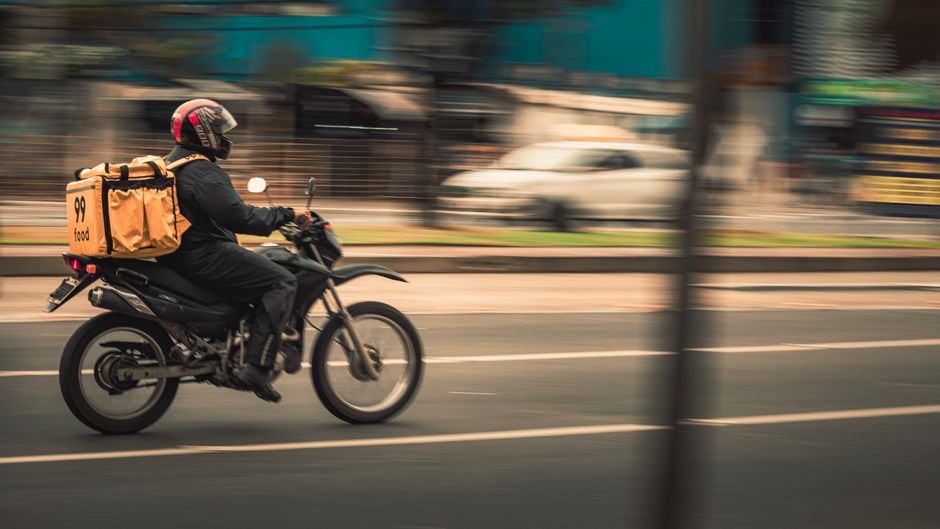
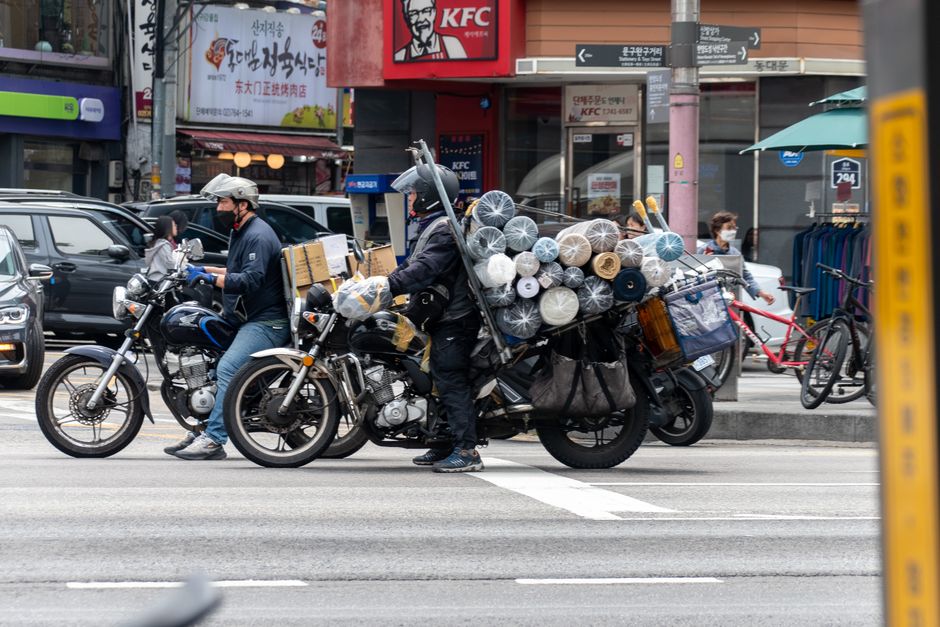
Order food almost anywhere in Korea and there’s an unspoken clock running: about thirty minutes, give or take, or something feels off. What I wish I’d understood sooner is what that clock costs the people delivering it. Riders are, by necessity, incentivized to treat yellow lights as green and speed limits as loose suggestions, because a late delivery means an unhappy customer and a bad rating, and both of those things hit their income directly. The density of Korean cities — apartment complexes stacked close together, short distances between restaurants and homes — is what makes the thirty-minute promise achievable at all, but it doesn’t make it safe.
It shows up in places you wouldn’t expect
You’d expect bali bali to show up in obvious places — traffic, delivery, subway platforms where people are already lining up before the doors fully open. What caught me off guard was how deep it goes into things like customer service. Ask a question at a bank or a phone carrier store and you’ll usually get a resolution on the spot, not a “someone will follow up in three to five business days” answer. Wi-Fi installation that takes weeks in other countries can happen here within a day or two of moving in. Once you’ve lived with that kind of responsiveness, going back to a slower system anywhere else feels almost broken.
The trade-off nobody advertises
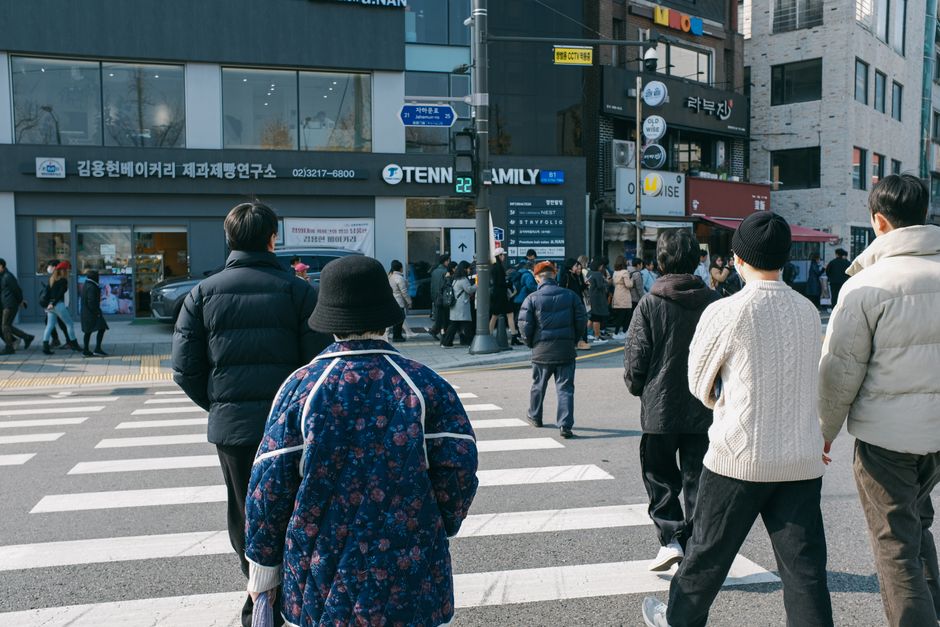
Strange as it sounds to complain about something this convenient, bali bali culture does have a cost side that doesn’t get talked about as much internationally. Rapid, compressed growth has a habit of prioritizing speed over process — corners get cut, safety inspections get rushed, and there’s a reason some of Korea’s worst infrastructure disasters in past decades got traced back to shortcuts taken in the name of finishing faster. The same instinct that gets your delivery to your door in half an hour can, at scale and in the wrong context, be genuinely dangerous.
FAQ
Is “bali bali” considered a compliment or a complaint when Koreans say it to each other?
Both, depending on tone. Said with frustration to someone dawdling, it’s a mild scolding. Said proudly about how quickly something got done, it’s closer to a badge of honor.
Do delivery apps offer any way to tip riders for going above and beyond?
Most major apps don’t have a built-in tipping culture the way Western delivery apps do — tipping isn’t expected, and riders’ pay is generally structured around per-delivery rates rather than gratuities.
As a foreigner, is it rude to ask someone to slow down?
Not rude at all — most people will happily adjust once they realize you’re still catching up to the pace, whether that’s a conversation moving too fast or a queue moving faster than you expected. Koreans are generally patient with visitors still getting their bearings.
Leave a Reply