The first time my mother-in-law bowed slightly while I stuck my hand out for a full handshake, I felt the awkwardness settle in before I even understood why. She recovered gracefully. I did not. It took a solid year of these small missteps before bowing stopped feeling like a performance I had to remember and started feeling like something my body just did on its own.
You might assume bowing in Korea is one uniform gesture — dip your head, done — the way it’s often flattened in movies or quick culture guides. It isn’t. There’s a whole quiet math running underneath it: how deep, how long, who moves first, whether a nod is enough or an actual bend at the waist is expected. Get the math wrong and nobody says anything, but you can feel the room recalibrate around you.
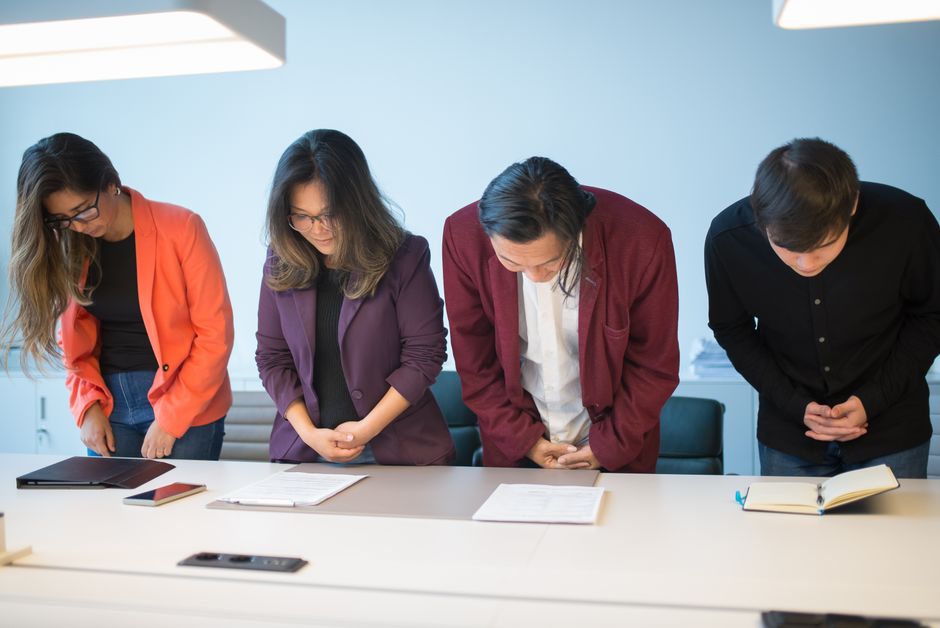
The angle actually matters more than you’d think
In a business context, the standard is around a 30-degree bend — brief, controlled, with your eyes coming back up to meet the other person’s the moment you straighten. That’s the depth for meeting someone new professionally, or greeting a senior you don’t see often. Go much shallower and it reads as a nod rather than a bow; go much deeper and you’re suddenly overcorrecting into a gesture that belongs at a funeral or a formal apology, not a Tuesday morning meeting.
What surprised me was learning that bowing too deeply, too often, is its own kind of mistake. I watched a foreign colleague once give a full 45-degree bow to a convenience store clerk ringing up his coffee, clearly trying to be respectful, and the clerk looked more confused than flattered. The depth of a bow implies a debt of gratitude or respect proportional to the occasion — a stranger scanning your snacks doesn’t call for the same gesture you’d give your father-in-law.
Hierarchy decides who moves first, not politeness
Here’s the part that took me the longest to internalize: the junior person always initiates. If you’re meeting someone senior — your boss, an older relative, a client you’re courting — you bow first and slightly deeper, and they respond with something smaller, sometimes barely more than a nod. That’s not the senior person being cold or dismissive. Matching your bow depth exactly would actually suggest you’re equals, which isn’t the message either of you is going for in that moment.
I made the mistake early on of bowing back at the same depth an executive gave me, thinking I was being appropriately humble. What I was actually doing, without realizing it, was quietly implying we were on the same level. Nobody corrected me on the spot, which somehow made it worse when I figured it out weeks later.
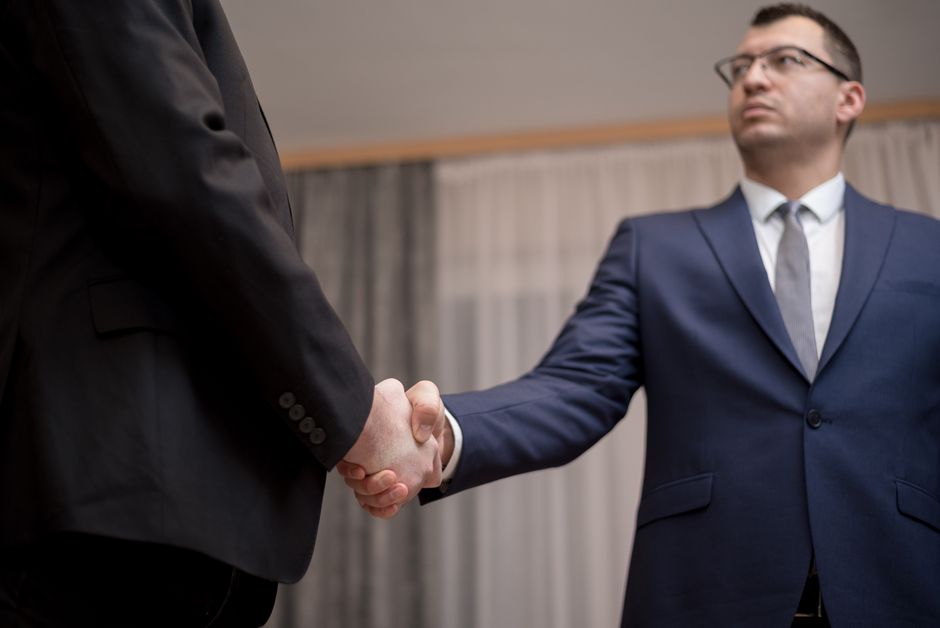
Bowing and handshakes aren’t mutually exclusive
This one genuinely surprised me the first time I saw it happen: in business settings, especially ones with any international flavor, you’ll often get both at once — a slight bow while shaking hands, not one or the other. If the other person is senior to you, using two hands for the handshake while dipping your head slightly covers both cultural bases at once. It looks a little clumsy the first few times you try it. It stops feeling that way faster than you’d expect.
FAQ
Do I need to bow to service staff, like at restaurants or stores?
A small nod of acknowledgment is polite but a deep bow isn’t expected or necessary — it can actually feel disproportionate, as in the convenience store example above. Save the deeper bows for people you have an ongoing relationship or hierarchy with.
What if I’m meeting someone my own age for the first time?
A light bow of maybe 15 degrees combined with a handshake works fine. Peers don’t require the formality that hierarchy-based relationships do.
Is it rude for a foreigner to just shake hands instead of bowing?
Most Koreans extend real patience to foreigners still learning the etiquette, and a handshake alone won’t offend anyone. That said, adding even a slight head dip shows you’re making the effort, and people notice that more than you’d expect.
Leave a Reply