Nobody hands you a manual when you land. You get a suitcase, a residence address you can barely pronounce, and a phone that suddenly can’t do half of what it used to. Everything else — the paperwork, the deposits, the trash bags with a personality of their own — you figure out by getting it wrong first. I did, more than once. A few years into raising a family here, I still think about the week I spent circling the same three problems: no bank account because no phone plan, no phone plan because no bank account, and a landlord who wanted an answer I didn’t have a framework for yet. So here’s the framework, laid out the way I wish someone had laid it out for me.

The ARC Is the Key That Unlocks Everything Else
If you’re staying more than 90 days, you’re legally required to register at your local immigration office and get what’s officially called the Residence Card now, though almost everyone — immigration staff included — still calls it the ARC (Alien Registration Card) out of habit. It’s not optional and it’s not a formality. It’s the single document that every other piece of adult life in Korea quietly assumes you already have.
The application itself is straightforward: passport, visa documentation, the application form, a passport photo, and a fee that’s usually somewhere around 30,000 won. What catches people off guard is the timeline. You submit within your 90-day window, but the card itself can take a few weeks to actually print and arrive — sometimes closer to a month or more depending on how busy your local office is. Book your appointment the moment you’re eligible, not the week before the deadline. I didn’t fully appreciate this until I was staring down a countdown with nothing to show for it but a receipt.
Once the card exists, use it for everything. Banks want to see it. Phone carriers want to see it. Even some delivery apps and loyalty programs quietly ask for it during verification. Your ARC number functions almost like a national ID would back home — it’s the anchor everything else attaches to.
The Phone-Bank Chicken-and-Egg Problem
Here’s the thing nobody explains clearly before you arrive: opening a full Korean bank account usually requires a Korean phone number, and getting a standard postpaid phone plan usually requires a Korean bank account for the monthly auto-debit. Two systems, each waiting on the other. It’s not a bug, it’s just how the infrastructure was built, and it trips up almost every new arrival at least once.
There are a few ways around it. Prepaid SIMs need nothing but a passport, so that’s usually the first move — get a working Korean number before you worry about anything else. A handful of banks, Woori and Hana among them, have historically been more willing to open a limited, passport-only account for newcomers who don’t have an ARC yet, though the account comes with restrictions until you can upgrade it later. Some newer mobile carriers aimed specifically at foreign residents will also issue a number that banks accept for SMS verification without requiring a bank account first. None of these are secret hacks — they’re just the workaround paths that longtime expats pass along to each other, because the official process doesn’t mention them.
My advice: solve the phone number first, in whatever prepaid or foreigner-friendly form you can get, and treat the “real” postpaid plan and full bank account as the second step once your ARC is in hand.
Jeonse, Wolse, and the Deposit That Might Make Your Eyes Widen
Korean housing runs on a system that has no real equivalent where I’m from, and understanding the vocabulary before you start apartment hunting will save you a lot of confused conversations with agents.
- Jeonse (전세) — you pay a very large lump-sum deposit up front, often somewhere between 50 and 80 percent of the property’s value, and then live rent-free for the lease term, usually two years. The landlord invests that deposit while you live there, and returns the full amount when you move out. It’s a system built for a different interest-rate era, and it requires serious capital most newcomers simply don’t have.
- Wolse (월세) — this is the one that will feel familiar. A smaller deposit, called bojeunggeum, plus fixed monthly rent. For a studio this deposit might run somewhere in the low millions of won rather than the hundreds of millions jeonse requires. It’s the practical entry point for most foreign renters.
- Ban-jeonse (반전세) — a hybrid: a mid-sized deposit combined with reduced monthly rent, sitting between the two extremes.
For someone just arriving, wolse is almost always the realistic choice, both financially and because the paperwork is closer to what you’re probably used to. Whatever you sign, get the lease reviewed and make sure the deposit-return terms are explicit and in writing. This is one area where I’d rather over-ask questions through an agent than assume anything translates the way it sounds.

Health Insurance Isn’t a Choice You Get to Make
This one surprises people who come from countries where health coverage is opt-in. In Korea, foreign residents staying six months or longer are automatically enrolled in the National Health Insurance Service — you can’t decline it, and it doesn’t matter whether you already carry private insurance from home. Certain visa categories, including long-term work and student visas, get enrolled the moment their ARC is issued rather than waiting for the six-month mark.
The premium for locally enrolled foreign residents is calculated using an average benchmark rate when income information isn’t yet on file, and it arrives as a monthly bill rather than something deducted quietly from a paycheck the way employer-sponsored coverage often works. Skipping payments doesn’t just accumulate late fees — it can also complicate visa renewals down the road, so it’s worth treating as a fixed monthly obligation from day one rather than something to sort out later.
I’m not going to get into which clinics to choose or what coverage levels make sense for your situation — that’s a conversation for a professional who knows your specifics. But knowing the enrollment is mandatory and automatic, rather than something you’ll be asked to sign up for, saves you from being blindsided by the first bill.
Two Addresses for Every Building
Korea quietly runs two address systems in parallel. There’s the road-name address (도로명주소), which is the modern, standardized system introduced years ago and is what most delivery apps, government forms, and shipping labels expect. And there’s the older lot-number address (지번주소), which plenty of people — especially older residents and small business owners — still use in everyday conversation and on some signage.
When you’re filling out anything official, or setting up delivery apps, default to the road-name version. If you ever get confused about which one you’re looking at, most map apps and this Jusoen-type address-lookup tools will show you both formats side by side. It sounds like a minor quirk until your package goes to the wrong entrance of a building complex because the lot number and the road name pointed to two different doors.
Delivery Culture Will Spoil You, Then Confuse You
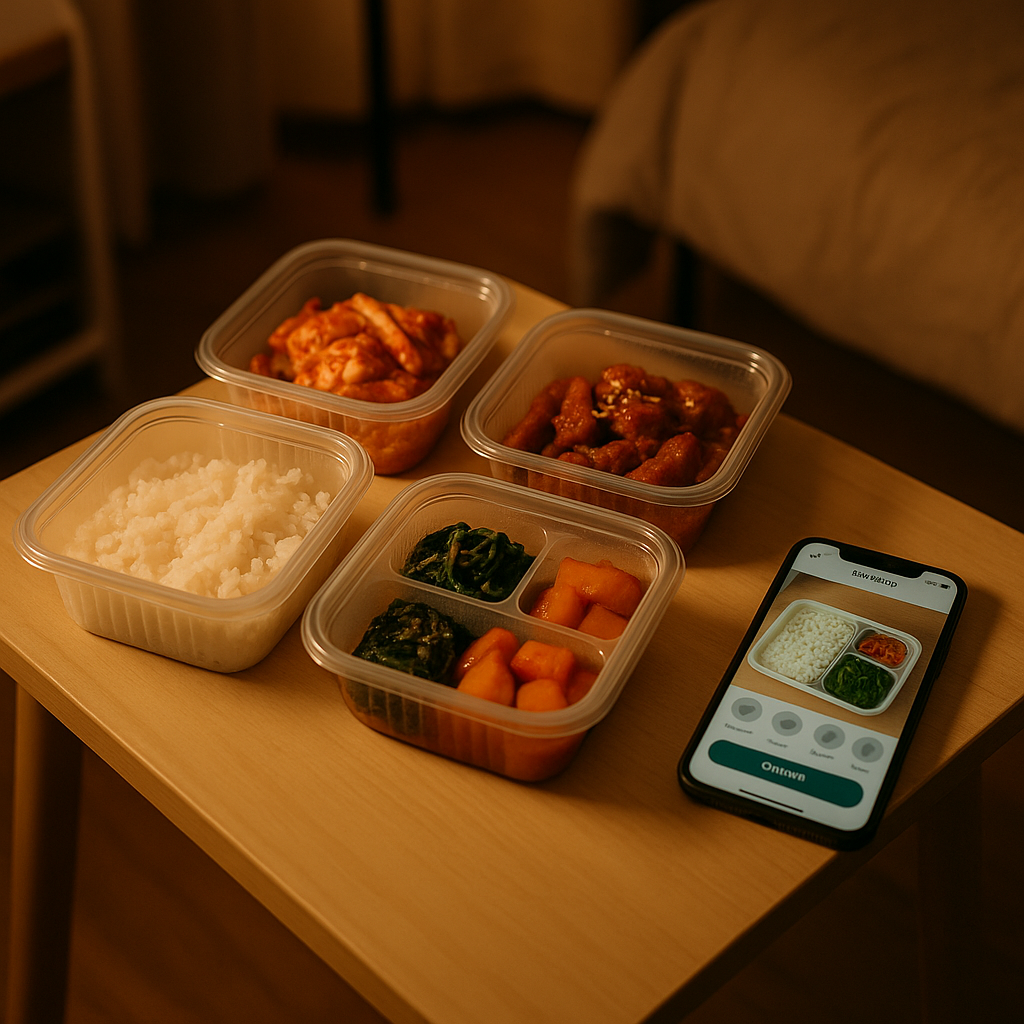
Coupang and Baemin (and Coupang Eats) turn grocery runs and dinner into a few taps, and the speed is genuinely one of the best quality-of-life upgrades about living here. But the apps assume a level of local fluency that takes a minute to build. Address entry works best with the road-name format. Building entrance codes, floor, and unit number often need to go into a separate delivery-instructions field rather than the main address line, or your food ends up waiting at the wrong door. And guest checkout with international cards is more available now than it used to be, but account verification steps still sometimes expect a Korean phone number tied to your ARC.
The learning curve is short — maybe your first two or three orders feel like guesswork — and after that it becomes second nature.
Recycling Is Not a Suggestion
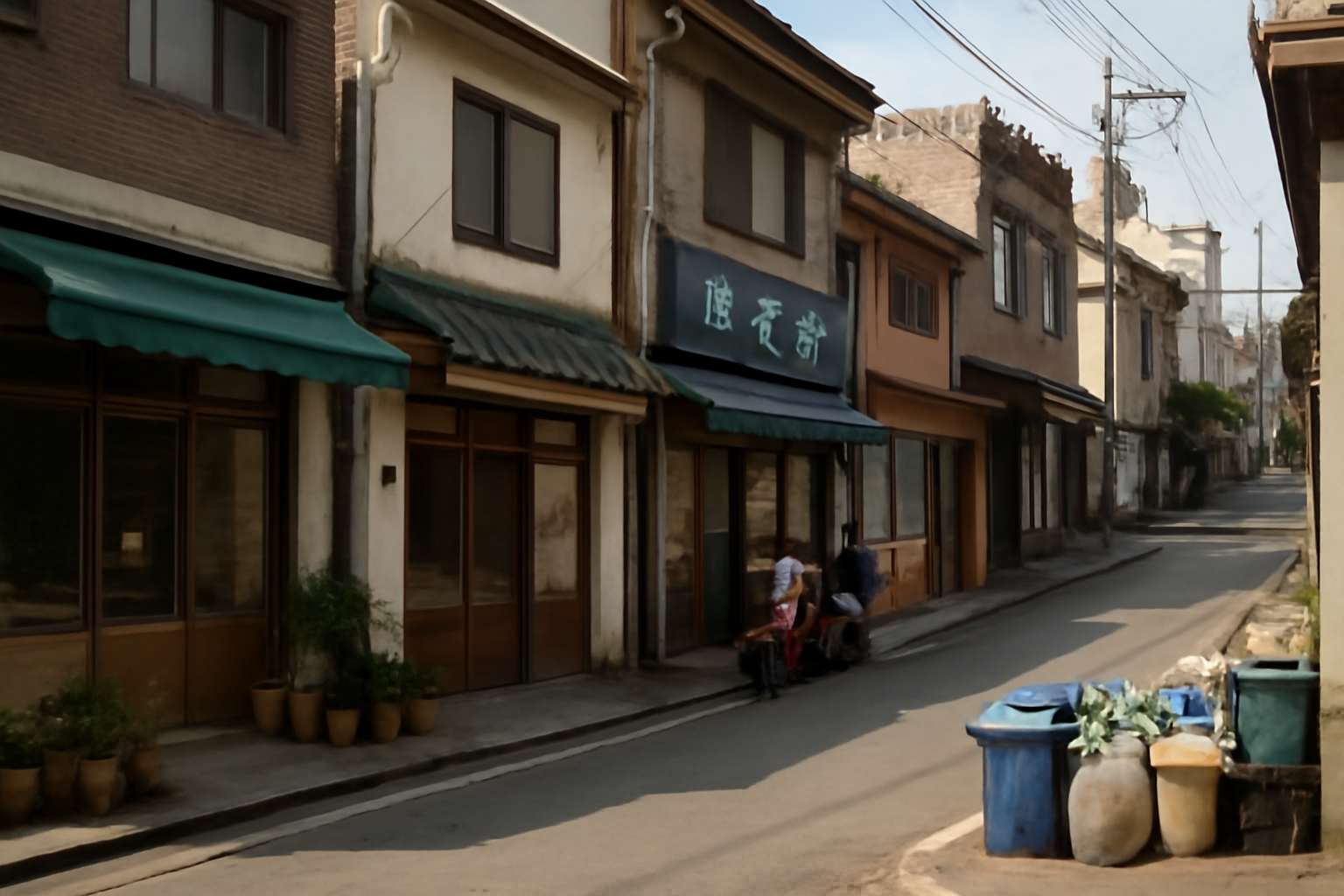
This is the one that genuinely surprises newcomers the most. Korea doesn’t have a casual, everything-in-one-bin trash system. General waste has to go into official, color-coded, prepaid bags — called jongnyangje bongtu (종량제 봉투) — that you buy at convenience stores, and the bags are specific to your district. A bag bought in one neighborhood usually won’t be accepted in another.
Beyond that, waste gets split into three real categories: general trash, recyclables (paper, plastic, glass, and metal, ideally rinsed and separated by material), and food waste, which in many apartment complexes goes into RFID-tagged bins that weigh what you throw away and charge accordingly. Collection also runs on a schedule — specific days, sometimes specific evening hours — and putting bags out at the wrong time is the kind of thing that gets you a pointed note from a neighbor or a building manager faster than almost anything else.
It felt like a lot to absorb at first. It becomes muscle memory faster than you’d expect, and once it clicks, you’ll find yourself judging other countries’ recycling habits a little.
Frequently Asked Questions
I just landed and don’t have an ARC yet. Can I still get a phone number and start setting up my life?
Yes. Start with a prepaid SIM using just your passport — it gets you a working Korean number immediately, which unlocks app verifications and, in some cases, a limited passport-only bank account at certain banks. Treat your ARC application as the priority task running in parallel, since the postpaid plan and full banking access are realistically waiting on it.
My landlord is offering jeonse instead of wolse — should I consider it as a newcomer?
For most people arriving without deep local savings or financing already arranged, wolse is the more realistic and lower-risk option, since the upfront deposit is a fraction of what jeonse requires. Jeonse can make sense later once you understand the market and have the capital, but as a first apartment in a country you’re still learning, the smaller commitment tends to be the wiser one.
I keep getting my delivery sent to the wrong entrance of my building. What am I doing wrong?
Almost always it’s an address-format mismatch. Double-check that you entered the road-name address rather than the lot-number one, and make sure your unit number, floor, and any entrance code are typed into the delivery-instructions field rather than folded into the main address line. It’s a small formatting habit, but it’s the single most common fix.
The Short Version
Get your ARC application moving the moment you’re eligible. Solve your phone number before you worry about your bank account. Understand wolse before anyone tries to talk you into jeonse. Register for health insurance mentally as mandatory, not optional. Learn your road-name address. Buy the right trash bags for your district. None of it is complicated on its own — it’s just a lot of small systems that assume you already know they exist. Now you do.