Category: Uncategorized

  • What I Learned About Chukuigeum, Korea’s Wedding Gift-Money Culture

    What I Learned About Chukuigeum, Korea’s Wedding Gift-Money Culture

    I was standing outside a wedding hall in Gangnam with a blank envelope in my hand and no idea what number to write on the little slip of paper next to it. My coworker Minjun was getting married in twenty minutes, I had a wrinkled 50,000 won bill folded twice in my jacket pocket, and the woman at the front desk was looking at me like I was holding up the line — which, to be fair, I was. That was my introduction to chukuigeum, and it turns out almost every foreigner in Korea has some version of that same frozen moment.

    What Chukuigeum Actually Is

    Chukuigeum (축의금) is the cash you give at a Korean wedding instead of a gift off a registry. There’s no blender, no set of towels, no gravy boat nobody asked for. You put cash in a plain envelope, hand it to someone at a desk near the entrance, and that’s your wedding present. It sounds transactional if you’re coming from a culture built around wrapped boxes and thank-you cards, but once you understand the logic it makes a lot of sense — weddings in Korea are expensive, hall rental and catering costs land squarely on the couple or their parents, and chukuigeum exists to soften that blow immediately, not eventually.

    The word itself breaks down simply: 축 (chuk) means celebration, 의 connects it, and 금 (geum) means money. Some older guests still write “축결혼” (celebrating the marriage) on the front of the envelope in hanja or hangul, though plenty of people these days just hand over a plain, unmarked white envelope and let their name on the back do the talking.
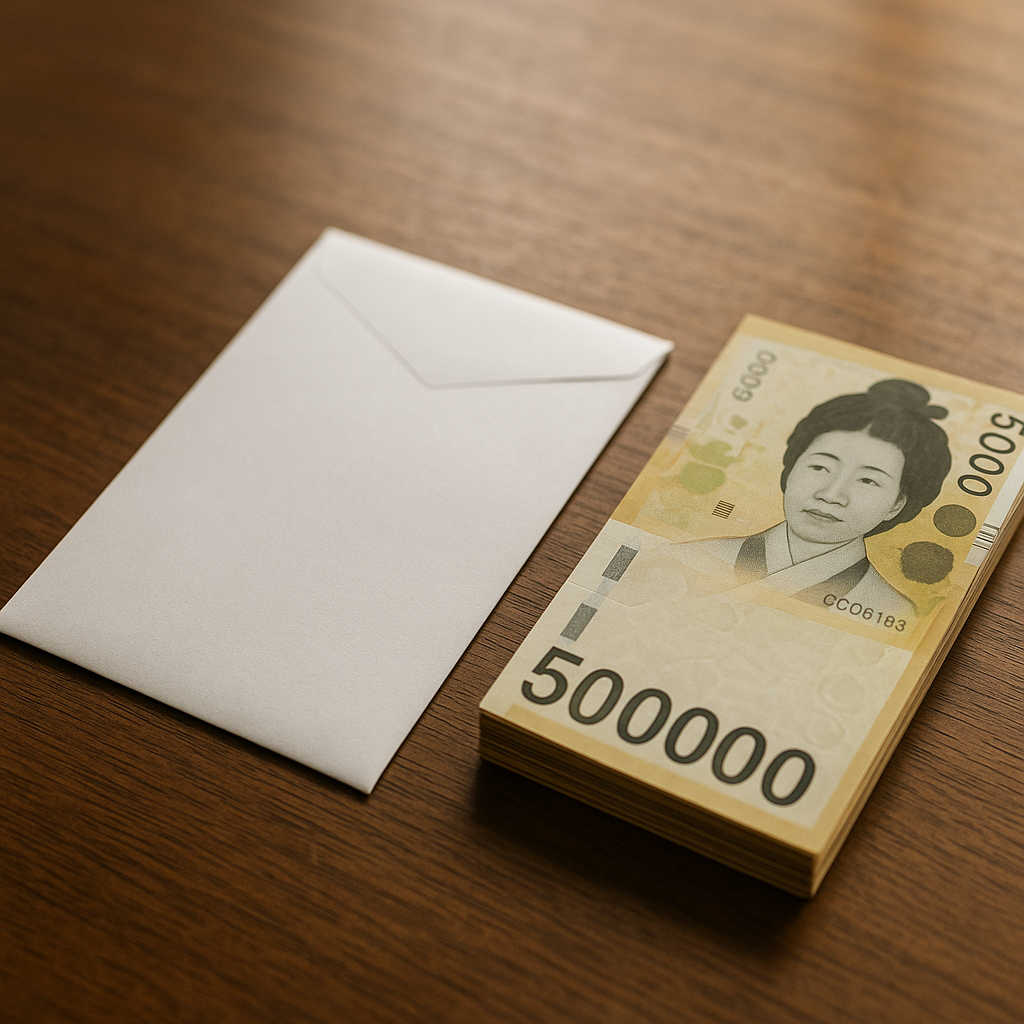
    A white congratulatory money envelope with folded Korean won cash on a table

    How Much You’re Actually Supposed to Give

    This is the part that trips up every foreigner, myself included, because the amount isn’t arbitrary — it’s a quiet social calculation based on how close you are to the couple. Nobody hands you a rulebook, but ask any Korean coworker and you’ll get roughly the same tiers:

    • 50,000 won — the floor. This is for someone you know but aren’t close to: a distant coworker, an acquaintance from a group chat, someone whose invitation surprised you a little.
    • 100,000 won — the real baseline for most working adults. If you’re attending the wedding of a friend, a regular coworker, or someone in your social circle, this is the default. It’s also, not coincidentally, roughly what the reception meal costs the couple per head, so this amount covers your seat at the buffet with a little left over as an actual gift.
    • 150,000–200,000 won — closer friends, people you’d call for a favor, work friends you actually eat lunch with.
    • 300,000 won and up — close family, best friends, people who were in your wedding party or would be if you asked.

    Amounts are almost always given in round multiples of 10,000 won, and there’s a lingering (if softening) preference for odd numbers — 30,000, 50,000, 70,000, 100,000 — because odd numbers were traditionally considered more auspicious than even ones in Korean gift-giving. Nobody will actually check your math at the door, but if you want to do it the traditional way, keep that in mind.

    The Envelope Rules Nobody Explains Out Loud

    A few unwritten rules I learned the hard way, mostly by getting them wrong first:

    • Use crisp bills. Wrinkled, soft, well-traveled cash is considered a little disrespectful for a congratulatory envelope. A lot of Koreans make a special trip to the bank the week before a wedding just to swap out worn bills for fresh ones. I do this now too, and the bank tellers no longer look at me strangely when I ask.
    • Write your name on the back, not the front, usually in the bottom corner. This is how the couple’s family knows who gave what when they go through the guestbook later.
    • Plain white envelopes are fine. You don’t need anything decorative. Most wedding halls actually have a small stack of blank envelopes sitting right at the reception table if you show up empty-handed.
    • Cash only. Checks, transfers before the day, gift cards — none of that is really the custom. It’s cash in an envelope, full stop, though sending a bank transfer is an accepted backup if you genuinely cannot attend (more on that below).

    The Reception Desk and the Meal Ticket System

    Here’s the part that genuinely surprised me the first time: you don’t just walk into the hall and take a seat. Near the entrance there’s a reception desk called the 접수대 (jeopsu-dae), usually staffed by a friend or relative of the couple, with an open ledger. You hand over your envelope, they write your name and sometimes the amount next to it in the book, and in exchange they hand you a small paper slip — the 식권 (sikgwon), literally your meal ticket. That little slip is your pass into the buffet hall. No ticket, no food. It’s blunt, efficient, and honestly kind of brilliant once you see it in action — everyone eats, nobody double-dips, and there’s a paper record of who came and what they gave, which matters more than you’d think.
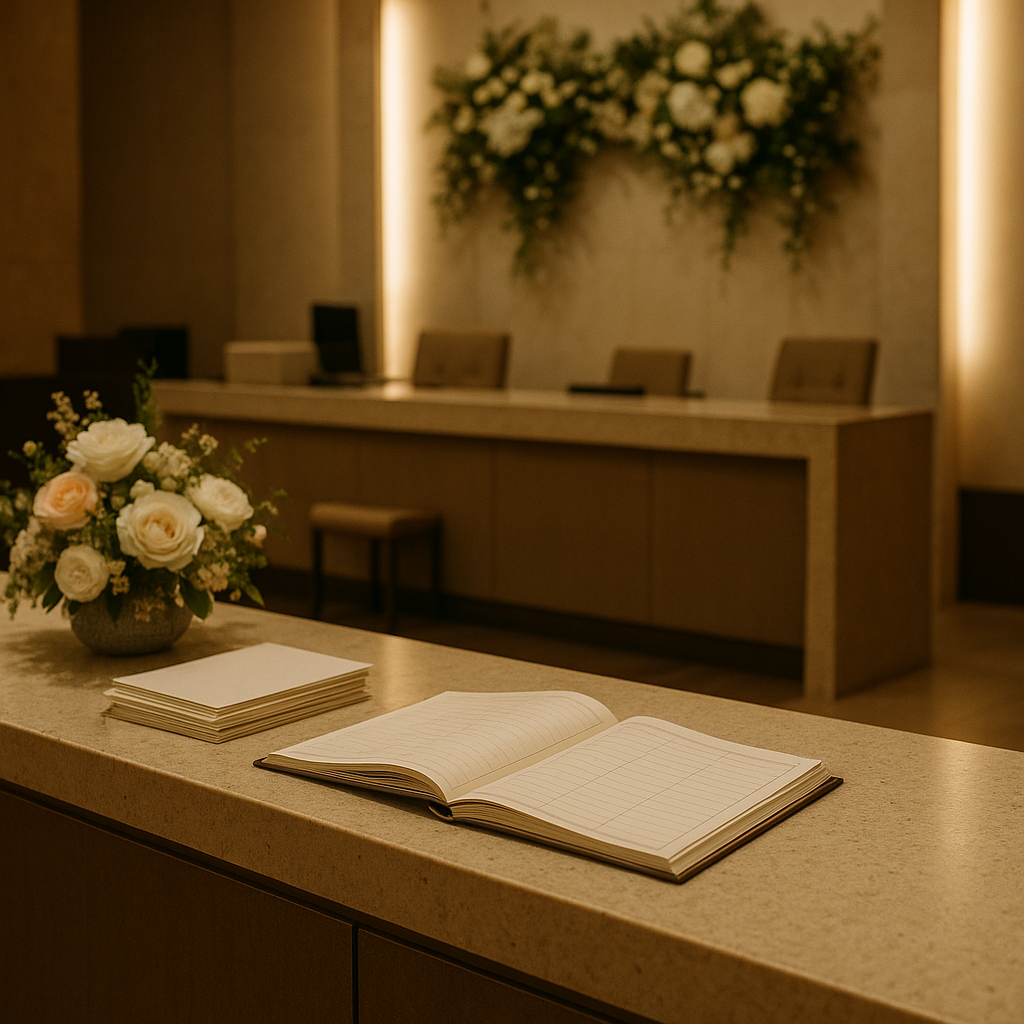
    A wedding reception desk with a ledger book and a stack of white envelopes

    That ledger isn’t just bookkeeping, either. It creates a kind of long-term social memory. If you gave 100,000 won at someone’s wedding, there’s a quiet expectation that they’ll give you a similar amount — or more — when it’s your turn, whether that’s your own wedding, your child’s first birthday (doljanchi), or another major life event. It’s less like a gift and more like a rotating, informal mutual-aid system that Korean adults track for years. I didn’t fully appreciate this until my own wedding, when I realized several guests were essentially returning envelopes I didn’t even remember giving.

    Navigating This as a Foreigner

    The honest truth is that nobody expects a foreigner to get this exactly right, and Korean coworkers are generally forgiving about it — but showing up with the right general instinct goes a long way. A few things that helped me:

    • When in doubt, 50,000 to 100,000 won is a safe range for anyone outside your close circle. Nobody has ever side-eyed me for giving 100,000 as a newer coworker.
    • Ask a Korean friend or coworker what they’re giving before the wedding. This isn’t rude here — people compare notes on chukuigeum amounts constantly, the same way I once compared notes with other parents about my kids’ hagwon schedule when I was trying to figure out what was normal.
    • If you’re attending as a plus-one or a couple, one envelope per household is standard, not one per person, unless you’re both independently close to the couple.
    • Bring your ID and a pen isn’t necessary, but bringing actual cash is — this is not a Venmo culture, at least not yet, though bank transfers are creeping in as a backup option for people who can’t make it.
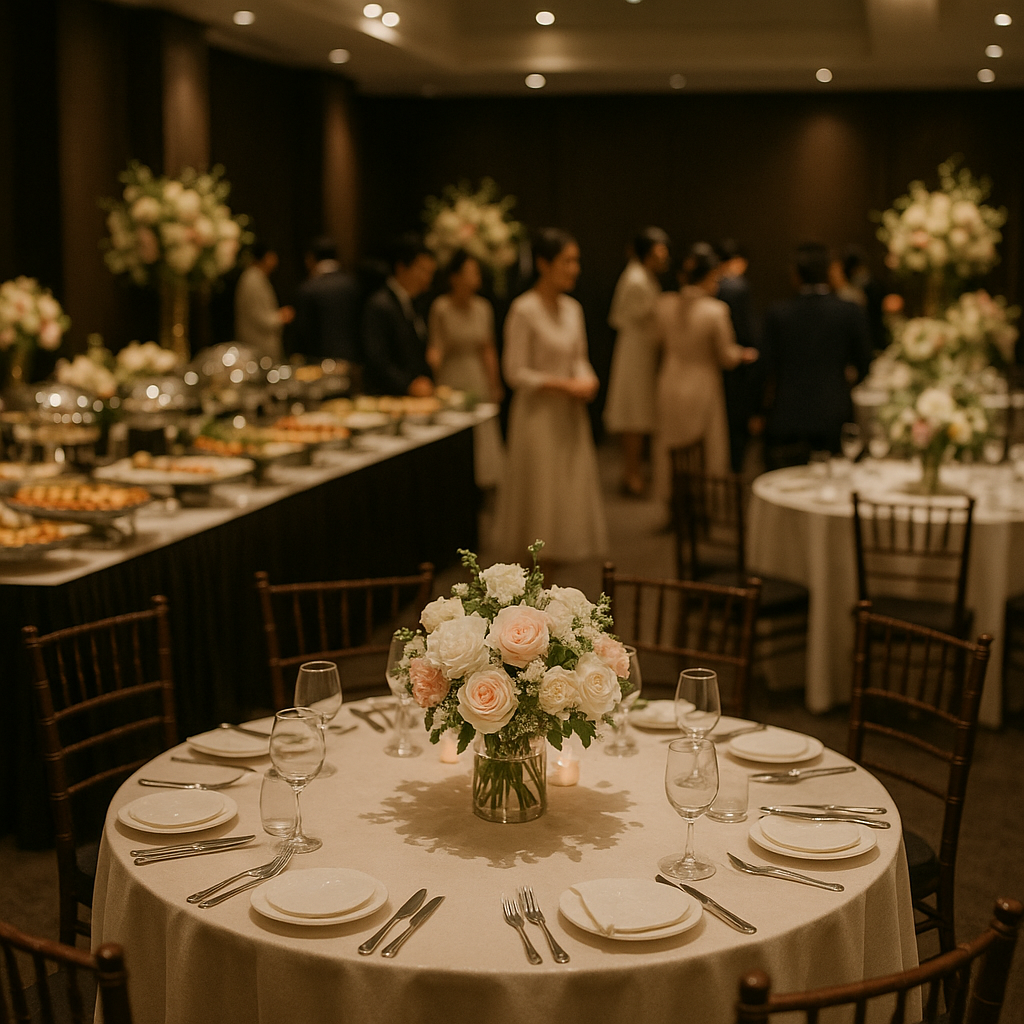
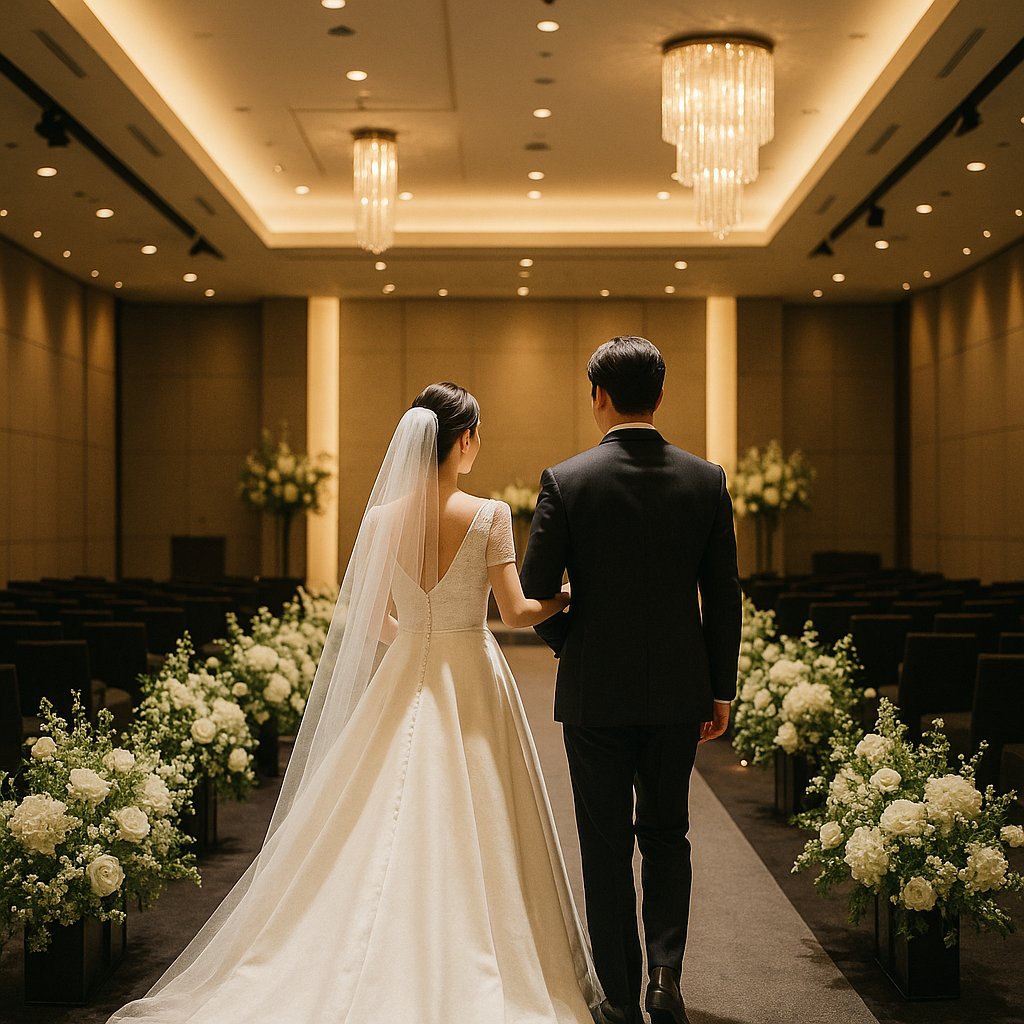
    An elegant Korean wedding hall buffet reception with round tables and floral centerpieces

    Frequently Asked Questions

    What if I can’t attend the wedding but still want to send money?
    This happens more than you’d expect, especially with destination weddings or conflicting schedules. The accepted move is a direct bank transfer to the couple (or whoever is collecting on their behalf) sometime before or on the wedding day, along with a short congratulatory message. The amount convention stays roughly the same as if you’d attended, though some people give slightly less since you won’t be eating the meal.

    Is it rude to give less than 50,000 won?
    For an adult with a steady income, yes, it can come across as a little thin, especially in a professional setting. If money is genuinely tight — students and very early-career workers get more of a pass here — it’s better to be upfront with a close friend rather than stress over the exact number. Nobody’s going to publicly call you out, but the ledger doesn’t lie.

    Do I need to write anything special on the envelope?
    No. A plain white envelope with your name on the back is completely acceptable. Writing 축결혼 on the front is a nice traditional touch but far from mandatory these days — most younger Koreans skip it entirely and just use whatever envelope the venue provides.

    What It Actually Teaches You

    Chukuigeum sounds cold on paper — literally putting a number on your friendship — but living inside it for a few years changed my mind. It’s transparent in a way Western gift-giving usually isn’t. Everyone knows roughly what’s expected, everyone contributes something real and useful, and the ledger means generosity is remembered rather than forgotten the moment the wrapping paper hits the trash. It’s one of those small systems, like the way Koreans track relative age, which I wrote about in my own run-in with Korean age math, that looks rigid from the outside but is actually just an efficient, quietly fair way of keeping score on who shows up for whom.

    These days I don’t think twice about the envelope. I check the bank for crisp bills, I text a coworker to compare notes, and I write my name on the back without needing to ask where. It’s a small ritual, but it’s one of the ones that made me feel like I’d actually settled into life here rather than just visiting it.
  • 여름철 에어컨 전기세, 이렇게 쓰니 진짜 줄었다 (실사용 후기)

    여름철 에어컨 전기세, 이렇게 쓰니 진짜 줄었다 (실사용 후기)

    지난달 27일, 관리비 고지서를 열어보고 숫자를 두 번 다시 확인했다. 7월 한 달 전기요금이 18만 4천 원. 작년 같은 달보다 6만 원 넘게 뛰어 있었다. 에어컨을 특별히 더 튼 것도 아닌데 왜 이렇게 나왔을까 싶어서, 그날 저녁부터 사용 습관을 하나씩 뜯어고쳐 봤다. 한 달 뒤 8월 고지서는 13만 원대로 내려왔다. 뭘 바꿨는지 순서대로 적어본다.

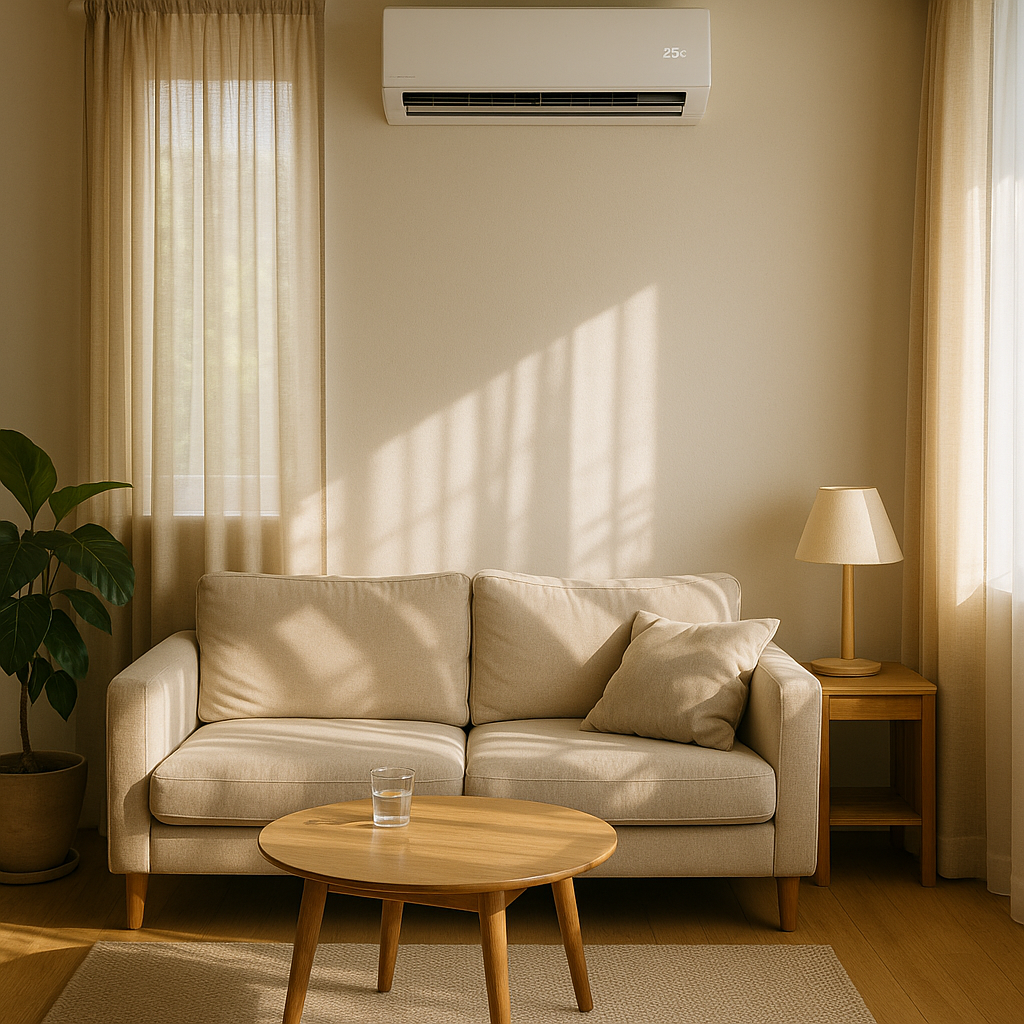
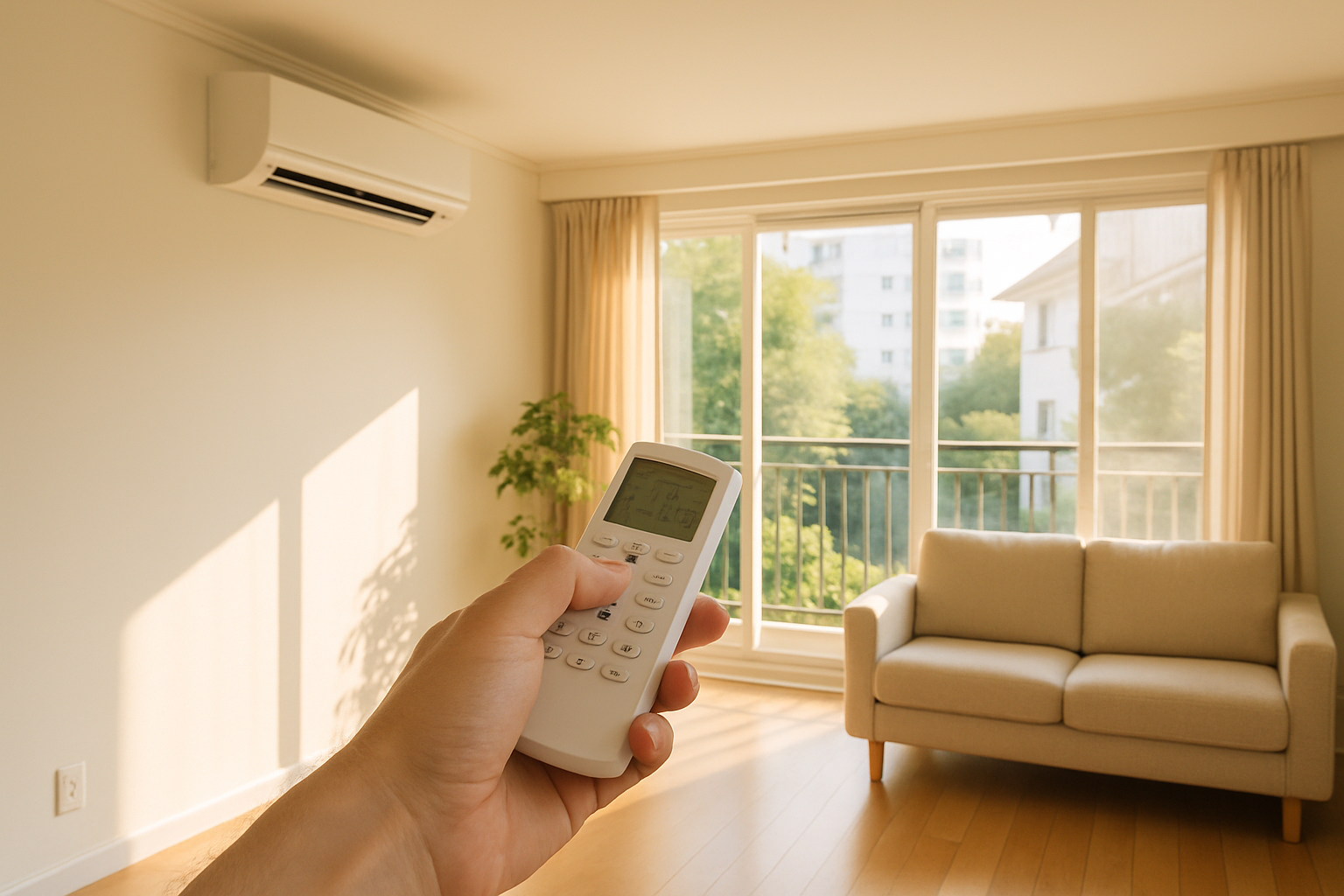
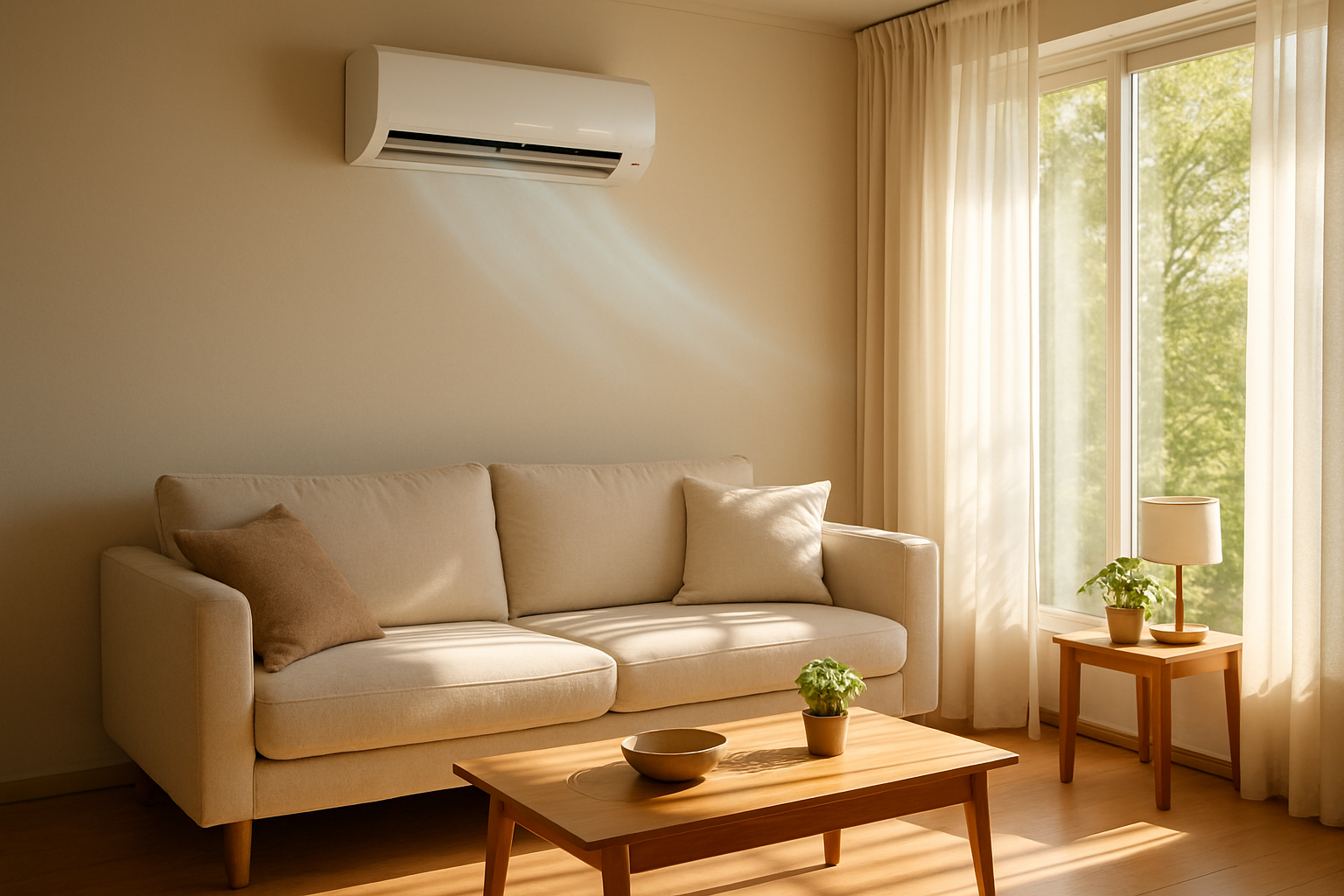
    여름철 거실에서 작동 중인 벽걸이 에어컨

    온도보다 먼저 바꿔야 하는 건 ‘켜고 끄는 습관’

    제일 먼저 고친 건 온도 설정이 아니라 전원을 켰다 껐다 하는 버릇이었다. 잠깐 편의점 다녀올 때마다, 화장실 갈 때마다 꺼버리는 습관이 있었는데 이게 오히려 독이었다. 요즘 나오는 인버터형 에어컨은 실내 온도가 설정값에 도달하면 압축기 회전을 크게 줄여서 전력 소비 자체가 확 떨어진다. 이 상태에서 껐다 켜면 다시 처음부터 강하게 돌아가면서 전기를 더 먹는다. 30분 이내로 나갔다 올 예정이면 끄지 말고 그냥 두는 편이 낫다는 걸 몸으로 확인했다. 반대로 2시간 넘게 외출한다면 그때는 끄는 게 맞다.

    우리 집 에어컨은 2022년에 산 LG 인버터 모델인데, 구입할 때 받은 설명서에도 비슷한 얘기가 적혀 있었다. 그때는 대충 넘겼는데 이번에 다시 꺼내 읽어보니 짧은 외출은 유지, 긴 외출은 종료라는 원칙이 명확하게 나와 있었다.

    26도가 아니라 27도, 그리고 서큘레이터

    냉방 온도는 26도에서 27도로 딱 1도만 올렸다. 별거 아닌 것 같지만 체감은 크게 다르지 않았다. 대신 다이소에서 만 오천 원 주고 산 미니 서큘레이터를 에어컨 맞은편에 놓고 위쪽을 향하게 틀었다. 찬 공기는 아래로 가라앉는 성질이 있어서 그냥 두면 발밑만 시원하고 위쪽은 후텁지근한 상태가 계속된다. 서큘레이터로 공기를 섞어주니 체감 온도가 확 낮아졌고, 덕분에 에어컨이 목표 온도에 도달하는 시간도 짧아졌다.

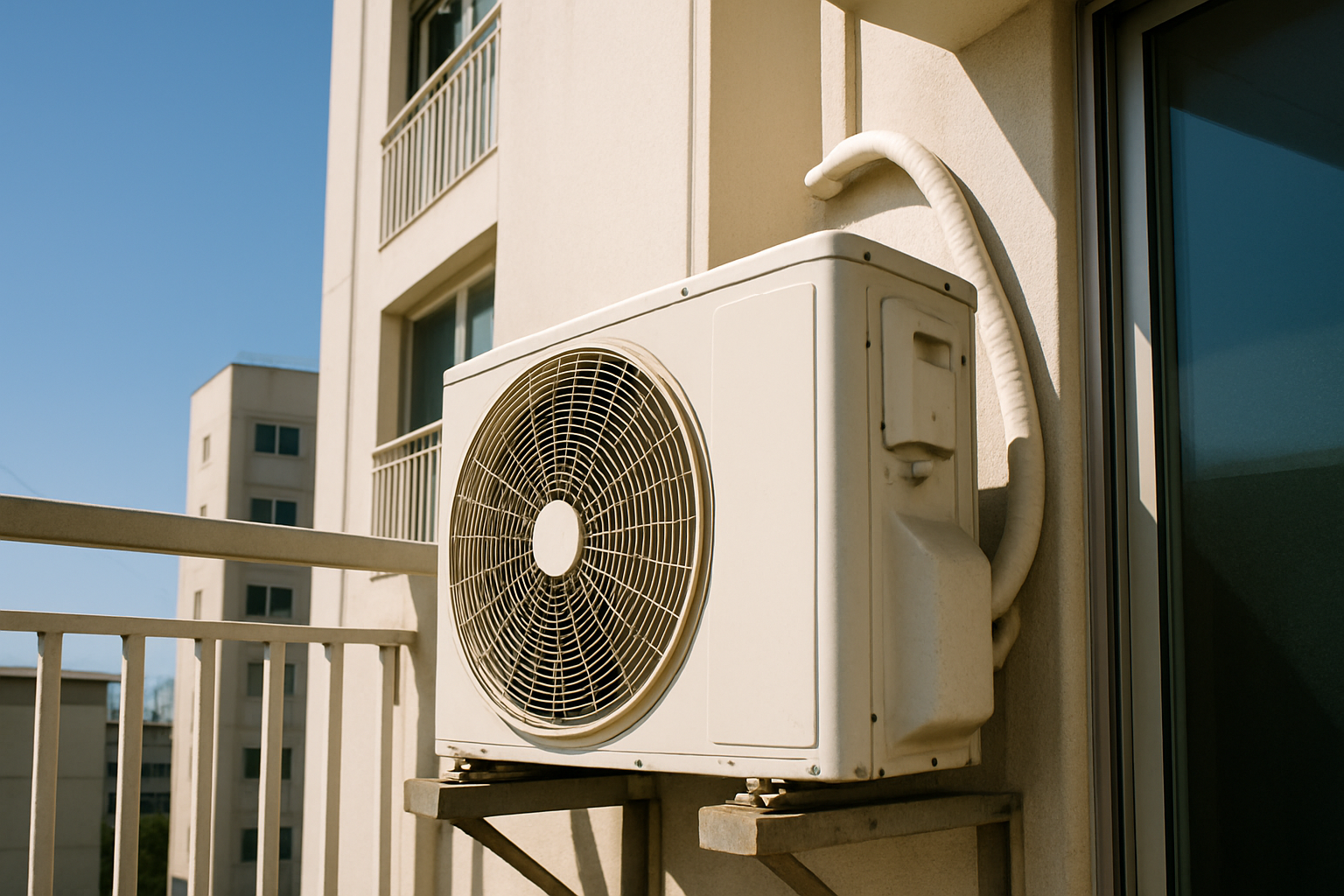
    한여름 베란다에 설치된 에어컨 실외기

    실외기 자리와 필터, 눈에 안 보이는 곳이 진짜 문제

    베란다에 있는 실외기가 오후 2시부터 5시까지 직사광선을 그대로 맞고 있었다. 그늘막 하나 없이 뜨거운 콘크리트 바닥 위에 놓여 있으니 실외기 자체가 계속 과열 상태였던 셈이다. 인터넷에서 찾아본 실외기용 차광막을 8천 원 주고 사서 씌웠더니 그것만으로도 냉방 효율이 눈에 띄게 좋아졌다. 실외기 앞에 화분이나 빨래건조대를 두고 바람길을 막고 있었다면 그것부터 치우는 게 먼저다.

    필터는 2주에 한 번 물로 씻어냈다. 처음 필터를 뺐을 때 먼지가 회색 담요처럼 붙어 있는 걸 보고 놀랐다. 필터가 막히면 같은 온도를 유지하는 데 더 많은 전력이 들어간다는 걸 그날 눈으로 확인한 셈이다.

    커튼 하나로 실내 온도 2도 차이

    서향인 우리 집 거실은 오후 4시가 넘으면 햇빛이 그대로 들어와서 바닥이 뜨끈뜨끈해진다. 암막까지는 아니어도 차광 기능이 있는 리넨 커튼으로 바꾸고 낮 시간에 쳐두었더니, 온습도계로 재봤을 때 커튼을 안 쳤을 때보다 실내 온도가 2도 가까이 낮게 유지됐다. 창문으로 들어오는 직사광선을 막는 것만으로 에어컨이 일해야 하는 양 자체가 줄어드는 셈이다.

    한 달 실험 결과

    • 7월 사용량: 486kWh, 요금 184,320원
    • 8월 사용량(같은 기간 기준): 341kWh, 요금 131,760원
    • 온도 1도 상향, 짧은 외출 시 전원 유지, 실외기 차광막, 2주 간격 필터 청소, 차광 커튼 적용

    습관 몇 가지만 바꿨을 뿐인데 5만 원 넘게 차이가 났다. 냉방을 참는 게 아니라 에어컨이 덜 힘들게 일하도록 환경을 정리해준 결과라고 생각한다.

    자주 묻는 질문

    Q. 에어컨을 하루 종일 켜두는 게 정말 더 저렴한가요?
    집을 오래 비우지 않는다는 전제에서만 맞는 얘기다. 출근 등으로 8시간 이상 집을 비운다면 끄고 나가는 게 낫다. 우리 집은 재택근무가 많아서 짧은 외출이 반복되는 패턴이라 유지하는 쪽이 유리했던 것뿐이다. 본인의 외출 패턴부터 파악하는 게 먼저다.

    Q. 서큘레이터랑 선풍기 중에 뭐가 더 나은가요?
    직진성 있는 바람으로 공기를 멀리, 위아래로 순환시키는 데는 서큘레이터가 유리하다. 선풍기는 넓게 퍼지는 바람이라 사람 몸을 직접 식히는 데는 좋지만 공기 순환 효과는 상대적으로 약하다. 둘 다 없다면 선풍기를 에어컨 반대편 벽을 향해 놓기만 해도 어느 정도 효과가 있다.

    Q. 실외기 차광막을 씌우면 오히려 통풍이 막혀서 안 좋다던데요?
    실외기 전체를 완전히 덮는 밀폐형 커버는 통풍을 막아 역효과가 날 수 있다. 위쪽에서 그늘만 만들어주고 옆면은 트여 있는 개방형 차광막을 써야 한다. 구매할 때 제품 설명에 통풍구가 있는지 꼭 확인하자.

  • 강릉 초당순두부부터 안목해변 카페거리까지, 하루 코스 그대로

    강릉 초당순두부부터 안목해변 카페거리까지, 하루 코스 그대로

    새벽 5시 40분, 강릉행 첫 KTX를 타려고 청량리역 승강장에 서 있었다. 목적지는 딱 두 곳이었다. 초당동 순두부 골목과 안목해변 카페거리. 두 곳을 걸어서 오갈 수 있는 거리라는 걸 이번에 직접 걸어보고 알았다. 순두부로 속을 채우고 바다를 보며 커피를 마시는 하루 코스, 실제로 다녀온 순서 그대로 정리한다.

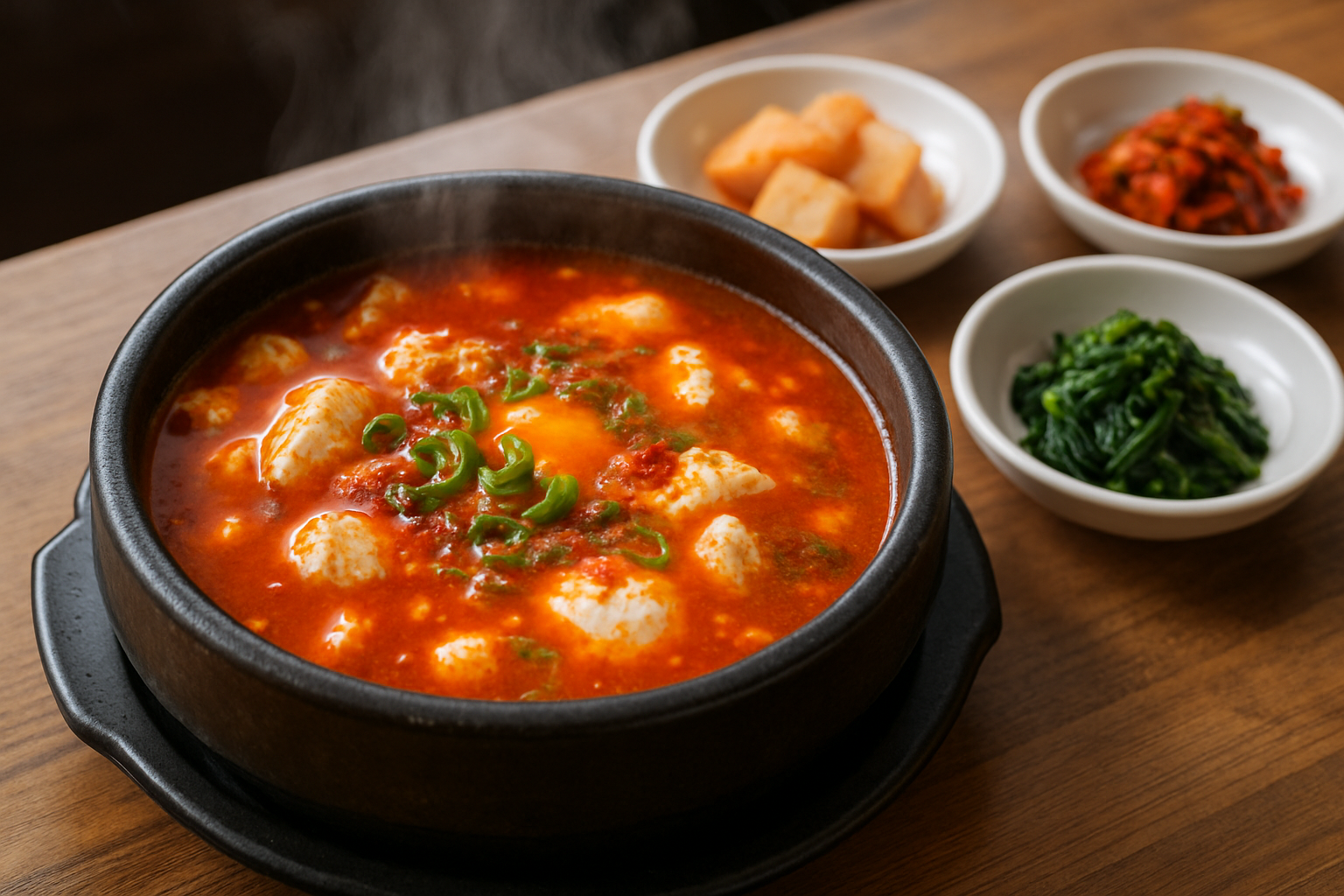
    강릉 초당순두부 전골, 뚝배기에 담긴 순두부 요리

    초당순두부, 동해 바닷물로 간을 맞춘다는 그 순두부

    초당동 일대에는 순두부를 파는 식당이 골목 하나에 스무 곳 가까이 몰려 있다. 처음 가는 사람은 어디를 골라야 할지 막막할 정도다. 이번에 들른 곳은 오전 9시에 문을 여는 한 식당이었는데, 이른 시간인데도 벌써 대기 명단에 이름을 적어야 했다. 순두부 백반을 시켰더니 간을 하나도 하지 않은 순한 순두부와, 매콤하게 끓여낸 순두부짬뽕 스타일 중 고를 수 있었다.

    이 동네 순두부가 다른 지역과 다른 이유는 간수 대신 동해 바닷물을 그대로 끓여 간을 맞추기 때문이다. 그래서 짜지 않으면서도 특유의 깊은 감칠맛이 난다. 숟가락으로 뜨면 두부가 아니라 커스터드 같은 질감으로 부서지는데, 첫입에는 밍밍하다가 반찬으로 나온 강된장이나 양념장을 살짝 얹으면 맛이 확 살아난다. 백반 한 상에 만 원 안팎이면 나물 반찬 대여섯 가지까지 함께 나온다.

    순두부 마을에서 바다까지, 걸어서 25분

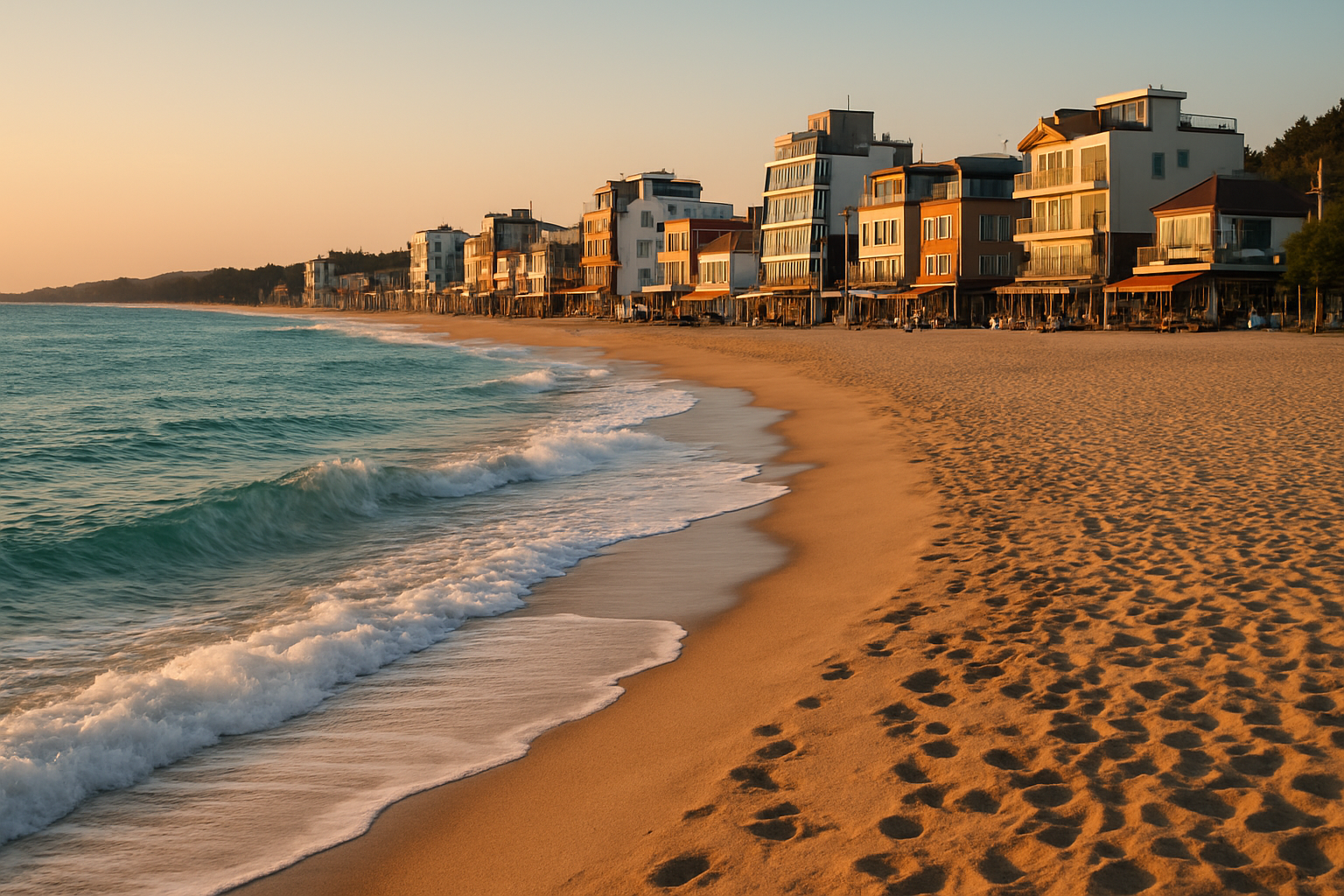
    배를 채운 뒤 안목해변까지는 걸어서 25분 정도 걸렸다. 택시를 타면 5분이면 갈 거리지만 날씨가 나쁘지 않다면 걷는 걸 추천한다. 남대천을 따라 난 산책로를 걸으면 강릉 시내와 바다가 만나는 경계를 눈으로 확인할 수 있다. 중간에 카페 몇 곳이 더 있어서 쉬어가기도 좋다.

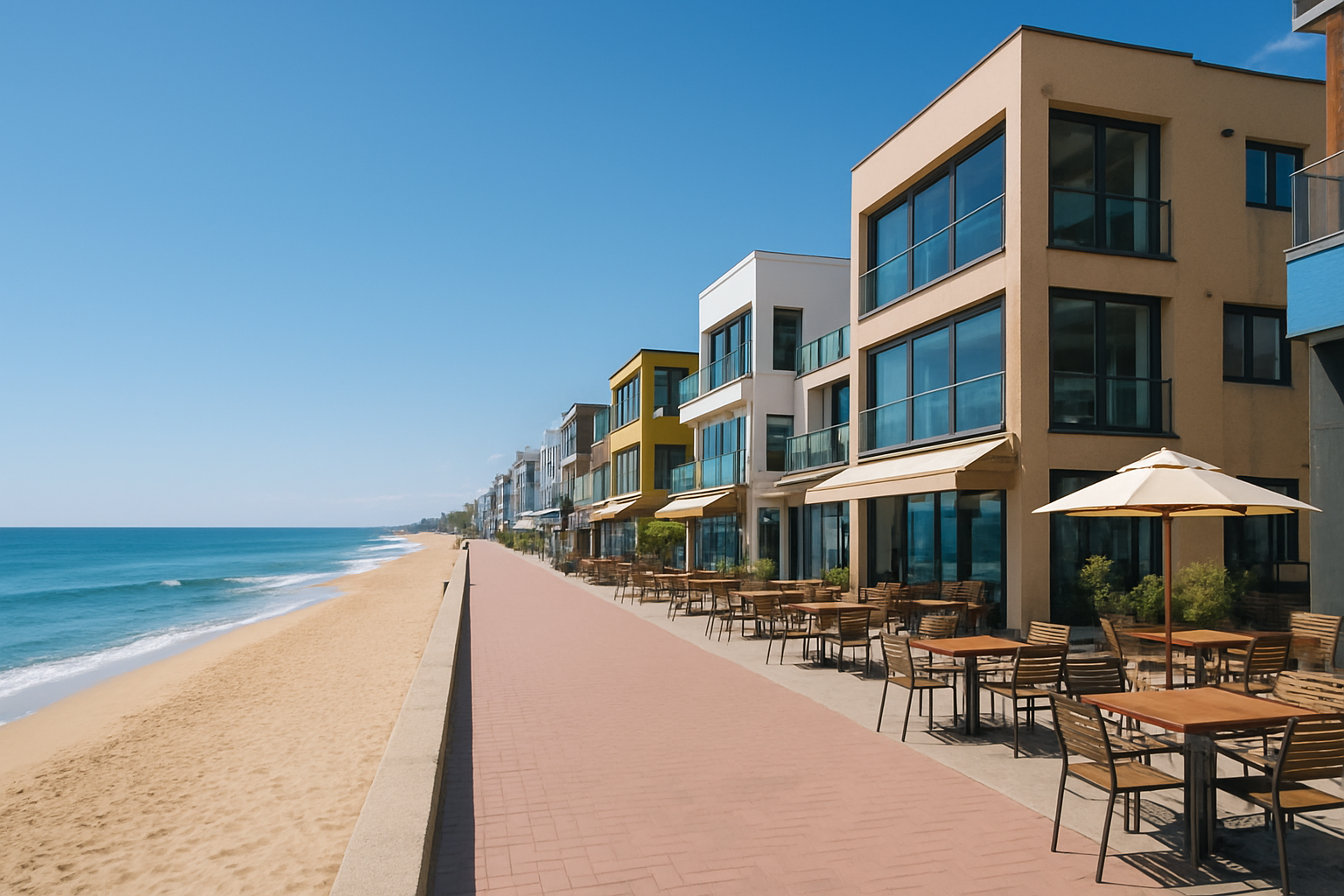
    강릉 안목해변 카페거리, 파라솔이 늘어선 해변 카페

    안목해변 카페거리, 자판기 커피 성지에서 지금은

    1990년대에는 이곳이 자판기 커피로 유명했다는데, 지금은 2층짜리 대형 카페들이 해안선을 따라 줄지어 있다. 그중에서도 눈에 띄었던 건 순두부와 젤라또를 접목한 디저트를 파는 가게였다. 초당두부마을 본점에서 시작해 안목해변 쪽에 낸 2호점이 더 붐빈다고 들었는데, 실제로 가보니 대기줄이 있었다. 콩 비린내가 날까 걱정했는데 의외로 고소하고 깔끔한 맛이라 순두부를 안 좋아하는 사람도 부담 없이 먹을 만했다.

    창가 자리에 앉으면 파도 소리가 들릴 정도로 바다와 가까운 카페들이 많다. 다만 주말 오후에는 자리 잡기가 쉽지 않으니, 평일이나 오전 이른 시간을 노리는 게 낫다. 오후 3시쯤 도착했을 때는 이미 창가 자리가 거의 다 차 있었다.

    다녀와서 남는 팁 몇 가지

    • 순두부 식당은 오전 9시~10시가 가장 한산하다. 점심시간대(12시~1시 반)에는 줄이 길다.
    • 초당동에서 안목해변까지는 도보 25분, 버스로는 230번이 다닌다.
    • 카페 자리는 평일 오전이나 늦은 오후(5시 이후)가 여유롭다.
    • 순두부는 대부분 포장도 가능하니, 숙소가 근처라면 저녁으로 사가는 것도 방법이다.

    자주 묻는 질문

    Q. 초당순두부는 맵지 않은 버전도 있나요?
    있다. 간을 하지 않은 순두부 백반은 전혀 맵지 않고, 매운 걸 원하면 순두부짬뽕이나 얼큰순두부를 따로 주문하면 된다. 아이와 함께 간다면 백반으로 시작해서 필요할 때 양념장만 곁들이는 걸 추천한다.

    Q. 주차는 어디에 하면 되나요?
    초당순두부마을 입구에 공영주차장이 있고, 안목해변 쪽에도 해변을 따라 유료 주차 구역이 여럿 있다. 다만 여름 성수기 주말에는 오전 10시만 넘어도 만차인 경우가 많아서, 대중교통이나 도보 이동을 함께 고려하는 게 낫다.

    Q. 강릉역에서는 어떻게 이동하나요?
    강릉역에서 초당순두부마을까지는 택시로 10분 안팎, 버스로는 230번이나 202번을 이용하면 된다. 짐이 많지 않다면 역 앞에서 공유자전거를 빌려 이동하는 것도 나쁘지 않은 선택이다.

  • What I Actually Buy at Korean Convenience Stores Now

    What I Actually Buy at Korean Convenience Stores Now

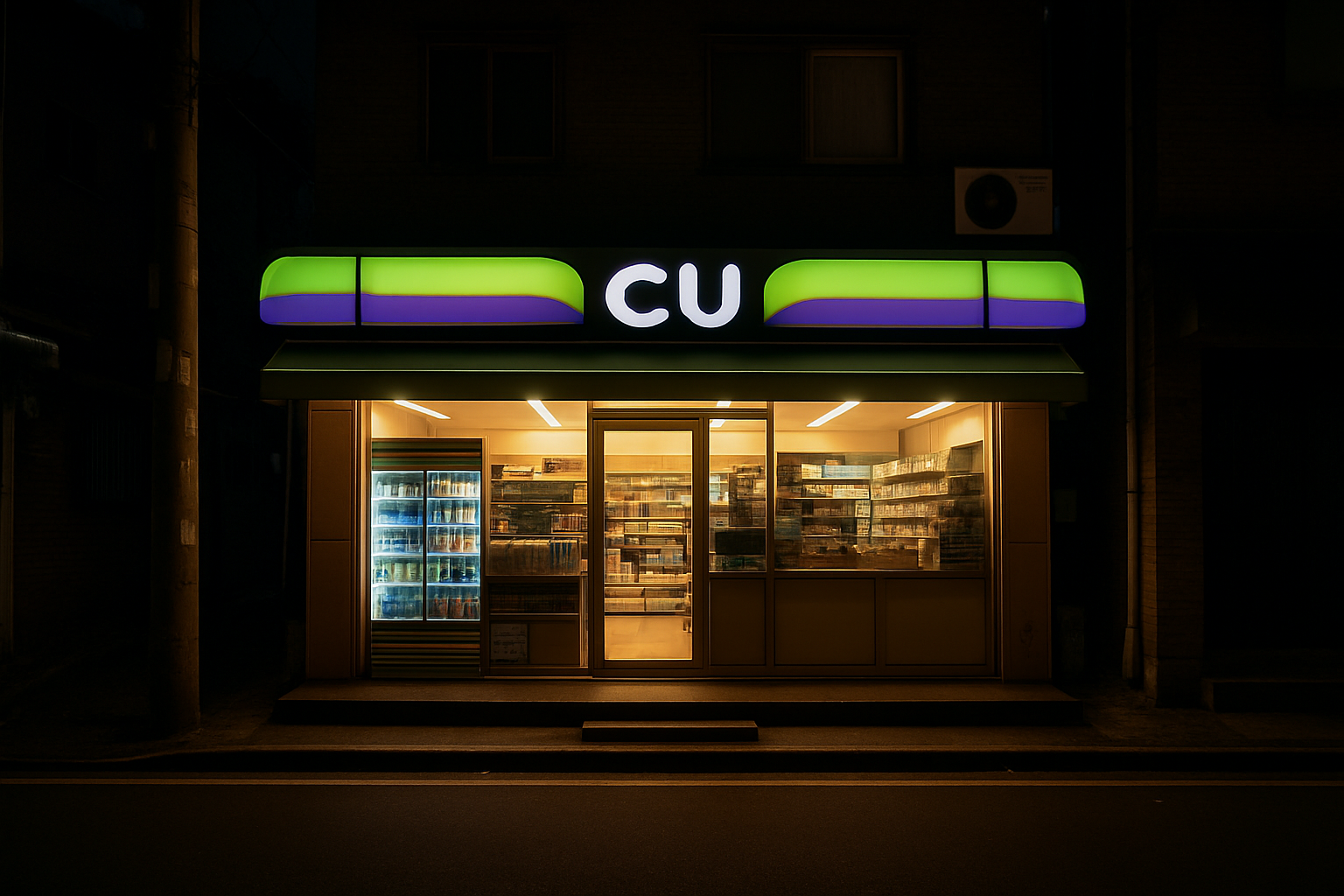
    I used to think convenience stores were a last resort — the place you go when everything else is closed. That changed for me around 11 p.m. on a rainy Tuesday in Mapo-gu, standing under the awning of a CU with a triangle gimbap in one hand and a can of Cass in the other, watching the street empty out. Somewhere between that night and now, the CU on my corner became less of a shop and more of a second kitchen. Here’s what I’ve actually come to rely on, not the “top 10 must-try” list you’ve probably already read.

    Illuminated convenience store storefront at night in a Seoul neighborhood

    The samgak gimbap habit nobody warns you about

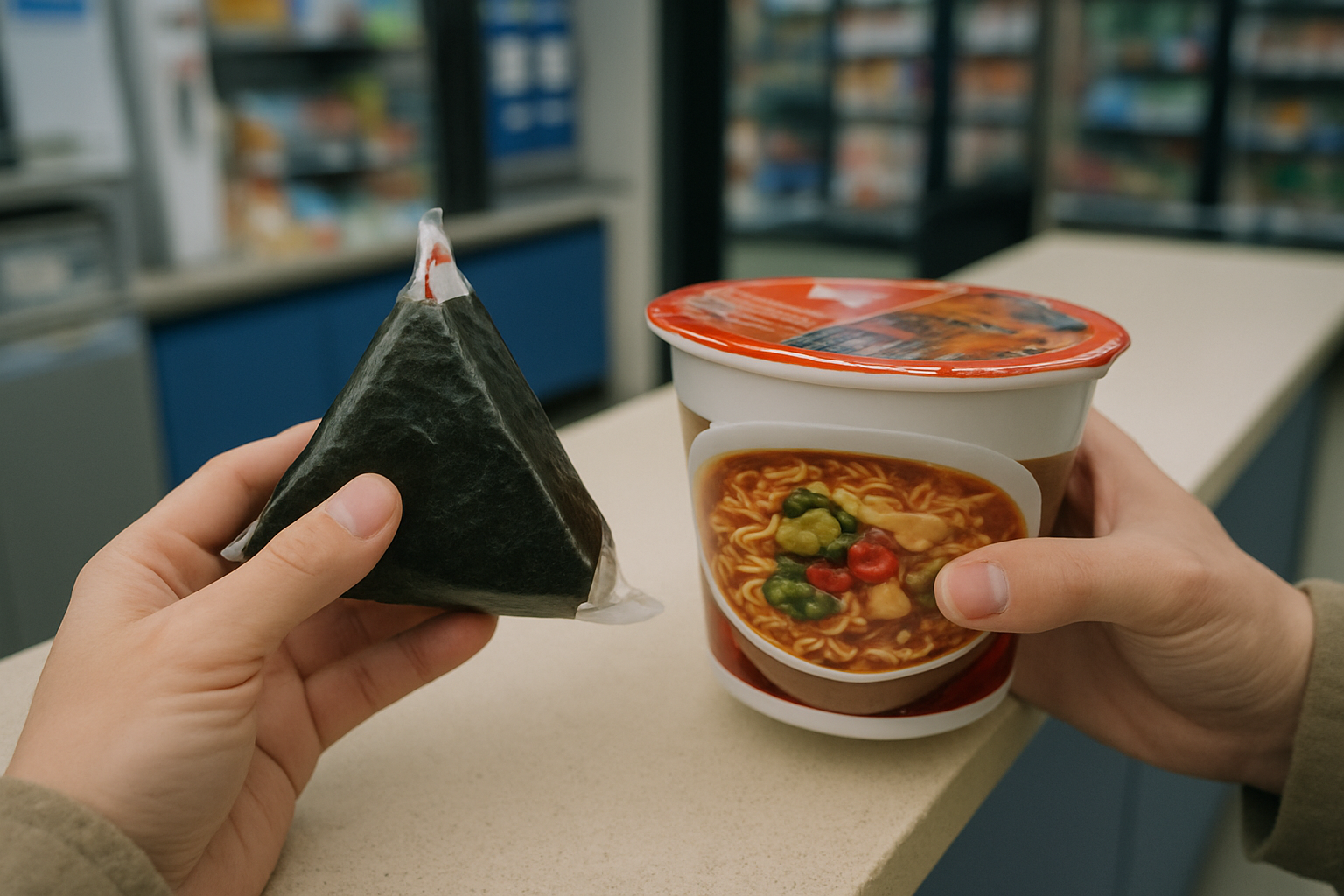
    Samgak gimbap — the triangle-shaped seaweed rice snack — is the thing I grab without thinking now, the way I used to grab a granola bar back home. Tuna mayo is the safe default, and I get why: it’s mild, a little sweet, hard to dislike. But spicy tuna is the one I keep coming back to, especially from GS25, where the filling actually has some bite instead of just heat for the sake of heat. There’s a trick to opening the plastic wrap without tearing the seaweed into confetti — pull tab 1 first, then 2, then 3, in that order, or you’ll be standing there fighting with it like I did the first dozen times.

    What surprised me is how seasonal the lineup gets. In summer, stores push cold noodle versions and iced americanos at a discount if you buy a sandwich with it. Around Chuseok last year, my local Emart24 had a songpyeon-flavored ice cream bar sitting right next to the register that I still think about.

    Banana milk is not a gimmick, it’s a mood

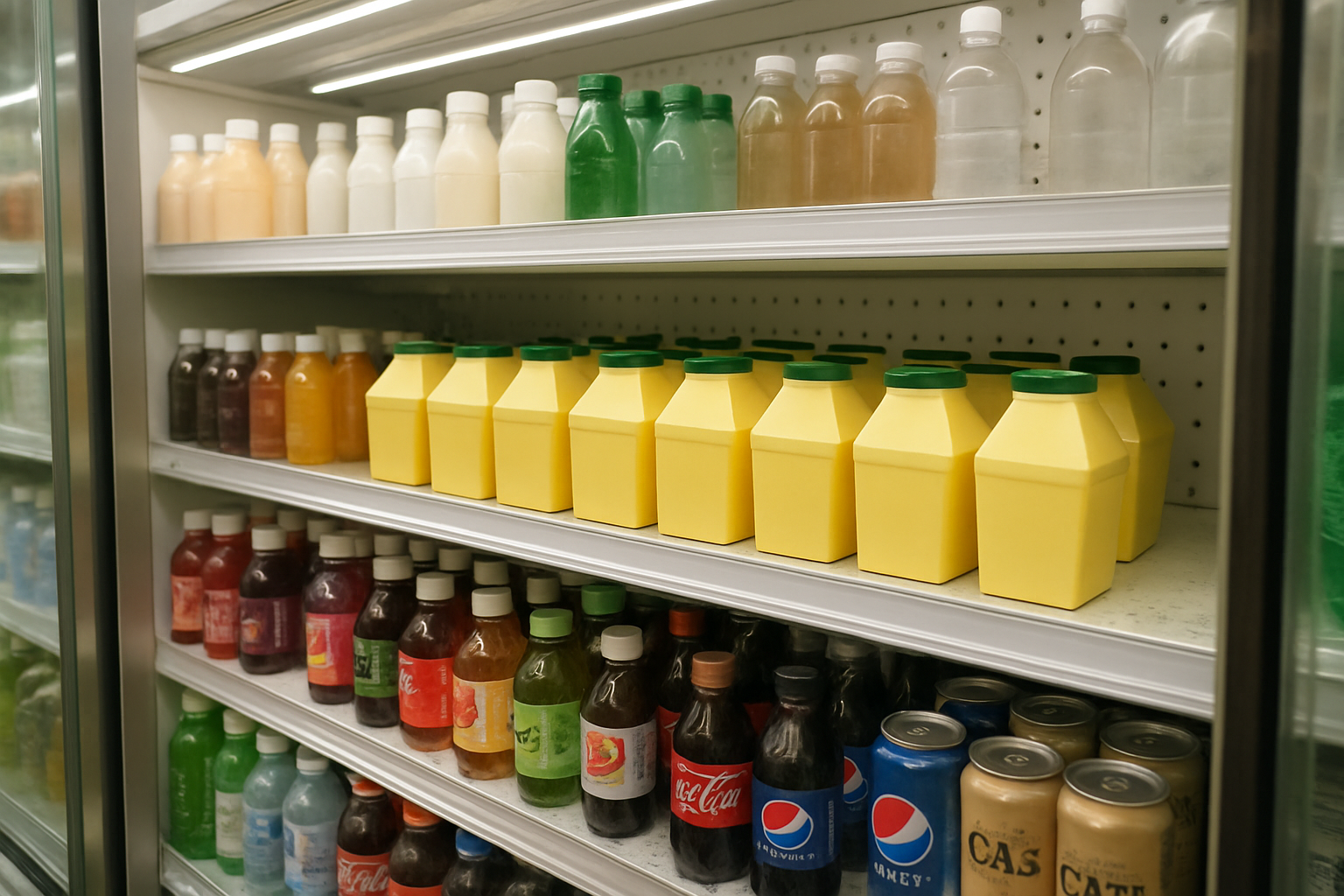
    Binggrae banana milk in that pot-bellied bottle gets treated like a novelty item in a lot of the English-language guides, something to photograph rather than actually drink. I disagree. On a humid August afternoon after walking around Hongdae for two hours, that bottle — cold enough that it fogs up immediately — does more for me than an iced coffee does. My daughter, who’s six, now asks for it by name instead of asking for “milk,” which tells you something about how deep the branding runs here.

    Refrigerated drink section inside a Korean convenience store with banana milk and beverages

    Buldak carbonara ramen: worth the hype, once

    I resisted the Buldak Carbonara cup for months because I’d already burned my mouth on the original fire noodles back in 2019 and swore off the brand entirely. My neighbor talked me into trying the carbonara version last month, and it’s genuinely different — the cream sauce cuts the heat just enough that you can taste something other than pain. I wouldn’t eat it weekly. Once a month, standing at the little bar counter by the store window with the hot water machine, it’s a decent way to spend four minutes.

    The corn dog thing is real

    Korean-style corn dogs — the ones rolled in cubed potato or coated in ramen noodle bits before frying — are having a moment at convenience stores now, not just at street stalls. The 7-Eleven near Seoul Station heats them fresh in a small fryer by the register rather than just microwaving a pre-made one, and the difference is obvious: the coating stays crunchy instead of going soggy. Get the sugar-and-ketchup version if you see it. It sounds wrong. It works.

    A few things I wish someone had told me

    • Most stores will heat your gimbap or ramen for free if you point and ask — you don’t need to know the Korean word, just gesture at the microwave.
    • T-money and most convenience store point cards can be topped up or used at the register, which saves a subway station trip.
    • The hot water dispenser for cup noodles is usually self-serve near the window seats, not behind the counter.

    FAQ

    Do convenience stores in Korea take foreign credit cards?
    Almost always, yes — CU, GS25, 7-Eleven, and Emart24 all accept Visa and Mastercard at the register, and most locations near tourist areas have contactless terminals. I’ve had one or two smaller franchise locations outside Seoul where the card reader was down and cash was the only option, so I keep a little cash on hand just in case.

    What’s the best convenience store snack for someone who doesn’t like spicy food?
    Tuna mayo samgak gimbap, egg salad sandwiches, and the plain cream bread (called soboro or crème bread depending on the brand) are all safe, mild choices. Banana milk pairs well with any of them if you want something to wash it down that isn’t going to add heat.

    Is it rude to eat standing at the counter inside the store?
    Not at all — most CU and GS25 locations have a small eat-in counter with stools specifically for this, plus the hot water and utensils. It’s completely normal to see office workers eating a full meal there during lunch hour.

  • 여름철 에어컨 전기요금 절약 꿀팁 (2026년 누진세 기준 총정리)

    여름철 에어컨 전기요금 절약 꿀팁 (2026년 누진세 기준 총정리)

    지난달 관리비 고지서를 열어본 순간 숨이 턱 막힌 경험, 있으신가요? 8월 둘째 주, 서울 강서구의 한 24평 아파트에서는 에어컨을 하루 10시간씩 튼 결과 전기요금이 전월 대비 4만 원 넘게 뛰었습니다. 유독 에어컨을 헤프게 쓴 집도 아니었습니다. 문제는 딱 10kWh 차이로 누진세 구간을 넘겨버렸다는 데 있었습니다. 2026년 8월 현재, 폭염 특보가 연일 이어지면서 이런 사연이 부쩍 늘고 있습니다. 오늘은 누진세 구조부터 실제로 돈이 되는 절약법까지, 숫자로 정리해 보겠습니다.

    여름철 거실에 설치된 벽걸이 에어컨과 26도로 설정된 온도 표시
    실내 온도를 24도에서 26도로 2도만 올려도 전력 소비가 크게 줄어듭니다.

    여름철 누진세 구간, 정확히 얼마부터 폭탄일까

    가정용 전기요금 누진제는 계절에 따라 기준이 다릅니다. 7월 1일부터 8월 31일까지 적용되는 하계 구간은 평상시보다 넉넉하게 잡혀 있습니다. 1구간은 300kWh 이하, 2구간은 301~450kWh, 3구간은 450kWh 초과로 나뉩니다. 문제는 3구간에 들어서는 순간입니다. 기본요금이 1,600원에서 7,300원으로 뛰고, kWh당 단가도 1구간 120원대에서 3구간 307.3원으로 2.6배 가까이 오릅니다.

    실제 계산을 보면 체감이 확 옵니다. 한 달 445kWh를 썼을 때 요금은 약 8만 4천 원입니다. 그런데 딱 10kWh만 더 써서 455kWh가 되면 요금은 약 9만 4천 원으로 뜁니다. 사용량은 2%밖에 안 늘었는데 요금은 10% 가까이 오르는 셈입니다. 에어컨을 하루 한 시간만 더 틀어도 이 구간을 넘길 수 있다는 뜻이라, 계량기 앱이나 한전 고객센터에서 이번 달 누적 사용량을 중간에 한 번쯤 확인해보는 습관이 필요합니다.

    실내 온도 2도, 전력 소비 30% 차이

    가장 확실한 절약법은 역시 온도 설정입니다. 실내 온도를 24도에서 26도로 2도만 올려도 전력 소비가 약 30% 줄어든다는 계산이 나옵니다. 체감상 큰 차이가 없다고 느껴질 수 있지만 압축기가 목표 온도에 도달하기까지 걸리는 시간과 이후 유지에 드는 전력이 다르기 때문입니다. 26도에 선풍기나 서큘레이터를 함께 돌리면 체감 온도는 24도 단독 냉방과 비슷하면서 요금은 확 낮아집니다.

    인버터형이냐 정속형이냐에 따라 전략이 다르다

    에어컨을 자주 껐다 켜는 습관은 기종에 따라 정반대 결과를 낳습니다. 인버터형 에어컨은 설정 온도에 도달한 뒤 저전력으로 실외기를 계속 돌리는 방식이라, 짧은 주기로 온오프를 반복하기보다 하루 종일 적정 온도로 유지하는 편이 총 전력 소비가 오히려 적을 수 있습니다. 반대로 정속형 에어컨은 2시간 간격으로 껐다 켜서 사용하면 12시간 내내 연속으로 틀었을 때보다 전기요금을 약 70%까지 절감할 수 있다는 실측 결과도 있습니다. 우리 집 에어컨이 어느 방식인지 모른다면 제품 설명서나 에너지소비효율등급 라벨에서 확인할 수 있습니다.

    제습모드가 절전이라는 말, 사실은 틀렸다

    여름철 절약 팁으로 가장 흔하게 도는 이야기가 제습모드입니다. 그런데 실측 데이터를 보면 얘기가 다릅니다. 냉방 모드든 제습 모드든 희망 온도나 습도에 도달하기까지 실외기는 똑같이 돌아가고, 두 모드 간 전력 소비 차이는 거의 없습니다. 오히려 연속 냉방 대비 제습모드에서 전력 소비가 5% 늘었다는 측정 사례와, 60분 외출 후 재가동 시 2% 늘었다는 사례까지 보고되어 있습니다. 습도가 높아 눅눅한 날에는 제습모드가 쾌적하긴 하지만, 요금을 아끼려는 목적이라면 굳이 제습모드를 고집할 이유는 없습니다.

    필터 청소 2주 주기, 요금 최대 27% 절감

    가장 손쉬운데 가장 자주 잊는 게 필터 청소입니다. 필터에 먼지가 쌓이면 바람이 막혀 목표 온도에 도달하는 시간이 길어지고, 그만큼 실외기가 더 오래 돌아갑니다. 2주마다 필터를 청소하면 냉방 효율이 60% 올라가고, 전기세는 최대 27%까지 줄일 수 있다는 조사 결과가 있습니다. 방법도 어렵지 않습니다. 전원 플러그를 뽑은 뒤 필터를 분리해 샤워기나 미온수로 먼지를 씻어내고 완전히 말려서 다시 끼우면 끝입니다.

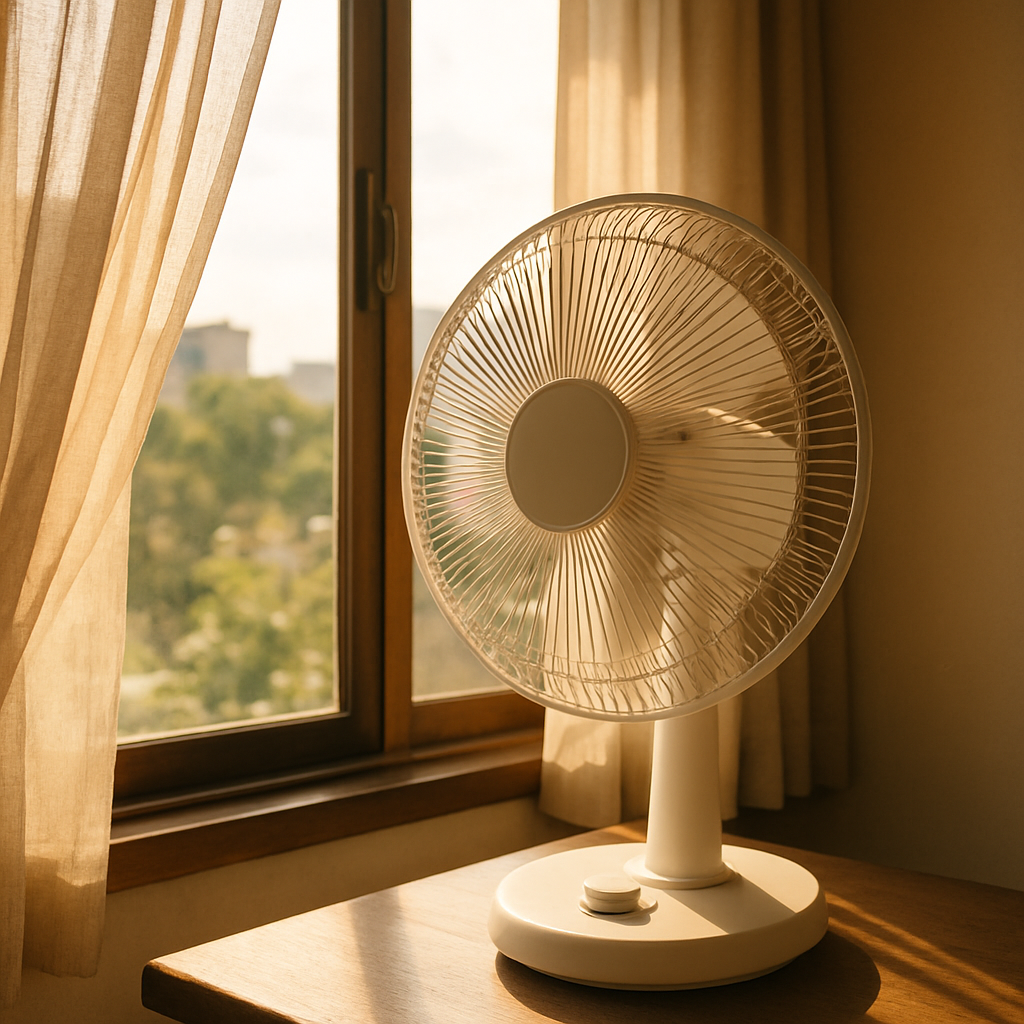
    창가에서 커튼 옆에 놓인 선풍기가 돌아가는 여름철 실내 모습
    서큘레이터나 선풍기를 함께 돌리면 냉방 에너지 효율이 약 20% 올라갑니다.

    실외기 관리와 선풍기 병행, 의외로 큰 차이

    실외기가 뙤약볕에 그대로 노출되어 있으면 열을 제대로 밖으로 내보내지 못해 같은 온도를 유지하는 데 더 많은 전력이 필요합니다. 실외기는 그늘진 곳에 두는 게 가장 좋고, 여건이 안 된다면 은박 돗자리로 간단한 차광막만 세워줘도 도움이 됩니다. 통풍구 주변에 물건을 쌓아두지 않는 것도 기본입니다.

    선풍기나 에어서큘레이터를 에어컨과 함께 돌리면 찬 공기가 방 전체로 고르게 퍼져 에너지 효율이 약 20% 올라간다는 결과도 있습니다. 커튼이나 블라인드로 낮 동안 직사광선을 미리 막아두는 것, 실제로 사용하는 방의 문만 닫고 냉방하는 것도 기본이지만 효과는 확실합니다.

    2026년 여름, 에너지캐시백으로 환급까지 챙기기

    2026년 7월 검침분부터 한전 에너지캐시백 제도가 크게 완화됐습니다. 예전에는 전년 대비 3% 이상 절감해야 캐시백을 받을 수 있었는데, 이제는 1%만 절감해도 환급 대상이 됩니다. 절감률이 높을수록 지급 단가도 올라가서 1kWh당 최대 120원까지 상향 요율이 적용됩니다. 한전:온 앱이나 홈페이지에서 신청할 수 있고, 별도 장비 설치 없이 검침 데이터로 자동 정산되는 방식이라 신청만 해두면 손해 볼 일이 없습니다.

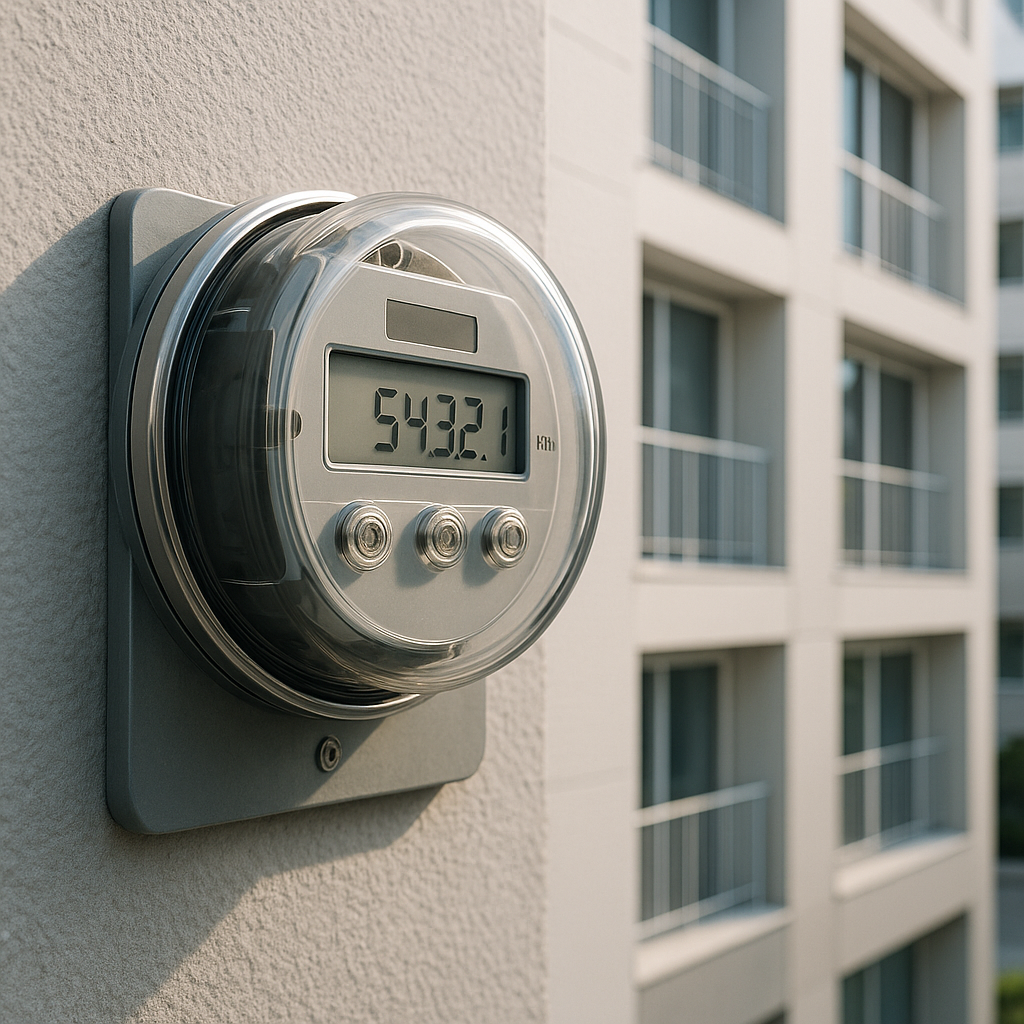
    아파트 외벽에 설치된 디지털 전기 계량기 클로즈업
    중간에 계량기나 앱으로 누적 사용량을 확인하면 누진 구간 초과를 미리 막을 수 있습니다.

    이 여름, 실제로 아낄 수 있는 조합

    정리하면 이렇습니다. 온도는 26도에 맞추고 선풍기를 함께 돌리며, 필터는 2주마다 청소하고, 실외기는 그늘에 두고, 제습모드에 대한 미련은 버리는 것. 여기에 인버터형이라면 껐다 켰다 하지 말고 하루 종일 유지하는 전략까지 더하면 한 달 사용량을 누진 2구간 안쪽으로 묶어둘 가능성이 커집니다. 445kWh와 455kWh 사이, 딱 10kWh 차이가 요금 1만 원을 가른다는 사실만 기억해도 이번 여름 고지서는 훨씬 덜 아플 겁니다.

    자주 묻는 질문

    Q1. 밤에 잘 때만 3~4시간씩 틀어도 누진세 3구간에 걸릴 수 있나요?
    20평대 아파트 기준으로 에어컨을 하루 3~4시간만 쓴다면 냉장고, 세탁기, 조명 등 다른 가전을 합쳐도 대개 300kWh 안쪽에서 관리됩니다. 다만 열대야가 이어져 하루 8시간 이상 틀거나 온수매트, 건조기 같은 고전력 가전을 같이 쓰는 가정이라면 8월 중순 이후 2구간을 넘길 가능성이 있으니 20일 즈음 한 번 사용량을 확인해보는 게 안전합니다.

    Q2. 오래된 정속형 에어컨인데 인버터형처럼 계속 켜두면 안 되나요?
    정속형은 켜져 있는 동안 압축기가 계속 100% 출력으로 돌아가기 때문에 계속 켜두면 오히려 요금이 더 나옵니다. 정속형이라면 실내가 시원해진 뒤 끄고, 다시 더워지면 켜는 식으로 2시간 간격을 두는 편이 12시간 연속 가동보다 훨씬 유리합니다.

    Q3. 필터 청소를 안 하면 정확히 얼마나 손해인가요?
    먼지가 낀 필터로 여름 내내 에어컨을 돌리면 냉방 효율이 떨어지면서 전기세가 최대 27%까지 더 나올 수 있습니다. 한 달 냉방비가 7만 원이라고 가정하면 필터 청소 한 번으로 최대 1만 9천 원 가까이 아낄 수 있는 셈이라, 2주에 한 번은 캘린더에 표시해두고 챙기는 게 좋습니다.

  • 버뮤다 삼각지대의 진실: 실종 사건과 과학이 밝혀낸 것들

    버뮤다 삼각지대의 진실: 실종 사건과 과학이 밝혀낸 것들

    1945년 12월 5일 오후 2시 10분, 미 해군 소속 어벤저 뇌격기 5대가 플로리다 포트로더데일 해군기지를 이륙했다. 조종 훈련생 14명을 태운 이 편대는 몇 시간 뒤 무전 교신이 끊긴 채 흔적도 없이 사라졌다. 수색을 위해 출동한 비행정 한 대와 승무원 13명마저 함께 실종됐다. 하루 만에 27명이 바다 위에서 증발한 셈이다. 이 사건이 바로 ‘플라이트 19’이며, 버뮤다 삼각지대를 세계에서 가장 유명한 미스터리 해역으로 만든 결정적 계기였다.

    버뮤다 삼각지대의 폭풍우 속 거대한 파도와 화물선

    버뮤다 삼각지대는 정확히 어디를 말하는가

    버뮤다 삼각지대는 플로리다의 마이애미, 대서양의 버뮤다 제도, 카리브해의 푸에르토리코 세 지점을 꼭짓점으로 잇는 삼각형 해역을 가리킨다. 면적은 약 130만 제곱킬로미터로 한반도 넓이의 여섯 배가 넘는다. 이 이름은 1964년 작가 빈센트 개디스가 미국 잡지 ‘아르고시’에 기고한 글에서 처음 사용했다. 그전까지는 딱히 별도의 이름조차 없던 평범한 대서양 항로였다.

    실제로 무슨 일이 있었나 — 기록으로 남은 실종 사건들

    USS 사이클롭스 (1918년 3월) — 미 해군 소속 대형 보급함으로 길이 165미터, 승선 인원 306명. 바베이도스를 출항해 볼티모어로 향하던 중 망간 광석 1만 톤을 실은 채 통째로 사라졌다. SOS 신호도, 잔해도 없었다. 제1차 세계대전 이후 미 해군 역사상 전투 없이 발생한 최대 인명 손실 사고로 기록되어 있다.

    플라이트 19 (1945년 12월 5일) — 앞서 언급한 어벤저 뇌격기 5대와 구조용 PBM 머린 비행정까지 총 6대, 27명이 실종됐다. 편대장 찰스 테일러 중위의 나침반이 오작동했다는 무전 기록이 남아 있다. 훈련생들의 미숙한 판단과 갑작스러운 기상 악화가 겹쳤다는 것이 해군 조사 보고서의 결론이었다.

    DC-3 여객기 NC16002 (1948년 12월 28일) — 승객과 승무원 32명을 태우고 푸에르토리코 산후안에서 마이애미로 향하던 중 착륙 직전 무전이 끊겼다. 잔해는 지금까지 발견되지 않았다.

    SS 코토픽시 (1925년 12월) — 석탄을 싣고 사우스캐롤라이나 찰스턴에서 쿠바 아바나로 향하던 화물선이 32명의 선원과 함께 사라졌다. 이 배는 95년 뒤인 2020년, 플로리다 세인트오거스틴 인근 해저에서 난파선 사냥꾼 마이클 바네트 연구팀에 의해 확인됐다. 선체 치수와 설계 도면을 대조한 결과였다. 미스터리한 실종이 아니라 강한 폭풍을 만나 침몰했을 가능성이 유력하게 제기됐다.

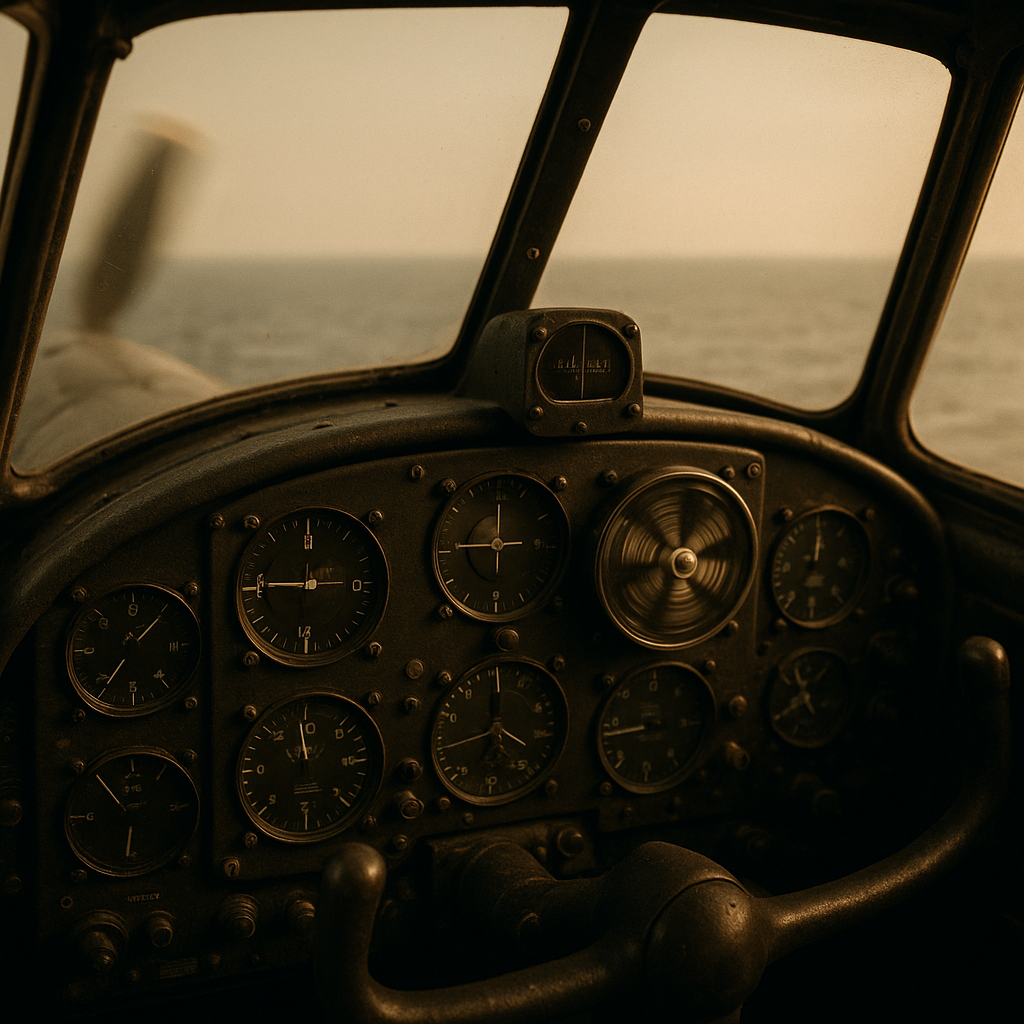
    옛 항공기 조종석의 나침반과 계기판, 창밖으로 보이는 대서양

    메탄 하이드레이트설 — 바다가 배를 삼킨다?

    1998년 심해 굴착 프로그램(ODP)은 버뮤다 인근 해저에 메탄 하이드레이트 층이 실제로 존재한다는 사실을 확인했다. 호주 모나쉬 대학의 지구물리학자 조지프 모니건 교수 연구팀은 이를 토대로 이런 가설을 내놓았다. 해저의 메탄 하이드레이트 층이 갑자기 무너지면 거대한 가스 거품이 솟구치고, 그 부근의 바닷물 밀도가 급격히 낮아진다는 것이다. 밀도가 낮아진 물 위에서는 선박이 부력을 잃고 순식간에 가라앉을 수 있다. 대기 중으로 새어나온 메탄가스가 항공기 엔진에 흡입되면 출력이 떨어지거나 화재로 이어질 수 있다는 주장도 함께 제기됐다.

    이 가설은 흥미롭지만 결정적인 약점이 있다. 실종 사고가 집중됐던 1918년부터 1950년대 사이에 대규모 메탄 분출이 실제로 일어났다는 지질학적 증거는 아직 발견되지 않았다. 연구팀 스스로도 거품 분출의 발생 시기나 주기를 예측할 방법이 없다고 인정했다.

    자기 이상설과 걸프스트림 — 조금 더 현실적인 설명들

    버뮤다 삼각지대는 지리상 북극점과 자기 나침반이 가리키는 자북점의 편차가 거의 0도에 가까운 몇 안 되는 무편각선 구간 중 하나다. GPS가 없던 시절, 조종사나 항해사가 나침반 오차를 계산하지 못하면 경로를 벗어나기 쉬웠다는 것이다. 플라이트 19의 무전 기록에도 나침반 혼동을 암시하는 대화가 남아 있다. 다만 이런 무편각선은 지구상에 여러 곳 존재하는데, 유독 버뮤다 해역에서만 사고가 몰린다는 통계적 근거는 없다.

    걸프스트림 해류는 이 해역을 시속 수 킬로미터로 관통하며 갑작스러운 열대성 폭풍과 워터스파우트(바다 위 회오리)를 자주 만들어낸다. 미국 해양대기청은 이 지역이 허리케인 경로와 겹치는 데다 세계에서 가장 붐비는 해상·항공 교통로 중 하나라는 점을 강조한다. 사고가 많아 보이는 건 실제로 오가는 배와 비행기의 절대 숫자가 많기 때문이라는 설명이다.

    회의론자들의 반박 — “미스터리는 만들어졌다”

    작가 래리 큐시는 1975년 저서 ‘버뮤다 삼각지대 미스터리, 해결되다’에서 각 사건의 원본 기록을 직접 파헤쳤다. 그 결과 상당수 사건이 애초에 버뮤다 삼각지대 밖에서 발생했거나, 이후 작가들이 정황을 과장해 재구성한 것으로 드러났다. 로이즈 오브 런던 보험사도 이 해역의 선박 손실률이 다른 대양 항로와 비교해 통계적으로 특별히 높지 않다고 발표한 바 있다. 미국 해안경비대 역시 공식 입장을 통해 초자연적 원인을 뒷받침할 증거가 없다고 밝히고 있다.

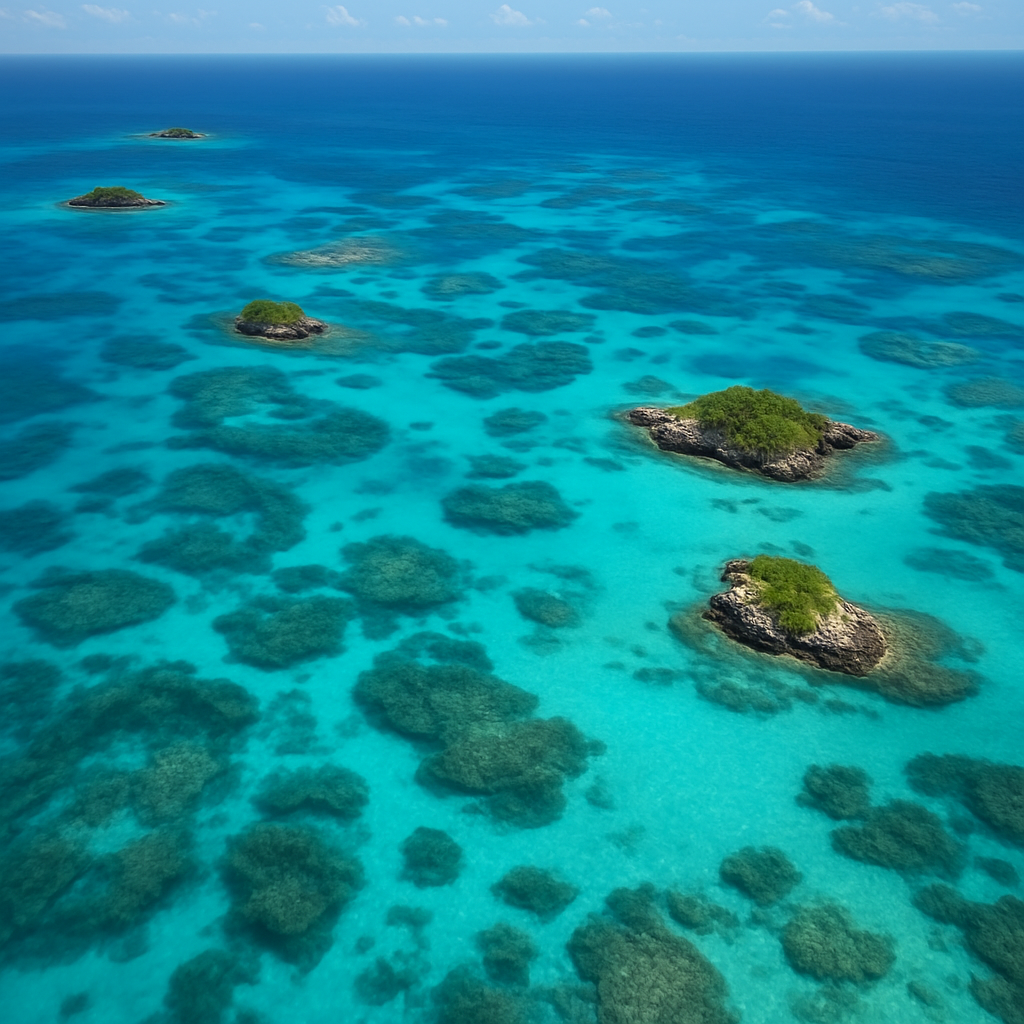
    버뮤다 근해의 청록빛 바다와 산호초를 위에서 내려다본 항공 사진

    그래서 진실은 무엇인가

    초자연적 설명이 완전히 틀렸다고 단정할 수는 없다. 다만 지금까지 나온 증거를 종합하면 인적 오류, 급변하는 열대 기상, 강한 해류, 그리고 당시의 열악한 통신·항법 기술이 겹쳐서 일어난 비극일 가능성이 훨씬 크다. 메탄 하이드레이트나 자기 이상 같은 가설은 과학적으로 흥미로운 탐구 대상이지만, 아직은 검증되지 않은 하나의 시나리오로 남아 있을 뿐이다.

    자주 묻는 질문

    Q. 버뮤다 삼각지대에서 지금도 배와 비행기가 자주 사라지나요?

    공식 통계상 그렇지 않다. 미국 해양대기청과 보험업계 자료에 따르면 최근 수십 년간 이 해역의 사고율은 다른 대서양 항로와 비슷한 수준이다. 위성 항법과 기상 예보 기술이 발달하면서 대형 실종 사고 자체가 눈에 띄게 줄었다.

    Q. 여행자가 크루즈나 비행기로 이 해역을 지나가도 안전한가요?

    매년 수백만 명이 버뮤다, 바하마, 카리브해 노선으로 이 해역을 통과한다. 별다른 이상 없이 운항이 이뤄지고 있으며, 여행 보험사들도 이 지역을 특별 위험 구역으로 분류하지 않는다.

    Q. SS 코토픽시 같은 난파선이 발견되면 미스터리는 완전히 풀리는 건가요?

    사건 하나하나의 정황은 밝혀지지만 ‘버뮤다 삼각지대’라는 개념 자체는 여러 사건을 하나로 묶어 만들어진 대중문화적 이야기에 가깝다. 코토픽시호처럼 잔해가 확인되면 폭풍 침몰 같은 현실적 원인이 드러나는 경우가 많지만, 아직 발견되지 않은 사건들에 대해서는 저마다 다른 추측이 여전히 이어지고 있다.

  • Learning to Give Up My Subway Seat: Yijidaddy and Korea’s Priority Seating

    Learning to Give Up My Subway Seat: Yijidaddy and Korea’s Priority Seating

    There is a particular kind of standing I have gotten good at over the years — one hand looped through the ceiling strap, feet braced against the sway of the train, body angled just enough to leave room for the person getting off at the next stop. I do a lot of my thinking this way, somewhere between Sadang and Seolleung on Line 2, watching the doors open and close. It was on one of these ordinary commutes, years ago, that I first noticed the empty seat.

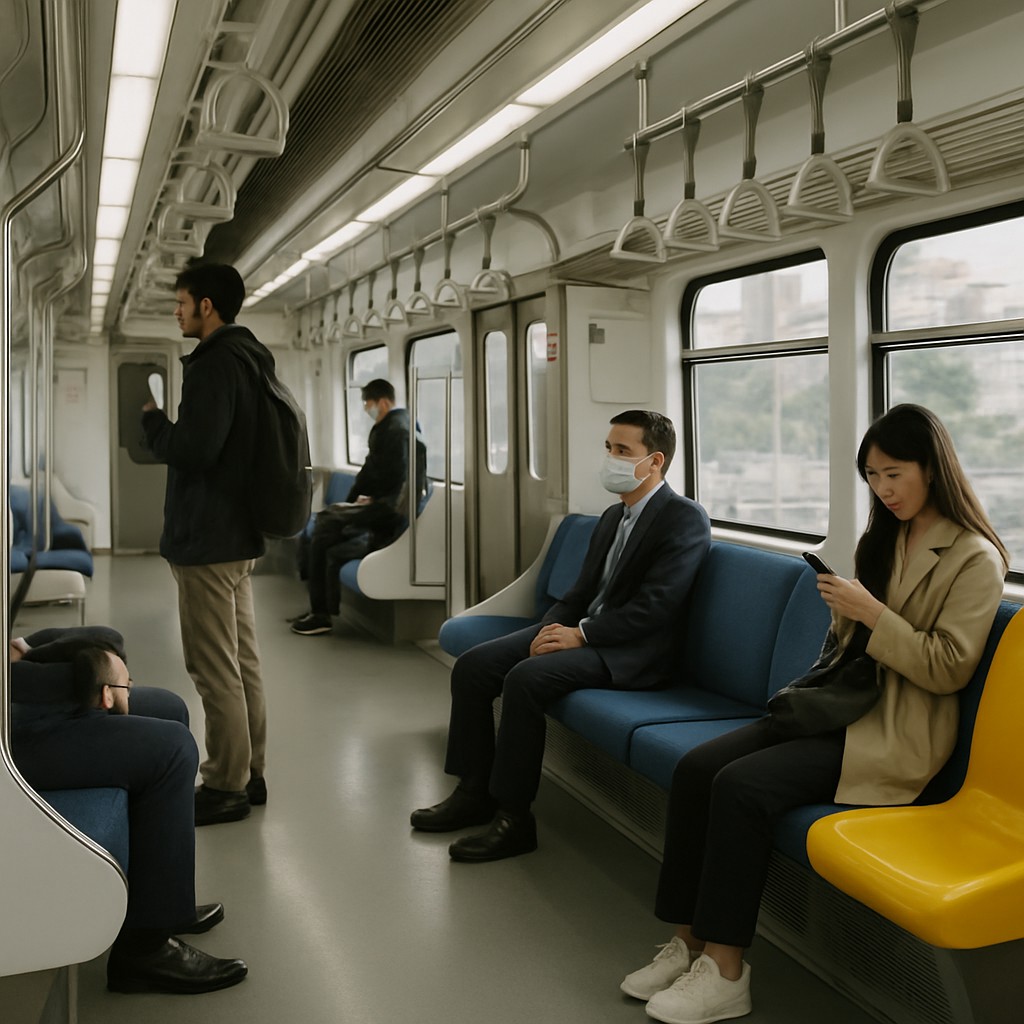
    Not empty because the train was quiet — it was packed, the kind of packed where you can feel the backpack of the guy next to you pressing into your ribs. Empty because it was yellow. A single yellow seat at the end of the row, sitting there unclaimed while a dozen tired people stood over it. I remember thinking, with the particular arrogance of someone who has been in a country for about six months, that surely nobody would mind if I just sat down for one stop.

    I did not sit down. Something in the collective posture of the car told me not to — the way nobody even glanced at the seat, the way an older woman shifted her shopping bag but made no move toward it either. I have since learned that instinct was correct, and that the empty priority seat is one of the more quietly instructive things about living in Korea.

    Interior of a Seoul subway car with a yellow priority seat left empty near the end of the row

    The seats nobody sits in

    Every subway car in Seoul has a designated priority section — 노약자석, literally “seats for the old, weak, and infirm” — usually a cluster of seats at each end of the car, often a different color from the rest, sometimes with pictograms of a cane, a pregnant figure, a person on crutches, a parent holding a baby. Since 2013, many lines have added a further layer: pink seats, 임산부 배려석, reserved specifically for pregnant passengers, part of a campaign the city ran after complaints that expectant mothers were being crowded out of ordinary priority seats by elderly riders who technically outranked them in the unwritten hierarchy. The pink seats even come with a small motion sensor and light on some newer trains that glows when someone is seated, a quiet nudge rather than an enforcement mechanism.

    What struck me as a newcomer was not that these seats existed — plenty of transit systems have some version of reserved seating — it was how thoroughly they were treated as off-limits, full stop, whether or not anyone who obviously needed them was in the car. Where I grew up, a priority seat was something you sat in freely and gave up the moment someone who needed it more got on. Here, the norm runs differently: you leave it empty as a default, and you only occupy it if you clearly qualify, or in a genuine pinch, and even then you keep half an eye on the door.

    Learning the choreography

    I want to be careful not to make this sound like a rulebook, because nobody handed me one. There is no sign that says “foreigners, please note.” It is something you absorb by watching — the twentysomething in a school uniform who stands the entire way from Konkuk University to Wangsimni rather than take the open yellow seat, the businessman who will sit in every other seat in the car except that one, the way a mother with a stroller gets a small, automatic clearing of space near the doors even in seats that are not technically marked. I noticed that older riders themselves rarely rush for these seats either — there is a kind of mutual deference at play, an assumption that someone else in the car might need it more, and a general discomfort with being seen to claim a special status too eagerly.

    Somewhere around year two, I stopped even glancing at the yellow seats as an option, the same way I stopped glancing at the pink ones after I had children. It became less a rule I was following and more a habit of attention — the same reflex that has you check whether the elevator is full before stepping into a jjimjilbang lobby, or lower your voice slightly on a night bus. Korean public space runs on a lot of these unspoken calibrations, small readings of who is around you and what they might need, and the subway priority seat is maybe the clearest, most physical version of it, because it is marked in actual paint on actual seats.

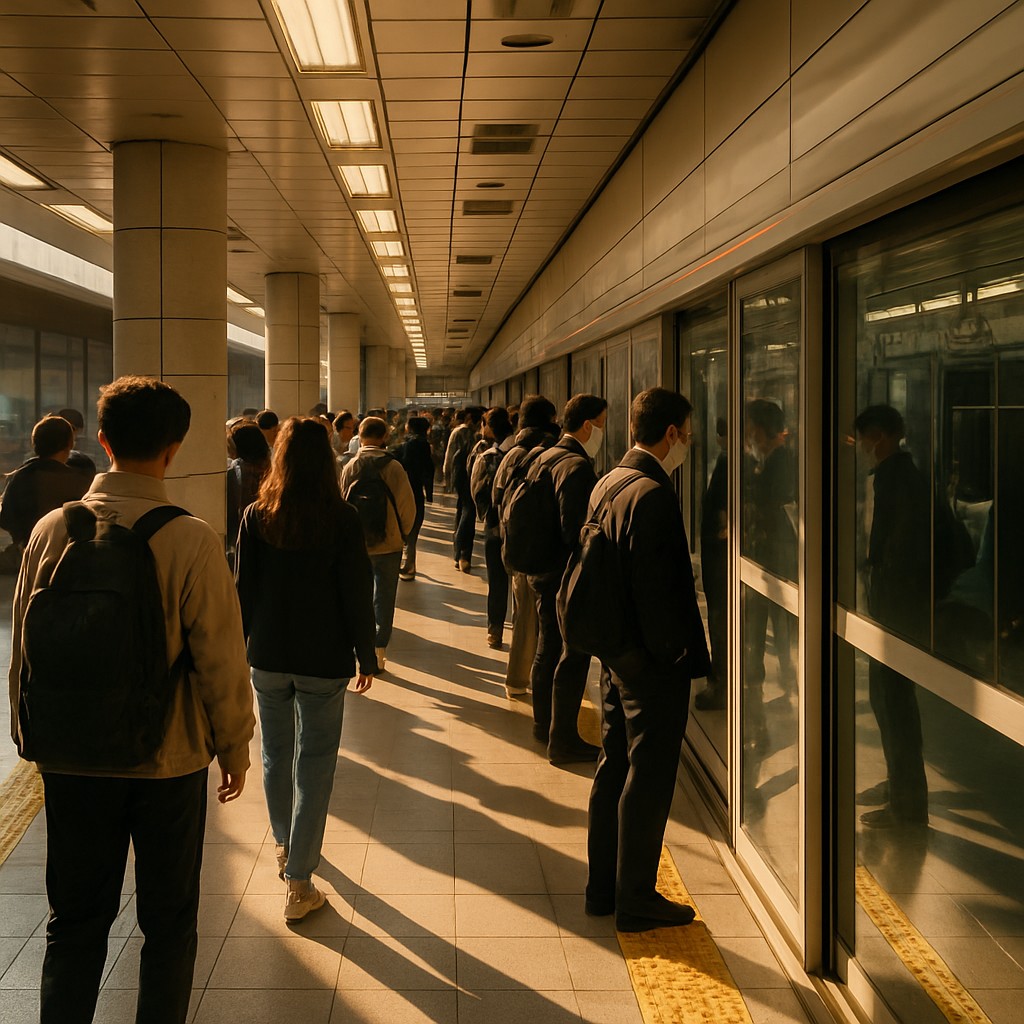
    Commuters waiting on a Seoul subway platform during rush hour

    What it taught me, actually

    I think what got under my skin about this, in a good way, was realizing how much of Korean social etiquette is built around anticipating need rather than waiting to be asked. Giving up a seat here is rarely a negotiation — nobody asks you to move, and asking would itself be a small breach of face for the person who has to ask. The seat stays empty so the moment of asking never has to happen. It shifts the burden of politeness from the person who needs help to the person who might be able to give it, which, once I understood it, felt less like rigid rule-following and more like a fairly elegant solution to an awkward social problem.

    It also recalibrated something in me about age and visibility. My in-laws are of a generation that grew up with a very clear sense of where they fit in a room, a bus, a dinner table — and standing on the subway watching a car full of twenty-somethings instinctively avoid six empty yellow seats told me more about how that generational respect actually functions day to day than any conversation could have. It is not performed respect, trotted out for holidays. It is baked into how people arrange their bodies in a train car at 8:40 on a Tuesday morning.

    These days, when I ride with my kids, I find myself narrating it to them a little — not lecturing, just pointing out the pink seats, explaining who they’re for, watching my older one start to notice the pattern on her own the way I once had to learn it from scratch. It is a small thing, one seat among dozens on one train among hundreds running under this city every day, but it is the kind of small thing that, stacked up over years, ends up telling you something true about the place you have decided to live.

    FAQ

    Is it actually against the rules to sit in a priority seat if it’s empty?
    No — there is no fine or official penalty for sitting in an empty priority seat, and the seats are not physically locked or restricted. It is entirely a social norm rather than a written rule, which is exactly what makes it interesting: the seats stay empty because of a shared, unspoken agreement rather than enforcement.

    What should I do as a tourist if I accidentally sit in one?
    Simply stand up if someone who appears to need the seat boards, or move preemptively once you notice the seat’s designation. Nobody expects visitors to know the etiquette perfectly, and a quick, unbothered move is all that is needed — no apology performance required.

    Are priority seats only for elderly people?
    No. The yellow priority seats are intended for elderly passengers, people with disabilities, pregnant passengers, and those traveling with infants, while the separate pink seats found on many trains are reserved specifically for pregnant passengers, marking a distinction the city introduced after the general priority seats proved too contested to reliably serve expectant mothers.

  • 40~50대 갱년기 증상과 생활 관리법: 안면홍조부터 감정기복까지

    40~50대 갱년기 증상과 생활 관리법: 안면홍조부터 감정기복까지

    지난주 화요일 저녁, 서울 마포구의 한 필라테스 학원 탈의실에서 53세 회원 한 분이 이렇게 말했다. “운동하다 말고 갑자기 얼굴이 화끈거려서 창문부터 열었어요.” 옆에 있던 다른 회원 두 명도 고개를 끄덕였다. 그날 그 탈의실에는 비슷한 경험을 가진 사람이 세 명이나 있었다.

    이 장면은 특별한 일이 아니다. 40대 후반에서 50대 사이 여성 상당수가 크고 작은 몸의 변화를 겪는다. 대한폐경학회 자료에 따르면 국내 여성의 평균 폐경 연령은 만 49.9세로 알려져 있고, 폐경 전후 수년에 걸쳐 호르몬 수치가 오르내리며 다양한 신체 반응이 나타난다. 이 글에서는 그 시기에 흔히 겪는 증상과, 병원 처방이 아닌 일상에서 실천할 수 있는 생활 관리법을 정리했다.

    가장 흔하게 나타나는 증상들

    안면홍조는 가장 많이 알려진 증상이다. 얼굴과 목, 가슴 쪽이 갑자기 달아오르고 땀이 나는 현상인데, 짧으면 30초, 길면 몇 분간 지속되기도 한다. 특정 계절과 무관하게 겨울에도 나타날 수 있다.

    수면장애도 자주 언급된다. 야간에 식은땀을 흘리며 깨거나, 잠들었다가도 새벽 3~4시쯤 눈이 떠져 다시 잠들기 어렵다는 이야기가 많다. 감정 기복 역시 빼놓을 수 없다. 별일 아닌 일에 눈물이 나거나, 반대로 짜증이 쉽게 올라온다는 사례가 흔하다. 이 밖에도 관절이 뻐근하다거나, 기억력이 예전 같지 않다고 느끼는 경우도 있다.

    집에서 가벼운 근력 운동을 하는 중년 여성
    가벼운 근력 운동은 골밀도 유지와 기분 안정에 도움이 될 수 있다.

    운동으로 몸의 변화에 대응하기

    운동은 거창할 필요가 없다. 하루 20~30분, 주 3~4회 빠르게 걷는 것만으로도 체력과 기분에 변화를 느끼는 사람이 많다. 근력 운동을 병행하면 더 좋다. 이 시기에는 골밀도 감소 속도가 빨라질 수 있어서, 가벼운 덤벨이나 밴드를 이용한 운동이 뼈와 근육을 함께 챙기는 데 도움이 된다.

    스쿼트나 계단 오르기처럼 체중을 싣는 동작은 특별한 장비 없이도 가능하다. 요가나 스트레칭은 관절 뻐근함을 완화하는 데 도움을 준다는 이야기가 많다. 운동은 아침이나 이른 오후에 하는 편이 밤잠에 방해가 되지 않는다.

    식습관, 작은 것부터 바꾸기

    콩류, 두부, 청국장 같은 대두 식품은 이 시기 식단에서 자주 언급되는 재료다. 등푸른 생선과 녹색 채소, 견과류를 골고루 섭취하면 전반적인 영양 균형을 잡는 데 도움이 된다. 카페인과 알코올, 매운 음식은 안면홍조를 자극할 수 있다는 보고가 있어 스스로의 반응을 살펴가며 조절하는 것이 좋다.

    물은 하루 8잔 이상 나눠 마시는 습관을 권장하는 자료가 많다. 야식이나 늦은 시간의 과식은 수면의 질을 떨어뜨릴 수 있으니 저녁 식사는 가볍게 마무리하는 편이 낫다.

    생선과 채소, 잡곡밥으로 구성된 균형 잡힌 식단
    대두 식품과 채소, 생선을 고루 갖춘 식단이 자주 권장된다.

    스트레스와 감정 기복 다스리기

    감정 기복은 의지로 억누르기 어렵다. 대신 하루 5~10분이라도 심호흡이나 명상 시간을 가지면 도움이 된다는 사람들이 많다. 취미 활동, 산책, 반신욕처럼 스스로에게 맞는 이완 방법을 찾는 것이 중요하다. 가족이나 친구에게 지금의 상태를 솔직히 이야기하는 것만으로도 마음이 한결 가벼워졌다는 후기도 적지 않다.

    일기를 쓰거나 감정을 기록해보는 것도 방법이다. 어떤 상황에서 감정이 크게 흔들리는지 패턴을 알게 되면, 대응하기가 한결 수월해진다.

    창가에서 차를 마시며 휴식을 취하는 중년 여성
    짧은 휴식과 이완 습관이 감정 기복 관리에 도움이 될 수 있다.

    이런 경우라면 병원을 찾는 것이 좋다

    일상 관리만으로 버티기 힘들 만큼 증상이 심하거나, 일상생활과 수면에 지속적으로 지장을 준다면 산부인과나 관련 전문의를 찾아 상담받는 것이 바람직하다. 증상의 정도와 원인은 사람마다 다르기 때문에, 자가 진단이나 인터넷 정보만으로 판단하기보다는 전문의의 진료를 통해 본인에게 맞는 방향을 확인하는 과정이 필요하다.

    자주 묻는 질문

    Q1. 갱년기 증상은 몇 년이나 지속되나요?
    사람마다 차이가 크다. 몇 개월 만에 잦아드는 경우도 있고, 몇 년에 걸쳐 서서히 변화하는 경우도 있다. 정확한 경과는 개인차가 크므로 일반화하기 어렵다.

    Q2. 영양제만 먹어도 증상이 나아지나요?
    영양제는 전반적인 식습관을 보완하는 역할을 할 수 있지만, 특정 제품이 증상을 없애준다고 단정할 수는 없다. 복용 전에는 전문의나 약사와 상의하는 편이 안전하다.

    Q3. 운동을 하면 안면홍조가 더 심해지지 않나요?
    운동 중 일시적으로 체온이 오르면서 홍조를 느낄 수는 있지만, 꾸준한 운동은 장기적으로 증상 완화에 도움이 된다는 이야기가 많다. 무리한 고강도 운동보다는 본인 체력에 맞는 강도로 시작하는 것이 좋다.

    몸이 보내는 신호를 무시하지 않고 하나씩 기록하고 살펴보는 습관, 그것이 이 시기를 지나는 가장 현실적인 방법일지 모른다. 오늘 저녁 산책 10분부터 시작해보는 것도 나쁘지 않은 선택이다.

    이 글은 정보 제공을 목적으로 하며, 개인별 증상에 대한 정확한 진단과 치료는 반드시 전문의와 상담하시기 바랍니다.

  • My First Jjimjilbang: What Nobody Warns the New Dad About

    My First Jjimjilbang: What Nobody Warns the New Dad About

    My daughter had her shirt off before I’d even found the shoe cubby. That was the first sign that I was the only person in the building who didn’t already know how this worked.

    We’d been in Korea for a while by then, long enough that I thought I had a decent handle on the basics. But my wife had been talking about taking the kids to a jjimjilbang for weeks the way you’d talk about a trip to the grocery store — completely unremarkable, something her family had done every couple of months since she was small. I pictured something between a gym locker room and a fancy hotel pool. I was not close.

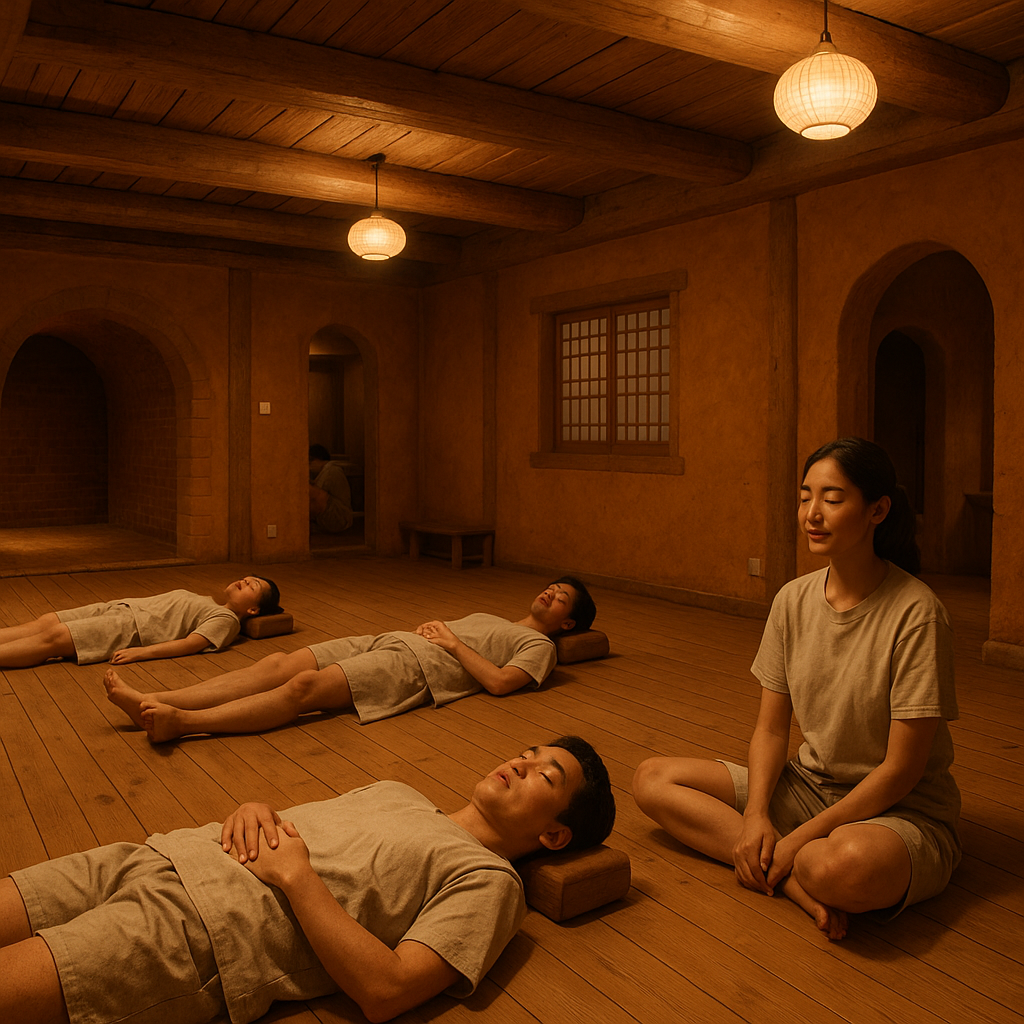
    Warm wood-lined jjimjilbang common room with heated floor mats and wooden pillows

    The Uniform Nobody Explains in Advance

    You pay at a counter near the entrance, hand over your shoes, and get a wristband in return. That wristband is your locker key, your ID, and — this part surprised me — your tab. Snacks, drinks, extra towels, the massage chair in the corner: all of it gets scanned to the band and settled when you leave. Nobody asks you to pay cash mid-visit, which means nobody is checking whether you can afford the second bowl of noodles. You just eat it and find out the total later, which is either a relaxing system or a slightly dangerous one depending on your self-control.

    Past the lockers, the building splits in a way that took me a beat to understand. The actual bathing floors — where you scrub down and soak — are separated by gender and require you to be, plainly, naked. No swimsuits, no exceptions, and definitely no phone. But once you’ve washed and changed into the loose cotton shirt and shorts the front desk hands out, you move into a completely different building. That common floor — the heated rooms, the snack counter, the sleeping mats — is mixed. Husbands, wives, grandparents, kids, all wandering around in the same baggy uniform, looking like a very calm summer camp for adults.

    What Nobody Tells the New Dad

    This is the part the guidebooks skip, because guidebooks are written for tourists going alone, not for a father standing in a hallway holding a four-year-old’s hand and doing math. Below a certain age, kids can go into either bathing section with a parent — a small son can go in with his mother, a small daughter can go in with her father. Nobody hands you a rulebook for this. You just watch what the other parents do and copy it, and you realize fairly quickly that the grandmothers around you have opinions about how a father washes his kid’s hair, and they are not shy about sharing them.

    What actually got me wasn’t the nudity, honestly — that stopped being interesting after about ten minutes, the way any novelty does once you realize everyone else is thinking about their own knees, not yours. What got me was how unbothered my kids were by all of it. No self-consciousness, no giggling, no big moment. For them it was just what a bath is. I was the one doing the internal narrating; they were just having a bath with grandma-aged strangers who occasionally handed them a snack.

    The Rooms That Are Actually the Point

    Once you’re past the bathing floor, the jjimjilbang’s real personality shows up in its heat rooms — a row of small chambers, each lined with a different material and built for a different kind of discomfort. There’s usually a clay room, walls the color of terracotta, mild enough to nap in. A salt room, floor covered in coarse crystals, supposedly good for your skin if you believe that sort of thing. Somewhere there’s an ice room, a cold shock kept just above freezing that everyone treats as a dare. And then there’s the one every jjimjilbang seems to have and every regular has an opinion about — the bulgama, a domed kiln room that runs hot enough that people sit closest to the door and time themselves like they’re playing a game with their own tolerance for pain.

    Glowing amber salt and clay heat room inside a Korean bathhouse

    My father-in-law’s routine, which I’ve now inherited whether I wanted to or not, is clay room, then salt room, then a stretch on the heated floor outside doing absolutely nothing, repeat. Nobody’s in a hurry. That’s maybe the biggest adjustment for someone used to gyms and spas built around efficiency — the jjimjilbang has no interest in getting you in and out. Families show up after lunch and leave after dinner. It’s less a spa visit and more a weather system you sit inside of for a few hours.

    Snacks, Sleeping, and the Baked Egg Question

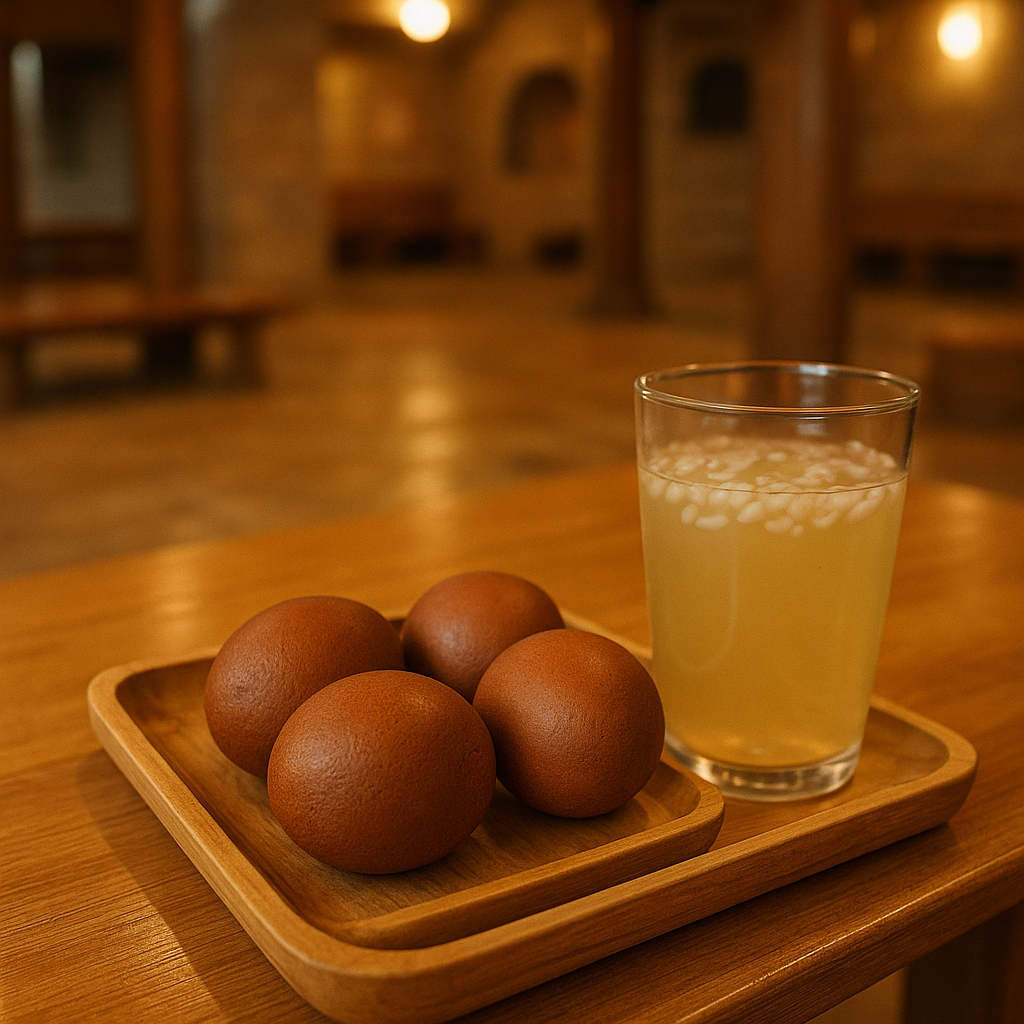
    The food counter on the common floor is its own small culture. The signature order is a set of baked eggs — cooked slowly inside one of the heat rooms until the shells go brown and the inside takes on a faint smoky, nutty taste, nothing like a regular boiled egg. You crack them on the edge of the low table, peel with your fingers, and eat them with sikhye, a chilled, faintly sweet rice drink that tastes like it was invented specifically to be drunk in a hot room. My kids ate more baked eggs than actual dinner that first visit and I did not have the energy to stop them.

    A tray of Korean jjimjilbang baked eggs and a cold glass of sikhye rice punch

    Scattered around the common floor are mats, wooden pillow blocks, and people fully asleep in the middle of the afternoon, undisturbed by the noise around them. Some jjimjilbang chains lean into this and run as overnight stays — cheaper than a motel, open all night, and apparently a legitimate option for someone who’s missed the last train home. I haven’t tried sleeping there myself, but watching a stranger nap soundly on a wooden pillow while a toddler runs past his head told me everything about how normal this all is to everyone but me.

    Why It’s a Family Thing and Not Just a Bath

    What stuck with me longest wasn’t any single room, it was the rhythm of the whole afternoon. Three generations moving through the same space at their own pace — grandparents parked on the heated floor, parents ducking in and out of the salt room, kids sprinting between the snack counter and the TV corner in socks that never quite grip right. Nobody was rushing anyone. Nobody was on a phone, mostly because you can’t easily bring one in. It’s one of the few places I’ve been in Korea where an entire family, from six to sixty, is doing the exact same low-key nothing at the exact same time, and everyone seems completely fine with that.

    I went in expecting a bathhouse and left thinking about how differently rest gets treated here — as something you do together, out loud, in a room full of strangers, rather than something you retreat to do alone.

    Frequently Asked Questions

    Do you really have to be fully nude in the bathing area?
    Yes, in the gender-separated bathing section — no swimwear is allowed, and washing at one of the shower stations before getting into any bath is expected. The common areas with the heat rooms and food counter are a separate, mixed-gender space where everyone wears the provided uniform.

    Can a dad take a young daughter, or a mom take a young son, into the bathing area?
    Generally yes, up to a certain young age — you’ll see it happen constantly and nobody blinks. Past that age, kids go into the bathing section that matches their own gender.

    What should I actually bring?
    Not much. Basic soap is usually provided at the washing stations, but shampoo isn’t always guaranteed, so I bring my own now. A hair tie if you have long hair, and something you don’t mind sweating in for the heat rooms — though most places give you a uniform anyway. Cash or a card for the wristband tab covers the rest.

  • The Convenience Store Snack Rankings I Never Knew I’d Care About

    The Convenience Store Snack Rankings I Never Knew I’d Care About

    Somewhere between my third year and my fifth year in Korea, I stopped thinking of the convenience store as a backup plan. It became a destination. Not a big one — nobody plans a Saturday around it — but a small, reliable one, the way a corner bench in a park becomes “your” bench even though you never decided that on purpose. My wife noticed it before I did. She pointed out that whenever we couldn’t agree on dinner, or the kids were too tired to sit through a real meal, or I just needed five minutes of quiet, I’d say some version of “let’s just go to the CU.” Not a restaurant. Not delivery. The CU, the one eighty meters from our building, with the automatic door that sighs open a half-second too late.

    I want to be upfront about something: I did not come to Korea with strong feelings about convenience stores. Where I grew up, a convenience store was a place you stopped at for gas, gum, and regret. You didn’t linger. You definitely didn’t bring your kids there for something resembling a meal. So the fact that I now have opinions — real, specific, slightly competitive opinions — about which chain does what best is one of those quiet transformations that sneaks up on you when you live somewhere long enough. You stop importing your old categories. You start using the ones the place hands you.

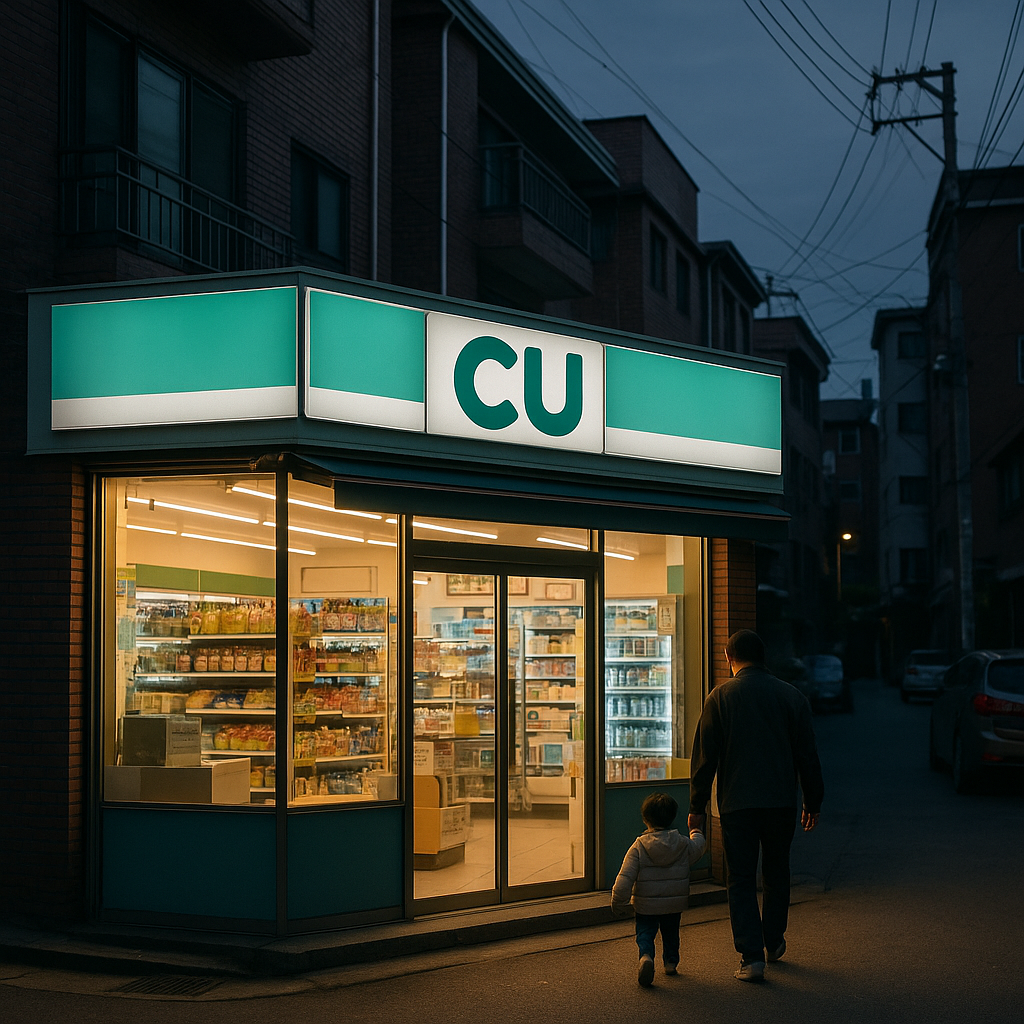
    A CU convenience store lit up at dusk in a Korean residential neighborhood, with a parent and child walking toward the entrance

    The Density Problem, or, Why I Never Learned to Plan Ahead

    The first thing that recalibrates you here is the sheer number of stores. In my neighborhood alone I can name a CU, a GS25, an Emart24, and two different 7-Elevens within a ten-minute walk, and I’m fairly sure I’m undercounting. Back home, this density would be considered a market failure — surely they’re all competing for the same six customers and one of them will fold. Here, they all seem to survive, which tells you something about how differently convenience stores are used. They’re not really competing with each other so much as they’re each competing with the idea of not needing to plan.

    And that’s what got me, eventually. I stopped keeping a stocked pantry the way I did back home. Why buy a case of something when there’s a store closer than my own bathroom is to my kitchen? It changed how I shop, how I cook, and honestly how I think about running out of things. Running out stopped being a crisis. It became a five-minute errand, often one I sent my seven-year-old on, solo, because that’s also just normal here in a way it never was where I grew up.

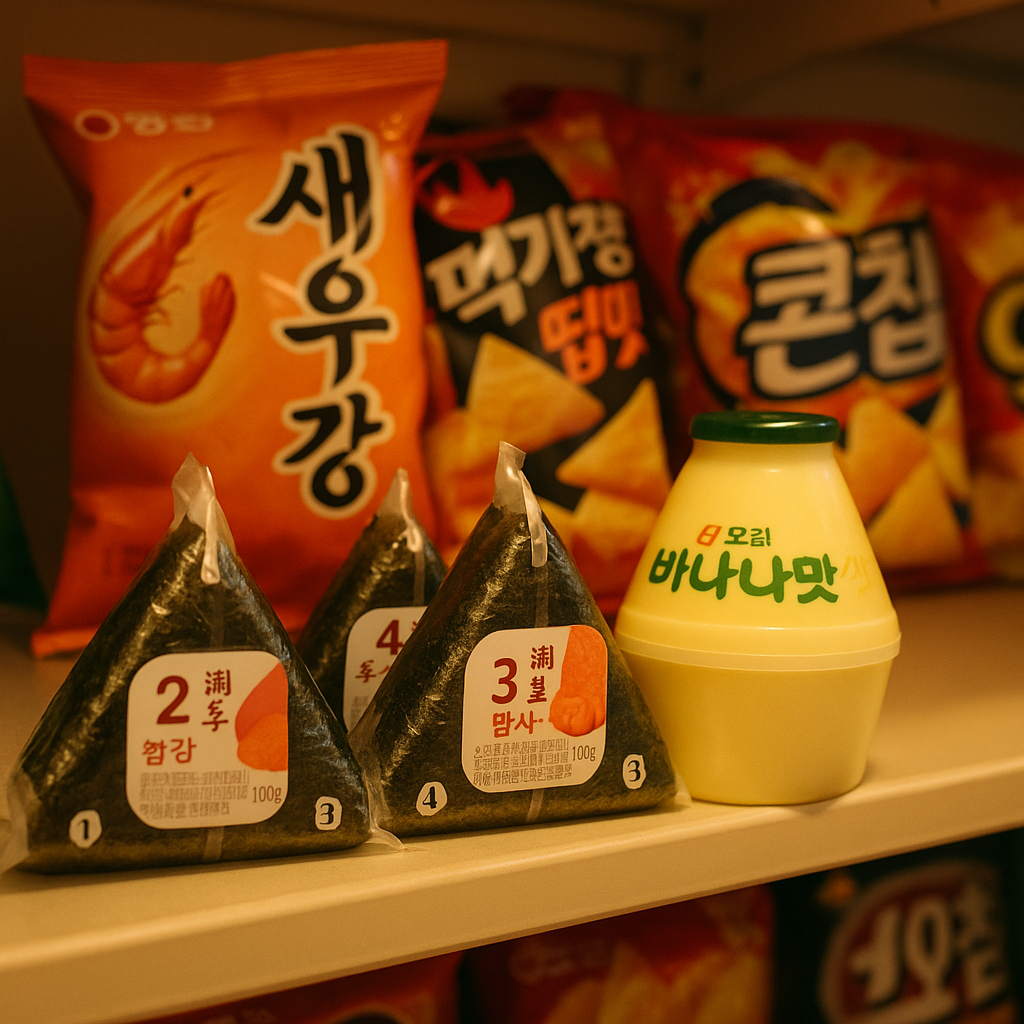
    A convenience store shelf with triangle kimbap, chips, and a banana milk bottle

    The Rankings Nobody Asked Me For

    Somewhere along the way, snack opinions started forming without my consent. I didn’t sit down and decide to become a person who ranks convenience store food. It happened the way most parenting-adjacent opinions happen — through repetition, through being handed the same items by the same small hands often enough that patterns emerge.

    Triangle kimbap — samgak gimbap — is the obvious starting point, because it’s the item that made me understand convenience store food could be actual food and not just a snack. The tuna mayo version is the reliable choice, the one you grab without thinking, and I’ve watched my daughter peel back that plastic wrapper with the two-step fold-and-pull motion faster than she can tie her shoes. There’s a spicy version with gochujang that I like more than she does, and a version with bulgogi that disappears the moment either kid spots it in my hand. I’ve come to believe that ranking triangle kimbap flavors is a genuinely useful piece of small talk with other parents here, in the way that ranking pizza toppings might be back home.

    Banana milk is its own category entirely, and I’ll admit I resisted it at first because it looked more like a novelty prop than an actual drink — that squat yellow bottle shows up in dramas and on t-shirts and in gift shop windows, which made me suspicious it was more image than substance. I was wrong. It’s genuinely good, in a nostalgic, slightly too-sweet way that I now understand is the entire point. My younger one asks for it by pointing rather than by name, which is its own kind of endorsement.

    Then there’s the hot snack case near the register — the one with the odeng skewers steaming in broth, the corn dogs, the rotating hot dogs on the little warmer. I didn’t grow up with the concept of a convenience store serving something you’d eat standing at a small counter by the window, and there’s something almost civilized about it now, watching my son eat a corn dog dusted in sugar while I sip barley tea from a paper cup, both of us just standing there, no urgency, like we’re at a tiny bar with a very limited menu.

    I have soft spots I won’t fully defend: the honey butter chips that started a whole flavor trend years ago and still taste like the flavor trend rather than a chip. The choco pie, which feels less like a snack and more like an institution. And a rotating cast of collaboration items — a cream bread here, a limited ramen flavor there — that show up for a season and vanish, which somehow makes convenience store shopping feel a little like following a TV show with a new episode every week.

    A father and young child eating corn dogs at a convenience store hot food warming counter

    What It Actually Became

    None of this was supposed to matter. I think that’s the part worth sitting with. A convenience store is, by definition, a place designed to be forgettable — you’re in and out, no memory required. But somewhere in the last few years, ours became a minor character in our family’s daily life. It’s where my kids learned to count change. It’s where we’ve had some of our least dramatic, most honest conversations, standing in the snack aisle with no phones out, just deciding between two kinds of chips. It’s the place I duck into on the way home from work not because I need anything specific, but because walking in and scanning the shelves has become its own small decompression ritual.

    I don’t think I’ll ever fully explain this to people back home without sounding like I’m exaggerating. “You have opinions about which chain’s kimbap is better?” Yes. Genuinely. I never knew I’d care, and now I do, and that’s most of what living somewhere long enough actually does to you — it hands you categories you didn’t ask for and, eventually, you find yourself defending them.

    FAQ

    Which Korean convenience store chain has the best food overall?
    It depends what you’re after. In my experience GS25 tends to have the strongest prepared meals and lunch boxes, CU leans into snacks and the hot food case, and 7-Eleven is the one I trust most late at night when almost nothing else is open. None of them is objectively “best” — it’s more about which one happens to be closest when you need it.

    Is triangle kimbap actually good, or is it just convenient?
    Both, honestly. The rice-to-filling ratio is better than it has any right to be for something wrapped in plastic and sold for a couple thousand won, and the seaweed staying crisp until you open it is a small piece of engineering I still appreciate.

    Do convenience stores really function as a place to eat, not just buy things?
    Yes — most locations have a small table setup, sometimes just stools by the window, and it’s completely normal to sit there with a cup ramen and a triangle kimbap for a full meal. It surprised me at first, but now it’s one of my favorite parts of the whole ecosystem.