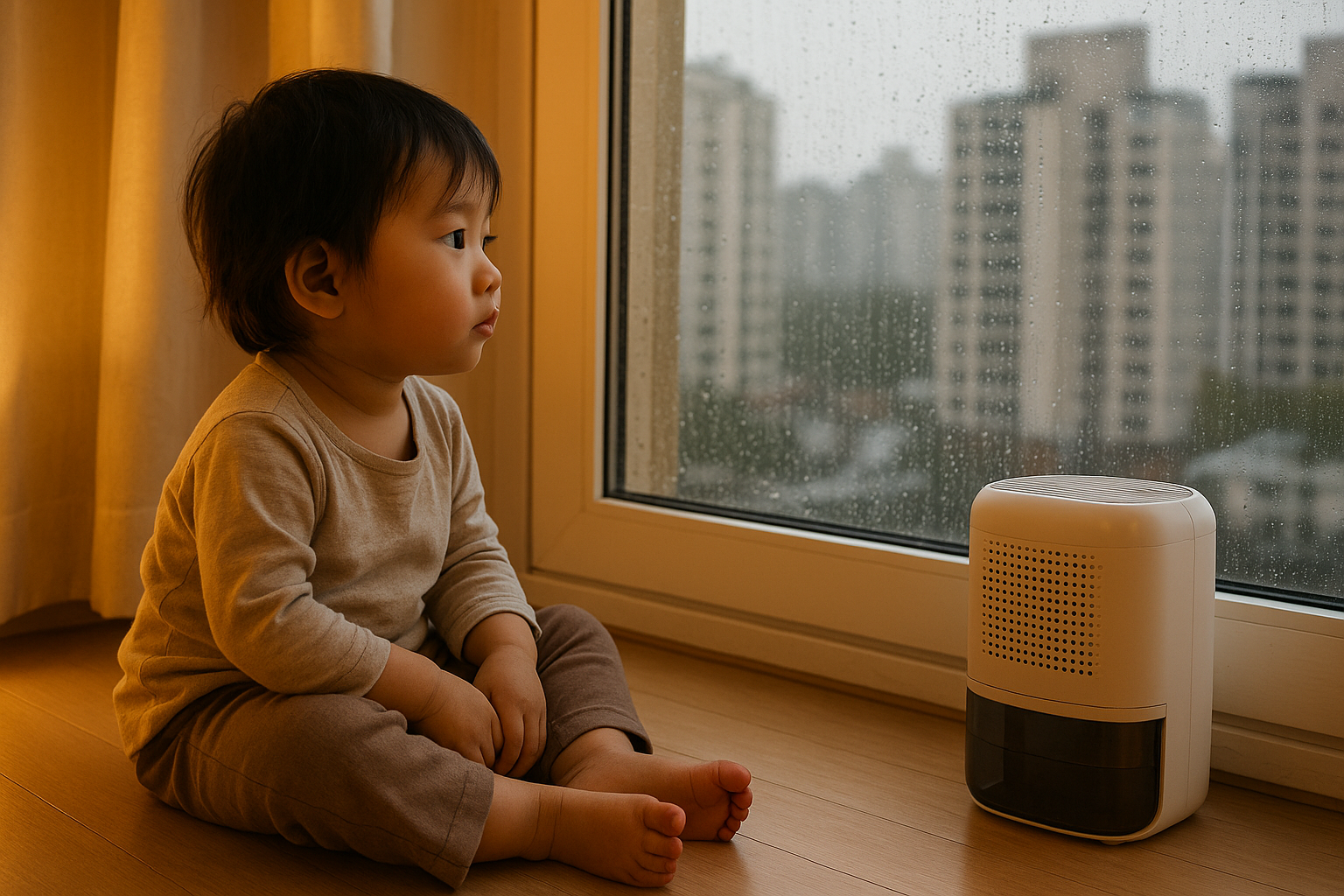
My daughter is four, and by the time she was two, she already knew the word “salgeumhi” — softly. Not because we taught it to her as a vocabulary word, but because it came out of my mouth roughly forty times a day, usually right before she broke into a run across the living room.
I didn’t understand why until the night our downstairs neighbor sent a message through the building’s intercom system. It wasn’t rude, exactly — a recorded, almost apologetic voice asking our unit to please be mindful of noise after 10 PM. My wife translated it for me with a face that told me this wasn’t the first warning, just the first one I happened to be home for.
Why floor noise is such a big deal here
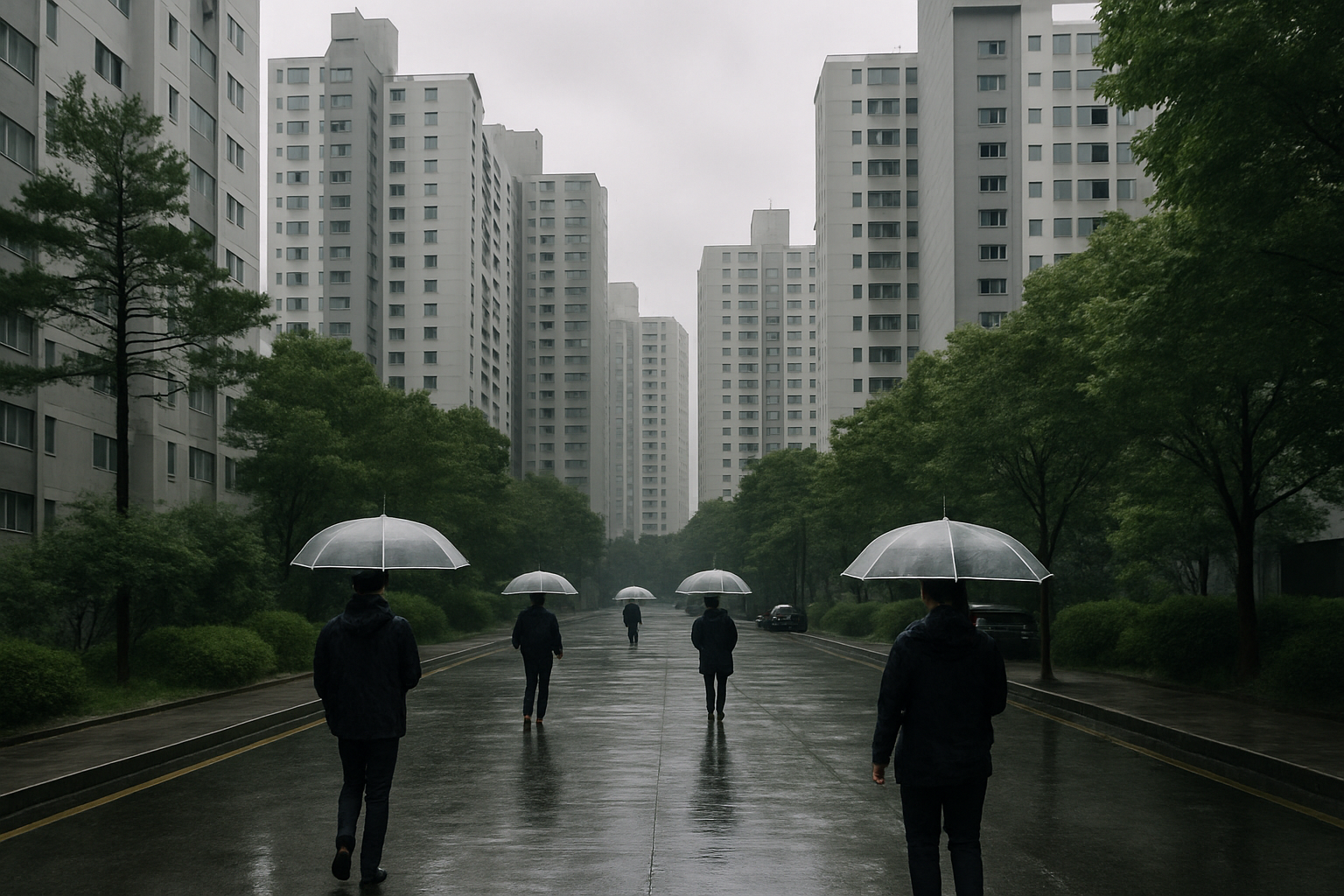
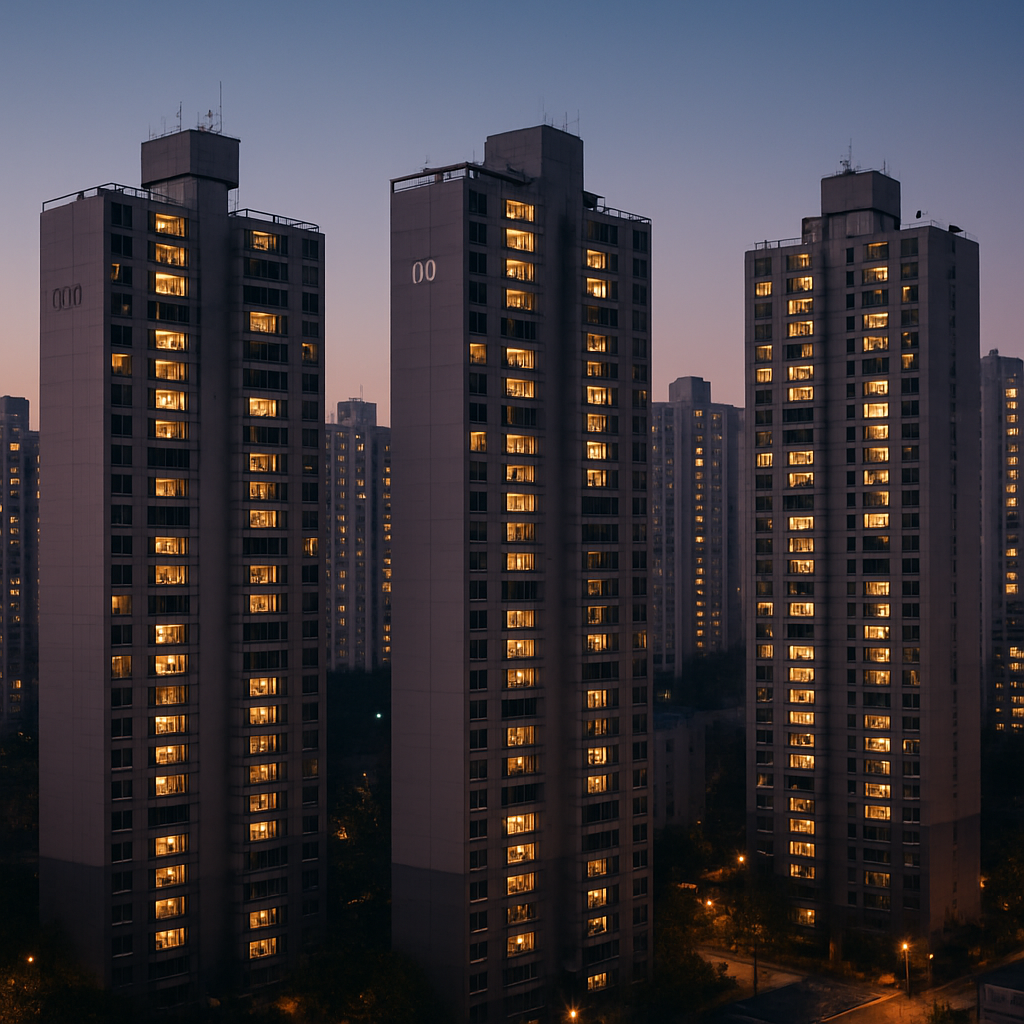
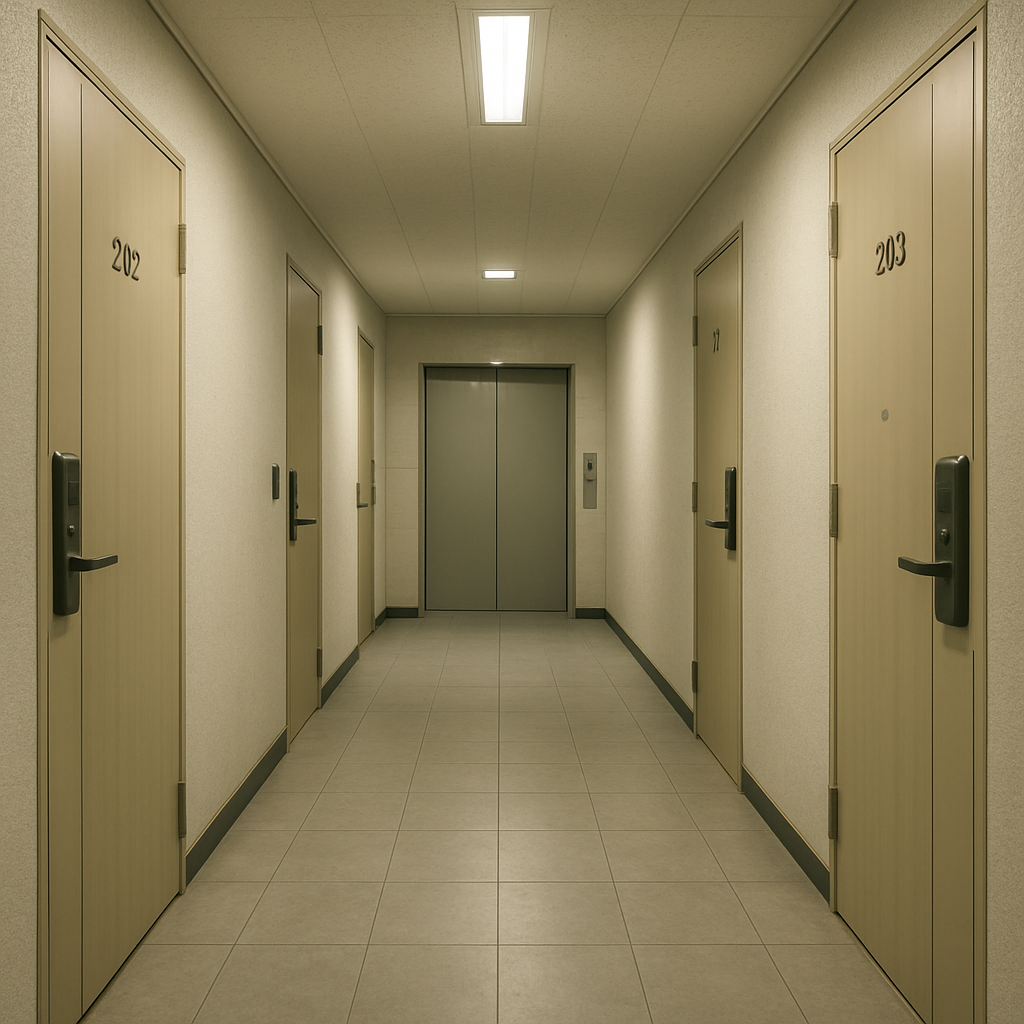
Floor noise — cheungganso’eum — is not a minor annoyance in Korea the way it might be back home. Close to two-thirds of Koreans live in apartment buildings stacked five stories or higher, packed into cities that ran out of room to build outward decades ago. Every footstep, every dropped toy, every game of pretend-it’s-a-trampoline on the living room floor travels straight down through concrete that, as I’ve learned the hard way, carries sound far better than it should.
The complaint nobody says to your face
What struck me as a foreigner wasn’t the rule itself — plenty of countries have quiet hours — it was how the complaint gets delivered. Nobody knocks on your door. Nobody yells across the hallway. The building management office fields the complaint and relays it through an intercom that crackles into every room of your apartment at once, polite and impersonal, which somehow makes it worse. You can’t argue with a recording. You just turn to your kid and start whispering “salgeumhi” again.
What we changed after that call
We bought the thick rubber play mats within the first month — the kind every parenting forum in Korea recommends before you’ve even finished unpacking. We banned running indoors, which felt cruel until I realized every other parent on our floor had done the exact same thing before we moved in. My son learned to walk on his toes around 8 PM without being told twice, which is either impressive discipline for a six-year-old or proof that kids absorb house rules faster than adults ever will.
I used to think this was overly strict, honestly. Then I spent one week in a rental where the family upstairs clearly hadn’t gotten the same memo, and I understood completely. There’s a particular kind of exhaustion that comes from lying in bed at 11 PM listening to what sounds like furniture being dragged across a floor above your head. I don’t send passive-aggressive notes. I just remember why my downstairs neighbor sent that message, and I go find my daughter’s slippers.
FAQ
What does “cheungganso’eum” mean, and why is it such a big deal in Korea?
It translates roughly to “inter-floor noise,” and it’s a big deal because most Koreans live in dense, high-rise apartment complexes where concrete slab floors transmit impact sound easily. Disputes over it are common enough that some buildings have dedicated noise-mediation committees, and severe, prolonged cases have occasionally escalated into real neighbor conflicts covered in local news.
How do apartment complaints usually get communicated?
Most complexes route noise complaints through the management office rather than direct confrontation. The office typically calls or messages the offending unit through a building-wide intercom system, often anonymously, as a first step before things escalate further.
What can foreigners moving into a Korean apartment do to avoid trouble?
Buying interlocking rubber floor mats for any room with kids, establishing a no-running-indoors rule, and avoiding vacuuming or moving furniture late at night go a long way. Many newer complexes also post specific quiet hours, usually starting around 10 PM, worth checking when you move in.