I once had a flight booked out of Gimpo that got quietly nudged by twenty minutes, and nobody at the airport seemed remotely bothered about it. Took me a beat to realize what day it was. That’s the kind of thing that only makes sense once you understand what Suneung actually is here — not just a big test, but a day the entire country rearranges itself around.
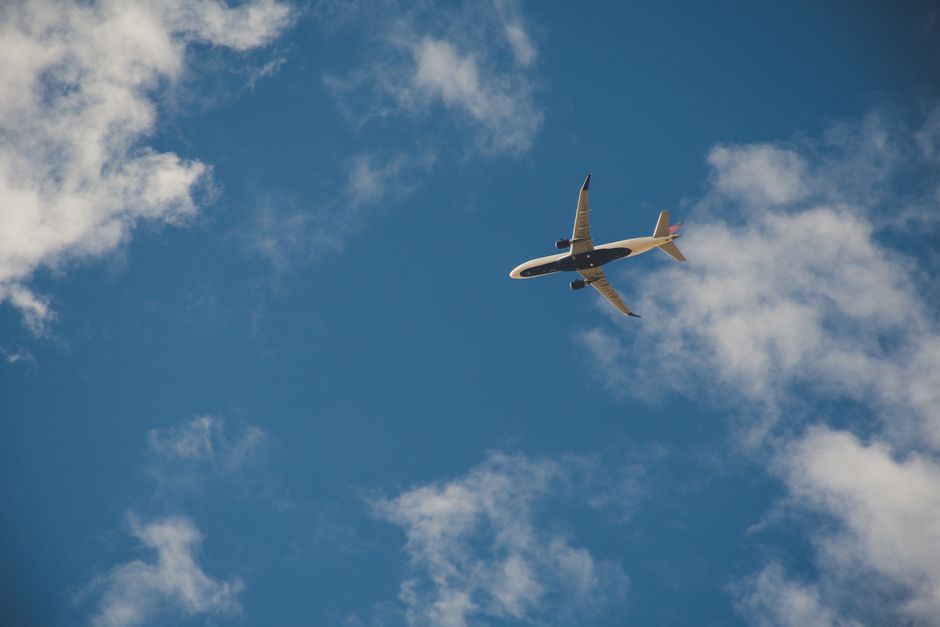
You’d think one exam couldn’t possibly justify grounding air traffic, but on November 13, 2026, from 1:05pm to 1:40pm, every single flight in the country — 140 of them, 75 domestic and 65 international — gets its schedule shifted so planes aren’t taking off or landing during a 35-minute window. The reason is oddly specific: that’s the listening portion of the English section, and officials don’t want engine noise interfering with a single student’s ability to hear the audio clearly.
It’s not an exaggeration to say the whole country adjusts
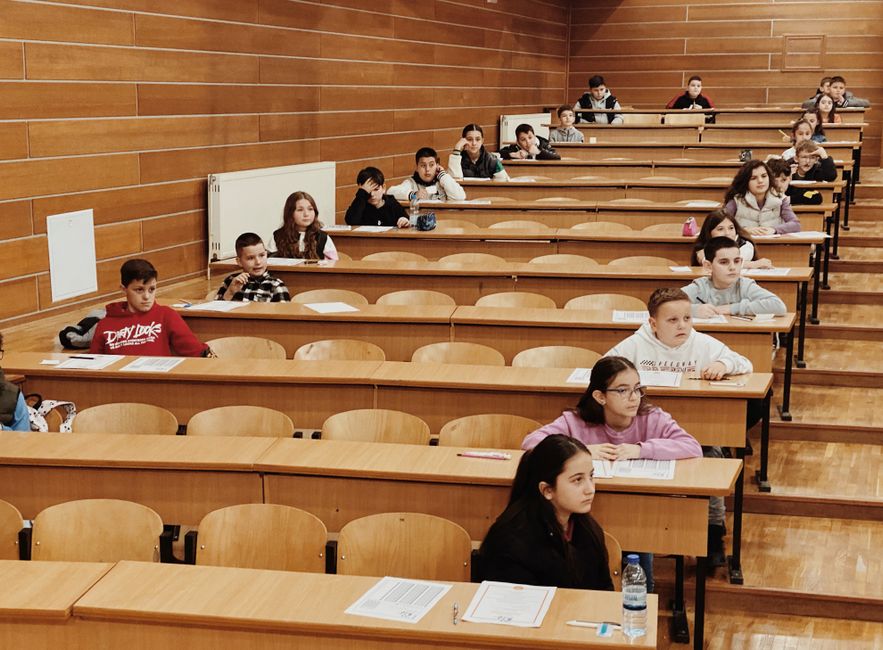
I know that sounds like it must be hyperbole for foreign media, but it genuinely isn’t. Office workers get a later start time so the roads are clearer for students heading to test centers. Emergency transport vehicles are placed on standby in case any student is running late or has a last-minute issue. Stock markets adjust their opening. Construction sites near exam halls quiet down. All of this, coordinated for a single test running from 8:40am to 5:45pm across 1,310 test centers nationwide.
What gets me every year is how the scale of the disruption is treated as completely normal by everyone here. Nobody complains that their flight got delayed by half an hour in November. It’s just accepted as the cost of raising a generation that takes this exam seriously enough to warrant it.
Why one test carries this much weight
You might wonder why Korea doesn’t just spread university admissions across multiple smaller assessments the way a lot of other countries do. Part of the answer is that Suneung is seen as the one truly fair filter — a single national exam, same questions for everyone, no family connections or private school pedigree deciding the outcome directly. Whatever criticism people have of the system, and there’s plenty, that perceived fairness is part of why it’s stuck around largely unchanged in structure for decades.
The other part is cultural momentum. Parents who went through their own Suneung day understand exactly what their kids are feeling, right down to the packed lunch and the last-minute prayer at a temple or church the night before. It’s a shared national memory in a way that’s hard to explain until you’ve watched hagwon lights stay on until midnight for months leading up to it.
The scene outside the test centers
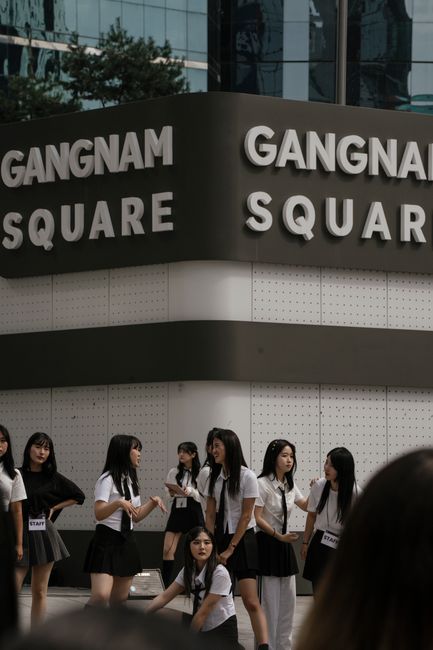
If you’re anywhere near a test center that morning, you might think overkill is the term for what’s happening outside. Underclassmen show up before dawn to cheer on seniors, holding signs and handing out yeot and chapssaltteok — sticky rice snacks that are supposed to help you “stick” to your desired school, thanks to a pun that’s been part of exam culture for generations. Parents wait outside for hours, sometimes bowing at nearby temples in the meantime. It’s equal parts stressful and strangely moving to watch.
FAQ
What exactly happens if a student arrives late?
Police and even emergency vehicles are authorized to transport students who are running behind schedule, and there have been well-documented cases of officers escorting students to test centers by patrol car. The system treats a late arrival as a genuine emergency, not just bad luck.
Do all flights really stop, or just some?
Every scheduled takeoff and landing nationwide is paused for that 35-minute English listening window — it’s a blanket rule, not limited to airports near test centers.
Is Suneung the only way into Korean universities?
No, though it often feels that way from the outside. There are alternate admissions tracks based on school records, portfolios, or early decision processes, but Suneung scores still carry enormous weight for the majority of students competing for top-tier universities.
Leave a Reply