지난주 김치냉장고 맨 아래 칸을 정리하다가 작년 가을에 담근 김장김치 한 포기를 발견했다. 하도 시어서 그냥 버릴까 고민하다가 문득 김치찌개가 떠올랐는데, 끓여보니 겉절이로 끓였을 때보다 몇 배는 진한 맛이 났다. 신 김치를 아까워하지 않고 써야 진짜 맛있는 김치찌개가 나온다는 걸 그날 다시 확인했다.
2인분 기준 재료
재료를 정확히 계량하지 않고 감으로 끓이면 짜거나 밍밍해지기 쉽다. 예전에 잡채 황금비율 레시피를 정리할 때도 느꼈지만, 계량스푼 하나 꺼내는 게 귀찮아 보여도 처음 몇 번은 재보는 편이 시행착오를 줄이는 지름길이다.
묵은지가 너무 시어서 걱정된다면 설탕 반 작은술을 양념에 살짝 더해도 괜찮다. 신맛을 완전히 없애겠다기보다는 단맛으로 살짝 눌러준다는 느낌으로 넣으면 된다.
만드는 법
1단계. 돼지고기와 김치를 들기름에 볶는다
냄비에 들기름을 두르고 돼지고기를 중불에서 2~3분 볶아 기름을 낸다. 고기 겉면이 하얗게 익으면 신김치를 넣고 3~4분 더 볶는데, 이 과정을 생략해도 될 것 같지만 확실히 국물 맛이 얕아진다. 번거로워 보여도 볶는 시간만큼은 줄이지 않는 게 좋다.
2단계. 육수를 붓고 끓인다
쌀뜨물이나 멸치육수 500ml를 붓고 센 불에서 한소끔 끓인 뒤, 중약불로 낮춰 15~20분 정도 뭉근하게 끓인다. 국물이 팔팔 끓기만 하면 다 됐다고 생각하기 쉬운데, 의외로 이 시간 동안 김치와 고기 맛이 국물에 배어드는 게 핵심이다.
3단계. 양념을 더하고 두부와 채소를 넣는다
고춧가루, 다진 마늘, 된장, 국간장을 넣고 5분 더 끓인다. 이때 간을 한번 보고 부족하면 국간장을 조금씩 추가한다. 두부와 양파, 대파, 청양고추를 넣고 3~4분만 더 끓이면 완성이다. 재료를 한꺼번에 다 넣고 싶은 마음이 들 수 있지만, 두부를 마지막에 넣는 순서만은 지키는 게 낫다. 오래 끓이면 푸석해지기 때문이다.
실패하지 않는 팁
돼지고기 부위, 뭘 써야 할까
앞다리살이나 목살은 지방과 살코기 비율이 적당해서 오래 끓여도 퍽퍽해지지 않는다. 삼겹살을 쓰면 기름진 맛이 강해지는데, 느끼함이 부담스럽다면 앞다리살 쪽이 확실히 무난하다.
묵은지 신맛 조절법
신맛이 부담스러울 수 있지만, 억지로 물에 씻어내면 김치 특유의 감칠맛까지 같이 빠져나간다. 그보다는 설탕이나 매실청을 반 작은술 정도 넣어 신맛을 눌러주는 편이 낫다. 씻어서 신맛을 빼는 방법이 손쉬워 보여도, 맛의 깊이는 오히려 떨어진다.
육수, 대충 물로 끓여도 될까
물만 넣어도 찌개는 끓지만, 멸치와 다시마로 10분만 우려낸 육수를 쓰면 국물 맛이 눈에 띄게 달라진다. 육수 내는 게 귀찮게 느껴질 수 있지만, 의외로 멸치 손질까지 합쳐도 10분이면 충분하다. 시간이 정말 없다면 쌀뜨물만 써도 밍밍함은 어느 정도 잡을 수 있다.
자주 묻는 질문
Q1. 묵은지가 없으면 어떻게 하나요?
일반 배추김치로도 끓일 수 있지만, 신맛이 약해서 국물이 밍밍하게 느껴질 수 있다. 이럴 때는 식초를 넣기보다 김치 국물을 평소보다 조금 더 넣고, 끓이는 시간을 5분 정도 늘리면 깊은 맛을 어느 정도 흉내 낼 수 있다.
Q2. 너무 신 김치는 어떻게 조절하나요?
설탕이나 매실청을 반 작은술씩 나눠 넣으면서 간을 보는 게 가장 안전하다. 급한 마음에 한 번에 많이 넣고 싶겠지만, 그러면 단맛이 튀어서 오히려 어색해진다. 조금씩 더해가며 맛을 확인하는 편이 결과가 확실히 좋다.
Q3. 남은 찌개는 어떻게 보관하나요?
두부를 넣기 전 상태로 냉장 보관하면 3일 정도는 무난하다. 두부까지 넣은 채로 통째로 넣어두고 싶겠지만, 다음 날 꺼내보면 물러져 있는 경우가 많다. 가능하면 두부는 먹을 만큼만 데울 때 새로 넣는 게 낫다.
묵은지 김치찌개는 재료가 단순한 만큼 순서와 시간에서 맛이 갈린다. 예전에 김치볶음밥 황금비율 레시피를 소개했을 때도 그랬지만, 신김치를 활용하는 요리는 재료를 아끼려는 마음보다 제대로 익혀서 쓰는 자세가 더 중요하다. 냉장고에 묵혀둔 김치가 있다면 이번 주말엔 버리지 말고 냄비부터 꺼내보길 권한다.
The first time I understood what Korean military service actually means, I wasn’t reading a news article about it. I was standing in a parking lot outside a training center in Nonsan with a Korean friend’s family at six in the morning, watching a twenty-year-old kid in a buzzcut disappear through a gate while his mother cried into his little sister’s shoulder. Nobody in that crowd was making a political statement. They were just saying goodbye to someone for the better part of two years. That’s the version of military service I actually know — not the policy debates, but the goodbye in the parking lot, and the letters that come after it.
The Basic Numbers Every Family Works Around
Here’s the part that surprises a lot of people who aren’t from here: this isn’t optional, and it isn’t small. Almost every able-bodied Korean man is required to serve, and the window for doing it currently runs from age 18 up to 28, with deferments — mostly for university — pushing that ceiling later for plenty of guys. You might assume that’s a soft suggestion families can negotiate around. It’s not. Miss the window without an approved deferment and the consequences get serious fast, so in practice the deadline shapes college schedules, career plans, even dating timelines, years in advance.
Duration depends on which branch you land in, and this is where I used to get confused because everyone quoted me a different number. Active duty in the Army and Marine Corps currently runs about 18 months. The Navy is closer to 20. The Air Force stretches to roughly 21. Guys who go into alternative forms of service — more on that below — can serve even longer. None of these are life sentences, obviously, but when you’re 21 and your friends overseas are picking majors or backpacking through Europe, losing a year and a half to two years is not a rounding error. It reshapes a chunk of your twenties whether you’re ready for that or not.
What Enlistment Day Actually Looks Like
The day itself has a rhythm to it that took me a while to piece together from watching different families go through it. Most guys shave their heads before they even arrive — partly practical, partly a kind of ritual reset, a visible line between civilian life and what’s coming. At the training center, there’s an entrance ceremony, and it’s honestly more moving than I expected the first time I saw one. Families are allowed to walk the recruit right up to the gate. Then, at some point, everything the recruit was wearing and carrying — his clothes, his phone, whatever he had in his pockets — gets boxed up and mailed back home. I’ve heard more than one Korean mother describe opening that box as the exact moment the whole thing became real for her, more than the goodbye itself.
From there, new recruits go straight into about five weeks of basic training — marching, physical conditioning, weapons handling, the standard boot-camp fundamentals — before being assigned out to their actual units. During those five weeks, contact with the outside world is limited. No casual phone calls. Families mostly wait on letters, and if you’ve never seen a Korean parent light up over a single page of handwritten mail from their son in training, it’s worth witnessing at least once. It’s a strange kind of low-tech intimacy in a country where everyone otherwise texts constantly.
The First Leave, and What Visits Look Like After
Turns out the isolation isn’t permanent, which is a relief for families the first time they go through it. After roughly 100 days of active service, soldiers typically become eligible for their first proper leave — usually a handful of days — and that first trip home tends to be treated like an event. Extended family shows up. There’s a meal involved, always. After that initial stretch, leave and, depending on the unit, scheduled visitation days become part of the rhythm, though exactly how often varies by assignment and isn’t something families get to fully control. Bases also tend to sit in fairly remote, rural areas, so a “quick visit” from Seoul can easily eat most of a weekend in transit alone. Still, I’ve noticed families treat those visits as non-negotiable. Grandparents who barely leave their neighborhood will get on a bus for four hours to see a grandson for ninety minutes.
The K-pop Enlistment Phenomenon
If you’ve spent any time near K-pop fandom, you already know enlistment season is its own cultural event. There’s no carve-out for celebrities — idols, actors, athletes, they all serve on the same basic terms as everyone else, which honestly seems to be a point of quiet national pride rather than resentment. What differs is how agencies manage the disruption. Groups will stagger enlistment dates so members don’t all vanish at once, release solo projects to keep momentum going during a member’s absence, or simply pause group activities entirely and let fans know it’s a hiatus, not a breakup. Watching a fandom organize itself around a military timetable — countdown clocks, farewell concerts, coordinated letter-writing campaigns to the enlisted member — is honestly one of the more fascinating bits of contemporary Korean pop culture to observe from the outside. It’s grief and pride and scheduling logistics, all tangled together.
Alternatives to Standard Active Duty
Not everyone ends up in the same track, and this is a detail a lot of outside explainers skip over. Men who don’t pass the physical or psychological standards for active duty — for medical reasons, mostly — can be assigned to what’s generally called social service duty, working in public offices, hospitals, or municipal agencies instead of a barracks. It’s still mandatory, still government-assigned, and in some cases actually runs longer than active duty rather than shorter, so it’s not really a shortcut anyone is hoping for. There’s also a formal alternative service track for recognized conscientious objectors, which involves an extended service period, well over two years, typically served in correctional facilities. I want to be careful here — the eligibility rules and exact terms shift periodically, and this isn’t a legal guide, just an honest sketch of the landscape as families around me describe it.
What It’s Actually Like to Watch From the Outside
You might expect, as a foreign parent raising kids here, that this would all feel distant to me — something happening to other families, not mine. It doesn’t, though. My son’s friends age into this system on a schedule I’ve started tracking almost without meaning to, the same way I track school entrance exams. I’ve sat with Korean moms in the weeks before their sons enlist and watched them alternate between practical logistics — what to pack, what snacks freeze well for care packages — and a kind of grief that has nowhere else to go because everyone around them insists this is just normal life. Honestly, that’s the part that stays with me. It is normal life here. And it’s also, every single time, a genuinely hard thing a family has to walk through together, buzzcut and all.
One thing that helped me make sense of the enlistment age window specifically was finally understanding how Korean age counting actually works, since birthdays here don’t line up the way I assumed they would. If that’s ever confused you too, I wrote about it separately in Korean Age System Explained: Why the Math Never Quite Adds Up, and it genuinely clarified why families start talking about enlistment timing earlier than you’d expect.
Frequently Asked Questions
What happens if a K-pop idol is mid-comeback when enlistment age hits?
In most cases, the comeback simply gets timed around the deadline rather than the deadline bending for the comeback — enlistment age deferments for entertainers are narrow and were tightened after some well-publicized controversies in past decades. What you’ll usually see instead is a group rushing to release an album or wrap a tour just before a member’s enlistment date, followed by a farewell stage, and then the agency pivoting to a hiatus or a reshuffled lineup until he’s discharged. It’s less “the system makes an exception” and more “the schedule bends around the system,” which, honestly, took me a while to appreciate as its own kind of discipline.
Can someone choose which branch or type of service they end up doing?
Not really, at least not as a simple preference. Assignment depends heavily on your physical exam grade, your education, and current military needs, with some limited input from the individual on preferences that may or may not be honored. So you’ll hear plenty of guys joke — half joke, honestly — about “hoping” for a particular branch or a cushier posting near home, but nobody I know treated it as something they could actually count on going their way.
Do families really only get occasional visits for nearly two years?
It’s not quite as bleak as it sounds once you’re past the first five-week basic training blackout. After the initial training period and that first leave around the 100-day mark, most soldiers get periodic leave and, depending on their unit, some visitation opportunities — it’s just not as frequent or flexible as families would like, and remote base locations make even a granted visit a full-day undertaking. Letters and, in later stages of service, limited phone access tend to fill the gaps in between.
조용한 방에 누워 막 잠을 청하려던 순간, 어디선가 “삐-” 하는 가느다란 소리가 들려온다. 처음엔 옆집 전자기기 소리인가 싶어 귀를 기울여보지만, 창문을 닫고 스위치를 다 꺼도 소리는 그대로다. 45세 직장인 김모씨는 그날 밤 처음으로 “이 소리, 혹시 내 귀 안에서 나는 건가”라는 생각을 했다고 말한다.
이런 경험은 40~50대에서 드물지 않다. 건강보험 진료 통계를 보면 이명으로 병원을 찾는 사람 중 상당수가 50대 이상이고, 그중에서도 여성 비중이 눈에 띄게 높다는 자료가 나온다. 20대 때는 시끄러운 콘서트장을 다녀온 다음 날에나 겪던 일이, 이제는 별다른 계기 없이도 불쑥 찾아온다는 이야기를 중년의 나이대에서 자주 듣게 된다.
이명, 정확히 무슨 소리인가
이명은 외부에 실제 소리가 없는데도 삐- 하는 고음, 웅- 하는 저음, 혹은 맥박처럼 뛰는 소리를 인식하는 증상을 통틀어 부르는 말이다. 의학적으로는 크게 두 갈래로 나뉜다. 본인만 들을 수 있는 자각적 이명, 그리고 청진기를 대면 검사자도 확인할 수 있는 객관적(타각적) 이명이다. 이명을 겪는 사람의 대부분은 전자에 해당하고, 혈관이나 근육의 움직임과 관련된 후자는 비율로 보면 훨씬 적은 편이다.
스트레스 때문이라고만 생각하기 쉽지만, 이명은 단일 원인으로 딱 떨어지게 설명되지 않는 경우가 많다. 의외로 청력 검사에서는 별다른 이상이 나오지 않는데도 이명만 뚜렷하게 느껴지는 사람들이 있고, 반대로 청력이 상당히 떨어졌는데도 본인은 이명을 거의 못 느끼는 경우도 있다. 두 증상이 늘 함께 다니는 것은 아니라는 뜻이다.
40~50대에 갑자기 이명이 시작되는 이유
소음성 – 젊은 시절 누적된 노출이 뒤늦게 드러난다
세계보건기구 기준으로 85데시벨 이상 소리에 하루 8시간 넘게 노출되면 청각 유모세포가 손상될 위험이 커진다고 알려져 있다. 지하철 내부 소음이 대략 80~90데시벨, 이어폰 최대 음량은 100데시벨을 넘기기도 한다. 20~30대에 이어폰을 끼고 산 세월이 40~50대에 이르러 누적된 결과로 나타난다는 설명이 이비인후과 자료에서 종종 언급되는데, 젊을 때는 며칠 지나면 사라지던 증상이 나이가 들면서 회복 속도가 느려진다는 점도 함께 지적된다.
스트레스성 – 조용해질수록 커지는 소리
중년에 접어들면 회사에서는 책임이 커지고, 집에서는 자녀 교육이나 부모 부양 부담이 겹치는 시기가 많다. 스트레스 호르몬이 자율신경계를 자극하면 청각 신경이 예민해지고, 평소라면 인지하지 못했을 미세한 내이의 소리까지 뇌가 증폭해서 받아들인다는 가설이 있다. 잠들기 전 조용한 시간에 이명이 유독 크게 느껴지는 것도, 낮 동안의 소음이 사라지면서 뇌가 상대적으로 그 신호에 집중하기 때문이라는 설명이 있다. 생각보다 많은 사람들이 야근이 몰린 주간에 이명이 심해졌다고 말한다.
노화성 – 고주파부터 서서히
나이가 들면서 자연스럽게 진행되는 노인성 난청(presbycusis)도 40대 후반부터 서서히 시작될 수 있다. 저주파보다 고주파 영역 청력이 먼저 떨어지는 경우가 많은데, 이 과정에서 뇌가 부족해진 신호를 보완하려다 이명을 만들어낸다는 이론도 제기된다. 노화라고 하면 아직 이르다고 느끼는 40대도 많지만, 청각 세포는 신체의 다른 부위보다 손상에 더 예민하다는 점을 알아두면 도움이 된다.
그 밖의 요인 – 호르몬, 혈압, 턱관절
여성의 경우 갱년기 호르몬 변화가 이명과 시기적으로 겹쳐서 나타나는 사례도 보고된다. 갱년기 증상을 함께 겪고 있다면 갱년기 증상과 생활 관리법도 함께 참고해볼 만하다. 혈압 변화, 턱관절 이상, 목과 어깨 근육의 긴장 역시 이명과 연관될 수 있다는 연구들이 있다. 원인 하나로 딱 떨어지지 않는다는 점이 이명을 다루기 까다롭게 만드는 부분이다.
나에게 해당하는지 자가 체크
진단은 전문의의 몫이지만, 병원에 가기 전 스스로 상황을 정리해보는 것은 가능하다. 아래 항목 중 여러 개에 해당한다면 진료를 받을 때 증상을 구체적으로 설명하는 데 도움이 된다.
최근 두 달 사이 이어폰이나 헤드폰 사용 시간이 눈에 띄게 늘었다
업무나 개인사로 인한 스트레스가 평소보다 심한 시기다
밤에 방이 조용해지면 소리가 더 크게 느껴진다
양쪽이 아니라 한쪽 귀에서만 소리가 들린다
소리와 함께 어지럼증, 두통, 귀가 꽉 찬 느낌이 동반된다
병원에 가야 하는 신호 – 미루면 안 되는 경우
스트레스겠거니 하고 넘기기 쉽지만, 의외로 한쪽 귀에서만 갑자기 이명이 시작되고 동시에 청력이 뚝 떨어졌다면 이야기가 다르다. 돌발성 난청일 가능성을 배제할 수 없기 때문이다. 돌발성 난청은 이명 환자의 상당수가 함께 겪는 증상으로 알려져 있어서, 편측성 이명을 단순히 피곤해서 그런가 보다 하고 넘기면 시기를 놓칠 수 있다.
돌발성 난청은 증상 발생 후 72시간 이내 진료를 받는지 여부가 청력 회복 예후에 큰 영향을 준다고 알려져 있다. 일주일 안에 치료를 시작한 환자의 상당수가 청력을 회복했다는 보고가 있는 반면, 시기를 놓치면 회복률이 크게 떨어진다는 자료도 있다. 하루 이틀 정도는 피곤해서 그런가 보다 하고 넘길 수 있지만, 편측성 이명에 청력 저하나 이충만감까지 겹친다면 미루지 않는 편이 낫다.
다음과 같은 신호가 함께 나타난다면 되도록 빨리 진료를 받아보는 것이 좋다.
한쪽 귀에서만 소리가 들리며 그 귀의 청력이 눈에 띄게 떨어진 느낌이 든다
극심한 어지럼증이나 균형 감각 이상이 함께 나타난다
얼굴 한쪽이 마비되거나 감각이 둔해진다
이전에 없던 심한 두통이 함께 온다
이명이 2~3일이 지나도 전혀 나아지지 않는다
일상에서 해볼 수 있는 관리
수면 부족이나 카페인 과다 섭취가 이명을 더 도드라지게 만든다는 이야기를 하는 사람들이 많다. 실제로 야근이 잦았던 주에 이명이 심해졌다고 말하는 경우를 어렵지 않게 볼 수 있는데, 몸이 피로한 상태에서는 뇌가 작은 신호에도 더 민감하게 반응하기 때문이라는 설명이 있다.
조용한 방에서 오히려 이명이 크게 들린다면, 작은 백색소음이나 라디오 소리를 낮게 틀어두는 방법을 쓰는 사람들도 있다. 소리를 완전히 없애기보다 다른 소리로 관심을 분산시키는 방식이다. 다만 이런 방법은 증상을 조금 편하게 느끼도록 돕는 경험적인 이야기일 뿐, 원인 자체를 없애는 방법은 아니라는 점을 짚어두고 싶다.
이어폰 볼륨을 최대치의 60% 이하로 유지하고, 큰 소리에 노출된 뒤에는 귀에 휴식 시간을 주는 습관도 자주 언급된다. 잠들기 전 카페인이나 니코틴 섭취를 줄이는 것도 도움이 된다는 의견이 많다. 불면증과 이명이 서로를 악화시키는 경우도 있어서, 수면의 질을 관리하는 것 자체가 도움이 된다고 보는 시각도 있다. 잠 문제를 같이 겪고 있다면 40~50대 불면증, 잠 못 드는 이유와 생활습관 개선법도 참고가 될 수 있다.
자주 묻는 질문
Q. 회사에서 스트레스 받은 날만 유독 귀가 울리는데, 이것도 병원에 가야 할까요?
스트레스와 상관관계가 뚜렷하다고 해서 병원에 갈 필요가 없다는 뜻은 아니다. 특정 상황에서만 나타나는 이명이라도 몇 주 이상 반복된다면 한 번은 청력 검사를 받아 다른 원인이 겹쳐 있지 않은지 확인해보는 편이 안전하다. 스트레스가 방아쇠 역할을 했을 뿐, 그 아래 다른 요인이 깔려 있는 경우도 의외로 있기 때문이다.
Q. 귀에서 소리가 난 지 일주일이 넘었는데 그냥 참아도 될까요?
일주일 넘게 지속되는 이명이라면 참고 넘기기보다 진료를 받아보길 권한다. 한쪽 귀에서만 소리가 들리거나 그사이 청력이 떨어진 느낌이 든다면 더욱 그렇다. 시간이 지나면 저절로 나아질 거라고 생각하기 쉽지만, 원인에 따라서는 초기 대응 시점이 이후 경과에 영향을 줄 수 있다는 점을 염두에 두는 것이 좋다.
Q. 이명 완화 앱이나 백색소음기가 정말 도움이 되나요?
완전히 없애준다기보다는, 조용한 환경에서 이명 소리에 신경이 쏠리는 것을 줄여주는 보조적인 역할을 한다고 보는 편이 맞다. 잠들기 전이나 집중이 필요한 시간에 활용하는 사람들이 많지만, 사용 여부와 무관하게 증상이 계속되거나 심해진다면 원인을 확인하는 검사가 먼저다.
이명은 원인이 사람마다 제각각이라 스스로 판단하고 넘기기보다, 정확한 검사를 통해 원인을 좁혀가는 과정이 필요한 증상이다. 이 글에서 다룬 내용은 이해를 돕기 위한 일반적인 정보이며, 정확한 진단과 치료는 반드시 전문의와 상담하시기 바랍니다.
There is a woman two doors down from us who I am fairly sure does not like me. Or didn’t, for the first year or so — I parked wrong once, played music too late another time, said something clumsy in Korean that came out ruder than I meant. And yet she is also the person who, without fail, leaves a container of kimchi on our doorstep whenever she makes a new batch, never knocks, never waits for thanks. I used to think that was a contradiction. It took me an embarrassingly long time to understand it was actually the whole point. That container is jeong, and jeong does not require you to like someone first.
The Word That English Keeps Reaching For and Missing
정 (jeong) gets translated as “affection,” sometimes “attachment,” occasionally just “love,” and every one of those words undersells it a little. Love, in English, tends to imply choice — you fall into it, you decide to stay in it, you can name the moment it started. Jeong doesn’t really work that way. Nobody chooses it. It accumulates, almost against your will, out of proximity and repetition: the same bus driver every morning, the same ajumma at the corner store who starts bagging your usual order before you ask, the coworker you’ve shared a hundred forgettable lunches with. None of that sounds like the start of a love story. It isn’t. It’s something quieter and, honestly, more durable.
Sociologists writing about Korean culture sometimes describe jeong as a kind of social glue — the invisible material that holds a group together over time, independent of whether the people in it are especially fond of each other on any given day. That framing sounds academic, but it matches what I’ve actually watched happen. Jeong isn’t a feeling you have about someone. It’s closer to a feeling that has slowly built up inside the space between you, whether you meant it to or not.
It’s Not the Same as Being Nice
This is where I think a lot of explanations go a little sideways, mine included, until I’d actually lived here long enough to see the difference. Politeness is something you can perform on command — a bow, a set phrase, a held door. Jeong can’t be performed, not convincingly anyway, because it isn’t really an action at all. It’s residue. It’s what’s left over after enough small, unremarkable interactions pile up that you start to feel something for a person you never decided to feel something for. You can be perfectly polite to a stranger and feel absolutely nothing. You can be genuinely rude to someone, more than once, and still end up tangled in jeong with them. Which brings up the part of this that foreigners tend to find the most confusing.
미운정 (Miun-jeong): Affection You Never Signed Up For
There’s a specific term for this, and it might be the most useful entry point into the whole concept: 미운정, miun-jeong, sometimes rendered as “hateful affection” or “affection born from dislike.” It describes the bond that forms between people despite ongoing friction, not instead of it. Think of a coworker who has annoyed you for three straight years — talks too loud, takes credit at the worst moments, somehow always forgets to refill the coffee. You’d never call that person a friend. And yet when they announce they’re transferring departments, something in your chest sinks a little, and you’re surprised by how much.
That surprise is the tell. Miun-jeong sneaks up on you precisely because you weren’t cultivating it — you were too busy being irritated. Turns out irritation and attachment can share the same address for years without either one evicting the other. I’ve seen this play out with in-laws who bicker constantly and would still walk through fire for each other, with old rival shopkeepers on the same street who complain about one another nonstop and also cover each other’s stalls without being asked. The friction doesn’t cancel the bond. Sometimes, oddly, it seems to be part of what builds it.
Why This Trips Up Non-Korean Speakers Specifically
In a lot of Western frameworks, conflict and closeness are treated as opposites — you fix the conflict and then, maybe, you can get close, or the conflict damages the closeness you already had. Jeong doesn’t sort things into those tidy categories. It’s less a straight line from dislike to like and more a slow accumulation that runs alongside whatever else is happening, good or bad. Which, sure, sounds a little messy when you say it out loud. It is messy. But most real, long-running relationships are messy too, and I’d argue jeong is just Korean culture being honest about that instead of pretending affection has to stay clean.
Where Jeong Actually Shows Up, Day to Day
It rarely announces itself. Nobody sits you down and says “I feel jeong toward you.” It shows up sideways, in gestures that would look almost too small to mention if you wrote them down individually.
Food, Almost Always Food
Sharing food is probably the most visible carrier of jeong in daily life, and once you notice it you start seeing it everywhere. A neighbor who made too much japchae sends a plate over, unprompted, without expecting the plate back with anything in particular on it. An older woman at the market slips an extra handful of vegetables into your bag and waves off any attempt to pay for it. This isn’t hospitality in the polite, transactional sense — it’s not about impressing you or fulfilling some social obligation checklist. It’s more like: I have this, you’re someone I know, so of course you get some too. The “of course” is the whole thing. There’s no negotiation happening underneath it.
I’ve written before about how relentless banchan culture can feel to someone new to it — the side dishes that keep arriving whether you asked for them or not — and jeong is a big part of why that habit exists at all. Feeding someone more than strictly necessary is one of the plainer ways Korean culture has of saying “you matter to me” without anyone having to say the actual sentence out loud.
Worry as a Love Language
The other place jeong shows up constantly is worry — specifically, the kind that gets voiced as a mild scolding. “Did you eat yet?” isn’t small talk here the way it might read in English; ask a Korean friend and most will tell you it’s closer to a genuine check-in wearing a casual disguise. An older neighbor telling you, with some exasperation, that you’re not dressed warmly enough for the weather isn’t criticizing your outfit. She’s stating that your well-being is now, somehow, a little bit her business. That’s not something she’d say about someone she felt nothing for. Jeong tends to sound a lot like nagging from the outside, and I get why that’s confusing at first — it certainly confused me. But underneath the nagging is usually just plain concern that hasn’t found a gentler outlet.
Showing Up Without Being Asked
There’s also a quieter version of jeong that has nothing to do with words at all — someone noticing your recycling has piled up and taking it out along with theirs, a coworker covering your desk phone for a week without making it a whole conversation, an elderly neighbor who starts leaving a side dish or two on your doorstep once she’s decided, apparently unilaterally, that you’re now part of her rotation. Nobody asked her to do that. Nobody’s paying her back for it in any formal sense. It just becomes a fact of the relationship, the way weather becomes a fact of a season.
Why Jeong Doesn’t Translate Cleanly, and Why That’s Kind of the Point
Part of what makes jeong resistant to a one-word English equivalent is that it refuses to sit in just one relationship category. It isn’t romantic love, though it can live inside romantic relationships. It isn’t friendship exactly, though it often outlasts friendships that were never formally declared. It isn’t family loyalty either, though families run on it constantly. It’s more like a substrate that all of those relationships can grow in — present in a marriage, present between rival coworkers, present between a shopkeeper and a regular customer who’s been coming in for a decade and whose name the shopkeeper still doesn’t actually know.
Honestly, I think that’s why so many attempts to explain jeong to English speakers end up listing synonyms instead of landing on one. You can’t cleanly extract it from its context, because its context — the shared time, the repetition, the small accumulated debts and gifts nobody’s keeping score of — is what jeong actually is. It’s less a feeling and more a record of history between two people, one that keeps writing itself whether or not either person is paying attention.
Does Jeong Ever Fade?
It can, though slowly, and usually through absence rather than conflict. Move away from a neighborhood, stop showing up at the same corner store, change jobs — and the jeong that built up doesn’t vanish overnight, but it does thin out if nothing feeds it. Which tracks with everything else about it: if jeong is built from repeated small contact, then the removal of that contact is really the only thing that reliably weakens it. Not an argument. Not a falling-out. Just time and distance doing what they do.
Frequently Asked Questions About Jeong
Is jeong the same as just being nice or polite? No, and this is probably the most common mix-up. Politeness is something you can offer a total stranger once and never think about again — holding a door, saying the right phrase at the right moment. Jeong only exists between people who’ve accumulated shared time, and it doesn’t require either person to be particularly warm in the moment. You can be genuinely annoyed with someone and still feel jeong toward them; that’s more or less what miun-jeong describes. Politeness is a behavior. Jeong is closer to a history.
Can a foreigner build jeong with Korean neighbors or coworkers, or is it something you have to be born into? From what I’ve seen living here, it’s absolutely something an outsider can build — it just tends to take longer to notice happening, because it’s not the kind of thing anyone announces. It shows up as small, repeated gestures rather than a dramatic moment of acceptance: someone starts remembering your usual order, or asking after you when you’ve been sick, or including you in the food rotation without being asked. It’s less about where you’re from and more about whether you’ve stuck around long enough, and shown up consistently enough, for that residue to build.
If jeong is so positive, why does it include something with “hateful” in the name? Because jeong was never really about the relationship being pleasant — it’s about the relationship being lasting. Miun-jeong exists because real, long-running relationships include friction, and Korean culture, at least in this one respect, doesn’t pretend otherwise. Calling it “affection born from dislike” is really just an honest label for something most people experience but rarely name: caring about someone you also, at times, can’t stand. Naming it doesn’t resolve the contradiction. It just admits the contradiction is normal.
I still don’t know if my neighbor likes me, not in any way I could confirm by asking her directly — that’s not really how any of this gets confirmed. But the kimchi keeps showing up, and at some point I stopped needing an answer to the other question. That, as far as I can tell after years of getting this wrong before getting it slightly less wrong, is what jeong actually feels like from the inside: not a warm certainty, but a quiet accumulation you only notice once it’s already there. If you want to see a related side of this — the unspoken social sense that runs alongside it — I’ve written separately about nunchi, and about the food habits that carry so much of this feeling in the first place, in my piece on banchan culture.
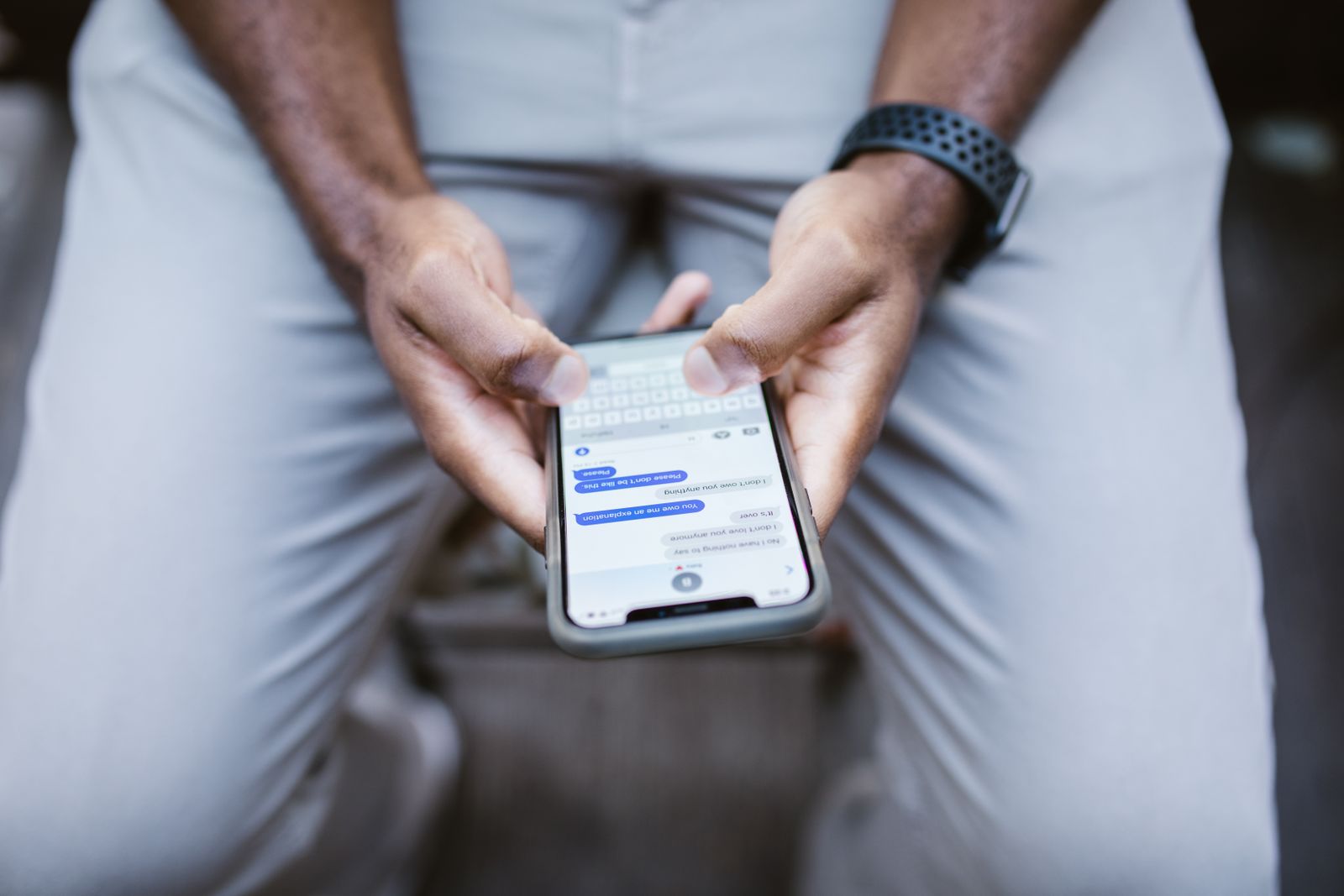
My father-in-law texted me once at 11:47 p.m. Just a single word, no punctuation, and then nothing. I stared at it for a solid minute trying to figure out what he wanted, gave up, and typed back a question mark. He didn’t answer until the next morning. Nobody in the family thought this was strange. I did, for about the first two years I lived here, and then something clicked and I stopped being strange about it too. That’s the thing about KakaoTalk — it doesn’t just carry Korean conversation, it runs on its own internal logic, and once you understand the logic, half the things that used to feel like being ignored stop feeling that way at all.
The App That Isn’t Really Optional
Sounds like a small thing, but the first adjustment is realizing KakaoTalk isn’t one app among several here — it’s basically the operating system for talking to other humans. SMS still technically exists, sure, but I have genuinely gone months without receiving a plain text message from anyone besides a bank or a delivery courier. Friends use it, coworkers use it, my kids’ school uses it, the landlord uses it, my wife’s entire extended family runs a group chat that has apparently existed since before we got married. When something like ninety-some percent of the country is on one messaging app, the app stops being a tool and starts being an environment. You don’t really choose to use KakaoTalk in Korea. You just live inside it.
That matters for understanding the etiquette, honestly, because when everyone is in the same room, the room develops its own manners. A lot of what looks like “Korean coldness” to a newcomer is actually just… house rules for a room you haven’t been in long enough yet.
The Number That Everyone Is Watching
Here’s the mechanic that trips up basically every foreigner at some point. When you send a message on KakaoTalk, a little number shows up right next to it — a “1” for a one-on-one chat, or a higher number in a group chat representing how many people haven’t opened it yet. The number isn’t decoration. It’s a live read receipt, and it disappears the instant the recipient actually opens that message thread. No number next to your message means: they saw it. Full stop, no plausible deniability, no “sorry, didn’t see this until now” that actually holds up.
Turns out this one small UI detail shapes an enormous amount of Korean digital behavior. Because the moment that number vanishes, the clock starts. The other person knows you know they read it, and you know they know. There’s no ambiguity to hide in the way there sort of is with iMessage’s “Read 10:42 PM” receipt that you can quietly turn off. On KakaoTalk you can’t disable it. So people develop workarounds — reading a message via the notification banner or the chat-list preview without formally opening the conversation, which keeps the “1” alive and buys a little time. It’s a small, almost silly piece of digital choreography, but it’s real, and once someone explains it to you, you start noticing it everywhere.
Is this exhausting? Sometimes, sure. But I’d argue it’s also more honest than the alternative. American texting culture lets you pretend you didn’t see something for days. Korean texting culture just… doesn’t let you pretend. You either answer or you sit with the fact that they know you’re sitting on it.
So Does the “1” Disappearing Really Mean They’re Ignoring You?
Not automatically, no — and this is where I made my worst early assumptions. Reading a message doesn’t obligate an instant reply, even though the whole system nudges you to feel like it should. People read on the subway and reply after they’re off. People read a text mid-meeting and answer during the break. What the disappearing number does is remove the excuse of “I never saw it.” It doesn’t remove the very human reality of being busy, tired, or just not ready to answer yet. Still, I won’t pretend there isn’t a real social expectation layered on top — leave a message “read” for too long, especially from someone senior to you or someone you’re close with, and it does register as a small thing. Not a crisis. A small thing.
Why Nobody Actually Types “K” Anymore
If you’ve spent any time in a Korean group chat, you already know the real MVP of the conversation usually isn’t text at all — it’s the stickers. Kakao’s emoticon store is its own strange little economy, packed with tens of thousands of animated and static character sets, most running a couple of dollars a pack, and people buy them constantly. A birthday gets a sticker. An apology gets a sticker. “I’m running five minutes late” gets a sticker of a cartoon character sweating. Entire exchanges can happen with barely a sentence of actual typed Korean in them.
Honestly, it took me a while to stop feeling like sending a sticker instead of words was somehow lazy. It’s not. It’s its own register — a sticker can carry warmth, humor, or a soft “I heard you” in a way a flat “ok” never quite manages. And gifting someone an emoticon pack outright, the way you’d buy a friend a small coffee, is a genuinely common and appreciated gesture. My wife has bought me exactly one emoticon set in nine years of marriage and I still bring it up sometimes, half as a joke, half not.
Group Chats: The Real Battlefield
Family group chats, class-parent group chats, apartment-building group chats, work-team group chats — Korean life runs on an ever-multiplying set of these, and each one has its own unwritten temperature. Some are chatty and constant. Others sit silent for weeks until someone posts a notice about elevator maintenance. What surprised me most is how much social information travels through who responds, who reacts with a sticker, and who says nothing at all. Silence in a group chat isn’t neutral here the way it might feel back home — it reads as a small, quiet signal, even if the silent person just genuinely had nothing to add.
I’ve also learned, the slow way, that muting a group chat and leaving one are treated very differently. Muting is normal, almost universal — everyone mutes the big noisy ones. Actually leaving, especially a family or work chat, can land as a much bigger statement than the person leaving usually intends. So people mute liberally and quit rarely. It’s a workaround that keeps the peace without anyone having to say anything uncomfortable out loud, which, now that I think about it, tracks with a lot of Korean social conflict-avoidance more broadly.
Work KakaoTalk and the Fight for After-Hours Peace
This is the part that isn’t just cultural texture — it’s a genuine, ongoing policy fight in Korea, and it’s worth understanding if you work here or you’re married to someone who does. For years, the default expectation at plenty of Korean companies was that a KakaoTalk message from your boss at 10 p.m. was just… part of the job. The read receipt made it worse, because once you opened it, everyone could see you’d opened it, which made ignoring it socially costly even outside working hours.
That friction eventually became a real labor issue. The government has floated and revisited “right to disconnect” style measures going back years, aimed at giving workers legal footing to not respond to work messages after they’ve clocked out, and more recent labor-reform plans have kept pushing in that direction as part of a broader effort to cut Korea’s notoriously long working hours. Whether a given workplace actually respects that in practice still varies a lot — law and office culture move at different speeds, and plenty of teams still run on the old assumption. But the fact that “should my boss be allowed to KakaoTalk me at midnight” became a serious policy conversation tells you how deeply this one app is woven into Korean work life. It’s not a niche complaint. It’s a labor-rights conversation with an app’s name attached to it.
If you’re curious how the broader workplace hierarchy shapes moments like this — who messages whom, and why titles matter so much in the first place — I wrote more about that in Korean Workplace Hierarchy Explained. The KakaoTalk dynamics make a lot more sense once you see the org chart underneath them.
My Honest Take, After Nine Years
I used to think the disappearing “1” was the most stressful part of Korean messaging culture. These days I think it’s actually kind of a relief. It forces a bit of honesty that other messaging cultures let you avoid. You know when someone’s seen your message. They know you know. Everyone’s playing by the same visible rule instead of guessing. It took me longer than I’d like to admit to stop treating that transparency as pressure and start treating it as just… how the room works here.
Frequently Asked Questions
Is it rude to mute a family group chat?
Generally, no — muting is treated as basic self-preservation rather than a snub, especially for a big, active family chat that pings all day with photos and forwarded articles. Say your mother-in-law’s chat sends forty notifications before lunch; muting it so your phone stops buzzing during work is completely normal, and people assume you’re still quietly reading along even if you’re not reacting to every message. What does raise eyebrows is going quiet for a genuinely long stretch during something that clearly needed a response, like a family emergency or a direct question aimed at you specifically. The mute button is fine. Going dark when someone’s actually waiting on you is the part that lands differently.
If someone reads my message and doesn’t reply right away, are they ignoring me?
Not necessarily, and honestly this is the assumption that causes the most unnecessary anxiety for newcomers. Say you send a coworker a question at 2 p.m., the “1” disappears within a minute, and then nothing for three hours — they may well have read it on a lock-screen notification while walking into a meeting and genuinely intended to answer once they sat back down. The disappearing number confirms they saw it; it says nothing about their schedule, their energy, or whether the question needs a long answer they haven’t had time to write. Give it real time before reading anything into a delay, especially with people who aren’t especially close to you.
Is it okay to ignore a KakaoTalk message from my boss after work hours?
It depends heavily on the workplace, and this is genuinely one of the more unsettled etiquette questions in Korea right now. Legally and in policy conversations, there’s real momentum toward workers having the right to leave after-hours work messages unanswered until the next business day. In practice, whether that feels safe to actually do still varies a lot by company, by industry, and honestly by how progressive your specific manager is. A newer, more flexible workplace might genuinely not blink if you reply the next morning. A more traditional one might still quietly note it. If you’re unsure, watching how your longer-tenured Korean coworkers handle the same situation tells you more about your specific office’s real norms than any general rule can.
새벽 여섯 시 오십 분, 서울역 KTX 플랫폼에 서서 커피를 마시고 있으면 옆자리 아주머니가 “안동 하루 만에 다 볼 수 있어요?”라고 물어온다. 답부터 하자면 가능하다. 다만 순서를 잘못 짜면 하회마을 초입에서 발이 묶여 병산서원도, 월영교 야경도 놓치고 막차 걱정만 하다 돌아오게 된다. 이 글은 실제로 안동역 KTX 도착 시간부터 마지막 야경 산책까지, 시간과 동선을 그대로 따라간 기록이다.
안동역 도착, 몇 시 기차를 타야 하나
서울역·청량리역·수서역에서 KTX-이음을 타면 안동역까지 두 시간 남짓 걸린다. 당일치기라면 오전 7시대 열차를 추천한다. 늦잠 자고 9시 기차를 타도 되지 않을까 싶겠지만, 하회마을과 병산서원을 여유 있게 돌고 월영교 야경까지 챙기려면 오전 8시 전에는 하회마을 매표소 앞에 서 있어야 한다.
안동역에는 렌터카 업체 부스가 몇 곳 있고, 미리 예약해두면 역 앞에서 바로 차를 받을 수 있다. 버스로 움직여도 되지만 하회마을·병산서원·시내를 하루에 오가려면 배차 간격 때문에 시간이 꽤 잡아먹힌다. 렌터카나 택시 대절이 마음은 편하다.
오전 9시, 하회마을부터 걷는다
하회마을은 그냥 옛날 집을 모아놓은 전시장이 아니다. 실제로 류씨 집안 후손들이 지금도 살고 있는 마을이라, 골목을 걷다 보면 빨래가 널려 있고 마당에 앉아 계신 어르신도 마주친다. 관광지치고는 좀 낯설게 느껴질 수도 있지만, 의외로 그 점이 하회마을을 다른 민속촌과 다르게 만드는 부분이다.
입장료는 성인 5,000원, 청소년 2,500원, 어린이 1,500원 선이다. 매표소에서 표를 사면 주차는 무료로 이용할 수 있고, 주차장에서 마을 입구까지는 셔틀버스가 10분 간격으로 다닌다. 걸어도 15분이면 닿는 거리라 날씨만 괜찮으면 걷는 것도 나쁘지 않다.
마을 한가운데 삼신당 신목이라 불리는 오래된 소나무가 있다. 수백 년 된 나무 한 그루가 마을의 중심을 잡고 있다는 게 신기하게 느껴질 텐데, 실제로 가보면 사진보다 훨씬 크고 위압감이 있다. 소원을 적은 종이가 나무 둘레에 매달려 있어서 잠깐 들여다보는 재미도 있다.
시간이 맞으면 하회별신굿탈놀이 상설 공연도 챙겨보길 권한다. 주말과 공휴일 오후에 자주 열리는데, 일정이 매번 바뀌니 안동시 문화관광 홈페이지나 하회마을 공식 사이트에서 당일 공연 여부를 확인하고 움직이는 게 안전하다.
부용대, 마을 전체가 내려다보이는 곳
하회마을 건너편 부용대에 올라가면 낙동강이 마을을 S자로 휘감아 도는 모습이 한눈에 들어온다. 걸어서 우회하면 40분 가까이 걸리니, 여름철 뙤약볕에는 배를 타고 강을 건너는 편이 체력 소모가 적다. 나룻배는 상황에 따라 운행이 중단될 때도 있어서, 매표소나 마을 안내소에서 그날 운행 여부를 먼저 물어보는 게 낫다. 오르막이 꽤 가팔라서 만만하게 볼 코스는 아니지만, 정상에서 보는 풍경은 그 수고를 확실히 갚아준다.
낮 12시 30분, 병산서원으로 이동
하회마을에서 병산서원까지는 차로 15분 정도다. 거리는 가까워도 길이 좁고 구불구불해서 내비게이션보다 조금 더 걸릴 수 있다는 점은 감안하는 게 좋다. 병산서원은 조선시대 서원 건축 중에서도 손에 꼽히게 아름답다는 평을 듣는 곳인데, 막상 가보면 화려함보다는 절제된 분위기에 먼저 눈이 간다.
서원 안 만대루에 걸터앉아 낙동강과 병풍처럼 둘러선 절벽을 바라보는 순간이 이 코스의 하이라이트라고 해도 과하지 않다. 대청마루에 앉아 강바람을 맞고 있으면, 조선시대 유생들이 왜 이 자리를 학문의 장소로 골랐는지 이해가 될 정도다. 사람이 적은 오전 시간대에 안개가 낮게 깔린 풍경으로 유명하지만, 당일치기 일정상 낮에 방문해도 충분히 만족스럽다.
입장료는 성인 기준 2,000원 안팎으로 저렴한 편이고, 관람 시간은 넉넉히 30~40분 잡으면 된다. 신발을 벗고 마루에 올라가야 하니 양말은 미리 챙기는 게 좋다.
오후 2시, 안동 시내로 나와 늦은 점심
병산서원까지 보고 나면 배가 꽤 고파질 시간이다. 안동찜닭거리는 시내 구시장 근처에 몰려 있는데, 원조를 자처하는 집이 여러 곳이라 어디를 갈지 고민될 수 있다. 줄이 길다고 다 맛있는 건 아니지만, 그래도 웨이팅이 있는 집은 회전이 빠르고 재료가 신선한 편이라 골라볼 만하다.
찜닭 대신 안동 헛제사밥을 먹어보는 것도 추천한다. 제사 음식을 본떠 나물 대여섯 가지와 담백한 간장 양념을 곁들인 비빔밥인데, 자극적인 맛에 익숙하다면 처음엔 심심하게 느껴질 수 있다. 그런데 한 숟갈, 두 숟갈 먹다 보면 이 슴슴한 맛이 오히려 계속 당긴다. 하회마을 안 하회장터 인근 식당에서도 헛제사밥을 파는 곳이 있어서, 마을 구경 중간에 들러도 좋다.
오후 4시, 도산서원 또는 자유 시간
시간이 넉넉하다면 시내에서 30분 거리인 도산서원까지 다녀올 수 있다. 다만 하회마을과 병산서원을 여유 있게 본 뒤라면 체력이 남아있지 않을 가능성이 크다. 무리해서 일정을 욱여넣기보다는, 이 시간을 시내 카페에서 쉬거나 안동 구시장을 구경하며 저녁까지 버티는 완충 시간으로 쓰는 편을 권한다. 당일치기 여행에서 의외로 이런 여유 시간이 전체 만족도를 갈라놓는다.
오후 7시, 월영교로 걸어가는 야경 산책
해가 완전히 지기 전, 저녁 식사를 마치고 월영교로 향한다. 월영교는 길이 387미터로 국내에서 가장 긴 목조 인도교인데, 낮에 봐도 예쁘지만 진짜 매력은 해가 지고 조명이 켜진 뒤에 나온다. 다리 난간을 따라 은은한 조명이 켜지고, 그 불빛이 낙동강 지류 위로 그대로 비쳐서 물 위에 다리가 하나 더 있는 것처럼 보인다.
다리 중간에 월영정이라는 정자가 있어서 잠깐 앉아 쉬어가기 좋다. 초여름부터 가을까지는 저녁 바람이 선선해서 산책하기 딱 좋은 계절이고, 한겨울에는 다리 위 바람이 매섭게 부니 두꺼운 겉옷은 챙기는 게 낫다. 다리 주변 안동댐 월영공원에는 벤치와 산책로가 잘 정비되어 있어서, 야경만 보고 바로 떠나기보다 20~30분쯤 앉아 강바람을 맞아도 좋다.
일정을 마치고 안동역이나 서울행 버스터미널로 이동하면, 저녁 8시 30분~9시대 KTX를 타고도 자정 전에 집에 도착할 수 있다. 하루 만에 하회마을, 병산서원, 월영교까지 세 곳을 다 보는 게 빠듯해 보일 수 있지만, 동선만 잘 짜면 생각보다 여유 있게 돌아볼 수 있는 코스다.
자주 묻는 질문
하회마을과 병산서원, 주차는 어디에 하나요?
하회마을은 매표소 옆 대형 주차장을 입장료만 내면 무료로 이용할 수 있고, 주차장에서 마을 입구까지 셔틀버스가 운행된다. 병산서원은 서원 앞까지 좁은 길을 따라 들어가야 하는데, 서원 인근에 소규모 주차 공간이 있지만 주말 성수기에는 자리가 금방 찬다. 오전 일찍 도착하는 편이 주차 걱정을 더는 가장 확실한 방법이다.
월영교 야경은 몇 시쯤 가야 가장 예쁜가요?
일몰 직후부터 조명이 켜지기 시작해서 완전히 어두워지기까지 30분 정도가 가장 예쁘다. 계절마다 일몰 시각이 다르니 여름에는 오후 8시 전후, 겨울에는 오후 6시 전후로 맞춰 가면 하늘에 남은 노을과 조명이 함께 어우러지는 모습을 볼 수 있다.
비 오는 날에도 이 코스가 괜찮을까요?
하회마을과 병산서원 모두 야외 도보 관람이 중심이라 비가 많이 오면 동선이 꽤 힘들어질 수 있다. 다만 가랑비 정도라면 오히려 사람이 적어서 한적하게 둘러볼 수 있고, 병산서원 만대루에서 비 내리는 강을 바라보는 운치도 나쁘지 않다. 우산과 방수 신발 정도만 챙기면 큰 무리는 없다.
신곡 하나 나오는 데 뭐 그렇게 오래 걸리냐고 묻는 사람이 많지만, 사실 팬들이 SNS에서 “컴백 떴다”고 환호하는 그 순간은 이미 몇 달 전부터 준비된 일정의 마지막 단계에 가깝다. 티저 이미지 한 장이 올라오기까지, 그 뒤에는 녹음실과 연습실을 오가며 쌓인 시간이 훨씬 길게 깔려 있다.
컴백일 한 달 전, 조용히 시작되는 예고편 전쟁
공식 발표 없이도 팬들 사이에서 컴백설이 먼저 도는 경우가 흔한데, 이때 회사는 대개 컴백일로부터 3~4주 전 시점에 콘셉트 포토부터 순서대로 공개한다. 처음엔 인물 사진 한 장, 다음엔 그룹 단체컷, 그다음엔 짧은 하이라이트 클립 순으로 조금씩 정보량을 늘려가는 방식이다. 이 순서가 무너지면 팬덤 반응도 예상과 다르게 흘러가기 때문에, 공개 간격과 순서 자체가 하나의 전략으로 취급된다.
정작 노래는 몇 달 전에 이미 끝나 있다
티저가 뜨는 시점엔 이미 늦었다고 생각할 수도 있지만, 실제 녹음 작업은 보통 그보다 두세 달 앞서 마무리된다. 타이틀곡 선정 자체가 회사 내부 회의와 멤버들 의견을 거쳐 여러 후보 중에서 좁혀지는 과정이라, 곡이 확정된 뒤에도 가이드 보컬을 참고해 실제 멤버 목소리로 다시 녹음하는 데만 며칠이 걸린다. 그 사이 안무팀은 별도로 붙어서 곡에 맞는 포인트 동작을 짜고, 멤버들과 몇 차례 수정을 거친 뒤에야 최종 안무가 확정된다.
연습실 불은 밤늦게까지 꺼지지 않는다
안무가 나왔다고 끝난 게 아니라 오히려 그때부터가 진짜 시작이다. 컴백을 앞둔 몇 주간은 멤버들이 거울 앞에서 같은 동작을 몇 백 번씩 맞춰보는 시간으로 채워진다. 대형 이동 동선이나 카메라 워킹까지 고려한 ‘방송용 동선’을 따로 짜는 경우도 많아서, 단순히 춤을 추는 것과 무대에서 보여주는 춤은 연습 강도 자체가 다르다는 얘기가 나온다.
쇼케이스, 사실 리허설만 하루 종일이다
막상 쇼케이스 당일 팬들이 보는 시간은 한두 시간 남짓이지만, 그 무대를 위해 당일 아침부터 카메라 동선, 조명 큐, 음향 밸런스까지 맞추는 리허설이 몇 시간씩 이어진다. 생방송 음악 프로그램 출연이 겹치는 주라면 하루에 여러 방송사 무대를 옮겨 다니며 같은 동작을 반복해야 해서, 겉으로 보이는 화려함과 실제 스케줄 강도 사이의 간극이 꽤 크다.
컴백 스케줄, 어디서 확인하면 될까
이렇게 촘촘하게 짜인 컴백 일정을 팬 입장에서 놓치지 않고 따라가려면 스케줄 정리해주는 채널부터 챙겨보는 게 편하다. 실시간으로 컴백 일정을 모아 보여주는 사이트들이 여럿 있어서, 좋아하는 그룹의 티저 공개일부터 음악방송 출연일까지 한눈에 확인하는 팬들이 많다.
자주 묻는 질문
Q. 타이틀곡은 누가 정하나요? 최종 결정은 회사 프로듀싱팀과 대표 프로듀서가 하는 경우가 많지만, 최근에는 멤버들이 직접 작사·작곡에 참여하거나 후보곡 선정 단계에서 의견을 내는 그룹도 늘고 있다.
Q. 티저가 예정보다 늦게 나오는 이유는 뭔가요? 뮤직비디오 촬영이나 후반 작업 일정이 밀리는 경우, 혹은 의상·세트 관련 마무리 작업이 늦어지는 경우가 대표적인 이유로 꼽힌다. 팬들 사이에서는 종종 불안 요소로 받아들여지지만, 실제로는 완성도를 높이려는 조정인 경우가 많다.
Q. 쇼케이스는 아무나 갈 수 있나요? 대부분 사전 응모나 팬클럽 우선 예매를 거쳐야 하고, 좌석 수가 한정돼 있어 경쟁률이 높은 편이다. 온라인 생중계로 동시 송출되는 경우가 많아 현장에 못 가더라도 실시간으로 지켜볼 수 있는 방법이 마련돼 있다.
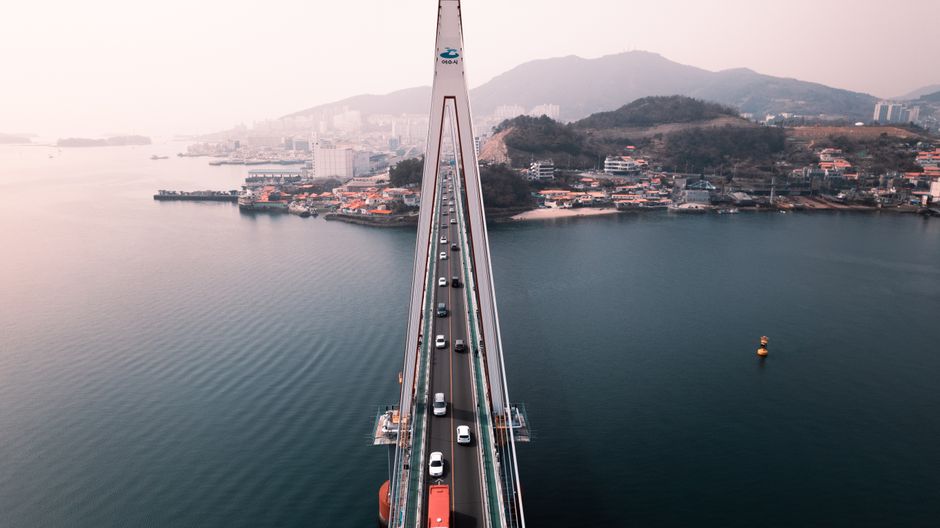
“여수 밤바다”라는 노래 제목만 알고 정작 여수에 가본 적 없는 사람이 의외로 많다. 노래방에서 백번 부른 것과 실제로 돌산대교 아래 파란 조명이 물 위에 번지는 걸 보는 건 완전히 다른 이야기다. 지난여름 이곳을 다녀온 여행객들 후기를 보면 한결같이 나오는 말이 있다. “사진보다 실물이 낫다”는 거다.
1코스: 해상케이블카, 일몰 시간 맞춰야 진짜다
낮에 타도 예쁘지 않겠냐고 할 수도 있지만, 여수 해상케이블카는 확실히 해 질 무렵이 다르다. 오동도와 자산공원을 잇는 국내 최초의 바다 위 케이블카인데, 일반 캐빈 외에 바닥이 투명하게 뚫린 크리스탈 캐빈까지 운영 중이다. 현재 두 종류 합쳐 50대가 오가고 있어서 성수기가 아니라면 대기 시간이 그렇게 길지는 않다. 다만 크리스탈 캐빈은 인기가 많아 따로 줄을 서야 할 수도 있으니 참고하자.
2코스: 낭만포차 거리, 배고픈 채로 가야 제맛
케이블카에서 내려와 슬슬 허기가 질 때쯤 찾아가면 딱 좋은 곳이 거북선대교 아래 낭만포차 거리다. 파란 조명으로 장식된 포장마차들이 바닷가를 따라 쭉 늘어서 있는데, 해산물 안주부터 여수 특산물인 갓김치를 곁들인 메뉴까지 종류가 다양하다. 바다를 바로 옆에 두고 먹는 자리라 그런지, 다른 지역 포차 거리보다 유독 사진 찍으러 오는 사람이 많다.
3코스: 돌산공원, 여수 밤바다 전체를 내려다보는 자리
포차 거리에서 배를 채웠다면 이번엔 조금 올라가야 한다. 돌산대교 바로 옆에 자리한 돌산공원에서는 형형색색으로 빛나는 돌산대교와 거북선대교를 한 프레임에 담을 수 있다. 연인들의 데이트 코스로 유명한 이유가 있다 싶을 만큼, 야경 하나만큼은 여수 시내 어디에 내놔도 밀리지 않는 곳이다.
4코스: 다음 날 아침엔 오동도 일출로 마무리
전날 밤을 화려하게 보냈다면 아침은 반대로 차분하게 채워보자. 동백꽃으로 유명한 오동도는 해가 뜨는 시간대에 산책하면 관광객이 적어 훨씬 여유롭게 걸을 수 있다. 밤에는 케이블카로 훑어봤던 섬을, 아침엔 직접 걸어서 다시 만나는 셈이라 같은 장소를 두 번 다르게 즐기는 기분이 든다.
자주 묻는 질문
Q. 여수 밤바다 코스, 1박2일이면 충분한가요? 해상케이블카, 낭만포차, 돌산공원까지는 하루 만에도 충분히 돌 수 있다. 다만 오동도 일출까지 챙기려면 하루를 묵고 아침 일찍 움직이는 편이 여유롭다.
Q. 크리스탈 캐빈, 꼭 따로 예약해야 하나요? 현장 구매도 가능하지만 주말이나 성수기에는 대기가 길어질 수 있어 온라인 사전 예약을 해두는 여행객이 많다.
Q. 낭만포차 거리는 언제까지 운영하나요? 계절과 포차마다 조금씩 다르지만 대체로 저녁부터 자정 무렵까지 운영한다. 겨울철에는 일부 포차가 단축 운영하는 경우도 있으니 방문 전 확인하는 게 안전하다.
비 오는 날 부추전 안 먹으면 서운하다는 사람도 있지만, 정작 집에서 부치면 식당처럼 바삭하게 안 나온다고 하소연하는 사람이 더 많다. 문제는 대부분 부추나 불 세기가 아니라 반죽 자체에 있다. 물 대신 뭘 넣느냐, 가루를 어떤 비율로 섞느냐에 따라 같은 재료로도 결과물이 완전히 달라진다.
반죽 비율부터 다시 잡자
부침가루만 쓰면 되지 않냐고 생각하기 쉽지만, 바삭한 식감을 살리려면 부침가루와 튀김가루를 3:1 비율로 섞는 게 핵심이다. 부침가루가 기본적인 점성과 감칠맛을 잡아주고, 튀김가루가 가벼우면서 바삭한 식감을 더해주는 역할을 한다. 부추 한 줌(약 150g) 기준으로 튀김가루 1컵, 부침가루 반 컵 정도가 무난한 비율이다.
물은 반드시 얼음물, 이거 하나만 지켜도 다르다
별거 아닌 것 같아도 반죽에 넣는 물의 온도가 의외로 결과를 크게 바꾼다. 미지근한 물로 반죽하면 글루텐이 빨리 활성화돼 식감이 질겨지는데, 얼음을 2~3개 띄운 찬물을 쓰면 반죽이 눅눅해지지 않고 굽는 동안 수분이 빠르게 날아가면서 바삭함이 훨씬 오래 유지된다. 반죽 농도는 국자로 떠서 주르륵 흐르지 않고 약간 뻑뻑하게 떨어질 정도가 적당하다.
탄산 있는 맥주, 넣어보면 이유를 알게 된다
의외라고 생각할 수 있지만 반죽 물의 일부를 맥주로 바꾸면 확실히 다른 식감이 나온다. 맥주 속 탄산 기포가 반죽 안에 미세한 공기층을 만들어주는데, 이 공기층이 굽는 동안 수분을 더 빨리 날려보내는 역할을 해서 겉은 바삭하고 속은 촉촉한 대비가 살아난다. 술 냄새가 걱정된다면 소량만 섞어도 효과는 충분하다.
기름은 아끼지 말고, 뒤집는 타이밍은 한 번만
기름을 적게 써야 건강에 좋을 것 같지만, 부추전만큼은 예외에 가깝다. 팬 전체에 기름이 얇게 코팅되도록 넉넉히 둘러야 반죽 겉면이 튀기듯 익으면서 바삭한 층이 생긴다. 그리고 뒤집는 횟수도 중요한데, 자꾸 뒤적이면 반죽이 부서지고 식감도 물러지니 한쪽 면이 완전히 노릇해질 때까지 기다렸다가 딱 한 번만 뒤집는 게 요령이다.
재료는 취향껏, 청양고추 하나면 확 산다
부추만 넣어도 맛있지만, 양파와 당근을 채 썰어 조금 섞으면 단맛이 더해지고 색감도 화사해진다. 여기에 청양고추를 하나 다져 넣으면 느끼함을 잡아주면서 맛의 밸런스가 확 살아나니, 매운 걸 못 먹는 게 아니라면 꼭 한번 넣어보길 추천한다.
자주 묻는 질문
Q. 부침가루가 없으면 밀가루로만 해도 되나요? 가능은 하지만 부침가루에는 이미 소금과 조미료가 배합돼 있어 간을 따로 맞춰야 한다. 밀가루만 쓸 경우 소금 약간과 다진 마늘을 넣어 밑간을 해주는 게 좋다.
Q. 냉동 보관하면 바삭함이 유지되나요? 구운 뒤 식혀서 냉동하면 보관은 되지만, 해동 후 전자레인지보다는 에어프라이어나 팬에 다시 구워야 바삭함이 어느 정도 살아난다. 전자레인지는 수분이 다시 스며들어 눅눅해지기 쉽다.
Q. 부추전과 파전, 반죽 비율이 다른가요? 기본 반죽 비율은 비슷하지만 파전은 대파의 수분이 많아 반죽을 살짝 더 되직하게 잡는 편이 좋다. 부추는 상대적으로 수분이 적어 이번 레시피 비율 그대로 적용해도 무난하다.
My father-in-law once told me, dead serious, that a rainy Tuesday is basically a national holiday for fried chicken delivery. I laughed the first time I heard it. I stopped laughing the third time I watched him actually order the moment the first drop hit the window. That’s when I understood chimaek isn’t a snack combo here — it’s closer to a reflex.
You might assume “chicken and beer” is just something every country does in some form, and sure, that’s fair. But Korea took two separate things — fried chicken and beer — and welded them into one word, one craving, and eventually one Oxford English Dictionary entry. In 2021, “chimaek” officially made it into the OED, defined as fried chicken enjoyed with beer, Korean-style. That’s not a small thing for a word that barely existed in casual conversation fifty years ago.
It’s newer than you’d think
Here’s the part that surprised me most when I first looked into it: whole roasted chicken was already a thing in Korea by the 1960s, mostly at electric rotisserie shops around Myeongdong, but that was a family outing kind of food, not a beer-pairing. The actual fried-chicken-with-beer combo we know today didn’t really take shape until the late 1970s, once cooking oil became affordable and widespread enough for frying to move from special occasion to everyday menu. So next time someone acts like chimaek is some ancient tradition, you can gently correct them — it’s younger than disco.
What changed everything, though, wasn’t the chicken itself. It was where people started eating it. Chimaek stopped being a delivery-only thing and became baseball stadium food, company dinner food, Han River picnic food. I’ve sat cross-legged on a picnic mat by the Han River with a paper cup of draft beer balancing on my knee more times than I can count, and I still don’t fully understand how a plastic bag of fried chicken tastes better outdoors than it does on a plate at home. But it does.
Why beer specifically, and not soju
Strange as it sounds for a country famous for soju, chimaek culture leans hard on beer, and there’s a practical reason for it. Fried chicken is heavy, salty, greasy — the kind of food that needs something carbonated and cold to cut through it, not something that intensifies the heaviness. Soju pairs better with grilled meat or spicy stews, where you want that sharper, cleaner contrast. Beer just does the job fried chicken needs: wash it down, reset your palate, repeat.
The delivery app changed the math entirely
I wish I knew this before moving here, but ordering chimaek in Korea isn’t really “ordering food” the way I understood it back home. You open an app, pick a chain — there are dozens, each with a cult following over whether their sauce or their batter is superior — and thirty minutes later someone’s at your door with a bag that’s somehow still hot. No tip expected, no awkward cash fumbling. It’s efficient enough that I’ve genuinely questioned why I’d ever cook chicken myself again.
And on nights the delivery minimum feels like too much commitment, there’s always the convenience store option. Grab a canned beer, maybe some tteokbokki-flavored chips, and call it a smaller-scale chimaek. It’s not quite the same ceremony, but it counts.
It traveled further than I expected
You’d think a food-and-drink combo this specific would stay local, but the K-drama and K-pop wave of the 2010s carried chimaek along with it, and now I’ve seen Korean fried chicken chains in cities that have nothing else Korean around them. Getting a dictionary entry in 2021 was almost a formality at that point — the word had already spread faster than anyone was tracking it.
FAQ
Is chimaek just fried chicken and any beer, or does it have to be a specific brand? No specific brand required — draft beer (called “hof” beer here) is the classic pairing, but canned beer from a convenience store works just fine for a casual version. The combo matters more than the label.
Why do Koreans double-fry their chicken? It’s a texture thing. Frying twice — once at a lower temperature to cook it through, then again at higher heat for a short burst — renders out more fat and leaves the skin far crunchier, which holds up better even after a 30-minute delivery ride.
Is it rude to order chimaek alone? Not at all. Solo chimaek nights, sometimes called “honmaek,” are common enough that most delivery portions are sized for exactly that.