지하철 환승 계단에서 숨이 가빠지고, 마트에서 생수 묶음을 들다가 손목이 후들거린 적 있는가. 40대 중반의 김모(46)씨는 최근 이런 변화를 겪었다고 말한다. 나이 들면 다 그런 거 아니냐고 넘길 수도 있지만, 이 시기부터 몸에서 실제로 벌어지는 일은 생각보다 구체적이다. 근육이 조용히, 그러나 꾸준히 줄어드는 시기이기 때문이다.
왜 40대부터 근육이 줄어드는가
근감소증, 의학 용어로는 사르코페니아라 부르는 현상은 나이가 들면서 골격근량과 근력이 함께 줄어드는 상태를 가리킨다. 진단명처럼 들려서 겁부터 날 수도 있지만, 여기서는 누구나 알아두면 좋은 일반적인 정보 정도로만 이해하면 된다. 40세를 기점으로 매년 근육량이 조금씩 줄어들고, 중장년기 이후로는 10년마다 약 6%씩 감소한다고 알려져 있다.
호르몬 변화나 활동량 감소, 식사에서 단백질이 부족해지는 것 등이 복합적으로 얽혀 있다는 점이 의외다. 운동을 전혀 안 해서만 생기는 문제라고 생각하기 쉽지만, 앉아있는 시간이 길어지는 생활 패턴 자체가 근육을 서서히 깎아내는 셈이다. 그런데도 이 시기의 근육 감소는 눈에 띄게 드러나지 않아서 놓치기 쉽다.
집에서 할 수 있는 근력 관리법
맨몸 스쿼트, 하루 10분이면 충분하다
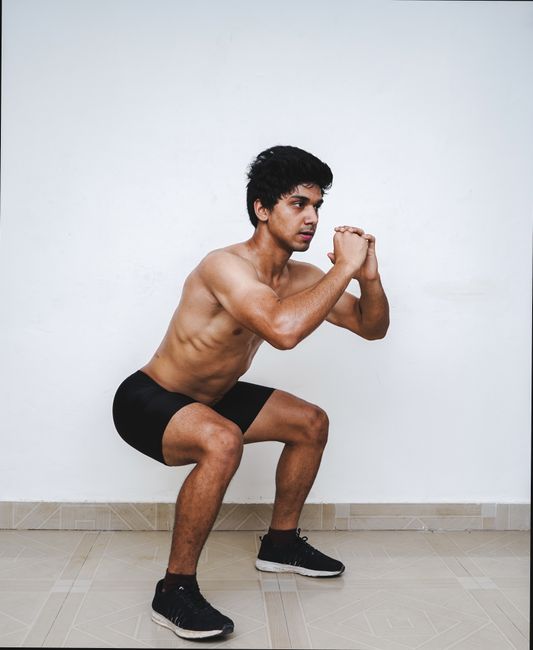
헬스장 등록부터 떠올리는 사람이 많은데, 의자를 이용한 스쿼트만으로도 하체 근력을 지키는 데 도움이 된다고 알려져 있다. 의자 앞에 서서 앉았다 일어나기를 10회씩 3세트, 세트 사이에 30초 정도 쉬어주는 방식이면 50대도 무리 없이 시작할 수 있다. 처음엔 다리가 후들거릴 수도 있지만, 2주 정도 지나면 같은 횟수가 한결 가벼워졌다고 느끼는 경우가 많다.
밴드 운동으로 상체와 어깨도 챙기기
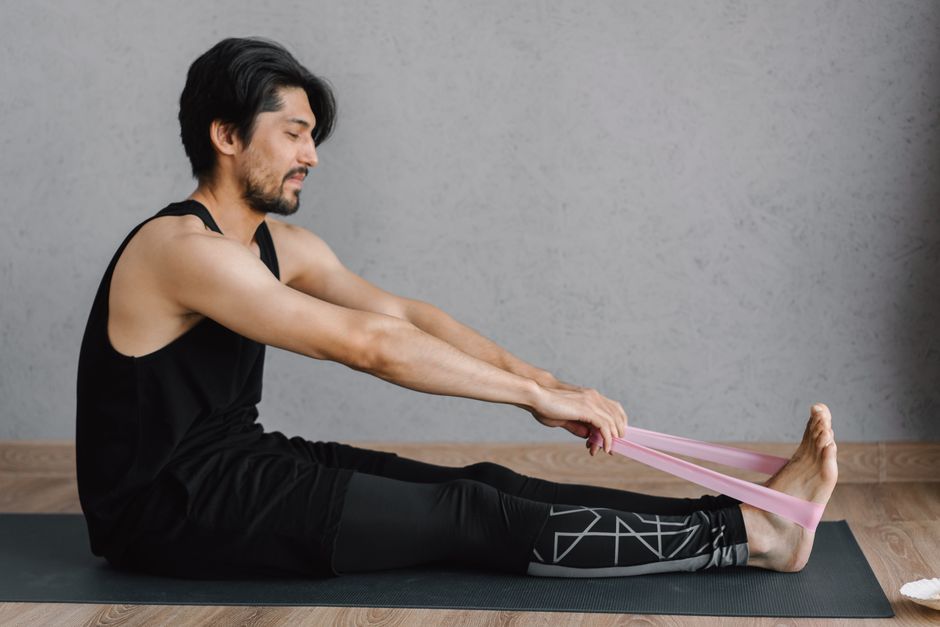
근력운동이라고 하면 하체만 떠올리기 쉬운데, 어깨와 등 근육도 함께 관리하지 않으면 자세가 무너지기 쉽다. 저항 밴드를 문고리에 걸고 양팔로 당기는 동작을 15회씩 2세트 정도만 해도 어깨 주변 근육 자극에 도움이 된다고 한다. 밴드 하나 값이 커피 두어 잔 값밖에 안 하니, 부담 없이 시작해볼 만하다.
단백질, 끼니마다 나눠 먹는 게 관건
운동만 열심히 하면 될 거라 생각하기 쉽지만, 근육 합성에는 단백질 섭취가 함께 뒷받침돼야 한다. 성인 기준 체중 1kg당 0.8~1.2g 정도가 일반적인 권장 범위로 알려져 있고, 활동량이 많은 경우 1.2~1.5g까지 늘리는 경우도 있다고 한다. 한 끼에 몰아 먹기보다 아침, 점심, 저녁에 20~30g씩 나눠 먹는 편이 흡수에 유리하다는 점도 참고할 만하다. 달걀, 두부, 닭가슴살처럼 흔한 식재료로도 충분히 채울 수 있다.
FAQ
근력운동은 매일 해야 하나요?
매일 하지 않아도 된다는 의견이 일반적이다. 근육은 운동 후 회복하는 과정에서 만들어지기 때문에, 주 2~3회 정도로 근육군을 나눠 진행하고 사이사이 휴식일을 두는 방식이 흔히 권장된다. 다만 개인의 체력이나 기존 건강 상태에 따라 적정 빈도는 달라질 수 있으니, 정확한 운동 처방은 전문 트레이너와 상담하는 편이 안전하다.
단백질 보충제를 꼭 먹어야 하나요?
필수는 아니라고 보는 시각이 많다. 평소 식사에서 단백질 섭취가 충분하다면 보충제 없이도 근육 관리는 가능하다고 알려져 있다. 다만 식사만으로 채우기 어려운 상황이거나 특정 질환이 있는 경우엔 보충제 선택이 오히려 부담이 될 수도 있으므로, 전문의와 상담 후 결정하는 것이 좋다.
운동 중 무릎이나 관절이 아프면 어떻게 하나요?
통증이 느껴진다면 운동을 잠시 멈추고 상태를 지켜보는 게 우선이다. 무리해서 계속하다가는 오히려 근육이 아닌 관절에 부담이 갈 수도 있다. 통증이 반복되거나 오래간다면 자가 진단으로 넘기지 말고 전문의의 진료를 받아보는 편이 좋다.
이 글은 근감소증에 대한 일반적인 건강 정보를 다룬 것으로, 특정 질환의 진단이나 치료를 대신하지 않는다. 몸 상태에 맞는 정확한 진단과 운동 처방은 전문의나 전문 트레이너와 상담해 결정하길 권한다.
Picture a work dinner table somewhere in Euljiro, grilled pork belly hissing on the grill, a green bottle of soju already half empty. Someone’s glass is sitting there, drained, and their hand starts inching toward the bottle. Before they can pour it themselves, a coworker across the table lunges, grabs the bottle, and fills it for them with an almost reflexive urgency. Nobody explains why. Nobody has to. If you’ve spent any real time drinking in Korea, you already know that split-second lunge isn’t politeness theater — it’s a rule, and a surprisingly sticky one.
The Basic Rule: Never Pour Your Own Glass
In Korean, self-pouring has a name — jajak — and it’s one of those customs that sounds almost superstitious until you notice how consistently people actually follow it. The idea is simple: you don’t fill your own glass. You wait for someone else to notice it’s empty and take care of it, and you return the favor when theirs runs dry. There’s an old belief attached too, something about bad luck landing on you, or on the person sitting across from you, if you pour for yourself. I’ve never met anyone who could tell me exactly where that superstition started, but somehow it’s stuck around anyway, repeated at tables from tiny plastic-stool pojangmacha tents to fancy private-room barbecue joints.
Sounds like a small thing, and honestly it is — nobody’s going to lecture a stranger over one self-poured glass of beer. But the logic underneath it says something bigger about how drinking works here. It’s less “I’m thirsty, I’ll drink” and more “we’re drinking together, so I’m watching your glass.” That’s the actual function of the rule. Everyone at the table is quietly tracking everyone else’s cup level, and an empty glass becomes a small social cue that someone else is supposed to respond to. It turns drinking into a kind of low-key choreography instead of an individual act.
Why Two Hands, and Why It Matters More With Elders
The other half of the etiquette is how you pour and receive. Pour with the bottle in your right hand, and rest your left hand somewhere on your right forearm or wrist — not gripping it hard, just resting there, a gesture that basically says “I’m giving you my full attention right now.” Receiving works the same way in reverse: you take the glass with two hands, or one hand on the glass with the other lightly supporting your elbow. It looks almost ceremonial the first time you see it, and then you realize it happens dozens of times over a single dinner without anyone treating it as a big deal.
Here’s the part that trips people up, though: the two-hand version isn’t really about the drink itself, it’s about the age or rank gap between the two people involved. Pour for a friend your own age and one hand is completely fine — normal, even expected, since doing the full two-handed routine with a peer would feel oddly formal, almost like you’re mocking the custom. But the moment there’s a real gap — a boss, a professor, someone’s grandfather, a senior who joined the company a decade before you — the two hands come out automatically. And there’s a companion move that goes with it: when you actually drink in front of that person, you turn your body slightly away and tilt the glass so they don’t watch you swallow directly. It sounds like a lot of choreography for a shot of soju, and it kind of is, but at an actual hoesik with real bosses in the room, this combination is still one of the customs that hasn’t faded even as everything else about office culture has loosened up.
Hoesik vs. Drinking With Friends: Two Very Different Tables
This is where a lot of people get the wrong idea, because they hear “you can’t pour your own drink” as a blanket Korean rule and apply it everywhere with the same intensity. In practice, the strictness scales hard with the room you’re in.
At a hoesik
A hoesik — literally a “company meal,” the after-hours dinner where a team eats and drinks together — is where the full etiquette shows up in force, precisely because the whole point of the gathering is to soften a hierarchy that’s rigid all day at the office. Pouring for your senior first, using two hands, keeping an eye on the boss’s glass before your own — none of this is optional in any meaningful sense, even if nobody would ever say “this is mandatory” out loud. Skip it, and you probably won’t get scolded on the spot. You’ll just be the junior employee who seems a little clueless about how the table works, which isn’t the impression anyone wants to make in their first year at a company. I’ve watched new hires get gently corrected — someone quietly nudges the bottle toward them, or refills the senior’s glass before they even notice it’s empty — and the message lands without a single word being spoken.
With friends
Drop the hierarchy and the whole thing relaxes fast. Among close friends of similar age, one-handed pours are standard, self-topping-up barely raises an eyebrow, and the “watch each other’s glass” habit survives mostly as a courtesy rather than an obligation — more like refilling a friend’s water glass at a restaurant than a rule you’d get judged for skipping. You’ll still see people top off a friend’s soju without being asked, because it’s a nice thing to do, not because failing to would be rude. The etiquette doesn’t disappear so much as it downgrades from social rule to social habit.
The Generational Shift Is Real, Even If the Core Habits Survive
You’d think a rule this old would just keep grinding on unchanged, but Korea’s drinking culture has actually been moving fast, especially since the pandemic broke the habit of mandatory after-work drinking sessions for an entire generation. Younger Koreans in their twenties are drinking noticeably less overall, and plenty of workplaces now run “dry hoesik” — team dinners with zero alcohol, or gatherings built around cafes and activities instead of soju. Being able to drink a lot used to be treated almost like a job skill in some sales-heavy industries; that idea has mostly lost its grip among younger employees, who don’t see a strong tolerance for alcohol as proof of anything professional.
Still, here’s the surprising part: even as the overall drinking culture loosens, the specific etiquette around pouring hasn’t vanished nearly as fast as you’d expect. Put a twenty-five-year-old and their sixty-year-old department head at the same table, and the two-handed pour comes right back out, almost on instinct, even from someone who otherwise treats hoesik as an outdated relic they’d rather skip. The rule seems to be less about drinking culture broadly and more about something narrower and more durable — how younger and older people signal respect to each other at a shared table. That part hasn’t caught up to the rest of the change, and I’m not convinced it’s going to anytime soon.
Frequently Asked Questions
What happens if I accidentally pour my own drink at a hoesik?
Nothing dramatic, in most cases. Someone will probably just refill your glass a moment later anyway, or a senior colleague might make a light joke about it. It’s treated as a small slip, not an offense — the bigger issue would be repeatedly ignoring an elder’s empty glass while yours gets refilled, since that reads as not paying attention to the table, which matters more than the pour itself.
Do I really need to use two hands with every single elder, every time?
In a formal setting — first meeting a boss’s boss, a family gathering, a job interview dinner — yes, treat it as the default. In more relaxed repeat settings, like a team you’ve worked with for years, people often ease off slightly once real familiarity builds, though the senior person usually still gets the two-handed pour as a baseline sign of respect.
Is it rude for a foreigner to get this wrong?
Generally, no — Koreans tend to give visible slack to foreigners on table etiquette, and a genuine effort to pour with two hands for an elder usually gets a warm reaction even if the form isn’t perfect. What lands better than technical correctness is simply showing you’re paying attention to other people’s glasses at all, since that’s really the spirit the whole custom is built around.
A guy at the table next to mine in a samgyetang place near Jongno once pulled out a five-thousand-won bill after the meal and tried to hand it to the ajumma who’d been refilling his water. She actually took a step back, hands half-raised, like he’d offered her something slightly radioactive. He looked confused. She looked more confused. Neither of them was wrong, exactly — they were just running on two completely different rulebooks, and nobody had told him which one applied here. That’s basically the whole premise of this post. I’m not writing this to scold anyone. I’m writing it because I’ve watched enough of these little collisions happen — at restaurants, on the subway, at a friend’s parents’ place — that I think a short, honest list is more useful than another “10 fun facts about Korea” roundup.
Tipping: the kindness that reads as an insult
You’d think a tip would land as pure appreciation everywhere on earth, but Korea is one of the places where that assumption falls apart. Tipping simply isn’t part of the transaction here — servers, cab drivers, and hotel staff are paid a wage that isn’t built around gratuities, so a tip doesn’t read as “thank you,” it reads as either confusion or, worse, a kind of pity, as if you think the person needs the extra cash to get by. Younger staff at very tourist-heavy spots have mostly caught on that foreigners mean well, so they’ll usually just smile it off. Somehow, though, the more old-school the place, the more likely you are to get the bill pushed right back into your hand.
What I do instead, if a meal or a service genuinely impressed me, is just say so, in Korean if I can manage it — “jeongmal masisseosseoyo,” it was really delicious — and leave it there. It costs nothing and lands better than cash ever would.
Chopsticks standing straight up in your rice bowl
This one looks harmless. You’re mid-conversation, your hands are free for a second, so you jab your chopsticks upright into the rice to park them. Except that gesture is almost a direct visual quote of the incense sticks planted in sand at a Korean memorial table — the jesa rites held for ancestors. It’s not a vague cultural taboo somebody half-remembers; it’s a specific, recognizable image of death and mourning, which is exactly why it tends to get a sharp reaction even from otherwise relaxed dining companions. Rest your chopsticks flat across the bowl, or on the little chopstick rest if the restaurant provides one, and you’re fine.
Why this rule is so consistent
Of all the etiquette points on this list, this is the one with almost zero regional or generational wiggle room — I’ve seen it hold true from tiny countryside noodle shops to sleek Gangnam restaurants alike. Even Koreans who don’t otherwise follow older customs closely will still flinch at upright chopsticks.
Offering or receiving something with one hand toward an elder
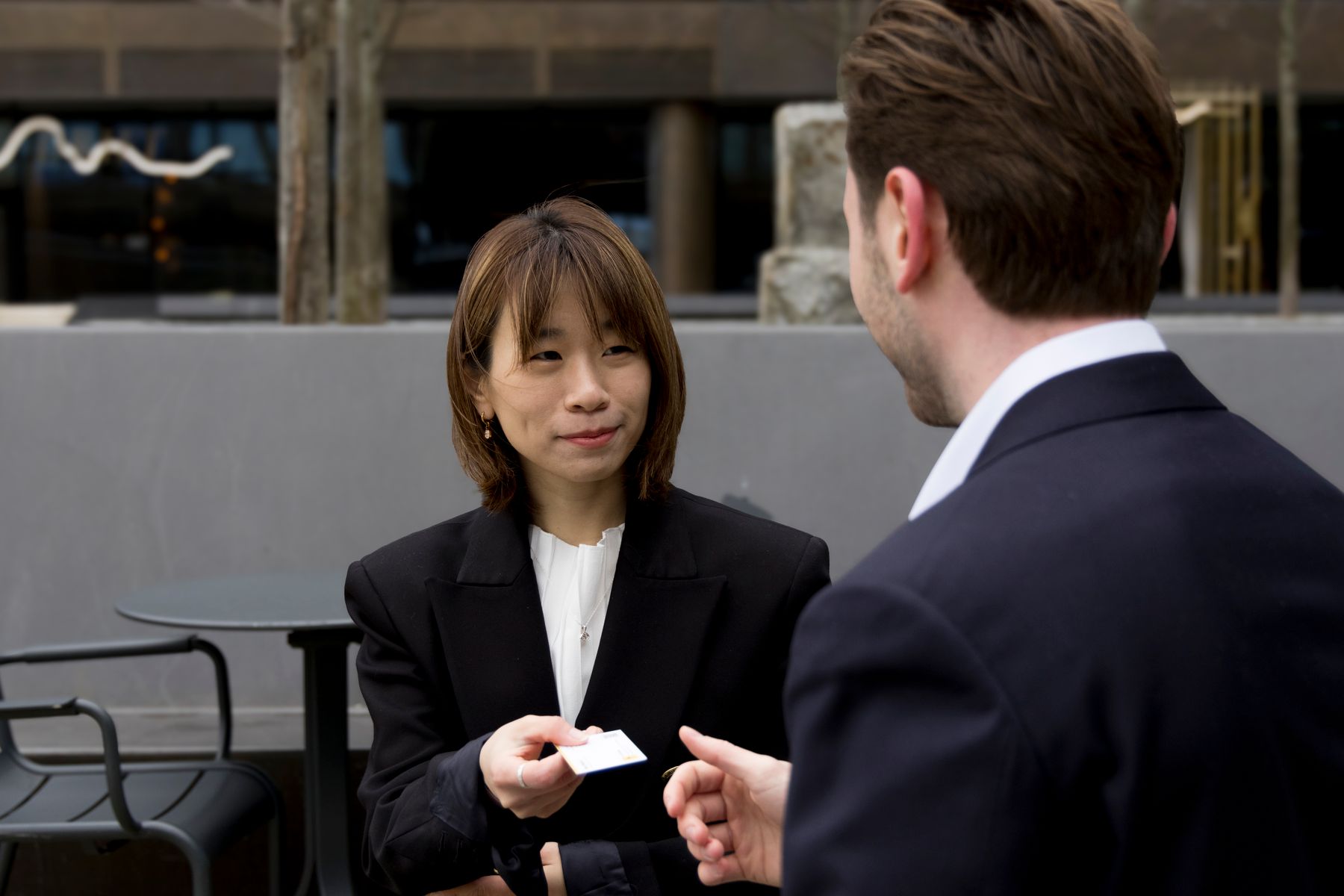
Handing your card to a cashier, passing a business card at a meeting, receiving a drink poured by someone older than you — in each of these, using just one hand, especially the left, can come across as careless or even mildly disrespectful when an elder is involved. The fix is simple enough that you can build it into muscle memory fast: use both hands, or at minimum use your right hand while your left hand lightly touches your right wrist or forearm as a gesture of support. It sounds like a small formality, but it’s rooted in a fairly deep well of Confucian ideas about hierarchy and respect, so it shows up constantly — paying for something, giving a gift, pouring or accepting a drink at dinner. Once you start doing it, you’ll notice how often other people are already doing it around you, which somehow makes it obvious in hindsight.
Jaywalking anywhere near a monitored intersection
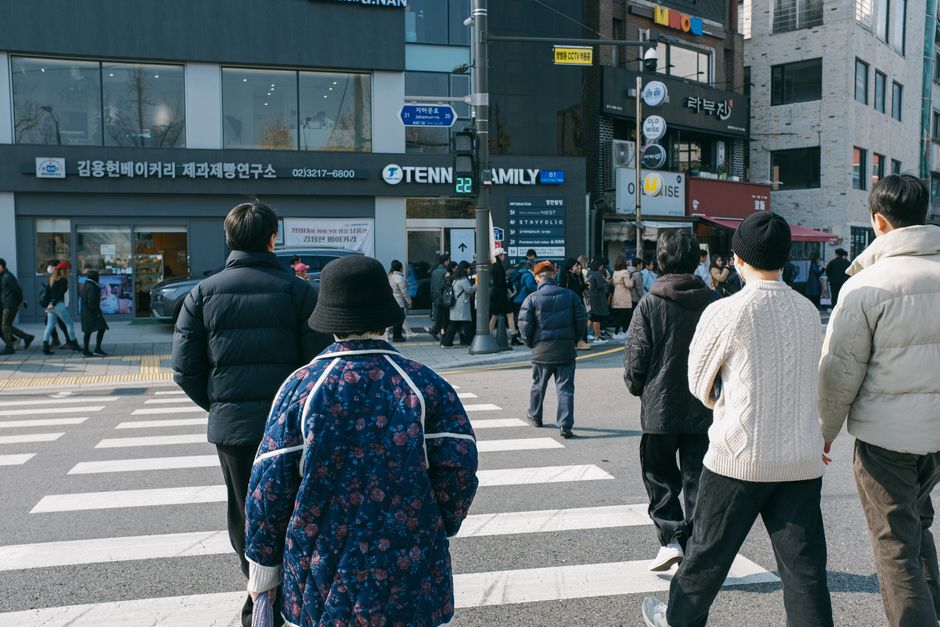
Jaywalking might feel like a victimless shortcut, the kind of thing you’d do without thinking twice back home, but Korea’s Road Traffic Act treats it as an actual, enforceable violation — not just a social faux pas. Crossing outside a marked crosswalk can draw a fine, and crossing against a red signal bumps that fine up further still. Enforcement isn’t constant everywhere, which is exactly what trips people up: you’ll jaywalk on a quiet side street for a week with zero consequences, get comfortable, and then do the same thing near a busy intersection with a police box or a cluster of officers nearby, and suddenly you’re being waved over. Tourist-heavy areas have seen more visible on-the-spot enforcement recently, aimed specifically at exactly this kind of casual jaywalking, littering, and similar minor offenses. The crosswalk might feel like a suggestion. It isn’t.
Talking loudly on the phone on the subway or bus
The first time you ride the Seoul subway during a packed rush hour, what actually catches you off guard isn’t the crowding — it’s the silence. A train car stuffed with people can be almost eerily quiet, everyone glued to a phone screen but nobody actually talking into one. Texting is fine, browsing is fine, a hushed word or two to the person next to you is fine. A phone call, especially a long or emotional one, especially on speaker, is the fastest way to make yourself the person everyone in the car is quietly judging. Nobody will say anything to your face, most likely, which somehow makes it feel worse in retrospect once you realize how many people clocked it. The underlying rule isn’t really about phones specifically — it’s the broader idea that your business shouldn’t become everyone else’s problem in a shared public space.
Keeping your shoes on indoors
Walk into a Korean home — or plenty of traditional restaurants, guesthouses, and even some clinics — and shoes come off at the entryway, no exceptions, no “just this once.” Traditional Korean living involved sitting and even sleeping directly on the floor, heated from below by the ondol system, so the floor was never treated as separate from the furniture the way it might be in a Western house; it’s something you sit on, eat on, and want genuinely clean. Even in a thoroughly modern apartment with a sofa and a dining table, that shoes-off boundary at the door hasn’t budged. Keep a pair of easy slip-on shoes for travel days and you’ll never be the one standing awkwardly in the entryway juggling laces while everyone waits.
Blowing your nose at the table
This is the one that surprises people most, mostly because it runs backward from what they’d expect. In a lot of Western etiquette, sniffling repeatedly is the rude option and blowing your nose quietly into a tissue is the polite fix. In Korea, it’s essentially flipped: a loud nose-blow at a shared table, especially over shared food, reads as unpleasant and even faintly unhygienic, while a bit of sniffling barely registers as an issue at all. If you actually need to clear your sinuses, the move is to excuse yourself and go handle it in the restroom, then come back to the table. It won’t solve anything medically, sure, but it keeps the table itself pleasant for everyone else eating there.
A short list of what actually works
None of this requires memorizing a rulebook before you land at Incheon. Say thank you instead of tipping. Lay your chopsticks down flat. Use two hands, or the wrist-touch trick, with anyone older. Use the crosswalk, especially anywhere you spot a police presence. Keep calls short and quiet on transit. Shoes off at the door. Nose-blowing goes to the restroom. That’s genuinely most of it, and once it’s habit you stop thinking about it entirely — which, honestly, is the whole point of etiquette anywhere.
FAQ
Will I actually get fined for jaywalking as a tourist?
It depends heavily on where and when. On a quiet residential street at midnight, realistically nothing happens. Near a busy downtown intersection with visible police, especially in areas that have seen recent crackdowns on minor offenses by tourists, you can be stopped and fined on the spot, and the fine is expected to be paid immediately rather than mailed later.
What if I already left a tip somewhere and the staff member seemed offended?
Don’t panic about it — this happens to plenty of visitors and it isn’t taken as a grave insult, just an odd moment. If they try to hand the money back to you, take it back with a small nod rather than insisting; pushing the point tends to make the moment more awkward, not less.
Is it really that big a deal if I forget the two-hands rule once?
One slip with a peer your own age is not going to derail a friendship. It matters more with someone clearly older or in a formal setting — a job interview, meeting a partner’s parents, a business exchange — where it’s read as a small but noticeable signal of how much respect you’re paying attention to.
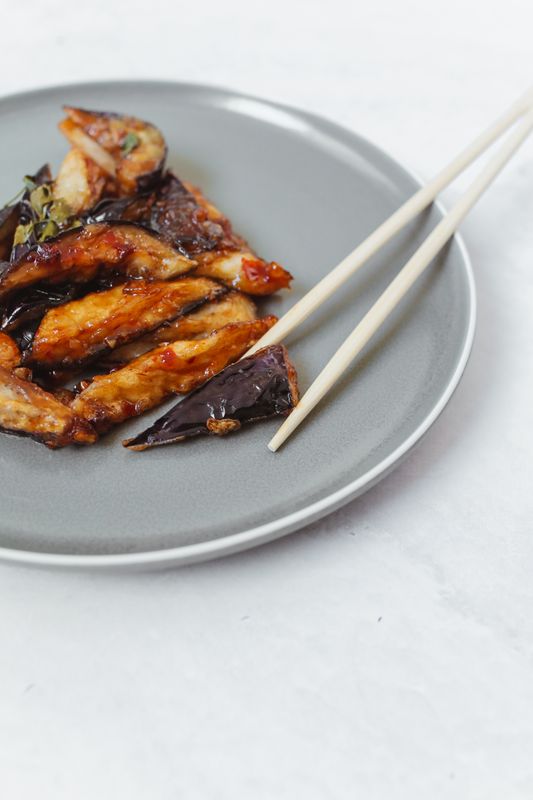
냉장고 야채칸을 열었더니 가지 하나가 덩그러니 남아 있었다. 사다 놓고 며칠째 손도 안 댄 채였는데, 버리기는 아깝고 뭘 해 먹어야 하나 고민되는 그런 순간. 가지볶음은 재료도 간단하고 시간도 얼마 안 걸리는데, 막상 볶아보면 흐물흐물 물컹해져서 실망하는 사람이 정말 많다. 나도 처음엔 왜 이렇게 되는지 몰라서 몇 번을 실패했다. 그런데 원인을 알고 나니 순서만 바꿔도 식감이 완전히 달라졌다.
재료 (2인분 기준)
재료가 많이 필요할 것 같지만 의외로 단출하다. 가지 2개(약 300g), 다진 마늘 1큰술, 대파 흰 부분 5cm, 청양고추 1개, 식용유 3큰술, 국간장 1큰술, 굴소스 1작은술, 참기름 1작은술, 통깨 약간, 절임용 소금 1큰술이 전부다. 양념이 복잡해야 맛있을 것 같지만 가지 자체 식감을 살리는 게 핵심이라 심플한 쪽이 낫다.
손질법 – 물컹함을 막는 첫 단추
소금에 절이기
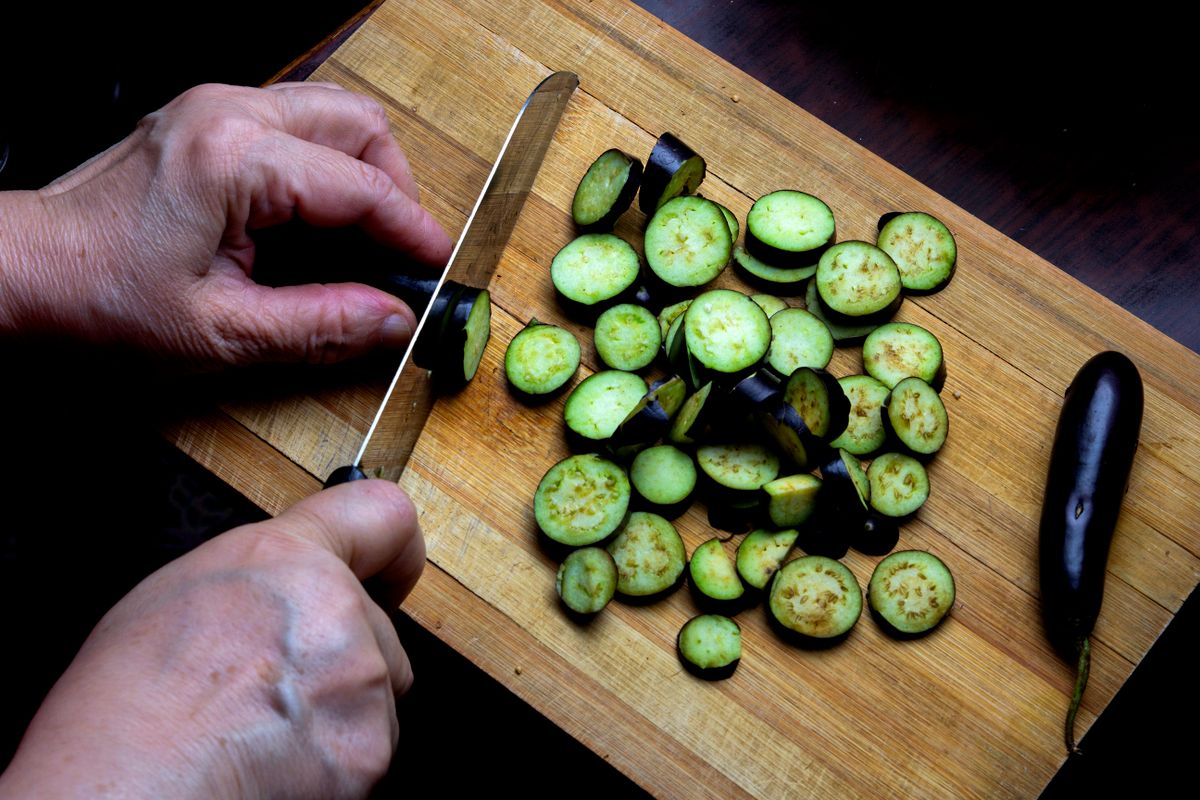
가지는 어슷하게 1cm 두께로 썬다. 너무 얇게 썰면 볶는 동안 형태가 무너진다. 썬 가지에 소금 1큰술을 골고루 뿌리고 15~20분 정도 둔다. 바로 볶으면 되지 굳이 이 과정이 필요할까 싶은데, 이 단계가 물컹함을 잡는 가장 결정적인 순간이다. 소금이 가지 세포에서 수분을 미리 빼내주기 때문에 팬 위에서 다시 물이 흘러나오는 걸 막아준다.
물기 짜기
절인 가지를 물에 살짝 헹군 뒤 손으로 꾹꾹 눌러 물기를 짜낸다. 여기서 힘을 아끼면 팬에서 물이 다시 배어 나온다. 키친타월로 한 번 더 감싸서 남은 물기까지 눌러주면 좋다. 귀찮게 느껴지는 과정인데, 생각보다 이 손질이 완성도를 크게 좌우한다.
조리 순서
팬에 식용유 3큰술을 두르고 센불로 올린다. 기름이 살짝 연기가 날 정도로 달궈지면 다진 마늘을 넣고 10초 정도만 재빨리 볶아 향을 낸다. 마늘이 타기 직전, 가장 향이 좋은 타이밍이다. 그 다음 물기를 짠 가지를 넣고 센불을 유지한 채 40~50초간 빠르게 뒤집어가며 볶는다. 가지 겉면이 반투명해지고 윤기가 돌면 국간장과 굴소스를 넣고 20초 더 볶는다. 마지막에 대파와 청양고추를 넣고 10초만 더 볶은 뒤 불을 끄고 참기름과 통깨를 뿌려 마무리한다. 전체 조리 시간은 1분 20초 남짓이면 충분하다.
왜 물컹해질까 – 흔한 실패 원인
가지 요리는 물컹해서 싫다는 사람이 은근히 많은데, 원인은 대부분 세 가지다. 첫째는 절임 과정을 생략하는 것. 소금에 절이지 않고 바로 볶으면 가지 안 수분이 열을 받아 팬으로 흘러나와 삶은 듯한 질감이 된다. 둘째는 약불에서 오래 볶는 습관이다. 불이 약하면 가지가 기름과 수분을 천천히 흡수하며 조직이 무너지는데, 의외로 타는 게 무서워서 불을 낮추는 사람이 많다. 셋째는 뚜껑을 덮고 찌듯이 익히는 방식이다. 수증기가 갇히면서 사실상 쪄지는 셈이라 흐물거리게 된다.
해결법은 간단하다. 절이고, 물기를 꽉 짜고, 센불에서 짧게 볶는 것. 이 세 가지만 지켜도 결과가 눈에 띄게 달라진다. 처음엔 반신반의했는데 직접 해보면 그 차이가 바로 느껴진다.
FAQ
Q1. 절였는데도 가지가 계속 물컹거려요.
물기를 덜 짜냈을 가능성이 크다. 손으로 짜는 것만으론 부족하다 싶으면 키친타월로 한 번 더 감싸 눌러보길 권한다. 팬에 넣기 전 가지 표면이 뽀송한 느낌이 들 정도가 기준이다. 불 세기가 약하면 아무리 잘 절여도 물이 다시 빠져나오니 화력도 함께 점검해보면 좋다.
Q2. 가지가 기름을 너무 많이 먹어요.
이것도 절임 단계와 관련이 깊다. 소금에 절여 수분을 빼두면 세포 사이 공간이 줄어 기름 흡수량이 눈에 띄게 준다. 기름을 처음부터 넉넉히 두르고 센불에서 짧게 볶는 것도 도움이 되는데, 반대로 아끼려고 약불에서 천천히 볶으면 오히려 가지가 기름을 계속 빨아들인다.
Q3. 색이 탁하게 변했어요, 왜 그런가요?
오래 볶았을 때 자주 나타나는 현상이다. 가지 껍질의 보라색 색소는 열에 오래 노출되면 갈색으로 변하기 쉬운데, 조리 시간을 1분 안팎으로 짧게 잡으면 색이 선명하게 유지된다. 대파와 고추를 마지막에 넣는 것도 같은 이유에서다.
My mother-in-law caught me washing my face with just a bar of soap last winter and made a sound I can only describe as physical pain. She didn’t say anything for a second, just walked to her bathroom cabinet and came back with what looked like eight different bottles, lined them up on the sink edge, and said, “Yijidaddy, this is not optional.” I laughed. She did not laugh. Two years and a lot of trial and error later, I understand why.
The Order Isn’t Random, Even If It Looks That Way
The thing that trips people up first is the sheer number of steps, and I get it — when you line up ten-plus products on a shelf it looks like a ritual designed to sell you things. Sometimes it is, honestly, this is still a massive industry. But the sequence itself follows one simple rule that actually makes sense once someone explains it: thinnest, most watery texture first, richest and heaviest texture last. Everything in between exists to get water and active ingredients into your skin before you seal it with something oil-based.
Double Cleansing
You start with an oil cleanser, which sounds backwards if you grew up thinking oil and clean skin don’t belong in the same sentence. But sunscreen, makeup, and the invisible layer of city grime that settles on your face all day are oil-soluble, so an oil-based cleanser breaks them down far better than a foaming soap ever could. This gets massaged in dry, then rinsed or emulsified with a bit of water. Then comes a water-based cleanser — a low-pH gel or foam — to catch what’s left, mainly sweat and water-soluble debris. Two cleanses, not because one isn’t “good enough,” but because they’re each solving a different problem. Most people I know only do the full double cleanse at night, and just a gentle water-based rinse in the morning, since there’s nothing to dissolve after eight hours of sleep.
Toner, Essence, Serum — The Hydration Ladder
Here’s where it gets a little more foreign to Western routines, and where most of the confusion happens. Toner in a Korean routine isn’t the astringent, pore-shrinking stuff a lot of people grew up with — it’s closer to a lightweight hydrating liquid that preps skin and mops up any last residue so the next products absorb evenly. After that comes essence, which is a category that genuinely doesn’t have a great Western equivalent, which is probably why so many people skip it or confuse it with toner. It’s thinner than a serum, more concentrated than a toner, usually built around fermented ingredients or hyaluronic acid, and its whole job is hydration layering — building up thin, absorbable layers of moisture rather than dumping one thick layer on top of dry skin. Then serum or ampoule, which is where the actual targeted ingredients live — vitamin C, niacinamide, centella asiatica, that sort of thing, in a more concentrated form than the essence.
Sheet Masks Aren’t a Spa Day, They’re a Tuesday
I used to think of sheet masks as an occasional treat, something you do before a big event. Turns out most people here use them two or three times a week, sometimes more, as a normal weeknight step rather than an indulgence. You put it on after essence or serum and before moisturizer, leave it fifteen to twenty minutes, and pat in whatever essence is left on your face afterward instead of rinsing it off. It’s basically an intense, short hydration boost. Not magic, just a very efficient way to saturate skin before locking it in.
Moisturizer and Sunscreen — The Part People Actually Skip
Moisturizer comes near the end to seal in everything you just layered on, often followed by an eye cream if that’s part of someone’s routine, though plenty of people skip that step without much consequence. And then, in the morning only, sunscreen — which somehow is still the step foreigners skip most, despite it being arguably the most important one in the entire routine. Korean sunscreen formulas tend to be lighter and more cosmetically elegant than a lot of what’s sold abroad, which is probably part of why daily use is so normalized here. It’s not vanity, or not only vanity — it’s the entire philosophy of the routine boiled down to one product.
Prevention Over Correction — The Actual Philosophy
If there’s one mindset shift that explains the whole ten-step thing, it’s this: the goal is to prevent damage rather than fix it after the fact. A lot of skincare marketing elsewhere is built around correcting a problem you already have — dark spots, wrinkles, breakouts. Here the emphasis leans harder toward daily maintenance, consistent hydration, and sun protection so those problems show up later, or less, or not at all. It’s less dramatic, sure, and it doesn’t make for a satisfying before-and-after post, but that’s kind of the point. Nobody in this routine is expecting a serum to erase ten years overnight. It’s closer to brushing your teeth than it is to a treatment.
Where Foreigners Usually Go Wrong
Ten steps sounds excessive, and honestly it can be, but the mistake isn’t doing all ten — it’s doing them wrong, or doing the wrong ones too aggressively. The first thing I see people do, myself included at first, is treat exfoliation like a daily requirement instead of the occasional one it’s meant to be. A gentle chemical exfoliant two or three times a week is plenty for most people; every single day just strips the skin barrier and leaves it red and reactive, which then gets misread as needing even more products to fix.
The second mistake is stacking every active ingredient available at once — retinol, vitamin C, multiple acids, a strong niacinamide serum, all in the same routine, all at once — because if one is good, surely five must be better. It’s not. Actives can cancel each other out or just overwhelm skin that hasn’t built up tolerance yet. The usual advice here is to introduce one new active at a time and actually watch how skin responds before layering in the next, rather than assembling a whole regimen overnight from a shopping list.
And then there’s sunscreen, which somehow still gets skipped by people who otherwise do every single one of the other nine steps religiously. It’s the least glamorous step, no immediate visible effect, so it’s the easiest to talk yourself out of. But it’s arguably doing more long-term work than everything else on the shelf combined.
Do You Actually Need All Ten Steps?
No, and most people I know don’t do all ten every single day anyway — it flexes with how much time and skin tolerance you have that day. A stripped-down version, cleanse, toner, moisturizer, sunscreen, still follows the same logic and still works. The full routine tends to come out on days you have time for it, or when skin needs a bit more attention. Layering more products isn’t inherently better; it’s about matching the routine to what your skin can actually use that day.
FAQ
Do I really need ten steps every day?
Not at all. Plenty of people here rotate between a full routine and a shortened four or five step version depending on the day. The number of steps matters less than the order — thin to thick, hydration before sealing — and the consistency of showing up daily, even for a shorter version.
What if my skin is sensitive or reacts badly to a new product?
Sensitive skin generally does better easing in slowly — one new product at a time, patch tested, with plenty of days between additions so you can actually tell what caused a reaction if one happens. If irritation, breakouts, or redness stick around longer than a few days or keep recurring, that’s a conversation for a dermatologist rather than something to diagnose from a routine, since everyone’s skin history and triggers are different.
Can I skip the essence step since it’s confusing and hard to find outside Korea?
You can, and plenty of people simplify their routine by folding that hydration step into a slightly more concentrated toner or a lighter serum instead. The category itself is less important than the underlying idea — layering thin, hydrating products before anything heavier — so if essence isn’t available where you live, adjusting the order slightly around what you can actually get is completely reasonable.
I was standing outside a soybean paste shop in Bukjeong Village a couple of autumns ago, watching an ajumma haul a plastic basin of red peppers up a hill so steep my calves were already complaining, when it hit me that I hadn’t seen another tourist in twenty minutes. Not one. In a city where every guidebook photo of a hanok roof gets fifty people lined up for the same shot, that felt almost suspicious. Was I lost? I wasn’t. I was just somewhere nobody bothers to check on their itinerary, and that’s exactly the point of this list.
Seoul’s famous spots earned their fame honestly — Bukchon is gorgeous, Myeongdong is chaos in the best way, Gwangjang Market genuinely slaps. But after years of living here and dragging visiting friends around, I’ve noticed the neighborhoods locals actually return to on a regular Tuesday are rarely the ones plastered across every “Seoul in 3 days” listicle. Here are five of them, with the specific streets and stations you’d need to actually find your way there.
Seongsu-dong, But Past the Cafe Strip
Everyone already knows Seongsu. It’s been called the Brooklyn of Seoul so many times the comparison is basically fossilized at this point, and yes, the main strip near Seongsu Station (Line 2, exits 3 and 4) is dense with roastery-cafes and shoe brand flagships. You’d think a neighborhood that famous couldn’t possibly have a quiet side left. It does, though, and it’s a five-minute walk in almost any direction from the main drag.
Head toward the older blocks near Seoul Forest and you hit what locals still half-jokingly call Galbi Alley, a cluster of no-frills grilled beef spots that have been feeding factory workers since before “Seongsu” meant anything to an Instagram algorithm. The tin awnings and plastic stools haven’t been renovated for anyone’s benefit, and that’s precisely why the galbi is still cheap and still good. Wander a block further and the industrial bones of the old shoe-manufacturing district start showing through — rusted shutters next to a design studio next to somebody’s actual leather workshop, still running. There’s a small cultural space combining a bookstore-cafe with a quiet reading room that barely gets mentioned online, tucked into a converted building where the light through the tall windows makes it worth the twenty minutes it takes to find.
Somehow this part of Seongsu still gets treated as an afterthought even by people who’ve been to the main strip three times. Give it the twenty extra minutes.
Mangwon Market Over Gwangjang
If you ask a Seoulite where to get real market food without the tour-bus energy, a lot of them will say Mangwon before they say Gwangjang, and I get why — Gwangjang is wonderful but it knows it’s famous now, and the prices and crowds sometimes reflect that. Mangwon Market, reachable from Mangwon Station (Line 6, Exit 2, about a five-minute walk), still runs like a neighborhood market because that’s mostly what it is.
The alley stalls sell the usual market staples — fresh produce, banchan, fish — but it’s the fried food and street snacks that pull people in, from hotteok variations to a startling range of tteokbokki setups, each vendor convinced theirs is the definitive version. Most shops run from around noon to 9pm, so don’t show up at 9am expecting the full spectacle; you’ll just find shuttered stalls and confused pigeons. Just outside the market’s edges is Mangridan-gil, a strip of small cafes and bars that grew up around the market’s foot traffic rather than the other way around, which somehow makes it feel less curated than similar cafe streets elsewhere in the city.
It’s not undiscovered exactly — plenty of Koreans specifically travel across the city for it on weekends — but it’s undiscovered by the tour buses, which for my money is the version of “hidden” that actually matters.
Bukjeong Village, the Last Hillside Village in Seoul
This is the one that surprises people most, maybe because it sits in Seongbuk-dong, a district tourists associate more with museums and old diplomatic residences than with anything resembling a village. Bukjeong Village clings to a hillside behind Naksan, and it’s often described as the last hillside village left within Seoul’s city limits — the kind of low, huddled housing that used to blanket hills all over the city before redevelopment flattened most of it into apartment towers.
Getting there takes a bit more effort than most spots on this list. From Hansung University Station (Line 4), Exit 6, you can catch a village bus or a couple of specific local buses up toward the “Simujang House” stop, named for the home of the poet and independence activist Han Yong-un. From there you’re walking narrow, sloped alleys between houses that lean into each other like old friends, with sections of the original Seoul city wall, Hanyangdoseong, visible along the ridge above. The view back down over the rooftops toward the city center is the kind of thing you’d expect to cost an entrance fee somewhere else in the world.
You do have to be a little careful and respectful here — actual families live in these houses, not stage sets — but the residents are generally used to a trickle of curious visitors and mostly go about their business. It’s not a place to be loud in.
Seorae Village, Seoul’s Quiet French Corner
I still think it’s a little funny that one of Seoul’s most under-the-radar neighborhoods is, of all things, French. Seorae Village sits in Banpo-dong and Bangbae-dong in Seocho-gu, near Express Bus Terminal Station (Lines 3, 7, and 9), and it’s home to a genuine cluster of French and other European expats that’s been growing since the Lycée Français de Séoul relocated to the area back in the early 1980s.
The main street is lined with bakeries, wine bars, and small European-leaning restaurants that feel more like something you’d stumble on in a secondary Parisian neighborhood than in Gangnam’s backyard. There’s a small hillside park named Montmartre Park, built in 2006 in a nod to the French community, with enough elevation to make an evening walk feel like a mini escape from the city grid below. What gets me every time is how few Seoul residents from other parts of the city have actually been here, despite it being maybe fifteen minutes by taxi from the Gangnam clubbing strip everyone already knows.
It’s small — you could walk the whole thing in under an hour — but it rewards a slow coffee more than a checklist visit.
Ikseon-dong’s Quieter North Block
Ikseon-dong itself doesn’t really count as hidden anymore; the main hanok alley near Anguk Station (Line 3, Exit 3) is dense with photogenic cafes and lines out the door on weekends, and honestly it’s become one of the more commercialized pockets in central Seoul. Still, walk one block north of the main strip and the crowd noise drops noticeably. The alleys there run quieter and narrower, favored more by locals heading to a specific izakaya or a small cocktail bar than by anyone hunting a photo spot, and the old timber-and-tile atmosphere feels closer to what made the area interesting in the first place.
Weekday mornings are your best window if you want the alley mostly to yourself — by early afternoon on a Saturday it fills in fast, main strip and side alleys both.
Yeonnam-dong, Just Past Yeontral Park’s Busy End
Gyeongui Line Forest Park runs a genuinely long 6.3 kilometers from Yeonnam-dong all the way to Munbae-dong, but almost everyone piles into the same few hundred meters near Hongik University Station (Line 2, or the AREX line), the section locals nicknamed Yeontral Park as a play on Central Park. That part gets busy, no question — buskers, picnic blankets, lines for the popular bakeries.
Walk further up the green corridor past the Yeonnam intersection, though, and the crowd density drops off fast while the park itself keeps going, small streams and benches included. The surrounding blocks of Yeonnam-dong away from the main entrance are mostly residential streets with a scattering of independent cafes and bars that never made it onto anyone’s top-ten list, which is sort of a relief if you’ve already done the crowded stretch once. You’d assume a park this famous couldn’t possibly have a quiet half, but it genuinely does — most visitors just never walk far enough to find it.
FAQ
When’s the best time to visit these spots?
Weekday mornings or early afternoons work best across the board, especially for Ikseon-dong’s back alleys and Yeonnam-dong’s park, which both fill up fast on weekend afternoons. Mangwon Market is the exception — it barely opens before noon, so aim for early afternoon into evening. Bukjeong Village is nicest in cooler months since the hill climb gets sweaty in Seoul’s summer humidity.
Do I need to speak Korean to get around these neighborhoods?
Not really, though it helps more here than in Myeongdong or Hongdae’s main strips, where English signage is everywhere. Naver Map or Kakao Map will serve you much better than Google Maps for walking directions in Korea, since Google’s map data here is famously incomplete. A translation app for market stall menus in Mangwon doesn’t hurt either.
Can I combine a few of these in one day?
Mangwon Market and Yeonnam-dong pair up nicely since they’re both roughly along Line 6 and Line 2 with a short taxi hop between them, and both lean into an afternoon-into-evening rhythm. Bukjeong Village and Seorae Village, on the other hand, sit on opposite sides of the city and each deserve their own slower half-day rather than being rushed together.
회의 중에 나눠준 인쇄물 글씨가 유독 흐릿하게 보였던 적이 있는가. 팔을 쭉 뻗어야 겨우 초점이 맞고, 다시 가까이 당기면 또 뿌예지는 그 순간. 대부분 “요즘 야근이 많아서 그런가” 하고 넘긴다. 그런데 그 팔 뻗기 동작, 사실 만 40대 중반부터 아주 흔하게 시작되는 눈의 변화 신호다. 단순 피로라고 넘길 수 있지만 의외로 이 시기부터 수정체의 조절력이 서서히 떨어지기 시작한다.
노안, 정확히 몇 살부터 시작될까
노안이라니 아직 이르다고 생각할 수 있지만, 일반적으로 알려진 바로는 만 40대 초중반, 흔히는 43세 전후부터 근거리 시력 저하를 호소하는 사람이 늘어난다. 개인차는 크다. 평소 근거리 작업이 많거나 눈을 혹사한 경우 30대 후반부터 증상을 느끼는 사람도 있고, 반대로 50대 초반이 되어서야 처음 불편함을 느끼는 사람도 있다. 다만 공통적으로 40대 중반을 지나면서 진행 속도가 눈에 띄게 빨라지고, 50대에 접어들면 그 변화가 훨씬 뚜렷해진다는 점은 여러 자료에서 일관되게 언급된다.
눈 속 수정체는 젊을 때는 말랑말랑한 젤리처럼 두께를 자유롭게 바꿔가며 초점을 맞춘다. 그런데 나이가 들면서 이 조직이 점점 딱딱해지고 탄력을 잃는다. 카메라 렌즈로 치면 오토포커스 기능이 서서히 둔해지는 셈이다. 20대에는 0.1초 만에 맞춰지던 초점이 40대 중반부터는 반응 속도 자체가 느려진다.
생각보다 빨리 나타나는 일상 속 신호들
스마트폰 글씨 크기를 나도 모르게 키우고 있다면, 그리고 그게 최근 몇 달 사이의 변화라면 눈여겨볼 만하다. 대표적인 신호는 이렇다. 책이나 메뉴판 글씨가 가까이서는 흐릿하다가 팔을 뻗으면 선명해지는 현상, 어두운 조명 아래서 근거리 작업을 할 때 유독 눈이 피로한 느낌, 먼 곳을 보다가 갑자기 가까운 화면으로 시선을 옮기면 초점이 맞기까지 시간이 걸리는 경우. 여기에 오후 늦게 컴퓨터 작업을 오래 하면 미간이 지끈거리는 두통까지 겹치는 사람도 많다.
그런데도 많은 사람들이 이걸 그냥 “요즘 피곤해서”라고 넘긴다. 실제로 피로와 노안 초기 증상은 겹치는 부분이 많아서 구분이 쉽지 않다. 다만 같은 증상이 몇 주 이상 반복되고, 특정 거리에서만 유독 글씨가 안 보인다면 단순 피로보다는 눈 자체의 조절력 변화일 가능성을 생각해볼 시점이다.
일상에서 실천할 수 있는 눈 관리 습관
노안 자체를 완전히 되돌릴 방법은 없다는 게 일반적으로 알려진 사실이다. 그렇다고 손 놓고 있을 일도 아니다. 진행 속도를 늦추고 눈의 피로감을 줄이는 데 도움이 된다고 알려진 생활 습관들이 있다.
먼저 화면을 오래 볼 때는 20분마다 20초씩 6미터쯤 떨어진 곳을 바라보는 방식이 흔히 권장된다. 눈 근육에게 잠깐씩 숨 돌릴 틈을 주는 셈이다. 사소해 보이지만 하루 종일 모니터 앞에 있는 사람에게는 의외로 체감 효과가 크다는 이야기가 많다.
조명도 무시할 수 없는 요소다. 어두운 곳에서 스마트폰이나 책을 보면 동공이 커지면서 초점 조절 부담이 더 커진다. 책상 조명은 손 그림자가 지지 않는 위치에 두고, 화면 밝기는 주변 밝기와 비슷한 수준으로 맞추는 편이 눈에 부담을 덜 준다. 실내 습도가 너무 낮으면 안구건조증까지 겹쳐 불편함이 배가되니, 건조한 계절에는 가습에도 신경 쓰는 게 좋다.
식습관 얘기가 뜬금없다고 느낄 수 있지만, 눈 건강과 관련해서 루테인이나 오메가3가 풍부한 녹황색 채소, 등푸른 생선을 챙겨 먹는 게 도움이 된다는 이야기는 꾸준히 나온다. 물론 이건 보조적인 습관일 뿐, 이미 진행된 조절력 저하를 식단만으로 되돌릴 수는 없다는 점은 분명히 해두고 싶다.
이런 습관은 오히려 눈을 더 지치게 한다
반대로 피하는 게 나은 습관도 분명히 있다. 어두운 방에서 스마트폰 밝기를 최대로 켜놓고 오래 보는 것, 자외선 차단 없이 야외 활동을 장시간 하는 것, 히터나 에어컨 바람을 얼굴에 직접 맞으면서 안구 건조를 방치하는 것. 이런 습관들이 하나씩 쌓이면 눈의 피로 회복 속도는 점점 느려진다.
돋보기나 다초점 안경을 쓰는 게 자존심 상한다고 버티는 경우도 종종 본다. 그런데 맞지 않는 초점으로 계속 눈을 혹사하면 두통과 어깨 결림까지 이어지는 경우가 많아서, 필요한 시점에 적절한 교정을 받는 편이 눈 건강 전체에는 오히려 이롭다는 게 일반적인 시각이다.
자주 묻는 질문
노안인지 그냥 눈이 피곤한 건지 어떻게 구분하나요?
하룻밤 푹 자고 나서도 똑같은 거리에서 글씨가 흐릿하게 보인다면, 단순 피로보다는 조절력 변화 쪽에 가까울 가능성이 있다. 낮에는 괜찮다가 저녁이 되면 증상이 뚜렷해지는 패턴도 흔한데, 이게 몇 주 이상 반복된다면 한 번쯤 안과에서 정확히 확인해보는 게 좋다. 스스로 판단해서 돋보기부터 사는 것보다 정확한 검진이 우선이다.
스마트폰을 많이 보면 노안이 더 빨리 오나요?
스마트폰 사용 자체가 노안의 직접적인 원인이라고 단정하기는 어렵다는 게 일반적인 설명이다. 다만 근거리 화면을 장시간 응시하는 습관은 눈의 피로를 누적시키고 조절 기능에 부담을 주는 요인으로 꼽힌다. 30대 후반인데도 벌써 근거리 글씨가 흐릿하다고 느끼는 사람들 중 상당수가 하루 대부분을 화면 앞에서 보내는 경우가 많다는 점은 참고할 만하다.
안경을 맞췄는데도 계속 도수가 바뀌는 것 같아요, 왜 그런가요?
40대 중반부터 50대 사이에는 수정체의 조절력이 계속 변화하는 시기라 몇 년 간격으로 도수가 맞지 않게 느껴지는 경우가 흔하다고 알려져 있다. 이 시기에는 1~2년에 한 번씩 정기적으로 시력을 재확인하고 필요하면 도수를 조정하는 편이 일상생활의 불편을 줄이는 데 도움이 된다.
여기까지 다룬 내용은 일반적으로 알려진 정보와 생활 관리 팁을 정리한 것일 뿐, 개인의 눈 상태를 진단하거나 특정 치료법을 권하는 내용이 아니다. 증상이 반복되거나 일상생활에 지장을 줄 정도라면 정확한 진단과 치료는 반드시 안과 전문의와 상담하시기 바란다.
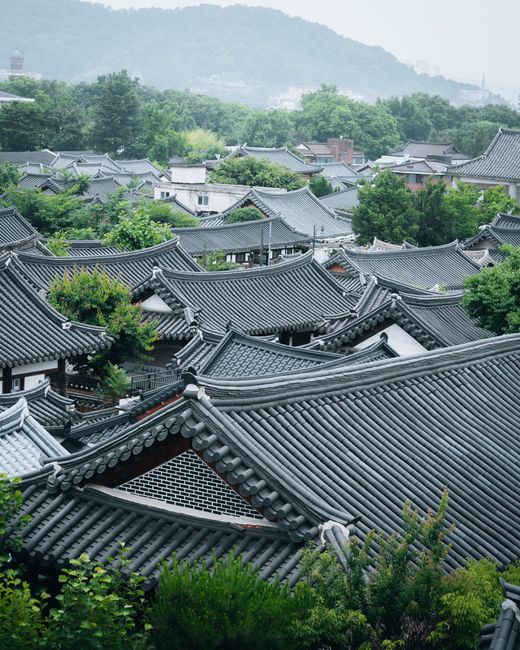
새벽 6시 40분, 전주 한옥마을 초입 골목은 이미 국물 냄새로 깨어 있다. 관광객들은 아직 숙소에서 뒤척이는 시간인데, 콩나물국밥집 주방에서는 뚝배기가 달그락거리고 있다. 전날 밤 야시장에서 꼬치를 물고 다니던 사람들이 다음 날 아침엔 해장국을 찾아 같은 골목을 되짚어 온다는 게 이 동네의 재밌는 순환이다. 하루 안에 이 코스를 다 돌 수 있을까 싶지만, 시간표만 잘 짜면 의외로 여유 있게 끝난다.
오전 8시, 콩나물국밥으로 하루를 여는 이유
아침부터 뜨거운 국물이라니 부담스럽게 느껴질 수 있지만, 막상 뚝배기 뚜껑을 열면 생각이 달라진다. 전주식 콩나물국밥은 맑은 육수에 콩나물, 새우젓, 계란이 통째로 들어가는 방식이 흔한데, 한옥마을 인근 노포들은 대개 오전 6시에서 7시 사이에 문을 연다. 가격대는 9천 원에서 1만 1천 원 선. 평일 오전에는 대기가 거의 없지만 토요일 9시 이후로는 15분에서 20분 정도 줄을 서야 하는 경우가 많다. 국물에 밥을 미리 말아주는 집과 따로 내는 집이 갈리는데, 따로 내는 쪽이 밥알 식감이 살아 있어서 선호하는 사람이 많다.
해장국을 아침부터 먹는 게 어색하다면 순서를 바꿔도 된다. 다만 한옥마을 골목 안 노포들은 오전 9시 반쯤 첫 회전이 빠지면서 자리가 넉넉해지니, 그 타이밍을 노리는 것도 방법이다.
오전 10시, 골목 산책과 한복 대여 타이밍
배를 채웠으면 이제 골목을 걸을 차례다. 경기전 돌담길부터 오목대로 이어지는 동선은 뻔한 코스 같지만, 오전 10시 전후로 걸으면 관광객이 몰리기 전이라 사진 찍기가 한결 편하다. 한복 대여점은 골목 안쪽으로 갈수록 가격이 내려가는 편인데, 큰길가는 1인 기준 1만 5천 원에서 2만 원, 골목 안쪽 소형 대여점은 1만 원대 초반에도 가능하다. 대여 시간은 보통 2~3시간 단위라서 다음 식사 일정과 겹치지 않게 미리 계산해두는 편이 낫다.
전동성당 앞은 오전 11시가 넘어가면 인파가 급격히 늘어난다. 사진만 찍고 빠르게 이동하는 게 낮 시간 전체 일정을 지키는 데 도움이 된다.
낮 12시, 전주비빔밥 한 그릇의 무게
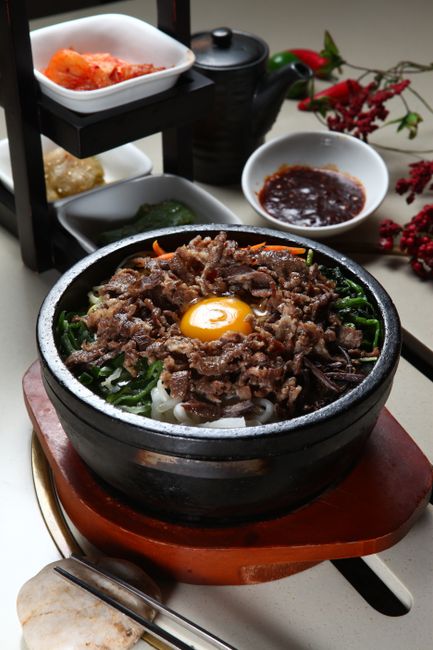
비빔밥이야 전국 어디서나 먹을 수 있지 않냐고 할 수도 있지만, 전주식은 나물 가짓수부터 다르다. 콩나물, 고사리, 도라지, 호박, 무생채에 육회나 계란 노른자를 얹는 구성이 기본이고, 3대째 이어온 노포급 식당들은 반찬만 열 가지 안팎이 함께 나온다. 가격은 1만 3천 원에서 1만 8천 원 사이가 보통이고, 육회비빔밥은 2만 원을 넘는 곳도 있다. 점심 피크인 낮 12시부터 1시 사이엔 유명한 노포 앞에 20~30명씩 줄이 늘어서기도 하는데, 11시 40분 전에 도착하면 대기 없이 바로 들어가는 경우가 많다.
비벼서 나오는 스타일과 직접 비벼 먹는 스타일이 갈리는데, 개인적으로는 직접 비비는 쪽이 나물 식감이 덜 뭉개져서 좋다는 평이 많다. 콩나물국이 기본으로 딸려 나오니 국밥과 비빔밥을 하루에 겹쳐 먹어도 부담이 크지 않다.
오후 2시, 길거리 간식 순례 — 꼬치와 초코파이
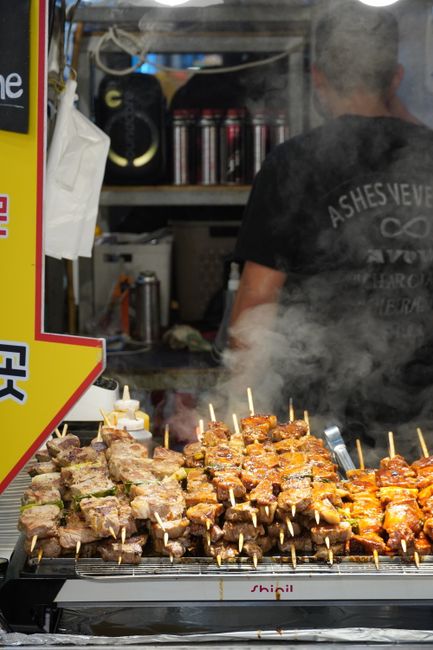
밥을 두 끼나 먹었는데 간식이 또 들어가나 싶지만, 한옥마을 오후 산책의 진짜 재미는 여기서 시작된다. 문어꼬치나 닭꼬치를 파는 노점은 골목 초입에서부터 줄지어 있고, 가격은 개당 5천 원에서 8천 원 선이다. 문어꼬치는 조리 시간이 있어서 2~5분 정도 기다려야 할 때가 많은데, 그 시간 동안 옆 가게 초코파이 굽는 냄새를 맡고 있으면 별로 지루하지 않다. 수제 초코파이는 즉석에서 마시멜로를 채워 굽는 방식이 흔하고, 낱개는 4천 원 안팎, 세트 구성은 1만 원대 초반이 많다.
주말 오후 3시 전후는 골목 폭이 좁아 사람들끼리 부딪힐 정도로 붐빈다. 간식은 웬만하면 평일 오후나 이른 오후에 몰아서 먹는 편이 걷기에도, 사진 찍기에도 낫다.
오후 5시, 남부시장 청년몰과 야시장으로 마무리
한옥마을에서 도보로 10분 남짓 떨어진 남부시장까지 가는 걸 굳이 챙겨야 하나 싶을 수 있는데, 의외로 여기가 하루 코스의 완성 지점 역할을 한다. 2층 청년몰에는 젊은 상인들이 운영하는 작은 가게들이 모여 있고, 1층 재래시장 구간에는 순대국밥, 피순대, 콩나물국밥을 파는 노포들이 여전히 자리를 지키고 있다. 금요일과 토요일 저녁이면 야시장이 열려서 골목 하나가 통째로 포장마차 거리로 바뀐다. 국수 한 그릇이 5천 원 안팎, 튀김이나 전 종류는 3천 원부터 시작하는 곳이 많아서 부담 없이 이것저것 집어먹기 좋다.
저녁 6시 반이 넘어가면 야시장 통로가 사람으로 꽉 차서 이동 자체가 느려진다. 사진보다 먹는 데 집중하고 싶다면 개장 직후인 6시 전후로 도착하는 걸 추천한다.
하루 코스 요약
정리하면 오전 8시 콩나물국밥, 10시 골목 산책과 한복 대여, 낮 12시 비빔밥, 오후 2시 꼬치와 초코파이, 5시 이후 남부시장 순서다. 이 순서대로 움직이면 대기 시간을 최소화하면서 한옥마을의 대표 먹거리를 거의 다 훑을 수 있다. 걷는 거리는 넉넉잡아 5킬로미터 안팎이니 편한 신발은 필수다.
자주 묻는 질문
주말에 가면 비빔밥집 웨이팅이 얼마나 되나요?
유명세가 있는 노포일수록 토요일 낮 12시부터 1시 사이 웨이팅이 20~30분까지 늘어난다. 11시 40분 전에 도착해서 오픈런에 가깝게 들어가거나, 오후 1시 반 이후로 시간을 늦추면 대기 없이 들어갈 수 있는 경우가 많다. 번호표를 나눠주는 곳도 있으니 근처 카페에서 대기하다가 순서에 맞춰 돌아오는 방법도 쓸 만하다.
콩나물국밥과 비빔밥을 하루에 다 먹어도 부담스럽지 않을까요?
콩나물국밥은 국물이 맑고 자극적이지 않아서 생각보다 속이 편하다. 두 끼 간격을 4시간 정도 벌려두면 부담이 크게 줄어든다. 아침에 국밥, 점심에 비빔밥 순서가 일반적이지만, 아침잠이 많다면 순서를 바꿔서 브런치로 비빔밥을 먼저 먹고 오후 늦게 국밥으로 마무리하는 사람들도 있다.
아이와 함께 가도 괜찮은 코스인가요?
골목이 좁고 오후엔 인파가 몰리는 편이라 유아차를 끌고 다니기엔 다소 불편할 수 있다. 다만 콩나물국밥과 비빔밥 모두 자극적이지 않은 맛이라 아이 입맛에도 무난하고, 초코파이나 꼬치 같은 간식류는 아이들이 오히려 더 좋아하는 편이다. 사람이 몰리는 오후 2시부터 4시 사이를 피해서 오전 코스 위주로 짜면 한결 수월하게 다닐 수 있다.
Three weeks into my first job in Seoul, a coworker handed me his business card with both hands, gave a small bow, and said his name was “Kim Minjun.” I shook his hand, looked him dead in the eye, and said, “Nice to meet you, Mr. Minjun.” He didn’t correct me. Nobody did, actually, for almost a month — until a Korean friend finally pulled me aside at a work dinner and said, gently but with the kind of wince you give a friend who has spinach in their teeth, “It’s Mr. Kim. Minjun is his first name.” I had been calling a man by his given name, minus any honorific, in front of his own boss, for four weeks straight.
That single mix-up is, I’d guess, the most common naming error foreigners make in Korea. It sounds like a small thing. It isn’t, really — or rather, it’s small in the sense that nobody’s going to yell at you over it, but it quietly signals that you haven’t quite figured out how names work here, and Koreans notice. So let’s actually sort this out, properly, the way I wish someone had sat me down and explained it back in 2016.
Family name first, always
Korean names follow the East Asian convention: surname first, given name second. Kim Minjun means the family name is Kim and the given name is Minjun — not the other way around, and not interchangeable depending on context, the way some Western first-and-middle names can be shuffled. This is the reverse of English order, where “John Smith” puts the personal name first and the family name last. You’d think this would be an easy switch to internalize, and honestly, after a while it is. But in the first few months, your brain keeps defaulting to the pattern it learned as a toddler, and you end up parsing “Kim Minjun” as if “Kim” were a first name, because in your own language, name order has always worked that way.
Here’s a number that surprised me when I first heard it: three surnames — Kim, Lee, and Park — cover roughly 45% of the entire South Korean population. Statistics Korea’s most recent large-scale census breakdown put Kim alone at over 21% of the country, Lee at around 14%, and Park at just under 8%. Fewer than 300 surnames exist in Korea total, compared to the tens of thousands used in the United States. So when you meet three Kims in one meeting, that’s not a coincidence or a running joke — it’s just math. Given names, meanwhile, carry almost all of the individual distinctiveness. That’s precisely why Koreans lean so heavily on titles and honorifics instead of first names when addressing each other, which we’ll get to.
How the given name itself is built
Most Korean given names are two syllables, though one-syllable given names exist too — think Yuna, Jihoon, or a shorter name like Ho or Jin. In the traditional structure, one of those two syllables is a “generation name” (돌림자, dollimja), shared by siblings or cousins of the same generation within an extended family, and the other syllable is unique to that individual. It’s a custom with roots going back centuries, tied to Confucian family record-keeping, and it still shows up constantly, even if fewer families follow it strictly than fifty or sixty years ago.
A commonly cited example: the singer Lee Hyori has sisters named Lee Yuri and Lee Jinkyung, and if you know Korean naming customs you can spot the shared syllable pattern at a glance. You might think this sounds like a minor genealogical detail that only matters to historians, but oddly enough, it comes up in daily life more than you’d expect — Koreans will sometimes ask a new acquaintance whether their siblings share a syllable with them, purely as a bit of small talk, the way you might ask an American whether they’re named after a grandparent. Still, this isn’t universal anymore. Plenty of younger parents now pick given names purely for sound or meaning, skipping the generation-name system altogether, especially in Seoul.
The mix-ups foreigners actually make
The Minjun story above is the classic one, but it’s far from the only trap. Here are the ones I’ve watched happen — to myself and to nearly every other expat I know — over close to a decade here.
Calling someone by their given name alone. In English, first-name-only is friendly and default. In Korean workplaces, it can read as oddly familiar, even blunt, unless you’re close friends or the person is younger than you and has explicitly said it’s fine. Strange as it sounds to someone raised on casual American office culture, using a coworker’s bare given name on day one can land as mildly disrespectful, not warm.
Treating the surname as the “casual” part. Some foreigners, once they realize Kim is the family name, overcorrect and start calling everyone by surname alone — “Hey, Kim!” — assuming it functions like an English last-name nickname among friends. It doesn’t, generally. Surname alone, with no title attached, can sound abrupt or even a little rude in most everyday contexts.
Assuming the name order flips on English documents. This one trips up even long-term residents. Officially, Korea’s government style guide keeps surname-first order even when a name is romanized — for example, “Kim Minjun,” not “Minjun Kim.” But in practice? It’s genuinely inconsistent. Passports, English business cards, and social media bios sometimes flip the order to match Western expectations, and sometimes don’t, depending on the person, the company, or which decade the document was made. You basically have to ask, or wait for context, rather than guess.
Business cards: a small ritual with real rules
If there’s one object that condenses all of Korean naming etiquette into a single physical item, it’s the business card, or 명함 (myeongham). You receive one with both hands. You don’t shove it straight into your back pocket while the other person is still standing there — that one’s a genuine faux pas, and I learned it the hard way at a conference in Gangnam back in 2018, card crumpled in my jeans within about four seconds of receiving it, while the woman across from me watched with an expression I can only describe as polite horror.
The card itself tells you almost everything you need to address someone correctly: full name in the surname-first order, and — critically — their job title. This matters more than it might in, say, an American office, because Korean address terms are built around title plus honorific suffix far more often than around given names. You might think checking someone’s job title feels a bit formal for a casual chat, but in Korea it’s actually the opposite of formal-for-formality’s-sake — it’s the quickest, most respectful way to know how to talk to someone you just met.
Honorifics: why titles do the heavy lifting
This is the part that finally made everything click for me. In Korean, you rarely address someone directly by their bare given name unless you’re close in age and status, or they’re your child, or they’ve told you it’s okay. Instead, you use surname plus title plus 님 (nim), an honorific suffix roughly equivalent to “esteemed” or a very respectful “Mr./Ms.” — so a manager named Kim becomes “Kim Gwajang-nim” (Manager Kim), a teacher becomes “seonsaeng-nim,” a doctor becomes “uisa-nim.” Given name alone, with no honorific, is reserved for close friends, younger family, or people distinctly below you in age and hierarchy.
So when I called my coworker “Mr. Minjun” that first month, I’d actually managed two mistakes stacked on top of each other: wrong part of the name, and an English honorific grafted onto it in a way that doesn’t really exist in Korean structure at all. Surprisingly, nobody seemed to think less of me for it — most Koreans extend a lot of patience to foreigners still learning this stuff. Still, once I understood the system, conversations felt noticeably smoother. People visibly relaxed when I got their title right, the way you might relax when a stranger in your home country pronounces your name correctly on the first try.
A quick way to keep it straight
Here’s the mental shortcut I give newer expats now. First, assume the first word of a Korean name is the surname unless you have clear evidence otherwise. Second, don’t use given name alone in a professional or first-meeting context — lean on title-plus-nim, or just “Mr./Ms. [Surname]” in English conversation, until someone explicitly invites more casual address. Third, read the business card. It usually tells you exactly what you need. None of this requires fluent Korean. It just requires paying attention to structure rather than assuming your home country’s rules travel with you.
It’s a small adjustment, in the end, but it’s one of those cultural details that quietly separates someone who’s visiting Korea from someone who’s actually settled in and started paying attention.
FAQ
My Korean coworker introduced herself as “Sarah” — is that her real name, and how does it fit with the surname-first rule?
Plenty of Koreans who work with foreigners or study abroad adopt an English name for convenience — it’s extremely common in offices with international clients, English academies, and universities. “Sarah” usually isn’t a legal name; it’s a chosen nickname that sits alongside her actual Korean name, which still follows surname-first order on any official document. You can address her as “Sarah” comfortably in English conversation — that’s exactly why she offered it. Just don’t assume it replaces her real name if you ever see her business card or official paperwork, where the Korean surname-first name will still appear.
I’m meeting a Korean business contact for the first time next week. Should I say their given name, surname, or full name when greeting them?
Safest bet: full name plus an appropriate title, or surname plus “Mr./Ms.” in English — for example, “It’s great to meet you, Mr. Park,” rather than “Hi, Jihoon.” If you already know their job title from an email signature or business card, using surname plus that title in Korean (if you speak any) reads as genuinely respectful. Given name alone, especially on a first meeting, tends to feel too casual for a Korean professional context, even if the same move would be perfectly normal in an American or European office.
Why do some Koreans list their name as “Minjun Kim” on LinkedIn instead of “Kim Minjun”?
Because there’s no single enforced rule for how Korean names get romanized on international platforms, and plenty of people flip the order themselves to make things easier for Western colleagues and recruiters who might otherwise misread the surname. It’s a practical accommodation, not a sign that the traditional surname-first order has changed domestically — inside Korea, on Korean documents and everyday introductions, surname still comes first. When in doubt on a platform like LinkedIn, check for a job title or company page for context, or just ask which part is the family name.
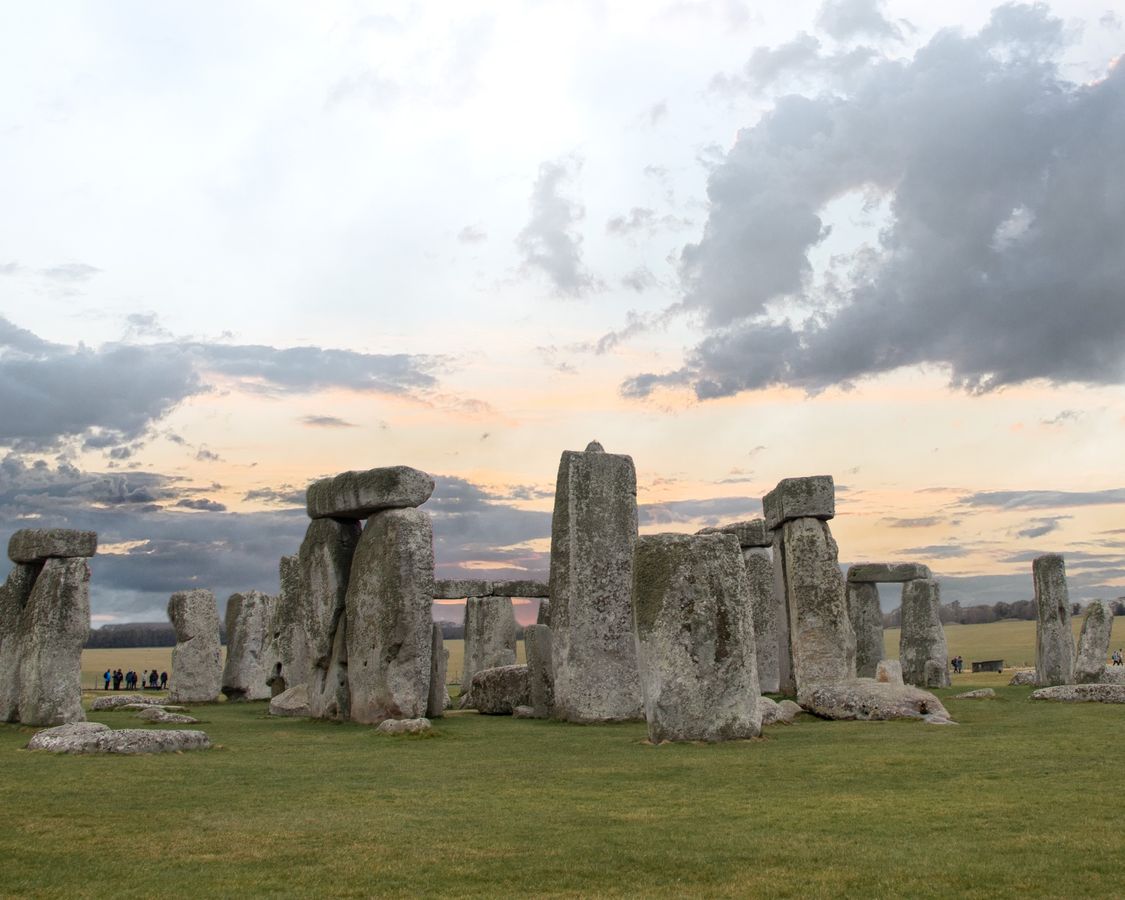
1844년, 한 지질학자가 스톤헨지 한가운데 누워 있는 6톤짜리 회색 돌 — 흔히 ‘제단석(Altar Stone)’이라 불리는 그 돌에서 얇은 조각 하나를 잘라냈다. 그 조각은 이후 180년 가까이 런던 자연사박물관 서랍 속에 조용히 보관돼 있었다. 그런데 2024년 8월, 커틴대학교(Curtin University) 연구진이 그 낡은 조각을 현미경 아래 다시 올려놓으면서 이야기가 완전히 뒤집혔다. 스톤헨지에서 가장 무거운 축에 속하는 이 돌이, 놀랍게도 750km 넘게 떨어진 스코틀랜드 북동부에서 왔다는 사실이 드러난 것이다. 100년 넘게 믿어온 ‘웨일스 출신’이라는 정설이 하루아침에 무너졌다.
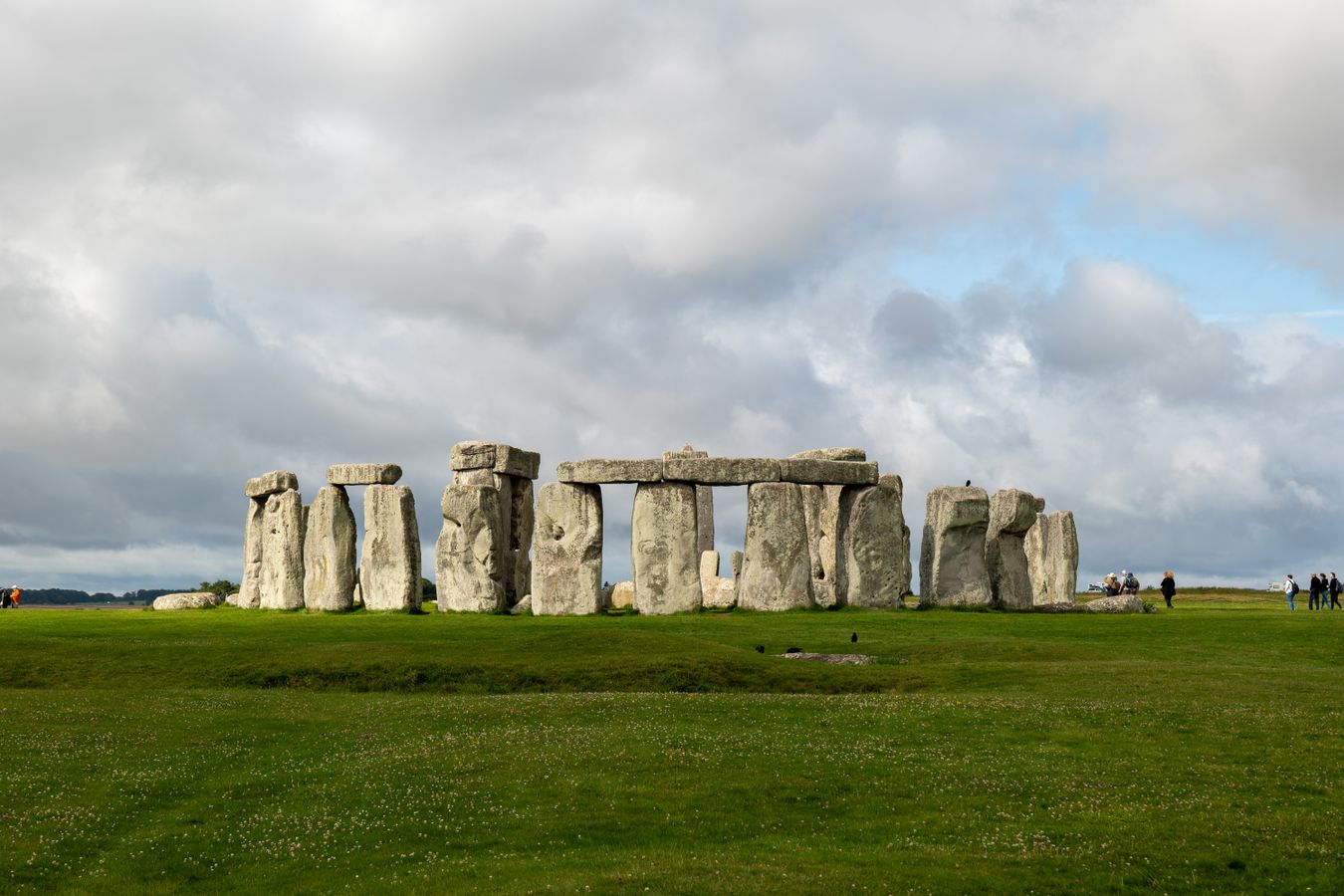
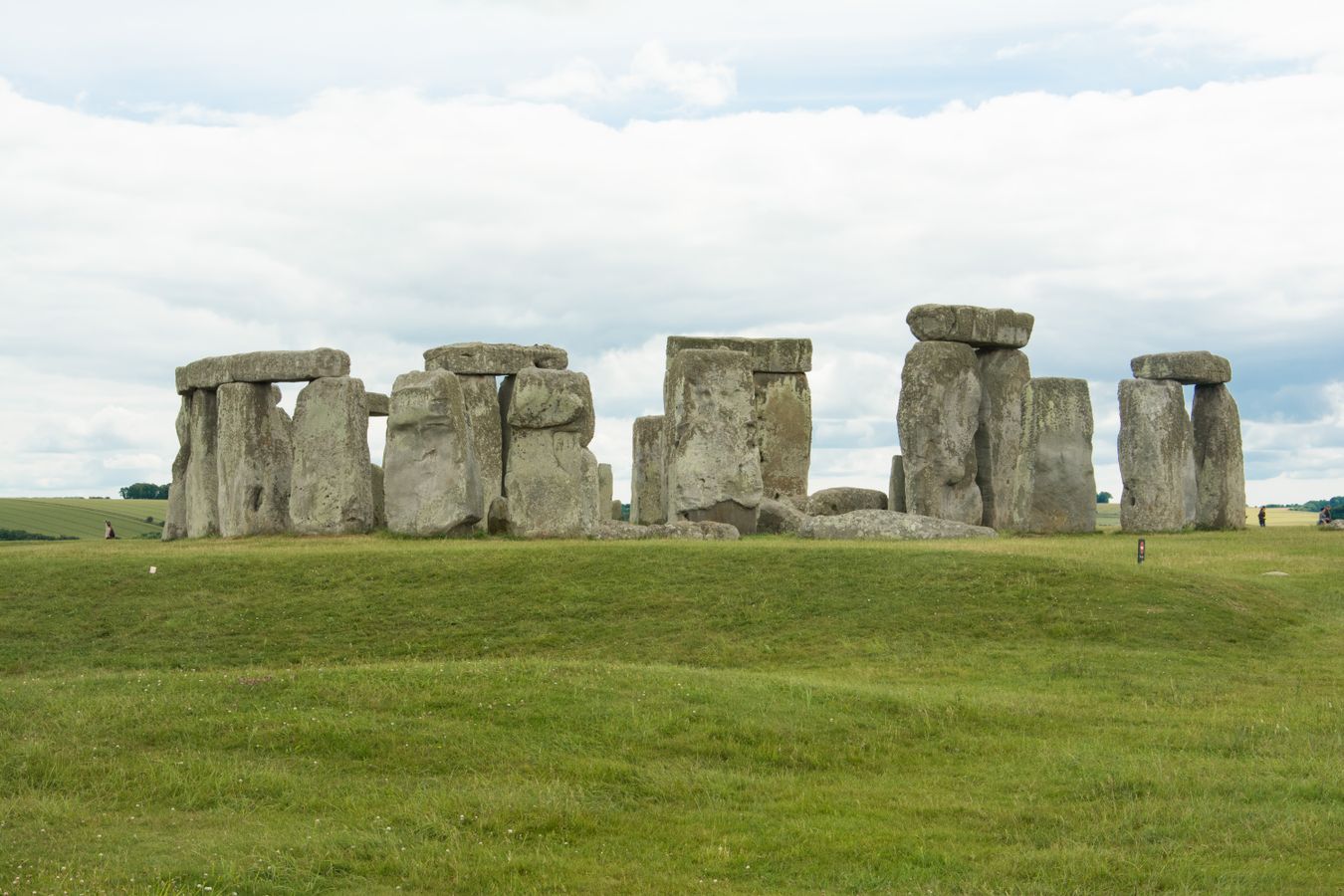
영국 솔즈베리 평원에 서 있는 이 거석 유적은 이미 유네스코 세계유산이고, 매년 수십만 명이 다녀가는 관광지다. 그런데도 정작 누가, 언제, 왜 만들었는지는 지금도 완전히 합의되지 않았다. 미신처럼 들릴 수 있지만, 아직도 어떤 다큐멘터리에서는 외계인이나 마법사 멀린 이야기를 진지하게 꺼낸다. 실제 고고학은 훨씬 흥미롭다. 최근 몇 년 사이 지질학, 방사성탄소연대측정, 천문학 관측까지 동원되면서 스톤헨지에 대한 그림이 상당히 구체적으로 다시 그려지고 있기 때문이다.
건설 시기별로 보면 스톤헨지는 하나의 ‘공사’가 아니다
스톤헨지를 하루아침에, 혹은 한 세대 만에 세운 단일 프로젝트로 생각하기 쉽다. 그럴 리 없다고 생각할 수 있지만, 실제로는 최소 1,500년에 걸쳐 여러 단계로 나뉘어 지어졌다. 첫 삽을 뜬 건 기원전 약 3000년경으로 추정된다. 사슴뿔로 만든 곡괭이로 지름 약 110m의 원형 도랑과 둑을 파낸 흔적이 남아 있고, 그 안쪽에는 오브리 구멍(Aubrey Holes)이라 불리는 56개의 구덩이가 원을 그리며 배치돼 있었다.
진짜 돌이 세워지기 시작한 건 그로부터 몇백 년 뒤다. 기원전 2900년에서 2400년 사이, 지름 2m가 채 안 되는 ‘블루스톤(bluestone)’ 무리가 먼저 도착했다. 이 돌들의 출처는 2015년 유니버시티칼리지런던(UCL)의 마이크 파커 피어슨(Mike Parker Pearson) 교수 연구팀이 웨일스 남서부 프레셀리 언덕(Preseli Hills)의 크레이그 로스이펠린과 칸 고에독 채석장으로 특정했다. 직선거리로 약 225km. 바퀴도, 말도 없던 시대에 그 정도 거리를 옮겼다는 사실만으로도 의외로 놀랍다.
사르센석(sarsen stone)으로 불리는 거대한 회색 사암 기둥 — 우리가 흔히 사진으로 보는 그 육중한 삼석탑(trilithon) 구조물 — 은 기원전 2500년경에야 자리를 잡았다. 무게가 최대 25톤에 이르는 이 돌들의 출처는 오랫동안 미스터리였는데, 2020년 브라이튼대학교의 데이비드 내시(David Nash) 교수가 X선 형광분석으로 스톤헨지에서 불과 25km 떨어진 웨스트 우즈(West Woods) 숲을 원산지로 지목했다. 가까운 곳에서 온 돌이라 별문제 없어 보이지만, 25톤짜리 바위를 25km 끌고 오는 것도 결코 쉬운 일은 아니다.
2024년에 뒤집힌 100년의 정설 — 스코틀랜드에서 온 제단석
가장 극적인 반전은 앞서 언급한 제단석 이야기다. 스톤헨지 중심부에 수평으로 눕혀진 채 다른 돌들에 눌려 있는 이 6.6톤짜리 사암은, 20세기 내내 웨일스산으로 분류돼 있었다. 그런데 커틴대학교의 앤서니 클라크(Anthony Clarke) 연구팀이 국제 학술지 네이처(Nature)에 발표한 논문에서, 돌 속 지르콘과 아파타이트 광물의 연대를 분석한 결과 웨일스 지질과는 전혀 맞지 않는다는 사실을 확인했다. 대신 스코틀랜드 북동부 오크니 제도 인근의 오르카디안 분지(Orcadian Basin) 지층과 거의 정확히 일치했다.
직선거리로 계산해도 700km가 넘는다. 신석기시대 유럽 전체를 통틀어 이만큼 먼 거리를 이동한 거석 사례는 아직 보고된 적이 없다. 여전히 의문인 건, 왜 하필 그렇게 멀리서 돌을 가져왔느냐는 점이다. 가까운 곳에도 비슷한 사암은 얼마든지 있었다. 연구팀은 이것이 단순한 건축 자재 수급이 아니라, 브리튼섬 북쪽과 남쪽 공동체를 잇는 상징적 행위였을 가능성을 조심스럽게 제기한다 — 다만 이건 어디까지나 추정이지, 확정된 결론은 아니다.
빙하가 옮겼다는 설, 아직도 유효할까
돌의 출처가 밝혀졌다고 해서 ‘어떻게 옮겼는지’까지 자동으로 풀리는 건 아니다. 오랫동안 일부 지질학자들은 빙하가 자연스럽게 이 돌들을 브리튼섬 남부까지 밀고 왔을 것이라 주장해왔다. 얼핏 그럴듯하게 들린다. 사람이 수 톤짜리 돌을 수백 km씩 끌고 다녔다는 쪽이 오히려 더 비현실적으로 느껴질 수도 있다.
하지만 커틴대학교 연구진이 뒤이어 내놓은 후속 연구는 빙하설에 힘을 실어주지 않았다. 오르카디안 분지에서 솔즈베리 평원까지 이어지는 경로에서 같은 계열의 표류 암석이 전혀 발견되지 않았다는 점이 결정적이었다. 빙하가 실어 날랐다면 중간중간 흔적이 남아야 정상인데, 그런 흔적이 없다는 것이다. 결과적으로 학계 대다수는 지금 뗏목이나 썰매, 통나무 굴림대를 이용한 인력 운반 쪽에 무게를 두고 있다. 상상만 해도 수백 명이 동원됐을 그 작업 규모가 그려진다.
왜 만들었을까 — 달력인가, 무덤인가, ‘통합’의 상징인가
목적을 둘러싼 논쟁은 출처 논쟁보다 훨씬 오래됐고, 지금도 진행형이다. 가장 널리 알려진 가설은 천문 관측소 역할이다. 스톤헨지의 축은 하지의 일출과 동지의 일몰 방향과 정확히 맞물린다. 우연으로 치부하기엔 정밀도가 지나치게 높다. 매년 6월 21일 전후로 영국 잉글리시 헤리티지(English Heritage)가 하지 일출 행사를 무료로 개방하는데, 최근 몇 년 기준으로 약 1만 명 안팎이 새벽부터 몰려든다.
동시에 이곳은 무덤이기도 했다. 2018년 UCL의 크리스티 윌리스(Christie Willis) 연구팀이 오브리 구멍에서 나온 화장 유골 25구를 재분석한 논문을 국제학술지 사이언티픽 리포츠(Scientific Reports)에 발표했는데, 동위원소 분석 결과 일부 유골이 웨일스 서부 출신일 가능성이 제기됐다. 스톤헨지는 단순한 관측 장치가 아니라, 먼 지역 공동체가 함께 참여한 매장지였을 수 있다는 뜻이다.
2024년 말 파커 피어슨 교수팀이 학술지 아키올로지 인터내셔널(Archaeology International)에 발표한 논문은 조금 다른 각도를 제시한다. 당시 브리튼섬 원주민 신석기 공동체가 유럽 대륙에서 건너온 새로운 이주민 집단과 마주하면서, 여러 지역 사람들을 하나로 묶는 ‘통합 프로젝트’로 스톤헨지를 세웠을 것이라는 주장이다. 스코틀랜드산 제단석과 웨일스산 블루스톤을 한자리에 모아놓은 것 자체가, 섬 전체를 상징적으로 연결하려는 의도였을 수 있다는 해석이다. 그럴듯하게 들리지만 이 역시 여러 가설 중 하나일 뿐, 스톤헨지 연구자들 사이에서 만장일치로 받아들여진 결론은 아니다.
2025년의 특별한 손님 — 18.6년 만에 돌아온 ‘대정지’
해와 달 모두와 연결된 유적이라는 근거는 또 있다. 달은 18.6년 주기로 뜨고 지는 위치가 극단으로 벌어지는 ‘대정지(major lunar standstill)’ 현상을 겪는데, 가장 최근 주기가 2024~2025년에 걸쳐 나타났다. 옥스퍼드대, 레스터대, 본머스대 연구진과 잉글리시 헤리티지, 왕립천문학회가 공동으로 스톤헨지 외곽의 ‘스테이션 스톤(station stones)’ 네 개가 이 극단적인 달의 위치와 정렬되는지를 현장에서 직접 관측했다. 18.6년에 한 번뿐인 기회라 여러 세대에 걸쳐 이 정렬을 의도적으로 설계했는지, 아니면 우연인지는 여전히 논쟁 중이다.
그래도 여전히 풀리지 않은 것들
돌의 출처가 상당 부분 밝혀졌다고 해서 미스터리가 끝난 건 아니다. 먼저, 바퀴도 없고 큰 짐수레 끄는 가축도 흔치 않던 신석기 브리튼섬에서, 6.6톤짜리 돌을 750km나 옮긴 구체적인 물류 방식은 아직도 재현 실험 수준에 머물러 있다. 두 번째로, 왜 굳이 그렇게 멀리서 돌을 가져왔는지에 대한 확실한 이유는 없다. 상징성 때문이라는 해석은 설득력이 있지만 증거로 완전히 입증된 건 아니다. 세 번째로, 정확히 어떤 의식이 이곳에서 치러졌는지는 문자 기록이 전혀 없는 시대라 영원히 완전한 답을 찾지 못할 가능성도 있다. 의외로 이런 근본적인 질문들일수록 답이 가장 늦게, 혹은 끝내 나오지 않을지도 모른다.
아니다. 스톤헨지 건설은 기원전 3000년경 시작해 기원전 1500년경 마무리됐다고 보는 게 정설인데, 드루이드는 철기시대인 기원전 800년 무렵에야 브리튼섬에 등장한 켈트족 사제 집단이다. 시간차가 최소 700년 이상 벌어진다. 이 오해는 17세기 영국 골동품 연구가 존 오브리(John Aubrey)가 처음 제기한 뒤, 18세기 윌리엄 스터클리(William Stukeley) 같은 학자들이 대중화시키면서 굳어졌다. 실제로 스톤헨지를 지은 사람들은 드루이드보다 훨씬 이전, 문자 기록조차 남기지 않은 신석기 및 초기 청동기시대 공동체였다.
외계인이나 초자연적 힘이 스톤헨지를 만들었다는 이야기도 있던데, 근거가 있나요?
그럴듯하게 들릴 수 있지만, 이는 과학적으로 뒷받침되지 않는 대중적 가설일 뿐이다. 20세기 중반 이후 일부 대중서와 다큐멘터리가 ‘인간의 기술로는 불가능하다’는 전제로 외계 개입설을 퍼뜨렸는데, 실제 실험고고학 연구들은 통나무 굴림대와 밧줄, 목재 지렛대만으로 25톤급 돌을 옮기고 세우는 게 충분히 가능하다는 걸 여러 차례 재현해 보였다. 발굴로 확인된 채석장 흔적, 도구 자국, 운반 경로상의 정황 증거까지 겹치면서, 학계에서는 인간이 직접 만들었다는 데 이견이 거의 없다. 다만 정확한 조직 방식과 동원 인력 규모는 여전히 추정치 수준이라는 점은 밝혀둘 필요가 있다.
여름 하지에 스톤헨지에 가면 실제로 무엇을 볼 수 있나요?
매년 6월 21일 전후 새벽, 잉글리시 헤리티지는 평소 유료 입장인 스톤헨지 안쪽 원형 구역까지 무료로 개방한다. 해가 뜨는 순간 ‘힐 스톤(Heel Stone)’이라 불리는 바깥쪽 돌 위로 태양이 걸리는 정렬을 육안으로 확인할 수 있는데, 최근 몇 년 기준 새벽 시간대에만 약 1만 명 안팎이 현장을 찾는다. 다만 날씨가 흐리면 해돋이 자체를 못 볼 수도 있다는 점, 대중교통이 끊기는 새벽 시간이라 사전에 이동 수단을 확인해야 한다는 점은 미리 알아두는 게 좋다.