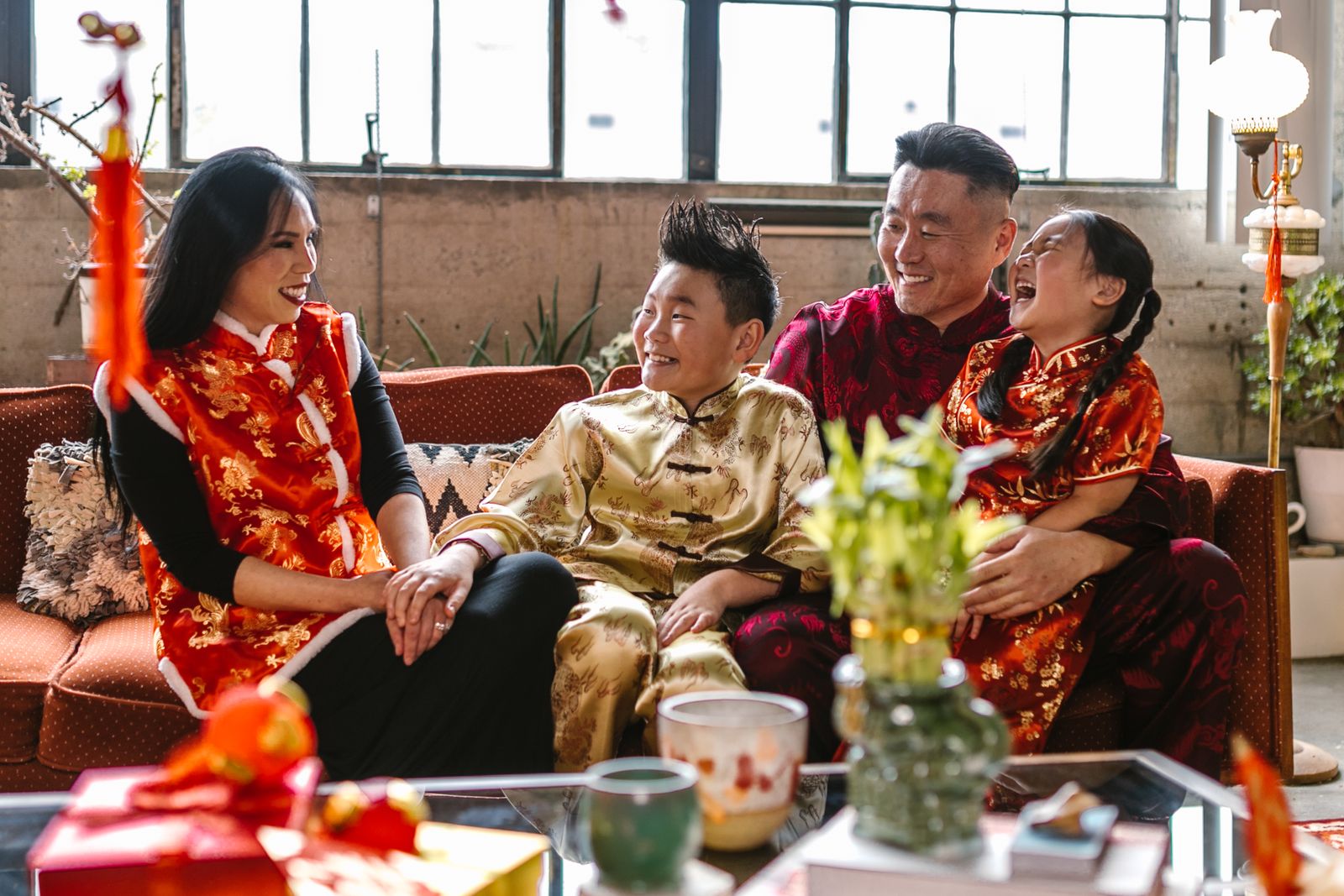
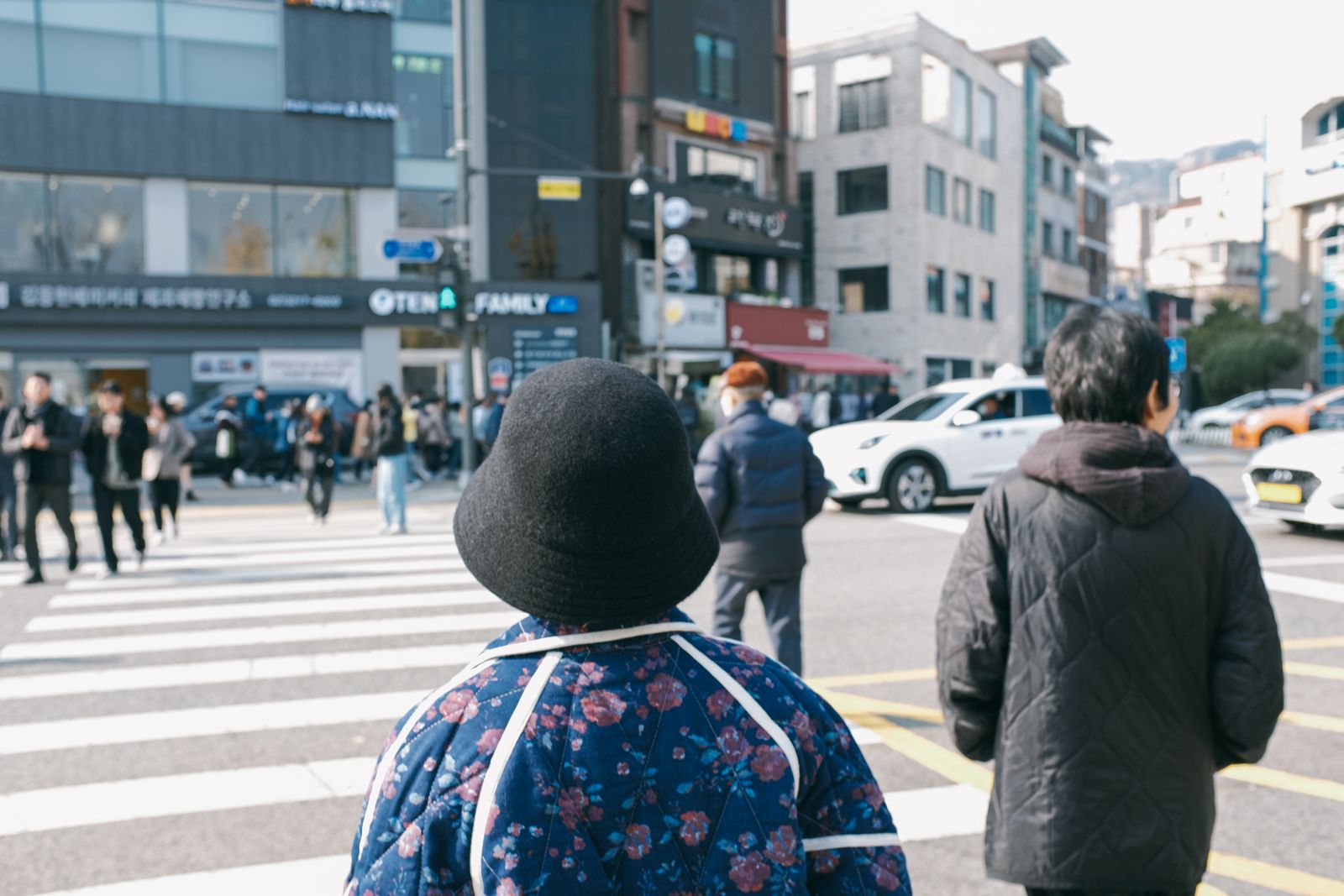
Last year, around September 20th, I tried to book a same-day KTX ticket from Seoul to Busan on a total whim. Sold out. Not “a few seats left” sold out — every single train, every single class, for four straight days. That’s when it actually clicked for me, three years into living here, just how seriously this country takes Chuseok. It isn’t a quiet little holiday tucked into the calendar. It’s closer to a nationwide migration, and if you’re a foreigner in Korea who hasn’t been through one yet, it can catch you completely off guard.
So let’s get the practical part out of the way first, because I know that’s what most people searching this are actually after. Chuseok 2026 falls on Thursday, September 24 through Saturday, September 26, with the main holiday — Chuseok day itself — landing on Friday, September 25. Because it doesn’t overlap a Sunday this time, there’s no official substitute Monday under Korea’s make-up holiday rule. Sounds like a letdown if you were hoping for an extra day off, but here’s the upside: the holiday already runs right into the weekend, so most people end up with a comfortable four-day stretch from Thursday to Sunday without needing a substitute day at all.
So what actually is Chuseok?
Chuseok translates roughly to “autumn eve,” and it’s built around the full harvest moon — the timing shifts every year because it follows the lunar calendar, not the fixed Gregorian one we’re used to. You’ll hear it called “Korean Thanksgiving” constantly, and that comparison isn’t wrong, exactly, but it undersells things a bit. Thanksgiving in the West is mostly one big dinner. Chuseok is a multi-day event woven around family obligation, ancestral memory, and a genuine sense of gratitude for the harvest — plus, honestly, a lot of traffic.
At the center of it is something called charye, the ancestral memorial rite. Families set up a table — an actual, carefully arranged spread of food, fruit, rice, and rice wine — facing a specific direction, and the eldest members lead formal bows to honor deceased relatives. It’s quiet, structured, and surprisingly moving even if you’re watching as an outsider. You might expect it to feel somber, but in most households I’ve seen described, it’s more matter-of-fact than sad — a ritual people have done so many times it feels like breathing, not grief on display.
Songpyeon: the rice cake everyone talks about
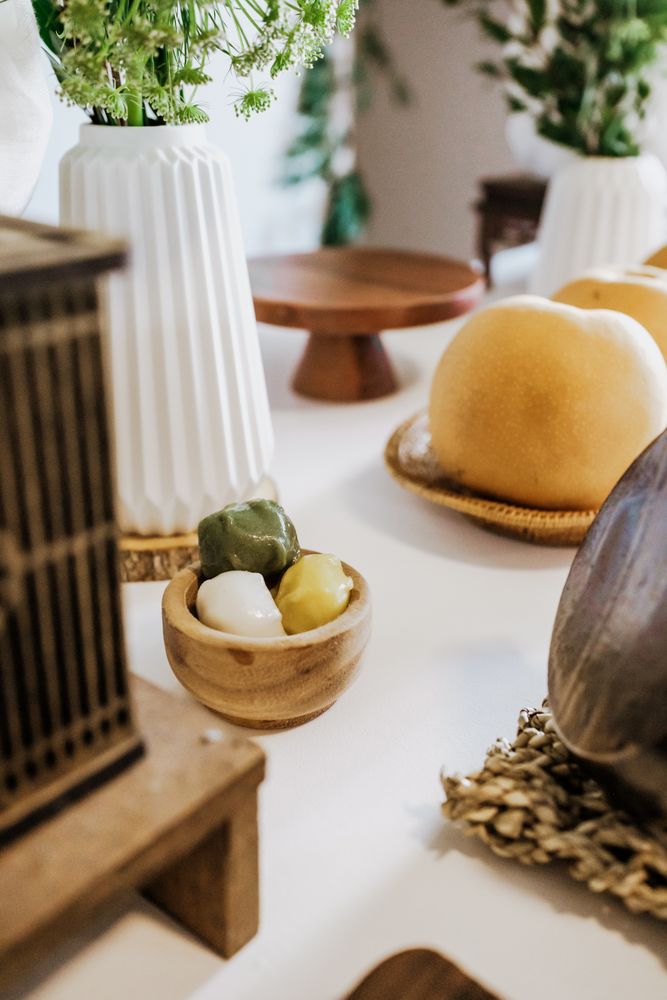
If there’s one food you need to know before Chuseok, it’s songpyeon. These are small, half-moon-shaped rice cakes stuffed with things like sesame, red bean, or chestnut, then steamed over a layer of pine needles. That pine-needle steaming step isn’t just for flavor — it’s tied to an old belief about purity and good fortune, and it gives the rice cakes this faint, almost resinous fragrance that’s hard to describe until you’ve smelled it yourself. Families traditionally make them together the night before, sitting around shaping little half-moons by hand, which sounds charming right up until your fingers cramp after the fortieth one.
Beyond songpyeon, the table usually fills out with japchae, bulgogi, and jeon — those pan-fried savory pancakes made with everything from zucchini to fish. None of it is exotic or unfamiliar if you’ve eaten Korean food before, but the sheer volume prepared for Chuseok is on another level. Households cook for days. It’s less a meal and more a small-scale catering operation run out of someone’s grandmother’s kitchen.
The travel rush nobody warns you about
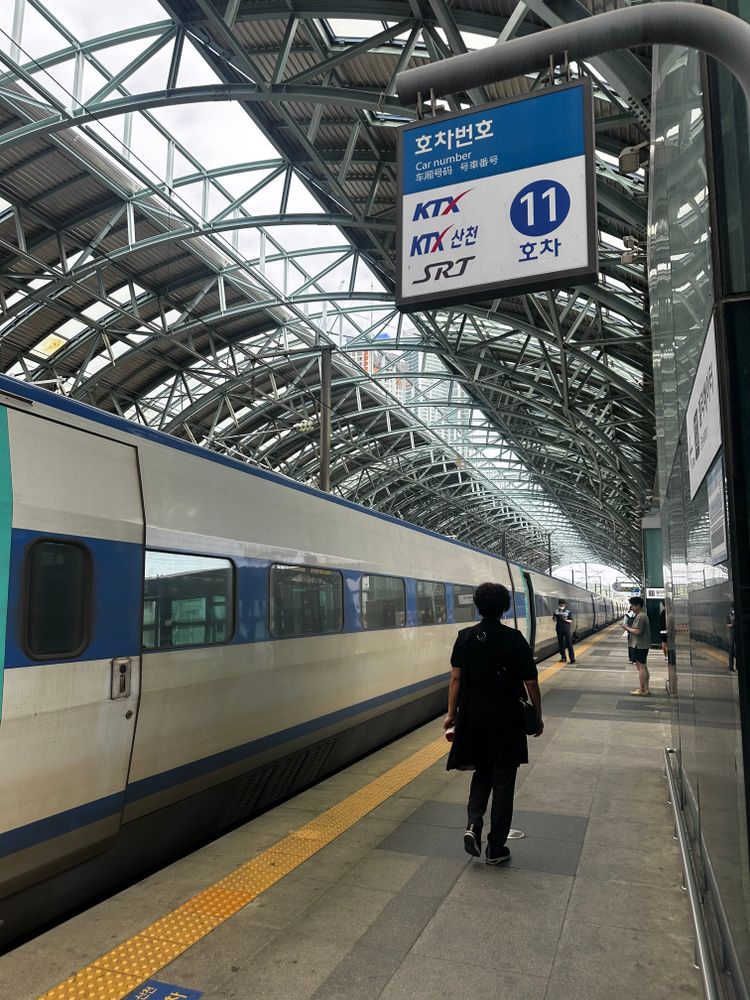
Here’s the part that genuinely surprises newcomers: Chuseok triggers what’s often called minjok daeidong, the “great migration of the people,” or sometimes gwihyangjeol, the “homecoming holiday.” Tens of millions of people leave Seoul and other big cities to return to their hometowns — to see parents, grandparents, and, often, to visit family graves. You’d think a harvest festival would mean things slow down. Instead, the highways clog for hours, KTX tickets vanish within minutes of release, and a normally two-hour drive south can stretch past six or seven.
My advice, for what it’s worth: book trains the moment reservations open, which is usually about a month in advance, and don’t even think about renting a car for a spontaneous road trip during those dates. If you absolutely must travel by road, aim for the very early morning or late at night, and expect delays anyway. Oddly enough, Incheon Airport can actually be a decent option if you’re leaving the country entirely — plenty of Koreans travel abroad during Chuseok precisely to dodge the domestic chaos, so outbound flights sometimes book up just as fast as the trains do.
What’s open, what’s closed
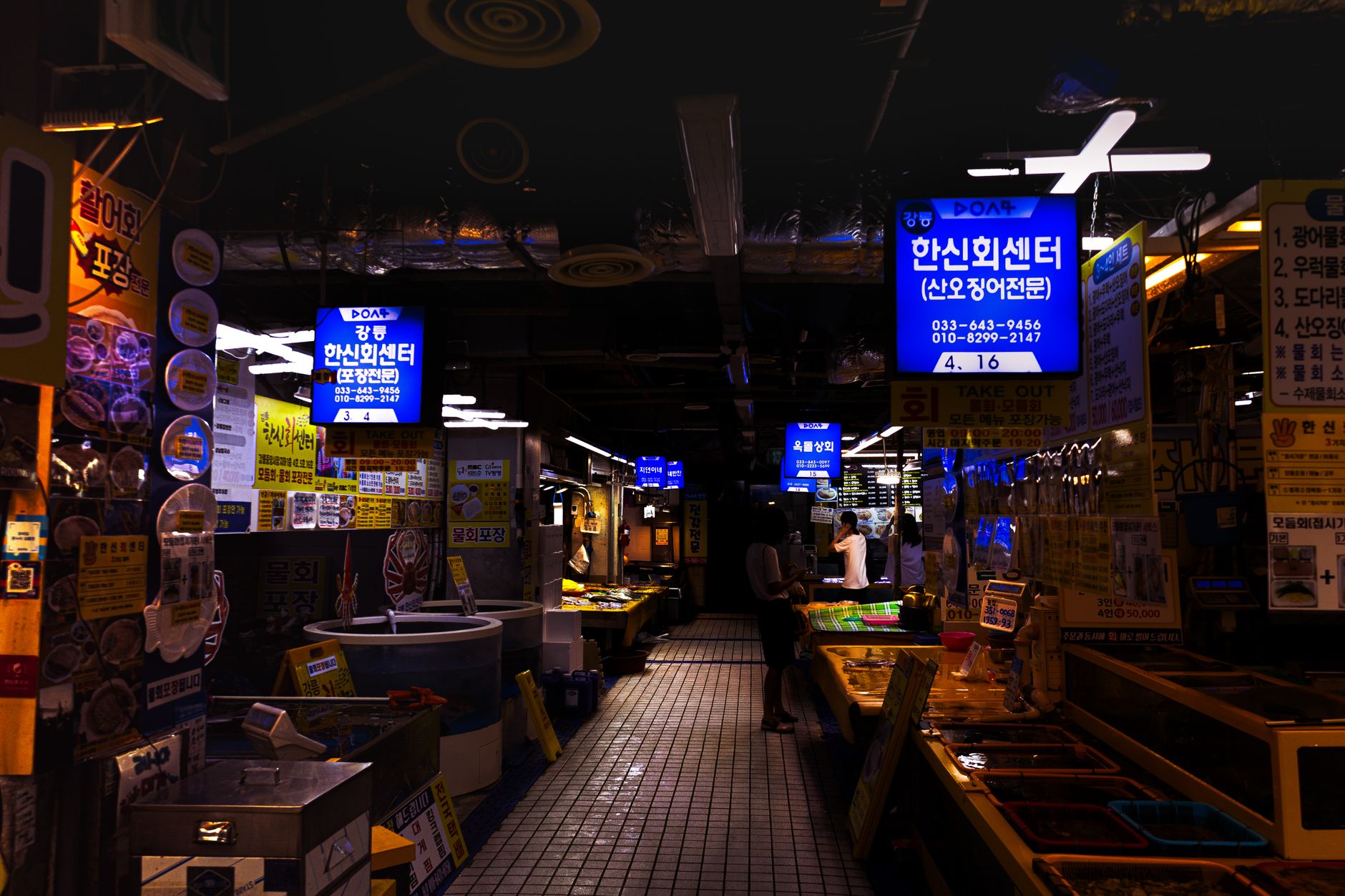
This trips people up every single time. Small restaurants, neighborhood cafes, and stalls in traditional markets often close for the full three days, sometimes longer if the owners are traveling. Your favorite local kimbap place might just have its shutters down with no warning posted anywhere online. Large franchises, though — the CUs, GS25s, Starbucks, most big chain restaurants near train stations and in commercial districts — tend to stay open, because tourists and stranded office workers still need to eat.
The good news for visitors and expats who stay in Seoul: the major palaces, including Gyeongbokgung, Changdeokgung, Deoksugung, and Changgyeonggung, along with Jongmyo Shrine, are typically open and free to enter during the holiday. It’s actually one of the better times to see them, since a lot of Seoul empties out and the usual crowds thin considerably. Hospitals mostly run reduced emergency-only hours, so if you have a non-urgent appointment, reschedule it well ahead of time rather than assuming your usual clinic will be open.
A few practical tips if you’re new here
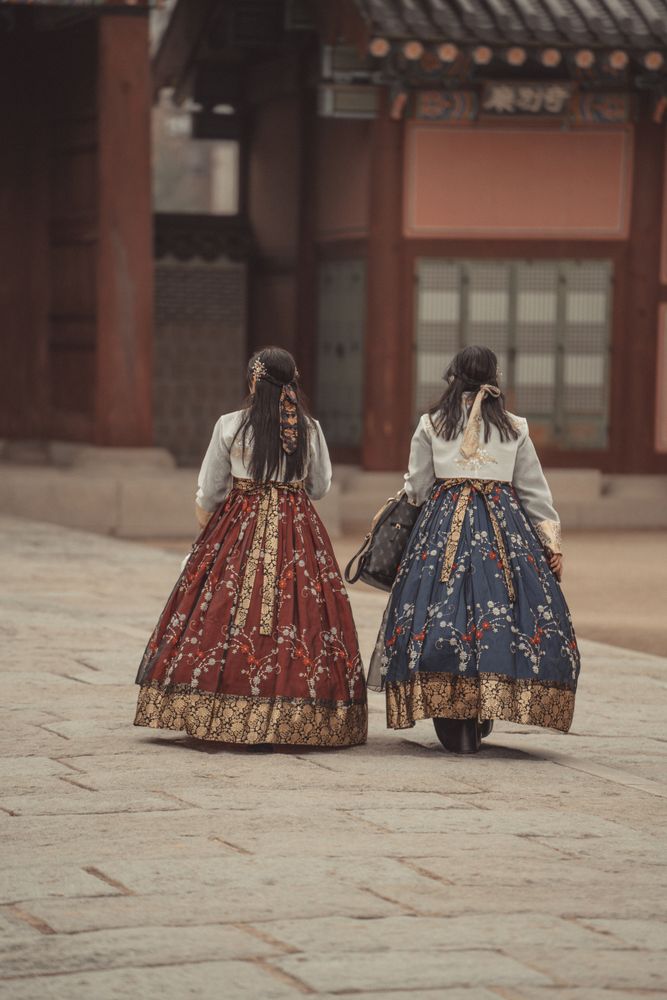
Stock your fridge before the 24th. That’s honestly the single most useful piece of advice I can give. Grocery stores do stay open in most cases, but hours shrink and shelves get picked over as people prepare for their own family meals. If you’re invited to a Korean household for Chuseok — and it does happen, especially if you have Korean coworkers or in-laws — dressing a little more formally than usual is appreciated, though nobody expects a foreigner to show up in hanbok.
Some neighborhoods and palace areas run hanbok rental events and cultural programs specifically aimed at foreign visitors during the holiday, which is a genuinely fun, low-pressure way to experience the atmosphere without needing an invitation into someone’s family gathering. Bukchon Hanok Village and the areas around the palaces tend to lean into this the most. Still, my honest recommendation is simpler: just walk around a mostly empty Seoul on Chuseok day itself. The quiet is strange and, in its own way, kind of beautiful — a city of ten million people running at maybe a third of its usual volume for one single day a year.
Frequently Asked Questions
I just moved to Korea and have no Korean friends or family yet — will I be completely alone during Chuseok?
Not necessarily, and you don’t need to panic about it. Plenty of cafes, larger restaurants, and convenience stores stay open, and Seoul actually becomes a pleasant, low-crowd city to explore solo during the holiday. Expat community groups and language exchange meetups also tend to organize casual Chuseok gatherings specifically for people in this exact situation, so it’s worth checking local expat forums or social groups a few weeks ahead of time.
Can I still travel within Korea during Chuseok, or should I just avoid it entirely?
You can, but you need to plan far earlier than you’d think. If your goal is a specific city like Busan or Jeonju, book KTX tickets as soon as reservations open, roughly a month out, since they sell out within minutes for peak dates. If you missed that window, consider flying instead of taking a bus or driving, or simply shift your trip to the days just before or after the official three-day block, when things ease up noticeably.
Is it rude for a foreigner to just watch or ask about a Korean family’s charye ceremony?
Generally no, as long as you’re respectful about how you approach it. Most Koreans are happy to explain the tradition if you’re genuinely curious, since it’s a source of pride rather than something private or taboo. That said, treat it the way you would any family religious or memorial ritual anywhere in the world — ask before photographing, keep your voice down, and follow the host’s lead rather than jumping in uninvited.