Blog

  • Is It Rude to Pour Your Own Drink in Korea? A Foreign Dad’s Field Notes on Drinking Culture Rules

    Is It Rude to Pour Your Own Drink in Korea? A Foreign Dad’s Field Notes on Drinking Culture Rules

    The first time I watched a table of Korean coworkers order drinks, I noticed something strange: nobody ever filled their own glass. Bottles moved constantly, hands reached across the table, but everyone waited โ€” sometimes for a beat too long, glass sitting empty in front of them โ€” until someone else picked up the soju and poured. I remember thinking it looked almost like a small, silent choreography that everyone but me already knew the steps to. Years into life here, I still find Korean drinking culture to be one of the clearest windows into how this society thinks about hierarchy, care, and belonging. It is not just about alcohol. It is about who you are to the person sitting across from you.

    If you are new to Korea, or just planning a trip, the etiquette around soju, beer, and makgeolli can feel like a minefield of unspoken rules. Do you really have to use two hands? Is it actually offensive to pour your own drink? Can you say no without causing a scene? Below is what I’ve picked up โ€” not as an anthropologist, but as a foreign dad who has sat through enough company dinners, in-law gatherings, and neighborhood barbecues to have absorbed the basics, sometimes the hard way.

    Rule One: You Never Pour Your Own Glass

    This is the rule that trips up almost every newcomer, because it runs against instinct. In most Western drinking settings, self-service is normal โ€” you finish your beer, you pour another, nobody blinks. In Korea, filling your own glass is read as a small social failure. It signals that you are not paying attention to the people around you, or worse, that you don’t care to be.

    The unspoken system works like this: you watch the glasses near you, and when someone’s runs low, you pick up the bottle and top them off. In return, they will watch yours. It is a kind of mutual surveillance dressed up as courtesy โ€” everyone is quietly responsible for everyone else’s cup. At a lively dinner table, this can mean your glass gets refilled before it’s even half empty, which is its own kind of lesson in pacing yourself.

    What surprised me most is how automatic this becomes once you’re used to it. After enough dinners, I catch myself instinctively reaching for a bottle the moment I notice an empty glass nearby, even at gatherings that have nothing to do with work. It stops feeling like a rule and starts feeling like manners.

    The Two-Handed Pour: Reading the Room With Your Hands

    Once you understand that pouring is a social act rather than a convenience, the two-handed gesture makes a lot more sense. When you pour for someone older than you, or someone more senior in a professional or family sense, the expectation is that you hold the bottle with your right hand while your left hand supports your right wrist or forearm. It is a small physical bow built into the motion of pouring a drink.

    The same logic applies in reverse. When an elder pours for you, you are expected to hold your glass with both hands, or at minimum steady it with your left hand while your right hand holds the cup. Receiving with one careless hand, like you might grab a coffee mug, can come across as brusque even if no one says anything about it.
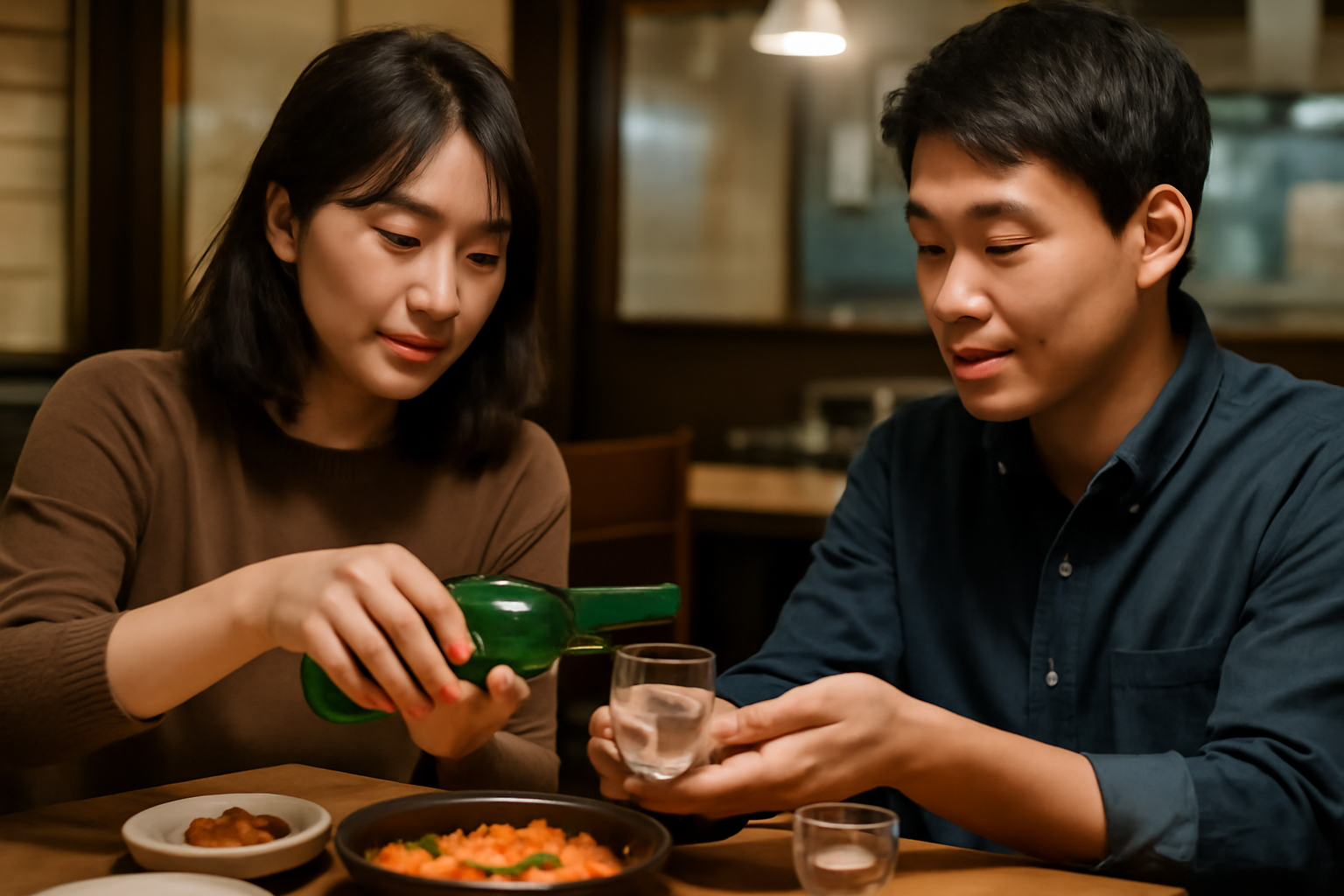
    One person pouring soju for another with both hands on the bottle, a gesture of respect in Korean drinking culture

    None of this is written down anywhere you’ll find as a tourist. Nobody hands you a manual at the airport. You learn it by watching, by the faint wince on someone’s face when a young colleague pours one-handed for a boss, or by a gentle correction from a mother-in-law who says nothing critical but quietly repositions your hands the next time around. It’s subtle instruction, and it works.

    Age and seniority in Korea aren’t abstract concepts confined to job titles โ€” they show up physically, in how a bottle is held. That’s part of what makes this custom interesting to me as an outsider. It turns a hierarchy that could otherwise stay invisible into something you can actually see happening at the table.

    Turning Away: The Etiquette of Drinking With Elders

    This is the custom that tends to surprise people the most, because it looks almost theatrical the first time you see it. When drinking directly with someone significantly older โ€” a parent-in-law, a boss, a senior relative โ€” the polite move is to turn your head and body away from them slightly before taking the drink, often covering the glass with your free hand as you do.

    The origins trace back to Confucian ideas about respect and modesty: it was considered inappropriate to let an elder watch you drink directly, since the act of drinking involves an open mouth and, in the case of a full shot, some amount of unglamorous swallowing. Turning away softens that moment, keeps things decorous, and visually acknowledges the age gap in the room.

    In practice today, the gesture has loosened somewhat with younger, more casual company, but it has not disappeared. I still see it reliably at family gatherings and formal work dinners, and I’ve come to appreciate it as one of those customs that looks strange from the outside and makes complete sense once you understand the values underneath it. It’s not about hiding the drink. It’s about not making a spectacle of yourself in front of someone you owe deference to.

    Wonsyaht: The Pressure and the Escape Hatch

    No conversation about Korean drinking culture is complete without wonsyaht (์›์ƒท) โ€” a Konglish rendering of “one shot,” meaning to down your drink in a single go. It usually erupts after a toast, especially an enthusiastic one, or as a mock penalty in a drinking game. Someone raises a glass, calls out “wonsyaht!”, and the table drains their cups in unison, often followed by the exaggerated upside-down glass to prove it’s empty.

    It can feel like peer pressure with a smile on it, and for a long time it functioned as an actual test of loyalty and stamina at company dinners, where drinking heavily with your boss was treated as a bonding ritual and sometimes an unofficial job requirement. That culture is real, and it’s part of why South Korea has one of the more alcohol-heavy corporate social scenes in the world.

    But โ€” and this matters โ€” you are not obligated to one-shot every drink, and increasingly, nobody expects you to. Sipping is fine. Nursing a single glass through an entire dinner is fine. The custom persists as a fun, expressive gesture more than an enforced rule, particularly outside of the more traditional, hard-drinking corners of corporate culture. If someone calls “wonsyaht” and you’d rather sip, a small smile and a slower drink rarely draws real criticism anymore.

    Is It Actually Rude to Refuse a Drink?

    This used to be one of the trickier questions for foreigners, and honestly for younger Koreans too. There was a time when refusing alcohol at a group dinner, especially a work one, could be read as standoffish or even disrespectful to the person offering. Some of that pressure still exists in more traditional or older-generation settings.

    But attitudes have shifted noticeably. Health consciousness, changing workplace norms, and a broader cultural move away from mandatory group drinking have made it far more acceptable to decline. The simplest, most universally understood way to do it is a small physical gesture: place your hand lightly over the top of your glass when someone moves to pour, paired with a polite “gwaenchanayo” (๊ดœ์ฐฎ์•„์š” โ€” “I’m okay” or “it’s fine”). Nobody pushes further after that, in my experience.

    If you want to stay warm and engaged without drinking, there’s an easy workaround that Koreans themselves use constantly: keep pouring for everyone else. Being the person who tops off the table’s glasses, who keeps an eye on who needs a refill, lets you participate fully in the social ritual without touching a drop yourself. Attentiveness, not alcohol, is really the currency at these tables.
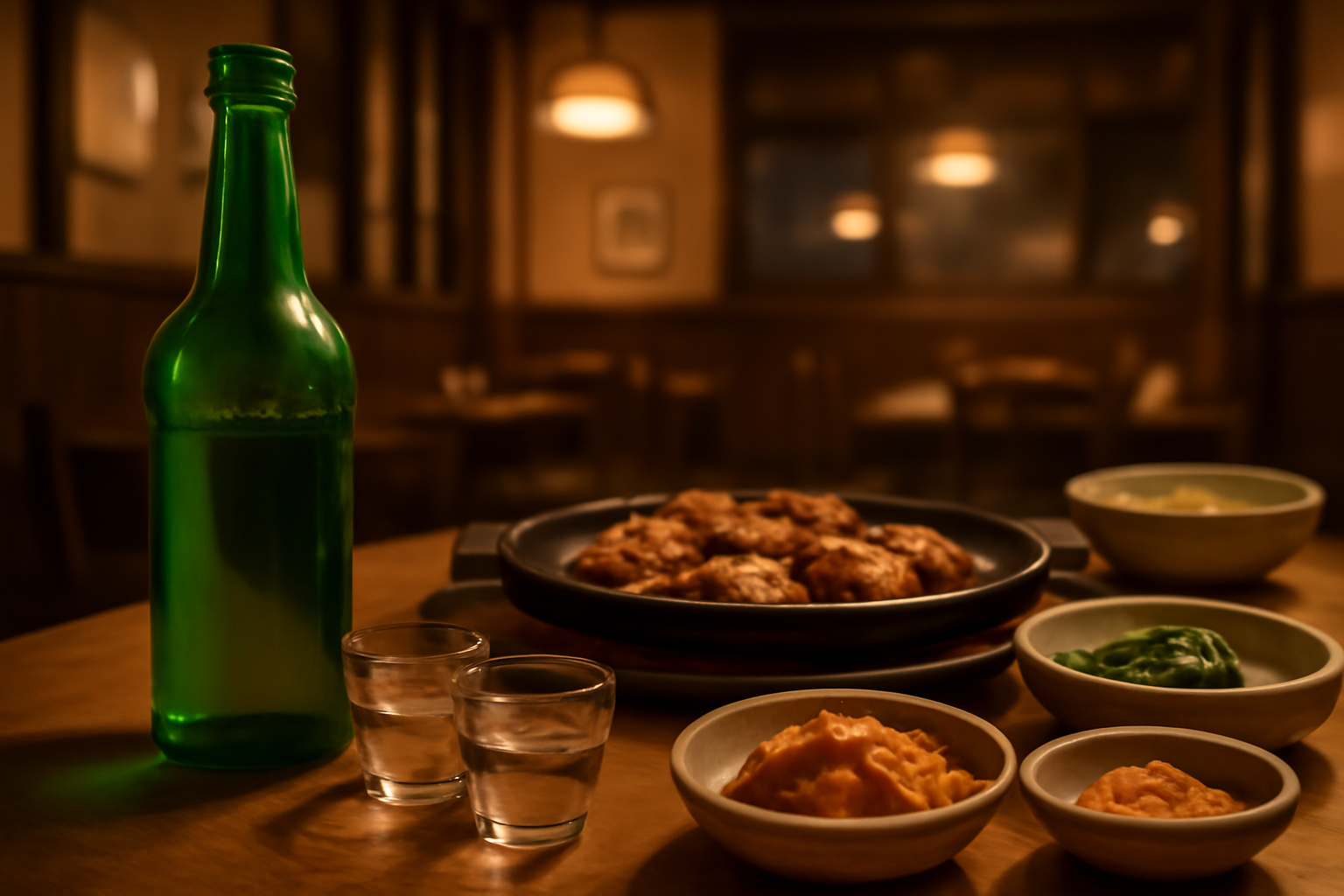
    A soju bottle and small glasses on a Korean restaurant table with side dishes

    Honsul: Drinking Alone Without the Stigma

    For decades, drinking in Korea was fundamentally a group activity โ€” an extension of team-building, family bonding, or celebration, rarely a solitary act. Sitting alone at a bar with a glass of soju used to invite curious or pitying looks, the kind reserved for someone assumed to be nursing heartbreak or loneliness.

    That has changed substantially. Honsul (ํ˜ผ์ˆ ) โ€” literally “alone-alcohol,” or drinking solo โ€” has become its own accepted lifestyle choice, part of a broader honjok (ํ˜ผ์กฑ, “alone tribe”) movement that also includes honbap (eating alone) and honyeo (traveling alone). Convenience stores now sell smaller drink formats and easy solo-friendly snack pairings specifically aimed at this market. Bars with single-seat counters, once rare, have become common enough in cities like Seoul that they barely register as unusual anymore.
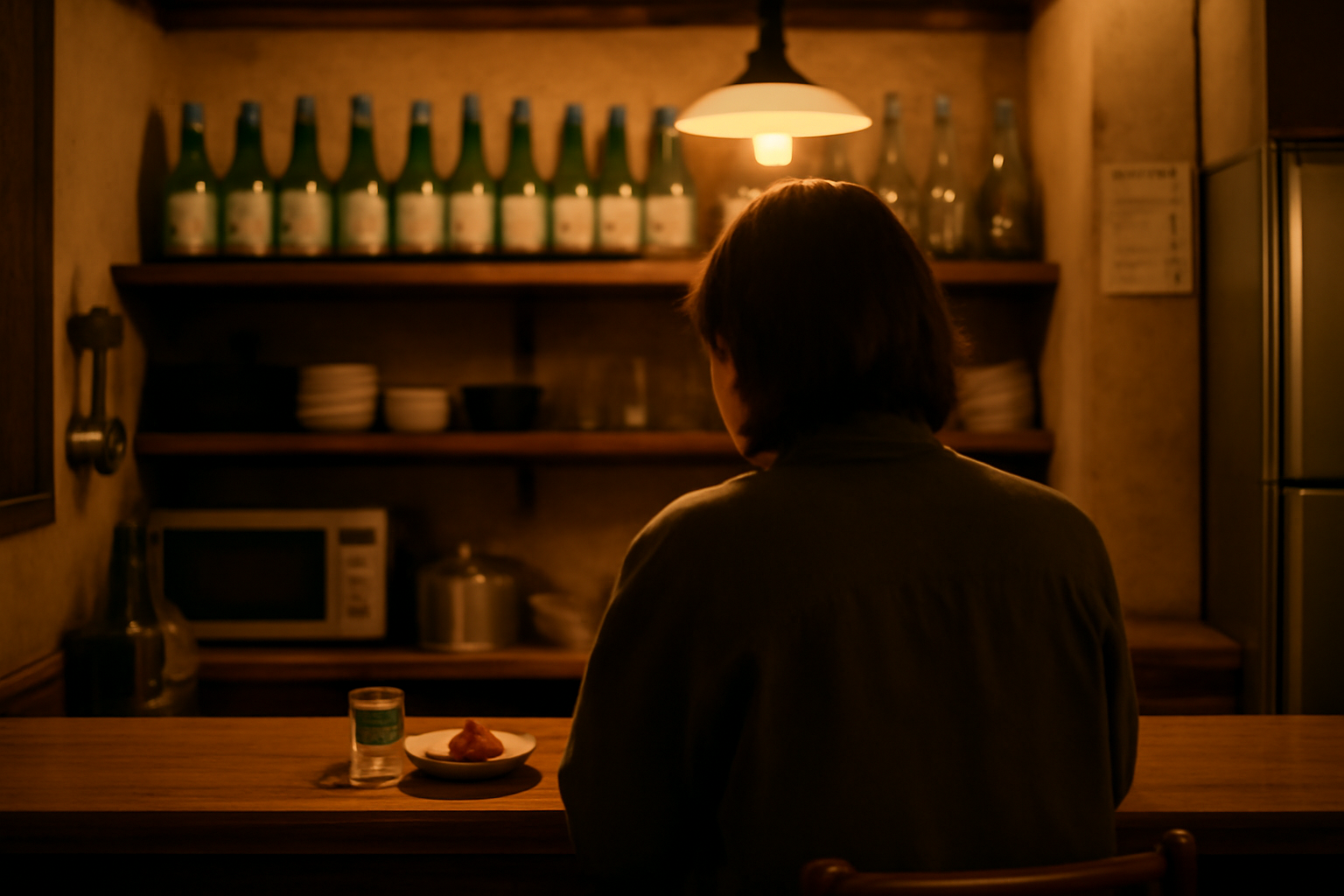
    A person sitting alone at a Korean bar counter with a soju glass, representing the honsul solo-drinking trend

    I find the honsul shift genuinely interesting to watch unfold, because it says something bigger about Korean society than just drinking habits. A culture historically organized around the group โ€” family units, school cohorts, company teams โ€” is quietly making room for people who want a quiet glass on their own terms, no explanation required. It doesn’t mean the group-drinking culture is disappearing. Company dinners and boisterous group tables are still everywhere. But the space for solitude has widened, and nobody assumes something is wrong with you for choosing it anymore.

    Putting It Together at the Table

    None of these customs exist in isolation โ€” they layer on top of each other at a real dinner table. You watch glasses and refill them before they empty. You use two hands when age or rank calls for it. You turn slightly away when drinking with someone senior. You call or answer a wonsyaht if the mood strikes, or you don’t, and either is fine. You decline politely with a hand over your glass if you’re not drinking, and you stay useful by pouring for others instead. And if you’d rather sit at a quiet counter with a single glass and your own thoughts, that’s a completely normal way to spend an evening too.

    What strikes me most, having watched this from the outside for years now, is how much emotional information gets packed into these small physical gestures โ€” the angle of a wrist, the tilt of a head, the choice to top off someone’s glass before your own. It’s a language you pick up slowly, mistake by mistake, correction by gentle correction, until one day you realize you’re doing it without thinking. That, more than anything, is when a place starts to feel less foreign.

    Frequently Asked Questions

    My Korean coworker’s boss is at the table. Should I pour for the boss with two hands even though I barely know him?

    Yes. The two-handed pour is tied to seniority and age, not familiarity. If you’re pouring for someone clearly senior โ€” a boss, an elder relative, a teacher โ€” use your right hand on the bottle with your left hand supporting your wrist or forearm, regardless of how well you know them. It reads as basic respect, and getting it right on a first meeting tends to leave a good impression precisely because so few foreigners know to do it.

    I don’t drink at all for health reasons. Will people be offended if I never touch my glass?

    Generally, no โ€” this is one of the areas where Korean etiquette has genuinely relaxed. A polite “I don’t drink” or a hand over your glass when the bottle comes around is well understood today, especially with younger Koreans and in most professional settings. If you want to soften it further, mention a simple reason (health, medication, or just personal preference) and offer to pour for others instead. That keeps you socially engaged even while sitting the actual drinking out.

    Is it weird to go to a Korean restaurant or pojangmacha alone and order soju just for myself?

    Not anymore. Honsul culture has made solo drinking a normal, even trendy, choice, particularly in cities. You’ll increasingly find bars with single-seat counters designed exactly for this. Older, more traditional establishments in smaller towns may still see it as unusual, but in general it no longer carries the stigma it once did โ€” nobody will assume something is wrong if you’re enjoying a quiet drink by yourself.

  • ๋ถ€์‚ฐ ๋‹น์ผ์น˜๊ธฐ ์™„๋ฒฝ ์ฝ”์Šค: ์ž๊ฐˆ์น˜์‹œ์žฅ๋ถ€ํ„ฐ ํ•ด๋™์šฉ๊ถ์‚ฌ, ๊ด‘์•ˆ๋ฆฌ๊นŒ์ง€

    ๋ถ€์‚ฐ ๋‹น์ผ์น˜๊ธฐ ์™„๋ฒฝ ์ฝ”์Šค: ์ž๊ฐˆ์น˜์‹œ์žฅ๋ถ€ํ„ฐ ํ•ด๋™์šฉ๊ถ์‚ฌ, ๊ด‘์•ˆ๋ฆฌ๊นŒ์ง€

    ์ƒˆ๋ฒฝ 5์‹œ ๋ฐ˜, ์ž๊ฐˆ์น˜์‹œ์žฅ ๊ฒฝ๋งค์žฅ์—์„œ ๊ณ ํ•จ ์†Œ๋ฆฌ๊ฐ€ ํ„ฐ์ง„๋‹ค. ๋ฐฉ๊ธˆ ๋ฐฐ์—์„œ ๋‚ด๋ฆฐ ๊ณ ๋“ฑ์–ด ๊ถค์ง์ด ๋ฐ”๋‹ฅ์— ์ฟต ๋†“์ด๊ณ , ์ƒ์ธ๋“ค์˜ ์†๊ฐ€๋ฝ์ด ๋น ๋ฅด๊ฒŒ ์˜ค๊ฐ„๋‹ค. ์„œ์šธ์—์„œ KTX๋กœ ๋‚ด๋ ค์˜จ ์—ฌํ–‰์ž๋ผ๋ฉด ์ด ์žฅ๋ฉด ํ•˜๋‚˜๋งŒ์œผ๋กœ๋„ ์ƒˆ๋ฒฝ ๊ธฐ์ฐจํ‘œ ๊ฐ’์€ ์ด๋ฏธ ๋ฝ‘์€ ์…ˆ์ด๋‹ค. ๋ถ€์‚ฐ์„ ํ•˜๋ฃจ ๋งŒ์— ํ›‘๊ฒ ๋‹ค๋Š” ๊ณ„ํš์€ ์‚ฌ์‹ค ๋ฌด๋ชจํ•ด ๋ณด์ผ ์ˆ˜ ์žˆ๋‹ค. ๊ทธ๋Ÿฐ๋ฐ ๋™์„ ๋งŒ ์ œ๋Œ€๋กœ ์งœ๋ฉด ์ž๊ฐˆ์น˜์‹œ์žฅ์˜ ํ™œ๊ธฐ์™€ ํ•ด๋™์šฉ๊ถ์‚ฌ์˜ ํŒŒ๋„ ์†Œ๋ฆฌ, ๊ด‘์•ˆ๋ฆฌ์˜ ๋…ธ์„๊นŒ์ง€ ํ•˜๋ฃจ ์•ˆ์— ์ „๋ถ€ ๋ˆŒ๋Ÿฌ ๋‹ด์„ ์ˆ˜ ์žˆ๋‹ค.

    ์˜ค์ „ 8์‹œ, ์ž๊ฐˆ์น˜์‹œ์žฅ์—์„œ ํ•˜๋ฃจ๋ฅผ ์—ฐ๋‹ค

    ์ง€ํ•˜์ฒ  1ํ˜ธ์„  ์ž๊ฐˆ์น˜์—ญ 10๋ฒˆ ์ถœ๊ตฌ๋กœ ๋‚˜์˜ค๋ฉด ๋ฐ”๋กœ ์‹œ์žฅ ์ž…๊ตฌ๋‹ค. ๋ถ€์‚ฐ์—ญ์—์„œ ์ž๊ฐˆ์น˜์—ญ๊นŒ์ง€๋Š” ๋‘ ์ •๊ฑฐ์žฅ, 8๋ถ„์ด๋ฉด ๋„์ฐฉํ•œ๋‹ค. ์š”๊ธˆ์€ ๊ตํ†ต์นด๋“œ ๊ธฐ์ค€ 1,500์› ์•ˆํŒŽ์ด๋‹ค.

    1์ธต ๋งค๋Œ€์—์„œ ์›ํ•˜๋Š” ํ•ด์‚ฐ๋ฌผ์„ ์‚ฐ ๋’ค 2์ธต ์ดˆ์žฅ์ง‘์œผ๋กœ ์˜ฌ๋ผ๊ฐ€๋Š” ๋ฐฉ์‹์ด ์ž๊ฐˆ์น˜์‹œ์žฅ์˜ ์˜ค๋žœ ๋ฃฐ์ด๋‹ค. ์ƒ์ฐจ๋ฆผ๋น„๋Š” 1์ธ๋‹น 5,000์› ์„ . ๋Œ€๊ฒŒ๋Š” kg๋‹น 9๋งŒ์› ์ •๋„, ๋ฐ€์น˜๋Š” 3๋งŒ์›, ์†Œ๋ผ 1kg์€ 2๋งŒ์› ์ˆ˜์ค€์œผ๋กœ ํฅ์ •์ด ๋ถ™๋Š” ๊ฒฝ์šฐ๋„ ํ”ํ•˜๋‹ค. ์˜ˆ์‚ฐ์ด ๋น ๋“ฏํ•˜๋‹ค๋ฉด ๋ชจ๋‘ ํšŒ ์†Œ์ž ํ•˜๋‚˜์— ๋ฐฅ๊ณผ ๋งค์šดํƒ•๊นŒ์ง€ ๊ณ๋“ค์—ฌ 3~4๋งŒ์›๋Œ€๋กœ ๋‘ ์‚ฌ๋žŒ์ด ๋ฐฐ๋ถˆ๋ฆฌ ๋จน์„ ์ˆ˜ ์žˆ๋‹ค. ํ‰์ผ์€ ์˜ค์ „ 11์‹œ, ์ฃผ๋ง์€ 11์‹œ 30๋ถ„๋ถ€ํ„ฐ ๋ฌธ์„ ์—ฌ๋Š” ๊ฐ€๊ฒŒ๊ฐ€ ๋งŽ์œผ๋‹ˆ ์•„์นจ ์ผ์ฐ ๋„์ฐฉํ–ˆ๋‹ค๋ฉด ๊ฑด์–ด๋ฌผ ๊ณจ๋ชฉ๊ณผ ํšŒ์„ผํ„ฐ ๊ตฌ๊ฒฝ์œผ๋กœ ์‹œ๊ฐ„์„ ์ฑ„์šฐ๋Š” ํŽธ์ด ๋‚ซ๋‹ค.

    ์ฃผ์ฐจ๊ฐ€ ๊ฑฑ์ •๋œ๋‹ค๋ฉด ์ฐจ๋ณด๋‹ค ์ง€ํ•˜์ฒ ์„ ๊ถŒํ•œ๋‹ค. ์‹œ์žฅ ๊ฑด๋ฌผ ์ง€ํ•˜์™€ ์ธ๊ทผ์— ๊ณต์˜์ฃผ์ฐจ์žฅ์ด ์žˆ๊ธด ํ•˜์ง€๋งŒ ์ฃผ๋ง ์˜ค์ „์—” ๊ธˆ์„ธ ์ฐฌ๋‹ค.

    ๋ถ€์‚ฐ ์ž๊ฐˆ์น˜์‹œ์žฅ ์ˆ˜์‚ฐ๋ฌผ ์‹œ์žฅ ์ „๊ฒฝ

    ์˜ค์ „ 11์‹œ, ๋ฐ”๋‹ค ์œ„์— ์„ธ์›Œ์ง„ ์ ˆ – ํ•ด๋™์šฉ๊ถ์‚ฌ

    ์ž๊ฐˆ์น˜์—์„œ ํ•ด๋™์šฉ๊ถ์‚ฌ๊นŒ์ง€๋Š” ๋Œ€์ค‘๊ตํ†ต์œผ๋กœ 1์‹œ๊ฐ„ ๋‚จ์ง“ ๊ฑธ๋ฆฐ๋‹ค๊ณ  ๊ฐ์˜คํ•˜๋Š” ๊ฒŒ ์ข‹๋‹ค. ์ง€ํ•˜์ฒ  2ํ˜ธ์„ ์„ ํƒ€๊ณ  ํ•ด์šด๋Œ€์—ญ์ด๋‚˜ ์žฅ์‚ฐ์—ญ์œผ๋กœ ์ด๋™ํ•œ ๋’ค, 100๋ฒˆ, 139๋ฒˆ, 181๋ฒˆ ๋ฒ„์Šค ์ค‘ ํ•˜๋‚˜๋กœ ๊ฐˆ์•„ํƒ€๋ฉด ๋œ๋‹ค. ์ขŒ์„๋ฒ„์Šค 1001๋ฒˆ์€ ๋ฐฐ์ฐจ ๊ฐ„๊ฒฉ์ด ์งง์€ ํŽธ์ด๋ผ ์‹œ๊ฐ„์ด ๊ธ‰ํ•  ๋•Œ ์œ ์šฉํ•˜๋‹ค. ํ•˜์ฐจ ์ •๋ฅ˜์žฅ ์ด๋ฆ„์€ ‘์šฉ๊ถ์‚ฌ ๊ตญ๋ฆฝ์ˆ˜์‚ฐ๊ณผํ•™์›’์ด๋‹ค.

    ์ผ์ฃผ๋ฌธ์„ ์ง€๋‚˜ 108๊ณ„๋‹จ์„ ๋‚ด๋ ค๊ฐ€๋ฉด ์ ˆ๋ฒฝ ์•„๋ž˜๋กœ ํŒŒ๋„๊ฐ€ ๋ถ€์„œ์ง€๋Š” ์†Œ๋ฆฌ๊ฐ€ ๋“ค๋ฆฐ๋‹ค. ์‚ฌ์ฐฐ์ธ๋ฐ ๋ฐ”๋‹ค ๋ƒ„์ƒˆ๊ฐ€ ๋‚œ๋‹ค๋Š” ๊ฒŒ ํ•ด๋™์šฉ๊ถ์‚ฌ์˜ ๋ฌ˜ํ•œ ๋งค๋ ฅ์ด๋‹ค. ์ž…์žฅ๋ฃŒ๋Š” ์—†๋‹ค. ์šด์˜ ์‹œ๊ฐ„์€ ์˜ค์ „ 4์‹œ 30๋ถ„๋ถ€ํ„ฐ ์˜คํ›„ 7์‹œ๊นŒ์ง€๊ณ  ์—ฌ๋ฆ„์ฒ ์—” 8์‹œ๊นŒ์ง€ ๋Š˜์–ด๋‚˜๊ธฐ๋„ ํ•œ๋‹ค. ๊ณ„๋‹จ์ด ๋งŽ๊ณ  ์ฃผ๋ง์—” ์‚ฌ๋žŒ์ด ๋ชฐ๋ ค์„œ ์™•๋ณต 40๋ถ„ ์ •๋„๋Š” ๋„‰๋„‰ํžˆ ์žก์•„์•ผ ํ•œ๋‹ค. ์ž…๊ตฌ ์ชฝ ๋…ธ์ ์—์„œ ํŒŒ๋Š” ์”จ์•—ํ˜ธ๋–ก ํ•˜๋‚˜ ๋“ค๊ณ  ๊ฑธ์œผ๋ฉด ํ—ˆ๊ธฐ๋„ ์–ด๋А ์ •๋„ ๋‹ฌ๋ž˜์ง„๋‹ค.

    ๋ฐ”๋‹ค ์ ˆ๋ฒฝ ์œ„์— ์„ธ์›Œ์ง„ ํ•ด๋™์šฉ๊ถ์‚ฌ

    ์˜คํ›„ 3์‹œ, ๊ด‘์•ˆ๋ฆฌ๋กœ ๋„˜์–ด๊ฐ€ ๋…ธ์„์„ ๊ธฐ๋‹ค๋ฆฐ๋‹ค

    ์šฉ๊ถ์‚ฌ์—์„œ ๊ด‘์•ˆ๋ฆฌ๊นŒ์ง€๋Š” ๋ฒ„์Šค์™€ ์ง€ํ•˜์ฒ ์„ ์„ž์–ด ํƒ€๋ฉด 1์‹œ๊ฐ„ ์•ˆํŒŽ์ด๋‹ค. ํ•ด์šด๋Œ€์—์„œ ์ง€ํ•˜์ฒ  2ํ˜ธ์„ ์œผ๋กœ ๊ธˆ๋ จ์‚ฐ์—ญ๊นŒ์ง€ ๊ฐ„ ๋’ค ๊ฑธ์–ด ๋‚ด๋ ค๊ฐ€๋Š” ๊ฒฝ๋กœ๊ฐ€ ๊ฐ€์žฅ ํ—ท๊ฐˆ๋ฆฌ์ง€ ์•Š๋Š”๋‹ค. ๋„์ฐฉํ•˜๋ฉด ์šฐ์„  ๋ฐฑ์‚ฌ์žฅ์„ ๋”ฐ๋ผ ๊ฑธ์œผ๋ฉฐ ๋‹ค๋ฆฌ๋ถ€ํ„ฐ ํ’€์–ด์ฃผ์ž.

    ํ•ด ์ง€๊ธฐ ์ „์ด๋ผ๋ฉด BCBL ์ปคํ”ผ๋กœ์Šคํ„ฐ์ฆˆ์ฒ˜๋Ÿผ ํ†ต์ฐฝ์œผ๋กœ ๊ด‘์•ˆ๋Œ€๊ต๊ฐ€ ์ •๋ฉด์œผ๋กœ ๋ณด์ด๋Š” ์นดํŽ˜์— ์ž๋ฆฌ๋ฅผ ์žก์•„๋‘๋Š” ๊ฒŒ ์ข‹๋‹ค. ์˜ค์ „์—” ํ•œ์‚ฐํ•˜์ง€๋งŒ ์˜คํ›„ 4~5์‹œ๊ฐ€ ๋˜๋ฉด ์ฐฝ๊ฐ€ ์ž๋ฆฌ๋ถ€ํ„ฐ ์ฑ„์›Œ์ง„๋‹ค. ๋ธŒ๋Ÿฐ์น˜๊ฐ€ ๋‹น๊ธด๋‹ค๋ฉด ๋‹ค๋‹ˆ์—˜์Šค์˜ ํฌ๋ฃจ์•„์ƒ ์ƒŒ๋“œ์œ„์น˜๋„ ๋‚˜์˜์ง€ ์•Š์€ ์„ ํƒ์ด๋‹ค.

    ๊ด‘์•ˆ๋Œ€๊ต ์กฐ๋ช…์ด ์ผœ์ง€๋Š” ์‹œ๊ฐ์€ ํ•ด ์งˆ ๋ฌด๋ ต๋ถ€ํ„ฐ ๋ฐค 10์‹œ ์ „ํ›„. ๋ฐฑ์‚ฌ์žฅ์— ์•‰์•„ ๋‹ค๋ฆฌ ๋ถˆ๋น›์ด ํ•˜๋‚˜๋‘˜ ์ผœ์ง€๋Š” ์ˆœ๊ฐ„์„ ๋ณด๊ณ  ๋‚˜๋ฉด, ํ•˜๋ฃจ ์ข…์ผ ๊ฑธ์–ด ๋‹ค๋‹Œ ํ”ผ๋กœ๊ฐ€ ์กฐ๊ธˆ์€ ๋ณด์ƒ๋ฐ›๋Š” ๊ธฐ๋ถ„์ด ๋“ ๋‹ค. ์ €๋…์€ ๋‡จ๋ผ๋กœ ์œ ๋ช…ํ•œ ๊ด‘์•ˆ๋ฆฌ ๋ชจ๋ž˜๋‚˜ ํŒŒ์Šคํƒ€ ์ „๋ฌธ์  ๋งˆ๋ Œํ† ์ฒ˜๋Ÿผ ๋ฐ”๋‹ค ๋ฐฉํ–ฅ ์ขŒ์„์ด ์žˆ๋Š” ๊ณณ์„ ๋ฏธ๋ฆฌ ์ฐœํ•ด๋‘๋ฉด ์ค„์„ ๋œ ์„ ๋‹ค.

    ๊ด‘์•ˆ๋ฆฌ ํ•ด์ˆ˜์š•์žฅ๊ณผ ๊ด‘์•ˆ๋Œ€๊ต ๋…ธ์„ ํ’๊ฒฝ

    ๋™์„ ์„ ์งค ๋•Œ ๊ธฐ์–ตํ•ด๋‘˜ ๊ฒƒ๋“ค

    ์„ธ ๊ณณ์„ ํ•˜๋ฃจ์— ๋ฌถ์œผ๋ ค๋ฉด ์ด๋™ ์‹œ๊ฐ„๋งŒ 3์‹œ๊ฐ„ ๊ฐ€๊นŒ์ด ์žก์•„๋จน๋Š”๋‹ค. ์•„์นจ ์ผ์ฐ ์‹œ์ž‘ํ•˜์ง€ ์•Š์œผ๋ฉด ๊ด‘์•ˆ๋ฆฌ ์•ผ๊ฒฝ๊นŒ์ง€ ๋ณด๊ณ  ์ˆ™์†Œ๋กœ ๋Œ์•„๊ฐ€๋Š” ๋ง‰์ฐจ๋ฅผ ๋†“์น  ์ˆ˜ ์žˆ๋‹ค. ํ‹ฐ๋จธ๋‹ˆ ๊ฐ™์€ ๊ตํ†ต์นด๋“œ๋Š” ํŽธ์˜์  ์–ด๋””์„œ๋‚˜ ์ถฉ์ „๊ณผ ๊ตฌ๋งค๊ฐ€ ๋˜๋‹ˆ ๋ฏธ๋ฆฌ ํ•˜๋‚˜ ๋งˆ๋ จํ•ด๋‘๋ฉด ๋ฒ„์Šค์™€ ์ง€ํ•˜์ฒ ์„ ์˜ค๊ฐˆ ๋•Œ๋งˆ๋‹ค ์š”๊ธˆ์„ ๋”ฐ๋กœ ๊ณ„์‚ฐํ•˜์ง€ ์•Š์•„๋„ ๋œ๋‹ค. ๊ฑท๋Š” ๊ตฌ๊ฐ„์ด ๋งŽ์€ ์ฝ”์Šค๋ผ ์šด๋™ํ™”๋Š” ํ•„์ˆ˜, ์—ฌ๋ฆ„์ด๋ผ๋ฉด ์ƒ์ˆ˜ ํ•œ ๋ณ‘ ์ •๋„๋Š” ์ฑ™๊ธฐ๋Š” ํŽธ์ด ๋‚ซ๋‹ค.

    ์ž์ฃผ ๋ฌป๋Š” ์งˆ๋ฌธ

    Q. ์ž๊ฐˆ์น˜์‹œ์žฅ ์ฃผ์ฐจ๋Š” ์–ด๋””์— ํ•˜๋‚˜์š”?
    A. ์‹œ์žฅ ๊ฑด๋ฌผ ์ง€ํ•˜ ์ฃผ์ฐจ์žฅ๊ณผ ์ธ๊ทผ ๊ณต์˜์ฃผ์ฐจ์žฅ์„ ์ด์šฉํ•  ์ˆ˜ ์žˆ์ง€๋งŒ ์ฃผ๋ง ์˜ค์ „์—” ์ž๋ฆฌ๊ฐ€ ๋นจ๋ฆฌ ์ฐจ๋Š” ํŽธ์ด๋‹ค. ์ง€ํ•˜์ฒ  1ํ˜ธ์„  ์ž๊ฐˆ์น˜์—ญ์ด 10๋ฒˆ ์ถœ๊ตฌ ๋ฐ”๋กœ ์•ž์ด๋ผ ๋Œ€์ค‘๊ตํ†ต์ด ํ›จ์”ฌ ๋งˆ์Œ ํŽธํ•˜๋‹ค.

    Q. ํ•ด๋™์šฉ๊ถ์‚ฌ๋Š” ์–ด๋–ป๊ฒŒ ๊ฐ€๋‚˜์š”?
    A. ์ง€ํ•˜์ฒ  2ํ˜ธ์„  ํ•ด์šด๋Œ€์—ญ์ด๋‚˜ ์žฅ์‚ฐ์—ญ์—์„œ 100๋ฒˆ, 139๋ฒˆ, 181๋ฒˆ, 1001๋ฒˆ ๋ฒ„์Šค๋กœ ํ™˜์Šนํ•ด ‘์šฉ๊ถ์‚ฌ ๊ตญ๋ฆฝ์ˆ˜์‚ฐ๊ณผํ•™์›’ ์ •๋ฅ˜์žฅ์— ๋‚ด๋ฆฌ๋ฉด ๋œ๋‹ค. ์ž…์žฅ๋ฃŒ๋Š” ๋”ฐ๋กœ ์—†๋‹ค.

    Q. ์„ธ ๊ณณ์„ ํ•˜๋ฃจ์— ๋‹ค ๋„๋Š” ๊ฒŒ ์ •๋ง ๊ฐ€๋Šฅํ•œ๊ฐ€์š”?
    A. ๊ฐ€๋Šฅ์€ ํ•˜์ง€๋งŒ ์•„์นจ 8์‹œ ์ „์—๋Š” ์›€์ง์—ฌ์•ผ ํ•œ๋‹ค. ์ž๊ฐˆ์น˜์—์„œ ์—ฌ์œ ๋ฅผ ๋ถ€๋ฆฌ๋ฉด ๊ด‘์•ˆ๋ฆฌ ๋…ธ์„ ์‹œ๊ฐ„๋Œ€๋ฅผ ๋†“์น˜๊ธฐ ์‰ฌ์šฐ๋‹ˆ ๊ฐ ์žฅ์†Œ์—์„œ ๋จธ๋ฌด๋Š” ์‹œ๊ฐ„์„ ๋ฏธ๋ฆฌ ์ •ํ•ด๋‘๋Š” ํŽธ์ด ์•ˆ์ „ํ•˜๋‹ค.

  • What I Wish I Knew Before Moving to Korea

    What I Wish I Knew Before Moving to Korea

    Nobody hands you a manual when you land. You get a suitcase, a residence address you can barely pronounce, and a phone that suddenly can’t do half of what it used to. Everything else โ€” the paperwork, the deposits, the trash bags with a personality of their own โ€” you figure out by getting it wrong first. I did, more than once. A few years into raising a family here, I still think about the week I spent circling the same three problems: no bank account because no phone plan, no phone plan because no bank account, and a landlord who wanted an answer I didn’t have a framework for yet. So here’s the framework, laid out the way I wish someone had laid it out for me.

    Modern Seoul apartment high-rise skyline at golden hour

    The ARC Is the Key That Unlocks Everything Else

    If you’re staying more than 90 days, you’re legally required to register at your local immigration office and get what’s officially called the Residence Card now, though almost everyone โ€” immigration staff included โ€” still calls it the ARC (Alien Registration Card) out of habit. It’s not optional and it’s not a formality. It’s the single document that every other piece of adult life in Korea quietly assumes you already have.

    The application itself is straightforward: passport, visa documentation, the application form, a passport photo, and a fee that’s usually somewhere around 30,000 won. What catches people off guard is the timeline. You submit within your 90-day window, but the card itself can take a few weeks to actually print and arrive โ€” sometimes closer to a month or more depending on how busy your local office is. Book your appointment the moment you’re eligible, not the week before the deadline. I didn’t fully appreciate this until I was staring down a countdown with nothing to show for it but a receipt.

    Once the card exists, use it for everything. Banks want to see it. Phone carriers want to see it. Even some delivery apps and loyalty programs quietly ask for it during verification. Your ARC number functions almost like a national ID would back home โ€” it’s the anchor everything else attaches to.

    The Phone-Bank Chicken-and-Egg Problem

    Here’s the thing nobody explains clearly before you arrive: opening a full Korean bank account usually requires a Korean phone number, and getting a standard postpaid phone plan usually requires a Korean bank account for the monthly auto-debit. Two systems, each waiting on the other. It’s not a bug, it’s just how the infrastructure was built, and it trips up almost every new arrival at least once.

    There are a few ways around it. Prepaid SIMs need nothing but a passport, so that’s usually the first move โ€” get a working Korean number before you worry about anything else. A handful of banks, Woori and Hana among them, have historically been more willing to open a limited, passport-only account for newcomers who don’t have an ARC yet, though the account comes with restrictions until you can upgrade it later. Some newer mobile carriers aimed specifically at foreign residents will also issue a number that banks accept for SMS verification without requiring a bank account first. None of these are secret hacks โ€” they’re just the workaround paths that longtime expats pass along to each other, because the official process doesn’t mention them.

    My advice: solve the phone number first, in whatever prepaid or foreigner-friendly form you can get, and treat the “real” postpaid plan and full bank account as the second step once your ARC is in hand.

    Jeonse, Wolse, and the Deposit That Might Make Your Eyes Widen

    Korean housing runs on a system that has no real equivalent where I’m from, and understanding the vocabulary before you start apartment hunting will save you a lot of confused conversations with agents.

    • Jeonse (์ „์„ธ) โ€” you pay a very large lump-sum deposit up front, often somewhere between 50 and 80 percent of the property’s value, and then live rent-free for the lease term, usually two years. The landlord invests that deposit while you live there, and returns the full amount when you move out. It’s a system built for a different interest-rate era, and it requires serious capital most newcomers simply don’t have.
    • Wolse (์›”์„ธ) โ€” this is the one that will feel familiar. A smaller deposit, called bojeunggeum, plus fixed monthly rent. For a studio this deposit might run somewhere in the low millions of won rather than the hundreds of millions jeonse requires. It’s the practical entry point for most foreign renters.
    • Ban-jeonse (๋ฐ˜์ „์„ธ) โ€” a hybrid: a mid-sized deposit combined with reduced monthly rent, sitting between the two extremes.

    For someone just arriving, wolse is almost always the realistic choice, both financially and because the paperwork is closer to what you’re probably used to. Whatever you sign, get the lease reviewed and make sure the deposit-return terms are explicit and in writing. This is one area where I’d rather over-ask questions through an agent than assume anything translates the way it sounds.

    Moving boxes stacked inside a small Korean apartment near a sunny window

    Health Insurance Isn’t a Choice You Get to Make

    This one surprises people who come from countries where health coverage is opt-in. In Korea, foreign residents staying six months or longer are automatically enrolled in the National Health Insurance Service โ€” you can’t decline it, and it doesn’t matter whether you already carry private insurance from home. Certain visa categories, including long-term work and student visas, get enrolled the moment their ARC is issued rather than waiting for the six-month mark.

    The premium for locally enrolled foreign residents is calculated using an average benchmark rate when income information isn’t yet on file, and it arrives as a monthly bill rather than something deducted quietly from a paycheck the way employer-sponsored coverage often works. Skipping payments doesn’t just accumulate late fees โ€” it can also complicate visa renewals down the road, so it’s worth treating as a fixed monthly obligation from day one rather than something to sort out later.

    I’m not going to get into which clinics to choose or what coverage levels make sense for your situation โ€” that’s a conversation for a professional who knows your specifics. But knowing the enrollment is mandatory and automatic, rather than something you’ll be asked to sign up for, saves you from being blindsided by the first bill.

    Two Addresses for Every Building

    Korea quietly runs two address systems in parallel. There’s the road-name address (๋„๋กœ๋ช…์ฃผ์†Œ), which is the modern, standardized system introduced years ago and is what most delivery apps, government forms, and shipping labels expect. And there’s the older lot-number address (์ง€๋ฒˆ์ฃผ์†Œ), which plenty of people โ€” especially older residents and small business owners โ€” still use in everyday conversation and on some signage.

    When you’re filling out anything official, or setting up delivery apps, default to the road-name version. If you ever get confused about which one you’re looking at, most map apps and this Jusoen-type address-lookup tools will show you both formats side by side. It sounds like a minor quirk until your package goes to the wrong entrance of a building complex because the lot number and the road name pointed to two different doors.

    Delivery Culture Will Spoil You, Then Confuse You

    Coupang and Baemin (and Coupang Eats) turn grocery runs and dinner into a few taps, and the speed is genuinely one of the best quality-of-life upgrades about living here. But the apps assume a level of local fluency that takes a minute to build. Address entry works best with the road-name format. Building entrance codes, floor, and unit number often need to go into a separate delivery-instructions field rather than the main address line, or your food ends up waiting at the wrong door. And guest checkout with international cards is more available now than it used to be, but account verification steps still sometimes expect a Korean phone number tied to your ARC.

    The learning curve is short โ€” maybe your first two or three orders feel like guesswork โ€” and after that it becomes second nature.

    Recycling Is Not a Suggestion

    This is the one that genuinely surprises newcomers the most. Korea doesn’t have a casual, everything-in-one-bin trash system. General waste has to go into official, color-coded, prepaid bags โ€” called jongnyangje bongtu (์ข…๋Ÿ‰์ œ ๋ด‰ํˆฌ) โ€” that you buy at convenience stores, and the bags are specific to your district. A bag bought in one neighborhood usually won’t be accepted in another.

    Beyond that, waste gets split into three real categories: general trash, recyclables (paper, plastic, glass, and metal, ideally rinsed and separated by material), and food waste, which in many apartment complexes goes into RFID-tagged bins that weigh what you throw away and charge accordingly. Collection also runs on a schedule โ€” specific days, sometimes specific evening hours โ€” and putting bags out at the wrong time is the kind of thing that gets you a pointed note from a neighbor or a building manager faster than almost anything else.

    It felt like a lot to absorb at first. It becomes muscle memory faster than you’d expect, and once it clicks, you’ll find yourself judging other countries’ recycling habits a little.

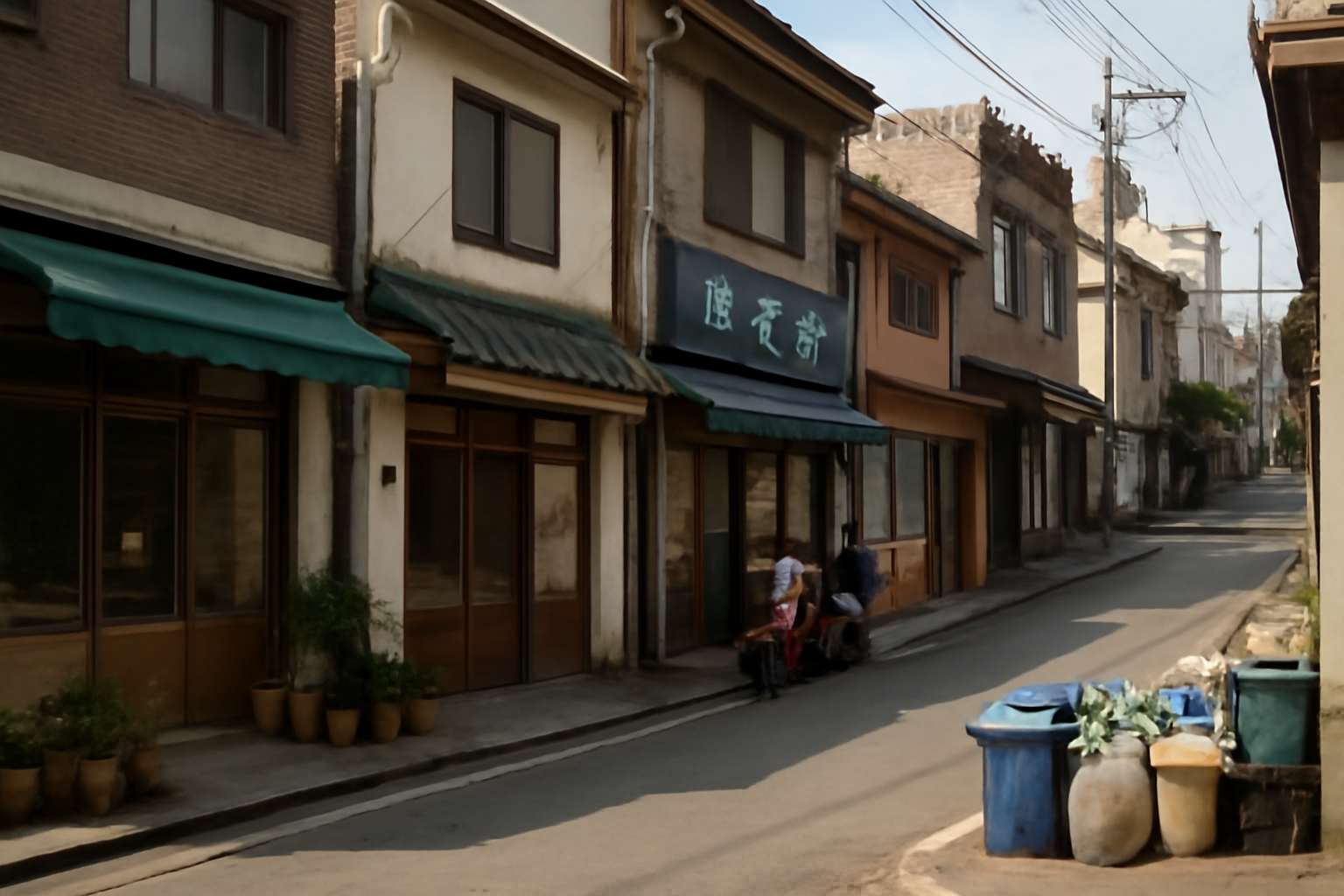
    A Korean residential neighborhood street with shops, a delivery scooter, and recycling bins

    Frequently Asked Questions

    I just landed and don’t have an ARC yet. Can I still get a phone number and start setting up my life?

    Yes. Start with a prepaid SIM using just your passport โ€” it gets you a working Korean number immediately, which unlocks app verifications and, in some cases, a limited passport-only bank account at certain banks. Treat your ARC application as the priority task running in parallel, since the postpaid plan and full banking access are realistically waiting on it.

    My landlord is offering jeonse instead of wolse โ€” should I consider it as a newcomer?

    For most people arriving without deep local savings or financing already arranged, wolse is the more realistic and lower-risk option, since the upfront deposit is a fraction of what jeonse requires. Jeonse can make sense later once you understand the market and have the capital, but as a first apartment in a country you’re still learning, the smaller commitment tends to be the wiser one.

    I keep getting my delivery sent to the wrong entrance of my building. What am I doing wrong?

    Almost always it’s an address-format mismatch. Double-check that you entered the road-name address rather than the lot-number one, and make sure your unit number, floor, and any entrance code are typed into the delivery-instructions field rather than folded into the main address line. It’s a small formatting habit, but it’s the single most common fix.

    The Short Version

    Get your ARC application moving the moment you’re eligible. Solve your phone number before you worry about your bank account. Understand wolse before anyone tries to talk you into jeonse. Register for health insurance mentally as mandatory, not optional. Learn your road-name address. Buy the right trash bags for your district. None of it is complicated on its own โ€” it’s just a lot of small systems that assume you already know they exist. Now you do.

  • Chuseok Explained for Foreigners: Korea’s Harvest Holiday

    Chuseok Explained for Foreigners: Korea’s Harvest Holiday

    The first sign that Chuseok is coming isn’t a calendar notification. It’s the produce section. Sometime in early September, the neighborhood mart starts stacking gift boxes near the entrance โ€” glossy sets of Korean pears the size of softballs, tinned ham arranged like jewelry, hairtail fish wrapped so carefully it looks like it’s going to a wedding rather than a kitchen. If you’ve never lived through a Korean autumn before, that’s usually the moment a foreigner turns to a coworker or a neighbor and asks, “wait, what exactly is this holiday?”

    So here’s the answer, laid out the way I wish someone had laid it out for me: what Chuseok actually is, when it happens in 2026, what your family will eat, why the ancestral rite matters, why the highways turn into parking lots, what’s going to be locked up tight, and what you should put in a gift bag if a Korean friend or coworker is expecting one from you.

    So what is Chuseok, exactly?

    Chuseok (์ถ”์„) is Korea’s harvest festival, and it lands on the 15th day of the 8th month of the lunar calendar โ€” the full moon closest to the autumn equinox. English-language guides love to call it “Korean Thanksgiving,” and that’s not wrong, but it undersells it a little. Thanksgiving in North America is mostly about one meal. Chuseok is a multi-day event built around three overlapping ideas: giving thanks for the harvest, honoring ancestors, and getting the whole family back under one roof, usually the grandparents’ roof.

    It’s one of the two biggest holidays on the Korean calendar, the other being Seollal (Lunar New Year) in winter. If you want a rough Western comparison, imagine Thanksgiving, a family reunion, and a solemn memorial service all scheduled for the same weekend, and you’re most of the way there.

    The 2026 dates โ€” mark these down

    Because Chuseok follows the lunar calendar, the date shifts every year on the solar calendar we’re used to. For 2026, Chuseok itself falls on Friday, September 25. The official public holiday period runs three days, Thursday, September 24 through Saturday, September 26, 2026. Because none of those three days lands on a Sunday, there’s no substitute holiday tacked on this year โ€” what you see is what you get.

    Plenty of families stretch it further by taking the Wednesday or the following Monday off as personal leave, so don’t be surprised if offices, schools, and even some hagwons feel thinner than usual on the days bracketing the official break. If you’re an employee, ask your HR contact well before September what the company’s actual observed schedule looks like, because “the holiday” and “the days everyone actually disappears” aren’t always identical.

    The food: songpyeon, jeon, and a table full of history

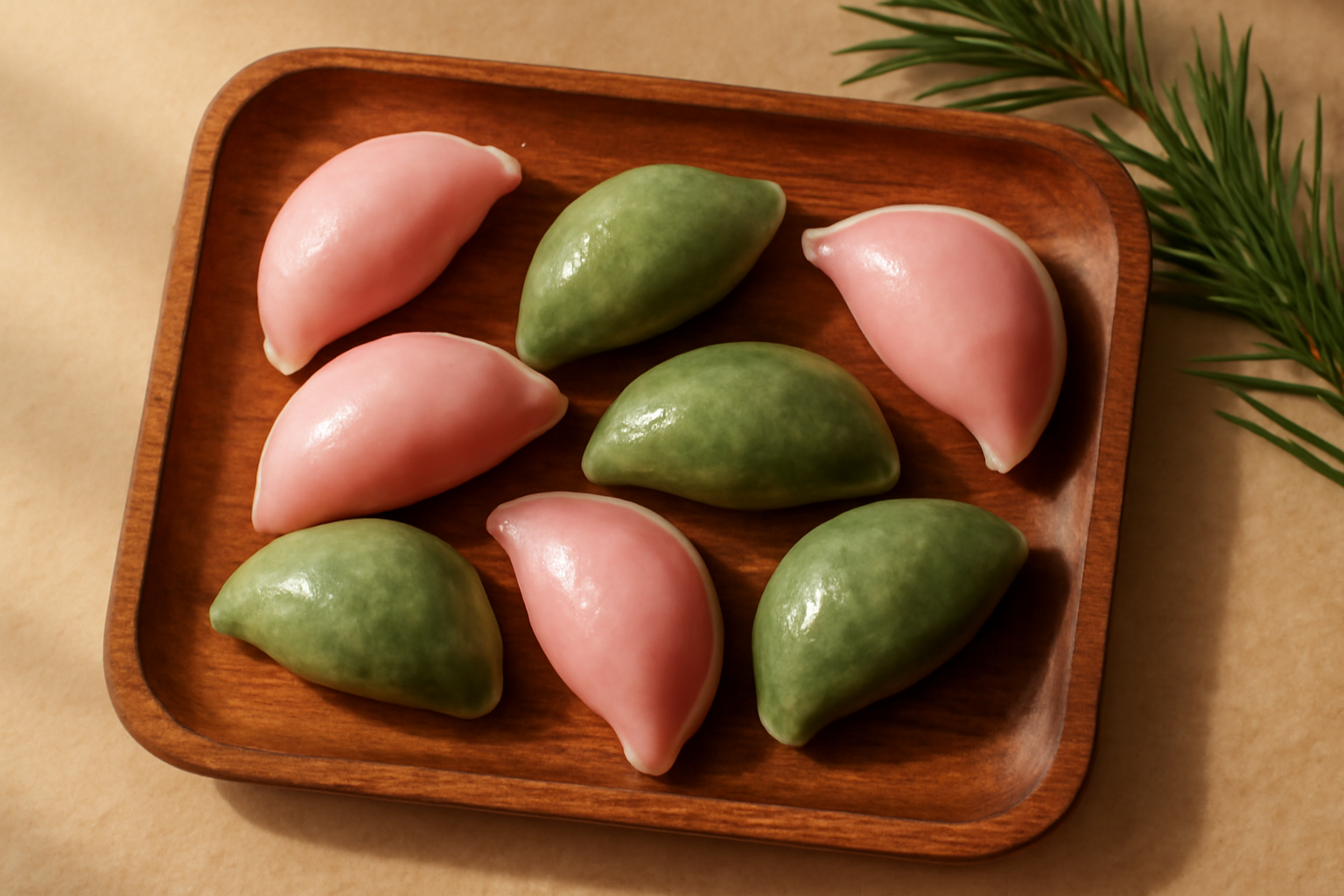
    Ask any Korean grandmother what Chuseok tastes like and the answer will start with songpyeon (์†กํŽธ) โ€” small, half-moon-shaped rice cakes made from glutinous rice flour, filled with sweetened sesame seeds, red beans, chestnuts, or honey, then steamed over a bed of pine needles. The pine needles aren’t decorative; they perfume the rice cake and, depending on who you ask, keep the cakes from sticking together. There’s an old bit of folk wisdom that says whoever shapes a beautifully formed songpyeon will have a beautiful daughter or a good spouse โ€” take that with the same seriousness you’d take a fortune cookie, but don’t be shocked if an aunt says it to you with a completely straight face while pinching rice dough.

    Traditional Korean songpyeon rice cakes for Chuseok

    Then there’s jeon (์ „), the umbrella term for Korea’s savory pancakes โ€” thin batter fried around vegetables, fish fillets, or meat. Making jeon is usually a group project, and it’s often the loudest, most chaotic part of the whole holiday: someone’s frying at the stove, someone’s slicing zucchini, someone’s complaining about the smoke alarm. Round it out with japchae (glass noodles with vegetables), fresh fruit โ€” Korean pears and persimmons are in peak season right around Chuseok โ€” and rice wine, and you’ve got the core of the holiday spread.

    Charye: the ancestral rite at the center of it all

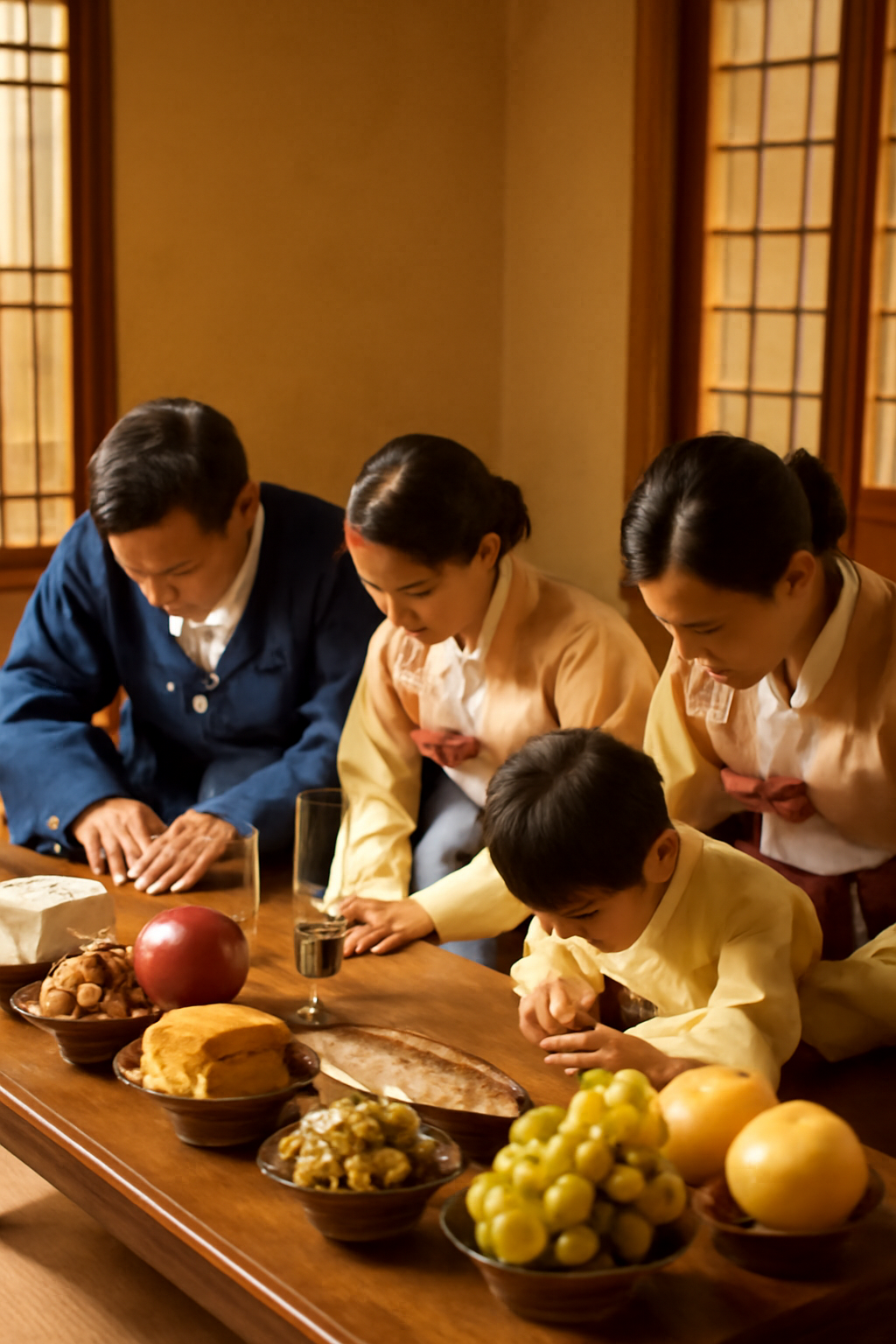
    Before anyone eats, there’s usually a ceremony. Charye (์ฐจ๋ก€) is a memorial rite performed for deceased ancestors, typically held on the morning of Chuseok itself in front of a specially arranged table of food โ€” the songpyeon, the jeon, fruit, rice, and soup, set out in a fairly specific order that varies slightly by region and by family. Family members bow in turn, and the ritual is understood as a way of inviting ancestors to share in the harvest with the living family.

    It’s not a somber funeral. It’s closer to a formal family greeting โ€” respectful, a little rehearsed, and over within twenty or thirty minutes, after which everyone sits down to eat the same food that was just on the ceremonial table. If you’re a foreign spouse or partner being folded into a Korean family’s Chuseok, this is usually the part that feels most unfamiliar, and also the part your Korean family will most appreciate you taking seriously, even if you’re just standing quietly to the side.

    Minjok daeidong: the mass migration nobody warns you about

    Koreans have a name for what happens on the roads before Chuseok: minjok daeidong (๋ฏผ์กฑ๋Œ€์ด๋™), roughly “the great migration of the people.” Because so much of the country’s population moved to Seoul and other big cities for work over the past few decades, but ancestral hometowns and family gravesites are often somewhere else entirely, Chuseok triggers one of the largest simultaneous domestic travel events anywhere in the world. A drive that normally takes three hours can stretch past eight or nine. Train tickets for the KTX and other intercity lines sell out within minutes of going on sale, sometimes weeks in advance.

    If you’re a foreigner in Korea and you’re not personally headed to a hometown for the holiday, my honest advice is: don’t fight the traffic just to see it. Let the country migrate around you.

    Highway traffic during the Chuseok holiday travel rush in Korea

    What actually closes โ€” and what doesn’t

    This is the part that catches new arrivals off guard every single year. Government offices, banks, most hospitals (aside from emergency rooms), and a huge share of small, family-run restaurants and shops close for at least part of the three-day holiday โ€” sometimes longer, since the owners themselves are traveling to see their own families. Traditional markets in particular can feel like ghost towns.

    What stays open: convenience stores, which run 24 hours regardless of the calendar and become a genuine lifeline for hot food, instant rice, and basic groceries when the restaurant next door has its shutters down. Large department stores, big chain restaurants, cafes in major franchises, and most tourist attractions and palaces generally continue operating on some kind of holiday schedule, though hours can shift, so it’s worth checking ahead rather than assuming. Convenience stores and franchise coffee shops are, in my experience, the two things you can count on no matter how quiet the neighborhood gets.

    Gift-giving culture: what’s actually in those boxes

    Chuseok gift sets (์ถ”์„ ์„ ๋ฌผ์„ธํŠธ) are a genuine institution in Korea, and the retail displays start going up weeks in advance. The classic, almost clichรฉ example is the SPAM gift set โ€” boxed cans of tinned ham, sometimes bundled with cooking oil, that trace back to the postwar decades when canned meat was a genuine luxury and has since become an oddly beloved holiday staple. From there, gift sets range widely: premium fruit boxes of pears or apples, sets of high-grade Korean beef (hanwoo), traditional rice cakes and sweets, ginseng, cooking oil sets, or even household goods like toiletries and detergent for lower-key relationships.

    The general logic is that the gift should be practical and shareable rather than sentimental or overly personal โ€” you’re giving something the recipient’s whole household can use or eat, not a one-off personal treasure.

    Korean family gathering for a Chuseok ancestral memorial rite

    Frequently asked questions

    Will restaurants be open during Chuseok if I’m stuck in Seoul with nowhere to go?

    You won’t go hungry, but you will need to lower your expectations for the little neighborhood spots. Small, independently owned restaurants close more often than not during the three-day stretch, especially in residential areas, because the owners are traveling too. Convenience stores stay open around the clock and are a legitimate meal option โ€” hot food counters, instant noodles, gimbap, and pre-packaged rice dishes. Larger franchise restaurants, chain cafes, and eateries inside department stores and hotels tend to keep something close to normal hours, and tourist-oriented areas generally stay lively. If you’re planning to eat out on the holiday itself, it’s worth checking a specific restaurant’s hours in advance rather than just showing up.

    What should I gift a Korean coworker or landlord for Chuseok?

    You don’t need to overthink it, and you definitely don’t need to go with SPAM unless you want to be a little playful about it. A modest, practical gift is the safest and most appreciated choice โ€” a boxed set of Korean pears or apples, a set of nice teas, or a small assortment of traditional sweets all read as thoughtful without being extravagant. For a landlord or a more senior coworker, a mid-range fruit or ginseng set is a common, low-risk choice. Present it with both hands if you’re handing it over in person; that small gesture goes a long way regardless of how imperfect the rest of your Korean might be.

    Is Chuseok a good time to travel around Korea as a tourist, or should I avoid it entirely?

    It depends entirely on what kind of trip you want. If your plan involves intercity trains, highway driving between cities, or visiting places locals also flock to on their days off, expect serious crowds and inflated travel times โ€” this is genuinely one of the most congested travel periods of the year. On the other hand, Seoul itself gets noticeably quieter as residents leave for their hometowns, and some palaces and folk villages run special Chuseok programming โ€” traditional games, hanbok events, ceremony demonstrations โ€” specifically aimed at people spending the holiday in the city. If you’re not trying to cross the country, staying local during Chuseok can actually be a pretty pleasant way to experience it.

    A holiday worth paying attention to

    You don’t have to have Korean ancestors of your own to feel the pull of Chuseok once you’ve lived here a while. It shows up in small ways before it shows up in big ones โ€” a coworker mentioning she’s driving nine hours to see her parents, a shuttered noodle shop with a handwritten sign taped to the door, a gift box of pears sitting a little too formally on your desk. However you end up spending it โ€” folded into a Korean family’s charye, wandering a suddenly quiet Seoul neighborhood, or just watching the holiday unfold from the outside โ€” Chuseok is one of those pieces of life here that rewards paying attention to, rather than just working around.

  • ์ž์ทจ์ƒ ๋ƒ‰์žฅ๊ณ  ์œ„์ƒ, ์ด ์Šต๊ด€ ํ•˜๋‚˜๋ฉด ์—ฌ๋ฆ„ ์‹์ค‘๋… ๋ง‰๋Š”๋‹ค

    ์ž์ทจ์ƒ ๋ƒ‰์žฅ๊ณ  ์œ„์ƒ, ์ด ์Šต๊ด€ ํ•˜๋‚˜๋ฉด ์—ฌ๋ฆ„ ์‹์ค‘๋… ๋ง‰๋Š”๋‹ค

    ๋ƒ‰์žฅ๊ณ ์— ๋„ฃ์—ˆ์œผ๋‹ˆ ์•ˆ์ „ํ•˜๋‹ค๊ณ  ๋ฏฟ์—ˆ๋˜ ๋ฐ˜์ฐฌ ํ†ต, ๋ฉฐ์น  ์ง€๋‚˜์„œ ์—ด์–ด๋ณด๋ฉด ์‹œํผํ•œ ๋ƒ„์ƒˆ๊ฐ€ ๋จผ์ € ์ฝ”๋ฅผ ์ฐŒ๋ฅธ๋‹ค. 8์›” ํ•œ๋‚ฎ ๊ธฐ์˜จ์ด 33๋„๋ฅผ ๋„˜๋‚˜๋“œ๋Š” ์š”์ฆ˜, ์ž์ทจ๋ฐฉ ๋ƒ‰์žฅ๊ณ  ์•ˆ์—์„œ๋Š” ๋ˆˆ์— ๋ณด์ด์ง€ ์•Š๋Š” ์„ธ๊ท ์ด ๋ƒ‰์žฅ๊ณ  ๋ฐ–๋ณด๋‹ค ํ›จ์”ฌ ๋น ๋ฅธ ์†๋„๋กœ ๋Š˜์–ด๋‚˜๊ณ  ์žˆ์„ ๊ฐ€๋Šฅ์„ฑ์ด ํฌ๋‹ค. ํ˜ผ์ž ์‚ด๋ฉด ์Œ์‹์„ ํ•œ ๋ฒˆ์— ๋‹ค ๋จน์ง€ ๋ชปํ•ด ๋‚จ๊ธฐ๋Š” ์ผ์ด ์žฆ๊ณ , ์–ธ์ œ ์‚ฌ์„œ ๋„ฃ์—ˆ๋Š”์ง€ ๊ธฐ์–ต์ด ํ๋ฆฟํ•ด์ง€๋Š” ๊ฒฝ์šฐ๋„ ๋งŽ๋‹ค. ๋ฌธ์ œ๋Š” ์ด ํ๋ฆฟํ•œ ๊ธฐ์–ต์ด ์—ฌ๋ฆ„์ฒ ์—๋Š” ๋ฐฐํƒˆ ์ •๋„๋กœ ๋๋‚˜์ง€ ์•Š๋Š”๋‹ค๋Š” ์ ์ด๋‹ค.

    ์„ธ๊ท ์€ 30๋„๋Œ€์—์„œ ๊ฐ€์žฅ ๋ฐ”์˜๊ฒŒ ์›€์ง์ธ๋‹ค

    ์‹์ค‘๋…์„ ์ผ์œผํ‚ค๋Š” ์„ธ๊ท  ๋Œ€๋ถ€๋ถ„์€ 32~43๋„ ์‚ฌ์ด์—์„œ ์ฆ์‹ ์†๋„๊ฐ€ ๊ฐ€์žฅ ๋น ๋ฅด๋‹ค. ์ด ์˜จ๋„๋Œ€๋ฅผ ‘์œ„ํ—˜ ๊ตฌ๊ฐ„’์ด๋ผ ๋ถ€๋ฅด๋Š” ์ด์œ ๋‹ค. ๋ฌธ์ œ๋Š” ํ•œ์—ฌ๋ฆ„ ์‹ค๋‚ด ์˜จ๋„๊ฐ€ ์ •ํ™•ํžˆ ์ด ๊ตฌ๊ฐ„์— ๊ฑธ์ณ ์žˆ๋‹ค๋Š” ๊ฒƒ์ด๋‹ค. ์—์–ด์ปจ์„ ๊บผ๋‘” ์ž์ทจ๋ฐฉ ๋ถ€์—Œ ์˜จ๋„๋Š” ์˜คํ›„ ์‹œ๊ฐ„๋Œ€์— 30๋„๋ฅผ ํ›Œ์ฉ ๋„˜๊ธฐ๊ธฐ ์ผ์‘ค๊ณ , ๋ฐฐ๋‹ฌ ์Œ์‹์ด๋‚˜ ์žฅ ๋ณธ ์‹์žฌ๋ฃŒ๋ฅผ ์‹ํƒ ์œ„์— ๋‘๋Š” ๊ทธ ๋ช‡ ์‹œ๊ฐ„ ๋™์•ˆ ์„ธ๊ท ์€ ๊ธฐํ•˜๊ธ‰์ˆ˜์ ์œผ๋กœ ๋Š˜์–ด๋‚œ๋‹ค.

    ์‹ํ’ˆ์˜์•ฝํ’ˆ์•ˆ์ „์ฒ˜๋Š” ์กฐ๋ฆฌํ•œ ์Œ์‹์„ ์ƒ์˜จ์— ๋‘๋Š” ์‹œ๊ฐ„์„ 2์‹œ๊ฐ„ ์ด๋‚ด๋กœ ์ œํ•œํ•  ๊ฒƒ์„ ๊ถŒ๊ณ ํ•œ๋‹ค. ๋‹ค๋งŒ ์ด๋Š” ์‹ค๋‚ด ์˜จ๋„๊ฐ€ ๋น„๊ต์  ๋‚ฎ์„ ๋•Œ ๊ธฐ์ค€์ด๊ณ , 30๋„๊ฐ€ ๋„˜๋Š” ํญ์—ผ ํ™˜๊ฒฝ์ด๋ผ๋ฉด 1์‹œ๊ฐ„์„ ๋„˜๊ธฐ์ง€ ์•Š๋Š” ํŽธ์ด ์•ˆ์ „ํ•˜๋‹ค. ๋ฐฐ๋‹ฌ ์Œ์‹์ด ๋„์ฐฉํ•œ ๋’ค ์œ ํŠœ๋ธŒ ํ•œ๋‘ ํŽธ ๋ณด๋‹ค๊ฐ€ ๋Šฆ๊ฒŒ ์‹ํƒ์— ์•‰๋Š” ์Šต๊ด€, ์žฅ์„ ๋ด์˜จ ๋’ค ์”ป๊ณ  ์‰ฌ๋‹ค๊ฐ€ ๋‚˜์ค‘์— ๋ƒ‰์žฅ๊ณ ์— ๋„ฃ๋Š” ์Šต๊ด€์ด ์œ„ํ—˜ํ•œ ์ด์œ ๊ฐ€ ์—ฌ๊ธฐ์— ์žˆ๋‹ค.

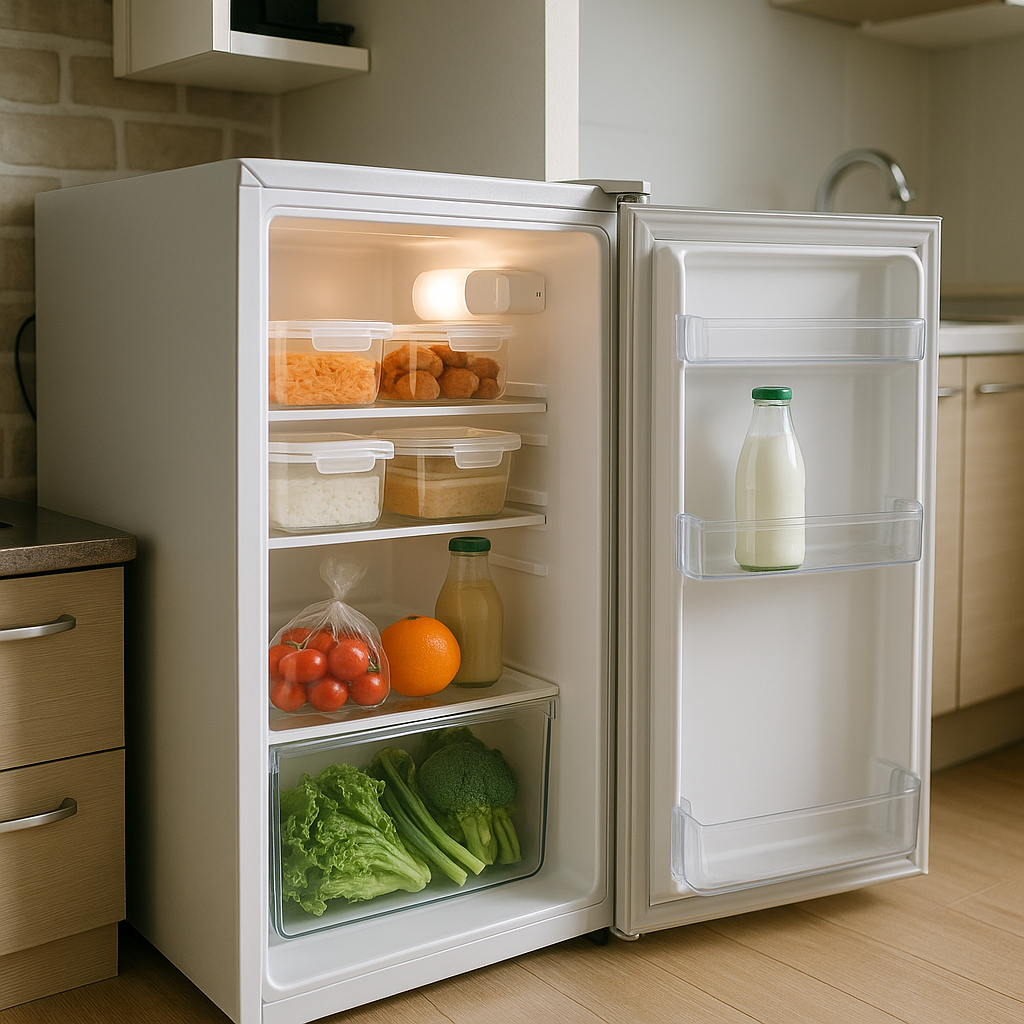
    ์ •๋ฆฌ๋œ ์†Œํ˜• ๋ƒ‰์žฅ๊ณ  ๋‚ด๋ถ€, ์‹์žฌ๋ฃŒ๊ฐ€ ์šฉ๊ธฐ๋ณ„๋กœ ๊ตฌ๋ถ„๋˜์–ด ๋ณด๊ด€๋œ ๋ชจ์Šต

    ๋ƒ‰์žฅ 5๋„, ๋ƒ‰๋™ ์˜ํ•˜ 18๋„ โ€” ์ˆซ์ž๋กœ ๊ธฐ์–ตํ•ด์•ผ ํ•˜๋Š” ์ด์œ 

    ๋ƒ‰์žฅ์‹ค์€ 5๋„ ์ดํ•˜, ๋ƒ‰๋™์‹ค์€ ์˜ํ•˜ 18๋„ ์ดํ•˜๋ฅผ ์œ ์ง€ํ•ด์•ผ ํ•œ๋‹ค๋Š” ๊ฒƒ์ด ์‹์•ฝ์ฒ˜๊ฐ€ ์ œ์‹œํ•˜๋Š” ๊ธฐ๋ณธ ์›์น™์ด๋‹ค. ํ•˜์ง€๋งŒ ์˜จ๋„ ์„ค์ • ๋‹ค์ด์–ผ์„ ‘๊ฐ•’์— ๋งž์ถฐ๋’€๋‹ค๊ณ  ์•ˆ์‹ฌํ•  ์ผ์ด ์•„๋‹ˆ๋‹ค. ์ž์ทจ์šฉ ์†Œํ˜• ๋ƒ‰์žฅ๊ณ ๋Š” ๋ฌธ์„ ์—ฌ๋‹ซ๋Š” ๋นˆ๋„, ๋‚ด๋ถ€์— ์Œ“์ธ ์‹์žฌ๋ฃŒ์˜ ์–‘, ๋ฒฝ๋ฉด๊ณผ์˜ ๋ฐ€์ฐฉ ์ •๋„์— ๋”ฐ๋ผ ์‹ค์ œ ์˜จ๋„๊ฐ€ ์„ค์ •๊ฐ’๊ณผ ๋‹ค๋ฅด๊ฒŒ ๋‚˜ํƒ€๋‚˜๋Š” ๊ฒฝ์šฐ๊ฐ€ ํ”ํ•˜๋‹ค.

    ๋ƒ‰์žฅ๊ณ  ์•ˆ์„ 8ํ•  ์ด์ƒ ์ฑ„์šฐ๋ฉด ๋ƒ‰๊ธฐ ์ˆœํ™˜์ด ๋ง‰ํ˜€ ํŠน์ • ๊ตฌ์—ญ๋งŒ ์˜จ๋„๊ฐ€ ์˜ฌ๋ผ๊ฐ„๋‹ค. ๊ทธ์ค‘์—์„œ๋„ ๋„์–ด ํฌ์ผ“์€ ๋ƒ‰์žฅ๊ณ ์—์„œ ๊ฐ€์žฅ ์˜จ๋„๊ฐ€ ๋†’์€ ์ž๋ฆฌ์ธ๋ฐ๋„ ์šฐ์œ ๋‚˜ ๊ณ„๋ž€์„ ๋ฌด์‹ฌ์ฝ” ์—ฌ๊ธฐ ๋‘๋Š” ๊ฒฝ์šฐ๊ฐ€ ๋งŽ๋‹ค. ์šฐ์œ ๋Š” ์˜คํžˆ๋ ค ๋ƒ‰์žฅ์‹ค ์•ˆ์ชฝ ์„ ๋ฐ˜, ๊ณ„๋ž€์€ ์›๋ž˜ ํฌ์žฅ ์šฉ๊ธฐ์งธ๋กœ ์•ˆ์ชฝ ์นธ์— ๋„ฃ๋Š” ํŽธ์ด ์˜จ๋„ ๋ณ€ํ™”๋ฅผ ์ค„์ธ๋‹ค. ์ €๋ ดํ•œ ๋ƒ‰์žฅ๊ณ ์šฉ ์˜จ๋„๊ณ„ ํ•˜๋‚˜๋ฅผ ์„ ๋ฐ˜ ์•ˆ์ชฝ์— ๋ถ™์—ฌ๋‘๋ฉด ์‹ค์ œ ์˜จ๋„๋ฅผ ๋ˆˆ์œผ๋กœ ํ™•์ธํ•  ์ˆ˜ ์žˆ์–ด, ์ž์ทจ์ƒ์—๊ฒŒ๋Š” ์ƒ๊ฐ๋ณด๋‹ค ์œ ์šฉํ•œ 5์ฒœ ์›์งœ๋ฆฌ ํˆฌ์ž๊ฐ€ ๋œ๋‹ค.

    ์—ฌ๋ฆ„์ฒ ์— ์œ ๋… ๋นจ๋ฆฌ ์ƒํ•˜๋Š” ๋„ค ๊ฐ€์ง€ ์Œ์‹

    ๊น€๋ฐฅ๊ณผ ์กฐ๋ฆฌ๋œ ๋ฐฅ๋ฅ˜

    ๊น€๋ฐฅ์€ ๋ฐฅ, ์ฑ„์†Œ, ์–ด๋ฌต์ด๋‚˜ ํ–„, ๋•Œ๋กœ๋Š” ๋งˆ์š”๋„ค์ฆˆ๊นŒ์ง€ ์„ž์—ฌ ์žˆ์–ด ์‹์ค‘๋…๊ท ์ด ์ž๋ผ๊ธฐ์— ์ข‹์€ ์กฐ๊ฑด์„ ๋‘๋ฃจ ๊ฐ–์ถ˜ ์Œ์‹์ด๋‹ค. ํŽธ์˜์ ์ด๋‚˜ ๋ถ„์‹์ง‘์—์„œ ์‚ฐ ๊น€๋ฐฅ์„ ์‹ค์˜จ์— ๋ฐ˜๋‚˜์ ˆ ๋‘์—ˆ๋‹ค๊ฐ€ ์ €๋…์— ๋จน๋Š” ์Šต๊ด€์€ ์—ฌ๋ฆ„์ฒ ์—๋Š” ๋ฌด์กฐ๊ฑด ํ”ผํ•ด์•ผ ํ•œ๋‹ค. ๊ตฌ์ž… ํ›„ 2์‹œ๊ฐ„์ด ์ง€๋‚ฌ๋‹ค๋ฉด ๋ƒ‰์žฅ ๋ณด๊ด€์„ ํ•˜๋”๋ผ๋„ ๋˜๋„๋ก ๊ทธ๋‚  ์•ˆ์— ๋จน๋Š” ๊ฒƒ์ด ์•ˆ์ „ํ•˜๊ณ , ๋ƒ‰์žฅ ๋ณด๊ด€ํ•œ ๊น€๋ฐฅ์ด๋ผ๋„ ํ•˜๋ฃจ๋ฅผ ๋„˜๊ธฐ๋ฉด ๋ฏธ๋ จ ์—†์ด ๋ฒ„๋ฆฌ๋Š” ํŽธ์ด ๋‚ซ๋‹ค.

    ๊ณ„๋ž€

    ๊ณ„๋ž€ ๊ป๋ฐ๊ธฐ์—๋Š” ์‚ด๋ชจ๋„ฌ๋ผ๊ท ์ด ๋ฌป์–ด ์žˆ์„ ์ˆ˜ ์žˆ๋‹ค. ์‹ค์˜จ์— ๋’€๋˜ ๊ณ„๋ž€์„ ๋‹ค์‹œ ๋ƒ‰์žฅ๊ณ ์— ๋„ฃ๋Š” ํ–‰์œ„๋Š” ๊ป๋ฐ๊ธฐ ํ‘œ๋ฉด์— ๊ฒฐ๋กœ๊ฐ€ ์ƒ๊ธฐ๋ฉด์„œ ์˜คํžˆ๋ ค ์„ธ๊ท  ์นจํˆฌ๋ฅผ ๋•๋Š”๋‹ค. ๋งˆํŠธ์—์„œ ์‚ฌ ์˜จ ๊ณ„๋ž€์€ ๊ณง๋ฐ”๋กœ ๋ƒ‰์žฅ๊ณ  ์•ˆ์ชฝ ์„ ๋ฐ˜์— ํฌ์žฅ ์šฉ๊ธฐ์งธ ๋„ฃ๊ณ , ์”ป์ง€ ์•Š์€ ์ฑ„ ๋ณด๊ด€ํ•˜๋‹ค๊ฐ€ ์กฐ๋ฆฌ ์ง์ „์—๋งŒ ์”ป๋Š” ๊ฒƒ์ด ์›์น™์ด๋‹ค. ๊นจ์ง„ ๊ณ„๋ž€์ด๋‚˜ ๊ป๋ฐ๊ธฐ๊ฐ€ ์ง€์ €๋ถ„ํ•œ ๊ณ„๋ž€์€ ์—ฌ๋ฆ„์ฒ ์ด๋ผ๋ฉด ๊ทธ๋‚  ์•ˆ์— ์†Œ์ง„ํ•˜๋Š” ํŽธ์ด ์•ˆ์ „ํ•˜๋‹ค.

    ์œก๋ฅ˜์™€ ์–ดํŒจ๋ฅ˜

    ์žฅ์„ ๋ด์˜จ ๋ผ์ง€๊ณ ๊ธฐ, ์†Œ๊ณ ๊ธฐ, ์ƒ์„ ์€ ๋ƒ‰์žฅ๊ณ ์— ๋„ฃ๊ธฐ ์ „ ๋‹ค๋ฅธ ์‹์žฌ๋ฃŒ๋ณด๋‹ค ์šฐ์„ ์ˆœ์œ„๋ฅผ ๋‘ฌ์•ผ ํ•œ๋‹ค. ์—ฌ๋ฆ„์ฒ  ์–ดํŒจ๋ฅ˜๋Š” ์ƒ์˜จ์—์„œ 30๋ถ„๋งŒ ๋ฐฉ์น˜ํ•ด๋„ ์„ธ๊ท  ์ˆ˜๊ฐ€ ๋ˆˆ์— ๋„๊ฒŒ ๋Š˜์–ด๋‚œ๋‹ค๋Š” ๊ฒƒ์ด ์—ฌ๋Ÿฌ ์‹ํ’ˆ์•ˆ์ „ ์ž๋ฃŒ์—์„œ ๋ฐ˜๋ณต์ ์œผ๋กœ ์ง€์ ๋˜๋Š” ๋ถ€๋ถ„์ด๋‹ค. ๋‹น์ผ ์†Œ๋น„ํ•  ๊ณ„ํš์ด ์•„๋‹ˆ๋ผ๋ฉด ์‚ฌ ์˜จ ์ฆ‰์‹œ ์†Œ๋ถ„ํ•ด ๋ƒ‰๋™์‹ค๋กœ ์˜ฎ๊ธฐ๋Š” ํŽธ์ด ๋‚ซ๋‹ค. ํ•ด๋™์€ ์‹ค์˜จ์ด ์•„๋‹ˆ๋ผ ๋ƒ‰์žฅ์‹ค์—์„œ ์„œ์„œํžˆ ์ง„ํ–‰ํ•˜๊ฑฐ๋‚˜ ์ „์ž๋ ˆ์ธ์ง€ ํ•ด๋™ ๊ธฐ๋Šฅ์„ ์“ฐ๋Š” ๊ฒƒ์ด ์•ˆ์ „ํ•˜๋‹ค.

    ์œ ์ œํ’ˆ

    ์šฐ์œ , ์š”๊ฑฐํŠธ, ์น˜์ฆˆ๋Š” ๊ฐœ๋ด‰ ํ›„ ์‚ฐํŒจ ์†๋„๊ฐ€ ๋น ๋ฅด๋‹ค. ์—ฌ๋ฆ„์ฒ ์—๋Š” ๊ฐœ๋ด‰ํ•œ ์šฐ์œ ๋ฅผ ์‹ค์˜จ์— ์ž ๊น ๊บผ๋‚ด๋‘” ์‚ฌ์ด์—๋„ ๋ง›์ด ๋ฏธ๋ฌ˜ํ•˜๊ฒŒ ๋ณ€ํ•  ์ˆ˜ ์žˆ๋‹ค. ๋šœ๊ป‘์„ ์—ฐ ์œ ์ œํ’ˆ์€ ๋ฌธ ์ชฝ์ด ์•„๋‹ˆ๋ผ ๋ƒ‰์žฅ์‹ค ์•ˆ์ชฝ ๊นŠ์ˆ™ํ•œ ์ž๋ฆฌ์— ๋ณด๊ด€ํ•˜๊ณ , ์œ ํ†ต๊ธฐํ•œ๋ณด๋‹ค ๊ฐœ๋ด‰ ํ›„ ๋ฉฐ์น ์ด ์ง€๋‚ฌ๋Š”์ง€๋ฅผ ๊ธฐ์ค€์œผ๋กœ ์†Œ๋น„ ์—ฌ๋ถ€๋ฅผ ํŒ๋‹จํ•˜๋Š” ์Šต๊ด€์ด ํ•„์š”ํ•˜๋‹ค.

    ๊ณ„๋ž€ ํ•œ ํŒ๊ณผ ๋žฉ์œผ๋กœ ํฌ์žฅ๋œ ์ƒ๊ณ ๊ธฐ๊ฐ€ ์กฐ๋ฆฌ๋Œ€ ์œ„์— ๋‚˜๋ž€ํžˆ ๋†“์ธ ๋ชจ์Šต

    ์žฅ๋ณด๊ธฐ ํ›„ ๋ณด๊ด€ ์ˆœ์„œ, ๋ƒ‰๋™์‹ํ’ˆ๋ถ€ํ„ฐ๊ฐ€ ์•„๋‹ˆ๋‹ค

    ๋งŽ์€ ์‚ฌ๋žŒ์ด ๋ƒ‰๋™์‹ํ’ˆ์„ ๊ฐ€์žฅ ๋จผ์ € ๋„ฃ์–ด์•ผ ํ•œ๋‹ค๊ณ  ์ƒ๊ฐํ•˜์ง€๋งŒ, ์‹ค์ œ๋กœ๋Š” ๋ƒ‰์žฅยท๋ƒ‰๋™์„ ๋‚˜๋ˆ„๊ธฐ ์ „์— ์ƒํ•˜๊ธฐ ์‰ฌ์šด ์ˆœ์„œ๋Œ€๋กœ ์ฒ˜๋ฆฌํ•˜๋Š” ๊ฒƒ์ด ํ•ต์‹ฌ์ด๋‹ค. ์žฅ๋ฐ”๊ตฌ๋‹ˆ๋ฅผ ๋‚ด๋ ค๋†“์œผ๋ฉด ๋‹ค์Œ ์ˆœ์„œ๋ฅผ ๋”ฐ๋ฅด๋Š” ๊ฒƒ์ด ํšจ์œจ์ ์ด๋‹ค.

    • 1์ˆœ์œ„: ์œก๋ฅ˜ยท์–ดํŒจ๋ฅ˜ยท์œ ์ œํ’ˆ์ฒ˜๋Ÿผ ์˜จ๋„์— ๊ฐ€์žฅ ๋ฏผ๊ฐํ•œ ์‹ํ’ˆ์„ ์ฆ‰์‹œ ๋ƒ‰์žฅ ๋˜๋Š” ๋ƒ‰๋™์‹ค๋กœ ์ด๋™ํ•œ๋‹ค.
    • 2์ˆœ์œ„: ๊ณ„๋ž€๊ณผ ๋‘๋ถ€, ์กฐ๋ฆฌ๋œ ๋ฐ˜์ฐฌ๋ฅ˜๋ฅผ ๋ƒ‰์žฅ์‹ค ์•ˆ์ชฝ์— ์ •๋ฆฌํ•œ๋‹ค.
    • 3์ˆœ์œ„: ์ฑ„์†Œ์™€ ๊ณผ์ผ์€ ์”ป์ง€ ์•Š์€ ์ƒํƒœ๋กœ ์ฑ„์†Œ์นธ์— ๋„ฃ๋Š”๋‹ค. ๋ฏธ๋ฆฌ ์”ป์–ด๋‘๋ฉด ์ˆ˜๋ถ„ ๋•Œ๋ฌธ์— ์˜คํžˆ๋ ค ๋” ๋นจ๋ฆฌ ๋ฌด๋ฅธ๋‹ค.
    • 4์ˆœ์œ„: ์ƒ์˜จ ๋ณด๊ด€์ด ๊ฐ€๋Šฅํ•œ ํ†ต์กฐ๋ฆผ, ๋ผ๋ฉด, ์กฐ๋ฏธ๋ฃŒ๋ฅ˜๋ฅผ ๋งˆ์ง€๋ง‰์— ์ •๋ฆฌํ•œ๋‹ค.

    ์žฅ์„ ๋ณธ ๋ด‰ํˆฌ๋ฅผ ํ˜„๊ด€์— ์„ธ์›Œ๋‘” ์ฑ„ ์”ป๊ณ  ์˜ท ๊ฐˆ์•„์ž…๊ณ  ๋‚˜์„œ์•ผ ๋ƒ‰์žฅ๊ณ  ๋ฌธ์„ ์—ฌ๋Š” ์Šต๊ด€์ด ์žˆ๋‹ค๋ฉด, ์—ฌ๋ฆ„์ฒ ๋งŒํผ์€ ์ˆœ์„œ๋ฅผ ๋ฐ”๊ฟ”์•ผ ํ•œ๋‹ค. ๋ƒ‰์žฅ๊ณ  ์ •๋ฆฌ๊ฐ€ ๋จผ์ €๊ณ , ์”ป๋Š” ๊ฒƒ์€ ๊ทธ๋‹ค์Œ์ด๋‹ค.

    ๋ฐฐ๋‹ฌ ์Œ์‹, ๋ฐ›์ž๋งˆ์ž ๋จน์ง€ ์•Š์„ ๊ฑฐ๋ผ๋ฉด

    1์ธ ๊ฐ€๊ตฌ์˜ ์—ฌ๋ฆ„์ฒ  ์‹์ค‘๋… ์œ„ํ—˜ ์š”์ธ ์ค‘ ๋นผ๋†“์„ ์ˆ˜ ์—†๋Š” ๊ฒƒ์ด ๋ฐฐ๋‹ฌ ์Œ์‹์ด๋‹ค. ๋ฐฐ๋‹ฌ ๋ผ์ด๋”๊ฐ€ ๋„์ฐฉํ•˜๊ธฐ๊นŒ์ง€ ๊ฑธ๋ฆฌ๋Š” ์‹œ๊ฐ„, ์กฐ๋ฆฌ๋ถ€ํ„ฐ ๋ฐฐ๋‹ฌ๊นŒ์ง€์˜ ์‹œ๊ฐ„์„ ํ•ฉ์น˜๋ฉด ์ด๋ฏธ 1์‹œ๊ฐ„ ์ด์ƒ์ด ์ง€๋‚˜ ์žˆ๋Š” ๊ฒฝ์šฐ๊ฐ€ ํ”ํ•˜๋‹ค. ์—ฌ๊ธฐ์„œ ๋‹ค์‹œ ์‹ค์˜จ์— ๋ฐฉ์น˜ํ•˜๋Š” ์‹œ๊ฐ„์ด ๋”ํ•ด์ง€๋ฉด ์œ„ํ—˜ ๊ตฌ๊ฐ„์— ๋จธ๋ฌด๋Š” ์‹œ๊ฐ„์ด ๊ธธ์–ด์ง„๋‹ค.

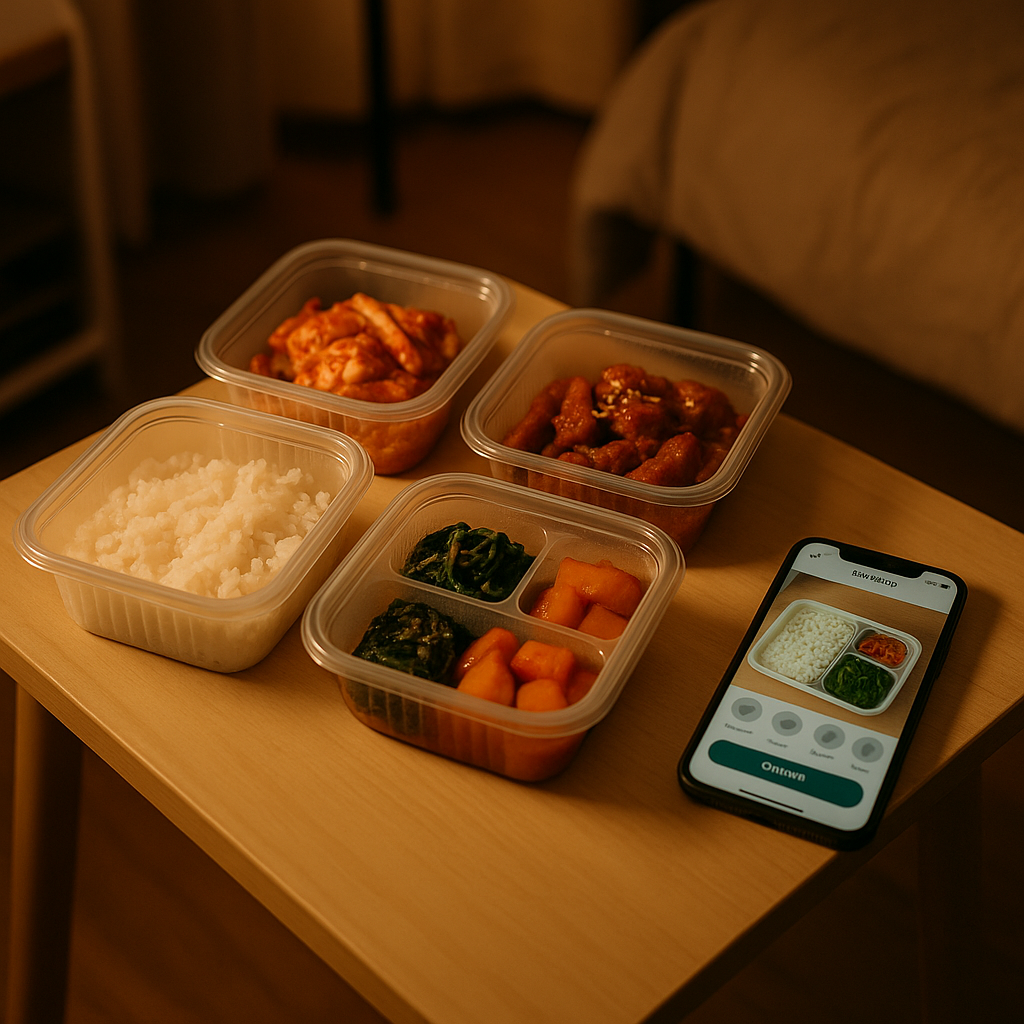
    ๋„์ฐฉ ์งํ›„ ๋ฐ”๋กœ ๋จน์„ ๊ณ„ํš์ด ์•„๋‹ˆ๋ผ๋ฉด ๋ฐ›๋Š” ์ฆ‰์‹œ ๋ƒ‰์žฅ ๋ณด๊ด€ํ•˜๊ณ , ๊ตญ๋ฌผ๋ฅ˜๋‚˜ ์ฐŒ๊ฐœ๋ฅ˜๋Š” ๋ฏธ์ง€๊ทผํ•œ ์ƒํƒœ๋กœ ์˜ค๋ž˜ ๋‘์ง€ ์•Š๋Š” ๊ฒƒ์ด ์ข‹๋‹ค. ๋‚จ์€ ๋ฐฐ๋‹ฌ ์Œ์‹์„ ์žฌ๊ฐ€์—ดํ•  ๋•Œ๋Š” ์†๊นŒ์ง€ ๋œจ๊ฒ๊ฒŒ ๋ฐ์›Œ์•ผ ํ•˜๋ฉฐ, ํ•œ ๋ฒˆ ์ƒ์˜จ์— ๊บผ๋ƒˆ๋‹ค๊ฐ€ ๋‹ค์‹œ ๋ƒ‰์žฅ๊ณ ์— ๋„ฃ๊ธฐ๋ฅผ ๋ฐ˜๋ณตํ•˜๋Š” ๊ฒƒ๋„ ํ”ผํ•ด์•ผ ํ•œ๋‹ค. ์น˜ํ‚จ์ด๋‚˜ ํŠ€๊น€๋ฅ˜์ฒ˜๋Ÿผ ๊ธฐ๋ฆ„๊ธฐ๊ฐ€ ๋งŽ์€ ์Œ์‹์€ ์‹ค์˜จ์—์„œ ๋น„๊ต์  ์˜ค๋ž˜ ๋ฒ„ํ‹ฐ๋Š” ๊ฒƒ์ฒ˜๋Ÿผ ๋ณด์ด์ง€๋งŒ, ์† ์žฌ๋ฃŒ์ธ ๋‹ญ๊ณ ๊ธฐ ์ž์ฒด๋Š” ์—ฌ์ „ํžˆ ์ƒํ•˜๊ธฐ ์‰ฌ์šด ์‹ํ’ˆ์ด๋ผ๋Š” ์ ์„ ์žŠ์œผ๋ฉด ์•ˆ ๋œ๋‹ค.

    ์ž์ทจ๋ฐฉ ํ…Œ์ด๋ธ” ์œ„์— ๋†“์ธ ๋ฐฐ๋‹ฌ ์Œ์‹ ์šฉ๊ธฐ์™€ ์Šค๋งˆํŠธํฐ

    ๋ƒ‰์žฅ๊ณ  ์ž์ฒด ์œ„์ƒ๋„ ํ•จ๊ป˜ ์ฑ™๊ฒจ์•ผ ํ•œ๋‹ค

    ์‹์žฌ๋ฃŒ๋ฅผ ์•„๋ฌด๋ฆฌ ์ž˜ ๋ณด๊ด€ํ•ด๋„ ๋ƒ‰์žฅ๊ณ  ๋‚ด๋ถ€ ์ž์ฒด๊ฐ€ ์˜ค์—ผ๋ผ ์žˆ์œผ๋ฉด ์†Œ์šฉ์ด ์—†๋‹ค. ๊ตญ๋ฌผ์ด ์ƒŒ ํ”์ ์ด๋‚˜ ์ฑ„์†Œ์นธ ๋ฐ”๋‹ฅ์˜ ๋ฌผ๊ธฐ๋Š” ์„ธ๊ท ์ด ์ž๋ผ๊ธฐ ์ข‹์€ ํ™˜๊ฒฝ์„ ๋งŒ๋“ ๋‹ค. ํ•œ ๋‹ฌ์— ํ•œ ๋ฒˆ ์ •๋„๋Š” ๋ณด๊ด€ ์ค‘์ธ ์‹ํ’ˆ์„ ์ž ์‹œ ์•„์ด์Šค๋ฐ•์Šค๋‚˜ ๋‹ค๋ฅธ ๊ณณ์œผ๋กœ ์˜ฎ๊ธฐ๊ณ , ์ค‘์„ฑ์„ธ์ œ๋ฅผ ํ‘ผ ๋ฌผ๋กœ ๋‚ด๋ถ€๋ฅผ ๋‹ฆ์€ ๋’ค ์™„์ „ํžˆ ๋ง๋ฆฌ๊ณ  ๋‚˜์„œ ๋‹ค์‹œ ์‹ํ’ˆ์„ ์ฑ„์›Œ ๋„ฃ๋Š” ๊ฒƒ์ด ์ข‹๋‹ค. ๋„๋งˆ์™€ ์นผ์€ ์ฑ„์†Œ์šฉ๊ณผ ์œก๋ฅ˜์šฉ์„ ๊ตฌ๋ถ„ํ•ด ์“ฐ๋Š” ๊ฒƒ๋„ ๊ธฐ๋ณธ ์ค‘์˜ ๊ธฐ๋ณธ์ด๋‹ค. ๊ณฐํŒก์ด ๋ฌธ์ œ์ฒ˜๋Ÿผ ๋ˆˆ์— ๋ณด์ด๋Š” ์œ„์ƒ ์ด์Šˆ๋ฟ ์•„๋‹ˆ๋ผ, ๋ƒ‰์žฅ๊ณ  ์•ˆ์ชฝ์ฒ˜๋Ÿผ ๋ˆˆ์— ์ž˜ ๋„์ง€ ์•Š๋Š” ๋ถ€๋ถ„์˜ ์œ„์ƒ๋„ ์—ฌ๋ฆ„์ฒ ์—๋Š” ์†Œํ™€ํžˆ ํ•˜๊ธฐ ์‰ฌ์šด ์ง€์ ์ด๋‹ค.

    ์ž์ฃผ ๋ฌป๋Š” ์งˆ๋ฌธ

    Q. ์ •์ „์œผ๋กœ ๋ƒ‰์žฅ๊ณ ๊ฐ€ 4์‹œ๊ฐ„ ์ •๋„ ๋ฉˆ์ท„๋Š”๋ฐ, ์•ˆ์— ์žˆ๋˜ ์Œ์‹์„ ๊ทธ๋ƒฅ ๋จน์–ด๋„ ๋ ๊นŒ์š”?

    ๋ƒ‰์žฅ๊ณ  ๋ฌธ์„ ๊ณ„์† ๋‹ซ์•„๋’€๋‹ค๋ฉด 4์‹œ๊ฐ„ ์ •๋„๋Š” ๋‚ด๋ถ€ ์˜จ๋„๊ฐ€ ์„œ์„œํžˆ ์˜ค๋ฅด๋Š” ์ˆ˜์ค€์ด๋ผ ๋Œ€๋ถ€๋ถ„์˜ ์‹ํ’ˆ์€ ์•ˆ์ „ํ•œ ํŽธ์ด๋‹ค. ๋‹ค๋งŒ ์œก๋ฅ˜, ์–ดํŒจ๋ฅ˜, ์œ ์ œํ’ˆ์ฒ˜๋Ÿผ ์ƒํ•˜๊ธฐ ์‰ฌ์šด ์‹ํ’ˆ์€ ์†์œผ๋กœ ๋งŒ์ ธ๋ดค์„ ๋•Œ ๋ฏธ์ง€๊ทผํ•˜๋‹ค๋ฉด ๋ฏธ๋ จ ์—†์ด ๋ฒ„๋ฆฌ๋Š” ๊ฒƒ์ด ์•ˆ์ „ํ•˜๋‹ค. ๋ƒ‰๋™์‹ค์— ์žˆ๋˜ ์‹ํ’ˆ์€ ์–ผ์Œ ๊ฒฐ์ •์ด ๋‚จ์•„ ์žˆ๋‹ค๋ฉด ์žฌ๋ƒ‰๋™๋ณด๋‹ค๋Š” ๋ฐ”๋กœ ์กฐ๋ฆฌํ•ด์„œ ์†Œ๋น„ํ•˜๋Š” ํŽธ์ด ๋‚ซ๋‹ค.

    Q. ๋ฐ˜์ฐฌ์„ ๋งŒ๋“ค์–ด์„œ ๋ฐ€ํ ์šฉ๊ธฐ์— ๋„ฃ๊ณ  ๋ƒ‰์žฅ๊ณ ์— ๋ณด๊ด€ํ•˜๋ฉด ๋ฉฐ์น ๊นŒ์ง€ ๋จน์–ด๋„ ๋˜๋‚˜์š”?

    ๊ตญ๋ฌผ ์—†๋Š” ๋ฐ‘๋ฐ˜์ฐฌ ๊ธฐ์ค€์œผ๋กœ ๋ณดํ†ต 3~4์ผ ์•ˆ์— ์†Œ๋น„ํ•˜๋Š” ๊ฒƒ์„ ๊ถŒ์žฅํ•œ๋‹ค. ๊ตญ์ด๋‚˜ ์ฐŒ๊ฐœ์ฒ˜๋Ÿผ ์ˆ˜๋ถ„์ด ๋งŽ์€ ์Œ์‹์€ ํ•˜๋ฃจ์ดํ‹€๋งŒ ์ง€๋‚˜๋„ ์ƒํƒœ๊ฐ€ ๊ธ‰๊ฒฉํžˆ ๋ณ€ํ•  ์ˆ˜ ์žˆ์–ด 2~3์ผ ์•ˆ์— ๋จน๋Š” ๊ฒƒ์ด ์•ˆ์ „ํ•˜๋‹ค. ์–ธ์ œ ๋งŒ๋“ค์—ˆ๋Š”์ง€ ์žŠ๊ธฐ ์‰ฌ์šฐ๋ฏ€๋กœ ์šฉ๊ธฐ์— ๋‚ ์งœ๋ฅผ ์ ์€ ํ…Œ์ดํ”„๋ฅผ ๋ถ™์—ฌ๋‘๋Š” ์Šต๊ด€์ด ์ž์ทจ์ƒ์—๊ฒŒ๋Š” ๊ฝค ๋„์›€์ด ๋œ๋‹ค.

    Q. ์—ฌ๋ฆ„์ฒ ์— ์ƒํ•œ ์Œ์‹์„ ๋จน์—ˆ์„ ๋•Œ ์–ด๋–ค ์ฆ์ƒ์ด ๋‚˜ํƒ€๋‚˜๋ฉด ๋ณ‘์›์— ๊ฐ€์•ผ ํ•˜๋‚˜์š”?

    ๊ตฌํ† , ์„ค์‚ฌ, ๋ณตํ†ต์ด ์งง๊ฒŒ ์ง€๋‚˜๊ฐ€๋Š” ์ •๋„๋ผ๋ฉด ์ˆ˜๋ถ„์„ ์ถฉ๋ถ„ํžˆ ์„ญ์ทจํ•˜๋ฉฐ ์ง€์ผœ๋ณผ ์ˆ˜ ์žˆ์ง€๋งŒ, ๊ณ ์—ด์ด ๋™๋ฐ˜๋˜๊ฑฐ๋‚˜ ์ฆ์ƒ์ด ํ•˜๋ฃจ ์ด์ƒ ์ง€์†๋˜๊ณ  ํƒˆ์ˆ˜ ์ฆ์„ธ๊ฐ€ ๋А๊ปด์ง„๋‹ค๋ฉด ์ž๊ฐ€ ํŒ๋‹จ์œผ๋กœ ๋ฒ„ํ‹ฐ์ง€ ๋ง๊ณ  ๊ฐ€๊นŒ์šด ์˜๋ฃŒ๊ธฐ๊ด€์„ ๋ฐฉ๋ฌธํ•˜๋Š” ๊ฒƒ์ด ์•ˆ์ „ํ•˜๋‹ค. ํ˜ผ์ž ์‚ฌ๋Š” ๊ฒฝ์šฐ๋ผ๋ฉด ์ฆ์ƒ์ด ์‹ฌํ•ด์งˆ ๋•Œ ๋„์›€์„ ์š”์ฒญํ•˜๊ธฐ ์–ด๋ ค์šธ ์ˆ˜ ์žˆ์œผ๋ฏ€๋กœ ์ดˆ๊ธฐ์— ๋ณ‘์›์„ ์ฐพ๋Š” ํŽธ์ด ๋‚ซ๋‹ค.

  • Why Koreans Don’t Wear Shoes Indoors: An Expat Dad’s Guide

    Why Koreans Don’t Wear Shoes Indoors: An Expat Dad’s Guide

    My daughter can spot a barefoot violation from across a room before she can tie her own shoelaces. She’s three, and somewhere in the last year she absorbed a rule I’m still occasionally breaking without meaning to: the floor is not the street, and the two must never touch.

    The floor is furniture, not ground

    The easiest way I’ve found to explain this to visiting friends from back home is that in Korea, the floor does a job that a couch, a dining chair, and sometimes a bed do in a Western house. Traditional Korean homes were built around ondol, an under-floor heating system that warmed stone or clay slabs from below, originally with smoke channeled from a wood fire and now, in apartments, with hot water pipes. People sat on that warm floor to eat. They slept on it, on thin folding mattresses called yo that get rolled up and stored during the day. A floor that doubles as a dinner table and a bed is a very different object from a floor you just walk across to get somewhere else, and it gets treated accordingly.

    That logic didn’t disappear when apartment towers replaced hanok. Most Korean apartments still run heated water through the floor rather than heating the air with radiators or forced-air vents, so even now, in January, the warmest part of a Korean home is the one closest to the ground. Sitting on it, working from a low table on it, letting a toddler nap on it โ€” none of this feels like a compromise here the way it might elsewhere. It’s the default, and it’s precisely why bringing outside dirt onto it feels wrong on a level deeper than just tidiness.

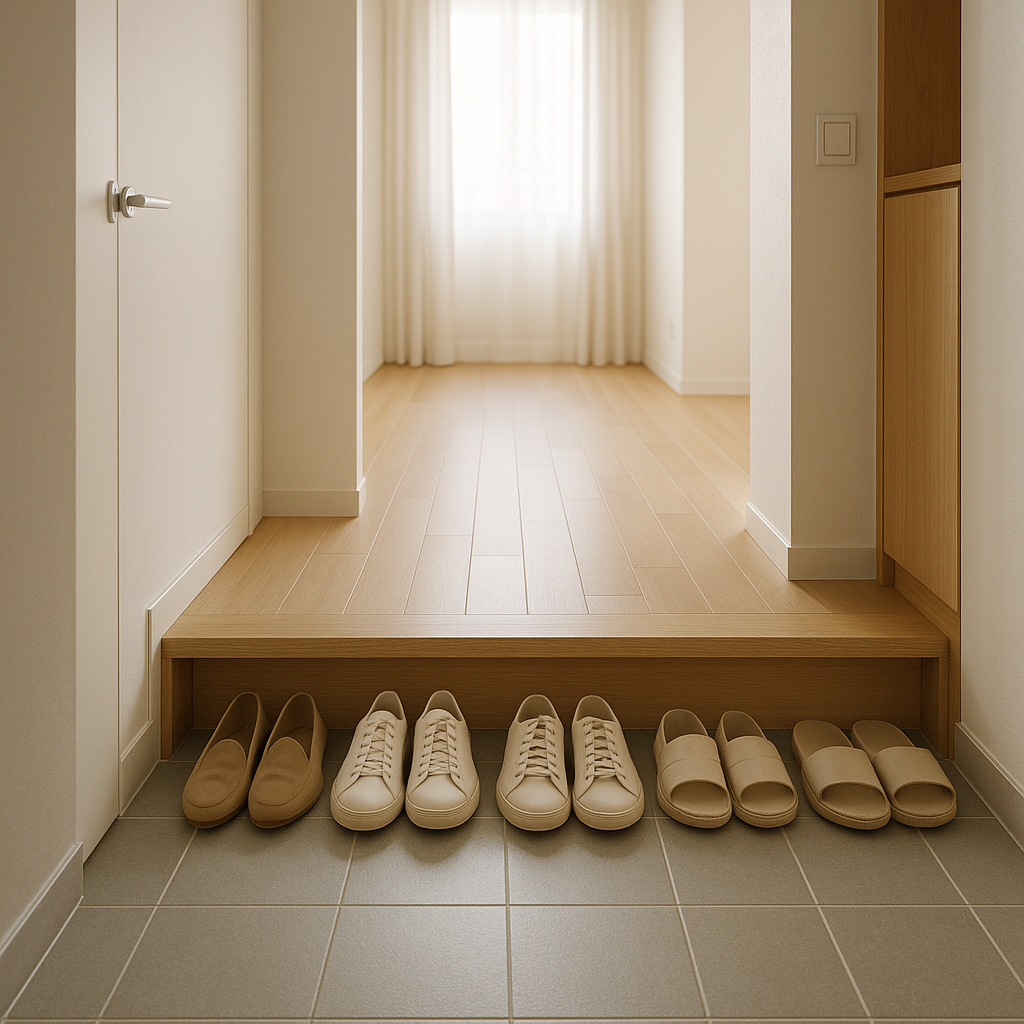
    Row of shoes neatly lined up at a Korean home entrance

    The entryway is a small ritual, every single time

    Every Korean home has a sunken or slightly lower entry area called the hyeon-gwan, usually just one step down from the main floor level. Shoes come off there, not a meter further in, not “once you’re settled.” The step itself is the boundary โ€” outside stays below it, inside stays above it โ€” and I’ve never seen a Korean host treat that line as negotiable, even for a five-minute visit to drop off a package.

    When you’re a guest, a few unwritten rules apply that nobody explains out loud because everyone already knows them:

    • Turn your shoes around after taking them off, toes facing the door, so they’re ready to step back into on the way out. This is basic manners, not superstition.
    • Don’t let your bare or socked feet touch the lowered entry floor โ€” step directly from your shoes onto the raised interior floor.
    • If house slippers are offered, take them, especially in someone else’s home. Refusing can read as slightly odd rather than casual.
    • Holes in your socks are a real, low-grade source of embarrassment. I learned to check before visiting anyone.

    None of this is announced. You just watch what the host does at the door and mirror it, and if you get it wrong, the correction is usually a polite gesture rather than a comment.

    Warm heated floor interior of a traditional Korean home with low table and floor cushions

    Slippers have their own internal hierarchy

    What surprised me more than the shoes-off rule itself was how many kinds of slippers exist for how many kinds of floors. A household with kids, like mine, typically has house slippers for the main living area and a completely separate pair, often plastic and open-backed, kept just for the bathroom. Bathroom slippers never leave the bathroom. Nobody wears them into the kitchen, and nobody wears house slippers into the shower area either โ€” Korean bathrooms are usually fully wet-room tiled, so the swap is practical as much as customary.

    Offices follow a milder version of the same pattern. Plenty of Korean workplaces, especially smaller companies and government buildings, keep a shoe rack near the entrance where employees change into indoor shoes or slippers for the day, then change back before leaving. It’s less universal than the home rule, but common enough that I now keep a spare pair of slip-ons in my desk drawer just in case.

    Schools take it further than almost anywhere else

    If you want to see the shoes-off norm at its most organized, look at a Korean elementary school. Students arrive in outdoor shoes, change into a separate pair of indoor shoes at cubbies near the entrance, and wear those for the entire school day โ€” gym class sometimes included, depending on the facility. The outdoor shoes stay in the cubby until it’s time to go home. My daughter’s kindergarten runs the identical system on a smaller scale, and watching a room of four-year-olds line their shoes up unprompted was the moment I realized this isn’t taught so much as absorbed.

    Restaurants split into two very different floor plans

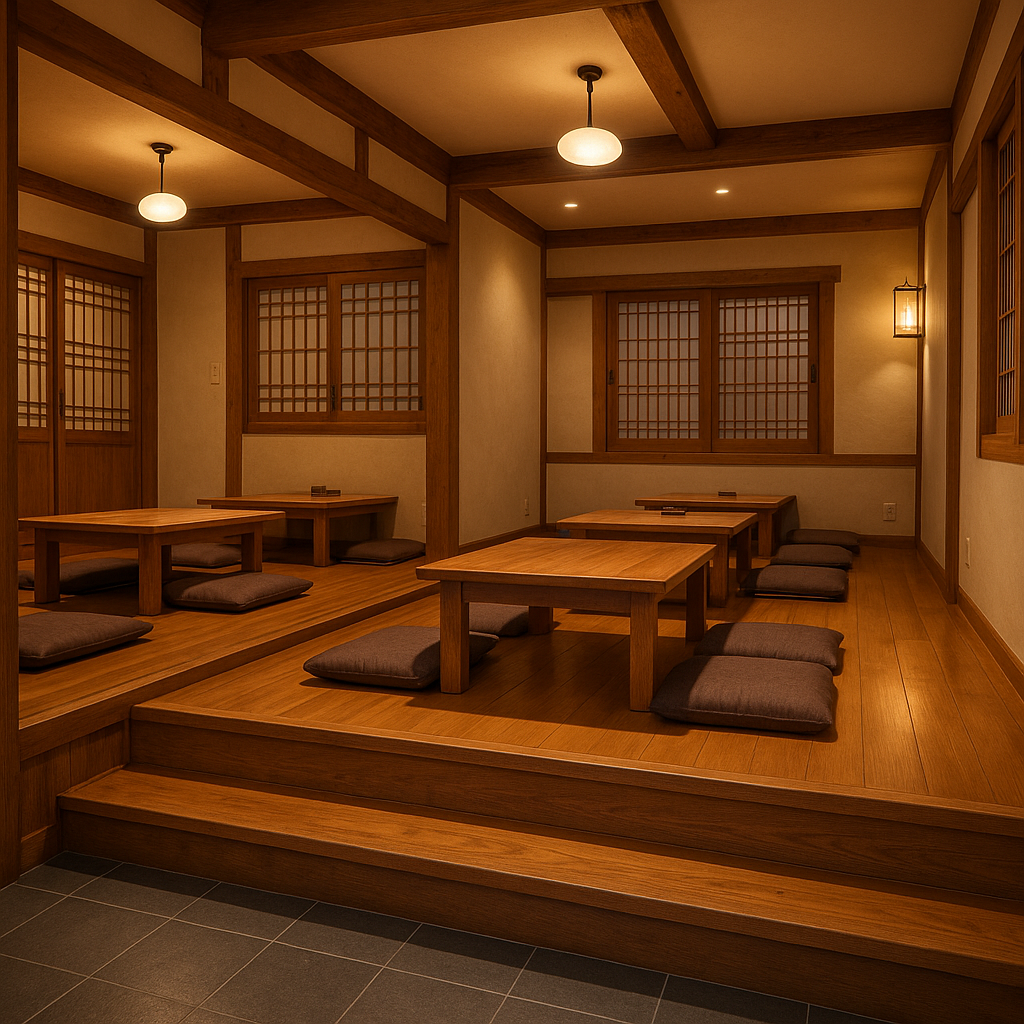
    This is the part that trips up visitors the most, because Korean restaurants genuinely operate two systems side by side. Plenty of places, especially anything modern, casual, or western-style, use regular tables and chairs, and you keep your shoes on the entire meal, same as anywhere else. But a large share of traditional restaurants โ€” barbecue places, many private dining rooms, and most spots specializing in stews or set-course Korean meals โ€” use a raised floor section with low tables, and that section works exactly like a home. Shoes come off at the step up, get left at the edge or in a small cubby, and you sit on a floor cushion for the meal.

    The tell is usually visible before you even sit down: if you see a raised wooden or heated floor with low tables and no chair legs, shoes are coming off. If you see a normal table height with chairs tucked underneath, they’re staying on. Private rooms in particular, the kind booked for group dinners or family gatherings, are almost always the floor-seating type, since they’re modeled on a home dining room rather than a restaurant hall.

    Raised floor seating area in a traditional Korean restaurant with low tables

    What I tell people before their first visit

    If you’re heading to a Korean home, a traditional restaurant, or really any place with a raised floor, the safest habit is to simply watch the entrance before you walk in. A step up, a shoe rack, a pile of slippers by the door โ€” any of these is your cue. Wearing clean, presentable socks is not a small detail here; it’s the one part of the ritual an outsider can actually control. And if you’re ever unsure whether shoes stay on, it costs nothing to glance at what everyone else at the door is doing and follow their lead.

    FAQ

    Do I have to take my shoes off if I’m just dropping something off at a Korean friend’s door and not actually visiting?

    If you’re stepping past the entryway line at all, even briefly, shoes come off. If you’re truly just handing something over from the doorway without stepping up into the home, it’s fine to stay in the entry area with shoes on โ€” the boundary is the step itself, not the length of the visit.

    What if a restaurant has both raised floor seating and regular tables, and I don’t know which one my reservation is for?

    Ask when you book, or just look at where the host seats you. Staff will point you toward the shoe shelf or cubby automatically if you’re headed to the floor section, so you rarely have to guess on your own.

    Is it rude to ask for a chair instead of floor seating if my knees can’t handle sitting on the ground?

    Not at all. Most traditional restaurants with floor seating are used to this request, especially from older guests or anyone with joint issues, and will either seat you at a regular table or bring a low backrest to make floor sitting easier.

  • Korean Skincare Routine Steps Explained: A Foreign Dad’s Take on the Order

    Korean Skincare Routine Steps Explained: A Foreign Dad’s Take on the Order

    My bathroom shelf used to hold three things: a bar of soap, a razor, and a bottle of something blue that promised to fix “all skin types.” Then I married into a Korean household, and now that same shelf looks like a small pharmacy display โ€” seven bottles, two tubs, and a stack of foil packets that my mother-in-law insists I use “before it dries out.” She wasn’t wrong to worry. I ignored the packets for two months and they curled up like old leaves.

    I’ve lived in Korea long enough now to stop asking “why so many steps” and start asking “why this order.” That second question turns out to be the more useful one, because the sequence isn’t random โ€” it’s built on an idea that took me a while to actually absorb: skin is treated less like a problem to fix and more like a surface to keep hydrated, consistently, so it never gets to the point of needing a fix. Prevention over correction. Once that clicked, the whole shelf made a lot more sense.

    Step One Is Actually Two Steps: Double Cleansing

    The first thing that threw me off was learning that “washing your face” here usually means washing it twice, back to back, with two different products. An oil-based cleanser goes on first โ€” massaged into dry skin to lift sunscreen, makeup, and the invisible layer of city grime that settles on your face by evening. Seoul air isn’t always kind to skin, and after a day of commuting through it, that oil cleanse alone can leave a visibly different color on a cotton pad.

    Then comes a foaming or gel cleanser, water-based, meant to catch what the oil missed โ€” sweat, dead skin, the residue oil cleansers don’t fully rinse. The logic is simple once you hear it: oil dissolves oil, water finishes the job. Skipping straight to a foam cleanser, which is what I did for years, apparently leaves a thin film behind that nothing after it can properly penetrate. My mother-in-law calls a single cleanse “washing the outside of a window with the curtains still closed.”

    Skincare products lined up on a bathroom shelf, oil cleanser and foam cleanser bottles

    Toner Here Doesn’t Mean What I Thought It Meant

    Back home, toner was the astringent stuff that stung a little and was supposed to “close your pores.” Here it’s almost the opposite job โ€” a thin, hydrating liquid patted or swept on right after cleansing to rebalance the skin’s moisture and pH before anything else goes on. Think of it less as a finishing touch and more as a primer coat. Everything that follows is layered on top of it, and if the toner step is skipped, the products after it apparently don’t spread or absorb the same way. I can’t verify the chemistry myself, but I can verify that my skin feels tighter on the mornings I rush and skip it.

    Essence, Then Serum or Ampoule โ€” Thin to Thick

    This is where the routine stops looking like anything I grew up with. Essence is a Korean skincare category almost without a Western equivalent โ€” thinner than a serum, watery, meant to soak in fast and hydrate broadly rather than target one specific concern. After that comes a serum or an ampoule, both more concentrated, layered on top because thicker products applied first would block the thinner ones from absorbing at all.

    The general rule I’ve had explained to me more than once, usually while being handed a bottle to smell: go from lightest texture to heaviest. Water before oil. Thin before thick. It’s less a beauty rule than a basic principle of how liquids interact with skin, and once you frame it that way, the whole multi-step idea stops feeling excessive and starts feeling almost logical.

    The Sheet Mask Ritual

    Sheet masks get treated here the way I’d treat a quick nap โ€” not an everyday necessity, but a reset when skin looks tired or dry. Walk into any Olive Young and you’ll find an entire wall of them, sorted by ingredient focus, priced low enough that trying five different kinds in a month isn’t a big financial decision. What struck me wasn’t the masks themselves but how casually people use them โ€” a twenty-minute mask while scrolling a phone or half-watching TV, not a special occasion, just Tuesday.

    Eye Cream, Moisturizer, Sunscreen โ€” Sealing It In

    The last stretch of the routine is about locking everything in rather than adding something new. Eye cream, applied gently with a ring finger because the skin around the eyes is thinner and more easily tugged; moisturizer over the whole face to seal in every layer applied before it; and, in daylight hours, sunscreen โ€” treated here less as an optional extra and more as the step that protects the effort of every step before it. I’ve noticed sunscreen shelves in Korean drugstores are enormous compared to what I remember from back home, with textures ranging from watery to almost powder-finish, which tells you something about how seriously daily sun protection is taken here regardless of weather.

    Bright Korean cosmetics store aisle with skincare products on display

    The Cultural Logic Behind the Layers

    What took me the longest to understand wasn’t any individual step โ€” it was the underlying assumption. Skincare here isn’t primarily framed as damage control. It’s framed as maintenance, the same way you’d change your car’s oil before the engine starts knocking rather than after. Hydration comes first in that thinking, because well-hydrated skin is treated as the baseline condition everything else depends on, not a bonus. That’s a different starting point than the “problem, product, solved” pattern I grew up with, where you buy something specific because something specific went wrong.

    I won’t pretend I do all seven or eight steps every single day โ€” mornings before work rarely allow for it, and my routine on a rushed Tuesday looks more like cleanser, moisturizer, sunscreen, done. But the order stays the same, and that consistency, more than any single product, seems to be the actual point.

    FAQ

    Do I really need every single step every day?

    From what I’ve observed and been told directly by Korean friends and family, no โ€” the order matters more than the step count. A friend of mine skips ampoules on weekdays entirely and only does the fuller routine on weekends when she has time, but she never skips the toner-before-moisturizer order even on her laziest days.

    What if I use a serum before a toner by mistake?

    It won’t harm your skin, but the general understanding here is that the serum simply won’t absorb as effectively, since the toner is meant to prep the skin to receive it. My mother-in-law’s response to this question, when I once asked her mid-routine, was basically: it’s not a rule, it’s just less efficient.

    Is this routine only for people with specific skin concerns?

    Not from what I’ve seen. The framing at Olive Young and among people I know here is much more about general hydration maintenance than treating a particular issue โ€” it’s closer to a daily habit like brushing your teeth than a targeted intervention, which is a different mindset than how skincare tends to get marketed elsewhere.

  • ๋ƒ‰๋ชจ๋ฐ€ ๋งŒ๋“œ๋Š” ๋ฒ•: ๋‹ค์‹œ ์œก์ˆ˜ ๋น„์œจ๋ถ€ํ„ฐ ๊ณ ๋ช… ํ™ฉ๊ธˆ๋น„์œจ๊นŒ์ง€

    ๋ƒ‰๋ชจ๋ฐ€ ๋งŒ๋“œ๋Š” ๋ฒ•: ๋‹ค์‹œ ์œก์ˆ˜ ๋น„์œจ๋ถ€ํ„ฐ ๊ณ ๋ช… ํ™ฉ๊ธˆ๋น„์œจ๊นŒ์ง€

    8์›” ์ค‘์ˆœ, ๋‚ฎ ๊ธฐ์˜จ์ด 34๋„๋ฅผ ๋„˜๋‚˜๋“œ๋Š” ๋‚ ์—” ๊ฐ€์Šค๋ถˆ ์•ž์— ์˜ค๋ž˜ ์„œ ์žˆ๋Š” ๊ฒƒ ์ž์ฒด๊ฐ€ ๊ณค์š•์ด๋‹ค. ๊ทธ๋Ÿฐ๋ฐ ๋ƒ‰๋ชจ๋ฐ€์€ ๋ฉด ์‚ถ๋Š” 4๋ถ„, ์œก์ˆ˜ ๋“์ด๋Š” 10๋ถ„๋งŒ ๋ฒ„ํ‹ฐ๋ฉด ๋์ด๋‹ค. ๋‚˜๋จธ์ง€๋Š” ๋ƒ‰์žฅ๊ณ ๊ฐ€ ๋‹ค ํ•ด์ค€๋‹ค. ์–ผ์Œ ๋™๋™ ๋„์šด ๊ตญ๋ฌผ์— ๋ฉ”๋ฐ€๋ฉด์„ ๋ง์•„ ํ›„๋ฃจ๋ฃฉ ๋„˜๊ธฐ๋Š” ์ˆœ๊ฐ„, ์—์–ด์ปจ๋ณด๋‹ค ์‹œ์›ํ•˜๊ฒŒ ๋А๊ปด์ง€๋Š” ์š”๋ฆฌ๊ฐ€ ๋ฐ”๋กœ ์ด๊ฒƒ์ด๋‹ค.

    ์‹œํŒ ์ฏ”์œ  ํ•œ ๋ณ‘์œผ๋กœ ๋Œ€์ถฉ ๋ฌผ๋งŒ ํƒ€ ๋จน์–ด๋„ ๋‚˜์˜์ง„ ์•Š๋‹ค. ๋‹ค๋งŒ ๋‹ค์‹œ์™€ ๊ฐ„์žฅ, ๋ฏธ๋ฆผ์˜ ๋น„์œจ์„ ์ง์ ‘ ๋งž์ถ”๋ฉด ๊ฐ์น ๋ง›์˜ ๊นŠ์ด๊ฐ€ ์™„์ „ํžˆ ๋‹ฌ๋ผ์ง„๋‹ค. ๊ตญ๋ฌผ ํ•œ ์ˆŸ๊ฐˆ๋งŒ ๋จผ์ € ๋ง›๋ณด๋ฉด ์‹œํŒ ์ œํ’ˆ๊ณผ์˜ ์ฐจ์ด๊ฐ€ ๋ฐ”๋กœ ๋А๊ปด์ง„๋‹ค. ์ด ๊ธ€์—์„œ๋Š” 2์ธ๋ถ„ ๊ธฐ์ค€ ์ •ํ™•ํ•œ ๊ณ„๋Ÿ‰๊ณผ ์‹œ๊ฐ„, ๊ทธ๋ฆฌ๊ณ  ๊ณ ๋ช…์„ ์˜ฌ๋ฆฌ๋Š” ์ˆœ์„œ๊นŒ์ง€ ์‹ค์ธก ์ˆ˜์น˜๋กœ ์ •๋ฆฌํ–ˆ๋‹ค.

    ๋ฉ”๋ฐ€๋ฉด ๊ณ ๋ฅด๋Š” ๋ฒ•

    ๋งˆํŠธ์—์„œ ํŒŒ๋Š” ๊ฑด๋ฉด์€ ๋Œ€๊ฐœ ๋ฉ”๋ฐ€ ํ•จ๋Ÿ‰ 30~40% ์ œํ’ˆ์ด ๋งŽ๋‹ค. ๋‚˜๋จธ์ง€๋Š” ๋ฐ€๊ฐ€๋ฃจ๋กœ ์ฑ„์›Œ์ ธ ์žˆ์–ด ์‚ถ์•„๋„ ์ž˜ ๋Š์–ด์ง€์ง€ ์•Š๊ณ  ๋‹ค๋ฃจ๊ธฐ ์‰ฝ๋‹ค. ๋ฐ˜๋ฉด ๋ฉ”๋ฐ€ ํ•จ๋Ÿ‰ 80% ์ด์ƒ ์ œํ’ˆ์€ ํ–ฅ์ด ์ง„ํ•˜๊ณ  ๊ตฌ์ˆ˜ํ•˜์ง€๋งŒ ์‚ถ๋Š” ๋„์ค‘ ๋Š์–ด์ง€๊ธฐ ์‰ฌ์›Œ์„œ ๋ฌผ์„ ์„ธ๊ฒŒ ๋“์ด์ง€ ์•Š๊ณ  ์€๊ทผํ•˜๊ฒŒ ์‚ถ์•„์•ผ ํ•œ๋‹ค. ์ฒ˜์Œ ๋งŒ๋“ ๋‹ค๋ฉด ๋ฉ”๋ฐ€ ํ•จ๋Ÿ‰ 40% ์•ˆํŒŽ์˜ ์ œํ’ˆ์œผ๋กœ ์‹œ์ž‘ํ•ด ์†์— ์ตํžŒ ๋’ค ๊ณ ๋ฉ”๋ฐ€ ์ œํ’ˆ์œผ๋กœ ๋„˜์–ด๊ฐ€๋Š” ํŽธ์„ ๊ถŒํ•œ๋‹ค. 2์ธ๋ถ„ ๊ธฐ์ค€ ๊ฑด๋ฉด 200g์ด๋ฉด ์„ฑ์ธ ๋‘ ๋ช…์ด ๋„‰๋„‰ํ•˜๊ฒŒ ํ•œ ๋ผ๋ฅผ ํ•ด๊ฒฐํ•  ์ˆ˜ ์žˆ๋Š” ์–‘์ด๋‹ค.

    ์œก์ˆ˜ ๋น„์œจ โ€” ๋‹ค์‹œ 700ml์— ์ง„๊ฐ„์žฅ 100ml

    ๋ชจ๋ฐ€ ์œก์ˆ˜(๋ฉ˜์ฏ”์œ )๋Š” ํฌ๊ฒŒ ๋‹ค์‹œ๋ฌผ, ๊ฐ„์žฅ, ๋ฏธ๋ฆผ, ์„คํƒ• ๋„ค ๊ฐ€์ง€๋กœ ์™„์„ฑ๋œ๋‹ค. 2์ธ๋ถ„ ๊ธฐ์ค€ ๊ณ„๋Ÿ‰์€ ๋‹ค์Œ๊ณผ ๊ฐ™๋‹ค.

    • ๋ฌผ 900ml
    • ๊ฐ€์“ฐ์˜ค๋ถ€์‹œ(๊ฐ€๋‹ค๋ž‘์–ดํฌ) 20g
    • ๋‹ค์‹œ๋งˆ 5g (5cmร—5cm ํ•œ ์กฐ๊ฐ)
    • ์ง„๊ฐ„์žฅ 100ml
    • ๋ฏธ๋ฆผ 60ml
    • ๋ง›์ˆ  ๋˜๋Š” ์ฒญ์ฃผ 20ml
    • ์„คํƒ• 15g (์•ฝ 1.5ํฐ์ˆ )

    ๋‹ค์‹œ๋งˆ๋Š” ์ฐฌ๋ฌผ์— 20๋ถ„๊ฐ„ ๋‹ด๊ฐ€ ๋ถˆ๋ฆฐ ๋’ค, ๋ฌผ์ด ๋“๊ธฐ ์ง์ „(๋ƒ„๋น„ ๊ฐ€์žฅ์ž๋ฆฌ์— ๊ธฐํฌ๊ฐ€ ์˜ฌ๋ผ์˜ฌ ๋•Œ) ๊ฑด์ ธ๋‚ธ๋‹ค. ์™„์ „ํžˆ ๋“๊ธฐ ์‹œ์ž‘ํ•˜๋ฉด ์“ด๋ง›์ด ๋‚˜๊ธฐ ๋•Œ๋ฌธ์— ๋ฌผ์ด ๋“๊ธฐ ์ „์— ๋นผ๋Š” ๊ฒƒ์ด ํ•ต์‹ฌ์ด๋‹ค. ๊ทธ๋‹ค์Œ ๊ฐ€์“ฐ์˜ค๋ถ€์‹œ๋ฅผ ๋„ฃ๊ณ  ๋‹ค์‹œ ํ•œ์†Œ๋” ๋“์ธ ํ›„ ๋ถˆ์„ ๋„๊ณ  5๋ถ„๊ฐ„ ๊ทธ๋Œ€๋กœ ์šฐ๋ฆฐ๋‹ค. ๋ฉดํฌ๋‚˜ ์ฒด์— ๊ฑธ๋Ÿฌ ๋‹ค์‹œ๋ฌผ๋งŒ ๋ฐ›์•„๋‚ด๋ฉด ์•ฝ 700ml ์ •๋„๊ฐ€ ๋‚จ๋Š”๋‹ค.

    ์ด ๋‹ค์‹œ๋ฌผ์— ์ง„๊ฐ„์žฅ, ๋ฏธ๋ฆผ, ์ฒญ์ฃผ, ์„คํƒ•์„ ๋„ฃ๊ณ  ์ค‘๋ถˆ์—์„œ 3๋ถ„๊ฐ„ ๋“์—ฌ ์•Œ์ฝ”์˜ฌ์„ ๋‚ ๋ฆฐ ๋’ค ์™„์ „ํžˆ ์‹ํžŒ๋‹ค. ๋ƒ‰์žฅ๊ณ ์—์„œ ์ตœ์†Œ 2์‹œ๊ฐ„, ๊ฐ€๋Šฅํ•˜๋ฉด ํ•˜๋ฃป๋ฐค ์ˆ™์„ฑ์‹œํ‚ค๋ฉด ๊ฐ„์žฅ ํŠน์œ ์˜ ๋‚ ์นด๋กœ์šด ๋ง›์ด ๋‘ฅ๊ธ€์–ด์ง„๋‹ค. ๋จน๊ธฐ ์ง์ „์—๋Š” ์›์•ก ์œก์ˆ˜์™€ ์ฐฌ๋ฌผ์„ 1:1 ๋น„์œจ๋กœ ํฌ์„ํ•œ๋‹ค. ๊ฐ„์ด ์ง„ํ•˜๊ฒŒ ๋А๊ปด์ง€๋ฉด ๋ฌผ์„ ์กฐ๊ธˆ ๋” ๋„ฃ์–ด 1:1.2๊นŒ์ง€ ๋Š˜๋ ค๋„ ์ข‹๋‹ค. ๋งˆ์ง€๋ง‰์œผ๋กœ ์–ผ์Œ์„ 4~5๊ฐœ ๋„์šฐ๋ฉด ์‚ด์–ผ์Œ ๋‚€ ๋ƒ‰๋ชจ๋ฐ€ ๊ตญ๋ฌผ์ด ์™„์„ฑ๋œ๋‹ค.

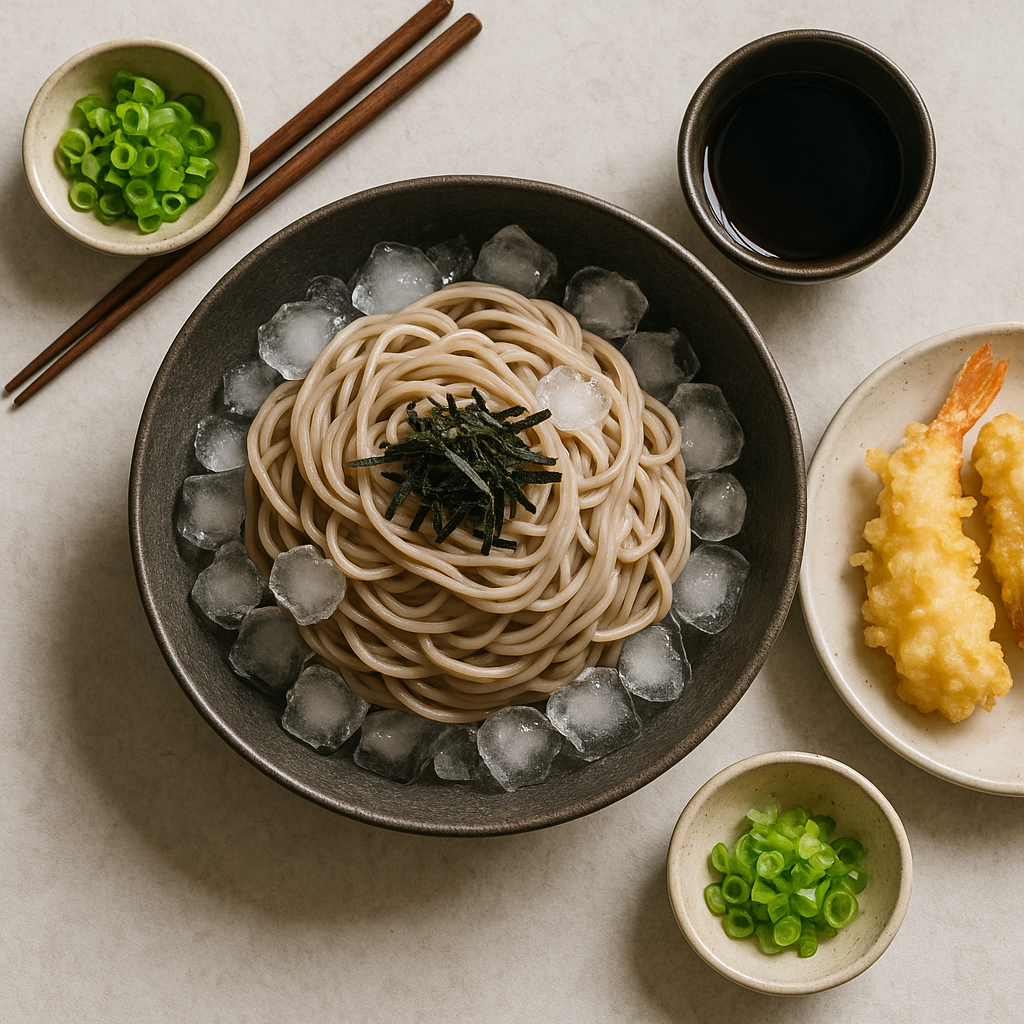
    ์–ผ์Œ์„ ์ฑ„์šด ๊ทธ๋ฆ‡์— ๋‹ด๊ธด ์ฐจ๊ฐ€์šด ๋ฉ”๋ฐ€์†Œ๋ฐ”์™€ ์ฏ”์œ , ํŒŒ, ํŠ€๊น€
    ์–ผ์Œ์„ ๋‘๋ฅธ ๊ทธ๋ฆ‡์— ๋ฉ”๋ฐ€๋ฉด์„ ๋‹ด๊ณ  ์ฏ”์œ ์™€ ํ•จ๊ป˜ ๋‚ธ ๋ƒ‰๋ชจ๋ฐ€ ํ•œ ์ƒ

    ๋ฉด ์‚ถ๋Š” ์‹œ๊ฐ„๊ณผ ์ฐฌ๋ฌผ ํ—น๊ตฌ๊ธฐ

    ๋ฉ”๋ฐ€๋ฉด์€ ๋ฐ€๊ฐ€๋ฃจ ํ•จ๋Ÿ‰์ด ๋‚ฎ์„์ˆ˜๋ก ์‚ถ๋Š” ๋™์•ˆ ์‰ฝ๊ฒŒ ํ’€์–ด์ง„๋‹ค. ์‹œํŒ ๊ฑด๋ฉด ๊ธฐ์ค€์œผ๋กœ 2์ธ๋ถ„ 200g์„ ์‚ถ์„ ๋•Œ๋Š” ๋ฌผ 2L๋ฅผ ํŒ”ํŒ” ๋“์ธ ๋’ค ๋ฉด์„ ๋„ฃ๊ณ  ์ “๊ฐ€๋ฝ์œผ๋กœ ์‚ด์‚ด ํ’€์–ด์ค€๋‹ค. ๋“์–ด์˜ค๋ฅด๋ฉด ์ฐฌ๋ฌผ 100ml๋ฅผ ๋ถ€์–ด ์˜จ๋„๋ฅผ ํ•œ๋ฒˆ ๋‚ฎ์ถ”๋Š” ์ž‘์—…(์ฐฌ๋ฌผ ์น˜๊ธฐ)์„ ์ด 2๋ฒˆ ๋ฐ˜๋ณตํ•˜๋ฉด์„œ 4๋ถ„๊ฐ„ ์‚ถ๋Š”๋‹ค. ๋ฉด ๊ตต๊ธฐ์™€ ๋ธŒ๋žœ๋“œ๋งˆ๋‹ค ์ฐจ์ด๊ฐ€ ์žˆ์œผ๋‹ˆ ํฌ์žฅ์ง€ ๊ถŒ์žฅ ์‹œ๊ฐ„๋ณด๋‹ค 30์ดˆ ์งง๊ฒŒ ๋ง›๋ณด๊ณ  ํŒ๋‹จํ•˜๋Š” ํŽธ์ด ์‹คํŒจ๊ฐ€ ์ ๋‹ค.

    ์‚ถ์€ ๋ฉด์€ ์ฆ‰์‹œ ์ฒด์— ๋ฐญ์ณ ํ๋ฅด๋Š” ์ฐฌ๋ฌผ์— ํ—น๊ตฐ๋‹ค. ์ด๋•Œ ์†์œผ๋กœ ๋ฉด์„ ๋น„๋น„๋“ฏ ๋ฌธ์งˆ๋Ÿฌ ํ‘œ๋ฉด์˜ ์ „๋ถ„๊ธฐ๋ฅผ ์”ป์–ด๋‚ด๋Š” ๊ณผ์ •์ด ์‹๊ฐ์„ ์ขŒ์šฐํ•œ๋‹ค. ์ „๋ถ„๊ธฐ๋ฅผ ์ œ๋Œ€๋กœ ์”ป์ง€ ์•Š์œผ๋ฉด ๋ฉด๋ผ๋ฆฌ ๋“ค๋Ÿฌ๋ถ™๊ณ  ๊ตญ๋ฌผ์ด ํƒํ•ด์ง„๋‹ค. 1์ฐจ๋กœ ์ˆ˜๋—๋ฌผ์— ํ—น๊ตฐ ๋’ค, ์–ผ์Œ๋ฌผ(๋ฌผ 1L์— ์–ผ์Œ 10๊ฐœ ์ •๋„)์— 30์ดˆ๊ฐ„ ๋‹ด๊ฐ€ ๋งˆ๋ฌด๋ฆฌํ•˜๋ฉด ๋ฉด๋ฐœ์ด ํƒฑํƒฑํ•˜๊ฒŒ ์กฐ์—ฌ์ง„๋‹ค. ๋ฌผ๊ธฐ๋Š” ์ฒด์— ๋ฐญ์ณ ์ž์—ฐ์Šค๋Ÿฝ๊ฒŒ ๋บ€ ๋‹ค์Œ, ํ‚ค์นœํƒ€์›”๋กœ ๊ฐ€๋ณ๊ฒŒ ๋ˆŒ๋Ÿฌ ์—ฌ๋ถ„์˜ ๋ฌผ๊ธฐ๋ฅผ ์ œ๊ฑฐํ•œ๋‹ค. ๋ฌผ๊ธฐ๊ฐ€ ๋‚จ์•„ ์žˆ์œผ๋ฉด ์œก์ˆ˜๊ฐ€ ๊ธˆ๋ฐฉ ์‹ฑ๊ฑฐ์›Œ์ง„๋‹ค.

    ๊ณ ๋ช… ํ™ฉ๊ธˆ๋น„์œจ โ€” ๋ฌด์ˆœ 5:ํŠ€๊น€ 3:์ง€๋‹จ 2:๊น€์ฑ„ 1

    ๊ณ ๋ช…์€ ์–‘๋ณด๋‹ค ๋ฐฐ์น˜๊ฐ€ ์ค‘์š”ํ•˜๋‹ค. ๊ทธ๋ฆ‡ ์ค‘์•™์— ๋ฉด์„ ์†Œ๋ณตํ•˜๊ฒŒ ๋‹ด์€ ๋’ค, ์‹œ๊ณ„ ๋ฐฉํ–ฅ์œผ๋กœ ๋„ค ๊ฐ€์ง€๋ฅผ ๋‚˜๋ˆ  ์˜ฌ๋ฆฌ๋ฉด ๊ตญ๋ฌผ์— ์„ž์—ฌ๋„ ์ƒ‰๊ณผ ๋ง›์ด ๋ญ‰๊ฐœ์ง€์ง€ ์•Š๋Š”๋‹ค. 2์ธ๋ถ„ ๊ธฐ์ค€ ๊ถŒ์žฅ๋Ÿ‰์€ ๋‹ค์Œ๊ณผ ๊ฐ™๋‹ค.

    • ๋ฌด์ˆœ 20g โ€” ์ „์ฒด ๊ณ ๋ช…์˜ ์ ˆ๋ฐ˜ ๊ฐ€๊นŒ์ด ์ฐจ์ง€ํ•˜๋Š” ์ฃผ์žฌ๋ฃŒ. ๋ฌผ๊ธฐ๋ฅผ ๊ผญ ์งœ์„œ ์˜ฌ๋ ค์•ผ ์œก์ˆ˜๊ฐ€ ๋ฌฝ์–ด์ง€์ง€ ์•Š๋Š”๋‹ค.
    • ํŠ€๊น€ ๋ถ€์Šค๋Ÿฌ๊ธฐ(๋ด์นด์Šค) ๋˜๋Š” ์ƒˆ์šฐํŠ€๊น€ 2์กฐ๊ฐ โ€” ์•ฝ 12g. ๊ตญ๋ฌผ์— ์‚ด์ง ์ ์…” ๋ฐ”์‚ญํ•จ๊ณผ ๋ˆ…๋ˆ…ํ•จ์˜ ์ค‘๊ฐ„ ์ง€์ ์„ ์ฆ๊ธฐ๋Š” ๊ฒƒ์ด ํฌ์ธํŠธ๋‹ค.
    • ๊ณ„๋ž€์ง€๋‹จ ์ฑ„ 8g โ€” ํฐ์ž์™€ ๋…ธ๋ฅธ์ž๋ฅผ ๋ถ„๋ฆฌํ•ด ์–‡๊ฒŒ ๋ถ€์นœ ๋’ค ๊ณฑ๊ฒŒ ์ฑ„์ฌ๋‹ค. ์ง€๋‹จ์ด ๋‘๊บผ์šฐ๋ฉด ์‹๊ฐ์ด ๋ฌด๊ฑฐ์›Œ์ง„๋‹ค.
    • ๊น€์ฑ„(๊ตฌ์šด ๊น€์„ ๊ฐ€์œ„๋กœ ์ฑ„์ฌ ๊ฒƒ) 4g โ€” ๋งˆ์ง€๋ง‰์— ์˜ฌ๋ ค์•ผ ๋ˆ…๋ˆ…ํ•ด์ง€์ง€ ์•Š๋Š”๋‹ค.

    ๋ฌด์ˆœ 5, ํŠ€๊น€ 3, ์ง€๋‹จ 2, ๊น€์ฑ„ 1์˜ ๋น„์œจ๋กœ ๊ธฐ์–ตํ•˜๋ฉด ๊ณ„๋Ÿ‰์ด ์‰ฝ๋‹ค. ์—ฌ๊ธฐ์— ์ชฝํŒŒ ์†ก์†ก ์ฌ ๊ฒƒ 5g๊ณผ ๊ณ ์ถ”๋ƒ‰์ด(์™€์‚ฌ๋น„) 3g์„ ๊ทธ๋ฆ‡ ํ•œ์ชฝ์— ๊ณ๋“ค์ด๋ฉด ํ–ฅ์ด ํ›จ์”ฌ ์‚ฐ๋‹ค. ์™€์‚ฌ๋น„๋Š” ์œก์ˆ˜์— ๋ฐ”๋กœ ํ’€์ง€ ์•Š๊ณ  ๋ฉด์„ ์ฐ์–ด ๋จน์„ ๋•Œ๋งˆ๋‹ค ์†Œ๋Ÿ‰์”ฉ ๋ฌปํžˆ๋Š” ๋ฐฉ์‹์ด ๊ฐ์น ๋ง›์„ ํ•ด์น˜์ง€ ์•Š๋Š”๋‹ค.

    ๋Œ€๋‚˜๋ฌด ์ฑ„๋ฐ˜์— ๋‹ด๊ธด ๋ฉ”๋ฐ€๋ฉด๊ณผ ์ฏ”์œ ๋ฅผ ๋”ฐ๋ฅด๋Š” ๋ชจ์Šต
    ๋‹ค์‹œ๋ฌผ์„ ์šฐ๋ฆฐ ์ฏ”์œ ๋ฅผ ์ž”์— ๋”ฐ๋ฅด๋Š” ๋ชจ์Šต. ์›์•ก๊ณผ ์ฐฌ๋ฌผ์„ 1:1๋กœ ํฌ์„ํ•ด ๋จน๋Š”๋‹ค

    ์™„์„ฑ๊นŒ์ง€ ์ˆœ์„œ ์ •๋ฆฌ

    ์ˆœ์„œ๋ฅผ ์ง€ํ‚ค๋ฉด ๋ฉด์ด ๋ถ‡์ง€ ์•Š๊ณ  ์œก์ˆ˜๋„ ํํŠธ๋Ÿฌ์ง€์ง€ ์•Š๋Š”๋‹ค.

    • 1๋‹จ๊ณ„: ๋‹ค์‹œ๋งˆ๋ฅผ 20๋ถ„ ๋ถˆ๋ฆฌ๋Š” ๋™์•ˆ ๊ณ„๋ž€์ง€๋‹จ๊ณผ ๋ฌด์ˆœ์„ ์†์งˆํ•œ๋‹ค.
    • 2๋‹จ๊ณ„: ๋‹ค์‹œ๋ฌผ์„ ์šฐ๋ฆฌ๊ณ  ๊ฐ„์žฅ ์œก์ˆ˜๋ฅผ ๋“์—ฌ ์‹ํžŒ๋‹ค (๋ƒ‰์žฅ ์ˆ™์„ฑ 2์‹œ๊ฐ„ ์ด์ƒ).
    • 3๋‹จ๊ณ„: ๋จน๊ธฐ ์ง์ „ ๋ฉด์„ ์‚ถ๊ณ  ์ฐฌ๋ฌผ, ์–ผ์Œ๋ฌผ ์ˆœ์œผ๋กœ ํ—น๊ตฐ๋‹ค.
    • 4๋‹จ๊ณ„: ๊ทธ๋ฆ‡์— ๋ฉด์„ ๋‹ด๊ณ  ๊ณ ๋ช…์„ ํ™ฉ๊ธˆ๋น„์œจ๋กœ ์˜ฌ๋ฆฐ ๋’ค, ํฌ์„ํ•œ ์œก์ˆ˜๋ฅผ ๋ณ„๋„ ์ข…์ง€์— ๋‹ด์•„ ๋‚ธ๋‹ค.

    ์œก์ˆ˜๋ฅผ ๋ฉด์— ๋ฐ”๋กœ ๋ถ“์ง€ ์•Š๊ณ  ์ข…์ง€์— ๋”ฐ๋กœ ๋‹ด์•„ ์ฐ์–ด ๋จน๋Š” ๋ฐฉ์‹(์ž๋ฃจ์†Œ๋ฐ” ์Šคํƒ€์ผ)์œผ๋กœ ๋‚ด๋ฉด ๋ฉด์ด ๋ถ‡๋Š” ์†๋„๊ฐ€ ํ™• ๋А๋ ค์ง„๋‹ค. ์†๋‹˜์ƒ์— ์—ฌ๋Ÿฌ ๊ทธ๋ฆ‡์„ ํ•œ๊บผ๋ฒˆ์— ๋‚ผ ๋•Œ ์œ ์šฉํ•œ ํŒ์ด๋‹ค. ๋ฐ˜๋Œ€๋กœ ๊ตญ๋ฌผ์„ ๋„‰๋„‰ํžˆ ๋ถ€์–ด ๋ง์•„ ๋จน๋Š” ์Šคํƒ€์ผ์„ ์ข‹์•„ํ•œ๋‹ค๋ฉด ํฌ์„ ๋น„์œจ์„ 1:1.3๊นŒ์ง€ ๋ฌฝ๊ฒŒ ์žก์•„์•ผ ์งœ์ง€ ์•Š๊ฒŒ ์ฆ๊ธธ ์ˆ˜ ์žˆ๋‹ค.

    ๋‚จ์€ ๋ฉด๊ณผ ์œก์ˆ˜๋Š” ๋”ฐ๋กœ ๋ณด๊ด€ํ•˜๋Š” ๊ฒƒ์ด ์›์น™์ด๋‹ค. ๋ฉด๊ณผ ์œก์ˆ˜๋ฅผ ๋ฏธ๋ฆฌ ์„ž์–ด๋‘๋ฉด 30๋ถ„ ์•ˆ์— ๋ฉด์ด ํ‰ํ‰ ๋ถˆ์–ด ์ฒ˜์Œ์˜ ํƒฑํƒฑํ•จ์„ ์™„์ „ํžˆ ์žƒ๋Š”๋‹ค. ์œก์ˆ˜๋Š” ๋ฐ€ํ์šฉ๊ธฐ์— ๋‹ด์•„ ๋ƒ‰์žฅ ๋ณด๊ด€ํ•˜๊ณ , ๋ฉด์€ ๋จน๊ธฐ ์ง์ „์— ์‚ถ๋Š” ์Šต๊ด€์„ ๋“ค์ด๋ฉด ๋‘ ๋ฒˆ์งธ ์ƒ์„ ์ฐจ๋ฆด ๋•Œ๋„ ์ฒ˜์Œ ๋ง› ๊ทธ๋Œ€๋กœ ์ฆ๊ธธ ์ˆ˜ ์žˆ๋‹ค.

    ๊ณ„๋ž€์ง€๋‹จ, ๊น€์ฑ„, ๋ฌด์ˆœ, ํŠ€๊น€ ๋ถ€์Šค๋Ÿฌ๊ธฐ๋ฅผ ์ƒ‰๊น”๋ณ„๋กœ ์˜ฌ๋ฆฐ ๋ƒ‰๋ชจ๋ฐ€ ์™„์„ฑ ์‚ฌ์ง„
    ๊ณ„๋ž€์ง€๋‹จ, ๊น€์ฑ„, ๋ฌด์ˆœ, ํŠ€๊น€ ๋ถ€์Šค๋Ÿฌ๊ธฐ๋ฅผ ๊ตฌ์—ญ๋ณ„๋กœ ์˜ฌ๋ฆฐ ์™„์„ฑ ์ ‘์‹œ

    ์ž์ฃผ ๋ฌป๋Š” ์งˆ๋ฌธ

    Q. ๋ฉ”๋ฐ€๋ฉด ๋Œ€์‹  ์†Œ๋ฐ” ์ƒ๋ฉด์„ ์“ฐ๋ฉด ์‹œ๊ฐ„์ด ๋‹ฌ๋ผ์ง€๋‚˜์š”?

    ์ƒ๋ฉด์€ ๊ฑด๋ฉด๋ณด๋‹ค ํ›จ์”ฌ ๋นจ๋ฆฌ ์ต๋Š”๋‹ค. ์‹œํŒ ๋ƒ‰์žฅ ์ƒ์†Œ๋ฐ” ๊ธฐ์ค€์œผ๋กœ๋Š” ๋“๋Š” ๋ฌผ์— ๋„ฃ๊ณ  1๋ถ„~1๋ถ„ 30์ดˆ๋ฉด ์ถฉ๋ถ„ํ•˜๋‹ค. ์˜ค๋ž˜ ์‚ถ์œผ๋ฉด ๋š๋š ๋Š์–ด์ง€๋Š” ์‹๊ฐ์ด ๋˜๋ฏ€๋กœ ํƒ€์ด๋จธ๋ฅผ ๊ผญ ๋งž์ถฐ๋‘๋Š” ๊ฒƒ์ด ์ข‹๋‹ค.

    Q. ์œก์ˆ˜๋ฅผ ํ•˜๋ฃจ ์ „์— ๋ฏธ๋ฆฌ ๋งŒ๋“ค์–ด๋„ ๋ ๊นŒ์š”?

    ๊ฐ€๋Šฅํ•˜๋‹ค. ์˜คํžˆ๋ ค ํ•˜๋ฃจ ์ •๋„ ๋ƒ‰์žฅ ์ˆ™์„ฑ์‹œํ‚ค๋ฉด ๊ฐ„์žฅ ๋ง›์ด ๋ถ€๋“œ๋Ÿฌ์›Œ์ ธ์„œ ๋ง›์ด ๋” ์ข‹์•„์ง„๋‹ค. ๋ฐ€ํ์šฉ๊ธฐ์— ๋‹ด์•„ 3~4์ผ ๋‚ด๋กœ ์†Œ์ง„ํ•˜๋ฉด ๋˜๊ณ , ๊ทธ ์ด์ƒ ๋ณด๊ด€ํ•  ๊ฒฝ์šฐ ํ•œ ๋ฒˆ ๋“์—ฌ์„œ ์‚ด๊ท ํ•œ ๋’ค ๋‹ค์‹œ ์‹ํ˜€ ๋ณด๊ด€ํ•˜๋Š” ํŽธ์ด ์•ˆ์ „ํ•˜๋‹ค.

    Q. ๋ฌด์ˆœ์ด ์—†์„ ๋•Œ ๋Œ€์ฒดํ•  ์žฌ๋ฃŒ๊ฐ€ ์žˆ์„๊นŒ์š”?

    ๊นป์žŽ์„ ๊ฐ€๋Š˜๊ฒŒ ์ฑ„์ฐ๊ฑฐ๋‚˜ ์–ด๋ฆฐ์žŽ์ฑ„์†Œ(๋ฒ ์ด๋น„์ฑ„์†Œ)๋กœ ๋Œ€์ฒดํ•ด๋„ ํ–ฅ๊ณผ ์ƒ‰๊ฐ์ด ๋น„์Šทํ•˜๊ฒŒ ์‚ด์•„๋‚œ๋‹ค. ๋‹ค๋งŒ ๋ฌด์ˆœ ํŠน์œ ์˜ ์•Œ์‹ธํ•œ ๋ง›์€ ์™„์ „ํžˆ ์žฌํ˜„ํ•˜๊ธฐ ์–ด๋ ค์šฐ๋‹ˆ, ์ด๋•Œ๋Š” ์™€์‚ฌ๋น„ ์–‘์„ ์‚ด์ง ๋Š˜๋ ค ๊ท ํ˜•์„ ๋งž์ถ”๋Š” ๊ฒƒ์„ ์ถ”์ฒœํ•œ๋‹ค.

  • ISA(๊ฐœ์ธ์ข…ํ•ฉ์ž์‚ฐ๊ด€๋ฆฌ๊ณ„์ขŒ)๋ž€? 2026๋…„ ๊ฐ€์ž…์กฐ๊ฑดยท์„ธ์ œํ˜œํƒยท๋‚ฉ์ž…ํ•œ๋„ ์ •๋ฆฌ

    ISA(๊ฐœ์ธ์ข…ํ•ฉ์ž์‚ฐ๊ด€๋ฆฌ๊ณ„์ขŒ)๋ž€? 2026๋…„ ๊ฐ€์ž…์กฐ๊ฑดยท์„ธ์ œํ˜œํƒยท๋‚ฉ์ž…ํ•œ๋„ ์ •๋ฆฌ

    ์˜ˆ๊ธˆ ์ด์ž๋ฅผ ๋ฐ›์„ ๋•Œ๋งˆ๋‹ค 15.4%๊ฐ€ ์ž๋™์œผ๋กœ ๋น ์ ธ๋‚˜๊ฐ„๋‹ค. 200๋งŒ์›์งœ๋ฆฌ ์ •๊ธฐ์˜ˆ๊ธˆ ์ด์ž๋ฅผ ๋ฐ›์•„๋„, ์†Œ์•ก ํŽ€๋“œ ์ˆ˜์ต์ด ๋‚˜๋„ ์„ธ๊ธˆ์€ ์–ด๊น€์—†์ด ๋ถ™๋Š”๋‹ค. ์ด ๊ตฌ์กฐ๋ฅผ ๊ณ„์ขŒ ํ•˜๋‚˜๋กœ ๋ฐ”๊ฟ€ ์ˆ˜ ์žˆ๋Š” ์ œ๋„๊ฐ€ ISA(๊ฐœ์ธ์ข…ํ•ฉ์ž์‚ฐ๊ด€๋ฆฌ๊ณ„์ขŒ)๋‹ค. ์˜ˆ๊ธˆ, ํŽ€๋“œ, ์ƒ์žฅ์ฃผ์‹, ETF ๋“ฑ์„ ํ•œ ๊ณ„์ขŒ์— ๋‹ด์•„ ์šด์šฉํ•˜๊ณ , ๋งŒ๊ธฐ ์‹œ์ ์— ๊ณ„์ขŒ ์ „์ฒด์˜ ์†์ต์„ ํ•ฉ์‚ฐํ•ด ์„ธ๊ธˆ์„ ๋งค๊ธฐ๋Š” ๋ฐฉ์‹์ด๋ผ ๊ฐœ๋ณ„ ์ƒํ’ˆ๋งˆ๋‹ค ์„ธ๊ธˆ์„ ๋–ผ๋Š” ์ผ๋ฐ˜ ๊ณ„์ขŒ์™€๋Š” ๊ณผ์„ธ ๊ตฌ์กฐ ์ž์ฒด๊ฐ€ ๋‹ค๋ฅด๋‹ค.

    ISA๋ž€ ์ •ํ™•ํžˆ ์–ด๋–ค ์ œ๋„์ธ๊ฐ€

    ISA๋Š” ํ•˜๋‚˜์˜ ๊ณ„์ขŒ ์•ˆ์—์„œ ์˜ˆ๊ธˆ์„ฑ ์ƒํ’ˆ๊ณผ ํˆฌ์ž์„ฑ ์ƒํ’ˆ์„ ํ•จ๊ป˜ ์šด์šฉํ•  ์ˆ˜ ์žˆ๋Š” ํ†ตํ•ฉ๊ด€๋ฆฌ๊ณ„์ขŒ๋‹ค. ๊ณ„์ขŒ ์•ˆ์—์„œ ๋ฐœ์ƒํ•œ ์ด์ต๊ณผ ์†์‹ค์„ ์ƒ๊ณ„ํ•œ ์ˆœ์ด์ต์„ ๊ธฐ์ค€์œผ๋กœ ์„ธ์ œ ํ˜œํƒ์„ ์ ์šฉ๋ฐ›๋Š”๋‹ค๋Š” ์ ์ด ํ•ต์‹ฌ์ด๋‹ค. ์˜ˆ๋ฅผ ๋“ค์–ด AํŽ€๋“œ์—์„œ 100๋งŒ์›์„ ๋ฒŒ๊ณ  BํŽ€๋“œ์—์„œ 30๋งŒ์›์„ ์žƒ์—ˆ๋‹ค๋ฉด, ๊ณผ์„ธ ๋Œ€์ƒ์€ ๋‘ ๊ธˆ์•ก์„ ํ•ฉ์‚ฐํ•œ 70๋งŒ์›์ด ๋œ๋‹ค. ๊ฐœ๋ณ„ ์ƒํ’ˆ ๋‹จ์œ„๋กœ ๊ณผ์„ธํ•˜๋Š” ์ผ๋ฐ˜ ๊ณ„์ขŒ๋ผ๋ฉด AํŽ€๋“œ์˜ ์ด์ต 100๋งŒ์› ์ „์ฒด์— ์„ธ๊ธˆ์ด ๋ถ™๋Š” ๊ฒƒ๊ณผ ๋น„๊ต๋œ๋‹ค.

    ์ €์ถ•๊ณผ ํˆฌ์ž ๊ณ„ํš์„ ์„ธ์šฐ๋Š” ์žฌ๋ฌด ๋‹ค์ด์–ด๋ฆฌ์™€ ๊ณ„์‚ฐ๊ธฐ, ๋™์ „์ด ๋†“์ธ ์ฑ…์ƒ

    ๊ฐ€์ž… ๋Œ€์ƒ๊ณผ ์œ ํ˜•๋ณ„ ์ฐจ์ด

    ๊ฐ€์ž… ์ž์ฒด๋Š” ๊นŒ๋‹ค๋กญ์ง€ ์•Š๋‹ค. ๋งŒ 19์„ธ ์ด์ƒ ๊ตญ๋‚ด ๊ฑฐ์ฃผ์ž๋ฉด ๋ˆ„๊ตฌ๋‚˜ ์‹ ์ฒญํ•  ์ˆ˜ ์žˆ๊ณ , 15์„ธ ์ด์ƒ 19์„ธ ๋ฏธ๋งŒ์ด๋ผ๋„ ์ง์ „ ๊ณผ์„ธ๊ธฐ๊ฐ„์— ๊ทผ๋กœ์†Œ๋“์ด ์žˆ์—ˆ๋‹ค๋ฉด ๊ฐ€์ž…์ด ๊ฐ€๋Šฅํ•˜๋‹ค. ๋‹ค๋งŒ ์ง์ „ 3๊ฐœ ๊ณผ์„ธ๊ธฐ๊ฐ„ ์ค‘ ํ•œ ๋ฒˆ์ด๋ผ๋„ ๊ธˆ์œต์†Œ๋“์ข…ํ•ฉ๊ณผ์„ธ ๋Œ€์ƒ์ž์˜€๋‹ค๋ฉด ๊ฐ€์ž…์ด ์ œํ•œ๋œ๋‹ค. ISA๋Š” ์œ ํ˜•์— ๋”ฐ๋ผ ๋ฐ›์„ ์ˆ˜ ์žˆ๋Š” ํ˜œํƒ ํญ์ด ๋‹ค๋ฅด๋‹ค.

    • ์ผ๋ฐ˜ํ˜• โ€” ์†Œ๋“ ์š”๊ฑด ์—†์ด ๊ฐ€์ž… ๊ฐ€๋Šฅ. ๋น„๊ณผ์„ธ ํ•œ๋„๋Š” ์ˆœ์ด์ต 200๋งŒ์›๊นŒ์ง€.
    • ์„œ๋ฏผํ˜• โ€” ์ด๊ธ‰์—ฌ 5,000๋งŒ์› ์ดํ•˜ ๊ทผ๋กœ์†Œ๋“์ž ๋˜๋Š” ์ข…ํ•ฉ์†Œ๋“๊ธˆ์•ก 3,800๋งŒ์› ์ดํ•˜ ์‚ฌ์—…์†Œ๋“์ž ๋Œ€์ƒ. ๋น„๊ณผ์„ธ ํ•œ๋„๋Š” ์ˆœ์ด์ต 400๋งŒ์›๊นŒ์ง€.
    • ๋†์–ด๋ฏผํ˜• โ€” ์ข…ํ•ฉ์†Œ๋“๊ธˆ์•ก 3,800๋งŒ์› ์ดํ•˜ ๋†์–ด๋ฏผ ๋Œ€์ƒ. ์„œ๋ฏผํ˜•๊ณผ ๋™์ผํ•˜๊ฒŒ 400๋งŒ์›๊นŒ์ง€ ๋น„๊ณผ์„ธ๊ฐ€ ์ ์šฉ๋œ๋‹ค.

    ์„œ๋ฏผํ˜•๊ณผ ๋†์–ด๋ฏผํ˜•์€ ๋น„๊ณผ์„ธ ํ•œ๋„๊ฐ€ ์ผ๋ฐ˜ํ˜•์˜ ๋‘ ๋ฐฐ๋‹ค. ์†Œ๋“ ๊ธฐ์ค€์„ ์ถฉ์กฑํ•œ๋‹ค๋ฉด ๊ตณ์ด ์ผ๋ฐ˜ํ˜•์„ ๊ณ ์ง‘ํ•  ์ด์œ ๊ฐ€ ํฌ์ง€ ์•Š๋‹ค. ๋‹ค๋งŒ ๊ฐ€์ž… ์‹œ์  ์†Œ๋“ ์ฆ๋น™ ์„œ๋ฅ˜(์›์ฒœ์ง•์ˆ˜์˜์ˆ˜์ฆ, ์†Œ๋“๊ธˆ์•ก์ฆ๋ช…์› ๋“ฑ)๋ฅผ ์ œ์ถœํ•ด์•ผ ํ•˜๊ณ , ์ดํ›„ ์†Œ๋“์ด ๋Š˜์–ด๋‚œ๋‹ค๊ณ  ํ•ด์„œ ๊ณง๋ฐ”๋กœ ์œ ํ˜•์ด ๋ฐ”๋€Œ์ง€๋Š” ์•Š๋Š”๋‹ค.

    ๋‚ฉ์ž…ํ•œ๋„์™€ ์ด์›” ๊ทœ์น™

    ์—ฐ๊ฐ„ ๋‚ฉ์ž… ํ•œ๋„๋Š” 2,000๋งŒ์›์ด๋ฉฐ, ์ „์ฒด ๋ˆ„์  ํ•œ๋„๋Š” 1์–ต์›์ด๋‹ค. ์˜ฌํ•ด ํ•œ๋„๋ฅผ ๋‹ค ์ฑ„์šฐ์ง€ ๋ชปํ–ˆ๋‹ค๋ฉด ๋‚จ์€ ๊ธˆ์•ก์€ ๋‹ค์Œ ํ•ด๋กœ ์ด์›”๋œ๋‹ค. ์˜ˆ๋ฅผ ๋“ค์–ด ์ฒซํ•ด์— 500๋งŒ์›๋งŒ ๋„ฃ์—ˆ๋‹ค๋ฉด ๊ทธ๋‹ค์Œ ํ•ด์—๋Š” ๊ธฐ๋ณธ ํ•œ๋„ 2,000๋งŒ์›์— ์ด์›”๋ถ„ 1,500๋งŒ์›์„ ๋”ํ•ด ์ตœ๋Œ€ 3,500๋งŒ์›๊นŒ์ง€ ๋‚ฉ์ž…ํ•  ์ˆ˜ ์žˆ๋Š” ์‹์ด๋‹ค. ์ด ์ด์›” ๊ตฌ์กฐ ๋•๋ถ„์— ์—ฌ์œณ๋ˆ์ด ์ƒ๊ธธ ๋•Œ ๋ชฐ์•„์„œ ๋‚ฉ์ž…ํ•˜๋Š” ๋ฐฉ์‹์œผ๋กœ๋„ ํ•œ๋„๋ฅผ ํ™œ์šฉํ•  ์ˆ˜ ์žˆ๋‹ค.

    ์šด์šฉ ๋ฐฉ์‹์— ๋”ฐ๋ฅธ ์„ธ ๊ฐ€์ง€ ํ˜•ํƒœ

    ISA๋Š” ๋ˆ„๊ฐ€ ํˆฌ์ž ํŒ๋‹จ์„ ๋‚ด๋ฆฌ๋А๋ƒ์— ๋”ฐ๋ผ ์„ธ ๊ฐ€์ง€ ์šด์šฉ ํ˜•ํƒœ๋กœ ๋‚˜๋‰œ๋‹ค. ์‹ ํƒํ˜•์€ ๊ฐ€์ž…์ž๊ฐ€ ํŽธ์ž…ํ•  ์ƒํ’ˆ์„ ์ง์ ‘ ๊ณจ๋ผ ์ง€์‹œํ•˜๋Š” ๋ฐฉ์‹์ด๊ณ , ์ผ์ž„ํ˜•์€ ๊ธˆ์œตํšŒ์‚ฌ๊ฐ€ ์ •ํ•ด๋‘” ํฌํŠธํด๋ฆฌ์˜ค ์•ˆ์—์„œ ์ž์‚ฐ๋ฐฐ๋ถ„์„ ๋Œ€์‹  ์šด์šฉํ•ด์ฃผ๋Š” ๋ฐฉ์‹์ด๋‹ค. ์ค‘๊ฐœํ˜•์€ ๊ณ„์ขŒ ์•ˆ์—์„œ ์ƒ์žฅ์ฃผ์‹์„ ์ง์ ‘ ๋งค๋งคํ•  ์ˆ˜ ์žˆ๋„๋ก ์ฆ๊ถŒ ๊ณ„์ขŒ ์„ฑ๊ฒฉ์„ ๊ฒฐํ•ฉํ•œ ํ˜•ํƒœ๋กœ, ์ตœ๊ทผ ์‹ ๊ทœ ๊ฐ€์ž…์ž ์ƒ๋‹น์ˆ˜๊ฐ€ ์„ ํƒํ•˜๋Š” ์œ ํ˜•์ด๋‹ค. ์„ธ ์œ ํ˜• ๋ชจ๋‘ ๋น„๊ณผ์„ธ ํ•œ๋„๋‚˜ ์˜๋ฌด๊ฐ€์ž…๊ธฐ๊ฐ„ ๊ฐ™์€ ์„ธ์ œ ํ˜œํƒ ์กฐ๊ฑด์€ ๋™์ผํ•˜๊ฒŒ ์ ์šฉ๋˜๋ฉฐ, ์ฐจ์ด๋Š” ๊ณ„์ขŒ ์•ˆ์—์„œ ์ž์‚ฐ์„ ๋ˆ„๊ฐ€ ์šด์šฉํ•˜๊ณ  ์–ด๋–ค ์ƒํ’ˆ๊ตฐ์„ ๋‹ด์„ ์ˆ˜ ์žˆ๋Š”์ง€์— ์žˆ๋‹ค. ์–ด๋–ค ๋ฐฉ์‹์„ ๊ณ ๋ฅผ์ง€๋Š” ๊ฐœ์ธ์˜ ํˆฌ์ž ์„ฑํ–ฅ๊ณผ ์ง์ ‘ ์šด์šฉ์— ๋“ค์ผ ์ˆ˜ ์žˆ๋Š” ์‹œ๊ฐ„์— ๋”ฐ๋ผ ๋‹ฌ๋ผ์ง€๋Š” ๋ฌธ์ œ์ด์ง€, ์„ธ์ œ ํ˜œํƒ ํฌ๊ธฐ์™€๋Š” ๋ฌด๊ด€ํ•˜๋‹ค.

    ์„ธ์ œ ํ˜œํƒ์˜ ์‹ค์ œ ๊ตฌ์กฐ

    ISA์˜ ์ง„์งœ ์ด์ ์€ ๋น„๊ณผ์„ธ ํ•œ๋„ ์ž์ฒด๋ณด๋‹ค ์ดˆ๊ณผ๋ถ„ ๊ณผ์„ธ ๋ฐฉ์‹์— ์žˆ๋‹ค. ์ˆœ์ด์ต ์ค‘ ๋น„๊ณผ์„ธ ํ•œ๋„(์ผ๋ฐ˜ํ˜• 200๋งŒ์›, ์„œ๋ฏผํ˜•ยท๋†์–ด๋ฏผํ˜• 400๋งŒ์›)๋ฅผ ๋„˜์–ด์„  ๋ถ€๋ถ„์—๋Š” ์ผ๋ฐ˜ ์ด์žยท๋ฐฐ๋‹น์†Œ๋“์„ธ์œจ 15.4% ๋Œ€์‹  9.9%์˜ ๋ถ„๋ฆฌ๊ณผ์„ธ์œจ์ด ์ ์šฉ๋œ๋‹ค. ์ผ๋ฐ˜ ๊ณ„์ขŒ์˜€๋‹ค๋ฉด 15.4% ์ „์ฒด๊ฐ€ ๋ถ€๊ณผ๋์„ ์ด์ต์— ๋Œ€ํ•ด ์„ธ์œจ์ด ๋‚ฎ์•„์ง€๋Š” ์…ˆ์ด๋ผ, ์ˆœ์ด์ต ๊ทœ๋ชจ๊ฐ€ ํด์ˆ˜๋ก ์ ˆ์„ธ ํšจ๊ณผ๋„ ํ•จ๊ป˜ ์ปค์ง„๋‹ค. ๋˜ ๋ถ„๋ฆฌ๊ณผ์„ธ๋˜๋Š” ์ด์ต์€ ๊ธˆ์œต์†Œ๋“์ข…ํ•ฉ๊ณผ์„ธ ๋Œ€์ƒ์—์„œ ๋น ์ง„๋‹ค๋Š” ์ ๋„ ๊ณ ์†Œ๋“์ž์—๊ฒŒ๋Š” ์˜๋ฏธ๊ฐ€ ์žˆ๋‹ค.

    ์€ํ–‰ ์ฐฝ๊ตฌ์—์„œ ํ†ต์žฅ๊ณผ ์„œ๋ฅ˜๋ฅผ ํ™•์ธํ•˜๋ฉฐ ์ƒ๋‹ดํ•˜๋Š” ๋ชจ์Šต

    ์˜๋ฌด๊ฐ€์ž…๊ธฐ๊ฐ„ 3๋…„, ์ค‘๋„ํ•ด์ง€์˜ ๋Œ€๊ฐ€

    ISA๋Š” ๊ณ„์ขŒ๋ฅผ ๊ฐœ์„คํ•œ ๋‚ ๋ถ€ํ„ฐ 3๋…„์„ ์ฑ„์›Œ์•ผ ์„ธ์ œ ํ˜œํƒ์ด ์˜จ์ „ํžˆ ์ธ์ •๋œ๋‹ค. 3๋…„ ์ด๋‚ด์— ๊ณ„์ขŒ๋ฅผ ํ•ด์ง€ํ•˜๋ฉด ๊ทธ๋™์•ˆ ์ ์šฉ๋ฐ›์•˜๋˜ ๋น„๊ณผ์„ธยท์ €์œจ๊ณผ์„ธ ํ˜œํƒ์ด ์ทจ์†Œ๋˜๊ณ , ์ด๋ฏธ ๋ฐœ์ƒํ•œ ์ด์ต์— ๋Œ€ํ•ด ์ผ๋ฐ˜ ์ด์ž์†Œ๋“์„ธ์œจ 15.4%๊ฐ€ ๊ทธ๋Œ€๋กœ ๋ถ€๊ณผ๋œ๋‹ค. ์‚ฌ๋ง, ํ•ด์™ธ ์ด์ฃผ, ํ‡ด์ง, ์‚ฌ์—…์žฅ ํ์—…, ์ฒœ์žฌ์ง€๋ณ€ ๋“ฑ ๋ถ€๋“์ดํ•œ ์‚ฌ์œ ๋กœ ์ธ์ •๋˜๋Š” ๊ฒฝ์šฐ๋Š” ์˜ˆ์™ธ์ง€๋งŒ, ๋‹จ์ˆœํžˆ ๊ธ‰์ „์ด ํ•„์š”ํ•ด์„œ ํ•ด์ง€ํ•˜๋Š” ๊ฒฝ์šฐ๋Š” ์ด ์˜ˆ์™ธ์— ํ•ด๋‹นํ•˜์ง€ ์•Š๋Š”๋‹ค.

    ๊ณ„์ขŒ ํ•ด์ง€์™€ ์ค‘๋„์ธ์ถœ์€ ๋ณ„๊ฐœ๋‹ค. ๋‚ฉ์ž…ํ•œ ์›๊ธˆ ๋ฒ”์œ„ ๋‚ด์—์„œ๋Š” 3๋…„์„ ์ฑ„์šฐ๊ธฐ ์ „์ด๋ผ๋„ ๋ณ„๋„์˜ ํŽ˜๋„ํ‹ฐ ์—†์ด ์ž์œ ๋กญ๊ฒŒ ์ž๊ธˆ์„ ์ธ์ถœํ•  ์ˆ˜ ์žˆ๋‹ค. ๋‹ค๋งŒ ์ธ์ถœํ•œ ๋งŒํผ ๋‚ฉ์ž… ํ•œ๋„๊ฐ€ ๋‹ค์‹œ ์ฑ„์›Œ์ง€๋Š” ๊ฒƒ์€ ์•„๋‹ˆ์–ด์„œ, ์ž์ฃผ ์ธ์ถœํ• ์ˆ˜๋ก ๋‚จ์€ ํ•œ๋„๋Š” ์ค„์–ด๋“ ๋‹ค๋Š” ์ ์€ ๊ฐ์•ˆํ•ด์•ผ ํ•œ๋‹ค.

    ๋งŒ๊ธฐ ํ›„์—๋Š” ์–ด๋–ป๊ฒŒ ์ฒ˜๋ฆฌํ•˜๋‚˜

    3๋…„ ์˜๋ฌด๊ฐ€์ž…๊ธฐ๊ฐ„์ด ์ง€๋‚˜ ๋งŒ๊ธฐ๊ฐ€ ๋„๋ž˜ํ•˜๋ฉด ์„ ํƒ์ง€๋Š” ํฌ๊ฒŒ ์„ธ ๊ฐ€์ง€๋‹ค.

    • ํ•ด์ง€ ํ›„ ํ˜„๊ธˆ ์ธ์ถœ โ€” ๋น„๊ณผ์„ธยท์ €์œจ๊ณผ์„ธ ํ˜œํƒ์„ ๊ทธ๋Œ€๋กœ ์ ์šฉ๋ฐ›๊ณ  ๊ณ„์ขŒ๋ฅผ ์ •๋ฆฌํ•œ๋‹ค.
    • ๊ณ„์ขŒ ์žฌ๊ฐ€์ž…ยท์—ฐ์žฅ โ€” ๋งŒ๊ธฐ ์ž๊ธˆ์„ ๊ทธ๋Œ€๋กœ ์ƒˆ ISA๋กœ ์˜ฎ๊ฒจ ์„ธ์ œ ํ˜œํƒ ์ ์šฉ ๊ธฐ๊ฐ„์„ ์ด์–ด๊ฐ„๋‹ค.
    • ์—ฐ๊ธˆ๊ณ„์ขŒ๋กœ ์ „ํ™˜ โ€” ์—ฐ๊ธˆ์ €์ถ•์ด๋‚˜ IRP๋กœ ๋งŒ๊ธฐ ์ž๊ธˆ์„ ์˜ฎ๊ธฐ๋Š” ๋ฐฉ๋ฒ•์ด๋‹ค.

    ์„ธ ๋ฒˆ์งธ ๋ฐฉ๋ฒ•์ธ ์—ฐ๊ธˆ๊ณ„์ขŒ ์ „ํ™˜์€ ์ ˆ์„ธ ํญ์ด ๊ฐ€์žฅ ํฌ๋‹ค๋Š” ์ด์œ ๋กœ ๋ˆˆ์—ฌ๊ฒจ๋ณผ ๋งŒํ•˜๋‹ค. ๋งŒ๊ธฐ ํ•ด์ง€ ํ›„ 60์ผ ์ด๋‚ด์— ๊ธˆ์œต์‚ฌ์˜ ์—ฐ๊ธˆ์ „ํ™˜์„œ๋น„์Šค๋ฅผ ํ†ตํ•ด ์ด์ฒดํ•˜๋ฉด, ์ „ํ™˜ ๊ธˆ์•ก์˜ 10%(์ตœ๋Œ€ 300๋งŒ์›)๋ฅผ ๊ทธํ•ด ์„ธ์•ก๊ณต์ œ๋กœ ์ถ”๊ฐ€ ๋ฐ›์„ ์ˆ˜ ์žˆ๋‹ค. ์›๋ž˜ ์—ฐ๊ธˆ๊ณ„์ขŒ ์„ธ์•ก๊ณต์ œ ํ•œ๋„๊ฐ€ 900๋งŒ์›์ธ๋ฐ, ISA ๋งŒ๊ธฐ์ž๊ธˆ์„ ์ „ํ™˜ํ•œ ํ•ด์—๋Š” ์ด ํ•œ๋„๊ฐ€ 1,200๋งŒ์›๊นŒ์ง€ ๋Š˜์–ด๋‚œ๋‹ค๋Š” ๋œป์ด๋‹ค. ์ผ๋ฐ˜ ๊ณ„์ขŒ์ด์ฒด๊ฐ€ ์•„๋‹ˆ๋ผ ๋ฐ˜๋“œ์‹œ ์—ฐ๊ธˆ์ „ํ™˜์„œ๋น„์Šค๋ฅผ ์ด์šฉํ•ด์•ผ ์ด ํ˜œํƒ์ด ์ธ์ •๋œ๋‹ค๋Š” ์ ๋„ ๋†“์น˜๊ธฐ ์‰ฌ์šด ๋ถ€๋ถ„์ด๋‹ค.

    ๊ณ„์‚ฐ๊ธฐ์™€ ์„ฑ์žฅ ๊ทธ๋ž˜ํ”„, ํ™”๋ถ„์ด ๋†“์ธ ์ฑ…์ƒ์—์„œ ์žฅ๊ธฐ ์ž์‚ฐ ๊ณ„ํš์„ ๊ฒ€ํ† ํ•˜๋Š” ๋ชจ์Šต

    ์•ž์œผ๋กœ ๋ฐ”๋€” ์ˆ˜ ์žˆ๋Š” ๋ถ€๋ถ„

    2026๋…„ ์„ธ์ œ๊ฐœํŽธ์•ˆ์—๋Š” ๊ตญ๋‚ด ์ƒ์žฅ์ฃผ์‹๊ณผ ๊ตญ๋‚ด ์ฃผ์‹ํ˜• ํŽ€๋“œ ๋“ฑ์— ํˆฌ์žํ•˜๋Š” ์‹ ๊ทœ ์œ ํ˜•์ธ ‘์ƒ์‚ฐ์ ๊ธˆ์œต ISA’๋ฅผ ๋„์ž…ํ•˜๊ณ , ์—ฐ๊ฐ„ ๋‚ฉ์ž… ํ•œ๋„๋ฅผ ํ™•๋Œ€ํ•˜๋Š” ๋ฐฉ์•ˆ์ด ํฌํ•จ๋˜์–ด ์žˆ๋‹ค. ๋‹ค๋งŒ ์ด ๋‚ด์šฉ์€ ์•„์ง ๊ตญํšŒ ์‹ฌ์˜๋ฅผ ๊ฑฐ์น˜์ง€ ์•Š์€ ์ •๋ถ€ ๋ฐœ์˜์•ˆ ๋‹จ๊ณ„์ด๋ฉฐ, ํ†ต๊ณผ๋˜๋”๋ผ๋„ 2027๋…„ 1์›” ์ดํ›„ ์‹ ๊ทœ ๊ฐ€์ž…๋ถ„๋ถ€ํ„ฐ ์ ์šฉ๋  ์˜ˆ์ •์ด๋‹ค. ์ง€๊ธˆ ์‹œ์ ์— ์ƒˆ๋กœ ๊ฐ€์ž…ํ•˜๊ฑฐ๋‚˜ ๊ธฐ์กด ๊ณ„์ขŒ๋ฅผ ์šด์šฉํ•  ๋•Œ๋Š” ์œ„์—์„œ ์„ค๋ช…ํ•œ ํ˜„ํ–‰ ๊ธฐ์ค€(์ผ๋ฐ˜ํ˜•ยท์„œ๋ฏผํ˜•ยท๋†์–ด๋ฏผํ˜•, ๋น„๊ณผ์„ธ ํ•œ๋„, 3๋…„ ์˜๋ฌด๊ฐ€์ž…)์ด ๊ทธ๋Œ€๋กœ ์ ์šฉ๋œ๋‹ค๋Š” ์ ์„ ๊ธฐ์–ตํ•ด๋‘๋ฉด ๋œ๋‹ค.

    ์ž์ฃผ ๋ฌป๋Š” ์งˆ๋ฌธ

    Q. ์ง์žฅ์„ ๋‹ค๋‹ˆ๋‹ค๊ฐ€ ์—ฐ๋ด‰์ด ์˜ฌ๋ผ์„œ ์ด๊ธ‰์—ฌ 5,000๋งŒ์›์„ ๋„˜๊ฒผ๋‹ค. ์„œ๋ฏผํ˜• ISA๋ฅผ ํ•ด์ง€ํ•ด์•ผ ํ•˜๋‚˜?

    ๊ฐ€์ž… ์‹œ์ ์— ์„œ๋ฏผํ˜• ์š”๊ฑด์„ ์ถฉ์กฑํ–ˆ๋‹ค๋ฉด ์ดํ›„ ์†Œ๋“์ด ๋Š˜์—ˆ๋‹ค๊ณ  ํ•ด์„œ ๊ณง๋ฐ”๋กœ ๊ณ„์ขŒ ์œ ํ˜•์ด ๋ฐ”๋€Œ๊ฑฐ๋‚˜ ํ˜œํƒ์ด ์‚ฌ๋ผ์ง€์ง€๋Š” ์•Š๋Š”๋‹ค. ๋‹ค๋งŒ ๊ณ„์ขŒ๋ฅผ ์ƒˆ๋กœ ๋งŒ๋“ค๊ฑฐ๋‚˜ ๊ฐฑ์‹ ํ•˜๋Š” ์‹œ์ ์—๋Š” ๊ทธ๋•Œ ๊ธฐ์ค€์œผ๋กœ ๋‹ค์‹œ ์š”๊ฑด์„ ํ™•์ธํ•˜๊ฒŒ ๋œ๋‹ค.

    Q. ISA์— ๋„ฃ์–ด๋‘” ๋ˆ์„ 2๋…„ ์ฐจ์— ๊ธ‰ํ•˜๊ฒŒ ์จ์•ผ ํ•˜๋Š” ์ƒํ™ฉ์ด ์ƒ๊ฒผ๋‹ค. ์†ํ•ด๋ฅผ ๊ฐ์ˆ˜ํ•ด์•ผ ํ•˜๋‚˜?

    ๋‚ฉ์ž… ์›๊ธˆ ๋ฒ”์œ„ ๋‚ด ์ธ์ถœ์ด๋ผ๋ฉด ์ค‘๋„ํ•ด์ง€๊ฐ€ ์•„๋‹ˆ๋ฏ€๋กœ ์„ธ์ œ ํ˜œํƒ ์ถ”์ง• ์—†์ด ๋ˆ์„ ๋บ„ ์ˆ˜ ์žˆ๋‹ค. ๋‹ค๋งŒ ๊ณ„์ขŒ ์ž์ฒด๋ฅผ ์™„์ „ํžˆ ํ•ด์ง€ํ•˜๋Š” ๊ฒฝ์šฐ๋ผ๋ฉด 3๋…„์„ ์ฑ„์šฐ์ง€ ๋ชปํ–ˆ์„ ๋•Œ ๋น„๊ณผ์„ธยท์ €์œจ๊ณผ์„ธ ํ˜œํƒ์ด ์ทจ์†Œ๋˜๊ณ  15.4% ์„ธ์œจ๋กœ ์žฌ๊ณ„์‚ฐ๋œ๋‹ค๋Š” ์ ์„ ๊ตฌ๋ถ„ํ•ด์„œ ํŒ๋‹จํ•ด์•ผ ํ•œ๋‹ค.

    Q. ISA ๋งŒ๊ธฐ์ž๊ธˆ 3,000๋งŒ์›์„ ์ „๋ถ€ IRP๋กœ ์˜ฎ๊ธฐ๋ฉด ์„ธ์•ก๊ณต์ œ๋ฅผ ์–ผ๋งˆ๋‚˜ ๋” ๋ฐ›๋‚˜?

    ์ „ํ™˜ ๊ธˆ์•ก์˜ 10%๊ฐ€ ์ ์šฉ๋˜๋ฏ€๋กœ ์ด๋ก ์ƒ 300๋งŒ์›์ด์ง€๋งŒ, ์ถ”๊ฐ€ ์„ธ์•ก๊ณต์ œ ํ•œ๋„ ์ž์ฒด๊ฐ€ 300๋งŒ์›์œผ๋กœ ์ •ํ•ด์ ธ ์žˆ์–ด ๊ทธ ์ด์ƒ์€ ๋„˜์ง€ ์•Š๋Š”๋‹ค. ๊ฒฐ๊ณผ์ ์œผ๋กœ ํ•ด๋‹น ์—ฐ๋„ ์—ฐ๊ธˆ๊ณ„์ขŒ ์„ธ์•ก๊ณต์ œ ํ•œ๋„๊ฐ€ ๊ธฐ์กด 900๋งŒ์›์—์„œ 1,200๋งŒ์›์œผ๋กœ ๋Š˜์–ด๋‚˜๋Š” ํšจ๊ณผ๋ฅผ ๋ณด๊ฒŒ ๋œ๋‹ค.

  • Korean Spicy Food Scale, Explained by a Foreign Dad in Korea

    Korean Spicy Food Scale, Explained by a Foreign Dad in Korea

    My kid pointed at a tteokbokki cart last week and asked why the ajumma running it laughed when I said “not too spicy, please.” I found out why about four minutes later, eyes watering over a paper cup of rice cakes that, by Korean standards, were basically kid food. That gap between what I expected and what actually showed up is the whole story of eating spicy in Korea as a foreigner โ€” and it took me longer than I’d like to admit to figure out the system behind it.

    A steaming bowl of Korean tteokbokki rice cakes in red gochujang sauce

    Korea Doesn’t Use “Mild, Medium, Hot” the Way You Think

    Back home, a spice scale is usually a straight line: mild, medium, hot, maybe an “extra hot” for people who want to suffer. Korean menus and packaging work off a different logic. You’ll see ์ˆœํ•œ๋ง› (sun-han-mat, “mild/gentle taste”), ๋ณดํ†ต๋ง› (bo-tong-mat, “normal/regular taste”), and ๋งค์šด๋ง› (mae-un-mat, “spicy taste”) as the baseline three, with ์•„์ฃผ๋งค์šด๋ง› (a-ju mae-un-mat, “very spicy taste”) or ํ•ต๋งค์šด๋ง› (haek mae-un-mat, “nuclear spicy”) showing up on the aggressive end of instant noodle packaging and fried chicken menus.

    The key difference is that “๋ณดํ†ต๋ง›” โ€” normal โ€” is already spicy by most non-Korean standards. It’s not the zero point. It’s the middle of a scale where the low end is “the burn is present but polite” rather than “no burn at all.” A lot of visitors order what looks like the safe middle option and get blindsided because they were mentally translating it as “medium” on a Western curve that starts near zero.

    Where the Heat Actually Comes From

    Most Korean spice doesn’t come from raw chili peppers eaten whole โ€” it comes from gochugaru (๊ณ ์ถ”๊ฐ€๋ฃจ, Korean red pepper flakes) and gochujang (๊ณ ์ถ”์žฅ, fermented red pepper paste). Gochugaru itself sits in a fairly moderate range, roughly 1,500 to 10,000 Scoville Heat Units depending on the batch and variety, which is comparable to a jalapeรฑo on the high end and closer to a poblano on the low end. What makes Korean food feel more intense than that number suggests is volume and repetition โ€” gochugaru and gochujang show up in the broth, the marinade, and the garnish of the same dish, stacking heat instead of delivering one clean hit.

    That’s a structural difference from a lot of Western hot food, which tends to concentrate heat in a single sauce or pepper. Korean heat is often distributed and cumulative, which is part of why it can sneak up on you a few bites in rather than hitting immediately.

    Rough Scoville Reference Points

    Nobody hands you a Scoville chart at a restaurant, but having rough numbers in your head helps you calibrate. These are approximate ranges, not lab measurements of a specific bowl, since recipes vary by kitchen:

    • Kimchi jjigae (๊น€์น˜์ฐŒ๊ฐœ): generally the gentlest of the well-known “spicy” dishes, often landing in a range comparable to a mild-to-medium salsa โ€” noticeable warmth, rarely punishing.
    • Tteokbokki (๋–ก๋ณถ์ด): street-cart versions vary a lot by vendor, but a standard bowl is usually in a moderate range, similar to a solid hot sauce โ€” enough to make your lips tingle without derailing the meal.
    • Yangnyeom chicken (์–‘๋…์น˜ํ‚จ): the sweet-spicy glaze softens the perceived heat with sugar and gochujang, so it often reads as less intense than tteokbokki even though the ingredients overlap.
    • Original Buldak bokkeummyeon (๋ถˆ๋‹ญ๋ณถ์Œ๋ฉด): the standard fire noodle, independently measured by outlets that have tested it, comes in around 4,000โ€“4,500 SHU for the sauce packet โ€” genuinely hot, but the brand built an entire tier system on top of this baseline because it was only the starting point.
    • Cheese Buldak vs. original: the cheese version isn’t actually less spicy in raw sauce content โ€” the melted cheese coats your palate and mutes the burn, which is a texture trick as much as a heat reduction. It’s a common recommendation for someone easing into the Buldak line.
    A bag of Korean fire noodles next to a bowl of spicy stir-fried buldak noodles

    The Buldak Tier System, Briefly

    Samyang’s Buldak (“fire chicken”) noodle line is the closest thing Korea has to a spice video game with difficulty settings. The original launched as a viral-challenge food, and the company kept releasing hotter variants above it โ€” most notably the “2x Spicy” version, which markets itself as roughly double the heat of the original packet. Online spice-tier rankings (fan-made, not official Samyang data) place the standard 2x Spicy somewhere in the 8,000โ€“10,000+ SHU territory, though exact figures aren’t independently published for every release. The practical point for a first-timer: “Buldak” as a brand name does not mean one fixed spice level. Reading which variant is in your hand matters as much as knowing it’s Buldak at all.

    Crispy Korean yangnyeom fried chicken coated in spicy red glaze

    Practical Tips for Ordering Without Getting Ambushed

    • Ask for “์ˆœํ•œ๋ง›์œผ๋กœ ์ฃผ์„ธ์š”” (sun-han-mat-eu-ro ju-se-yo โ€” “the mild version, please”) when a restaurant offers a choice. Many tteokbokki and jjigae places will actually adjust it for you if asked directly, especially at sit-down restaurants rather than street carts.
    • Treat “๋ณดํ†ต” as your actual starting point, not as a safe default. If you have low spice tolerance, ask if there’s an option milder than ๋ณดํ†ต before ordering it assuming it’s tame.
    • Milk, not water, cools your mouth down. Capsaicin is fat-soluble, not water-soluble, so plain water mostly just spreads the burn around. Convenience stores sell small milk cartons specifically because this is common knowledge here.
    • Rice is your buffer, not your rescue. A spoonful of plain rice between bites of something like kimchi jjigae dilutes the intensity without watering down the flavor, which is why Korean spicy stews are almost always served with a side of rice rather than eaten alone.
    • Read the packaging before you buy instant noodles, not after. The spice-level word, and sometimes a small pepper icon count, is usually printed near the product name. If you can’t read Hangul, a quick photo-translate on your phone before checkout saves you from an unpleasant lunch.

    A Note on Tolerance

    None of this is about proving anything. Spice tolerance is genuinely variable, tied to how often someone eats capsaicin-heavy food rather than to willpower, and plenty of Koreans I know order ์ˆœํ•œ๋ง› without a second thought. The scale exists so people can order what they actually want, not so foreigners can pass a test. Once you know ์ˆœํ•œ/๋ณดํ†ต/๋งค์šด/์•„์ฃผ๋งค์šด as real categories instead of vague adjectives, ordering gets a lot less like gambling.

    FAQ

    Is Korean tteokbokki always spicy?

    Not always โ€” there are cream-sauce and gungjung (royal court style, soy-based) versions that skip chili entirely, but the default street-cart version almost everyone means by “tteokbokki” is gochujang-based and does carry real heat. If you’re unsure, asking whether a stall has a non-spicy version before ordering is completely normal.

    Why does cheese Buldak taste less spicy than the original if it’s the same base sauce?

    It’s largely a perception effect. Melted cheese coats the tongue and mouth with fat, and capsaicin dissolves into fat more readily than it clings to your taste buds directly, so the sensation is dulled even though the sauce underneath is comparably hot. It’s a reasonable entry point if you want to try the Buldak line without jumping straight into the higher tiers.

    What should I actually order if I want something Korean but genuinely mild?

    Kimchi jjigae ordered on the milder side, doenjang jjigae (soybean paste stew, which isn’t chili-based at all), or bibimbap with the gochujang served on the side rather than mixed in are all reasonable low-heat choices that still feel like real Korean food rather than a workaround.