지난주 화요일 아침, 창문 커튼을 걷었더니 아랫단이 축축하게 젖어있던 적 있으신가요. 창틀에는 물방울이 줄줄 맺혀 있고, 그 밑으로는 벌써 거뭇한 자국이 번지기 시작한다. 9월 중순을 넘어서면서 낮과 밤의 기온차가 10도 넘게 벌어지는 날이 많아졌는데, 딱 이 시기에 창문 결로 상담이 부쩍 늘어난다. 여름 장마철 곰팡이는 습한 공기 자체가 문제였다면, 가을 결로는 조금 다르다. 한낮엔 반팔도 덥게 느껴지다가 밤엔 창문을 닫아야 할 만큼 기온이 뚝 떨어지니, 대부분 방심하고 있다가 며칠 만에 자국을 발견한다. 여름내 무심코 지나쳤던 창문이 갑자기 말썽을 부리기 시작하는 이유, 사실 원리를 알고 나면 허무할 만큼 단순하다.
결로는 왜 하필 지금, 이 창문에만 생길까
공기는 따뜻할수록 수증기를 더 많이 품을 수 있다. 문제는 그 공기가 차가운 표면을 만나는 순간이다. 여름날 아이스 아메리카노 컵 겉면에 물방울이 송글송글 맺히는 걸 떠올리면 이해가 빠르다. 차가운 유리 표면이 주변 공기를 급격히 식히면서 공기 중 수증기가 물로 바뀌는 건데, 창문 결로도 정확히 같은 원리다. 실내 공기 온도가 24도, 습도가 60%라고 가정하면 이슬점은 대략 16도 안팎으로 계산된다. 창문 유리 표면 온도가 이 이슬점 아래로 떨어지면, 컵 표면처럼 물방울이 맺히기 시작한다. 가을이 유독 심한 이유는 의외로 간단하다. 밤사이 기온이 뚝 떨어지면서 유리 표면만 급격히 차가워지는데, 실내는 아직 온기가 남아있어 온도차가 순간적으로 벌어지기 때문이다.
그런데도 같은 집, 같은 시간대인데 안방 창문은 멀쩡하고 거실 창문에만 물방울이 맺히는 경우가 있다. 이건 단열 성능 차이 때문인 경우가 많다. 새시가 오래됐거나 유리가 단창인 곳, 커튼으로 막혀 공기 순환이 안 되는 구석 자리일수록 표면 온도가 더 빨리 떨어진다. 결로가 반복되는 자리를 유심히 보면 늘 같은 지점이라는 걸 눈치챘을 텐데, 그게 바로 집 안에서 가장 단열이 약한 지점을 알려주는 신호다.
환기, 아무 때나 열면 오히려 역효과
막상 결로가 생기면 창문부터 활짝 열어놓는 분들이 많다. 틀린 방법은 아니지만 타이밍이 어긋나면 효과가 반토막 난다. 낮 12시부터 오후 2시 사이, 바깥 기온이 하루 중 가장 높고 실내외 온도차가 줄어드는 시간대에 환기하는 게 핵심이다. 이때 맞통풍이 되도록 반대편 창문까지 같이 열어 10분 정도 공기를 확 바꿔주면, 실내에 쌓여있던 습한 공기가 밖으로 밀려나간다. 반대로 새벽이나 늦은 밤에 창문을 열면 오히려 차가운 바깥 공기가 유리 표면 온도를 더 떨어뜨려 결로를 부추기는 꼴이 될 수 있다.
환기는 하루 2~3번, 한 번에 5~10분씩 나눠서 하는 게 기본인데, 빨래를 실내에서 말리거나 가습기를 자주 쓰는 집이라면 여기에 한 번 더 얹는 걸 추천한다. 요리 직후, 샤워 직후처럼 순간적으로 습도가 치솟는 상황에는 그 즉시 짧게라도 창문을 열어 수증기를 빼주는 습관이 결로 예방에 의외로 효과가 크다. 커튼을 완전히 닫아버리면 그 안쪽 공기가 갇혀 오히려 국소적으로 습도가 높아진다는 점도 챙겨두면 좋다.
환기 골든타임: 오전 12시~오후 2시, 맞통풍으로 10분
요리·샤워 직후: 5분이라도 즉시 창문 열기
커튼: 완전히 닫지 말고 살짝 틈을 둬서 공기 순환시키기
제습, 습도계 없이는 감으로만 하는 셈
실내 적정 습도는 40~60%로 알려져 있는데, 문제는 이 숫자를 눈으로 확인할 방법이 없다는 거다. 만원 안팎이면 살 수 있는 디지털 습도계 하나만 창가에 놓아둬도 지금 집이 얼마나 습한지 바로 감이 온다. 습도가 65%를 넘어가는 게 확인되면 그때부터 제습기를 돌리거나 창가 쪽 환기를 늘리는 식으로 대응하면 되고, 습도계 없이 감으로 판단하다가 뒤늦게 곰팡이를 발견하는 경우가 의외로 흔하다.
제습기를 매일 돌리기 부담스럽다면 소금이나 굵은 천일염을 활용하는 방법도 있다. 안 쓰는 반찬 그릇에 굵은소금을 종이컵 한 컵 분량 정도 담아 창틀 모서리나 옷장 안쪽에 놓아두면 되는데, 입자가 큰 소금일수록 표면적이 넓어 수분 흡수력이 좋다. 며칠 지나면 소금이 눅눅하게 뭉쳐있는 게 눈에 보일 정도로 효과를 체감할 수 있다. 신문지도 비슷한 원리인데, 두세 번 접어 물기가 자주 고이는 창틀 아랫부분에 끼워두면 결로수를 흡수하면서 유리와 창틀 사이 온도차를 살짝 완충해주는 역할도 한다. 다만 이런 보조 수단은 근본 해결책이 아니라 임시방편에 가깝다.
이런 식으로 습도를 못 잡고 방치하는 날이 며칠 이어지면, 아침마다 커튼 밑단이 젖는 정도로 끝나지 않는다. 눅눅한 상태가 계속되면 곰팡이 포자가 자리 잡기 딱 좋은 환경이 만들어지고, 어느 순간 창틀 실리콘 사이로 거뭇한 점이 번지기 시작한다.
이미 핀 곰팡이, 닦아내는 순서가 중요하다
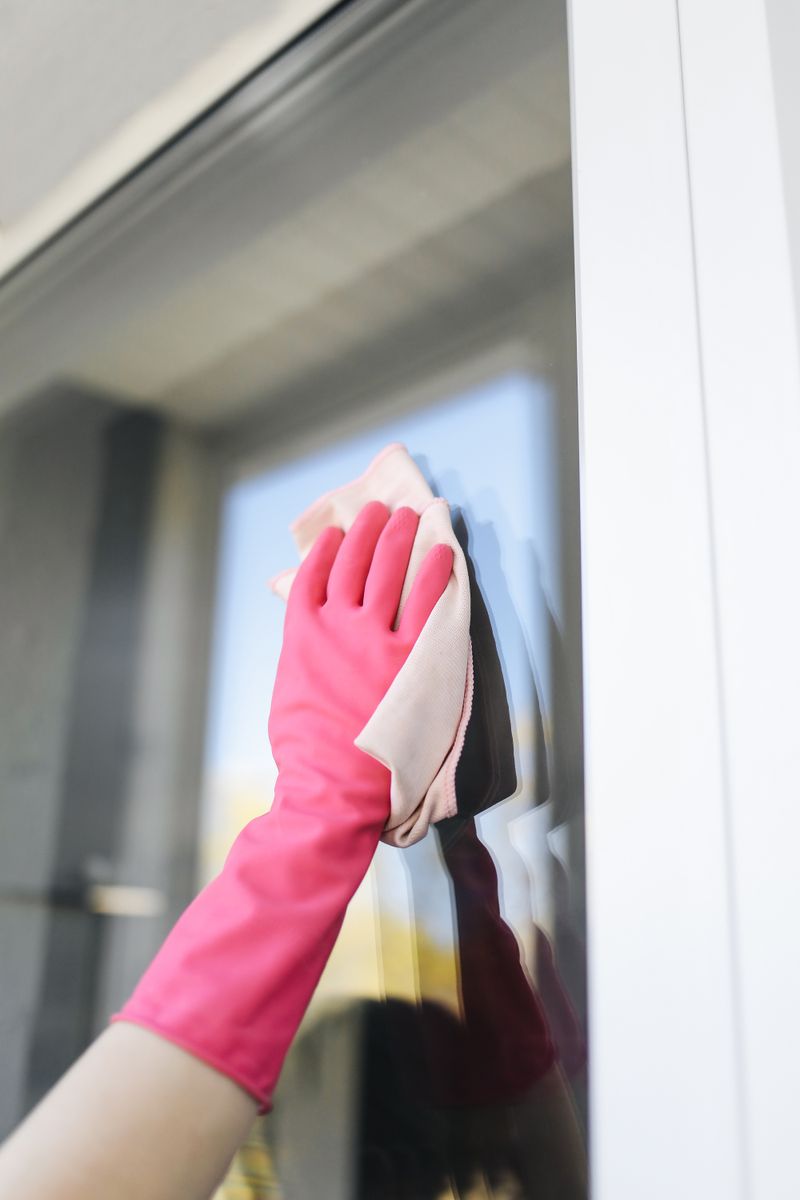
창틀 실리콘 사이나 창문 아래쪽 벽지에 거뭇한 점이 보이기 시작했다면 더 미루지 말고 바로 손을 대는 게 맞다. 시중 곰팡이 제거제를 뿌리고 10분 정도 그대로 뒀다가 마른 천으로 닦아내는 게 기본 순서인데, 이때 환기를 꼭 같이 해줘야 한다. 락스를 물에 10배 정도 희석해서 사용하는 방법도 있지만 실리콘 부위에 장시간 방치하면 변색되거나 삭을 수 있어서, 짧게 닦고 바로 물로 헹궈내는 게 안전하다.
1단계: 곰팡이 제거제 분사 후 10분 대기
2단계: 마른 천으로 닦아내며 동시에 환기
3단계: 최소 반나절 노출해 완전 건조 후 창문 닫기
여기서 의외로 많이들 놓치는 부분이 마지막 건조 단계다. 곰팡이를 닦아낸 직후 바로 창문을 닫고 커튼을 치면 남아있던 수분 때문에 며칠 안에 같은 자리에서 곰팡이가 재발한다. 벽지까지 곰팡이가 번진 상태라면 표면만 닦아서는 해결이 안 되고, 곰팡이 방지 페인트나 도배 시공까지 고려해야 하는 경우도 있다.
근본적으로 막으려면 어디까지 손봐야 할까
환기와 제습을 아무리 열심히 해도 매년 같은 자리에서 결로가 반복된다면, 그건 단열 자체가 뚫려 있다는 신호로 봐야 한다. 이런 경우엔 창문에 붙이는 결로 방지 단열 필름을 써볼 만하다. 유리 표면과 실내 공기 사이에 얇은 공기층을 하나 더 만들어주는 원리라, 표면 온도가 급격히 떨어지는 걸 어느 정도 막아준다. 창문 한 짝 기준 만원대부터 시작하는 제품도 있어서 부담 없이 시도해볼 수 있다.
오래된 새시라 단창으로 되어 있거나, 창틀과 벽 사이 틈으로 외풍이 심하게 들어오는 집이라면 필름 정도로는 한계가 분명하다. 이 경우엔 이중창 시공이나 창틀 코킹 보강까지 고려하는 게 장기적으로는 비용을 더 아끼는 길이다. 결로로 곰팡이가 반복되면 벽지와 마감재를 계속 교체해야 하고, 그 비용이 쌓이면 처음부터 단열 보강을 했을 때보다 오히려 더 들어가는 경우가 많다.
자주 묻는 질문
Q. 결로가 생기면 무조건 곰팡이로 이어지나요?
결로 자체가 바로 곰팡이는 아니다. 물방울이 맺힌 뒤 그 상태로 며칠 방치되면서 습한 환경이 유지될 때 곰팡이 포자가 자리를 잡는 거라, 결로가 생긴 당일에 물기만 바로 닦아줘도 곰팡이로 번지는 걸 상당 부분 막을 수 있다.
Q. 제습제와 제습기, 둘 다 써야 하나요?
방 크기와 습도 수준에 따라 다르다. 습도계로 확인했을 때 60% 안팎이라면 소금이나 신문지 정도로도 충분한 경우가 많고, 65%를 자주 넘긴다면 제습기를 병행하는 게 효율적이다. 둘을 같이 쓴다고 문제될 건 없지만, 좁은 방에서는 제습기 하나로도 충분한 경우가 대부분이다.
Q. 곰팡이 제거제를 써도 냄새가 남아 있어요.
완전히 건조되지 않은 상태에서 냄새가 남는 경우가 많다. 환기를 충분히 하면서 반나절 이상 말리면 냄새는 대부분 사라지고, 그래도 남아있다면 벽지 안쪽까지 곰팡이 뿌리가 남아있을 가능성이 있어 도배 상태를 한 번 확인해보는 게 좋다.
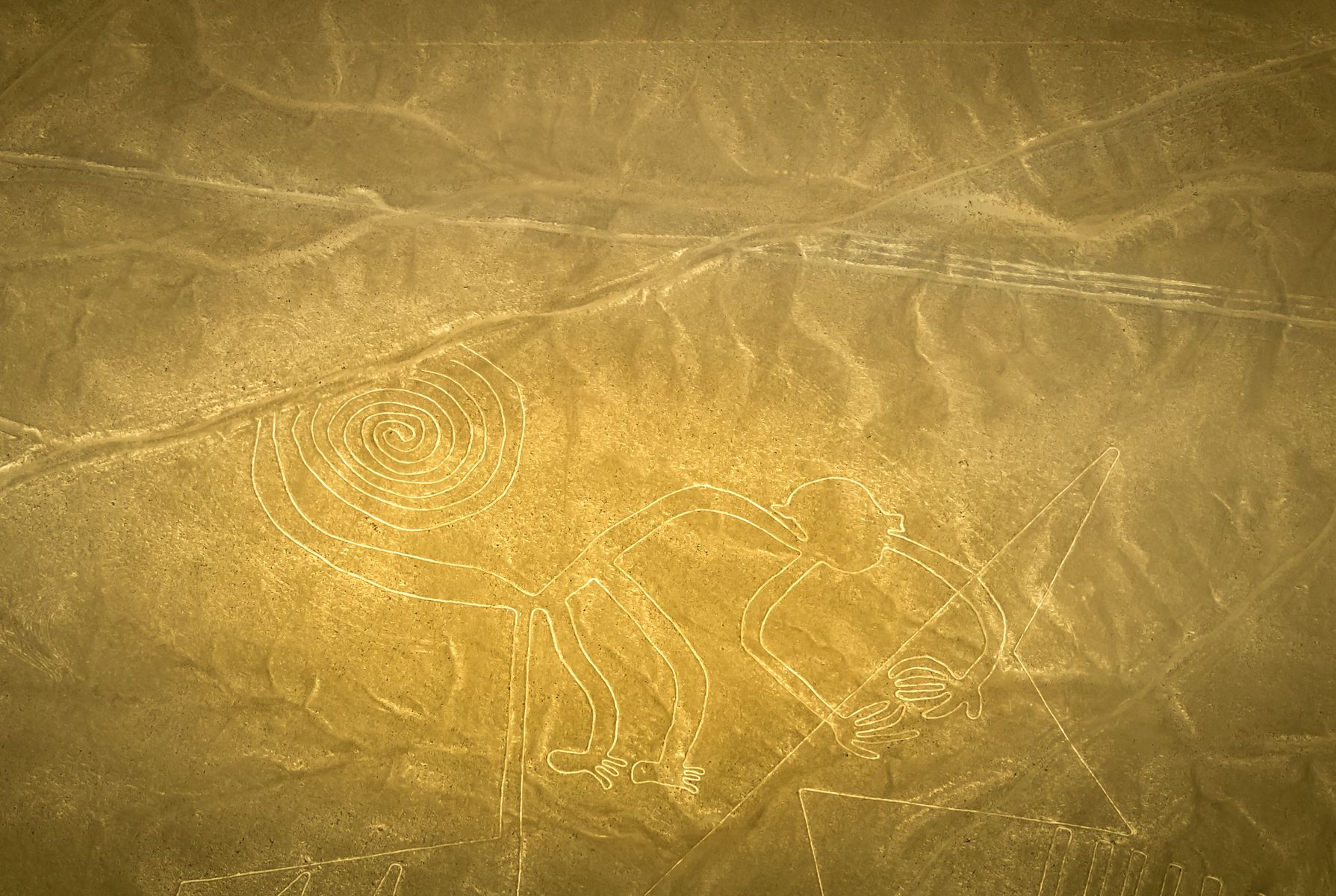
1939년 6월 22일, 미국인 역사학자 폴 코속은 페루 남부 사막 위를 경비행기로 지나가다가 창밖을 내려다봤다. 그 순간 조종사에게 손짓으로 기체를 다시 돌려달라고 요청했다. 그날은 하지였다. 우연히도 그가 내려다본 새 모양 그림 하나의 날개 끝이, 해가 지는 방향과 정확히 일직선으로 겹쳐 있었다. 코속은 그 자리에서 이 사막을 “세상에서 가장 큰 천문학 책”이라 불렀다. 그런데 정작 이 그림을 그린 나스카 사람들은 자기 손으로 무엇을 완성했는지 하늘에서 본 적이 단 한 번도 없었다. 비행기는커녕 열기구조차 없던 시대에, 그들은 대체 무슨 확신으로 가로 100미터가 넘는 벌새와 원숭이를 사막 바닥에 새겼을까.
우연히 발견된 “세상에서 가장 큰 화폭”
사실 나스카 라인은 코속이 처음 본 것도 아니었다. 1927년 페루 고고학자 토리비오 메히아 세스페데스가 인근 언덕에서 이미 몇몇 선을 목격했다는 기록이 남아 있다. 다만 당시엔 그저 버려진 관개수로 흔적 정도로 치부됐다. 하늘에서 내려다봐야 비로소 정체가 드러나는 그림이었으니, 땅 위를 걷던 사람 눈에는 좀처럼 잡히지 않았던 셈이다. 코속의 발견 이후 1940년, 독일 출신 수학자 마리아 라이헤가 이 조사에 합류한다. 라이헤는 이후 40년 넘게 사막에 텐트를 치고 살다시피 하며 줄자와 빗자루만으로 지상화를 측량하고 지켰다. 그런데 흥미로운 대목은, 라이헤 본인조차 처음엔 이 일에 낄 생각이 전혀 없었다는 점이다. 코속의 통역으로 잠깐 일손을 보태러 왔다가, 하지 무렵 사막에 드리운 그림자 속에서 선이 살아나는 광경을 목격한 뒤 평생을 여기 묻기로 결심했다고 전해진다.
축구장 몇 개가 아니라 서울 면적에 가까운 규모
나스카 라인 하면 보통 벌새나 거미 그림 몇 점을 떠올리기 쉬운데, 실제 규모를 알면 그 정도로는 어림도 없다는 걸 알게 된다. 지상화가 흩어져 있는 범위는 50제곱킬로미터가 넘고, 선을 모두 이으면 총 길이가 1,300킬로미터를 훌쩍 넘는다. 서울에서 부산까지 왕복하고도 남는 거리다. 개별 도형 크기도 제각각이라, 작은 것은 5미터 남짓이지만 큰 것은 100미터를 넘어간다. 콘도르 한 마리를 그린 도형은 날개 끝에서 끝까지 130미터가 넘는다고 하니, 지상에서는 절대 전체 모습을 가늠할 수 없는 크기다. 의외로 이 그림들은 땅을 파거나 물감을 칠해서 만든 게 아니다. 사막 표면의 검붉은 산화철 자갈층을 걷어내면 그 아래 밝은 회백색 흙이 드러나는데, 나스카 사람들은 이 색 대비 하나만으로 수백 개의 그림을 완성했다. 건조하고 바람도 거의 불지 않는 나스카 사막의 기후 덕에 2,000년 가까이 그 선이 지워지지 않고 버텨온 것이다.
왜 그렸을까 — 갈라지는 가설들
마리아 라이헤가 평생 밀었던 주장은 천문 달력설이었다. 특정 선이 하지나 동지의 해 뜨는 방향, 별자리 위치와 맞아떨어진다는 관찰에서 나온 가설이다. 그런데 막상 후대 연구자들이 컴퓨터로 전체 선의 방향을 통계적으로 검증해보니, 우연히 맞아떨어질 확률과 큰 차이가 없다는 반박이 나왔다. 1968년 미국 천문학자 제럴드 호킨스가 이끈 연구팀이 대표적이다. 이 때문에 순수 천문 캘린더설은 지금은 힘을 많이 잃은 상태다.
천문 캘린더설이 밀려난 자리에서 최근 학계가 좀 더 주목하는 쪽은 물과 관련된 의식설이다. 지질학자 데이비드 존슨은 1990년대 나스카 지역의 선들이 지하 수맥과 계절성 하천 경로를 표시한다고 주장했다. 사막 한복판에서 농사를 지으려면 물이 어디 있는지가 생사를 가르는 문제였을 테니, 물길을 신성하게 여겨 그 위에 그림을 남겼다는 논리는 나름 설득력이 있다.
여기에 더해 2024년 야마가타 대학 사카이 마사토 교수팀이 IBM과 함께 진행한 AI 분석 결과도 이 흐름에 힘을 보탰다. 이들은 드론과 위성 사진에 물체 인식 인공지능을 학습시켜 6개월 만에 새로운 지상화 303점을 추가로 찾아냈는데, 이 중 81.6%가 사람이나 사람을 닮은 형상이었고 대부분이 고대 보행로에서 평균 43미터 이내에 자리하고 있었다. 연구팀은 이 형상들이 순례자들이 걸으며 눈으로 확인하고 지나가던 일종의 이정표이자 제의 행렬의 경로 표시였을 가능성을 제시했다. 거대한 동물 도형과 달리 작은 인물상들은 애초에 하늘에서 보라고 그린 게 아니라, 걷는 사람 눈높이에서 순서대로 마주치도록 배치됐다는 뜻이다. 그런데도 이런 진지한 고고학적 접근과는 완전히 다른 방향에서, 훨씬 더 널리 퍼진 가설이 하나 있다. 바로 외계인 활주로설이다.
외계인 활주로설, 그리고 정작 빠진 질문
1968년 에리히 폰 데니켄이 《신들의 전차》에서 사다리꼴 도형을 우주선 활주로라 주장한 이후, 나스카 라인은 대중문화에서 오랫동안 외계인의 흔적으로 소비돼왔다. 그런데 이 가설은 학계에서는 거의 다뤄지지 않는다. 나스카 도자기에 새겨진 벌새·원숭이 무늬가 지상화 속 형상과 사실상 똑같이 겹친다는 점부터가 걸린다. 지상화가 외부에서 이식된 것이 아니라 나스카 사람들 자신의 문양 체계에서 자연스럽게 확장된 결과물이라는 증거가 이미 충분한 셈이다. 활주로설의 가장 큰 약점은 사실 따로 있다. 만약 도형이 착륙 유도용이었다면 정밀한 직선과 규칙적 배치가 필요했을 텐데, 실제로는 선들이 서로 교차하고 겹치는 경우가 흔해서 항공 유도 목적으로는 오히려 비효율적이라는 지적이 많다.
그렇다면 하늘에서 보라고 그린 것도 아닌데, 이토록 크고 정교한 직선을 비행 수단도 없이 어떻게 그렸을까 하는 의문은 여전히 남는다. 의외로 이 부분은 실험으로 상당 부분 재현됐다. 1980년대 회의론자 조 니켈과 동료들은 나무 말뚝과 밧줄만으로 대형 직선과 나선 도형을 실제 사막 지형에 재현하는 데 성공했다. 원리는 오늘날 건축 현장의 먹줄 치기와 크게 다르지 않다. 우선 작은 도안을 그려 비율에 맞춰 격자를 나누고, 그 격자의 각 교차점을 사막 위에 말뚝으로 옮겨 박은 뒤, 말뚝 사이를 팽팽한 밧줄로 이어 방향을 고정한다. 그 다음은 밧줄을 따라 걸으며 표면 자갈을 옆으로 밀어내기만 하면 된다. 곡선 부분은 밧줄 한쪽 끝을 축으로 고정하고 나머지 끝을 돌리는 방식으로 컴퍼스처럼 그려냈다. 특별한 도구도, 하늘에서 내려다보는 시점도 필요 없는 방식이다. 다만 그렇게 그린 그림이 완성된 순간 정확히 어떤 모습으로 보일지, 그 결과물을 나스카 사람들 자신은 죽을 때까지 눈으로 확인하지 못한 채 오직 계산과 신앙만으로 밀어붙였다는 사실은 여전히 묘한 여운을 남긴다.
2024년 이후, 이야기는 계속 갱신되는 중
나스카 라인 연구는 20세기에 멈춘 옛날 이야기가 아니다. 2022년 야마가타 대학팀이 168개의 신규 지상화를 보고했고, 2024년에는 같은 팀이 AI의 도움으로 절반에 가까운 기간을 단축해 303개를 한꺼번에 추가로 확인했다. 2020년 기준 알려진 지상화가 430여 개였던 걸 감안하면, 불과 4년 만에 규모가 두 배 가까이 늘어난 셈이다. 이렇게 새로 발견된 그림 중에는 칼을 든 범고래, 낯설게 생긴 인간형 형상도 포함돼 있어 한동안 해외 매체에서 “외계인 같다”는 자극적 헤드라인으로 소비되기도 했다. 그런데 정작 연구팀의 결론은 그 반대에 가깝다. 형상이 낯설게 느껴지는 이유는 외부에서 온 무언가라서가 아니라, 우리가 나스카 사람들의 도상 체계와 상징 문법을 아직 다 해독하지 못했기 때문이라는 쪽이다. 앞으로 AI 분석 범위가 넓어질수록 지금 알려진 500여 개 도형 숫자는 계속 늘어날 가능성이 높고, 그때마다 물 의식설이든 순례로설이든 기존 가설도 함께 수정될 여지가 크다. 2,000년 전 사막 위에 남겨진 발자국 하나하나가, 이제야 인공지능이라는 낯선 도구를 통해 다시 말을 걸어오고 있는 셈이다.
자주 묻는 질문
Q. 나스카 라인은 지금도 직접 가서 볼 수 있나? 가능하다. 다만 지상에서는 형태를 알아보기 어려워 대부분 경비행기 투어로 상공에서 관람한다. 페루 리마에서 남쪽으로 약 400킬로미터 떨어진 나스카 인근 공항에서 30분 안팎의 소형 경비행기 투어가 운영되고 있다.
Q. 왜 2,000년 가까이 지워지지 않고 남아 있을까? 나스카 사막은 연간 강수량이 20밀리미터 안팎에 불과하고 바람도 약한 편이라 침식이 거의 일어나지 않는다. 여기에 표면 자갈층이 태양열을 받아 얇은 광택 층을 형성하면서 아래 흙과의 색 대비가 오래 유지되는 것도 보존에 유리하게 작용했다는 분석이 있다.
Q. 나스카 라인이 유네스코 세계유산인가? 그렇다. 1994년 유네스코 세계문화유산으로 등재됐으며, 이후 훼손을 막기 위해 일부 구역은 차량과 도보 접근이 엄격히 제한되고 있다.
회사 점심시간, 스마트폰 메뉴판 글씨가 유독 뿌옇게 겹쳐 보인 적 있으신가요. 팔을 쭉 뻗어 화면을 멀리 밀어내고 나서야 겨우 초점이 잡히는 순간, 대부분은 “아, 나도 이제 노안인가” 하고 웃어넘깁니다. 그런데 며칠 뒤에도 증상이 그대로거나 오히려 밤에 운전할 때 불빛이 번져 보인다면 이야기가 조금 달라집니다. 단순히 나이 탓으로만 넘기기엔 눈이 보내는 신호가 생각보다 다양하기 때문입니다.
동창 모임에 나가면 어느 순간부터 “너도 눈 침침하지?”라는 말이 인사말처럼 오갑니다. 몸이 100냥이면 눈이 90냥이라는 옛말도 있는데, 정작 1년에 한 번이라도 안과를 찾는 사람은 드뭅니다. 돋보기 하나 사면 해결될 거라 믿고 버티다가, 정작 다른 문제를 키우는 경우가 적지 않다는 뜻이겠지요.
노안, 정확히는 어떤 증상일까
노안은 눈 속 수정체가 나이 들면서 탄력을 잃어 초점 조절 능력이 떨어지는 현상입니다. 젊을 때는 수정체가 말랑말랑해서 가까운 곳과 먼 곳을 오갈 때 순식간에 두께를 바꾸는데, 40대 중반쯤부터는 이 유연성이 눈에 띄게 줄어듭니다. 그 결과 가까운 글씨부터 흐릿해지고, 책이나 스마트폰을 자꾸 멀리 떨어뜨려야 겨우 읽히는 상태가 됩니다.
여기서 헷갈리는 분들이 많습니다. “나는 멀리 있는 간판도 잘 안 보이는데 이게 노안이 맞나요”라는 질문을 자주 받는데, 노안의 전형적인 특징은 먼 거리 시력은 그대로 유지되면서 근거리만 불편해지는 것입니다. 원래도 근시가 있던 사람이라면 안경을 벗었을 때 오히려 가까운 글씨가 더 잘 보이는 역설적인 현상이 생기기도 합니다. 반대로 원시가 있던 사람은 노안 증상이 상대적으로 이르게, 그리고 더 뚜렷하게 나타나는 편입니다.
조명이 어두운 식당에서 메뉴판이 유독 안 읽히거나, 저녁이 되면 낮보다 글씨가 더 흐릿해지는 것도 노안의 흔한 패턴입니다. 동공이 커지면서 초점 심도가 얕아지기 때문인데, 의외로 많은 분들이 이걸 눈이 나빠진 신호로 오해해 불안해하십니다. 이 정도라면 안경이나 돋보기로 대부분 해결되는 경우가 많습니다.
그런데 여기서 이야기가 끝나면 좋겠지만, 문제는 증상만 놓고 보면 노안과 거의 똑같이 시작되는 질환이 여럿 있다는 점입니다. 돋보기를 맞췄는데도 개운하지 않다면, 그다음 의심해봐야 할 몇 가지를 짚어보겠습니다.
노안이 아닐 수도 있는 신호들
문제는 노안과 비슷하게 시작하지만 전혀 다른 질환인 경우입니다. 대표적인 것이 백내장인데, 수정체 자체가 뿌옇게 혼탁해지면서 빛이 제대로 통과하지 못하는 상태를 말합니다. 노안은 가까운 것만 불편한 반면, 백내장은 가까운 곳이든 먼 곳이든 전반적으로 뿌옇게 보이는 경우가 많습니다. 밤에 자동차 헤드라이트나 가로등 불빛이 번져 보이거나, 눈부심이 유독 심해졌다면 노안이라기보다 백내장 쪽 신호일 가능성을 생각해봐야 합니다.
“돋보기를 새로 맞췄는데도 왜 여전히 침침하지”라는 하소연도 자주 나옵니다. 그런데도 대부분 도수가 안 맞아서 그런가 보다 하고 안경만 계속 바꾸는데, 막상 원인은 수정체 혼탁인 경우가 있습니다. 도수를 아무리 조정해도 뿌연 유리를 통해 보는 듯한 느낌이 사라지지 않는다면 안과에서 수정체 상태를 확인해보는 편이 낫습니다.
또 하나 놓치기 쉬운 것이 황반변성입니다. 이건 노안이나 백내장과는 결이 완전히 다릅니다. 시야 전체가 아니라 정중앙, 그러니까 정확히 보고자 하는 지점이 유독 흐리거나 찌그러져 보이는 게 특징입니다. 화장실 타일 바닥이나 창틀의 격자무늬가 물결처럼 울퉁불퉁해 보이거나, 문자메시지 한가운데 몇 글자가 지워진 것처럼 안 보이는 경험을 했다면 노안으로 넘기지 말고 빠르게 검사를 받아보시길 권합니다. 50대 이후 발생 빈도가 늘어나는 질환이라 나이대가 겹치다 보니 노안과 헷갈리기 쉽지만, 진행 속도나 증상의 성격이 확연히 다릅니다.
노안 — 가까운 글씨만 흐릿, 양쪽 눈 비슷하게, 몇 달~몇 년에 걸쳐 서서히 진행
백내장 — 멀리도 가까이도 전반적으로 뿌옇게, 야간 눈부심과 빛 번짐 동반
황반변성 — 시야 정중앙만 흐리거나 찌그러짐, 직선이 물결처럼 휘어 보임
안구건조증 — 뻑뻑하고 시린 느낌, 깜빡이면 순간적으로 다시 선명해짐
안구건조증도 눈이 침침한 원인 중 하나로 자주 빠집니다. 눈이 뻑뻑하고 시린 느낌과 함께 시야가 순간순간 흐려졌다가 눈을 깜빡이면 다시 선명해지는 패턴이라면, 이건 수정체 문제가 아니라 눈물막이 불안정해서 생기는 현상일 가능성이 큽니다. 에어컨 바람을 오래 쐬거나 화면을 오래 들여다보는 날 유독 심해진다면 건조증 쪽에 가깝습니다.
구분이 애매할 때 체크해볼 포인트
한쪽 눈만 가리고 신문이나 스마트폰 화면을 봤을 때 양쪽 눈의 느낌이 확연히 다르다면 단순 노안보다는 다른 원인을 의심해야 합니다. 노안은 보통 양쪽 눈에 비슷한 시기, 비슷한 정도로 나타나기 때문입니다. 한쪽만 유독 심하거나, 갑자기 하루 이틀 사이에 확 나빠졌다면 이건 노화의 속도라고 보기 어렵습니다.
증상이 생긴 시점도 중요한 단서입니다. 노안은 몇 달, 몇 년에 걸쳐 아주 서서히 진행되는 게 일반적입니다. 그런데도 어느 날 아침 눈을 떴는데 갑자기 시야가 뿌옇거나 한쪽 시야가 가려진 느낌이 든다면, 이건 노안의 진행 양상과는 맞지 않습니다. 급격한 변화는 그 자체로 병원을 바로 찾아야 할 신호로 받아들이는 게 안전합니다.
이런 신호가 하나도 해당하지 않는다고 해서 안심하고 손 놓고 있어도 되는 건 아닙니다. 지금 당장 불편함이 없더라도 평소에 눈에 무리를 덜 주는 습관을 들여두면, 나중에 병원 신세를 지는 시점을 조금이라도 늦출 수 있습니다.
생활 속에서 눈 부담을 줄이는 방법
눈이 침침한 원인을 스스로 정확히 가려내기는 어렵지만, 일상에서 부담을 줄이는 습관은 누구에게나 도움이 됩니다. 화면을 볼 때는 20분마다 20초씩 6미터 이상 떨어진 곳을 바라보는 식으로 눈에 쉬는 시간을 주는 게 좋습니다. 사소해 보여도 하루 종일 모니터와 스마트폰을 오가는 40~50대에게는 의외로 체감 효과가 큰 습관입니다.
조명 환경도 생각보다 큰 영향을 줍니다. 너무 어두운 곳에서 책이나 서류를 보면 동공이 커지면서 초점이 더 흐트러지기 쉬우니, 독서등이나 스탠드 조명을 보조로 켜두는 편이 눈의 피로를 줄여줍니다. 야외에서는 자외선이 수정체 노화를 앞당길 수 있다는 점에서 선글라스나 챙 있는 모자로 눈을 보호하는 습관도 권할 만합니다.
금연과 혈당·혈압 관리처럼 흔히 듣는 조언이 눈 건강에도 그대로 적용된다는 점은 의외로 잘 알려져 있지 않습니다. 망막과 수정체는 미세혈관의 영향을 크게 받는 조직이라, 전신 건강 관리가 곧 눈 건강 관리로 이어지는 경우가 많습니다. 짜게 먹는 습관이나 만성적인 수면 부족도 눈의 피로 회복을 더디게 만드는 요인으로 꼽힙니다.
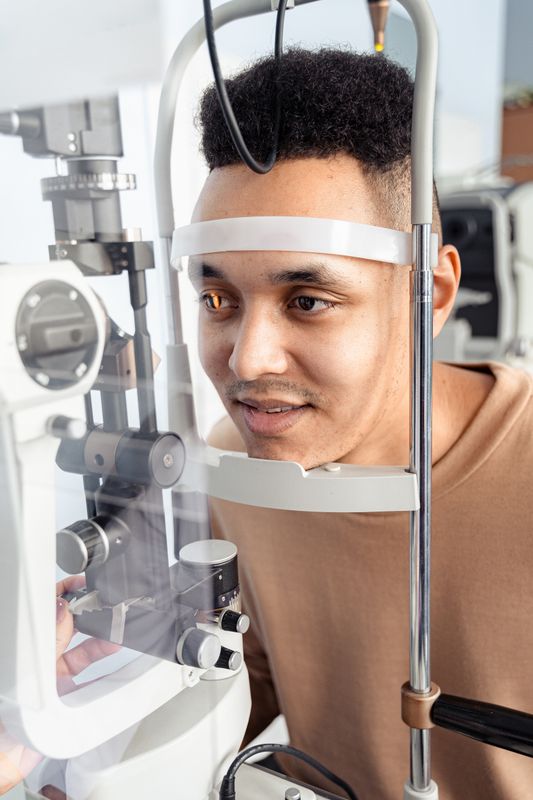
1~2년에 한 번, 안압과 안저 상태를 확인하는 정기 검진도 챙겨두면 좋습니다. 눈에 바람을 쏘아 압력을 재는 안압 검사와, 눈 안쪽 신경과 혈관 상태를 들여다보는 안저 검사는 짧게는 5분 안에 끝나는데도 초기 이상을 발견하는 데는 꽤 효과적입니다. 증상이 생긴 뒤 뒤늦게 병원을 찾기보다, 증상이 없을 때 미리 상태를 확인해두는 쪽이 결과적으로 훨씬 마음 편한 선택이 됩니다.
FAQ
Q1. 노안 교정 수술이나 다초점 렌즈는 아무나 받을 수 있나요?
수술 가능 여부는 눈 상태나 전신 건강, 나이에 따라 달라질 수 있어 획일적으로 답하기 어렵습니다. 관심이 있다면 우선 안과에서 정밀 검사를 받아 본인에게 맞는 방법인지부터 확인하는 순서가 필요합니다.
Q2. 블루라이트 차단 안경을 쓰면 노안 진행이 늦춰지나요?
블루라이트 차단 안경이 눈의 피로를 다소 줄여줄 수는 있지만, 노안 자체의 진행 속도를 늦춘다는 근거는 명확하지 않습니다. 화면을 오래 보는 습관 자체를 조절하는 편이 더 확실한 도움이 됩니다.
Q3. 눈이 침침한 게 스트레스나 피로 때문일 수도 있나요?
과도한 피로나 스트레스로 일시적인 시야 흐림이 생길 수는 있습니다. 그런데도 며칠 이상 지속되거나 반복된다면 피로만의 문제로 단정하지 말고 검사를 받아보는 편이 안전합니다.
이 글에서 다룬 내용은 일반적인 정보 전달을 목적으로 하며, 특정 증상에 대한 진단이나 치료를 대신할 수 없습니다. 눈이 침침한 증상이 반복되거나 갑자기 심해졌다면 자가 판단으로 넘기지 마시고, 정확한 진단은 안과 전문의 상담을 통해 받으시길 권합니다.
My first real lesson in Korean spice came from a hospital cafeteria, of all places. I’d gone in for a routine checkup, felt fine afterward, and figured I’d grab lunch at the small place across the street before heading home. I ordered what looked like an ordinary bowl of tteokbokki because the sign out front had a single small chili icon next to it — one out of what I assumed was a five-point scale, the kind of low-commitment lunch you order without a second thought. Three bites in, my lips were tingling. By the tenth, my nose was running and I’d already abandoned my chopsticks in favor of the water cooler, refilling the same paper cup four times while an ajumma at the next table watched me with what I can only describe as polite amusement. That single chili icon, it turns out, meant almost nothing, and I’d made the classic newcomer mistake of trusting it like a universal standard. Spice labeling in Korea is a much looser, more improvised system than most foreigners expect, and buldak — the fire chicken flavor behind an entire genre of eating-challenge videos — sits right at the center of that confusion.
If you’ve spent any time on social media in the last decade, you’ve probably seen someone crying, coughing, or chugging milk after eating instant noodles with a cartoon rooster on the package. That’s buldak (불닭), which translates literally to “fire chicken.” The name originally referred to a style of intensely spicy grilled or stir-fried chicken sold in a handful of Seoul alleyways back in the 1990s, long before Samyang turned it into a global ramen brand in 2012. Those original buldak joints typically served the chicken smothered in melted mozzarella to blunt the burn, or alongside a plate of nurungji — the crisped, scorched rice scraped from the bottom of the pot — because the starch does more to calm your mouth than anything liquid ever could. The dish’s popularity had a lot to do with stress relief, too: Koreans have a specific vocabulary around eating something painfully spicy to “sweat out” frustration after a hard week, and buldak chicken fit that niche perfectly. When Samyang packaged that same intensity into a ramen you could cook in three minutes, it went from a Seoul back-alley specialty to an international phenomenon almost overnight, and the packaging kept most of that original DNA — cheese and starch remain the go-to fixes for anyone who orders it too hot.
My hospital cafeteria disaster happened precisely because I trusted a system that doesn’t really exist as a system. There’s no Michelin-style body handing out standardized chili ratings across Korean restaurants, so every kitchen is essentially grading its own homework.
How Koreans Actually Talk About Spiciness
Korea doesn’t really have one unified, standardized spice scale the way, say, a Thai restaurant menu might use a 1-to-5 star system. You might expect a country this famous for fiery food to have some kind of national heat rating board. It doesn’t. Instead, spiciness gets described through a cluster of overlapping words — maeun (매운), which just means “spicy,” and its intensified cousins like maewo juk-get-da (basically “so spicy I could die”), al싸 or “al싸하다” for a sharper, more tingling burn, and sal짝 매운 for “just a little spicy.” None of these map onto exact numbers. A “very spicy” label at one restaurant might be genuinely mild compared to the same label three blocks away, because it’s based on that particular kitchen’s own internal sense of heat, not a shared external standard.
Even so, there is one number-based system that Koreans do use with some consistency, and it comes from an unexpected source: gochujang packaging. Korean fermented chili paste is often rated using a scale from mild to extremely hot, generally running from level 1 up through level 4 or 5 depending on the brand, tied loosely to how much cheongyang chili — a small, notoriously potent Korean pepper — goes into the mix. Cheongyang peppers clock in around 10,000 to 12,000 Scoville Heat Units, which puts them in roughly the same range as a cayenne pepper, well above a jalapeño’s 2,500 to 8,000 SHU but nowhere near ghost pepper territory. Restaurants that specialize in spicy stews or fried chicken sometimes borrow this same rough framework, but the practice isn’t universal, which is exactly why that hospital cafeteria’s “one chili” bowl of tteokbokki nearly finished me off.
Since numbers are the only real anchor in a system built mostly on vibes, it helps to keep a few side by side before diving into buldak specifically. A bell pepper sits at 0 SHU. A jalapeño runs roughly 2,500 to 8,000. A cheongyang chili, Korea’s go-to hot pepper, lands around 10,000 to 12,000. And original buldak ramen, the noodle that supposedly broke the internet, checks in at just 4,404 — spicier than a jalapeño, sure, but less than half as hot as the everyday Korean pepper sitting in your kimchi jjigae. Keep that gap in mind, because it’s the whole story of why buldak’s reputation and its actual heat level don’t quite match.
The Buldak Scale, Decoded
Because Samyang’s buldak line became the de facto international reference point for Korean heat, it’s worth understanding how its variants actually stack up, since the branding doesn’t always match the burn. The original Buldak Hot Chicken Flavor Ramen sits at around 4,404 Scoville units — genuinely spicy, but nowhere near the brand’s reputation would suggest. It’s the escalations that built the mythology: 2x Spicy climbs to roughly 10,000 SHU, and 3x Spicy pushes past 13,000. For comparison, that 3x variant is edging into the same range as a serrano-habanero blend, eaten as a full bowl of noodles rather than a garnish. You might assume every buldak flavor is a dare, but that’s not quite right either — Samyang also makes noticeably gentler versions aimed at people who want the flavor without the pain. Jjajang Buldak, the black bean sauce variant, sits around 1,920 SHU, and Cheese Buldak comes in near 2,323 SHU, both mild enough that the cheese or savory sauce genuinely tones down what you taste.
The viral “Fire Noodle Challenge” is really what cemented buldak’s reputation outside Korea, and the origin is more specific than most people realize. It traces back to 2014, when the YouTube channel Korean Englishman, run by host Josh Carrott, filmed his British friends attempting to eat the noodles as fast as possible without any water. The clip spread fast, spawned thousands of imitators across every platform that came after, and turned a regional instant noodle into a rite of passage for spice enthusiasts worldwide. It’s a fun bit of internet history, but it also created a slightly misleading impression — that buldak is some kind of extreme-sport food meant to be suffered through rather than actually enjoyed, which undersells the sweet, garlicky, almost smoky flavor sitting underneath all that capsaicin once your palate adjusts.
That same viral momentum eventually caught the attention of regulators, not just spice enthusiasts, and the fallout is worth knowing before you buy a case of the stuff online. In June 2024, Danish food safety authorities recalled several of Samyang’s hotter buldak variants from Danish shelves, warning that a single packet’s capsaicin load was high enough to risk what they termed “acute poisoning” in sensitive consumers. That sounds alarming, and for people with reflux issues or a genuine spice sensitivity it’s a legitimate caution worth taking seriously — but it’s also a useful data point for calibrating your own expectations rather than a reason to avoid the noodles altogether. If a European food safety agency is flagging the spicier flavors specifically, you shouldn’t walk into your first bowl assuming it’s a gentle introduction to Korean food. Start with the standard flavor, maybe even split it with a friend, before you go anywhere near the 2x or 3x versions.
Spice Levels You’ll Actually Encounter Day to Day
Buldak gets all the international attention, but honestly, it’s not even close to the spiciest thing on a typical Korean table. If you order dak-galbi at a place in Chuncheon or a chain restaurant elsewhere, you’ll usually get asked how spicy you want it, sometimes on a simple mild-medium-hot scale, sometimes just described verbally by the server. Jjamppong, the spicy seafood noodle soup, tends to run hotter than people expect on first bite because the heat builds cumulatively through the broth rather than hitting all at once — you might think the first spoonful was manageable, only to find yourself reaching for water by spoonful six. Yukgaejang, the shredded beef and vegetable soup, sits at a more moderate, sustained warmth that most people adjust to within a few bites. And then there’s buldak-bokkeumtang, the actual fire chicken stew rather than the instant noodle version, which restaurants will often let you order at reduced spice on request, something a lot of visitors don’t realize is even an option.
One thing that surprised me after a few years here is how much the “spicy” label depends on regional and generational habits rather than any fixed formula. Older, more traditional restaurants in smaller cities often use more gochugaru (chili flakes) out of long-standing habit, even in dishes that don’t read as obviously spicy on the menu, like certain banchan or seasoned vegetable side dishes. Meanwhile, some trendier restaurants in Seoul catering to a broader international crowd have quietly dialed back the heat in their standard recipes, then offer a “extra spicy” version for people who specifically ask. So a dish that was brutal at your grandmother-in-law’s neighborhood spot might be almost tame at a hip restaurant in Hongdae using the same name.
Practical Advice If You’re Not Used to This
If you’re newly arrived or just visiting, the single most useful phrase to learn is an bulgeopge haejuseyo (안 맵게 해주세요), which roughly means “please make it not spicy.” Most restaurants, especially ones used to serving a mixed crowd, are genuinely happy to adjust, and asking isn’t considered rude or high-maintenance the way it sometimes gets treated elsewhere. You can also ask for deol maepge (덜 맵게), “less spicy,” which is a good middle option if you want some heat but not the full dose. Don’t assume a dish is automatically manageable just because it doesn’t have chili flakes visibly on top — some of the worst offenders, like certain red-broth soups, hide their heat inside the liquid itself.
It’s also worth carrying the mental math on Scoville numbers rather than trusting menu adjectives alone, since “spicy” in Korean restaurant English doesn’t reliably track to any fixed number. A useful mental anchor: jalapeños sit around 2,500–8,000 SHU, cheongyang peppers used in a lot of Korean cooking run about 10,000–12,000, and original buldak lands around 4,400 — meaning a lot of “everyday spicy” Korean food is actually milder than a fresh cheongyang pepper eaten raw, even though it feels more intense because you’re consuming a whole bowl of it rather than one bite. Milk, plain rice, or something starchy like bread will cut the burn far more effectively than water, which mostly just spreads capsaicin around your mouth without actually neutralizing it. Capsaicin is fat-soluble, not water-soluble, so casein — the protein in dairy — binds to it and washes it away, while plain water just moves the compound around your tongue. I keep a small carton of banana milk in the office fridge for exactly this reason: the fat content does the chemical work, and the sweetness makes the whole recovery a little more pleasant, which is more than I can say for a paper cup of water at that hospital cafeteria.
Finally, don’t let the internet’s obsession with extreme spice scare you away from Korean food altogether, because that’s genuinely a shame given how much of the cuisine isn’t about pain tolerance at all. Plenty of beloved dishes, like japchae, bulgogi, or plain kimchi jjigae made at moderate strength, carry real flavor without punishing your palate. Buldak and its viral cousins are a fun, specific subculture within Korean food, not a representative sample of what people here eat on an average Tuesday. If anything, treat your first bowl of 2x Spicy the way you’d treat a one-off skydive: interesting to have done, mildly regrettable the next morning, and not something you need to repeat weekly to claim you understand Korean food.
Frequently Asked Questions
Is buldak the spiciest food in Korea?
Not even close, despite its reputation abroad. At around 4,404 SHU for the original flavor, standard buldak ramen is milder than a well-made bowl of jjamppong or a home-style buldak-bokkeumtang stew made with fresh cheongyang chilis, which can run noticeably hotter depending on how much pepper the cook uses. Buldak’s fame comes more from viral marketing and the Fire Noodle Challenge than from being an objective heat record-holder.
Can I ask a Korean restaurant to make food less spicy?
Yes, and it’s completely normal to ask. Phrases like an maepge haejuseyo (“please make it not spicy”) or deol maepge (“less spicy”) work at most restaurants, particularly ones in cities used to serving tourists, students, and international residents. Some very traditional or small family-run kitchens may have less flexibility since dishes are made in a shared pot, but plenty will still do their best to accommodate you.
Why do some buldak flavors seem way milder than others?
Because Samyang deliberately built out a range, not a single intensity. Jjajang Buldak and Cheese Buldak sit around 1,900–2,300 SHU, closer to a mild salsa, while the 2x and 3x Spicy variants climb to 10,000 and 13,000 SHU respectively. If your first buldak experience was one of the milder flavors, jumping straight to 2x Spicy will feel like an entirely different food, not just “a bit more” of the same thing.
Three months into my first office job in Korea, I sent an email that made my manager visibly wince when he read it over my shoulder. I’d typed “Hi Minho, quick question about the budget file” — the same casual opener I’d have used with any colleague back home. He didn’t yell. He didn’t even correct me directly. He just quietly forwarded me a template of his own next email, opening line rewritten as “Kim Bujang-nim, regarding the budget file,” and said, “This is easier for everyone.” Same request, same file, completely different social weight. That was the moment I understood that Korean workplace hierarchy isn’t a set of rules you read in an orientation packet. It’s a language you have to learn by making small, slightly humiliating mistakes.
If you’ve spent any time researching this before moving here, you’ve probably already hit the surface-level explainers: titles matter, seniority matters, don’t be rude. True on paper, but almost useless once you’re actually sitting in a conference room trying to figure out whose eyes to catch before you answer a question. What I want to get into here is the mechanics — how the hierarchy actually operates day to day, why it doesn’t map cleanly onto anything from a Western office, and where it genuinely surprised me, for better and worse.
The Title Is the Person
The first thing that trips up almost every foreign hire is that first names essentially disappear once you walk through the office door. You don’t call your boss by his given name, and depending on the company, you might not even use his surname alone. The standard formula is surname plus job title plus the honorific “-nim”: Kim Bujang-nim, Park Gwajang-nim, Lee Daepyo-nim. The title is doing real work in that sentence — it’s telling you, and everyone within earshot, exactly where that person sits on the ladder.
Here’s the part that took me longer to absorb than I’d like to admit: this isn’t just empty red tape. In a lot of Korean companies, especially older, more traditional ones, people genuinely don’t always know each other’s first names. I worked alongside a manager for almost two years before I found out his given name, purely by accident, when I saw it on a delivery label. We’d exchanged probably a thousand emails by then, every one addressed to “Team Leader,” never once to him personally by given name. That felt strange to me at first — almost cold. Turns out it’s the opposite of cold once you’re inside it; the title system is actually a kind of social shorthand that tells you instantly how formal to be, whether you can disagree openly, and who needs to be looped in before you make a decision. Skip the title and you’re not just being casual — you’re implicitly claiming a level of familiarity or equality you probably haven’t earned yet.
A reasonable objection here is that this sounds exhausting to track, especially in a company with five or six title tiers between intern and CEO: sawon (entry-level staff, roughly years one to three), daeri (assistant manager, years three to seven or so), gwajang (manager), chajang (deputy general manager), and bujang (general manager), before you even reach the executive ranks above that. Each jump usually tracks years of service as much as raw performance, so hearing someone’s title tells you almost as much about their tenure as a resume would. And yes, it took me a solid six months before I stopped hesitating for a beat before addressing anyone above daeri level. But Koreans I’ve talked to about this generally push back on the idea that it’s a burden. Several coworkers have told me they find flatter systems, where everyone’s just “Sarah” or “Mike” regardless of experience, oddly disorienting — like being handed an org chart with all the lines erased.
Sunbae and Hoobae: Seniority That Isn’t About Age
Titles give you the outer framework of the office, but the inner scaffolding is built on something even harder for outsiders to track: the sunbae-hoobae relationship — seniority based on when you entered the organization or field, not how old you are. This is where a lot of foreigners get genuinely confused, because it doesn’t sort neatly by age the way you’d assume. I’ve seen a 34-year-old who joined a company in 2019 treated as sunbae to a 40-year-old who joined the same team in 2023. The younger person outranks the older one, at least in terms of organizational seniority, and everyone in the room understands that without anyone saying it out loud.
What surprised me most about this system wasn’t the ranking itself — it was how much obligation runs in both directions. A sunbae isn’t just someone you defer to. In practice, a good sunbae is expected to mentor, to cover for a hoobae’s mistakes in front of higher-ups, to make introductions, sometimes even to quietly pick up the dinner bill more often than the junior person. In exchange, the hoobae shows deference, does the unglamorous tasks without complaint, and — this is the part that’s easy to miss — is expected to eventually become a solid sunbae themselves. It’s less a strict caste system and more an apprenticeship structure with very clear public signaling attached to it — closer to how a resident learns from an attending physician than to a rigid military chain of command. Even so, I won’t pretend the dynamic is always harmonious. I’ve watched hoobae get quietly overruled in meetings for ideas that were later adopted almost verbatim once a sunbae repackaged them. That’s a real cost of the system, not just a cultural quirk to romanticize.
Meetings Are Not Where Decisions Get Made
This one genuinely reshaped how I approach my job. Coming from a Western-style workplace, I assumed meetings were the venue where debate happens and decisions get hashed out in real time. In most Korean offices I’ve worked in, meetings function more like a formal announcement of a decision that’s already been reached through informal channels beforehand — hallway conversations, one-on-ones with a team leader, a quiet word over coffee. By the time everyone’s sitting around the conference table, the senior person is often just confirming a direction, and the room is there to signal agreement, not to relitigate it.
I’ll admit my first instinct was to see this as inefficient, even a little theatrical. Why hold a meeting if the outcome’s already set? But after sitting through enough of them, I started to see the logic: open disagreement in a meeting, in front of a mixed-seniority group, can make the more junior person look like they’re challenging the senior person’s authority publicly, which is a much bigger deal here than it would be at home. The real negotiating happens beforehand, one level at a time, precisely so that nobody has to lose face in the room. It’s not that Koreans avoid conflict — it’s that they’ve built a system for having it somewhere other than the meeting itself.
Seating order in these meetings is its own small hierarchy lesson, and it maps almost exactly onto a courtroom: the most senior person sits farthest from the door, often facing it directly like a judge facing the room, while junior staff take the seats nearest the entrance — historically the position closest to danger, symbolically now just the position with the least standing. I got quietly redirected out of a senior seat exactly once, early on, and never made that mistake again.
Hoesik: Hierarchy You Can See on the Table
That obsession with seating geography doesn’t stay behind in the conference room — it follows you straight to the dinner table for hoesik, the after-work team meal. I won’t spend much time on the drinking customs around hoesik — company dinners — since that ground’s been covered elsewhere. What I do want to point out is how much hierarchy signaling happens at these dinners that has nothing to do with alcohol at all. Seating order repeats itself here: the most senior person usually gets the seat with the best view or the one facing the door, depending on the venue, and where you sit relative to your team leader says something about your standing that month. Who orders the food, who decides when the group moves to a second location, who calls the night to a close — all of it defaults upward.
What’s interesting is that hoesik is also where the hierarchy gets its one scheduled release valve. The rules loosen slightly — a junior employee might rib a team leader about something, within limits, in a way that would never fly in the office. But the loosening is itself hierarchical: how much slack you’re given depends on your seniority and how long you’ve been on the team. A brand-new hoobae doesn’t get the same leeway a five-year veteran does, even at the same rank. I didn’t fully grasp that distinction until I watched a coworker get away with a joke I definitely wouldn’t have risked in my first year.
Why This Feels So Foreign If You’ve Worked in a Flat Org
If your reference point is a Silicon Valley-style flat organization — first names for everyone, the intern pitching ideas directly to the CEO in an all-hands — the Korean system can feel almost like a different species of workplace entirely. The core difference, as I’ve come to understand it, isn’t a question of which culture values people more. It’s about where certainty comes from. Flat structures ask people to constantly renegotiate status through performance, confidence, and visibility; you have to prove your standing in every interaction. The Korean system front-loads that certainty into title and tenure, so nobody has to guess where they stand. That has real upsides — less office politics around who’s “really” in charge, clearer chains of accountability — and real downsides, mainly that good ideas from junior staff can get buried simply because of who’s holding the microphone.
I’ll be honest that after a few years here, I don’t fully belong to either system anymore. I still flinch a little when a Korean colleague calls a much older manager by a first name because they picked it up working abroad. And I still, every so often, catch myself starting an email with “Hi” out of pure muscle memory before I stop and fix it. Neither instinct has fully won out, and at this point I’m not sure I want one to.
Frequently Asked Questions
What happens if I accidentally use someone’s first name with a senior coworker? In most cases, nothing dramatic — you’ll likely get a gentle correction rather than a real reprimand, especially since Koreans generally extend more slack to foreigners still learning the system. But it’s worth fixing quickly once you’re told, since repeating it after a correction reads as not taking the workplace seriously rather than as an innocent mistake.
Does the title system apply the same way at a startup as it does at a big conglomerate? Not exactly. Smaller startups and foreign-founded companies in Korea have experimented with flatter structures — some, like a handful of tech firms in the mid-2010s, tried using English first names or unified titles like “Manager” for everyone. Interestingly, several of these experiments were later walked back, including at larger firms, after employees reported feeling less motivated without a visible title to work toward. It makes a certain sense once you think about it: if everyone in the office is just “Alex” regardless of tenure, how do you show a five-year jump from junior to senior on a resume, or explain it to your own parents over a family dinner? The title isn’t just office branding — it’s proof of progress people can point to. The bigger and more traditional the company, the more rigidly the classic system holds.
As a foreigner, will I ever really be someone’s sunbae or hoobae? Yes, if you’re on a Korean team long enough for tenure to matter, though the dynamic can feel looser with foreign staff since some of the unwritten obligations — like automatically covering a junior’s mistakes — aren’t always extended both ways by default. My advice: lean into showing the deference expected of a hoobae early on, since that tends to earn you more flexibility later, once you’ve become a sunbae yourself.
The first time I used a Korean bathroom, I made the mistake every foreigner makes at least once: I tried to keep the floor dry. I held the shower head close to my body, angled it down, ducked and shuffled like I was trying to avoid a sprinkler at a kid’s birthday party. Twenty minutes later I stepped out to a bathroom that looked like a flash flood had come through anyway, because that is simply what happens in a room with no shower stall, no curtain, and no dry zone to protect. It took me embarrassingly long to realize the room was never designed to stay dry in the first place. There’s a drain sitting in the middle of the floor for exactly that reason, and once you surrender to the layout instead of fighting it, the logic behind the whole system reveals itself.
If you grew up in a house with a separate shower stall or a tub with a glass door, a Korean bathroom can feel almost alarming at first glance. The toilet, the sink, and the shower all share the same tiled floor. There’s no lip, no threshold, no glass wall keeping water where it belongs, because water is expected to go everywhere. Far from being an oversight, that lack of containment is the whole architecture in a nutshell.
The Wet Room, Explained
The technical term for this layout is a “wet room,” and Korea is far from the only country that uses one, but it might be the country where the concept is most thoroughly standardized. Walk into almost any apartment built after the 1980s, from a tiny officetel studio to a four-bedroom place in a high-rise complex, and you’ll find the same basic formula: fully tiled floor and walls, a slight slope toward a drain, and a handheld shower head mounted on the wall with no enclosure around it. The floor tilts, usually just a few degrees, so that water naturally runs toward the lowest point instead of pooling under the sink or against the door.
I’ll admit my first reaction was that this seemed almost primitive compared to the sealed glass shower enclosures I grew up with. Surprisingly, the opposite turned out to be true once I thought about it from a maintenance standpoint. There’s no grout track along a shower door to grow mold in, no rubber seal to replace every few years, no glass to squeegee separately from the floor. You just tile the whole room the same way and let gravity and a drain do the rest of the work. It’s a low-tech solution, but it’s a genuinely durable one.
Why This Design Exists: Space and History, Not Just Habit
It’s tempting to assume this is purely a cultural preference, but the real story is more about square footage than taste. South Korea’s modern apartment boom really took off in the 1970s and accelerated hard through the 1980s and 1990s, when the government and private developers raced to house a population that was urbanizing faster than almost anywhere else on earth. Land in Seoul was, and still is, extraordinarily expensive, and apartments are typically measured in “pyeong,” a unit equal to about 3.3 square meters. A standard family apartment might run 25 to 34 pyeong, which sounds generous until you remember that includes the kitchen, all bedrooms, and storage. Picture trying to fit a toilet, a sink, and a full-size standing shower stall into something the size of a walk-in closet, and you start to see why builders wouldn’t dedicate a separate room to a shower that sits empty 23 hours a day.
A wet room solves that math elegantly. The same three or four square meters that hold a toilet and a sink can also serve as the shower, because nothing in the room needs to be protected from water. You’re not carving out a separate wet zone within the bathroom; the entire bathroom is the wet zone. Even in newer, larger apartments built in the 2010s and 2020s where space is less of a constraint, the wet room format has stuck around simply because it works, and because an entire domestic supply chain, tile setters, drain hardware, floor slope standards, has been built around it for two generations now. Changing that now would mean going against decades of construction habit and, frankly, most people don’t see a reason to.
How to Actually Use One Without Flooding Everything
Knowing why an architect drew the room this way is one thing, though. Actually standing in it with a shower head in your hand is another, and that’s where the decades of history stop being interesting trivia and start being a habit you have to unlearn. Here’s where most newcomers get it wrong, and I include myself in that group. The instinct is to treat the space like a dry bathroom that has accidentally lost its shower door, and to try to minimize water spread through sheer physical effort. That’s backwards. The room is built to handle a full soaking, so the better strategy is to lean into it rather than resist it.
A few things make a real difference. First, keep your toilet paper, towels, and anything electronic well off the floor and away from the direct spray radius, since those are really the only things a wet room can’t tolerate getting wet. Most Korean bathrooms solve this with a small shelf or a cabinet mounted above the sink rather than anything at floor level. Second, don’t fight the slope. If you stand with your back to the drain while showering, you’re pushing water uphill against the tilt, which is how it ends up pooling somewhere it shouldn’t. Face the drain, or at least shower somewhere near the middle of the room, and the floor does most of the work for you. Third, and this genuinely surprised me when I first noticed it: many apartments have the drain positioned slightly off-center, closer to the shower area than the toilet, precisely so runoff has less distance to travel. It’s a small detail, but it tells you how deliberately these rooms are engineered.
One fair pushback here is: doesn’t a fully wet bathroom just take longer to dry, and isn’t that its own kind of gross, sitting damp for hours? It’s a reasonable concern, and the honest answer is that a wet room does stay damp longer than a Western bathroom where only the tub gets wet. That’s exactly why the next two tools matter so much.
The Squeegee and the Slippers: Two Small Tools That Do a Lot of Work
Almost every Korean household keeps a squeegee, sometimes called a “water wiper” locally, hanging on a hook right next to the shower. After you finish washing, you spend maybe thirty seconds pulling standing water off the floor and toward the drain before you even towel off, that dry rubber-on-tile squeak becoming the actual signal that a shower is over. It feels counterintuitive at first, mopping your own bathroom floor right after washing it, but muscle memory takes over within a week or two, and it cuts drying time dramatically. Skip it and the floor might stay wet for an hour or more; do it and you’re looking at ten or fifteen minutes, especially with a bit of ventilation fan running.
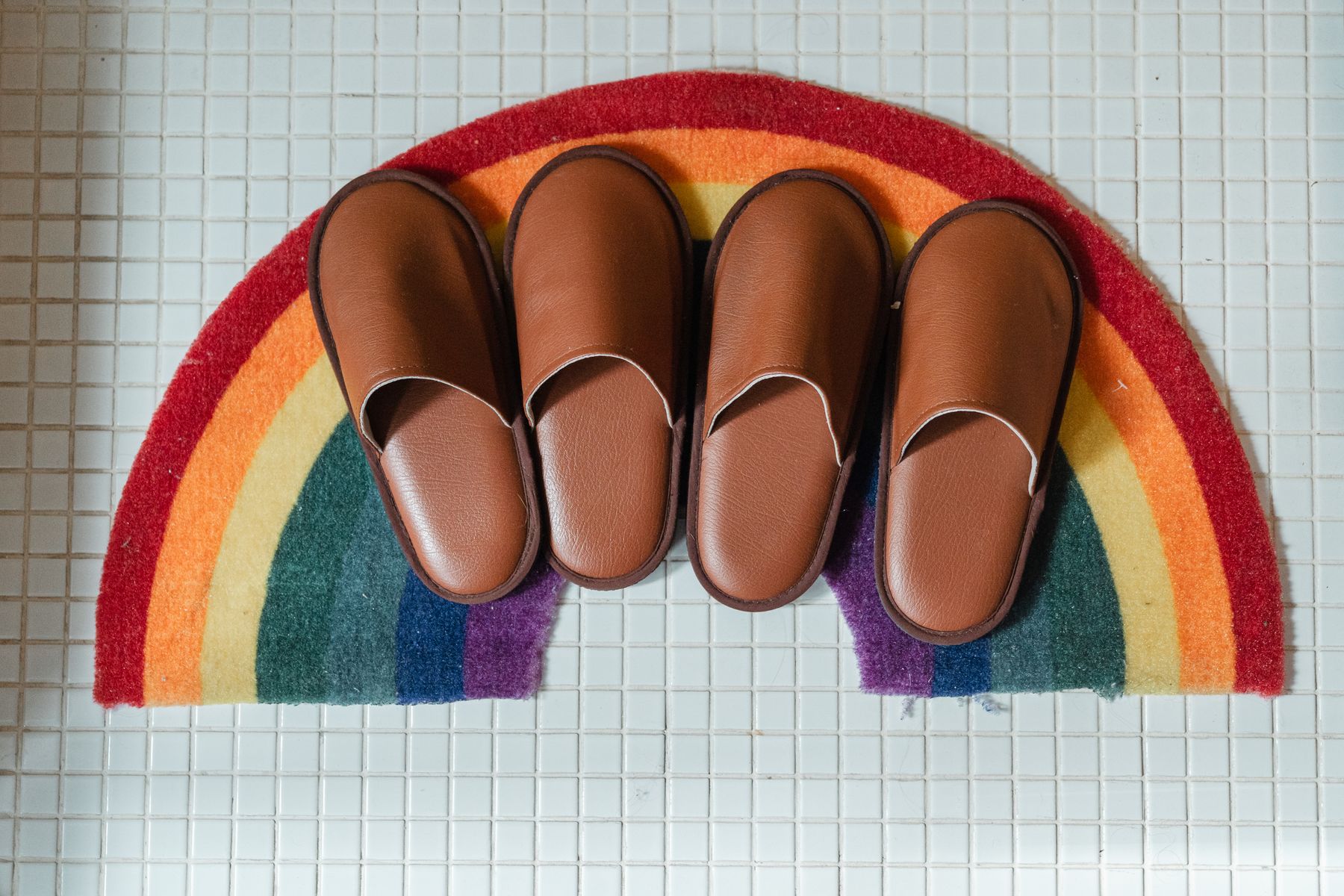
Bath slippers are the other non-negotiable piece of the system, and honestly, they’re the part visitors adapt to fastest because the logic is so obvious once you’re standing on a wet tile floor in socks. A pair of rubber or plastic slippers sits right at the bathroom entrance, separate from any slippers used in the rest of the house. You step into them the moment you cross the threshold, whether you’re showering or just brushing your teeth, and step out of them, leaving them behind, when you leave. It keeps your socks dry, keeps you from slipping on wet tile, and, in a shared household, keeps whatever water is on the floor from someone else’s shower off your feet. Even now, after years of this being routine, I still notice how strange it feels to walk into a Western-style bathroom barefoot and not think twice about it.
What Actually Surprises First-Time Visitors
Most people expect the lack of a shower curtain to be the strangest part, but in my experience it’s usually something else that trips visitors up. It’s the sink. In a wet room layout, the sink often sits just outside or right at the edge of the shower’s spray radius, which means brushing your teeth ten minutes after someone else showered can mean standing in a puddle. Guests also tend to be surprised that towels are kept outside the bathroom entirely, often on a rack in the hallway or bedroom, precisely because there’s no truly dry spot to hang them inside. Turns out that once you know the room is designed around total wetness rather than partial dryness, the towel placement, the raised threshold at the door, the slipper habit, all of it clicks into place as one coherent system rather than a collection of odd quirks.
That same fixture logic explains another thing that catches people off guard: bathtubs are much rarer than you’d expect for a country this developed. Even in relatively upscale apartments, a tub is often skipped entirely in favor of more standing shower space, simply because a tub takes up floor area that could otherwise flex between shower use and general bathroom function. When you do see a tub, it’s frequently a compact, almost sit-in style rather than the long soaking tubs common in the US or UK, again a function of that same square-footage math from decades of dense apartment construction. Even the glossy officetels going up around Gangnam these days, the kind marketed with rooftop gyms and package-delivery lockers, mostly keep the tub optional and the wet-room floor standard. The upgrades tend to be quieter than you’d think: a slightly raised shower pan, nicer tile, maybe a glass half-wall, rather than a wholesale switch to a dry Western layout.
Is it better or worse than a dry bathroom? Honestly, it depends what you’re used to and what you value. It’s more water-efficient in some ways since there’s no wasted enclosure to clean separately, and it’s genuinely easier to deep-clean since you can just hose the whole room down. Even so, it does mean everything gets a little damp, and if you’re not used to the slipper habit, it takes some adjustment. Neither approach is objectively correct, but once you understand why the Korean version exists, it stops looking like an oversight and starts looking like a pretty clever answer to a real space problem.
Frequently Asked Questions
Is it normal for the whole Korean bathroom floor to get wet every time someone showers? Yes, and that’s expected rather than a sign anything went wrong. The floor is tiled and sloped specifically so that a full soaking drains away safely. If you’re staying in a Korean home or guesthouse and notice the bath mat and slippers right at the door, that’s your cue that the floor gets wet by design, not by accident.
I’m staying in an Airbnb with a wet bathroom and I’m worried about flooding the hallway. What should I actually do? Check where the drain sits before you shower, and try to position yourself so water flows toward it rather than toward the door. Most bathrooms also have a small raised threshold at the entrance specifically to hold water inside, so as long as you’re not deliberately spraying the door area, flooding outside the room is very unlikely. Using the squeegee afterward, if there is one hanging nearby, will also speed up drying and reduce any water that might otherwise seep toward the threshold over time.
Why don’t newer, more expensive Korean apartments switch to Western-style dry bathrooms with shower enclosures? Some higher-end new builds actually do install a glass partition or a slightly raised shower pan now, especially in larger units marketed as premium. But full dry bathrooms remain rare, mainly because the wet room format is easier to clean, cheaper to build and maintain at scale, and deeply embedded in how contractors and plumbers here have worked for decades. It’s less about not being able to afford the alternative and more that most people genuinely don’t see a compelling reason to switch.
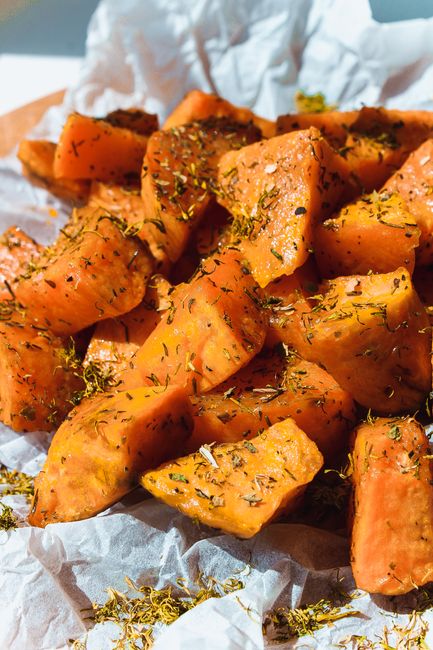
냉장고 야채칸에 고구마 세 알이 굴러다닌 지 벌써 나흘째다. 삶을까, 구울까 고민만 하다가 매번 그대로 덮어두는 이 패턴, 혹시 나만 그런 건 아닐 거다. 그런데 막상 마음먹고 하나를 조리해보면 다음 날 나머지 두 알까지 순식간에 사라진다. 고구마라는 게 원래 그렇다 — 손이 많이 갈 것 같아서 미루다가, 한 번 만들면 그 자리에서 접시가 빈다.
이번 글에서는 가을에 유독 달아지는 고구마로 만들 수 있는 요리 네 가지를 정리했다. 겉은 바삭하고 속은 촉촉한 맛탕, 집에서도 부드럽게 완성되는 고구마라떼, 속이 편안한 고구마죽, 그리고 에어프라이어 하나로 끝내는 고구마구이까지. 레시피마다 실패하기 쉬운 지점과 어울리는 품종을 함께 짚어뒀으니 순서대로 읽으면 시행착오를 꽤 줄일 수 있을 거다.
고구마 고르는 법부터 다르다
같은 요리라도 고구마 품종에 따라 결과가 확 갈린다. 밤고구마는 수분이 적고 포슬포슬해서 죽이나 라떼처럼 곱게 갈아 쓰는 요리에 어울리고, 호박고구마나 꿀고구마처럼 수분이 많고 당도가 높은 품종은 굽거나 맛탕을 만들 때 진가를 발휘한다. 표면에 검은 반점이 있거나 손으로 눌렀을 때 물컹한 것은 피하는 게 좋다. 저장할 때는 신문지에 하나씩 싸서 서늘하고 통풍이 되는 곳에 두면 2~3주는 무리 없이 버틴다. 냉장 보관은 오히려 심부 조직을 상하게 해서 맛이 떨어진다는 점, 의외로 많이들 모른다.
고구마 맛탕 — 튀김과 에어프라이어, 둘 다 성공하는 법
맛탕은 기름 온도 맞추는 게 관건이라고들 하는데, 사실 그보다 더 자주 실패하는 지점은 따로 있다. 바로 자른 고구마를 물에 담가 전분을 빼는 과정을 생략하는 것이다. 전분이 남아있으면 튀길 때 서로 들러붙고 시럽을 부었을 때 금방 눅눅해진다. 품종은 수분이 많은 호박고구마나 꿀고구마가 겉면이 더 매끈하게 코팅돼서 좋다.
재료 (2~3인분)
고구마 2개 (약 400g)
식용유 튀김용 300ml
설탕 2큰술, 올리고당 4큰술, 물엿 1큰술
소금 한 꼬집, 검은깨 약간
1단계. 고구마는 껍질을 벗기고 한입 크기로 큼직하게 썬 다음 찬물에 10분 정도 담가 전분기를 빼준다. 체에 밭쳐 키친타월로 물기를 완전히 제거하는 게 중요한데, 물기가 남아있으면 기름이 튄다.
2단계 (튀김 버전). 팬에 기름을 넉넉히 두르고 170도 정도로 달군 뒤 — 나무젓가락을 넣었을 때 잔거품이 보글보글 올라오면 그 온도다 — 고구마를 넣고 8~10분간 튀긴다. 젓가락으로 찔렀을 때 저항 없이 쑥 들어가면 다 익은 것이다.
2단계 (에어프라이어 버전). 기름 없이 만들고 싶다면 190도에서 12분 구워도 된다. 겉면의 바삭함은 튀김 쪽이 조금 더 선명하지만, 뒷정리 부담을 덜고 싶을 때는 에어프라이어가 확실히 편하다.
3단계. 시럽은 따로 팬에 설탕, 올리고당, 물엿, 소금을 넣고 약불에서 끓인다. 가장자리가 살짝 캐러멜색으로 변하기 시작할 때 익힌 고구마를 넣고 빠르게 버무리면 된다. 여기서 불을 끄지 않고 계속 뒤적이면 시럽이 타서 쓴맛이 나니 주의해야 한다. 검은깨를 뿌려 마무리하면 완성이다.
고구마라떼 — 재료 세 가지로 15분이면 충분하다
고구마라떼는 재료만 보면 단순하다. 그런데도 카페 메뉴판에서는 오천 원이 훌쩍 넘는다. 집에서 만들면 그 절반 비용으로, 오히려 당도와 농도를 취향껏 조절할 수 있다는 게 더 큰 장점이다. 밤고구마를 쓰면 고소한 맛이 진해지고, 호박고구마를 쓰면 색이 더 곱게 나온다.
재료 (1인분)
찐 고구마 120g (밤고구마 추천)
우유 180ml
꿀 또는 연유 1큰술
계핏가루 약간, 얼음 4~5개(아이스로 즐길 경우)
고구마는 전자레인지에 랩을 씌워 5~6분 돌리거나 찜기에 20분 쪄서 완전히 부드럽게 만든다. 껍질을 벗긴 뒤 우유, 꿀과 함께 믹서에 넣고 곱게 간다. 이때 우유를 한 번에 다 넣지 말고 절반만 먼저 갈아 농도를 확인한 다음 나머지를 더하면 원하는 되기로 맞추기가 쉽다. 너무 뻑뻑하게 갈렸다면 따뜻한 우유나 정수 두세 큰술을 추가로 섞으면 되고, 반대로 너무 묽다면 고구마 비율을 조금 늘리면 된다. 따뜻하게 먹으려면 갈아낸 뒤 냄비에 옮겨 약불로 데우면서 눌어붙지 않게 저어주고, 차갑게 먹으려면 얼음을 넣고 한 번 더 갈아준다. 마지막에 계핏가루를 살짝 뿌리면 향이 확 살아난다. 개인적으로는 연유를 쓰는 쪽이 꿀보다 목 넘김이 부드럽다고 느꼈는데, 이건 취향 차이니 둘 다 시도해볼 만하다.
고구마죽 — 속이 허할 때, 아침 대용으로도 좋다
죽이라고 하면 손이 많이 갈 것 같지만 고구마죽은 재료가 단출하다. 밤고구마처럼 포슬포슬한 품종을 쓰면 물에 잘 풀어져서 따로 으깨는 수고를 덜 수 있다. 호박고구마로 만들면 색이 진해지긴 하는데 수분이 많아 죽이 조금 더 묽게 나온다는 점은 감안해야 한다.
재료 (2인분)
고구마 2개 (약 350g, 밤고구마 추천)
불린 쌀 또는 밥 1공기
물 600ml
소금 약간, 설탕 1작은술 (선택)
고구마는 껍질을 벗기고 삶아 부드러워지면 절반은 으깨고 절반은 작게 깍둑썰어 남겨둔다. 이렇게 식감을 나눠주면 죽 전체가 밍밍해지지 않는다. 냄비에 물과 밥(또는 불린 쌀)을 넣고 끓이다가 쌀알이 퍼지기 시작하면 으깬 고구마를 넣어 저어가며 15분 정도 뭉근하게 끓인다. 마지막에 깍둑 썬 고구마를 넣고 5분만 더 끓여 씹는 맛을 살린다. 간은 소금으로만 해도 충분한데, 단맛을 더 원하면 설탕을 아주 조금 넣는 정도로 그친다. 너무 달게 만들면 죽 본연의 편안한 맛이 사라진다는 걸 몇 번 만들어보고 나서야 알았다.
고구마구이 — 에어프라이어로 노점 맛에 가장 가깝게
에어프라이어로 만드는 군고구마는 화력이 약해서 맛이 덜할 거라 생각하기 쉬운데, 두 번 나눠 굽는 방식을 쓰면 당도를 훨씬 더 끌어낼 수 있다. 이 요리만큼은 수분과 당도가 높은 호박고구마나 꿀고구마가 확실히 유리하다.
고구마를 깨끗이 씻어 물기를 남긴 채로(이 물기가 껍질을 촉촉하게 만들어준다) 에어프라이어 바스켓에 서로 겹치지 않게 배치한다. 먼저 150도에서 20분 구운 뒤 뒤집어서 다시 200도로 15분을 더 굽는다. 낮은 온도에서 먼저 익히면 고구마 안의 전분이 당으로 전환될 시간을 벌어주고, 이후 고온에서 마무리하면 껍질이 쫀득하게 마무리된다. 크기가 큰 고구마라면 시간을 5분씩 늘려가며 조절하면 된다. 다 구운 뒤 젓가락으로 찔러 스르륵 들어가면 완성이고, 아니면 5분씩 추가로 돌리면 된다.
보너스 — 자주 묻는 질문
Q. 맛탕 시럽이 자꾸 굳어서 딱딱해져요. 시럽을 너무 오래 끓이면 캐러멜화가 지나쳐서 식으면서 딱딱하게 굳는다. 가장자리가 갈색으로 변하기 시작하는 순간 바로 불을 끄고 고구마를 넣어야 촉촉한 상태로 마무리된다.
Q. 고구마에 싹이 텄는데 먹어도 되나요? 감자와 달리 고구마 싹에는 독성이 없어서 싹만 제거하면 먹는 데 문제는 없다. 다만 싹이 많이 자랄수록 속의 수분과 당분을 뺏기면서 맛이 퍽퍽해지니, 발견하는 즉시 조리하는 걸 권한다.
Q. 한꺼번에 많이 삶았는데 남으면 냉동해도 되나요? 삶거나 찐 고구마는 식힌 뒤 으깨거나 조각낸 상태로 밀폐용기에 담아 냉동하면 한 달 정도는 두고 먹을 수 있다. 라떼나 죽을 만들 때는 냉동한 채로 바로 넣고 끓여도 무방하다.
A few years ago, walking into a samgyeopsal joint by myself around 7 p.m. on a Friday would have earned me a look from the ajumma at the counter — not hostile, just puzzled, like I’d shown up to a wedding without a date. These days, nobody blinks. I can slide onto a stool at a ramyeon bar in Hongdae, order through a touchscreen without saying a word to another human being, and eat my noodles in peace while couples argue quietly two seats over. Something shifted, and it happened faster than most outsiders realize.
That something has a name: honbap. It’s a mashup of “honja” (alone) and “bap” (rice, or more loosely, a meal), and if you’d typed it into a search bar in, say, 2011, you’d have gotten mostly blank stares. The word barely existed. Now it’s stitched into ordinary conversation the way “brunch” is in English — nobody remembers a time before it, even though that time was recent.
Why Eating Alone Used to Feel Loaded
To understand why honbap became a whole cultural conversation instead of just a personal preference, you have to know what it was pushing against. Korean dining has historically been built around the group — dishes served family-style, shared side dishes (banchan) refilled for the table, portions sized for at least two people, and a social rhythm where eating together after work or class was less an option than an expectation. Sitting alone at a restaurant wasn’t illegal or even explicitly frowned upon; it just read as a small signal that something was off. Maybe you had no friends. Maybe you’d been dumped. Maybe you were the type who couldn’t function in a group, and in a culture that leaned hard on nunchi — reading the room, matching everyone else’s pace — eating solo made you the one variable nobody could read.
I’ll admit I underestimated how real that stigma was until I watched a Korean coworker, back around 2014, visibly steel herself before eating lunch alone at her desk instead of walking down to a restaurant by herself. She wasn’t ashamed of the food. She was avoiding the optics of a table for one. That’s a strange thing to explain to someone from a country where solo lunches are just Tuesday.
What Actually Changed the Math
Several things converged, and none of them were about food snobbery or some sudden embrace of introversion. Household structure changed first and hardest: by the early 2020s, roughly a third of households in Seoul were single-person households, a number that would have seemed implausible a generation earlier. That’s not a niche demographic anymore — that’s a market. Restaurants, being businesses and not moral institutions, noticed.
Around the same period — people who track this stuff point to somewhere near 2017 as the inflection — “honjok,” the alone tribe, went from a slightly mocking label to something closer to a lifestyle brand. Variety shows started featuring people who lived alone and seemed fine, even enviable. Convenience stores expanded their single-serving meal sections. And crucially, kiosks arrived. Once you can order and pay without speaking to a cashier or a server, a huge chunk of the social friction around eating alone just evaporates — nobody has to make small talk, nobody has to explain that yes, it’s just you, table for one.
Even so, I don’t think technology alone explains it. Kiosks made solo dining logistically easier, but the cultural permission had to come first, or people would have just avoided those restaurants altogether. The two reinforced each other.
The Restaurants Built Around You, Singular
The clearest proof that honbap stopped being a fringe behavior is that entire restaurant formats now exist because of it. Ramyeon and donkatsu chains with long bar-style counters facing a wall or an open kitchen are everywhere now, and that layout isn’t accidental — it’s a deliberate signal that a single diner isn’t an inconvenience to be seated awkwardly at a four-top, but the default customer the space was designed for. Some hot pot and jjigae spots now do single-portion stone pots, which sounds obvious until you remember that traditionally a lot of stews were built to be ladled out to multiple bowls from one shared pot.
The category I find genuinely clever, though, is one-person barbecue. Grilled meat was the textbook example of a dish that punished solo diners — more on that in a second — so a wave of restaurants (Gogitbar being probably the most recognized name in the space) built individual grill stations, one per seat, so you get your own little tabletop burner and your own portion instead of negotiating shared grill real estate with strangers. It’s a strange kind of innovation: solving a social problem with a hardware solution.
Honsul — drinking alone, the sibling trend to honbap — has followed a similar arc. Standing bars and small wine bars with counter seating have multiplied, and nobody assumes the person alone with a glass of makgeolli is having a crisis. If anything, in some neighborhoods it reads as mildly stylish, the kind of thing you’d see in a lifestyle magazine spread rather than something to be embarrassed about.
What Still Doesn’t Quite Work Solo
I don’t want to oversell how far this has come, because there are real limits, and pretending otherwise would be dishonest. Classic samgyeopsal — the pork belly barbecue that’s arguably Korea’s most iconic communal dish — is still awkward to eat alone in a lot of ordinary restaurants, the ones without the one-person setups I just mentioned. The reasons are structural, not just social: many places sell it in units of two servings minimum, the grill is genuinely more fun and more efficient with someone else managing the tongs while you drink, and the whole ritual — wrapping the meat in lettuce, passing bowls, refilling each other’s soju glasses — is built for at least a pair. You can absolutely order it alone at plenty of places now, but you’re often paying for two servings whether you eat them or not, which turns “eating alone” into “eating alone, expensively.”
Group-portion dishes are the other holdout. Things like certain jjimdak, budae jjigae, or seafood boils are priced and portioned assuming multiple mouths, and a solo diner ordering one is either going to have a lot of leftovers or is going to get a polite but firm “this is for two people minimum” from the server. It’s not personal — it’s just the economics of a dish built around a shared pot. Turns out cultural change moves faster than menu engineering; restaurants can rearrange seating in a season, but redesigning a dish’s entire cost structure around single portions is a bigger lift.
Company dinners — hoesik — sit outside honbap’s reach entirely, but that’s a different animal with its own hierarchy and expectations, not really a solo-dining question at all.
The Generational Split Is Real, and It’s Not Just About Age
Ask a Korean in their 20s about eating alone and you’ll often get something close to indifference — it’s just how Tuesday lunch works sometimes, no bigger a decision than picking a Netflix show. Ask someone in their 50s or 60s and you’re more likely to hear an acknowledgment that things have changed, paired with a lingering sense that eating alone, especially at a nicer restaurant or for a special occasion, still feels a little sad, or at least worth commenting on. That’s not universal — plenty of older Koreans have embraced honbap as simply efficient, and plenty of younger ones still find certain solo situations (a table for one at a wedding-hall-style buffet, for instance) genuinely uncomfortable.
What I’ve noticed, having lived through roughly a decade of this shift, is that the generational gap isn’t really about whether eating alone is acceptable anymore — pretty much everyone agrees it is — it’s about which situations still carry weight. For someone who came of age professionally in the 1990s, the workplace lunch group was practically a duty; skipping it to eat alone could read as a small social statement even if none was intended. For someone who graduated during or after the pandemic, remote work and delivery apps had already normalized eating by yourself well before honbap became a cultural buzzword, so the whole debate can feel a bit like adults discovering something teenagers already knew.
There’s also a quieter class dimension worth naming honestly: honbap as a trendy, empowered lifestyle choice is a different experience than honbap as an unavoidable reality for someone working long hours with no one to eat with. The same act — a bowl of noodles, alone, at a counter — can be read as liberation or as loneliness depending entirely on context, and I think part of why the topic still generates so much commentary in Korea is that both readings are true at once, for different people, sometimes for the same person on different days.
So, Is It Actually Rude?
No — and honestly, it hasn’t been “rude” in any formal sense for a while now. What lingers isn’t rudeness but residue: a faint cultural memory of a time when solo dining meant something about your social standing, even though the infrastructure, the businesses, and most of the people around you have already moved past that. If you’re visiting or living in Korea and hesitant to eat alone, the honest answer is that almost nowhere will treat you badly for it, and a growing number of places are specifically built for exactly that. The exceptions are narrow and mostly about menu logistics, not judgment — a samgyeopsal spot that needs two orders minimum isn’t shaming you, it’s just running a kitchen designed around a different assumption.
What surprised me most, watching this unfold over years rather than reading about it after the fact, is how quickly the infrastructure caught up to the sentiment once the sentiment tipped. Culture is usually slower than that. Here, it took roughly a decade to go from “table for one” being a quiet confession to being a menu category.
FAQ
Is it weird to eat samgyeopsal alone in Korea?
It’s increasingly normal, but check the restaurant first. Ordinary neighborhood BBQ spots often have a two-serving minimum simply because of how the dish and grill are set up, while one-person BBQ chains (Gogitbar and similar) are built specifically for solo grilling, single portion and all — no minimum, no awkwardness.
Will servers judge me for eating alone at a nice restaurant?
Almost certainly not for judgment in the sense of disapproval, though at higher-end or banquet-style places (think wedding-hall buffets or set-course restaurants built around groups) you may just get a slightly puzzled clarifying question about your reservation, since the format itself assumes company rather than the diner being unwelcome.
What’s the easiest way to eat alone without feeling self-conscious?
Look for counter or bar seating facing the kitchen or a wall — ramyeon shops, donkatsu counters, and casual Japanese-style spots usually have this by design — and use the kiosk if there is one. Ordering without a verbal exchange removes most of the friction people worry about, and it’s honestly how a large share of solo diners in Korea already do it.
유독 피곤했던 밤, 베개에 머리를 대자마자 귓속에서 “삐-” 하는 가느다란 소리가 파고든 적 있으신가요. 대부분은 몇 초, 길어야 몇 분 안에 사라지니 대수롭지 않게 넘깁니다. 그런데 마흔을 넘기고부터 이 소리가 며칠씩 이어지거나, 잠자리에 누울 때마다 매미 우는 소리가 반복된다면 이야기가 달라집니다. 피곤해서 그런 거 아니냐고 생각하기 쉽지만, 의외로 이명은 몸이 보내는 여러 신호 중 하나로 나타나는 경우가 많습니다.
전문가들은 살면서 한 번이라도 이명을 경험하는 사람이 전체 인구의 15~20%에 이른다고 말합니다. 다섯 명 중 한 명꼴이니 생각보다 흔한 증상입니다. 문제는 40대 이후부터는 이 흔한 증상이 그냥 스쳐 지나가는 해프닝이 아니라 청력 저하나 혈관 건강 변화와 맞물려 나타나는 경우가 늘어난다는 점입니다.
왜 하필 40대 이후에 이명이 늘어날까
이명의 원인은 한 가지로 딱 떨어지지 않습니다. 스트레스, 소음 누적 노출, 노화성 난청, 혈압 문제까지 여러 요인이 겹쳐서 나타나는 경우가 많습니다. “왜 나만 이러지” 싶은 마음이 들 수 있는데, 사실 원인을 하나로 좁히기 어려운 게 이명이라는 증상 자체의 특징이기도 합니다.
1. 스트레스와 자율신경 – 만만하게 볼 게 아니다
스트레스 때문에 귀울림이 생긴다고 하면 “그냥 신경성 아니냐”며 대수롭지 않게 넘기는 분들이 많습니다. 그런데도 실제로는 스트레스가 자율신경계를 자극해서 귓속 미세혈관의 혈류를 변화시키고, 이 과정에서 청각신경이 예민해지면서 없던 소리가 인지되는 경우가 있습니다. 만성 피로나 수면 부족이 겹치면 평소보다 이명이 더 크게, 더 자주 느껴진다고 호소하는 분들도 적지 않습니다.
야근이 몰린 주에 유독 귀가 울린다거나, 중요한 일을 앞두고 며칠 뜬눈으로 지새운 뒤 증상이 심해졌다면 이 패턴을 의심해볼 만합니다. 물론 스트레스성이라고 단정할 수는 없습니다. 다른 원인이 함께 있는지 살펴보는 게 먼저입니다.
2. 소음 노출의 누적 – 젊을 때 낸 소리가 지금 청구서로 돌아온다
“나 이제 시끄러운 데 잘 안 가는데?”라고 반문할 수 있습니다. 그런데 소음성 난청은 지금 당장의 노출보다 누적된 과거 노출이 더 크게 작용합니다. 20~30대에 이어폰을 크게 틀고 다녔거나, 공사장이나 공장처럼 소음이 많은 환경에서 오래 일했다면 그 손상이 시간이 지나 40대 무렵부터 서서히 드러나는 식입니다.
달팽이관 안에는 소리를 전기신호로 바꿔주는 유모세포가 촘촘히 박혀 있는데, 이 세포는 한 번 꺾이거나 손상되면 다시 자라나지 않습니다. 그래서 억울한 지점이 생깁니다. 20대에 소리를 크게 들었을 땐 멀쩡했지만, 손상은 그때 이미 시작됐고 40대에 들어서야 겉으로 드러나는 겁니다. 게다가 유모세포가 보내야 할 신호가 끊기면 뇌의 청각 중추가 그 빈자리를 스스로 메우려는 반응을 보이는데, 이 과정에서 실제로는 존재하지 않는 소리를 뇌가 만들어내는 게 이명의 한 기전으로 설명되곤 합니다. 억울하게 느껴질 수 있지만, 이게 소음성 난청의 특징입니다.
3. 노화성 난청의 초기 신호일 가능성
노화성 난청, 의학 용어로는 노인성 난청 혹은 presbycusis라고 부르는 이 현상은 보통 60대부터 본격적으로 나타난다고 알려져 있지만, 실제로는 40대부터 서서히 진행이 시작되는 사례가 드물지 않습니다. 처음에는 고음역대부터 소리가 잘 안 들리다가, 그 빈 자리를 뇌가 스스로 채워 넣으려는 과정에서 이명이 동반되는 것으로 설명되곤 합니다.
“아직 젊은데 벌써 노화성 난청이라니” 싶을 수도 있습니다. 그런데 청력은 30대 중반부터 이미 아주 천천히 낮아지기 시작한다는 게 여러 자료의 공통된 설명입니다. 체감이 안 될 뿐이지 진행 자체는 훨씬 일찍 시작된다는 뜻입니다.
4. 혈압, 의외로 귀와 연결되어 있다
혈압이랑 귀울림이 무슨 상관이냐 싶겠지만, 관련이 없지 않습니다. 고혈압이 지속되면 달팽이관으로 가는 미세한 혈관의 혈류에 영향을 줄 수 있고, 이 상태가 이명으로 이어질 수 있다는 연구들이 보고돼 있습니다. 특히 심장 박동에 맞춰 “쿵쿵” 울리는 듯한 박동성 이명은 일반적인 “삐-” 소리와는 결이 다릅니다. 혈관 벽이 좁아졌거나 혈류 속도가 평소와 달라졌을 때 그 흐름 자체가 소리로 인지되는 경우가 많아서, 혈관 쪽 문제와 관련이 있는 경우가 상대적으로 많다고 봅니다. 그래서 이 유형은 다른 이명보다 조금 더 주의 깊게 봐야 합니다.
혈압 관리를 오래 해오신 분이라면 혈압약과 관련한 이전 글도 참고해보시면 도움이 될 수 있습니다. 혈압과 청각 건강은 따로 떨어진 문제가 아니라는 걸 짚고 넘어가고 싶었습니다.
정리하면, 이 네 가지가 핵심입니다
스트레스·수면 부족 → 자율신경 자극 → 귓속 혈류 변화
과거 소음 노출 누적 → 유모세포 손상 → 뇌가 빈자리를 메우며 소리 인지
노화성 난청 초기 → 고음역대부터 서서히 저하
고혈압·혈류 변화 → 박동성 이명 형태로 나타나기 쉬움
자가체크 포인트 – 이 정도는 스스로 확인해볼 수 있다
진단은 당연히 병원에서 받아야 하지만, 그전에 스스로 패턴을 관찰해보는 것만으로도 의료진에게 훨씬 구체적인 정보를 전달할 수 있습니다. 아래 항목을 하나씩 짚어보시길 권합니다.
한쪽 귀에서만 소리가 나는지, 양쪽 다 그런지
소리의 성격이 “삐-” 하는 고음인지, 심장 박동에 맞춰 “쿵쿵” 뛰는 느낌인지
증상이 며칠 만에 사라지는지, 2주 넘게 이어지는지
어지럼증이나 귀 먹먹함이 함께 나타나는지
전화 통화할 때 한쪽 귀가 유독 잘 안 들리지는 않는지
이 항목들이 두세 개 이상 겹쳐서 나타난다면 그냥 넘기지 않는 게 낫습니다.
언제는 정말 이비인후과에 가야 할까
“이 정도는 다들 겪는 거 아니야?” 하고 넘기고 싶은 마음, 이해합니다. 그런데도 다음과 같은 경우라면 미루지 않고 이비인후과 진료를 받아보시는 걸 권합니다. 특히 한쪽 귀에서 갑자기 소리가 안 들리면서 이명이 동반된 경우입니다. 이런 유형은 초기 대응 시점이 예후에 영향을 줄 수 있다고 알려져 있어서, 며칠 지켜보다가 병원에 가는 것보다는 가능한 한 빨리 진료를 받는 편이 안전합니다.
심장 박동과 맞물려 울리는 박동성 이명, 어지럼증이나 구토감을 동반하는 이명, 한쪽 귀에서만 지속되는 이명도 마찬가지입니다. 증상이 2주 이상 계속되거나 일상생활에 지장을 줄 정도로 신경 쓰인다면, 그것만으로도 진료를 받을 이유는 충분합니다. 이명은 방치할수록 뇌가 그 소리 자체를 하나의 패턴으로 학습해서 더 예민하게 반응하게 된다는 설명도 있으니, 미루는 게 늘 능사는 아닙니다.
자주 묻는 질문
자기 전에만 유독 삐- 소리가 들려요, 왜 그런가요?
낮에는 주변 소음 때문에 이명 소리가 묻혀서 잘 못 느끼다가, 밤에 조용해지면 상대적으로 크게 들리는 경우가 흔합니다. 이걸 “밤에만 심해진 것”으로 착각하기 쉬운데, 실제로는 소리 자체의 크기가 커진 게 아니라 주변이 조용해지면서 도드라져 보이는 것일 수 있습니다. 다만 정말로 밤마다 강도가 세지는 느낌이 지속된다면 자가 판단으로 끝내지 말고 진료로 확인해보시는 게 좋습니다.
한쪽 귀에서만 들리는데 이것도 이명인가요?
네, 한쪽 귀에서만 나타나는 것도 이명의 한 형태입니다. 오히려 양쪽보다 한쪽에서만 나타나는 이명이 특정 원인과 연관될 가능성이 있다고 보는 시각이 많아서, 더 가볍게 넘길 게 아니라 더 신경 써서 확인해봐야 하는 유형입니다.
이명이 있으면 보청기부터 알아봐야 하나요?
보청기가 필요한지, 다른 방식의 관리가 필요한지는 청력 검사와 진찰 결과에 따라 완전히 달라지는 문제입니다. 인터넷 정보만 보고 미리 결론 내리기보다는, 이비인후과에서 정확한 검사를 받은 뒤 그 결과를 바탕으로 상담받는 순서가 맞습니다.
결국 이명은 단일 질환이 아니라 여러 원인이 섞여서 나타나는 하나의 ‘증상’에 가깝습니다. 스트레스 때문일 수도, 오래전 소음 노출의 결과일 수도, 노화성 난청의 초기 신호일 수도, 혈압 문제와 맞물린 것일 수도 있습니다. 원인이 이렇게 다양하다 보니 스스로 판단해서 결론 내리는 건 오히려 위험할 수 있습니다. 귀가 보내는 이 작은 신호를 귀찮은 잡음으로 치부하지 말고, 몸 상태를 한 번 점검해보는 계기로 삼아보시면 좋겠습니다.
설악산 케이블카 타려고 새벽부터 줄 서는 사람들 틈에 끼어본 적 있는가. 매표소 앞에 100명 넘게 늘어선 줄을 보고 발길을 돌린 적이 있다. 강풍이나 안개면 아예 운행이 멈추는 케이블카를 믿고 하루 일정을 짰다가는 낭패 보기 십상이다. 그래서 이번엔 케이블카를 아예 코스에서 뺐다. 대신 대포항으로 방향을 틀었더니, 오히려 하루가 더 알차게 채워졌다.
오늘의 동선을 먼저 정리하면 이렇다. 오전 10시 아바이마을 갯배(40분) → 낮 12시 중앙시장 닭강정(1시간) → 오후 2시 대포항 회와 방파제(1시간 반) → 오후 4시 바다뷰 카페(1시간). 케이블카 대기줄 하나만 뺐을 뿐인데 전체 일정이 이렇게 헐렁해질 줄은 몰랐다.
속초행, 왜 케이블카부터 버렸나
속초 당일치기 하면 다들 설악산 케이블카를 1순위로 꼽는다. 권금성 전망대에서 보는 동해 풍경은 분명 값어치가 있다. 그런데 문제는 변수다. 케이블카는 사전 예약 제도가 없다. 당일 현장 발권만 가능하고, 기상 상황에 따라 운행이 수시로 중단된다. 성수기 주말엔 대기가 1시간을 넘기는 일도 흔하다. 하루짜리 일정에서 1시간 반, 심하면 2시간을 대기줄에 쏟아붓는다는 게 나는 영 아깝게 느껴졌다.
그래서 이번 방문은 아예 케이블카를 빼고 짜봤다. 대신 대포항과 바다뷰 카페를 채워 넣었다. 결과는 의외였다. 이동 스트레스가 줄어드니 오히려 한 곳 한 곳에 더 오래 머물 수 있었고, 사람에 치이지 않고 속초를 훨씬 여유롭게 돌아본 하루가 됐다. 서울에서 출발한다면 새벽 6시 반, 늦어도 7시엔 출발선을 넘는 게 좋다. 서울양양고속도로는 오전 9시를 넘기면서부터 인제·홍천 구간이 서서히 막히기 시작하는데, 이 타이밍만 피해도 도착 시간이 30분 이상 앞당겨진다.
오전 10시, 아바이마을 갯배부터
속초 여행에서 가장 흔한 실수가 아바이마을을 차로 빙 돌아 들어가는 거다. 그러면 이 여행에서 제일 재밌는 부분을 놓친다. 청초호 나루터에서 갯배를 타고 건너야 진짜 아바이마을 여행이 시작된다. 편도 요금 500원, 이렇게 저렴해도 되나 싶겠지만 실제로 그렇다. 모터 없이 쇠줄을 손으로 당겨 건너는 방식이라 관광객도 직접 줄을 당겨볼 수 있다. 건너는 시간은 2~3분 남짓인데, 이 짧은 순간이 하루 여행 중 가장 기억에 남는다는 사람이 의외로 많다.
함경도 실향민들이 정착하며 형성된 마을이라 골목 곳곳에 그 흔적이 남아 있다. 오징어순대, 아바이순대 골목을 지나 벽화와 옛날 사진들을 구경하다 보면 30~40분이 훌쩍 지나간다. 이름만 보면 매콤한 순대볶음을 기대하게 되는데, 정작 담백하고 슴슴한 맛이라 처음 먹는 사람은 대부분 한 번씩 어리둥절해한다. 두 번째 먹을 때부터 그 슴슴함에 자꾸 손이 가는 게 아바이순대의 반전 매력이다. 갯배 선착장 인근에는 조양동 갯배 선착장 주차장이 있어 차를 가져왔다면 여기가 제일 무난하다.
낮 12시, 중앙시장 닭강정으로 배 채우기
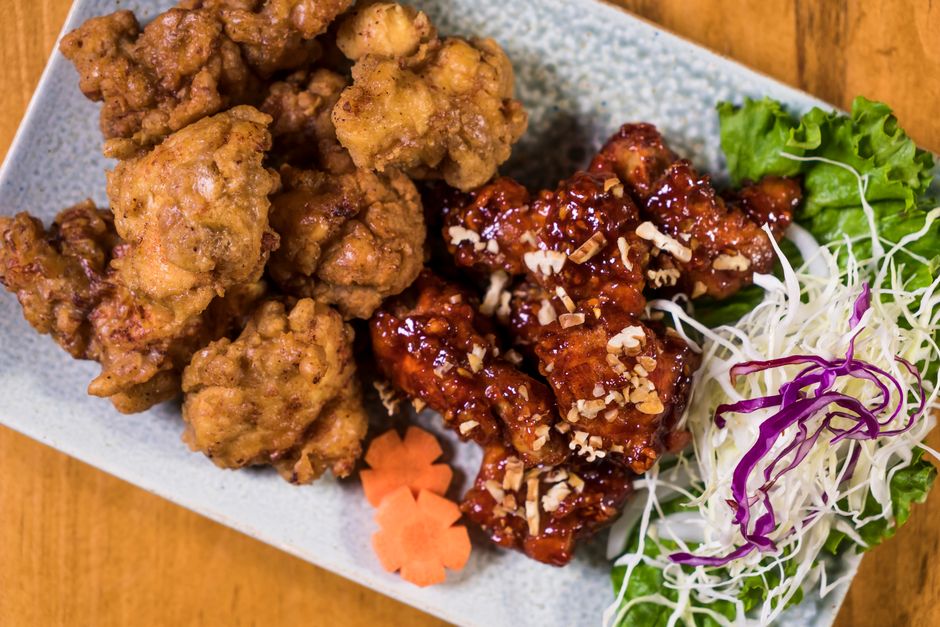
아바이마을에서 갯배로 다시 건너오면 걸어서 5분 거리에 중앙시장, 정식 명칭으로는 속초관광수산시장이 있다. 닭전골목, 순대골목, 젓갈어시장골목이 나뉘어 있는데, 처음 가면 방향을 잃기 쉽다. 닭강정 원조 논쟁이 있는 몇몇 가게는 웨이팅이 길어서, 줄이 짧은 지점을 골라 들어가는 게 시간 관리에는 낫다. 뼈닭강정과 순살 기준 한 마리에 19,000원에서 21,000원 사이, 두세 명이 먹기엔 한 마리로 충분하다.
시장 안을 걷다 보면 오징어순대, 회오리감자, 홍게라면 냄새가 한데 섞여서 정신이 없다. 이게 또 중앙시장 특유의 매력이라 싫지가 않다. 낮 12시부터 오후 2시 사이가 가장 붐비는 시간대니, 웨이팅을 줄이고 싶다면 오전 10시 반 전에 도착하는 걸 권한다. 여기서는 딱 한 마리만 포장해서 아이스박스나 보냉백에 챙겨 넣자. 대포항에서 곧바로 회를 먹을 예정이니, 닭강정은 저녁에 집에서 꺼내 먹을 몫으로 남겨두는 편이 동선이 훨씬 깔끔하다. 중앙시장 먹거리를 더 파고들고 싶다면 속초 중앙시장 맛집 코스 글에 가게별 웨이팅 정보를 더 자세히 정리해뒀다.
오후 2시, 대포항 회 한 접시와 방파제 산책
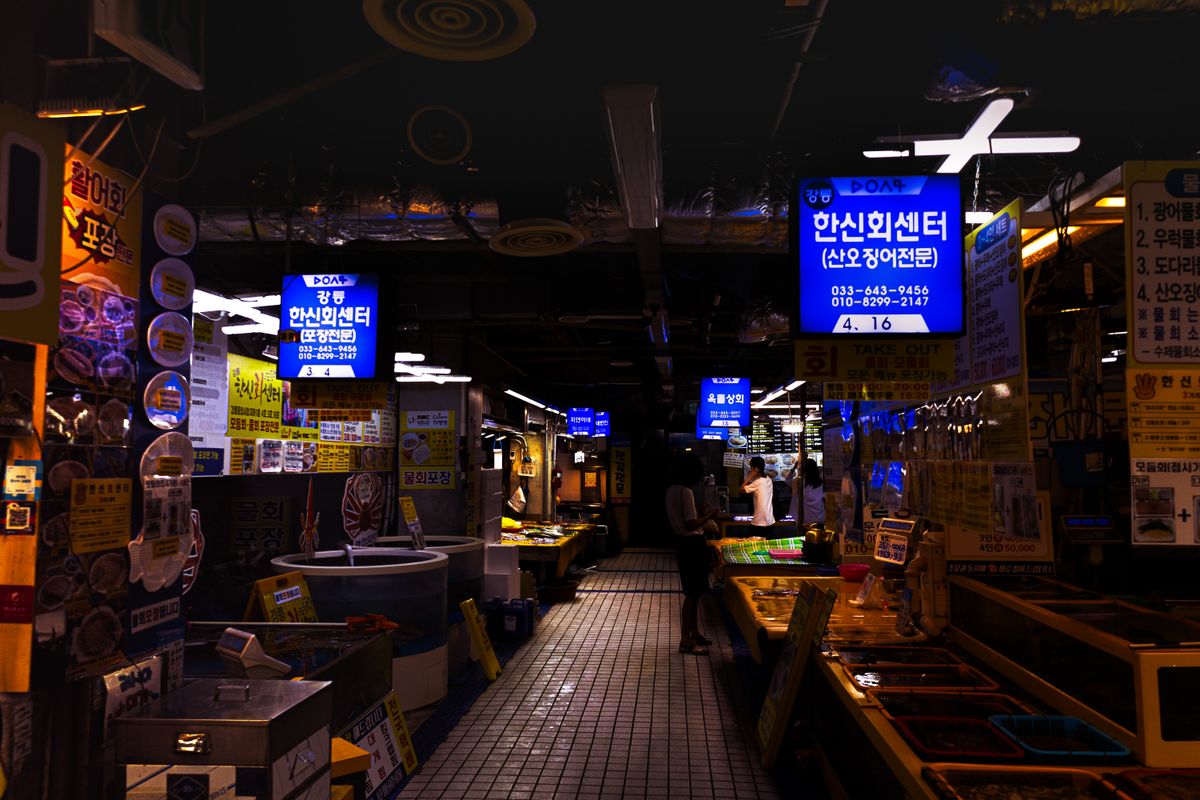
중앙시장에서 차로 15분이면 대포항에 닿는다. 케이블카 대신 이곳을 넣은 이유, 여기서 확실히 체감된다. 예약도 대기도 필요 없고, 회 한 접시 값이면 바다를 실컷 보고 나올 수 있다. 대포항 활어회센터에 들어서면 1층에서 직접 회를 뜨고 2층 식당에서 초장값을 내고 먹는 구조인데, 광어나 우럭 기준 2인분에 4~5만 원선이면 넉넉하게 먹는다. 대게나 홍게철이라면 가격이 조금 올라가지만, 그래도 서울 시내보다는 확실히 저렴하다는 게 이 동네 사람들 얘기다. 통유리창 너머로 정박한 배들이 보이는 좌석에 앉아 짭짤한 바닷바람 냄새를 맡으며 회를 뜨는 그 순간, 케이블카 줄에서 날렸을 시간이 하나도 아깝지 않다는 생각이 들었다.
밥을 먹고 나면 방파제 쪽으로 걸어보자. 등대전망대까지 왕복 20분이면 충분한데, 여기서 보는 동해는 아바이마을이나 중앙시장에서 본 바다와는 결이 다르다. 방파제 끝에 서면 파도가 테트라포드에 부딪히는 소리가 꽤 크게 들리고, 저 멀리 오징어잡이 배들이 점처럼 떠 있는 게 눈에 들어온다. 권금성 전망대의 탁 트인 스케일에는 못 미치지만, 코앞에서 바다를 마주하는 밀도감은 오히려 이쪽이 낫다는 느낌마저 든다. 갈매기가 유독 많은 곳이라 새우깡을 들고 있으면 순식간에 몰려드니, 아이와 함께라면 미리 언질을 해두는 게 좋다.
오후 4시, 동해 바다뷰 카페에서 마무리
속초 여행 글에 카페 얘기가 잘 안 나오는 게 늘 의아했다. 케이블카나 시장 이야기만 반복되다 보니 정작 하루를 마무리할 곳이 빠진 셈이다. 대포항에서 차로 10분 거리, 청초호를 낀 옛 조선소 건물을 개조한 칠성조선소 같은 카페가 요즘 속초 여행자들 사이에서 은근히 입소문을 타고 있다. 녹슨 철제 골조와 콘크리트 마감을 그대로 살려둔 공간에 커다란 통유리창을 낸 구조라, 자리에 앉으면 유리 너머로 호수와 그 끝에 겹쳐진 바다가 한 프레임에 들어온다. 낡은 것과 트인 풍경이 부딪히는 이 대비가, 사진으로 옮기면 예상보다 훨씬 근사하게 나온다.
속초해변 인근 카페거리 쪽으로 방향을 잡아도 좋다. 대형 통창 좌석은 오후 4~5시쯤이면 노을이 지기 시작해서 자리 경쟁이 살짝 붙는다. 커피 한 잔에 6천 원에서 8천 원 선, 크게 비싼 편은 아니다. 케이블카 대기줄에서 시간을 쓰는 대신 여기서 한 시간쯤 앉아 바다를 보고 있으면, 하루 일정을 서두르지 않고 마무리했다는 느낌이 확실히 든다. 개인적으로는 이 한 시간이 이번 코스에서 제일 만족스러운 순간이었다.
이 동선, 실제로 하루에 다 되나
정리하면 오전 10시 아바이마을 갯배(40분) → 낮 12시 중앙시장 닭강정(1시간) → 오후 2시 대포항 회와 방파제 산책(1시간 반) → 오후 4시 바다뷰 카페(1시간)까지, 오전 10시에 시작하면 오후 5~6시쯤 여유 있게 끝난다. 케이블카를 뺀 대신 이동 거리가 짧고 대기가 없으니, 서울에서 아침 일찍 출발한다면 왕복까지 포함해도 무리 없는 당일치기가 나온다. 물론 설악산 단풍철이나 여름 성수기 주말엔 대포항과 카페 쪽도 붐비긴 하지만, 케이블카 대기줄만큼 변수가 크지는 않다.
차가 없다면 속초시외버스터미널에서 시내버스로 아바이마을, 중앙시장까지는 무난하게 닿는다. 다만 대포항까지는 배차 간격이 넓어서 택시를 섞어 쓰는 게 시간을 아끼는 방법이다. 렌터카를 빌린다면 아바이마을-중앙시장-대포항-카페 순서로 동선을 짜는 게 가장 헤매지 않는다. 돌아가는 길, 고속도로 정체가 걱정된다면 저녁 7시 이전에 속초를 벗어나는 걸 목표로 잡자. 일요일 오후 4시 이후로는 양양고속도로 서울 방향 정체가 본격적으로 시작되는 편이다.
자주 묻는 질문
Q. 설악산 케이블카 없이 속초 여행이 아쉽지 않을까요? 케이블카는 날씨 변수가 크고 사전 예약도 안 되니, 시간이 빠듯한 당일치기라면 오히려 대포항과 카페 코스가 마음 편하다. 다음에 1박 2일로 여유 있게 온다면 그때 케이블카를 넣는 것도 방법이다.
Q. 대포항 근처 주차는 어디가 편한가요? 대포항 공영주차장이 활어회센터 바로 옆에 있어서 가장 편하다. 성수기 주말 낮 시간대는 자리가 금방 차니 오후 1시 전에 도착하는 걸 권한다. 만차면 인근 대포동 다목적 주차장까지 걸어서 5분 정도 걸린다.
Q. 이 코스, 대중교통만으로도 가능한가요? 아바이마을과 중앙시장까지는 시내버스로 충분하다. 다만 대포항과 카페 구간은 배차가 넓어서 택시 이용을 섞는 걸 권한다. 서울에서 왕복한다면 고속버스나 시외버스를 이용하고, 현지에서는 택시 위주로 움직이는 게 시간 손실을 줄이는 방법이다.