Blog

  • Is It Rude to Pour Your Own Drink in Korea? Inside the Pouring Etiquette

    Is It Rude to Pour Your Own Drink in Korea? Inside the Pouring Etiquette

    The first time someone in Korea reached over and quietly took the bottle out of my hand, I honestly thought I’d done something wrong. I was maybe four months into living here, sitting at a plastic table outside a chicken-and-beer place, and I’d just gone to refill my own glass the way I would anywhere else. My friend didn’t say a word. He just gently pried the bottle from my fingers, filled my glass for me, and set the bottle back down like nothing had happened. I sat there confused for a second, then asked him straight out why he’d done that. He shrugged and said something like, “you don’t pour for yourself here,” as if it were the most obvious thing in the world, then went right back to the conversation we’d been having. It took me another week of quietly asking coworkers between meetings โ€” and one older coworker actually walking me through it over lunch, complete with a demonstration using a water bottle โ€” before I understood what had actually gone on at that table.

    This is one of those cultural details that guidebooks mention in a single line stuffed into the back of a sidebar โ€” “don’t pour your own drink” โ€” and then move on, as if that sentence explains anything. It doesn’t. There’s a whole quiet choreography behind who pours for whom, when, and how, and once you start noticing it, you see it everywhere: company dinners, family gatherings, a couple of coworkers grabbing soju after a long shift. Even solo diners aren’t exempt from thinking about it, just in reverse โ€” more on that in a second. I want to walk through what’s actually going on, because the logic underneath it is more interesting than “it’s just tradition.”

    Why You’re Not Supposed to Pour Your Own Glass

    The basic rule is simple to state: at a shared Korean table, you don’t fill your own glass. Someone else fills it for you, and in turn, you fill someone else’s. It sounds almost too neat, like a system designed by a committee, but it grew out of something pretty old โ€” the Confucian idea that a shared meal is really a web of relationships, not just a bunch of individuals eating in the same room. Pouring for someone is a small physical acknowledgment that you see them, that you’re paying attention to their glass, not just your own plate.

    One thing worth clearing up right away: this only applies when you’re actually at a table with other people. If you’re eating alone at a Korean restaurant โ€” which is completely normal here and even has its own name and dedicated culture โ€” none of this applies. You pour your own drink exactly the way you would anywhere else, no ritual required. The whole system exists to manage a social exchange, so once there’s no one else’s glass to think about, it simply switches off.

    You’d think having someone else control your glass would slow a meal down, make it feel stiff and managed. And okay, sometimes it does, especially early on when you’re still tracking the rules consciously instead of feeling them. But in practice it becomes second nature shockingly fast. After a year or so, I found myself automatically glancing at other people’s glasses before topping off mine, the same way you’d instinctively check if someone needs the salt passed to them. It stops being a rule you’re following and starts being a habit you don’t think about โ€” which, to be fair, is probably the whole point.

    Friends clinking soju shot glasses together at a table in Korea

    The Two-Handed Pour, and Why It Matters More Than You’d Guess

    Here’s where it gets more specific than most explanations bother to go. When you pour for someone older than you, or someone senior to you at work, you don’t just pour โ€” you support the bottle with two hands, or at minimum you rest your left hand lightly against your right forearm while your right hand does the pouring. There’s an actual physical feel to it: soju bottles are small and light, so the two-handed grip isn’t really about needing the extra support. It’s closer to how you’d hand someone a business card with both hands, or bow slightly deeper to someone older โ€” a small, deliberate slowing-down of a mundane action to signal that this particular moment matters. The receiving glass gets the same treatment: held with both hands, or with the left hand touching the base while the right hand grips it, and the body angled slightly away or the head turned a bit to the side when actually drinking.

    I remember thinking this looked almost theatrical the first time I watched it happen properly โ€” like a tea ceremony had wandered into a barbecue restaurant. Surprisingly, though, it doesn’t feel performative once you’re the one doing it. There’s a real reason the two-handed version reads as more respectful: a single hand pouring toward someone senior can come across as careless, even a little dismissive, like you couldn’t be bothered to give the moment your full attention. Two hands signal the opposite โ€” this pour is deliberate, it’s for you specifically, I’m not just splashing liquid around while thinking about something else.

    With people your own age or close friends, this gets relaxed considerably. One hand is completely fine among peers, and honestly, being overly formal with a friend your own age can come across as stiff or even a little odd, like you’re keeping distance rather than closing it. The two-handed version is reserved for age or rank gaps โ€” a junior employee pouring for a manager, a college freshman pouring for a senior student, anyone pouring for a parent or grandparent. Context does a lot of the work here, and Koreans read it almost instinctively, the way you’d instinctively lower your voice in a library without being told to.

    Elders Go First โ€” Always

    Order matters just as much as technique. At any table with a clear age hierarchy, the oldest person’s glass gets filled first, before anyone else touches their own. Even at a big table with ten people, someone will usually make a point of walking around to fill the most senior person’s glass before drinks start flowing more casually among everyone else. It’s not treated as excessive or fussy โ€” it’s just the accepted starting move, like saying grace before a meal in some households.

    This extends to company dinners in a way that surprised me the most. Rank at the table often mirrors rank at the office almost exactly. The most junior employee is expected to keep an eye on everyone’s glasses, refilling proactively rather than waiting to be asked, and definitely making sure the department head or team lead is never sitting there with an empty glass. I’ve watched a junior staffer keep this going for an entire dinner โ€” topping off the team lead’s beer mid-sentence while the guy is deep into a story about a client meeting, barely breaking eye contact to do it, then going right back to nodding along. It sounds exhausting when I describe it like that, but the employees I’ve talked to don’t experience it as burdensome so much as just what you do โ€” a small, low-stakes way of showing respect that costs you almost nothing.
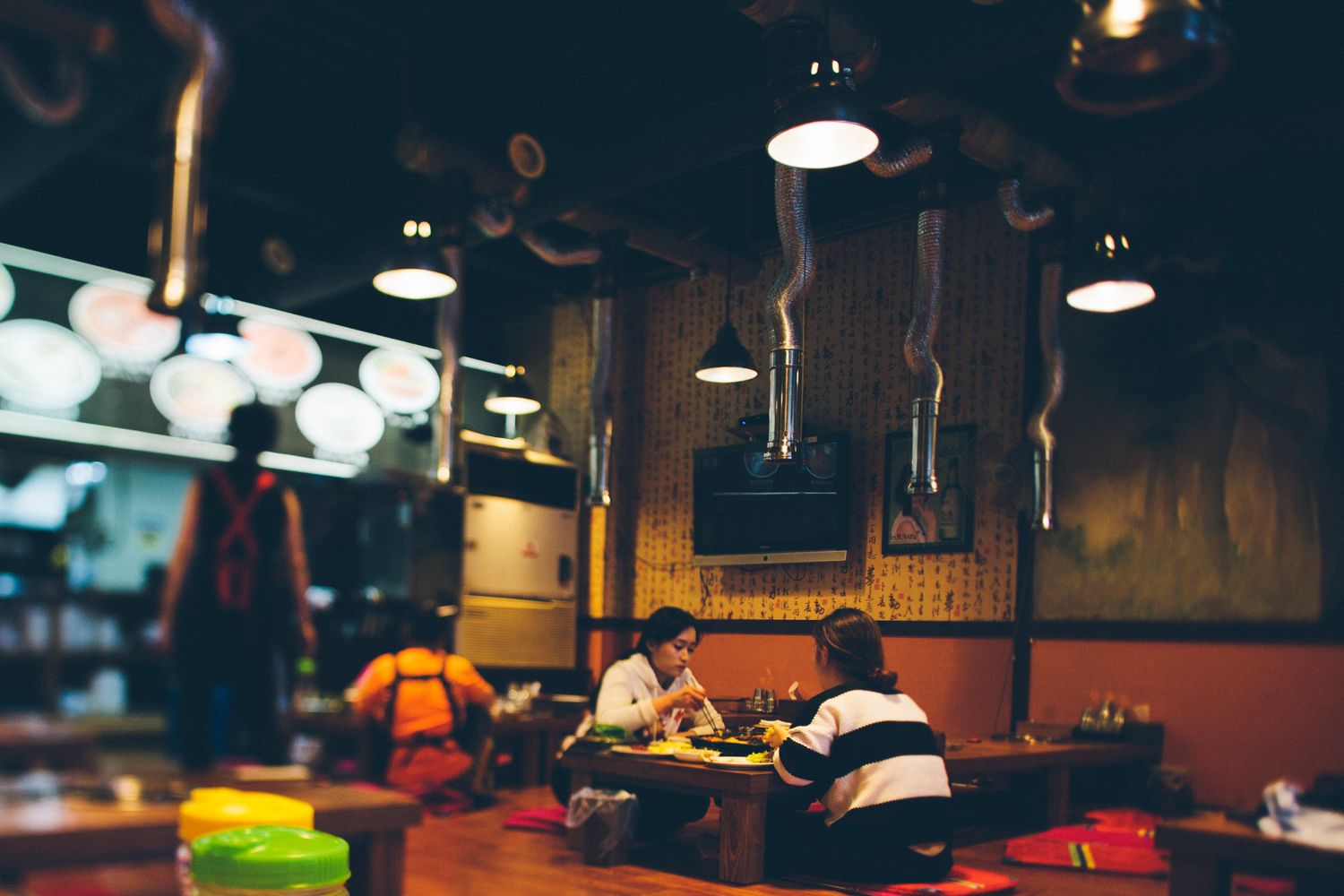
    Warmly lit Korean restaurant table set for a group dinner

    What Happens When You Get It Wrong

    This is a different question from whether you’re allowed to turn down a drink someone offers you โ€” that’s its own can of worms โ€” but the pouring ritual still applies even when you’re only accepting a token sip. Nobody is going to lecture a foreigner for pouring their own drink โ€” Koreans are generally forgiving about this with visitors, and most people will just quietly top off your glass for you before you get the chance, almost preemptively. But among Koreans themselves, or with someone who’s lived here long enough that the rules are assumed to apply, getting it wrong registers. It’s rarely dramatic. Nobody’s going to call you out at the table. It’s more of a flicker โ€” a slightly raised eyebrow, a beat of silence, maybe someone gently correcting you by taking the bottle from your hand the way my friend did to me.

    The mistake I see visitors make most often isn’t even the pouring itself โ€” it’s not noticing when someone else’s glass has gone empty. You can be perfectly polite about not pouring your own drink and still miss the equally important other half of the exchange, which is staying alert to everyone else’s glass, especially the senior people at the table. It’s a two-way obligation, not a one-way restriction, and that’s the part that tends to get flattened in quick explanations of the custom.

    This is honestly the harder skill to pick up, and it took me longer than the pouring technique itself. Growing up outside Korea, you’re trained to manage your own plate, your own glass, your own pace at a meal โ€” nobody else’s business. Here, you have to run a second, quieter track of attention the whole time: who’s talking, who just finished their glass, whether the oldest person at the table has had a refill in the last few minutes. It’s a bit like learning to drive and suddenly having to check three mirrors instead of just watching the road ahead of you. Clumsy at first, then eventually just part of how you sit at a table.

    How to Actually Handle It as a Visitor

    You don’t need to memorize a manual before your trip. If you’re at a table with Koreans, just watch for a beat before reaching for the bottle yourself. If someone offers to pour for you, hold your glass up with both hands โ€” or at least one hand supported by the other โ€” rather than leaving it sitting flat on the table. If you’re pouring for someone visibly older, use two hands or the forearm-touch version. With people your own age or clearly close friends, relax and don’t overthink it; nobody expects a tourist to nail formal etiquette with a peer at a casual dinner.

    And if you slip up โ€” you will, probably more than once โ€” it’s genuinely not a big deal. Most Koreans know foreigners aren’t raised with this system, and the grace extended to visitors here is real, not just polite fiction. What people notice and appreciate is the effort, not perfect execution. Reach for someone else’s glass before your own, and you’re already doing better than most first-time visitors manage.

    It’s Not About Control โ€” It’s About Connection

    I used to assume, early on, that this whole system was some subtle way of enforcing hierarchy โ€” reminding juniors of their place, that kind of thing. And sure, there’s a hierarchy embedded in it, no point pretending otherwise. But the longer I’ve lived here, the more I think the hierarchy is almost secondary to the actual function, which is connection. You’re forced, structurally, to pay attention to the people around you rather than just your own glass, your own plate, your own night. Even now, after years of this being completely normal to me, I still notice how different it feels from drinking somewhere everyone just handles their own cup and nobody’s tracking anyone else’s.

    There’s also a generosity built into it that’s easy to miss if you’re only thinking about the rules. Pouring for someone means you’re the one making sure they’re taken care of, even in this tiny way, even if it’s just soju in a plastic cup at a table covered in grilled meat. It’s a small ritual, repeated constantly throughout a meal, that keeps reminding everyone at the table that they’re eating together rather than just eating near each other. That’s a genuinely nice thing, once you stop thinking about it as an etiquette test you might fail.

    Korean meal spread with soju bottle on a wooden table

    Frequently Asked Questions

    What if I don’t drink alcohol โ€” do I still need to follow the pouring rules?

    Yes, mostly. The same etiquette applies to non-alcoholic drinks at a shared table, especially juice, soda, or tea served alongside a meal where others are drinking soju or beer. If you’re not drinking, it’s still polite to let someone pour your non-alcoholic drink for you and to pour for others in turn. Koreans generally respect a clear “I don’t drink” and won’t pressure you to hold a shot glass, but the two-handed courtesy around pouring itself tends to carry over regardless of what’s actually in the glass.

    Do the same pouring rules apply at a casual work happy hour versus a formal company dinner?

    The core rules stay the same, but how strictly people enforce them shifts with the setting. A formal company dinner, especially one with senior executives present, tends to be closer to textbook etiquette โ€” two-handed pours, elders served first, junior staff actively watching glasses. A casual after-work beer with two or three coworkers your own age is much looser; people still avoid pouring their own drink out of habit, but nobody’s tracking the finer points of hand position. Read the room: the more senior people present, and the more formal the venue, the more the details matter.

    What do I do if two people try to pour for each other at the same time?

    This happens constantly, and it’s honestly one of the more charming moments of a Korean dinner โ€” a small, good-natured tug-of-war over the bottle. Generally, whoever is younger or lower-ranking should yield and let the senior person’s gesture stand, even if the senior person insists on pouring for you first out of warmth. Don’t fight it too hard; a light protest followed by accepting gracefully is the normal pattern, and everyone at the table usually finds it a little funny rather than awkward.


  • What I Wish I Knew Before Moving to Korea

    What I Wish I Knew Before Moving to Korea

    I packed two suitcases for what I told myself would be a one-year contract, and I am still here, several years and one apartment renewal later. Nobody warned me that the hardest part of moving to Korea wouldn’t be the language or the food or even missing my family. It would be the paperwork sequence โ€” the specific, maddening order in which you have to do things before you’re allowed to do the next thing. Get this wrong and you spend your first month locked out of a bank account, unable to get a real phone plan, paying cash for everything like it’s 2003. I remember standing in my empty studio that first night, suitcase zippers still half-open, phone at eleven percent battery, trying to figure out which of six different documents I was supposed to have brought to which office in what order โ€” and getting none of them right. That disoriented, slightly panicked feeling is the one I’m trying to save you from here. I want to walk through what I actually wish someone had sat me down and explained before I got on the plane, because most of what circulates online is either outdated, written for tourists, or so vague it’s useless the moment you’re standing in an immigration office holding the wrong document.

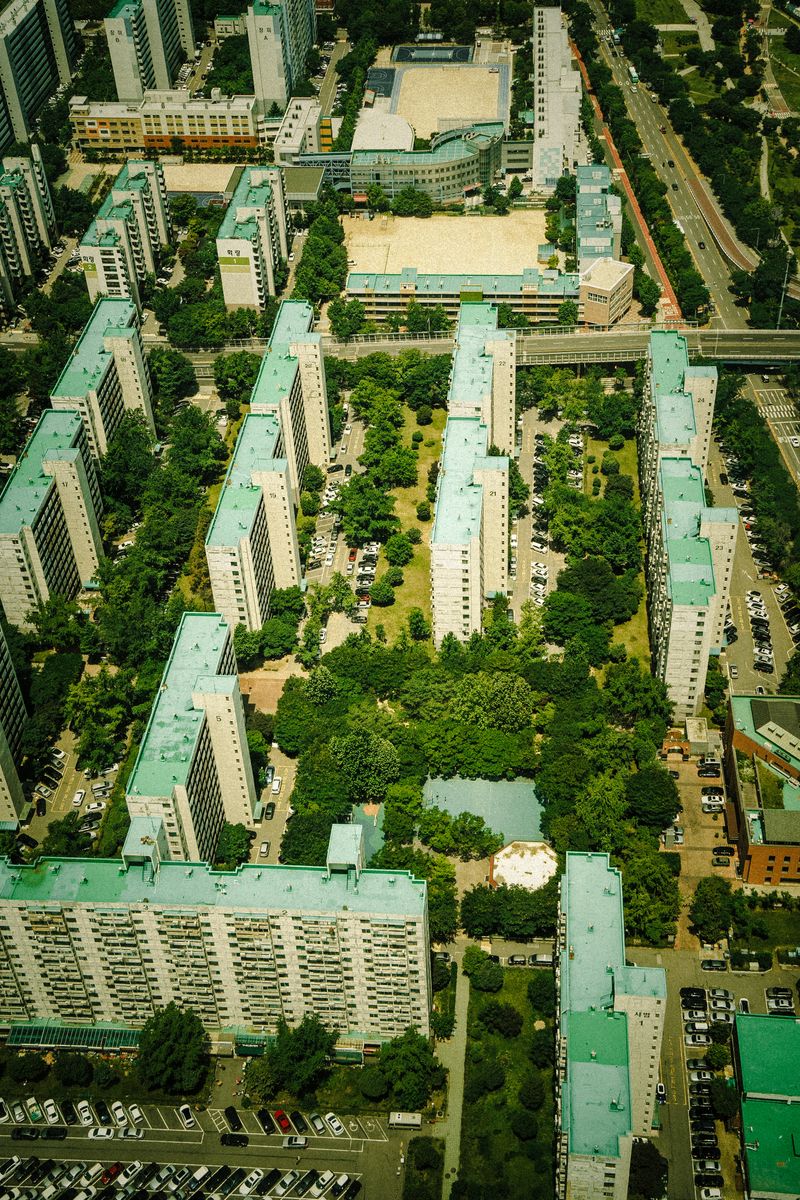
    Rows of apartment buildings in Seoul under a clear blue sky

    The Administrative Chain Nobody Draws a Map Of

    Here’s the thing that would have saved me three miserable weeks: almost everything in Korea’s foreigner-facing bureaucracy is chained together, and the chain only runs one direction. You need your Alien Registration Card โ€” now technically called a Residence Card, though almost everyone still calls it the ARC out of habit โ€” before a bank will open you a real account. You need that bank account, in most cases, before a phone carrier will give you a proper postpaid plan instead of a prepaid one with a data cap that evaporates by the fifteenth of the month. And you often need a Korean phone number before certain apps, delivery services, or even some landlords will take you seriously. It’s a closed loop that starts with immigration, and if you land without an appointment already booked, you can lose two or three weeks just waiting for a slot to open up.

    I know this sounds like I’m overstating a bureaucratic inconvenience, and to be fair, plenty of people muddle through without ever mapping it out this precisely โ€” they just ask a coworker for help at each step and it works out eventually. But if you’re the type who likes to walk in prepared, book your immigration office appointment online before you even board the flight, if your visa type allows it. Some offices let you reserve a slot weeks in advance; Seoul Global Center’s immigration counters and several regional offices use an online reservation system, and showing up without a booking during a busy season can mean hours in a waiting room only to be told to come back another day.

    Opening a Bank Account Is Not What You Think It Is

    Even now, after years here, I still find it a little funny how much friction exists around something as basic as opening a checking account. Korean banks have tightened foreigner account rules considerably over the past several years, largely as a response to voice-phishing and money-mule scams that disproportionately used newly opened foreign accounts. That means you’ll likely be asked for proof of employment, a contract, sometimes a certificate of income or enrollment, and your ARC โ€” a passport alone usually isn’t enough anymore at most major banks. Some banks cap your daily transfer limits for the first few months on a new account specifically to prevent it from being used in a scam, which is a reasonable policy but genuinely inconvenient if you’re trying to pay a hefty deposit to a landlord in your first week.

    A detail that surprised me and that I never see mentioned: not every bank branch treats foreign customers the same way. Some branches, especially in neighborhoods with fewer international residents, have staff who are visibly uncomfortable processing a foreigner account and will find reasons to send you elsewhere. Others, particularly around university areas, Itaewon, or major business districts, do it constantly and have English-language forms ready. My advice โ€” and I’ve told this to more newcomers than I can count โ€” is to specifically seek out a branch in a foreigner-dense neighborhood for your first account, even if it’s not the most convenient location, and bring your employment contract, your ARC, and your phone (already activated, if you can manage it) all in the same visit.

    Stack of moving boxes in a sunlit room representing a fresh start

    Housing Deposits Will Break Your Brain the First Time

    Aerial view of a residential apartment complex surrounded by greenery

    Nothing about Korean housing finance maps cleanly onto what most Westerners grew up with, and I think this is where people lose the most money out of pure unfamiliarity. There are two dominant rental structures here. Wolse (์›”์„ธ) is the one that feels familiar โ€” you pay monthly rent, plus a deposit, usually somewhere between one and twelve months’ rent depending on the building, refundable when you move out assuming there’s no damage. Jeonse (์ „์„ธ) is the one that breaks people’s brains the first time they hear about it: you hand the landlord a lump sum deposit that can run into the hundreds of millions of won โ€” often 50 to 80 percent of the unit’s market value โ€” and in exchange, you pay zero monthly rent for the length of the lease, typically two years. The landlord invests that deposit and lives off the return; you get your full sum back at the end, in theory.

    I say “in theory” because this is exactly where I’d tell my past self to slow down. Jeonse fraud became a genuinely serious national problem in the early 2020s, with landlords who had over-leveraged their properties defaulting and leaving tenants unable to recover deposits that sometimes represented their entire savings. If you’re considering jeonse, get a real estate registry check (๋“ฑ๊ธฐ๋ถ€๋“ฑ๋ณธ) on the property before signing anything โ€” it shows existing mortgages and liens against the unit โ€” and strongly consider jeonse deposit guarantee insurance through HUG (Korea Housing & Urban Guarantee Corporation) or a similar provider. It costs money, yes, and it feels like an unnecessary step when you’re excited about an apartment. It is not unnecessary. I’ve watched a friend go through the agonizing process of trying to recover a deposit from a landlord who simply stopped answering calls, and insurance would have made that six-month nightmare into a two-week paperwork process instead.

    Wolse is simpler and, for most first-time movers, honestly the more sensible choice unless you’re planning to stay long-term and have serious capital to tie up. Either way, budget for key money you won’t see again for months or years, and don’t sign anything through an agent (๊ณต์ธ์ค‘๊ฐœ์‚ฌ) without confirming they’re licensed โ€” you can check this at the local district office, and legitimate agents display their license number prominently in the office.

    Once the apartment stress is behind you and you’ve actually signed a lease, there’s a second kind of paperwork waiting that people tend to forget about entirely in the chaos of moving boxes and deposit transfers: making sure you’re actually covered if you get sick in the meantime.

    Healthcare Registration Is Better Than You Expect, But Only Once You’re In

    This is one area where I think Korea genuinely outperforms a lot of what people are used to, and I say that as someone who spent years assuming national health insurance would be a bureaucratic slog. Once you’re registered โ€” and if you’re employed, your employer typically handles enrollment in the National Health Insurance Service, deducting the premium directly from your paycheck โ€” the actual experience of using it is remarkably smooth. Specialist visits that would take months to schedule back home often happen the same week here, sometimes the same day if you’re willing to sit in a waiting room for an hour.

    The part nobody explains well is the gap between arrival and enrollment. If you’re not employed yet, or you’re on a visa type that requires you to enroll as a regional subscriber rather than through a workplace, that process can take a few weeks to activate, and premiums for regional subscribers are calculated using a formula involving your reported income, assets, even things like your car โ€” which can produce a bill that surprises people who expected something closer to a flat rate. I’d budget for a short gap where you’re either uninsured or paying out of pocket, and I would genuinely recommend short-term travel insurance to bridge that window rather than gambling on nothing going wrong in your first month, because that’s exactly when jet lag, unfamiliar food, and general disorientation seem to catch up with people physically.

    The Phone Plan Trap

    I fell into this one myself, and it’s such a common mistake that I now warn every single person who asks me for moving advice. Airport kiosks and convenience stores will sell you a prepaid tourist SIM the moment you land, and for the first week or two that’s exactly right โ€” you need data immediately for maps and translation apps and to coordinate with whoever’s helping you move in. But those prepaid plans are expensive per gigabyte compared to a standard postpaid contract, and I know several people, myself included in year one, who kept renewing prepaid SIMs for months out of sheer inertia because switching felt like a hassle, quietly overpaying the entire time. I did the math on my own habit eventually and it wasn’t pretty โ€” I was paying somewhere around 55,000 won a month for a tourist data pass that reset every ten days and throttled hard once I hit the limit, versus roughly half that for an MVNO postpaid plan with triple the data once I finally switched. Multiply that gap by the five or six months I procrastinated and it’s not a small amount of money to hand over for the sake of avoiding one afternoon of paperwork.

    Once you have your ARC and a bank account, switching to a postpaid plan with one of the three major carriers, or one of the increasingly popular budget MVNO carriers that resell their network capacity at a lower price, is straightforward and usually cuts your monthly cost substantially โ€” often by half or more for comparable data. The MVNOs in particular don’t get enough attention from newcomers; they run on the same towers as the majors, so coverage is identical, but the plans can be dramatically cheaper if you’re willing to sign up through an app rather than a physical store. My only caution here is that some of the best deals are only advertised in Korean, so this is a good moment to ask a Korean-speaking coworker or friend to help you compare a few options rather than defaulting to whichever carrier’s storefront you happen to walk past.

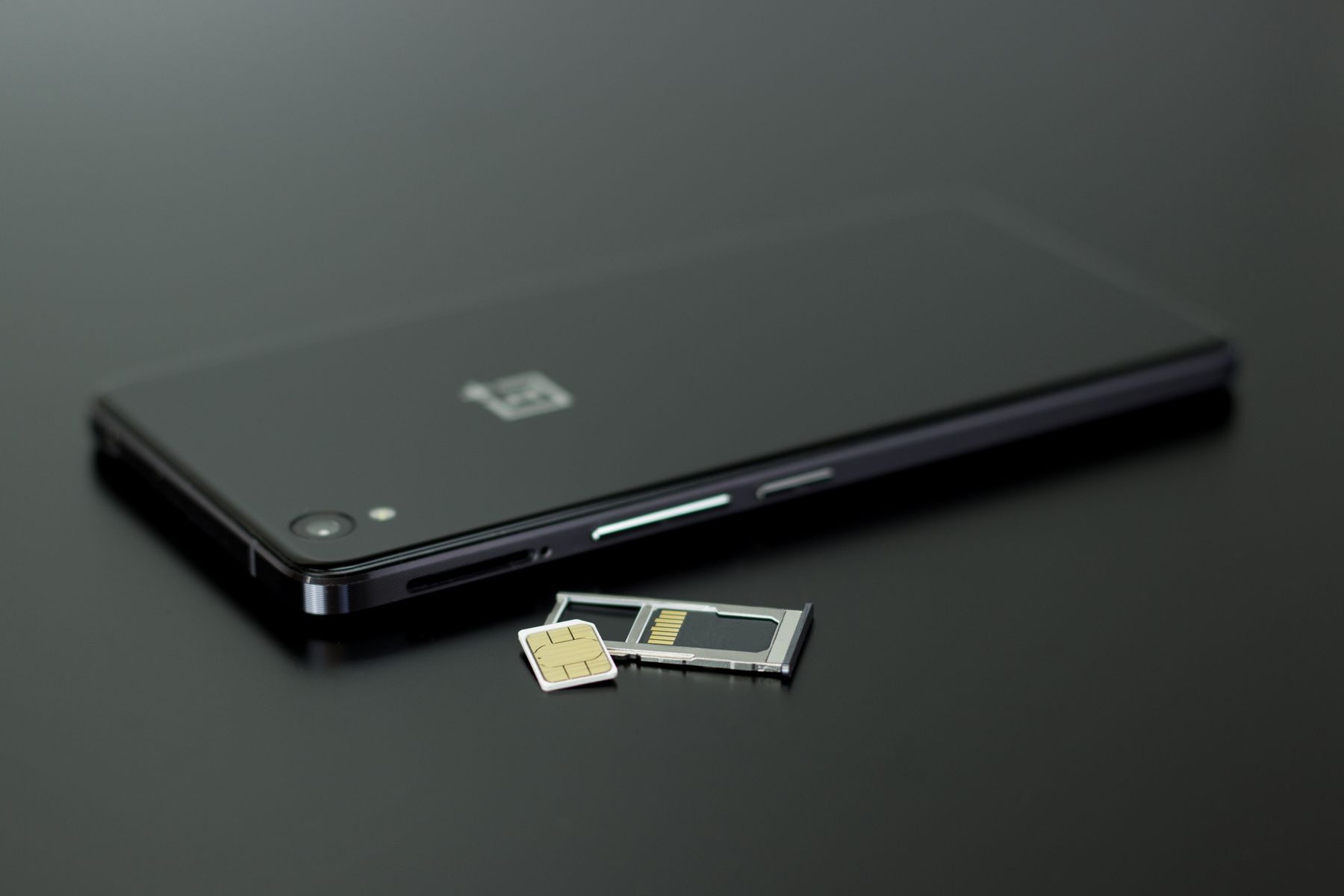
    Close-up of a smartphone with a SIM card, representing phone plan setup

    Social Norms That Save You Friction Early

    This last category isn’t about paperwork, it’s about the small daily frictions that pile up if nobody tells you in advance, and I’ve noticed that these are the things people actually message me about months after arriving, wishing they’d known sooner. Business cards still matter more than you’d expect in a country this digitally advanced โ€” if you’re in any kind of office job, receive one with both hands, glance at it before pocketing it, and don’t write on it in front of the person who gave it to you โ€” the card is treated as a small stand-in for the person themselves, so crumpling it into a back pocket without a glance reads roughly the way a limp, dismissive handshake would back home. Seniority and hierarchy show up constantly in small linguistic and behavioral cues, even among people close in age, and getting the polite speech level slightly wrong in a work context reads less as a foreigner’s honest mistake and more as mildly careless โ€” people are generally forgiving, but it helps to at least understand that the gap exists rather than being blindsided by a chillier-than-expected reaction.

    Recycling and waste disposal is another one that trips people up constantly, and it’s genuinely not intuitive if you’re coming from a country with single-stream recycling. Korea requires purpose-bought trash bags (์ข…๋Ÿ‰์ œ ๋ด‰ํˆฌ) specific to your district โ€” you cannot use a generic garbage bag, and buildings will refuse pickup or fine you if you try โ€” plus separate bins for food waste, which is often charged by weight through a chip-embedded bin or a separate paid sticker system. Most people I know figured this out through an awkward conversation with a building manager or an annoyed neighbor rather than being told upfront, myself included. Ask your landlord or building office on day one exactly which bags to buy and where the food waste bin is; it will save you an uncomfortable interaction later.

    One more thing worth mentioning, since it connects directly to the apartment-hunting stress I described earlier: noise carries in Korean apartment buildings far more than most newcomers expect, largely because of how many buildings are constructed, and it’s worth reading up on the etiquette around it before you’re the person getting a passive-aggressive note taped to your door. I’ve written more about that particular headache in Korean Apartment Noise Wars: The Upstairs-Downstairs Conflict Nobody Warns You About, if you want the fuller picture before you sign a lease.

    What I’d Tell Myself on the Plane

    If I could compress all of this into one piece of advice, it wouldn’t be about any single logistical hurdle โ€” it would be about sequencing and patience. Book the immigration appointment before you land if your visa allows it. Expect the bank account to take more paperwork than you assume. Understand jeonse before anyone talks you into it at an open house. Bridge the healthcare gap with travel insurance for your first few weeks. Don’t marry yourself to a prepaid SIM out of laziness. And ask about the trash bags before your neighbor has to tell you. None of this is dramatic, and none of it is a warning to stay away โ€” if anything, doing the unglamorous parts right early on is exactly what lets the more interesting, more surprising parts of living here actually land the way they’re supposed to, instead of being buried under a folder of half-finished admin tasks. I still think back on the version of myself sorting through immigration forms at a coffee shop counter, overwhelmed, and I wish I could just hand him this list. If you want the flip side of this post โ€” the smaller, funnier culture-shock moments rather than the logistics โ€” I covered a lot of that separately in Things That Surprised Me When I Moved to Korea.

    Frequently Asked Questions

    Do I need to open a Korean bank account before I arrive, or can it wait?

    It has to wait until after you have your Alien Registration Card in hand, which itself usually takes one to three weeks after your immigration office visit, depending on the region and season. Plan on paying your first month or two of expenses โ€” including any housing deposit installment your landlord expects up front โ€” through cash, a foreign card with international withdrawal fees, or a money transfer service, and treat the bank account as a task for week two or three rather than day one.

    Is jeonse ever a good idea for a foreigner who just moved to Korea?

    It can be, particularly if you’re planning to stay multiple years and have the capital without going into debt for it, since you effectively get free rent for the lease term. But I’d only recommend it if you get the property registry checked for existing liens and purchase jeonse deposit guarantee insurance โ€” skipping either step to save a bit of money up front is the exact pattern that leads to the deposit-recovery horror stories you’ll eventually hear about from other expats.

    What happens if I don’t figure out the trash bag system right away?

    Most buildings simply won’t collect trash left in a non-official bag, so it sits there, which is its own quiet embarrassment, and in stricter buildings a security guard or building manager may leave a notice or, in repeat cases, a small fine. It’s a low-stakes mistake in the grand scheme of moving internationally, but it’s also one of the easiest things to avoid entirely just by asking your landlord or a neighbor on your first or second day which bags your district uses.

  • Hidden Seoul Spots Locals Actually Go

    Hidden Seoul Spots Locals Actually Go

    Somewhere around my third year here, I stopped giving directions to Myeongdong when Korean coworkers asked me where I’d taken visiting friends over the weekend. Not because there’s anything wrong with Myeongdong โ€” it’s fine, it’s just not where anyone I know actually spends a Saturday. The neighborhoods that show up in my actual weekend photos are quieter, messier, and mostly don’t have an English sign anywhere in sight. I want to walk through a handful of them here, the way I’d describe them to a friend who’s landing at Incheon next month and doesn’t want the postcard version.

    Mangwon Market: a covered alley and a river nobody photographs

    Mangwon-dong sits a few subway stops past Hongdae, and most tourists never get off there because there’s technically “nothing to see.” That’s kind of the point. Mangwon Market is a covered traditional market โ€” one long alley of produce stalls, a few butchers, a couple of stands selling mayak gimbap (the “addictive” mini gimbap, named half-jokingly), and one hotteok cart that always has a line of grandmothers and college students standing shoulder to shoulder. The good hotteok stalls there fry the pancake, split it, then stuff it with a molten mix of brown sugar, cinnamon, and crushed peanuts โ€” you’re usually paying somewhere around 1,500 to 2,000 won, and yes, it burns the roof of your mouth every single time and everyone eats it anyway. I’ve noticed the market gets a strange second life after dark, when the produce vendors pack up and a handful of tiny pojangmacha-style stalls open for grilled skewers and soju. It’s not glamorous. Nobody’s photographing the fluorescent lighting. But it’s the kind of place where you eat standing at a plastic table next to someone’s uncle and nobody thinks that’s odd.

    What people don’t expect โ€” and I didn’t either, the first time a friend dragged me out there โ€” is what’s a five-minute walk beyond the market: the Mangwon Hangang Park section along the river. It’s not the touristy Banpo Bridge fountain show. It’s just a long stretch of grass where families grill, teenagers play badminton badly, and couples sit in those little pop-up tents eating chicken delivered straight to the riverbank. Delivery apps here will send fried chicken to a GPS pin on a riverside lawn, which still amazes me even now, years in. If you want to see how Seoul actually unwinds on a Friday night, this stretch of river beats any rooftop bar in Itaewon.

    Rows of stalls inside a traditional South Korean indoor market

    Seochon: where the palace crowd thins out

    Every guidebook sends people to Bukchon Hanok Village to photograph the curved tile roofs, and I get it โ€” on a clear afternoon, the sloping tiles do catch the light in a way that’s genuinely worth a photo. But Bukchon on a Saturday is basically a photo queue now, with staff occasionally asking tourists to keep their voices down because actual residents still live there. Seochon, just on the other side of Gyeongbokgung palace, gets a fraction of the foot traffic and has more of its own texture, in my opinion. It’s a warren of narrow lanes with independent bookshops, tiny galleries the size of a studio apartment, and hanok that have been converted into single-origin coffee spots without losing their bones. Tongin Market, right in the middle of Seochon, runs an old-school “yeopjeon” lunchbox system โ€” you buy brass coin tokens at a counter and trade them for banchan and rice from different stalls, building your own tray. It sounds like a tourist gimmick when you read about it, but it’s actually been running since long before Instagram existed, and older locals still use it the same way, tray in hand, picking their own combination of grilled fish and japchae.

    To be fair, Seochon isn’t a total secret anymore โ€” cafes have crept in steadily over the last five or six years, and rents have followed, with some longtime shop owners priced out of spots they’d held for decades. It’s a slower version of what happened to Ikseon-dong, just a few years behind. Which is a good place to head next, because Ikseon-dong shows you both ends of that same process happening at once, in the same few blocks.

    Ikseon-dong: the back half most visitors never reach

    Ikseon-dong gets recommended constantly now, which means the main alleys โ€” the ones closest to Jongno 3-ga station โ€” are genuinely packed most weekends, full of dessert cafes with two-hour waits. Fair warning if that’s not your scene. But here’s the part fewer people mention: Ikseon-dong is actually a dense grid of maybe a dozen alleys, and if you keep walking past the crowded front section toward the back, near Donhwamun-ro, the crowds thin out fast and the hanok start looking less like film sets and more like where people genuinely live and run small businesses. There’s a natural wine bar back there that seats maybe twelve people, a hanbok atelier that does made-to-order pieces instead of the costume-rental kind near the palaces, and a used bookstore that specializes in old Korean design magazines. None of it is trying to be discovered. Surprisingly, that’s exactly why it works โ€” you’re not competing with a tour group for a photo spot, you’re just wandering, and shopkeepers tend to actually talk to you instead of gesturing you toward a menu board.

    Yeonnam-dong: the train track that became the neighborhood’s living room

    Yeonnam-dong sits right next to Hongdae but somehow avoids most of the club-district energy. The Gyeongui Line Forest Park runs through the middle of it โ€” a disused railway converted into a long, narrow green corridor โ€” and locals treat it like a shared backyard. On warm evenings you’ll see people spread out picnic blankets directly on the grass strip between buildings, buying convenience-store snacks and canned drinks rather than paying restaurant prices. It’s sometimes called “Yeontral Park,” a nickname locals use half-jokingly since it’s nothing like the real Central Park in scale, but the comparison isn’t entirely off-base โ€” it really does function as the neighborhood’s living room, right down to people showing up in pajama pants with a blanket and a six-pack. The alleys branching off the park are full of small izakaya-style bars, a genuinely good natural wine shop, and restaurants opened by Korean chefs who trained abroad and came back wanting something other than another barbecue place. To be fair, it’s gotten trendier over the past few years, so it’s not undiscovered in the way it was a decade ago โ€” but it’s still overwhelmingly a spot where Seoulites outnumber tourists, which is really the bar I’m using for this whole list.

    Traditional hanok rooftops lining a narrow alley in a quiet Seoul neighborhood

    Seongsu-dong: past the famous cafe, into the old shoemaking blocks

    Seongsu-dong has a reputation now as Seoul’s answer to Brooklyn, largely because of one famous multi-level cafe converted from an old factory that shows up on every “hidden Seoul” list โ€” a little funny, considering the whole point of this post. That cafe is fine, but it’s not remotely hidden anymore; expect a wait, and expect the wait to be worse on a weekend. What’s actually worth your time is the surrounding blocks, still full of working shoe and leather workshops (Seongsu-dong was historically Seoul’s shoemaking district, and a lot of that industry never left). You’ll walk past a converted warehouse gallery, then two doors down an actual working cobbler, the smell of contact cement and warm leather drifting out the open door, scraps swept into a pile by the curb and a half-finished shoe sole still clamped in a bench vise. Two doors further is a design studio that popped up in what used to be an auto-parts shop. It’s an odd mix, and that friction between old manufacturing and new creative business is, to me, the most honest version of how Seoul actually gentrifies โ€” not a clean redevelopment, but layers stacked on top of each other without erasing what was there.

    One thing I’d push back on before you go: don’t expect Seongsu to feel undiscovered anymore either, especially on weekends. What I’m recommending isn’t secrecy so much as a slightly different route โ€” walk the side streets a block or two off the main strip instead of following the crowd straight to the famous spots, and you’ll get a much better sense of the neighborhood’s actual texture.

    Mullae-dong: steel workshops sharing a wall with artists

    If there’s one neighborhood on this list that still genuinely surprises people, it’s Mullae-dong. It’s a metalworking district โ€” full of small foundries and welding shops that have operated for decades โ€” and starting maybe fifteen years ago, artists priced out of other neighborhoods started renting cheap studio space above and behind the workshops. The result catches you off guard in a way none of the other spots on this list really do: you’ll hear a grinder throwing sparks against steel from one open garage door, smell hot metal and machine oil hanging in the alley, and then twenty feet later pass a gallery opening with wine in plastic cups, sometimes literally sharing a wall with the workshop next door. There’s no polish to it. Murals are painted directly onto rusted corrugated siding, and a bright neon gallery sign will hang over a garage that’s clearly still in daily industrial use. A lot of the bars and small performance spaces don’t have signage you’d recognize as a bar from the street โ€” you sort of have to already know which unmarked steel door to knock on. I don’t think this will last forever; land values are already creeping up as more people find out about it, which is the fate of basically every neighborhood on this list eventually. Even now, though, it’s the closest thing Seoul has to an actual working artist district rather than a curated “arts and culture zone” built by a district office.

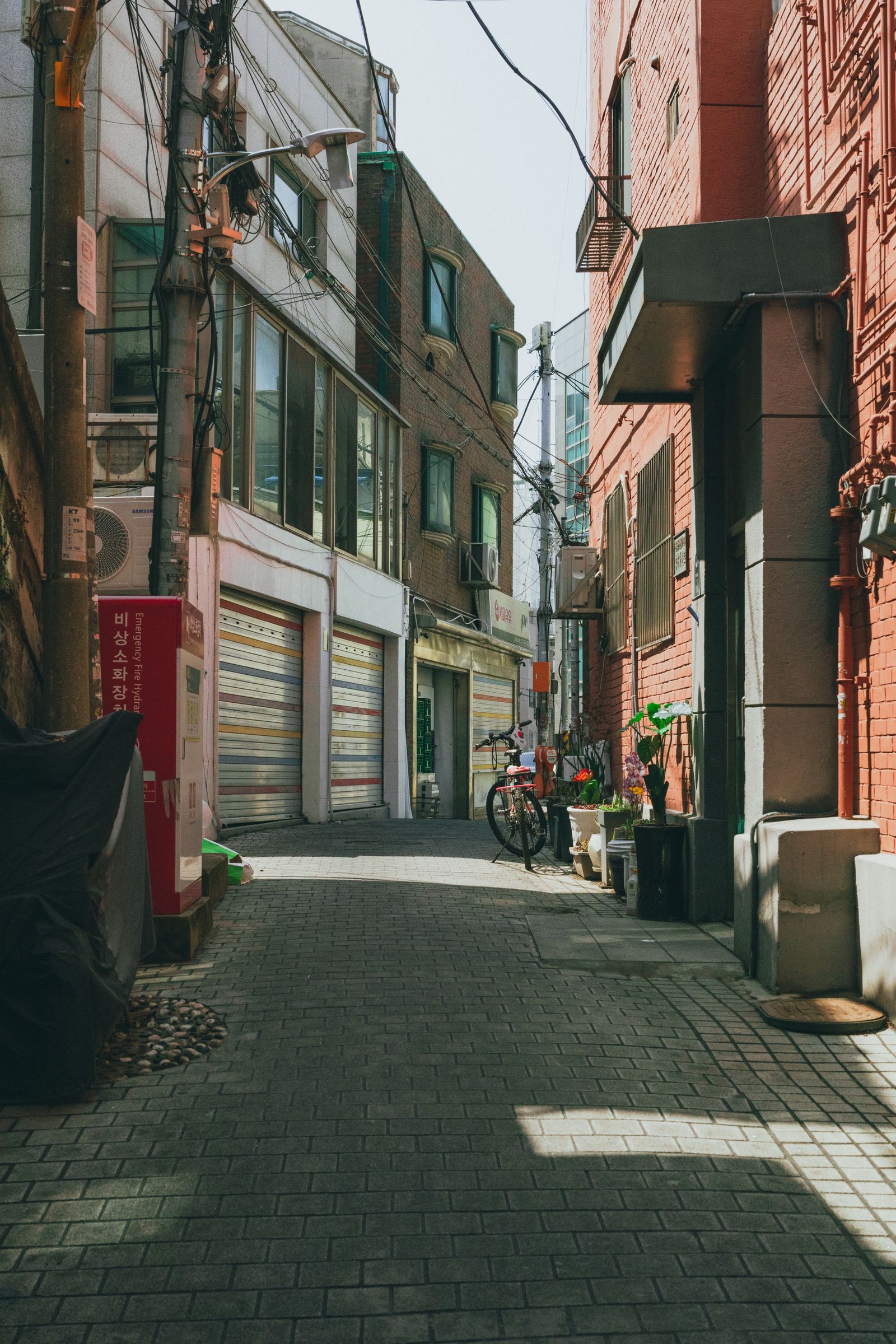
    A quiet Seoul side street mixing small workshops, galleries, and local shops

    A few honest notes on actually finding these places

    A couple of practical things I’ve learned the hard way. First, Korean map apps matter more than Google Maps here โ€” Naver Map or Kakao Map will actually route you correctly and show which small businesses are currently open, since Google’s Korea data is notoriously incomplete for anything that isn’t a major landmark. Second, a lot of these neighborhoods reward showing up on a weekday rather than a weekend; the crowd-to-local ratio flips noticeably, sometimes from mostly-tourist to mostly-neighborhood in the span of about 48 hours. And third โ€” this one surprised me when I first moved here โ€” a lot of the best small restaurants and bars in these areas don’t take reservations and don’t have much of an online presence at all, so the “just walk until something looks right” approach genuinely works better than pre-planning off a blog post, including, admittedly, this one.

    None of these neighborhoods are secret in the sense of being unknown โ€” Korean people obviously know about all of them, that’s the whole premise. What they mostly lack is a critical mass of foreign tourists, which changes the atmosphere more than you’d expect. You order in Korean without anyone switching to English menus, prices stay at local rates instead of tourist-adjacent markups, and nobody’s rearranging the table for a photo before they eat. That, to me, is the actual definition of “hidden” that matters here โ€” not literally undiscoverable, just still functioning as a neighborhood first and an attraction second.

    Quick questions before you go

    A few things readers usually ask me directly, so I’ll answer them here rather than leaving them for the comments.

    Is it hard to get to these neighborhoods without speaking Korean?

    Not really, though it helps to have Naver Map or Kakao Map downloaded with the neighborhood name typed in Korean beforehand (you can copy-paste it), since English search results on those apps can be inconsistent. All of these spots โ€” Mangwon, Seochon, Ikseon-dong, Yeonnam-dong, Seongsu-dong, and Mullae-dong โ€” are on or near a subway line, so the hardest part is usually just the walk from the station, not the transit itself.

    What’s the best time of year to visit these areas?

    Late spring (Aprilโ€“May) and mid-to-late autumn (October) are the most pleasant for walking neighborhoods like Yeonnam-dong or the Mangwon riverside, since you’re outdoors a lot and Seoul summers get genuinely brutal with humidity. That said, winter has its own appeal in a market like Mangwon or Tongin โ€” standing over a hotteok griddle with steam curling up past your face while your fingers are numb from the cold is its own particular pleasure, and I’d still make the trip, just dress for it.

    Are these places actually cheaper than the touristy areas?

    Generally, yes, especially for food and coffee. A market meal in Mangwon or Tongin will often run a third of what you’d pay for something comparable near Myeongdong or Insadong, mainly because the pricing is still set for local regulars rather than tourist footfall. Seongsu-dong’s famous cafes are the exception โ€” some of those have genuinely Seoul-premium prices now, on par with a nice cafe in a major Western city.

  • Korean Skincare Routine Steps Explained: What I’ve Actually Learned Living Here

    Korean Skincare Routine Steps Explained: What I’ve Actually Learned Living Here

    Somewhere around my second year living here, I noticed I had stopped asking Korean friends “what’s your skincare routine” and started asking “how many steps are you skipping today.” Summers are brutal and humid, with a monsoon stretch called jangma that rolls through late June into July and leaves everything, including your face, feeling permanently damp. Winters swing the other way entirely โ€” dry, wind-scoured, the kind of cold that cracks knuckles and makes a rich cream feel less like a luxury and more like basic maintenance. People adjust their routines to that swing constantly, which is really the whole point: the multi-step Korean routine isn’t a fixed ten-step ritual everyone performs religiously every night. It’s a modular system people dial up or down depending on the season, how tired they are, and whether they have somewhere to be in the morning. I want to walk through the actual steps, roughly in the order people use them, and talk honestly about which ones I think earn their place and which ones feel more like habit than necessity.

    Woman washing her face with foam cleanser as part of a skincare routine

    Double cleansing: the step that actually surprised me

    Double cleansing means washing your face twice, back to back, with two different products โ€” an oil-based cleanser first, then a water-based foam or gel. The logic is simple once you hear it: oil dissolves oil, so sunscreen, makeup, and the natural sebum your skin produces through the day come off more completely with an oil cleanser than with foam alone. Then the second wash, the foam, takes care of sweat, dirt, and whatever water-soluble residue is left. I was skeptical the first time a friend explained this to me, mostly because washing my face twice sounded like overkill, maybe even a little performative. But I tried it for about two weeks and noticed my skin actually felt less tight afterward, not more, which is the opposite of what I expected from doubling up on cleansing. To be fair, I don’t think this is some miracle technique; it’s just a more thorough version of what a single strong cleanser tries to do in one pass, and if you don’t wear sunscreen or makeup most days, skipping the oil step in the morning is completely normal here too. Nobody double cleanses at 7 a.m. before work unless they slept in a full face of makeup the night before.

    Toner: not what the English word implies

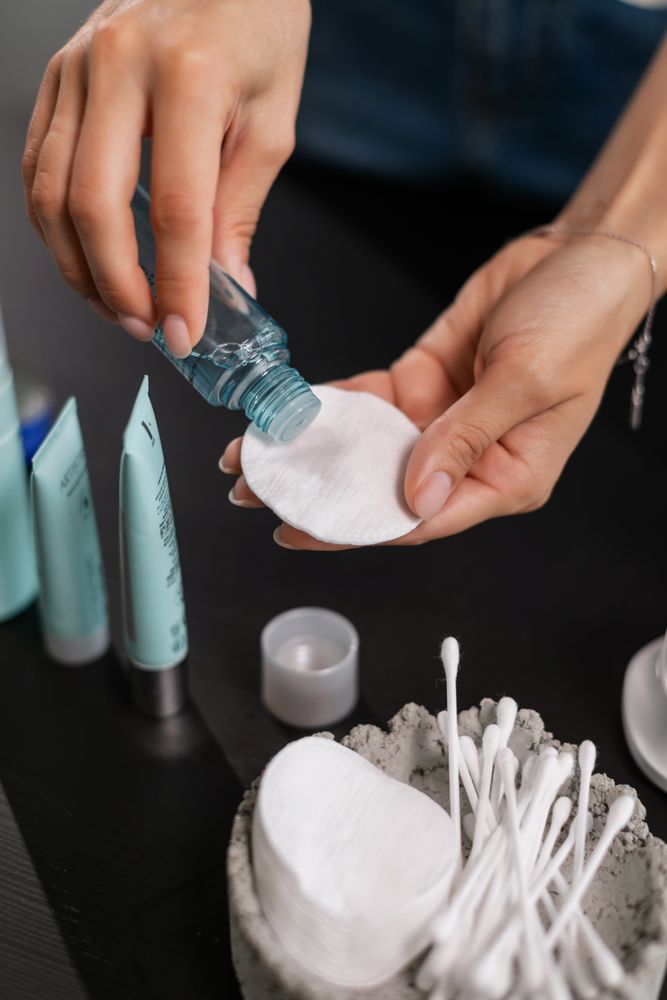
    This is the step that confused me the most when I first moved here, because “toner” in a lot of Western drugstores means an astringent, alcohol-heavy liquid meant to strip oil and shrink pores. Korean toner is almost the opposite. It’s a thin, hydrating liquid โ€” sometimes called a “skin” in local branding, which threw me for months every time I saw it on a shelf โ€” patted or swept onto the face right after cleansing to rebalance moisture and prep the skin for everything that comes after. Think of it less as a cleaning step and more as the first layer of hydration. Most people apply it with their hands rather than a cotton pad these days, which was another small surprise, since Western influencers pushed cotton-pad application so hard for years. When I asked a coworker about it, she just shrugged and said patting it in with clean hands wastes less product and feels nicer, which, honestly, tracks once you try it.

    Close-up of hands applying toner to a cotton pad during a skincare routine

    Essence: the step that’s hardest to translate

    Essence is genuinely the step outsiders have the most trouble picturing, and I think that’s because it’s usually defined by comparison โ€” lighter than serum, heavier than toner โ€” rather than by what it actually feels like on skin. In practice, it has a watery-but-slightly-tacky texture, thinner than a lotion, that sinks in fast and leaves a faint dampness behind rather than a film. Its whole purpose is to add a layer of active, hydrating ingredients before the heavier serums and creams go on, working almost like a primer for whatever comes next. Surprisingly, this is one of the steps even longtime residents debate the necessity of. Some skip it entirely and layer a hydrating serum in its place; others treat it as the actual backbone of their routine and get more particular about their essence than any other product they own. I lean toward thinking it’s genuinely optional for most people, but I understand why it became popular โ€” Korean skincare culture generally favors thin, layerable liquid textures over thick, single-step creams, and essence fits that philosophy well.

    Serum and ampoule: where people actually get particular

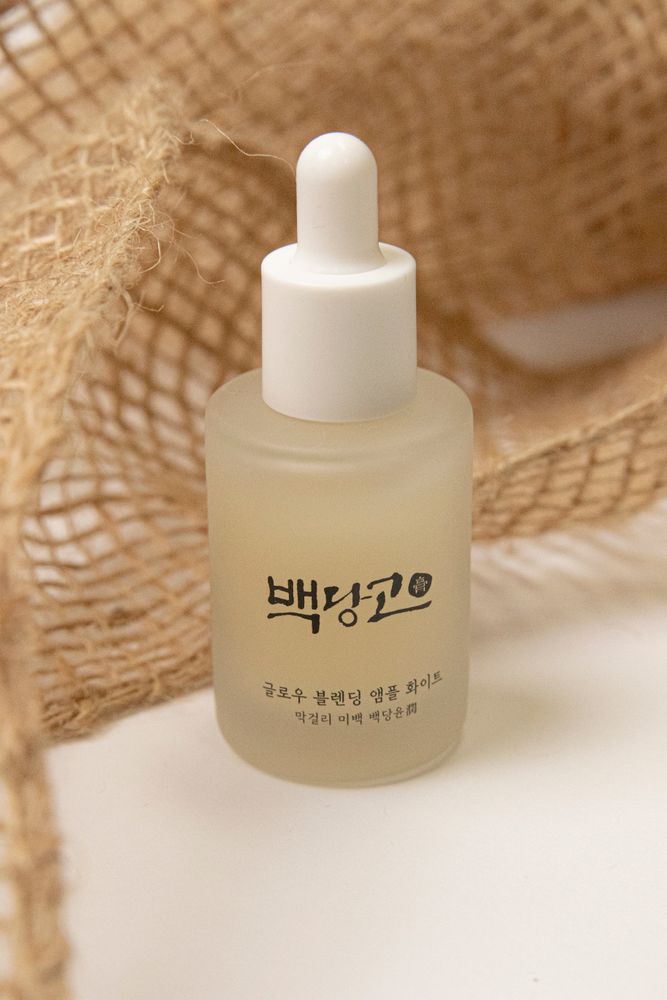
    Serums and ampoules are the concentrated, targeted layer โ€” the step people reach for when they’re dealing with a specific concern like dullness, dehydration, or uneven texture, rather than general upkeep. Ampoules are typically described as even more concentrated than serums, meant for shorter, more intensive use rather than everyday application, though in practice the line between the two gets blurry and a lot of people use the terms almost interchangeably. This is the step where I’ve noticed the most personal variation. Some of my friends here treat serum shopping the way people elsewhere treat coffee โ€” a small, recurring indulgence they research obsessively, comparing notes the way you’d compare a new espresso blend. Others use the same bottle for eight months without thinking twice. I don’t think there’s a “correct” amount of investment here, and I’d push back a little on the idea, common in a lot of online content, that you need five different serums rotating through your week to be doing this “right.” Most people I know use one, maybe two, and call it done.

    Minimalist serum bottle with Korean text, representing the serum step of a skincare routine

    Sheet masks: ritual first, product second

    Sheet masks are probably the single most recognizable export of this whole system, and I think their real appeal has less to do with results and more to do with how ordinary and low-stakes they are here. A sheet mask is a thin, saturated fabric or gel sheet cut to the shape of a face, left on for roughly fifteen to twenty minutes while the essence it’s soaked in transfers onto the skin, and a big part of why they’re so casual is that they’re genuinely cheap โ€” usually somewhere around a dollar or two at a convenience store, priced closer to a can of coffee than a beauty splurge. That price point is what turns them into an everyday habit rather than an occasional treat. I’ve sat through entire dinner parties where half the room ended up wearing sheet masks afterward, laughing, talking with their mouths barely moving so the mask doesn’t slip, because grabbing a pack on the way over cost less than the drinks did. It’s less a serious treatment and more a shared evening activity, similar to how some people treat a face mask night with a movie back home. Even now, after years of living here, I still find it a little funny how normalized it is to answer the door for a delivery while wearing one โ€” nobody blinks.

    Moisturizer and sunscreen: the unglamorous finishers

    After the thinner layers, moisturizer locks everything in, and the seasonal swap is more concrete than most people expect: a light, watery gel-cream through the humid summer months, then something noticeably richer โ€” often built around ceramides or ingredients marketed as barrier-repairing โ€” once the dry winter wind sets in around late November. What I think gets undersold in a lot of coverage of this routine is how seriously sunscreen gets treated as the actual final, non-negotiable step, arguably more consistently followed than any other part of the routine. It’s less about tanning and much more tied to a long-standing cultural preference for an even, unblemished complexion, and I’d frame that as a beauty and cultural norm rather than anything to do with medical skin health. I’ve noticed people here reapply sunscreen through the day far more consistently than I ever did before moving โ€” cushion compacts with SPF built in, powder sunscreen for touch-ups over makeup, arm sleeves and wide-brim visors on anyone gardening or walking for long stretches in July. It’s not vanity exactly, or not only vanity; it’s just a much more deeply ingrained daily habit than what I grew up with.

    So is it really “ten steps,” every single day?

    Honestly, no, and I think this is the part that gets lost when the routine gets summarized in listicles. The famous “ten-step” framing was more of a marketing shorthand from around the early 2010s than a description of how most people actually behave day to day. In practice, what I see around me is closer to a flexible menu: cleanse, moisturize, and sunscreen as the non-negotiable baseline, with toner, essence, serum, and masks layered in depending on the day, the season, or just how someone’s skin feels that morning. A rushed weekday morning might genuinely be three steps. A slow Sunday night, especially after a stressful week, might stretch to seven or eight, sheet mask included. I’d push back gently on any framing โ€” mine included, in earlier conversations I’ve had with visiting friends โ€” that presents this as some rigid daily discipline. It’s closer to a toolkit than a ritual with fixed rules, and that flexibility applies to pretty much everyone who uses it, regardless of who they are.

    Skincare without the gender lines I grew up with

    That “everyone” is worth pausing on, because men’s skincare here is mainstream in a way that still occasionally surprises visitors. Convenience stores and drugstores routinely stock men’s cleansing foam and toner right alongside the women’s shelves, not tucked into some separate “grooming” corner, and BB cream marketed specifically to men sits at eye level, not on a bottom shelf. Bus stop ads and drugstore window displays for men’s skincare lines regularly feature male actors and idols the same way women’s lines do. I remember being a little thrown, early on, by how normal it was for male coworkers to compare toners the same way people elsewhere compare running shoes, checking ingredient lists and arguing about which brand felt less sticky. It’s a small thing, but it reframes the whole practice as general personal care rather than a gendered beauty ritual, which is a distinction I think gets flattened a lot in how this topic gets covered abroad.

    FAQ

    Do I really need all these steps, or can I just use a moisturizer with SPF and call it done?

    If you’re short on time or just getting into this, a simplified version โ€” cleanser, a hydrating layer, moisturizer, sunscreen โ€” covers the core logic of the routine without the full step count. Most of what I described above is optional layering that people add based on preference, budget, and how much time they have, not a strict requirement. I’d rather someone do four steps consistently than attempt ten and quit after a week.

    Is essence just a marketing word for a slightly diluted serum?

    There’s a real textural and functional distinction in how these products are formulated, but I understand the skepticism โ€” the line does get blurry, and plenty of people here use the two words loosely in everyday conversation. If you’re building a routine from scratch, I wouldn’t stress over getting the essence-versus-serum distinction perfect; picking one hydrating, layerable liquid and building from there matters more than the label on the bottle.

    Why do sheet masks feel like such a big deal here compared to where I’m from?

    Mostly price and normalization, in my experience. When a mask costs about the same as a canned coffee and is sold at every convenience store on the corner, it stops being a special-occasion treat and just becomes something people reach for on an ordinary Tuesday night. That everyday accessibility is a bigger part of the story than any particular ingredient inside the packet.

  • What Not to Do in Korea as a Foreigner: Small Mistakes That Add Up

    What Not to Do in Korea as a Foreigner: Small Mistakes That Add Up

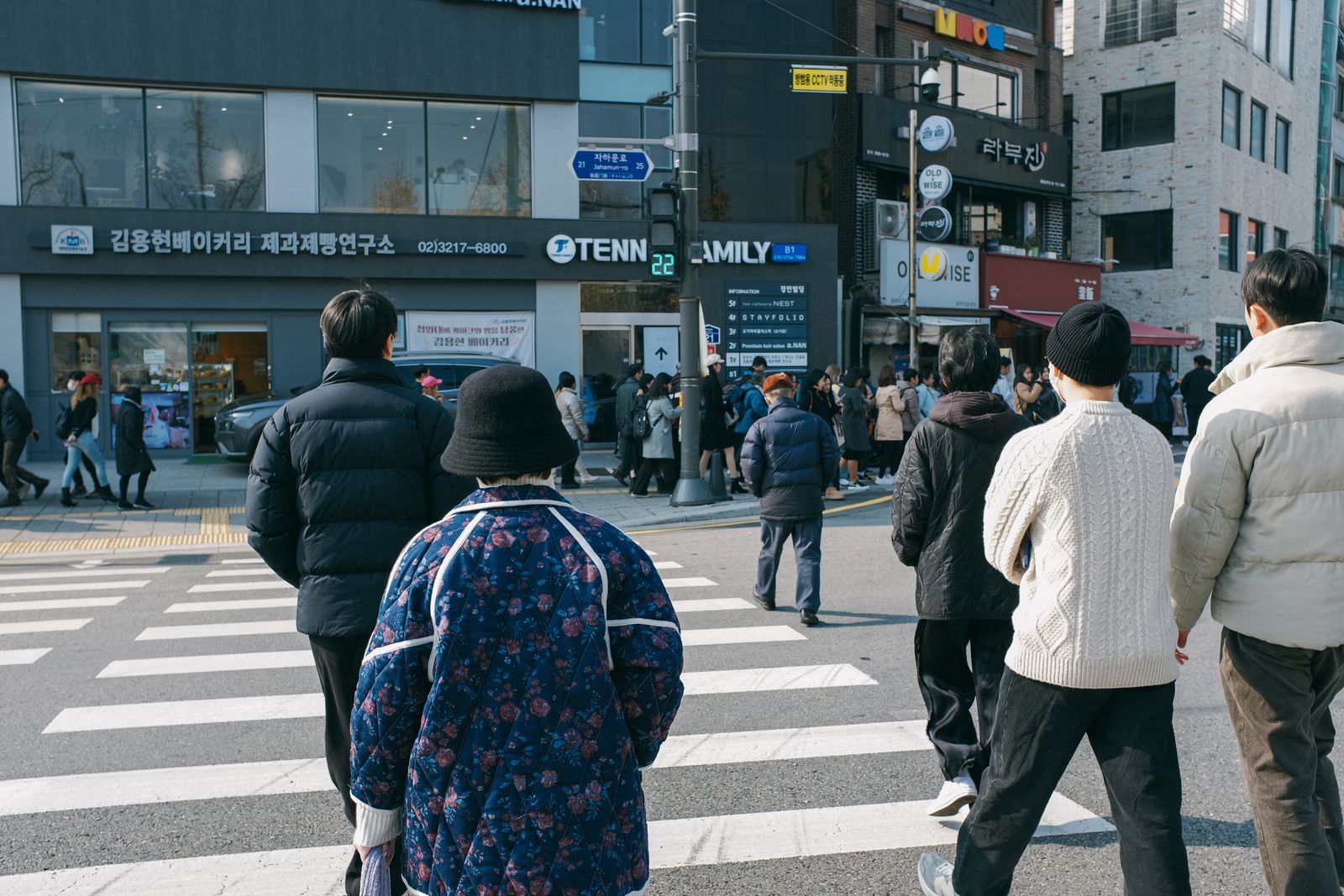
    I once watched a new arrival stand at a crosswalk in Hongdae, phone out, filming the intersection like it was a theme park ride, while everyone around him just quietly crossed and got on with their day. Nobody said anything to him. Nobody had to. But I could feel the small, invisible gap opening up between “person who lives here” and “person who’s visiting a movie set,” and that gap is really what this whole post is about. Living in Korea long enough, you start collecting a mental list of the little missteps that keep tripping up newcomers โ€” not the dramatic ones you’d find in a travel warning, but the small, everyday habits that read as slightly off to the people around you, even when your intentions are completely fine.

    I’ve written before about specific pieces of this โ€” why shoes come off indoors, the mechanics of hoesik drinking nights, why eating alone isn’t the faux pas it sounds like. This one’s different. It’s the roundup I wish someone had handed me on day one: the habits, big and small, that quietly mark you as new here, and the small adjustments that make them disappear almost overnight.

    Pedestrians crossing a busy street in Seoul

    1. Treating “no, thank you” as a final answer

    Someone offers you a snack, a second helping, a ride home. You say “oh, no, I’m fine, thanks” โ€” and to your surprise, they ask again. And maybe a third time. If you’re not used to this, it can feel almost pushy, like they didn’t hear you the first time. They did. What’s actually happening is a small social ritual: in a lot of Korean social contexts, the first “no” is expected to be at least partly polite reflex rather than a hard stop, so the person offering checks again to make sure you’re not just being modest. I’ve noticed this trips up a lot of visitors in the opposite direction, too โ€” they cave in and accept something they genuinely don’t want, just to end the back-and-forth, and end up eating a third helping of banchan out of sheer social exhaustion. The fix isn’t complicated once you know the pattern: if you truly don’t want it, say so warmly but a little more firmly the second time, maybe with a small hand wave, rather than repeating the same soft “no” and hoping it lands harder this time. And if you do want it, you’re allowed to just say yes on offer one. Nobody’s grading you on how long you held out.

    2. Sorting trash like it’s optional

    This one genuinely surprised me when I first moved here, and it still trips up short-term visitors constantly. Korea’s waste system isn’t a polite suggestion โ€” it’s enforced, sometimes with real fines, and the rules shift slightly from district to district. Food waste (eumsikmul sseulegi) goes in its own bin, often a separate small container in the kitchen, because it gets weighed and composted or converted into animal feed rather than dumped with regular trash. General waste has to go in a specific, government-issued bag you buy at any convenience store โ€” usually labeled with the name of your gu, or district โ€” and if you use a random plastic bag instead, that bag may simply not get picked up, sitting on the curb like a small public accusation until someone in the building sorts it out for you. Recycling gets split further still: paper, plastic, glass, and styrofoam each have their own bin in most apartment complexes, clustered together near the entrance or parking garage. It sounds like a lot to track, and honestly, the first month or two it is. But it clicks faster than you’d expect once you realize the system is less about bureaucracy for its own sake and more about a genuinely dense country trying to manage limited landfill space โ€” once that logic lands, the extra ten seconds of sorting stops feeling like a hassle and starts feeling almost obvious.

    3. Pouring your own drink at the table

    I’m not going to retread the whole drinking-culture rundown here โ€” I’ve gone deep on hoesik etiquette elsewhere on this site โ€” but there’s one specific habit that’s easy to miss even if you already know the broad strokes: never pour your own glass. At a table with soju or beer, drinks get poured for each other, back and forth, almost like a quiet form of attention-paying. Reaching over and topping off your own glass reads as a little isolating, like you’ve opted out of the group rhythm without meaning to. The workaround is simple once you notice it: keep half an eye on the glasses around you, top off anyone who’s running low โ€” using both hands or supporting your pouring arm with the other hand if they’re older than you โ€” and if your own glass gets low, someone will almost certainly notice and refill it before you have to ask. It’s a small thing, but it’s also one of those rare etiquette rules that actually makes the evening feel warmer once you’re doing it right, rather than just avoiding a violation.

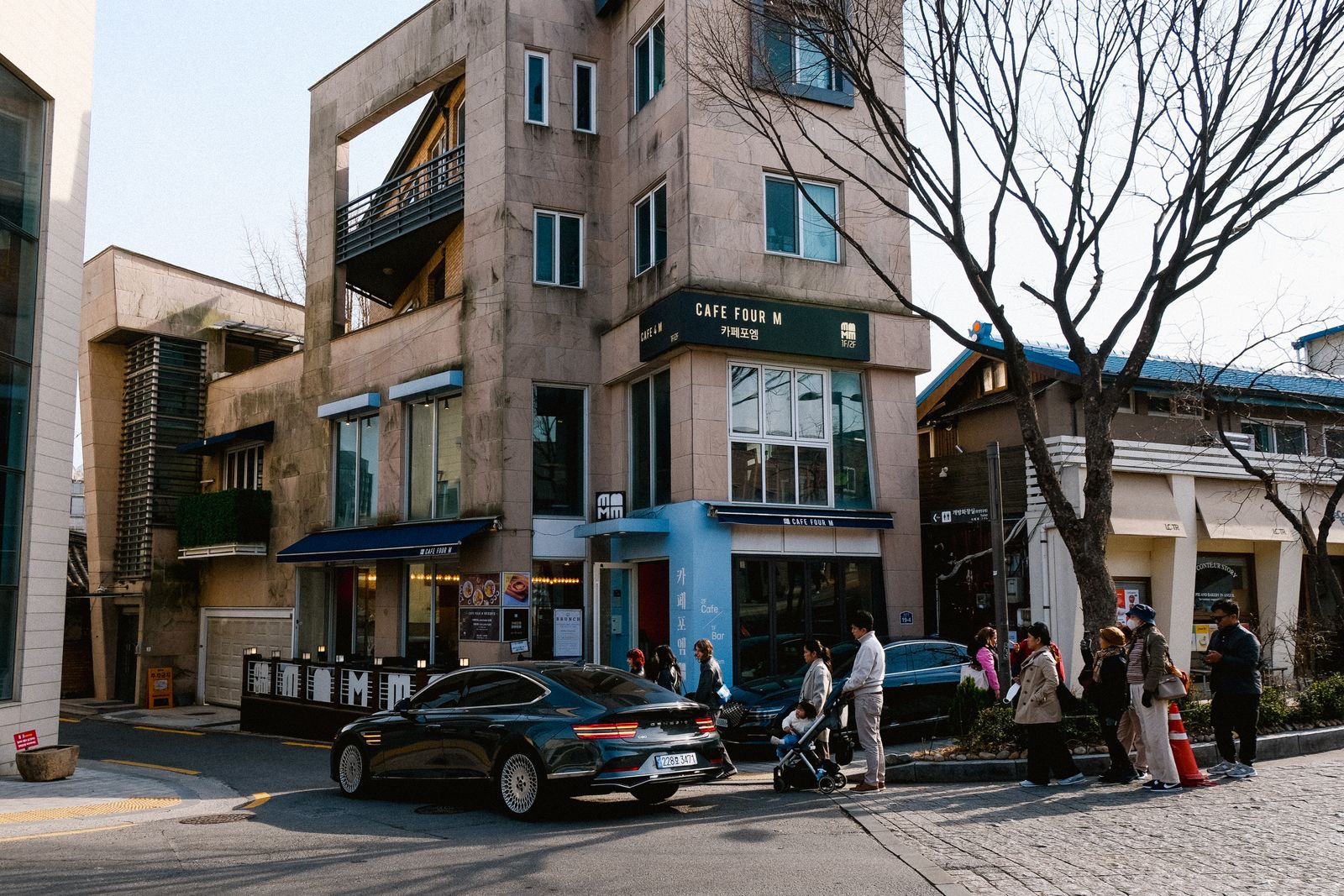
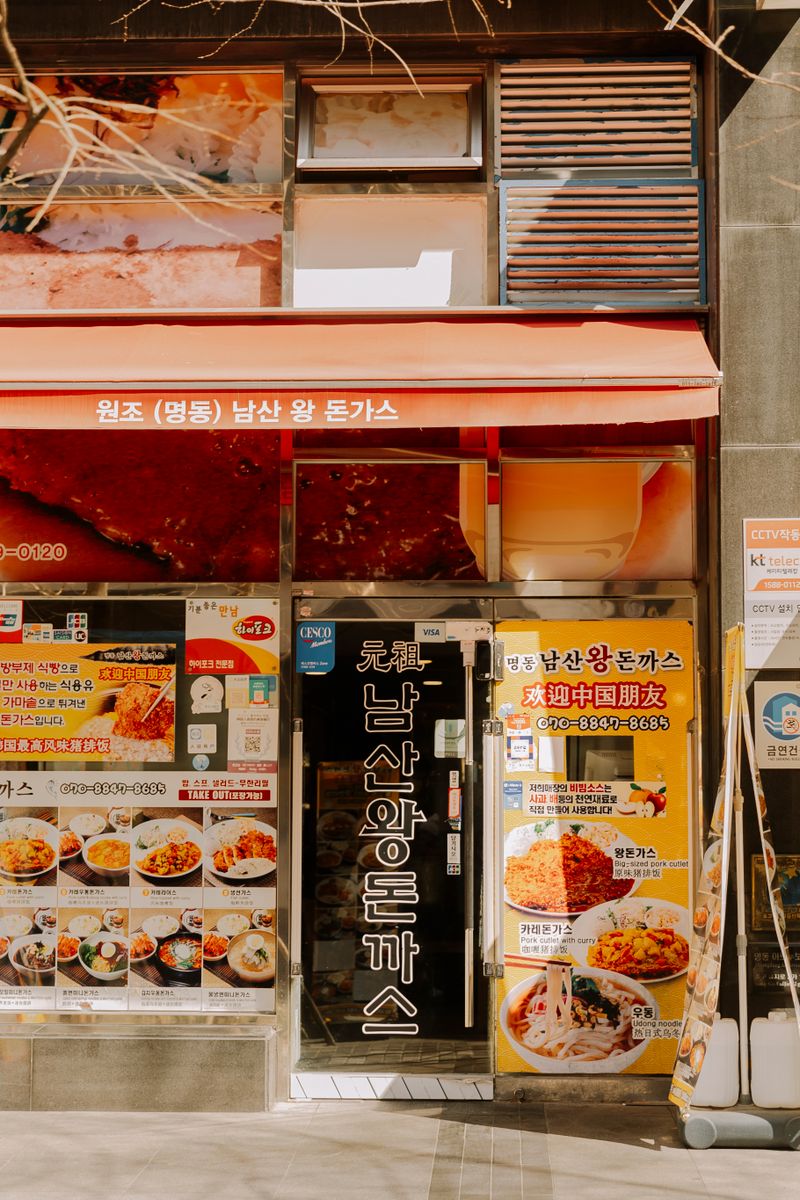
    Korean restaurant storefront in Seoul

    4. Assuming a handshake covers it

    In a lot of Western business contexts, a firm handshake is the whole greeting, and you consider the interaction successfully completed. In Korea, especially in more formal or first-meeting situations, a slight bow usually accompanies it, or replaces it entirely with older or more senior people โ€” a small nod of the head and shoulders while shaking hands, or a proper bow from the waist if you’re meeting someone senior for the first time, covers most situations. What actually catches visitors off guard is the business card exchange that often follows. Cards get presented and received with both hands, and you’re expected to actually pause and look at what’s printed on it โ€” the person’s title, their company โ€” rather than glance and pocket it immediately. Where the card goes next matters too: it stays out on the table in front of you for the rest of the meeting, laid flat and facing you rather than stacked or slid into a bag, and only gets put away once the meeting ends, typically into a card holder rather than a back pocket, which in particular reads as fairly dismissive. I’ll admit this one felt almost theatrical to me at first, treating a small rectangle of cardstock like it deserved that much ceremony. But the gesture isn’t really about the card โ€” it’s a stand-in for how much attention you’re paying to the person and their position, and skipping it, even accidentally, reads as a bit careless in a way a missed handshake back home never would.

    5. Letting your voice carry in the wrong places

    Korean cafes and restaurants can get genuinely loud โ€” group dinners with a lot of laughing, tables of coworkers a few drinks in, karaoke rooms blasting ballads at top volume into the street outside. So it’s easy to assume volume in general is fine everywhere. It isn’t, and the line is more specific than people expect. Picture a packed Starbucks in Seoul around 2 p.m. on a weekday: nearly every table has someone studying or working, laptops open, and the loudest sound in the room is often just the espresso machine, because the unspoken norm is closer to a library than a hangout spot โ€” a sharp contrast to the same chain back in, say, Chicago or London, where a normal conversational volume barely registers. Libraries, waiting rooms, and (as I’ve written about separately) public transit run on that same noticeably lower volume setting, and a loud phone call or an animated conversation in one of those spaces gets you a silent, collective side-eye that never quite escalates into someone saying something, but you feel it anyway. What surprised me most, honestly, is how fast I adapted โ€” within a couple of months I found myself instinctively dropping my voice in a quiet cafe, then feeling almost jarringly loud the next time I visited home. The rule of thumb that’s served me well: match the room, not your home country’s default. A raucous barbecue place wants energy. A study cafe wants near silence. Read the room for two seconds before you sit down and you’ll almost never get it wrong.

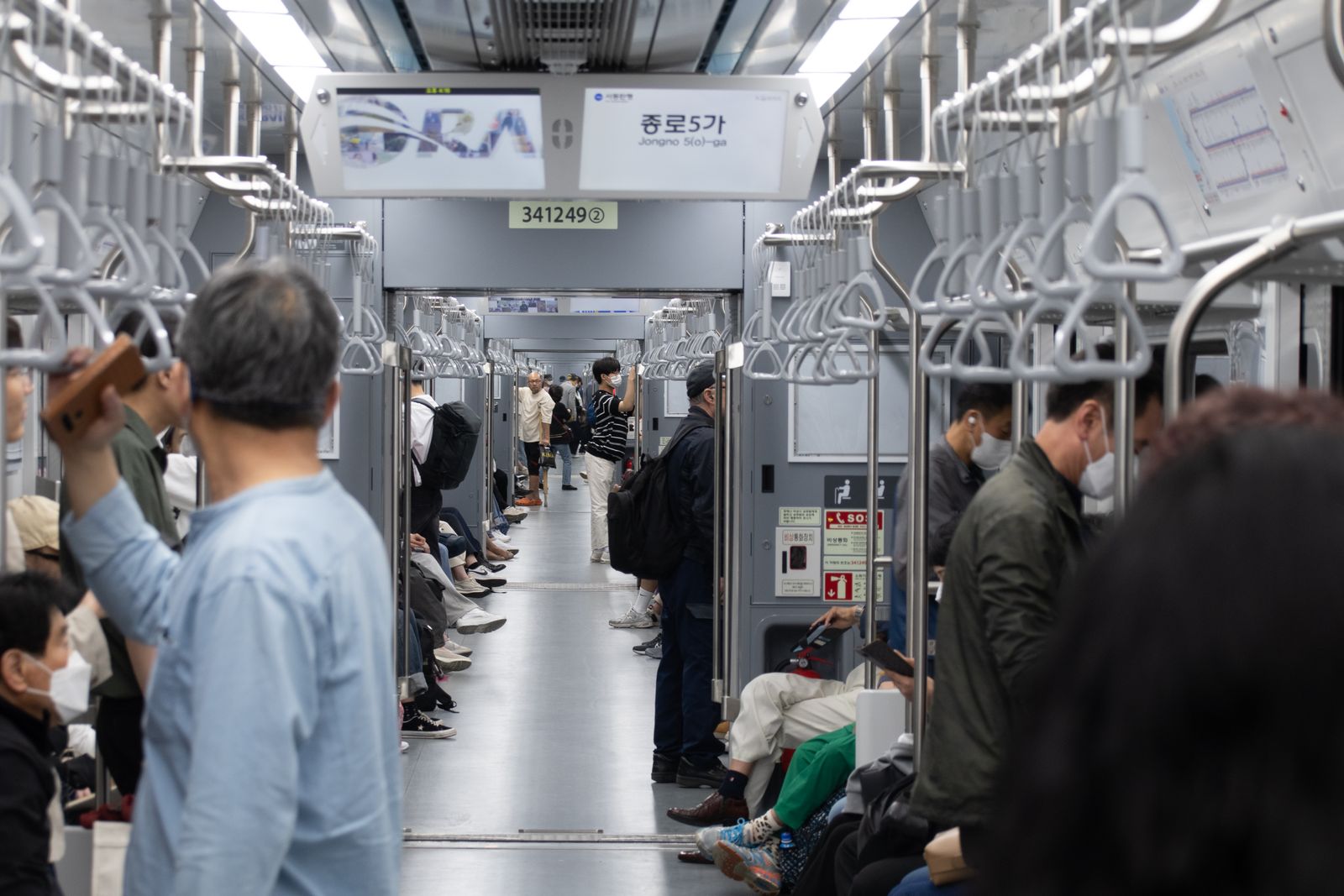
    Busy subway scene in Seoul with commuters

    6. Pointing with one finger, at a person

    This is such a small physical habit that most people never think twice about it back home โ€” you point at someone across the room to get their attention, or gesture at a person while telling a story. In Korea, pointing directly at a person with a single extended finger carries a slightly aggressive, almost accusatory edge, closer to how it might land if you jabbed a finger at someone mid-argument anywhere else. It’s genuinely not a huge deal if you slip once, but I’ve noticed it makes people flinch just slightly, the same reflexive flinch you’d get flicking a lit cigarette near someone’s face โ€” small, quick, and gone before anyone comments on it. The easy substitute, which locals use constantly and you’ll pick up almost without trying, is an open hand, palm up or angled slightly, gesturing toward the person or the general direction rather than spearing a finger at them. Servers use it to guide you to a table. Coworkers use it in meetings. Once you notice the pattern, you’ll see it everywhere, and pointing with one finger will start to feel almost rude to you, too.

    7. Photographing people like they’re scenery

    Korea photographs beautifully โ€” the palaces, the neon alleys, the ajummas selling produce at a street market with a backdrop that looks staged even though it’s completely real. It’s tempting to just lift the phone and snap whoever’s in frame. I’d gently push back on that instinct. Older vendors in particular, especially at traditional markets, can be understandably prickly about being treated like part of the set dressing for someone’s travel photos, and a lot of visitors don’t realize how differently that lands compared to snapping a photo of, say, a busker who’s performing specifically to be seen. A quick gesture asking permission โ€” holding up your phone with a questioning look, or a simple “sajin jjigeodo dwaeyo?” (is it okay if I take a photo?) โ€” solves the problem almost entirely, and more often than not gets you a warmer reaction and sometimes an actual smile for the camera instead of an annoyed wave-off. If the language feels like too much in the moment, just angle the shot toward the produce, the signage, or the stall itself rather than the vendor’s face; you still get the atmosphere without making anyone the unwilling subject. It costs three extra seconds and it’s the difference between a photo you’re proud of and one you probably shouldn’t have taken in the first place.

    8. Assuming personal questions are rude โ€” or that they aren’t

    This is the one that runs backward in both directions, which is exactly what makes it tricky. Age, marital status, and even salary come up in casual conversation here far more readily than in a lot of Western contexts โ€” someone you’ve just met might ask how old you are within the first few minutes, not out of nosiness but because Korean social structure genuinely depends on knowing that to calibrate speech levels and hierarchy correctly. Visitors sometimes bristle at this, treating it as an invasion of privacy, when it’s closer to a functional requirement of the language itself. But the reverse also trips people up: questions that feel completely benign back home โ€” asking a coworker point-blank why they’re still single, or commenting directly on someone’s weight โ€” land much harder here, especially from someone who isn’t family or an old friend. The safest approach, especially early on, is to answer the “expected” questions (age, where you’re from, what you do) without flinching, and hold back on the more personal commentary until you actually know someone well enough to have earned it. And when you’re the one on the receiving end of a question that genuinely feels like too much โ€” a manager asking why you’re not married yet, an aunt at a family gathering commenting on your weight โ€” you don’t have to just absorb it silently either. A light, slightly deflecting answer works better than a flat refusal: “I get asked that a lot, still figuring it out!” said with a small laugh tends to close the topic gracefully, where an annoyed “that’s personal” can land as a scolding you didn’t need to hand out. It took me a while to find that register, honestly โ€” somewhere between stonewalling and oversharing โ€” but once you’ve got it, it works on almost any nosy question you’ll get here.

    9. Skipping the “one more time” rule with elders

    At a family dinner or a formal gathering, the eldest or most senior person at the table generally starts eating first, and everyone else follows a beat behind โ€” not a strict rule enforced with a stern look, more an ambient rhythm that regulars fall into without thinking about it. Diving straight into your bowl the second it’s set down isn’t going to cause a scene, to be fair, and I’ve never seen anyone actually get scolded for it. But it’s one of those small timing cues that, once you clock it, makes you look like you’ve actually spent time here rather than just landed. The same logic shows up in smaller ways too โ€” waiting a half-second for an elder to sit before you do, or letting them step into an elevator first. None of it is written down anywhere. You just absorb it by watching, and the moment you start doing it automatically is oddly one of the more satisfying “I live here now” milestones.

    Frequently Asked Questions

    I refused something twice and the person kept offering. Was I being rude by insisting?
    Not rude, just possibly misread as being politely modest rather than genuinely firm. If you don’t want something, a slightly more direct “no” the second time, paired with a small hand wave or “gwaenchanayo” (I’m okay/it’s fine), usually closes the loop. Most people will read that as a real answer rather than continued politeness and drop it without any hard feelings.

    I accidentally used the wrong trash bag and my building’s security guard flagged it. What happens now?
    Almost always nothing dramatic โ€” it’s an extremely common new-arrival mistake, and most guards or neighbors will just point you toward the right bags rather than escalate it. Worst case, in some districts, unsorted trash can technically draw a fine, but that’s typically reserved for repeat offenders rather than someone’s first honest mix-up. Buy the district-specific bags at your nearest convenience store (just ask for “jongnyangje bongtu” and your neighborhood name) and you’re set going forward.

    I pointed at a friend while telling a story and they gave me a weird look. Did I actually offend them?
    Probably not deeply, but you likely registered as slightly more blunt or intense than you meant to be in that moment. Among friends, especially ones who know you’re not from here, this tends to get brushed off instantly rather than held against you. It’s more worth adjusting for interactions with people you don’t know well yet, older colleagues, or anyone in a more formal setting, where the open-hand gesture will read a lot more naturally.

    Why the small stuff adds up more than the big stuff

    None of these missteps, on their own, are the kind of thing that gets you a lecture or a bad reputation. That’s actually what makes them worth writing about โ€” they’re not dramatic enough to warn you in advance, so they just quietly accumulate. Someone who nails the big, obvious stuff (shoes off, no tipping, chopsticks flat) but keeps pointing with one finger and pouring their own soju still reads as slightly out of step, in a way that’s hard to pin down but easy to feel. The upside is that every single item on this list is a habit, not a personality trait, and habits are boring and mechanical to fix once you notice them. I didn’t consciously “learn” most of these โ€” I just got corrected gently enough times, or watched closely enough, that the old instinct quietly got replaced with a new one. Give it three or four months of actually paying attention, and you’ll catch yourself doing half of this automatically, usually right around the same time you start noticing when other new arrivals are making the exact mistakes you used to make.

  • ๋น„ํ–‰์ ‘์‹œ๋ฅผ ์žก์•˜๋‹ค๋”๋‹ˆ ํ•˜๋ฃจ ๋งŒ์— ๋ง ๋ฐ”๊พผ ๋ฏธ๊ตฐ, ๋กœ์ฆˆ์›ฐ UFO ์‚ฌ๊ฑด์˜ ์ „๋ง

    ๋น„ํ–‰์ ‘์‹œ๋ฅผ ์žก์•˜๋‹ค๋”๋‹ˆ ํ•˜๋ฃจ ๋งŒ์— ๋ง ๋ฐ”๊พผ ๋ฏธ๊ตฐ, ๋กœ์ฆˆ์›ฐ UFO ์‚ฌ๊ฑด์˜ ์ „๋ง

    ๋‰ด๋ฉ•์‹œ์ฝ”์˜ ํ™ฉ๋Ÿ‰ํ•œ ๋ชฉ์žฅ ํ•œ๋ณตํŒ์„ ๊ฑท๋‹ค๊ฐ€, ์€๋ฐ•์ง€ ์กฐ๊ฐ๊ณผ ๋‚˜๋ฌด ๋ง‰๋Œ€, ์ •์ฒด ๋ชจ๋ฅผ ํ…Œ์ดํ”„๊ฐ€ ์ˆ˜์‹ญ ๋ฏธํ„ฐ์— ๊ฑธ์ณ ํฉ์–ด์ ธ ์žˆ๋Š” ๊ฑธ ๋ฐœ๊ฒฌํ•œ๋‹ค๋ฉด ์–ด๋–จ๊นŒ. ๋Œ€๋ถ€๋ถ„์€ ๊ทธ๋ƒฅ ์“ฐ๋ ˆ๊ธฐ๋ผ๊ณ  ์—ฌ๊ธฐ๊ณ  ์ง€๋‚˜์น ์ง€๋„ ๋ชจ๋ฅธ๋‹ค. ๊ทธ๋Ÿฐ๋ฐ 1947๋…„ 7์›”, ๋‰ด๋ฉ•์‹œ์ฝ”์ฃผ ๋กœ์ฆˆ์›ฐ ๊ทผ์ฒ˜์˜ ํ•œ ๋ชฉ์žฅ์—์„œ ์‹ค์ œ๋กœ ์ด๋Ÿฐ ์ผ์ด ๋ฒŒ์–ด์กŒ๊ณ , ์ด ์‚ฌ์†Œํ•ด ๋ณด์ด๋Š” ๋ฐœ๊ฒฌ์ด ์ง€๊ธˆ๊นŒ์ง€ 80๋…„ ๊ฐ€๊นŒ์ด ์ด์–ด์ง€๋Š” ๋ฏธ๊ตญ ์ตœ๋Œ€์˜ ๋ฏธ์Šคํ„ฐ๋ฆฌ๋กœ ๋ฒˆ์กŒ๋‹ค. ์‹œ์ž‘์€ ํ—ˆ๋ฌดํ•  ๋งŒํผ ํ‰๋ฒ”ํ–ˆ๋‹ค.

    1947๋…„ 7์›” 8์ผ ์˜ค์ „, ๋กœ์ฆˆ์›ฐ ์œก๊ตฐ ํ•ญ๊ณต๊ธฐ์ง€์˜ ๊ณต๋ณด์žฅ๊ต ์›”ํ„ฐ ํ•˜์šฐํŠธ ์ค‘์œ„๋Š” ์งง์€ ๋ณด๋„์ž๋ฃŒ ํ•œ ์žฅ์„ ์ง€์—ญ ์‹ ๋ฌธ์‚ฌ์— ๋„˜๊ฒผ๋‹ค. “๋กœ์ฆˆ์›ฐ ์œก๊ตฐ ํ•ญ๊ณต๊ธฐ์ง€๊ฐ€ ๋น„ํ–‰์ ‘์‹œ๋ฅผ ํšŒ์ˆ˜ํ–ˆ๋‹ค.” ์ง€์—ญ์ง€ ๋กœ์ฆˆ์›ฐ ๋ฐ์ผ๋ฆฌ ๋ ˆ์ฝ”๋“œ๋Š” ๊ทธ๋‚  ์˜คํ›„ “RAAF Captures Flying Saucer On Ranch in Roswell Region”์ด๋ผ๋Š” ์ œ๋ชฉ์„ 1๋ฉด์— ๋ฐ•์•˜๋‹ค. ๊ทธ๋Ÿฐ๋ฐ ์ด ๊ธฐ์‚ฌ, ์ฑ„ 24์‹œ๊ฐ„๋„ ๋ชป ๋ฒ„ํ…ผ๋‹ค. ๋‹ค์Œ ๋‚  ๊ตฐ์€ ๋ง์„ ๋ฐ”๊ฟจ๋‹ค. ์ถ”๋ฝํ•œ ๊ฑด ๋น„ํ–‰์ ‘์‹œ๊ฐ€ ์•„๋‹ˆ๋ผ ๊ทธ์ € ๊ธฐ์ƒ๊ด€์ธก์šฉ ๊ธฐ๊ตฌ์˜€๋‹ค๋Š” ๊ฒƒ์ด๋‹ค. ๊ฒจ์šฐ ํ•˜๋ฃจ์งœ๋ฆฌ ์ด ์ดŒ๊ทน์ด, ์ดํ›„ ์ˆ˜์‹ญ ๋…„๊ฐ„ ๋ˆˆ๋ฉ์ด์ฒ˜๋Ÿผ ๋ถˆ์–ด๋‚œ ๋…ผ์Ÿ์˜ ์ฒซ ๋‹จ์ถ”์˜€๋‹ค.

    ๋ชฉ์žฅ ์ž”ํ•ด์—์„œ ์‹œ์ž‘๋œ ์†Œ๋™

    ์‚ฌ๊ฑด์€ ๋กœ์ฆˆ์›ฐ ์‹œ๋‚ด๊ฐ€ ์•„๋‹ˆ๋ผ ๊ทธ๋ณด๋‹ค ํ›จ์”ฌ ์™ธ๋”ด ๊ณณ, ์ฝ”๋กœ๋‚˜ ๋งˆ์„ ์ธ๊ทผ ๋ชฉ์žฅ์—์„œ ์‹œ์ž‘๋๋‹ค. ๋ชฉ์žฅ ๊ด€๋ฆฌ์ธ์ด๋˜ ์œŒ๋ฆฌ์—„ ๋งฅ ๋ธŒ๋ž˜์ฆ์€ 1947๋…„ 6์›” ์ค‘์ˆœ ๋ฌด๋ ต ์–‘๋–ผ๋ฅผ ๋Œ๋ณด๋Ÿฌ ๋‚˜๊ฐ”๋‹ค๊ฐ€ ๋ฐญ ํ•œ ๊ตฌ์„์— ํฉ์–ด์ง„ ์ด์ƒํ•œ ์ž”ํ•ด๋ฅผ ๋ฐœ๊ฒฌํ–ˆ๋‹ค. ๊ณ ๋ฌด ์กฐ๊ฐ, ์€๋ฐ•์ง€ ๋น„์Šทํ•œ ๊ธˆ์† ํŒŒํŽธ, ๋‚˜๋ฌด ๋ง‰๋Œ€์™€ ์ ‘์ฐฉํ…Œ์ดํ”„ ๊ฐ™์€ ๊ฒƒ๋“ค์ด ๋„“๊ฒŒ ํผ์ ธ ์žˆ์—ˆ๋‹ค. ์ฒ˜์Œ์—” ๋Œ€์ˆ˜๋กญ์ง€ ์•Š๊ฒŒ ๋„˜๊ฒผ๋Š”๋ฐ, 7์›” ์ดˆ ๋ผ๋””์˜ค์—์„œ ๋– ๋“ค์ฉํ•˜๊ฒŒ ๋ณด๋„๋˜๋˜ ‘๋น„ํ–‰์ ‘์‹œ’ ์†Œ์‹์„ ๋“ฃ๊ณ ์„œ์•ผ ์ƒ๊ฐ์ด ๋ฐ”๋€Œ์—ˆ๋‹ค. ๋ธŒ๋ž˜์ฆ์€ 7์›” 7์ผ ๋กœ์ฆˆ์›ฐ๋กœ ๋‚˜๊ฐ€ ์น˜๋ธŒ์Šค ์นด์šดํ‹ฐ ๋ณด์•ˆ๊ด€ ์กฐ์ง€ ์œŒ์ฝ•์Šค๋ฅผ ์ฐพ์•„๊ฐ”๊ณ , ์œŒ์ฝ•์Šค๋Š” ๊ณง๋ฐ”๋กœ ์ธ๊ทผ ๋กœ์ฆˆ์›ฐ ์œก๊ตฐ ํ•ญ๊ณต๊ธฐ์ง€์— ์ด ์‚ฌ์‹ค์„ ์•Œ๋ ธ๋‹ค.

    ๊ธฐ์ง€์—์„œ๋Š” ์ •๋ณด์žฅ๊ต ์ œ์‹œ ๋งˆ์…€ ์†Œ๋ น์ด ์ง์ ‘ ํ˜„์žฅ์œผ๋กœ ๋‚˜๊ฐ”๋‹ค. ๋งˆ์…€์€ ํ›—๋‚  ์ธํ„ฐ๋ทฐ์—์„œ ๊ทธ ๊ธˆ์† ์กฐ๊ฐ์˜ ์ด‰๊ฐ์„ ์ƒ์„ธํžˆ ๋ฌ˜์‚ฌํ–ˆ๋Š”๋ฐ, ์•Œ๋ฃจ๋ฏธ๋Š„ ํ˜ธ์ผ์ฒ˜๋Ÿผ ์–‡๊ณ  ๊ฐ€๋ฒผ์›Œ ๋ณด์ด๋ฉด์„œ๋„ ์•„๋ฌด๋ฆฌ ์†์— ํž˜์„ ์ค˜์„œ ๊ตฌ๊ฒจ๋„ ์†์„ ๋–ผ๋Š” ์ˆœ๊ฐ„ ์Šคํ”„๋ง์ฒ˜๋Ÿผ ์›๋ž˜ ๋ชจ์–‘์œผ๋กœ ๋Œ์•„์™”๋‹ค๊ณ  ๋งํ–ˆ๋‹ค. ๋ผ์ดํ„ฐ ๋ถˆ์„ ๊ฐ€๊นŒ์ด ๋Œ€ ๋ด๋„ ๊ทธ์„์Œ ํ•˜๋‚˜ ๋‚จ์ง€ ์•Š์•˜๋‹ค๋Š” ๋Œ€๋ชฉ๊นŒ์ง€ ๋”ํ•ด์ง€๋ฉด์„œ, ์ด ์ฆ์–ธ์€ ์ดํ›„ ๋กœ์ฆˆ์›ฐ ์ด์•ผ๊ธฐ๋ฅผ ํ‚ค์šฐ๋Š” ํ•ต์‹ฌ ๊ทผ๊ฑฐ ์ค‘ ํ•˜๋‚˜๊ฐ€ ๋๋‹ค. ๋‹ค๋งŒ ํšŒ์ˆ˜ ๋‹น์‹œ ๋งˆ์…€ ๋ณธ์ธ๋„, ํ•จ๊ป˜ ์žˆ๋˜ ๋ถ€๋Œ€์›๋“ค๋„ ๊ทธ๊ฒƒ์„ ์™ธ๊ณ„ ๋ฌผ์ฒด๋ผ๊ณ  ๋‹จ์ •ํ•˜์ง€๋Š” ์•Š์•˜๋‹ค. ๊ทธ๋ƒฅ “๋ณธ ์  ์—†๋Š” ์žฌ์งˆ”์ด๋ผ๋Š” ์ธ์ƒ ์ •๋„์˜€๋‹ค.

    ๋‰ด๋ฉ•์‹œ์ฝ” ์‚ฌ๋ง‰์˜ ๋ฐคํ•˜๋Š˜๊ณผ ๋ณ„

    ํ•˜๋ฃจ ๋งŒ์— ๋’ค์ง‘ํžŒ ๋ฐœํ‘œ, ๊ทธ๋ฆฌ๊ณ  30๋…„์˜ ์นจ๋ฌต

    ์—ฌ๊ธฐ์„œ ์ด์ƒํ•˜๊ฒŒ ๋А๊ปด์งˆ ์ˆ˜ ์žˆ๋Š” ๋Œ€๋ชฉ์ด ํ•˜๋‚˜ ์žˆ๋‹ค. ๊ตฐ์ด ์Šค์Šค๋กœ “๋น„ํ–‰์ ‘์‹œ๋ฅผ ์žก์•˜๋‹ค”๊ณ  ๋ฐœํ‘œํ•ด ๋†“๊ณ , ์™œ ๋ฐ”๋กœ ๋‹ค์Œ ๋‚  ๋ง์„ ๋ฐ”๊ฟจ์„๊นŒ ํ•˜๋Š” ์ ์ด๋‹ค. ์‹ค์ œ๋กœ 7์›” 9์ผ, ํฌํŠธ์›Œ์Šค ์œก๊ตฐ ํ•ญ๊ณต๊ธฐ์ง€ ์‚ฌ๋ น๋ถ€๋Š” ๋ธŒ๋ž˜์ฆ์ด ๊ฐ€์ ธ์˜จ ์ž”ํ•ด๋ฅผ ๊ณต๊ฐœํ•˜๋ฉด์„œ ๋ ˆ์ด๋” ๋ฐ˜์‚ฌํŒ์ด ๋‹ฌ๋ฆฐ ๊ธฐ์ƒ๊ด€์ธก ๊ธฐ๊ตฌ์ผ ๋ฟ์ด๋ผ๊ณ  ์ •์ • ๋ฐœํ‘œํ–ˆ๋‹ค. ๋‹น์‹œ ์‹ ๋ฌธ์— ์‹ค๋ฆฐ ์‚ฌ์ง„ ์† ์ž”ํ•ด๋„ ํ™•์‹คํžˆ ์€๋ฐ•์ง€์™€ ๋‚˜๋ฌด ๋ง‰๋Œ€์ฒ˜๋Ÿผ ๋ณด์ธ๋‹ค. ๊ทธ๋ž˜์„œ ๋งŽ์€ ์‚ฌ๋žŒ๋“ค์ด ์ด ์‹œ์ ์—์„œ ์‚ฌ๊ฑด์ด ๊ทธ๋ƒฅ ํ•ดํ”„๋‹์œผ๋กœ ๋๋‚ฌ๋‹ค๊ณ  ์ƒ๊ฐํ•œ๋‹ค. ๊ทธ๋Ÿฐ๋ฐ๋„ ๋กœ์ฆˆ์›ฐ์€ ์ดํ›„ 30๋…„ ๊ฐ€๊นŒ์ด ์„ธ๊ฐ„์—์„œ ๊ฑฐ์˜ ์žŠํ˜”๋‹ค๊ฐ€, ์–ด๋А ์ˆœ๊ฐ„ ๋‹ค์‹œ ๋ถˆ๋ถ™์—ˆ๋‹ค.

    1978๋…„, ๋ฌผ๋ฆฌํ•™์ž ์Šคํƒ ํ„ด ํ”„๋ฆฌ๋“œ๋จผ์ด ์€ํ‡ดํ•œ ์ œ์‹œ ๋งˆ์…€์„ ์ธํ„ฐ๋ทฐํ•˜๋ฉด์„œ ๋กœ์ฆˆ์›ฐ ์ด์•ผ๊ธฐ๊ฐ€ ๋‹ค์‹œ ์ˆ˜๋ฉด ์œ„๋กœ ๋– ์˜ฌ๋ž๋‹ค. ๋งˆ์…€์€ ์ด๋•Œ ๊ธฐ์ƒ ๊ธฐ๊ตฌ ์„ค๋ช…์— ์˜๋ฌธ์„ ์ œ๊ธฐํ•˜๋ฉฐ, ์ž์‹ ์ด ํ˜„์žฅ์—์„œ ๋ณธ ์ž”ํ•ด๋Š” ํ›จ์”ฌ ์ด์ƒํ•œ ๋ฌผ๊ฑด์ด์—ˆ๋‹ค๊ณ  ๊ฐ•์กฐํ–ˆ๋‹ค. ์ด ์ธํ„ฐ๋ทฐ๋ฅผ ๊ณ„๊ธฐ๋กœ 1980๋…„๋Œ€ ์ดํ›„ ๋ชฉ๊ฒฉ์ž ์ฆ์–ธ์„ ๋ชจ์œผ๋Š” ์ž‘์—…์ด ๋ณธ๊ฒฉํ™”๋๊ณ , ์—ฌ๊ธฐ์„œ๋ถ€ํ„ฐ ์™ธ๊ณ„์ธ ์‹œ์‹ ์ด ๋ฐœ๊ฒฌ๋๋‹ค๋Š” ์ด์•ผ๊ธฐ, ์‹œ์‹ ์„ ์‹ค์€ ํŠธ๋Ÿญ์ด ๋กœ์ฆˆ์›ฐ ๊ธฐ์ง€๋กœ ์˜ฎ๊ฒจ์กŒ๋‹ค๋Š” ์ด์•ผ๊ธฐ ๊ฐ™์€ ํ›จ์”ฌ ์ž๊ทน์ ์ธ ๋ฒ„์ „๋“ค์ด ๋ง๋ถ™๊ธฐ ์‹œ์ž‘ํ–ˆ๋‹ค. ํฅ๋ฏธ๋กœ์šด ๊ฑด, 1947๋…„ ๋‹น์‹œ ์–ด๋–ค ์‹ ๋ฌธ์—๋„ ์™ธ๊ณ„์ธ ์‹œ์‹  ๊ด€๋ จ ์–ธ๊ธ‰์€ ์ „ํ˜€ ์—†์—ˆ๋‹ค๋Š” ์‚ฌ์‹ค์ด๋‹ค. ๊ทธ ์ด์•ผ๊ธฐ๋Š” ์‚ฌ๊ฑด ๋ฐœ์ƒ 30์—ฌ ๋…„์ด ์ง€๋‚˜์„œ์•ผ ๋“ฑ์žฅํ•œ ์…ˆ์ด๋‹ค.

    ๊ธฐ๋ฐ€ ํ•ด์ œ๋œ ์ง„์‹ค, ํ”„๋กœ์ ํŠธ ๋ชจ๊ตด

    ๊ตฐ์˜ ์„ค๋ช…์ด ๊ณ„์† ๋ฐ”๋€ ๊ฒƒ๋„ ์˜์‹ฌ์„ ํ‚ค์šด ์š”์ธ์ด์—ˆ๋‹ค. 1994๋…„, ๋ฏธ ๊ณต๊ตฐ์€ ์ƒˆ๋กœ์šด ๋ณด๊ณ ์„œ๋ฅผ ํ†ตํ•ด ๋‹น์‹œ ์ถ”๋ฝํ•œ ๋ฌผ์ฒด์˜ ์ •์ฒด๋ฅผ ๋‹ค์‹œ ๋ฐํ˜”๋‹ค. ์ด๋ฒˆ์—” ๋‹จ์ˆœํ•œ ๊ธฐ์ƒ ๊ธฐ๊ตฌ๊ฐ€ ์•„๋‹ˆ๋ผ ‘ํ”„๋กœ์ ํŠธ ๋ชจ๊ตด’์ด๋ผ๋Š” ๊ณ ๋„๋กœ ๊ธฐ๋ฐ€์— ๋ถ€์ณ์ง„ ๊ตฐ์‚ฌ ํ”„๋กœ๊ทธ๋žจ์˜ ์ผ๋ถ€์˜€๋‹ค๋Š” ์„ค๋ช…์ด์—ˆ๋‹ค. ํ”„๋กœ์ ํŠธ ๋ชจ๊ตด์€ ์†Œ๋ จ์˜ ํ•ต์‹คํ—˜์„ ๊ณ ๊ณ ๋„์—์„œ ๊ฐ์ง€ํ•˜๊ธฐ ์œ„ํ•ด ๋งˆ์ดํฌ๋กœํฐ๊ณผ ์Œํ–ฅ ์„ผ์„œ๋ฅผ ๋งค๋‹จ ๋Œ€ํ˜• ํ’์„ ์„ ์—ฌ๋Ÿฌ ๊ฐœ ๋ฌถ์–ด ๋„์šฐ๋Š” ์‹คํ—˜์ด์—ˆ๋‹ค. ๋‚ฑ๊ฐœ ํ’์„  ํ•˜๋‚˜๋งŒ ํ•ด๋„ ์ง€๋ฆ„์ด ์›ฌ๋งŒํ•œ ์ด์ธต์ง‘ ๋†’์ด์— ๋งž๋จน์—ˆ๊ณ , ์ด๊ฑธ ์—ด๋‘ ๊ฐœ ๋„˜๊ฒŒ ์ค„์ค„์ด ์—ฎ์–ด ๋„์› ๋‹ค๊ณ  ํ•˜๋‹ˆ ์‹ค์ œ๋กœ ํ•˜๋Š˜์— ๋–  ์žˆ์„ ๋• ์ถ•๊ตฌ์žฅ ๋ช‡ ๊ฐœ๋ฅผ ์ด์–ด ๋ถ™์ธ ์ •๋„์˜ ๋ฉ์น˜์˜€๋˜ ์…ˆ์ด๋‹ค. ๋ชฉ์žฅ ์ฃผ์ธ์ด ๊ทธ ์ž”ํ•ด๋ฅผ ๋ณด๊ณ  “์ด๋Ÿฐ ๊ฑด ์ฒ˜์Œ ๋ณธ๋‹ค”๋ฉฐ ์ˆ ๋ ์˜€๋˜ ๊ฒƒ๋„ ์ด ์ •๋„ ๊ทœ๋ชจ๋ผ๋ฉด ์–ด๋А ์ •๋„ ๋‚ฉ๋“์ด ๊ฐ„๋‹ค.

    ๋ฌธ์ œ๋Š” ์ด ์„ค๋ช…์กฐ์ฐจ ๋ชจ๋“  ์˜๋ฌธ์„ ํ•ด์†Œํ•˜์ง€ ๋ชปํ–ˆ๋‹ค๋Š” ์ ์ด๋‹ค. 1947๋…„ ๋‹น์‹œ ๊ตฐ์ด ์™œ ๊ตณ์ด “๋น„ํ–‰์ ‘์‹œ ํšŒ์ˆ˜”๋ผ๋Š” ์ž๊ทน์ ์ธ ํ‘œํ˜„์œผ๋กœ ์ฒซ ๋ณด๋„์ž๋ฃŒ๋ฅผ ๋ƒˆ๋Š”์ง€, ๊ทธ๋ฆฌ๊ณ  ์™œ ๊ทธํ† ๋ก ๋นจ๋ฆฌ ๋ง์„ ๋ฐ”๊ฟจ๋Š”์ง€๋Š” ํ”„๋กœ์ ํŠธ ๋ชจ๊ตด ์„ค๋ช…๋งŒ์œผ๋กœ๋Š” ์™„์ „ํžˆ ๋‚ฉ๋“๋˜์ง€ ์•Š๋Š”๋‹ค๋Š” ์ง€์ ์ด ์—ฌ์ „ํžˆ ๋‚˜์˜จ๋‹ค. ๋ƒ‰์ „ ์ดˆ๊ธฐ์˜€๋˜ ๋งŒํผ ์†Œ๋ จ์˜ ํ•ต์‹คํ—˜ ๊ฐ์‹œ ํ”„๋กœ๊ทธ๋žจ์„ ๊ฐ์ถ”๊ธฐ ์œ„ํ•ด ์ฐจ๋ผ๋ฆฌ UFO ์†Œ๋™์œผ๋กœ ์‹œ์„ ์„ ๋Œ๋ ธ๋‹ค๋Š” ํ•ด์„๋„ ์žˆ๋‹ค. ์ด๊ฒŒ ๋‹ค ์ •๋ถ€์˜ ๋ณ€๋ช…์ด๋ผ๊ณ  ์ƒ๊ฐํ•  ์ˆ˜๋„ ์žˆ์ง€๋งŒ, ์ ์–ด๋„ ๋ฌธ์„œ์ƒ์œผ๋กœ๋Š” ํ”„๋กœ์ ํŠธ ๋ชจ๊ตด์˜ ์‹ค์ฒด๊ฐ€ ๊ธฐ๋ฐ€ ํ•ด์ œ๋˜๋ฉฐ ์ƒ๋‹น ๋ถ€๋ถ„ ํ™•์ธ๋œ ๊ฒƒ๋„ ์‚ฌ์‹ค์ด๋‹ค.

    ์•ผ๊ฐ„ ํ•˜๋Š˜์— ๋น›๋‚˜๋Š” UFO ํ˜•์ƒ

    ์™ธ๊ณ„์ธ ์‹œ์‹  ์†Œ๋ฌธ๊ณผ 1997๋…„ ๊ณต๊ตฐ์˜ ์žฌ๋ฐ˜๋ฐ•

    1995๋…„์—๋Š” ๋กœ์ฆˆ์›ฐ ๋…ผ์Ÿ์„ ํ•œ์ธต ๋” ๋‹ฌ์•„์˜ค๋ฅด๊ฒŒ ๋งŒ๋“  ์ผ์ด ๋ฒŒ์–ด์กŒ๋‹ค. ์˜๊ตญ ์ œ์ž‘์ž ๋ ˆ์ด ์‚ฐํ‹ธ๋ฆฌ๊ฐ€ 1947๋…„ ๋กœ์ฆˆ์›ฐ์—์„œ ์ดฌ์˜๋๋‹ค๋Š” ์™ธ๊ณ„์ธ ๋ถ€๊ฒ€ ํ•„๋ฆ„์„ ๊ณต๊ฐœํ•œ ๊ฒƒ์ด๋‹ค. ํ‘๋ฐฑ ํ™”๋ฉด ์†์—์„œ ์˜๋ฃŒ์ง„ ๋ณต์žฅ์˜ ์ธ๋ฌผ๋“ค์ด ์™ธ๊ณ„ ์ƒ๋ช…์ฒด๋กœ ๋ณด์ด๋Š” ์กด์žฌ๋ฅผ ํ•ด๋ถ€ํ•˜๋Š” ์žฅ๋ฉด์ด ๋‹ด๊ฒจ ์žˆ์—ˆ๊ณ , ์ „ ์„ธ๊ณ„ ๋ฐฉ์†ก์‚ฌ๊ฐ€ ์ด ์˜์ƒ์„ ์‚ฌ๋“ค์—ฌ ๋ฐฉ์˜ํ–ˆ๋‹ค. ๊ทธ๋Ÿฐ๋ฐ ๊ฒฐ๋ง์€ ๋‹ค์†Œ ํ—ˆ๋ฌดํ–ˆ๋‹ค. 2006๋…„, ์‚ฐํ‹ธ๋ฆฌ ๋ณธ์ธ์ด ์ด ์˜์ƒ ๋Œ€๋ถ€๋ถ„์„ ์‹ค์ œ ์ž๋ฃŒ๊ฐ€ ์•„๋‹ˆ๋ผ ์žฌ์—ฐ ์ดฌ์˜์œผ๋กœ ๋งŒ๋“ค์—ˆ๋‹ค๊ณ  ์ธ์ •ํ–ˆ๋‹ค. ์™„์ „ํ•œ ์กฐ์ž‘์€ ์•„๋‹ˆ์—ˆ๋‹ค๋Š” ์ฃผ์žฅ์„ ๋ง๋ถ™์ด๊ธด ํ–ˆ์ง€๋งŒ, ์‹ ๋ขฐ๋„๋Š” ์ด๋ฏธ ๋ฐ”๋‹ฅ์œผ๋กœ ๋–จ์–ด์ง„ ๋’ค์˜€๋‹ค.

    ๊ณต๊ตฐ๋„ ๊ฐ€๋งŒํžˆ ์žˆ์ง€๋Š” ์•Š์•˜๋‹ค. 1997๋…„, ์‚ฌ๊ฑด ๋ฐœ์ƒ 50์ฃผ๋…„์„ ๋งž์•„ ๋ฏธ ๊ณต๊ตฐ์€ ๋‘ ๋ฒˆ์งธ ๊ณต์‹ ๋ณด๊ณ ์„œ ‘Case Closed’๋ฅผ ๋‚ด๋†“์•˜๋‹ค. ์ด ๋ณด๊ณ ์„œ๋Š” ๋ชฉ๊ฒฉ์ž๋“ค์ด ๋งํ•˜๋Š” ‘์™ธ๊ณ„์ธ ์‹œ์‹ ’ ๋ชฉ๊ฒฉ๋‹ด์ด ์‹ค์ œ๋กœ๋Š” 1950๋…„๋Œ€์— ์ด๋ค„์ง„ ์ธ์ฒด๋ชจํ˜•(๋”๋ฏธ) ๋‚™ํ•˜์‚ฐ ์‹คํ—˜ ์žฅ๋ฉด๊ณผ ๋’ค์„ž์—ฌ ๊ธฐ์–ต์ด ์™œ๊ณก๋œ ๊ฒฐ๊ณผ๋ผ๊ณ  ์„ค๋ช…ํ–ˆ๋‹ค. ๊ทธ๋Ÿด๋“ฏํ•˜๊ฒŒ ๋“ค๋ฆฌ์ง€๋งŒ, ์—ฌ๊ธฐ์—” ์น˜๋ช…์ ์ธ ์‹œ๊ฐ„ ๋ฌธ์ œ๊ฐ€ ์žˆ๋‹ค. ํ•ด๋‹น ๋”๋ฏธ ์‹คํ—˜์€ 1950๋…„๋Œ€ ์ดˆ๋ฐ˜, ๊ทธ๋Ÿฌ๋‹ˆ๊นŒ ๋กœ์ฆˆ์›ฐ ์‚ฌ๊ฑด์ด ๋ฒŒ์–ด์ง„ ์ง€ ์ตœ์†Œ 3๋…„์€ ์ง€๋‚œ ๋’ค์—์•ผ ์‹œ์ž‘๋๋‹ค. ์‹œ๊ฐ„์ƒ ์•ž๋’ค๊ฐ€ ๋งž์ง€ ์•Š๋Š” ์ด ์„ค๋ช… ๋•Œ๋ฌธ์— ๊ณต๊ตฐ์˜ ์žฌ๋ฐ˜๋ฐ•์€ ์˜คํžˆ๋ ค ํšŒ์˜๋ก ์ž๋“ค ์‚ฌ์ด์—์„œ ๋” ํฐ ์›ƒ์Œ๊ฑฐ๋ฆฌ๊ฐ€ ๋๋‹ค.

    ์ง€๊ธˆ๋„ ์ด์–ด์ง€๋Š” ๋กœ์ฆˆ์›ฐ

    2007๋…„, ์›”ํ„ฐ ํ•˜์šฐํŠธ๊ฐ€ ์„ธ์ƒ์„ ๋– ๋‚œ ๋’ค ๋ด‰์ธ๋ผ ์žˆ๋˜ ๊ทธ์˜ ์žํ•„ ์ง„์ˆ ์„œ๊ฐ€ ๊ณต๊ฐœ๋๋‹ค. ํ•˜์šฐํŠธ๋Š” ์ƒ์ „ ์ธํ„ฐ๋ทฐ์—์„œ ๋Š˜ ์กฐ์‹ฌ์Šค๋Ÿฌ์šด ํƒœ๋„๋ฅผ ์œ ์ง€ํ–ˆ๋˜ ์ธ๋ฌผ์ธ๋ฐ, ์‚ฌํ›„ ๊ณต๊ฐœ๋ฅผ ์กฐ๊ฑด์œผ๋กœ ๋‚จ๊ธด ์ด ๋ฌธ์„œ์—์„œ๋Š” “๋‚ด๊ฐ€ ์ง์ ‘ ๋ณธ ์ž”ํ•ด๋Š” ์ง€๊ธˆ๊นŒ์ง€ ๋ณธ ์–ด๋–ค ์žฌ์งˆ๊ณผ๋„ ๋‹ฌ๋ž๋‹ค”๋ฉฐ “๊ทธ๊ฒƒ์ด ์™ธ๊ณ„์—์„œ ์˜จ ๋น„ํ–‰์ฒด์™€ ์Šน๋ฌด์›์ด์—ˆ๋‹ค๊ณ  ํ™•์‹ ํ•œ๋‹ค”๋Š” ์ทจ์ง€์˜ ๋ฐœ์–ธ์„ ๋‚จ๊ฒผ๋‹ค. ์ •์ž‘ ์‚ฌ๊ฑด ๋‹น์ผ ์ž”ํ•ด๋ฅผ ์ง์ ‘ ์ˆ˜๊ฑฐํ–ˆ๋˜ ์ œ์‹œ ๋งˆ์…€์€ ์ฃฝ๋Š” ์ˆœ๊ฐ„๊นŒ์ง€๋„ ์™ธ๊ณ„์ธ ์‹œ์‹ ์„ ๋ดค๋‹ค๋Š” ๋ง์€ ํ•˜์ง€ ์•Š์•˜๋‹ค๋Š” ์ ๊ณผ ๋น„๊ตํ•˜๋ฉด, ์ฆ์–ธ๋“ค ์‚ฌ์ด์˜ ์˜จ๋„ ์ฐจ๊ฐ€ ๊ฝค ํฌ๋‹ค๋Š” ๊ฑธ ์•Œ ์ˆ˜ ์žˆ๋‹ค.

    ๋กœ์ฆˆ์›ฐ์€ ์ง€๊ธˆ๋„ ๋งค๋…„ 7์›”์ด๋ฉด ‘UFO ํŽ˜์Šคํ‹ฐ๋ฒŒ’๋กœ ๋„์‹œ ์ „์ฒด๊ฐ€ ๋ถ์ ์ธ๋‹ค. ์ดˆ๋ก์ƒ‰ ์•ˆํ…Œ๋‚˜ ๋จธ๋ฆฌ๋ ๋ฅผ ์“ด ์•„์ด๋“ค๋ถ€ํ„ฐ ์€์ƒ‰ ์šฐ์ฃผ๋ณต ์ฝ”์ŠคํŠฌ์„ ์ฐจ๋ ค์ž…์€ ๊ด€๊ด‘๊ฐ๋“ค๊นŒ์ง€ ๊ฑฐ๋ฆฌ๋ฅผ ๋ฉ”์šฐ๊ณ , ์ธ๊ตฌ 4๋งŒ ๋ช… ๋‚จ์ง“ํ•œ ์†Œ๋„์‹œ๊ฐ€ ๋ฉฐ์น  ๋™์•ˆ B๊ธ‰ SF ์˜ํ™” ์„ธํŠธ์žฅ์ฒ˜๋Ÿผ ๋ณ€ํ•œ๋‹ค. ๊ตญ์ œ UFO ๋ฐ•๋ฌผ๊ด€ ์•ž์€ ๋งค๋…„ ์ด๋ง˜๋•Œ ์‚ฌ์ง„์„ ์ฐ์œผ๋ ค๋Š” ์ธํŒŒ๋กœ ์ค„์ด ๋Š˜์–ด์„ ๋‹ค. ๊ทธ๋Ÿฐ๋ฐ ์˜์™ธ๋กœ, ์ •์ž‘ ์‚ฌ๊ฑด์˜ ํ•ต์‹ฌ ํ˜„์žฅ์ด์—ˆ๋˜ ๋ธŒ๋ž˜์ฆ์˜ ๋ชฉ์žฅ์€ ์ด ์ถ•์ œ ๋ถ„์œ„๊ธฐ์™€๋Š” ๊ฑฐ๋ฆฌ๊ฐ€ ๋ฉ€๋‹ค. ๋กœ์ฆˆ์›ฐ ์‹œ๋‚ด์—์„œ ์ฐจ๋กœ ๋‘ ์‹œ๊ฐ„ ๊ฐ€๊นŒ์ด ๊ฑธ๋ฆฌ๋Š” ํ—ˆํ—ˆ๋ฒŒํŒ์ด๋ผ, ์ถ•์ œ๋ฅผ ์ฆ๊ธฐ๋Ÿฌ ์˜จ ๊ด€๊ด‘๊ฐ ์ค‘์—๋„ ์‹ค์ œ๋กœ ๊ทธ๊ณณ๊นŒ์ง€ ์ฐพ์•„๊ฐ€ ๋ณด๋Š” ์‚ฌ๋žŒ์€ ๋“œ๋ฌผ๋‹ค. ๊ด€๊ด‘์ง€๊ฐ€ ๋œ ๊ฑด ์‚ฌ๊ฑด์ด ์ผ์–ด๋‚œ ์žฅ์†Œ๊ฐ€ ์•„๋‹ˆ๋ผ, ๊ทธ ์ด์•ผ๊ธฐ๊ฐ€ ์„ธ์ƒ์— ์ฒ˜์Œ ์•Œ๋ ค์ง„ ๋„์‹œ์˜€๋˜ ์…ˆ์ด๋‹ค.

    ๋‰ด๋ฉ•์‹œ์ฝ”์ฃผ์˜ ๊ด‘ํ™œํ•œ ์‚ฌ๋ง‰ ํ’๊ฒฝ

    ์ž์ฃผ ๋ฌป๋Š” ์งˆ๋ฌธ

    Q1. ๋กœ์ฆˆ์›ฐ ์‚ฌ๊ฑด์˜ ์ž”ํ•ด๋Š” ๋ฌด์—‡์œผ๋กœ ๋ฐํ˜€์กŒ๋‚˜์š”?

    ๋ฏธ ๊ณต๊ตฐ์˜ ๊ณต์‹ ์ž…์žฅ์€ 1994๋…„ ๋ณด๊ณ ์„œ๋ฅผ ๊ธฐ์ค€์œผ๋กœ ‘ํ”„๋กœ์ ํŠธ ๋ชจ๊ตด’์šฉ ๊ณ ๊ณ ๋„ ํ’์„  ์ž”ํ•ด๋ผ๋Š” ๊ฒƒ์ด๋‹ค. ์†Œ๋ จ ํ•ต์‹คํ—˜ ๊ฐ์ง€๋ฅผ ์œ„ํ•ด ์—ฌ๋Ÿฌ ๊ฐœ์˜ ๊ธฐ์ƒ ํ’์„ ๊ณผ ์Œํ–ฅ ์„ผ์„œ, ๋ ˆ์ด๋” ๋ฐ˜์‚ฌํŒ์„ ํ•จ๊ป˜ ๋ฌถ์–ด ๋„์šฐ๋˜ ๊ธฐ๋ฐ€ ํ”„๋กœ๊ทธ๋žจ์˜ ์žฅ๋น„์˜€๋‹ค๋Š” ์„ค๋ช…์ด๋‹ค. ๋‹ค๋งŒ ์ด ์„ค๋ช…์— ๋งŒ์กฑํ•˜์ง€ ๋ชปํ•˜๋Š” ์—ฐ๊ตฌ์ž๋“ค๋„ ์—ฌ์ „ํžˆ ์กด์žฌํ•˜๋ฉฐ, ๋‹น์‹œ ๊ตฐ์˜ ์ดˆ๊ธฐ ๋ฐœํ‘œ์™€ ๋ฒˆ๋ณต ๊ณผ์ •์ด ๋งค๋„๋Ÿฝ์ง€ ๋ชปํ–ˆ๋‹ค๋Š” ์ ์ด ์˜ํ˜น์„ ๊ณ„์† ํ‚ค์šฐ๋Š” ์š”์ธ์œผ๋กœ ๊ผฝํžŒ๋‹ค.

    Q2. ์™ธ๊ณ„์ธ ์‹œ์‹ ์„ ๋ดค๋‹ค๋Š” ๋ชฉ๊ฒฉ์ž๋“ค์€ ์‹ ๋น™์„ฑ์ด ์žˆ๋‚˜์š”?

    1947๋…„ ๋‹น์‹œ ๊ธฐ๋ก์—๋Š” ์™ธ๊ณ„์ธ ์‹œ์‹ ์— ๋Œ€ํ•œ ์–ธ๊ธ‰์ด ์ „ํ˜€ ์—†๋‹ค. ์ด ์ด์•ผ๊ธฐ๋Š” 1978๋…„ ์Šคํƒ ํ„ด ํ”„๋ฆฌ๋“œ๋จผ์˜ ์žฌ์กฐ์‚ฌ ์ดํ›„, 1980~1990๋…„๋Œ€์— ๊ฑธ์ณ ์—ฌ๋Ÿฌ ๋ชฉ๊ฒฉ์ž์˜ ํšŒ๊ณ  ์ธํ„ฐ๋ทฐ๋ฅผ ํ†ตํ•ด ๋ง๋ถ™์—ฌ์กŒ๋‹ค. ์ˆ˜์‹ญ ๋…„์ด ์ง€๋‚œ ๊ธฐ์–ต์— ์˜์กดํ•œ ์ฆ์–ธ์ธ ๋งŒํผ ์‹ ๋ขฐ๋„๋ฅผ ๋‘๊ณ  ํ•™๊ณ„์™€ ํšŒ์˜๋ก ์ž๋“ค ์‚ฌ์ด์—์„œ ๋…ผ์Ÿ์ด ์ด์–ด์ง€๊ณ  ์žˆ์œผ๋ฉฐ, ๋ฏธ ๊ณต๊ตฐ์€ 1997๋…„ ๋ณด๊ณ ์„œ์—์„œ ์ด๋ฅผ 1950๋…„๋Œ€ ์ธ์ฒด๋ชจํ˜• ๋‚™ํ•˜ ์‹คํ—˜๊ณผ์˜ ๊ธฐ์–ต ํ˜ผ๋™์œผ๋กœ ์„ค๋ช…ํ•œ ๋ฐ” ์žˆ๋‹ค.

    Q3. ๋กœ์ฆˆ์›ฐ์— ์ง์ ‘ ๊ฐ€๋ณด๋ฉด ๋ญ˜ ๋ณผ ์ˆ˜ ์žˆ๋‚˜์š”?

    ๋กœ์ฆˆ์›ฐ ์‹œ๋‚ด์—๋Š” ๊ตญ์ œ UFO ๋ฐ•๋ฌผ๊ด€ ๋ฐ ์—ฐ๊ตฌ์„ผํ„ฐ๊ฐ€ ์žˆ์–ด ๋‹น์‹œ ์‹ ๋ฌธ ์Šคํฌ๋žฉ, ๋ชฉ๊ฒฉ์ž ์ง„์ˆ  ๊ธฐ๋ก, ๊ด€๋ จ ์†Œํ’ˆ ๋“ฑ์„ ์ „์‹œํ•˜๊ณ  ์žˆ๋‹ค. ๋‹ค๋งŒ ์‹ค์ œ ์ž”ํ•ด๊ฐ€ ๋ฐœ๊ฒฌ๋œ ๋ชฉ์žฅ ๋ถ€์ง€๋Š” ์‹œ๋‚ด์—์„œ ์ƒ๋‹นํžˆ ๋–จ์–ด์ง„ ์‚ฌ์œ ์ง€์ด๊ธฐ ๋•Œ๋ฌธ์— ์ผ๋ฐ˜ ๋ฐฉ๋ฌธ๊ฐ์ด ์ ‘๊ทผํ•˜๊ธฐ๋Š” ์‰ฝ์ง€ ์•Š๋‹ค. ๋งค๋…„ 7์›” ์ดˆ์—๋Š” ‘UFO ํŽ˜์Šคํ‹ฐ๋ฒŒ’์ด ์—ด๋ ค ํผ๋ ˆ์ด๋“œ์™€ ๊ฐ•์—ฐ, ์ฝ”์ŠคํŠฌ ํ–‰์‚ฌ ๋“ฑ์ด ํ•จ๊ป˜ ์ง„ํ–‰๋œ๋‹ค.

  • KํŒ ์—ฐ์Šต์ƒ ์ƒํ™œ, ๋ฐ๋ท”๊นŒ์ง€ ํ‰๊ท  ๋ช‡ ๋…„์„ ๋ฒ„ํ…จ์•ผ ํ• ๊นŒ

    KํŒ ์—ฐ์Šต์ƒ ์ƒํ™œ, ๋ฐ๋ท”๊นŒ์ง€ ํ‰๊ท  ๋ช‡ ๋…„์„ ๋ฒ„ํ…จ์•ผ ํ• ๊นŒ

    ์—ฐ์Šต์ƒ ํ‰๊ท  ๊ธฐ๊ฐ„์„ ๋ฌผ์œผ๋ฉด ๋‹ค๋“ค “1~2๋…„ ์•„๋‹ˆ์•ผ?”๋ผ๊ณ  ๋‹ตํ•œ๋‹ค. ๊ทธ๋Ÿฐ๋ฐ ์‹ค์ œ๋กœ ๊ธฐํš์‚ฌ ๊ด€๊ณ„์ž๋“ค์ด ๋งํ•˜๋Š” ์ˆซ์ž๋Š” ์ข€ ๋‹ค๋ฅด๋‹ค. ์งง์œผ๋ฉด 6๊ฐœ์›”, ๊ธธ๋ฉด 10๋…„. ํŠธ์™€์ด์Šค ์ง€ํšจ๋Š” ์ดˆ๋“ฑํ•™์ƒ ๋•Œ ์—ฐ์Šต์ƒ์ด ๋˜์–ด ์„ฑ์ธ์ด ๋˜์–ด์„œ์•ผ ๋ฐ๋ท”ํ–ˆ๋‹ค๊ณ  ๋ณธ์ธ์ด ์—ฌ๋Ÿฌ ์ฐจ๋ก€ ๋ฐฉ์†ก์—์„œ ๋ฐํ˜”๋‹ค. ๋ฐ˜๋Œ€๋กœ 1๋…„๋„ ์•ˆ ๋ผ ๋ฐ๋ท”์กฐ์— ๋ฝ‘ํžˆ๋Š” ๊ฒฝ์šฐ๋„ ์‹ค์กดํ•œ๋‹ค. ๋ฒ”์œ„๊ฐ€ ์ด๋ ‡๊ฒŒ ๋„“๋‹ค๋Š” ๊ฒƒ ์ž์ฒด๊ฐ€ ์ด ์‹œ์Šคํ…œ์˜ ํ•ต์‹ฌ์„ ๋ณด์—ฌ์ค€๋‹ค. ์ •ํ•ด์ง„ ์ปค๋ฆฌํ˜๋Ÿผ์ด ์žˆ๋Š” ๊ฒŒ ์•„๋‹ˆ๋ผ, ๊ทธ๋•Œ๊ทธ๋•Œ ํšŒ์‚ฌ์˜ ๊ทธ๋ฃน ๊ธฐํš๊ณผ ์—ฐ์Šต์ƒ ๊ฐœ์ธ์˜ ์„ฑ์žฅ ์†๋„๊ฐ€ ๋งž์•„๋–จ์–ด์ ธ์•ผ ๋ฐ๋ท”๋ผ๋Š” ๋ฌธ์ด ์—ด๋ฆฌ๋Š” ๊ตฌ์กฐ๋ผ๋Š” ๋œป์ด๋‹ค.

    ๋ฐ๋ท”๊นŒ์ง€ ํ‰๊ท  2~5๋…„, ๊ทธ๋Ÿฐ๋ฐ๋„ 10๋…„์„ ๋ฒ„ํ‹ฐ๋Š” ์‚ฌ๋žŒ์ด ์žˆ๋‹ค

    ์—…๊ณ„์—์„œ ํ†ต์šฉ๋˜๋Š” ์ˆ˜์น˜๋Š” ํ‰๊ท  2๋…„์—์„œ 5๋…„์ด๋‹ค. ์˜ค๋””์…˜์— ํ•ฉ๊ฒฉํ•ด ์—ฐ์Šต์ƒ ์‹ ๋ถ„์„ ์–ป์€ ๋’ค ๋ณด์ปฌ, ๋Œ„์Šค, ์™ธ๊ตญ์–ด, ์ด๋ฏธ์ง€ ํŠธ๋ ˆ์ด๋‹์„ ๊ฑฐ์ณ ๋ฐ๋ท”์กฐ์— ํŽธ์„ฑ๋˜๊ธฐ๊นŒ์ง€ ๊ฑธ๋ฆฌ๋Š” ๊ธฐ๊ฐ„์ด๋‹ค. ํ•™๊ต์— ๋‹ค๋‹ˆ๋Š” ๋ฏธ์„ฑ๋…„ ์—ฐ์Šต์ƒ์ด๋ผ๋ฉด ์˜ค์ „ ์ˆ˜์—…์„ ๋งˆ์น˜๊ณ  ์˜คํ›„ 3์‹œ์ฏค๋ถ€ํ„ฐ ์—ฐ์Šต์‹ค๋กœ ์ด๋™ํ•ด, ์ €๋… ์‹์‚ฌ ์‹œ๊ฐ„์„ ๋ผ๊ณ  ๋ฐค 10์‹œ ๋„˜์–ด์„œ๊นŒ์ง€ ์•ˆ๋ฌด์™€ ๋ณด์ปฌ ๋ ˆ์Šจ์ด ์ด์–ด์ง€๋Š” ๊ฒฝ์šฐ๊ฐ€ ํ”ํ•˜๋‹ค. ์—ฌ๊ธฐ์— ์ฃผ 1~2ํšŒ ์™ธ๊ตญ์–ด ์ˆ˜์—…๊ณผ ๊ฐœ์ธ ๋ณด์ปฌ ํŠธ๋ ˆ์ด๋‹์ด ๋”ํ•ด์ง€๋‹ˆ, ํ•˜๋ฃจ ์ผ๊ณผํ‘œ๋งŒ ๋ด๋„ ์„ฑ์ธ์˜ ํ’€ํƒ€์ž„ ๊ทผ๋ฌด๋ณด๋‹ค ๋นก๋นกํ•˜๋‹ค. ์˜์™ธ๋กœ ์ด ํ‰๊ท ๊ฐ’ ์•ˆ์—๋Š” ‘์šด์ด ์ข‹์•˜๋˜ ์ผ€์ด์Šค’๊ฐ€ ์ƒ๋‹น์ˆ˜ ํฌํ•จ๋ผ ์žˆ๋‹ค. ํšŒ์‚ฌ๊ฐ€ ๋งˆ์นจ ์‹ ์ธ ๊ทธ๋ฃน์„ ๊ธฐํšํ•˜๋˜ ์‹œ์ ์— ๋‚˜์ด์™€ ํฌ์ง€์…˜์ด ๋งž์•„๋–จ์–ด์ง„ ๊ฒฝ์šฐ๋‹ค. ๋ฐ˜๋Œ€๋กœ ์ง€ํšจ์ฒ˜๋Ÿผ 10๋…„ ๊ฐ€๊นŒ์ด ์—ฐ์Šต์ƒ ์ƒํ™œ์„ ์ด์–ด๊ฐ„ ์‚ฌ๋ก€๋„ ์žˆ๋‹ค. 10๋…„์ด๋ผ๋Š” ์‹œ๊ฐ„ ๋™์•ˆ ๋ช‡ ๋ฒˆ์˜ ํŒ€ ๊ฐœํŽธ๊ณผ ์ฝ˜์…‰ํŠธ ๋ณ€๊ฒฝ์„ ์ง€์ผœ๋ด์•ผ ํ–ˆ๋‹ค๋Š” ๋œป์ด๊ธฐ๋„ ํ•˜๋‹ค.

    ๊ฑฐ์šธ์ด ์žˆ๋Š” ์—ฐ์Šต์‹ค์—์„œ ๊ตฐ๋ฌด๋ฅผ ์—ฐ์Šตํ•˜๋Š” ์—ฐ์Šต์ƒ๋“ค

    ์™œ ์ด๋ ‡๊ฒŒ ํŽธ์ฐจ๊ฐ€ ํฐ๊ฐ€. ๋‹ต์€ ๋‹จ์ˆœํ•˜๋‹ค. ์—ฐ์Šต์ƒ ํŠธ๋ ˆ์ด๋‹์ด ๊ฐœ์ธ์˜ ์‹ค๋ ฅ๋งŒ์œผ๋กœ ์™„๊ฒฐ๋˜์ง€ ์•Š๊ธฐ ๋•Œ๋ฌธ์ด๋‹ค. ์•„๋ฌด๋ฆฌ ์ถค๊ณผ ๋…ธ๋ž˜๊ฐ€ ๋›ฐ์–ด๋‚˜๋„ ๊ทธํ•ด์— ๊ธฐํš ์ค‘์ธ ๊ทธ๋ฃน ์ฝ˜์…‰ํŠธ์™€ ํฌ์ง€์…˜์ด ๊ฒน์น˜์ง€ ์•Š์œผ๋ฉด ๋ฐ๋ท”์กฐ์—์„œ ๋ฐ€๋ ค๋‚œ๋‹ค. ๋ฐ˜๋Œ€๋กœ ์‹ค๋ ฅ์ด ์ƒ๋Œ€์ ์œผ๋กœ ๋ถ€์กฑํ•ด๋„ ํšŒ์‚ฌ๊ฐ€ ํ•„์š”๋กœ ํ•˜๋Š” ์ด๋ฏธ์ง€๋‚˜ ์–ธ์–ด ๋Šฅ๋ ฅ์„ ๊ฐ–์ท„๋‹ค๋ฉด ๋ฐ๋ท”๊ฐ€ ์•ž๋‹น๊ฒจ์ง€๊ธฐ๋„ ํ•œ๋‹ค. ์ตœ๊ทผ ๋ช‡ ๋…„ ์‚ฌ์ด์—๋Š” ์ด ์–ธ์–ด ๋Šฅ๋ ฅ์˜ ๋น„์ค‘์ด ๋ˆˆ์— ๋„๊ฒŒ ์ปค์กŒ๋‹ค. ๋ถ๋ฏธ์™€ ๋‚จ๋ฏธ, ๋™๋‚จ์•„ ํŒฌ๋ค ๋น„์ค‘์ด ์ปค์ง€๋ฉด์„œ ์˜์–ด๋‚˜ ์ผ๋ณธ์–ด๋กœ ํ”„๋ฆฌํ† ํ‚น์ด ๊ฐ€๋Šฅํ•œ ์—ฐ์Šต์ƒ์„ ํšŒ์‚ฌ๊ฐ€ ์šฐ์„ ์ˆœ์œ„์— ๋‘๋Š” ๊ฒฝํ–ฅ์ด ๋šœ๋ ทํ•ด์กŒ๊ธฐ ๋•Œ๋ฌธ์ด๋‹ค. ๊ทธ๋Ÿฌ๋‹ˆ๊นŒ ์—ฐ์Šต์ƒ ๊ธฐ๊ฐ„์€ ์ˆœ์ˆ˜ํ•œ ์‹ค๋ ฅ ๊ฒฝ์Ÿ์ด๋ผ๊ธฐ๋ณด๋‹ค, ์‹ค๋ ฅ๊ณผ ํƒ€์ด๋ฐ๊ณผ ํšŒ์‚ฌ ์‚ฌ์ •์ด ๊ฒน์น˜๋Š” ์„ธ ๋ณ€์ˆ˜์˜ ํ•จ์ˆ˜์— ๊ฐ€๊น๋‹ค.

    ์˜ค๋””์…˜ ๊ฒฝ์Ÿ๋ฅ ๋ถ€ํ„ฐ ์ด๋ฏธ ‘๋ช‡์ฒœ ๋Œ€ 1’

    ์—ฐ์Šต์ƒ์ด ๋˜๋Š” ์ฒซ ๊ด€๋ฌธ์ธ ๊ณต๊ฐœ ์˜ค๋””์…˜๋ถ€ํ„ฐ ๊ด€๋ฌธ์ด ์ข๋‹ค. SM, JYP, YG, ํ•˜์ด๋ธŒ ๊ฐ™์€ ๋Œ€ํ˜• ๊ธฐํš์‚ฌ์˜ ์ •๊ธฐ ์˜ค๋””์…˜์€ ๊ฒฝ์Ÿ๋ฅ ์ด ์ˆ˜์ฒœ ๋Œ€ 1์„ ๋„˜๊ธฐ๊ณ , ํŠน์ • ์‹œ์ฆŒ์—๋Š” ๋งŒ ๋Œ€ 1์— ๊ฐ€๊นŒ์šด ์ˆ˜์น˜๊ฐ€ ๋‚˜์˜ค๊ธฐ๋„ ํ•œ๋‹ค. ๊ทธ๋Ÿฐ๋ฐ๋„ ๋งค๋…„ ์ง€์›์ž๋Š” ์ค„์ง€ ์•Š๋Š”๋‹ค. ์˜คํžˆ๋ ค ์˜ค๋””์…˜ ์• ํ”Œ๋ฆฌ์ผ€์ด์…˜๊ณผ ์˜จ๋ผ์ธ ํ™”์ƒ ์˜ค๋””์…˜์ด ๋ณดํŽธํ™”๋˜๋ฉด์„œ ์ง€๋ฐฉ์ด๋‚˜ ํ•ด์™ธ ๊ฑฐ์ฃผ์ž์˜ ์ง€์› ๋ฌธํ„ฑ์ด ๋‚ฎ์•„์ ธ ์ง€์›์ž ํ’€ ์ž์ฒด๊ฐ€ ๋„“์–ด์ง€๋Š” ์ถ”์„ธ๋‹ค. 1์ฐจ ์„œ๋ฅ˜ยท์˜์ƒ ์‹ฌ์‚ฌ๋ฅผ ํ†ต๊ณผํ•ด๋„ 2์ฐจ, 3์ฐจ ๋Œ€๋ฉด ์‹ฌ์‚ฌ๊ฐ€ ๋‚จ์•„ ์žˆ๊ณ , ์ด ๋‹จ๊ณ„์—์„œ ์ถค๊ณผ ๋…ธ๋ž˜๋ฟ ์•„๋‹ˆ๋ผ ์นด๋ฉ”๋ผ ์•ž์—์„œ์˜ ํ‘œ์ •, ์ˆœ๋ฐœ๋ ฅ, ํŒ€์›Œํฌ๊นŒ์ง€ ํ•จ๊ป˜ ๋ณธ๋‹ค. ์˜ค๋””์…˜ ํ•ฉ๊ฒฉ์€ ์—ฐ์Šต์ƒ ์ƒํ™œ์˜ ์‹œ์ž‘์ ์ผ ๋ฟ, ๊ฑฐ๊ธฐ์„œ๋ถ€ํ„ฐ ์ง„์งœ ๊ฒฝ์Ÿ์ด ์‹œ์ž‘๋œ๋‹ค๋Š” ๋œป์ด๋‹ค.

    ์›”๋งํ‰๊ฐ€๋ผ๋Š” ์ด๋ฆ„์˜ ์ƒ์กด ๊ฒŒ์ž„

    ์—ฐ์Šต์ƒ์„ 50๋ช… ์ด์ƒ ๋ณด์œ ํ•œ ๋Œ€ํ˜• ๊ธฐํš์‚ฌ๋“ค์€ ๋Œ€๊ฐœ ํ•œ ๋‹ฌ์— ํ•œ ๋ฒˆ ‘์›”๋งํ‰๊ฐ€’๋ฅผ ์‹ค์‹œํ•œ๋‹ค. ๋ฐฉ์‹์€ ํšŒ์‚ฌ๋งˆ๋‹ค ์กฐ๊ธˆ์”ฉ ๋‹ค๋ฅด์ง€๋งŒ ํฐ ํ‹€์€ ๋น„์Šทํ•˜๋‹ค. ์—ฐ์Šต์ƒ๋“ค์€ 3~4์ผ ์ •๋„ ์ค€๋น„ ๊ธฐ๊ฐ„์„ ๋ฐ›์•„ ๊ฐ์ž ๋งก์€ ํŒŒํŠธ์˜ ์•ˆ๋ฌด๋‚˜ ๋ณด์ปฌ์„ ๋‹ค๋“ฌ๊ณ , ์ดํ‹€์— ๊ฑธ์ณ ํŠธ๋ ˆ์ด๋„ˆ์™€ ํ”„๋กœ๋“€์„œ ์•ž์—์„œ ํ‰๊ฐ€๋ฅผ ๋ฐ›๋Š”๋‹ค. ๋ฌด๋Œ€๋ผ๊ธฐ๋ณด๋‹ค๋Š” ์‹ฌ์‚ฌ์„์— ๊ฐ€๊นŒ์šด ์ž๋ฆฌ๋ผ์„œ, ์•ˆ๋ฌด ํ•œ ์†Œ์ ˆ์„ ํ‹€๋ฆฌ๊ฑฐ๋‚˜ ์Œ์ •์ด ์‚ด์ง ํ”๋“ค๋ฆฌ๊ธฐ๋งŒ ํ•ด๋„ ๋ช‡ ์ฃผ๊ฐ„ ์Œ“์•„์˜จ ์ค€๋น„๊ฐ€ ์ˆœ์‹๊ฐ„์— ๋‚ฎ์€ ์ ์ˆ˜๋กœ ๊ท€๊ฒฐ๋œ๋‹ค. ์ ์ˆ˜๋Š” ๋“ฑ๊ธ‰์œผ๋กœ ๋งค๊ฒจ์ง€๊ณ , ํ•˜์œ„๊ถŒ์— ๋ฐ˜๋ณตํ•ด์„œ ๋จธ๋ฌด๋ฅด๋ฉด ๊ณ„์•ฝ ํ•ด์ง€, ๋‹ค์‹œ ๋งํ•ด ๋ฐฉ์ถœ๋กœ ์ด์–ด์งˆ ์ˆ˜ ์žˆ๋‹ค. ์—ฐ์Šต์ƒ ์ถœ์‹  ์ธํ„ฐ๋ทฐ๋ฅผ ๋ณด๋ฉด “์ € ์นœ๊ตฌ๋ฅผ ์ด๊ฒจ์•ผ ๋‚ด๊ฐ€ ์‚ฐ๋‹ค”๋Š” ์••๋ฐ•๊ฐ์„ ํ† ๋กœํ•˜๋Š” ๊ฒฝ์šฐ๊ฐ€ ๋งŽ๋‹ค. ๊ฐ™์€ ๋ฐฉ์„ ์“ฐ๊ณ  ๊ฐ™์€ ๋ฐฅ์„ ๋จน๋Š” ๋™๋ฃŒ๊ฐ€ ๋™์‹œ์— ๊ฒฝ์Ÿ์ž์ธ ๊ตฌ์กฐ์ด๋‹ˆ, ๊ทธ ์ •์„œ์  ๋ถ€๋‹ด์ด ๊ฐ€๋ฒผ์šธ ๋ฆฌ ์—†๋‹ค.

    ๋ ˆ์ฝ”๋”ฉ ์ŠคํŠœ๋””์˜ค์—์„œ ๋ณด์ปฌ ํŠธ๋ ˆ์ด๋‹์„ ๋ฐ›๋Š” ๋ชจ์Šต

    ๊ทธ๋ ‡๋‹ค๊ณ  ์›”๋งํ‰๊ฐ€๊ฐ€ ์ˆœ์ „ํžˆ ํƒˆ๋ฝ์‹œํ‚ค๊ธฐ ์œ„ํ•œ ์žฅ์น˜๋งŒ์€ ์•„๋‹ˆ๋‹ค. ํšŒ์‚ฌ ์ž…์žฅ์—์„œ๋Š” ๋ˆ„๊ฐ€ ์‹ค๋ ฅ์ด ๋Š˜๊ณ  ์žˆ๋Š”์ง€, ๋ˆ„๊ตฌ๋ฅผ ์–ด๋–ค ํฌ์ง€์…˜์— ๋ฐฐ์น˜ํ• ์ง€ ํŒ๋‹จํ•  ๋ฐ์ดํ„ฐ๊ฐ€ ํ•„์š”ํ•˜๋‹ค. ๋ฐ๋ท”์กฐ๋Š” ํ•˜๋ฃจ์•„์นจ์— ์ •ํ•ด์ง€์ง€ ์•Š๋Š”๋‹ค. ๋ช‡ ๋‹ฌ, ๊ธธ๊ฒŒ๋Š” ๋ช‡ ๋…„์— ๊ฑธ์นœ ์›”๋งํ‰๊ฐ€ ์„ฑ์ ๊ณผ ํŠธ๋ ˆ์ด๋„ˆ ์ฝ”๋ฉ˜ํŠธ๊ฐ€ ๋ˆ„์ ๋˜์–ด์•ผ ํšŒ์‚ฌ๊ฐ€ “์ด ์กฐํ•ฉ์ด๋ฉด ๋˜๊ฒ ๋‹ค”๋Š” ํ™•์‹ ์„ ๊ฐ–๋Š”๋‹ค. ๊ทธ๋Ÿฌ๋‹ˆ๊นŒ ์—ฐ์Šต์ƒ์—๊ฒŒ ์›”๋งํ‰๊ฐ€๋Š” ๊ณตํฌ์˜ ๋Œ€์ƒ์ด๋ฉด์„œ ๋™์‹œ์— ์ž์‹ ์„ ์ฆ๋ช…ํ•  ๋ช‡ ์•ˆ ๋˜๋Š” ๊ณต์‹ ๋ฌด๋Œ€์ด๊ธฐ๋„ ํ•˜๋‹ค.

    ๊ธฐ์ˆ™์‚ฌ ์ƒํ™œ, ์‹ค๋ ฅ๋ณด๋‹ค ๋จผ์ € ๋ฐฐ์šฐ๋Š” ๊ฑด ‘๋ฒ„ํ‹ฐ๋Š” ๋ฒ•’

    ์ง€๋ฐฉ์ด๋‚˜ ํ•ด์™ธ ์ถœ์‹  ์—ฐ์Šต์ƒ๋“ค์€ ๋Œ€๋ถ€๋ถ„ ํšŒ์‚ฌ๊ฐ€ ๋งˆ๋ จํ•œ ๊ธฐ์ˆ™์‚ฌ์—์„œ ์ƒํ™œํ•œ๋‹ค. ๋ฐฉ ํ•˜๋‚˜์— ์—ฌ๋Ÿฌ ๋ช…์ด ํ•จ๊ป˜ ์ง€๋‚ด๊ณ , ํ†ต๊ธˆ๊ณผ ์‹์‚ฌ ์‹œ๊ฐ„, ํœด๋Œ€ํฐ ์‚ฌ์šฉ ์‹œ๊ฐ„๊นŒ์ง€ ๊ทœ์น™์œผ๋กœ ์ •ํ•ด์ง„ ๊ฒฝ์šฐ๊ฐ€ ๋งŽ๋‹ค. ๋ฏธ์„ฑ๋…„ ์—ฐ์Šต์ƒ์ด๋ผ๋ฉด ํ•™์—…๊ณผ ํŠธ๋ ˆ์ด๋‹์„ ๋ณ‘ํ–‰ํ•ด์•ผ ํ•˜๋‹ˆ ์ผ๊ณผํ‘œ๋Š” ๋” ๋นก๋นกํ•ด์ง„๋‹ค. ์ƒˆ๋ฒฝ๊นŒ์ง€ ์ด์–ด์ง€๋Š” ์—ฐ์Šต์ด ๋๋‚˜๊ณ  ๋ฐฉ์— ๋Œ์•„์˜ค๋ฉด ์”ป๊ณ  ๋ˆ•๊ธฐ ๋ฐ”์œ๋ฐ, ๋‹ค์Œ ๋‚  ์•„์นจ์ด๋ฉด ๋˜ ๊ฐ™์€ ์ผ๊ณผ๊ฐ€ ๋ฐ˜๋ณต๋œ๋‹ค. ๋ชธ์ด ํž˜๋“  ๊ฒƒ๋ณด๋‹ค ์‚ฌ๋žŒ์„ ์ง€์น˜๊ฒŒ ํ•˜๋Š” ๊ฑด ๋”ฐ๋กœ ์žˆ๋‹ค๋Š” ์ด์•ผ๊ธฐ๊ฐ€ ์—ฐ์Šต์ƒ ์ถœ์‹  ์ธํ„ฐ๋ทฐ์—์„œ ์ž์ฃผ ๋‚˜์˜จ๋‹ค. ๊ทธ๋Ÿฐ๋ฐ๋„ ๋Œ€๋ถ€๋ถ„์˜ ์—ฐ์Šต์ƒ ์ถœ์‹ ๋“ค์ด ๊ณตํ†ต์ ์œผ๋กœ ๊ผฝ๋Š” ์–ด๋ ค์›€์€ ์ฒด๋ ฅ ๋ฌธ์ œ๊ฐ€ ์•„๋‹ˆ๋ผ ์™ธ๋กœ์›€์ด๋‹ค. ๊ฐ€์กฑ๊ณผ ๋–จ์–ด์ ธ ๋‚ฏ์„  ๋„์‹œ์—์„œ ๋˜๋ž˜ ๊ฒฝ์Ÿ์ž๋“ค๊ณผ ํ•œ ๋ฐฉ์„ ์“ฐ๋Š” ์ƒํ™œ์ด ๊ธธ์–ด์งˆ์ˆ˜๋ก, ๋งˆ์Œ์„ ํ„ฐ๋†“์„ ์‚ฌ๋žŒ์ด ์˜คํžˆ๋ ค ์ค„์–ด๋“œ๋Š” ์—ญ์„ค์ด ์ƒ๊ธด๋‹ค.

    ๊ธฐ์ˆ™์‚ฌ ์ด์ธต ์นจ๋Œ€์—์„œ ๋Œ€ํ™”๋ฅผ ๋‚˜๋ˆ„๋Š” ๋ชจ์Šต

    ๋ฒŒ์จ ๋ฐ๋ท”ํ•œ ์„ ๋ฐฐ๋“ค์„ ๋ณด๋ฉฐ ๋ฒ„ํ‹ธ ํž˜์„ ์–ป๋Š”๋‹ค๋Š” ์—ฐ์Šต์ƒ๋„ ์žˆ๊ณ , ๋ฐ˜๋Œ€๋กœ ๊ฐ€๊นŒ์ด์„œ ๋™๋ฃŒ์˜ ๋ฐฉ์ถœ์„ ์ง€์ผœ๋ณด๋ฉฐ ํšŒ์˜๊ฐ์„ ๋А๋ผ๋Š” ๊ฒฝ์šฐ๋„ ์žˆ๋‹ค. ์ด ์‹œ์Šคํ…œ์˜ ๊ฐ€์žฅ ๋ƒ‰์ •ํ•œ ์ง€์ ์€ ์—ฌ๊ธฐ๋‹ค. ๋…ธ๋ ฅ๋งŒ์œผ๋กœ ๋ฒ„ํ‹ธ ์ˆ˜ ์žˆ๋Š” ๊ตฌ์กฐ๊ฐ€ ์•„๋‹ˆ๋ผ๋Š” ๊ฑธ, ์—ฐ์Šต์ƒ๋“ค์€ ๊ธฐ์ˆ™์‚ฌ ์ƒํ™œ ์ดˆ๊ธฐ๋ถ€ํ„ฐ ๋ชธ์œผ๋กœ ๋ฐฐ์šด๋‹ค.

    ๋ฐ๋ท”์กฐ ๊ฒฝ์Ÿ, ์‹ค๋ ฅ๋งŒํผ ์ค‘์š”ํ•œ ‘ํƒ€์ด๋ฐ’

    ๋ฐ๋ท”์กฐ์— ์ตœ์ข… ํŽธ์„ฑ๋˜๋Š” ์ธ์›์€ ๋ณดํ†ต ๊ทธ๋ฃน๋‹น 4๋ช…์—์„œ 9๋ช… ์•ˆํŒŽ์ด๋‹ค. ๋ฐ˜๋ฉด ๊ฐ™์€ ์‹œ๊ธฐ ํ›ˆ๋ จ๋ฐ›๋Š” ์—ฐ์Šต์ƒ์€ ์ˆ˜์‹ญ ๋ช…์— ๋‹ฌํ•˜๋Š” ๊ฒฝ์šฐ๊ฐ€ ํ”ํ•˜๋‹ค. ๋Œ€๋ถ€๋ถ„์€ ๋ฐ๋ท”์กฐ์— ๋“ค์ง€ ๋ชปํ•œ ์ฑ„ ๊ณ„์•ฝ์ด ๋๋‚œ๋‹ค๋Š” ๋œป์ด๋‹ค. ์ด ๋†’์€ ๋ฒฝ์„ ๋„˜๊ธฐ ์œ„ํ•ด ์ตœ๊ทผ ๋ช‡ ๋…„ ์‚ฌ์ด ๊ธฐํš์‚ฌ๋“ค์€ ์•„์˜ˆ ํŒ์„ ๋ฐ–์œผ๋กœ ๊บผ๋‚ด๊ธฐ๋„ ํ•œ๋‹ค. ๋ฐ”๋กœ ์„œ๋ฐ”์ด๋ฒŒ ์˜ค๋””์…˜ ํ”„๋กœ๊ทธ๋žจ์ด๋‹ค. Mnet์˜ ‘ํ”„๋กœ๋“€์Šค’ ์‹œ๋ฆฌ์ฆˆ๋‚˜ ‘๋ณด์ด์ฆˆ ํ”Œ๋ž˜๋‹›’, ‘๊ฑธ์Šค ํ”Œ๋ž˜๋‹›999’ ๊ฐ™์€ ํ”„๋กœ๊ทธ๋žจ์ด ๋Œ€ํ‘œ์ ์ธ๋ฐ, ์—ฐ์Šต์ƒ์„ ๋Œ€์ค‘์—๊ฒŒ ๋จผ์ € ๊ณต๊ฐœํ•˜๊ณ  ์‹œ์ฒญ์ž ํˆฌํ‘œ๋กœ ๋ฐ๋ท”์กฐ๋ฅผ ๊ฐ€๋ฆฌ๋Š” ๋ฐฉ์‹์ด๋‹ค. ๋ฐ๋ท”๋ผ๋Š” ์ง€๋ฆ„๊ธธ์ด ์—ด๋ฆฌ๊ธฐ๋„ ํ•˜์ง€๋งŒ, ํƒˆ๋ฝ์˜ ์ˆœ๊ฐ„์ด ์ƒ๋ฐฉ์†ก์œผ๋กœ ๊ณ ์Šค๋ž€ํžˆ ๋…ธ์ถœ๋˜๋Š” ๊ฐ€ํ˜นํ•œ ๋ฌด๋Œ€์ด๊ธฐ๋„ ํ•˜๋‹ค.

    ๊ทธ๋ž˜์„œ ๋ช‡ ๋…„์„ ๋ฒ„ํ…จ์•ผ ํ• ๊นŒ

    ์ •๋ฆฌํ•˜์ž๋ฉด ํ‰๊ท ์€ 2~5๋…„, ๊ทธ๋Ÿฌ๋‚˜ ์ด ํ‰๊ท ์€ ๊ฐœ์ธ๋งˆ๋‹ค ํฌ๊ฒŒ ์–ด๊ธ‹๋‚  ์ˆ˜ ์žˆ๋Š” ์ˆซ์ž๋‹ค. ํšŒ์‚ฌ์˜ ๊ทธ๋ฃน ๊ธฐํš ์‹œ์ , ์˜ค๋””์…˜ ๊ฒฝ์Ÿ๋ฅ , ์›”๋งํ‰๊ฐ€ ์„ฑ์ , ๊ทธ๋ฆฌ๊ณ  ๋ณธ์ธ์ด ๋ฒ„ํ…จ๋‚ด๋Š” ์ •์„œ์  ์ฒด๋ ฅ๊นŒ์ง€ ์—ฌ๋Ÿฌ ๋ณ€์ˆ˜๊ฐ€ ๋™์‹œ์— ๋งž์•„๋–จ์–ด์ ธ์•ผ ๋ฐ๋ท”๋ผ๋Š” ๊ฒฐ๊ณผ๋กœ ์ด์–ด์ง„๋‹ค. ๊ทธ ์ค‘ ์–ด๋А ํ•˜๋‚˜๋ผ๋„ ์–ด๊ธ‹๋‚˜๋ฉด ์—ฐ์Šต์ƒ ๊ธฐ๊ฐ„์€ 1๋…„์ด ๋  ์ˆ˜๋„, 10๋…„์ด ๋  ์ˆ˜๋„ ์žˆ๋‹ค. ํ™”๋ คํ•œ ๋ฌด๋Œ€ ๋’ค์— ์ด๋Ÿฐ ๋ถˆํ™•์‹คํ•œ ์‹œ๊ฐ„์ด ์Œ“์—ฌ ์žˆ๋‹ค๋Š” ๊ฑธ ์•Œ๊ณ  ๋‚˜๋ฉด, ๋ฐ๋ท” ๋ฌด๋Œ€๋ฅผ ๋ณด๋Š” ์‹œ์„ ๋„ ์กฐ๊ธˆ์€ ๋‹ฌ๋ผ์งˆ์ง€ ๋ชจ๋ฅธ๋‹ค.

    ์ž์ฃผ ๋ฌป๋Š” ์งˆ๋ฌธ

    Q1. ์—ฐ์Šต์ƒ์ด ๋˜๋ ค๋ฉด ๊ผญ ์˜ค๋””์…˜์— ํ•ฉ๊ฒฉํ•ด์•ผ ํ•˜๋‚˜์š”?

    ๋Œ€๋ถ€๋ถ„์˜ ๊ฒฝ์šฐ ๊ทธ๋ ‡๋‹ค. ๋Œ€ํ˜• ๊ธฐํš์‚ฌ๋Š” ์ •๊ธฐ ๊ณต๊ฐœ ์˜ค๋””์…˜๊ณผ ์˜จ๋ผ์ธ ํ™”์ƒ ์˜ค๋””์…˜์„ ํ•จ๊ป˜ ์šด์˜ํ•˜๋Š”๋ฐ, ์ตœ๊ทผ์—๋Š” ๊ธธ๊ฑฐ๋ฆฌ ์บ์ŠคํŒ… ๋น„์ค‘์ด ์ค„๊ณ  ์˜จ๋ผ์ธ ์ง€์› ๋น„์ค‘์ด ๋Š˜์—ˆ๋‹ค. ๋‹ค๋งŒ ๋Œ„์Šค ํ•™์›์ด๋‚˜ ๋ณด์ปฌ ํ•™์›์„ ํ†ตํ•ด ์†Œ์†์‚ฌ ๊ด€๊ณ„์ž ๋ˆˆ์— ๋„์–ด ๋น„๊ณต๊ฐœ๋กœ ์—ฐ๋ฝ์„ ๋ฐ›๋Š” ๊ฒฝ์šฐ๋„ ์—ฌ์ „ํžˆ ์กด์žฌํ•œ๋‹ค.

    Q2. ์›”๋งํ‰๊ฐ€์—์„œ ๊ณ„์† ํ•˜์œ„๊ถŒ์ด๋ฉด ๋ฌด์กฐ๊ฑด ๋ฐฉ์ถœ๋˜๋‚˜์š”?

    ํšŒ์‚ฌ์™€ ๊ณ„์•ฝ ์กฐ๊ฑด์— ๋”ฐ๋ผ ๋‹ค๋ฅด๋‹ค. ๋ช‡ ๊ฐœ์›” ์—ฐ์† ํ•˜์œ„๊ถŒ์ด ์ด์–ด์ง€๋ฉด ํŠธ๋ ˆ์ด๋„ˆ ๋ฉด๋‹ด์„ ๊ฑฐ์ณ ๊ณ„์•ฝ ํ•ด์ง€๋กœ ์ด์–ด์ง€๋Š” ๊ฒฝ์šฐ๊ฐ€ ๋งŽ์ง€๋งŒ, ํŠน์ • ํŒŒํŠธ(์ž‘์‚ฌยท์ž‘๊ณก, ํ”„๋กœ๋“€์‹ฑ ๋“ฑ)์—์„œ ๊ฐ•์ ์„ ๋ณด์ด๋ฉด ๋‹ค๋ฅธ ๋ฐฉํ–ฅ์œผ๋กœ ์ „ํ™˜ ๋ฐฐ์น˜๋˜๋Š” ์‚ฌ๋ก€๋„ ์žˆ๋‹ค. ๋ฐฉ์ถœ์ด ๊ณง ์žฌ๋Šฅ ๋ถ€์กฑ์„ ์˜๋ฏธํ•˜์ง€๋Š” ์•Š๋Š”๋‹ค๋Š” ์ ์€ ์—…๊ณ„ ๊ด€๊ณ„์ž๋“ค๋„ ๊ณตํ†ต์ ์œผ๋กœ ์–ธ๊ธ‰ํ•˜๋Š” ๋ถ€๋ถ„์ด๋‹ค.

    Q3. ์—ฐ์Šต์ƒ ๊ธฐ๊ฐ„์ด ๊ธธ๋ฉด ํšŒ์‚ฌ๊ฐ€ ๋ฏธ์•ˆํ•ด์„œ๋ผ๋„ ๋ฐ๋ท”์‹œ์ผœ ์ฃผ๋‚˜์š”?

    ๊ทธ๋Ÿฐ ๊ฒฝ์šฐ๋Š” ๊ฑฐ์˜ ์—†๋‹ค. ์˜ค๋ž˜ ๋ฒ„ํ…ผ๋‹ค๊ณ  ๋ฐ๋ท”๊ฐ€ ๋ณด์žฅ๋˜๋Š” ๊ตฌ์กฐ๊ฐ€ ์•„๋‹ˆ๋ผ์„œ, 5๋…„ ๋„˜๊ฒŒ ํŠธ๋ ˆ์ด๋‹์„ ๋ฐ›๊ณ ๋„ ๊ทธ๋ฃน ๊ฐœํŽธ ๊ณผ์ •์—์„œ ์ตœ์ข… ๋ผ์ธ์—…์— ๋“ค์ง€ ๋ชปํ•˜๋Š” ๊ฒฝ์šฐ๊ฐ€ ์‹ค์ œ๋กœ ์žˆ๋‹ค. ๋ฐ˜๋Œ€๋กœ 1๋…„ ๋ฏธ๋งŒ์˜ ์งง์€ ํŠธ๋ ˆ์ด๋‹๋งŒ์œผ๋กœ ๋ฐ๋ท”ํ•˜๋Š” ์‚ฌ๋ก€๋„ ์กด์žฌํ•œ๋‹ค. ํšŒ์‚ฌ์˜ ๊ทธ๋ฃน ๊ธฐํš ํƒ€์ด๋ฐ๊ณผ ์—ฐ์Šต์ƒ ๊ฐœ์ธ์˜ ํฌ์ง€์…˜์ด ๋งž์•„๋–จ์–ด์ง€๋Š”์ง€๊ฐ€ ๊ธฐ๊ฐ„๋ณด๋‹ค ๋” ๊ฒฐ์ •์ ์ธ ๋ณ€์ˆ˜๋กœ ๊ผฝํžŒ๋‹ค.

  • ๊ฐ€์„ ๋ฐค ์š”๋ฆฌ ์™„์ „์ •๋ณต: ์†์งˆ๋ถ€ํ„ฐ ๋ฐค์กฐ๋ฆผยท๋ฐค๋ฐฅยท๊ตฐ๋ฐค๊นŒ์ง€

    ๊ฐ€์„ ๋ฐค ์š”๋ฆฌ ์™„์ „์ •๋ณต: ์†์งˆ๋ถ€ํ„ฐ ๋ฐค์กฐ๋ฆผยท๋ฐค๋ฐฅยท๊ตฐ๋ฐค๊นŒ์ง€

    ๋งˆํŠธ ๊ณผ์ผ ์ฝ”๋„ˆ๋ฅผ ์ง€๋‚˜๋‹ค ๋ณด๋ฉด 9์›” ๋‘˜์งธ ์ฃผ์ฏค๋ถ€ํ„ฐ ๋ฐค์ด ์Ÿ์•„์ง€๋“ฏ ๋‚˜์˜จ๋‹ค. ๊ป์งˆ์— ์œค๊ธฐ๊ฐ€ ์ž๋ฅด๋ฅด ํ๋ฅด๋Š” ํ–‡๋ฐค์ด ํ•œ ์†Œ์ฟ ๋ฆฌ์”ฉ ์Œ“์ด๋Š”๋ฐ, ์ •์ž‘ ์ง‘์— ์‚ฌ ์˜ค๋ฉด ๋ฐ˜์€ ์†์งˆํ•˜๋‹ค ์ง€์ณ์„œ ๊ทธ๋ƒฅ ์‚ถ์•„๋งŒ ๋จน๊ณ  ๋๋‚˜๋Š” ๊ฒฝ์šฐ๊ฐ€ ๋งŽ๋‹ค. ๋„๋งˆ ์œ„์—์„œ ๋„๋ฅด๋ฅด ๊ตด๋Ÿฌ๊ฐ€๋Š” ๋ฐค์„ ์†๊ฐ€๋ฝ์œผ๋กœ ๋ˆ„๋ฅด๋ฉฐ ์นผ์ง‘์„ ๋„ฃ๋‹ค ๋ณด๋ฉด ์‹ํƒ ์œ„์—์„œ ์กฐ๊ทธ๋งฃ๊ฒŒ ์‚ฌํˆฌ๋ฅผ ๋ฒŒ์ด๋Š” ๊ธฐ๋ถ„์ด ๋“ ๋‹ค. ๊ทธ๋Ÿฐ๋ฐ๋„ ๊ฐ€์„๋งˆ๋‹ค ๋ฐค์„ ๋˜ ์‚ฌ๋Š” ๊ฑด, ์ œ๋Œ€๋กœ๋งŒ ์†์งˆํ•˜๋ฉด ๋ฐค์กฐ๋ฆผ์ด๋“  ๋ฐค๋ฐฅ์ด๋“  ๊ตฐ๋ฐค์ด๋“  ์–ด๋А ํ•˜๋‚˜ ์‹คํŒจํ•˜๊ธฐ ์–ด๋ ค์šด ์žฌ๋ฃŒ์ด๊ธฐ ๋•Œ๋ฌธ์ด๋‹ค. ์ด ๊ธ€์—์„œ๋Š” ์†์งˆ๋ฒ•๋ถ€ํ„ฐ ๋ฐค์กฐ๋ฆผ, ๋ฐค๋ฐฅ, ๊ตฌ์šด๋ฐค๊นŒ์ง€, ๊ทธ๋ฆฌ๊ณ  ๋‹ค ๋ชป ์“ฐ๊ณ  ๋‚จ์€ ์ƒ๋ฐค์„ ์˜ค๋ž˜ ๋‘๋Š” ๋ฒ•๊นŒ์ง€ ์‹ค์ œ๋กœ ๋”ฐ๋ผ ํ•  ์ˆ˜ ์žˆ๋Š” ๋ถ„๋Ÿ‰๊ณผ ์‹œ๊ฐ„์œผ๋กœ ์ •๋ฆฌํ–ˆ๋‹ค.

    ๊ฐ€์„ ๋‚™์—ฝ ์œ„์— ๋†“์ธ ์ œ์ฒ  ๋ฐค

    ๋ฐค ์†์งˆ, ์นผ์ง‘๋ถ€ํ„ฐ ์ œ๋Œ€๋กœ ๋‚ด์•ผ ํ•œ๋‹ค

    ๋ฐค ์†์งˆ์—์„œ ์ œ์ผ ๋จผ์ € ๋ง‰ํžˆ๋Š” ์ง€์ ์€ ์นผ์ง‘์ด๋‹ค. ๋”ฑ๋”ฑํ•œ ๊ฒ‰๊ป์งˆ์— ์นผ์„ ๋Œ€๋Š” ์ˆœ๊ฐ„ ๋ฐค์ด ๋ฏธ๋„๋Ÿฌ์ ธ ๊ตด๋Ÿฌ๊ฐ€๋ฒ„๋ฆฌ๋Š” ๊ฒฝํ—˜, ํ•œ ๋ฒˆ์ฏค ์žˆ์„ ๊ฒƒ์ด๋‹ค. ์ด๊ฑธ ๋ง‰๋Š” ๋ฐฉ๋ฒ•์€ ์˜์™ธ๋กœ ๋‹จ์ˆœํ•œ๋ฐ, ์”ป์€ ๋ฐค์„ ์ฐฌ๋ฌผ์— 30๋ถ„ ์ •๋„ ๋‹ด๊ฐ€๋‘๋Š” ๊ฒƒ์ด๋‹ค. ๊ฒ‰๊ป์งˆ์ด ์‚ด์ง ๋ˆ…๋ˆ…ํ•ด์ง€๋ฉด์„œ ์นผ์ด ํ›จ์”ฌ ์ž˜ ๋“ค์–ด๊ฐ„๋‹ค. ๋ณ‘๋šœ๊ป‘์ด๋‚˜ ์ž‘์€ ์ข…์ง€๋ฅผ ๋’ค์ง‘์–ด ๋ฐค์„ ๊ทธ ์œ„์— ๊ณ ์ •ํ•˜๋“ฏ ์–น๊ณ , ๋พฐ์กฑํ•œ ์œ—๋ถ€๋ถ„์— ์‹ญ์ž(+)๋กœ ์นผ์ง‘์„ ๋„ฃ์œผ๋ฉด ๋ฏธ๋„๋Ÿฌ์ง์ด ํฌ๊ฒŒ ์ค„์–ด๋“ ๋‹ค. ์†์„ ๋งŽ์ด ์“ฐ๋Š” ์ž‘์—…์ด๋ผ ๊ฑฑ์ •๋œ๋‹ค๋ฉด ๋ชฉ์žฅ๊ฐ‘์„ ๋ผ๊ณ  ์žก๋Š” ๊ฒƒ๋งŒ์œผ๋กœ๋„ ์•ˆ์ •๊ฐ์ด ๋‹ค๋ฅด๋‹ค.

    ์นผ์ง‘์„ ๋‚ธ ๋‹ค์Œ์€ ๊ฐ€์—ด ๋ฐฉ์‹์„ ์ •ํ•  ์ฐจ๋ก€๋‹ค. ์—ฌ๊ธฐ์„œ ๋ฐฉ๋ฒ•์„ ํ•˜๋‚˜๋กœ ๋ญ‰๋šฑ๊ทธ๋ ค ์„ค๋ช…ํ•˜๋ฉด ์˜คํžˆ๋ ค ํ—ท๊ฐˆ๋ฆฌ๋‹ˆ, ์ƒํ™ฉ๋ณ„๋กœ ๋‚˜๋ˆ ๋ณด๋Š” ๊ฒŒ ๋‚ซ๋‹ค. ์‹œ๊ฐ„ ์—ฌ์œ ๊ฐ€ ์žˆ๋‹ค๋ฉด ์ฐœ๊ธฐ์— ๋„ฃ๊ณ  ์„ผ ๋ถˆ์—์„œ 20๋ถ„ ์ •๋„ ์ฐŒ๋Š” ์ชฝ์„ ์ถ”์ฒœํ•œ๋‹ค. ์‚ถ๋Š” ๊ฒƒ๋ณด๋‹ค ๋‹จ๋ง›์ด ๋œ ๋น ์ง€๊ณ , ๋œธ์ด ๋“œ๋Š” ๋™์•ˆ ์†๊ป์งˆ(๋ณด๋Šฌ)์ด ์•Œ๋งน์ด์™€ ์ž์—ฐ์Šค๋Ÿฝ๊ฒŒ ๋ถ„๋ฆฌ๋˜๊ธฐ ๋•Œ๋ฌธ์ด๋‹ค. ๋‹น์žฅ ๋ช‡ ์•Œ๋งŒ ๊ธ‰ํ•˜๊ฒŒ ๊นŒ์•ผ ํ•œ๋‹ค๋ฉด ๋“๋Š” ๋ฌผ์— 2~3๋ถ„๋งŒ ๋ฐ์ณ๋„ ์ถฉ๋ถ„ํ•˜๊ณ , ๊ทธ๋งˆ์ € ๋ฒˆ๊ฑฐ๋กญ๋‹ค๋ฉด ์ „์ž๋ ˆ์ธ์ง€์— 1๋ถ„ 30์ดˆ ๋Œ๋ฆฌ๋Š” ๋ฐฉ๋ฒ•๋„ ์žˆ๋‹ค. ๋‹ค๋งŒ ์ „์ž๋ ˆ์ธ์ง€๋Š” ๊ธฐ์ข…๋งˆ๋‹ค ํ™”๋ ฅ ์ฐจ์ด๊ฐ€ ์ปค์„œ 30์ดˆ ๋‹จ์œ„๋กœ ์ƒํƒœ๋ฅผ ํ™•์ธํ•˜๋ฉฐ ์กฐ์ ˆํ•˜๋Š” ํŽธ์ด ์•ˆ์ „ํ•˜๋‹ค.

    ๊ฐ€์—ด์ด ๋๋‚˜๋ฉด ๋œจ๊ฑฐ์šด ์ฑ„๋กœ ๊นŒ์ง€ ๋ง๊ณ , ์ฐฌ๋ฌผ์— ์ž ๊น ๋‹ด๊ฐ”๋‹ค๊ฐ€ ๋ฒ—๊ธฐ๋Š” ๊ฒŒ ๋‚ซ๋‹ค. ์˜จ๋„๊ฐ€ ํ™• ๋–จ์–ด์ง€๋ฉด์„œ ๊ป์งˆ๊ณผ ์•Œ๋งน์ด ์‚ฌ์ด์— ํ‹ˆ์ด ์ƒ๊ธฐ๊ธฐ ๋•Œ๋ฌธ์ด๋‹ค. ๊ทธ๋ž˜๋„ ํ•œ๋‘ ์•Œ์€ ๊ผญ ์†๊ป์งˆ์ด ๋”ฑ ๋ถ™์–ด์„œ ์•ˆ ๋–จ์–ด์ง€๋Š”๋ฐ, ์ด๋Ÿด ๋• ์–ต์ง€๋กœ ๋œฏ์ง€ ๋ง๊ณ  ์ž‘์€ ๊ณผ๋„๋กœ ๊ฒฐ์„ ๋”ฐ๋ผ ์‚ด์‚ด ๊ธ์–ด๋‚ด๋ฉด ์•Œ๋งน์ด๊ฐ€ ๋œ ๋ญ‰๊ฐœ์ง„๋‹ค.

    ์นผ์ง‘์„ ๋‚ด๊ธฐ ์ „ ์†์งˆํ•œ ์ƒ๋ฐค ํด๋กœ์ฆˆ์—…

    ๋ฐค์กฐ๋ฆผ, ์„คํƒ• ๋น„์œจ๋งŒ ๋งž์œผ๋ฉด ์‹คํŒจ๊ฐ€ ์—†๋‹ค

    ๋ฐค์กฐ๋ฆผ์€ ์†์ด ๋งŽ์ด ๊ฐ€๋Š” ์š”๋ฆฌ๋กœ ์•Œ๋ ค์ ธ ์žˆ์ง€๋งŒ, ๋น„์œจ๋งŒ ๊ธฐ์–ตํ•ด๋‘๋ฉด ์ƒ๊ฐ๋ณด๋‹ค ์ผ์ด ๋‹จ์ˆœํ•ด์ง„๋‹ค. ๊ป์งˆ ๊น ๋ฐค 1kg์„ ๊ธฐ์ค€์œผ๋กœ ์„คํƒ•์€ ๋ฐค ๋ฌด๊ฒŒ์˜ 40% ์„ , ๊ทธ๋Ÿฌ๋‹ˆ๊นŒ 400g ์ •๋„๋ฅผ ๋งž์ถ”๋ฉด ๋„ˆ๋ฌด ๋‹ฌ์ง€๋„ ์‹ฑ๊ฒ์ง€๋„ ์•Š๋‹ค. ์—ฌ๊ธฐ์— ๊ฐ„์žฅ 2ํฐ์ˆ ๊ณผ ๋Ÿผ ๋˜๋Š” ๋ ˆ๋“œ์™€์ธ 2ํฐ์ˆ ์„ ๋”ํ•˜๋Š”๋ฐ, ์ด ๋‘ ๊ฐ€์ง€๊ฐ€ ๋น ์ง€๋ฉด ๋‹จ๋ง›๋งŒ ๋‚จ๊ณ  ๋ฐ‹๋ฐ‹ํ•ด์ง„๋‹ค. ๊ฐ„์žฅ์€ ์„คํƒ•์˜ ๋ฌด๊ฑฐ์šด ๋‹จ๋ง›์„ ์‚ด์ง ๋ˆŒ๋Ÿฌ์ฃผ๋Š” ์—ญํ• ์„ ํ•˜๊ณ , ๋Ÿผ์ด๋‚˜ ๋ ˆ๋“œ์™€์ธ์€ ์กธ์ด๋Š” ๋™์•ˆ ์•Œ์ฝ”์˜ฌ์ด ๋‚ ์•„๊ฐ€๋ฉด์„œ ์€์€ํ•œ ์บ๋Ÿฌ๋ฉœ ํ–ฅ๋งŒ ๋‚จ๊ฒจ ๋งˆ์น˜ ์‹œ๋Ÿฝ์— ์˜ค๋ž˜ ์ ˆ์ธ ๋งˆ๋กฑ ๊ธ€๋ผ์„ธ๋ฅผ ์—ฐ์ƒ์‹œํ‚ค๋Š” ํ–ฅ์œผ๋กœ ๋ฐ”๋€๋‹ค.

    ์ˆœ์„œ๋Š” ์ด๋ ‡๋‹ค. ๊ป์งˆ ๊น ๋ฐค์— ๋ฒ ์ดํ‚น์†Œ๋‹ค 2~3ํฐ์ˆ ์„ ๋„ฃ๊ณ  ๋ฌผ์„ ๋„‰๋„‰ํžˆ ๋ถ€์–ด 12์‹œ๊ฐ„์—์„œ 24์‹œ๊ฐ„ ์ •๋„ ๋‹ด๊ฐ€๋‘”๋‹ค. ์‹œ๊ฐ„์ด ๋„ˆ๋ฌด ๊ธธ๊ฒŒ ๋А๊ปด์งˆ ์ˆ˜ ์žˆ๋Š”๋ฐ, ์ด ๊ณผ์ •์„ ์ƒ๋žตํ•˜๋ฉด ์กฐ๋ฆผ ๋„์ค‘ ๋ฐค์ด ์‰ฝ๊ฒŒ ๋ถ€์„œ์ง„๋‹ค. ๋‹ด๊ฐ€๋‘” ๋ฐค์„ ๋ฌผ์งธ๋กœ ๋ƒ„๋น„์— ์˜ฎ๊ฒจ ์•ฝ๋ถˆ์—์„œ 20๋ถ„์”ฉ ์„ธ ๋ฒˆ ๋“์ธ๋‹ค. ๋งค๋ฒˆ ๋ฌผ์„ ๊ฐˆ์•„์ฃผ๋ฉด ๋–ซ์€๋ง›์ด ๋น ์ ธ์„œ ํ›จ์”ฌ ๊น”๋”ํ•œ ๋ง›์ด ๋‚œ๋‹ค. ๊ทธ๋‹ค์Œ ๋ฐค์ด ์ž ๊ธธ ๋งŒํผ ๋ฌผ์„ ์ƒˆ๋กœ ๋ถ“๊ณ  ์„คํƒ•์„ ๋„ฃ์–ด ์•ฝ๋ถˆ์—์„œ 1์‹œ๊ฐ„๊ฐ€๋Ÿ‰ ์กธ์ธ๋‹ค. ๋งˆ์ง€๋ง‰์— ๊ฐ„์žฅ๊ณผ ๋Ÿผ(๋˜๋Š” ๋ ˆ๋“œ์™€์ธ)์„ ๋„ฃ๊ณ  10๋ถ„ ์ •๋„ ๋” ์กธ์ด๋ฉด ์œค๊ธฐ๊ฐ€ ๋„๋Š” ๋ฐค์กฐ๋ฆผ์ด ์™„์„ฑ๋œ๋‹ค.

    1์‹œ๊ฐ„์ด๋‚˜ ์กธ์ธ๋‹ค๊ณ  ํ•˜๋ฉด ๋ถ€๋‹ด์Šค๋Ÿฌ์šธ ์ˆ˜ ์žˆ๋Š”๋ฐ, ๊ทธ ์‹œ๊ฐ„ ๋‚ด๋‚ด ๋ถˆ ์•ž์— ์„œ ์žˆ์„ ํ•„์š”๋Š” ์—†๋‹ค. ์•ฝ๋ถˆ๋กœ ๋งž์ถฐ๋‘๊ณ  10๋ถ„์— ํ•œ ๋ฒˆ์”ฉ๋งŒ ๋“ค์—ฌ๋‹ค๋ณด๋ฉฐ ๋ฌผ์ด ์กธ์•„๋“œ๋Š”์ง€, ๋ฐค์ด ์œผ์Šค๋Ÿฌ์ง€์ง€ ์•Š๋Š”์ง€ ํ™•์ธํ•˜๋ฉด ์ถฉ๋ถ„ํ•˜๋‹ค. ์™„์„ฑ๋œ ๋ฐค์กฐ๋ฆผ์€ ๋ฐ€ํ์šฉ๊ธฐ์— ๋‹ด์•„ ๋ƒ‰์žฅ ๋ณด๊ด€ํ•˜๋ฉด ์ผ์ฃผ์ผ ์ •๋„ ๋ง›์ด ๊ทธ๋Œ€๋กœ ์œ ์ง€๋˜๊ณ , ๊ทธ๋ณด๋‹ค ์˜ค๋ž˜ ๋‘๊ณ  ์‹ถ๋‹ค๋ฉด ์†Œ๋…ํ•œ ๋ณ‘์— ์˜ฎ๊ฒจ ๋ƒ‰๋™ํ•ด๋„ ๋œ๋‹ค.

    ๋ฐค๋ฐฅ, ์Œ€๊ณผ ๋ฌผ ๋น„์œจ์ด ๊ด€๊ฑด์ด๋‹ค

    ๋ฐค๋ฐฅ์€ ๋ฐค์กฐ๋ฆผ์— ๋น„ํ•˜๋ฉด ํ›จ์”ฌ ์ˆ˜์›”ํ•œ ํŽธ์ด๋‹ค. ๋‹ค๋งŒ ์—ฌ๊ธฐ์„œ๋„ ์˜์™ธ๋กœ ์ž์ฃผ ์‹ค์ˆ˜ํ•˜๋Š” ์ง€์ ์ด ์žˆ๋Š”๋ฐ, ๋ฐ”๋กœ ๋ฌผ์˜ ์–‘์ด๋‹ค. ํ‰์†Œ ๋ฐฅ์„ ์ง“๋˜ ๋Œ€๋กœ ์Œ€๊ณผ ๋ฌผ์„ 1:1๋กœ ๋งž์ถ”๋ฉด ๋ฐฅ์ด ์งˆ์ฒ™ํ•ด์ง€๊ธฐ ์‰ฝ๋‹ค. ๋ฐค์ด ๋ฌผ์„ ํก์ˆ˜ํ•˜๋Š” ์„ฑ์งˆ์ด ์žˆ์–ด์„œ, ์Œ€ 2์ปต ๊ธฐ์ค€ ๋ฌผ์€ 3์ปต, ์ฆ‰ 1:1.5 ๋น„์œจ๋กœ ๋งž์ถ”๋Š” ํŽธ์ด ์•ˆ์ „ํ•˜๋‹ค.

    ๋ฐค์€ ๊ป์งˆ๋งŒ ๋ฒ—๊ธฐ๋ฉด ๋”ฐ๋กœ ์‚ถ์„ ํ•„์š” ์—†์ด ์ƒ์œผ๋กœ ๋„ฃ์–ด๋„ ๋œ๋‹ค. ์Œ€ 2์ปต์— ๋ฐค 120~150g ์ •๋„๊ฐ€ ์ ๋‹นํ•œ ๋น„์œจ์ธ๋ฐ, ๋„ˆ๋ฌด ์ž˜๊ฒŒ ์ฐ๋ฉด ๋ฐฅ ์ง€์„ ๋•Œ ๋‹ค ๋ญ‰๊ฐœ์ง€๋‹ˆ ๋ฐ˜ ์กฐ๊ฐ ์ •๋„ ํฌ๊ธฐ๋กœ ๋‘๋Š” ๊ฒŒ ๋‚ซ๋‹ค. ์••๋ ฅ์†ฅ์„ ์“ด๋‹ค๋ฉด ์„ผ ๋ถˆ๋กœ ์˜ฌ๋ฆฌ๋‹ค๊ฐ€ ์ถ”(๊น€)๊ฐ€ ๋Œ๊ธฐ ์‹œ์ž‘ํ•˜๋ฉด 3๋ถ„๊ฐ„ ์œ ์ง€ํ•˜๊ณ , ์ดํ›„ ์•ฝ๋ถˆ๋กœ ๋‚ฎ์ถฐ 4๋ถ„ ์ •๋„ ๋œธ์„ ๋“ค์ด๋ฉด ๋œ๋‹ค. ์ „๊ธฐ์••๋ ฅ๋ฐฅ์†ฅ์ด๋ผ๋ฉด ๋ฐฑ๋ฏธ ๋˜๋Š” ์žก๊ณก ๋ชจ๋“œ๋กœ ๋งž์ถ”๊ณ  ์ทจ์‚ฌ ๋ฒ„ํŠผ์„ ๋ˆ„๋ฅด๋ฉด ๋‚˜๋จธ์ง€๋Š” ๊ธฐ๊ณ„๊ฐ€ ์•Œ์•„์„œ ํ•œ๋‹ค.

    ์–‘๋…์žฅ ์—†์ด ๊ทธ๋ƒฅ ๋จน์–ด๋„ ๋ฐค์˜ ๋‹จ๋ง›์ด ์‚ด์•„ ์žˆ์–ด ์ถฉ๋ถ„ํžˆ ๋ง›์žˆ์ง€๋งŒ, ๊ฐ„์žฅ 1ํฐ์ˆ ์— ์ฐธ๊ธฐ๋ฆ„ ๋ฐ˜ ํฐ์ˆ , ๋‹ค์ง„ ํŒŒ ์•ฝ๊ฐ„์„ ์„ž์€ ์–‘๋…์žฅ์„ ๊ณ๋“ค์ด๋ฉด ๋ฐฅ๋ง›์ด ํ•œ์ธต ์‚ด์•„๋‚œ๋‹ค. ๋ฐค๋ฐฅ์€ ๊ฐ“ ์ง€์—ˆ์„ ๋•Œ๋ณด๋‹ค ํ•œ ๊น€ ์‹์€ ๋’ค์— ๋ฐค์˜ ๋‹จ๋ง›์ด ๋” ๋˜๋ ทํ•˜๊ฒŒ ๋А๊ปด์ง„๋‹ค๋Š” ์‚ฌ๋žŒ๋„ ๋งŽ์œผ๋‹ˆ, ๋šœ๊ป‘์„ ์—ด๊ธฐ ์ „ 5๋ถ„์ฏค ๋œธ์„ ๋” ๋“ค์ด๋Š” ๊ฒƒ๋„ ๋ฐฉ๋ฒ•์ด๋‹ค. ๋šœ๊ป‘์„ ์—ด์—ˆ๋‹ค๋ฉด ์ฃผ๊ฑฑ์œผ๋กœ ๋ฐค์ด ์œผ์Šค๋Ÿฌ์ง€์ง€ ์•Š๊ฒŒ ๋ฐ”๊นฅ์ชฝ ๋ฐฅ์„ ์•ˆ์ชฝ์œผ๋กœ ๊ฐ€๋ฅด๋“ฏ ์‚ด์‚ด ์„ž์–ด์ฃผ๋ฉด ๋ฐค์•Œ์ด ๊ณ ๋ฅด๊ฒŒ ํผ์ง„๋‹ค.

    ๊ฐ€์žฅ ๊ฐ„๋‹จํ•œ ๊ตฌ์šด๋ฐค, ๊ทธ๋ž˜๋„ ์˜จ๋„๋Š” ์ง€์ผœ์•ผ ํ•œ๋‹ค

    ์…‹ ์ค‘ ๊ฐ€์žฅ ์†์ด ์•ˆ ๊ฐ€๋Š” ๊ฑด ์—ญ์‹œ ๊ตฌ์šด๋ฐค์ด๋‹ค. ๊ทธ๋Ÿฐ๋ฐ๋„ ์˜์™ธ๋กœ ์‹คํŒจํ•˜๋Š” ์‚ฌ๋žŒ์ด ๋งŽ์€๋ฐ, ๋Œ€๋ถ€๋ถ„ ์นผ์ง‘์„ ์ƒ๋žตํ•˜๊ณ  ํ†ต์งธ๋กœ ๊ตฝ๊ธฐ ๋•Œ๋ฌธ์ด๋‹ค. ์นผ์ง‘ ์—†์ด ๊ตฌ์šฐ๋ฉด ๋‚ด๋ถ€ ์ˆ˜์ฆ๊ธฐ๊ฐ€ ๋น ์งˆ ๊ณณ์ด ์—†์–ด ๋ฐค์ด ์˜ค๋ธ ์•ˆ์—์„œ ํŽ‘ ์†Œ๋ฆฌ๋ฅผ ๋‚ด๋ฉฐ ํ„ฐ์ง€๋Š” ์ผ์ด ์ข…์ข… ์ƒ๊ธด๋‹ค. ์‹ญ์ž๋กœ ์นผ์ง‘์„ ๋‚ธ ๋‹ค์Œ ์—์–ดํ”„๋ผ์ด์–ด๋‚˜ ์˜ค๋ธ์— 180~200๋„๋กœ 20๋ถ„ ์ •๋„ ๊ตฌ์šฐ๋ฉด ๊ป์งˆ์ด ์‚ด์ง ๋ฒŒ์–ด์ง€๋ฉด์„œ ๊ณ ์†Œํ•œ ๋ƒ„์ƒˆ๊ฐ€ ๋ถ€์—Œ์— ํผ์ง„๋‹ค.

    ์ค‘๊ฐ„์— ํ•œ ๋ฒˆ ๋’ค์ง‘์–ด์ฃผ๋ฉด ๊ณจ๊ณ ๋ฃจ ์ต๋Š”๋‹ค. ๋‹ค ๊ตฌ์šด ๋’ค์—๋Š” ๋œจ๊ฑฐ์šธ ๋•Œ ๋ฐ”๋กœ ๊นŒ๊ธฐ๋ณด๋‹ค 2~3๋ถ„ ์ •๋„ ์‹ํ˜€์„œ ๊นŒ๋Š” ํŽธ์ด ๋‚ซ๋‹ค. ๊ฐ“ ๊ตฌ์šด ๋ฐค์€ ์•Œ๋งน์ด๊ฐ€ ๋ฌผ๋Ÿฌ์„œ ์ž˜ ๋ญ‰๊ฐœ์ง€๋Š”๋ฐ, ์‚ด์ง ์‹์œผ๋ฉด ํ˜•ํƒœ๋ฅผ ์žก์œผ๋ฉด์„œ๋„ ์†์€ ์—ฌ์ „ํžˆ ๋”ฐ๋œปํ•ด์„œ ๋จน๊ธฐ ์ข‹์€ ์ƒํƒœ๊ฐ€ ๋œ๋‹ค.

    ๊ป์งˆ์ด ๋ฒŒ์–ด์ง€๋„๋ก ๊ตฌ์šด ๋ฐค์ด ์Ÿ๋ฐ˜์— ๋†“์—ฌ ์žˆ๋Š” ๋ชจ์Šต

    ๋‚จ์€ ์ƒ๋ฐค, ์ด๋ ‡๊ฒŒ ๋‘๋ฉด ํ•œ ๋‹ฌ๋„ ๊ฐ„๋‹ค

    ํ•œ ์†Œ์ฟ ๋ฆฌ์”ฉ ์‚ฌ ์˜จ ๋ฐค์„ ํ•œ ๋ฒˆ์— ๋‹ค ์†์งˆํ•˜๋Š” ์ง‘์€ ๋“œ๋ฌผ๋‹ค. ๋‚จ์€ ์ƒ๋ฐค์„ ๊ทธ๋ƒฅ ์ƒ์˜จ์— ๋‘๋ฉด ๋ฉฐ์น  ๋งŒ์— ํ‘œ๋ฉด์ด ์ชผ๊ทธ๋ผ๋“ค๊ณ  ์†์ด ๋ง๋ผ๋ฒ„๋ฆฌ๋Š”๋ฐ, ๋ฒŒ์จ ๋ฌผ๊ธฐ๊ฐ€ ๋น ์ง„ ๋ฐค์€ ์‚ถ์•„๋„ ์˜ˆ์ „๋งŒํผ ๋‹ฌ์ง€ ์•Š๋‹ค. ์‹ ๋ฌธ์ง€์— ๋‚ฑ๊ฐœ๋กœ ์‹ธ์„œ ๋ฐ€ํ์šฉ๊ธฐ๋‚˜ ๋น„๋‹๋ด‰์ง€์— ๋„ฃ๊ณ  ๋ƒ‰์žฅ๊ณ  ์•ผ์ฑ„์นธ์— ๋‘๋ฉด ์ˆ˜๋ถ„์ด ์ฒœ์ฒœํžˆ ์œ ์ง€๋˜๋ฉด์„œ 2~3์ฃผ๋Š” ๋ฌด๋‚œํžˆ ๋ฒ„ํ‹ด๋‹ค. ๋” ์˜ค๋ž˜ ๋‘๊ณ  ์‹ถ๋‹ค๋ฉด ๊ป์งˆ์งธ ๋ƒ‰๋™์‹ค์— ๋„ฃ์–ด๋„ ๋˜๋Š”๋ฐ, ์ด ๊ฒฝ์šฐ์—” ํ•ด๋™ํ•˜์ง€ ์•Š๊ณ  ์–ผ๋ฆฐ ์ฑ„๋กœ ๋ฐ”๋กœ ์ฐŒ๊ฑฐ๋‚˜ ์‚ถ์•„์•ผ ์•Œ๋งน์ด๊ฐ€ ํผ์„ํ•ด์ง€์ง€ ์•Š๋Š”๋‹ค.

    ์ž์ฃผ ๋ฌป๋Š” ์งˆ๋ฌธ

    ๋ฐค ๊ป์งˆ์„ ๊น ๋Š”๋ฐ ๊ฐˆ๋ณ€์ด ๋์–ด์š”. ๋จน์–ด๋„ ๋˜๋‚˜์š”?

    ๊ณต๊ธฐ์™€ ๋‹ฟ์œผ๋ฉด ๋ฐค ์•Œ๋งน์ด๊ฐ€ ๊ฐˆ์ƒ‰์œผ๋กœ ๋ณ€ํ•˜๋Š” ๊ฑด ์ž์—ฐ์Šค๋Ÿฌ์šด ์‚ฐํ™” ํ˜„์ƒ์ด๋ผ ๋จน๋Š” ๋ฐ๋Š” ๋ฌธ์ œ๊ฐ€ ์—†๋‹ค. ๋‹ค๋งŒ ์ƒ‰์ด ๊ฑฐ์Šฌ๋ฆฐ๋‹ค๋ฉด ๊นŽ์€ ๋ฐค์„ ์ฐฌ๋ฌผ์— ๋‹ด๊ฐ€๋‘๋ฉด ๊ฐˆ๋ณ€ ์†๋„๊ฐ€ ๋А๋ ค์ง„๋‹ค. ๋ฐค์กฐ๋ฆผ์ด๋‚˜ ๋ฐค๋ฐฅ์ฒ˜๋Ÿผ ์ตํ˜€ ๋จน๋Š” ์š”๋ฆฌ๋ผ๋ฉด ์–ด์ฐจํ”ผ ์ƒ‰์ด ์ง„ํ•ด์ง€๋ฏ€๋กœ ํฌ๊ฒŒ ์‹ ๊ฒฝ ์“ฐ์ง€ ์•Š์•„๋„ ๋œ๋‹ค.

    ๋ฐค์กฐ๋ฆผ์„ ๋งŒ๋“ค์—ˆ๋Š”๋ฐ ๋„ˆ๋ฌด ๋ฌด๋ฅด๊ฒŒ ๋์–ด์š”. ์™œ ๊ทธ๋Ÿฐ๊ฐ€์š”?

    ๋ฒ ์ดํ‚น์†Œ๋‹ค ๋ฌผ์— ๋‹ด๊ฐ€๋‘๋Š” ์‹œ๊ฐ„์ด 24์‹œ๊ฐ„์„ ๋„˜๊ฒผ๊ฑฐ๋‚˜, ์ฒ˜์Œ ์„ธ ๋ฒˆ ์‚ถ๋Š” ๋‹จ๊ณ„์—์„œ ๋ถˆ ์„ธ๊ธฐ๊ฐ€ ๋„ˆ๋ฌด ์…Œ์„ ๊ฐ€๋Šฅ์„ฑ์ด ํฌ๋‹ค. ์•ฝ๋ถˆ์„ ์œ ์ง€ํ•˜๊ณ , ๋‹ด๊ฐ€๋‘๋Š” ์‹œ๊ฐ„๋„ 12~24์‹œ๊ฐ„ ๋ฒ”์œ„๋ฅผ ์ง€ํ‚ค๋Š” ํŽธ์ด ํ˜•ํƒœ๋ฅผ ์‚ด๋ฆฌ๋Š” ๋ฐ ๋„์›€์ด ๋œ๋‹ค.

    ๋ฐค๋ฐฅ์— ๋ฐค์„ ๋” ๋งŽ์ด ๋„ฃ์–ด๋„ ๋˜๋‚˜์š”?

    ์–‘์„ ๋Š˜๋ ค๋„ ๋ฌด๋ฐฉํ•˜์ง€๋งŒ ๋ฐค์ด ๋งŽ์•„์งˆ์ˆ˜๋ก ๋ฌผ ํก์ˆ˜๋Ÿ‰๋„ ๋Š˜์–ด๋‚˜๋ฏ€๋กœ ๋ฌผ์„ ์•„์ฃผ ์•ฝ๊ฐ„ ๋” ๋„ฃ๋Š” ํŽธ์ด ์ข‹๋‹ค. ์Œ€ 2์ปต์— ๋ฐค 200g ์ •๋„๊นŒ์ง€๋Š” ๋ฌผ ๋น„์œจ์„ ํฌ๊ฒŒ ๋ฐ”๊พธ์ง€ ์•Š์•„๋„ ๋˜์ง€๋งŒ, ๊ทธ ์ด์ƒ ๋„ฃ๋Š”๋‹ค๋ฉด ๋ฌผ์„ 1/4์ปต ์ •๋„ ์ถ”๊ฐ€ํ•˜๋Š” ๊ฑธ ๊ถŒํ•œ๋‹ค.

  • ๋ชจ์•„์ด ์„์ƒ์ด ์Šค์Šค๋กœ ๊ฑธ์–ด๊ฐ”๋‹ค๊ณ ? ์ด์Šคํ„ฐ์„ฌ 500๋…„ ๋ฏธ์Šคํ„ฐ๋ฆฌ, 2025๋…„์— ํ’€๋ ธ๋‹ค

    ๋ชจ์•„์ด ์„์ƒ์ด ์Šค์Šค๋กœ ๊ฑธ์–ด๊ฐ”๋‹ค๊ณ ? ์ด์Šคํ„ฐ์„ฌ 500๋…„ ๋ฏธ์Šคํ„ฐ๋ฆฌ, 2025๋…„์— ํ’€๋ ธ๋‹ค

    ์ง€๋„ ์œ„์—์„œ ์  ํ•˜๋‚˜ ์ฐพ๊ธฐ๋„ ํž˜๋“  ํƒœํ‰์–‘ ํ•œ๋ณตํŒ, ๊ฐ€์žฅ ๊ฐ€๊นŒ์šด ์œ ์ธ๋„์™€๋„ 2์ฒœ ํ‚ฌ๋กœ๋ฏธํ„ฐ ๋„˜๊ฒŒ ๋–จ์–ด์ง„ ๊ณ ๋ฆฝ๋œ ํ™”์‚ฐ์„ฌ์— ํ‚ค 10๋ฏธํ„ฐ์งœ๋ฆฌ ๋Œ๋ฉ์ด๊ฐ€ 887๊ฐœ๋‚˜ ์ค„์ง€์–ด ์„œ ์žˆ์Šต๋‹ˆ๋‹ค. ์ด์Šคํ„ฐ์„ฌ, ์›์ฃผ๋ฏผ ๋ง๋กœ๋Š” ๋ผํŒŒ ๋ˆ„์ด(Rapa Nui)๋ผ ๋ถ€๋ฅด๋Š” ๊ณณ์ž…๋‹ˆ๋‹ค. ํฌ๋ ˆ์ธ๋„ ๋ฐ”ํ€ด๋„ ์—†๋˜ ์‚ฌ๋žŒ๋“ค์ด ์ตœ๋Œ€ 82ํ†ค์งœ๋ฆฌ ์„์ƒ์„ ์ฑ„์„์žฅ์—์„œ ํ•ด์•ˆ๊นŒ์ง€, ๋งŽ๊ฒŒ๋Š” 18ํ‚ฌ๋กœ๋ฏธํ„ฐ๋ฅผ ์˜ฎ๊ฒผ๋‹ค๋Š” ์‚ฌ์‹ค ์ž์ฒด๊ฐ€ ์˜ค๋žซ๋™์•ˆ ๋ฏธ์Šคํ„ฐ๋ฆฌ์˜€์Šต๋‹ˆ๋‹ค. ๊ทธ๋Ÿฐ๋ฐ 2025๋…„ 10์›”, ์ด ์˜ค๋ž˜๋œ ์งˆ๋ฌธ์— ์ƒ๋‹นํžˆ ์„ค๋“๋ ฅ ์žˆ๋Š” ๋‹ต์ด ๋‚˜์™”์Šต๋‹ˆ๋‹ค.

    18๋ช…์ด 4.35ํ†ค์งœ๋ฆฌ ๋Œ์„ ๊ฑท๊ฒŒ ๋งŒ๋“ค์—ˆ๋‹ค

    ๋น™์—„ํ„ด๋Œ€ํ•™๊ต์˜ ์ธ๋ฅ˜ํ•™์ž ์นผ ๋ฆฌํฌ(Carl Lipo)์™€ ์• ๋ฆฌ์กฐ๋‚˜๋Œ€ํ•™๊ต์˜ ํ…Œ๋ฆฌ ํ—ŒํŠธ(Terry Hunt)๊ฐ€ ์ด๋ˆ ์—ฐ๊ตฌํŒ€ ์ด์•ผ๊ธฐ๋ถ€ํ„ฐ ํ•ด์•ผ๊ฒ ์Šต๋‹ˆ๋‹ค. ๋‘ ์‚ฌ๋žŒ์€ ์ด๋ฏธ 2010๋…„๋Œ€๋ถ€ํ„ฐ “๋ชจ์•„์ด๊ฐ€ ์Šค์Šค๋กœ ๊ฑธ์—ˆ๋‹ค”๋Š” ๊ฐ€์„ค์„ ์ฃผ์žฅํ•ด์™”๋Š”๋ฐ, ์ฒ˜์Œ์—” ํ•™๊ณ„์—์„œ ๋ฐ˜์‹ ๋ฐ˜์˜ํ•˜๋Š” ๋ถ„์œ„๊ธฐ์˜€์Šต๋‹ˆ๋‹ค. ๋ฐง์ค„๋กœ ์„์ƒ์„ ์ขŒ์šฐ๋กœ ํ”๋“ค์–ด ๊ฑท๊ฒŒ ํ•œ๋‹ค๋Š” ๊ฒŒ, ๋ง๋กœ๋Š” ๊ทธ๋Ÿด๋“ฏํ•ด๋„ ์‹ค์ œ๋กœ ํ†ตํ• ์ง€ ์˜๋ฌธ์ด์—ˆ์œผ๋‹ˆ๊นŒ์š”. ๊ทธ๋Ÿฐ๋ฐ 2025๋…„ ํ•™์ˆ ์ง€ Journal of Archaeological Science์— ์‹ค๋ฆฐ ๋…ผ๋ฌธ์—์„œ ์ด๋“ค์€ ๋ฌผ๋ฆฌ ์‹œ๋ฎฌ๋ ˆ์ด์…˜๊ณผ 3D ๋ชจ๋ธ๋ง, ๊ทธ๋ฆฌ๊ณ  ์‹ค๋ฌผ ์‹คํ—˜๊นŒ์ง€ ๋™์›ํ•ด ์ด ๊ฐ€์„ค์„ ๋‹ค์‹œ ๊ฒ€์ฆํ–ˆ์Šต๋‹ˆ๋‹ค.

    ํ•ต์‹ฌ์€ ‘ํ”๋“ค์–ด์„œ ๊ฑท๊ฒŒ ํ•˜๊ธฐ’์˜€์Šต๋‹ˆ๋‹ค. ์‹คํ—˜์€ ๊ฝค ์ง์ ‘์ ์ด์—ˆ์Šต๋‹ˆ๋‹ค. ๋ฌด๊ฒŒ 4.35ํ†ค์งœ๋ฆฌ ์ฝ˜ํฌ๋ฆฌํŠธ ๋ชจ์•„์ด ๋ณต์ œํ’ˆ์„ ๋งŒ๋“ค์–ด ๋ฐง์ค„ ์„ธ ๊ฐ€๋‹ฅ์„ ๋ฌถ๊ณ , ์‚ฌ๋žŒ๋“ค์ด ์–‘์˜†์—์„œ ๋ฒˆ๊ฐˆ์•„ ๋‹น๊ฒผ์Šต๋‹ˆ๋‹ค. ์ฒ˜์Œ ์›€์ง์ด๋Š” ๋ฐ๋Š” 15๋ช…์—์„œ 60๋ช… ์ •๋„๊ฐ€ ํ•„์š”ํ–ˆ์ง€๋งŒ, ์ผ๋‹จ ์›€์ง์ด๊ธฐ ์‹œ์ž‘ํ•˜๋ฉด 5๋ช…์—์„œ 25๋ช…๋งŒ์œผ๋กœ๋„ ๊ณ„์† ๋‚˜์•„๊ฐˆ ์ˆ˜ ์žˆ์—ˆ๋‹ค๊ณ  ํ•ฉ๋‹ˆ๋‹ค. ์‹ค์ œ๋กœ 18๋ช…์ด 100๋ฏธํ„ฐ๋ฅผ 40๋ถ„ ๋งŒ์— ์ด๋™์‹œํ‚ค๋Š” ๋ฐ ์„ฑ๊ณตํ–ˆ๋‹ค๋Š”๋ฐ, ์ง€๊ทธ์žฌ๊ทธ๋กœ ๋’ค๋šฑ๊ฑฐ๋ฆฌ๋ฉฐ ๊ฑท๋Š” ๋ชจ์Šต์ด ๋งˆ์น˜ ๋ƒ‰์žฅ๊ณ ๋ฅผ ์˜ฎ๊ธธ ๋•Œ ์ขŒ์šฐ๋กœ ํ”๋“ค๋ฉฐ ๋ฏธ๋Š” ๋™์ž‘๊ณผ ๋น„์Šทํ–ˆ๋‹ค๊ณ  ๋ฌ˜์‚ฌ๋ฉ๋‹ˆ๋‹ค. ๊ทธ๋ƒฅ ๋ฐง์ค„๋กœ ๋Œ์—ˆ๋‹ค๊ณ  ํ•˜๊ธฐ์—” ์ด์ƒํ•˜์ง€ ์•Š๋‚˜ ์‹ถ์—ˆ๋Š”๋ฐ, ๋ง‰์ƒ ์›๋ฆฌ๋ฅผ ๋“ค์–ด๋ณด๋ฉด ๊ฝค ๊ทธ๋Ÿด๋“ฏํ•ฉ๋‹ˆ๋‹ค. ์ง‘์—์„œ ํฐ ์žฅ๋กฑ์ด๋‚˜ ์„ธํƒ๊ธฐ๋ฅผ ์˜ฎ๊ธธ ๋•Œ ํ•œ์ชฝ ๋ชจ์„œ๋ฆฌ๋ฅผ ์ถ• ์‚ผ์•„ ์”ฐ๋ฃฉ์”ฐ๋ฃฉ ๋Œ๋ ค๊ฐ€๋ฉฐ ์ด๋™์‹œ์ผœ ๋ณธ ๊ฒฝํ—˜์ด ์žˆ๋‹ค๋ฉด, ๋ชจ์•„์ด๊ฐ€ ๊ฑธ์—ˆ๋‹ค๋Š” ๋ง์ด ํ•œ๊ฒฐ ์‹ค๊ฐ ๋‚˜๊ฒŒ ๋‹ค๊ฐ€์˜ฌ ๊ฒ๋‹ˆ๋‹ค.

    ์ด์Šคํ„ฐ์„ฌ ํ•ด์•ˆ์— ์„œ ์žˆ๋Š” ๋ชจ์•„์ด ์„์ƒ

    ์™œ ํ•˜ํ•„ ๋ฐฐ๊ฐ€ ๋ณผ๋กํ•˜๊ณ  ์•ž์œผ๋กœ ๊ธฐ์šธ์—ˆ์„๊นŒ

    ์—ฌ๊ธฐ์„œ ํฅ๋ฏธ๋กœ์šด ๋ถ€๋ถ„์ด ๋‚˜์˜ต๋‹ˆ๋‹ค. ์—ฐ๊ตฌํŒ€์ด ์„ฌ ์ „์—ญ์˜ ๋ชจ์•„์ด 962๊ฐœ๋ฅผ ์ „์ˆ˜ ์กฐ์‚ฌํ•˜๊ณ , ๊ทธ์ค‘ ๊ธธ๊ฐ€์— ์“ฐ๋Ÿฌ์ ธ ์žˆ๋˜ 62๊ฐœ๋ฅผ ๋”ฐ๋กœ ๋ถ„์„ํ–ˆ๋”๋‹ˆ ๊ณตํ†ต๋œ ํŠน์ง•์ด ๋“œ๋Ÿฌ๋‚ฌ์Šต๋‹ˆ๋‹ค. ๋ฐ‘๋ฐ”๋‹ฅ์ด D์ž ํ˜•ํƒœ๋กœ ๋ณผ๋กํ•˜๊ณ , ๋ชธ์ฒด๊ฐ€ ์•ž์œผ๋กœ 6๋„์—์„œ 15๋„๊ฐ€๋Ÿ‰ ๊ธฐ์šธ์–ด์ ธ ์žˆ์—ˆ๋˜ ๊ฒ๋‹ˆ๋‹ค. ํ˜ผ์ž ์„ธ์›Œ๋‘๋ฉด ์•ž์œผ๋กœ ๊ณ ๊พธ๋ผ์งˆ ์ •๋„์˜ ๊ธฐ์šธ๊ธฐ๋ผ๊ณ  ํ•˜๋‹ˆ, ์–ธ๋œป ์„ค๊ณ„ ๊ฒฐํ•จ์ฒ˜๋Ÿผ ๋ณด์ด์ง€ ์•Š๋‚˜์š”. ๊ทธ๋Ÿฐ๋ฐ ์˜์™ธ๋กœ ์ด๊ฒŒ ํ•ต์‹ฌ์ด์—ˆ์Šต๋‹ˆ๋‹ค. ๋ฌด๊ฒŒ ์ค‘์‹ฌ์ด ์•ž์ชฝ์œผ๋กœ ์ ๋ ค ์žˆ์–ด์•ผ ์ขŒ์šฐ๋กœ ํ”๋“ค ๋•Œ ํ•œ์ชฝ ๋ชจ์„œ๋ฆฌ๋ฅผ ์ถ•์œผ๋กœ ์‚ผ์•„ ํšŒ์ „ํ•˜๋“ฏ ์•ž์œผ๋กœ ๋‚˜์•„๊ฐˆ ์ˆ˜ ์žˆ์—ˆ๋‹ค๋Š” ๊ฒ๋‹ˆ๋‹ค. ์™„์„ฑ๋œ ๋ชจ์•„์ด์ผ์ˆ˜๋ก, ๊ทธ๋Ÿฌ๋‹ˆ๊นŒ ์‹ค์ œ๋กœ ์šด๋ฐ˜๋  ์˜ˆ์ •์ด์—ˆ๋˜ ์„์ƒ์ผ์ˆ˜๋ก ์ด๋Ÿฐ ํ˜•ํƒœ๊ฐ€ ๋‘๋“œ๋Ÿฌ์กŒ๋‹ค๋Š” ์ ๋„ ์ด ๊ฐ€์„ค์— ๋ฌด๊ฒŒ๋ฅผ ์‹ค์–ด์ค๋‹ˆ๋‹ค.

    ์šด๋ฐ˜๋กœ๋„ ์ด ๊ฐ€์„ค๊ณผ ๋”ฑ ๋งž์•„๋–จ์–ด์ง‘๋‹ˆ๋‹ค. ์„ฌ ๊ณณ๊ณณ์— ๋‚จ์•„ ์žˆ๋Š” ์˜›๊ธธ์€ ํญ์ด ์•ฝ 4.5๋ฏธํ„ฐ๋กœ ์ผ์ •ํ•˜๊ณ , ๊ฐ€์šด๋ฐ๊ฐ€ ์˜ค๋ชฉํ•œ U์žํ˜• ๋‹จ๋ฉด์„ ๊ฐ€์ง€๊ณ  ์žˆ์Šต๋‹ˆ๋‹ค. ์„์ƒ์„ ๋ˆ•ํ˜€์„œ ๊ตด๋ฆฌ๊ฑฐ๋‚˜ ์ฐ๋งค๋กœ ๋Œ์—ˆ๋‹ค๋ฉด ์ด๋Ÿฐ ํ˜•ํƒœ์˜ ๊ธธ์ด ๋‚˜์˜ฌ ์ด์œ ๊ฐ€ ์—†๋‹ค๋Š” ๊ฒŒ ์—ฐ๊ตฌํŒ€ ์„ค๋ช…์ž…๋‹ˆ๋‹ค. ์˜คํžˆ๋ ค ์ขŒ์šฐ๋กœ ํ”๋“ค๋ฆฌ๋ฉฐ ๊ฑท๋Š” ์„์ƒ์˜ ์›€์ง์ž„์„ ์ง€ํƒฑํ•˜๊ธฐ ์œ„ํ•ด ๊ธธ ๊ฐ€์žฅ์ž๋ฆฌ๋ฅผ ๋‹ค์กŒ๋‹ค๊ณ  ๋ณด๋Š” ํŽธ์ด ๋” ์ž์—ฐ์Šค๋Ÿฝ๋‹ค๋Š” ๊ฑฐ์ฃ .

    ๊ทธ๋ ‡๋‹ค๊ณ  ๋…ผ์Ÿ์ด ์™„์ „ํžˆ ๋๋‚œ ๊ฑด ์•„๋‹ˆ๋‹ค

    ๋ฒŒ์จ ์ด๊ฑธ๋กœ ๋ฏธ์Šคํ„ฐ๋ฆฌ๊ฐ€ ๋‹ค ํ’€๋ ธ๋‹ค๊ณ  ํ•˜๊ธฐ์—” ์ด๋ฆ…๋‹ˆ๋‹ค. ๊ณผ๊ฑฐ์—๋Š” ํ†ต๋‚˜๋ฌด๋ฅผ ๋ฐ”๋‹ฅ์— ๊น”๊ณ  ๊ทธ ์œ„๋กœ ์„์ƒ์„ ๋ˆ•ํ˜€์„œ ๊ตด๋ ธ๋‹ค๋Š” ‘ํ†ต๋‚˜๋ฌด ๊ตด๋ฆผ์„ค’์ด ์ •์„ค์ฒ˜๋Ÿผ ์—ฌ๊ฒจ์กŒ์Šต๋‹ˆ๋‹ค. ์‹ค์ œ๋กœ 1998๋…„ ์ฒด์ฝ”์˜ ๊ณตํ•™์ž ํŒŒ๋ฒจ ํŒŒ๋ฒจ(Pavel Pavel)๊ณผ ๋…ธ๋ฅด์›จ์ด ํƒํ—˜๊ฐ€ ํ† ๋ฅด ํ—ค์œ„์—๋ฅด๋‹ฌ(Thor Heyerdahl) ํŒ€์ด ํ†ต๋‚˜๋ฌด์™€ ๋ฐง์ค„์„ ์ด์šฉํ•ด ์„์ƒ ๋ณต์ œํ’ˆ์„ ๋ˆ•ํ˜€์„œ ๋Œ์–ด๋ณด๋Š” ์‹คํ—˜์„ ์ง„ํ–‰ํ•œ ์ ๋„ ์žˆ์Šต๋‹ˆ๋‹ค. ์ด ๋ฐฉ์‹๋„ ์–ด๋А ์ •๋„๋Š” ํ†ตํ–ˆ์Šต๋‹ˆ๋‹ค. ๋ฌธ์ œ๋Š” ์ด์Šคํ„ฐ์„ฌ์— ๊ทธ๋ ‡๊ฒŒ ๋งŽ์€ ํ†ต๋‚˜๋ฌด๋ฅผ ๋Œˆ ๋งŒํ•œ ์ˆฒ์ด ์žˆ์—ˆ๋Š”์ง€, ๊ทธ๋ฆฌ๊ณ  ์žˆ์—ˆ๋‹ค ํ•ด๋„ ๊ทธ๊ฒŒ ๋‹ค ๋ชจ์•„์ด ์šด๋ฐ˜์— ์“ฐ์˜€๋Š”์ง€๋Š” ์—ฌ์ „ํžˆ ๋ถˆ๋ถ„๋ช…ํ•˜๋‹ค๋Š” ์ ์ž…๋‹ˆ๋‹ค. ๋ฆฌํฌ์™€ ํ—ŒํŠธ์˜ ‘๊ฑท๋Š” ๋ชจ์•„์ด’์„ค์€ ๋‚˜๋ฌด๋ฅผ ๊ฑฐ์˜ ์“ฐ์ง€ ์•Š๊ณ ๋„ ์„ค๋ช…์ด ๋œ๋‹ค๋Š” ์ ์—์„œ ๋งค๋ ฅ์ ์ด์ง€๋งŒ, ์ด ์—ญ์‹œ ๋ชจ๋“  ์„์ƒ, ๋ชจ๋“  ๊ตฌ๊ฐ„์— ๋˜‘๊ฐ™์ด ์ ์šฉ๋๋‹ค๊ณ  ๋‹จ์ •ํ•˜๊ธฐ๋Š” ์–ด๋ ต์Šต๋‹ˆ๋‹ค. ๊ฒฝ์‚ฌ๊ฐ€ ๊ธ‰ํ•˜๊ฑฐ๋‚˜ ์ง€ํ˜•์ด ํ—˜ํ•œ ๊ตฌ๊ฐ„์—์„œ๋Š” ๋˜ ๋‹ค๋ฅธ ๋ฐฉ๋ฒ•์ด ์“ฐ์˜€์„ ๊ฐ€๋Šฅ์„ฑ๋„ ์ถฉ๋ถ„ํžˆ ๋‚จ์•„ ์žˆ์Šต๋‹ˆ๋‹ค.

    ๋‚˜๋ฌด๊ฐ€ ์‚ฌ๋ผ์ง„ ์ด์œ , ์ƒ๊ฐ๋ณด๋‹ค ๋ณต์žกํ•˜๋‹ค

    ๋‚˜๋ฌด๋ฅผ ๋ฒ ์–ด์„œ ๋งํ•œ ๊ฒŒ ์•„๋‹ˆ์—ˆ๋‹ค. ์ด์Šคํ„ฐ์„ฌ ํ•˜๋ฉด ๋”ฐ๋ผ๋ถ™๋Š” ๋˜ ํ•˜๋‚˜์˜ ์„œ์‚ฌ๊ฐ€ ์žˆ์Šต๋‹ˆ๋‹ค. ์›์ฃผ๋ฏผ๋“ค์ด ๋ชจ์•„์ด๋ฅผ ๋งŒ๋“ค๊ณ  ์˜ฎ๊ธฐ๋А๋ผ ์ˆฒ์„ ๋‹ค ๋ฒ ์–ด๋ฒ„๋ ค์„œ ์Šค์Šค๋กœ ๋ฌธ๋ช…์„ ๋ฌด๋„ˆ๋œจ๋ ธ๋‹ค๋Š”, ์ด๋ฅธ๋ฐ” ‘์—์ฝ”์‚ฌ์ด๋“œ(ecocide)’ ์ด์•ผ๊ธฐ์ž…๋‹ˆ๋‹ค. ์žฌ๋ ˆ๋“œ ๋‹ค์ด์•„๋ชฌ๋“œ์˜ ์ €์„œ ‘๋ฌธ๋ช…์˜ ๋ถ•๊ดด’๋ฅผ ํ†ตํ•ด ๋„๋ฆฌ ํผ์ง„ ์ด ์„ค๋ช…์€ ์˜ค๋žซ๋™์•ˆ ์ •์„ค์ฒ˜๋Ÿผ ๋ฐ›์•„๋“ค์—ฌ์กŒ์Šต๋‹ˆ๋‹ค. ๊ทธ๋Ÿฐ๋ฐ ์ตœ๊ทผ ๊ณ ๊ณ ํ•™๊ณผ ๊ธฐํ›„ํ•™ ์—ฐ๊ตฌ๋“ค์€ ์กฐ๊ธˆ ๋‹ค๋ฅธ ๊ทธ๋ฆผ์„ ๋ณด์—ฌ์ค๋‹ˆ๋‹ค. 16์„ธ๊ธฐ ์ค‘๋ฐ˜ ์ดํ›„ ์„ฌ์— ์ˆ˜๋ฐฑ ๋…„๊ฐ„ ์ด์–ด์ง„ ๊ฐ€๋ญ„์ด ์žˆ์—ˆ๊ณ , ํด๋ฆฌ๋„ค์‹œ์•„์ฅ๊ฐ€ ์•ผ์ž๋‚˜๋ฌด ์”จ์•—์„ ๋จน์–ด์น˜์šฐ๋ฉด์„œ ์ˆฒ์˜ ์ž์—ฐ ์žฌ์ƒ์ด ์• ์ดˆ์— ์–ด๋ ค์› ๋‹ค๋Š” ๊ฒ๋‹ˆ๋‹ค. ๊ทธ๋Ÿฌ๋‹ˆ๊นŒ ์„ฌ ์ฃผ๋ฏผ๋“ค์ด ๋ฌด๋ถ„๋ณ„ํ•˜๊ฒŒ ๋ฒŒ๋ชฉ๋งŒ ํ•œ ๊ฒŒ ์•„๋‹ˆ๋ผ, ์—ฌ๋Ÿฌ ์š”์ธ์ด ๊ฒน์ณ์„œ ์ˆฒ์ด ์„œ์„œํžˆ ์ค„์–ด๋“ค์—ˆ๋‹ค๋Š” ์ชฝ์— ๊ฐ€๊น์Šต๋‹ˆ๋‹ค. 1722๋…„ ๋„ค๋œ๋ž€๋“œ ํƒํ—˜๊ฐ€ ์•ผ์ฝ”ํ”„ ๋กœํ—ค๋ฒ ์ธ(Jacob Roggeveen)์ด ๋ถ€ํ™œ์ ˆ ์ผ์š”์ผ์— ์ด ์„ฌ์„ ์ฒ˜์Œ ‘๋ฐœ๊ฒฌ’ํ–ˆ์„ ๋‹น์‹œ ์ธ๊ตฌ๋Š” ์•ฝ 3์ฒœ ๋ช…์—์„œ 5์ฒœ ๋ช… ์ •๋„๋กœ ์ถ”์ •๋˜๋Š”๋ฐ, ์ด ์ˆซ์ž ์ž์ฒด๋„ ์™„์ „ํ•œ ๋ถ•๊ดด๋ผ๊ธฐ๋ณด๋‹ค๋Š” ํ™˜๊ฒฝ ๋ณ€ํ™”์— ์ ์‘ํ•œ ๊ฒฐ๊ณผ๋กœ ๋ณด๋Š” ์‹œ๊ฐ์ด ๋Š˜๊ณ  ์žˆ์Šต๋‹ˆ๋‹ค.

    ์ด์Šคํ„ฐ์„ฌ ์ดˆ์› ์œ„์— ๋Š˜์–ด์„  ๋ชจ์•„์ด ์„์ƒ๋“ค

    ์ฑ„์„์žฅ์— ๋ฏธ์™„์„ฑ ์„์ƒ์ด ์ˆ˜๋ฐฑ ๊ฐœ๋‚˜ ๋‚จ์•„ ์žˆ๋Š” ์ด์œ 

    ๋ผ๋…ธ ๋ผ๋ผ์ฟ (Rano Raraku) ์ฑ„์„์žฅ์— ๊ฐ€๋ณด๋ฉด ์ด์ƒํ•œ ๊ด‘๊ฒฝ์„ ๋งŒ๋‚˜๊ฒŒ ๋ฉ๋‹ˆ๋‹ค. ์™„์„ฑ๋˜์ง€ ๋ชปํ•œ ์ฑ„ ์‚ฐ๋น„ํƒˆ์— ๋ฐ˜์ฏค ํŒŒ๋ฌปํžŒ ๋ชจ์•„์ด๊ฐ€ ์ˆ˜๋ฐฑ ๊ฐœ๋‚˜ ๊ทธ๋Œ€๋กœ ๋‚จ์•„ ์žˆ๋Š” ๊ฒ๋‹ˆ๋‹ค. ๊ทธ์ค‘์—๋Š” ‘์—˜ ๊ธฐ๊ฐ„ํ…Œ(El Gigante)’๋ผ ๋ถˆ๋ฆฌ๋Š”, ์™„์„ฑ๋๋‹ค๋ฉด ๋†’์ด 21๋ฏธํ„ฐ์— ๋ฌด๊ฒŒ 145ํ†ค์— ๋‹ฌํ–ˆ์„ ๊ฒƒ์œผ๋กœ ์ถ”์ •๋˜๋Š” ์ดˆ๋Œ€ํ˜• ์„์ƒ๋„ ์žˆ์Šต๋‹ˆ๋‹ค. ์™œ ์ž‘์—…์ด ์ค‘๋‹จ๋์„๊นŒ ์‹ถ์€๋ฐ, ์ตœ๊ทผ ๋น™์—„ํ„ด๋Œ€์™€ ์• ๋ฆฌ์กฐ๋‚˜๋Œ€ ๊ณต๋™ ์—ฐ๊ตฌํŒ€์ด ๋“œ๋ก ์œผ๋กœ ์ฑ„์„์žฅ ์ด๋ฏธ์ง€ 1๋งŒ 1์ฒœ ์žฅ ์ด์ƒ์„ ์ดฌ์˜ํ•ด 3์ฐจ์› ๋ชจ๋ธ์„ ๋งŒ๋“  ๊ฒฐ๊ณผ๊ฐ€ ํฅ๋ฏธ๋กญ์Šต๋‹ˆ๋‹ค. ์ฑ„์„์žฅ ์•ˆ์—์„œ๋„ ์กฐ๊ฐ ๊ธฐ๋ฒ•์ด ๋‹ค๋ฅธ ์ž‘์—… ๊ตฌ์—ญ์ด ์•ฝ 30๊ณณ์ด๋‚˜ ํ™•์ธ๋๋‹ค๋Š” ๊ฑด๋ฐ, ์ด๋Š” ํ•˜๋‚˜์˜ ์ค‘์•™ ๊ถŒ๋ ฅ์ด ํ†ต์ œํ•œ ์ž‘์—…์ด ์•„๋‹ˆ๋ผ ์—ฌ๋Ÿฌ ์”จ์กฑ ์ง‘๋‹จ์ด ๊ฐ์ž ๊ตฌ์—ญ์„ ๋‚˜๋ˆ  ๋…๋ฆฝ์ ์œผ๋กœ ์ž‘์—…ํ–ˆ์„ ๊ฐ€๋Šฅ์„ฑ์„ ์‹œ์‚ฌํ•ฉ๋‹ˆ๋‹ค. ๊ทธ๋ ‡๋‹ค๋ฉด ๋ฏธ์™„์„ฑ ์„์ƒ๋“ค์€ ์žฌ์•™ ๋•Œ๋ฌธ์ด ์•„๋‹ˆ๋ผ, ๊ทธ์ € ์–ด๋А ์ง‘๋‹จ์ด ์ž‘์—…์„ ๋งˆ๋ฌด๋ฆฌํ•˜์ง€ ๋ชปํ–ˆ๊ฑฐ๋‚˜ ์šฐ์„ ์ˆœ์œ„๊ฐ€ ๋ฐ”๋€Œ์—ˆ๊ธฐ ๋•Œ๋ฌธ์ผ ์ˆ˜๋„ ์žˆ์Šต๋‹ˆ๋‹ค. ์˜์™ธ๋กœ ์‹œ์‹œํ•œ ์ด์œ ์ผ ์ˆ˜๋„ ์žˆ๋‹ค๋Š” ๊ฑฐ์ฃ .

    ๊ตฌ์กฐ์™€ ๋ถ„์—… ์ด์•ผ๊ธฐ์—์„œ ์ž ๊น ์‹œ์„ ์„ ๋Œ๋ ค, ์„์ƒ์˜ ‘์–ผ๊ตด’ ์ž์ฒด๋กœ ๊ฐ€๋ณด๊ฒ ์Šต๋‹ˆ๋‹ค. ๋ชจ์•„์ด์˜ ๋ˆˆ์—๋„ ์‚ฌ์—ฐ์ด ์žˆ์Šต๋‹ˆ๋‹ค. ์›๋ž˜ ์™„์„ฑ๋œ ์„์ƒ์—๋Š” ํฐ ์‚ฐํ˜ธ๋กœ ๋งŒ๋“  ๊ณต๋ง‰๊ณผ ๋ถ‰์€ ์‘ํšŒ์•”์ด๋‚˜ ํ‘์š”์„์œผ๋กœ ๋งŒ๋“  ๋ˆˆ๋™์ž๊ฐ€ ๋ฐ•ํ˜€ ์žˆ์—ˆ์Šต๋‹ˆ๋‹ค. ์ง€๊ธˆ ์šฐ๋ฆฌ๊ฐ€ ๋ณด๋Š” ํ…… ๋นˆ ๋ˆˆ์˜ ๋ชจ์•„์ด๋Š” ์›๋ž˜ ๋ชจ์Šต์ด ์•„๋‹ˆ๋ผ, ์„ธ์›”์ด ์ง€๋‚˜๋ฉฐ ๋ˆˆ์ด ๋น ์ ธ๋ฒ„๋ฆฐ ์ƒํƒœ์ธ ์…ˆ์ž…๋‹ˆ๋‹ค. ๋ˆˆ์„ ๋ผ์šด ์ƒํƒœ์—์„œ๋งŒ ์„์ƒ์ด ‘๋งˆ๋‚˜(mana)’๋ผ๋Š” ์ดˆ์ž์—ฐ์  ํž˜์„ ๊ฐ–๊ฒŒ ๋œ๋‹ค๊ณ  ๋ฏฟ์—ˆ๋‹ค๋Š” ๊ธฐ๋ก๋„ ์žˆ๋Š”๋ฐ, ์ด๊ฑธ ์•Œ๊ณ  ๋‚˜๋ฉด ์‚ฌ์ง„ ์† ํ…… ๋นˆ ๋ˆˆ์ด ์กฐ๊ธˆ ๋‹ค๋ฅด๊ฒŒ ๋ณด์ด๊ธฐ๋„ ํ•ฉ๋‹ˆ๋‹ค.

    ๋ถ‰์€ ๋ชจ์ž, ๊ทธ๋ฆฌ๊ณ  ์•„์ง ๋ชป ์ฝ์€ ๋ฌธ์ž

    ์ผ๋ถ€ ๋ชจ์•„์ด ๋จธ๋ฆฌ ์œ„์— ์–นํžŒ ๋ถ‰์€ ์›ํ†ตํ˜• ๋ชจ์ž, ‘ํ‘ธ์นด์˜ค(pukao)’๋„ ์—ฌ์ „ํžˆ ๊ถ๊ธˆ์ฆ์„ ๋‚จ๊น๋‹ˆ๋‹ค. ์ด ๋ชจ์ž๋Š” ๋ชธ์ฒด์™€ ๋‹ค๋ฅธ ์ฑ„์„์žฅ, ๊ทธ๋Ÿฌ๋‹ˆ๊นŒ ํ‘ธ๋‚˜ ํŒŒ์šฐ(Puna Pau)๋ผ๋Š” ๋ถ‰์€ ํ™”์‚ฐ์•” ์ฑ„์„์žฅ์—์„œ ๋”ฐ๋กœ ๋งŒ๋“ค์–ด์กŒ๋Š”๋ฐ, ๋ฌด๊ฒŒ๊ฐ€ ์ตœ๋Œ€ 12ํ†ค์— ๋‹ฌํ•˜๋Š” ์ด ๋Œ๋ฉ์ด๋ฅผ ์–ด๋–ป๊ฒŒ ์„์ƒ ๋จธ๋ฆฌ ๊ผญ๋Œ€๊ธฐ๊นŒ์ง€ ์˜ฌ๋ ธ๋Š”์ง€๋Š” ๊ฑท๋Š” ๋ชจ์•„์ด ๊ฐ€์„ค๋กœ๋„ ์™„์ „ํžˆ ์„ค๋ช…๋˜์ง€ ์•Š์Šต๋‹ˆ๋‹ค. ์Šน์šฉ์ฐจ ์˜ˆ๋‹๊ณฑ ๋Œ€๋ฅผ ํ•ฉ์นœ ๋ฌด๊ฒŒ์˜ ๋Œ์„, ๋‚˜๋ฌด๋„ ๋ถ€์กฑํ–ˆ๋˜ ์„ฌ์—์„œ 10๋ฏธํ„ฐ ๊ฐ€๊นŒ์šด ๋†’์ด๊นŒ์ง€ ๋ฐ€์–ด ์˜ฌ๋ ธ๋‹ค๋Š” ์ด์•ผ๊ธฐ์ธ๋ฐ ์ƒ์ƒ๋งŒ ํ•ด๋„ ์•„์ฐ”ํ•ฉ๋‹ˆ๋‹ค. ๊ฒฝ์‚ฌ๋กœ๋ฅผ ์ด์šฉํ•ด ๊ตด๋ ค ์˜ฌ๋ ธ๋‹ค๋Š” ์„ค, ๋ฐง์ค„๊ณผ ์ง€๋ ›๋Œ€๋กœ ๋Œ์–ด ์˜ฌ๋ ธ๋‹ค๋Š” ์„ค์ด ์žˆ์ง€๋งŒ ์–ด๋А ์ชฝ๋„ ํ™•์‹คํ•œ ๋ฌผ์ฆ์€ ์—†์Šต๋‹ˆ๋‹ค.

    ์—ฌ๊ธฐ์— ๋”ํ•ด ๋กฑ๊ณ ๋กฑ๊ณ (rongorongo)๋ผ๋Š” ๋ฌธ์ž๋„ ์žˆ์Šต๋‹ˆ๋‹ค. ๋‚˜๋ฌดํŒ์— ์ƒˆ๊ฒจ์ง„ ์ด ์ƒํ˜•๋ฌธ์ž๋Š” ํƒœํ‰์–‘ ์ง€์—ญ์—์„œ ๊ฑฐ์˜ ์œ ์ผํ•˜๊ฒŒ ๋…์ž์ ์œผ๋กœ ๋ฐœ์ „ํ•œ ๋ฌธ์ž ์ฒด๊ณ„๋กœ ์ถ”์ •๋˜๋Š”๋ฐ, ์ง€๊ธˆ๊นŒ์ง€ ์ „ ์„ธ๊ณ„์— ๋‚จ์€ ํŒ์€ 20์—ฌ ๊ฐœ๋ฟ์ด๊ณ  ์™„์ „ํžˆ ํ•ด๋…๋œ ์ ์ด ์—†์Šต๋‹ˆ๋‹ค. 19์„ธ๊ธฐ ํ›„๋ฐ˜ ์„ ๊ต์‚ฌ๋“ค์ด ์„ฌ์— ๋“ค์–ด์™”์„ ๋•Œ ์ด๋ฏธ ์ด ๋ฌธ์ž๋ฅผ ์ฝ์„ ์ˆ˜ ์žˆ๋Š” ์‚ฌ๋žŒ์ด ๊ฑฐ์˜ ์—†์—ˆ๋‹ค๊ณ  ํ•˜๋‹ˆ, ๋œป์„ ์žƒ์–ด๋ฒ„๋ฆฐ ์ฑ„ ํ˜•ํƒœ๋งŒ ๋‚จ์€ ์…ˆ์ž…๋‹ˆ๋‹ค.

    ์ด์Šคํ„ฐ์„ฌ ์–ธ๋•์— ๋†“์ธ ๋ชจ์•„์ด ์„์ƒ๊ณผ ํ๋ฆฐ ํ•˜๋Š˜

    ๊ฒฐ๊ตญ ๋‚จ๋Š” ์งˆ๋ฌธ

    ‘๊ฑท๋Š” ๋ชจ์•„์ด’ ๊ฐ€์„ค์€ ์ง€๊ธˆ๊นŒ์ง€ ๋‚˜์˜จ ์„ค๋ช… ์ค‘ ๊ฐ€์žฅ ์ •๊ตํ•˜๊ณ  ์‹คํ—˜์ ์œผ๋กœ ๊ฒ€์ฆ๋œ ํŽธ์ž…๋‹ˆ๋‹ค. ๊ทธ๋Ÿฐ๋ฐ๋„ ๋ชจ๋“  ๋ฏธ์Šคํ„ฐ๋ฆฌ๊ฐ€ ํ’€๋ฆฐ ๊ฑด ์•„๋‹™๋‹ˆ๋‹ค. 887๊ฐœ๋‚˜ ๋˜๋Š” ์„์ƒ ์ „๋ถ€๊ฐ€ ๋˜‘๊ฐ™์€ ๋ฐฉ์‹์œผ๋กœ ์˜ฎ๊ฒจ์กŒ๋Š”์ง€, ์ง€ํ˜•์ด ๊ฐ€ํŒŒ๋ฅธ ๊ตฌ๊ฐ„์—์„œ๋Š” ์–ด๋–ค ๋ณด์กฐ ์ˆ˜๋‹จ์ด ์“ฐ์˜€๋Š”์ง€, 12ํ†ค์งœ๋ฆฌ ํ‘ธ์นด์˜ค๋Š” ์ •ํ™•ํžˆ ์–ด๋–ป๊ฒŒ ์˜ฌ๋ ธ๋Š”์ง€๋Š” ์—ฌ์ „ํžˆ ๊ฐ€์„ค ๋‹จ๊ณ„์— ๋จธ๋ฌผ๋Ÿฌ ์žˆ์Šต๋‹ˆ๋‹ค. ๋กฑ๊ณ ๋กฑ๊ณ  ๋ฌธ์ž๋ฅผ ํ•ด๋…ํ•  ์‹ค๋งˆ๋ฆฌ๋„, ์ฑ„์„์žฅ 30๊ฐœ ๊ตฌ์—ญ์ด ์ •ํ™•ํžˆ ์–ด๋–ค ์‚ฌํšŒ ๊ตฌ์กฐ๋ฅผ ๋ฐ˜์˜ํ•˜๋Š”์ง€๋„ ๋งˆ์ฐฌ๊ฐ€์ง€์ž…๋‹ˆ๋‹ค. ๊ทธ๋ ‡๋‹ค๊ณ  ๋‹ต๋‹ตํ•ดํ•  ์ผ๋งŒ์€ ์•„๋‹™๋‹ˆ๋‹ค. ์ด์Šคํ„ฐ์„ฌ์˜ ๊ฑฐ์ธ๋“ค์€ ์—ฌ์ „ํžˆ ์šฐ๋ฆฌ์—๊ฒŒ ๋ฌป๊ณ  ์žˆ์Šต๋‹ˆ๋‹ค. ๋ฏธ์Šคํ„ฐ๋ฆฌ๊ฐ€ ํ•˜๋‚˜์”ฉ ํ’€๋ฆด ๋•Œ๋งˆ๋‹ค, ๋‹ค์Œ ์งˆ๋ฌธ์€ ๋˜ ์–ผ๋งˆ๋‚˜ ๋†€๋ผ์šด ๋ชจ์Šต์œผ๋กœ ๋‚˜ํƒ€๋‚ ๊นŒ์š”.

    ์ž์ฃผ ๋ฌป๋Š” ์งˆ๋ฌธ

    Q. ๋ชจ์•„์ด ์„์ƒ์€ ์ด ๋ช‡ ๊ฐœ๋‚˜ ๋‚จ์•„ ์žˆ๋‚˜์š”?

    ์„ฌ ์ „์—ญ์— ๊ณต์‹์ ์œผ๋กœ ํ™•์ธ๋œ ๋ชจ์•„์ด๋Š” 887๊ฐœ์ž…๋‹ˆ๋‹ค. ์ด ์ค‘ ์ƒ๋‹น์ˆ˜๋Š” ์ฑ„์„์žฅ์ธ ๋ผ๋…ธ ๋ผ๋ผ์ฟ  ์ฃผ๋ณ€์— ๋ฏธ์™„์„ฑ ์ƒํƒœ๋กœ ๋‚จ์•„ ์žˆ๊ณ , ์‹ค์ œ๋กœ ํ•ด์•ˆ๊ฐ€ ์ œ๋‹จ(์•„ํ›„, ahu)์— ์„ธ์›Œ์ ธ ์™„์„ฑ๋œ ํ˜•ํƒœ๋กœ ์˜ฎ๊ฒจ์ง„ ๊ฒƒ์€ ์ด๋ณด๋‹ค ์ ์Šต๋‹ˆ๋‹ค. 2025๋…„ ์—ฐ๊ตฌ์—์„œ๋Š” ์ด ์ค‘ 962๊ฐœ(์ค‘๋ณต ์ง‘๊ณ„ ํฌํ•จ ์ถ”์ •์น˜)๋ฅผ ์ „์ˆ˜ ์กฐ์‚ฌํ•ด ์œ„์น˜์™€ ํ˜•ํƒœ ๋ฐ์ดํ„ฐ๋ฅผ ๋ถ„์„ํ–ˆ์Šต๋‹ˆ๋‹ค.

    Q. ์ด์Šคํ„ฐ์„ฌ์— ์‹ค์ œ๋กœ ๊ฐ€๋ฉด ๋ชจ์•„์ด๋ฅผ ์ง์ ‘ ๋งŒ์งˆ ์ˆ˜ ์žˆ๋‚˜์š”?

    ๋Œ€๋ถ€๋ถ„์˜ ๋ชจ์•„์ด๋Š” ์น ๋ ˆ ์ •๋ถ€๊ฐ€ ๊ด€๋ฆฌํ•˜๋Š” ๋ผํŒŒ ๋ˆ„์ด ๊ตญ๋ฆฝ๊ณต์› ๊ตฌ์—ญ ์•ˆ์— ์žˆ๊ณ , ํ›ผ์† ๋ฐฉ์ง€๋ฅผ ์œ„ํ•ด ์ ‘๊ทผ๊ณผ ์ ‘์ด‰์ด ์—„๊ฒฉํžˆ ์ œํ•œ๋ฉ๋‹ˆ๋‹ค. 2008๋…„์—๋Š” ํ•œ ๊ด€๊ด‘๊ฐ์ด ์„์ƒ ๊ท€ ์กฐ๊ฐ์„ ํ›ผ์†ํ•ด ๋ฒŒ๊ธˆ๊ณผ ํ•จ๊ป˜ ์„ฌ ์ถœ์ž…์ด ๊ธˆ์ง€๋œ ์‚ฌ๋ก€๋„ ์žˆ์—ˆ์Šต๋‹ˆ๋‹ค. ๊ฐ€๊นŒ์ด์„œ ๋ณด๋Š” ๊ฒƒ์€ ๊ฐ€๋Šฅํ•˜์ง€๋งŒ ๋งŒ์ง€๋Š” ํ–‰์œ„๋Š” ๋Œ€๋ถ€๋ถ„ ๊ตฌ์—ญ์—์„œ ๊ธˆ์ง€๋˜์–ด ์žˆ๋‹ค๊ณ  ๋ณด๋ฉด ๋ฉ๋‹ˆ๋‹ค.

    Q. ‘๊ฑท๋Š” ๋ชจ์•„์ด’ ์‹คํ—˜์€ ์žฌํ˜„ ๊ฐ€๋Šฅํ•œ๊ฐ€์š”, ์•„๋‹ˆ๋ฉด ํ•œ ๋ฒˆ๋ฟ์ธ ์ด๋ฒคํŠธ์˜€๋‚˜์š”?

    2025๋…„ ๋…ผ๋ฌธ ์ด์ „์—๋„ ๋ฆฌํฌ์™€ ํ—ŒํŠธ๋Š” 2011๋…„ ๋ฏธ๊ตญ ๋ฐฉ์†ก์‚ฌ์™€ ํ•จ๊ป˜ ๋น„์Šทํ•œ ์‹คํ—˜์„ ์†Œ๊ทœ๋ชจ๋กœ ์ง„ํ–‰ํ•œ ์ ์ด ์žˆ์Šต๋‹ˆ๋‹ค. ์ด๋ฒˆ ์‹คํ—˜์€ ๋” ์ •๊ตํ•œ 3D ๋ชจ๋ธ๋ง๊ณผ ๋ฌผ๋ฆฌ ์‹œ๋ฎฌ๋ ˆ์ด์…˜, ๊ทธ๋ฆฌ๊ณ  ์‹ค์ œ ์ง€ํ˜•์— ๊ฐ€๊นŒ์šด ์กฐ๊ฑด์—์„œ ์žฌํ˜„ํ–ˆ๋‹ค๋Š” ์ ์ด ๋‹ค๋ฆ…๋‹ˆ๋‹ค. ๋‹ค๋งŒ ์‹คํ—˜์€ ์–ด๋””๊นŒ์ง€๋‚˜ ํ˜„๋Œ€ ์กฐ๊ฑด์—์„œ์˜ ์žฌํ˜„์ผ ๋ฟ, ์ˆ˜๋ฐฑ ๋…„ ์ „ ์‹ค์ œ ์šด๋ฐ˜ ๊ณผ์ •์„ ๊ทธ๋Œ€๋กœ ์ฆ๋ช…ํ•˜๋Š” ๊ฑด ์•„๋‹ˆ๋ผ๋Š” ์ ์€ ์—ฐ๊ตฌํŒ€๋„ ์ธ์ •ํ•˜๋Š” ํ•œ๊ณ„์ž…๋‹ˆ๋‹ค.

  • ์„์ง€๋กœ ๋…ธ๊ฐ€๋ฆฌ๊ณจ๋ชฉ, ๋…ธ๊ฐ€๋ฆฌ๊ฐ€ ์—ฌ์ „ํžˆ 1,000์›์ธ ์ด์œ 

    ์„์ง€๋กœ ๋…ธ๊ฐ€๋ฆฌ๊ณจ๋ชฉ, ๋…ธ๊ฐ€๋ฆฌ๊ฐ€ ์—ฌ์ „ํžˆ 1,000์›์ธ ์ด์œ 

    ์ €๋… 7์‹œ, ์„์ง€๋กœ3๊ฐ€์—ญ 3๋ฒˆ ์ถœ๊ตฌ๋ฅผ ๋‚˜์„œ๋ฉด ๋‚ฎ ๋™์•ˆ ์—ฌ๊ธฐ ์žˆ๋Š”์ง€๋„ ๋ชฐ๋ž๋˜ ๊ณจ๋ชฉ ํ•˜๋‚˜๊ฐ€ ํ†ต์งธ๋กœ ๋‹ค๋ฅธ ์–ผ๊ตด์„ ํ•œ๋‹ค. ๋ฌธ ๋‹ซ์€ ์ธ์‡„์†Œ ์•ž์œผ๋กœ ํ”Œ๋ผ์Šคํ‹ฑ ์˜์ž์™€ ํŒŒ๋ž€ ํŒŒ๋ผ์†”์ด ์ค„์ค„์ด ํŽผ์ณ์ง€๊ณ , ๋ฒˆ์ฒ ์—์„œ ๋…ธ๊ฐ€๋ฆฌ ๊ตฝ๋Š” ๋ƒ„์ƒˆ๊ฐ€ ๊ณจ๋ชฉ ์ž…๊ตฌ๊นŒ์ง€ ํผ์ง„๋‹ค. ์ด ๊ณจ๋ชฉ์˜ ํ–‰์ •์ƒ ์ด๋ฆ„์„ ์ •ํ™•ํžˆ ์•„๋Š” ์‚ฌ๋žŒ์€ ๋“œ๋ฌผ๋‹ค. ๋‹ค๋“ค ๊ทธ๋ƒฅ “๋…ธ๊ฐ€๋ฆฌ๊ณจ๋ชฉ”์ด๋ผ ๋ถ€๋ฅธ๋‹ค. ๊ทธ๋Ÿฐ๋ฐ ์ด ์ข์€ ๊ธธ ํ•˜๋‚˜๊ฐ€ 1980๋…„๋ถ€ํ„ฐ ์ง€๊ธˆ๊นŒ์ง€, ๊ทธ๋Ÿฌ๋‹ˆ๊นŒ 45๋…„ ๋„˜๊ฒŒ ๊ฑฐ์˜ ๊ฐ™์€ ๋ฐฉ์‹์œผ๋กœ ์‚ฌ๋žŒ์„ ๋ถˆ๋Ÿฌ ๋ชจ์œผ๊ณ  ์žˆ๋‹ค๋Š” ์‚ฌ์‹ค์€ ์˜์™ธ๋กœ ์ž˜ ์•Œ๋ ค์ ธ ์žˆ์ง€ ์•Š๋‹ค.

    ์š”์ฆ˜ ์ง€๋ฐฉ ๋ง›์ง‘ ์ฝ˜ํ…์ธ ๋“ค์€ ์ฃ„๋‹ค “๋‹น์ผ์น˜๊ธฐ”๋ฅผ ๋ถ™์ธ๋‹ค. ๊ตฐ์‚ฐ๋„ ๋‹น์ผ์น˜๊ธฐ, ์—ฌ์ˆ˜๋„ ๋‹น์ผ์น˜๊ธฐ, ์ „์ฃผ๋„ ๋‹น์ผ์น˜๊ธฐ. ๊ทธ๋Ÿฐ๋ฐ ์„์ง€๋กœ ๋…ธ๊ฐ€๋ฆฌ๊ณจ๋ชฉ์€ ์• ์ดˆ์— ๊ทธ๋Ÿฐ ๋ฐฉ์‹์œผ๋กœ ์†Œ๋น„๋˜๋Š” ๊ณณ์ด ์•„๋‹ˆ๋‹ค. ์—ฌ๊ธฐ๋Š” ํ•˜๋ฃจ ์ฝ”์Šค๋กœ ๋„๋Š” ๊ด€๊ด‘์ง€๋ผ๊ธฐ๋ณด๋‹ค, ํ‡ด๊ทผ๊ธธ์— ์Šต๊ด€์ฒ˜๋Ÿผ ๋“ค๋ฅด๋Š” ๋™๋„ค ์ˆ ์ง‘์ด 45๋…„์งธ ๊ทธ ์ž๋ฆฌ๋ฅผ ์ง€ํ‚ค๊ณ  ์žˆ๋Š” ๊ฒฝ์šฐ์— ๊ฐ€๊น๋‹ค. ๊ด€๊ด‘๊ฐ๋ณด๋‹ค ๋‹จ๊ณจ์ด ํ›จ์”ฌ ๋งŽ๊ณ , ๊ณจ๋ชฉ ์ž์ฒด๊ฐ€ ํ•˜๋‚˜์˜ ์ƒํ™œ์‚ฌ(็”Ÿๆดปๅฒ)์— ๊ฐ€๊น๋‹ค. ๊ทธ๋ž˜์„œ ์ด ๊ธ€์€ ํ•˜๋ฃจ ์ผ์ •ํ‘œ ๋Œ€์‹ , ์ด ๊ณจ๋ชฉ์ด ์™œ ์ง€๊ธˆ๊นŒ์ง€ ์‚ด์•„๋‚จ์•˜๋Š”์ง€๋ฅผ ๋”ฐ๋ผ๊ฐ€ ๋ณด๋ ค ํ•œ๋‹ค.

    ์„์ง€OB๋ฒ ์–ด, ๋…ธ๊ฐ€๋ฆฌ๋ฅผ ์•ˆ์ฃผ๋กœ ๋งŒ๋“  ์ฒซ ๊ฐ€๊ฒŒ

    ๋…ธ๊ฐ€๋ฆฌ๊ณจ๋ชฉ์˜ ์‹œ์ž‘์ ์€ ๋ช…ํ™•ํ•˜๋‹ค. 1980๋…„ 12์›” 6์ผ, ์„์ง€๋กœ3๊ฐ€ 95-5๋ฒˆ์ง€์— ๋ฌธ์„ ์—ฐ ‘์„์ง€OB๋ฒ ์–ด’๋‹ค. ๋‹น์‹œ๋งŒ ํ•ด๋„ ์ƒ๋งฅ์ฃผ์ง‘ ์•ˆ์ฃผ๋Š” ๋งˆ๋ฅธ์˜ค์ง•์–ด๋‚˜ ๋•…์ฝฉ์ด ์ „๋ถ€์˜€๋Š”๋ฐ, ์ด ์ง‘์ด ์ฒ˜์Œ์œผ๋กœ ๋…ธ๊ฐ€๋ฆฌ(๋ช…ํƒœ ์ƒˆ๋ผ๋ฅผ ๋ง๋ฆฐ ๊ฒƒ)๋ฅผ ๊ตฌ์›Œ ๋‚ด๋†“์œผ๋ฉด์„œ ํŒ์ด ๋ฐ”๋€Œ์—ˆ๋‹ค. ์ €๋ ดํ•˜๊ณ  ์งญ์กฐ๋ฆ„ํ•œ ๋…ธ๊ฐ€๋ฆฌ์— ์‹œ์›ํ•œ ์ƒ๋งฅ์ฃผ ํ•œ ์ž”, ์ด ์กฐํ•ฉ์ด ์†Œ๋ฌธ๋‚˜๋ฉด์„œ ์ฃผ๋ณ€์œผ๋กœ ๋น„์Šทํ•œ ํ˜ธํ”„์ง‘์ด ํ•˜๋‚˜๋‘˜ ๋“ค์–ด์„ฐ๊ณ  ๊ทธ๊ฒŒ ์ง€๊ธˆ์˜ ๊ณจ๋ชฉ์ด ๋๋‹ค. 2015๋…„ ์„œ์šธ์‹œ๊ฐ€ ์„์ง€OB๋ฒ ์–ด๋ฅผ ‘์„œ์šธ๋ฏธ๋ž˜์œ ์‚ฐ’์œผ๋กœ ์ง€์ •ํ–ˆ๊ณ , 2018๋…„์—๋Š” ์ค‘์†Œ๋ฒค์ฒ˜๊ธฐ์—…๋ถ€๊ฐ€ ‘๋ฐฑ๋…„๊ฐ€๊ฒŒ’๋กœ ์„ ์ •ํ–ˆ๋‹ค. ์›์กฐ ๊ฒฉ์ธ ์ด ์ง‘์˜ ๋…ธ๊ฐ€๋ฆฌ ํ•œ ์ ‘์‹œ ๊ฐ€๊ฒฉ์€ ์ง€๊ธˆ๋„ 1,000์›์ด๋‹ค. ๋‹ค๋ฅธ ๊ณจ๋ชฉ ๊ฐ€๊ฒŒ๋“ค์ด 2,000์›์—์„œ 5,000์›์„ ๋ฐ›๋Š” ๊ฒƒ๊ณผ ๋น„๊ตํ•˜๋ฉด ๊ฝค ์ด๋ก€์ ์ธ ์ˆซ์ž๋‹ค.

    ๋งฅ์ฃผ์™€ ํ•จ๊ป˜ ์‹ ๋ฌธ์ง€ ์œ„์— ๋†“์ธ ๋งˆ๋ฅธ ๋…ธ๊ฐ€๋ฆฌ

    2022๋…„, ๊ณจ๋ชฉ์„ ๋– ๋‚ฌ๋‹ค๊ฐ€ 2024๋…„ ๋Œ์•„์˜จ ์ด์œ 

    ์ด ๊ณจ๋ชฉ์—๋„ ์œ„๊ธฐ๊ฐ€ ์žˆ์—ˆ๋‹ค. ์„์ง€OB๋ฒ ์–ด๋Š” 2018๋…„ ๊ฑด๋ฌผ์ฃผ์™€์˜ ์ž„๋Œ€์ฐจ ๋ถ„์Ÿ์—์„œ ํŒจ์†Œํ–ˆ๊ณ , ๋ช‡ ์ฐจ๋ก€ ๊ฐ•์ œ์ง‘ํ–‰์„ ๋ฒ„ํ‹ฐ๋‹ค ๊ฒฐ๊ตญ 2022๋…„ 4์›” ๊ฐ€๊ฒŒ๋ฅผ ๋น„์›Œ์ค˜์•ผ ํ–ˆ๋‹ค. 42๋…„์„ ์ง€ํ‚จ ์›์กฐ ๊ฐ€๊ฒŒ๊ฐ€ ์‚ฌ๋ผ์ง„๋‹ค๋Š” ์†Œ์‹์— ๋‹จ๊ณจ๋“ค์ด ์ˆ ๋ ์˜€๋‹ค. ๊ทธ๋Ÿฐ๋ฐ ์™„์ „ํžˆ ๋๋‚œ ์ด์•ผ๊ธฐ๋Š” ์•„๋‹ˆ์—ˆ๋‹ค. 2024๋…„ 2์›” 16์ผ ๊ธˆ์š”์ผ ์ €๋…, ์„์ง€OB๋ฒ ์–ด๋Š” ์„์ง€๋กœ3๊ฐ€์—ญ 10๋ฒˆ ์ถœ๊ตฌ ์ธ๊ทผ, ์›๋ž˜ ๊ณจ๋ชฉ๊ณผ ํฐ๊ธธ ํ•˜๋‚˜๋ฅผ ์‚ฌ์ด์— ๋‘” ์ž๋ฆฌ์—์„œ ๋‹ค์‹œ ๋ฌธ์„ ์—ด์—ˆ๋‹ค. ๊ฐ„ํŒ๋„ ๋ถ„์œ„๊ธฐ๋„ ์˜ˆ์ „ ๊ทธ๋Œ€๋กœ ์˜ฎ๊ฒจ์™”๋‹ค๋Š” ํ‰์ด ๋งŽ๋‹ค. ๊ณจ๋ชฉ์˜ ์œ„์น˜๊ฐ€ ์‚ด์ง ๋ฐ”๋€ ์…ˆ์ธ๋ฐ, ๊ทธ๋ ‡๋‹ค๊ณ  ๋…ธ๊ฐ€๋ฆฌ๊ณจ๋ชฉ ์ž์ฒด๊ฐ€ ์‚ฌ๋ผ์ง„ ๊ฑด ์•„๋‹ˆ๋‹ค. ์›๋ž˜ ์ž๋ฆฌ ์ฃผ๋ณ€์œผ๋กœ๋„ ๋งŒ์„ ํ˜ธํ”„, ๋ฎŒํ—จํ˜ธํ”„ ๊ฐ™์€ ์˜ค๋ž˜๋œ ์ง‘๋“ค์ด ์—ฌ์ „ํžˆ ์˜์—… ์ค‘์ด๊ณ , ๋‘ ๊ตฌ์—ญ์„ ํ•จ๊ป˜ ๋„๋Š” ๊ฒŒ ์š”์ฆ˜ ๋ฐฉ๋ฌธ๊ฐ๋“ค์˜ ์ฝ”์Šค๊ฐ€ ๋๋‹ค.

    ์ด ๊ณจ๋ชฉ์ด ์ง€๊ธˆ ๋ชจ์Šต์„ ์œ ์ง€ํ•  ์ˆ˜ ์žˆ๋Š” ์ด์œ  ์ค‘ ํ•˜๋‚˜๋Š” ์•ผ์žฅ(้‡Žๅ ด) ์˜์—…์ด๋‹ค. ์„œ์šธ ์‹œ๋‚ด ์ธ๋„์—์„œ ํ…Œ์ด๋ธ”์„ ํŽด๊ณ  ์žฅ์‚ฌํ•˜๋Š” ๊ฑด ์›์น™์ ์œผ๋กœ ๋ถˆ๋ฒ•์ธ๋ฐ, ์ด ๊ณจ๋ชฉ๋งŒํผ์€ 2015๋…„ ์„œ์šธ๋ฏธ๋ž˜์œ ์‚ฐ ์ง€์ • ์ดํ›„ ์•ผ์žฅ ์˜์—…์ด ํŠน๋ณ„ํžˆ ํ—ˆ์šฉ๋๋‹ค. ๋‹ค๋ฅธ ๋™๋„ค์—์„œ๋Š” ๋‹จ์†์œผ๋กœ ํ•˜๋‚˜๋‘˜ ์‚ฌ๋ผ์ง„ ‘๊ธธ๋ฐ”๋‹ฅ ํ˜ธํ”„์ง‘’ ํ’๊ฒฝ์ด ์„์ง€๋กœ3๊ฐ€์—์„œ๋งŒ ์—ฌ์ „ํžˆ ๋‚จ์•„ ์žˆ๋Š” ๊ฒƒ๋„ ์ด ๋•๋ถ„์ด๋‹ค. ๊ณจ๋ชฉ ์•ˆ์ชฝ์œผ๋กœ ๋“ค์–ด๊ฐ€๋ฉด ๋‚ก์€ ๊ฐ„ํŒ๊ณผ ์„ธ๋กœ๋กœ ๋ถ™์€ ๋ฉ”๋‰ดํŒ, ์ˆ˜์‹ญ ๋…„์€ ์“ด ๊ฒƒ ๊ฐ™์€ ๋‚˜๋ฌด ํ…Œ์ด๋ธ”์ด ์†๋Œ€์ง€ ์•Š์€ ์ฑ„ ๋‚จ์•„ ์žˆ๋‹ค. ๋ฆฌ๋ชจ๋ธ๋ง์„ ๊ฑฐ์˜ ํ•˜์ง€ ์•Š์€ ๊ฐ€๊ฒŒ๊ฐ€ ๋Œ€๋ถ€๋ถ„์ธ๋ฐ, ๊ทธ๊ฒŒ ์˜คํžˆ๋ ค ์ด ๊ณจ๋ชฉ์„ ์ฐพ๋Š” ์ด์œ ๊ฐ€ ๋˜๊ธฐ๋„ ํ•œ๋‹ค.

    ๋”ฐ๋œปํ•œ ์กฐ๋ช…์ด ์ผœ์ง„ ์„œ์šธ์˜ ์ข์€ ๊ณจ๋ชฉ๊ธธ ์•ผ๊ฒฝ

    ๋…ธ๊ฐ€๋ฆฌ, ๋จนํƒœ, ๊ทธ๋ฆฌ๊ณ  ๊ฐ€๊ฒฉํ‘œ ์ฝ๋Š” ๋ฒ•

    ์ตœ๊ทผ์—” ์ด ๊ณจ๋ชฉ์„ “๋จนํƒœ ๊ณจ๋ชฉ”์ด๋ผ ๋ถ€๋ฅด๋Š” ์‚ฌ๋žŒ๋„ ์žˆ๋Š”๋ฐ, ์—„๋ฐ€ํžˆ ๋งํ•˜๋ฉด ๋…ธ๊ฐ€๋ฆฌ์™€ ๋จนํƒœ๋Š” ๋‹ค๋ฅธ ์ƒ์„ ์ด๋‹ค. ๋…ธ๊ฐ€๋ฆฌ๋Š” ๋ช…ํƒœ ์ƒˆ๋ผ๋ฅผ ๋ง๋ฆฐ ๊ฒƒ์ด๊ณ , ๋จนํƒœ๋Š” ๋‹ค ์ž๋ž€ ๋ช…ํƒœ๋ฅผ ์ฝ”์— ๊ฟฐ์–ด ์˜ค๋ž˜ ๋ง๋ฆฐ ์ชฝ์ด๋‹ค. ์‚ด์ด ๋‘ํˆผํ•˜๊ณ  ์”น๋Š” ๋ง›์ด ์ง„ํ•œ ๊ฒŒ ๋จนํƒœ๋‹ค. ์‹ ์ดŒ์ด๋‚˜ ํ™๋Œ€ ์ชฝ์— ๋จนํƒœ ์ „๋ฌธ์ ์ด ์œ ํ–‰ํ•˜๋ฉด์„œ ์ข€ ๋” ์”น๋Š” ๋ง›์ด ์žˆ๋Š” ์ชฝ์„ ์ฐพ๋Š” ์†๋‹˜์ด ๋Š˜์—ˆ๊ณ , ๊ทธ ์˜ํ–ฅ์œผ๋กœ ์ด๋ฆ„์ด ๋’ค์„ž์—ฌ ์“ฐ์ด๋Š” ๊ฒƒ ๊ฐ™๋‹ค. ์„์ง€๋กœ ์›์กฐ ๊ฐ€๊ฒŒ๋“ค์€ ์ง€๊ธˆ๋„ ‘๋…ธ๊ฐ€๋ฆฌ’๋ผ๋Š” ์ด๋ฆ„์„ ๊ณ ์ˆ˜ํ•œ๋‹ค. ์ •ํ†ต์„ ๋”ฐ์ง€๊ณ  ์‹ถ๋‹ค๋ฉด ๋ฉ”๋‰ดํŒ์— ‘๋…ธ๊ฐ€๋ฆฌ’๋ผ๊ณ  ์ ํžŒ ์ชฝ์„ ์ฃผ๋ฌธํ•˜๋ฉด ๋œ๋‹ค.

    ๊ฐ€๊ฒฉ์€ ์–ด๋””์„œ ๋งˆ์‹œ๋А๋ƒ์— ๋”ฐ๋ผ ๊ฝค ๊ฐˆ๋ฆฐ๋‹ค. ์„์ง€OB๋ฒ ์–ด์ฒ˜๋Ÿผ 1,000์›์งœ๋ฆฌ ๊ธฐ๋ณธ ๋…ธ๊ฐ€๋ฆฌ๋ฅผ ํŒŒ๋Š” ์ง‘์ด ์žˆ๋Š”๊ฐ€ ํ•˜๋ฉด, ํฌ๊ธฐ๊ฐ€ ํฌ๊ณ  ์–‘์ด ๋งŽ์€ ๋…ธ๊ฐ€๋ฆฌ๋ฅผ 3,000~5,000์›์— ๋‚ด๋Š” ์ง‘๋„ ์žˆ๋‹ค. ์ƒ๋งฅ์ฃผ 500cc๋Š” ๋Œ€์ฒด๋กœ 3,000์›๋Œ€ ํ›„๋ฐ˜์—์„œ 5,000์› ์‚ฌ์ด๋‹ค. ๋…ธ๊ฐ€๋ฆฌ๋งŒ ์‹œํ‚ค๊ณ  ์•‰์•„ ์žˆ๊ธฐ ๋ฏธ์•ˆํ•˜๋ฉด ๋ถˆ๊ณ ๊ธฐ๋‚˜ ์˜ค์ง•์–ด๋ณถ์Œ์„ ๊ณ๋“ค์ด๋Š”๋ฐ, ์ด์ชฝ์€ ํ•œ ์ ‘์‹œ์— 11,000์› ์•ˆํŒŽ์ด๋‹ค. ๋‘˜์ด ๊ฐ€์„œ ๋…ธ๊ฐ€๋ฆฌ ํ•œ ์ ‘์‹œ, ๋งฅ์ฃผ ๋‘ ์ž”, ์˜ค์ง•์–ด๋ณถ์Œ ํ•˜๋‚˜๋ฅผ ๊ณ๋“ค์ด๋ฉด 2๋งŒ 5์ฒœ ์› ์•ˆํŒŽ์œผ๋กœ ์ถฉ๋ถ„ํžˆ ๋ฐฐ๋ถ€๋ฅด๊ฒŒ ๋งˆ์‹œ๊ณ  ๋‚˜์˜ฌ ์ˆ˜ ์žˆ๋‹ค. ์ฐธ๊ณ ๋กœ ์ผ๋ถ€ ๊ฐ€๊ฒŒ๋Š” ์ˆ˜์ž… ๋งฅ์ฃผ๋‚˜ ์น˜์ฆˆ ํ”Œ๋ž˜ํ„ฐ๊นŒ์ง€ ๊ฐ–์ถฐ๋†“๊ณ  ์•ˆ์ฃผ ํ•˜๋‚˜์— 4๋งŒ ์›์„ ๋„˜๊ฒŒ ๋ฐ›๊ธฐ๋„ ํ•˜๋‹ˆ, ๊ฐ€๋ณ๊ฒŒ ์ฆ๊ธฐ๊ณ  ์‹ถ๋‹ค๋ฉด ์ž…๊ตฌ์— ๋ถ™์€ ๊ฐ€๊ฒฉํ‘œ๋ถ€ํ„ฐ ํ™•์ธํ•˜๋Š” ๊ฒŒ ๋‚ซ๋‹ค.

    ์ž๋ฆฌ ์žก๋Š” ๋ฒ•๊ณผ ํ”ผํ•ด์•ผ ํ•  ์‹œ๊ฐ„๋Œ€

    ํ‰์ผ ์ €๋… 6์‹œ ๋ฐ˜์ฏค ๊ฐ€๋ฉด ์•ผ์™ธ ํ…Œ์ด๋ธ”์— ์•‰์„ ํ™•๋ฅ ์ด ๊ทธ๋‚˜๋งˆ ๋†’๋‹ค. 7์‹œ๋ฅผ ๋„˜๊ธฐ๋ฉด ์ง์žฅ์ธ๋“ค์ด ๋ชฐ๋ฆฌ๋ฉด์„œ ์ˆœ์‹๊ฐ„์— ๋งŒ์„์ด ๋˜๊ณ , 8์‹œ ์ดํ›„์—๋Š” ์„œ์„œ ๋งˆ์‹œ๋Š” ์†๋‹˜๊นŒ์ง€ ์ƒ๊ธด๋‹ค. ์ฃผ๋ง์—” ์˜คํ›„ 5์‹œ๋ถ€ํ„ฐ ์ค„์ด ์ƒ๊ธด๋‹ค๊ณ  ๋ด์•ผ ํ•œ๋‹ค. ์˜ˆ์•ฝ์„ ๋ฐ›์ง€ ์•Š๋Š” ์ง‘์ด ๋Œ€๋ถ€๋ถ„์ด๋ผ ์„ ์ฐฉ์ˆœ์ด๋‹ค. ๋น„ ์˜ค๋Š” ๋‚ ์—” ํ•œ์‚ฐํ•  ๊ฑฐ๋ผ ์ƒ๊ฐํ•˜๊ธฐ ์‰ฌ์šด๋ฐ, ๊ทธ๋Ÿฐ๋ฐ๋„ ์ฒœ๋ง‰ ์•„๋ž˜ ์ž๋ฆฌ๋Š” ๊ธˆ๋ฐฉ ์ฐฌ๋‹ค. ์ขŒ์„์ด ์ข๊ณ  ์˜† ํ…Œ์ด๋ธ”๊ณผ ๊ฑฐ์˜ ๋ถ™์–ด ์•‰๋Š” ๊ตฌ์กฐ๋ผ ํ”„๋ผ์ด๋ฒ„์‹œ๋ฅผ ๊ธฐ๋Œ€ํ•˜๊ธด ์–ด๋ ต๋‹ค. ๋Œ€์‹  ๊ทธ ๋•๋ถ„์— ์ฒ˜์Œ ๋ณด๋Š” ์˜†์ž๋ฆฌ ์†๋‹˜๊ณผ ๋ง์„ ํŠธ๋Š” ์ผ๋„ ์ข…์ข… ๋ฒŒ์–ด์ง„๋‹ค. ์„์ง€๋กœ3๊ฐ€์—ญ 3๋ฒˆ, 10๋ฒˆ ์ถœ๊ตฌ ์–ด๋А ์ชฝ์œผ๋กœ ๋‚˜์™€๋„ 5๋ถ„ ์•ˆ์— ๊ณจ๋ชฉ ์ดˆ์ž…์— ๋‹ฟ์•„์„œ ์ ‘๊ทผ์„ฑ์€ ์ข‹์€ ํŽธ์ด๋‹ค. ๋‹ค๋งŒ ์ฃผ๋ณ€ ์œ ๋ฃŒ ์ฃผ์ฐจ์žฅ์€ ์ €๋… ์‹œ๊ฐ„๋Œ€ ์ž๋ฆฌ ์žก๊ธฐ๊ฐ€ ๊ฝค ํž˜๋“  ํŽธ์ด๋ผ ์ฐจ๋Š” ๋‘๊ณ  ๊ฐ€๋Š” ๊ฑธ ๊ถŒํ•œ๋‹ค.

    ์„œ์šธ์˜ ํ•œ ์ˆ ์ง‘์—์„œ ๋„ค์˜จ์‚ฌ์ธ๊ณผ ํ•จ๊ป˜ ๋ณด์ด๋Š” ์ƒ๋งฅ์ฃผ ํƒญ

    ๋ˆ„๊ตฌ์™€, ์–ด๋–ค ๋งˆ์Œ์œผ๋กœ ๊ฐ€๋ฉด ์ข‹์„๊นŒ

    ์ด ๊ณจ๋ชฉ์€ ํ˜ผ์ž ๊ฐ€๋Š” ๊ณณ์€ ์•„๋‹ˆ๋‹ค. ์ตœ์†Œ ๋‘์„ธ ๋ช…์ด ๋ชจ์—ฌ ๋…ธ๊ฐ€๋ฆฌ ํ•œ ์ ‘์‹œ, ์ƒ๋งฅ์ฃผ ํ•œ ์ž”์”ฉ ๋†“๊ณ  ์‹œ์‹œ์ฝœ์ฝœํ•œ ์–˜๊ธฐ๋ฅผ ๋‚˜๋ˆ„๊ธฐ ์ข‹๊ฒŒ ๋งŒ๋“ค์–ด์ง„ ๊ณต๊ฐ„์ด๋‹ค. ํšŒ์‹ ์žฅ์†Œ๋กœ๋Š” ๋‹ค์†Œ ์ข๊ณ  ์‹œ๋„๋Ÿฝ์ง€๋งŒ, ์˜คํžˆ๋ ค ๊ทธ ์‹œ๋„๋Ÿฌ์›€์ด ๋ถ€๋‹ด ์—†๋Š” ๋งŒ๋‚จ์„ ๋งŒ๋“ ๋‹ค. ๋ง‰์ฐจ ์‹œ๊ฐ„์„ ์‹ ๊ฒฝ ์“ธ ํ•„์š” ์—†์ด ์•‰์•„ ์žˆ๋‹ค ๋ณด๋ฉด ์–ด๋А์ƒˆ ์ž์ •์„ ๋„˜๊ธฐ๋Š” ๊ฒฝ์šฐ๋„ ํ”ํ•˜๋‹ค. ๊ฑฐ์ฐฝํ•œ ์ฝ”์Šค ์š”๋ฆฌ๋‚˜ ์‚ฌ์ง„ ์ฐ๊ธฐ ์ข‹์€ ํ”Œ๋ ˆ์ดํŒ…์„ ๊ธฐ๋Œ€ํ•˜๊ณ  ๊ฐ€๋Š” ๊ณณ์€ ์•„๋‹ˆ๋‹ค. ๋Œ€์‹  45๋…„ ๋™์•ˆ ํฌ๊ฒŒ ๋‹ฌ๋ผ์ง€์ง€ ์•Š์€ ํ’๊ฒฝ ํ•˜๋‚˜๋ฅผ ์—ฌ์ „ํžˆ ๋ณผ ์ˆ˜ ์žˆ๋‹ค๋Š” ๊ฒƒ, ๊ทธ๊ฒŒ ์ด ๊ณจ๋ชฉ์ด ๊ฐ€์ง„ ํž˜์ด๋‹ค.

    ์ž์ฃผ ๋ฌป๋Š” ์งˆ๋ฌธ

    Q. ์˜ˆ์•ฝ์ด ๊ฐ€๋Šฅํ•œ๊ฐ€์š”?
    ๋Œ€๋ถ€๋ถ„์˜ ๊ฐ€๊ฒŒ๊ฐ€ ์˜ˆ์•ฝ์„ ๋ฐ›์ง€ ์•Š๋Š”๋‹ค. ์•ผ์™ธ ํ…Œ์ด๋ธ”์€ ์„ ์ฐฉ์ˆœ์œผ๋กœ ๋ฐฐ์ •๋˜๋ฏ€๋กœ ํ‰์ผ ์ €๋… 6์‹œ ๋ฐ˜ ์ด์ „, ์ฃผ๋ง์€ ์˜คํ›„ 5์‹œ ์ „์— ๋„์ฐฉํ•˜๋Š” ๊ฒŒ ์•ˆ์ „ํ•˜๋‹ค.

    Q. ์„์ง€OB๋ฒ ์–ด๋Š” ์ง€๊ธˆ ์–ด๋””์— ์žˆ๋‚˜์š”?
    ์›๋ž˜ ์ž๋ฆฌ์˜€๋˜ ์„์ง€๋กœ3๊ฐ€ 95-5๋ฒˆ์ง€๊ฐ€ ์•„๋‹ˆ๋ผ, 2024๋…„ 2์›”๋ถ€ํ„ฐ ์„์ง€๋กœ3๊ฐ€์—ญ 10๋ฒˆ ์ถœ๊ตฌ ์ธ๊ทผ, ํฐ๊ธธ ๊ฑด๋„ˆํŽธ ์ž๋ฆฌ์—์„œ ์˜์—… ์ค‘์ด๋‹ค. ์›์กฐ ๊ณจ๋ชฉ๊ณผ๋Š” ๋„๋ณด 3~5๋ถ„ ๊ฑฐ๋ฆฌ๋‹ค.

    Q. ๋…ธ๊ฐ€๋ฆฌ ๋ง๊ณ  ๋‹ค๋ฅธ ์•ˆ์ฃผ๋„ ์žˆ๋‚˜์š”?
    ๋ถˆ๊ณ ๊ธฐ, ์˜ค์ง•์–ด๋ณถ์Œ, ๊ณ„๋ž€๋ง์ด ๊ฐ™์€ ๊ธฐ๋ณธ ์•ˆ์ฃผ๋ถ€ํ„ฐ ์ตœ๊ทผ์—” ์ˆ˜์ž… ๋งฅ์ฃผ์™€ ์น˜์ฆˆ ํ”Œ๋ž˜ํ„ฐ๋ฅผ ํŒŒ๋Š” ์ง‘๋„ ์ƒ๊ฒผ๋‹ค. ๋‹ค๋งŒ ๊ณจ๋ชฉ์˜ ์ •์ฒด์„ฑ์€ ์—ฌ์ „ํžˆ ๋…ธ๊ฐ€๋ฆฌ์™€ ์ƒ๋งฅ์ฃผ ์ชฝ์— ์žˆ๋‹ค.