A coworker asked me once why I still bother going to a PC bang when I own a perfectly decent laptop at home. I didn’t have a great answer at the time beyond “the chair is better and someone brings me ramyeon without me having to stand up.” Looking back, that’s actually most of the answer.
You’d think PC bangs would have quietly died out by now. Everyone in Korea is glued to a phone, mobile games dominate the market, and most people have a computer at home that’s more than capable of running anything. And yet walk past one at 11pm on a Tuesday and you’ll still see rows of monitors glowing, half the seats filled, someone’s headset mic catching every callout in a ranked match. The prediction that PC bangs would fade never quite came true.
Why they never made sense to skip
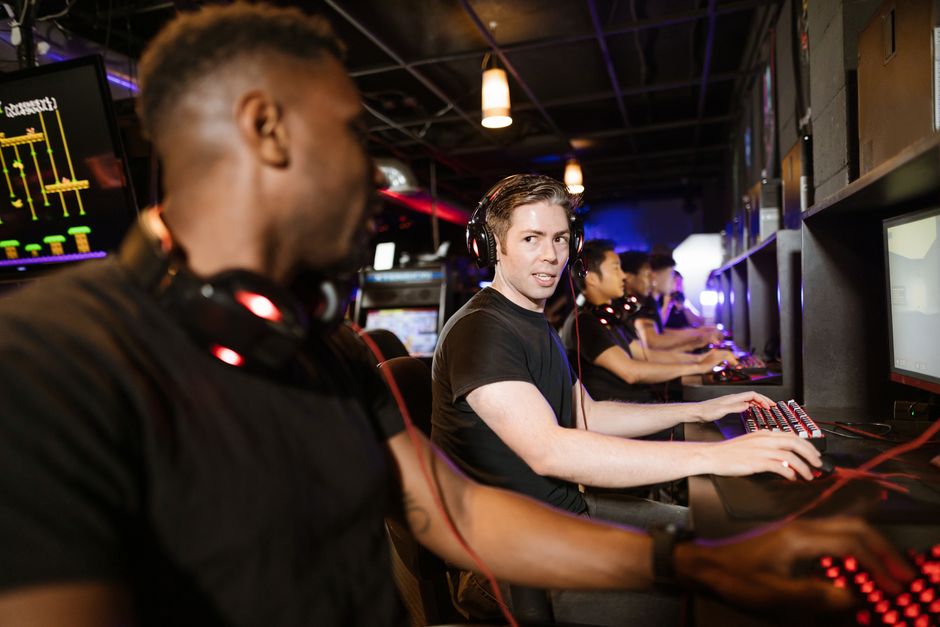
Here’s the thing that took me a while to get: a PC bang membership card in Korea isn’t really about not owning a computer. Plenty of regulars have gaming rigs at home just as strong. What they don’t have at home is the social layer — friends dropping into the seat next to you without planning it, a shared screen for co-op games, snack and drink service that shows up at your elbow without you pausing your match. It’s less “internet cafe” and more “gaming living room you don’t have to clean.”
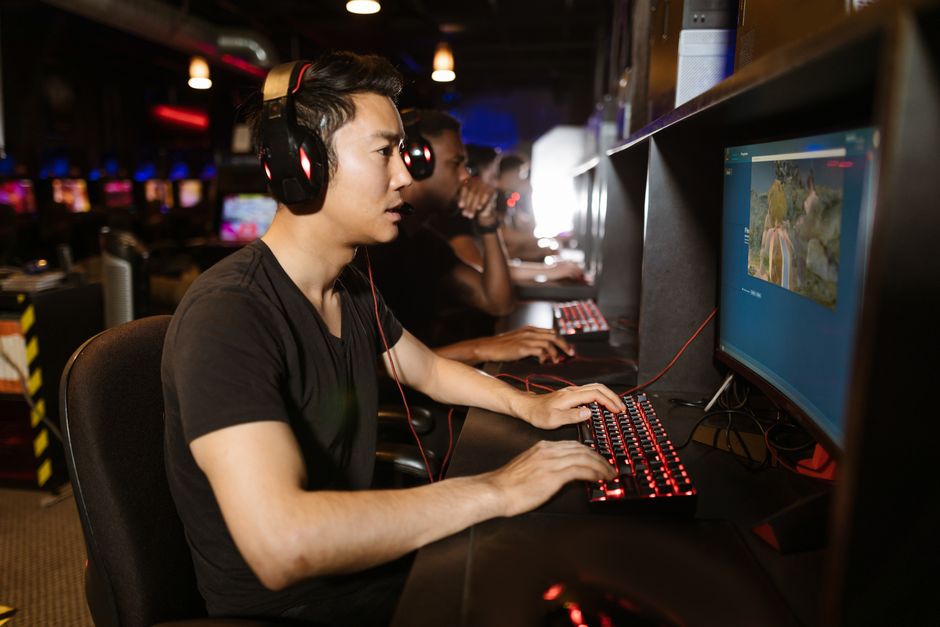
And when it comes to sheer hardware, most PC bangs upgrade their rigs more aggressively than the average household does. By 2026, you’d be hard-pressed to find one still running anything older than Windows 11, and the graphics cards inside most machines outclass what a lot of casual home gamers are running. Paying by the hour for top-tier hardware turns out to be a pretty reasonable trade for a lot of people.
The industry around them is shifting, though
It’s not all steady as it looks from the seats. Korean game publishers themselves are going through something of an identity crisis — tighter regulation on loot-box style monetization, players getting fatigued with the old formulas, and development costs climbing fast enough that the old playbook doesn’t guarantee a hit anymore. A lot of studios are pivoting toward console and PC releases on global platforms like Steam, and leaning harder into AI-assisted development to keep costs down. MMORPGs specifically, once the genre that built the whole PC bang business model, have been in decline worldwide for years now, with most major developers already shifting their focus toward mobile.
What I find kind of funny is that PC bangs themselves have adapted better than some of the games that made them famous. They’ve leaned into becoming a kind of premium retail space — think branded snack menus, ergonomic gaming chairs, streaming setups for content creators — rather than just cheap seats to log into a game you couldn’t otherwise afford to run.
The tourist angle nobody warned me about
What genuinely caught me off guard is how many foreign tourists and YouTubers now treat a PC bang visit as a must-do Korea experience, right up there with a palace tour or a jjimjilbang trip. I get it, honestly — where else can you pay a few thousand won, sit down at a rig better than most gaming PCs back home, and order fried rice to your seat without breaking eye contact with your screen?
FAQ
How much does a PC bang typically cost per hour?
Pricing varies by neighborhood and how upscale the place is, but casual PC bangs generally charge in the range of 1,000 to 2,000 won per hour, with premium ones running higher for better hardware and food menus.
Do I need a Korean ID to use one?
Most PC bangs require some form of ID for account registration, since usage is tracked by login. A foreign passport or ARC card usually works, though policies can vary by location, so it’s worth asking at the counter first.
Are PC bangs just for gaming, or can I use one to browse or do work?
You can absolutely just browse the web or get work done — nobody’s going to question it. That said, don’t be surprised if the ambient soundtrack is mostly keyboard clatter and the occasional victory shout from three seats over.
Leave a Reply