Twenty-six minutes. That’s roughly how long the actual ceremony lasted at the last Korean wedding I sat through, banquet hall on the third floor of a hotel near Gangnam Station, guests still filing in for the first ten of those minutes. I checked my phone afterward out of pure disbelief. Back where I’m from, a wedding eats up your whole afternoon. Here, I was holding a plate of tteokbokki and japchae from the buffet line before I’d even fully processed that the couple had just gotten married.
If you’ve been invited to your first Korean wedding, Yijidaddy here to walk you through what actually happens, because almost nothing about it matches the mental picture most foreigners walk in with. It’s not that Korean weddings are less meaningful — they’re just structured around a completely different set of priorities, and once you understand the logic behind them, the whole thing makes a lot more sense.
The envelope comes before the hug
You’d think the first thing you do at a wedding is find the couple and congratulate them. At a Korean wedding, the first thing you actually do is find a small white envelope, put cash inside, seal it, and hand it to someone sitting at a reception desk near the entrance. They write your name down in a ledger, hand you a small meal ticket, and that’s basically your ticket into the buffet later. It feels transactional if you’re not used to it, and I get why that throws people off at first. But once you sit with it a while, it’s really not that different from a gift registry — it’s just cash instead of a blender, and it’s logged with your name so the couple can track who came and, eventually, return the favor at that person’s own wedding down the line. This obligation-and-reciprocity thing runs deep in how Koreans handle social gift-giving generally, not just weddings.
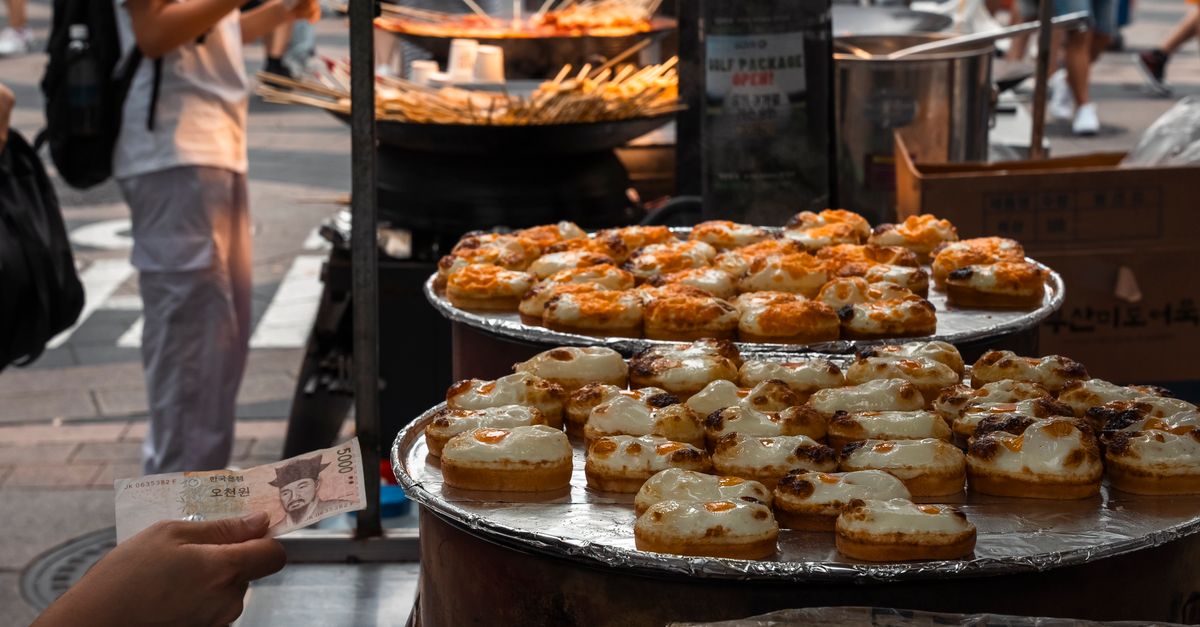
How much should you put in? There’s an unspoken scale. Coworkers or acquaintances usually go with 50,000 won. Closer friends bump it up to 100,000 won. Family tends to go higher still. Nobody hands you a printed guide for this — you’re just expected to know, which is exactly the kind of unwritten rule that trips up outsiders the most.
Why the ceremony itself feels almost rushed
Here’s the part that genuinely surprised me the first time. The ceremony itself — the vows, the walk down the aisle, the officiant’s remarks — often wraps up in well under an hour, sometimes closer to thirty minutes. Compare that to a Western wedding where the ceremony alone can run an hour before the reception even starts. Part of the reason is practical: many wedding halls run multiple ceremonies back to back on the same Saturday, sometimes with less than an hour between bookings. Walk into the lobby of a big wedding hall in Seoul on a weekend afternoon and you’ll see it — one set of guests filing out past a completely different set of guests filing in for the next couple’s ceremony. It’s an assembly line in the least insulting sense of the word, and it works because the ceremony and the meal are treated almost as two separate events rather than one long occasion.

The buffet is basically its own event
Most Korean weddings hand off the guests to a buffet floor, usually a different floor of the same building, right after the ceremony wraps. You’d expect maybe some finger food, but no — full-scale spreads with Korean dishes like bulgogi and japchae sitting right next to sushi, pasta, and sometimes even a small dessert bar. Guests eat, chat with whoever they happen to be sitting near, and then leave whenever they’re done. There’s no formal toast schedule keeping everyone in their seats, no obligation to stay until the couple cuts a cake. You came, you gave your envelope, you ate, you left — and that’s considered completely normal, not rude at all.
I’ll admit this took some getting used to. Where I’m from, ducking out of a wedding reception early feels borderline offensive. Here, it’s just how the system is built to function, especially with the tight scheduling wedding halls run on weekends.
Pyebaek: the part almost no foreign guest ever sees
While everyone else heads to the buffet, the couple usually slips off to a smaller private room for something called pyebaek. It’s a more traditional ceremony, usually just for close family, where the newlyweds bow to the groom’s parents, pour them tea, and receive blessings in return — often literal handfuls of dates and chestnuts tossed at the bride, who tries to catch them in her skirt. Tradition has it that the number she catches predicts how many children the couple will have, dates for sons and chestnuts for daughters, though I don’t think anyone takes that too seriously anymore. It’s one of the few genuinely old customs that survived into the modern, hotel-banquet-hall version of a Korean wedding, tucked away from most of the guest list entirely.
A few things I wish someone had told me beforehand
Dress code leans more formal-casual than black-tie. A dark suit or a modest dress works fine — you really don’t need a tuxedo. Arrive around thirty minutes early, both to make sure you find the reception desk in time and because seating can fill up fast once the ceremony floor opens. And bring cash, not a card, since the envelope system runs almost entirely on physical bills. If you show up empty-handed thinking you’ll Venmo them later, that’s not really how it works here — there’s no Korean equivalent that gets used for this the same way.

What stuck with me most, honestly, wasn’t any single custom — it was how efficient the whole thing feels without feeling cold. Koreans aren’t skipping sentiment to save time. They’ve just built a structure where the sentimental parts, the family bows, the tea, the blessings, happen in a smaller, more private setting, while the big public gathering runs on a schedule that respects everyone’s Saturday afternoon. It’s a different way of balancing intimacy and practicality, and once you see it in person, it stops looking rushed and starts looking deliberate.
FAQ
How much cash should I put in the envelope if I barely know the couple?
If you’re attending mostly out of politeness — a coworker’s wedding, or the wedding of a friend’s partner you’ve only met a couple of times — 50,000 won is generally considered acceptable. Odd numbers are traditionally preferred over round ones in some regions, so 50,000 or 70,000 won rather than 60,000, though this superstition matters less than it used to among younger couples.
Do I need to stay for the whole reception?
No, and this is one of the biggest adjustments for foreign guests. Once you’ve eaten and congratulated the couple if you catch them, it’s completely fine to leave. There’s no expectation that you’ll linger for hours like at a Western reception — the buffet-style format is built around guests coming and going on their own schedule.
Can I attend without giving cash if I bring a wrapped gift instead?
Technically you can, but it will likely feel unfamiliar to the reception staff and the couple’s family, since the entire check-in process is built around the envelope and ledger system. If you’d rather give a physical gift, it’s worth doing that separately, in addition to a smaller cash envelope, rather than as a replacement for one.